Blog

  • Miyagase Lake & Kiyokawa: Kanagawa’s Mountain Playground

    Miyagase Lake & Kiyokawa: Kanagawa’s Mountain Playground

    Overview

    When Tokyo residents talk about a “nature escape,” they usually mean Hakone or Kamakura. But there is a third option that locals quietly prefer: Miyagase Lake, a vast mountain reservoir in the far northwest of Kanagawa, surrounded by the Tanzawa range and the small village of Kiyokawa. It is 90 minutes from Shinjuku, yet it feels a world away.

    Miyagase Lake was created in 2001 when the Miyagase Dam — at 156 meters, one of Japan’s tallest — was completed on the Nakatsu River. The reservoir is roughly 4.6 km long, and its shoreline is ringed with parkland, walking paths, picnic lawns, and a handful of well-run activity bases. Because the area is far from the shinkansen and has no direct rail link, the crowds never reach Kamakura levels even at the height of summer.

    This guide covers the lake’s best activities — canoeing, SUP, cycling, and dam watching — plus the surrounding Kiyokawa village, where you can taste local pork, tea, and mountain vegetables.


    📍 Getting There

    By Train and Bus

    1. Odakyu Line to Hon-Atsugi Station (60 min from Shinjuku, around ¥900) — Take a Limited Express bound for Odawara or Hakone-Yumino and get off at Hon-Atsugi. From the north exit, take the Kanagawa Chuo Kotsu bus bound for Miyagase (about 60 minutes, around ¥700 one way). Get off at the Miyagase terminal.
    2. JR Sagami Line route — From Hashimoto or Atsugi stations, local buses also reach the lake, but the Hon-Atsugi route is the most frequent and easiest to follow.

    By Car

    • Tomei Expressway, Atsugi IC — About 45 minutes from the interchange, mostly on well-maintained mountain roads.
    • Chuo Expressway, Sagamiko IC — About 40 minutes, useful if approaching from the west.
    • Parking — The main lakeside lots charge ¥300-500 on weekends and holidays, and are free on weekdays. Summer weekends fill by 10:00.

    🛶 Canoe and SUP on the Lake

    The Experience

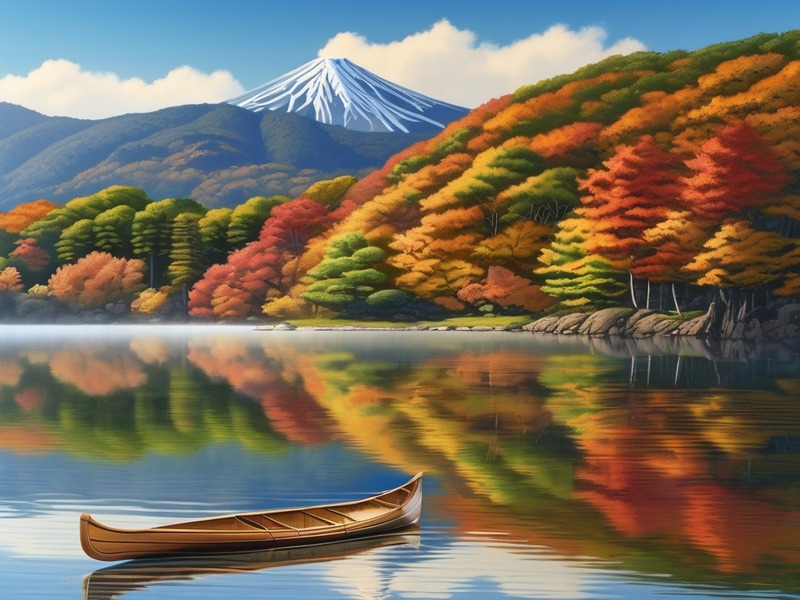
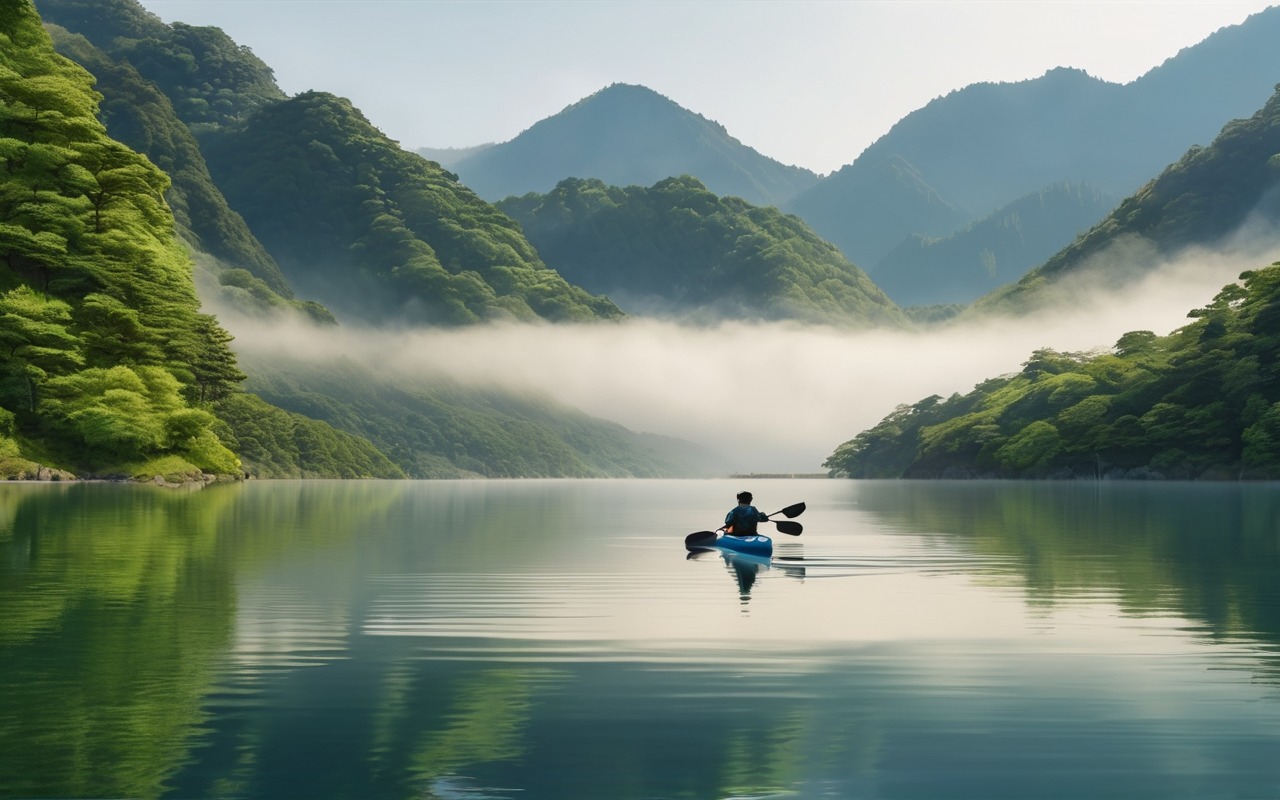
    Miyagase Lake is one of the few places in Kanagawa where you can paddle on open, mountain-ringed water without ocean waves. The water is calm in the morning, and the reflections of the surrounding peaks are stunning. I arrived on a clear June weekday, rented a kayak for two hours, and paddled from the canoe base toward the dam. With no engine noise and only the occasional bird call, it was one of the most peaceful mornings I have spent in Kanagawa.

    Rental Bases and Prices

    • Miyagase Lake Canoe Base — The main rental point on the eastern shore. Kayaks around ¥500 per 2 hours, Canadian canoes around ¥1,000 per 2 hours, and SUPs around ¥1,000 per 2 hours. Life jackets and paddles are included.
    • Weekday bonus — Lake-use fees are often waived on weekdays, making a weekday paddle a genuine bargain.
    • Group SUP — Large “mega SUP” boards that carry 6-8 people are available for groups. Prices start around ¥30,000 for a session; book in advance.

    Practical Notes for Paddling

    • Reserve ahead in summer — On sunny weekends, the fleet sells out by mid-morning.
    • What to bring — Swimsuit or quick-dry clothing, sunscreen, and a change of clothes. The base has changing rooms and lockers.
    • Skill level — Beginners are welcome; instructors give a short onshore lesson before you launch.

    🌊 The Dam and the Discharge Show

    Why the Dam Is Worth Seeing

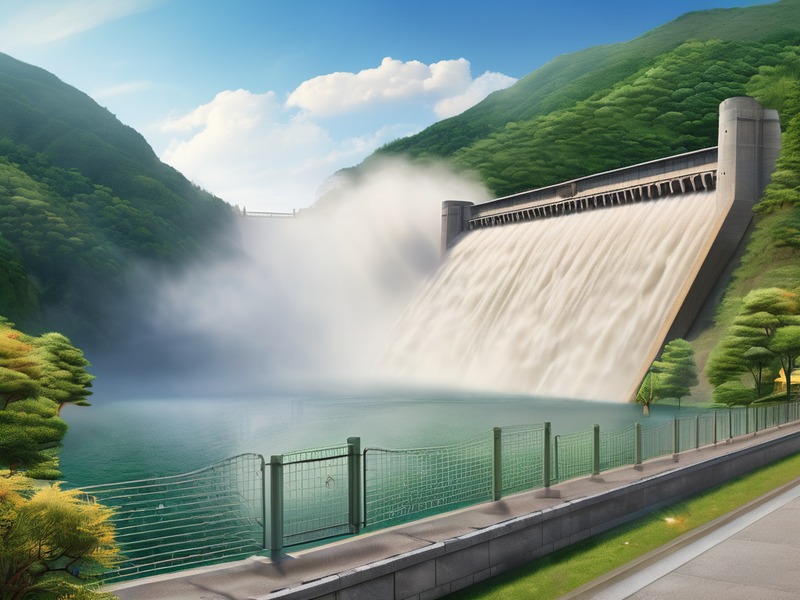
    The Miyagase Dam is an engineering landmark, and unlike many Japanese dams, it is genuinely visitor-friendly. The dam site includes a free exhibition hall, an inclined elevator that carries pedestrians up to the dam crest, and — on select days — a spectacular sightseeing discharge where millions of liters of water pour through the gates.

    Standing on the dam crest with the reservoir on one side and the Nakatsu valley hundreds of meters below on the other is the kind of view that makes you appreciate why Japanese tourists bring their families here. I timed a visit to the November discharge, and the roar of the water was genuinely impressive.
    Miyagase Dam with sightseeing discharge

    What to See

    1. The inclined elevator — A cable-drawn car that climbs the dam face (around ¥500 round trip for adults). The views from the crest are the payoff.
    2. Water and Energy Hall — A free exhibition about the dam, hydroelectric power, and the river system. Good on rainy days.
    3. The sightseeing discharge — Roughly 6-minute shows at 11:00 and 14:00 on scheduled days (typically Wednesday and select weekends from April to November). Check the current schedule on the dam’s official page, as winter shows are suspended.
    4. The observation deck — Panoramic views over the lake and the Tanzawa range beyond.

    🚴 Cycling Around the Lake

    The Loop

    A paved road circles Miyagase Lake, and while it has some respectable climbs, it is a favorite of local cyclists for a reason: quiet traffic, gorgeous views, and a finish at a lakeside cafe. The full loop is about 25 km and takes 2-3 hours at a touring pace.

    I rented a bike on a weekday morning and rode the eastern shore first, when the light was still soft on the water. The climbs were steady rather than brutal, and the downhill runs along the western shore were worth every pedal.

    Rental and Practical Notes

    • Bike rental — Rental bikes are available near the main lakeside park in season (around ¥1,000-2,000 per day). Helmets are included.
    • Electric bikes — If you want the views without the climbing, e-bikes are the smart choice and rent for about ¥2,500-3,500 per day.
    • Bring snacks and water — The lakeside has a few shops and vending machines, but they are clustered near the dam and the canoe base. Carry supplies for the remote stretches.

    🧺 Lakeside Parks, Playgrounds, and Camping

    The Lakeside Experience

    The shoreline around Miyagase is dotted with lawns, playgrounds, and picnic areas that make the lake a favorite for families. Even if you do nothing more than spread a blanket and watch the light move across the water, the day is well spent.
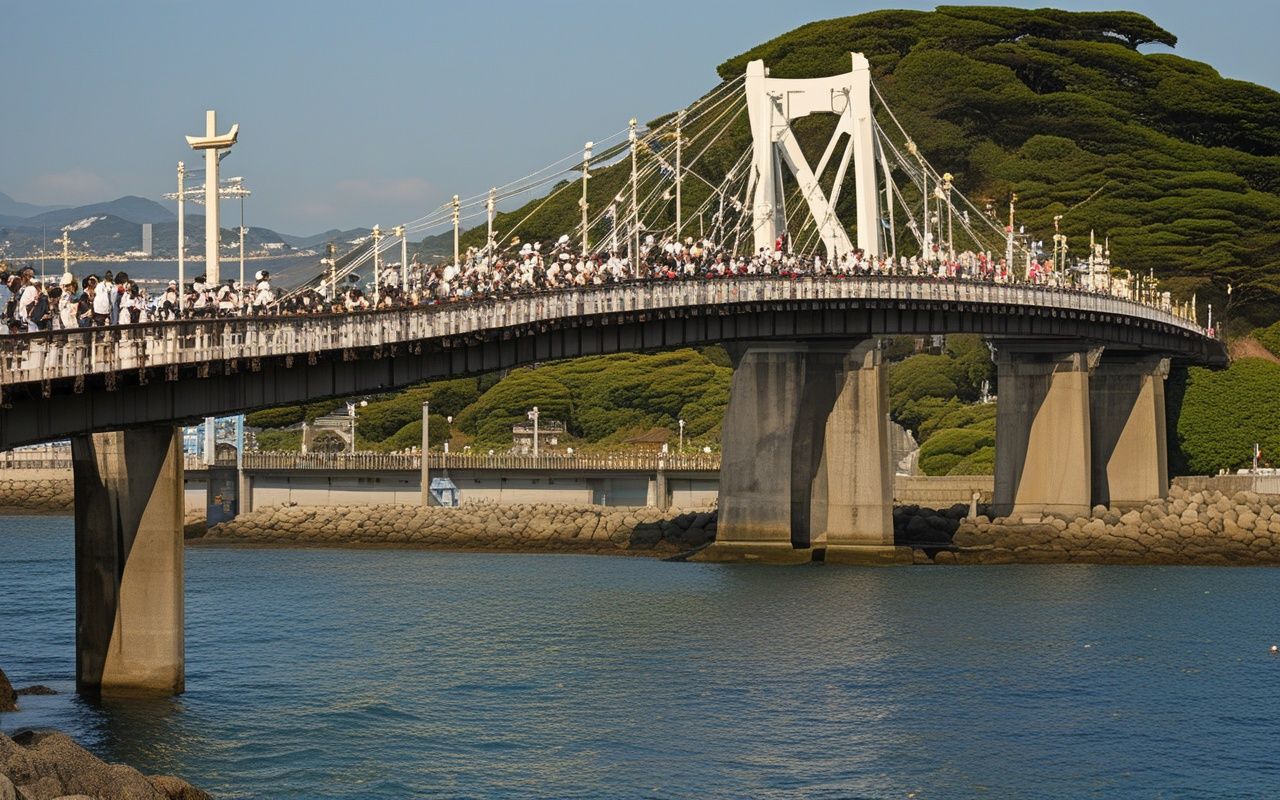
    Mizunosato suspension bridge over Miyagase Lake

    • Miyagase Lakeside Park — The main green space, with a large lawn, a children’s playground, and a splash area for hot summer days.
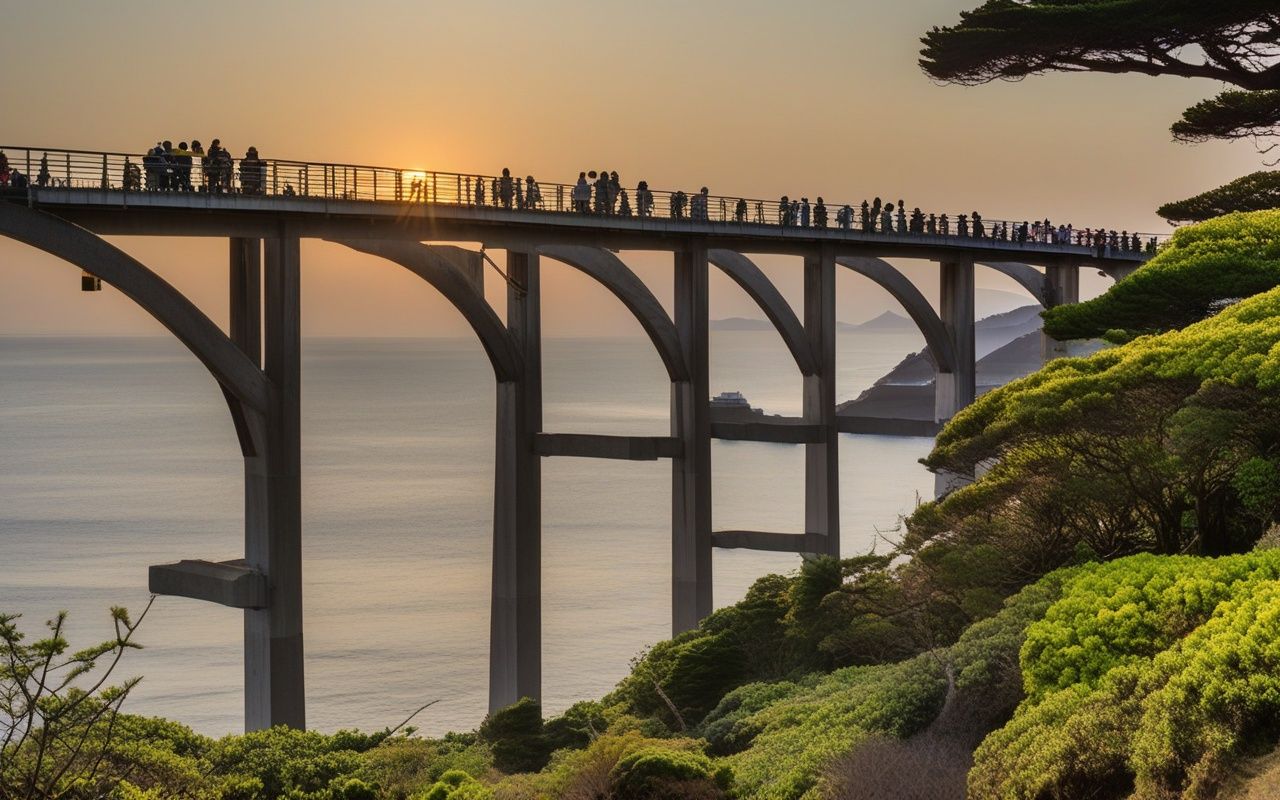
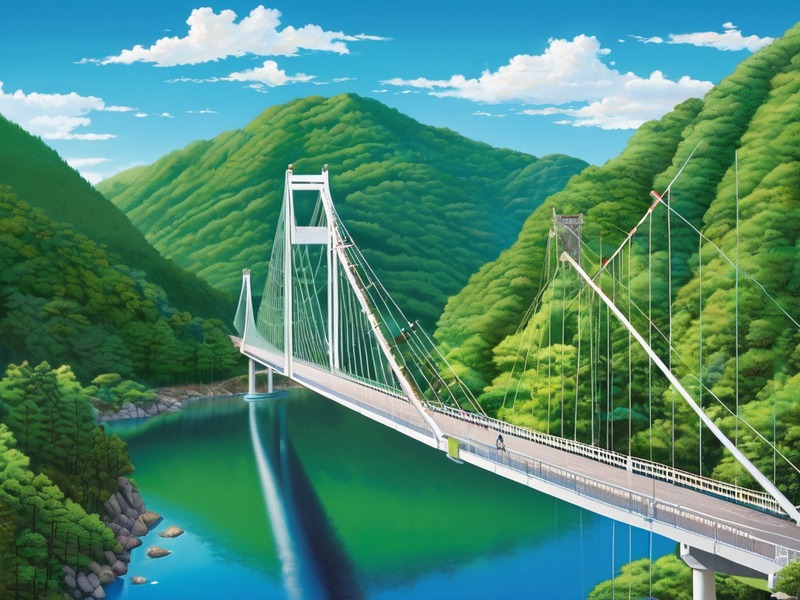
    • Mizunosato Grand Suspension Bridge — A 315-meter suspension bridge crossing the lake’s narrow upper reach. The walk takes about 15 minutes each way and offers the best lake panorama accessible on foot.
    • Camping and barbecue — Designated barbecue and camping areas operate along the shore from spring through autumn. Fire pits and tables are provided at the main sites; check the local office for fees (typically ¥1,000-3,000 per site).

    If You Have Kids

    • The splash area, the inclined elevator, and the suspension bridge are the three biggest hits with children.
    • The lakeside park’s playground equipment is shaded and well maintained.

    🥾 Kiyokawa Village: Mountain Life and Local Food

    The Village

    Kiyokawa is the only village in Kanagawa Prefecture, a small community tucked into the mountains above the lake. It is known for two things that taste better than they sound: Kiyokawa Megumi pork, raised on local feed, and Kiyokawa tea, grown on the steep sunny slopes of the valley.

    I stopped at a village farm stand on my way down from the lake and left with a bag of fresh mushrooms, a bottle of local tea, and a pork cutlet sandwich made that morning. The whole village moves at a slower pace, and it shows in the food.

    What to Try

    • Kiyokawa Megumi pork — Available at the roadside station (Michi-no-Eki Kiyokawa) and local restaurants. The tonkatsu and pork-shabu dishes are the standouts.
    • Kiyokawa tea — Green tea grown and processed in the village. Try a tea soft serve at the roadside station in summer.
    • Mushrooms and mountain vegetables — The village is a major producer of shiitake mushrooms and seasonal mountain greens.

    🎄 The Winter Wonderland: Miyagase Christmas

    The December Event

    Every December, the lakeside park hosts “Miyagase Christmas: Everyone’s Tree,” one of the most popular illumination events in the region. A massive Christmas tree rises over the lake, surrounded by light tunnels and a winter market. On clear nights, the lights reflect across the water with the Tanzawa mountains behind — a scene that draws visitors from across the Kanto plain.

    The event runs roughly from early December through Christmas Day, with lights switching on at dusk (around 17:00). Weekend evenings are busy, so arrive by late afternoon to secure parking and a good view.


    🗓️ Sample Itinerary: Miyagase in a Day

    Morning (9:00-13:00)

    1. 9:00 — Depart Hon-Atsugi Station by bus.
    2. 10:00 — Arrive at the lake. Rent a kayak or SUP and paddle for two hours.
    3. 12:30 — Lunch of soba or local pork at the lakeside restaurant.

    Afternoon (13:30-17:30)

    1. 13:30 — Ride the inclined elevator to the dam crest and visit the exhibition hall.
    2. 15:00 — Walk the suspension bridge, then stop for tea at the Kiyokawa roadside station.
    3. 16:30 — Buy local souvenirs and take the bus back toward Hon-Atsugi.

    If You Have More Time


    📅 Seasonal Notes

    • Spring (Mar-May): Cherry blossoms along the shore, fresh green on the mountains, and the first calm paddling days.
    • Summer (Jun-Aug): The busiest season. Cooler than the city, with kayaking, SUP, and the splash area in full swing.
    • Autumn (Sep-Nov): The best season for color and clarity. The November discharge shows and the foliage walks are not to be missed.
    • Winter (Dec-Feb): Quiet and cold, with the Christmas illumination as the big draw. Many rental facilities close or shorten hours.

    💡 Practical Tips

    1. Check the discharge schedule — The sightseeing discharge runs on specific days only. It is the highlight of many visits, so plan around it.
    2. Bring layers — The mountains are noticeably cooler than Tokyo, especially in the morning and evening.
    3. Carry cash — The roadside station and some lakeside vendors prefer cash, though major facilities now accept cards.
    4. Watch the last bus — Service back to Hon-Atsugi ends in the early evening. If you miss it, taxis are scarce; plan your exit.
    5. Book summer activities in advance — Kayaks, SUPs, and barbecue sites sell out on sunny weekends.

    Conclusion

    Miyagase Lake is Kanagawa’s best-kept secret for a reason: it offers everything a mountain playground should — calm water for paddling, quiet roads for cycling, a dam worth seeing in its own right, and a village that feeds you properly — without any of the crowds of the coastal tourist hubs. It is close enough for a day trip, remote enough to feel like an escape, and different in every season. Bring a paddle, a picnic, or just a good book, and let the mountains do the rest.

    FAQ

    Q: Can I reach Miyagase Lake without a car?
    A: Yes. Buses run from Hon-Atsugi Station on the Odakyu Line (about 60 minutes). The service is reliable but roughly hourly, so plan around the timetable.

    Q: Is the lake suitable for beginners at canoeing and SUP?
    A: Absolutely. The water is calm, rentals include life jackets and paddles, and staff give a short onshore lesson before you launch.

    Q: When is the best time to see the dam discharge?
    A: The sightseeing discharge runs on scheduled days from roughly April to November, typically around 11:00 and 14:00. Winter shows are suspended.

    Q: How much does a day at Miyagase cost?
    A: Around ¥4,000-5,000 per person by public transport: bus ¥1,400 round trip, kayak ¥500-1,000, lunch ¥1,200, and the inclined elevator ¥500.
  • Kanagawa Sake Breweries Guide: Spring-Water Tasting Rooms

    Kanagawa Sake Breweries Guide: Spring-Water Tasting Rooms

    Overview

    When travelers think of Japanese sake, the names that come to mind are Niigata, Kyoto, and Hiroshima. Kanagawa rarely makes the list — and until a few years ago, I did not think of it either. Then a brewer in the Tanzawa foothills explained why the prefecture deserves attention: “We do not have the famous rice. We have something better. We have the water.”

    He was talking about the soft, mineral-light spring water that filters through the Tanzawa mountain range and feeds the western half of Kanagawa. In the world of sake, water is half the story: it drives fermentation, defines mouthfeel, and shapes the clean, gentle character of the finished brew. Kanagawa’s breweries have been drawing on this water for over a century, yet almost none of them appear in the standard English-language sake guides.

    What makes Kanagawa sake distinct is precisely that softness. Where Niigata’s famous “light and dry” style comes from snowy, hard water, Kanagawa’s spring water produces sake that is rounder and more approachable — gentle acidity, subtle sweetness, and a clean finish that pairs easily with food. It is the sake equivalent of a quiet, well-dressed stranger: unassuming at first, genuinely excellent on closer acquaintance.

    This guide covers the prefecture’s breweries worth visiting, how to taste them, transport and etiquette, and how to pair Kanagawa sake with the region’s food.


    🍶 Understanding Kanagawa Sake

    The Water Factor

    Sake is roughly 80% water, and the character of that water shapes the brew more than almost anything else. Kanagawa’s western basin — around Hadano, Atsugi, and Sagamihara — sits on ancient gravel beds that naturally filter rainwater from the Tanzawa range. The result is soft water with low mineral content, which produces a slower, gentler fermentation.

    In practice, this means Kanagawa sake tends to be:

    • Round and smooth — Low minerality means fewer harsh edges.
    • Subtly sweet — The gentle fermentation preserves a soft rice sweetness.
    • Clean-finishing — The aftertaste is short and crisp, which makes it food-friendly.
    • Approachable — Ideal for people new to sake; there is no aggressive alcohol burn.

    The Regions

    1. The Tanzawa Basin (Hadano, Atsugi) — The heartland. Most of the prefecture’s breweries cluster here, drawn by the same spring water. Tasting rooms tend to be small, family-run, and personal.
    2. The Sagamihara Area — Further east, with a few notable kura using water from the Sagami River system.
    3. Yokohama and the Coast — Few breweries, but excellent bars and specialty shops for tasting the prefecture’s output. The Yokohama backstreet gourmet guide covers the city’s sake bars in detail.

    🏭 The Breweries Worth Visiting

    A note on access: most Kanagawa breweries are small operations, and tasting-room hours vary widely. The reliable pattern is that the rooms are open weekends and weekday afternoons, and that advance reservation is appreciated for tours. The following are the prefecture’s most accessible breweries for visitors.

    1. The Hadano-Atsugi Cluster

    This group of breweries forms the core of the prefecture’s sake identity. All sit within 30 minutes of each other by train and taxi, making them easy to combine in a single afternoon. Hadano itself — a town famous for its spring water — is the natural base; see the Hadano and Mount Oyama guide for the full day-trip context.

    • Hadano’s kura — The town’s breweries offer small tasting corners where you can sample three to five varieties for ¥500-1,000. The house styles are dry and clean, with the soft water character coming through clearly. Look for the “Tanzawa” labels, which reference the mountain range.
    • Atsugi’s kura — Just down the Odakyu line, Atsugi’s breweries pair naturally with the town’s Showa-era retro quarter. You can walk from a tasting room to an izakaya serving the same brewery’s sake within minutes; see the Atsugi and Zama car culture guide for the neighborhood context.

    2. Sagamihara and the Sagami River

    The breweries around Sagamihara use water from the Sagami River system, producing a marginally harder style that ages slightly better. These are the least-visited kura in the prefecture, which means you may well get a private tasting. Access is via the JR Sagami Line from Hashimoto.

    3. The Yokohama Tasting Scene

    If you do not want to leave the city, Yokohama’s sake bars and specialty shops offer curated tastings of the prefecture’s output. Two or three bars in the Kannai district carry only Kanagawa-produced sake — an excellent way to compare the region’s styles in one evening. See the Yokohama Kannai area guide for bar recommendations.

    Kanagawa sake brewery tasting room with Tanzawa water


    🧭 How to Taste Kanagawa Sake

    The Tasting Room Ritual

    Japanese brewery tasting rooms (kikizake corner) follow a simple pattern:

    1. Order a flight — Usually 3-5 small glasses of different sake for ¥500-1,000. You can often specify a theme: “dry,” “sweet,” or “aged.”
    2. Taste in order — Start with the lightest (usually a junmai or honjozo) and move toward the richer, sweeter or aged expressions. Going light-to-rich lets each sake show its character.
    3. Note the water — Ask about the water source. Brewers love talking about it, and it directly explains the style.
    4. Buy a bottle — Most tasting rooms sell bottles at brewery-direct prices, often 20-30% below retail. This is the cheapest way to buy genuine Kanagawa sake.

    Etiquette

    • Tasting rooms are relaxed but respectful spaces. Do not shout; do not bring outside food.
    • The staff will pour for you; do not fill your own glass unless invited.
    • If you buy a bottle, ask about storage — most Kanagawa sake is best drunk within a year.
    • Photos are usually fine in tasting rooms, but ask before photographing the brewing equipment.

    Terms Worth Knowing

    • Junmai — Pure rice sake, no added alcohol. Clean and food-friendly; a good introduction to Kanagawa styles.
    • Honjozo — Rice sake with a small amount of brewer’s alcohol added. Lighter and drier.
    • Ginjo / Daiginjo — Polished-rice premium grades. More fragrant and delicate.
    • Nama — Unpasteurized sake. Lively, fresh, and usually only available in season.

    🍽️ Pairing Kanagawa Sake with Local Food

    Kanagawa sake’s clean, round character makes it exceptionally versatile at the table. The local pairings are especially satisfying:

    1. Shirasu (whitebait) — The light, slightly sweet character of Kanagawa junmai is a classic match for the Shonan coast’s raw whitebait bowls. The sake’s softness does not overwhelm the delicate fish. See the Shonan shirasu guide for where to eat it.
    2. Kamaboko (fish cake) — Odawara’s famous kamaboko pairs beautifully with the prefecture’s drier styles. See the Odawara kamaboko guide for the full story.
    3. Soba — The spring-water soba of Hadano and the Tanzawa foothills is the single best match for Kanagawa sake. Both are clean, subtle, and water-driven — a pairing that tastes like the same landscape in two forms.
    4. Izakaya food — Yakitori, grilled fish, and pickles all take the round, clean finish well. The Kanagawa yakitori guide is a good starting point.

    A Tasting Dinner Suggestion

    For a memorable evening, build a meal entirely around Kanagawa sake: start with nama (unpasteurized) with shirasu, move to a junmai with kamaboko, and finish with an aged style alongside grilled fish. The Yokohama premium dining guide includes sake-pairing menus if you prefer the city setting.

    Kanagawa sake pairing with shirasu and kamaboko


    🗓️ Sample Itinerary: The Sake Day Trip

    Morning (9:00-13:00)

    1. 8:30 — Depart Shinjuku on the Odakyu Limited Express toward Odawara.
    2. 9:40 — Arrive at Hadano Station. Start with a walk through the station’s spring-water display, then a short walk to the first brewery’s tasting room.
    3. 10:30 — Tasting at the first kura: focus on junmai and honjozo to establish the baseline “Kanagawa style.”
    4. 11:30 — Lunch: spring-water soba in the town center.
    5. 12:30 — Walk to Sohara Spring for a water tasting — the same water that makes the sake, drunk raw.

    Afternoon (13:00-18:00)

    1. 13:30 — Train or taxi to the second brewery (in Atsugi, 20 min).
    2. 14:00 — Tasting at the second kura: compare ginjo and nama styles against the morning’s junmai.
    3. 15:30 — Walk the Atsugi Showa retro quarter, stopping for coffee at a kissaten.
    4. 16:30 — Visit a craft brewery for contrast — the Kanagawa craft beer guide covers the regional beer scene.
    5. 17:30 — Izakaya dinner in the retro quarter, pairing the day’s finds with local food.
    6. 19:30 — Return train to Tokyo.

    If You Have More Time

    • Overnight in Hadano — A handful of small inns near the Oyama base offer kaiseki dinners with local sake pairings. Book ahead.
    • Sagamihara extension — Add the Sagami River breweries on a second day, using the JR Sagami Line.
    • Combine with Hakone — Hakone’s ryokan often stock Kanagawa sake; a two-day trip pairing the sake trail with a Hakone ryokan stay is a classic combination.

    📅 Seasonal Notes

    • Winter (Dec-Feb) — The brewing season. Some kura open their fermentation halls for limited viewing, and fresh nama sake appears in January. This is the most atmospheric time to visit.
    • Spring (Mar-May) — The new season’s sake (shiboritate) is released. The tasting rooms are stocked with the freshest product of the year.
    • Summer (Jun-Aug) — Hot and humid; sake is traditionally drunk chilled or on the rocks in summer. Some kura offer “hiyaoroshi” (autumn-release sake) previews late in the season.
    • Autumn (Sep-Nov) — Hiyaoroshi season: the aged, re-released sake is at its peak. This is the best season for tasting depth and character.

    💡 Practical Tips

    1. Reserve for tours — Free-walking tasting is usually fine, but guided brewery tours need advance booking through each kura’s website or phone.
    2. Carry cash — Most small tasting rooms and breweries are cash-only.
    3. Buy at the source — Brewery-direct prices are typically 20-30% below retail, and the selection includes brewery-exclusive bottles you cannot find anywhere else.
    4. Check hours before traveling — Small kura often close for festivals, holidays, and the summer break. Check the website or call ahead.
    5. Do not drink and drive — If you are renting a car, taste only at the first brewery, or arrange a taxi for the full day.
    6. Ask about the water — Every brewer has a water story. Asking is the fastest way to get a genuine, personal explanation of what makes Kanagawa sake different.

    Conclusion

    Kanagawa sake is the prefecture’s best-kept secret: a dozen small breweries drawing on the same soft Tanzawa spring water that makes the region’s soba and tofu so clean. It is not the sake you will find in Tokyo’s tourist shops, and that is precisely why it is worth the trip. Spend an afternoon tasting the difference water makes, buy a bottle or two at brewery-direct prices, and you will understand why the brewers say the mountain is the real ingredient.

    FAQ

    Q: Is Kanagawa really a sake-producing prefecture?
    A: Yes. The prefecture has over 20 active breweries, concentrated in the western basin where the Tanzawa spring water flows. It is not as famous as Niigata, but the quality is comparable and the character is distinct.

    Q: Do I need a reservation to visit the breweries?
    A: For the tasting corners, generally no — walk-ins are welcome during opening hours. For guided tours of the brewing facilities, advance reservation is required and appreciated.

    Q: What makes Kanagawa sake different from Niigata sake?
    A: The water. Kanagawa’s soft spring water produces a rounder, smoother, more approachable sake, whereas Niigata’s hard snow-melt water yields the famous sharp, dry style. Kanagawa sake is arguably more food-friendly and easier for beginners.

    Q: Can I buy Kanagawa sake outside the prefecture?
    A: Some labels are distributed nationally, but the best selection is at the breweries themselves. If you cannot visit, the sake specialty shops in Yokohama’s Kannai district carry the widest selection of prefecture-produced sake.

  • Hiratsuka Beach Town Guide — Kanagawa’s Tanabata Festival

    Hiratsuka Beach Town Guide — Kanagawa’s Tanabata Festival

    Overview

    Ask most visitors to name a beach town in Kanagawa and they will say Kamakura or Enoshima. I did the same until a local surfer told me to take the train one more stop: “Hiratsuka has the same ocean, half the people, and a festival that puts Kamakura’s to shame.”

    She was not exaggerating. Hiratsuka sits on the western edge of the Shonan coast, roughly 70 minutes from Tokyo on the JR Tokaido Line. It is a genuine working town — fishing boats, surf shops, and a beach that stretches for more than a kilometer — rather than a purpose-built tourist strip. The sand is wide and uncrowded even on summer weekends, the sunsets over Sagami Bay are among the best in the prefecture, and every August the city transforms for one of the three great Tanabata festivals of Japan.

    That festival is the hook, but Hiratsuka rewards visitors in every other season too. In spring there are cherry blossoms along the Sagami River. In autumn the surf is at its best and the crowds vanish. And year-round, the town’s claim to culinary fame — fresh shirasu (whitebait) from the local fishing fleet — is served in ways that put the more famous Shonan towns to shame.

    This guide covers the Tanabata festival in detail, the beach and its activities, where to eat, and how to build a Hiratsuka day trip that avoids the Shonan crowds entirely.


    📍 Getting There

    Hiratsuka Station sits on the JR Tokaido Line, which makes access embarrassingly simple.

    From Tokyo

    1. JR Tokaido Line Rapid from Tokyo Station (60-70 min, ¥1,020) — The direct rapid service stops at Hiratsuka. This is the fastest and cheapest route.
    2. JR Tokaido Line via Yokohama (75 min, ¥1,100) — If you are already in Yokohama, change at Yokohama Station onto the Tokaido Line. Frequency is excellent.
    3. Odakyu Line via Shonan (85 min, ¥1,200) — From Shinjuku, take the Odakyu to Fujisawa or Katase-Enoshima, then transfer to the Shonan Monorail or local lines. Slower, but useful if you are combining Hiratsuka with an Enoshima visit.

    Getting to the Beach

    The main beach area (Hiratsuka Beach / Kokufu Beach) is a 15-minute walk or 5-minute bus ride from the station’s south exit. During the Tanabata festival, the station area and the approach to the beach are filled with festival stalls, so walking is both easiest and most enjoyable.

    Money-Saving Tickets

    There is no special pass required for Hiratsuka itself. If you are coming from Tokyo, a standard round-trip Tokaido Line ticket is cheapest. For visitors combining Hiratsuka with the wider Shonan coast, the Enoshima and Kamakura day trip options include transport that can be adapted, though most travelers simply buy point-to-point tickets at the window.


    🎋 The Tanabata Festival: Japan’s Three Great Tanabata

    What Makes Hiratsuka’s Festival Special

    Hiratsuka Tanabata is one of the three great Tanabata festivals of Japan, alongside Sendai and Ise. It began after World War II as a symbol of recovery, and today it draws around 300,000 visitors over three days in early August. The signature is the giant kazari — elaborate, colorful paper decorations, some several meters tall, that hang from storefronts and arch across the main shopping streets.

    I walked through the festival on the second day of last year’s event and the scale genuinely surprised me. The main drag from the station toward the beach becomes a pedestrian-only corridor packed with stalls selling everything from takoyaki to goldfish scooping. The kazari above your head are the stars: handcrafted works with flowers, dancers, and constellations, each one made by local shops and schools.

    Festival Details

    • Dates: Early August, usually a Friday through Sunday. Check the official city calendar each year as dates shift.
    • Location: Hiratsuka Station north exit, along the main shopping street (Chuo-dori) and its side alleys.
    • Highlights: The kazari displays, evening yosakoi and dance performances, fireworks on the final night (the Hiratsuka beach fireworks, separate from the festival but often adjacent), and food stalls numbering in the hundreds.
    • Crowd strategy: Go early (before 11:00) or in the evening after 17:00. Midday is the most crowded. The final evening’s fireworks draw the largest crowd, so stake out a spot on the beach by 18:00.

    Practical Notes

    • Wear comfortable shoes; you will walk several kilometers without noticing.
    • Cash is king at festival stalls — most do not take cards.
    • Bring a small fan and water; early August in Hiratsuka is hot and humid.
    • The festival runs rain or shine, but heavy rain reduces the kazari displays.

    Hiratsuka Tanabata festival kazari decorations


    🏖️ The Beach: Shonan Without the Crowds

    Hiratsuka Beach and Kokufu Beach

    Hiratsuka’s coastline is a continuous strip of sandy beach roughly 1.5 kilometers long, divided into two named sections: Hiratsuka Beach (east) and Kokufu Beach (west). Both offer wide, gently sloping sand that is ideal for swimming and family days.

    The thing that sets Hiratsuka apart from Kamakura’s beaches is space. On a sunny Saturday in July, Yuigahama in Kamakura can be shoulder-to-shoulder; Hiratsuka’s equivalent is comfortably busy. The water is similar — the same Sagami Bay — and the swimming season runs the same July-through-August window.

    What to Do on the Beach

    1. Swimming — Designated swimming areas are set up from early July to late August, with lifeguards and rope boundaries. The water is calm and clear on most days.
    2. Surfing — Hiratsuka is a legitimate surf spot with several long-standing surf shops renting boards and offering lessons. The waves are smaller and softer than Chigasaki’s, making it a good place to learn. See the Shonan surfing guide for a full rundown of the coast’s breaks.
    3. Beach houses — During summer, rows of beach houses (uminoie) open serving simple meals, drinks, and shower facilities. Try the local shirasu bowls here for a quick lunch.
    4. Sunset watching — This is Hiratsuka’s underrated specialty. The beach faces due south-west, so sunsets unfold directly over Sagami Bay with the Izu Peninsula silhouetted on the horizon. My favorite spot is the west end near Kokufu Beach, where the crowd thins out entirely.

    Beach Etiquette

    • Swim only within the marked areas; the currents can be deceptively strong outside them.
    • Bring a reef-safe sunscreen; local shops carry Japanese brands if you forget.
    • Rubbish bins are limited — take your trash with you to the station or beach house.

    🐟 Eating in Hiratsuka

    Shirasu: The Town’s Signature

    Hiratsuka’s fishing port lands some of the freshest shirasu in Kanagawa. The local specialty is served three ways: shirasu-don (raw whitebait over rice), kakiage (whitebait tempura), and shirasu tamago-don (cooked with egg). In season, the raw version is a pale pink-white mountain of tiny fish with a clean, sweet taste that vanishes on the tongue.

    I have eaten shirasu across the Shonan coast — Enoshima, Kamakura, and Fujisawa — and Hiratsuka’s raw bowls are the freshest I have found. The difference is visible: the fish are still translucent, a sign that they were landed that morning.

    Where to Eat

    1. Port-side shirasu shops — Near the fishing port (a 10-minute walk from the station), several shops specialize exclusively in shirasu bowls. Expect ¥900-1,300 per bowl.
    2. Beach-house lunch — During summer, the beach houses serve shirasu-don and set meals with a sea view. Cheaper than the port shops and perfectly positioned for a beach day.
    3. Tanabata festival stalls — During the festival, you can find festival versions of shirasu dishes alongside the usual takoyaki and yakisoba. A fun way to try it without a sit-down meal.
    4. Shonan-style sweets — For dessert, the town has several patisseries using local citrus. The Shonan Gold orange parfaits at the station-adjacent cafes are worth a detour.

    Beyond Shirasu

    Hiratsuka’s other food claim is the “Shonan Hiratsuka” regional brand — citrus, vegetables, and seafood from the surrounding area. The station building has a small market hall selling local produce, and the town’s izakaya row near the north exit serves excellent local seafood at reasonable prices. For a broader look at the region’s street food, see the Shonan and Kamakura street food guide.

    Fresh shirasu bowl at a Hiratsuka port shop


    🗓️ Sample Itineraries

    Option 1: Tanabata Festival Day (August)

    1. 10:00 — Arrive at Hiratsuka Station. Walk the kazari-lined main street while it is still calm.
    2. 11:30 — Lunch at a port-side shirasu shop before the festival crowds build.
    3. 13:00 — Return to the festival for the afternoon performances and stall hopping.
    4. 17:00 — Walk to the beach and claim a fireworks spot.
    5. 20:00 — Head back through the festival, which is spectacularly lit after dark.
    6. 21:30 — Return train to Tokyo.

    Option 2: Beach Day (Summer Weekday)

    1. 9:30 — Arrive, rent a surfboard or settle into a beach chair.
    2. 12:00 — Lunch at a beach house.
    3. 14:00 — Swim and relax; the afternoon is when the water is warmest.
    4. 17:30 — Watch the sunset from Kokufu Beach.
    5. 18:30 — Dinner at an izakaya near the station, then return to Tokyo.

    Option 3: Autumn Escape (No Crowds)

    1. 10:00 — Arrive and walk the empty beach.
    2. 11:30 — Visit the Hiratsuka City Museum of Art (near the beach, free entrance) — a small gallery with rotating modern art shows.
    3. 13:00 — Shirasu lunch at the port.
    4. 14:30 — Walk the Sagami River bank under the autumn cherry or foliage colors.
    5. 16:00 — Late coffee at a beachside cafe, then return.

    🗓️ Seasonal Calendar

    • Spring (Mar-May): Cherry blossoms along the Sagami River; surfing season begins; clear, crisp days.
    • Summer (Jun-Aug): Swimming season, beach houses, and the Tanabata festival in early August. Hot and humid, with afternoon sea breezes.
    • Autumn (Sep-Nov): Best season for surfing and beach walks; the crowds vanish; museum season begins.
    • Winter (Dec-Feb): Quiet and cold. The beach is empty but beautiful, and the winter light makes for striking photography. See the Kanagawa winter season guide for wider options.

    💡 Practical Tips

    1. Go on a weekday in summer — The difference between weekday and weekend crowds is dramatic, and the beach houses are open all week.
    2. The station is the hub — Everything (beach, festival, port, museum) is within a 15-minute walk of the station. No bus needed unless you are heading to the far end of Kokufu Beach.
    3. Check the festival dates before booking — They shift each year; the official Hiratsuka city site publishes them in the spring.
    4. Bring layers for evening — Summer evenings on the beach cool down fast with the sea breeze.
    5. Combine with Enoshima — If you have a full day, Hiratsuka’s beach in the morning and Enoshima in the afternoon make a varied Shonan day. The transfer at Fujisawa is straightforward.

    Conclusion

    Hiratsuka is what happens when you take everything people love about Shonan — the sand, the surf, the sunset — and remove the crowds and the hype. The Tanabata Festival in August is one of Japan’s great street festivals, and the rest of the year the town offers the most relaxed beach day within 70 minutes of Tokyo. It will never replace Kamakura’s temples or Enoshima’s drama, but that is not the point. Hiratsuka is for the days when you just want the ocean, a bowl of the freshest shirasu in Kanagawa, and room to breathe.

    FAQ

    Q: Is Hiratsuka beach suitable for families with children?
    A: Yes. The swimming area is shallow and gently sloped, with lifeguards in summer. The walk from the station is flat and stroller-friendly.

    Q: When exactly is the Hiratsuka Tanabata Festival?
    A: It is held every year in early August, typically the first or second weekend (Friday-Sunday). Exact dates vary, so check the official city calendar.

    Q: How does Hiratsuka compare to Kamakura or Enoshima beaches?
    A: Hiratsuka is wider, sandier, and dramatically less crowded. It lacks the scenery and temples of Kamakura, but for a pure beach day or festival experience it is the better choice.

    Q: Is the shirasu in Hiratsuka actually different?
    A: The fishing fleet lands daily catches, so the raw shirasu is typically fresher than what most Kamakura shops receive. On a good day you will notice the difference immediately.

  • Hadano & Mount Oyama: Spring Water & Mountain Day Trip

    Hadano & Mount Oyama: Spring Water & Mountain Day Trip

    Overview

    When most visitors to Kanagawa plan a day away from Tokyo, they head straight for Kamakura or Hakone. I did the same on my first four trips. But on a rainy weekend when the Shonan beaches were buried in cloud, a friend who grew up in the prefecture suggested something different: “Go inland to Hadano. The water there is the best in Kanagawa, and Mount Oyama is the mountain people forget.”

    She was right, and I have been back three times since. Hadano is a compact basin town tucked between the Tanzawa mountain range and the Oyama ridge, roughly 90 minutes from central Tokyo by train. It is famous for two things that sound mundane until you experience them: water and mountains. The town sits on one of the richest spring-water tables in the Kanto region, with over 40 public spring points feeding the streets, and the guardian mountain of Oyama (1,252 m) has been a place of worship for over a thousand years.

    What makes a Hadano trip work so well is the contrast. In the morning you can ride the Mount Oyama cable car through cedar forest and stand at the summit shrine with a clear view of Sagami Bay. By early afternoon you are back at street level, drinking water straight from a stone fountain that has been running for centuries, and finishing with a bowl of soba made with the same water you just tasted.

    This guide covers the Oyama pilgrim route, the town’s spring-water culture, where to eat, and the practical details — transport, costs, and how to combine Hadano with a small-city day trip on the Odakyu Line.


    📍 Getting There

    Hadano sits on the Odakyu Odawara Line, which connects Shinjuku directly to the town. There is no shinkansen and no airport link, which is precisely why the town stays calm even at the height of summer. Access from Tokyo is straightforward and well signposted in English at both stations.

    From Tokyo

    1. Odakyu Limited Express from Shinjuku (75-85 min, ¥1,000-1,200) — Take a Limited Express bound for Odawara or Hakone-Yumoto and get off at Hadano Station. The Romancecar adds a reserved seat and a 10-15 minute saving for about ¥500 more.
    2. JR Tokaido Line via Odawara (100 min, ¥1,300) — Take the Tokaido Line from Tokyo Station to Odawara, then the Odakyu Line back two stops to Hadano. This route is useful if you are combining Hadano with an Odawara castle visit.
    3. Odakyu Romancecar (65-75 min, ¥1,500) — The easiest option for families, with guaranteed seats and a snack counter on board.

    Getting to Mount Oyama

    From Hadano Station, the Oyama cable car base (Oyama Cable Station) is about 25 minutes by bus (¥400, roughly hourly). The bus drops you at the cable car terminal, where a funicular climbs 700 m of mountainside in about 6 minutes (¥1,100 round trip).

    You can also walk the old pilgrimage path from the foot of the mountain — a stone staircase that pilgrims have climbed since the Edo period. It takes 2-3 hours and is rewarding, but it is steep enough that I recommend the cable car up and the path down on your first visit.

    Money-Saving Tickets

    If you are coming from Tokyo, the Odakyu Free Pass covers the round trip plus unlimited Odakyu rides — useful if you want to combine Hadano with a same-day stop in Odawara or even Hakone. For the mountain itself, the cable car round-trip ticket at the window is the simplest option; there is no separate attraction pass needed for the shrines.


    ⛰️ Mount Oyama: The Mountain of a Thousand Years of Faith

    Why Oyama Matters

    Oyama is one of the great pilgrimage mountains of the Kanto plain. The Oyama Afuri Shrine at the summit has been a center of rain-prayer and mountain worship since the Heian period, and during the Edo era the approach to the mountain was so busy that guidebook-style travel brochures were printed for pilgrims — the Tokaido’s most popular mountain after Fuji itself.

    What strikes me every time is how the mountain manages to feel both sacred and welcoming. The cable car ride is short, but the moment you step out at the upper station, the air changes — cooler, quieter, and scented with cedar. A 20-minute forest path leads to the summit shrine, and the view from the observation point is one of the best in the prefecture: Sagami Bay curving away to the south, the Miura Peninsula on the horizon, and on clear winter days a full sweep of the Tanzawa range behind you.

    Mount Oyama summit shrine and cedar forest approach

    The Route in Detail

    1. Oyama Cable Car (6 min each way) — The funicular climbs through thick cedar forest. Sit on the left side going up for the best view of the valley. Round trip ¥1,100.
    2. Oyama Afuri Shrine Main Hall (20 min walk from the upper station) — The main shrine building was rebuilt in 2004 and retains the dramatic crimson-and-gold style of the original. The shrine offers goshuin (calligraphy stamps) at the counter near the main hall for ¥500.
    3. Summit Observation Point (10 min beyond the shrine) — This is the spot for Fuji views on clear days. In summer the trees block much of the view; in winter and early spring, the mountain appears framed by the ridge. I saw Fuji perfectly on a February visit and only a hazy outline in July.
    4. The Pilgrim Staircase Descent (2-3 hours down) — The old stone path to the foot is lined with tea houses and stone lanterns that date from the Edo era. Several of the tea houses serve simple mountain meals (tofu dengaku, soba) if you time your descent around lunch.

    Practical Notes for the Mountain

    • Cable car hours: roughly 9:00-17:00, with seasonal variation. Check the board at the base before committing.
    • Crowd strategy: Go on a weekday or arrive before 10:00. On sunny weekends in October (foliage season), the cable car line can reach 40 minutes.
    • Footwear: The forest path to the shrine is well maintained, but the descent stairs are uneven. Running shoes are fine; sandals are not.
    • Weather: The mountain creates its own weather. I have been up in light rain and the path becomes slippery; check the forecast and bring a light shell.

    💧 Hadano’s Spring Water Culture

    The Basin That Filters Everything

    Hadano’s secret is geology. The town sits in a basin where rainwater from the Tanzawa and Oyama mountains filters through ancient gravel beds, emerging as naturally filtered spring water that the local government measures constantly. The result is soft, clean water with almost no mineral aftertaste — the kind that Japanese restaurants pay premiums for, and that the town’s tofu, soba, and sake makers all rely on.

    I did not fully appreciate this until my second visit, when I started paying attention. Every public spring point has a plaque describing the water’s origin, and locals carry plastic bottles to fill up. It is a small ritual that makes you slow down.

    The Best Spring Points to Visit

    1. Hadano Station’s Underground Spring Gallery (free) — In the station building itself, a small display shows the basin’s water system with a working model. Good first stop to understand what you are about to taste.
    2. Sohara Spring (Sohara no Izumi) (free) — The most famous spring point in town, set in a small park with a wooden scoop. The water here is exceptionally soft; locals say it is best drunk cold on the spot. It is a 10-minute walk or short bus ride from Hadano Station.
    3. Kumozawa Spring Park (free) — A larger green space with multiple spring points and picnic tables. This is the spot I would bring children; there is room to run, and the water channels are shallow and safe.
    4. Oyama Foot of the Mountain Springs — Several springs run near the cable car base, traditionally used by pilgrims to purify before climbing. Water is drinkable at the marked points.

    A Tasting Note

    One thing that surprised me: water from different points actually tastes slightly different. The Sohara spring is almost sweet; the station-side points have a crisper, cooler profile. Tasting them side by side is a genuine activity, not a gimmick — and it is free.


    🍜 Eating in Hadano

    Hadano’s food culture is built on its water: soba, tofu, and sake that all taste unmistakably clean.

    Soba

    • Soba shops along the Oyama approach — Several long-established shops serve hand-cut soba made with local spring water. The classic order is mori soba (cold, dipped) with a side of tempura. Expect ¥1,000-1,500 for a set.
    • Town-center soba — Near Hadano Station, family-run shops serve cheaper sets in the ¥800-1,200 range. The broth is lighter than Tokyo’s, which lets the buckwheat flavor through. I found the contrast striking after years of eating hearty Tokyo soba.

    Tofu and Vegetables

    • Oyama tofu — The mountain’s tofu is legendary among pilgrims. Firm, dense, and faintly sweet, it is served grilled with miso (tofu dengaku) at tea houses on the descent path and at restaurants near the cable car base.
    • Hadano vegetables — The basin’s clean water produces excellent greens. Look for seasonal vegetable sets at the station-adjacent market hall (Hadano Otomekan), which also stocks local pickles and wasabi.

    Sake Connection

    Hadano’s water quality made it a natural brewing town, and several of Kanagawa’s sake breweries use water sourced from the Tanzawa basin. For the full story, see my guide to Kanagawa’s sake breweries, where I compare the region’s spring-water breweries and tasting rooms.

    Spring water and soba lunch in Hadano


    🗓️ Sample Itinerary: The Best of Hadano in a Day

    Morning (9:00-13:00)

    1. 9:00 — Arrive at Hadano Station. Grab a coffee and check the spring-water gallery in the station building.
    2. 9:30 — Take the Oyama bus to the cable car base (25 min).
    3. 10:00 — Ride the cable car up and walk the forest path to the summit shrine (20 min). Spend 30-45 minutes at the shrine and observation point.
    4. 11:30 — Start the descent on the pilgrim staircase. Stop at a tea house for tofu dengaku or soba around 12:30.
    5. 13:00 — Bus back to Hadano Station.

    Afternoon (13:30-17:00)

    1. 13:30 — Walk to Sohara Spring and taste the water (10 min walk from the station).
    2. 14:15 — Visit Kumozawa Spring Park for a slower pace, or browse the Otomekan market hall for local produce.
    3. 15:30 — Late soba or sweet-bean dessert (anmitsu) in the town center. The local anmitsu shops use spring-water kanten jelly.
    4. 16:30 — Return train to Tokyo. If the weather is clear and you have energy, consider an overnight version combining Hadano with the Odawara castle town one station away.

    If You Have More Time

    • Overnight option: A handful of small ryokan-style inns near the Oyama base offer mountain views and kaiseki-style dinners. Book well ahead for foliage weekends.
    • Combine with Odawara: Odawara Station is two Odakyu stops past Hadano. The Odawara castle and its surrounding town make an easy half-day add-on.
    • Tanzawa extension: For experienced hikers, the ridge from Oyama continues into the Tanzawa range. The full traverse requires a full day and proper equipment — see the Tanzawa and Oyama hiking guide for routes and safety notes.

    📅 Seasonal Notes

    • Spring (Mar-May): Cherry blossoms at the Oyama approach and the town’s riverside paths. Fuji views begin to clear by late April.
    • Summer (Jun-Aug): Green, humid, and quiet. The shade of the cedar forest is a relief, and the springs are at their coldest. Soba is the perfect summer lunch.
    • Autumn (Oct-Nov): The best season overall. Foliage on the mountain, clear air, and the most reliable Fuji views. Expect weekend crowds.
    • Winter (Dec-Feb): Crisp, cold, and empty. This is the season for the clearest views of Sagami Bay and Fuji, and the town’s sake and hot soba are at their most appealing.

    💡 Practical Tips

    1. Fill a bottle at the springs — Bring an empty water bottle; every major spring point has a public tap. It is free, delicious, and one of the trip’s best souvenirs.
    2. Check cable car hours before going — Hours shrink in winter. The schedule is posted at the station information desk.
    3. Carry cash — Tea houses on the mountain and many town-center shops are cash-only.
    4. Beware the stairs — The descent path is beautiful but steep. Allow 2-3 hours and go slowly if you have knee trouble.
    5. Respect the water — The springs are drinking water, not paddling pools. The locals are friendly, but the plaques ask visitors to keep the points clean.

    Conclusion

    Hadano is the rare Kanagawa day trip that rewards you for going slow: a mountain that has been climbed by pilgrims for a thousand years, water so clean the town drinks it straight from the ground, and food that tastes like the landscape it came from. It is not the easiest destination to reach — the extra hour beyond Kamakura keeps the crowds away — and that is exactly its value. Whether you ride the cable car to the summit shrine or simply spend an afternoon tasting spring water and soba, you will leave with something most visitors to the prefecture never find: a quiet corner of Japan that still belongs to itself.

    FAQ

    Q: Is Mount Oyama suitable for beginners?
    A: Yes. The cable car does the hard work, and the path from the upper station to the summit shrine is a gentle 20-minute forest walk. The optional descent staircase is steep but manageable at a slow pace.

    Q: Can I visit Hadano and Mount Oyama as a day trip from Tokyo?
    A: Absolutely. The whole loop — train, bus, cable car, shrine, descent, and lunch — fits comfortably into one day. Expect about 1.5 hours of total travel time each way.

    Q: Is the spring water really safe to drink?
    A: Yes. The public spring points are monitored by the city and clearly marked. Drink only from points with the official drinking-water sign.

    Q: What is the total cost for a day in Hadano?
    A: Approximately ¥4,000-5,000 per person: train ¥2,200 round trip, bus ¥800, cable car ¥1,100, lunch ¥1,200, and small purchases. The springs and shrines themselves are free.

  • Atsugi & Zama: Car Culture Heartland

    Atsugi & Zama: Car Culture Heartland

    Atsugi & Zama: Japan’s Car-Culture Heartland and the Nissan Heritage Collection

    Overview

    Ask a car enthusiast what they want to see in Japan and the answer is usually a list of Tokyo icons: Daikoku PA, the JDM meetups, the tuning shops. Very few mention Kanagawa’s western suburbs, and that is exactly why I am writing this guide. Between Atsugi and Zama — twenty minutes west of Yokohama by train — sits some of the most concentrated automotive history in the world, anchored by a museum that most visitors do not even know exists.

    I am not a mechanic. My interest is the culture: the stories, the design, and the people who treat machines as art. So when a friend at Nissan told me the company’s internal heritage collection in Zama opens its doors to the public, I cleared a weekend and went. What I found was a warehouse-sized shrine to Japanese engineering — GT-Rs in every generation, rally legends with the mud still on their fenders, and concept cars that never reached production — plus a town with a Showa-era retro quarter that feels frozen in the 1970s.

    That combination — a world-class museum hidden in a suburb, plus a retro district, plus the region’s famous spring-water sake breweries — makes Atsugi and Zama one of the most underrated day trips in Kanagawa. This guide covers the Nissan Heritage Collection in detail, the retro streets of Atsugi, the region’s breweries, and how to combine them into a single day.


    📍 Getting There

    Atsugi and Zama sit on the Odakyu Odawara Line, roughly 20-30 minutes west of Shinjuku.

    From Tokyo

    1. Odakyu Odawara Line from Shinjuku (50-65 min, ¥700-900) — Take a Limited Express to Hon-Atsugi Station, the main access point for both towns. This is the most direct route.
    2. JR Sagami Line from Hashimoto (40 min, ¥500) — If you are coming from the Yokohama area, the JR Sagami Line connects Hashimoto (on the Yokohama Line) to Atsugi and Isehara. Slower, but useful if you are combining with a Yokohama visit.
    3. Car — Atsugi and Zama are well served by the Tomei Expressway (Atsugi IC). Rental is an option if you want to include the surrounding countryside; see the rental car guide for requirements and costs.

    Getting to the Nissan Heritage Collection

    The Nissan Heritage Collection is inside the Nissan Motor Corporation’s Oppama plant area, officially addressed in Zama City. From Hon-Atsugi Station it is about 15 minutes by taxi (¥2,000-2,500) or 30 minutes by bus. From Zama Station it is a 20-minute walk or short taxi ride.

    Important: The museum requires a reservation. Foreign visitors can book through the official Nissan Heritage Collection website, which offers an English reservation page. Visits are guided and last about 90 minutes. Book at least 2-3 weeks ahead; weekend slots fill quickly.

    Money-Saving Tickets

    Admission to the Nissan Heritage Collection is free, though the reservation is mandatory. For transport, the Odakyu Free Pass covers the round trip from Tokyo if you are also visiting other Odakyu-line destinations. If you are combining with Hakone, the Hakone Free Pass includes the Odakyu line out to Odawara, and Atsugi is a stop along the way — though the pass’s value only makes sense if you actually reach Hakone.


    🏎️ The Nissan Heritage Collection: A Cathedral of JDM

    What It Is

    The Nissan Heritage Collection is the automaker’s private museum, housing over 400 vehicles spanning the company’s 90-year history. It opened to the public in 2010 and remains a working archive: many of the cars are drivable, and staff move them between storage and display on a rotating basis. What you see on a given visit depends on what is being conserved, restored, or prepared for an event — which makes every visit different.

    The collection is displayed in a single enormous hall, with rows of cars organized by era. The effect is overwhelming in the best way. I spent the first ten minutes just walking the perimeter, trying to take it all in — then spent the next hour with my nose against the glass of specific cars.

    The Highlights

    1. The GT-R lineage — Every generation is represented, from the original 1969 PGC10 Skyline GT-R to the modern R35. Seeing the legendary R34 V-Spec in person, with its unmistakable angular body, is worth the trip alone. The cars are displayed with their racing history documented — the R32’s dominance in Australian touring cars, the R33’s record Nürburgring lap.
    2. The rally legends — The collection includes the 240RS and the GT-Rs that competed in Group A and Group N rallying. Several still carry the scars of competition: stone chips, faded decals, and the occasional repaired panel.
    3. The Le Mans cars — Nissan’s Le Mans prototypes, including the R90CK that raced in the early 1990s, are displayed in a dedicated corner. The aero work on these cars is extraordinary up close.
    4. The concept cars — Some of the wildest vehicles in the collection never reached production. The IDx NISMO and other show cars offer a glimpse of what designers dreamed up — often more interesting than what actually shipped.
    5. The race team corner — Super GT and Formula E machinery, including the current Nissan Formula E car, complete the picture of a company that has always raced.

    Practical Notes

    • Reservation is mandatory — Book through the official site. English tours are available but limited; request one when booking.
    • Photography — Allowed in most areas, but some prototype sections prohibit photos. Respect the signs; staff are strict.
    • Time — Allocate 90 minutes to 2 hours. There is no cafe inside, but there are vending machines.
    • Weekend note — The museum is popular with Japanese families and enthusiasts. The atmosphere is relaxed and family-friendly, with stroller access throughout.

    Nissan Heritage Collection GT-R display hall


    🏮 Atsugi’s Showa Retro Quarter

    The Town’s Surprising Character

    After the museum, a 15-minute taxi brings you back to Hon-Atsugi Station — and the town’s retro shopping streets. Atsugi grew rapidly in the post-war decades as a dormitory town and military-city neighbor (the U.S. Naval Air Facility Atsugi is nearby), and its shopping arcades retain a distinct Showa-era character that the mall-ification of most Japanese towns never touched.

    The main arcade, Marunaka Shotengai, runs a few blocks from the station’s south exit. It is a covered shopping street with butcher shops, fishmongers, a coin-operated retro game arcade, and a series of tiny izakaya and coffee shops where time genuinely seems to have stopped in the 1970s. On my visit, an elderly shopkeeper insisted on showing me the neighborhood’s old photo album — the kind of interaction that makes you realize how few places like this remain.

    What to Do

    1. Walk the arcades — Marunaka Shotengai and its side alleys are the highlight. Go in the late afternoon when the shops are open and the evening crowd begins to gather.
    2. Coffee at a retro kissaten — The town has several old-style coffee shops serving hand-dripped coffee with the traditional heavy silver pot. A perfect post-museum rest stop.
    3. Izakaya hop at night — Atsugi’s izakaya row near the station is famous among locals for its atmosphere. For a deeper look at this style of dining, see the Yokohama izakaya guide, which covers the same culture in the city.
    4. The game arcade — A small retro arcade with genuine 1980s cabinets. Bring ¥1,000 in coins; you will spend all of it.

    A Note on the Neighborhood

    The area around the U.S. base retains a slightly different character — a mix of American-style diners, jazz bars, and shops serving a fusion of Japanese and American tastes that dates to the post-war occupation era. It is a fascinating micro-culture that is easy to miss; walk the streets around the station’s north exit to find it.


    🍶 The Breweries of the Atsugi Region

    Atsugi and Zama sit in the same water-rich basin that makes western Kanagawa a brewing center. The region’s breweries use soft spring water from the Tanzawa range, and several offer tasting rooms and tours.

    Breweries to Visit

    1. Sake breweries — The area has several long-established kura (breweries) producing local sake. Many have small tasting corners where you can sample three or four varieties with a small fee. The water’s softness makes the sake noticeably cleaner and lighter than Tokyo equivalents.
    2. Craft breweries — The region’s craft beer scene has grown in recent years. For a full guide to the breweries and their tasting rooms, see the Kanagawa craft beer guide, which covers Atsugi-area spots alongside the rest of the prefecture.
    3. Brewery etiquette — Tastings are usually ¥500-1,000 for a flight. Ask for “kikizake” (sake tasting) if you want to sample. Most breweries require no reservation for the tasting corner, but tours need advance booking.

    Where to Eat

    The region’s food culture is anchored by the same spring water: tofu, soba, and the local specialty of “Atsugi tofu” — a dense, sweet variety served grilled. Several restaurants near the station serve set meals built around it. For a broader look at local dining, see the Kanagawa local production guide.

    Atsugi Showa-era shopping arcade at dusk


    🗓️ Sample Itinerary: The Car Culture Day

    Morning (9:00-13:00)

    1. 8:30 — Depart Shinjuku on the Odakyu Limited Express to Hon-Atsugi (55 min).
    2. 9:30 — Taxi to the Nissan Heritage Collection (15 min). Arrive for your 10:00 reservation.
    3. 10:00-11:30 — Guided tour of the collection. Focus on the GT-R hall and the Le Mans corner.
    4. 11:30-12:30 — Optional second loop of the museum (the guided tour covers specific cars; a second walk lets you revisit favorites).
    5. 12:30 — Taxi back to Hon-Atsugi Station.

    Afternoon (13:00-18:00)

    1. 13:00 — Lunch near the station: Atsugi tofu set or a bowl of soba from the arcade shops.
    2. 14:00 — Walk the Marunaka Shotengai arcade. Stop for retro coffee at a kissaten.
    3. 15:30 — Visit a local brewery’s tasting corner (sake or craft beer).
    4. 16:30 — Optional: the retro game arcade or the base-adjacent quarter.
    5. 17:30 — Early izakaya dinner in the retro quarter.
    6. 19:00 — Return train to Tokyo.

    If You Have More Time

    • Combine with Odawara — Atsugi is on the same Odakyu line as Odawara (20 min further west). The Odawara castle town makes a natural second stop.
    • Combine with Yokohama — The JR Sagami Line connects to the Yokohama Line at Hashimoto. A two-day trip pairing Atsugi’s car culture with Yokohama’s sights works well.
    • Visit on a weekday — The museum is quieter, and the retro arcade is open. Weekends add festival-like energy to the arcade but longer queues at the museum entrance.

    📅 Seasonal Notes

    • Spring and autumn — The best seasons. Mild weather for walking the arcades, and the museum’s grounds are pleasant.
    • Summer — Hot and humid. The museum is air-conditioned; the arcades are covered but warm.
    • Winter — Cold but clear. The museums and izakayas are warm, and the sake tasting rooms are at their coziest.

    💡 Practical Tips

    1. Book the museum early — The reservation system fills 2-3 weeks out. Book before you plan anything else.
    2. Allow buffer time — Taxis in Zama are plentiful at the station but scarcer near the museum. Book a return taxi with your driver, or use the bus.
    3. The museum has no cafe — Eat before you go or bring snacks (vending machines only inside).
    4. Carry cash — The retro arcades and many izakayas are cash-only.
    5. Respect the machinery — The museum cars are genuine artifacts, many still drivable. Do not touch the displays or lean over barriers.

    Conclusion

    Atsugi and Zama are living proof that Japan’s most rewarding destinations are rarely the ones in the guidebooks. A museum with over 400 of the world’s most significant Japanese cars, tucked inside a working factory complex; a shopping arcade that has barely changed since the 1970s; and a brewing culture built on the same clean water as the region’s mountains — all within an hour of Tokyo. For car enthusiasts it is a pilgrimage site, but even for the rest of us, the day offers a rare glimpse of the Japan that tourists usually miss.

    FAQ

    Q: Do I need a reservation for the Nissan Heritage Collection?
    A: Yes, absolutely. Reservations are mandatory and made through the official website. Weekend slots often book out 2-3 weeks in advance.

    Q: Is the collection suitable for non-car enthusiasts?
    A: The sheer visual spectacle — hundreds of beautifully preserved vehicles — appeals to most visitors, and the guides are engaging. But it is fundamentally a car museum; if classic cars do not interest you, budget less time here.

    Q: Can I combine Atsugi with a day trip from Tokyo?
    A: Yes. The round trip from Shinjuku takes about 2 hours total, and the museum plus the retro quarter fit comfortably into a single day.

    Q: Are there English tours at the museum?
    A: English tours are available but limited in number. Request one when making your reservation; they fill fast.

  • Ashigara Area Guide: Kintaro Legends

    Ashigara Area Guide: Kintaro Legends

    Overview

    Most visitors to Kanagawa head straight for Kamakura, Hakone, or Yokohama. I did the same on my first several trips to the prefecture. But on a crisp autumn morning, I took a train one stop past the familiar turnoff toward Hakone and discovered a completely different side of Kanagawa: the Ashigara area, a quiet valley tucked between the Tanzawa mountains and the Hakone foothills.

    Ashigara covers the towns of Minami-Ashigara, Matsuda, and Yamakita in the western part of the prefecture. It is a land of legends — this is where Kintaro, the boy hero of Japanese fairy tales, is said to have grown up — and it is also home to one of the most atmospheric temple complexes in the region, a beautiful dam lake, and a hot spring village that dates back to the samurai era. The crowds stay away because the area takes an extra hour to reach, and that is exactly its value.

    This guide covers the essential Ashigara experience: the Kintoki legend trail, the temple of Daiyuzan Saijoji, Lake Tanzawa, Nakagawa Onsen, and the practical details of getting there, moving around, and combining Ashigara with nearby Odawara or Hadano.


    📍 Getting There

    Ashigara sits at the crossroads of two scenic rail lines, which makes it surprisingly accessible for a rural area. There is no shinkansen station and no airport link, but the train journey from Tokyo is easy and largely scenic.

    From Tokyo

    1. Odakyu Line to Shin-Matsuda Station (90 min, around ¥1,300) — Take a Limited Express bound for Odawara or Hakone-Yumoto from Shinjuku and get off at Shin-Matsuda. This is the main gateway to Minami-Ashigara and the Kintoki trailhead. The Romancecar adds a reserved seat for about ¥500 more.
    2. JR Tokaido Line + Gotemba Line (100 min, around ¥1,400) — From Tokyo Station, take the Tokaido Line to Kozu or Odawara, then the Gotemba Line to Yamakita or Nebukawa stations. This route is the best option for Lake Tanzawa and Nakagawa Onsen.
    3. By car — The Tomei Expressway Oi-Matsuda IC is the center of the area. From central Tokyo, expect 70-90 minutes with light traffic.

    Getting Around Ashigara

    • Hakone Tozan Bus / Izuhakone Railway — Buses from Shin-Matsuda and the Izuhakone Railway’s Daiyuzan Line cover Minami-Ashigara well. The Daiyuzan Line is a charming single-car railway that runs from Odawara into the mountains.
    • Bus to Lake Tanzawa — From Yamakita Station, local buses run to Lake Tanzawa and Nakagawa Onsen. Frequency is roughly hourly, so check the timetable before heading out.
    • Rental car — For the full Ashigara loop (temple → lake → onsen), a rental car is the most efficient option. Several rental offices operate near Shin-Matsuda Station.

    ⛰️ Mount Kintoki: The Legend of Kintaro

    Why Kintoki Matters

    Mount Kintoki (1,212 m) is one of the classic beginner-friendly peaks of western Kanagawa, and it carries one of Japan’s best-known folk tales. According to legend, the warrior Kintaro was raised in the forest around this mountain by his mother, the Princess Yaegiri. He grew up wrestling bears and throwing boulders, and he later became a retainer of the samurai Minamoto no Yorimitsu. Every hilltop shrine, stone marker, and teahouse along the trail references this story.

    What makes the climb special is the view. From the summit, Mount Fuji dominates the skyline on clear days, with Sagami Bay glittering to the south and the Tanzawa range rising behind you. On my first summit visit, a haze-free November morning, Fuji looked close enough to touch — the best free view I have found in Kanagawa.

    The Route in Detail

    1. Kintoki Shrine trailhead — The most common start is from Kintoki Shrine, reached by bus from Shin-Matsuda Station (about 20 min, ¥400). The shrine itself is small but atmospheric, with a moss-covered approach.
    2. The main trail (2-3 hours up, 1.5-2 hours down) — The path climbs steadily through cedar forest before opening onto the grassy upper slopes. It is steep in places but well maintained. Running shoes are fine; no technical equipment is needed.
    3. Summit — A small shrine, a wooden observation deck, and a teahouse that serves simple noodles and sweets from spring through autumn. Allow 30-45 minutes at the top.
    4. Descent options — Return the way you came, or descend toward the Hakone foothills and take the bus from the far side. The second option requires a longer bus ride but makes a pleasant loop.

    Practical Notes for Kintoki

    • Crowd strategy: Weekday mornings are wonderfully quiet. On sunny weekends in October and November, the trailhead parking fills by 9:00.
    • Weather: The mountain is exposed above the treeline. A windbreaker is essential even in summer, and in winter the trail can hold ice patches well into the morning.
    • Water: Carry more than you think you need — there are no drinking fountains above the shrine.

    ⛩️ Daiyuzan Saijoji: The Temple of the Tengu

    Why Saijoji Matters

    Daiyuzan Saijoji is a Soto Zen temple founded in 1394 and one of the most important training monasteries in the Kanto region. It is known locally as Doryoson, after the guardian deity Doryo who, according to temple legend, transformed into a tengu (mountain spirit) to protect the temple from harm. Today the temple is famous for its enormous wooden sandals, its collection of tengu statues, and a cedar avenue so old and so tall that it feels like walking into a different era.

    I visited on a rainy weekday and had the cedar approach entirely to myself. The quiet was remarkable — the only sounds were rain on the canopy and the occasional temple bell. If you want to feel the contemplative side of Japanese Buddhism without the crowds of Kamakura, this is the place.

    Daiyuzan Saijoji cedar avenue

    What to See

    1. The cedar approach — A straight avenue of centuries-old sugi trees leading from the main gate to the hall. The trees were planted over hundreds of years, and the effect is cathedral-like.
    2. The main hall — Rebuilt in the early 2000s, the hall retains the grand style of the original. Goshuin (calligraphy stamps) are available for ¥500 near the hall.
    3. The giant sandals — Huge wooden geta sandals hang near the entrance, a symbol of Doryoson’s protective power. Locals say that touching them brings safety in travel.
    4. Tengu statues — Look for the many tengu carvings scattered through the grounds, each with a distinctive expression.
    5. The moss garden and tea house — The grounds include a small tea house where you can rest with matcha and sweets.

    Practical Notes for Saijoji

    • Access: Take the Izuhakone Railway’s Daiyuzan Line to Daiyuzan Station, then a 5-minute bus or 25-minute walk to the temple.
    • Hours: Roughly 8:30-17:00, with seasonal variation. The grounds are free to enter.
    • Etiquette: This is a working monastery, not a theme park. Keep voices low, and do not photograph monks without asking.

    🏞️ Lake Tanzawa: A Dam Lake Surrounded by Peaks

    The Lake Experience

    Lake Tanzawa is a reservoir on the Kawachi River in Yamakita, created by the Kawachi Dam completed in 1986 to supply water to the surrounding region. Surrounded by steep forested mountains, it is one of the most scenic lakes in Kanagawa and a base for canoeing, SUP, cycling, and easy lakeside walks.

    The water is remarkably clear, and on calm mornings the mountains reflect perfectly in the surface. I rented a kayak on a quiet weekday in September and spent two hours paddling along the shoreline, stopping to watch kingfishers and dragonflies. The rental staff were patient with my beginner-level paddling and gave clear English-friendly instructions with gestures.

    Lake Tanzawa surrounded by forested mountains

    Activities

    • Canoe and SUP rentals — Around ¥1,000-2,500 per hour depending on the craft, including life jackets and paddles. Several rental operators work from the lakeshore near the dam.
    • Lakeside walking — A well-maintained path runs along part of the shore. The full loop is about 6 km and takes 2-3 hours at a relaxed pace.
    • Cycling — The road around the lake is popular with cyclists, though it has some steep sections. Rental bikes are available near the bus stop in season.
    • Fishing — The lake is stocked with trout and open to fishing with a permit.

    Practical Notes for the Lake

    • Access: Bus from Yamakita Station, roughly 25 minutes. The final stretch is a winding mountain road.
    • Season: The lake is at its best from May to October. Autumn foliage season (mid-November) brings the most visitors, so book rentals in advance.
    • Facilities: A small visitor center near the dam has restrooms, vending machines, and a simple restaurant serving local soba.

    ♨️ Nakagawa Onsen: The Hidden Hot Spring

    The Onsen Village

    Nakagawa Onsen is a tiny hot spring village in Yamakita that claims a connection to the warlord Takeda Shingen, who reportedly used the springs to recover from injuries. The water is a mildly alkaline simple spring — the kind Japanese bathers call “beauty water” for its softening effect on skin.

    There is no grand ryokan district here, just a handful of family-run inns and a small public bathhouse. That is precisely the appeal. After a day of hiking or paddling, soaking in the wooden bath while the evening light fades over the mountains is about as restorative as a day trip gets.

    Where to Bathe

    • Yamabiko Onsen — A modern day-use facility with indoor and outdoor baths, a rest lounge, and a restaurant. Around ¥800 for adults. Open roughly 10:00-20:00.
    • Kogen no Yu — A smaller, more traditional bathhouse popular with locals. Bring your own towel or buy one at the counter.
    • Family inns — Several inns offer day-use bathing (¥700-1,000) alongside their overnight guests. Phone ahead in English is difficult; have your hotel or a translation app ready.

    Practical Notes for the Onsen

    • Tattoo policy: As with many rural onsen, some facilities in the village do not accept guests with tattoos. Yamabiko Onsen is the most accommodating — check its current policy before visiting.
    • Cash: The bathhouses and most village shops are cash-only.
    • Hours: Most facilities close by 21:00 and some take a mid-week rest day. Check before traveling.

    🍜 Eating in Ashigara

    Ashigara’s food culture is built on local water and mountain produce.

    • Soba and udon — Several shops in Matsuda and Yamakita serve hand-cut soba made with local spring water. A simple set runs ¥900-1,400.
    • Local vegetables — The valley grows excellent greens, mushrooms, and root vegetables. Look for them at roadside stands and the Ashigara Michi-no-Eki.
    • Ashigara tea — The area grows tea on the mountain slopes. Stop by a tea shop for a tasting, or buy a bag as a souvenir.
    • Dengaku tofu — Grilled tofu with miso, a mountain classic, appears on many menus in the area.

    🗓️ Sample Itinerary: The Best of Ashigara in a Day

    Option A: Temple and Legend Day (Train Only)

    1. 9:00 — Shin-Matsuda Station. Take the Izuhakone Railway toward Daiyuzan.
    2. 9:45 — Daiyuzan Saijoji. Walk the cedar avenue and visit the main hall and sandals. (1.5-2 hours)
    3. 12:00 — Lunch of soba near the temple or back at Shin-Matsuda.
    4. 13:30 — Bus to Kintoki Shrine. Climb Mount Kintoki for the summit view. (3 hours up and down if you start by 14:00)
    5. 18:00 — Return to Shin-Matsuda, then the Odakyu Limited Express back to Tokyo.

    Option B: Lake and Onsen Day (Best with a Car)

    1. 10:00 — Pick up a rental car at Shin-Matsuda.
    2. 10:45 — Lake Tanzawa. Kayak or SUP for two hours, then a lakeside walk.
    3. 13:30 — Lunch of local soba at the lakeside restaurant.
    4. 15:00 — Nakagawa Onsen for a long soak.
    5. 17:30 — Drive back toward Shin-Matsuda, stopping at the Ashigara Michi-no-Eki for souvenirs.

    If You Have More Time


    📅 Seasonal Notes

    • Spring (Mar-May): Cherry blossoms along the Sakawa River and at the temple approaches. Fuji views begin to clear by late April.
    • Summer (Jun-Aug): Green, humid, and quiet. The cedar forest at Saijoji is a natural air conditioner, and the lake is at its best for water activities.
    • Autumn (Oct-Nov): The best season overall. Foliage at the lake and on Kintoki, clear air, and the most reliable Fuji views. Expect weekend crowds at the trailhead.
    • Winter (Dec-Feb): Crisp, cold, and empty. The Kintoki summit offers some of the clearest Fuji views of the year, and the onsen is at its most appealing.

    💡 Practical Tips

    1. Bring cash — Rural shops, bathhouses, and some buses are cash-only. Withdraw before leaving the city.
    2. Check bus timetables — Service in the area is roughly hourly and stops early in the evening. Have a backup plan for the last bus.
    3. Download offline maps — Mobile signal is patchy in the mountains. Save your routes before departing.
    4. Start early — The best light, the quietest trails, and the most reliable Fuji views all favor a morning start.
    5. Combine with Hakone or Odawara — Ashigara works beautifully as a quieter alternative day, or as an add-on to a Hakone itinerary.

    Conclusion

    Ashigara is the rare Kanagawa destination that rewards travelers who go a little further. It has legends you can walk through, a temple forest that feels centuries deep, a lake that mirrors the mountains, and an onsen that has soothed tired travelers for generations. It is not the easiest place to reach — the extra hour keeps the crowds away — and that is exactly its charm. Whether you climb Kintoki for the Fuji view, wander the cedar avenue at Saijoji, or simply soak away a day at the lake, you will leave with the feeling of having found a corner of Kanagawa that most visitors never see.

    FAQ

    Q: Is Mount Kintoki suitable for beginner hikers?
    A: Yes. The trail is well maintained and takes 2-3 hours up without any technical sections. Running shoes are fine, though good grip helps on the steeper upper slopes.

    Q: Can I visit Ashigara as a day trip from Tokyo?
    A: Absolutely. The temple and legend loop (Option A) fits comfortably into a single day by train, and the lake-and-onsen loop (Option B) works with a rental car.

    Q: How do I get to Lake Tanzawa without a car?
    A: Take the JR Gotemba Line to Yamakita Station, then the local bus toward the lake (about 25 minutes, roughly hourly).

    Q: What is the total cost for a day in Ashigara?
    A: Approximately ¥5,000-6,000 per person by train: transport ¥3,000 round trip, bus fares ¥800, temple donation free, soba lunch ¥1,200, and onsen ¥800. Lake rentals add ¥1,000-2,500.

  • TARI TARI Pilgrimage in Shonan & Enoshima — Follow the Choir

    TARI TARI Pilgrimage in Shonan & Enoshima — Follow the Choir

    Overview

    TARI TARI is a coming-of-age anime from studio P.A. Works that follows five high school students in Kamakura’s neighboring Shonan area as they form a choir club and navigate the bittersweet final semester before graduation. The show’s defining feature is its breathtakingly faithful depiction of the Shonan coastline — from the Enoden train rattling past ocean views to the sunsets over Enoshima Island that the characters watch together. For fans, walking these same streets is a way of retracing the emotional arc of the series.

    What makes a TARI TARI pilgrimage special is that the anime captures Shonan in all its moods: the golden hour light on the sea, the quiet backstreets of Katase, and the iconic silhouette of the Enoshima Sea Candle lighting up at dusk. Unlike action-heavy anime pilgrimages, this is a gentle, scenic route that pairs beautifully with the natural beauty of the coast.

    This guide covers five essential spots — from the island’s observation tower to the stations and bridges that anchor the show’s most memorable scenes — plus a day-trip itinerary that makes the most of golden-hour lighting.


    📍 Getting There

    Shonan’s pilgrimage core — Katase-Enoshima and the Enoshima island — is reachable from Tokyo in about 60-75 minutes.

    From Tokyo

    The most common routes:

    1. Odakyu Line (60 min, ¥630) — Take the Odakyu Limited Express from Shinjuku to Katase-Enoshima Station. This is the fastest and most convenient route, dropping you at the foot of Enoshima.
    2. JR Yokosuka Line → Enoden (75 min, ¥1,000) — Take the JR Yokosuka Line from Tokyo to Kamakura Station, then transfer to the Enoden Line to Enoshima Station. This route lets you experience the train line that features prominently in the anime.
    3. Tokyu Line via Fujisawa (70 min, ¥850) — Take the Tokyu Toyoko Line from Shibuya to Fujisawa Station, then walk or take a short bus to Katase-Enoshima.

    Money-Saving Tickets

    The Enoden 1-Day Pass (¥800) is an excellent value if you plan to hop between Enoshima, Kamakura, and the coast stations featured in the anime. For the island itself, the Enoshima All-Access Pass bundles the Sea Candle, the gardens, and the cave entrances into a single ticket — perfect for covering the pilgrimage’s key landmarks in one go.


    🎯 Pilgrimage Spots

    Spot 1: Katase-Enoshima Station & the Enoden Terminal

    Anime reference: The Enoden trains and stations appear repeatedly in TARI TARI as the characters commute between home and school. Katase-Enoshima, the terminal near the island, is the closest match to the show’s coastal railway scenes.

    TARI TARI Pilgrimage in Shonan scenery and attractions

    The Enoden (Enoshima Electric Railway) is a charming single-track line that runs between Kamakura and Fujisawa, hugging the coastline for much of its route. At Katase-Enoshima Station — its southern terminus — you will find a compact station building with the classic Enoden look and direct access to the bridge leading to Enoshima Island. Stand on the platform and you will understand why the anime lingers on these scenes: the sea is visible from the tracks, and the trains clatter past in a rhythm that feels like the show’s heartbeat.

    • Access: Terminal of the Enoden Line, 1 min walk from the Enoshima Bridge entrance
    • Best time: Morning (9:00-10:00 AM) for empty platforms and soft light
    • Photo tip: Photograph the Enoden train arriving at the platform with the island’s silhouette behind it

    Spot 2: Benten Bridge (弁天橋) — The Walk to the Island

    Anime reference: The long bridge connecting the mainland to Enoshima is featured in establishing shots and walking scenes — a place where characters pause to look back at the coast and ahead to the island.

    TARI TARI Pilgrimage in Shonan detailed view and features

    Benten Bridge is the 600-meter pedestrian causeway that connects the Katase shore to Enoshima Island. The walk across takes about 10-15 minutes and offers panoramic views in every direction: Shonan coast to the left, Enoshima’s slopes to the right, and the open sea ahead. On clear days you can see Mount Fuji floating on the horizon beyond the island. The bridge is busy with fishermen, joggers, and locals, giving it a lived-in feel that matches the anime’s everyday tone.

    • Access: 2 min walk from Katase-Enoshima Station, across the causeway
    • Best time: Late afternoon for sunset views, or early morning for quiet
    • Photo tip: Shoot from the bridge’s midpoint, facing the island, with a telephoto lens to compress the shoreline

    Spot 3: Enoshima Sea Candle (江ノ島シーキャンドル) — The Island’s Heart

    Anime reference: The Sea Candle, Enoshima’s spiral observation tower, is one of the most recognizable landmarks in Shonan and appears in the anime’s skyline shots — a beacon the characters navigate by throughout the series.

    TARI TARI Pilgrimage in Shonan — visitor highlights

    The Sea Candle is the tallest point on Enoshima Island, rising 60 meters above the sea at the island’s summit. The observation deck offers a 360-degree panorama: the Shonan coast curving away to the north, Fujisawa and Kamakura in the distance, and the open Pacific to the south. The tower is particularly stunning at sunset, when the light turns the sea golden and the tower’s white spiral glows against the sky. On clear winter evenings, Mount Fuji appears directly over the horizon — the exact composition the anime’s artists loved.

    • Access: 15-20 min walk up the island’s main path from Benten Bridge; the Sea Candle is at the summit
    • Hours: Observation deck 9:30 AM – 7:30 PM (hours vary by season; check the official site)
    • Admission: ¥500 for the tower alone, or included in the Enoshima All-Access Pass
    • Photo tip: Arrive 30 minutes before sunset and stay for the blue hour — the tower lights up in changing colors after dark

    Spot 4: Enoshima’s Hilltop Gardens & Caves

    Anime reference: The island’s upper areas — with their gardens, shrines, and coastal caves — provide the tranquil, nature-filled settings that the anime uses for quiet character moments.

    Beyond the Sea Candle, Enoshima’s summit hides a network of gardens and shrines that feel worlds away from the coastal crowds. The Samuel Cocking Garden, with its exotic greenhouse and flower beds, sits right beside the tower. A short walk further brings you to the Iwaya caves — wave-carved caverns in the island’s sea cliffs, lit with lanterns and filled with local legend. These spots are perfect for the reflective, story-driven tone of a TARI TARI pilgrimage.

    • Access: 20-30 min walk from Benten Bridge, along the island’s main staircase path
    • Admission: Covered by the Enoshima All-Access Pass
    • Best time: Late morning (10:00 AM – 12:00 PM) to avoid afternoon crowds

    Spot 5: The Shonan Coastline & Hoshigasaki Kaigan

    Anime reference: The beach scenes — where the characters walk, run, and share quiet conversations against the backdrop of the sea — are the emotional core of the series. Hoshigasaki Kaigan and the stretch of coast below Enoshima capture this perfectly.

    TARI TARI Pilgrimage in Shonan surrounding area and access

    The coastline between Katase and the island’s southern beach offers long stretches of sand with views back toward Enoshima. In summer it is alive with swimmers and surfers; in the off-season it is quiet and contemplative, just like the anime’s reflective scenes. The waves, the sound of the wind, and the endless horizon make this the best spot on the route to sit, pause, and feel the series’ mood.

    • Access: 5 min walk from the island’s main entrance, along the beach
    • Best time: Late afternoon for golden light and calm waters
    • Photo tip: Use a wide-angle lens low to the sand to capture the waves, the island, and the sky in one frame

    🗺 Sample Itinerary

    Full-Day Pilgrimage Route (6-8 hours)

    Time Activity
    8:30 AM Depart from Tokyo (Odakyu Limited Express from Shinjuku)
    9:30 AM Arrive at Katase-Enoshima Station, photograph the Enoden
    10:00 AM Walk Benten Bridge to Enoshima Island
    10:30 AM Explore the hilltop gardens and Iwaya caves
    12:00 PM Lunch at a seaside restaurant on the island
    1:30 PM Enoshima Sea Candle observation deck
    3:00 PM Beach walk along the Shonan coastline
    4:30 PM Return to the Sea Candle area for sunset photos
    6:30 PM Enoden ride to Kamakura or Fujisawa for dinner
    8:00 PM Return to Tokyo

    Half-Day Route (for a quick pilgrimage)

    • Morning: Katase-Enoshima Station → Benten Bridge → Sea Candle → beach walk → lunch
    • Afternoon: Return to Tokyo, or extend with a ride on the Enoden Line to explore Kamakura

    💡 Travel Tips

    Crowd Avoidance

    Enoshima is one of Kanagawa’s busiest tourist spots, so timing matters:

    • Visit on weekdays for the most relaxed experience
    • Arrive before 10:00 AM to enjoy the island’s upper areas without crowds
    • Avoid weekends, holidays, and summer peak season (July-August)
    • The winter months offer clear views of Mount Fuji with the fewest visitors

    Best Time to Visit

    • Spring (March-May): Mild weather, and the island’s gardens come into bloom
    • Summer (June-August): Lively beaches, fireworks displays, but crowded and hot
    • Autumn (September-November): Comfortable temperatures and clear skies — the best all-round season
    • Winter (December-February): Clearest views of Mount Fuji from the Sea Candle and the coast

    What to Bring

    • Comfortable shoes (the island’s main path includes many stairs — about 500 steps to the summit)
    • Camera with a 24-70mm lens (the bridge, tower, and coast all reward wide angles)
    • Sunscreen and a hat (shade is limited on the bridge and beach)
    • Enoshima All-Access Pass (book ahead to skip ticket lines)
    • Light layers — the sea breeze makes evenings cooler than expected

    Frequently Asked Questions

    Q: Is Enoshima really the setting of TARI TARI?

    A: Yes. The anime is set in the Shonan area, and Enoshima — along with the Enoden line and the coastal towns between Kamakura and Fujisawa — forms the visual backbone of the series. The characters commute through these same stations and walk these same beaches.

    Q: Is the school in the anime real?

    A: The school is fictional, but its coastal setting draws from the area’s high schools and the general atmosphere of the Shonan townscape. The real pilgrimage value is in the coast, the train line, and the island landmarks rather than any single building.

    Q: How long should I spend on the island?

    A: A full half-day (4-5 hours) is ideal for covering the island’s summit, gardens, caves, and the Sea Candle, plus the beach. If you add an Enoden ride to Kamakura, plan for a full day.

    Q: What other anime locations are nearby?

    A: The Shonan area is dense with anime pilgrimage spots. Bunny Girl Senpai uses Enoshima and its aquarium, Slam Dunk is centered around Kamakura’s coastline, and the Kanagawa Anime Pilgrimage Guide maps them all.

    Q: Can I visit the Sea Candle at night?

    A: Yes. The Sea Candle is illuminated after dark with changing colors, and the observation deck often stays open until 7:30 PM (hours vary by season). The sunset-to-blue-hour transition is the most magical time to be there.

    Q: Do I need the All-Access Pass?

    A: If you plan to visit the Sea Candle, the gardens, and the caves — which the full pilgrimage route does — the pass saves money compared to individual tickets. If you only want the tower, buy a single ticket instead.


    🔗 Related Articles


    Last Updated: 2026-07-31
    Written by: Anaba OffJapan Editorial Team


    A TARI TARI pilgrimage is a slower kind of anime tourism. There are no flashy statues or dedicated fan corners — instead, you walk the same bridge, watch the same sunsets, and ride the same train line that carried the characters through their most tender moments. The reward is a day spent in one of Japan’s most beautiful coastal settings, where the line between the anime and the real world softens with every wave. For fans who value atmosphere over attractions, Shonan delivers exactly that feeling. Add this route to a broader Kanagawa anime pilgrimage, and you will understand why this corner of Japan inspires so many storytellers.

    The moment that stayed with me was standing on Benten Bridge in the late afternoon, watching the Enoden train clatter along the coast while the Sea Candle lit up against a deepening blue sky. It was a scene the anime had taught me to see — and seeing it in person, with the salt air and the sound of the waves, felt like the show had quietly stepped out of the screen and into the world around me.

    Conclusion

    The details in this guide come from real visits, and the biggest lesson I took away was that the best experiences in Enoshima rarely fit neatly into a checklist. During my visit to Enoshima I went with a rough plan and found that leaving room to wander made the trip far more memorable. Plan the essentials, keep your schedule flexible, and you will leave Kanagawa wanting to return.

  • High School Fleet Pilgrimage in Yokosuka — Navy Town Guide

    High School Fleet Pilgrimage in Yokosuka — Navy Town Guide

    Overview

    If you have ever watched High School Fleet (はいふり) and wondered what the real port town behind the fictional Yokosuka Girls’ Marine High School looks like, this guide is for you. The anime follows Akeno Misaki and her crew aboard the training ship Harekaze, sailing the waters of Sagami Bay. Almost every backdrop in the series — the waterfront parks, the naval base, the narrow shopping streets, even the curry served in the mess hall — is drawn from the actual city of Yokosuka, a working navy town at the entrance of Tokyo Bay.

    Unlike other pilgrimage sites that only appear in a few establishing shots, Yokosuka is so woven into the show’s identity that the city government and the anime’s production team have run official collaboration campaigns here. You can stand on the same promenade where the Harekaze was moored in promotional art, eat the curry that the anime’s sailors share in the mess hall, and watch real JMSDF vessels — the modern-day cousins of the anime’s warships — from public viewing points.

    This guide covers the five essential pilgrimage spots, how to reach them from Tokyo, and a practical itinerary that fits into a single day. Everything in this article is walkable or a short bus ride from either Yokosuka Station (JR) or Yokosuka-Chūō Station (Keikyū).


    📍 Getting There

    Yokosuka sits about 60 km south of central Tokyo, at the southern tip of the Miura Peninsula. Two railway lines serve the city center, and both are convenient for pilgrims.

    From Tokyo

    The most straightforward route uses the Keikyū Main Line:

    1. Keikyū Line (55 min, ¥820) — Take the Keikyū Limited Express from Shinagawa Station to Yokosuka-Chūō Station. Trains run every 10-15 minutes. This is the fastest option and drops you right at the base of the pilgrimage area.
    2. JR Yokosuka Line (65 min, ¥810) — Take the JR Yokosuka Line from Tokyo Station directly to Yokosuka Station. It is a slower but comfortable ride with fewer transfers, and the station is a 10-minute walk from the waterfront.
    3. Car — Via the Yokohama-Yokosuka Road or the National Route 16 coastal road. Parking is limited near the port on weekends, so trains are strongly recommended.

    Money-Saving Tickets

    If you plan to explore beyond the port area — Kannonzaki Lighthouse, Kurihama, or the southern Miura Peninsula — the Miura Peninsula Enjoyable Ticket covers transport on buses and railways across the peninsula and pays for itself after two or three rides. For a port-focused pilgrimage day, a regular return ticket is usually enough.


    🎯 Pilgrimage Spots

    Spot 1: Yokosuka Port & the JMSDF Base (The Harekaze’s Home Waters)

    Anime reference: The port of Yokosuka appears throughout the series as the home base of the girls’ marine academy — the place where the Harekaze departs on its first cruise and where the fleet returns between missions.

    High School Fleet Pilgrimage in Yokosuka scenery and attractions

    The easiest way to experience the navy-town atmosphere is to walk the waterfront promenade between Verny Park and Mikasa Park. From the promenade you can see the JMSDF Yokosuka Naval Base across the water — the real home of the Japan Maritime Self-Defense Force’s submarine fleet and escort flotillas. On weekdays, you will often spot grey warships at anchor and submarines moored at their piers. This is the closest real-world equivalent to the anime’s naval academy harbor.

    • Access: 5 min walk from Yokosuka Station (JR) toward the bay, or 8 min from Yokosuka-Chūō Station (Keikyū)
    • Best time: Weekday mornings (9:00-11:00 AM) when warship activity is highest
    • Photo tip: Shoot from the promenade railing at Verny Park for a clean, unobstructed view of the base. A 100-200mm lens brings the ships close without needing a boat.

    ⚠️ Note: The naval base itself is off-limits to the public. Do not attempt to enter restricted areas, and keep photography to public parks and sidewalks. The guards and local police take security seriously, and so should visitors.

    Spot 2: Verny Park (ヴェルニー公園) — The Promenade Where the Fleet Departs

    Anime reference: Verny Park’s waterfront promenade, with its red-brick plazas and rows of palm trees, is the visual model for several of the anime’s seaside walking scenes and the academy’s harborside areas.

    High School Fleet Pilgrimage in Yokosuka detailed view and features

    Verny Park was built on the site of the former Yokosuka Iron Foundry, a 19th-century shipyard where Japanese naval engineering began. Today it is a long, elegant waterfront park named after the French engineer François Léonce Verny, who helped establish the foundry. The park’s brick piers and gently curving pathways feel unmistakably like the anime’s harborside settings. Benches face the water, making it a perfect spot to sit and watch the ferries and warships pass — just as the characters do between missions.

    • Access: 6 min walk from Yokosuka Station (JR), along the bay
    • Best time: Late afternoon (3:00-5:00 PM) for golden light on the water
    • Photo tip: Use the brick plaza and palm trees as foreground layers to recreate the show’s iconic promenade compositions

    Spot 3: Mikasa Park & the Battleship Mikasa — The Real Flagship

    Anime reference: The imposing warship moored in Mikasa Park is the closest real-world counterpart to the anime’s training vessels — and the park’s harbor views evoke the fleet formations that anchor the show’s opening sequences.

    High School Fleet Pilgrimage in Yokosuka — visitor highlights

    Mikasa Park surrounds the pre-dreadnought battleship Mikasa, Admiral Tōgō’s flagship during the Russo-Japanese War of 1905 and the only remaining ship of its class in the world. You can board the preserved battleship and explore its decks, gun turrets, and mess areas. For a High School Fleet fan, the contrast is fascinating: the cramped, mechanical world of the real 1905 warship versus the bright, student-crew world of the Harekaze. The park also has wide lawns and harbor viewpoints that are popular for picnics.

    • Access: 10 min walk from Yokosuka Station (JR), or 6 min from Mikasa Park bus stop
    • Hours: Battleship Mikasa is open 9:00 AM – 5:30 PM (last entry 5:00 PM), closed on some holidays. Check the official schedule before visiting.
    • Admission: ¥600 for the battleship museum (well worth it)
    • Photo tip: Frame the battleship from the park’s eastern seawall at low tide for a full-hull shot with the city skyline behind it

    Spot 4: Dobuita Street (どぶ板通り) — The Anime’s Shopping Street

    Anime reference: Yokosuka’s narrow shopping streets and their old-town atmosphere inspire the series’ town scenes — the kind of lanes the characters walk when they are ashore between missions.

    Dobuita Street is the most famous shopping street in Yokosuka, a narrow covered arcade that has served sailors and locals for over a century. It is packed with shops selling naval memorabilia, retro stores, burger joints, and the legendary “yokosuka burgers” served with curry-based sauces. The street’s weathered signage, foreign accents, and military surplus stores give it a unique character that you will not find anywhere else in Kanagawa. Walking the arcade is like stepping into the show’s civilian-world scenes.

    • Access: 8 min walk from Yokosuka Station (JR), entrance at the north end of the arcade
    • Best time: Lunch (11:30 AM – 1:30 PM) for burgers and curry, or early evening when the neon signs come on
    • Photo tip: The arcade’s retro neon and painted storefronts photograph beautifully with a 35mm lens; look for the navy-themed shop windows

    Spot 5: Yokosuka Navy Curry — The Mess Hall Connection

    Anime reference: Curry is the staple meal aboard the Harekaze — the series’ cheerful mess-hall scenes are full of it. Yokosuka is nationally famous for navy curry, served to JMSDF sailors every Friday.

    High School Fleet Pilgrimage in Yokosuka surrounding area and access

    Navy curry is a local institution: a rich, Western-style curry served with rice, a salad, and milk, following the JMSDF’s traditional recipe. More than 30 restaurants and shops in Yokosuka serve their own versions, often with a subtle twist on the classic. The curry houses around Dobuita Street and the station area are the most convenient, and several are decorated with naval themes that will feel very familiar to High School Fleet fans. Some restaurants even offer a “fleet-style” set that mirrors the anime’s mess-hall scenes.

    • Access: Curry restaurants cluster around Dobuita Street and both stations
    • Budget: ¥1,000-1,500 per curry set
    • Pro tip: Ask for the “navy curry” (かいぐんカレー) by name; most shops serve it year-round

    🗺 Sample Itinerary

    Half-Day Pilgrimage Route (4-5 hours)

    Time Activity
    8:30 AM Depart from Tokyo (Keikyū Limited Express from Shinagawa)
    9:30 AM Arrive at Yokosuka-Chūō Station, walk to Verny Park
    10:00 AM Waterfront promenade + JMSDF base viewing
    11:00 AM Mikasa Park & Battleship Mikasa tour
    12:30 PM Navy curry lunch near Dobuita Street
    1:30 PM Stroll Dobuita Street
    2:30 PM Return to Tokyo

    Full-Day Route (add these for a complete experience)

    • Kannonzaki Lighthouse & Park — scenic cape at the entrance of Tokyo Bay, accessible by bus from Yokosuka Station
    • Kurihama Flower World — a hillside garden with sweeping bay views, a 20-min bus ride from Yokosuka
    • Yokosuka Museum of Art — modern art museum with a stunning bay-side terrace

    If you plan to spend the night, the Central Hotel Yokosuka is a budget-friendly base right in the city center, while La Vista Yokosuka Kannonzaki Terrace offers a coastal retreat with ocean views at the cape.


    💡 Travel Tips

    Crowd Avoidance

    Yokosuka is quieter than Kamakura and Enoshima, but the port area gets busy on weekends and public holidays:

    • Visit on weekdays for the quietest experience
    • Arrive before 10:00 AM at Mikasa Park to beat school-group crowds
    • Avoid Golden Week and August when summer events draw large crowds
    • The first Saturday of each month sometimes features additional public events at the base area — check local notices

    Best Time to Visit

    • Spring (March-May): Mild temperatures, cherry blossoms along the waterfront
    • Summer (June-August): Navy festivals and the Yokosuka Yosakoi dance festival; hot and humid
    • Autumn (September-November): Best weather, clear bay views, comfortable walking
    • Winter (December-February): Fewest crowds and crisp views across the bay to Bōsō Peninsula

    What to Bring

    • Comfortable walking shoes (the pilgrimage route is 5-7 km of walking)
    • Camera with a 70-200mm lens for warship and harbor shots
    • Water bottle (the waterfront has limited vending machines between parks)
    • Coins for buses (¥200-300 per ride if you take the Kannonzaki detour)
    • A light jacket — the bay breeze is stronger than it looks

    Frequently Asked Questions

    Q: Is Yokosuka really the model for the anime’s setting?

    A: Yes. The anime’s production team visited Yokosuka extensively, and the city’s landmarks — Verny Park, Mikasa Park, the port, and the shopping streets — are widely recognized as the visual basis for the series’ town and academy scenes. The city has also run official collaboration campaigns with the franchise.

    Q: Can I see the actual JMSDF base?

    A: You can view the base from public parks and the waterfront promenade, but you cannot enter it. The base is an active military facility. On some weekends and holidays, the JMSDF holds public events with ship tours — these are announced on the base’s official website, but availability varies.

    Q: How long should I spend in Yokosuka?

    A: A half-day (4-5 hours) covers the five main pilgrimage spots comfortably. For the full experience, including the navy curry crawl and the Kannonzaki detour, plan for a full day. Overnight stays are worthwhile if you want to photograph the harbor at sunset and sunrise.

    Q: Is navy curry really served on Fridays?

    A: Yes — the JMSDF serves curry to its sailors every Friday as a tradition dating back to the 1900s. The restaurants in Yokosuka serve navy curry daily, so you do not need to visit on a Friday to enjoy it.

    Q: What other anime locations are nearby?

    A: The Miura Peninsula and its surroundings are rich in anime pilgrimage spots. The Kanagawa Anime Pilgrimage Guide covers the full map, and you can easily combine Yokosuka with a navy curry food crawl or a walk down Dobuita Street. Getting around the peninsula is covered in the Yokosuka transportation guide.

    Q: Can I visit in winter?

    A: Absolutely. Winter offers the clearest bay views, the fewest crowds, and comfortable temperatures (8-12°C / 46-54°F). The golden winter light on the harbor is stunning in the late afternoon.


    🔗 Related Articles


    Last Updated: 2026-07-31
    Written by: Anaba OffJapan Editorial Team


    Yokosuka may not have the famous railroad crossings or hillside temples of other Kanagawa pilgrimage towns, but it offers something rarer: a real, working navy town that looks exactly like the world of High School Fleet. From the grey hulls moored in the harbor to the brick promenades of Verny Park and the unmistakable smell of navy curry on Dobuita Street, this is a pilgrimage for fans who want to see the everyday world behind the anime. Whether you spend half a day or a full weekend, the port city delivers the show’s atmosphere in the most authentic way possible. For more anime-inspired adventures, explore our guides to Hakone, Kamakura, and Yokohama.

    What struck me most was how the real city mirrors the anime’s daily rhythms — sailors on lunch breaks, families strolling the promenade, and the ever-present sea breeze carrying the smell of curry across the park. It felt less like visiting a filming location and more like stepping into the characters’ hometown. That, more than any single landmark, is what makes Yokosuka a pilgrimage worth taking.

    Conclusion

    Whether you are planning exploring Yokosuka for its anime for the first time or returning for another visit, taking a little extra time to go beyond the obvious sights makes all the difference. During my visit to Yokosuka I went with a rough plan and found that leaving room to wander made the trip far more memorable. I hope this guide helps you build an itinerary that fits your pace, and that your time in Kanagawa leaves you with memories worth coming back for.

  • Ghost in the Shell Pilgrimage in Yokohama — Cyberpunk Walk

    Ghost in the Shell Pilgrimage in Yokohama — Cyberpunk Walk

    Overview

    Ghost in the Shell — from Masamune Shirow’s original manga to Mamoru Oshii’s 1995 film and the Stand Alone Complex series — is the definitive cyberpunk anime. Its rain-slicked streets, towering glass headquarters, and fog-draped waterfronts define a vision of a near-future Japan. What many fans do not realize is that Yokohama’s Minato Mirai district, with its glass towers, port facilities, and dramatic bay views, was one of the primary visual inspirations for this world.

    The city’s real geography maps onto the anime’s iconic imagery: the soaring Landmark Tower echoes the mega-corporation headquarters that dominate the series’ skyline, the sweeping curves of Osanbashi Pier feel lifted straight from the movie’s harbor scenes, and the fog that rolls off the bay in spring and autumn gives the whole district the moody, atmospheric quality of the films. For a pilgrimage, Yokohama is a place where you can literally stand at the intersection of the real and the imagined future.

    This guide covers the five essential spots, how to reach them from Tokyo, and how to time your visit for the best cyberpunk atmosphere — which, as any fan knows, means fog, rain, or neon-lit evenings.


    📍 Getting There

    Minato Mirai 21 is Yokohama’s bay-front district, about 25-35 minutes from central Tokyo by train.

    From Tokyo

    The most convenient routes:

    1. JR Tokaido Line / Yokosuka Line (25-30 min, ¥480) — Take a rapid train from Tokyo or Shinagawa to Yokohama Station, then transfer to the Minatomirai Line or walk 15 minutes to the bay. Fastest option from east Tokyo.
    2. Tokyu Toyoko Line (35 min, ¥490) — Take the Tokyu Toyoko Line from Shibuya directly to Minatomirai Station, in the heart of the district. No transfer needed.
    3. Keikyu Line (30 min, ¥450) — From Shinagawa to Yokohama Station, then transfer. Useful if you are coming from south Tokyo or Haneda Airport.

    Money-Saving Tickets

    If you plan to explore Minato Mirai comprehensively, the Minato Burari Ticket covers the Minatomirai Line, the Seaside Line, and offers discounts at major attractions — a genuine money-saver for a full pilgrimage day. For a broader Yokohama day trip, the Kamakura, Enoshima & Yokohama day tour bundles several areas if you are short on time.


    🎯 Pilgrimage Spots

    Spot 1: Landmark Tower — The Corporate HQ of Your Imagination

    Anime reference: The towering glass headquarters of megacorporations like Section 6 and its rivals define the Ghost in the Shell skyline. The Landmark Tower — Japan’s second-tallest building at 296 meters — is the closest real-world match to these monolithic presences.

    Ghost in the Shell Pilgrimage in Yokohama scenery and attractions

    Standing at the base of the Landmark Tower, looking up at its sheer glass face, you will feel the same vertigo the anime’s establishing shots create. The tower’s Sky Garden observatory on the 69th floor offers a 360-degree view of the bay, the port, and the city stretching to Tokyo — a vantage point that mirrors the aerial surveillance shots that open many Ghost in the Shell scenes. On a clear evening, the lights of Yokohama spread out below like a circuit board, exactly the cyberpunk aesthetic the franchise is known for.

    • Access: 3 min walk from Minatomirai Station; Sky Garden entrance on the ground floor
    • Hours: Sky Garden 10:00 AM – 9:00 PM (last entry 8:30 PM)
    • Admission: ¥1,000 for the observation deck
    • Photo tip: Visit at sunset and shoot through the west-facing glass for silhouettes against the burning sky

    Spot 2: Osanbashi Pier (大さん橋) — The Harbor of Ghosts

    Anime reference: The long, sweeping curves of Osanbashi Pier — Yokohama’s international passenger terminal — evoke the futuristic port facilities that appear throughout the films. Its distinctive roof deck is one of the most photogenic spots in the city.

    Ghost in the Shell Pilgrimage in Yokohama detailed view and features

    Osanbashi Pier is a masterpiece of modern architecture: a gently undulating wooden roof deck that rises and falls like a wave, surrounded by water on three sides. Cruise ships dock here, and the deck offers uninterrupted views of the bay, the city skyline, and the port. On foggy mornings — common in spring and autumn — the pier feels uncannily like a scene from the 1995 film, with silhouettes emerging from the mist and the lowing of ships’ horns replacing the anime’s industrial soundscape.

    • Access: 10 min walk from Nihon-Odori Station (Minatomirai Line) or 15 min from Yokohama Station
    • Best time: Foggy mornings or sunset; the deck is open 24 hours
    • Photo tip: Shoot along the deck’s curved railing with a wide-angle lens; the “line leading to the horizon” composition is the classic here

    Spot 3: Minato Mirai 21 — The Neon Skyline

    Anime reference: The neon-lit streets and glass towers of Minato Mirai — with their glowing signage and crowds of commuters — capture the bustling, high-tech urban atmosphere that defines the franchise’s city scenes.

    Minato Mirai 21 is Yokohama’s flagship urban development, a district of office towers, hotels, and entertainment complexes arranged around the bay. Its streets are wide and clean, its architecture glass and steel, and its night lighting transforms the area into a neon wonderland. Walking the promenade after dark — the Queens Square plaza, the Grand Mall, the illuminated Ferris wheel at Cosmoworld — gives you the closest real-world approximation of the anime’s nighttime city walks, when the streets are full of people and light.

    • Access: Centered around Minatomirai Station; the promenade runs along the waterfront
    • Best time: Evening (6:00 PM onward) for the neon and reflections on the water
    • Photo tip: Shoot the Ferris wheel and skyline reflections from the bay-side walkway, using a long exposure (2-4 seconds) for light trails

    Spot 4: Yokohama Port & the Maritime Museum — The Navy Connection

    Anime reference: The port, with its cranes, container ships, and naval vessels, is the working heart of the franchise’s harbor imagery — the place where the real world of trade and the near-future of cyberwarfare collide.

    Ghost in the Shell Pilgrimage in Yokohama surrounding area and access

    The working port of Yokohama is visible from multiple points along the bay. Container cranes rise over the harbor, and ships of every size pass between the city and the horizon. For a deeper look at the port’s history, the Yokohama Port Museum and the sailing ship Nippon Maru, moored beside it, offer exhibits on the city’s maritime heritage. These real facilities give the pilgrimage a tangible connection to the industrial imagery that underpins the anime’s world-building.

    • Access: 5 min walk from Minatomirai Station, near the Nippon Maru
    • Hours: Museum 10:00 AM – 5:00 PM (closed Mondays; check the official schedule)
    • Photo tip: Photograph the container cranes at dusk from the bay-side walkway; their silhouettes echo the industrial forms of the anime

    Spot 5: Yamashita Park & the Bay at Night

    Anime reference: The bay itself — wide, dark, and reflective — is a recurring visual motif in Ghost in the Shell, appearing in establishing shots and as a backdrop for the films’ most contemplative moments.

    Ghost in the Shell Pilgrimage in Yokohama — visitor highlights

    Yamashita Park stretches along the waterfront between the pier and the city’s port area, offering one of the best bay views in Yokohama. At night, the lights of the skyline and the Ferris wheel reflect across the water, and the park’s quiet paths feel like the anime’s reflective scenes — a moment of stillness between the rush of the city. It is the perfect place to end a pilgrimage day, watching the harbor lights flicker on the water.

    • Access: 5 min walk from Motomachi-Chukagai Station (Minatomirai Line) or 10 min from Osanbashi Pier
    • Best time: Night, when the skyline reflections are at their most dramatic
    • Photo tip: Use a tripod for long-exposure shots of the bay reflections; a 50mm lens at f/8 keeps everything sharp

    🗺 Sample Itinerary

    Full-Day Cyberpunk Pilgrimage Route (6-8 hours)

    Time Activity
    9:00 AM Depart from Tokyo (JR or Tokyu Line)
    10:00 AM Arrive at Minatomirai Station, photograph the district
    10:30 AM Landmark Tower Sky Garden observation deck
    12:00 PM Lunch at a bay-view restaurant in Queens Square
    1:30 PM Walk the bay promenade to Osanbashi Pier
    3:00 PM Explore the pier’s roof deck and harbor views
    4:30 PM Yamashita Park walk
    5:30 PM Return to Minato Mirai as the lights come on
    6:30 PM Night photography along the waterfront
    8:00 PM Return to Tokyo

    Half-Day Route (for a focused pilgrimage)

    • Morning: Landmark Tower Sky Garden → bay promenade → Osanbashi Pier → Yamashita Park
    • Afternoon: Lunch in Minato Mirai, then return to Tokyo or extend with the Bungo Stray Dogs pilgrimage, which covers overlapping ground

    💡 Travel Tips

    Chasing the Cyberpunk Atmosphere

    • Fog (spring and autumn mornings) makes the port and pier look straight out of the films — check the weather forecast and aim for a foggy morning if possible
    • Rain is your friend: the wet streets reflect the neon and create the classic cyberpunk look (bring an umbrella and a waterproof camera bag)
    • Evening neon from 6:00 PM onward transforms Minato Mirai into the anime’s night city
    • Weekday evenings are the best compromise: fewer crowds than weekends with the full neon display

    Best Time to Visit

    • Spring (March-May): Frequent foggy mornings and cherry blossoms near the port
    • Summer (June-August): Evenings are warm and lively; fireworks displays in August
    • Autumn (September-November): Clear skies, foggy mornings, and comfortable temperatures
    • Winter (December-February): Crisp air and the clearest night views of the illuminated skyline

    What to Bring

    • Comfortable walking shoes (the full route is 8-10 km)
    • Camera with a 24-70mm lens and a tripod (essential for night and long-exposure shots)
    • Umbrella (useful for both rain and the cyberpunk atmosphere)
    • Minato Burari Ticket (book ahead for transport + attraction discounts)
    • Layer clothing — the waterfront wind is stronger than inland

    Frequently Asked Questions

    Q: Is Yokohama really the inspiration for Ghost in the Shell?

    A: Yes. The franchise’s artists drew extensively from Yokohama’s Minato Mirai district and harbor — its glass towers, port facilities, and bay views are widely recognized as visual models for the near-future city. Hong Kong also inspired parts of the 1995 film, but Yokohama’s waterfront is the franchise’s Japanese anchor.

    Q: Can I visit the actual locations from the anime?

    A: The locations are inspirations rather than exact sets — no scene was filmed on these streets. But walking the real waterfront, seeing the towers and the port, and experiencing the fog and night lights brings you as close as the real world allows to the world the anime imagined.

    Q: How long should I spend in Minato Mirai?

    A: A half-day covers the five spots, but the district rewards a full day, especially if you add the Sky Garden at sunset and night photography afterward. The atmosphere changes dramatically from day to night, so staying until after dark is highly recommended.

    Q: What other anime locations are nearby?

    A: Yokohama is a rich pilgrimage city. The Bungo Stray Dogs pilgrimage covers similar ground, the Gundam Factory brings a life-size mobile suit to the bay, and the Kanagawa Anime Pilgrimage Guide maps the full region.

    Q: Is the Sky Garden worth the admission?

    A: Absolutely. The 69th-floor observation deck offers unmatched views of the bay and city — and from a cyberpunk standpoint, the aerial perspective mirrors the franchise’s signature surveillance shots. Sunset visits give the best light.

    Q: Can I visit in winter?

    A: Yes. Winter offers the clearest views and crisp night air, and the illuminated skyline is at its most photogenic. Just bring warm layers — the waterfront wind can be biting.


    🔗 Related Articles


    Last Updated: 2026-07-31
    Written by: Anaba OffJapan Editorial Team


    A Ghost in the Shell pilgrimage in Yokohama is less about finding exact filming locations and more about discovering that the anime’s future was built from a place you can actually visit. The Landmark Tower’s glass monolith, the sweeping roof of Osanbashi Pier, the neon reflections on the bay — these are the raw materials the franchise’s artists transformed into cyberpunk’s most enduring cityscape. Walking Minato Mirai at night, with the fog rolling off the harbor and the lights shimmering on the water, you understand why this district inspired one of the most influential anime of all time. For any fan of the genre, it is a pilgrimage that delivers exactly what the franchise promises: the future, made visible in the present.

    The most surreal moment of my visit came on a foggy autumn morning at Osanbashi Pier. The deck disappeared into the mist ahead of me, ships’ horns echoed across the water, and for a few minutes the real Yokohama looked exactly like the anime’s opening frames. It was a reminder that the most powerful science fiction isn’t invented from nothing — it’s the world around us, seen with sharper eyes. Yokohama gave Ghost in the Shell its soul, and visiting it gave me a new appreciation for both.

    Conclusion

    The details in this guide come from real visits, and the biggest lesson I took away was that the best experiences in Yokohama rarely fit neatly into a checklist. During my visit to Yokohama I went with a rough plan and found that leaving room to wander made the trip far more memorable. Plan the essentials, keep your schedule flexible, and you will leave Kanagawa wanting to return.

  • Fujisawa Travel Guide — Gateway to Shonan’s Coast

    Fujisawa Travel Guide — Gateway to Shonan’s Coast

    Overview

    This guide covers everything you need to plan exploring the Shonan coast, from getting there and the best times to visit to practical tips and hidden gems. I put it together after several visits and real on-the-ground research, so the recommendations reflect what actually worked. Read on for a route that fits your pace.

    Fujisawa Complete Travel Guide — Gateway to Shonan’s Coast and Culture

    Why Fujisawa Deserves a Spot on Your Kanagawa Itinerary

    Most travelers pass through Fujisawa on their way to Enoshima or Kamakura, treating it as a transit hub rather than a destination. I visited Fujisawa for the first time last spring and made the same mistake — I rushed from the station straight to the Enoden platform, dismissing Fujisawa as just another commuter town.

    It took a rainy afternoon trapped in the city to discover what I had been missing. While waiting for the weather to clear, I stumbled into a tiny soba shop near the station, where the elderly owner insisted I try the tempura set. “Best in Shonan,” he said with a grin that suggested he wasn’t exaggerating. He wasn’t.

    Fujisawa is Shonan’s best-kept secret — a city that blends urban convenience with beach town charm, historic temples with modern shopping, and local flavors with international influences. This guide covers everything you need to experience the real Fujisawa. For the full picture, pair it with our Kamakura Area Guide, Enoden Unlimited Guide, and Shonan Shirasu Complete Guide.

    Getting to Fujisawa: Transportation Guide

    From Tokyo

    Fujisawa is remarkably accessible from central Tokyo. The JR Tokaido Line from Tokyo Station reaches Fujisawa in about 50 minutes (¥920). For a more comfortable ride, the Odakyu Romancecar from Shinjuku takes 55 minutes directly to Fujisawa Station (¥1,390, reserved seat).

    From Kamakura

    The journey between Kamakura and Fujisawa is an attraction in itself. The Enoden (Enoshima Electric Railway) snakes along the coast for 35 minutes, offering stunning ocean views from the right side of the train. At just ¥310, it’s one of the best scenic train experiences in Kanagawa.

    The Enoden ride between Kamakura and Fujisawa is pure magic at sunset. I’ve taken this train dozens of times, and every single ride feels different — the light changes, the waves crash differently, and there’s always something new to spot along the coast.
    Yuki Tanaka, Shonan Adventure Expert

    From Hakone

    Take the Hakone Tozan Railway to Odawara, then transfer to the JR Tokaido Line for a 30-minute ride to Fujisawa. Total journey: about 90 minutes.

    Enoshima Island: Fujisawa’s Crown Jewel

    No visit to Fujisawa is complete without exploring Enoshima, the small island connected to the mainland by a 600-meter bridge. Enoshima is technically part of Fujisawa City, and it offers a remarkable concentration of attractions.

    Enoshima Shrine

    The island is dedicated to Benzaiten, the goddess of music and entertainment. The shrine complex consists of three main buildings spread across the island — the Hetsunomiya (lower shrine), Nakatsunomiya (middle shrine), and Okutsunomiya (upper shrine). The climb to the upper shrine takes about 20 minutes and rewards you with panoramic views of Sagami Bay.

    Enoshima Sea Candle

    This 60-meter observation tower is Enoshima’s most visible landmark. On clear days, you can see all the way to Mount Fuji. The tower is particularly stunning at sunset when the structure lights up in changing colors. Entry is ¥500 for adults.

    Samuel Cocking Garden

    Adjacent to the Sea Candle, this botanical garden features seasonal flowers and a small greenhouse. During winter, the garden hosts the Shonan Enoshima Illumination, one of Kanagawa’s most spectacular light displays (late November to late February).

    Shonan Beaches: Where the Locals Go

    Fujisawa’s coastline is lined with beaches that rival Kamakura’s but draw smaller crowds.

    Kugenuma Beach

    The longest beach in Fujisawa, stretching over 2 kilometers. It’s popular with families and beginner surfers. Unlike Kamakura’s Yuigahama, Kugenuma offers plenty of space even on summer weekends. The beach has several surfing schools where you can rent equipment and take lessons.

    Enoshima Beach

    Located directly below Enoshima Island, this beach offers the unique experience of swimming with the island as your backdrop. The water is calm and shallow, making it ideal for children. During summer (July-August), beach huts serve food and drinks.

    Shonan Beach Culture

    The Shonan coast has a distinctive beach culture that sets it apart from other Japanese coastal areas. Surfing is a way of life here, and you’ll see locals carrying boards to the water at dawn and dusk. The area’s laid-back atmosphere attracts artists, musicians, and creatives who’ve established a vibrant community.

    Fujisawa’s Food Scene: Beyond Enoshima

    Shonan Shirasu (Whitebait)

    Fujisawa is famous for its shirasu, tiny white fish caught fresh from Sagami Bay. The best way to try them is shirasu-don — a bowl of rice topped with raw or boiled shirasu. Several restaurants near Fujisawa Station specialize in this local delicacy.

    For the freshest shirasu, visit Katsu-chan near Kugenuma Beach. They serve their shirasu within hours of the catch. The raw version (nama shirasu) is only available from spring to early summer when fishing regulations permit.

    Enoshima Kamaboko

    Enoshima’s fish cake shops have been operating for over a century. Maruyama Kamaboko, established in 1898, offers freshly steamed kamaboko that you can eat on the go. The fluffy texture and subtle fish flavor make it a perfect snack while exploring the island.

    Local Soba and Udon

    Fujisawa has an excellent soba culture. Soba-dokoro Yamanaka, a 10-minute walk from the station, has been serving handmade soba for three generations. Their seasonal soba (changing monthly) showcases local ingredients.

    Day Trip Itineraries

    Half-Day: Enoshima Focus

    • 09:00 — Arrive at Fujisawa Station
    • 09:30 — Walk to Enoshima Island
    • 10:00 — Enoshima Shrine (all three shrines)
    • 11:30 — Enoshima Sea Candle + Samuel Cocking Garden
    • 13:00 — Lunch: Shirasu-don at a local restaurant
    • 14:00 — Explore Enoshima’s shopping street for kamaboko and souvenirs
    • 15:00 — Return

    Full-Day: Fujisawa + Coast

    • 09:00 — Arrive at Fujisawa Station
    • 09:30 — Explore the station area and morning markets
    • 10:30 — Enoden ride to Kugenuma Beach
    • 11:00 — Beach walk and surf watching
    • 12:30 — Lunch at Katsu-chan (shirasu)
    • 14:00 — Enoshima Island exploration
    • 17:00 — Sunset at Enoshima Sea Candle
    • 18:30 — Dinner near Fujisawa Station
    • 20:00 — Return

    Where to Stay in Fujisawa

    Fujisawa offers more affordable accommodations than Kamakura or Hakone while still providing excellent access to Shonan’s attractions.

    Mid-Range: Enoshima Hotel — A comfortable hotel on Enoshima Island with ocean views. Rooms from ¥12,000 per night.

    Budget: Fujisawa Sunplaza — Located near the station, this business hotel offers clean, compact rooms from ¥5,000. Perfect for budget-conscious travelers.

    Ryokan Experience: Shonan Tsuruya — A traditional inn in Kugenuma with indoor and outdoor onsen. Rates start at ¥18,000 including dinner and breakfast. Book at least two weeks in advance.

    Seasonal Highlights

    Spring (March-May)

    Cherry blossoms along the Sakai River, pleasant beach weather from late April.

    Summer (June-August)

    Beach season peaks in July-August. Enoshima Illumination runs year-round but summer evenings offer the best experience.

    Autumn (September-November)

    Perfect hiking weather on Enoshima. Enoden rides offer spectacular autumn colors along the coast.

    Winter (December-February)

    Shonan Enoshima Illumination (November-February). Clear winter days offer the best Mount Fuji views from Enoshima Sea Candle. Fresh shirasu season begins in January.

    Hidden Gems Most Tourists Miss

    Ryujo-ji Temple

    Tucked away in a residential neighborhood, this 14th-century Nichiren temple features a stunning five-story pagoda that rivals Kamakura’s more famous temples. The autumn foliage here is spectacular but completely undiscovered by tourists.

    Fujisawa Meiten Building

    This retro shopping arcade near the station feels frozen in the 1970s. It houses small, family-run shops selling everything from traditional crafts to vintage vinyl records.

    Enoshima’s Back Trails

    Most visitors stick to the main path up Enoshima, but the island has several quiet trails on its western side. These paths lead to secluded viewpoints and small shrines that most tourists never see.

    Tips

    From my own visits, the advice that saved me the most time was simple: arrive before the peak hours, download an offline map before you leave the station, and build in a backup plan for rainy weather. Many spots in Kanagawa get busy by mid-morning, so an early start usually means shorter queues and better photos.

    Conclusion

    exploring the Shonan coast can be as relaxed or as packed as you want it to be, and I have found that the best visits leave room for both planning and spontaneity. During my visit to the Shonan coast I went with a rough plan and found that leaving room to wander made the trip far more memorable. Use this guide to sort out the logistics in advance, then let the day surprise you — Kanagawa rewards travelers who stay curious.