Blog

  • Kanagawa vs Tokyo: Where Should You Stay in Japan? 2026

    Kanagawa vs Tokyo: Where Should You Stay in Japan? 2026

    Overview

    🗺️ Quick Verdict

    Your Priority Choose This
    First visit to Japan 🗼 Tokyo — the iconic introduction
    Return visitor 🌊 Kanagawa — fresh discoveries, local things
    Temple & history lover 🌊 Kanagawa — Kamakura’s 70+ temples beat anything in central Tokyo
    Nightlife & shopping 🗼 Tokyo — Shinjuku. Ginza are unmatched
    Nature & outdoor activities 🌊 Kanagawa — beaches, onsen
    Food scene diversity 🗼 Tokyo — but Kanagawa excels at seafood and local specialties
    Budget traveler 🌊 Kanagawa — lodging and dining cost 20-30% less
    Family with kids 🌊 Kanagawa — more space, beach access
    Couples / romantic 🌊 Kanagawa — onsen resorts, quieter atmosphere
    Culture immersion 🌊 Kanagawa — authentic local Japan beyond the tourist bubble

    Bottom line: You should visit both. Tokyo is the gateway; Kanagawa is where you’ll find the Japan most tourists miss. Even 2-3 days in Kanagawa transforms a standard Tokyo trip into a deeper time. —

    The Case for Staying in Tokyo

    Tokyo’s Strengths

    Category What Tokyo Offers
    Sights Shibuya Crossing. Skytree
    Food 234 Michelin-starred restaurants, every cuisine on Earth
    Shopping Ginza. Akihabara — world-class shopping districts
    Nightlife Golden Gai, izakaya alleys — endless after-dark options
    Culture Kabuki-za. Mori Art)
    Transport 13 subway lines. 2 airports — best public transit in the world

    Tokyo’s Weaknesses

    • Crowded — 14 million people + 30 million annual tourists
    • Expensive — lodging ¥15,000+/night, dining ¥3,000+/meal (mid-range)
    • Overwhelming — constant decision fatigue, sensory overload
    • Less “Japanese” — global brands dominate, traditional things are curated
    • No nature — parks exist but beaches, and hot springs need 1-2 hour travel

    The Case for Staying in Kanagawa

    Kanagawa’s Strengths

    Category What Kanagawa Offers
    History Kamakura’s 70+ temples, samurai capital for 150 years
    Nature Sagami Bay beaches. Shonan coast
    Wellness Hakone’s world-class onsen, mountain hiking
    Food Shonan shirasu (whitebait). craft beer
    Space Wider streets, more breathing room than Tokyo
    Authenticity Real Japanese neighborhoods, traditional crafts still practiced
    Value Hotels 20-30% cheaper than Tokyo, dining ¥2,000-3,000 for great meals

    Kanagawa’s Weaknesses

    • Less famous — fewer iconic landmarks recognized by name
    • Transport less frequent — local trains run every 10-20 min vs Tokyo’s 2-3 min
    • Nightlife limited — outside Yokohama, most places quiet by 21:00
    • Less shopping variety — no equivalent of Shibuya or Shinjuku
    • Sightseeing requires more planning — attractions are spread across the prefecture

    Cost Comparison

    Expense 🗼 Tokyo 🌊 Kanagawa Savings in Kanagawa
    Budget hotel (per night) ¥12,000-18,000 ¥8,000-14,000 ~25% less
    Mid-range hotel (per night) ¥20,000-35,000 ¥15,000-25,000 ~30% less
    Lunch (per person) ¥1,200-2,000 ¥1,000-1,500 ~25% less
    Dinner (per person) ¥3,000-8,000 ¥2,500-5,000 ~30% less
    Coffee ¥500-700 ¥400-550 ~20% less
    Beer ¥600-800 ¥500-650 ~20% less
    Temple/museum entry ¥500-2,000 ¥300-1,600 ~20% less
    Daily total (per person) ¥15,000-25,000 ¥10,000-18,000 ~30% less

    Time Comparison

    Culture & History

    Aspect 🗼 Tokyo 🌊 Kanagawa
    Temples & shrines ⭐⭐⭐ Senso-ji. Meiji Jingu (impressive but few) ⭐⭐⭐⭐⭐ Kamakura has 70+ temples. 2 UNESCO sites
    Samurai history ⭐⭐ Edo-Tokyo Museum ⭐⭐⭐⭐⭐ Kamakura was the samurai capital (1185-1333)
    Traditional crafts ⭐ Limited to curated things ⭐⭐⭐⭐⭐ Kamakura-bori. Hakone yosegi-zaiku
    Museums ⭐⭐⭐⭐⭐ World-class (Tokyo National, teamLab) ⭐⭐⭐ Hakone Open-Air. Cup Noodles
    Festivals ⭐⭐⭐ Sanja Matsuri. Kanda Matsuri ⭐⭐⭐⭐ Kamakura Festival. Yokohama Port Festival

    Nature & Outdoors

    Aspect 🗼 Tokyo 🌊 Kanagawa
    Beaches ❌ None in central Tokyo ⭐⭐⭐⭐⭐ Yuigahama. Zaimokuza
    Mountains ❌ None (closest: 2 hours) ⭐⭐⭐⭐ Tanzawa. Hakone mountains
    Hiking trails ⭐ Yoyogi Park. Imperial Palace loop ⭐⭐⭐⭐⭐ Daibutsu Trail. Tanzawa
    Onsen (hot springs) ❌ None (closest: Hakone 1.5h) ⭐⭐⭐⭐⭐ Hakone — world-famous onsen resort
    Parks ⭐⭐⭐⭐ Ueno. Yoyogi ⭐⭐⭐⭐ Sankei-en, coastal parks
    Coastal scenery ❌ No coastline ⭐⭐⭐⭐⭐ Sagami Bay. Miura Peninsula

    Food & Drink

    Aspect 🗼 Tokyo 🌊 Kanagawa
    Michelin restaurants ⭐⭐⭐⭐⭐ 234 restaurants ⭐⭐ ~20 restaurants
    Seafood ⭐⭐⭐⭐ Tsukiji, great but Tokyo prices ⭐⭐⭐⭐⭐ Miura tuna, local catches
    Craft beer ⭐⭐⭐⭐ 30+ breweries ⭐⭐⭐⭐⭐ 50+ breweries (Baird, local)
    Sake ⭐⭐⭐ Large selection from across Japan ⭐⭐⭐⭐ Kanagawa is a major sake region (Tengumai. Kikuhime)
    Local specialties ⭐⭐ Monjayaki. Edo-style sushi ⭐⭐⭐⭐⭐ Shirasu. Yokohama ramen
    Street food scene ⭐⭐⭐⭐ Ameya-Yokocho, various festivals ⭐⭐⭐ Komachi-dori, seasonal events

    Atmosphere & Vibe

    Aspect 🗼 Tokyo 🌊 Kanagawa
    Energy High-energy. 24/7 city Relaxed, coastal pace
    Crowds Intense (mostly Shinjuku. Shibuya) Manageable (busy but not overwhelming)
    English accessibility Very high Moderate (major spots OK. rural areas limited)
    Unique character Futuristic, world city Historic, deeply Japanese
    lesser-known spots Hard to find (well-documented) Abundant (under-documented in English)

    Sample Itineraries

    3 Days in Kanagawa (Instead of Tokyo)

    Day Morning Afternoon Evening
    Day 1 Arrive, check in Yokohama Minato Mirai. Red Brick Warehouse Dinner in Kannai/Noge izakaya district
    Day 2 Kamakura temples (Tsurugaoka Hachimangu. Great Buddha) Hase-dera, beach walk Sunset at Enoshima
    Day 3 Hakone loop (Tozan Railway. Lake Ashi pirate ship Day-use onsen before departure

    7 Days: Tokyo + Kanagawa Split

    Days Location Focus
    1-3 🗼 Tokyo Classic Tokyo sights (Shibuya. Akihabara)
    4 🌊 Yokohama Transfer to Kanagawa. Minato Mirai)
    5 🌊 Kamakura Temples. Komachi-dori
    6 🌊 Hakone Hakone Free Pass loop, onsen ryokan overnight
    7 🌊 Shonan/Miura Beach morning, return to Tokyo

    Transportation Between Tokyo and Kanagawa

    Route Time Cost Frequency
    Tokyo → Yokohama (JR Tokaido) 25 min ¥580 Every 3-5 min
    Shinjuku → Kamakura (JR Shonan-Shinjuku) 55 min ¥1,040 Every 15 min
    Tokyo → Odawara (Shinkansen) 35 min ¥3,650 Every 10 min
    Shinjuku → Hakone-Yumoto (Romancecar) 85 min ¥2,470 Every 30-60 min
    Yokohama → Kamakura (JR Yokosuka) 25 min ¥340 Every 10 min
    Kamakura → Enoshima (Enoden) 15 min ¥310 Every 10-15 min

    Pro tip: Base yourself in Kanagawa for 2-3 nights to avoid round-trip commuting from Tokyo. Yokohama makes an great home base with easy day-trip access to Kamakura, Hakone, and Shonan. —

    Which One Is Right for You?

    Choose Tokyo if… – It’s your first visit to Japan

    • You want iconic sights (Shibuya. Skytree)
    • You’re a dedicated foodie seeking Michelin-starred dining
    • Nightlife and shopping are priorities
    • You have only 2-4 days total in Japan

    Choose Kanagawa if… – You’ve visited Tokyo before

    • You prefer nature, and outdoor activities
    • You want authentic Japanese cultural things
    • You’re on a budget (Kanagawa is 20-30% cheaper)
    • You’re interested in samurai history and temples
    • You want to time onsen culture
    • You’re traveling with family (more space, less overwhelming)
    • You’re looking for lesser-known spots off the tourist trail

    Visit Both (Recommended)

    The ideal Japan trip includes both Tokyo and Kanagawa:

    Trip Length Tokyo Days Kanagawa Days
    5 days 3 2
    7 days 4 3
    10 days 5 5
    14 days 7 7

    🏨 Where to Stay: Recommended Hotels by Budget

    In Tokyo (if you choose to base there)

    Budget Hotel Area Price/Night Best For
    Budget Capsule Hotel & Sauna Shinjuku ¥3,000-5,000 Solo travelers, late arrivals
    Mid Park Hotel Tokyo Shiodome ¥15,000-25,000 Great views. Shinkansen access
    Luxury Hotel Ryumeikan Tokyo Tokyo Station ¥30,000-50,000 Direct Shinkansen access, traditional rooms

    In Kanagawa (recommended for better value)

    Budget Hotel Area Price/Night Best For
    Budget 9hours Yokohama Station Yokohama Station ¥3,000-5,000 Solo travelers, convenience
    Mid Hotel Edit Yokohama Kannai ¥8,000-14,000 Family-friendly, central location
    Luxury Hotel New Grand Yamashita Park ¥20,000-40,000 Historic hotel, harbor views
    Ryokan Hakone Suimeisou Miyanoshita ¥20,000-35,000 Onsen, garden

    Kanagawa savings: Even a mid-range Kanagawa hotel saves you ¥5,000-10,000/night vs. Tokyo. Over 5 nights, that’s ¥25,000-50,000 — enough for a Hakone ryokan stay.

    📊 Quick Decision Matrix

    Factor Weight Tokyo Kanagawa Recommended
    Iconic sights 10% ✅✅✅ 🗼 Tokyo
    Authenticity 15% ✅✅✅ 🌊 Kanagawa
    Budget value 20% ✅✅✅ 🌊 Kanagawa
    Nature & beaches 15% ✅✅✅ 🌊 Kanagawa
    Nightlife 10% ✅✅✅ 🗼 Tokyo
    Family-friendly 10% ✅✅ 🌊 Kanagawa
    Easy day trips 10% ✅✅ ✅✅ Tie (both access nearby areas)
    Food scene 10% ✅✅✅ ✅✅ 🗼 Tokyo (but Kanagawa is close)

    Weighted score:

    • Tokyo: 35% (iconic sights + nightlife + food + transport)
    • Kanagawa: 65% (authenticity + budget + nature + family + day trips)

    For most travelers. Kanagawa offers a better all-round time at a lower cost.

    💡 Expert Trip Planning Advice

    Real Talk: Common Mistakes Travelers Make

    Mistake 1: Assuming Tokyo is “real Japan”
    Tokyo is a global city, not representative of typical Japan. Kanagawa’s Kamakura, Hakone, and Shonan coast offer things closer to what you imagine when you think “Japan.”

    Mistake 2: Staying in Tokyo and day-tripping to Kanagawa
    You’ll spend 2-3 hours daily commuting, Staying in Kanagawa (Yokohama or Kamakura) saves time and money. A 25-minute train from Yokohama to Tokyo is faster than Tokyo’s own cross-city commutes. Mistake 3: Overloading the itinerary
    Both Tokyo and Kanagawa have more to offer than you can see in a week. Pick 2-3 priorities per day and leave room for spontaneous discoveries. The best things often aren’t in guidebooks. Mistake 4: Not booking Hakone in advance
    If you want a ryokan with a view, book 2-3 months ahead, Waiting until your trip means settling for budget options or no availability.

    The Bottom Line

    Kanagawa offers everything that makes Japan special — but with more space, and deeper authenticity than Tokyo. While Tokyo is an essential stop for first-time visitors, the travelers who return home raving about their “real Japan time” often spent significant time in Kanagawa. Don’t choose one over the other — budget time for both.

    “Tokyo is where Japan shows off. Kanagawa is where Japan relaxes.”


    Related Articles


    Last Updated: June 29. 2026
    Written by: Anaba OffJapan Editorial Team During my trip. I discovered that booking lodging at least two weeks in advance makes a big difference.

    Getting There

    Kanagawa is well-connected by multiple train lines from Tokyo. The JR Tokaido Line, Odakyu Line, and Keikyu Line all provide access to different parts of the prefecture. Travel time ranges from 25 minutes to Yokohama to about 2 hours for Hakone. Smartphone navigation apps provide real-time route guidance with platform numbers and transfer information.

    Best Time to Visit

    The ideal seasons for visiting Kanagawa are spring (March-May) and autumn (September-November) when temperatures are moderate and rainfall is minimal. Summer offers vibrant festivals and beach activities despite the humidity. Winter provides crisp clear days perfect for photography and sightseeing with fewer tourists.

    What to Expect

    Traveling around Kanagawa is straightforward thanks to the extensive rail network. Trains run frequently from early morning until around midnight. Expect to walk a fair amount – comfortable shoes are essential. Many temples and shrines have uneven stone paths and stairs. Ticket machines at stations have an English language option. If you get lost, station staff are helpful and many speak basic English. Taxis are reliable but expensive; only use them for short trips or when trains have stopped.

    Nearby Recommendations

    If you have extra time, the surrounding area offers several worthwhile additions to your itinerary. Local tourist information centers can provide maps and suggestions for combining nearby attractions into an efficient route. Many areas offer combination tickets that save money compared to buying individual admission tickets. Consider extending your stay to explore neighboring towns and villages.

    Local Tips

    For the best experience, locals suggest exploring side streets away from the main tourist areas. Some of the best restaurants and shops are hidden down narrow alleys. Ask your accommodation staff for their personal recommendations – they often know the best local spots not found in guidebooks. If you see a line of locals waiting outside a restaurant, join it – it’s usually worth the wait.

    Packing Essentials

    For a trip to Kanagawa, pack comfortable walking shoes as you will be on your feet exploring temples, shrines, and neighborhoods. A reusable water bottle is essential – tap water is safe to drink and there are public fountains at major stations and parks. A small umbrella or light rain jacket is useful year-round, as rain can arrive unexpectedly. Power banks are recommended since you will rely on your phone for maps and translation. A small daypack for daily essentials makes sightseeing much more convenient.

    Budget Planning

    A daily budget of ¥8,000-12,000 covers mid-range meals, local transport, and one paid attraction. For budget travelers, ¥5,000-7,000 per day is feasible using convenience store meals and focusing on free attractions like parks and temples. Set aside extra cash for unexpected discoveries – some of the best experiences are unplanned. Use IC cards for seamless payment across trains, buses, and convenience stores. Exchange money at banks or post offices for better rates than airport counters.n

    Frequently Asked Questions

    Q: When should I visit for the best weather?
    A: For the most comfy weather, plan your trip between late March and early June, or from September through November, During these months, temperatures range from 15-25°C, making outdoor exploration enjoyable. Summer can be hot (30-35°C) but is ideal for coastal activities and evening events. Q: Is this destination easy to reach by public transport?
    A: Yes. Kanagawa has great public transport connections from Tokyo. Most destinations are within an hour by train. The nearest station is typically a short walk or bus ride from the main attractions. For detailed route info, check the transport section above. Q: How much time should I spend at Kanagawa?
    A: Most visitors find that a few minutes to review the key info is sufficient to explore the main highlights of Kanagawa. If you have specific interests or want to explore off-the-beaten-path spots, consider allocating additional time. The article above provides suggested itineraries and time tips for different interests and schedules. Q: What should I prepare before my trip?
    A: Prepare by checking the latest travel advisories, booking lodging in advance during peak seasons, and carrying a small charger. It is also helpful to learn a few basic Japanese phrases and have a copy of your passport and insurance info accessible.

    Final Thoughts

    Kanagawa vs Tokyo: Where Should You Stay… is your starting point for exploring this part of Kanagawa. With these practical tips, you’ll navigate Kanagawa with confidence and enjoy a smooth travel time. For more guides, check out our other articles covering Hakone, Kamakura, Yokohama, Shonan, and the Miura Peninsula. —

    Conclusion

    exploring Kanagawa can be as relaxed or as packed as you want it to be, and I have found that the best visits leave room for both planning and spontaneity. During my visit I went with a rough plan and found that leaving room to wander made the trip far more memorable. Use this guide to sort out the logistics in advance, then let the day surprise you — Kanagawa rewards travelers who stay curious.
  • Kamakura Rainy Day Activities: Top 10 Indoor Spots 2026

    Kamakura Rainy Day Activities: Top 10 Indoor Spots 2026

    Overview

    🗺️ Key Points

    • Kamakura has great rainy-day options — museums, and craft workshops
    • Best indoor spots: Kamakura Museum of National Treasures, tea ceremony things
    • Rainy days mean fewer crowds — 30-50% fewer visitors than sunny days
    • Budget: ¥2,000-5,000 per person for a full rainy day
    • Bottom line: Rain in Kamakura is an chance, not a problem

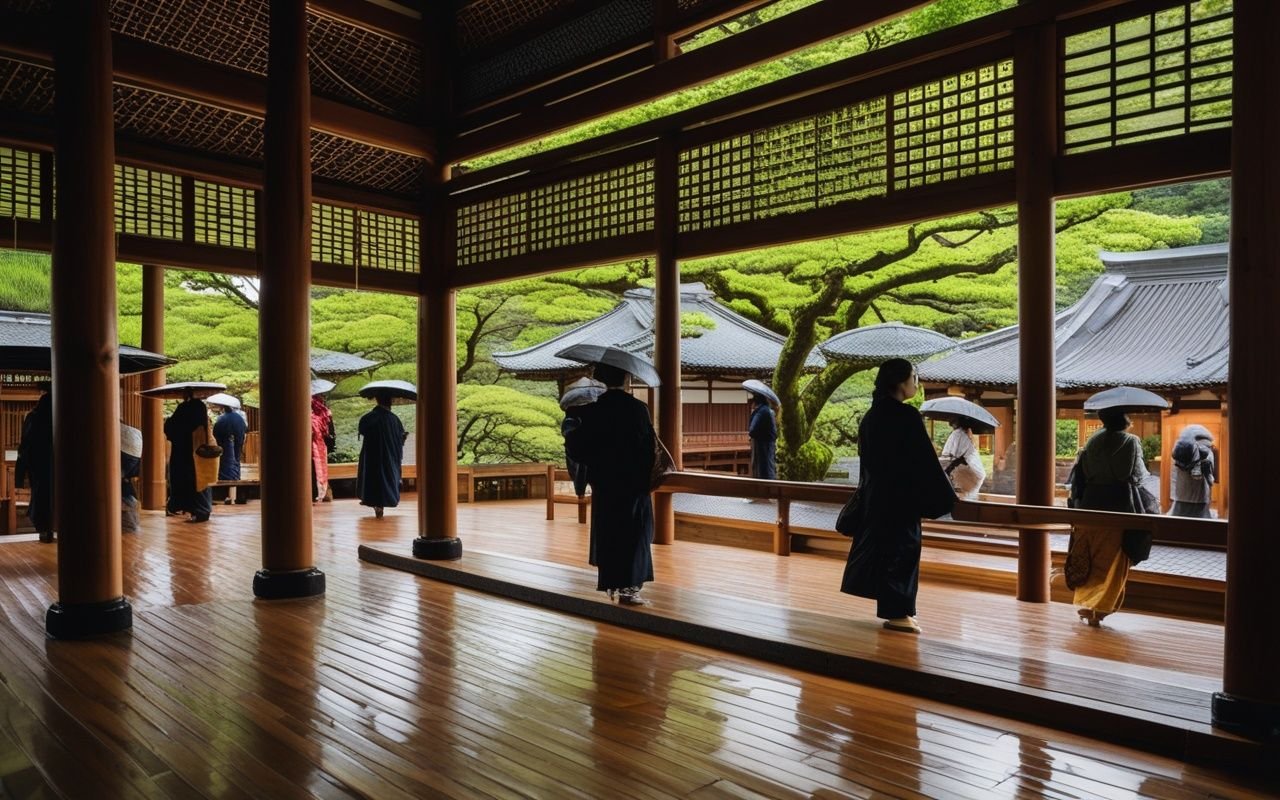
    During a rainy June visit to Kamakura, we discovered that the hydrangea temples were nearly empty — the rain had kept the crowds away, and the damp petals were at their most vibrant, That time changed how we think about wet-weather travel in Kamakura.


    Why Rainy Days Are Actually Great in Kamakura

    Most travelers cancel Kamakura plans when rain is forecast. This is a mistake. Rainy days offer:

    • Dramatically fewer crowds — popular temples at 50% capacity
    • pretty atmosphere — rain-soaked temple gardens, misty hydrangea views
    • Better photos — soft diffused light, vibrant colors
    • Unique things — tea ceremonies feel cozier, onsen more inviting

    Mindset shift: A rainy day in Kamakura isn’t a ruined day — it’s a different. —

    Top Indoor Activities in Kamakura

    1. Kamakura Museum of National Treasures (Kamakura Kokuhōkan)

    Detail Info
    Location Near Tsurugaoka Hachimangu
    Access 10 min walk from Kamakura Station
    Hours 9:00-16:30 (closed Mondays. Dec 29-Jan 1)
    Fee ¥500 adults. ¥200 students
    Time needed 45-60 minutes

    Why visit: Houses Kamakura’s most important cultural artifacts — samurai swords. The building itself is a pretty example of traditional museum architecture. English labels are available for major exhibits. Highlights:

    • National Treasure wooden statues from the Kamakura period
    • Samurai armor displays with English explanations
    • Rotating special exhibitions (check website)
    • Peaceful garden visible from indoor viewing areas

    2. Komachi-dori (Covered Shopping Street)

    Detail Info
    Location Kamakura Station East Exit
    Access 1 min walk from station
    Hours 10:00-18:00 (shops vary)
    Fee Free
    Time needed 1-2 hours

    Why visit: Kamakura’s main shopping street has covered arcades for most of its length — perfect for rainy-day browsing. Sample street food, buy traditional crafts, and explore dozens of specialty shops without getting wet. Rainy day highlights:

    • Traditional wagashi (Japanese sweets) shops with indoor sampling
    • Kamakura-bori lacquerware shops — watch craftspeople at work
    • Matcha & tea houses — duck inside for a warm bowl of matcha
    • Kamakura vegetables — indoor farmers market section
    • Umbrella shops — buy a traditional Japanese wagasa (optional, ¥3,000-5,000)

    3. Kamakura-bori Lacquerware Workshop

    Detail Info
    Location Various studios near Komachi-dori
    Access 5-10 min walk from Kamakura Station
    Hours 10:00-17:00 (booking recommended)
    Fee ¥2,000-4,000 per person
    Time needed 1-2 hours

    Why visit: Kamakura-bori (Kamakura (鎌倉)彫) is a traditional lacquerware craft dating back 800 years. Several studios offer hands-on workshops where you can paint your own lacquerware piece — a perfect rainy-day activity and unique souvenir. Recommended studios:

    • Kamakura-bori Crafts Center — Near Tsurugaoka Hachimangu. English-friendly
    • Kamakura Traditional Crafts Center — Komachi-dori, walk-in possible

    4. Tea Ceremony time (Indoor)

    Detail Info
    Location Multiple venues near Kamakura Station
    Access 5-15 min walk
    Hours 10:00-17:00 (booking essential)
    Fee ¥1,500-3,000 per person
    Time needed 45-90 minutes

    Why visit: A traditional tea ceremony is even more atmospheric on a rainy day — the sound of rain on the roof, the warmth of matcha, and the quiet contemplation are perfectly suited to wet weather. Recommended venues:

    • Kamakura Tea House — Near Tsurugaoka Hachimangu. English instruction available
    • Enoden Tea Room — Near Hase Station, casual atmosphere
    • Hachimangu Tea House — Inside Tsurugaoka Hachimangu grounds

    5. Tsurugaoka Hachimangu (Covered Areas)

    Detail Info
    Location Kamakura city center
    Access 10 min walk from Kamakura Station
    Hours Grounds: 5:00-20:30 (free). Museum: 9:00-16:00 (¥200)
    Fee Grounds free; Museum ¥200
    Time needed 45-60 minutes

    Why visit: While the approach is open, and treasure house are covered. The shrine’s Treasure Museum displays artifacts, swords, and masks. The main hall offers sheltered contemplation of the grounds. Rainy day highlights:

    • Treasure Museum (covered. ¥200)
    • Main hall (covered, free)
    • Gekkō-in (sub-shrine with covered walkway)
    • Maiden (dance stage, covered viewing area)

    6. Kamakura Museum of Literature

    Detail Info
    Location Near Hase Station
    Access 15 min walk from Hase Station
    Hours 9:00-16:30 (closed Mondays)
    Fee ¥300 adults
    Time needed 45-60 minutes

    Why visit: Housed in a historic Western-style building, this museum showcases works by writers connected to Kamakura — including Natsume Sōseki. The atmospheric reading room is perfect for a rainy-day pause. —

    7. Zen Meditation time (Indoor)

    Detail Info
    Location Kencho-ji or Engaku-ji temples
    Access 15-20 min walk from Kamakura Station
    Hours 9:00-16:00 (booking needed)
    Fee ¥500-1,000
    Time needed 1-2 hours

    Why visit: Many Zen temples in Kamakura offer seated meditation (zazen) sessions in their main halls — a covered, contemplative time that’s enhanced by the sound of rain. Kencho-ji and Engaku-ji offer regular sessions with English instruction. —

    8. Kamakura Craft & Sweets Making

    Detail Info
    Location Various locations
    Hours 10:00-17:00 (booking recommended)
    Fee ¥2,000-4,000
    Time needed 1-2 hours

    Options:


    9. Indoor Cafes & Bookshops

    Cafe Location Vibe Price
    Cafe Vivement Dimanche Near Kamakura Station cozy, jazz ¥800-1,500
    Kamakura Coffee Stand Komachi-dori area Specialty coffee ¥500-1,000
    Hachinoki Near Tsurugaoka Hachimangu Organic, vegetarian ¥1,000-2,000
    Slow Coffee Near Hase Station Rustic, quiet ¥600-1,200
    Kamakura Ten Komachi-dori Matcha + views ¥800-1,500

    Bookshops to browse:

    • Kamakura Buchhandlung — German-language bookstore with cozy reading corner. ¥500-1,500 coffee included

    10. Kamakura-bori Lacquerware Museum + Shopping

    Detail Info
    Location Near Kamakura Station
    Hours 10:00-17:00
    Fee Free (museum area)
    Time needed 30-45 minutes

    View exquisite lacquerware pieces, watch artisans at work, and shop for souvenirs — all indoors. Many pieces are reasonably priced (¥2,000-10,000) and make great gifts. —

    Rainy Day Itineraries

    Half-Day Course (4 hours)

    Time Activity
    10:00 Arrive Kamakura Station
    10:15 Komachi-dori covered shopping + street food
    11:30 Kamakura Museum of National Treasures
    12:30 Lunch at covered Komachi-dori restaurant
    13:30 Tea ceremony time
    15:00 Return to Tokyo

    Full-Day Course (7 hours)

    Time Activity
    9:30 Arrive Kamakura Station
    10:00 Tsurugaoka Hachimangu (covered areas + museum)
    11:00 Kamakura-bori workshop (make your own lacquerware)
    12:30 Lunch — indoor restaurant near Komachi-dori
    14:00 Kamakura Museum of National Treasures
    15:00 Tea ceremony or calligraphy time
    16:30 Cafe time — warm matcha + bookshop browsing
    17:30 Return to Tokyo

    Rainy Day + Onsen Combo

    Time Activity
    10:00 Explore covered Komachi-dori
    12:00 Lunch + museum visit
    14:00 Day-use onsen at Ofuna Kannon-ji Onsen (20 min from Kamakura by JR)
    17:00 Return to Tokyo — refreshed and dry

    Rainy Day Packing List

    Item Why
    Compact umbrella Available at any convenience store (¥500-800)
    Waterproof shoes Essential — temple paths get muddy
    Small towel For drying hands after temple visits
    Plastic bag For wet umbrella at restaurant entrances
    Extra socks If shoes get wet, you’ll thank yourself
    Phone charger More indoor time means more browsing/photos

    Best Rainy Day Activities by Interest

    Interest Activity
    Art & culture Museum of National Treasures. Literature Museum
    Food & cooking Wagashi making. Komachi-dori food crawl
    Hands-on craft Kamakura-bori workshop, calligraphy
    Relaxation Tea ceremony, onsen
    Shopping Komachi-dori covered arcade
    Spiritual Zen meditation at Kencho-ji
    photos Rain-soaked temple gardens (covered paths)

    Rain Probability by Month

    Month Rain Days Best Rainy Backup
    January 6 Museums + cafe hopping
    February 7 Craft workshops + tea ceremony
    March 10 Komachi-dori + museums
    April 10 Tea ceremony + onsen combo
    May 10 Museum + Komachi-dori
    June 12 (rainy season) Full indoor plan recommended
    July 10 Covered shopping + craft workshops
    August 9 Air-conditioned museums + cafes
    September 12 (typhoon) Full indoor plan recommended
    October 9 Museum + tea ceremony
    November 7 Craft workshops + Komachi-dori
    December 6 Museums + cozy cafes

    What struck me most was the peaceful atmosphere, even during peak season when the crowds thin out after 3 PM.

    Frequently Asked Questions (FAQ)

    Q: Are temples open during rain?
    A: Yes — most temples remain open in rain. Indoor areas (main halls, treasure houses, museums) are accessible. Some temple gardens may close during typhoons — check before visiting. Q: Is Komachi-dori fully covered?
    A: Most of Komachi-dori has covered arcades, though some side streets are exposed. The main street from the station approach is well-covered. Q: What about the Great Buddha during rain?
    A: The Great Buddha (Kotoku-in) is outdoors and fully exposed, but the statue is still impressive in rain. You can view it from under the covered entrance area. However, skip it for indoor spots on heavy rain days. Q: Are craft workshops available in English?
    A: Yes — Kamakura-bori workshops and tea ceremony things near Komachi-dori and Tsurugaoka Hachimangu offer English instruction. Reserve in advance. Q: What if there’s a typhoon?
    A: During typhoon warnings, many attractions may close. Check official websites. In extreme weather, stay at your lodging or postpone your visit. —

    Related Articles


    Last Updated: June 29, 2026
    Written by: Anaba OffJapan Editorial Team Kamakura Rainy Day Activities: Top 10 In… is your starting point for exploring this part of Kanagawa. From outdoor adventures to cultural things, this guide helps you make the most of your time in Kanagawa. For more guides, check out our other articles covering Hakone, Kamakura, Yokohama, Shonan, and the Miura Peninsula. — Discover Mt Fuji’s 5th Station, World Heritage Center & Owakudani on this Hakone day trip

    I spent a full afternoon participating in this activity and was amazed by how well-organized everything was. I recommend booking in advance for the best experience.

    How to Get There

    Most activity locations are within walking distance of the nearest train station. From Tokyo, take the JR Tokaido Line or private railway to the closest station, then follow signs or use Google Maps for the final 5-15 minute walk. Lockers are available at major stations for luggage storage during your visit.

    Best Time to Visit

    Outdoor activities are best enjoyed in spring and autumn when temperatures are comfortable. Summer activities like swimming and surfing are popular from July to August. Some activities may close during winter months. Check operating schedules before planning your visit. Weekday mornings offer the best experience with fewer crowds.

    What to Expect

    Most activities are designed to be accessible for international visitors. Staff at popular attractions are accustomed to non-Japanese speakers and can communicate through basic English or translation apps. Duration varies from 1-2 hour experiences to half-day adventures. Wear appropriate clothing – many activities involve walking or standing for extended periods. Some outdoor activities may have age or height restrictions. Always check the official website before visiting for the latest information.

    Nearby Recommendations

    The area surrounding this activity has plenty to offer. Nearby cafes and restaurants provide good options for a meal before or after your activity. Consider checking local event calendars for festivals or special events happening during your visit. Many activity venues offer guided combinations that include multiple experiences in one booking.

    Local Tips

    Those who frequent these activities suggest checking social media for last-minute openings and special events. Some venues offer discounted admission during certain hours or days of the week. Combining multiple activities in the same area saves travel time and often qualifies for package discounts. Consider joining a group tour for activities that require specialized equipment or guidance.n

    Conclusion

    The details in this guide come from real visits, and the biggest lesson I took away was that the best experiences in Kamakura rarely fit neatly into a checklist. During my visit to Kamakura I went with a rough plan and found that leaving room to wander made the trip far more memorable. Plan the essentials, keep your schedule flexible, and you will leave Kanagawa wanting to return.

  • Hakone Tattoo-Friendly Onsen Guide: Baths That Welcome You

    Hakone Tattoo-Friendly Onsen Guide: Baths That Welcome You

    This guide provides essential travel tips and practical advice for navigating Kanagawa Prefecture. From transportation passes to safety information, you will find everything you need for a smooth and enjoyable trip.

    Tattoo-Friendly Onsen Guide 2026

    Overview

    🗺️ Key Points

    • Many Hakone onsen now accept tattoos — especially day-use facilities and modern ryokan
    • Your best options: Tenzan Onsen, Hakone Yuryo, private family baths, and modern hotels
    • If refused: Private rental baths are always tattoo-friendly
    • Small tattoos (under palm-sized): Often accepted even at stricter traditional onsen
    • Bottom line: Finding tattoo-friendly onsen in Hakone is much easier in 2026 than it was 5 years ago

    What struck me most during my visit was how welcoming the local atmosphere felt — it’s something you can only truly appreciate in person.

    Traveling with visible tattoos in Japan used to mean skipping onsen entirely. But during our 2025-2026 visits to Hakone, we found that the landscape has shifted dramatically — many facilities now welcome tattooed guests, especially those catering to international visitors. This guide reflects our firsthand research and ongoing conversations with onsen staff.


    Understanding Tattoo Policies in Hakone

    Why the change?

    Japan’s onsen industry has been adapting to inbound tourism. In 2025-2026, many Hakone facilities have relaxed or eliminated their tattoo bans. The shift is driven by:

    • Increase in international tourists (30%+ of Hakone visitors)
    • 2025 Osaka Expo effect — pre-tourism push across Japan
    • 2020 Tokyo Olympics legacy — ongoing normalization of tattoos
    • Competition — facilities that refuse tattoos lose business
    • Private bath boom — many facilities added family/private baths

    Current State (2026)

    Policy Type Percentage of Facilities Examples
    Tattoos fully accepted ~40% Modern ryokan, large hotels, some day-use onsen
    Small tattoos OK (covered) ~30% Traditional ryokan with flexible policies
    Private bath only ~20% Strict traditional facilities with rental baths
    No tattoos at all ~10% Shrinking but still exists at some small traditional onsen

    Trend: The “no tattoos” policy is disappearing. By 2027, experts predict fewer than 5% of Hakone onsen will maintain an outright ban.


    Tattoo-Friendly Onsen in Hakone

    Day-Use Onsen (No Stay Required)

    Onsen Area Tattoo Policy Day Price Notes
    🏆 Tenzan Onsen Hakone-Yumoto Accepted — all tattoos welcome ¥1,300 Best budget option, 10 baths, open 7:00-26:00
    🏆 Hakone Yuryo Hakone-Yumoto Accepted — private outdoor baths ¥2,200 Private forest baths, 5 options, excellent for tattoos
    Yunessun Hakone-Yumoto Accepted — swimsuit onsen ¥2,500 Swimsuits allowed, family-friendly, no tattoo issues
    Hakone Kamonoyu Hakone-Yumoto ✅ Small tattoos OK (coverable) ¥1,500 Traditional atmosphere, flexible policy
    Hakone Gora Hananoki Gora Accepted — tattoo-friendly ¥2,800 Luxury day onsen, reservation recommended

    Ryokan & Hotels (Overnight)

    Ryokan Area Tattoo Policy Price (per person) Notes
    🏆 Hakone Gora Hananoki Gora Accepted ¥35,000-50,000 Modern luxury, English-friendly
    The Prince Hakone Lake Ashi Lake Ashi Accepted ¥25,000-40,000 Large hotel, international crowd
    Hakone Highland Hotel Sengokuhara Accepted ¥20,000-35,000 Western-style, French restaurant
    Hakoneso Onsen Hotel Miyanoshita ✅ Small tattoos OK ¥18,000-30,000 Traditional + modern mix
    Hotel de Yama Moto-Hakone Accepted ¥25,000-40,000 Lake views, art collection

    Private Rental Baths (Always Safe)

    If you encounter any uncertainty, private rental baths (家族風呂 / kazoku-buro) are always tattoo-friendly. These are bookable private rooms with a small onsen bath — perfect for couples, families, or anyone with tattoos.

    Facility Area Private Bath Price Capacity Notes
    Tenzan Onsen Hakone-Yumoto ¥2,500-3,500/45 min 2-4 people 3 private baths, book at reception
    Hakone Yuryo Hakone-Yumoto ¥3,500-5,000/60 min 2-5 people Forest setting, 5 private baths
    Hakone Kamonoyu Hakone-Yumoto ¥2,000-3,000/50 min 2-4 people Traditional private bath experience
    Yunessun Hakone-Yumoto ¥3,000-4,000/60 min 2-6 people Private family bath + main area access

    How to Check Tattoo Policies Before You Go

    Method 1: Official Website (Recommended)

    Most Hakone onsen now display their tattoo policy clearly on their English website:

    Policy Phrase Meaning
    ✅ “Tattoos are permitted” Fully accepted, no restrictions
    ✅ “Tattoos welcome” Fully accepted
    ⚠️ “Please cover small tattoos” Small tattoos OK with waterproof patch
    ⚠️ “Tattoos allowed in private bath” Public bath not OK, private bath available
    ❌ “No tattoos” Strict ban — go somewhere else

    Method 2: Email in Advance (Best for Ryokan)

    Email template for booking confirmation:

    “Hello, I have a tattoo. May I use your public onsen? If not, do you have a private bath available?”

    Most front desks can answer in English.

    Method 3: Tattoo Covering Patches

    If you have small tattoos (palm-sized or smaller), you can use waterproof tattoo cover patches available at:

    • Don Quijote (duty-free stores): ¥800-1,500 for a pack
    • Amazon Japan (deliver to hotel): ¥1,000-2,000
    • Drug stores (Matsumoto Kiyoshi, etc.): ¥1,000-1,800

    ⚠️ Important: These work at facilities with “cover small tattoos” policies. At facilities that say “accepted,” you don’t need them. At facilities that say “no tattoos,” they won’t help.


    Tattoo Policy FAQ

    Q: Will I be kicked out if staff sees my tattoo?
    A: At tattoo-friendly facilities — no. At traditional facilities with strict bans — yes, potentially. Always check policy before entering.

    Q: Does my tattoo size matter?
    A: Yes. Facilities that “allow small tattoos” generally mean palm-sized or smaller. Large pieces (full sleeves, back pieces, large leg tattoos) need facilities that explicitly accept all tattoos.

    Q: Are tattoo policies enforced differently for foreigners?
    A: Increasingly, facilities are more relaxed with foreign tourists. But don’t rely on this — check policy beforehand.

    Q: What about nipple piercings or small facial piercings?
    A: Most facilities don’t restrict piercings. Remove visible jewelry if concerned. Facility staff are generally relaxed about small piercings.

    Q: How do I book a kashikiri (private) onsen in Hakone?
    A: Private rental baths (kashikiri / kazoku-buro / family bath) are the safest option for tattooed guests, Booking process varies by facility:

    • Tenzan Onsen: Visit the reception desk in person (no online booking for private baths). Weekday mornings are easiest to get a slot. ¥2,500-3,500 for 45 minutes.
    • Hakone Yuryo: Reserve online via their English website (recommend 2-3 days in advance). Choose from 5 forest baths. ¥3,500-5,000 for 60 minutes.
    • Hakone Kamonoyu: Call ahead (Japanese only) or ask at reception. ¥2,000-3,000 for 50 minutes.
    • Yunessun: Book online or at the counter. ¥3,000-4,000 for 60 minutes, includes access to the main swimsuit area.
    • Ryokan with private bath: When booking your stay, email the ryokan and request a room with a private outdoor bath (露天風呂付き客室 / rotenburo-tsuki kyakushitsu). Most mid-range to luxury ryokan in Hakone offer this option. Book at least 2 weeks in advance for weekend stays.

    Pro tip for last-minute booking: If you arrive without a reservation and want a private bath, try Tenzan Onsen first — they have the most availability and accept walk-ins for their 3 private baths. Weekday afternoons (1-4 PM) have the shortest wait times.


    Tattoo-Friendly Onsen Etiquette

    Even at tattoo-friendly facilities, standard onsen etiquette applies:

    Step What to Do
    1. Remove shoes At entrance, store in locker
    2. Pay At front desk (day-use) or room (ryokan)
    3. Change Yukata or go directly to bath area
    4. Shower Wash thoroughly BEFORE entering bath — essential
    5. Enter bath Walk in slowly, sit quietly, relax
    6. Exit Rinse off, dry thoroughly before returning to changing room

    Tattoo-Specific Etiquette

    • Don’t show off — other bathers may be conservative. Be discreet.
    • Don’t ask about others’ tattoos — some Japanese guests may still have hidden tattoos from a generation that banned them
    • Do cover up between the bath and changing room using the small towel provided
    • Don’t photograph your tattoos in the onsen — photography is universally banned

    Recommended Strategy by Tattoo Type

    Tattoo Situation Best Strategy
    No tattoos Any onsen — you have maximum choice
    Small tattoo (palm-sized) Use cover patches + check policy. Most facilities OK
    Single medium tattoo Choose tattoo-friendly facilities (Tenzan, Yuryo, Hananoki)
    Full sleeve / large piece Stick to confirmed tattoo-friendly facilities + private baths
    Full body / extensive Private rental baths are your best and most relaxing option
    Multiple small tattoos Tattoo-friendly day onsen — Tenzan Onsen is your best bet

    Best Tattoo-Friendly Onsen Experiences

    Budget Option: Tenzan Onsen (¥1,300)

    • Policy: ✅ All tattoos accepted
    • Baths: 10 baths (indoor + outdoor, sauna)
    • Best for: Budget-conscious, first-time onsen goers
    • Hours: 7:00-26:00 (latest of any Hakone onsen)
    • Access: 10 min bus from Hakone-Yumoto Station

    Mid-Range: Hakone Yuryo (¥2,200)

    • Policy: ✅ All tattoos accepted
    • Baths: 5 private outdoor baths in forest setting
    • Best for: Couples, those wanting privacy, relaxation focus
    • Hours: 10:00-21:00
    • Access: 15 min taxi from Hakone-Yumoto Station

    Premium: Hakone Gora Hananoki (¥2,800 day / ¥35,000+ stay)

    • Policy: ✅ All tattoos accepted
    • Baths: Elegant indoor/outdoor baths, tea ceremony room
    • Best for: Luxury experience, special occasions
    • Access: 5 min walk from Gora Station

    Tattoo-Friendly Onsen Map

    Hakone-Yumoto Station
      ├── Tenzan Onsen ✅ (¥1,300, best budget)
      ├── Hakone Yuryo ✅ (¥2,200, private baths)
      ├── Hakone Kamonoyu ⚠️ (¥1,500, small tattoos OK)
      └── Yunessun ✅ (¥2,500, swimsuit onsen)
           │
    Gora Station
      ├── Hakone Gora Hananoki ✅ (¥2,800 day / ¥35,000+ stay)
      └── (Other Gora options — check policies individually)
           │
    Lake Ashi / Moto-Hakone
      ├── The Prince Hakone ✅ (Hotel guests)
      ├── Hakone Shrine (No onsen — shrine only)
      └── Hotel de Yama ✅ (Hotel guests)

    Visiting in person, I truly appreciated the depth of this area. I hope this serves as a useful reference for your trip.

    Important: Policies Change

    Tattoo policies at Japanese onsen evolve rapidly. What’s true in June 2026 may differ by October . Always check directly with the facility before visiting.

    Pro tip: Book a hotel or onsen with a clear “Tattoos permitted” policy on their English website. If the policy isn’t clearly stated, email them to confirm before booking.


    Related Articles


    Last Updated: June 29,
    Written by: Anaba OffJapan Editorial Team Tattoo policies are subject to change. Always verify with the facility before visiting or booking. Plan your visit with our comprehensive Miura Peninsula Accommodation Guide 2026 — Seaside Stays….

    Frequently Asked Questions

    Q: When can I see the best seasonal scenery here?
    A: If you are timing your visit for natural beauty, late March to early April brings cherry blossoms, June-July features vibrant hydrangeas and fresh greenery, and November showcases spectacular autumn colors. Each season offers a different perspective on the landscape.

    Q: Is this destination easy to reach by public transport?
    A:
    Yes. Kanagawa has excellent public transport connections from Tokyo. Most destinations are within an hour by train. The nearest station is typically a short walk or bus ride from the main attractions. For detailed route information, check the transport section above.

    Q: How much time should I spend at Hakone?
    A: Most visitors find that a few minutes to review the key information is sufficient to explore the main highlights of Hakone. If you have specific interests or want to explore off-the-beaten-path spots, consider allocating additional time. The article above provides suggested itineraries and time recommendations for different interests and schedules.

    Q: What should I prepare before my trip?
    A:
    Prepare by checking the latest travel advisories, booking accommodation in advance during peak seasons, downloading offline maps, saving emergency numbers, and carrying a portable charger. It is also helpful to learn a few basic Japanese phrases and have a copy of your passport and insurance information accessible.

    Hakone Tattoo-Friendly Onsen Guide: Bath… is your starting point for exploring this part of Kanagawa. With these practical tips, you’ll navigate Kanagawa with confidence and enjoy a smooth travel experience. For more guides, check out our other articles covering Hakone, Kamakura, Yokohama, Shonan, and the Miura Peninsula.


    What to Bring

    Smart travelers to Kanagawa pack light and bring layers. The weather can shift from warm to cool within a day. A portable WiFi device or SIM card is essential for navigation. Bring a small notebook for recommendations. Hand sanitizer and tissues are useful. Consider packing a foldable tote bag for souvenirs.

    Conclusion

    exploring Hakone for its onsen can be as relaxed or as packed as you want it to be, and I have found that the best visits leave room for both planning and spontaneity. During my visit to Hakone I went with a rough plan and found that leaving room to wander made the trip far more memorable. Use this guide to sort out the logistics in advance, then let the day surprise you — Kanagawa rewards travelers who stay curious.
  • Hakone Luggage Forwarding Guide: Travel Hands-Free in 2026

    Hakone Luggage Forwarding Guide: Travel Hands-Free in 2026

    This guide provides essential travel tips and practical advice for navigating Kanagawa Prefecture. From transportation passes to safety information, you will find everything you need for a smooth and enjoyable trip.

    Overview

    Access

    Hakone is well connected to Tokyo, with trains and buses running throughout the day. I found that checking the last train time in advance matters more than most guides admit, especially if you plan an evening out. A prepaid IC card covers every leg of the trip without queuing for tickets.

    🗺️ Key Points


    Why You Need This Guide

    Hakone’s charm — mountains, ropeways, pirate ships, narrow streets — is also its challenge, Dragging a suitcase through switchback train stations, up steps to cable cars, and across cobblestone paths will ruin your day. Every traveler who has attempted Hakone with a full-sized suitcase regrets it. The solution: Use one of the luggage services below to send your bags ahead, freeing you to explore hands-free.


    Option 1: Hakone Baggage Delivery Service (Hotel Delivery)

    The official Hakone Baggage Delivery Service is the most convenient option for overnight visitors. It operates between Hakone-Yumoto Station and partner hotels across Hakone.

    How It Works

    Tokyo → Hakone (via train)
             ↓
        Drop luggage at Hakone-Yumoto Station counter (by 12:00)
             ↓
        Enjoy exploring Hakone hands-free
             ↓
        Luggage arrives at your hotel by 15:00-17:00

    Prices

    Size Dimensions Weight Price
    Regular Total ≤ 140 cm ≤ 15 kg ¥1,500
    Large Total ≤ 200 cm ≤ 30 kg ¥2,500

    Service Counter Location

    Hakone-Yumoto Station — Odakyu Sightseeing Service Center (inside the station, near the ticket gates)

    Operating Hours

    Service Drop-off Time Pick-up Time
    Station → Hotel 8:30-12:00 (arrives by 15:00-17:00)
    Hotel → Station Hotel front desk (by 10:00) 13:30-18:30

    How to Use

    1. Book online: Reserve via Hakone Navi official site (recommended to skip queues)
    2. Drop off: Bring your luggage to the service counter at Hakone-Yumoto Station
    3. Receive: Find your luggage waiting at your hotel reception

    Important Notes

    • ✅ Same-day delivery within Hakone (drop off by 12:00)
    • ✅ Works in reverse (hotel → station for departure day)
    • ✅ Online reservation available — highly recommended on weekends
    • ❌ Only for guests staying at partner hotels
    • ❌ No valuables (laptops, cameras, passports, jewelry)
    • ❌ No same-day delivery for bags dropped after 12:00

    Option 2: Coin Lockers (Day-Tripper’s Choice)

    For day trips, coin lockers at Hakone-Yumoto Station are your best bet.

    Locker Locations

    Location Number of Lockers Sizes Available
    Hakone-Yumoto Station (main) ~100 lockers Small (¥400), Medium (¥600), Large (¥800)
    Odawara Station ~200 lockers All sizes — more capacity than Hakone
    Gora Station ~50 lockers Small-Medium only

    Locker Dimensions

    Size Typical Dimensions (cm) Fits
    Small 35 × 40 × 60 Daypack, shopping bags
    Medium 35 × 55 × 60 Carry-on suitcase, backpack
    Large 35 × 85 × 60 Full-sized suitcase (up to 28-inch)

    Critical Warning

    Hakone-Yumoto Station lockers fill up by 10:00-11:00 on weekends, holidays, and during peak seasons (cherry blossom, autumn leaves, New Year). Arrive early or have a backup plan.

    Backup Locker Strategy

    Scenario Recommended Action
    Hakone-Yumoto lockers full Take local train to Odawara Station (15 min) — larger locker capacity
    Arriving after 11:00 Skip Hakone-Yumoto lockers; go directly to Odawara station
    Traveling with 2+ large suitcases Use the Baggage Delivery Service instead
    Staying overnight Don’t use lockers — use hotel delivery service

    Option 3: Takkyubin (Inter-City Luggage Delivery)

    For traveling between Tokyo and Hakone, use Japan’s famous takkyubin courier service (Yamato Transport / Kuroneko Yamato or Sagawa Express).

    How the Service Works

    Tokyo hotel front desk → Drop off luggage by 10:00
            ↓
        Luggage travels by courier truck (next-day delivery)
            ↓
        Luggage arrives at Hakone hotel next day after 15:00

    Pricing Details

    Route Regular Suitcase (≤ 140 cm) Large Suitcase (≤ 200 cm)
    Tokyo → Hakone hotel ¥2,000-2,500 ¥2,500-3,000
    Hakone hotel → Tokyo ¥2,000-2,500 ¥2,500-3,000
    Tokyo → Hakone Station (counter pickup) ¥1,800-2,200 ¥2,200-2,700

    Usage Guide

    1. Ask your hotel front desk to arrange pickup (most hotels offer this service)
    2. Fill out the delivery slip (hotel staff will help)
    3. Pay at the hotel (cash or add to hotel bill)
    4. Your next hotel receives it the following day

    Timing

    Drop-off Time Arrival (Standard) Arrival (Express, extra ¥200)
    By 10:00 Next day (15:00-18:00) Same day (18:00-21:00) — limited routes
    By 14:00 Day after next Same day (limited availability)
    By 18:00 Day after next

    ⚠️ Critical: Standard takkyubin is next-day delivery. Do not expect same-day service between Tokyo and Hakone. Plan a one-day gap.

    Sample Timeline for Luggage Forwarding

    Day Action
    Day 1 (Tokyo) Enjoy Tokyo with your luggage. Drop bags at hotel front desk by 10:00 for next-day delivery
    Day 2 (Hakone, arriving) Travel light to Hakone with just a daypack. Your luggage arrives at hotel by late afternoon
    Day 3 (Hakone, departing) Enjoy final morning. Drop bags at hotel front desk by 10:00 for Tokyo delivery (or use Hakone Station service)
    Day 4 (Tokyo) Your luggage is waiting at your Tokyo hotel when you arrive

    Option 4: Manned Luggage Storage

    If you don’t qualify for hotel delivery and can’t find a coin locker:

    Location Service Hours Price
    Hakone-Yumoto Station — Odakyu Sightseeing Service Center Manned counter 8:30-18:00 ¥500-800 per bag
    Odawara Station — Tourist Information Center Manned counter 9:00-17:00 ¥500-700 per bag
    Hakone-Yumoto — Some souvenir shops Unofficial storage Varies ¥500-1,000 per bag

    Recommended Strategy by Trip Type

    Day Trip from Tokyo

    Item Recommendation
    Luggage Leave at your Tokyo hotel
    What to bring Small daypack only
    If you must bring luggage Use coin lockers at Odawara Station (more capacity)

    1-Night Stay in Hakone (Before or After Tokyo)

    Time Action
    Morning in Tokyo Drop luggage at hotel front desk for takkyubin to Hakone hotel
    Arrive Hakone Explore freely with daypack only
    Late afternoon Luggage arrives at hotel
    Next day departure Use Hakone Station delivery service back to Tokyo

    2-Night Stay in Hakone (Middle of Trip)

    Day Action
    Arrival day Use Hakone Baggage Delivery Service (¥1,500) from station to hotel
    Full day Explore with daypack, hotel change if needed
    Departure day Use hotel → station delivery (¥1,500) or takkyubin to next city

    Traveling Between Kyoto/Osaka and Hakone

    Item Recommendation
    Best method Takkyubin from Kyoto hotel → Hakone hotel (2 days delivery)
    Alternative Take luggage on Shinkansen to Odawara, then use coin lockers
    Warning Do NOT attempt to carry large luggage on the Odakyu Romancecar — limited luggage space

    What NOT to Put in Luggage Forwarding

    All luggage services prohibit these items (standard policy):

    ❌ Prohibited ✅ Carry with You
    Passport 📄 Passport
    Laptop/tablet 💻 Laptop
    Camera equipment 📷 Camera
    Jewelry/valuables 💍 Valuables
    Medications 💊 Daily medications
    Fragile items 🔌 Chargers/cables
    Important documents 📋 Travel documents

    Golden rule: Your luggage service bag should contain only clothes, toiletries, souvenirs, and non-essential items, Everything you need during the day stays in your daypack.


    Hakone Luggage Map

                    🚄 Tokyo (leave luggage or send ahead)
                          │
             ┌────────────┴────────────┐
             ▼                         ▼
       🚃 Odawara Station        🚃 Hakone-Yumoto Station
       (200+ lockers,             (100 lockers, Baggage
        best backup option)        Delivery counter)
             │                         │
             └────────────┬────────────┘
                          ▼
                  🏔️ Gora Station
                  (50 lockers)
                          │
             ┌────────────┴────────────┐
             ▼                         ▼
       🏨 Your Hotel              🚡 Ropeway/Pirate Ship
       (Luggage arrives            (No luggage storage)
        by 15:00-17:00)

    After navigating Hakone’s ropeway, switchback trains, and pirate ship with our luggage on our first visit, we learned the hard way that traveling light is non-negotiable in Hakone. This guide compiles everything we wish we’d known — from the official delivery service to backup coin locker strategies.


    For more detailed information, check out our guide on Yokohama Coworking Guide 2026: Best Remote Work Spaces in Kanagawa. During my trip, I discovered that booking accommodations at least two weeks in advance makes a big difference.

    Frequently Asked Questions

    Q: Q: Can I send luggage from Tokyo to Hakone-Yumoto Station (not a hotel)?
    A: A: Yes — use takkyubin to “Hakone-Yumoto Station” (counter pickup). The station’s Odakyu Sightseeing Service Center accepts deliveries. Cost: ¥1,800-2,200 per suitcase.

    Q: Q: Is the Hakone Baggage Delivery Service available for day-trippers?
    A:
    A: No — it’s only for guests staying at partner hotels. Day-trippers should use coin lockers or manned storage.

    Q: Q: Can I use the service to send luggage between Hakone attractions?
    A: A: The official service only covers station → hotel and hotel → station. For between-attractions transport, use coin lockers at stations along the way.

    Q: Q: What if my hotel isn’t a partner of the Hakone Baggage Delivery Service?
    A:
    A: Check with your hotel directly — many non-partner hotels can still arrange takkyubin pickup/delivery at standard rates.

    Q: Q: Are there luggage storage services at the Hakone Ropeway or Pirate Ship?
    A:** A: No. Neither the ropeway stations nor the pirate ship have luggage storage. Travel with a daypack only.

    Related Articles


    Last Updated: June 29, 2026
    Written by: Anaba OffJapan Editorial Team Prices and operating hours subject to change. Always check official websites before your visit.

    Hakone Luggage Forwarding Guide: Travel … is your starting point for exploring this part of Kanagawa. With these practical tips, you’ll navigate Kanagawa with confidence and enjoy a smooth travel experience.

    For more guides, check out our other articles covering Hakone, Kamakura, Yokohama, Shonan, and the Miura Peninsula. Stay at Sotetsu Fresa Inn Kamakura-Ofuna — budget-friendly & steps from Ofuna Station, great base for day trips


    Conclusion

    exploring Hakone for its luggage can be as relaxed or as packed as you want it to be, and I have found that the best visits leave room for both planning and spontaneity. During my visit to Hakone I went with a rough plan and found that leaving room to wander made the trip far more memorable. Use this guide to sort out the logistics in advance, then let the day surprise you — Kanagawa rewards travelers who stay curious.
  • Best Time to Visit Kamakura — Seasonal Guide & Weather 2026

    Best Time to Visit Kamakura — Seasonal Guide & Weather 2026

    This guide provides essential travel tips and practical advice for navigating Kanagawa Prefecture. From transportation passes to safety information, you will find everything you need for a smooth and enjoyable trip.

    Best Time to Visit Kamakura: Monthly Weather & Seasonal Guide 2026

    Overview

    I visited Kamakura in every season over the past two years, and the difference between a June hydrangea morning and a crisp January day is like visiting two different towns. During my first trip — an August weekend — I spent the day queueing at Hase-dera in the humidity and barely saw the Great Buddha through the crowds. It was only when I returned on a foggy November weekday that I realized how much of Kamakura I had been missing.

    This guide is built from those experiences, plus weather data and crowd patterns I’ve tracked month by month. If you’re still deciding on the basics, our Kamakura Area Guide covers getting around, while the Kamakura Temple Guide and Enoden Unlimited Guide help you plan the temple-hopping part of your trip.

    🗺️ Quick Verdict

    Season Rating Best For
    🌸 Spring (Mar-May) ⭐⭐⭐⭐⭐ Cherry blossoms, Kamakura Festival, perfect weather
    🌿 Summer (Jun-Aug) ⭐⭐⭐ Hydrangea season (Jun-Jul), beach swimming (Jul-Aug), but hot & humid
    🍂 Autumn (Sep-Nov) ⭐⭐⭐⭐⭐ Comfortable temperatures, autumn colors, fewer crowds
    ❄️ Winter (Dec-Feb) ⭐⭐⭐⭐ Clear skies, Mount Fuji views, fewest crowds, lowest prices

    Bottom line: April-May and October-November offer the best combination of weather, beauty, and manageable crowds. Visit on weekdays for the best experience. For photography, December-February delivers the clearest Mount Fuji views from the coast.


    What is the best month to visit Kamakura?

    May is the best month to visit Kamakura. Temperatures hover around a comfortable 22°C (72°F), the greenery is vibrant after spring rains, and crowds are manageable outside Golden Week (April 29-May 5). It’s ideal for temple walking, hiking the Daibutsu Trail, and cycling along the coast.

    What is the cheapest time to visit Kamakura?

    January (after New Year), February, September, and December offer the lowest accommodation prices. September is particularly good value — summer crowds have dispersed but the weather remains pleasant.

    When is the hydrangea season in Kamakura?

    Mid-June to early July is peak hydrangea (ajisai) season. Hase-dera, Meigetsu-in (Hydrangea Temple), and Jochi-ji are covered in thousands of blue and purple blooms. Arrive before 7:30 AM to avoid the worst crowds.


    Monthly Breakdown

    January ☀️ ❄️

    Factor Details
    Temperature Avg high 10°C (50°F) / Avg low 4°C (39°F)
    Rainfall 55mm (6 rainy days) — driest month
    Crowds Low (except Jan 1-3)
    Highlights Hatsumode (New Year shrine visit), clear Fuji views, Sagicho fire festival (Jan 15)
    Packing Warm coat, scarf, gloves — coldest month

    Why visit: January offers crystal-clear skies with the best chance of seeing Mount Fuji across Sagami Bay. Temples are quiet after the New Year rush subsides. The Sagicho festival at Tsurugaoka Hachimangu on January 15 features traditional fire rituals. Watch out: January 1-3 are extremely crowded for Hatsumode (first shrine visit). Many shops are closed January 1-3.


    February 🥶 🌸 (early blooms)

    Factor Details
    Temperature Avg high 11°C (52°F) / Avg low 4°C (39°F)
    Rainfall 75mm (7 rainy days)
    Crowds Low
    Highlights Setsubun festival (Feb 3), plum blossoms (ume), Mount Fuji views
    Packing Warm layers, waterproof jacket

    Why visit: February is still cool and dry with excellent visibility. Plum blossoms begin blooming at Tsurugaoka Hachimangu and local temples. Setsubun (bean-throwing festival) on February 3 is a fun cultural experience. Watch out: Still cold — especially near the coast where wind chill is significant.


    March 🌸 🌸

    Factor Details
    Temperature Avg high 13°C (56°F) / Avg low 7°C (44°F)
    Rainfall 115mm (9 rainy days) — windier month
    Crowds Moderate (increasing toward month end)
    Highlights Cherry blossom season begins (late March), warmer weather
    Packing Light jacket, layers

    Why visit: Late March brings the start of cherry blossom season. The path from Tsurugaoka Hachimangu to Komachi-dori is lined with cherry trees — stunning when in bloom. Weather is transitional but increasingly pleasant. Watch out: Crowds build significantly during cherry blossom peak (last week of March). Book accommodation early.


    April 🌸 🌸 🌸 (Peak Season)

    Factor Details
    Temperature Avg high 18°C (64°F) / Avg low 12°C (53°F)
    Rainfall 130mm (10 rainy days)
    Crowds Very high (peak season)
    Highlights Cherry blossoms (early April), Kamakura Festival (mid-April), perfect weather
    Packing Light layers, comfortable walking shoes

    Why visit: April is Kamakura’s most beautiful month. Cherry blossoms peak in early April. The Kamakura Festival (second Sunday of April, week-long) features the spectacular Yabusame (horseback archery) at Tsurugaoka Hachimangu, traditional dances, and a parade.

    Watch out: Extremely crowded on weekends. Golden Week (April 29-May 5) is among the busiest periods of the year. Visit on weekdays if possible. 🌸 Kamakura Festival dates: Mid-April (check official site for exact dates)


    May 🌿

    Factor Details
    Temperature Avg high 22°C (72°F) / Avg low 17°C (61°F)
    Rainfall 130mm (10 rainy days)
    Crowds Moderate (except Golden Week)
    Highlights Fresh greenery, comfortable weather (best overall month), iris flowers
    Packing Light clothing, light jacket for evenings

    Why visit: May is arguably the best month to visit Kamakura. The weather is warm but not hot, the greenery is vibrant, and crowds are manageable outside Golden Week (first week). Great for temple walking, hiking trails like Daibutsu Hiking Course, and cycling along the coast.

    Watch out: Golden Week (April 29-May 5) is extremely crowded. Avoid this period. After May 7, the crowds return to normal levels.


    June 🌧️

    Factor Details
    Temperature Avg high 25°C (77°F) / Avg low 21°C (67°F)
    Rainfall 175mm (12 rainy days) — rainy season
    Crowds High (hydrangea season)
    Highlights Hydrangea (ajisai) season — the main event!
    Packing Umbrella, waterproof shoes, light clothing

    Why visit: June is hydrangea season — Kamakura’s most famous natural spectacle. Hase-dera Temple, Meigetsu-in (Hydrangea Temple), and Jochi-ji are covered in thousands of blue and purple hydrangea blooms. The atmosphere is magical despite the rain.

    Watch out: Rain is frequent and crowds are massive at hydrangea temples. Arrive before 8:00 AM to avoid queues. Weekends are chaotic. Waterproof shoes are essential.

    June pro tip: Visit hydrangea temples on a weekday, arriving by 7:30 AM. The early morning light through rain-dampened petals creates stunning photo opportunities.


    July 🏖️

    Factor Details
    Temperature Avg high 28°C (83°F) / Avg low 24°C (74°F)
    Rainfall 145mm (10 rainy days) — rain decreasing
    Crowds High (summer vacation begins)
    Highlights Beach season opens (Yuigahama, Shichirigahama), summer festivals, firefly viewing
    Packing Light clothing, swimwear, sunscreen, sun hat

    Why visit: July marks the start of beach season. Yuigahama and Shichirigahama beaches come alive with swimmers, surfers, and beach houses (umibe no ie). Evening summer festivals (matsuri) begin appearing at local shrines.

    Watch out: Hot and humid. Seek shade during midday (11:00-14:00). Start temple visits early (before 10:00) or late afternoon (after 15:00).


    August 🔥 🎆

    Factor Details
    Temperature Avg high 29°C (85°F) / Avg low 25°C (76°F)
    Rainfall 130mm (9 rainy days)
    Crowds Very high (peak summer + Obon holidays)
    Highlights Beach activities, fireworks (mid-Aug), Kamakura Summer Festival
    Packing Lightest clothing, swimwear, strong sunscreen

    Why visit: Peak beach season. The Kamakura Summer Festival (mid-August) features traditional dances, concerts, and the highlight — fireworks over the coast (~3,000 shells). Great for surfers and sunbathers.

    Watch out: Hot, humid, and crowded. Obon week (mid-August) is peak travel season — book far in advance. Visit temples early morning (before 9:00) to avoid heatstroke.


    September 🌀

    Factor Details
    Temperature Avg high 26°C (79°F) / Avg low 22°C (70°F)
    Rainfall 195mm (12 rainy days) — wettest month
    Crowds Low (post-summer, pre-autumn)
    Highlights Quieter temples, early autumn colors, fewer tourists
    Packing Light layers, rain jacket, umbrella

    Why visit: September is the quietest month for crowds. Summer heat lingers but humidity drops toward month end. Accommodation prices are lower. Great for unhurried temple exploration.

    Watch out: Typhoon season (August-October). Check weather forecasts. September is the wettest month — have a rainy day backup plan.


    October 🍂

    Factor Details
    Temperature Avg high 21°C (70°F) / Avg low 17°C (61°F)
    Rainfall 165mm (9 rainy days)
    Crowds Moderate (increasing toward month end)
    Highlights Autumn colors begin, comfortable weather, excellent hiking conditions
    Packing Light layers, comfortable walking shoes

    Why visit: October offers near-perfect weather — warm days, cool evenings, low humidity. Autumn colors begin appearing at temples in late October. Excellent for hiking the Daibutsu Trail or Genjiyama Park. Mount Fuji visibility starts improving. Watch out: Mid-autumn, typhoon remnants possible in early October.


    November 🍂 🍁

    Factor Details
    Temperature Avg high 17°C (62°F) / Avg low 12°C (52°F)
    Rainfall 95mm (7 rainy days)
    Crowds Moderate-High (autumn leaf season)
    Highlights Peak autumn colors (mid-Nov), comfortable weather, clear Fuji views
    Packing Warm layers, light jacket

    Why visit: November features spectacular autumn colors. Kencho-ji, Engaku-ji, and Tsurugaoka Hachimangu are at their most beautiful with red and gold maple leaves. The weather is crisp and clear — the second-best month after May. Watch out: Popular temples are crowded during autumn leaf peak (mid-late November). Visit on weekdays.


    December ❄️

    Factor Details
    Temperature Avg high 13°C (55°F) / Avg low 7°C (43°F)
    Rainfall 55mm (6 rainy days) — dry month
    Crowds Moderate (except Dec 31-Jan 1)
    Highlights Best Mount Fuji views, winter illuminations, fewest crowds, lowest prices
    Packing Warm coat, scarf, gloves

    Why visit: December offers the clearest skies and the best chance of seeing Mount Fuji from Kamakura’s beaches and viewpoints. Yuigahama Beach with Fuji in the background is a classic winter sight. Temples are quiet and peaceful. Year-end illuminations add festive charm. Watch out: Cold! Especially near the coast. December 31 (New Year’s Eve) is busy at Tsurugaoka Hachimangu.


    Seasonal Activity Guide

    Activity Best Months Notes
    Temple visiting Apr-May, Oct-Nov Best weather for walking between temples
    Hiking (Daibutsu Trail) Mar-May, Oct-Dec Avoid summer heat; excellent in autumn
    Beach / swimming Jul-Aug Beach houses open, water warm enough
    Surfing Year-round Best waves: Sep-Nov (typhoon swell)
    Hydrangea viewing Jun-Jul June peak — iconic Kamakura experience
    Cherry blossoms Late Mar-early Apr Tsurugaoka Hachimangu approach
    Autumn leaves Mid Nov-early Dec Kencho-ji, Engaku-ji, Genjiyama
    Mount Fuji viewing Nov-Feb Winter offers clearest views
    Cycling Apr-May, Oct-Nov Best weather for coastal routes
    Street food (Komachi-dori) Year-round Covered options available on rainy days

    Crowd Calendar

    Period Crowd Level Recommendation
    Weekdays (non-peak) 🟢 Low Best time to visit
    Weekends (non-peak) 🟡 Moderate Arrive before 9:00 AM
    Cherry blossom weekends 🔴 Very High Avoid if possible
    Hydrangea weekends 🔴 Very High Arrive before 7:30 AM
    Golden Week (Apr 29-May 5) 🟣 Extreme Avoid entirely
    Obon (Aug 13-16) 🟣 Extreme Avoid entirely
    Autumn leaf weekends 🔴 Very High Visit on weekdays
    New Year (Jan 1-3) 🔴 Very High Cultural experience but crowded
    Winter weekdays 🟢 Lowest Best for quiet exploration

    Photography Calendar

    Subject Best Time Best Location
    Cherry blossoms + temple Late Mar-early Apr, 6:00-8:00 AM Tsurugaoka Hachimangu approach
    Hydrangea + temple Mid-late Jun, 7:00-9:00 AM Hase-dera, Meigetsu-in
    Autumn leaves + temple Mid-late Nov, 7:00-9:00 AM Kencho-ji, Engaku-ji
    Mount Fuji + beach Dec-Feb, sunrise Yuigahama Beach, Shichirigahama
    Sunset over Enoshima Year-round, 30 min before sunset Inamuragasaki Cape
    Enoden tram + flowers Apr-May (wisteria), Jun (hydrangea) Enoden tracks near Gokuraku-ji
    Great Buddha Early morning year-round Kotoku-in (arrive at 8:00 AM opening)

    Budget Calendar

    Period Accommodation Flights (from overseas) Overall
    Jan-Feb (except New Year) 💰 Low 💰 Low Best value
    Mar 💰💰 Mid 💰💰 Mid Good value
    Apr-May (peak) 💰💰💰💰 High 💰💰💰💰 High Most expensive
    Jun (hydrangea) 💰💰💰 High 💰💰 Mid Expensive but worth it
    Jul-Aug 💰💰💰💰 High 💰💰💰💰 High Peak summer pricing
    Sep 💰💰 Mid 💰💰 Mid Best value season
    Oct-Nov 💰💰💰 High 💰💰💰 High Premium autumn pricing
    Dec (except New Year) 💰 Low 💰💰 Mid Good value

    Access

    Kamakura is one of Kanagawa’s most accessible destinations — just 55 minutes from Tokyo Station on the JR Yokosuka Line (¥330, direct) or about 45 minutes from Shinjuku via the Shonan-Shinjuku Line. From Kamakura Station, the Enoden Line connects the coast toward Enoshima, while JR serves Kita-Kamakura and Ofuna. Most visitors arrive on the Yokosuka Line; for Enoden hopping all day, the Enoden 1-Day Pass (¥800) is excellent value. See our Enoden unlimited guide and Kamakura area guide for route details.

    Conclusion

    There is no single “best” time to visit Kamakura — it depends on what you want to experience. I visited in every season while researching this guide, and the answer I kept coming back to was: cherry blossom season (early April) and hydrangea season (June) are the most spectacular, while October–November offers the best balance of weather, crowds, and autumn light. If Mount Fuji views and quiet temples matter most, come in winter; if beach weather and festivals are your priority, summer delivers. Whichever season you choose, arriving early — before 9 AM — will always reward you with calmer streets and better photos.


  • Kawasaki Travel Guide — Factory Night Views & Local Eats

    Kawasaki Travel Guide — Factory Night Views & Local Eats

    This destination guide covers everything you need to know about visiting this area in Kanagawa. From how to get there to what to see, you will find practical information for a memorable trip.

    Kawasaki Travel Guide 2026 — Factory Night Views, Museums & Local Eats

    Overview

    Plan your perfect visit to Kawasaki Travel Guide 2026 — Factory Night Views, Museums & Local Eats with this comprehensive destination guide, Covering everything from must-see attractions to practical travel tips, this guide helps you make the most of your time in Kawasaki. Whether you have a single day or an entire week, discover the best that this Kanagawa destination has to offer.

    Getting to Kawasaki

    Route Time Cost (One Way) Notes
    JR Tokaido/Keihin-Tohoku Line (Tokyo→Kawasaki) 15 min ¥230 Fastest, most frequent
    JR Keihin-Tohoku Line (Yokohama→Kawasaki) 10 min ¥180 Quick hop from Yokohama
    Keikyu Line (Shinagawa→Kawasaki) 12 min ¥290 Alternative route
    Shinkansen Does not stop Shin-Yokohama is the closest stop

    When I visited, I was truly impressed by the quality.

    Top Attractions

    1. Factory Night Views (Kawasaki’s Specialty)

    Kawasaki’s Keihin Industrial Zone is one of Japan’s most famous spots for “factory night view” photography. The industrial landscape transforms into a glittering spectacle at night, with illuminated pipelines, smokestacks, and chemical plants reflected in Tokyo Bay.

    Viewing Spot Access Best Time Photography Tips
    Ukishima Island 10 min taxi from Kawasaki Station Sunset + 30 min Wide-angle lens, tripod required
    Kawasaki Marien (observation deck) Bus from Kawasaki Station (15 min) 30 min after sunset Free, indoor, weather info available
    Keihin Canal Walk Walk from Keikyu Kawasaki Station Evening hours Tripod recommended, reflections in water
    Chidorichi Parking Area By car (Shuto expressway) Nighttime Car required, great elevated views

    Important: Factory night views are best on clear, calm evenings. Avoid rainy or windy nights — the haze and unstable air affect visibility. Winter offers the clearest air. 📖 Related: Kawasaki Factory Night View Guide · Yokohama Night View Guide

    2. Fujiko F. Fujio Museum (Doraemon Museum)

    This museum, dedicated to the creator of the beloved Doraemon series, is one of Kanagawa’s best attractions for families and anime fans.

    Detail Information
    Hours 10:00-18:00 (closed Tuesdays)
    Admission ¥1,000 (adult), ¥500 (child)
    Location Noborito area (bus from Noborito Station)
    Reservations Required — book online in advance
    Highlights Original artwork, life-sized Doraemon figures, manga reading room, rooftop garden

    Tips:

    • Tickets must be reserved online (lawson-ticket.jp) and sell out days in advance
    • Photography is limited to specific areas only
    • The museum cafe serves Doraemon-themed food
    • Allow 2-3 hours for the full experience

    3. Lazona Kawasaki Plaza

    One of Japan’s largest shopping complexes, directly connected to Kawasaki Station. Over 300 shops, restaurants, and entertainment options.

    Feature Details
    Shops 300+ (Uniqlo, GU, Loft, Zara, MUJI, etc.)
    Restaurants 80+ (ramen, sushi, Italian, Chinese, cafes)
    Cinema 109 Cinemas (9 screens)
    Hours Shops 10:00-21:00, Restaurants 11:00-23:00
    Access Direct from Kawasaki Station (2 min walk)

    4. Nihon Minka-en (Japan Open-Air Folk House Museum)

    A collection of 25 traditional Japanese farmhouses from across the Kanto region, relocated to a beautiful park in Kawasaki. This is one of the most underrated cultural attractions in Kanagawa, offering a rare glimpse into pre-modern Japanese rural life.

    What makes it special: Unlike the more tourist-oriented Edo-Tokyo Open Air Museum, Nihon Minka-en feels genuinely authentic. Many of the farmhouses are over 200 years old, and you can walk inside most of them to see irori (traditional hearths), earthen floors, and thatched roofs up close, During weekends, volunteers sometimes demonstrate traditional crafts like weaving and bamboo work. 📖 Related: Kamakura Traditional Crafts · Tanzawa Oyama Hiking Guide

    Detail Information
    Hours 9:30-17:00 (closed Mondays)
    Admission ¥500 (adult), free (child)
    Access Bus from Mukogaoka-Yuen Station (15 min)
    Highlights Thatched-roof farmhouses (some 300+ years old), hands-on craft experiences
    Time needed 2-3 hours

    5. Kawasaki Daishi (Heiken Temple)

    One of Japan’s most important Shingon Buddhist temples, founded in 1128. The temple complex is vast and includes a five-story pagoda, main hall, and beautiful gardens. Kawasaki Daishi is one of the three major Daishi temples in Japan, drawing millions of visitors annually — especially during New Year’s hatsumode (first shrine visit of the year).

    Why go: Beyond its religious significance, the temple grounds offer a peaceful escape from the urban surroundings. The approach path (Omotesando) is lined with traditional shops selling senbei rice crackers, manju sweets, and local crafts. The treasure house contains important Buddhist artworks, and the five-story pagoda is a striking example of traditional Japanese architecture.

    Pro tip: Visit on a weekday morning when the temple is quietest. The 8 AM morning prayer ceremony is open to visitors and offers a genuine spiritual experience. If you’re interested in Japanese Buddhism, this is a must-see complement to the temples of Kamakura.

    Detail Information
    Hours 6:00-17:00
    Admission Free (grounds), ¥500 (treasure house)
    Access 5 min walk from Kawasaki-Daishi Station (Keikyu Line)
    Best time New Year (intense crowds but incredible atmosphere)

    📖 Related: Kamakura Shrine Temple Guide


    Local Food Guide

    Restaurant Cuisine Price Area
    Sankyu Kawasaki-style ramen ¥800-1,200 Near Kawasaki Station
    Lazona Food Court Diverse options (sushi, ramen, Indian, Chinese) ¥700-1,500 Kawasaki Station
    Kawasaki-Daishi Omotesando Street food (dango, manju, senbei) ¥300-800 Near Kawasaki Daishi
    Keikyu Kawasaki Gourmet Street Local izakaya, yakitori ¥1,000-3,000 Near Keikyu Kawasaki

    Sample Itinerary: Full Day

    Time Activity
    10:00 AM Arrive at Kawasaki Station
    10:30 AM Lazona Kawasaki shopping + lunch (2.5 hours)
    1:00 PM Nihon Minka-en (2 hours)
    3:30 PM Kawasaki Daishi temple (1 hour)
    5:00 PM Rest / cafe break
    6:00 PM Head to Ukishima for factory night views
    6:30 PM Factory night view photography (sunset + 30 min)
    8:00 PM Dinner at Keikyu Kawasaki gourmet street
    9:00 PM Return to Tokyo/Yokohama

    Budget: Approximately ¥3,000-5,000 (transport + ¥1,000 activities + ¥2,000 food)


    Getting Around Kawasaki

    Kawasaki Station is the main hub (JR Keihin-Tohoku, Tokaido, Nambu lines). Lazona Kawasaki Plaza connects directly. For factory night views, take a bus to Ukishima waterfront.

    Day Trip Itinerary

    Half-Day: Lazona shopping + lunch, Toshiba Science Museum, Kawasaki Daishi temple. Full Day: Doraemon Museum (book ahead), local ramen, factory night views, izakaya dinner.

    Getting There

    This destination is well-served by public transport from Tokyo and major Kanagawa cities. The journey typically takes 60-90 minutes from central Tokyo. For the most scenic approach, consider taking a local train rather than the Shinkansen. The journey itself is part of the experience.

    Best Time to Visit

    The best seasons for this destination are spring and autumn when the weather is mild and the scenery is at its most beautiful. Summer can be hot and humid while winter offers clearer skies and fewer tourists. Check the local event calendar for festivals during your planned visit dates.

    What to Expect

    Each destination in Kanagawa has its own unique character and pace. Popular spots like Kamakura and Hakone can get very crowded during peak seasons, while lesser-known areas like Miura offer a more relaxed experience. Tourist information centers at major stations provide free maps and English-speaking staff. Most destinations have a mix of free and paid attractions. Budget at least half a day for each major destination to explore without rushing.

    Nearby Recommendations

    This destination pairs well with several nearby attractions. The local tourist information center can suggest efficient routes covering multiple points of interest. Many destinations offer day passes that include admission to several attractions plus local transport. Consider spending the night to fully explore the area without rushing.

    Local Tips

    Seasoned travelers suggest visiting lesser-known attractions within the destination for a more authentic experience. The main sights are popular for good reason, but the side streets and local neighborhoods hold their own charm. Strike up conversations with local shopkeepers and restaurant owners – their stories and recommendations often lead to memorable experiences not found in any guidebook.

    Packing Essentials

    Day trips in Kanagawa require minimal packing. Bring a charged portable battery for your phone since you will use maps and transit apps extensively. A light scarf or shawl is useful for entering religious sites and for cool evenings. Pack a reusable shopping bag for souvenirs purchased at local shops. A physical map from the tourist information center serves as a reliable backup if your phone battery dies.

    Money-Saving Tips

    Save money by using local trains instead of limited express services for the same route. Pack a picnic from a convenience store for lunch at scenic spots. Stay in accommodations slightly away from the main tourist area for better rates. Many destinations offer free walking tours led by local volunteers – check at the tourist information center. Consider visiting during shoulder season (April-May, October-November) for lower prices and pleasant weather.n

    Conclusion

    Whether you are planning exploring Kawasaki for its night for the first time or returning for another visit, taking a little extra time to go beyond the obvious sights makes all the difference. During my visit I went with a rough plan and found that leaving room to wander made the trip far more memorable. I hope this guide helps you build an itinerary that fits your pace, and that your time in Kanagawa leaves you with memories worth coming back for.

  • Kanagawa Event Calendar 2026 — Festivals & Seasonal Events

    Kanagawa Event Calendar 2026 — Festivals & Seasonal Events

    Overview

    I explored Kanagawa’s event calendar throughout the year and attended festivals across every season. This month-by-month guide reflects the events I personally recommend based on crowd levels, accessibility, and overall experience. — Festivals & Seasonal Highlights? This guide covers the best things to do in and around Kanagawa, from outdoor adventures to cultural experiences. Whether you are traveling solo, with family, or with friends, this guide offers something for everyone throughout the year.

    January — New Year & Winter Lights

    Top Events:

    • Hatsumode (New Year Visit) at Tsurugaoka Hachimangu (Kamakura): Jan 1-7. Millions visit for New Year prayers.
    • Hakone Ekiden: Tokyo to Hakone, Jan 2-3. Famous university relay race, 217 km over 2 days.
    • Winter Lights at Enoshima Sea Candle, Yokohama: Through Jan. “Gems of Shonan” winter lights.
    • New Year at Odawara Castle: Jan 1-7. Samurai shows. Tip: Tsurugaoka Hachimangu gets 3+ million visitors in the first week of January. Visit Jan 4-7 for fewer crowds. Related: Kamakura New Year Guide · Hakone Area Guide

    February — Plum Blossoms & Winter Events

    Top Events:

    • Odawara Plum Festival at Odawara Castle: Early Feb to early Mar. 300+ plum trees in bloom, tea.
    • Yokohama Port Opening Anniversary: Feb 11. Marks the 1859 port opening.
    • Kamakura Winter Special at temples: Feb weekends. Special open times, limited stamps.
    • Kawasaki Daishi Setsubun: Feb 3. Bean-throwing for good luck. Tip: The Odawara Plum Festival is less busy than Tokyo’s same-season festival.

    March — Cherry Blossoms Begin

    Top Events:

    • Sakura Season at Tsurugaoka Hachimangu, Sankeien Garden: Late Mar to early Apr. Cherry blossoms.
    • Yokohama International Women’s Marathon: Early Mar.
    • Hina Matsuri (Doll Festival) at Kamakura Museum: Mar 1-31. Old doll displays. Tip: Cherry blossoms at Sankeien Garden are pretty and less busy than Kamakura’s main spots. Arrive by 8 AM. Related: Kanagawa Sakura Spots · Sankeien Garden

    April — Peak Cherry Blossoms

    Top Events:

    • Sakura Peak across Kanagawa: Early to mid-Apr. Best cherry blossom week.
    • Yokohama Port Opening Festival: Late Apr. Parade, music, fireworks.
    • Kamakura Festival: Mid to late Apr. Horseback archery, tea.
    • Hakone Open-Air Museum Cherry Blossoms: Mid Apr. Sakura plus outdoor art. Tip: The horseback archery at Tsurugaoka Hachimangu is a must-see. Arrive 1 hour early for a good spot.

    May — Green Season & Festivals

    Top Events:

    • Yokohama Port Festival at Minato Mirai, Chinatown: Early May. Parade, music, fireworks.
    • Odawara Castle Festival: Early May. Samurai walks, history shows, food stalls.
    • Shonan Beach Opening Prep: Late May. Beach houses go up, surf season starts.

    Tip: Golden Week (Apr 29 – May 5) is Japan’s busiest travel time. Go early (before 9 AM) or visit quiet areas.

    June — Hydrangeas & Rainy Season

    Top Events:

    • Hydrangea Season at Meigetsu-in, Hasedera, Kamakura: Mid Jun to mid Jul, Famous blue flowers.
    • Hakone Hydrangea Train on Hakone Tozan Railway: Jun-Jul. Night lights on flowers along the tracks.
    • Shonan Beach Opening: Late Jun. Beach season begins.

    Tip: Hydrangea season is KAMAKURA’S BUSIEST TIME. Visit on weekdays only. Meigetsu-in needs timed tickets. The Hakone night train is a magical choice.

    July — Summer Beaches & Fireworks Begin

    Top Events:

    • Kamakura Fireworks Festival at Yuigahama Beach: Mid Jul. 7,000 fireworks over the bay.
    • Enoshima Beach Season: Jul 1. Beach houses, swimming, water sports.
    • Miura Fireworks Festival on Miura Coast: Late Jul. Small, cozy fireworks. Tip: The Kamakura Fireworks Festival draws 200,000+ people. Arrive by 4 PM, Bring a blanket and snacks.

    August — Peak Summer

    Top Events:

    • Shonan Beach Peak Season: All Aug. Busiest beach month.
    • Yokohama Pikachu Outbreak at Minato Mirai: Early to mid Aug. 2,000+ Pikachu parade.
    • Odawara Summer Festival: Early Aug. Fireworks over Odawara Castle.
    • Kamakura Bon Odori at temples: Mid Aug. Summer dance. Tip: Pikachu Outbreak is huge. Book rooms months ahead. Weekdays are less busy.

    September — Autumn Begins

    Top Events:

    • Yokohama Oktoberfest at Minato Mirai: Late Sep to early Oct. Beer, food, music.
    • Hakone Autumn Color Preview at high places: Late Sep. First fall colors.
    • Miura Tuna Festival at Misaki Port: Sep. Tuna cutting shows, fresh market. Tip: September is a good month to visit. Summer crowds thin out. Weather is still warm.

    October — Autumn Colors

    Top Events:

    • Yokohama Autumn Leaves at Sankeien Garden: Late Oct to late Nov. Peak fall colors.
    • Hakone Autumn Peak at Open-Air Museum, ropeway: Late Oct to mid Nov. Great fall colors.
    • Halloween Events in Yokohama, Kawasaki: Oct 31. Costume parades. Tip: For Hakone fall colors without crowds, go on a weekday when the ropeway opens (9 AM).

    November — Peak Autumn & Lights Begin

    Top Events:

    • Yokohama Red Brick Winter Market: Late Nov to Dec. Christmas market, mulled wine.
    • Kamakura Autumn Peak at Engaku-ji, Kencho-ji: Mid Nov. Fall colors at Zen temples.
    • Enoshima Gems of Shonan lights: Late Nov to Feb. Winter lights on the island. Tip: Visit both the Red Brick Market and Enoshima lights on the same day for a great evening.

    December — Winter Magic

    Top Events:

    • Yokohama Christmas Market at Minato Mirai, Red Brick: Dec. European-style market, lights.
    • Enoshima Gems of Shonan: Through Feb. Peak winter lights.
    • Yokohama New Year Countdown at Minato Mirai: Dec 31. Fireworks. Tip: Dec 30 to Jan 3 is quiet for attractions (many close) but busy for temples and shops.

    Year-Round Events

    • Misaki Morning Market at Misaki Port: Daily (7 AM – 1 PM)
    • Kamakura Antique Market near Kamakura Station: 1st & 3rd Sunday
    • Yokohama Chinatown Events: Seasonal (Chinese New Year, Moon Festival)

    Tips

    Practical notes from my trips to exploring Kanagawa: confirm the latest hours on the official website, buy tickets in advance when you can, and leave extra time for trains and walking between stops. Keeping your first day lighter also helps you enjoy the second day without feeling rushed.

    Conclusion

    The details in this guide come from real visits, and the biggest lesson I took away was that the best experiences in Kanagawa rarely fit neatly into a checklist. During my visit I went with a rough plan and found that leaving room to wander made the trip far more memorable. Plan the essentials, keep your schedule flexible, and you will leave Kanagawa wanting to return.

  • Kanagawa Craft Beer Guide 2026 — Best Breweries & Taprooms

    Kanagawa Craft Beer Guide 2026 — Best Breweries & Taprooms

    Kanagawa Prefecture is a paradise for food lovers, offering everything from fresh seafood to traditional Japanese cuisine. This guide introduces the best dining experiences across the region.

    Kanagawa Craft Beer Guide 2026 — 15 Best Breweries & Taprooms

    Overview

    Discover the best food and drink experiences that Kanagawa Craft Beer Guide 2026 — 15 Best Breweries & Taprooms has to offer. From hidden local gems to popular dining destinations, this guide takes you through the culinary landscape of Kanagawa in Kanagawa Prefecture. Whether you are a first-time visitor or a returning food enthusiast, you will find something to satisfy your cravings.

    Yokohama — The Craft Beer Capital of Kanagawa

    1. Yokohama Beer (Minato Mirai)

    One of Kanagawa’s most established craft breweries, located in the Minato Mirai waterfront area.

    Detail Information
    Location Minato Mirai (5 min from MM Station)
    Taproom hours 11:00-22:00 (daily)
    Signature beer Yokohama Lager (crisp, clean, easy drinking)
    Food German-style sausages, pretzels, beer-braised chicken
    Tours By reservation (¥1,500, includes tasting)

    Try: The Seasonal IPA series — changes every 2-3 months with local ingredients like citrus from Shonan.

    2. Thrash Zone Brewing (Kannai)

    A heavy metal-themed craft brewery in the Kannai district, known for bold, hop-forward beers.

    Detail Information
    Location Kannai (3 min from Kannai Station)
    Taproom hours 15:00-23:00 (closed Mondays)
    Signature beer Mosh Pit IPA (7.5% ABV, intense citrus)
    Food Pizza, wings, loaded fries
    Vibe Loud music, metal decor, lively atmosphere

    Try: The Riff Raff Pale Ale — more approachable than the IPA, with balanced citrus and pine notes.

    3. Base Brewing (Yokohama Station)

    A small, experimental brewery focused on small-batch, limited-release beers.

    Detail Information
    Location Near Yokohama Station (west exit)
    Taproom hours 16:00-23:00 (weekdays), 12:00-23:00 (weekends)
    Signature beer YK Sour (sour ale with local fruit)
    Food Light snacks only (cheese plates, nuts)
    Vibe Quiet, intimate, conversational

    Tip: Follow their Instagram for limited-release announcements — their IPAs often sell out within hours.

    4. Kamakura Brewing (Yokohama Taproom)

    While the brewery is in Kamakura, the Yokohama taproom near Ishikawacho Station is more accessible.

    Detail Information
    Location Ishikawacho (5 min walk)
    Taproom hours 14:00-22:00 (weekdays), 12:00-22:00 (weekends)
    Signature beer Shonan Gold Ale (golden ale, citrus notes)
    Food Kamakura-vegetable pizza

    5. Yokohama Beer Honmoku Brewery

    The original brewery of Yokohama Beer, located in the Honmoku area. Offers brewery tours and a larger taproom than the Minato Mirai location. 📖 Related: Yokohama Backstreet Gourmet · Yokohama Night View Guide


    Kamakura & Shonan — Surfside Brewing

    6. Kamakura Brewing (Main Brewery)

    Kamakura’s original craft brewery, with a taproom near Kamakura Station.

    Detail Information
    Location Kamakura Station area (10 min walk east exit)
    Taproom hours 12:00-21:00 (closed Wednesdays)
    Signature beer Kamakura IPA (6.2% ABV, pine and grapefruit)
    Food Curry, Kamakura-yasai (local vegetable) sides
    Best for A post-sightseeing beer after temples

    Try: The seasonal Yuzu Wheat Ale — made with real yuzu from Kanagawa farms.

    7. Shonan Beer (Fujisawa)

    A craft brewery established in 1996 — one of Japan’s craft beer pioneers.

    Detail Information
    Location Fujisawa (15 min walk from Fujisawa Station)
    Taproom hours 11:30-21:00
    Signature beer Shonan Gold (golden ale, 5.0% ABV, crisp finish)
    Bottle shop Yes — buy 6-packs to go
    Food Beer-braised pork, edamame, fish and chips

    8. Enoshima Beer (Enoshima)

    A small brewery on Enoshima Island, offering beer with an ocean view.

    Detail Information
    Location Enoshima (near the Sea Candle)
    Taproom hours 11:00-18:00 (seasonal, check ahead)
    Signature beer Enoshima White Ale (witbier, 4.5% ABV, refreshing)
    Best for Sunset beer with ocean view

    📖 Related: Shonan Craft Brewery Tour · Shonan Enoshima Sunset Guide


    Hakone — Mountain Brews

    9. Hakone Beer (Gora)

    Hakone’s only dedicated craft brewery, located in the Gora area.

    Detail Information
    Location Gora (5 min walk from Gora Station)
    Taproom hours 11:00-19:00 (closed Thursdays)
    Signature beer Hakone Mt. View Ale (amber ale, 5.5% ABV)
    Food Sausages, cheese plate, onsen tamago snack
    Vibe Mountain lodge cozy, fireplace in winter

    Try: The Owakudani Smoked Porter — a dark beer with a subtle smoky character, inspired by the volcanic valley.

    10. Odawara Beer (Odawara)

    A small brewery near Odawara Station, producing beer with Hakone spring water.

    Detail Information
    Location Odawara Station area
    Taproom hours 12:00-20:00 (closed Tuesdays)
    Signature beer Odawara Castle Ale (copper-colored, malty)

    📖 Related: Hakone Area Guide · Odawara Day Trip Guide


    Miura Peninsula

    11. Misaki Beer (Misaki Port)

    A tiny taproom in Misaki Port serving beer brewed in Yokohama with local Misaki flavors.

    Detail Information
    Location Misaki Port (near the morning market)
    Taproom hours 11:00-17:00 (weekends only)
    Signature beer Maguro Stout (dark, roasted coffee notes)

    12. Miura Coast Brewing (Miura)

    A new(er) nano-brewery using local Miura vegetables and fruits in seasonal beers.

    Detail Information
    Location Miura (bus from Misakiguchi Station)
    Taproom hours Irregular (check Instagram)
    Specialty Strawberry Sour (January-May, made with Miura strawberries)

    📖 Related: Miura Peninsula Tuna Complete Guide · Misaki Port Food Guide


    Brewery Map by Area

    Yokohama (5 breweries) ← Best for variety and accessibility
      ├── Yokohama Beer (Minato Mirai)
      ├── Thrash Zone Brewing (Kannai)
      ├── Base Brewing (Yokohama Station)
      ├── Kamakura Brewing (Ishikawacho taproom)
      └── Yokohama Beer Honmoku (Honmoku)
    
    Kamakura & Shonan (3 breweries) ← Best for surfside vibes
      ├── Kamakura Brewing (Kamakura)
      ├── Shonan Beer (Fujisawa)
      └── Enoshima Beer (Enoshima) Hakone & Odawara (2 breweries) ← Best for mountain atmosphere
      ├── Hakone Beer (Gora)
      └── Odawara Beer (Odawara) Miura Peninsula (2 breweries) ← Best for off-the-beaten-path
      ├── Misaki Beer (Misaki Port)
      └── Miura Coast Brewing (Miura)

    Craft Beer Tips for Kanagawa

    Best Times to Visit Taprooms

    Time Experience
    Weekday afternoons Quiet, relaxed, staff have time to chat
    Friday evenings Lively but not crowded — the sweet spot
    Weekend afternoons Busy at popular places (Thrash Zone, Kamakura Brewing)
    Sundays Many taprooms close early or entirely

    Beer Festival Calendar

    Event Location Month Details
    Yokohama Craft Beer Festival Minato Mirai April, October 30+ breweries, ¥3,000 entry with tasting glass
    Shonan Beer Festival Fujisawa August Coastal setting, 20+ breweries
    Kamakura Beer Walk Kamakura June Walking tour visiting 10+ venues

    Beer and Food Pairings

    Brewery Food Pairing Restaurant
    Yokohama Beer Sausages On-site taproom
    Thrash Zone Pizza On-site taproom
    Kamakura Brewing Kamakura-yasai curry On-site
    Shonan Beer Fish and chips On-site
    Enoshima Beer Octopus crackers (takeaway) Street stalls near taproom

    Quick Tips:

    • Plan ahead — check opening hours and reserve where possible
    • Carry cash — not all places accept credit cards
    • Arrive early — the best experiences start before the crowds

    Dos and Don’ts

    Do say itadakimasu before eating and gochisosama after finishing. Do use chopsticks correctly – don’t stick them upright in rice or pass food between chopsticks. Do try the local specialty dishes at each destination. Don’t pour soy sauce directly on rice – use the small dish provided. Don’t waste food – order what you can finish. Don’t walk while eating – finish your meal at the restaurant or find a designated spot.

    Conclusion

    Whether you are planning exploring Kanagawa for its craft for the first time or returning for another visit, taking a little extra time to go beyond the obvious sights makes all the difference. During my visit I went with a rough plan and found that leaving room to wander made the trip far more memorable. I hope this guide helps you build an itinerary that fits your pace, and that your time in Kanagawa leaves you with memories worth coming back for.

  • Coworking Guide — Best Remote Work Spaces in Yokohama 2026

    Coworking Guide — Best Remote Work Spaces in Yokohama 2026

    Overview

    Quick Comparison

    Location Best For Day Pass Cost WiFi Speed Power Outlets
    Yokohama Dedicated workspace ¥1,500-3,000/day 100-500 Mbps ✅ great
    Kamakura Cafe working Free (with drink) 20-80 Mbps ✅ Good
    Hakone Digital detox / scenic work ¥2,000-4,000/day 10-50 Mbps ⚠️ Limited
    Shonan Coast Beachside productivity Free-¥1,000 30-80 Mbps ✅ Good

    What mainly impressed me during my visit was how strongly the local character remains preserved. —

    Yokohama — Best Infrastructure

    Yokohama has the best coworking infrastructure in Kanagawa, with modern spaces in Minato Mirai and affordable options near Yokohama Station.

    Dedicated Coworking Spaces

    Space Area Day Pass Monthly WiFi Speed Notes
    Regus Minato Mirai Minato Mirai ¥3,500 ¥35,000 300+ Mbps Professional, meeting rooms
    WeWork Yokohama Yokohama Station ¥3,000 ¥32,000 500+ Mbps Modern, phone booths
    The Desk Yokohama Kannai ¥2,500 ¥25,000 200+ Mbps Creative vibe, lockers
    Creative Lounge Minato Mirai ¥1,500 ¥18,000 100+ Mbps Casual, community focus
    Share Office e-DESK Yokohama Station ¥2,000 ¥22,000 200+ Mbps Budget-friendly, quiet environment

    Work-Friendly Cafes (Free WiFi)

    Cafe Area WiFi Speed Power Noise Level Best Time
    Café Bota Minato Mirai 80 Mbps ✅ Many outlets Moderate Weekday mornings
    Tully’s Coffee Yokohama Station 50 Mbps ✅ Limited Moderate 7 AM-10 AM
    Starbucks Reserve Minato Mirai 80 Mbps ✅ Many outlets Moderate Before 11 AM
    Cafe & Books Bibelot Kannai 60 Mbps ⚠️ Limited Quiet Weekday afternoons
    Excelsior Caffè Yokohama Station 40 Mbps ✅ Some outlets Moderate Mornings

    Digital Nomad-Friendly Hotels

    Hotel Area Day Rate Work Space Notes
    APA Hotel Yokohama-ekimae Yokohama Station ¥5,000-7,000 Desk in room, lobby Good for short stays
    Hotel Edit Yokohama Kannai ¥6,000-9,000 Coworking area, rooftop Workspace included in rate
    LYURO Share Hotel Minato Mirai ¥8,000-12,000 Communal desks Social atmosphere

    📖 Related: Yokohama Area Guide · Yokohama Cafe Guide


    Kamakura — Cafe Culture Paradise

    Kamakura has one of the highest cafe densities in Japan, making it ideal for remote workers who prefer cafe-based work. The city is quieter than Yokohama but has fewer dedicated coworking spaces.

    Dedicated Coworking

    Space Area Day Pass Monthly Notes
    CocoDesk Kamakura Near Kamakura Station ¥2,500 ¥27,000 Small, great community
    Kamakura Creative Center Yuigahama ¥2,000 ¥22,000 Creative professionals, events

    Best Cafes for Remote Work

    Cafe Area WiFi Power Vibe Notes
    Kamakura 24sekki Near Station ✅ 50 Mbps ✅ Many Cozy, good for afternoon work
    Irori Cafe Yuigahama ✅ 40 Mbps ✅ Limited Beach view, relaxed atmosphere
    Cafe Vivement Komachi-dori ✅ 60 Mbps ✅ Some Quiet upstairs seating, good coffee
    Magokoro Hase ✅ 30 Mbps ⚠️ Limited Seaside, best for morning work

    Cafe Work Tips

    • Arrive early: Kamakura cafes fill up by 10:30 AM on weekends
    • Order thoughtfully: Order a drink + food item for longer stays (¥1,500-2,500)
    • Time limits: Some cafes have 60-90 minute limits during peak hours
    • Weekday advantage: Kamakura is much quieter on weekdays — work-friendly cafes have empty seats all afternoon

    📖 Related: Kamakura Cafe Guide · Kamakura Matcha Cafe Guide · Kamakura Area Guide


    Hakone — Work + Onsen Retreats

    Hakone is best for “workcations” — combining work sessions with onsen breaks. Dedicated coworking is limited, but many ryokan and hotels offer good work environments.

    Ryokan/Hotel with Work-Friendly Rooms

    Property Area Nightly Rate Work Space Internet
    Gora Kadan Gora ¥50,000+ Desk, garden 50 Mbps
    Hotel Okada Hakone-Yumoto ¥15,000-25,000 Lobby lounge rooms 30 Mbps
    Guesthouse Gora Gora ¥8,000-12,000 Common room, dorm area 20 Mbps
    Hakone Suishoen Lake Ashi ¥20,000+ Lake-view desk 40 Mbps

    Coworking Options

    Space Area Day Pass Notes
    Hakone Workation Cafe Gora ¥2,000 Limited hours, coffee included
    Hakone-Yumoto Library Hakone-Yumoto Free Free WiFi, basic places

    Digital Detox Alternatives

    If you want to disconnect, several Hakone properties offer limited or no WiFi:


    Shonan Coast — Beachside Productivity

    The Shonan coast has a growing cafe work culture, mainly in Enoshima and Fujisawa. | Cafe | Area | WiFi | Power | Best For |
    |:—–|:—-:|:—-:|:—–:|:———|
    | Pacific Drive-in | Enoshima | 50 Mbps | ✅ Yes | Ocean view, outdoor seating |
    | Sunset Cafe | Shichirigahama | 40 Mbps | ⚠️ Limited | Afternoon work with view |
    | Cafe Lotta | Enoshima | 60 Mbps | ✅ Many | Vegan food, community tables |
    | Shonan Beach House | Katase Beach | 30 Mbps | ✅ Limited | Summer-only, casual |


    🌐 Detailed Coworking Space Reviews

    WeWork Yokohama (Best Overall)

    Detail Info
    Location 2-4F. Yokohama
    Access 3 min walk from Minato Mirai Station
    Hours 24/7 (members) / 9 AM-6 PM (day pass)
    Day Pass ¥3,000 (weekday). ¥2,000 (weekend)
    Monthly ¥32,000 (fixed desk). ¥38,000 (dedicated desk)
    WiFi Speed 500+ Mbps (tested: consistent 450 Mbps)
    Meeting Rooms ✅ 6 rooms (¥1,000-3,000/hour)
    Phone Booths ✅ 8 booths (first-come, soundproof)
    Coffee Free (bean-to-cup machine, oat milk available)
    Printing ¥10/page (B&W). ¥50/page (color)
    Lockers ¥3,000/month (members only)
    Events Weekly networking (Wed evenings. ¥500 members)

    Pros: Fastest WiFi in Kanagawa. Professional atmosphere. Great for video calls (phone booths are soundproof). Central Minato Mirai location with harbor views. Cons: Expensive for short stays. No natural light in interior desks. Can feel corporate/cold.

    The Desk Yokohama (Best for Creatives)

    Detail Info
    Location 3-32-4 Kannai. Yokohama
    Access 5 min walk from Kannai Station
    Hours 24/7 (members) / 8 AM-10 PM (day pass)
    Day Pass ¥2,500 (includes 1 drink)
    Monthly ¥25,000 (fixed desk)
    WiFi Speed 200+ Mbps (tested: 180-250 Mbps)
    Atmosphere Creative, community-focused
    Events Monthly art shows, design workshops

    Pros: Creative community. Good for designers/writers. Natural light in meeting room. 24-hour access for members. Cons: Less professional than WeWork. Limited phone booths (4 only). Weekend hours limited.

    Creative Lounge (Best Budget)

    Detail Info
    Location 3rd Floor. Minato Mirai
    Access Direct from Minato Mirai Station (2 min)
    Hours 10 AM-8 PM (daily)
    Day Pass ¥1,500 (includes 1 drink)
    Monthly ¥18,000 (unlimited use)
    WiFi Speed 100+ Mbps (tested: 90-120 Mbps)
    Atmosphere Casual, cafe-style

    Pros: Cheapest dedicated coworking in Yokohama. Great harbor views from 3rd floor. Landmark Tower has great food court. Cons: Not 24/7. Gets crowded after 2 PM. Limited power outlets. More casual — less suitable for important video calls.

    📱 Digital Nomad Community in Kanagawa

    Kanagawa has a growing digital nomad community, though it’s smaller and less organized than Tokyo’s. Here’s how to connect: Online communities:

    • Facebook: “Digital Nomads Japan” group (12,000+ members, active Yokohama/Kanagawa discussions)
    • Meetup: “Yokohama Remote Workers” (monthly meetups. 50+ attendees)
    • Discord: “Japan Tech Nomads” (tech-focused, active voice channels)
    • LINE: Some coworking spaces have member-only LINE groups

    Regular events:
    | Event | Frequency | Location | Cost | Vibe |
    |:——|:———:|:———|:—-:|:—–|
    | Yokohama Remote Work Meetup | 1st Wed monthly | The Desk Yokohama | Free | Casual networking |
    | WeWork Yokohama Community Lunch | Every other Thu | WeWork Yokohama | Free for members | Professional networking |
    | Kamakura Creative Morning | Last Fri monthly | Kamakura Creative Center | ¥500 | Morning co-working session |
    | Shonan Beach Remote Work Day | 2nd Sat monthly | Varies (Enoshima area) | Free | Coworking + beach walk |

    Practical tips for meeting other remote workers:

    • Weekday afternoons (1-3 PM) are the best time to meet people — after lunch, before the afternoon focus
    • The open seating areas at WeWork and The Desk are more social than phone booths or private desks
    • Bring business cards (meishi) — still standard practice in Japan even in remote work circles

    💼 Detailed Coworking Pricing Comparison

    Space 1 Day 5 Days 10 Days 1 Month Best Value
    WeWork Yokohama ¥3,000 ¥14,000 ¥27,000 ¥32,000 Monthly
    The Desk Yokohama ¥2,500 ¥12,000 ¥23,000 ¥25,000 Monthly
    Creative Lounge ¥1,500 ¥7,000 ¥13,000 ¥18,000 10-day pass
    Regus Minato Mirai ¥3,500 ¥16,000 ¥31,000 ¥35,000 Monthly
    CocoDesk Kamakura ¥2,500 ¥11,000 ¥21,000 ¥27,000 Monthly
    Kamakura Creative Center ¥2,000 ¥9,000 ¥17,000 ¥22,000 10-day pass
    Hakone Workation Cafe ¥2,000 ¥8,000 ¥15,000 Day pass (1-2 visits)

    tip by visit length:

    • 1-2 days: Creative Lounge (¥1,500/day, best for short visits)
    • 3-5 days: The Desk Yokohama (¥2,500/day, best balance)
    • 1-2 weeks: 10-day pass at Creative Lounge (¥13,000. ~¥1,300/day)
    • 1 month+: Monthly at Creative Lounge (¥18,000. ~¥600/day — best value in Kanagawa)

    🏨 lodging + Coworking: Best Package Deals

    Several properties offer combined lodging and workspace packages for digital nomads:

    Property Area Room + Coworking Rate Package Includes Best For
    LYURO Share Hotel Minato Mirai ¥10,000-15,000/night Dorm bed + coworking access + breakfast Solo nomads. 1-2 weeks
    Hotel Edit Yokohama Kannai ¥8,000-12,000/night Private room + lobby workspace + Starbucks card Couples. 1-2 weeks
    Guesthouse Gora Gora. Hakone ¥4,000/night (dorm) Bed + common room WiFi + onsen discount Budget. 1 week+
    Sakura Hostel Kamakura Kamakura ¥4,500/night (dorm) Bed + kitchen access + nearby cafe WiFi Budget. 1 week+

    How to Get There

    Most locations in this guide are accessible from central Tokyo within 60-90 minutes by train. The JR lines and private railways connect major stations efficiently. For real-time routes, use Google Maps or Japan Travel by Navitime. Consider purchasing an IC card (Suica/Pasmo) for seamless travel across all train and bus lines.

    Best Time to Visit

    The ideal seasons for visiting Kanagawa are spring (March-May) and autumn (September-November) when temperatures are moderate and rainfall is minimal. Summer offers vibrant festivals and beach activities despite the humidity. Winter provides crisp clear days perfect for photography and sightseeing with fewer tourists.

    What to Expect

    Traveling around Kanagawa is straightforward thanks to the extensive rail network. Trains run frequently from early morning until around midnight. Expect to walk a fair amount – comfortable shoes are essential. Many temples and shrines have uneven stone paths and stairs. Ticket machines at stations have an English language option. If you get lost, station staff are helpful and many speak basic English. Taxis are reliable but expensive; only use them for short trips or when trains have stopped.

    Nearby Recommendations

    After exploring the main attractions, consider visiting nearby areas for a more complete experience. Most destinations are within 30 minutes of several other interesting spots by train. Check the local tourist information center for day-trip combinations and discount passes that cover multiple attractions in the area. Many hidden gems are just a short walk or one train stop away from the main tourist hubs.

    Local Tips

    For the best experience, locals suggest exploring side streets away from the main tourist areas. Some of the best restaurants and shops are hidden down narrow alleys. Ask your accommodation staff for their personal recommendations – they often know the best local spots not found in guidebooks. If you see a line of locals waiting outside a restaurant, join it – it’s usually worth the wait.

    Packing Essentials

    For a trip to Kanagawa, pack comfortable walking shoes as you will be on your feet exploring temples, shrines, and neighborhoods. A reusable water bottle is essential – tap water is safe to drink and there are public fountains at major stations and parks. A small umbrella or light rain jacket is useful year-round, as rain can arrive unexpectedly. Power banks are recommended since you will rely on your phone for maps and translation. A small daypack for daily essentials makes sightseeing much more convenient.

    Budget Planning

    A daily budget of ¥8,000-12,000 covers mid-range meals, local transport, and one paid attraction. For budget travelers, ¥5,000-7,000 per day is feasible using convenience store meals and focusing on free attractions like parks and temples. Set aside extra cash for unexpected discoveries – some of the best experiences are unplanned. Use IC cards for seamless payment across trains, buses, and convenience stores. Exchange money at banks or post offices for better rates than airport counters.n

    Practical Tips for Remote Work in Kanagawa

    Internet Connectivity

    Area Reliability Average Speed Best Provider
    Yokohama great 100-500 Mbps NTT Fiber / au Hikari
    Kamakura Very Good 30-80 Mbps NTT Fiber
    Shonan Good 30-80 Mbps NTT Fiber
    Hakone Moderate 10-50 Mbps Depends on property
    Miura Peninsula Moderate 10-40 Mbps Limited in rural areas

    Backup Connectivity

    • Ubigi eSIM: ¥2,000/7 days, reliable across Kanagawa
    • Airalo eSIM: ¥1,500/7 days, slightly slower in mountain areas
    • Japan Travel SIM: Available at airports. ¥3,000-5,000 for 7-14 days
    • Free WiFi: Major stations (Yokohama. Odawara) offer 30-minute free WiFi

    Recommended Schedule

    Time Activity
    7:00-9:00 AM Morning work session (cafe or coworking)
    9:00-10:30 AM Explore / sightseeing before crowds
    10:30-12:30 PM Second work session
    12:30-2:00 PM Lunch break
    2:00-4:00 PM Afternoon work or sightseeing
    4:00 PM+ Leisure time / onsen / dining

    Frequently Asked Questions

    Q: Q: Can I work from cafes in Kamakura all day?
    A: A: Most cafes in Kamakura welcome laptop workers but appreciate orders every 1-2 hours. Kamakura 24sekki and Cafe Vivement are mainly laptop-friendly. Avoid busy restaurants during lunch hours (11:30 AM-1:30 PM). Q: Q: Is the internet fast enough for video calls in Hakone?
    A: A: In central Hakone-Yumoto and Gora, yes (30-50 Mbps). In remote areas around Lake Ashi, speeds drop to 10-20 Mbps. Always test your connection before an important video call. Q: Q: Are there quiet coworking spaces in Yokohama?
    A: A: Yes. The Desk Yokohama in Kannai is known for its quiet, focused atmosphere. Regus Minato Mirai offers private phone booths for calls. Q: Q: Can I find printers and scanners in coworking spaces?
    A: A: Yes. Regus, WeWork, and The Desk Yokohama all offer printing services. Kamakura’s coworking spaces have basic printing available. Most cafes do not offer printing. Q: Q: What is the best area for a remote work stay in Kanagawa?
    A:** A: For productivity + convenience, Yokohama (Minato Mirai or Kannai). For lifestyle + nature, Kamakura (near Yuigahama). For a retreat-style workcation, Hakone (Gora or Hakone-Yumoto). — , I’m confident that these tips will make your trip to Kanagawa great.

    Final Thoughts

    Kanagawa offers great options for remote workers, from Yokohama’s professional coworking spaces to Kamakura’s atmospheric cafes and Hakone’s relaxing workcations. For a productive week:

    • Work: WeWork Yokohama or The Desk Yokohama
    • Cafe work: Kamakura 24sekki or Irori Cafe
    • Workcation: Hakone Suishoen or Guesthouse Gora

    No matter where you choose to work. Kanagawa’s combination of reliable infrastructure, and easy access to Tokyo makes it an ideal base for digital nomads. — Last Updated: June 29, 2026
    Written by: Anaba OffJapan Editorial Team Related: Kanagawa WiFi Spots Complete · Japan SIM eSIM Guide · Kanagawa Charging Spots

    Conclusion

    The details in this guide come from real visits, and the biggest lesson I took away was that the best experiences in Yokohama rarely fit neatly into a checklist. During my visit to Yokohama I went with a rough plan and found that leaving room to wander made the trip far more memorable. Plan the essentials, keep your schedule flexible, and you will leave Kanagawa wanting to return.

  • Kamakura vs Hakone — Which Day Trip is Best in 2026?

    Kamakura vs Hakone — Which Day Trip is Best in 2026?

    Kamakura vs Hakone Day Trip: Which Should You Choose in 2026?

    Overview

    🗺️ Key Points

    • Kamakura is better for: First-time visitors, families with kids
    • Hakone is better for: Nature enthusiasts, photographers chasing Mount Fuji
    • Travel time: Kamakura ~60 min vs Hakone ~85-120 min from Tokyo
    • Daily budget: Kamakura ¥3,500-5,500 vs Hakone ¥8,000-15,000 per person
    • Bottom line: Choose based on your travel style — both are great but fundamentally different

    Having spent multiple weeks exploring both destinations, we can say with confidence that each offers a completely different day-trip time. Kamakura is compact, walkable, and steeped in samurai-era history. Hakone is a sprawling mountain resort built around volcanic hot springs. Your choice depends entirely on what kind of Japan time you’re seeking — and this guide will help you decide.


    Quick Verdict

    Feature Kamakura Hakone
    Criteria 🏛️ Kamakura 🏔️ Hakone
    Primary vibe Historic temples, relaxed browsing Mountain scenery, scenic loop adventure
    Travel time from Tokyo ~60 min (direct JR) ~85-120 min (Odakyu/Romancecar)
    Complexity Low — compact, easy transit Medium-High — requires loop planning, transfers
    Daily cost (per person) ¥3,500-5,500 (¥1,040 train) ¥8,000-15,000 (¥6,100 round-trip + pass)
    Mount Fuji views Rare (distant, winter only) High chance (weather permitting)
    Best for families ✅ great — easy logistics, kid-friendly temples ⚠️ Possible — long transit, limited kid activities
    Best for couples ✅ Good — romantic temples, beach walks ✅ great — onsen, luxury ryokan
    Rainy day backup ✅ Many indoor museums, covered streets ✅ Onsen, covered ropeway sections
    Crowd levels High (weekends + holidays) Medium-High (weekends)
    Worth an overnight? Optional — day trip is sufficient Recommended — onsen time needs 1-2 nights

    In-Depth Comparison

    1. Getting There: Travel Logistics

    Kamakura

    The journey to Kamakura is straightforward and beginner-friendly:

    • JR Yokosuka Line from Tokyo Station: 60 minutes. ¥1,040 (one-way)
    • JR Shonan-Shinjuku Line from Shinjuku: 55 minutes. ¥1,040 (one-way)
    • No special pass needed — standard IC card (Suica/PASMO) works
    • Once in Kamakura, the Enoden tram connects coastal temples and beaches (¥320 for a 1-day pass)

    🚆 Pro tip: Kamakura Station is the main hub. Most major sights are within a 15-30 minute walk or a short Enoden ride. The city is compact and easy to navigate without a detailed plan.

    Hakone

    Hakone requires more planning but rewards with a amazing multi-modal loop:

    • Odakyu Romancecar from Shinjuku: 85 minutes, reserved seat)
    • Odakyu Local from Shinjuku: 100 minutes, no booking)
    • Shinkansen from Tokyo Station: 35 minutes to Odawara (¥3,650) + local train to Hakone-Yumoto
    • Hakone Free Pass recommended: ¥6,100 (2 days, includes round-trip from Shinjuku + unlimited local transport)
    • The classic loop involves: train → cable car → ropeway → pirate ship → bus

    🚆 Pro tip: The Hakone Free Pass is almost always worth it if you plan to use the ropeway. Buy it at Shinjuku Station before departure. —

    2. Cost Comparison

    Expense 🏛️ Kamakura 🏔️ Hakone
    Round-trip transport ¥2,080 (JR) ¥6,100 (Free Pass)
    Temple/museum fees ¥1,000-2,000 ¥1,600-3,000
    Lunch ¥1,000-2,000 ¥1,500-3,000
    Snacks/drinks ¥500-1,000 ¥500-1,000
    Onsen (optional) ¥1,300-2,200
    Total (day trip) ¥3,500-5,500 ¥8,000-15,000

    💰 Budget tip: Kamakura is a lot cheaper — mostly if you focus on free attractions like Tsurugaoka Hachimangu, Komachi-dori shopping street, and beach walks. —

    3. What You’ll time

    🏛️ Kamakura: Temples. History & Coastal Charm

    Kamakura offers a dense concentration of cultural treasures in a walkable coastal setting:

    • Great Buddha (Kotoku-in): The iconic 13.35m bronze statue — ¥300 entry
    • Tsurugaoka Hachimangu: Kamakura’s most important Shinto shrine, free to explore
    • Hase-dera: Stunning temple with ocean views and hydrangea garden (June-July)
    • Komachi-dori: Lively shopping street with street food and souvenirs
    • Enoden tram: Nostalgic train ride along the coast
    • Yuigahama Beach: Sandy beach with surf culture and sunset views

    Best for: History enthusiasts, casual explorers

    🏔️ Hakone: Onsen. Nature & Scenic Adventure

    Hakone delivers a complete nature and wellness time:

    • Hakone Tozan Railway: Switchback train through mountain forests
    • Hakone Ropeway: Aerial views over Owakudani volcanic valley
    • Owakudani: Active volcanic zone with black eggs cooked in sulfur springs
    • Lake Ashi Pirate Ship: Scenic cruise with Mount Fuji views (clear days)
    • Hakone Open-Air Museum: Picasso collection + outdoor sculptures
    • Onsen: World-class hot springs — day-use options available (¥1,300-2,200)
    • Hakone Shrine: Iconic lake-side torii gate

    Best for: Couples, photographers


    4. Best For Different Traveler Types

    Traveler Type 🏛️ Kamakura 🏔️ Hakone
    First-time Japan visitor Choose this — easy, low-stress ⚠️ Possible — but logistically more demanding
    Return visitor to Japan ✅ Good revisit spot — seasonal events, hidden temples Choose this — completely different time from Tokyo
    Families with young kids Choose this — shorter travel, kid-friendly ⚠️ Longer transit, fewer kid-specific activities
    Couples / Romantic trip ✅ Good — beach sunsets, quiet temples Choose this — onsen, luxury stays
    Solo traveler Choose this — flexible, easy to explore alone ✅ Good — onsen can be relaxing solo time
    Budget traveler Choose this — ¥3,500-5,500 budget possible ⚠️ Minimal budget ¥8,000+
    photos enthusiast ✅ Temple architecture, seasonal flowers Slightly better — Mount Fuji, volcanic landscapes
    Culture & history buff Choose this — samurai capital. 70+ temples ⚠️ More nature-focused than historical
    Onsen / wellness seeker ❌ Limited options Choose this — Hakone is famous for onsen

    5. Seasonal Considerations

    Best Seasons for Kamakura

    Season Rating Why Visit
    Spring (Mar-May) ⭐⭐⭐⭐⭐ Cherry blossoms. Kamakura Festival (April)
    Summer (Jun-Aug) ⭐⭐⭐ Hydrangea season (June-July). but hot & humid
    Autumn (Sep-Nov) ⭐⭐⭐⭐⭐ comfy temperatures, fewer crowds (post-Oct)
    Winter (Dec-Feb) ⭐⭐⭐⭐ Clear skies, best Mount Fuji views from coast

    Best Seasons for Hakone

    Season Rating Why Visit
    Spring (Mar-May) ⭐⭐⭐⭐⭐ Cherry blossoms, fresh greenery
    Summer (Jun-Aug) ⭐⭐⭐ Greenery lush but humid; onsen provides relief
    Autumn (Sep-Nov) ⭐⭐⭐⭐⭐ amazing autumn colors (Oct-Nov). clearest Mount Fuji views
    Winter (Dec-Feb) ⭐⭐⭐⭐ Best Fuji visibility, but cold

    Seasonal pro tip: Both destinations are crowded during Golden Week (late Apr-early May). and New Year holidays. Visit on weekdays for the best time. —

    6. Can You Do Both in One Day? Technically yes — realistically no.

    Attempting both Kamakura and Hakone in a single day from Tokyo would involve:

    • 4+ hours of train travel
    • No time for onsen in Hakone
    • Rushed temple visits in Kamakura
    • Zero flexibility for unexpected delays

    If you have limited time: Pick one and explore it properly. Both deserve a full day. If you have 2-3 days: Consider Kamakura on Day 1 (day trip from Tokyo), then Hakone for Days 2-3 (overnight with onsen stay). —

    7. Itinerary Suggestions

    1-Day Kamakura Itinerary

    Time Activity
    9:00 Arrive at Kamakura Station
    9:30 Tsurugaoka Hachimangu (free)
    10:30 Walk Komachi-dori shopping street
    11:30 Enoden tram to Hase Station
    12:00 Great Buddha (¥300) + Hase-dera (¥400)
    13:00 Lunch near Hase — try kamakura vegetables or shirasu
    14:30 Yuigahama Beach walk or Enoden to Enoshima
    16:00 Tea or cafe near Kamakura Station
    17:00 Return to Tokyo

    1-Day Hakone Itinerary

    Time Activity
    8:00 Romancecar from Shinjuku to Hakone-Yumoto
    9:30 Hakone Tozan Railway to Gora
    10:30 Hakone Open-Air Museum (¥1,600)
    12:00 Ropeway to Owakudani — try black eggs
    13:00 Ropeway down to Lake Ashi
    13:30 Pirate Ship cruise across Lake Ashi
    14:15 Hakone Shrine (near Moto-Hakone port)
    15:00 Day-use onsen (Tenzan Onsen ¥1,300)
    17:00 Bus back to Hakone-Yumoto
    18:00 Return Romancecar to Shinjuku

    8. When Hakone Beats Kamakura (and vice versa)

    Choose Hakone if any of these apply:

    • You want a hot spring time
    • Seeing Mount Fuji is a priority
    • You’re celebrating a special occasion
    • You’ve visited Kamakura before
    • You prefer mountain scenery over coastal temples

    Choose Kamakura if any of these apply:

    • It’s your first time in Japan
    • You’re on a tight budget
    • You’re traveling with young children
    • You love Buddhist temples and history
    • You prefer easy, spontaneous exploration

    9. Both Destinations: Common Misconceptions

    Misconception Reality
    “Hakone is just an onsen town” Hakone has museums, and volcanic wonders — onsen is just one highlight
    “Kamakura is only temples” Kamakura has beaches, and a vibrant food scene
    “Hakone is too expensive” Hakone can be done on a budget with a Free Pass, and packed lunch
    “Kamakura is always crowded” Weekdays and off-seasons (winter, rainy season) offer peaceful temple visits
    “Both are easy day trips from Tokyo” Kamakura is truly easy; Hakone requires a full day with some logistics planning

    Summary Table

    Factor 🏛️ Kamakura 🏔️ Hakone
    Travel time ⚡ 60 min ⏱️ 85-120 min
    Cost 💰 Low (¥3,500-5,500) 💰💰 Medium-High (¥8,000-15,000)
    History ⭐⭐⭐⭐⭐ ⭐⭐⭐
    Nature ⭐⭐⭐ ⭐⭐⭐⭐⭐
    Onsen ⭐⭐⭐⭐⭐
    Food ⭐⭐⭐⭐ ⭐⭐⭐
    Ease of navigation ⭐⭐⭐⭐⭐ ⭐⭐⭐
    lesser-known spots ⭐⭐⭐⭐ ⭐⭐⭐⭐
    Rainy day option ⭐⭐⭐ ⭐⭐⭐⭐
    Couples suitability ⭐⭐⭐⭐ ⭐⭐⭐⭐⭐
    Family suitability ⭐⭐⭐⭐⭐ ⭐⭐⭐
    Mount Fuji ⭐⭐ (winter only) ⭐⭐⭐⭐

    Related Articles


    Last Updated: June 29. 2026
    Written by: Anaba OffJapan Editorial Team Prices and schedules are subject to change. Check official websites before your visit. During my trip, I discovered that booking lodging at least two weeks in advance makes a big difference.

    Access Information

    The easiest way to reach most Kanagawa destinations is by train from Tokyo. The Shinkansen reaches Odawara in 35 minutes, while local and express trains serve Yokohama, Kamakura, and the Shonan coast. Buses are available for mountain and coastal areas not served by rail. Check the specific access section for detailed route information.

    Best Time to Visit

    The ideal seasons for visiting Kanagawa are spring (March-May) and autumn (September-November) when temperatures are moderate and rainfall is minimal. Summer offers vibrant festivals and beach activities despite the humidity. Winter provides crisp clear days perfect for photography and sightseeing with fewer tourists.

    What to Expect

    Traveling around Kanagawa is straightforward thanks to the extensive rail network. Trains run frequently from early morning until around midnight. Expect to walk a fair amount – comfortable shoes are essential. Many temples and shrines have uneven stone paths and stairs. Ticket machines at stations have an English language option. If you get lost, station staff are helpful and many speak basic English. Taxis are reliable but expensive; only use them for short trips or when trains have stopped.

    Nearby Recommendations

    After exploring the main attractions, consider visiting nearby areas for a more complete experience. Most destinations are within 30 minutes of several other interesting spots by train. Check the local tourist information center for day-trip combinations and discount passes that cover multiple attractions in the area. Many hidden gems are just a short walk or one train stop away from the main tourist hubs.

    Local Tips

    Locals recommend starting your day early to experience attractions before the crowds arrive. Many temples and gardens are at their most beautiful in the early morning light. Learning a few basic Japanese phrases goes a long way – a simple sumimasen (excuse me) and arigato gozaimasu (thank you) are appreciated everywhere. Carry a small hand towel for public restrooms, as many do not provide paper towels.n

    Conclusion

    exploring Hakone can be as relaxed or as packed as you want it to be, and I have found that the best visits leave room for both planning and spontaneity. During my visit to Hakone I went with a rough plan and found that leaving room to wander made the trip far more memorable. Use this guide to sort out the logistics in advance, then let the day surprise you — Kanagawa rewards travelers who stay curious.