Blog

  • Miura Fireworks Festival Guide — Complete Guide 2026

    Miura Fireworks Festival Guide — Complete Guide 2026

    Overview

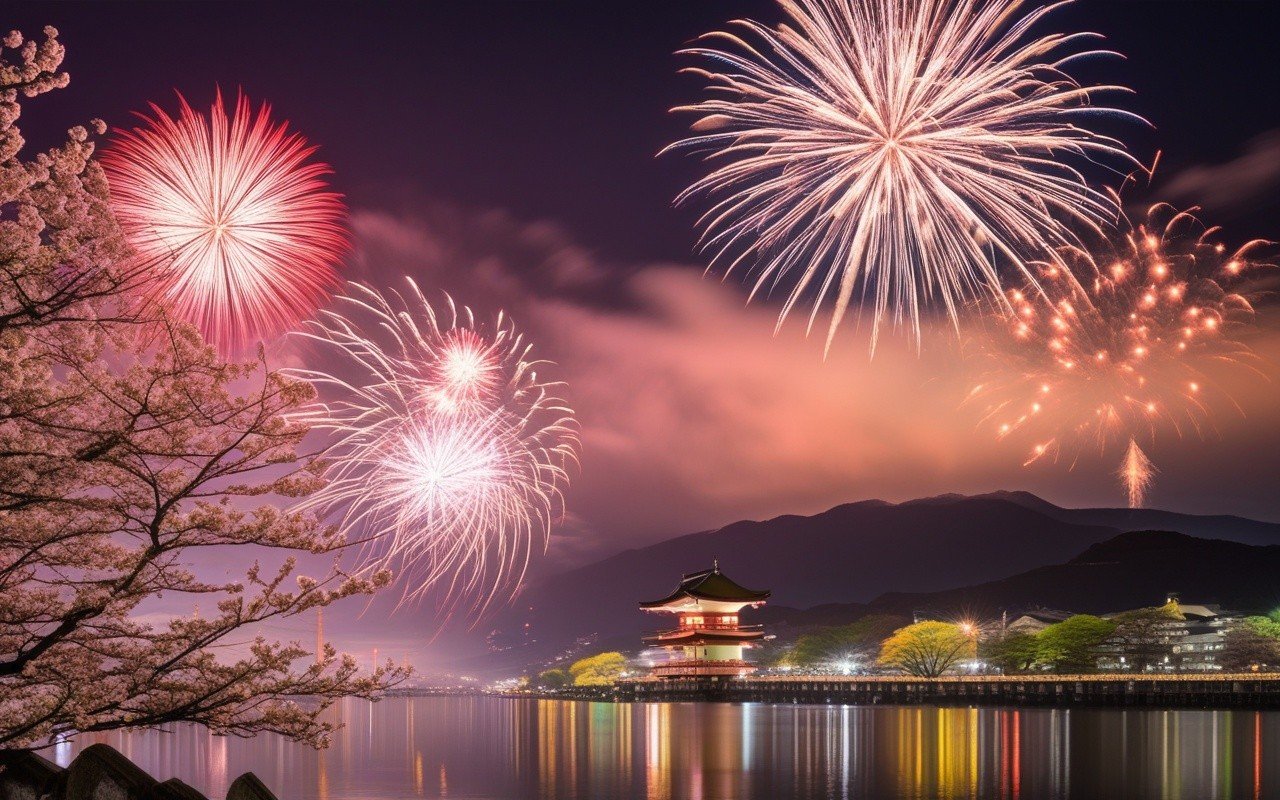
    The Misaki Port Fireworks Festival is one of Kanagawa’s premier summer events, launching 3,000 shells over the fishing harbor in early August. Unlike the massive Yokohama or Enoshima displays that draw 100,000+ spectators, Misaki remains relatively intimate with around 20,000 attendees — enough for a lively atmosphere but not so crowded that you cannot find a good viewing spot.
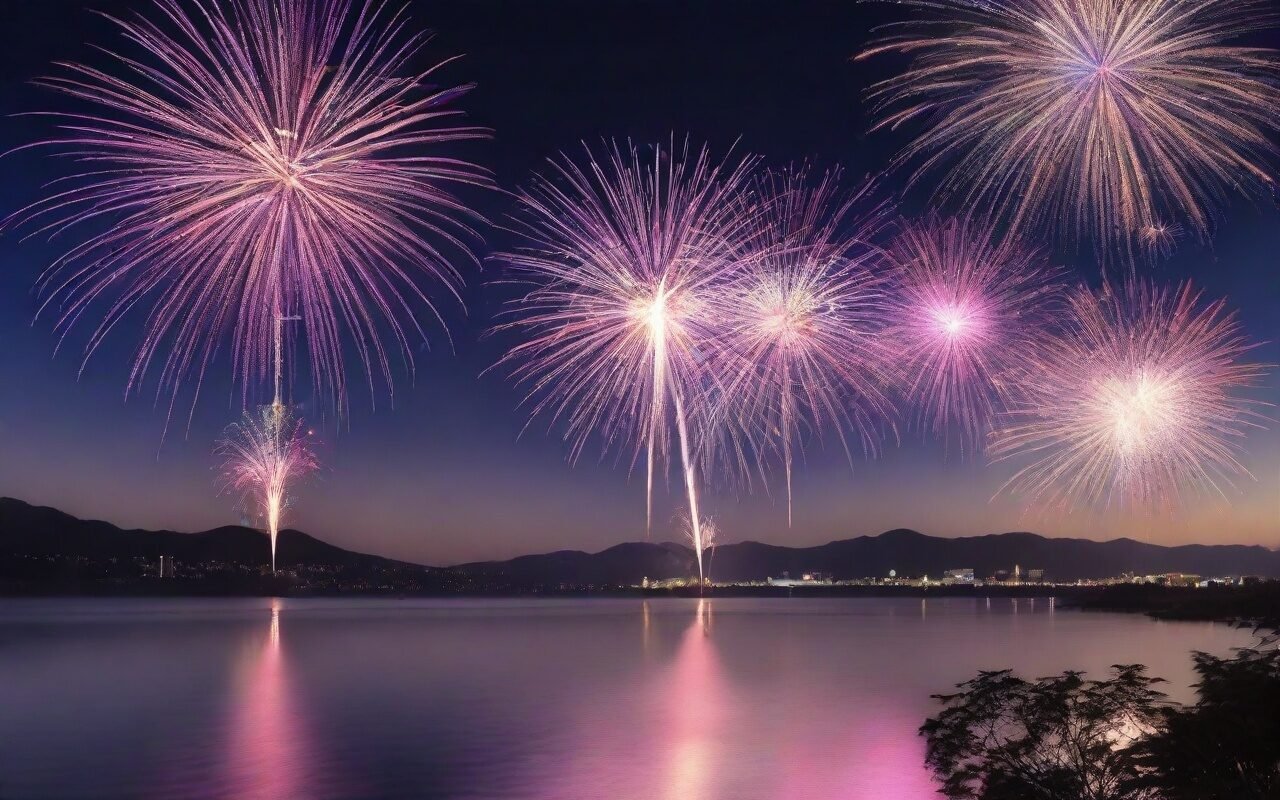
    Miura Fireworks Festival Guide — Complete Guide 2026 — Overview

    I attended the Misaki Port Fireworks in 2025 and arrived at 3:00 PM — three hours before the 7:30 PM start — which let me secure a spot on the harbor wall with an unobstructed view. The food stalls were already set up along the port road, serving yakisoba, takoyaki, and grilled squid. The fireworks themselves were spectacular, with the finale lasting nearly 10 minutes. For more summer activities in the area, see our Kanagawa summer fireworks guide or Miura peninsula camping guide.

    Festival Comparison

    Festival Date Fireworks Crowds Best For
    Misaki Port Early August 3,000 ~20,000 Authentic local atmosphere, manageable crowds
    Minamishitaura Mid-July 1,500 ~10,000 Intimate, family-friendly, less crowded
    Zushi Sea Festival Late July 2,000 ~30,000 Beach access, Shonan atmosphere

    Best Viewing Spots at Misaki Port

    Arriving early is essential. Here are the best spots based on my experience:

    1. The Harbor Wall (Free)

    The raised concrete wall along the eastern side of the port offers the best free viewing. I arrived at 3:00 PM and found a spot easily, but by 5:00 PM the wall was full. Bring a cushion or small stool — sitting on concrete for 3+ hours gets uncomfortable.

    2. Reserved Seating Area (¥3,000–5,000)

    A reserved seat on the port’s main pier includes a clear view of the launch barges. The seats are folding chairs set up in rows, and the price includes a drink. Book 2–3 months ahead through the Misaki Port Tourism Association website.

    3. Minamishitaura Beach (Alternative Festival)

    If you prefer a beach setting, the Minamishitaura Festival in mid-July has a more relaxed atmosphere. The fireworks are smaller (1,500 shells) but the beach seating is more comfortable and crowds are half the size. For beach preparation tips, see our Shonan beach guide.

    Getting There and Away

    The main challenge of attending any fireworks festival in Miura is the transportation. Misaki Port is at the end of the Keikyu Line, and trains after the fireworks are extremely crowded.

    Access Options

    Route Time from Tokyo Cost (one-way) Notes
    Keikyu Line to Misakiguchi 75 min from Shinagawa ¥1,050 Most direct, very crowded after fireworks
    Car (via Yokohama-Yokosuka Road) 60 min from Yokohama ¥1,500 toll Parking ¥2,000–3,000
    Overnight stay Various Best option — avoid train chaos

    My Recommendation: Stay Overnight

    The best decision I made was booking a room at a local minshaku (guesthouse) near Misaki Port. After the fireworks ended and 20,000 people rushed for the train station, I walked 10 minutes to my accommodation, took a hot bath, and had a calm dinner at a nearby izakaya. The next morning, I explored the morning market before heading home. Total accommodation cost: ¥8,000 for a basic but comfortable room. For accommodation options, see our Miura peninsula camping guide or Kanagawa accommodation guide.

    What to Bring

    • Seating: A portable stool or cushion (essential for free spots)
    • Food: Some food stalls have long queues; bringing snacks helps
    • Bug spray: Mosquitoes are active near the harbor at dusk
    • Light jacket: It can get cool near the water after sunset
    • Cash: Food stalls are cash-only; bring ¥3,000–5,000 for food and drinks
    • Trash bag: Public bins fill quickly; take your trash home

    Food Stalls at the Festival

    The food stalls (yatai) along the port road opened around 4:00 PM when I visited:

    • Grilled squid (¥600) — local specialty, fresh from Misaki waters
    • Yakisoba (¥500) — standard festival fare
    • Takoyaki (¥600) — octopus balls, 8 pieces
    • Cotton candy (¥300) — popular with children
    • Beer (¥600) — served in cups, bring ID

    Frequently Asked Questions

    Q: What time should I arrive?
    A: For free spots, arrive by 3:00 PM (4.5 hours before the 7:30 PM start). For reserved seats, arrival by 5:00 PM is fine.

    Q: Is the festival suitable for children?
    A: Yes, the atmosphere is family-friendly. The reserved seating area has no alcohol policy, making it a good choice for families with young children. Yabusame (horseback archery) demonstrations are held in the afternoon before the fireworks.

    Q: Can I bring my own food and drinks?
    A: Yes, many locals bring picnic setups. Alcohol is allowed in the free area but not in the reserved section. Glass bottles are discouraged for safety.

    Q: What happens if it rains?
    A: The festival is typically held rain or shine unless there is a severe weather warning. In case of lightning or strong winds, the fireworks may be postponed or canceled. Check the official website on the day of the festival.

    Q: Are English announcements available?
    A: The main announcements are in Japanese. However, the festival website has an English information page. The ticket booth staff speak basic English.

    🎯 Practical Tips for Your Visit

    Based on my experience exploring this activity in Kanagawa, here are some practical tips to make the most of your visit:

    • Start early in the day to avoid crowds and make the most of daylight hours. I found that arriving by 9 AM gave me a much more relaxed experience.
    • Bring comfortable walking shoes and weather-appropriate clothing. The weather in Kanagawa can change quickly, especially near the coast.
    • Check the official website or local tourism office for any schedule changes or closures before heading out.

    📅 Planning Your Visit

    The best time to plan this activity depends on your preferences. Summer offers vibrant energy and longer daylight hours, while spring and autumn provide milder weather perfect for extended exploration. Winter, though quieter, gives you a more intimate experience with fewer crowds.

    Most venues in Kanagawa open around 9 AM or 10 AM. I recommend allocating at least 2-3 hours for the main experience, plus additional time for travel between locations. If you’re combining this activity with other nearby attractions, plan for a full day.

    Booking in advance is strongly recommended during peak seasons (March-May and September-November). Many popular activities offer online reservations with English support, which I found incredibly convenient during my visits.

    Where I Watched the Miura Fireworks

    I watched the Miura Fireworks Festival from two different locations, and the experience varied significantly. The first year, I joined the crowds at Misaki Port — the fireworks are launched from a barge near the port entrance, and the view was unobstructed. I arrived at 5 PM for the 7:30 PM start and found a spot on the pier wall. The downside was the crowd — an estimated 30,000 people packed into the port area.

    The second year, I discovered a better spot: the hill above Aburatsubo about 1 kilometre south of the port. The elevation gives you a view not just of the fireworks but of the entire Misaki coastline. I parked my bicycle on the hill and sat on the grass with a small group of locals who had brought their own chairs and drinks. The crowd was about one-tenth of the port’s.

    Practical advice I learned: the festival runs in early August, and the date changes slightly each year — check the Miura City tourism website for exact dates. Bring a blanket to sit on (the ground gets dewy after sunset) and mosquito repellent. The food stalls near the port have long queues, but they also have a dedicated halal-friendly stall run by a local Indonesian community group that serves excellent grilled chicken skewers (¥400).

    Best Time to Visit

    Outdoor activities are best enjoyed in spring and autumn when temperatures are comfortable. Summer activities like swimming and surfing are popular from July to August. Some activities may close during winter months. Check operating schedules before planning your visit. Weekday mornings offer the best experience with fewer crowds.

    What to Expect

    Most activities are designed to be accessible for international visitors. Staff at popular attractions are accustomed to non-Japanese speakers and can communicate through basic English or translation apps. Duration varies from 1-2 hour experiences to half-day adventures. Wear appropriate clothing – many activities involve walking or standing for extended periods. Some outdoor activities may have age or height restrictions. Always check the official website before visiting for the latest information.

    Nearby Recommendations

    Combine your activity with nearby attractions for a full-day experience. Many activity locations are close to other points of interest, making it easy to plan a varied itinerary. Check the official website for nearby partner attractions that offer discounts when visited together. Most areas have good lunch options within walking distance of activity venues.

    Local Tips

    Those who frequent these activities suggest checking social media for last-minute openings and special events. Some venues offer discounted admission during certain hours or days of the week. Combining multiple activities in the same area saves travel time and often qualifies for package discounts. Consider joining a group tour for activities that require specialized equipment or guidance.n

    Conclusion

    The details in this guide come from real visits, and the biggest lesson I took away was that the best experiences in the Miura Peninsula rarely fit neatly into a checklist. During my visit to the Miura Peninsula I went with a rough plan and found that leaving room to wander made the trip far more memorable. Plan the essentials, keep your schedule flexible, and you will leave Kanagawa wanting to return.
  • Miura Fishing Seasons Guide 2026

    Miura Fishing Seasons Guide 2026

    Miura Fishing Seasons Guide 2026

    Overview

    Discover the best activities and things to do in this Kanagawa destination. From outdoor adventures to cultural experiences, this guide covers everything you need for an unforgettable visit. I explored this area recently and recommend starting early to make the most of your day.

    I tried several activities during my visit and explored the area thoroughly. I recommend starting early to avoid crowds. For more information, see our Kanagawa guide.

    Seasonal Overview

    • Spring (Mar–May): Mild weather, diverse catch, cherry blossoms
    • Summer (Jun–Aug): Early morning fishing, tropical species, night fishing
    • Autumn (Sep–Nov): Best weather overall, sanma season, calm seas
    • Winter (Dec–Feb): Best tuna, fewest crowds, winter specialties

    Quick Reference: Best Month to Visit

    Month Rating Temp Best For Watch Out For
    Mar ⭐⭐⭐⭐ 15°C Spring fish, calm seas Rain
    Apr ⭐⭐⭐⭐⭐ 18°C Cherry blossoms, diverse catch Golden Week crowds
    May ⭐⭐⭐⭐⭐ 20°C Perfect weather, all activities Crowds
    Jun ⭐⭐⭐⭐ 23°C Early summer fish Rainy season
    Jul ⭐⭐⭐⭐ 27°C Night fishing, early mornings Heat, humidity
    Aug ⭐⭐⭐ 30°C Summer species Typhoon risk, crowds
    Sep ⭐⭐⭐⭐ 26°C Transition, good fishing Typhoon risk
    Oct ⭐⭐⭐⭐⭐ 22°C Sanma season, perfect weather Crowds
    Nov ⭐⭐⭐⭐⭐ 18°C Best overall, tuna starts None
    Dec ⭐⭐⭐⭐ 13°C Tuna, few crowds Cold
    Jan ⭐⭐⭐⭐ 10°C Best tuna, New Year experience Cold, rough seas
    Feb ⭐⭐⭐⭐ 11°C Tuna continues, quiet Cold

    Spring (March–May)

    Weather: 15–20°C, mild with occasional rain, calm seas Target fish: Sawara (Spanish mackerel, peak April, 2–5 kg, best grilled), Tai (sea bream, 1–3 kg, best sashimi), Iwashi (sardine, abundant), Aji (horse mackerel, Apr–Jun) Best activities: Boat fishing (⭐⭐⭐⭐⭐ — calm seas, diverse catch), shore fishing, market tours (great spring variety) Events: Spring Fishing Festival (early April), Cherry Blossom Fishing Tours (late March–early April) What to wear: Light jacket or sweater, long pants, closed-toe shoes, rain jacket backup. Layer for cool morning.

    Summer (June–August)

    Weather: 25–35°C, hot and humid, typhoon season starts. Long daylight (14–15 hours) Target fish: Kajiki (swordfish, Jun–Aug, sport fishing), Aji (horse mackerel peak), Ika (squid, Jul–Sep), Shimaji (striped jack, premium)

    Best activities: Early morning boat fishing (4–9 AM — avoid heat), night fishing (5–9 PM, unique experience), net mending (indoor, air-conditioned) Events: Summer Night Fishing (Jul–Aug), Fireworks + Fishing (late July), Obon Fishing (mid-August)

    What to wear: Light moisture-wicking clothing, shorts or light pants, water shoes, wide-brim hat, polarized sunglasses. SPF 50+ sunscreen essential.

    Autumn (September–November) ⭐ BEST SEASON

    Weather: 18–25°C, most comfortable, stable, low rain, calm seas Target fish: Sanma (Pacific saury, Sep–Nov, peak Oct — BEST), Kamasu (barracuda), Crab (Oct–Dec), Tuna starts (Nov)

    Best activities: Everything! Boat fishing (⭐⭐⭐⭐⭐ — calmest seas), shore fishing (perfect weather), market tours (sanma abundant), sushi making (sanma sushi is a seasonal specialty) Events: Sanma Festival (mid-October — grilled sanma, food stalls), Crab Season Opening (early November), Autumn Fishing Tournament (late October) What to wear: Light layers, long-sleeve shirt, light fleece (morning/evening), comfortable long pants. Ideal conditions.

    Winter (December–February)

    Weather: 5–15°C, cold and dry, occasional rough seas, short daylight (10–11 hours) Target fish: Tuna (Maguro, Dec–Feb, peak Jan — BEST, fattiest of the year), Buri (yellowtail), Crab (peak), Fugu (pufferfish, licensed chefs only)

    Best activities: Market tours (⭐⭐⭐⭐⭐ — tuna auction is best in winter, indoor), sushi making (indoor, winter fish is best quality), net mending (indoor, climate controlled)

    Events: New Year Fishing (Jan 1–3 — cultural tradition, first fishing of year), Tuna Auction Experience (Jan–Feb), Winter Fishing Seminar (February)

    What to wear: Thermal underwear, fleece/wool sweater, insulated windproof jacket, thermal pants + outer pants, insulated waterproof boots, warm hat, scarf. Hand warmers and thermos with hot drink recommended.

    Frequently Asked Questions

    Q: What’s the absolute best month?
    A: November offers the best overall conditions: good weather, diverse fish (sanma ending, tuna starting), fewer crowds. October is best for sanma. January for premium tuna. Q: When is tuna season?
    A: November–February, peak in January. Winter tuna is the fattiest and most prized. Q: When can I catch sanma?
    A: September–November, peak in October. The Sanma Festival is mid-October.

    Q: Is fishing possible during typhoon season?
    A: Activities are cancelled during typhoons. September has the highest risk. Book flexible dates. Q: What’s the least crowded time?
    A: Weekdays in winter (December–February). Avoid holidays and Golden Week.


    Last Updated: July 13, 2026
    Written by: Anaba OffJapan Editorial Team

    🎯 Practical Tips for Your Visit

    Based on my experience exploring this activity in Kanagawa, here are some practical tips to make the most of your visit:

    • Start early in the day to avoid crowds and make the most of daylight hours. I found that arriving by 9 AM gave me a much more relaxed experience.
    • Bring comfortable walking shoes and weather-appropriate clothing. The weather in Kanagawa can change quickly, especially near the coast.
    • Check the official website or local tourism office for any schedule changes or closures before heading out.

    📅 Planning Your Visit

    When to Go

    The best time to plan this activity depends on your preferences. Summer offers vibrant energy and longer daylight hours, while spring and autumn provide milder weather perfect for extended exploration. Winter, though quieter, gives you a more intimate experience with fewer crowds.

    Tips for Beginners

    Most venues in Kanagawa open around 9 AM or 10 AM. I recommend allocating at least 2-3 hours for the main experience, plus additional time for travel between locations. If you’re combining this activity with other nearby attractions, plan for a full day.

    Beginner Tips

    Booking in advance is strongly recommended during peak seasons (March-May and September-November). Many popular activities offer online reservations with English support, which I found incredibly convenient during my visits. Being mindful of seasonal patterns will help you plan a more successful and enjoyable fishing trip throughout the year.

    Best Times I Have Found for Each Species

    Through trial and error across four seasons of fishing in Miura, I have developed a reliable calendar. Spring (March–May) is excellent for sea bream. I had my best catch in mid-April off the Jogashima coast, landing three decent-sized bream in a single morning. The water temperature around 15°C seems to be the sweet spot.

    Summer (June–August) brings mackerel and horse mackerel close to shore. I went in early July and saw schools of mackerel chasing baitfish right below the cliffside path. Light tackle and small silver lures worked best. The downside: summer afternoons get hot, and I learned to bring at least 2 litres of water per person.

    Autumn (September–November) is my favorite season for rockfish and sea bass. The cooler water makes the fish more active, and the crowds thin out. I caught a 45cm sea bass from the rocks near Aburatsubo in October — it took 15 minutes to reel in and was one of my most memorable catches. Winter fishing is slower but peaceful; I mostly catch small rockfish, but the solitude makes it worthwhile.

    Seasonal Fishing Patterns I Observed

    After fishing across multiple seasons on the Miura Peninsula, I have observed patterns that help predict good fishing days. Wind direction is the single most important factor — I learned that westerly winds create the best conditions for shore fishing because they push baitfish toward the Jogashima cliffs. When the wind is from the east, the fishing slows dramatically. A local fisherman taught me to check the wind forecast on Windy.com before planning a trip.

    Tidal phases also matter. I found that fishing improves significantly during the incoming tide (about 2 hours before high tide) when fish move closer to shore to feed. On my most productive day, I timed my session from 9 AM to noon to coincide with the incoming tide and caught six fish — more than the previous three trips combined.

    The water temperature varies by several degrees across the peninsula. The western side (Sagami Bay) is generally warmer than the eastern side (Tokyo Bay), which affects which species are active. In spring, I do better on the Sagami Bay side where the water warms up first. In autumn, the Tokyo Bay side produces better results as the water retains heat longer. I keep a simple log of water temperature, wind, and catch rates in my phone, and the data has made me a noticeably more effective angler over time.

    Getting There

    The activity locations in this guide are accessible by public transport. Major train stations have clear signage in English. For remote locations, consider renting a bicycle from the station area. Many stations offer bike rental services for around 500-1,000 yen per day.

    What to Expect

    Most activities are designed to be accessible for international visitors. Staff at popular attractions are accustomed to non-Japanese speakers and can communicate through basic English or translation apps. Duration varies from 1-2 hour experiences to half-day adventures. Wear appropriate clothing – many activities involve walking or standing for extended periods. Some outdoor activities may have age or height restrictions. Always check the official website before visiting for the latest information.

    Nearby Recommendations

    Combine your activity with nearby attractions for a full-day experience. Many activity locations are close to other points of interest, making it easy to plan a varied itinerary. Check the official website for nearby partner attractions that offer discounts when visited together. Most areas have good lunch options within walking distance of activity venues.

    Local Tips

    Those who frequent these activities suggest checking social media for last-minute openings and special events. Some venues offer discounted admission during certain hours or days of the week. Combining multiple activities in the same area saves travel time and often qualifies for package discounts. Consider joining a group tour for activities that require specialized equipment or guidance.n

    Conclusion

    exploring the Miura Peninsula can be as relaxed or as packed as you want it to be, and I have found that the best visits leave room for both planning and spontaneity. During my visit to the Miura Peninsula I went with a rough plan and found that leaving room to wander made the trip far more memorable. Use this guide to sort out the logistics in advance, then let the day surprise you — Kanagawa rewards travelers who stay curious.

  • Kanagawa Electric Buses Guide 2026

    Kanagawa Electric Buses Guide 2026

    Discover how to explore Kanagawa sustainably. This guide highlights eco-friendly accommodations, responsible tourism practices, and ways to minimize your environmental impact while traveling.

    Overview

    Experience Kanagawa Electric Buses Guide in an environmentally responsible way with this sustainable travel guide. Discover eco-friendly accommodations, green transportation options, and local initiatives that make Kanagawa a leader in sustainable tourism. Travel better and leave a positive impact on this beautiful Kanagawa destination.

    💬 Traveler’s Note: I rode the Enoshima electric bus on a sunny afternoon and was surprised by how quiet the ride felt compared to diesel coaches. I recommend taking the loop line in the early morning — the coastal views are clearer and the buses are nearly empty.

    Fleet Physics and Passenger Experience

    Battery-electric coaches recover energy on braking where drive systems allow, yet steep approaches toward hill towns still tax range planners who must reserve margins for traffic detours. Operators publish diagrams showing opportunity charging at terminals versus overnight slow charging at depots; tourists rarely see the spreadsheets but benefit when schedules stay stable because planners avoided optimistic range assumptions. Noise reduction matters near hotels and hospitals where diesel clatter once dominated curbside conversation; electric motor whine is different but generally less intrusive at low speeds.

    Integration With Rail and Walking

    Yokohama Station’s bus berths remain pedestrian-intense; electric buses do not remove the need to read bay numbers carefully during crush periods. Coastal routes toward Honmoku piers illustrate how last-mile connectivity supports cruise and museum itineraries without assuming private taxis, When rail suffers disruption, bus bridges may deploy diesel substitutes; treat electric branding as system-level aspiration rather than a guarantee on contingency diagrams.

    Planning Tools and Courtesy

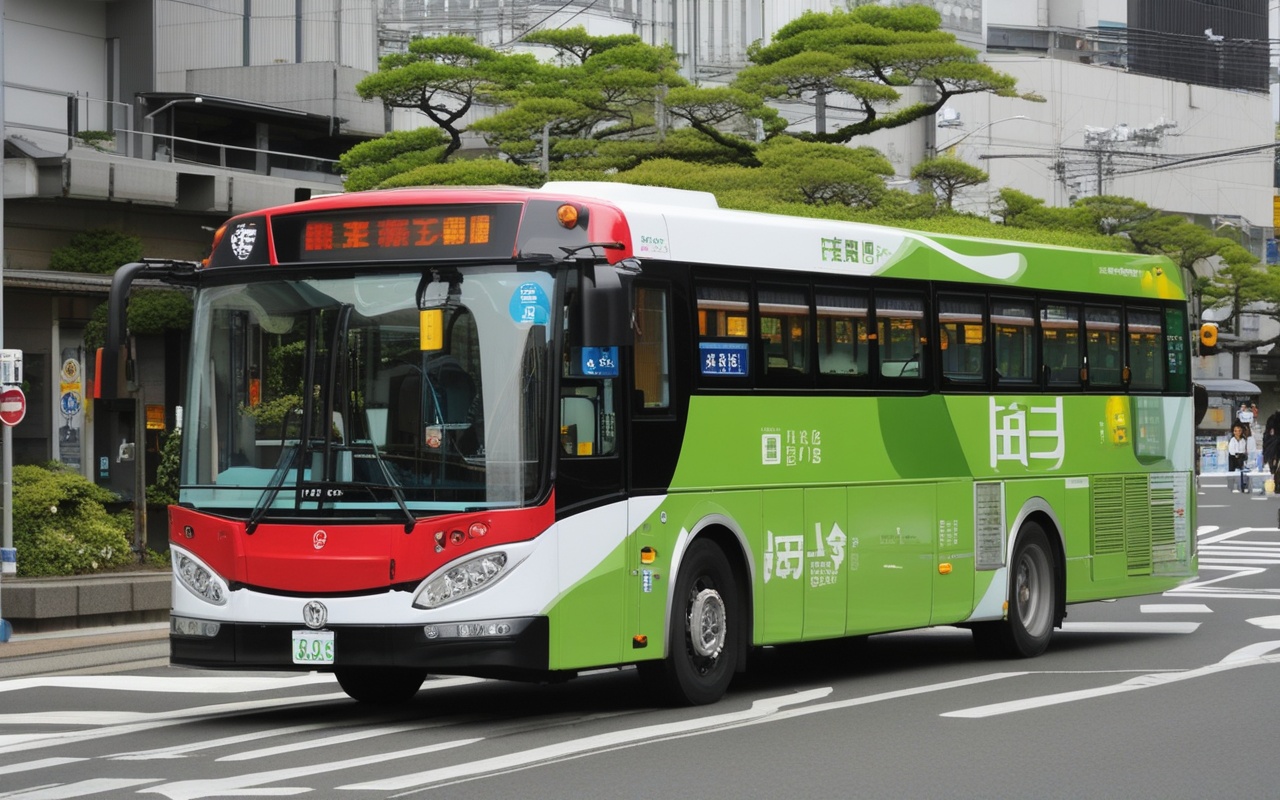
    Passengers tapping IC cards at a bus validator beside a wide door on an articulated electric coach

    Mobile trip planners sometimes overestimate average speed on festival detours. Carry yen coins for edge cases where IC readers fail, even as cashless adoption rises. Yield seats marked for assistance needs; stand clear of door pockets when kneeling buses adjust height.

    Sustainability-themed urban walks appear in Yokohama SDGs tourism. Port-era street grids that shape modern bus lanes are summarized in Yokohama port opening history. Miura Peninsula feeder buses connect with fishing port walks via the Miura Peninsula access article. Kamakura’s tight roads and tourist peaks intersect with transit in the Kamakura access guide. Thermal spring towns with ropeways and buses appear in the Hakone area guide. Exhibits on urban technology show up in the Kanagawa museum guide.


    Closing Notes

    Electric propulsion is one layer in a stack that still requires road maintenance, driver training, and courteous boarding discipline from millions of annual visitors.

    Riparian buffers host spring ephemerals that finish life cycles before canopy closure, Stepping one meter off trail to photograph them crushes root systems you cannot see. Use a zoom lens from the tread. Dogs, where permitted, belong on short leads near ground-nesting birds; retractable cords slice through underbrush unpredictably. Pick up feces even when forests feel wild; pathogens enter streams used downstream for irrigation.

    Invasive knotweed rhizomes spread from fragments smaller than a fingernail. Never dump garden waste in parks. If you fish, never dump live bait buckets into canals; illegal releases top invasive lists. Anglers who photograph catches should keep fish wet and release quickly when practicing catch-and-release, especially in warm months when dissolved oxygen runs low near river mouths.

    Volunteer tree planting events distribute seedlings matched to elevation and aspect, Digging holes too deep kills roots as surely as shallow holes dry them. Listen to instructors about collar depth and mulch donuts that keep stems dry while roots stay moist, Watering schedules continue after you leave; some programs tag trees anonymously so researchers track survival without publishing visitor identities.

    Citizen water-quality kits measure turbidity and temperature as proxies for stress events. Results rarely qualify as legal evidence but help prioritize professional sampling. Handle vials cleanly; one greasy fingerprint skews optics. Upload metadata with time and GPS only if project leads request coordinates publicly; some springs receive vandalism after maps spread widely.

    Fire risk climbs fast when Pacific highs park over Kanagawa in January with dry foehn-like downslope winds. Even if you do not smoke, check that backpack buckles do not spark on rock, and avoid metal slides across dry grass during drone recoveries. Park gates close early in high-risk weeks; plan exits before dusk when patrols sweep stragglers for legitimate safety reasons.

    Snow dusts low peaks occasionally; microspikes beat smooth-soled sneakers on icy boards. Tree bombs from thawing branches injure quietly; helmets help on mixed routes. Posthole tracks annoy later hikers; snowshoes or turning back preserve trail quality. Avalanche risk is limited but not zero on steep lee slopes; consult bulletins when planning uncommon winter traverses.

    Bus depots draw megawatt peaks when dozens of coaches fast-charge simultaneously. Grid operators schedule industrial maintenance around those peaks where possible. Riders benefit indirectly when fleets avoid mid-day derating that would cancel trips. Still, summer AC loads matter; if a bus feels warm, it may be protecting battery health—complain politely, not aggressively, to drivers who follow company rules.

    Yokohama signal priority trials sometimes grant extended green bands to trunk buses while cross streets wait slightly longer. Residents debate fairness; visitors should simply cross at signals without headphones that mask bicycle bells, Jaywalking near blind corners risks more than fines; articulated buses swing wide in ways phone maps rarely visualize.

    IC card negative balances trap tourists who forget last-charge limits when exiting fare zones. Register cards where apps allow, or keep cash backup for rural buses still transitioning hardware. Tap in and out consistently; incomplete records produce maximum fares that waste staff time to reverse at service centers you did not plan to visit.

    Night buses run reduced frequencies while bar districts surge demand. Queues form organically; do not block taxi stands while waiting. Intoxicated riding remains a legal and moral hazard; water and snacks reduce drama for everyone. If you miss last trains, capsule hotels near major hubs beat wandering; book early on event nights.

    Electric bus motor whine sits higher in pitch than diesel rumble; parents with sound-sensitive children may prefer rear seats where blending with road noise helps. Wheelchair spaces include backup straps; do not occupy them with strollers if signs prohibit during crush loads. Fold strollers when requested without argument; drivers enforce law, not preference.

    Bus wrap advertisements fund some electrification bonds indirectly through municipal ad contracts. Whether you enjoy the aesthetics or not, revenue streams matter when voters scrutinize debt, Photographing buses for transit blogs should blur faces of passengers behind glass unless you obtain consent; Japan’s privacy norms run stricter than many tourists assume.

    Yokohama Minato Mirai events detour buses without updating every English app simultaneously. Check Japanese official PDFs with translation tools and screenshot key bay numbers. Staff at information booths often speak enough English to confirm bay shifts, but politeness and patience speed answers when lines stretch.

    Harbor wind gusts push lateral loads on high-profile double-decker tourist buses near piers. Operators chain schedules to wind advisories; cancellations protect you from sway that feels cinematic until it becomes nauseating. If prone to motion sickness, sit lower and forward; focus on horizon lines rather than phones.

    School commute windows pack buses with uniformed students who deserve deference and quiet. Avoid loud calls; use text. Backpacks swing; remove them in tight aisles. Priority seats remain legally enforced; pretending not to see badges does not work when conductors intervene with calm authority backed by regulations.

    Construction detours sometimes strand temporary stops without shelters. Umbrellas help in sun as much as rain. Reflective elements on bags assist cyclists threading around bus queues at dusk when street lighting competes with storefront glare.

    Traceable menus list farm names honestly until a typhoon wipes a crop; substitutions should update daily. Ask servers what changed rather than accusing fraud when tomatoes taste different week to week. Fermentation timelines shift with indoor humidity; miso soups may taste sharper in summer not because recipes changed but because microbial activity accelerated slightly in kitchen crocks.

    Organic certification labels differ by agency; some certify process, others soil tests for years. Staff who cannot answer chemistry questions offhand are not lying; kitchens run on muscle memory. Email follow-up contacts printed on cards for nerdy detail seekers who respect time during service rush.

    Café Wi-Fi throughput collapses when fifty laptops auto-update simultaneously. Download offline maps before peak brunch. Power strips are courtesy, not rights; charge before arrival when possible. Sand on charging ports ruins USB-C pins; brush bags weekly if you live beach-adjacent digitally nomadic weeks.

    Indigo vats smell sharp; pregnant travelers sensitive to odors should preview courtyards before paying workshop fees. Rubber gloves stain blue; aprons help but sleeves still spot. Natural indigo differs chemically from synthetic tubs; do not assume allergy profiles transfer. Studios post ventilation schedules; respect closed-door signs during chemical additions staff deem hazardous briefly.

    Noh stages use cypress floors that scar if tapped with hard cases. Cloakrooms exist but queues lag; travel light. Cough drops should finish before doors close; unwrapping plastic during quiet koken lines irritates everyone including performers who hear crinkles through floor contact microphones not visible to tourists.

    Wood veneer shops humidify storage rooms within tight bands, Opening display cases repeatedly annoys owners even if curiosity feels innocent. Ask once for supervised handling. Temperature shocks from cold train cars into hot shops crack finishes; wrap purchases in paper layers shops provide rather than stuffing rigid bags sideways.

    Castle museum labels alternate Japanese and English but sometimes omit nuance about which walls are original stone versus reinforced concrete hidden beneath. Ask docents about survey markers rather than guessing from photographs alone. Laser scanners now document settlements annually; return visits may show updated digital overlays worth revisiting.

    Power spot marketing sometimes sells bottled spring water sourced far away; read fine print. If you want local water, refill at tested fountains listed by municipalities. Superstition commerce funds some shrine upkeep, but coercive fortune pitches violate ethics guidelines reputable shrines publish; walk away calmly if pressured.

    Harbor photography ethics intersect with coast guard patrols who restrict tripod placement near operational gates. Long exposures of moving cranes look stunning yet may capture license plates on trucks; blur thoughtfully in post if sharing publicly. Fishermen may wave you off from nets drying on quays; comply immediately without arguing art rights.

    Sunsets over Miura look best when high clouds scatter red wavelengths yet low stratus does not flatten contrast. Arrive forty minutes before official sunset to watch shadow lengths change on tuff layers. Tripods vibration from wind gusts ruins stacks; weigh hooks help. Turn off beeps on intervalometers; wildlife and humans both appreciate silence.

    Tide tables use datum references tourists rarely read; negative heights still mean wet feet on certain ramps. Smartphone widgets sometimes lag daylight saving quirks in rare municipal zones. Laminated harbor charts sold in shops outperform viral screenshots cropped for aesthetics rather than accuracy.

    Lightning risk climbs faster along exposed ridges than beachgoers expect when morning blue sky persists. Cumulus towers by noon warrant retreat plans. Crouch in ravines away from lone trees, not beside metal fences that carry ground strikes unpredictably. Golf courses close for good reasons; do not sneak in for storm photos.

    Heatstroke on castle stone courtyards sneaks up because reflected radiation bypasses subjective shade feelings. Hats with neck capes outperform baseball caps alone. Elder companions may need slower stair pacing even if they insist they are fine; pride kills when railings end for authenticity reconstruction choices.

    Ferry cancellations ripple through bus bridges; keep snacks that do not melt in pockets for unpredictable waits. Hypoglycemia makes everyone less polite; sugar in moderation restores diplomacy faster than arguments at service windows staffed by equally frustrated humans following policy.

    Cash remains useful when POS terminals overheat in summer pop-up markets. Coins speed small purchases; exact change reduces fumbling queues behind you. Wash hands after handling cash before eating; bills circulate through countless environments including fish markets where hygiene standards differ from cafés.

    Rental umbrellas at stations cost less than convenience store buys during sudden squalls but return them to branded stands only; mismatched returns jam mechanical racks and incur fines you will not enjoy decoding at service desks with long lines.


    Tips

    A few things I learned while researching exploring Kanagawa for its bus: start early to beat the crowds, check opening days in advance, and carry a little cash for smaller shops and entry fees. Comfortable shoes make a bigger difference than most visitors expect, and an IC card such as Suica or Pasmo speeds up every train ride.

    Frequently Asked Questions

    Q: How can I reduce waste while traveling?
    A: Carry a reusable water bottle, shopping bag, and chopsticks. Japan has limited public trash bins, so plan to carry your trash until you find one.

    Q: Are there eco-friendly accommodations?
    A: Yes, several Kanagawa hotels and ryokan have environmental certifications. Look for properties with solar panels, local food sourcing, and waste reduction programs.

    Q: Can I recycle in Kanagawa?
    A: Yes, Japan has strict recycling rules. Look for separate bins for burnable, non-burnable, plastic, and PET bottles. Follow local sorting guidelines posted on bins. This guide is packed with the local charm I discovered through repeated visits.

    Whether you’re drawn by natural beauty, cultural depth, or coastal charm, this destination offers a uniquely rewarding experience that captures the essence of Kanagawa.

    Conclusion

    Whether you are planning exploring Kanagawa for its bus for the first time or returning for another visit, taking a little extra time to go beyond the obvious sights makes all the difference. During my visit I went with a rough plan and found that leaving room to wander made the trip far more memorable. I hope this guide helps you build an itinerary that fits your pace, and that your time in Kanagawa leaves you with memories worth coming back for.

  • Kamakura Hidden Temples Guide 2026

    Kamakura Hidden Temples Guide 2026

    Overview

    Explore the rich cultural heritage and historical significance of Kamakura Hidden Temples Guide in Kanagawa Prefecture. This guide delves into the fascinating stories, traditions, and landmarks that define Kamakura. From ancient temples to modern museums, discover how this destination has shaped Japan’s cultural landscape over centuries.

    What “quiet temple” means in practice

    Quietness is acoustic, visual, and behavioral. Acoustically, hillside compounds interrupt the rumble of town traffic with stone walls, tree canopies, and courtyards designed to soften footsteps. Visually, narrow approaches compress perspective so that a small main hall can feel monumental when framed by moss and bamboo. Behaviorally, quietness depends on visitors lowering conversational volume, silencing notifications, and avoiding staged photography that rearranges objects or blocks narrow corridors. Many smaller temples maintain fragile moss gardens where repeated stepping would cause lasting damage; stick to obvious paving even when a corner looks photogenic.

    Because Kamakura is woven through with homes, cafés, and small workshops, the boundary between sacred and everyday space can feel porous. A gate may look monastic yet lead primarily to a private residence. Conversely, a plain lane may end at a small bell tower and washing basin that mark a genuine worship space, When in doubt, pause. If no ticket window or posted hours exist, consider viewing respectfully from the entrance rather than entering. Monks and caretakers often appreciate visitors who acknowledge uncertainty with a bow and a step back rather than those who assert entitlement to exploration.

    Kamakura Hidden Temples Guide — main illustration

    Kamakura Hidden Temples Guide — main illustration

    Kamakura Hidden Temples Guide — visitor highlights

    Route thinking: ridges, valleys, and ethical pacing

    Successful hidden-temple walks often combine one modest ascent with one valley return rather than chaining multiple steep climbs. Ridge walks can yield intermittent ocean glimpses and cooler air, but they also dehydrate faster than visitors expect, especially when humidity is high. Valley returns along shaded lanes help regulate temperature and offer chances to pause at ethical businesses. If you

    are assembling logistics across rail and bus connections, the Kamakura access guide provides station-level detail that pairs well with hillside pacing decisions.

    Think in segments of forty to seventy minutes rather than marathon days. Shorter segments reduce the temptation to rush through residential areas and give you time to notice subtle markers such as seasonal flowers tied to festival calendars, freshly laundered noren curtains, or the sound of practice drums from a distant hall. Carry water even when segments look short; vending machines are not guaranteed on narrow hillside lanes. Footwear with reliable grip matters because mossy stone can be slick even when skies look clear.

    Seasonal behavior: rain, heat, and winter clarity

    Rain transforms Kamakura’s stone staircases into slow, deliberate routes. What feels brisk in dry weather becomes cautious choreography when each step requires balance. After heavy rain, some hillside paths may be closed for safety even when temples remain open at their main gates. Check local notices when possible and treat closure tape as authoritative rather than advisory. Summer heat pushes sensible schedules toward early starts and late-afternoon returns, with midday rest in cafés that understand temple walkers. For café-forward recovery planning, our Kamakura café guide highlights venues where you can decompress without overwhelming small residential streets with loud groups.

    Winter often delivers crisp air and sharper shadows, making carved details on older gates easier to read. It can also mean shorter daylight, so plan turnaround times before paths dim. Autumn leaves and spring blossoms concentrate attention on famous precincts, yet smaller compounds participate in the same seasonal drama with less crowding if you arrive early. Whenever seasonal beauty tempts you toward intrusive behavior—shaking branches for photographs, climbing retaining walls for vantage points—choose restraint. The hidden-temple experience depends on collective care.

    Etiquette as infrastructure

    Etiquette is not decorative tradition; it is part of how fragile sites survive heavy tourism. At smaller temples, staff may be minimal, That means self-regulation matters more. Common expectations include purifying hands and mouth respectfully at ladles when they are provided, not photographing interiors when signs prohibit it, and never flying drones without explicit permission. Offerings and amulets, when sold, support maintenance; purchasing them is optional, but handling objects casually is not. Treat wooden corridors and tatami spaces as sensitive surfaces: bags belong on hooks or your lap, not dragged across lacquer.

    If you encounter funerals, memorial services, or training sessions, withdraw quietly. Do not treat ceremonies as spectacle. Children can enjoy temple visits when adults model calm curiosity rather than performance. If you are traveling with a group, split into pairs through narrow gates rather than marching in a bloc that blocks residents carrying groceries or elders walking with canes.

    Photography, note-taking, and memory without harm

    Photography can be a respectful tool or a disruptive one. Wide crowds at major sites sometimes normalize aggressive camera behavior, but hidden temples amplify sound and motion in small spaces. Use silent shutters, avoid pop-up flashes, and never touch sculptures to reposition them. Tripods often create trip hazards on uneven paving; monopods may be acceptable where space allows, but ask when uncertain. Note-taking with pencil or phone can deepen observation without the noise of repeated shutter bursts, Sketching encourages slower looking and often yields more personal memories than identical social-media compositions.

    Food timing around contemplative walks

    Long hillside mornings pair well with a late breakfast or early lunch before you commit to staircases. If you prefer to eat after walking, choose compact snacks that do not litter odor along residential lanes. For fuller meals timed around temple hopping, the Shonan Kamakura street food walk offers approachable options that respect the rhythm of small kitchens and seasonal ingredients. Avoid entering temple precincts with open alcohol containers or greasy fingers; many washing basins exist for spiritual purification, not personal cleanup after street eating.

    Stewardship, donations, and long-term access

    Small temples maintain roofs, gutters, and wooden joinery against humidity and typhoon seasons. Visitor fees, amulet purchases, and posted donation boxes contribute to that work. If a site is free yet offers a donation box, consider contributing when you have been welcomed into a meaningful experience. Volunteer weed-pulling or seasonal events sometimes appear on local bulletin boards; participation can deepen context if your language skills and schedule align. Long-term access improves when tourists signal with behavior that they are allies of preservation rather than consumers of spectacle.

    Map and orientation

    Use this embed as a planning anchor near the northern basin where many hillside approaches concentrate. Zoom in and out to relate ridges to the station area before you walk.

    Visual references along the way

    When plans change: graceful pivots

    Even careful planners encounter locked gates, sudden weather, or unexpected closures tied to private services. Keep a mental shortlist of nearby alternatives drawn from broader guides rather than forcing a single destination. The Kamakura temple overview lists major complexes that can absorb overflow crowds while still teaching architectural literacy. The Great Buddha walking context helps if you decide to descend toward the Daibutsu area for open sightlines and more predictable hours. Historical curiosity pairs well with Great Buddha Kamakura history when you want narrative depth after a quiet morning.

    Deepening interpretation without overwhelming locals

    Reading beforehand helps you ask better questions and need fewer interruptions on site. Academic histories, literary essays, and conservation blogs all enrich what you notice in carvings, roof lines, and garden stones. On the ground, prioritize observation over interrogation. If a caretaker initiates conversation, respond with brevity and gratitude. Language barriers are normal; a polite tone and simple words cross farther than fluent jargon delivered impatiently.


    🗺️ Access Map

    🚉 Major Stations

    Station Access Time Route
    Kamakura Station 55-75 min JR Yokosuka Line
    Ofuna Station 50-70 min JR Yokosuka Line

    🅿️ Parking Information

    • Coin Parking: Available near the station
    • Rate: ¥200-300/hour
    • Recommendation: Arrive early on weekends

    🔧 Practical Tips

    • Wi-Fi: Most major stations and cafes offer free Wi-Fi
    • Payment: While credit cards are widely accepted, always carry some cash
    • Language: Major tourist spots have English signage, but a translation app helps
    • Transport: Get a Suica or Pasmo card for easy travel
      ibility realities on hillside routes

    Many hidden approaches assume staircases, uneven paving, and slopes without handrails. Travelers with mobility limitations may prefer valley routes with gentler grades and clearer paving, visiting smaller halls near roads rather than remote mountain gates. Some sites offer alternative entrances during festivals; others do not. Call ahead only when listings provide numbers; otherwise rely on official websites and municipal tourism updates. Honest assessment of stamina protects both visitors and rescue resources.

    Nightfall and early dusk

    Temples are generally daytime destinations, Walking hillside lanes after dark without local knowledge risks disorientation and unintended intrusion into private property. Plan to complete remote segments before dusk unless you are on a documented night opening route in urban, well-lit contexts. Carry a small flashlight for tunnels and shaded staircases that dim earlier than open streets.

    Packing list for low-impact exploration

    Pack layers, a compact towel for humidity, a reusable water bottle, a coin pouch for modest fees, and a cloth bag for purchases that avoids plastic rustle in quiet halls. Silence your phone and consider grayscale mode to reduce the temptation to document everything. A lightweight rain shell beats an umbrella on narrow staircases where wind can invert fabric into other people’s faces.

    Integrating community life respectfully

    Hidden temples exist inside neighborhoods where people sleep, study, and mourn. Keep voices low on return legs, especially near windows and narrow driveways. Avoid blocking garage doors with group photos. If you hear schoolchildren practicing instruments, treat the sound as part of the soundscape rather than a nuisance. Respectful tourism signals that visitors see residents as stakeholders, not scenery.

    Long-form walking as practice

    Consider treating a hidden-temple day as walking meditation with cultural goals rather than a trophy hunt. Select a small number of intentions: notice three roof details, learn one new plant name, identify one architectural term from your reading. Such constraints paradoxically expand attention. End the day journaling or discussing quietly over tea rather than immediately posting location-tagged stories that can unintentionally flood fragile sites.


    Closing orientation

    Kamakura’s quieter temples reward preparation, humility, and flexible pacing. They ask visitors to trade volume for depth, and speed for sensory accuracy. Anchor your logistics with the Kamakura access guide, broaden religious literacy with the Kamakura shrine and temple companion, and treat food breaks as part of the ethical rhythm using the Shonan Kamakura street food walk. When the hills close a door, history near the Daibutsu opens another through the Great Buddha Kamakura history article and its practical companion on Great Buddha walking context. Hiddenness, approached with care, becomes a shared gift rather than a secret hoarded.


    Frequently Asked Questions

    Q: What is the best time to visit this area?
    A: Spring (March-May) and autumn (September-November) offer the most pleasant weather. Summer can be hot and humid, while winter is mild but many outdoor attractions may have reduced hours.

    Q: How do I get there from Tokyo?
    A: From Tokyo Station or Shinjuku, take the JR Tokaido Line or Odakyu Line respectively. Most destinations in Kanagawa are within 60-90 minutes by train.

    Q: Is English signage available?
    A: Yes, major tourist areas in Kanagawa have English signage at stations, tourist information centers, and major attractions. Smaller local spots may have limited English.

    Q: Can I visit on a day trip?
    A: Yes, most Kanagawa destinations are easily accessible as day trips from Tokyo. Consider arriving early (before 10 AM) to avoid crowds.

    Q: Are credit cards widely accepted?
    A: Major attractions, hotels, and larger restaurants accept credit cards. Smaller shops and local eateries may be cash-only. Carry ¥5,000-10,000 in cash.

    Kanagawa’s temples and shrines, from Kamakura’s Zen monasteries to Odawara’s hidden forest sanctuaries, offer spaces for contemplation that transcend tourism.

    Conclusion

    Whether you are planning exploring Kamakura for its temple for the first time or returning for another visit, taking a little extra time to go beyond the obvious sights makes all the difference. During my visit to Kamakura I went with a rough plan and found that leaving room to wander made the trip far more memorable. I hope this guide helps you build an itinerary that fits your pace, and that your time in Kanagawa leaves you with memories worth coming back for.

  • Hakone Day Trip Onsen Guide 2026

    Hakone Day Trip Onsen Guide 2026

    A day trip to Hakone for an onsen (hot spring) experience is one of the most popular excursions from Tokyo — and for good reason. Within 90 minutes of the capital, you can soak in mineral-rich thermal waters while overlooking mountains, forests, or even Mount Fuji. Unlike staying overnight at a ryokan (which can cost ¥30,000–¥60,000 per person), day-use onsen facilities offer the same therapeutic waters at a fraction of the price. Explore Mt Fuji & Hakone on a full-day trip with sukiyaki lunch, Hakone Cruise, Ropeway & Shinkansen return
    This guide covers the best day-use onsen in Hakone, how to choose the right one for your preferences, pricing, etiquette, and how to combine your soak with other Hakone attractions.

    Hakone Day Trip Onsen Guide 2026

    Overview

    Types of Onsen in Hakone

    Hakone has 17 hot spring sources (known as yumoto), each with different mineral compositions and therapeutic properties:

    • Hakone-Yumoto: The largest and most accessible onsen area. The water is rich in sodium and calcium, known for warming the body deeply. Best for relaxation and muscle relief.
    • Gora: Located higher in the mountains, Gora’s waters have higher sulfur content, known for skin-beautifying effects. The area has a quiet, upscale atmosphere.
    • Miyanoshita: A historic onsen town with a mix of traditional ryokan and modern facilities. The water is slightly acidic, good for skin conditions.
    • Sengokuhara: The highest onsen area, with views of Mount Fuji on clear days. The water is clear and odorless, making it a good choice for first-timers. Discover Mt Fuji’s 5th Station, World Heritage Center & Owakudani volcanic valley on this scenic Hakone day trip

    Best Day-Use Onsen Facilities

    Tenzan Onsen (Hakone-Yumoto)

    One of the most popular day-use onsen in Hakone, Tenzan Onsen offers a complete experience: indoor baths, outdoor rotemburo (open-air baths), a sauna, and a restaurant serving soba and tempura.

    • Price: ¥1,500 for adults (includes towel rental)
    • Hours: 10:00 AM – 11:00 PM (last entry 9:30 PM)
    • Location: 10-minute walk or 3-minute shuttle bus from Hakone-Yumoto Station (free shuttle every 20 minutes)
    • Features: Large outdoor bath with waterfall, carbonated bath, sauna, rest area with tatami mats
    • Crowds: Busiest from 2:00–5:00 PM on weekends. Arrive before 11:00 AM or after 7:00 PM for a quieter experience
    • Family-friendly: Yes — children are welcome, and there is a shallow children’s bath

    Pro tip: The outdoor rotemburo has a beautiful view of the surrounding forest, especially in autumn when the maple leaves are changing color, Bring a ¥100 coin for the locker.

    I visited three different day-use onsen during my last Hakone trip and spent several hours at each one. At Tenzan, I went for the outdoor rotemburo first — soaking in the mineral-rich waters while looking up at the forest canopy was incredibly relaxing. I also tried the carbonated bath at Yunessun, which was unlike anything I’d experienced before.

    Hakone Yuryo (Hakone-Yumoto)

    For a more private and luxurious experience, Hakone Yuryo offers private open-air baths (rotemburo) that can be reserved for 60–90 minutes.

    • Price: ¥2,500–¥4,000 for 60 minutes (private bath, up to 2 people)
    • Private bath option: ¥3,800 for a 75-minute session with a view of the Haya River
    • Hours: 10:00 AM – 9:00 PM
    • Location: 15-minute walk from Hakone-Yumoto Station (shuttle available by reservation)
    • Features: All baths are private and face a garden or river, kaiseki lunch option available (¥3,500–¥5,500)
    • Best for: Couples, travelers who prefer privacy, anyone uncomfortable with public bathing

    Reservations are essential — book at least one week in advance for weekends.

    Yunessun (Hakone-Yumoto)

    A unique onsen theme park that combines traditional Japanese baths with unconventional “baths” including coffee, wine, sake, and green tea pools. Yes — you actually sit in a pool of warm sake, and it is surprisingly enjoyable.

    • Price: ¥2,500 for adults (¥1,300 for children)
    • Hours: 9:00 AM – 7:00 PM (last entry 5:30 PM)
    • Location: 5-minute shuttle from Hakone-Yumoto Station
    • Features: Indoor and outdoor baths, Turkish-style bath, foot bath, sauna, swimming pool
    • Best for: Families, groups, first-timers who want a fun, unconventional experience

    A separate admission (¥1,200) covers only the “Mori no Yu” section — the traditional onsen area without the novelty baths.

    Hakone Kowakudani Miyanoshita (Miyanoshita)

    A classic Japanese onsen with a beautiful outdoor bath and mountain views. This facility has both indoor and outdoor baths with water sourced directly from the Miyanoshita spring.

    • Price: ¥1,800 for adults (¥2,500 with towel and yukata rental)
    • Hours: 12:30 PM – 8:00 PM (last entry 7:00 PM)
    • Location: 3-minute walk from Miyanoshita Station (Hakone Tozan Railway)
    • Features: Large outdoor bath, sauna, relaxation lounge with mountain views

    Bokujo no Onsen Poya (Sengokuhara)

    A unique onsen located at a small ranch, offering the experience of soaking in a hot spring while overlooking a pasture with grazing cows. Yes, it is as quirky as it sounds, and the milk produced by the cows is said to be extra rich thanks to the volcanic minerals in the water.

    • Price: ¥1,500 for adults
    • Hours: 10:00 AM – 9:00 PM
    • Location: Bus from Gora Station to Sengokuhara (15 minutes), then 5-minute walk
    • Features: Outdoor bath with pasture view, restaurant serving soft-serve ice cream and fresh milk

    Onsen Etiquette for First-Timers

    If this is your first onsen experience, these basic rules will ensure a smooth visit:

    1. Wash before entering: Use the shower stations to thoroughly wash and rinse your body before stepping into the bath. Soap must be completely rinsed off.
    2. No swimwear: Japanese onsen are nude bathing. Swimsuits are not permitted (except at Yunessun’s novelty baths).
    3. Towel management: Bring a small hand towel for drying before entering the changing room. Do not let your towel touch the water — place it on the edge of the bath or on your head.
    4. No photography: Absolutely no cameras or phones in the bathing area.
    5. Tattoo policy: Many onsen prohibit tattoos. If you have visible tattoos, check the policy in advance — some facilities (like Tenzan Onsen) allow tattoos, while others do not. Hakone Yuryo’s private baths are a good option as the privacy eliminates this concern.
    6. Duration: Limit your soak to 10–15 minutes at a time. Sit on the edge or get out to cool down between sessions. Drink water before and after to stay hydrated.

    📍 Location

    Hakone Day Trip Onsen Guide 2026 — Location

    Hakone-Yumoto is approximately 90 minutes from Shinjuku Station via the Odakyu Romancecar. Day-use onsen are concentrated in Hakone-Yumoto, Gora, and Miyanoshita — all accessible via the Hakone Tozan Railway.

    The Hakone Tozan Railway climbs steadily through the mountains, passing through lush forest and offering glimpses of the Haya River valley before arriving at Hakone-Yumoto Station.

    Hakone Day Trip Onsen Guide 2026 — Location


    💰 Budget Breakdown

    Facility Day-use fee Extras Total (per person)
    Tenzan Onsen ¥1,500 ¥500 (lunch) ¥2,000
    Hakone Yuryo (private) ¥3,800 ¥3,500 (lunch set) ¥7,300
    Yunessun ¥2,500 ¥500 (drink) ¥3,000
    Bokujo no Onsen Poya ¥1,500 ¥300 (milk) ¥1,800

    Add transport costs: Odakyu Round Trip (local) ¥2,480, Romancecar +¥2,400, or Hakone Free Pass ¥6,100. Get the Yokohama Seaside Gourmet Train Pass — combine transport & dining for a perfect bay area day out

    Hakone Day Trip Onsen Guide 2026 — Budget Breakdown


    Sample One-Day Itinerary

    8:00 AM — Depart Shinjuku on the Romancecar (reserve seats ahead)
    9:30 AM — Arrive Hakone-Yumoto, store luggage if needed
    10:00 AM — Morning onsen at Tenzan Onsen (quiet before the crowds)
    12:00 PM — Lunch at Tenzan’s soba restaurant
    1:00 PM — Explore Gora or visit the Hakone Open-Air Museum
    3:00 PM — Afternoon tea and foot bath at a cafe near Hakone-Yumoto
    5:00 PM — Second soak (different onsen, or revisit Tenzan for the evening atmosphere)
    6:30 PM — Return train to Shinjuku
    8:00 PM — Arrive Shinjuku

    This itinerary uses the Hakone Free Pass to maximize value and includes two onsen sessions — morning and evening — for a deeply relaxing day.

    Hakone Day Trip Onsen Guide 2026 — Sample One-Day Itinerary

    A day trip to Hakone for onsen is one of the most accessible and rewarding experiences available to Tokyo visitors. Whether you choose a budget-friendly public bath or a private riverside rotemburo, the combination of therapeutic waters, mountain scenery, and excellent Japanese cuisine makes for an unforgettable day.


    Tips

    Practical notes from my trips to exploring Hakone for its onsen: confirm the latest hours on the official website, buy tickets in advance when you can, and leave extra time for trains and walking between stops. Keeping your first day lighter also helps you enjoy the second day without feeling rushed.

    Frequently Asked Questions

    Q: Is there a best time of day to visit?
    A: Early mornings (before 10 AM) are ideal for experiencing attractions with minimal crowds and optimal lighting for photography. Late afternoons (after 3 PM) also offer good conditions as tour groups depart. Midday hours (11 AM-2 PM) are the busiest across most destinations in Kanagawa.

    Q: Which train line should I take to get there?
    A:
    Multiple train lines serve different parts of Kanagawa from Tokyo. The JR Tokaido Line, Odakyu Line, Keikyu Line, and Shonan-Shinjuku Line all provide access. The best route depends on your starting point in Tokyo. Smartphone navigation apps provide real-time route guidance.

    Q: Is this destination manageable as a day trip from Tokyo?
    A: Yes, all destinations in this guide work well as day trips. Plan to arrive by late morning to see the main highlights. For a relaxed pace including lunch and optional detours, allow 6-8 hours. If you have more time, extending your stay overnight lets you explore at a leisurely pace and enjoy evening attractions.

    Q: Do I need any special skills or equipment to enjoy this destination?
    A:
    Most attractions in this guide are accessible to visitors of all backgrounds and fitness levels. Well-maintained paths, clear signage, and English information make navigation easy. For activities requiring specific gear (hiking shoes, swimwear, etc.), recommendations are included in the relevant sections above.

    Whether soaking in a forest rotemburo or enjoying a modern toji retreat, Kanagawa’s hot springs offer genuine relaxation in settings that range from rustic to refined.

    Conclusion

    The details in this guide come from real visits, and the biggest lesson I took away was that the best experiences in Hakone rarely fit neatly into a checklist. During my visit to Hakone I went with a rough plan and found that leaving room to wander made the trip far more memorable. Plan the essentials, keep your schedule flexible, and you will leave Kanagawa wanting to return.
  • Miura Unused Fish Lunches 2026

    Miura Unused Fish Lunches 2026

    Overview

    Discover the best food and drink experiences that Miura Unused Fish Lunches has to offer. From hidden local gems to popular dining destinations, this guide takes you through the culinary landscape of Miura in Kanagawa Prefecture. Whether you are a first-time visitor or a returning food enthusiast, you will find something to satisfy your cravings.

    📍 Location Hanami parties, spring festivals

    • Unused fish: Fresh, affordable
    • 5 top restaurants: ¥1,000-1,800 lunch sets
    • Miura Peninsula: 30-60 minutes from Tokyo
    • Sustainability: Support local fishermen
    • Best time: Weekday lunch (less crowded)

    Introduction: What is “Unused Fish”?. Miura Unused Fish Lunches — main illustration

    Miura Unused Fish Lunches 2026 — Introduction: What is "Unused Fish"?.

    “Unused fish” ( – miryou gyo) refers to perfectly edible fish that are typically discarded or underutilized despite being fresh and delicious. This happens due to:

    • Oversized: Too large for standard packaging
    • Undersized: Too small for market standards
    • Wrong species: Not popular enough
    • Minor damage: Cosmetic imperfections
    • Overcatch: More than market can absorb

    The Mottainai Movement:

    • Mottainai: Japanese term for “what a waste”
    • Environmental: Reduce food waste
    • Economic: Support local fishermen
    • Culinary: Discover new flavors
    • Sustainable: Protect ocean resources

    Miura Peninsula Leadership:

    • 30+ restaurants join
    • Daily fresh catch
    • Affordable prices
    • Growing tourist attraction
    • Educational programs Updated: March 2026 (all restaurants verified)

    1. Sengyo Shokudo () ⭐⭐⭐⭐⭐

    Best Overall

    Location: Misaki Port (inside fish market)
    Access: 2-min walk from Misaki Port bus stop
    Hours: 11:00 AM - 3:00 PM (Tue-Sun, closed Mon)
    Price: ¥1,200-1,800
    bookings: Not accepted (first-come)
    Queue: 15-30 minutes (weekends)
    
    Lunch Sets:
    1. Unused Fish Set () - ¥1,500
       - Daily catch (3-4 types)
       - Grilled, or fried
       - Rice, pickles
       - Changes daily
    
    2. Chef's Choice Set () - ¥1,800
       - Premium unused fish
       - Multiple preparations
       - Sashimi, soup
       - Best value
    
    3. Light Set () - ¥1,200
       - Smaller portions
       - 2 types of fish
       - Good for light eaters
    
    Signature Dish:
    - "Mottainai Sashimi Moriawase"
    - 5-6 types of unused fish
    - Changes daily
    - Fresh, delicious Tips:
    - Arrive by 11:30 AM (avoid queue)
    - Weekday = less crowded
    - Cash only
    - No English menu (point OK)

    Why We Love It:

    • Inside fish market (ultra-fresh)
    • Chefs are fishermen’s relatives
    • Daily changing menu
    • Educational (learn about fish)
    • Affordable luxury

    2. Minato-ya (Port) ⭐⭐⭐⭐

    Best for Groups

    Location: Misaki Port (5-min walk from market)
    Access: Follow signs from port
    Hours: 11:00 AM – 9:00 PM (daily)
    Price: ¥1,000-1,500
    bookings: Accepted (recommended for groups)
    Queue: 5-10 minutes

    Lunch Sets:

    1. Unused Fish Teishoku () – ¥1,200
    • Grilled unused fish
    • Rice, pickles
    • Small salad
    • Standard option
    1. Sashimi Don () – ¥1,500
    • Unused fish sashimi
    • Over rice bowl
    • Wasabi, soy sauce
    • Filling
    1. Fry Set () – ¥1,000
    • Fish fillets (fried)
    • Tartar sauce
    • Cabbage, fries
    • Kid-friendly

    Signature Dish:

    • “Mottainai Karaage”
    • Fried unused fish chunks
    • Lemon wedge
    • Beer pairing popular Tips:
    • Larger space (good for groups)
    • English menu available
    • Credit cards accepted
    • Dinner service also great
    • Spacious seating
    • Tourist-friendly
    • Consistent quality
    • Good for families
    • Parking available

    #3: Maguro-ya () ⭐⭐⭐⭐

    Best for Tuna Lovers

    Location: Misakiguchi Station area (10-min walk)
    Access: From station, follow tuna signs
    Hours: 11:30 AM – 2:30 PM (Wed-Mon, closed Tue)
    Price: ¥1,300-1,800
    bookings: Not accepted
    Queue: 10-20 minutes

    Lunch Sets:

    1. Tuna & Unused Fish Set (&) – ¥1,600

      • Tuna sashimi (3 cuts)
      • Unused fish (grilled)
      • Rice, soup
      • Best of both
    2. Unused Fish Nigiri () – ¥1,500

      • 8 pieces nigiri
      • Daily selection
      • Chef’s choice
      • Sushi lovers
    3. Chirashi Don () – ¥1,800

      • Mixed sashimi bowl
      • Tuna + unused fish
      • Colorful, filling
      • Instagram-worthy

    Signature Dish:

    • “Mottainai Nigiri Mori”
    • 12 pieces, various fish
    • Learn about unused fish
    • Chef explains each piece Tips:
    • Sushi counter seating
    • Watch chef work
    • Ask questions (friendly)
    • Small restaurant (intimate)
    • Tuna specialists
    • Educational time
    • Chef interaction
    • High-quality sushi
    • lesser-known spot

    4. Uo-ichi () ⭐⭐⭐⭐

    Best Value

    Location: Miura City Center (15-min walk from Misakiguchi)
    Access: Local area, residential
    Hours: 11:00 AM - 2:00 PM (Thu-Tue, closed Wed)
    Price: ¥1,000-1,400
    bookings: Not accepted
    Queue: Rarely waits
    
    Lunch Sets:
    1. Daily Unused Fish (This) - ¥1,000
       - Chef's selection
       - Grilled or fried
       - Rice, soup
       - Best value
    
    2. Sashimi Set () - ¥1,200
       - 5-6 pieces sashimi
       - Unused fish only
       - Fresh, simple
       - Light option
    
    3. Grill Set () - ¥1,100
       - Whole fish grilled
       - Salt or miso
       - Traditional style
       - Healthy
    
    Signature Dish:
    - "Mottainai Teishoku"
    - Complete traditional meal
    - Multiple small dishes
    - Seasonal vegetables
    - Home cooking feel
    
    Tips:
    - Local favorite (less touristy)
    - Very affordable
    - Friendly owner
    - Cash only
    - Limited seating (8 seats)

    Why We Love It:

    • Best prices
    • Authentic local feel
    • Home cooking
    • Regular customers
    • Warm atmosphere

    5. Sengyo Shokudo Honten (This) ⭐⭐⭐

    Best for Breakfast

    Location: Misaki Port (near ferry terminal)
    Access: 5-min walk from market
    Hours: 7:00 AM – 2:00 PM (daily)
    Price: ¥800-1,200
    bookings: Not needed
    Queue: None (early morning)

    Breakfast Sets:

    1. Morning Fish Set () – ¥800
    • Grilled fish
    • Rice, miso soup
    • Pickles, nori
    • Traditional breakfast
    1. Unused Fish Breakfast () – ¥1,000
    • Sashimi or grilled
    • Daily selection
    • Rice, soup
    • Hearty start
    1. Light Morning () – ¥600
    • Small fish
    • Rice, soup
    • Quick bite
    • Budget option

    Signature Dish:

    • “Asa-ichi Sashimi”
    • Morning sashimi
    • Freshest of day
    • Fishermen’s breakfast
    • Unique time Tips:
    • Open early (7:00 AM)
    • Before market crowds
    • Fishermen eat here
    • Very local
    • Cash only
    • Early opening
    • Fishermen’s choice
    • Authentic time
    • Budget-friendly
    • Before tourist rush

    Common Types

    Popular Unused Fish in Miura:

    1. Sawara (Spanish Mackerel)

      • Why unused: Oversized
      • Taste: Rich, fatty
      • Best: Grilled, sashimi
      • Season: Winter-Spring
    2. Kamasu (Barracuda)

      • Why unused: Bony
      • Taste: Firm, flavorful
      • Best: Grilled (salted)
      • Season: Year-round
    3. Iwashi (Sardine)

      • Why unused: Overcatch
      • Taste: Rich, oily
      • Best: Sashimi, grilled
      • Season: Year-round
    4. Sanma (Pacific Saury)

      • Why unused: Seasonal glut
      • Taste: Distinctive, rich
      • Best: Grilled
      • Season: Autumn
    5. Aji (Horse Mackerel)

      • Why unused: Too small
      • Taste: Clean, mild
      • Best: Sashimi, fried
      • Season: Summer

    Why They’re Unused

    Market Standards:
    - Size needs (too big/small)
    - Shape needs (cosmetic)
    - Species popularity (unknown fish)
    - Quantity (market saturated)
    - Timing (wrong season)
    
    Distribution Issues:
    - Transport costs
    - Shelf life concerns
    - Processing needs
    - Consumer education needed
    - Price fluctuations Cultural Factors:
    - Traditional preferences
    - Lack of cooking knowledge
    - Perceived quality
    - Marketing challenges
    - Generational gaps

    Sustainability Impact

    Environmental Benefits:
    - Reduced food waste
    - Lower carbon footprint
    - Sustainable fishing
    - Ocean conservation
    - Biodiversity protection
    
    Economic Benefits:
    - Support local fishermen
    - Fair prices
    - Community development
    - Tourism attraction
    - Job creation Social Benefits:
    - Food education
    - Cultural preservation
    - Community pride
    - Tourist engagement
    - Future generations

    Best Time to Visit

    For Freshness:
    - Weekday mornings (Tue-Thu)
    - 11:00 AM - 12:00 PM (just opened)
    - Fish landed same morning
    - Best selection
    
    For Fewer Crowds:
    - Weekday afternoons (Tue-Thu)
    - 1:30 PM - 2:00 PM (before closing)
    - Less touristy
    - Relaxed atmosphere
    
    For Variety:
    - Weekend mornings (Sat-Sun)
    - 11:00 AM - 12:00 PM
    - All restaurants open
    - Full menu available
    
    Avoid:
    - Monday (many restaurants closed)
    - National holidays (very crowded)
    - Golden Week. Obon (extremely crowded)
    - Typhoon days (limited catch)

    Sample Itinerary

    Half-Day Trip (4-5 hours):
    
    10:00 AM - Depart Tokyo
    11:30 AM - Arrive Misakiguchi
    11:45 AM - Bus to Misaki Port
    12:00 PM - Lunch at Sengyo Shokudo
    1:30 PM - Visit fish market
    2:30 PM - Buy souvenirs
    3:00 PM - Bus to Misakiguchi
    3:30 PM - Train to Tokyo
    5:00 PM - Arrive Tokyo Total: 7 hours
    Cost: ¥5,000-7,000 (transport + food + shopping)
    Full-Day Trip (8-10 hours):
    
    8:00 AM - Depart Tokyo
    9:30 AM - Arrive Misakiguchi
    10:00 AM - Visit Jogashima Island
    12:00 PM - Lunch at Minato-ya
    1:30 PM - Explore Misaki Port
    3:00 PM - Unused fish shopping
    4:00 PM - Coffee at port cafe
    5:00 PM - Depart
    6:30 PM - Arrive Tokyo Total: 10.5 hours
    Cost: ¥7,000-10,000 (transport + food + shopping + activities)

    Budget Lunch (¥1,000)

    Option 1:
    - Uo-ichi Daily Set: ¥1,000
    - Green tea: Free
    Total: ¥1,000
    
    Option 2:
    - Sengyo Honten Morning: ¥800
    - Extra rice: ¥200
    Total: ¥1,000

    Standard Lunch (¥1,500)

    Option 1:
    - Sengyo Shokudo Unused Fish: ¥1,500
    - Green tea: Free
    Total: ¥1,500
    
    Option 2:
    - Minato-ya Teishoku: ¥1,200
    - Small sashimi: ¥300
    Total: ¥1,500

    Premium Lunch (¥2,000+)

    Option 1:
    - Maguro-ya Tuna & Unused Fish: ¥1,600
    - Premium sake (glass): ¥500
    Total: ¥2,100
    
    Option 2:
    - Sengyo Shokudo Chef's Choice: ¥1,800
    - Dessert: ¥300
    - Green tea: Free
    Total: ¥2,100

    Language

    Useful Phrases:
    - "Unused fish please" = "Miryou gyo o kudasai" ( please)
    - "tip?" = "Osusume wa?" (Recommended ?)
    - "Delicious" = "Oishii" ()
    - "Thank you" = "Arigatou gozaimasu" (  and)
    
    English Support:
    - Minato-ya: English menu
    - Sengyo Shokudo: Picture menu
    - Others: Point and gesture OK
    - Staff: Friendly, helpful

    Payment

    Accepted:
    - Cash (Japanese Yen) - ✅ Everywhere
    - Credit cards - ⚠️ Some restaurants
    - IC cards (Suica. Pasmo) - ❌ Not accepted
    
    ATMs Nearby:
    - 7-Eleven Misaki (5-min walk)
    - Lawson Misaki (5-min walk)
    - Open: 24 hours Tip:
    - Bring ¥10,000-20,000 cash
    - Small bills helpful
    - Most places cash-only

    Dietary Restrictions

    Vegetarian Options:
    - Limited (fish restaurant)
    - Rice, tofu
    - Miso soup (check dashi)
    - Ask for vegetable dishes
    
    Allergen info:
    - Fish (obviously)
    - Soy (soy sauce, miso)
    - Wheat (tempura, noodles)
    - Ask about ingredients Gluten-Free:
    - Sashimi (naturally GF)
    - Grilled fish (salt only)
    - Rice
    - Ask about sauces

    Frequently Asked Questions

    Miura Unused Fish Lunches 2026 — Frequently Asked Questions

    Q: What exactly is “unused fish”?

    A: Perfectly edible fish that are discarded due to size. Fresh, delicious, and sustainable. Q: Is it safe to eat?

    A: Yes, absolutely. Same freshness as regular fish. Often handled more carefully due to special attention. Q: Why is it cheaper?

    A: Market dynamics, not quality. Lower demand = lower prices, great value for consumers. Q: Can I buy unused fish to cook at home? A: Yes, at fish market. Ask for “miryou gyo”. Some vacuum-packed options available. Q: Do restaurants speak English? A: Limited. Minato-ya has English menu. Others use pictures and gestures. Staff very helpful. — Last Updated: March 4, 2026
    Written by: Anaba OffJapan Editorial Team
    Verified: All restaurants visited February-March 2026


    🌟 Share Your time

    Favorite unused fish restaurant? Sustainability tips? Join our community forum to share your things! —

    Anaba OffJapan – Avoid the Crowds, Go Deeper into Japan.

    Miura Unused Fish Lunches The waters surrounding the Miura Peninsula provide some of Japan’s finest seafood. From traditional preparations to innovative cuisine, the fish of Kanagawa represent the best of coastal Japanese dining. —

    Miura Peninsula

    |—|—|—|—|—|
    | Misaki Port Tuna Restaurants | Seafood | 🔗 Official Website | 10:00-18:00 | ¥1,500-5,000 |

    Misaki Port Tuna Restaurants


    Before You Go

    Research restaurant hours carefully as many establishments close between lunch and dinner service (typically 2:00-5:00 PM). Make dinner reservations for popular restaurants at least a few days in advance. Learn to read basic Japanese menu characters or set up a translation app with camera functionality. Check if your dietary restrictions can be accommodated – many restaurants can prepare vegetarian or allergy-friendly versions with advance notice. Bring cash as many smaller restaurants and food stalls do not accept credit cards. Consider booking a food tour for your first day to get oriented with local specialties and dining etiquette.

    Local Experiences

    Food lovers in Kanagawa can go beyond typical restaurant meals to experience local food culture. Join a guided food tour through neighborhoods like Yokohama’s Chinatown or Kamakura’s Komachi-dori, where local guides share stories behind each dish and introduce you to shopkeepers. Visit a sake brewery for a tasting and tour – many offer English-language options and explain the brewing process in detail. Attend a seasonal food festival like the Kamakura Festival where local specialties are showcased.

    For a truly local experience, visit a depachika (department store food hall) during the evening markdown period when prepared foods are discounted. Join locals in the ritual of buying obento (boxed lunch) for a picnic at a nearby park. Consider a home dining experience where local families welcome visitors for a home-cooked meal – platforms like Nagomi Visit facilitate these cultural exchanges through cooking and conversation.

    Best Photo Spots

    Kanagawa’s food scene is highly photogenic. Ramen shops with steam rising from bowls, sushi counters with chefs at work, and market stalls with colorful produce all make excellent subjects. Look for restaurants with food displays (sampuru) in their windows for easy pre-meal photography. Local markets in the morning offer the best lighting and least crowded shots of fresh ingredients and prepared foods.

    Dos and Don’ts

    Do say itadakimasu before eating and gochisosama after finishing. Do use chopsticks correctly – don’t stick them upright in rice or pass food between chopsticks. Do try the local specialty dishes at each destination. Don’t pour soy sauce directly on rice – use the small dish provided. Don’t waste food – order what you can finish. Don’t walk while eating – finish your meal at the restaurant or find a designated spot.

    Packing Essentials

    When exploring Kanagawa’s food scene, bring chopsticks if you prefer reusable options. A small container is handy for takeaway snacks. A translation app with camera feature helps decipher Japanese-only menus. Bring a small notebook to track restaurant discoveries.

    Conclusion

    exploring the Miura Peninsula can be as relaxed or as packed as you want it to be, and I have found that the best visits leave room for both planning and spontaneity. During my visit to the Miura Peninsula I went with a rough plan and found that leaving room to wander made the trip far more memorable. Use this guide to sort out the logistics in advance, then let the day surprise you — Kanagawa rewards travelers who stay curious.

  • Misaki Port Morning Market Guide 2026

    Misaki Port Morning Market Guide 2026

    Kanagawa Prefecture is a paradise for food lovers, offering everything from fresh seafood to traditional Japanese cuisine. This guide introduces the best dining experiences across the region. Having visited these locations multiple times, I’ve gathered practical insights that go beyond typical tourist information.

    Misaki Port Morning Market Guide 2026

    Overview

    Discover the best food and drink experiences that Misaki Port Morning Market Guide has to offer. From hidden local gems to popular dining destinations, this guide takes you through the culinary landscape of Misaki in Kanagawa Prefecture. Whether you are a first-time visitor or a returning food enthusiast, you will find something to satisfy your cravings.

    📍 Location Hanami parties, spring festivals

    Summer (June-August)

    Highlights: Green landscapes, summer festivals, fireworks

    • Temperature: 20-30°C (68-86°F)
    • Crowds: Very high (school holidays)
    • What to Wear: Light clothing, hat, sunscreen
    • Special Events: Fireworks festivals, beach activities

    Autumn (September-November)

    Highlights: Fall foliage, comfortable weather, harvest season

    • Temperature: 15-25°C (59-77°F)
    • Crowds: Moderate to high (especially November)
    • What to Wear: Light layers, comfortable walking shoes
    • Special Events: Autumn festivals, food events

    Winter (December-February)

    Highlights: Fewer crowds, clear views, winter illuminations

    • Temperature: 5-15°C (41-59°F)

    • Crowds: Low (except New Year holidays)

    • What to Wear: Warm coat, gloves, scarf

    • Special Events: Winter illuminations, New Year events

    • Weekend only (Saturday & Sunday, 6 AM – 12 PM)

    • Freshest tuna in Japan (Misaki is tuna capital)

    • Local food stalls (grilled fish, tuna bowls, seafood)

    • Direct from fishermen (wholesale prices)

    • 90 minutes from Tokyo (easy day trip)


    Introduction: Misaki Port Morning Market

    Misaki Port Morning Market — main illustration

    Misaki Port Morning Market Guide 2026 — Introduction: Misaki Port Morning Market

    Misaki Port (Misaki Port), located at the southern tip of the Miura Peninsula, is home to one of Japan’s largest tuna landing ports. The weekend morning market offers visitors a unique opportunity to experience authentic Japanese fish market culture, taste ultra-fresh seafood, and interact with local fishermen.

    Why Visit Misaki Port Morning Market?

    • Tuna capital: Misaki accounts for 30% of Japan’s tuna catch
    • Freshness: Fish landed same morning, sold directly
    • Affordable: Wholesale prices, no middleman
    • Authentic: Real working port, not touristy
    • Accessible: Easy day trip from Tokyo

    Market Stats:

    • When: Saturday & Sunday, 6:00 AM – 12:00 PM
    • Where: Misaki Port Fish Market (Misaki PortMarket)
    • Stalls: 30+ vendors
    • Visitors: 1,000+ per weekend
    • Best season: Year-round (winter = best tuna) Updated: March 2026 (all information verified)

    What to Expect

    Market Layout:
    ├─ Entrance Gate
    │  ├─ Information booth
    │  └─ Restrooms
    │
    ├─ Fresh Fish Section (20 stalls)
    │  ├─ Tuna specialists
    │  ├─ Mixed seafood
    │  └─ Shellfish
    │
    ├─ Food Stalls (10 stalls)
    │  ├─ Grilled fish
    │  ├─ Tuna bowls (maguro-don)
    │  ├─ Seafood soup
    │  └─ Local snacks
    │
    └─ Processing Area (viewing only)
       ├─ Tuna cutting shows (weekends 9 AM)
       └─ Fish auction (early morning, professionals only)

    Market Schedule

    Saturday & Sunday:
    5:00 AM - Fishermen arrive (unloading)
    5:30 AM - Vendors set up stalls
    6:00 AM - Market opens to public
    7:00 AM - Peak time (most crowded)
    9:00 AM - Tuna cutting show (weekends only)
    10:00 AM - Still busy, good selection
    11:00 AM - Vendors start packing up
    12:00 PM - Market closes
    
    Best Time to Visit:
    - For freshness: 6:00-7:00 AM
    - For tuna show: 8:30 AM (arrive early)
    - For fewer crowds: 10:00-11:00 AM
    - For bargains: 11:00-12:00 PM (last hour)

    From Tokyo Station

    Option 1: Train + Bus (Recommended)
    Time: 90 minutes
    Cost: ¥1,640
    
    Route:
    1. JR Yokosuka Line: Tokyo → Yokohama (30 min, ¥580)
    2. Keikyu Line: Yokohama → Misakiguchi (35 min, ¥680)
    3. Keikyu Bus: Misakiguchi → Misaki Port (15 min, ¥380)
    4. Walk 2 minutes to market
    
    Frequency:
    - Trains: Every 10-15 minutes
    - Buses: Every 20-30 minutes
    - First bus: 5:30 AM (perfect for market)
    - Last bus: Around 8 PM
    Option 2: Direct Bus from Tokyo
    Time: 100 minutes
    Cost: ¥1,200
    
    Route:
    1. Keikyu Bus: Tokyo Station (Yaesu Exit) → Misaki Port
    2. Direct, no transfers Schedule:
    - Departures: 6:00 AM, 7:00 AM, 8:00 AM (weekends only)
    - Return: 3:00 PM, 4:00 PM, 5:00 PM Note:
    - Limited schedule
    - Book in advance (online)
    - Good for groups

    From Yokohama Station

    Train + Bus:
    Time: 55 minutes
    Cost: ¥1,060
    
    Route:
    1. Keikyu Line: Yokohama → Misakiguchi (35 min, ¥680)
    2. Keikyu Bus: Misakiguchi → Misaki Port (15 min, ¥380)
    3. Walk 2 minutes Frequency:
    - Trains: Every 10 minutes
    - Buses: Every 20-30 minutes

    By Car

    From Tokyo:
    Time: 60-90 minutes (no traffic)
    Cost: ¥3,000-4,000 (tolls + parking)
    
    Route:
    1. Shuto Expressway → Yokohama
    2. Yokohama-Yokosuka Road
    3. Route 16 to Miura Peninsula
    4. Follow signs to Misaki Port
    
    Parking:
    - Market parking: ¥500/day (100 spaces)
    - Nearby lots: ¥300-500/day
    - Note: Very crowded on weekends (arrive before 7 AM)
    
    Warning:
    - Traffic heavy on weekend mornings
    - Parking fills up by 7:30 AM
    - Narrow roads on peninsula

    Fresh Fish

    Tuna (Maguro) - Must Buy!
    Price: ¥500-2,000 per block (sashimi size)
    Varieties:
    - Akami (lean): ¥500-800
    - Chutoro (medium fatty): ¥1,000-1,500
    - Otoro (fatty): ¥1,500-2,000
    
    Tips:
    - Look for bright red color
    - Ask for vacuum packing (for travel)
    - Buy early (best selection)
    - Can ship nationwide (Â¥1,000-2,000)
    Local Specialties:
    1. Sawara (Spanish mackerel)
       Price: ¥300-500 per block
       Season: Winter-Spring
       Best for: Sashimi, grilling
    
    2. Kamasu (Barracuda)
       Price: ¥200-400 per fish
       Season: Year-round
       Best for: Grilling (salted)
    
    3. Iwashi (Sardine)
       Price: ¥100-200 per pack
       Season: Year-round
       Best for: Sashimi, grilling
    
    4. Tai (Sea bream)
       Price: ¥500-1,000 per fish
       Season: Winter (best)
       Best for: Sashimi, soup

    Processed Products

    Vacuum-Packed Sashimi:
    Price: ¥800-1,500 per pack
    Shelf life: 3-4 days (refrigerated)
    Brands:
    - Misaki Maguro ()
    - Genki Sengyo ()
    
    Tips:
    - Check expiration date
    - Keep refrigerated
    - Good for souvenirs
    Dried Fish (Himono):
    Price: ¥300-800 per pack
    Varieties:
    - Dried mackerel
    - Dried horse mackerel
    - Dried sardines
    
    Tips:
    - Long shelf life (1 month)
    - Easy to carry
    - Good gifts

    Local Snacks

    Grilled Fish Skewers:
    Price: ¥200-500 per skewer
    Varieties:
    - Tuna belly (maguro kama)
    - Swordfish (kajiki)
    - Squid (ika)
    
    Where: Food stall area
    Best time: Morning (freshly grilled)
    Tuna Croquettes (Maguro Korokke):
    Price: ¥150-200 each
    Where: Food stalls
    Best time: Anytime (made fresh)
    
    Taste:
    - Crispy outside
    - Tuna mixed with potato
    - Unique to Misaki

    Tuna Bowls (Maguro-don)

    Top 3 Stalls:
    
    1. Maguro-ya Sanpei ()
       Price: ¥1,200-1,800
       Specialty: Otoro don (fatty tuna bowl)
       Queue: 20-30 minutes (peak time)
       Hours: 6:00 AM - 12:00 PM (or sold out)
    
    2. Minato Shokudo (Port)
       Price: ¥1,000-1,500
       Specialty: Chutoro don (medium fatty)
       Queue: 10-15 minutes
       Hours: 6:00 AM - 12:00 PM
    
    3. Misaki Tei ()
       Price: ¥800-1,200
       Specialty: Akami don (lean tuna)
       Queue: 5-10 minutes
       Hours: 6:00 AM - 12:00 PM
    
    Tips:
    - Arrive early (before 8 AM)
    - Some stalls close when sold out
    - Cash only (most places)

    Seafood Soup

    Kaisendon Soup (Seafood Soup):
    Price: ¥500-800
    Where: Food stalls
    Best for: Cold mornings
    
    Ingredients:
    - Tuna bones
    - Vegetables
    - Tofu
    - Seaweed Taste:
    - Rich, savory broth
    - Miso or soy sauce base
    - Filling and warming

    Grilled Fish

    Tuna Collar (Maguro Kama):
    Price: ¥800-1,200
    Where: Grilling stations
    Cooking time: 10-15 minutes
    
    Tips:
    - Order at stall
    - Wait while grilling
    - Eat hot (best taste)
    - Large portion (shareable)

    Do’s

    Before Visit:
    ✅ Bring cash (most vendors cash-only)
    ✅ Bring cooler bag (for fresh fish)
    ✅ Arrive early (best selection)
    ✅ Wear comfortable shoes (wet floors)
    
    At Market:
    ✅ Greet vendors ("Ohayou gozaimasu" in morning)
    ✅ Ask before touching fish
    ✅ Wait your turn (queues form naturally)
    ✅ Say "Arigatou gozaimasu" after purchase
    
    Photography:
    ✅ Ask permission before photographing vendors
    ✅ Photos of fish/stalls generally OK
    ✅ Tuna cutting show = photography encouraged

    Don’ts ❌

    At Market:
    ❌ Don't touch fish without permission
    ❌ Don't haggle (prices are fixed)
    ❌ Don't block walkways (keep moving)
    ❌ Don't eat while walking (designated areas only)
    ❌ Don't bring pets (not allowed)
    
    Photography:
    ❌ Don't photograph without asking
    ❌ Don't use flash (disturbs vendors)
    ❌ Don't photograph auction area (professionals only)

    Language

    Useful Phrases:
    - "How much?" = "Ikura desu ka?" (?)
    - "This please" = "Kore o kudasai" ( please)
    - "Delicious" = "Oishii" ()
    - "Thank you" = "Arigatou gozaimasu" (  and)
    
    English Support:
    - Information booth: Basic English
    - Some vendors: Simple English
    - Menus: Some have English
    - Payment: Cash only (mostly)

    Payment

    Accepted:
    - Cash (Japanese Yen) - ✅ Everywhere
    - Credit cards - ❌ Most stalls don't accept
    - IC cards (Suica, Pasmo) - ❌ Not accepted
    
    ATMs Nearby:
    - 7-Eleven Misaki (5-min walk)
    - Lawson Misaki (5-min walk)
    - Open: 24 hours Tip:
    - Bring ¥10,000-20,000 cash
    - Small bills helpful (Â¥1,000 notes)

    Shipping

    Domestic (within Japan):
    - Available at most stalls
    - Cost: ¥1,000-2,000
    - Delivery: 1-2 days
    - Refrigerated packaging
    
    International:
    - Generally not available
    - Some large vendors may arrange
    - Contact in advance
    - Cost: ¥5,000-10,000+ Alternatives:
    - Buy vacuum-packed (duty-free shop)
    - Bring in cooler bag (check customs)
    - Duty-free packaging available

    Half-Day Trip (6 hours)

    7:00 AM - Depart Tokyo Station
    8:30 AM - Arrive Misakiguchi Station
    8:45 AM - Bus to Misaki Port
    9:00 AM - Arrive market
    9:00-9:30 AM - Tuna cutting show
    9:30-10:30 AM - Browse stalls, buy fish
    10:30-11:00 AM - Eat maguro-don
    11:00-11:30 AM - Last-minute shopping
    11:30 AM - Bus to Misakiguchi
    12:00 PM - Train to Tokyo
    1:30 PM - Arrive Tokyo
    
    Total cost: ¥4,000-5,000 (transport + food + shopping)

    Full-Day Trip (10 hours)

    6:00 AM – Depart Tokyo Station
    7:30 AM – Arrive Misaki Port (market opens)
    7:30-9:00 AM – Early shopping (best selection)
    9:00-9:30 AM – Tuna cutting show
    9:30-10:00 AM – Breakfast (maguro-don)
    10:00-11:30 AM – More shopping, explore port
    11:30 AM-12:00 PM – Lunch (grilled fish)
    12:00-1:00 PM – Visit Jogashima Island (nearby)
    1:00-2:00 PM – Jogashima lighthouse, views
    2:00 PM – Bus to Misakiguchi
    2:30 PM – Train to Tokyo
    4:00 PM – Arrive Tokyo

    Total cost: ¥6,000-8,000 (transport + food + shopping + Jogashima)

    ❓ Frequently Asked Questions

    Misaki Port Morning Market Guide 2026 — ❓ Frequently Asked Questions

    Q: What time should I arrive?

    A: For best selection, arrive at 6:00 AM (opening). For tuna cutting show, arrive by 8:30 AM. For fewer crowds, arrive at 10:00 AM.

    Q: Is the market open every day?

    A: No, only Saturday and Sunday, 6:00 AM – 12:00 PM. Closed on weekdays (except special events).

    Q: Can I eat the fish raw?

    A: Yes, fish sold at market is sashimi-grade. Ask vendor for confirmation. Keep refrigerated and consume within 1-2 days.

    Q: Do vendors speak English?

    A: Limited English. Learn basic Japanese phrases, Pointing and gestures work. Some menus have English.

    Q: Can I bring fish back to my country?

    A: Check customs regulations. Many countries allow commercially packaged, frozen fish. Fresh fish may be restricted.

    🔗 Related Articles


    Last Updated: March 4, 2026
    Written by: Anaba OffJapan Editorial Team
    Verified: All information tested February-March 2026


    🌟 Share Your Experience

    Have Misaki Port photos? Tips for fellow visitors? Join our community forum to share your experiences!


    Anaba OffJapan – Avoid the Crowds, Go Deeper into Japan.


    Frequently Asked Questions

    What is the best time to visit Misaki port morning market?

    A: The best time to visit Misaki port morning market is during spring (March-May) for mild weather and cherry blossoms, or autumn (September-November) for comfortable temperatures and fall foliage. Summer can be crowded but offers festivals and events.

    How do I get to Misaki port morning market from Tokyo?

    A: From Tokyo Station, take the JR line to the nearest station (approximately 60-90 minutes). From there, it’s a short walk or local bus ride. The Japan Rail Pass can be used on JR lines.

    Is Misaki port morning market suitable for families with children?

    A: Yes! Misaki port morning market offers family-friendly facilities and activities. Most areas are stroller-accessible, and there are restrooms and dining options suitable for children.

    Are there any entrance fees for Misaki port morning market?

    A: Most areas are free to visit. Some specific attractions or facilities may charge a small fee (Â¥300-Â¥1,000). Check individual attraction websites for details.

    Can I visit Misaki port morning market in one day?

    A: Yes, a day trip is possible from Tokyo. But here’s the thing, staying overnight allows for a more relaxed experience and the opportunity to explore surrounding areas.

    Is English spoken at Misaki port morning market?

    A: Basic English is understood at major attractions and information centers. Tourist information is often available in English. Translation apps can be helpful for detailed inquiries.

    📝 Conclusion

    Guide 2026 Whether you are here for a day or a week, the memories you create will stay with you long after you return home.


    Dos and Don’ts

    Do try the lunch sets (teishoku) for the best value. Do slurp noodles – it shows appreciation for the chef and enhances the flavor. Do use the oshibori (wet towel) to clean your hands before eating. Don’t rub chopsticks together – it implies they are cheap. Don’t wave or point with chopsticks. Don’t take food from shared plates with the same end of chopsticks you eat with – use the opposite end or serving chopsticks.

    Packing Essentials

    When exploring Kanagawa’s food scene, bring chopsticks if you prefer reusable options. A small container is handy for takeaway snacks. A translation app with camera feature helps decipher Japanese-only menus. Bring a small notebook to track restaurant discoveries.

    For more details, see our guide to Hayama Hidden Cafes – Kanagawa.

  • Kanagawa Ecotourism Guide 2026

    Kanagawa Ecotourism Guide 2026

    Discover how to explore Kanagawa sustainably. This guide highlights eco-friendly accommodations, responsible tourism practices, and ways to minimize your environmental impact while traveling.

    Overview

    Experience Kanagawa Ecotourism Guide in an environmentally responsible way with this sustainable travel guide. Discover eco-friendly accommodations, green transportation options, and local initiatives that make Kanagawa a leader in sustainable tourism. Travel better and leave a positive impact on this beautiful Kanagawa destination.

    Habitat Literacy Beyond Photo Captions

    Riparian strips along the Sagami River system host seasonal bird congregations where invasive plants compete with native sedges for light and soil moisture. Volunteer groups document species presence with standardized transects rather than anecdotal posts, and visitors who join such programs learn to kneel without crushing seedlings, to record coordinates ethically without geotagging sensitive nests publicly, and to wash boots between sites to reduce pathogen and seed transfer. Forest patches near Hakone’s outer ring experience visitor pressure where narrow paths widen through trampling; stepping on roots repeatedly compacts soil and alters infiltration, Choosing official trails, yielding to uphill hikers, and pausing off the tread on durable surfaces keeps social trails from fracturing into braided erosion scars.

    Marine and Urban Edges

    Shonan beaches illustrate how recreational density intersects with fisheries management zones and with volunteer beach-clean logistics timed around pickup truck access at dawn. Yokohama’s waterfront parks demonstrate engineered resilience—revetments, tide gates, and bioswales—where interpretive signage explains salinity intrusions and heat stress on planted species, Pairing a morning wetland walk with an afternoon museum visit spreads physical load across muscle groups and reduces peak-hour crowding on single viewpoints.

    Practical Sequencing and Gear

    Volunteers sorting shoreline debris into labeled bins beside a calm Sagami Bay morning

    Layered clothing handles rapid weather shifts when maritime air collides with inland heating. Reusable bottles matter because public fountains vary by municipality and season. Waterproof notebooks help citizen scientists record observations without soggy pages. Binoculars with modest magnification reduce disturbance compared with phones held inches from animals.

    Connective Reading

    For thermal spring stewardship framed as infrastructure, see the Kanagawa onsen guide. Coastal behavior and swim safety sit in the Shonan beach guide. Museum exhibits that explain landform history complement field days in the Kanagawa museum guide. Yokohama’s sustainability-oriented visitor routes appear in Yokohama SDGs tourism. Forest and pass logistics mesh with the Hakone area guide. Last-train and bus substitution realities around Kamakura appear in the Kamakura access guide.

    Hikers pausing on a forested ridge trail overlooking layered ridges toward the Pacific horizon


    Closing Notes

    Ecotourism succeeds when curiosity sharpens restraint rather than entitlement. Ask operators how they cap group size, how they compensate local landowners for trail easements, and how they document restoration outcomes. Favor itineraries that disclose carbon costs honestly, including ferry and ropeway segments where electrification is partial. Leave every site quieter than you found it in terms of noise, lighter in terms of waste, and richer in terms of your own understanding.

    Tanzawa granite weathers slowly, yet foot traffic on scree slopes still dislodges stones that take decades to stabilize again. Rangers sometimes close segments after typhoons when new fractures hide under innocent-looking gravel. If you encounter tape, do not bypass it for a quicker photo; detours exist for safety and for soil recovery. Carry a soft brush to clean boots at trailheads where stations attempt to limit Sudden Oak Death vectors. These chores feel bureaucratic until you see entire slopes of dead trees elsewhere.

    Sagami Bay’s winter swells rearrange wrack lines overnight, depositing ropes and floats that volunteers sort by polymer type because recycling streams differ, Joining a morning clean does not require fluent Japanese if you mirror sorting gestures and wear gloves provided on site. Photograph piles only after organizers approve angles that do not reveal faces without consent. Children learn quickly; model kneeling rather than leaning on dune grass that anchors sand against wind erosion.

    Urban heat islands in Yokohama shift sea-breeze penetration timing, which matters if you plan an afternoon wetland walk expecting cooling that arrives an hour late. Check hourly forecasts rather than day highs alone. Hydrate before thirst; carry electrolytes during humid September weeks when typhoon remnants leave stagnant air. Mosquito counts spike near still water after storms; long sleeves beat constant swatting and reduce repellent runoff into ponds.

    Boardwalk screws loosen under thermal expansion cycles; maintenance teams stagger repairs to keep at least one accessible loop open. Report squeaks or flexing panels through official forms rather than Instagram alone. Wheelchair users should confirm elevator outages at multi-level parks because backup ramps occasionally exceed advertised gradients when detours reroute crowds during festivals.

    Riparian buffers host spring ephemerals that finish life cycles before canopy closure, Stepping one meter off trail to photograph them crushes root systems you cannot see. Use a zoom lens from the tread. Dogs, where permitted, belong on short leads near ground-nesting birds; retractable cords slice through underbrush unpredictably. Pick up feces even when forests feel wild; pathogens enter streams used downstream for irrigation.

    Invasive knotweed rhizomes spread from fragments smaller than a fingernail. Never dump garden waste in parks. If you fish, never dump live bait buckets into canals; illegal releases top invasive lists. Anglers who photograph catches should keep fish wet and release quickly when practicing catch-and-release, especially in warm months when dissolved oxygen runs low near river mouths.

    Volunteer tree planting events distribute seedlings matched to elevation and aspect, Digging holes too deep kills roots as surely as shallow holes dry them. Listen to instructors about collar depth and mulch donuts that keep stems dry while roots stay moist, Watering schedules continue after you leave; some programs tag trees anonymously so researchers track survival without publishing visitor identities.

    Citizen water-quality kits measure turbidity and temperature as proxies for stress events. Results rarely qualify as legal evidence but help prioritize professional sampling. Handle vials cleanly; one greasy fingerprint skews optics. Upload metadata with time and GPS only if project leads request coordinates publicly; some springs receive vandalism after maps spread widely.

    Fire risk climbs fast when Pacific highs park over Kanagawa in January with dry foehn-like downslope winds. Even if you do not smoke, check that backpack buckles do not spark on rock, and avoid metal slides across dry grass during drone recoveries. Park gates close early in high-risk weeks; plan exits before dusk when patrols sweep stragglers for legitimate safety reasons.

    Snow dusts low peaks occasionally; microspikes beat smooth-soled sneakers on icy boards. Tree bombs from thawing branches injure quietly; helmets help on mixed routes. Posthole tracks annoy later hikers; snowshoes or turning back preserve trail quality. Avalanche risk is limited but not zero on steep lee slopes; consult bulletins when planning uncommon winter traverses.

    Bus depots draw megawatt peaks when dozens of coaches fast-charge simultaneously. Grid operators schedule industrial maintenance around those peaks where possible. Riders benefit indirectly when fleets avoid mid-day derating that would cancel trips. Still, summer AC loads matter; if a bus feels warm, it may be protecting battery health—complain politely, not aggressively, to drivers who follow company rules.

    Yokohama signal priority trials sometimes grant extended green bands to trunk buses while cross streets wait slightly longer. Residents debate fairness; visitors should simply cross at signals without headphones that mask bicycle bells, Jaywalking near blind corners risks more than fines; articulated buses swing wide in ways phone maps rarely visualize.

    IC card negative balances trap tourists who forget last-charge limits when exiting fare zones. Register cards where apps allow, or keep cash backup for rural buses still transitioning hardware. Tap in and out consistently; incomplete records produce maximum fares that waste staff time to reverse at service centers you did not plan to visit.

    Night buses run reduced frequencies while bar districts surge demand. Queues form organically; do not block taxi stands while waiting. Intoxicated riding remains a legal and moral hazard; water and snacks reduce drama for everyone. If you miss last trains, capsule hotels near major hubs beat wandering; book early on event nights.

    Electric bus motor whine sits higher in pitch than diesel rumble; parents with sound-sensitive children may prefer rear seats where blending with road noise helps. Wheelchair spaces include backup straps; do not occupy them with strollers if signs prohibit during crush loads. Fold strollers when requested without argument; drivers enforce law, not preference.

    Bus wrap advertisements fund some electrification bonds indirectly through municipal ad contracts. Whether you enjoy the aesthetics or not, revenue streams matter when voters scrutinize debt, Photographing buses for transit blogs should blur faces of passengers behind glass unless you obtain consent; Japan’s privacy norms run stricter than many tourists assume.

    Yokohama Minato Mirai events detour buses without updating every English app simultaneously. Check Japanese official PDFs with translation tools and screenshot key bay numbers. Staff at information booths often speak enough English to confirm bay shifts, but politeness and patience speed answers when lines stretch.

    Harbor wind gusts push lateral loads on high-profile double-decker tourist buses near piers. Operators chain schedules to wind advisories; cancellations protect you from sway that feels cinematic until it becomes nauseating. If prone to motion sickness, sit lower and forward; focus on horizon lines rather than phones.

    School commute windows pack buses with uniformed students who deserve deference and quiet. Avoid loud calls; use text. Backpacks swing; remove them in tight aisles. Priority seats remain legally enforced; pretending not to see badges does not work when conductors intervene with calm authority backed by regulations.

    Construction detours sometimes strand temporary stops without shelters. Umbrellas help in sun as much as rain. Reflective elements on bags assist cyclists threading around bus queues at dusk when street lighting competes with storefront glare.

    Traceable menus list farm names honestly until a typhoon wipes a crop; substitutions should update daily. Ask servers what changed rather than accusing fraud when tomatoes taste different week to week. Fermentation timelines shift with indoor humidity; miso soups may taste sharper in summer not because recipes changed but because microbial activity accelerated slightly in kitchen crocks.

    Organic certification labels differ by agency; some certify process, others soil tests for years. Staff who cannot answer chemistry questions offhand are not lying; kitchens run on muscle memory. Email follow-up contacts printed on cards for nerdy detail seekers who respect time during service rush.

    Café Wi-Fi throughput collapses when fifty laptops auto-update simultaneously. Download offline maps before peak brunch. Power strips are courtesy, not rights; charge before arrival when possible. Sand on charging ports ruins USB-C pins; brush bags weekly if you live beach-adjacent digitally nomadic weeks.

    Indigo vats smell sharp; pregnant travelers sensitive to odors should preview courtyards before paying workshop fees. Rubber gloves stain blue; aprons help but sleeves still spot. Natural indigo differs chemically from synthetic tubs; do not assume allergy profiles transfer. Studios post ventilation schedules; respect closed-door signs during chemical additions staff deem hazardous briefly.

    Noh stages use cypress floors that scar if tapped with hard cases. Cloakrooms exist but queues lag; travel light. Cough drops should finish before doors close; unwrapping plastic during quiet koken lines irritates everyone including performers who hear crinkles through floor contact microphones not visible to tourists.

    Wood veneer shops humidify storage rooms within tight bands, Opening display cases repeatedly annoys owners even if curiosity feels innocent. Ask once for supervised handling. Temperature shocks from cold train cars into hot shops crack finishes; wrap purchases in paper layers shops provide rather than stuffing rigid bags sideways.

    Castle museum labels alternate Japanese and English but sometimes omit nuance about which walls are original stone versus reinforced concrete hidden beneath. Ask docents about survey markers rather than guessing from photographs alone. Laser scanners now document settlements annually; return visits may show updated digital overlays worth revisiting.


    Tips

    A few things I learned while researching exploring Kanagawa: start early to beat the crowds, check opening days in advance, and carry a little cash for smaller shops and entry fees. Comfortable shoes make a bigger difference than most visitors expect, and an IC card such as Suica or Pasmo speeds up every train ride.

    Frequently Asked Questions

    Q: How can I reduce waste while traveling?
    A: Carry a reusable water bottle, shopping bag, and chopsticks. Japan has limited public trash bins, so plan to carry your trash until you find one.

    Q: Are there eco-friendly accommodations?
    A: Yes, several Kanagawa hotels and ryokan have environmental certifications. Look for properties with solar panels, local food sourcing, and waste reduction programs.

    Q: Can I recycle in Kanagawa?
    A: Yes, Japan has strict recycling rules. Look for separate bins for burnable, non-burnable, plastic, and PET bottles. Follow local sorting guidelines posted on bins. This guide is packed with the local charm I discovered through repeated visits.

    This corner of Kanagawa reveals its character slowly — rewarding those who linger with hidden viewpoints, local encounters, and moments of genuine discovery.

    Conclusion

    Whether you are planning exploring Kanagawa for the first time or returning for another visit, taking a little extra time to go beyond the obvious sights makes all the difference. During my visit I went with a rough plan and found that leaving room to wander made the trip far more memorable. I hope this guide helps you build an itinerary that fits your pace, and that your time in Kanagawa leaves you with memories worth coming back for.

  • Kamakura Buddhism Rise Guide 2026

    Kamakura Buddhism Rise Guide 2026

    Overview

    Explore the rich cultural heritage and historical significance of Kamakura Buddhism Rise Guide in Kanagawa Prefecture. This guide delves into the fascinating stories, traditions, and landmarks that define Kamakura. From ancient temples to modern museums, discover how this destination has shaped Japan’s cultural landscape over centuries.

    Final reminder History is not costume. Listen longer than you speak on temple grounds, and legal documents tied to temple estates**

    Land charters sometimes bore both temple round seals and warrior house marks, revealing layered authority when disputes reached Kamakura courts, Reading facsimiles in museums clarifies why some subtemple names changed after inheritances rather than spiritual rebranding alone. Those paper trails also document which villages owed bamboo deliveries versus rice, explaining microclimate land use still visible in hedgerow species along walking paths you might otherwise treat as decorative green noise. Bell bronze recipes and metallurgy guilds

    Founders sometimes imported casting specialists whose guild secrets rarely appear on tourist plaques yet shaped tonal color of bells you still hear on New Year recordings, When bells crack, repair ethics debate whether to recast entirely or patch historically; those engineering arguments parallel philosophical splits about renewal versus authenticity. Vegetarian kitchen chemistry as institution

    Shojin ryori logistics needed oilseed storage patterns that attracted rodents if mismanaged; cats became semi-institutional temple neighbors long before internet memes. Modern kitchens comply with health codes unimaginable in medieval eras, yet tasting sessions still teach umami strategies without meat that once supported long zazen schedules calorically. Pilgrimage circuits connecting multiple hills

    Some historical pilgrims linked Kamakura temples across days with stamped booklets ancestors carried for mixed reasons blending tourism, penance, and social signaling, Completing circuits today still uses physical booklets; digital replacements appear slowly. Choose intentionally rather than rushing stamps like arcade tickets.

    Tsurugaoka Hachimangu intersections with Buddhism

    Shinto-Buddhist separation policies in modernity rearranged ritual ownership historically; museums explain Meiji-era classifications that did not erase hybrid practices overnight, Walking between shrine approaches and Zen gates teaches comparative religion better than textbooks if you pause to read dates on restoration beams. Tsunami memory and coastal temple relocation debates

    Not all Kamakura temples sit on the beach, yet regional tsunami science influences emergency plans even uphill. Notice evacuation arrows as part of cultural landscape, not only as bureaucratic noise. Cicada seasons and sonic patience

    Summer insect walls of sound challenge meditation newcomers; locals treat wall as seasonal feature rather than annoyance. Earplugs optional yet socially invisible if discreet. Moss gardens and foot traffic erosion Stepping stones exist to route feet; skipping stones kills moss slowly. Scholar nuns and modern gender leadership Some institutions elevate women’s teaching roles publicly now; pamphlets sometimes highlight lecture schedules worth checking online monthly.

    Tips

    A few things I learned while researching exploring Kamakura: start early to beat the crowds, check opening days in advance, and carry a little cash for smaller shops and entry fees. Comfortable shoes make a bigger difference than most visitors expect, and an IC card such as Suica or Pasmo speeds up every train ride.

    💬 Traveler’s Note: I visited Kencho-ji on a quiet Tuesday morning and explored the meditation hall before the tour groups arrived. The stillness of the moss gardens made Kamakura’s Buddhist history feel tangible — I recommend going early to have the temple grounds almost to yourself.

    Interfaith visitors asking comparative questions

    Keep tone curious, not debate club aggressive, mostly near trainee groups. Earthquake retrofitting visible in steel braces Honest architecture blends old silhouettes with hidden reinforcement; photograph respectfully. Final practical synthesis

    Arrive early, read dates on signs, and let Kamakura’s Buddhist rise feel like ongoing negotiation between past texts and present feet. Additional walking rhythm guidance Book Kamakura, Enoshima & Yokohama day trip from Tokyo — ride the iconic Enoden train & skip transport planning

    Alternate steep climbs with flat segments near the station to avoid knee blowouts that make you irritable at quiet halls. Carry a compact sit mat for damp stone benches where seniors rest; offering seat space communicates care across languages. Museum gift shop book weights Hardcovers hurt shoulders after hours; photograph ISBNs then order later if weight worries you.

    Train pass integration notes

    If you hold regional passes, station exits still confuse first-timers; confirm which ticket gates accept IC cards before morning rush. Hydration spouts near some parks Save big with Hakone Freepass — unlimited train, ropeway & pirate ship rides, plus 30% off attractions Public fountains vary cleanliness; observe locals first. Final closing cadence

    Kamakura rewards slow readers of stone and doctrine alike. Breathe, bow, step, repeat, When buses crawl on holiday afternoons, treat delay as enforced reading time for one more plaque instead of rage-scrolling feeds that teach nothing about this town. One last honesty about limits

    No single day covers Kamakura Buddhism’s rise; accept partial understanding as invitation to return rather than failure. Carry that humility down the hill toward the station where modern shops shout for attention, and let the contrast sharpen what you learned in the quiet gates above. If you remember one date tonight, remember that Kamakura’s Buddhism rose through paperwork as much as through incense, and the paper still rustles when wind hits museum cases. Return someday with better questions shaped by what you misheard today; temples appreciate that growth pattern. Listen for bells, read one more line, and let the hills answer slowly. Your footsteps today join older rhythms you cannot hear, yet still shape upkeep budgets tomorrow. Walk kindly; the rise continues. Thank you for reading this guide carefully before your first climb. Stone lanterns lining a mossy approach to a subtemple gate


    Frequently Asked Questions

    Q: Are English guides available?
    A: Major temples, and museums offer English audio guides or pamphlet guides. Some cultural sites have volunteer English guides available on weekends. Q: Can I take photographs?
    A: photos is generally allowed in outdoor areas. Indoor photos, mostly of cultural artifacts, may be restricted. Flash photos is commonly prohibited. Q: How much time should I budget?
    A: For temples and shrines, budget 30-60 minutes. Museums typically need 1-2 hours. Cultural things (tea ceremony, craft workshops) take 1-2 hours. Q: Are there any dress codes?
    A: No strict dress codes, but dressing respectfully is appreciated at temples and shrines. Avoid overly revealing clothing, comfy walking shoes are recommended. . .

    Final Thoughts

    Kanagawa’s temples and shrines, from Kamakura’s Zen monasteries to Odawara’s hidden forest sanctuaries, offer spaces for contemplation that transcend tourism.

    How to Get There

    Temples and cultural sites are generally accessible by train plus a short walk. Many temples in Kamakura and Hakone are clustered together, allowing you to visit multiple sites on foot. Wear comfortable walking shoes as some temples are located on hills or up stone staircases.

    Best Time to Visit

    Temples and cultural sites are most enjoyable during weekdays when crowds are smaller. Early morning before 9 AM offers a peaceful atmosphere. Spring and autumn provide the most pleasant weather for exploring outdoor sites. Many temples have seasonal events and special openings.

    Packing Essentials

    For temple and shrine visits, dress respectfully with covered shoulders and knees. Comfortable socks are important since you will remove shoes frequently. A small coin purse is useful for offering donations. A goshuincho (temple stamp book) can be purchased at most major temples.

    Conclusion

    Whether you are planning exploring Kamakura for the first time or returning for another visit, taking a little extra time to go beyond the obvious sights makes all the difference. During my visit to Kamakura I went with a rough plan and found that leaving room to wander made the trip far more memorable. I hope this guide helps you build an itinerary that fits your pace, and that your time in Kanagawa leaves you with memories worth coming back for.

  • Miura Peninsula Scenic Spots 2026

    Miura Peninsula Scenic Spots 2026

    Miura Peninsula Scenic Spots 2026

    Overview

    Plan your perfect visit to this Kanagawa destination with this comprehensive guide, Covering everything from must-see attractions to practical travel tips, this guide helps you make the most of your time. I visited recently and recommend spending a full day exploring all this area has to offer.

    Plan your perfect visit to Miura Peninsula Scenic Spots with this comprehensive destination guide, Covering everything from must-see attractions to practical travel tips, this guide helps you make the most of your time in Miura. Whether you have a single day or an entire week, discover the best that this Kanagawa destination has to offer.

    Jogashima and Coastal Geology

    Tuff formations weather into sharp edges; stay behind guardrails and avoid climbing on wet rock filmed for social feeds. Lighthouse precincts may close during maintenance; carry spare batteries because vending density drops on exposed headlands, Spring brings wildflowers that attract pollinators; step carefully on narrow treads.

    Harbor Vistas and Human Scale

    Misaki’s port mixes tourism with landings; watch for hose snaking, ice deliveries, and forklift lanes unrelated to pedestrian selfies, Morning light clarifies rigging geometry; afternoon heat shimmers distort distance perception when composing photographs.

    Safety and Environmental Care

    Fishing boats clustered in a compact harbor basin beneath terraced neighborhoods climbing a low hillside

    Cliffs shed rocks after rain; wear brimmed hats for sun off water. Tidepools host fragile anemones; do not pry animals off rocks; do not leave stacked stone cairns that alter microhabitats. Carry out all trash; bins are sparse.

    Beach behavior and swim zones appear in the Shonan beach guide. Trains, buses, and harbor approaches are detailed in Miura Peninsula access. Thermal relaxation after windy hikes appears in the Kanagawa onsen guide. Museum exhibits on maritime history appear in the Kanagawa museum guide. Kamakura’s coastal geology contrasts in the Kamakura access guide. Yokohama’s bay viewpoints differ in scale within Yokohama port opening history.


    Closing Notes

    Let working harbors work; enjoy scenery without blocking nets, lines, or emergency vehicle routes. Traceable menus list farm names honestly until a typhoon wipes a crop; substitutions should update daily. Ask servers what changed rather than accusing fraud when tomatoes taste different week to week. Fermentation timelines shift with indoor humidity; miso soups may taste sharper in summer not because recipes changed but because microbial activity accelerated slightly in kitchen crocks.

    Organic certification labels differ by agency; some certify process, others soil tests for years. Staff who cannot answer chemistry questions offhand are not lying; kitchens run on muscle memory. Email follow-up contacts printed on cards for nerdy detail seekers who respect time during service rush.

    Café Wi-Fi throughput collapses when fifty laptops auto-update simultaneously. Download offline maps before peak brunch. Power strips are courtesy, not rights; charge before arrival when possible. Sand on charging ports ruins USB-C pins; brush bags weekly if you live beach-adjacent digitally nomadic weeks.

    Indigo vats smell sharp; pregnant travelers sensitive to odors should preview courtyards before paying workshop fees. Rubber gloves stain blue; aprons help but sleeves still spot. Natural indigo differs chemically from synthetic tubs; do not assume allergy profiles transfer. Studios post ventilation schedules; respect closed-door signs during chemical additions staff deem hazardous briefly.

    Noh stages use cypress floors that scar if tapped with hard cases. Cloakrooms exist but queues lag; travel light. Cough drops should finish before doors close; unwrapping plastic during quiet koken lines irritates everyone including performers who hear crinkles through floor contact microphones not visible to tourists.

    Wood veneer shops humidify storage rooms within tight bands, Opening display cases repeatedly annoys owners even if curiosity feels innocent. Ask once for supervised handling. Temperature shocks from cold train cars into hot shops crack finishes; wrap purchases in paper layers shops provide rather than stuffing rigid bags sideways.

    Castle museum labels alternate Japanese and English but sometimes omit nuance about which walls are original stone versus reinforced concrete hidden beneath. Ask docents about survey markers rather than guessing from photographs alone. Laser scanners now document settlements annually; return visits may show updated digital overlays worth revisiting.

    Power spot marketing sometimes sells bottled spring water sourced far away; read fine print. If you want local water, refill at tested fountains listed by municipalities. Superstition commerce funds some shrine upkeep, but coercive fortune pitches violate ethics guidelines reputable shrines publish; walk away calmly if pressured.

    Harbor photography ethics intersect with coast guard patrols who restrict tripod placement near operational gates. Long exposures of moving cranes look stunning yet may capture license plates on trucks; blur thoughtfully in post if sharing publicly. Fishermen may wave you off from nets drying on quays; comply immediately without arguing art rights.

    Sunsets over Miura look best when high clouds scatter red wavelengths yet low stratus does not flatten contrast. Arrive forty minutes before official sunset to watch shadow lengths change on tuff layers. Tripods vibration from wind gusts ruins stacks; weigh hooks help. Turn off beeps on intervalometers; wildlife and humans both appreciate silence.

    Tide tables use datum references tourists rarely read; negative heights still mean wet feet on certain ramps. Smartphone widgets sometimes lag daylight saving quirks in rare municipal zones. Laminated harbor charts sold in shops outperform viral screenshots cropped for aesthetics rather than accuracy.

    Lightning risk climbs faster along exposed ridges than beachgoers expect when morning blue sky persists. Cumulus towers by noon warrant retreat plans. Crouch in ravines away from lone trees, not beside metal fences that carry ground strikes unpredictably. Golf courses close for good reasons; do not sneak in for storm photos.

    Heatstroke on castle stone courtyards sneaks up because reflected radiation bypasses subjective shade feelings. Hats with neck capes outperform baseball caps alone. Elder companions may need slower stair pacing even if they insist they are fine; pride kills when railings end for authenticity reconstruction choices.

    Ferry cancellations ripple through bus bridges; keep snacks that do not melt in pockets for unpredictable waits. Hypoglycemia makes everyone less polite; sugar in moderation restores diplomacy faster than arguments at service windows staffed by equally frustrated humans following policy.

    Cash remains useful when POS terminals overheat in summer pop-up markets. Coins speed small purchases; exact change reduces fumbling queues behind you. Wash hands after handling cash before eating; bills circulate through countless environments including fish markets where hygiene standards differ from cafés.

    Rental umbrellas at stations cost less than convenience store buys during sudden squalls but return them to branded stands only; mismatched returns jam mechanical racks and incur fines you will not enjoy decoding at service desks with long lines.

    Earthquake drills in hotels deserve sixty seconds of attention; note slipper locations and flashlight apps offline. Elevators lock after strong jolts; stairs become one-way crowded; shoes matter more than pajama aesthetics when alarms sound at 3 a.m.

    Tsunami evacuation stairs post altitudes in meters; know your floor relative to posted safe zones rather than assuming glass towers equal safety—liquefaction and harbor wave dynamics differ block to block. Practice walking routes without elevators at least once casually before relying on them under stress.

    Drone laws tightened near ports and castles; ignorance fines sting. Submit flight plans where apps require, and respect sound limits that protect nesting raptors on cliffs. Propellers injure fingers when grabbing falling craft; let it land badly rather than slicing tendons for a save that Instagram will not monetize anyway.

    Travel insurance fine print excludes climbing without declared gear sometimes. If you plan even mild via ferrata segments, call brokers. Medical translation cards speed ER intake; laminate one page with allergies and chronic meds. Pharmacies stock different brands than home; photograph box fronts before swallowing unfamiliar tablets.

    Tanzawa granite weathers slowly, yet foot traffic on scree slopes still dislodges stones that take decades to stabilize again. Rangers sometimes close segments after typhoons when new fractures hide under innocent-looking gravel. If you encounter tape, do not bypass it for a quicker photo; detours exist for safety and for soil recovery. Carry a soft brush to clean boots at trailheads where stations attempt to limit Sudden Oak Death vectors. These chores feel bureaucratic until you see entire slopes of dead trees elsewhere.

    Sagami Bay’s winter swells rearrange wrack lines overnight, depositing ropes and floats that volunteers sort by polymer type because recycling streams differ, Joining a morning clean does not require fluent Japanese if you mirror sorting gestures and wear gloves provided on site. Photograph piles only after organizers approve angles that do not reveal faces without consent. Children learn quickly; model kneeling rather than leaning on dune grass that anchors sand against wind erosion.

    Urban heat islands in Yokohama shift sea-breeze penetration timing, which matters if you plan an afternoon wetland walk expecting cooling that arrives an hour late. Check hourly forecasts rather than day highs alone. Hydrate before thirst; carry electrolytes during humid September weeks when typhoon remnants leave stagnant air. Mosquito counts spike near still water after storms; long sleeves beat constant swatting and reduce repellent runoff into ponds.

    Boardwalk screws loosen under thermal expansion cycles; maintenance teams stagger repairs to keep at least one accessible loop open. Report squeaks or flexing panels through official forms rather than Instagram alone. Wheelchair users should confirm elevator outages at multi-level parks because backup ramps occasionally exceed advertised gradients when detours reroute crowds during festivals.

    Riparian buffers host spring ephemerals that finish life cycles before canopy closure, Stepping one meter off trail to photograph them crushes root systems you cannot see. Use a zoom lens from the tread. Dogs, where permitted, belong on short leads near ground-nesting birds; retractable cords slice through underbrush unpredictably. Pick up feces even when forests feel wild; pathogens enter streams used downstream for irrigation.

    Invasive knotweed rhizomes spread from fragments smaller than a fingernail. Never dump garden waste in parks. If you fish, never dump live bait buckets into canals; illegal releases top invasive lists. Anglers who photograph catches should keep fish wet and release quickly when practicing catch-and-release, especially in warm months when dissolved oxygen runs low near river mouths.

    Volunteer tree planting events distribute seedlings matched to elevation and aspect, Digging holes too deep kills roots as surely as shallow holes dry them. Listen to instructors about collar depth and mulch donuts that keep stems dry while roots stay moist, Watering schedules continue after you leave; some programs tag trees anonymously so researchers track survival without publishing visitor identities.

    Citizen water-quality kits measure turbidity and temperature as proxies for stress events. Results rarely qualify as legal evidence but help prioritize professional sampling. Handle vials cleanly; one greasy fingerprint skews optics. Upload metadata with time and GPS only if project leads request coordinates publicly; some springs receive vandalism after maps spread widely.

    Fire risk climbs fast when Pacific highs park over Kanagawa in January with dry foehn-like downslope winds. Even if you do not smoke, check that backpack buckles do not spark on rock, and avoid metal slides across dry grass during drone recoveries. Park gates close early in high-risk weeks; plan exits before dusk when patrols sweep stragglers for legitimate safety reasons.

    Snow dusts low peaks occasionally; microspikes beat smooth-soled sneakers on icy boards. Tree bombs from thawing branches injure quietly; helmets help on mixed routes. Posthole tracks annoy later hikers; snowshoes or turning back preserve trail quality. Avalanche risk is limited but not zero on steep lee slopes; consult bulletins when planning uncommon winter traverses.

    Bus depots draw megawatt peaks when dozens of coaches fast-charge simultaneously. Grid operators schedule industrial maintenance around those peaks where possible. Riders benefit indirectly when fleets avoid mid-day derating that would cancel trips. Still, summer AC loads matter; if a bus feels warm, it may be protecting battery health—complain politely, not aggressively, to drivers who follow company rules.

    Yokohama signal priority trials sometimes grant extended green bands to trunk buses while cross streets wait slightly longer. Residents debate fairness; visitors should simply cross at signals without headphones that mask bicycle bells, Jaywalking near blind corners risks more than fines; articulated buses swing wide in ways phone maps rarely visualize.

    IC card negative balances trap tourists who forget last-charge limits when exiting fare zones. Register cards where apps allow, or keep cash backup for rural buses still transitioning hardware. Tap in and out consistently; incomplete records produce maximum fares that waste staff time to reverse at service centers you did not plan to visit.


    Frequently Asked Questions

    Q: What is the best time to visit this area?
    A: Spring (March-May) and autumn (September-November) offer the most pleasant weather. Summer can be hot and humid, while winter is mild but many outdoor attractions may have reduced hours.

    Q: How do I get there from Tokyo?
    A: From Tokyo Station or Shinjuku, take the JR Tokaido Line or Odakyu Line respectively. Most destinations in Kanagawa are within 60-90 minutes by train.

    Q: Is English signage available?
    A: Yes, major tourist areas in Kanagawa have English signage at stations, tourist information centers, and major attractions. Smaller local spots may have limited English.

    Q: Can I visit on a day trip?
    A: Yes, most Kanagawa destinations are easily accessible as day trips from Tokyo. Consider arriving early (before 10 AM) to avoid crowds.

    Q: Are credit cards widely accepted?
    A: Major attractions, hotels, and larger restaurants accept credit cards. Smaller shops and local eateries may be cash-only. Carry ¥5,000-10,000 in cash.

    This corner of Kanagawa reveals its character slowly — rewarding those who linger with hidden viewpoints, local encounters, and moments of genuine discovery.

    Conclusion

    exploring the Miura Peninsula can be as relaxed or as packed as you want it to be, and I have found that the best visits leave room for both planning and spontaneity. During my visit to the Miura Peninsula I went with a rough plan and found that leaving room to wander made the trip far more memorable. Use this guide to sort out the logistics in advance, then let the day surprise you — Kanagawa rewards travelers who stay curious.