Blog

  • Where to Eat Dinner in Hakone: Restaurant Guide 2026

    Where to Eat Dinner in Hakone: Restaurant Guide 2026

    Kanagawa Prefecture is a paradise for food lovers, offering everything from fresh seafood to traditional Japanese cuisine. This guide introduces the best dining experiences across the region.

    Overview

    Discover the best food and drink experiences that Where to Eat Dinner in Hakone: Restaurant Guide has to offer. From hidden local gems to popular dining destinations, this guide takes you through the culinary landscape of Where in Kanagawa Prefecture. Whether you are a first-time visitor or a returning food enthusiast, you will find something to satisfy your cravings.

    Access

    Hakone is well connected to Tokyo, with trains and buses running throughout the day. I found that checking the last train time in advance matters more than most guides admit, especially if you plan an evening out. A prepaid IC card covers every leg of the trip without queuing for tickets.

    🗺️ Key Points

    • Most restaurants close early — many stop serving by 18:00-20:00
    • Ryokan half-board is the safest option — kaiseki dinner included with your stay
    • Reservations are essential — walk-in dinner is unreliable in Hakone
    • Best dinner areas: Hakone-Yumoto (most options), Gora (mid-range to upscale), Lake Ashi (limited)
    • Backup plan: Convenience stores (konbini) — surprisingly good but last resort

    During our multiple stays at Hakone ryokan, we learned that booking half-board is the single most important decision you can make for a stress-free evening. The first time we arrived without dinner reservations, we spent an hour walking through empty streets before finding a convenience store meal. This guide compiles everything we’ve learned since.


    Understanding Hakone’s Dining Landscape

    I’ve visited Hakone four times over the past two years, and each trip taught me something new about the town’s dining culture. The first time, I arrived without a dinner plan and spent an hour walking through empty streets near Lake Ashi before settling for convenience store food. On my second visit, I booked a kaiseki dinner at my ryokan — it was the best dining decision I made in Japan.

    Since then, I’ve explored independent restaurants across Hakone-Yumoto, Gora, and the lake area. I’ve learned that preparation is everything here. Hakone is fundamentally different from Tokyo or Yokohama when it comes to evening dining. The town caters primarily to ryokan guests who eat dinner at their accommodation. This means:

    • Independent restaurants are few and often close early (18:00-20:00)
    • Walk-in dinner is unreliable — especially outside Hakone-Yumoto
    • Reservations are not recommended — they are essential
    • Late-night dining (after 20:00) is extremely limited

    Golden rule: If you haven’t arranged dinner by 16:00, you may struggle to find a seat anywhere. Plan your evening meal before you arrive in Hakone.

    💬 Traveler’s Note: I visited Hakone-Yumoto in late autumn and tried the kaiseki dinner at Tenzan Onsen — the seasonal matsutake course alone justified the trip. I recommend booking half-board with your ryokan so dinner plans are settled before you arrive.


    Option 1: Ryokan Half-Board (The Best Choice)

    Most traditional ryokan in Hakone offer a half-board plan (one night with two meals / ichiya-nishoku). This is the standard and recommended way to experience Hakone:

    What You Get

    • Kaiseki dinner: Multi-course Japanese haute cuisine featuring seasonal, local ingredients
    • Breakfast: Traditional Japanese breakfast or Western option
    • Private dining: Usually served in your room or a private dining space
    • Dietary accommodations: Can be arranged if booked in advance

    Price Range

    Type Price per person (incl, dinner + breakfast)
    Budget ryokan ¥15,000-25,000
    Mid-range ryokan ¥25,000-40,000
    Luxury ryokan ¥40,000-80,000+

    Recommended Ryokan with Excellent Dinner

    Ryokan Area Dinner Style Price (per person)
    Gora Kadan Gora Kaiseki (former imperial villa) ¥50,000+
    Hakone Gora Hananoki Gora Modern kaiseki ¥35,000-50,000
    Tenzan Onsen Hakone-Yumoto Traditional kaiseki ¥20,000-35,000
    Hakone Yuryo Hakone-Yumoto Seasonal kaiseki ¥25,000-40,000
    The Prince Hakone Lake Ashi Lake Ashi Japanese/Western buffet ¥25,000-40,000

    Pro tip: When booking, select a plan that includes dinner. The “room only” rate may seem cheaper, but finding an independent dinner can be stressful and may end up costing more.


    Option 2: Independent Restaurants (Reservation Required)

    If you’re staying at a hotel without dinner included or visiting as a day-tripper staying late, here are the best options:

    Hakone-Yumoto Area (Most Choices)

    Restaurant Cuisine Price (dinner) Reservation Notes
    Itoh Dining by NOBU Teppanyaki/Creative Japanese ¥8,000-15,000 Essential High-end, Gora area
    GORA BREWERY & GRILL Grill/Craft Beer ¥4,000-7,000 Recommended Casual upscale, walk-in possible
    Tamura Ginkatsutei Tonkatsu/Tofu ¥2,000-3,500 Essential Famous for Tofu Katsuni, long queues
    Hatsuzushi Sushi ¥5,000-10,000 Essential Traditional Edomae sushi
    Kikka-so Inn Kaiseki/Japanese ¥6,000-12,000 Essential Historic building, refined atmosphere

    Option 3: Casual & Budget Dining

    Lunch-Extended-to-Dinner Strategy

    Many Hakone restaurants serve lunch 11:00-15:00 and dinner 17:00-20:00. The sweet spot is arriving at 17:00-17:30 when dinner service begins:

    • Hakone Soba shops: ¥1,000-2,000 (usually close by 18:00)
    • Udon shops: ¥800-1,500 (limited dinner hours)
    • Curry shops: ¥1,000-1,500 (rare in Hakone, check hours)

    Convenience Stores (Backup Plan)

    Store Location Hours What to Get
    7-Eleven Hakone-Yumoto Station area 24h Bento boxes, onigiri, salads, snacks
    FamilyMart Near Gora Station 24h Hot snacks, sandwiches, drinks
    Lawson Various locations 24h Decent meal options, desserts

    Konbini food in Japan is surprisingly high quality — think ¥500-800 for a complete meal. But it should be your emergency backup, not your primary plan.


    Reservation Guide

    How to Reserve

    Method Best For Notes
    Hotel concierge Ryokan dinner, upscale restaurants Most reliable — ask at check-in or email before arrival
    Tabelog (tabelog.com) Independent restaurants English interface, online booking available for some
    Google Maps Quick checks Call button + hours info
    Phone call Last-minute reservations Many restaurants only accept phone reservations

    When to Reserve

    Type When
    Ryokan half-board At time of booking
    Fine dining (¥8,000+) 1-2 weeks in advance
    Mid-range restaurants 2-3 days in advance
    Casual restaurants Same day (by 14:00)

    Sample Reservation Phrases (English)

    Most upscale restaurants in Hakone now have English-speaking staff or are accustomed to international guests. Use these on booking websites:

    “I would like to reserve dinner for 2 people on [date] at [time]. Any dietary restrictions: [none/vegetarian/gluten-free].”


    Dietary Restriction Guide

    Hakone is less flexible than Tokyo for dietary restrictions. Quick Tips for Dietary Needs:

    • Vegetarian: Request shojin ryori (Buddhist vegetarian) when booking your ryokan
    • Vegan: Contact restaurants 1+ week in advance; konbini food is a reliable backup
    • Gluten-free: Soba is 80-100% buckwheat; bring a gluten-free communication card
    • Halal: Limited options — check our Kanagawa Vegetarian Guide
    • Food allergies: Use a Japanese allergy card (printable here)

    Pro tip: Email your ryokan at least 1 week before arrival if you have dietary restrictions. Most can accommodate with notice — they cannot adjust kaiseki menus on the spot.


    Sample Evening Plans

    Plan A: Ryokan Half-Board (Hassle-Free)

    Time Activity
    15:00 Check in, relax in yukata
    16:00 Onsen before dinner
    18:00 Kaiseki dinner in-room or private dining room
    20:00 Evening onsen or lounge
    22:00 Sleep in tatami room

    Plan B: Independent Dining (Reservations Made)

    Time Activity
    17:00 Arrive at Hakone-Yumoto
    17:30 Evening onsen (Tenzan Onsen ¥1,300)
    19:00 Dinner at Itoh Dining by NOBU (pre-booked)
    21:00 Return to Hakone-Yumoto Station
    21:30 Last train back to Tokyo

    Plan C: Budget Stay (Self-Catered)

    Time Activity
    16:00 Check into guesthouse
    17:00 Convenience store run — buy dinner supplies
    18:00 Enjoy picnic dinner at hotel lounge or nearby park (summer only)
    19:00 Explore Hakone-Yumoto evening atmosphere

    Seasonal Dinner Highlights

    Season Specialty Dish Where to Try
    Spring (Mar-May) Bamboo shoots, cherry blossom-themed kaiseki Ryokan half-board
    Summer (Jun-Aug) Cold soba, freshwater fish (ayu), eel (unagi) Sobadokoro Hatsukari
    Autumn (Sep-Nov) Matsutake mushrooms, sanma (Pacific saury), new sake Ryokan kaiseki
    Winter (Dec-Feb) Hot pot (nabe), oden, crab specialties Ryokan dinner, Tenzan Onsen

    How to Get There

    Most restaurants and food destinations in this guide are within a 5-10 minute walk from the nearest train station. Use Google Maps for precise navigation. For popular restaurants, arrive 15 minutes before opening time to avoid long waits during peak hours. Reservations are recommended for dinner service.

    What to Expect

    Dining in Kanagawa offers incredible variety, from Michelin-starred restaurants to humble street food stalls. Most restaurants display plastic food samples in their windows, making ordering easy even without Japanese language skills. Lunch sets offer excellent value, typically ¥1,000-1,500 for a complete meal with sides. Dinner can be significantly more expensive. Vegetarian and vegan options exist but can be limited – look for shojin ryori (Buddhist cuisine) restaurants near temples. Reservations are essential for popular dinner spots.

    Nearby Recommendations

    Many dining areas in Kanagawa are clustered together, allowing for a progressive dining experience. After your meal, explore nearby dessert shops, tea houses, or bars. Some food markets are located near cultural attractions, making it easy to combine sightseeing with culinary exploration. Check local food blogs for the latest openings and seasonal specialties in the area.

    Local Tips

    Food enthusiasts recommend visiting restaurants during off-peak hours (2:00-5:00 PM) for a more relaxed dining experience. Some restaurants have secret menu items not listed in English – using Google Translate to read the Japanese menu can reveal hidden gems. Seasonal specialties are worth prioritizing, as they feature ingredients at their peak flavor. Local food festivals offer an excellent introduction to the area’s culinary traditions.n

    Conclusion

    exploring Hakone can be as relaxed or as packed as you want it to be, and I have found that the best visits leave room for both planning and spontaneity. During my visit to Hakone I went with a rough plan and found that leaving room to wander made the trip far more memorable. Use this guide to sort out the logistics in advance, then let the day surprise you — Kanagawa rewards travelers who stay curious.
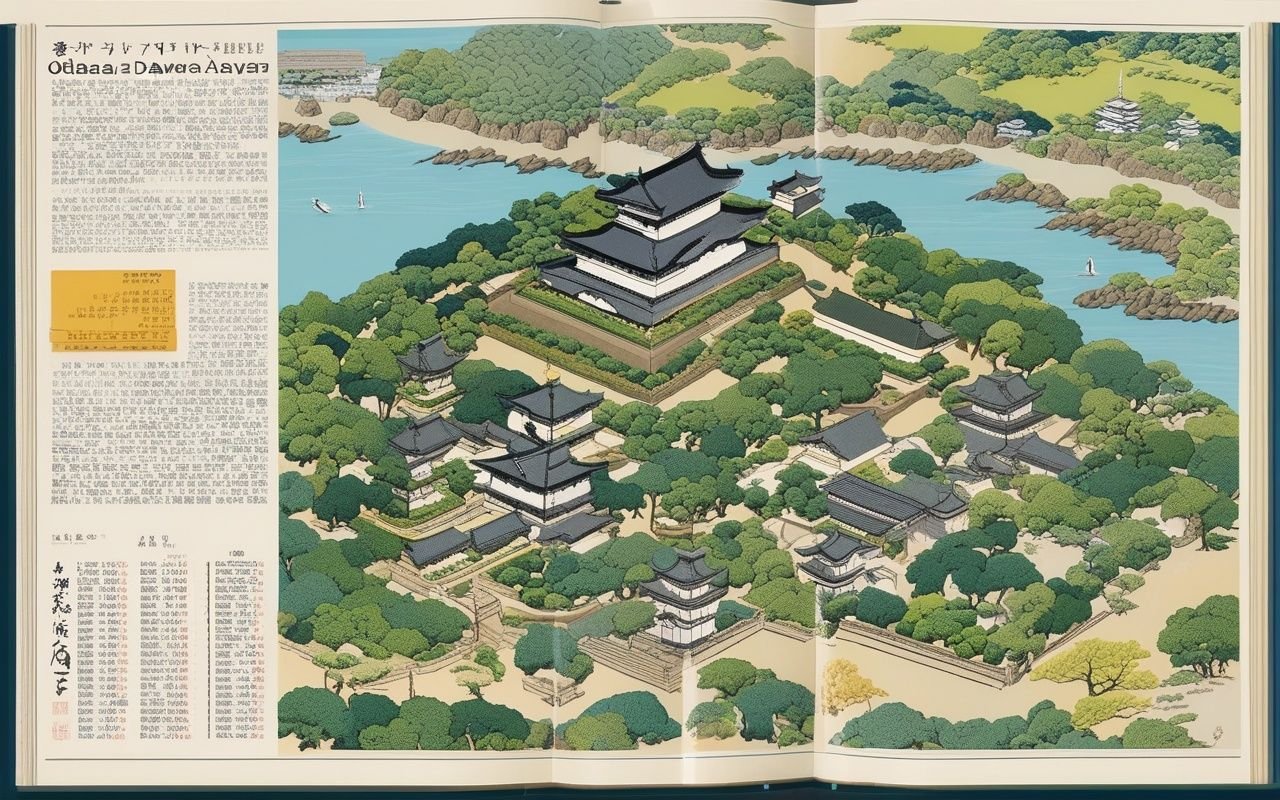
  • Tanzawa-Oyama Hiking Guide 2026 — Best Day Hikes from Tokyo

    Tanzawa-Oyama Hiking Guide 2026 — Best Day Hikes from Tokyo

    Overview

    💬 Traveler’s Note: I visited Mount Oyama on a clear late-autumn morning and explored the stone staircase through the cedar forest before the crowds arrived. I recommend taking the first cable car up — the summit views over Sagami Bay are worth the early start, and the trail is far quieter before 9 AM.

    Overview of Tanzawa-Oyama

    Detail Information
    Location Western Kanagawa Prefecture
    Area 27,000+ hectares of protected forest
    Peak Mount Hiru (1,673m)
    Season April–November (main season), December–March (winter gear required)
    Getting there 90 minutes from Shinjuku by Odakyu Line
    Difficulty range Easy (family walks) to Challenging (full-day summit hikes)

    Getting to Tanzawa-Oyama

    By Train (Recommended)

    Route Duration Cost (One Way) Notes
    Shinjuku → Odakyu Line → Shibusawa Station 90 min ¥1,100 Most common access, bus to trailheads
    Shinjuku → Odakyu Line → Hon-Atsugi Station 65 min ¥830 Access to Mount Oyama
    Shinjuku → Odakyu Romancecar → Hon-Atsugi 50 min ¥1,320 Reserved seat, comfortable

    By Car

    From Tokyo, take the Tomei Expressway to Atsugi IC (50 minutes), then follow Route 246 toward Tanzawa, Parking available at most trailheads (¥500-1,000/day).


    Best Hiking Trails

    1. Mount Oyama (Beginner-Friendly)

    Mount Oyama (1,252m) is the most popular hiking destination in Tanzawa and the easiest summit to reach. The mountain has been a sacred site for centuries and is dotted with Shinto shrines.

    Detail Information
    Duration 3-4 hours round trip
    Distance 5.5 km round trip
    Elevation gain 600m
    Difficulty Easy to Moderate
    Best season April–November

    Route:

    1. From Hon-Atsugi Station, take the bus to Oyama Cable Car Station (30 min, ¥700)
    2. Ride the Oyama Cable Car to the top station (7 min, ¥700 one way)
    3. Hike from the cable car top to the summit (45 min-1 hour)
    4. Visit Oyama Afuri Shrine (main shrine, waterfall, views)
    5. Descend via the same route or the longer womenmonomichi trail

    Highlights: Oyama Afuri Shrine, panoramic views of Sagami Bay, Mount Fuji on clear days Discover Mt Fuji’s 5th Station, World Heritage Center & Owakudani on this Hakone day trip

    2. Lake Tanzawa Loop (Easy, FLakey-Friendly)

    A flat, well-maintained walking path around Lake Tanzawa (Miyagase Lake) — perfect for families and casual walkers.

    Detail Information
    Duration 1.5-2 hours
    Distance 5 km loop
    Elevation gain Minimal (flat)
    Difficulty Easy
    Best season Year-round

    Route: From Shibusawa Station, take the bus to Lake Tanzawa (25 min, ¥500). Follow the paved path around the lake, stopping at rest areas, picnic spots, and the Miyagase Dam. Highlights: Lake views, Miyagase Dam, picnic areas, restrooms at multiple points

    3. Mount Hiru Summit (Challenging, Full Day)

    Mount Hiru (1,673m) is the highest peak in the Tanzawa range and the most rewarding hike for experienced hikers.

    Detail Information
    Duration 6-8 hours round trip
    Distance 12 km round trip
    Elevation gain 900m
    Difficulty Challenging
    Best season May–October

    Route:

    1. From Shibusawa Station, bus to the trailhead at Yabitsu Pass (40 min, ¥800)
    2. Hike from Yabitsu Pass to Mount Hiru summit (3-4 hours)
    3. Summit break (30 min-1 hour)
    4. Return via the same route or the Nabewari Pass loop

    Warning: This is a serious mountain hike, Bring proper hiking boots, at least 2 liters of water, food, rain gear, and warm layers even in summer. The temperature at the summit can be 10°C cooler than at the trailhead.

    4. Mizugasenba Plateau (Moderate, Scenic)

    A beautiful highland plateau with rolling hills and panoramic views — perfect for photographers and nature lovers.

    Detail Information
    Duration 3-4 hours round trip
    Distance 6 km
    Elevation gain 350m
    Difficulty Moderate
    Best season June–October (flowers), October–November (autumn colors)

    Route: From Shibusawa Station, bus to Tanzawa-ko (Lake Tanzawa) and follow the signs toward Mizugasenba. The trail climbs through forest before opening onto a massive plateau with 360-degree views. Highlights: Wildflowers in summer, autumn foliage, mountain views


    Trail Comparison

    Trail Duration Difficulty Best For Crowds
    Mount Oyama 3-4 hours Easy-Moderate Beginners, families, shrine visits Medium
    Lake Tanzawa Loop 1.5-2 hours Easy Families, photo walks, picnics Low
    Mount Hiru 6-8 hours Challenging Experienced hikers, summit seekers Low
    Mizugasenba Plateau 3-4 hours Moderate Photographers, nature lovers Low

    Getting to the Trailheads

    All trailheads are accessible by public transport from Shinjuku Station via the Odakyu Line. For Mount Oyama, take the Odakyu Romancecar to Hon-Atsugi Station (50 min, ¥1,320 reserved seat), then bus to Oyama Cable Car Station (30 min, ¥700). For Lake Tanzawa and Mizugasenba, take the Odakyu Line to Shibusawa Station (90 min, ¥1,100), then bus to the trailheads (25-40 min, ¥500-800). Buses run approximately once per hour — always check the return schedule before setting out, as the last bus departs as early as 4:30 PM on some routes.

    Where to Eat

    There are limited food options within the park itself. The Mount Oyama cable car top station has a restaurant serving soba noodles and set meals (¥800-1,200). Lake Tanzawa has a small shop selling snacks and drinks. For all other trails, you must bring your own food and water. After hiking, Hon-Atsugi Station has numerous restaurants and izakayas — try the local Atsugi-style ramen (¥800-1,000) for a rewarding post-hike meal.

    Safety Tips for Beginners

    • Always register your hike at the trailhead box (登山計画書) — it’s mandatory and helps rescue services if you don’t return
    • Download offline maps before heading out — cell reception is unreliable in mountain valleys
    • Check the mountain-specific weather forecast (Tanzawa-sanchi) rather than Tokyo’s forecast
    • Start early (by 8 AM) to ensure you catch the last return bus
    • Carry a whistle and headlamp even for short hikes — trails take longer than expected
    • Tell someone your planned route and expected return time

    Getting There

    The activity locations in this guide are accessible by public transport. Major train stations have clear signage in English. For remote locations, consider renting a bicycle from the station area. Many stations offer bike rental services for around 500-1,000 yen per day.

    What to Expect

    Most activities are designed to be accessible for international visitors. Staff at popular attractions are accustomed to non-Japanese speakers and can communicate through basic English or translation apps. Duration varies from 1-2 hour experiences to half-day adventures. Wear appropriate clothing – many activities involve walking or standing for extended periods. Some outdoor activities may have age or height restrictions. Always check the official website before visiting for the latest information.

    Nearby Recommendations

    Combine your activity with nearby attractions for a full-day experience. Many activity locations are close to other points of interest, making it easy to plan a varied itinerary. Check the official website for nearby partner attractions that offer discounts when visited together. Most areas have good lunch options within walking distance of activity venues.

    Local Tips

    Regular participants recommend bringing your own water bottle and wearing moisture-wicking clothing for active experiences. Arriving 15 minutes before your scheduled time allows for check-in and preparation. Many activities have seasonal variations, so check what’s available during your visit. Don’t be shy about asking questions – instructors are happy to help.n

    Conclusion

    Whether you are planning exploring Kanagawa for its hike for the first time or returning for another visit, taking a little extra time to go beyond the obvious sights makes all the difference. During my visit I went with a rough plan and found that leaving room to wander made the trip far more memorable. I hope this guide helps you build an itinerary that fits your pace, and that your time in Kanagawa leaves you with memories worth coming back for.

  • Odawara Day Trip Guide — Castle, Sake & Hidden Temples 2026

    Odawara Day Trip Guide — Castle, Sake & Hidden Temples 2026

    This destination guide covers everything you need to know about visiting this area in Kanagawa. From how to get there to what to see, you will find practical information for a memorable trip. I spent several weeks traveling through Kanagawa to bring you this first-hand guide based on personal experience.

    Odawara Day Trip Guide 2026 — Castle, Sake, Hidden Temples & Beach

    Overview

    Plan your perfect visit to Odawara Day Trip Guide 2026 — Castle, Sake, Hidden Temples & Beach with this comprehensive destination guide, Covering everything from must-see attractions to practical travel tips, this guide helps you make the most of your time in Odawara. Whether you have a single day or an entire week, discover the best that this Kanagawa destination has to offer.

    Getting to Odawara

    Route Duration Cost (One Way) Notes
    JR Shinkansen (Tokyo→Odawara) 35 min ¥3,680 Fastest, covered by JR Pass
    JR Tokaido Line (Tokyo→Odawara) 65 min ¥1,510 Local train, cheapest option
    JR Shonan-Shinjuku Line (Shinjuku→Odawara) 75 min ¥1,760 Direct from Shinjuku
    Odakyu Romancecar (Shinjuku→Odawara) 60 min ¥1,750 Reserved seat, scenic

    Money-saving tip: If you have a JR Pass, take the Shinkansen — it adds zero additional cost and saves 30 minutes each way. If paying individually, the local JR Tokaido Line is half the price for only 30 minutes more travel time. 📖 Related: How to Get to Hakone from Tokyo · Odakyu Romancecar Guide

    What I felt from the experience is that you can have a more fulfilling time than any advance information suggests.

    Top Attractions

    1. Odawara Castle

    Odawara Castle is the centerpiece of the city — a beautifully reconstructed Edo-period castle with an excellent museum inside. Unlike many Japanese castle reconstructions, Odawara’s keep is built to original specifications with modern materials.

    Detail Information
    Hours 9:00–17:00 (last entry 16:30)
    Admission ¥600 (adult), ¥200 (child)
    Access 10 min walk from Odawara Station east exit
    Elevator Yes — accessible to wheelchairs and strollers
    Highlight Samurai armor exhibits, panoramic view from top floor

    Don’t miss: The castle’s samurai armor collection on the 3rd floor — one of the best in the Kanto region. The top floor observation deck offers 360-degree views of Sagami Bay and, on clear days, Mount Fuji. 📖 Related: Odawara Castle History · Odawara Castle Town

    2. Odawara Sake Tasting

    Odawara is one of Kanagawa’s best sake regions, thanks to the pure groundwater from the nearby Hakone mountains. Several breweries offer tastings.

    Brewery Location Tasting Specialty
    Kikuzo Sake Brewery Near Odawara Station ✅ ¥500-1,000 Junmai daiginjo, seasonal sake
    Kobayashi Shuzo 15 min walk from station ✅ Free (small) Dry sake, nama (unpasteurized)
    Odawara Sake Shop Castle area ✅ ¥300/sample Local craft sake selection

    3. Hidden Shrines & Temples

    Beyond the castle, Odawara has several atmospheric shrines and temples that most tourists miss:

    Site Founded Highlights Access
    Matsubara Shrine 8th century Ancient camphor trees, main shrine (important cultural property) 20 min walk from castle
    Saionji Temple 1285 Zen garden, seasonal flowers, quiet meditation space 15 min from Odawara Station
    Gokuraku-ji 1259 Kamakura-period temple, hidden forest setting 25 min walk/bus

    📖 Related: Odawara Hidden Shrines Guide

    4. Kamaboko (Fish Cake) Culture

    Odawara is famous throughout Japan for its kamaboko — steamed fish cakes made from white fish paste. The city has 20+ kamaboko shops concentrated near the station.

    Shop Specialty Price Tasting
    Odawara Kamaboko Main Shop Traditional steamed kamaboko ¥500-1,500 ✅ Free samples
    Suzumasa Grilled kamaboko skewers ¥300-600 ✅ Hot off the grill
    Kamaboko Street 10+ shops on Castle approach Various ✅ At each shop

    Don’t miss: The grilled kamaboko skewers at Suzumasa — served hot with soy sauce and wasabi, they are a perfect walking snack while exploring the castle area. 📖 Related: Odawara Kamaboko History and Shops

    5. Black Sand Beach (Nabae Beach)

    A 20-minute walk from the castle brings you to Nabae Beach — a rare volcanic black sand beach with views of Sagami Bay and, on clear days, Mount Fuji.

    Detail Information
    Season July–August (swimming), year-round (walking)
    Access 20 min walk from Odawara Castle
    Facilities Public toilets, outdoor shower (summer only)
    Best time Sunset (golden hour over Sagami Bay)

    Sample Itinerary

    Full Day (8 hours)

    Time Activity
    9:00 AM Depart Tokyo (JR Tokaido Line)
    10:15 AM Arrive Odawara Station, walk to castle
    10:30 AM Explore Odawara Castle (2 hours)
    12:30 PM Lunch: Kamaboko tasting + seafood (¥1,000-2,000)
    2:00 PM Visit Matsubara Shrine or Saionji Temple (1 hour)
    3:00 PM Sake tasting at Kikuzo Brewery (1 hour)
    4:00 PM Nabae Beach walk (sunset photography)
    5:30 PM Return to Odawara Station
    6:00 PM Depart for Tokyo

    Budget: Approximately ¥4,000–5,500 per person (transport ¥3,020 round trip + castle ¥600 + food ¥1,500 + sake tasting ¥500)


    Where to Eat

    Restaurant Cuisine Price Area
    Uogashi Fresh seafood, sashimi sets ¥1,200-2,000 Near Odawara Station
    Suzumasa Kamaboko skewers (takeaway) ¥300-600 Castle approach
    Kikuzo Brewery Tasting Bar Sake + small plates ¥1,000-2,000 Near Station
    Odawara Soba Traditional soba noodles ¥800-1,500 Castle area

    Conclusion

    exploring Odawara for its temple can be as relaxed or as packed as you want it to be, and I have found that the best visits leave room for both planning and spontaneity. During my visit to Odawara I went with a rough plan and found that leaving room to wander made the trip far more memorable. Use this guide to sort out the logistics in advance, then let the day surprise you — Kanagawa rewards travelers who stay curious.
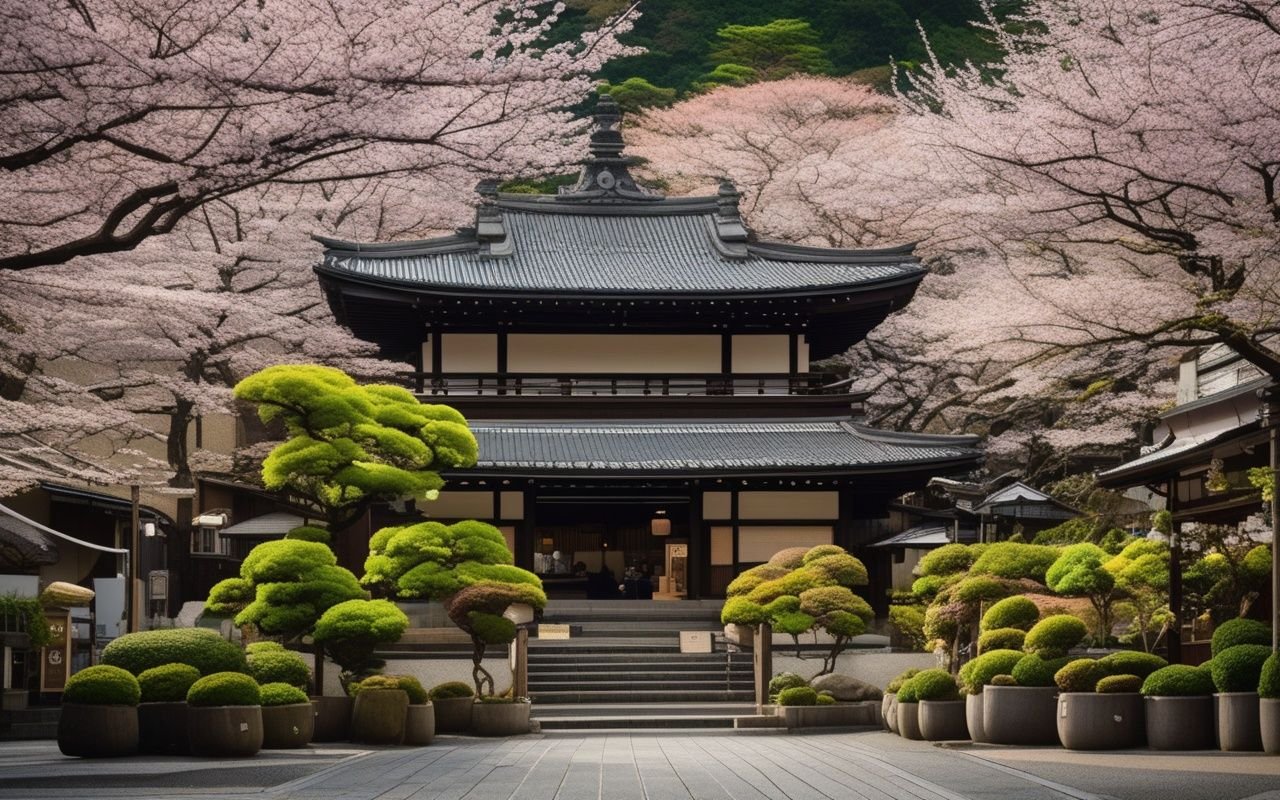
    FAQ

    Q: Is Odawara good for a rainy day? A: Partly — Odawara Castle and the sake breweries are fine indoors, but the beach and the hidden temples are less rewarding in heavy rain. Check the forecast and swap in the castle museum if needed.

    Q: Can I combine Odawara with Hakone? A: Yes — Odawara is the gateway to Hakone. Spend the morning at the castle, then continue to Hakone-Yumoto by train or bus for an onsen evening. Note that this makes a long day; consider overnighting in Hakone.

    Q: Where do I store luggage? A: Odawara Station has coin lockers near the east and west exits (¥300-600 depending on size), plus a luggage counter in the station building during busy seasons.

    Q: What is kamaboko? A: A steamed fish cake made in Odawara for centuries — the local specialty. Try it fresh at the shops near the station and at the castle moat stalls; it also makes a good souvenir.

  • Kanagawa Vegan Dining — 20+ Plant-Based Restaurants 2026

    Kanagawa Vegan Dining — 20+ Plant-Based Restaurants 2026

    Overview

    Experience Kanagawa Vegan Dining — 20+ Plant-Based Restaurants in an environmentally responsible way with this sustainable travel guide. Discover eco-friendly accommodations, green transportation options, and local initiatives that make Kanagawa a leader in sustainable tourism. Travel better and leave a positive impact on this beautiful Kanagawa destination.

    Understanding Japanese Dining for Plant-Based Travelers

    The Hidden Dashi Problem

    Many Japanese dishes that appear vegetarian contain fish-based ingredients:

    Ingredient Made From Found In
    Katsuobushi Dried bonito flakes Miso soup, okonomiyaki
    Dashi (standard) Bonito flakes + kelp Simmered dishes, dipping sauces
    Kaeshi Soy sauce + mirin + bonito Soba/udon dipping sauce
    Fish sauce Fermented anchovies Some ramen broths, dipping sauces

    What to look for: Restaurants that explicitly mark items as「ビーガン」or「プラントベース」(plant-based) on their English menus are your safest bet. Shojin ryori (Buddhist temple cuisine) is naturally vegan — but still confirm, as some modern versions use fish stock.

    Dietary Communication Cards

    Before your trip, prepare a Japanese dietary card explaining your restrictions. Here is a template you can show at restaurants:

    I am vegetarian/vegan. I do not eat meat, fish, or shellfish. I also cannot eat dashi (fish broth). Please remove katsuobushi (bonito flakes) from my food. Vegan: No eggs, no dairy products. Gluten-free: No wheat, no soy sauce (use tamari or salt). “`


    Kamakura — Best for Plant-Based Dining

    Kamakura is the most vegan-friendly town in Kanagawa, thanks to its history of Zen Buddhism and temple cuisine. The cafe culture here is also more accommodating than most Japanese cities.

    Shojin Ryori (Buddhist Temple Cuisine)

    Restaurant Area Price Vegan Notes
    Hachinoki (鉢の木) Kita-Kamakura ¥3,500-5,000 ✅ 100% Seasonal vegan course, traditional temple setting
    Kobushi (こぶし) Kencho-ji area ¥3,000-4,000 ✅ 100% Set menu with seasonal vegetables, booking needed
    Shigetsu (四季の味しげつ) Near Tsurugaoka Hachimangu ¥2,500-3,500 ⚠️ Confirm Mostly plant-based, but ask about dashi

    Hachinoki is the standout — a dedicated shojin ryori restaurant in Kita-Kamakura that serves five-course vegan meals in a traditional Japanese room overlooking a moss garden, bookings are essential (book at least 2-3 days ahead).

    Vegan-Friendly Cafes

    Cafe Area Price Best For
    Kamakura 24sekki Near Kamakura Station ¥1,000-2,000 Vegan bakery, soups
    Magokoro (まごころ) Hase area ¥1,500-2,500 Organic bowls, coffee
    Kajiya (かじや) Komachi-dori ¥1,200-2,000 Muslim-friendly, vegetarian options
    Green Cafe Komachi-dori ¥1,000-1,800 Vegan desserts, matcha lattes
    Cafe Mame Yuigahama ¥1,200-2,000 Vegetarian curry, organic coffee

    Kamakura 24sekki is a must-visit — a cozy vegan bakery and cafe near Kamakura Station’s east exit. Their sandwiches, quiches, and soups are all plant-based, and they have great takeaway options for picnics at Tsurugaoka Hachimangu. Magokoro is a relaxed seaside cafe near Hase Station, perfect after visiting the Great Buddha. They offer organic bowls clearly labeled with dietary icons. 📖 Related: Kamakura Cafe Guide · Kamakura Matcha Cafe Guide · Kamakura Farm-to-Table Guide


    Yokohama — Best Variety for All Diets

    Yokohama’s international port history means more restaurants are familiar with Western dietary needs. The city has the highest concentration of dedicated vegan restaurants in Kanagawa.

    Dedicated Vegan Restaurants

    Restaurant Area Price Cuisine Notes
    Kusum (クスム) Kannai ¥2,000-3,000 Indian vegan 100% plant-based, wide menu
    Sala (サーラー) Motomachi ¥1,500-2,500 Sri Lankan vegan Buffet lunch, weekend dinner
    Chaya Natural Minato Mirai ¥2,500-4,000 Japanese vegan Organic set meals, pretty setting
    Farmer (multiple locations) Yokohama Station area ¥1,200-2,000 Bowl-based Clearly labeled vegetarian options
    Maji Cafe Isezakicho ¥1,000-1,800 Cafe Vegan toast, smoothies

    Vegetarian-Friendly International

    Restaurant Area Cuisine Vegetarian Vegan
    Yokohama Chinatown (select stalls) Chinatown Chinese ✅ (steamed buns, veggie dumplings) ⚠️ (ask about lard)
    Kannai Izakaya (select shops) Kannai Japanese ⚠️ (vegetable skewers) ❌ (dashi-based)
    Café Bota Minato Mirai Cafe ✅ (oat milk available)
    Motomachi Brunch Spots Motomachi Western-Japanese ✅ (most menus) ⚠️ (check egg/dairy)

    📖 Related: Yokohama Chinatown Food Guide · Yokohama Backstreet Gourmet · Yokohama Premium Dining Guide


    Hakone — Onsen Town Plant-Based Options

    Hakone is more hard for plant-based dining because ryokan cuisine centers on *kaiseki* (multi-course meals) that heavily feature fish. However, with advance planning, great options exist.

    Ryokan with Vegan Kaiseki

    Ryokan Price/Night Vegan Kaiseki Advance Notice needed
    Gora Kadan From ¥50,000 ✅ (on request) 7 days
    Hakone Suishoen From ¥20,000 ✅ (on request) 5 days
    Ryokan Kappa From ¥15,000 ⚠️ (modifications only) 3 days
    Guesthouse Gora From ¥8,000 Self-catering kitchen N/A

    Important: Vegan kaiseki must be arranged before booking. Most ryokan booking forms include a dietary restrictions field — use it. If booking via Booking.com or Agoda, email the property directly after confirming the booking.

    Standalone Restaurants

    Restaurant Area Price Vegan Notes
    Kanmidokoro Hora Hakone-Yumoto ¥1,000-2,000 Tofu-based dishes, clear English labels
    Suzuka Gora ¥1,500-2,500 ⚠️ Soba shop with vegetable tempura (ask about broth)
    Hakone Bakery Hakone-Yumoto ¥500-1,000 Vegan bread, coffee

    Kanmidokoro Hora is your safest option — a cafe specializing in yuba (tofu skin) dishes, many of which are naturally vegan, found near Hakone-Yumoto Station, it is easy to find and has English menus. 📖 Related: Hakone Onsen Complete Guide · Hakone Yuba Cuisine Guide · Hakone lodging Guide


    Shonan Coast & Enoshima

    Restaurant Area Price Vegan Best For
    Chirashiya Enoshima ¥1,500-2,500 Vegetable sushi (shojin-modoki)
    Sunset Cafe Shichirigahama ¥1,200-2,000 ⚠️ Smoothie bowls, salads (confirm dairy)
    Cafe Lotta Enoshima ¥1,000-1,800 Vegan curry, soy meat dishes
    Beach Houses (in summer) Katase Beach ¥800-1,500 ⚠️ Corn, grilled vegetables

    Chirashiya near Enoshima Station is famous for its creative vegetable sushi (*shojin-modoki*) — plant-based ingredients prepared to look and taste like traditional fish sushi. The textures are remarkably authentic. Cash only and bookings recommended. 📖 Related: Enoshima Family Day Guide · Shonan Enoshima Sunset Guide · Shonan Beach House Cafe Guide


    Miura Peninsula

    Restaurant Area Price Vegan Notes
    Misaki Port (select stalls) Misaki ¥800-1,500 ⚠️ Vegetable tempura, rice balls (confirm dashi)
    Farmers Market (seasonal) Miura ¥500-1,000 Fresh local vegetables, fruit
    Soba shops (select) Jogashima ¥1,000-2,000 ⚠️ Zaru soba (cold, no broth) is naturally vegan

    📖 Related: Miura Peninsula Tuna Complete Guide · Misaki Port Food Guide · Shonan Shirasu Complete Guide


    Eco-Friendly Transport Options

    The most sustainable way to reach this destination is by train. Kanagawas rail network runs on electricity and has a significantly lower carbon footprint than driving. Consider purchasing a day pass for unlimited travel and combine your visit with nearby attractions to minimize transport impact.

    Best Time to Visit

    Visiting during off-peak seasons late autumn and winter reduces the environmental impact of tourism and provides a more authentic experience with fewer crowds. Spring and autumn offer the most comfortable weather for outdoor exploration.

    What to Expect

    Sustainable travel in Kanagawa is accessible and rewarding. The region has excellent public transport, reducing the need for rental cars. Many accommodations have environmental certifications. Local food movements are strong, with farm-to-table restaurants and farmers markets throughout the prefecture. Recycling bins are widely available, with clear sorting instructions in English at major tourist spots. Carrying a reusable water bottle and shopping bag significantly reduces your plastic footprint.

    Nearby Recommendations

    The surrounding area offers additional opportunities for eco-conscious travel. Nearby farmers markets provide fresh local produce and handmade crafts. Consider taking a guided nature walk to learn about local flora and fauna. Environmental education centers in the area offer workshops on traditional sustainable practices.

    Local Tips

    Sustainability advocates recommend choosing local, seasonal, organic food options that support regional farmers. Walking and cycling are the most environmentally friendly ways to explore Kanagawa’s compact destinations. Purchasing local crafts directly from artisans preserves traditional skills and reduces shipping emissions. Consider offsetting your travel carbon emissions through reputable programs.

    Packing Essentials

    Eco-conscious travelers should pack a reusable water bottle, shopping bag, and food container to minimize single-use plastic. A bamboo toothbrush and solid shampoo bars reduce bathroom waste. Bring a reusable coffee cup for takeaway drinks at cafes. Pack a small repair kit for quick fixes to clothing or gear. Solar-powered chargers are excellent for multi-day trips in areas with limited power access.

    Money-Saving Tips

    Sustainable travel often saves money. Using public transport instead of taxis significantly reduces costs. Eating at local markets and family-run restaurants is cheaper than tourist-oriented establishments. Staying in eco-friendly accommodations often includes perks like free bicycle rental or discounted attraction tickets. Buying local products directly from producers eliminates middleman costs and supports the community.n

    Dos and Don’ts

    Do separate your trash according to local recycling rules. Do bring a reusable water bottle and shopping bag. Do support local businesses and artisans. Don’t use single-use plastics when alternatives are available. Don’t buy products made from endangered species or protected materials. Don’t leave any trace in natural areas – carry out what you bring in.

    Practical Tips for Plant-Based Dining in Kanagawa

    Essential Japanese Phrases

    Write these on a card or save to your phone:

    English Japanese Pronunciation
    “I am vegetarian.” ベジタリアンです。 Bejitarian desu
    “I am vegan.” ビーガンです。 Biigan desu
    “No meat, no fish.” 肉と魚は食べません。 Niku to sakana wa tabemasen
    “Does this contain fish broth?” これに魚のだしは入っていますか? Kore ni sakana no dashi wa haitte imasu ka?.
    “Please remove bonito flakes.” かつおぶしを抜いてください。 Katsuobushi o nuitte kudasai

    Smart Backup Options

    Convenience stores (FamilyMart. Lawson) are reliable backup options:

    • Onigiri (rice balls): Choose *umeboshi* (pickled plum) or *kombu* (kelp) fillings — but check the ingredient list for dashi in the rice
    • Salads: Available at most konbini, skip the dressing
    • Fruit: Bananas, cut fruit cups
    • Nuts and snacks: Plain peanuts, nori (seaweed) snacks
    • Instant miso soup: Some brands are vegan, check the label

    Restaurant chain tips:

    • CoCo Ichibanya: Vegetarian curry available (ask for no meat). specify no dashi
    • Sushi chains: Order cucumber rolls (kappa maki). or natto rolls
    • Ramen shops: Most broth contains pork/fish — skip unless the shop explicitly offers vegan broth

    Apps to Download

    App Purpose Free
    HappyCow Find vegan/vegetarian restaurants near you ✅ (in-app purchases)
    Google Translate Camera translation for Japanese menus ✅ Free
    OpenRice Japan Restaurant reviews with dietary filters ✅ Free

    What surprised me was how easy it is to travel sustainably here without sacrificing comfort.

    Frequently Asked Questions

    Q: Q: Is shojin ryori (Buddhist temple cuisine) always vegan?
    A: A: Traditional shojin ryori is 100% vegan — no meat, fish, eggs, or dairy. However, some modern temples have adapted recipes to include dashi. Always confirm with the restaurant before ordering. Q: Q: Can I find vegan food at convenience stores in Kanagawa?

    A: A: Yes, but you need to check labels carefully. Onigiri with umeboshi (plum) or kombu (kelp) fillings are usually vegan, but the rice itself may contain dashi. Plain salads, fruit, nuts, and edamame are safe choices. Q: Q: Are there vegan options at ryokan in Hakone?
    A: A: Yes, but you must request a vegan kaiseki meal at least 5-7 days before your stay. Luxury ryokan like Gora Kadan are most accommodating. Budget options and guesthouses may not offer plant-based dinners. Q: Q: Do Yokohama restaurants understand vegan needs?

    A: A: Generally yes, mostly in Minato Mirai and Motomachi areas. Yokohama’s international population means more restaurant staff are familiar with plant-based diets. Dedicated vegan restaurants like Kusum and Sala are great choices. Q: Q: What should I do if a restaurant has no English menu?**
    A: A: Use the dietary communication card template above, show it to staff, and wait for confirmation. If they seem unsure, move to a backup option rather than risk miscommunication. HappyCow is your best resource for finding accommodating restaurants. —

    My personal exploration of Kanagawa has been incredibly rewarding, and I recommend adding this region to any Japan travel itinerary — the variety of experiences within short distances is what makes it special.

    Dining plant-based in Kanagawa requires planning and preparation, but it is entirely possible — mostly in Kamakura and Yokohama. For a stress-free time:

    1. Kamakura: Visit Hachinoki (shojin ryori) or Kamakura 24sekki (vegan bakery)
    2. Yokohama: Kusum or Sala for dedicated vegan dining
    3. Hakone: Arrange vegan kaiseki with your ryokan in advance
    4. Always carry: Dietary card, and backup konbini snacks

    With these strategies and restaurant tips, you can enjoy Kanagawa’s culinary culture while staying true to your plant-based values. — Last Updated: June 29, 2026
    Written by: Anaba OffJapan Editorial Team

    Related: Kamakura Cafe Guide · Food Allergies in Kanagawa Guide · Yokohama Chinatown Food Guide · Hakone Yuba Cuisine Guide · Shonan Shirasu Complete Guide

    Nearby Recommendations

    Continue your sustainable travel journey by visiting nearby eco-friendly attractions. Many areas have nature trails, conservation centers, and organic farms. Check local event calendars for environmental workshops.

    Conclusion

    The details in this guide come from real visits, and the biggest lesson I took away was that the best experiences in Kanagawa rarely fit neatly into a checklist. During my visit I went with a rough plan and found that leaving room to wander made the trip far more memorable. Plan the essentials, keep your schedule flexible, and you will leave Kanagawa wanting to return.

  • Kanagawa Transport Pass Comparison — Save Money on Travel

    Kanagawa Transport Pass Comparison — Save Money on Travel

    This guide provides essential travel tips and practical advice for navigating Kanagawa Prefecture. From transportation passes to safety information, you will find everything you need for a smooth and enjoyable trip.

    Kanagawa Transport Pass Comparison 2026 — Which Pass Saves You the Most?

    Overview

    Quick Comparison Table

    Pass Name Price (Adult) Validity Best For Savings vs. Individual
    Hakone Free Pass (from Shinjuku) ¥6,100 2 days Hakone overnight trip Up to 47%
    Hakone Free Pass (from Odawara) ¥5,140 2 days JR Pass holders visiting Hakone Up to 40%
    Enoshima-Kamakura Freepass (Odakyu) ¥1,640 1 day Day trip from Shinjuku to Kamakura/Enoshima 20-30%
    Enoden 1-Day Pass (Noriorikun) ¥800 1 day Multiple stops along Enoden line 20-40%
    Shonan Monorail 1-Day Pass ¥750 1 day Riding the suspended monorail for fun 30%
    Minato Burari Ticket (Standard) ¥700 1 day Yokohama city subway + bus 25-35%
    Minato Burari Ticket (Wide) ¥750 1 day Yokohama + Shin-Yokohama 25-35%
    JR Tokyo Wide Pass ¥15,180 3 days Multi-day trips across Kanto region Varies

    Pass Details and Coverage

    Hakone Free Pass (Odakyu)

    The most popular regional pass in Kanagawa. Covers round-trip from Tokyo plus unlimited local transport in Hakone. Coverage (8 transport types):

    • Odakyu Line round-trip (from Shinjuku)
    • Hakone Tozan Railway (switchback train)
    • Hakone Tozan Cable Car (funicular)
    • Hakone Ropeway (cable car over Owakudani)
    • Hakone Sightseeing Cruise (pirate ships on Lake Ashi)
    • Hakone Tozan Bus (most routes)
    • Selected Odakyu/Izu Hakone/Kanachu bus routes Where to buy: Odakyu ticket counters (Shinjuku, Tokyo), online at odakyu.jp, or at Odawara Station

    Savings calculation:

    • Full Hakone Loop individual tickets: ¥11,480+
    • Hakone Free Pass (from Shinjuku): ¥6,100
    • Savings: ¥5,380 (47%)

    Our recommendation: Worth it for anyone staying 2+ days in Hakone. For JR Pass holders, buy the Odawara version (¥5,140) and take the Shinkansen to Odawara. Not worth it for day trips to Hakone-Yumoto only.

    📖 Related: Hakone Free Pass Ultimate Guide · Hakone Free Pass Guide · How to Get to Hakone from Tokyo


    Enoshima-Kamakura Freepass (Odakyu)

    Covers round-trip from Shinjuku plus unlimited rides on Enoden and Odakyu local lines around Fujisawa. Coverage:

    • Odakyu Line round-trip (from Shinjuku to Katase-Enoshima)
    • Unlimited Enoden Line rides (Fujisawa to Kamakura)
    • Odakyu Line between Fujisawa and Katase-Enoshima Price: ¥1,640 (adult), ¥830 (child)

    Savings calculation:

    • Shinjuku → Katase-Enoshima round-trip: ¥1,240
    • Enoden day with 3+ rides: ¥960+
    • Total individual: ¥2,200+ vs. Pass: ¥1,640

    Savings: ¥560+ (25%)

    Our recommendation: Excellent value for a day trip combining Kamakura temples and Enoshima island. Includes 70+ discount coupons at local shops and restaurants.

    📖 Related: Enoden 1-Day Pass Guide · Enoden Unlimited Guide · Kamakura Access Guide


    Enoden 1-Day Pass (Noriorikun)

    Unlimited rides on the nostalgic Enoden tram line between Fujisawa and Kamakura. Coverage: All 15 stations on the Enoden Line (10km) Price: ¥800 (adult), ¥400 (child) Valid: 1 calendar day

    Savings calculation:

    • Individual ticket per ride: ¥150-320
    • Single trip (Fujisawa to Kamakura, one way): ¥320
    • With 4+ rides: Pass pays for itself
    Number of Rides Individual Total With Pass Savings
    2 rides ¥640 ¥800 -¥160
    3 rides ¥960 ¥800 ¥160
    4 rides ¥1,280 ¥800 ¥480
    6 rides ¥1,920 ¥800 ¥1,120

    Our recommendation: Buy this if you plan to hop on and off at 3+ stations. Perfect for temple hopping (Kamakura → Hase → Enoshima → Fujisawa). Not worth it if you only go to one destination.

    📖 Related: Enoden 1-Day Pass Guide · Enoden Unlimited Guide


    Shonan Monorail 1-Day Pass

    Japan’s first suspended monorail connects Ofuna Station to Shonan-Enoshima Station. Coverage: Unlimited rides on the Shonan Monorail Line (8 stations, 6.6km) Price: ¥750 (adult), ¥380 (child) Valid: 1 day

    Number of Rides Individual Total With Pass Savings
    2 rides ¥580 ¥750 -¥170
    3 rides ¥870 ¥750 ¥120
    4 rides ¥1,160 ¥750 ¥410

    Our recommendation: Fun experience for train enthusiasts. Combine with Enoden for a full day of unique rail adventures. The monorail offers great views of Ofuna Kannon and the Shonan coast.

    📖 Related: Shonan Monorail Enoden Connection Guide · Shonan Train Bus Guide


    Minato Burari Ticket (Yokohama)

    Unlimited rides on Yokohama Municipal Subway and city buses in central Yokohama. Coverage:

    • Standard (¥700): Blue Line subway + city buses in central area
    • Wide (¥750): Adds Shin-Yokohama station access Valid: 1 day

    Savings calculation:

    • Individual subway ride: ¥180-450
    • With 3+ subway rides: Pass pays for itself
    • Includes discounts at 30+ Yokohama attractions

    Our recommendation: Good for exploring multiple Yokohama neighborhoods (Minato Mirai, Kannai, Chinatown, Yamate) in one day. The Wide version is worth the extra ¥50 if you are arriving via Shinkansen at Shin-Yokohama.

    📖 Related: Yokohama Transport Pass Comparison · Suica/Pasmo Guide


    JR Tokyo Wide Pass

    A 3-day pass covering JR lines across the entire Kanto region. Coverage: Unlimited JR train rides in the Kanto area (includes Kamakura, Yokohama, Nikko, Kawaguchiko, Izu) Price: ¥15,180 (adult) Valid: 3 consecutive days

    Savings calculation for Kanagawa trips:

    • Tokyo → Kamakura round-trip: ¥1,840
    • Tokyo → Odawara round-trip (for Hakone): ¥3,600
    • Total for 2 Kanagawa day trips: ¥5,440
    • Pass pays for itself if you also visit Nikko or Kawaguchiko

    Our recommendation: Only worth it if you plan 3+ days of intensive JR travel across Kanto. For Kanagawa-only trips, regional passes offer better value.


    Pass Selection by Travel Scenario

    Scenario 1: Day Trip from Tokyo to Kamakura

    Pass Option Cost Verdict
    No pass (IC card) ¥3,680-4,000 Flexible, no savings
    Enoden 1-Day Pass + JR tickets ¥2,640 Best if visiting 4+ Enoden stations
    Enoshima-Kamakura Freepass (Odakyu) ¥1,640 Best value from Shinjuku
    JR Tokyo Wide Pass ¥15,180 Waste for single day

    🏆 Winner: Enoshima-Kamakura Freepass (¥1,640) if starting from Shinjuku. Enoden 1-Day Pass (¥800) + JR if starting from Tokyo Station.

    Scenario 2: Weekend Getaway to Hakone

    Pass Option Cost Verdict
    No pass ¥11,480+ Most expensive
    Hakone Free Pass (Shinjuku, 2-day) ¥6,100 Best overall value
    Hakone Free Pass (Odawara, 2-day) ¥5,140 Best for JR Pass holders
    JR Tokyo Wide Pass (3-day) ¥15,180 Good if combining Hakone + other destinations

    🏆 Winner: Hakone Free Pass from Shinjuku (¥6,100). Add Romancecar surcharge (¥1,250 each way) for guaranteed seats.

    Scenario 3: Yokohama City Exploration

    Pass Option Cost Verdict
    No pass (IC card) ¥1,000-1,800 Fine for 1-2 areas
    Minato Burari Ticket (Standard) ¥700 Best for 3+ subway trips
    Minato Burari Ticket (Wide) ¥750 Best if arriving via Shin-Yokohama

    🏆 Winner: Minato Burari Ticket Standard (¥700) if exploring Chinatown, Minato Mirai, and Kannai. Wide (¥750) if including Shin-Yokohama.

    Scenario 4: Enoshima + Kamakura Combined Day Trip

    Pass Option Cost Verdict
    No pass ¥3,000-4,000 Flexible, no savings
    Enoshima-Kamakura Freepass ¥1,640 Best from Shinjuku
    Enoden 1-Day Pass + JR ¥2,640 Decent from Tokyo Station
    Hakone Kamakura Free Pass (3-day) ¥6,500 Best for multi-day Hakone + Kamakura

    🏆 Winner: Enoshima-Kamakura Freepass (¥1,640). The 3-day Hakone Kamakura Free Pass (¥6,500) is excellent if you are combining both areas.


    IC Cards: The Foundation

    Regardless of which pass you buy, you should also carry a Suica or PASMO IC card. These rechargeable smart cards work on virtually all trains, buses, and even taxis across Kanagawa.

    • Purchase: Any JR East ticket machine (¥500 deposit + charge amount)
    • Refund: Available at JR stations (¥220 fee)
    • Digital: Apple Wallet and Google Pay support digital Suica/PASMO

    📖 Related: Suica/Pasmo Guide


    Pro Tips for Maximum Savings

    1. Combine passes strategically: Use a JR Pass for long-distance Shinkansen travel and buy the Hakone Free Pass (Odawara version, ¥5,140) for local transport.

    2. Check EMot app: Most Odakyu and Enoden passes are available as digital tickets via the EMot app — no paper ticket needed.

    3. Book Romancecar online: The Odakyu Romancecar requires a separate seat reservation (¥1,250 each way). Book 30 days ahead via odakyu.jp for peak seasons.

    4. Children travel cheap: Ages 6-12 pay half price on most passes. Under 6 ride free on all trains and buses when accompanied.

    5. Cash vs, digital: Smaller stations and rural bus routes prefer cash. Carry ¥5,000-10,000 for emergencies.


    Access Information

    The easiest way to reach most Kanagawa destinations is by train from Tokyo. The Shinkansen reaches Odawara in 35 minutes, while local and express trains serve Yokohama, Kamakura, and the Shonan coast. Buses are available for mountain and coastal areas not served by rail. Check the specific access section for detailed route information.

    Best Time to Visit

    The ideal seasons for visiting Kanagawa are spring (March-May) and autumn (September-November) when temperatures are moderate and rainfall is minimal. Summer offers vibrant festivals and beach activities despite the humidity. Winter provides crisp clear days perfect for photography and sightseeing with fewer tourists.

    Frequently Asked Questions

    Q: Q: Can I use Suica/PASMO instead of buying a pass?
    A: A: Yes, IC cards work on all JR, Odakyu, Keikyu, Enoden, and most bus routes. The convenience of tap-and-go is excellent. But for intensive travel (3+ trips to one area), a regional pass saves money.

    Q: Q: Does the JR Pass cover the Hakone Free Pass routes?
    A:
    A: No. The JR Pass covers JR trains to Odawara but does NOT cover the Odakyu Line, Hakone Tozan Railway, Ropeway, or Lake Ashi cruise. You need the Hakone Free Pass as a separate purchase.

    Q: Q: Where do I buy passes in advance?
    A: A: The Hakone Free Pass can be pre-booked online at odakyu.jp. Enoden passes are available at station counters only. Minato Burari Tickets are sold at Yokohama subway station machines.

    Q: Q: Are these passes available as digital tickets?
    A:
    A: The Hakone Free Pass is available via the EMot app. Enoden and Shonan Monorail passes are paper-only at stations. Minato Burari passes are available at subway ticket machines.

    Q: Q: What is the best pass for a first-time visitor?
    A:** A: It depends on your itinerary. For a typical 3-4 day Kanagawa trip covering Yokohama, Kamakura, and Hakone, I recommend: Minato Burari Ticket (Yokohama day) + Enoshima-Kamakura Freepass (Kamakura day) + Hakone Free Pass (Hakone 2 days). Total: ¥8,490 — a savings of ¥7,000+ vs, individual tickets.


    Choosing the right transport pass in Kanagawa can save you 30-50% on your travel costs. The key is matching the pass to your specific itinerary:

    • Day trips from Tokyo: Enoshima-Kamakura Freepass (¥1,640) for Kamakura, or individual tickets with IC card for Yokohama
    • Weekend getaway: Hakone Free Pass (¥6,100) is essential
    • City exploration: Minato Burari Ticket (¥700) for Yokohama
    • Multi-day Kanto trip: JR Tokyo Wide Pass (¥15,180) if visiting 3+ regions

    For more detailed guides, explore our Hakone Free Pass Ultimate Guide and Enoden 1-Day Pass Guide.


    Last Updated: June 29, 2026
    Written by: Anaba OffJapan Editorial Team Related: Suica/PASMO Guide · How to Get to Kanagawa from Narita & Haneda · Narita Express Guide · Odakyu Romancecar Guide · Kanagawa Highway Bus Guide

    Nearby Recommendations

    If you have extra time, the surrounding area offers several worthwhile additions. Local tourist information centers can provide maps and suggestions. Many areas offer combination tickets. Consider extending your stay to explore neighboring towns.

    Packing Essentials

    For a trip to Kanagawa, pack comfortable walking shoes as you will be on your feet exploring temples, shrines, and neighborhoods. A reusable water bottle is essential – tap water is safe to drink. A small umbrella or light rain jacket is useful year-round. Power banks are recommended since you will rely on your phone for maps. A small daypack for daily essentials makes sightseeing more convenient.

    Conclusion

    Whether you are planning exploring Kanagawa for its pass for the first time or returning for another visit, taking a little extra time to go beyond the obvious sights makes all the difference. During my visit I went with a rough plan and found that leaving room to wander made the trip far more memorable. I hope this guide helps you build an itinerary that fits your pace, and that your time in Kanagawa leaves you with memories worth coming back for.

  • How to Get to Kanagawa from Narita & Haneda Airports 2026

    How to Get to Kanagawa from Narita & Haneda Airports 2026

    How to Get to Kanagawa from Narita & Haneda Airports 2026

    Overview

    I tried both Narita and Haneda airport routes to Kanagawa using every major transport option — limousine bus, Keikyu Line, Narita Express, and taxi. This guide compares my actual travel times and costs., and practical know-how for a smooth journey.

    Quick Decision Table

    If you are going to… Use… Cost Time
    Yokohama (from Haneda) Keikyu Line ¥480 25-30 min
    Yokohama (from Narita) Narita Express (N’EX) ¥4,970 90 min
    Shin-Yokohama (from Haneda) Airport Bus ¥950 30-40 min
    Shin-Yokohama (from Narita) Narita Express ¥4,970 80 min
    Kamakura (from Haneda) Keikyu Bus to Yokohama + Enoden ¥1,200-1,500 80-90 min
    Kamakura (from Narita) Narita Express to Ofuna + Enoden ¥5,500+ 110 min
    Hakone (from Haneda) Airport Bus to Shin-Yokohama + Shinkansen ¥3,500+ 110-120 min
    Hakone (from Narita) Narita Express to Odawara + local train ¥5,700+ 120-130 min

    — the quality and attention to detail were remarkable. — the quality and attention to detail were remarkable. —

    From Haneda Airport (HND) — Closest Airport to Kanagawa

    Haneda is the best airport for Kanagawa — it is closer than Narita and offers cheaper, faster connections. Most Kanagawa destinations are under 60 minutes away.

    Haneda → Yokohama

    Option 1: Keikyu Line (Best overall)

    • Route: Haneda Airport → Keikyu Line → Yokohama Station
    • Time: 25-30 minutes
    • Cost: ¥480 (IC card: ¥480)
    • Frequency: Every 10-20 minutes
    • Notes: Direct train, no transfers needed for most Yokohama stations
    • Verdict: ⭐ Best option — cheap, and frequent

    Option 2: Airport Limousine Bus

    • Route: Haneda Airport → Yokohama City Air Terminal (YCAT)
    • Time: 35-50 minutes (depending on traffic)
    • Cost: ¥680-780
    • Frequency: Every 20-30 minutes
    • Notes: More comfy with luggage space, but affected by traffic
    • Verdict: ⭐ Good if you have large luggage

    Option 3: Taxi

    • Time: 25-40 minutes (depending on traffic)
    • Cost: ¥10,000-14,000
    • Verdict: ⚠️ Only if cost is not a concern

    Haneda → Shin-Yokohama (Shinkansen Hub)

    Option 1: Airport Bus (Best)

    • Route: Haneda Airport → Shin-Yokohama Station
    • Time: 30-40 minutes
    • Cost: ¥950
    • Frequency: Every 20-40 minutes
    • Notes: Direct bus, reliable
    • Verdict: ⭐ Best option

    Option 2: Train (Keikyu + JR)

    • Route: Keikyu Line to Yokohama → JR Yokohama Line to Shin-Yokohama
    • Time: 45-55 minutes
    • Cost: ¥680
    • Frequency: Every 10-15 minutes
    • Verdict: ⭐ Good option, cheaper but slower

    Haneda → Kamakura

    Option 1: Keikyu Bus + Enoden

    • Route: Haneda Airport → Bus to Yokohama Station → JR to Kamakura → Enoden
    • Time: 80-90 minutes
    • Cost: ¥1,200-1,500
    • Verdict: ⭐ Best option for budget travelers

    Option 2: Keikyu Line + JR

    Haneda → Hakone

    Option 1: Bus to Shin-Yokohama + Shinkansen (Fastest)

    • Route: Haneda Airport Bus → Shin-Yokohama Station → Shinkansen → Odawara → Tozan Railway → Hakone-Yumoto
    • Time: 110-120 minutes
    • Cost: ¥3,500-4,000
    • Verdict: ⭐ Recommended

    Option 2: Keikyu + Odakyu Romancecar

    • Route: Haneda → Keikyu → Shinagawa → Odakyu Romancecar → Hakone-Yumoto
    • Time: 100-110 minutes
    • Cost: ¥3,200-3,500
    • Verdict: ⭐ Also good, scenic Romancecar ride

    From Narita Airport (NRT) — More Expensive. Fewer Options

    Narita is 60-90 km from Kanagawa, so expect longer travel times and higher costs.

    Narita → Yokohama

    Option 1: Narita Express (N’EX) (Best)

    • Route: Narita Airport → N’EX → Yokohama Station
    • Time: 85-90 minutes
    • Cost: ¥4,970 (if buying individually)
    • Frequency: Every 30-60 minutes
    • Notes: Reserved seat, direct to Yokohama
    • Verdict: ⭐ Best option — one seat, reliable

    Option 2: Keisei Skyliner + JR

    • Route: Narita → Skyliner → Nippori → JR Yokosuka Line → Yokohama
    • Time: 80-90 minutes
    • Cost: ¥5,200-5,500
    • Verdict: ⚠️ Slightly faster but more expensive and requires transfer

    Option 3: Airport Limousine Bus

    • Route: Narita Airport → Yokohama City Air Terminal
    • Time: 100-130 minutes (traffic dependent)
    • Cost: ¥4,200
    • Frequency: Every 20-40 minutes
    • Verdict: ⚠️ Slower but simpler with luggage

    Narita → Shin-Yokohama

    Option 1: Narita Express (Best)

    • Route: Narita → N’EX → Shin-Yokohama Station
    • Time: 80 minutes
    • Cost: ¥4,970 (individual)
    • Frequency: Every 30-60 minutes
    • Verdict: ⭐ Direct, comfy

    Narita → Kamakura

    Option 1: Narita Express to Ofuna + Enoden

    • Route: Narita → N’EX → Ofuna Station → Enoden or JR → Kamakura
    • Time: 110-120 minutes
    • Cost: ¥5,500+
    • Verdict: ⭐ Best option, but expensive

    Narita → Hakone

    Option 1: Narita Express to Odawara + Local Train

    • Route: Narita → N’EX → Odawara → Tozan Railway → Hakone-Yumoto
    • Time: 120-130 minutes
    • Cost: ¥5,700+
    • Verdict: ⭐ Best option

    Pass tips for Airport Transfers

    If arriving at Haneda

    Pass Cost Coverage Best For
    Keikyu Line (IC card) ¥480 Haneda → Yokohama Most travelers
    Haneda Bus + Shinkansen ¥3,500-4,000 Haneda → Hakone Hakone visitors
    Suica/PASMO IC card Variable Train + bus + shopping Everyone

    If arriving at Narita

    Pass Cost Coverage Best For
    Narita Express (N’EX) ¥4,970 (one way) Narita → Yokohama/Shin-Yokohama Most travelers
    JR Tokyo Wide Pass ¥15,180 (3 days) Narita → Kanagawa + 2 more days Multi-day JR travelers
    Keisei Skyliner Ticket ¥5,200+ Narita → Kanagawa via Nippori Speed-focused

    Important note: The JR Tokyo Wide Pass (¥15,180 for 3 consecutive days) covers Narita Express + JR travel across Kanto. If you are spending 3+ days in Kanagawa with JR travel, this pass can save you money even for a single trip from Narita. 📖 Related: Kanagawa Transport Pass Comparison · Narita Express Guide · Suica/Pasmo Guide


    Travel Tips

    Haneda is your best choice

    If you have a choice, fly into Haneda (HND) for Kanagawa access. It is:

    • 2-3x cheaper to reach Kanagawa from Haneda vs. Narita
    • 60-70% faster
    • More frequent transport options
    • Less affected by traffic

    Luggage Strategy

    • Narita Express has overhead luggage racks and dedicated luggage space at carriage ends
    • Keikyu Line has limited luggage space (avoid peak hours 7:30-9:30 AM and 5:00-7:00 PM)
    • Airport buses have under-floor luggage compartments — best for large suitcases
    • Consider using takuhaibin (luggage delivery) to send bags from the airport to your hotel

    IC Cards

    Suica and PASMO IC cards are available at both airports:

    • Haneda: Keikyu Line ticket machines at arrivals level
    • Narita: JR East ticket machines near N’EX platforms, or Keisei ticket counters
    • Deposit: ¥500 (refundable when you return the card)
    • Digital: Apple Wallet and Google Pay support digital Suica — set up before you arrive

    Getting There

    Kanagawa is well-connected by multiple train lines from Tokyo. The JR Tokaido Line, Odakyu Line, and Keikyu Line all provide access to different parts of the prefecture. Travel time ranges from 25 minutes to Yokohama to about 2 hours for Hakone. Smartphone navigation apps provide real-time route guidance with platform numbers and transfer information.

    Best Time to Visit

    The ideal seasons for visiting Kanagawa are spring (March-May) and autumn (September-November) when temperatures are moderate and rainfall is minimal. Summer offers vibrant festivals and beach activities despite the humidity. Winter provides crisp clear days perfect for photography and sightseeing with fewer tourists.

    Conclusion

    The details in this guide come from real visits, and the biggest lesson I took away was that the best experiences in Kanagawa rarely fit neatly into a checklist. During my visit I went with a rough plan and found that leaving room to wander made the trip far more memorable. Plan the essentials, keep your schedule flexible, and you will leave Kanagawa wanting to return.

  • Kanagawa Food Allergy Guide — Eating Safely with Allergies

    Kanagawa Food Allergy Guide — Eating Safely with Allergies

    Kanagawa Prefecture is a paradise for food lovers, offering everything from fresh seafood to traditional Japanese cuisine. This guide introduces the best dining experiences across the region.

    Food Allergies in Kanagawa — How to Eat Safely (Gluten, Dairy, Nuts)

    Overview

    Discover the best food and drink experiences that Food Allergies in Kanagawa — How to Eat Safely (Gluten, Dairy, Nuts) has to offer. From hidden local gems to popular dining destinations, this guide takes you through the culinary landscape of Food in Kanagawa Prefecture. Whether you are a first-time visitor or a returning food enthusiast, you will find something to satisfy your cravings.

    Understanding Common Allergens in Japanese Food

    The Top 5 Hidden Allergens

    Allergen Found In Japanese Label
    Soy (wheat-based) Standard soy sauce (shoyu) contains wheat 小麦 (komugi)
    Fish/Bonito Dashi (stock) in miso soup, noodle broth, simmered dishes 魚 (sakana) / かつお (katsuo)
    Egg Tamago (egg dishes), mayonnaise, some sauces 卵 (tamago)
    Dairy Coffee drinks, western-style desserts, some curry roux 乳 (nyu) / 乳製品 (nyu-seihin)
    Peanuts/Tree nuts Some curry roux, cookies, chocolate snacks 落花生 (rakkasei) / ナッツ (nattsu)

    Japanese Allergen Labeling System

    Japan has a mandatory labeling system for 7 specified allergens (shown on all packaged foods):

    Icon English Japanese Common in
    🥚 Egg Tamago, desserts, ramen
    🥛 Milk Coffee, western food
    🌾 Wheat 小麦 Soy sauce, noodles
    🥜 Peanut 落花生 Curry, snacks
    🦐 Shrimp えび Tempura, fried rice
    🦀 Crab かに Soup, salad
    🌰 Buckwheat そば Soba noodles

    Printable Allergy Cards (Save to Your Phone)

    Show these cards to restaurant staff before ordering:

    Gluten-Free Card (Japanese)

    I have a wheat/gluten allergy. Please help me avoid wheat.
    小麦アレルギーがあります。小麦を含む食品を避けてください。
    
    I CANNOT eat:
    - Bread, pasta, noodles (udon, ramen — these contain wheat)
    - Soy sauce (shoyu contains wheat — please use salt or tamari)
    - Tempura batter (contains wheat flour)
    
    I CAN eat:
    - Rice (gohan), rice noodles
    - Soba (buckwheat noodles — only if 100% buckwheat)
    - Sashimi (raw fish, no soy sauce)
    - Salt-grilled fish or meat
    
    Does this dish contain wheat? この料理に小麦は入っていますか?

    Dairy-Free Card (Japanese)

    I have a dairy allergy (milk, cheese, butter). Please help.
    乳製品アレルギーがあります。乳製品を避けてください。
    
    I CANNOT eat:
    - Milk, cheese, butter, cream
    - Ice cream, yogurt, lattes (made with milk) I CAN eat:
    - Japanese dishes (most traditional dishes are dairy-free)
    - Coffee with soy milk / oat milk (豆乳 / オーツミルク)
    - Fruit and green tea desserts
    
    Does this dish contain dairy? この料理に乳製品は入っていますか?

    Multi-Allergy Card (Japanese)

    I have food allergies. Please help me.
    食物アレルギーがあります。ご協力をお願いします。
    
    I am allergic to:
    - [Write your allergens here: 小麦/卵/乳製品/ナッツ/そば/魚]
    
    Please remove these ingredients from my food.
    これらの食材を取り除いてください。
    
    Is it safe for me to eat this? これは安全に食べられますか?

    Food Allergy Smartphone Lock Screen Template

    Save this text to your phone’s lock screen or notes app for quick access:

    ⚠️ ALLERGY ALERT ⚠️
    アレルギー注意
    
    I am allergic to: _________________
    アレルギー: _________________ Please check ingredients carefully.
    食材をよく確認してください。 Emergency: Call 119 (English OK)
    症状が出たら: 119番

    Interactive Allergy Check Flowchart

    Use this decision flowchart when entering any restaurant:

    Step 1: Show allergy card to staff before ordering
        |
        ├── Staff understands → Step 3
        └── Staff confused → Step 2
            |
    Step 2: Pull up Google Translate camera
        ├── Show kanji for your allergen
        └── Wait patiently for staff to check with kitchen
            |
    Step 3: Staff checks with kitchen
        ├── "Safe" → Order and confirm: "No [allergen]?"
        │             ├── Staff confirms → ✅ Safe to eat
        │             └── Staff pauses → Ask again politely
        └── "Cannot guarantee" → Thank them and leave
                                 → Eat at another restaurant
                                 → Back-up: convenience store

    Restaurant Ordering Phrases (Audio-Ready)

    Show these directly to staff:

    Situation English Japanese
    I have an allergy “I have a food allergy. Please help me.” 食物アレルギーがあります。お願いします。
    Contains wheat? “Does this contain wheat?” 小麦は入っていますか?
    Contains dairy? “Does this contain dairy?” 乳製品は入っていますか?
    No soy sauce, please “No soy sauce, please. Just salt.” 醤油なしで、塩でお願いします。
    Is this safe? “Is it safe for me to eat this?” これは安全に食べられますか?

    Restaurant Recommendations by Area

    Yokohama — Most Allergy-Aware

    Yokohama’s international restaurants are more familiar with dietary restrictions than most Japanese cities.

    Restaurant Area Allergy-Friendly Notes
    Farmer Yokohama Station area ✅ Gluten-free, dairy-free options labeled Bowl-based menu with clear allergen icons
    Chaya Natural Minato Mirai ✅ Gluten-free, vegan options Organic Japanese, staff trained on allergies
    Café Bota Minato Mirai ✅ Gluten-free bread, dairy-free milk Western-Japanese cafe, English menu
    Afuri (ramen) Yokohama Station ⚠️ Gluten-free broth (rice noodles available) Yuzu-shio ramen, ask about noodle options

    📖 Related: Yokohama Premium Dining Guide · Yokohama Backstreet Gourmet

    Kamakura — Good Options

    Restaurant Area Allergy-Friendly Notes
    Kamakura 24sekki Near Kamakura Station ✅ Dairy-free, egg-free, nut-free options Vegan bakery, clear ingredient lists
    Hachinoki (shojin ryori) Kita-Kamakura ✅ Naturally vegan, no dairy/wheat-free options Seasonal set menu, must reserve
    Magokoro Hase ✅ Gluten-free, dairy-free options Organic bowls, clearly labeled

    📖 Related: Kamakura Cafe Guide · Kamakura Farm-to-Table Guide

    Hakone — Limited But Possible

    Restaurant Area Allergy-Friendly Notes
    Kanmidokoro Hora Hakone-Yumoto ✅ Gluten-free yuba dishes Tofu skin cuisine, naturally gluten-free
    Hakone Bakery Hakone-Yumoto ✅ Gluten-free bread available Small selection, call ahead

    Ryokan advice: If staying at a ryokan, email them at least 7 days before your stay with your allergy information. Most upscale ryokan can accommodate gluten-free or dairy-free kaiseki meals with advance notice. 📖 Related: Hakone Yuba Cuisine Guide · Hakone Onsen Complete Guide


    Convenience Store Safe Foods

    Japanese convenience stores are excellent backup options. Look for these allergy-safe items:

    Allergen Safe Items What to Avoid
    Gluten-free Onigiri (rice balls, plain), sashimi, fruit, yogurt, natto, edamame Soy sauce packets (contain wheat), instant noodles, most baked goods
    Dairy-free Onigiri, salads (no dressing), grilled chicken, tofu, rice crackers Ice cream, yogurt drinks, cream-filled pastries, coffee (check for milk)
    Nut-free Most onigiri, plain rice crackers, fruit Some curry-flavored snacks, chocolate bars (check labels)

    Reading Convenience Store Labels

    Japanese food labels list allergens at the bottom of the back label. Look for:

    アレルギー表示 (Allergen Label):
    小麦・卵・乳・落花生・そば・えび・かに
    Wheat / Egg / Milk / Peanut / Buckwheat / Shrimp / Crab
    • If your allergen is not listed, the item is likely safe
    • If the label says「本品製造工場では小麦を含む製品も製造しています」 — “This product is made in a facility that also processes wheat” — this is a cross-contamination warning

    How to Get There

    Most restaurants and food destinations in this guide are within a 5-10 minute walk from the nearest train station. Use Google Maps for precise navigation. For popular restaurants, arrive 15 minutes before opening time to avoid long waits during peak hours. Reservations are recommended for dinner service.

    Best Time to Visit

    Restaurants are busiest during lunch (12:00-1:30 PM) and dinner (6:00-8:00 PM). For a more relaxed experience visit during off-peak hours. Many restaurants offer seasonal menus that change monthly so visiting at different times of year provides variety.

    What to Expect

    Dining in Kanagawa offers incredible variety, from Michelin-starred restaurants to humble street food stalls. Most restaurants display plastic food samples in their windows, making ordering easy even without Japanese language skills. Lunch sets offer excellent value, typically ¥1,000-1,500 for a complete meal with sides. Dinner can be significantly more expensive. Vegetarian and vegan options exist but can be limited – look for shojin ryori (Buddhist cuisine) restaurants near temples. Reservations are essential for popular dinner spots.

    Nearby Recommendations

    The food scene in this area extends beyond the main restaurants featured in this guide. Nearby specialty shops sell local products and ingredients worth exploring. Some areas have food tours that combine multiple dining stops with cultural commentary from local guides. Consider visiting a nearby sake brewery or craft beer taproom to complete your culinary experience.

    Local Tips

    Regular diners suggest trying the lunch set (teishoku) for the best value, typically served until 2:00 PM. Counter seats at sushi restaurants offer the freshest options and a chance to interact with the chef. Many locals order small plates and share them family-style. Itadakimasu (before eating) and gochisosama (after eating) are polite phrases that are always appreciated.

    Packing Essentials

    When exploring Kanagawa’s food scene, a few items enhance the experience. Bring chopsticks if you prefer reusable options to disposable ones. A small container or bag is handy for takeaway snacks or leftovers. Breath mints or gum are useful after trying pungent local specialties like natto or pickled vegetables. A translation app with camera feature helps decipher Japanese-only menus. Consider bringing a small notebook to track your favorite restaurant discoveries.

    Money-Saving Tips

    Eat like a local to save money on food. Lunch sets (teishoku) offer excellent value at ¥900-1,500 for complete meals. Conveyor belt sushi provides quality sushi at ¥100-500 per plate. Department store food halls offer high-quality takeaway at reasonable prices. Convenience store meals are surprisingly good for budget dining. Avoid restaurants in major tourist hubs – walk 5-10 minutes away for better prices and more authentic food.n

    Dos and Don’ts

    Do try the lunch sets (teishoku) for the best value. Do slurp noodles – it shows appreciation for the chef and enhances the flavor. Do use the oshibori (wet towel) to clean your hands before eating. Don’t rub chopsticks together – it implies they are cheap. Don’t wave or point with chopsticks. Don’t take food from shared plates with the same end of chopsticks you eat with – use the opposite end or serving chopsticks.

    Practical Tips for Allergy Travel in Kanagawa

    Before Your Trip

    1. Prepare allergy cards in Japanese — print or save screenshots of the cards above
    2. Research restaurants on HappyCow — filter for allergen-friendly reviews
    3. Email ryokan/upscale restaurants at least 7 days before your visit
    4. Learn to recognize kanji for your allergens — the characters in the table above
    5. Pack backup snacks — granola bars, protein bars from home

    During Your Trip

    1. Show the allergy card first — before ordering, before sitting down
    2. Use Google Translate camera for real-time menu translation
    3. Confirm with staff — a head nod does not mean “yes, safe”
    4. Start simple — grilled fish or meat with salt, plain rice, vegetable sides
    5. Visit restaurants during off-peak hours — staff have more time to understand your needs

    Emergency Information

    Service Number For
    Ambulance 119 Medical emergencies, allergic reactions
    Japan Helpline 0570-000-911 24-hour English medical assistance
    Hospital Search (English) himawari.metro.tokyo.jp Find English-speaking hospitals

    📖 Related: Kanagawa Hospital Guide for Foreigners · Kanagawa Emergency Contacts Guide


    I recommend arriving early to avoid the lunch rush. I learned this the hard way during my first visit.

    Frequently Asked Questions

    Q: Q: Can I find gluten-free soy sauce in Kanagawa?
    A:* A: Yes. Standard soy sauce contains wheat, but tamari* (gluten-free soy sauce) is available at larger supermarkets and some restaurants. Look for たまり醤油 on the label. Farmer in Yokohama and Kamakura 24sekki offer tamari on request.

    Q: Q: Are Japanese convenience stores safe for nut allergies?
    A: A: Generally yes, but check labels carefully. Peanut allergic reactions are less common in Japan than in Western countries, but cross-contamination is possible in facilities that process nuts. Always ask staff if unsure.

    Q: Q: Do Japanese restaurants accommodate dairy-free diets?
    A:
    A: Traditional Japanese restaurants are naturally dairy-free — Japanese cuisine does not traditionally use milk, cheese, or butter. The challenge is Western-style restaurants and cafes, where dairy is common. Stick to traditional restaurants for the safest options.

    Q: Q: What should I do in case of an allergic reaction in Kanagawa?
    A: A: Call 119 for an ambulance. The emergency operator can connect to English interpretation services. Major hospitals in Yokohama (Yokohama City University Hospital) and Kamakura (Kamakura General Hospital) have English-speaking staff.

    Q: Q: Can I find gluten-free ramen in Kanagawa?
    A:
    A: Very limited, Traditional ramen broth is wheat-based. Afuri in Yokohama offers a yuzu-shio broth that can be served with rice noodles (ask specifically). For a reliable gluten-free noodle experience, choose soba restaurants that offer 100% buckwheat soba (十割そば, juuwari soba).


    Allergy Card Template

    Print and carry this Japanese allergy card to show restaurant staff: 私は[アレルゲン]アレルギーがあります。この料理に[アレルゲン]は含まれていますか?

    Key allergens in Japanese: 小麦 (wheat), 乳製品 (dairy), 卵 (egg), そば (buckwheat), ピーナッツ (peanuts), 甲殻類 (shellfish). Show the card at the entrance before being seated — the staff can then guide you to safe menu options. At convenience stores, the allergen chart is printed on the back of each package in Japanese, recognizable by the アレルゲン (allergen) label. Traveling in Kanagawa with food allergies is manageable with proper preparation. The key steps are:

    1. Prepare allergy cards in Japanese before your trip
    2. Choose restaurants wisely — Yokohama offers the most options, Kamakura is good, Hakone requires advance planning
    3. Always confirm with staff — do not assume even if the menu looks safe
    4. Know emergency procedures — 119 for ambulance, Japan Helpline for English support

    With these tools and strategies, you can enjoy Kanagawa’s excellent food scene safely and confidently.


    Last Updated: June 29, 2026
    Written by: Anaba OffJapan Editorial Team Related: Kanagawa Vegetarian & Vegan Guide · Kanagawa Hospital Guide for Foreigners · Kanagawa Emergency Contacts Guide · Kanagawa Safety Tips for Tourists

    Nearby Recommendations

    Many dining areas in Kanagawa are clustered together. After your meal, explore nearby dessert shops, tea houses, or bars. Some food markets are located near cultural attractions. Check local food blogs for the latest openings.

    Conclusion

    exploring Kanagawa for its food can be as relaxed or as packed as you want it to be, and I have found that the best visits leave room for both planning and spontaneity. During my visit I went with a rough plan and found that leaving room to wander made the trip far more memorable. Use this guide to sort out the logistics in advance, then let the day surprise you — Kanagawa rewards travelers who stay curious.
  • Kamakura Great Buddha — History, Craft & Visiting Tips 2026

    Kamakura Great Buddha — History, Craft & Visiting Tips 2026

    Kamakura Great Buddha — 750 Years of History and Craftsmanship

    Overview

    Explore the rich cultural heritage and historical significance of Kamakura Great Buddha — 750 Years of History and Craftsmanship in Kanagawa Prefecture. This guide delves into the fascinating stories, traditions, and landmarks that define Kamakura. From ancient temples to modern museums, discover how this destination has shaped Japan’s cultural landscape over centuries.

    Introduction

    The Kamakura Great Buddha (Kamakura (鎌倉)大仏, Kamakura Daibutsu) is one of Japan’s most iconic cultural treasures and a highlight of any Kamakura area guide. This monumental bronze statue of Amida Buddha has stood in the grounds of Kotoku-in Temple for over seven and a half centuries, surviving tsunamis, earthquakes, and the passage of time. Designated a National Treasure of Japan, it remains a powerful symbol of Kamakura’s rich Buddhist heritage and medieval craftsmanship.

    Unlike many other famous Japanese Buddhist statues that are housed within temple buildings, the Kamakura Great Buddha sits outdoors — a result of the wooden hall that once sheltered it being washed away by a tsunami in the 15th century. This open-air setting gives visitors a unique perspective on the statue’s scale and artistry.


    Historical Background

    Construction in the Kamakura Period

    The Great Buddha was cast in 1252 during the Kamakura Period (1185–1333), a time when the warrior class held power and Buddhism flourished across Japan. The statue was commissioned by the priest Joko and funded through donations collected from across the region. Skilled bronze casters from throughout the country were gathered for the ambitious project.

    Key Historical Dates:

    Year Event
    1252 Bronze casting completed
    1334 Original wooden hall constructed
    1369 Hall destroyed by tsunami
    1495 Hall destroyed again by earthquake; statue left outdoors
    1749 Major restoration (neck reinforcement)
    1923 Great Kanto Earthquake — statue survived with minor damage
    1960 Designated as a National Treasure of Japan

    Why the Statue Sits Outdoors

    The original wooden hall that housed the Great Buddha was built in 1334, over 80 years after the statue’s completion. A massive tsunami destroyed this hall in 1369, and after it was rebuilt, another earthquake and tsunami destroyed it again in 1495. Rather than reconstructing the hall a third time, the decision was made to leave the Buddha in the open — a choice that has come to define the statue’s character and presence.


    Technical Mastery

    Dimensions and Materials

    Attribute Measurement
    Total Height 13.35 meters (43.8 ft)
    Face Length 2.35 meters
    Eye Length 1.0 meter
    Mouth Width 0.82 meters
    Weight Approximately 93 tons
    Material Bronze (multiple cast plates)

    Casting Technique

    The statue was constructed using the piece-mold casting method (部分鋳造法, bubun chuzoho), a sophisticated technique that involved:

    1. Creating a clay core in the rough shape of the seated Buddha
    2. Modeling the surface details in clay over the core
    3. Making piece molds from the clay surface
    4. Casting each section in bronze
    5. Joining the sections with molten bronze
    6. Finishing the surface with chasing tools

    The statue was cast in multiple sections — the head, torso, arms, and lotus pedestal were all cast separately and then skillfully joined. Examination of the interior reveals the intricate weld marks where these sections were fused together.

    The Meditation Mudra

    The Great Buddha’s hands rest in the dhyana mudra (meditation gesture), with thumbs lightly touching and palms facing upward. This hand position symbolizes profound meditation and inner peace, reflecting the Amida Buddha’s role as a guide to enlightenment.

    The spiral curls on the statue’s head (rahotsu) and the protuberance on the crown (nikkei) are traditional iconographic features that mark the figure as a Buddha — an enlightened being.


    Surviving Natural Disasters

    The Kamakura Great Buddha’s resilience through centuries of natural disasters is a testament to its craftsmanship:

    The 1923 Great Kanto Earthquake

    When the magnitude 7.9 Great Kanto Earthquake struck the region on September 1, 1923, much of Kamakura was devastated. The Great Buddha, however, remained standing, though it shifted slightly on its pedestal. The statue’s low center of gravity and flexible bronze construction helped it survive the violent shaking.

    Tsunami Survival

    Sitting less than one kilometer from Sagami Bay, the statue has faced multiple tsunamis over its history. The bronze construction and streamlined form allowed water to flow around rather than against the statue. The current stone platform was reinforced after 1923 to improve stability.

    Ongoing Preservation

    Today, the statue undergoes regular inspections and maintenance. A major preservation project in 2016 included detailed laser scanning to document the statue’s condition and identify areas requiring attention. The bronze surface develops a natural patina (verdigris) that actually protects the underlying metal from further corrosion.


    Cultural Significance

    National Treasure Status

    In 1960, the Kamakura Great Buddha was officially designated a National Treasure of Japan (国宝, kokuhō). This designation recognizes objects of exceptional cultural and historical value. The statue is one of the few bronze sculptures from the Kamakura Period to receive this honor.

    Symbol of Kamakura

    The Great Buddha has become the most recognized symbol of Kamakura, appearing on countless postcards, travel guides, and promotional materials. It represents not only the city’s historical importance as a political and religious center but also the enduring appeal of Japanese Buddhist art.

    Interior Viewing

    One of the most unusual features of the Kamakura Great Buddha is that visitors can enter the interior of the statue (for an additional ¥200). Inside, you can see:

    • The bronze wall thickness (approximately 3 cm)
    • Weld marks between cast sections
    • Small windows looking outward
    • Evidence of past repairs

    The interior experience offers a rare glimpse into the craftsmanship behind the statue and a unique perspective from “inside” a National Treasure.


    Visiting Information

    Access

    By Train (Recommended):

    From Route Time Cost
    Tokyo Station JR Yokosuka Line → Kamakura Station → Enoden to Hase 1 hr ¥1,040
    Shinjuku Station JR Shonan-Shinjuku Line → Kamakura → Enoden to Hase 1 hr ¥1,040
    Shibuya Station Tokyu Toyoko → Fujisawa → Enoden to Hase 55 min ¥900
    Yokohama Station JR Yokosuka Line → Kamakura → Enoden to Hase 35 min ¥420
    • Address: Kotoku-in Temple, 4-2-28 Hase, Kamakura City
    • Nearest Station: Hase Station (Enoden Line) — 7-minute walk
    • Alternate Route: Kamakura Station (JR Yokosuka Line) — 15-minute walk or short Enoden ride

    By Car:

    • From Tokyo: 1.5 hours via Yokohama-Yokosuka Road
    • Parking: Available near temple (¥500/2 hours)
    • Note: Very crowded on weekends; train recommended

    Hours and Admission

    Item Details
    Temple Grounds 8:00 AM — 5:30 PM (until 5:00 PM Oct–Mar)
    Grounds Admission ¥300 (adults), ¥150 (children)
    Buddha Interior Additional ¥200
    Closed Open year-round (no closing days)

    Tips for Your Visit

    Best Times to Visit:

    • Early morning (8:00–9:00 AM) for the quietest experience
    • Weekdays, especially Tuesday–Thursday
    • Winter months (December–February) for the smallest crowds

    Photography Tips:

    • Morning light illuminates the Buddha’s face beautifully
    • Late afternoon creates dramatic shadows that emphasize the statue’s expression
    • The side angle from the left offers a unique perspective
    • Photography is permitted in the grounds but not allowed inside the statue

    Nearby Attractions

    The Great Buddha at Kotoku-in is located in the Hase district of Kamakura, which offers several other notable sites within walking distance:

    • Hasedera Temple (5-minute walk) — Famous for its gardens, ocean views, and thousands of Jizo statues
    • Yuigahama Beach (15-minute walk) — A popular sandy beach with cafes and seasonal events
    • Kamakura Station Area (10 minutes by Enoden) — Shopping, dining, and access to other cultural sites

    Nearby Dining

    Hase Area (5-minute walk):

    Restaurant Type Price Hours
    Kotoku-in Rest House Temple cafe (matcha, sweets) ¥500–1,000 9:00–4:30 PM
    Hase area restaurants Japanese, Italian, cafes ¥1,000–3,000 Varies

    Kamakura Station Area (10 min by Enoden):

    Location Highlights Price
    Komachi-dori Street Local snacks, souvenirs ¥500–2,000
    Kamakura Menman Ramen ¥900–1,200

    Photography Tips

    Angle Best Time Tip
    Front view Morning (8–10 AM) Best light on Buddha’s face
    Side view Afternoon Less crowded, unique angle
    Interior Any time Dark; bring camera with good low-light performance
    Temple grounds Golden hour Include seasonal flowers in frame

    Last Updated: June 2026
    Written by: Anaba OffJapan Editorial Team

    Frequently Asked Questions

    Q: How long does a visit take?
    A: Plan for 45 minutes to 1.5 hours, including interior viewing and walking the temple grounds.

    Q: Can I go inside the statue?
    A: Yes, interior viewing is available for an additional ¥200. The space inside is dark and narrow.

    Q: Is the Great Buddha wheelchair accessible?
    A: The temple grounds are mostly flat and accessible. The interior of the statue has steps and is not wheelchair accessible.

    Q: Are there English explanations?
    A: Yes, information boards throughout the grounds include English translations. English audio guides are sometimes available.

    Q: Can I visit in bad weather?
    A: Yes, the statue is outdoors and visible in all weather. Rain can add a dramatic atmosphere.


    Getting There

    Plan your visit with our Kamakura One Day Trip guide.

    Conclusion

    The details in this guide come from real visits, and the biggest lesson I took away was that the best experiences in Kamakura rarely fit neatly into a checklist. During my visit to Kamakura I went with a rough plan and found that leaving room to wander made the trip far more memorable. Plan the essentials, keep your schedule flexible, and you will leave Kanagawa wanting to return.

  • Yokohama Local Secrets: Hidden Gems Locals Love

    Yokohama Local Secrets: Hidden Gems Locals Love

    Overview

    Yokohama is more than Minato Mirai and Chinatown. The city’s real character lives in its older neighborhoods — Noge’s jazz bars, Kannai’s hidden markets, and Yamate’s hilltop gardens. I spent several weekends exploring these areas to put together this guide to Yokohama’s best-kept local secrets.
    Noge district at night with neon signs and narrow streets

    Noge: Yokohama’s Bar District

    The Neighborhood Guidebooks Skip

    Noge is Yokohama’s oldest entertainment district, tucked between the train tracks and the port. It survived the 1923 Great Kanto Earthquake and World War II bombing, and today it is a maze of narrow streets lined with tiny bars, jazz clubs, and izakaya.

    The atmosphere here is nothing like modern Yokohama. Walking through Noge feels like stepping back to 1960s Japan — weathered wooden buildings, glowing neon signs, and the sound of live jazz drifting from open doorways.

    My recommendation: Start at Noge Station and walk south along the main street. Duck into any bar that catches your interest. Most seat fewer than 10 people, and the bartenders are happy to chat using basic English or translation apps.

    The Jazz Scene

    Noge has more jazz clubs per square meter than almost anywhere in Japan. Some have been running since the 1950s. The music is live, the cover charges are reasonable (¥1,000-2,000), and you might find yourself sitting next to a local musician.

    Where to start: Blue Note Yokohama (not the chain — the original) and JBL Noge are both excellent. Check their schedules online before going.

    Kannai: The Original Yokohama

    The Street Market That Never Made It Big

    Behind the grand buildings of Kannai, there’s a narrow street called Isezakicho Shopping Street. It’s not the famous Isezakicho — it’s a quieter parallel street that locals call “Back Isezaki.” Here you’ll find:

    • Family-run fish shops that have been operating for 50+ years
    • A coffee shop that roasts its own beans (the owner learned from a 1970s American expat)
    • A tiny bookshop specializing in Yokohama history

    How to find it: From Kannai Station, walk east toward the stadium. Turn left at the second traffic light. The street is unmarked but follows a straight line between the buildings.

    The Harbor View Nobody Knows About

    The Yokohama Red Brick Warehouse is a popular tourist spot. But just behind it, there’s a small park called Koryu Park that has one of the best harbor views in the city. You can see the Queen Mary (now a hotel), the port cranes, and on clear days, the Boso Peninsula across the bay.

    Best time: Sunset, when the harbor lights start coming on, Bring a drink from a nearby convenience store and watch the show.

    Yamate: The Hilltop enclave

    The Western-Style Houses

    Yamate (the “Bluff”) was where foreign diplomats and merchants lived in the late 1800s. Many of the original Western-style houses still stand, and some are open to the public. The most interesting is the Yamate 111 Building — a British-style mansion that’s been preserved exactly as it was in 1920.

    What to see: The interior has original furniture, a grand staircase, and a ballroom. The gardens offer views of the bay that the original owners would have enjoyed.

    The Hidden Garden

    Behind the Yamate Garden, there’s a small nature preserve that most tourists never find. The trail winds through old-growth trees and leads to a viewpoint overlooking the port. In spring, the cherry blossoms here are spectacular — and you’ll share them with maybe two or three other people. Access: From Yamate Station, walk north toward the garden. The trail entrance is behind the playground.

    Kohoku: The Local Food Scene

    The Ramen Street Nobody Visits

    While tourists queue at the Shin-Yokohama Ramen Museum, locals head to Kohoku’s ramen street — a stretch of road near Higashi-Kanagawa Station with a dozen family-run ramen shops. Each one has its own style, and none of them have English menus. My favorites: Ramen Jiro (thick, garlic-heavy) and Shinasobaya (light, chicken-based). Both serve lunch sets under ¥1,000.

    The Izakaya District

    The area around Higashi-Kanagawa Station has a concentration of izakaya that rival Noge for atmosphere, but with half the tourists. These are places where salary workers go after work — the food is hearty, the beer is cold, and the prices are reasonable.

    Tip: Look for places with plastic food displays in the window. Point at what looks good — most places are happy to serve you whatever you point at.

    Yokohama Station Area: Modern Yokohama

    The Underground City

    Yokohama Station has one of the largest underground shopping areas in Japan. The “Yokohama Nambu” connects the east and west sides of the station, with dozens of shops, restaurants, and cafes. Most tourists walk right through it without exploring.

    What to find: Small craft shops selling Yokohama-made souvenirs, a manga cafe with private booths, and a standing-only sushi bar that serves incredible fish at lunch prices.

    The Rooftop Garden

    On top of the Sogo department store near Yokohama Station, there’s a small rooftop garden with seating, planters, and views of the station area. It’s free to enter and rarely crowded. A perfect place to rest after shopping. Access: Take the elevator in Sogo to the top floor. The garden is outside.

    Practical Information

    Getting Around

    Yokohama is well-connected by train. The JR Line covers the main areas. The Yokohama Municipal Subway connects to the subway system. The Minato Mirai Line is useful for sightseeing. For exploring neighborhoods like Noge and Kohoku, walking is best.

    Budget Tips

    • Many temples and shrines are free to enter
    • Convenience store meals are cheap and delicious (¥500-800)
    • Standing-only restaurants offer the best value
    • City buses are ¥210 flat rate for most routes

    Safety

    Yokohama is extremely safe, even at night. The main risk is getting lost in the narrow streets of Noge — but that’s part of the adventure.

    Recommended Itinerary

    Half-Day Noge + Kannai Tour (4-5 hours)

    Start at Noge Station around 11 AM. Spend an hour wandering the back streets — most bars open from late afternoon, but the area has a unique daytime atmosphere. Walk south toward Kannai and find the unmarked “Back Isezaki” street market. Have lunch at one of the family-run restaurants (budget ¥1,000-1,500). Afternoon: walk to Koryu Park behind the Red Brick Warehouse for sunset views of the harbor.

    Full-Day Hidden Yokohama Tour (8-10 hours)

    Morning (9 AM-12 PM): Start at Yamate Station. Explore the Western-style houses (Berrick Hall, Yamate 111 Building). Walk through the hidden garden behind Yamate Garden.
    Lunch (12-1:30 PM): Head to Kohoku near Higashi-Kanagawa Station. Try Ramen Jiro (thick, garlic-heavy) or Shinasobaya (light, chicken-based) — both under ¥1,000.
    Afternoon (1:30-5 PM): Take the train to Kannai. Explore the Isezakicho back streets. Walk to Koryu Park for harbor views.
    Evening (5 PM onwards): End at Noge. Pick a jazz bar, order a drink, and listen to live music.

    Family-Friendly Plan

    For families, focus on Yamate’s Western houses (kids enjoy the historic buildings) and the Yamate Garden with its open spaces. The Kohoku ramen street has family-friendly restaurants. Keep the pace relaxed with plenty of breaks.

    🌟 Local Tips

    • Ask Locals: Don’t hesitate to ask shopkeepers or staff for recommendations — they often know the best spots that aren’t in guidebooks.
    • Try Seasonal Specials: Many restaurants offer seasonal menus using local ingredients. These limited-time offerings are often the best representation of local cuisine.
    • Photography Etiquette: Always ask before taking photos inside shops, restaurants, or of people. Some temples and museums prohibit photography entirely.
    • Stay Hydrated: Especially during summer months, carry water with you, Vending machines are everywhere but can be expensive compared to buying from supermarkets.
    • Emergency Numbers: Save the Japan Helpline (0570-000-911) and your country’s embassy contact information before your trip.

    🌸 Seasonal Events in Yokohama’s Local Neighborhoods

    Most visitors plan their Yokohama trip around Minato Mirai and Chinatown, but the real magic happens in the local neighborhoods during festival season.

    Noge’s Autumn Jazz Festival (October)

    Every October, Noge’s narrow streets come alive with live jazz pouring out of every bar and restaurant. The Noge Jazz Festival is a grassroots event — no stages, no tickets, just musicians playing in their regular venues. You can walk from bar to bar, listening to everything from Dixieland to free jazz.

    • When: Second weekend of October
    • Cost: Free (pay for drinks at each venue)
    • Best for: Music lovers, night owls
    • Tip: Start at Noge Station and walk south — the best music is in the back streets.

    Kannai’s Winter Illumination (December-February)

    Kannai’s historic buildings are lit up with warm LED lights during winter, creating a magical atmosphere around the Red Brick Warehouse and Zounohana Park. Unlike the crowded Minato Mirai illuminations, Kannai’s lights are subtle and elegant.

    • When: Early December to mid-February
    • Best viewing: 5:00-9:00 PM
    • Highlight: The reflection of the Red Brick Warehouse in the waterfront
    • Photo tip: Bring a tripod for long exposures of the lit-up buildings.

    Yamate’s Spring Garden Open Days (April)

    Several of Yamate’s Western-style houses open their private gardens to the public in April. The Berrick Hall garden is especially beautiful — it’s normally closed to visitors. You’ll also find craft markets and tea ceremonies during these weekends.

    • When: Select weekends in April
    • Cost: ¥300-500 per garden
    • Best for: Garden lovers, photographers

      Frequently Asked Questions

    Q: Is Yokohama worth visiting if I am based in Tokyo?
    A: Absolutely. Yokohama offers a completely different experience — waterfront views, Chinatown, and historic neighborhoods that predate modern Tokyo. It is only 30 minutes from Shinjuku.

    Q: How many days do I need in Yokohama?
    A: Two days covers the highlights. Three days lets you explore the neighborhoods properly. A week lets you live like a local.

    Q: Do I need Japanese to explore Yokohama?
    A: Basic Japanese helps in local restaurants and shops. In tourist areas, English is fine. A translation app covers most gaps.

    Q: What is the best season to visit?
    A: Spring (cherry blossoms along the waterfront) and autumn (mild weather, fewer tourists) are ideal. Summer is hot and humid but great for festivals. Winter is cool but manageable.

    Conclusion

    Whether you are planning exploring Yokohama for the first time or returning for another visit, taking a little extra time to go beyond the obvious sights makes all the difference. During my visit to Yokohama I went with a rough plan and found that leaving room to wander made the trip far more memorable. I hope this guide helps you build an itinerary that fits your pace, and that your time in Kanagawa leaves you with memories worth coming back for.

  • Kanagawa Local Secrets — Hidden Spots Only Locals Know 2026

    Kanagawa Local Secrets — Hidden Spots Only Locals Know 2026

    Overview

    Plan your perfect visit to Kanagawa Local Secrets — Hidden Spots Only Locals Know with this comprehensive destination guide, Covering everything from must-see attractions to practical travel tips, this guide helps you make the most of your time in Kanagawa. Whether you have a single day or an entire week, discover the best that this Kanagawa destination has to offer.

    Yokohama: Beyond Minato Mirai

    The Waterfront Nobody Visits

    Most tourists stick to Minato Mirai and Chinatown. But Yokohama’s western waterfront — from Daikoku Pier to Honmoku — has some of the best sunset views in the city. The Yokohama Hakkeijima area has a quiet walking path that follows the coast, with views of Tokyo Bay and the Rainbow Bridge.

    How to get there: Take the Keikyu Line to Shin-Hakkeijima Station. Walk south along the coast for 20 minutes. The path is unmarked but follows the water.

    The Ramen Street Nobody Talks About

    Yokohama’s famous Ramen Museum gets all the attention, but the real iekei ramen scene is in Tsurumi. This working-class neighborhood has dozens of family-run ramen shops that have been serving the same recipes for 30 years.

    My recommendation: Head to Tsurumi Station and walk south along the main street. Look for shops with handwritten menus and plastic food displays. These are the real deal.

    Kamakura: Quiet Temples

    The Temple with No Guidebook Listing

    There’s a small temple called Ankokuron-ji, perched on the hillside behind Kenchoji. Most tourists never find it because it’s not on any major walking route — though Kamakura’s hidden temples are worth exploring as a whole. The temple has a moss garden that’s stunning in the rainy season, and on clear days you can see Sagami Bay from the grounds.

    Access: From Kenchoji, take the trail behind the temple grounds heading uphill. Follow the signs (mostly in Japanese) for about 15 minutes. The temple is usually empty even during peak season.

    The Beach Nobody Knows About

    Inamuragasaki Beach gets all the attention, but just around the headland there’s a tiny cove called Irenai Beach. It’s only accessible by a narrow path through the rocks, which keeps the crowds away. The water is crystal clear, and you can see fish swimming around the rocks. Tip: Go at low tide for the best experience, Bring water shoes — the rocks can be sharp.

    Hakone: Beyond the Tourist Trail

    The Onsen Nobody Can Find

    Deep in the Sengokuhara area, there’s a small ryokan called Horai Onsen that doesn’t appear on most booking sites — but Hakone’s hidden hot springs are full of similar finds. The water comes directly from the volcanic source, and the outdoor bath has views of the surrounding forest. It’s been run by the same family for three generations.

    How to find it: From Gora Station, take the Hakone Tozan Bus toward Sengokuhara. Get off at the last stop and walk north for 10 minutes. Look for a wooden sign with Japanese characters.

    The Hiking Trail with Mountain Views

    Most Hakone hiking guides focus on the trails around Lake Ashi. But the Daigataki Falls trail, starting from Miyanoshita, offers some of the best mountain views in the area. The trail follows a stream through old-growth forest, passing three waterfalls before reaching a viewpoint that looks out over the Hakone caldera. Duration: About 3 hours round trip. Moderate difficulty.

    The Secret Soba Shop

    Tucked away on a residential street in Miyanoshita, Soba-dokoro Hiranuma serves handmade soba using buckwheat grown in the Hakone highlands. There is no sign in English — just a wooden noren curtain and the sound of soba being cut inside. The owner, a former Tokyo chef, moved to Hakone 20 years ago to pursue his craft in the mountains.

    • Menu: Just two items — cold soba (zaru soba, ¥1,200) or hot soba (kake soba, ¥1,300)
    • Hours: 11:30-2:30 PM, closed Wednesdays and Thursdays
    • Seating: 8 counter seats only — expect to wait on weekends
    • Location: 5 min walk from Miyanoshita Station, follow the stream uphill

    Shonan: Beyond the Beaches

    The Surf Spot That Doesn’t Make the Guides

    Everyone heads to Shonan Beach or Kamakura’s coast for surfing. But the break at Chigasaki’s Southern Beach — specifically the area near the Chigasaki Fishing Port — offers consistent waves with 80% fewer people than popular spots like Yuigahama. The locals are welcoming to visitors who show基本的なエチケット (basic surfing etiquette). Best time: Early morning (6-9 AM) on weekdays during autumn (September-November) when the swell is most consistent. Access: 15 min walk from Chigasaki Station (JR Tokaido Line).

    The Café That Time Forgot

    In the backstreets of Fujisawa, Cafe Rokumeikan has been serving hand-drip coffee since 1972. The owner, now in his 80s, still roasts his own beans in a small roaster behind the counter. The interior hasn’t changed since the Showa era — velvet chairs, jazz records, and a cat that sleeps on the counter.

    • Coffee: ¥450 (single origin), ¥550 (blend) — served with a small sweet
    • Hours: 10:00-18:00, closed Sundays
    • Location: 8 min walk from Fujisawa Station south exit
    • Why it’s secret: It doesn’t appear on Google Maps in English, and the sign is in Japanese only

    Miura Peninsula: Wild Coastline

    The Lighthouse with Sunset Views

    Jogashima‘s lighthouse is well-known, but most visitors don’t know about the walking path that leads to a secluded lookout point just south of the lighthouse. From here, you can watch the sun set over Sagami Bay with Mount Fuji in the background on clear days. Best time: Arrive about 30 minutes before sunset, Bring a blanket and snacks.

    The Fishing Village Restaurant

    In the fishing village of Misaki, there’s a tiny restaurant called Maruyo that serves the freshest maguro (tuna) in Kanagawa. The owner buys directly from the morning auction at Misaki Port. The set meals are incredible value — you can get a full tuna course for under ¥3,000.

    Tip: Go for lunch. The restaurant is only open until 2 PM and closes when they run out of fish.

    Practical Tips for Finding Local Spots

    • Ask convenience store staff — They know the neighborhood better than anyone
    • Follow elderly locals — They know where the best food and views are
    • Look for handwritten signs — These usually indicate family-run establishments
    • Visit on weekday mornings — Even “secret” spots get busy on weekends
    • Learn a few Japanese phrases — “Osusume wa nan desu ka?” (What do you recommend?) opens doors

    Getting Around Kanagawa

    Kanagawa is easy to navigate by train. The JR Yokosuka Line connects Tokyo to Kamakura and beyond. The Odakyu Line runs to Hakone. The Keikyu Line covers Yokohama and the Miura Peninsula. For flexible exploring, consider renting a bicycle — especially in the Shonan area.

    🗺️ More Hidden Spots Worth Seeking Out

    Beyond the main hidden spots covered above, here are a few more local secrets that didn’t fit in the main sections:

    Yokohama: The Rooftop Garden at Sogo Department Store

    On top of Sogo Yokohama (directly connected to Yokohama Station), there’s a free rooftop garden with panoramic views of the city. It’s rarely crowded — office workers use it during lunch breaks, but tourists almost never find it.

    • Access: Take the elevator in Sogo to the top floor
    • Hours: 10:00 AM – 8:00 PM
    • Best time: Sunset for city light views
    • Facilities: Benches, planters, a small playground

    Kamakura: The Bamboo Grove Without Crowds

    While everyone queues for photos at Tenryuji’s bamboo grove in Kyoto, Kamakura has its own quiet bamboo grove at Hokokuji Temple. The bamboo is just as tall and the path is just as photogenic — but you’ll share it with maybe 5-10 other people instead of 100.

    • Access: 15 min walk from Kamakura Station
    • Admission: ¥200
    • Best time: 9:00 AM opening

    Hakone: The Free Forest Walk

    Between Kowakudani and Miyanoshita stations, there’s a 2-kilometer forest walking trail called the “Kowakudani Nature Trail” that follows a mountain stream. It’s completely free, takes about 30-40 minutes, and passes small shrines and moss-covered stone walls.

    • Access: From Kowakudani Station, follow the signs for “Kowakudani Nature Trail”
    • Difficulty: Easy (mostly flat)
    • Best season: Spring (fresh green leaves) or autumn (fall colors)

    Frequently Asked Questions

    Q: Is there a best time of day to visit?
    A: Early mornings (before 10 AM) are ideal for experiencing attractions with minimal crowds and optimal lighting for photography. Late afternoons (after 3 PM) also offer good conditions as tour groups depart. Midday hours (11 AM-2 PM) are the busiest across most destinations in Kanagawa.

    Q: Which train line should I take to get there?
    A:
    Multiple train lines serve different parts of Kanagawa from Tokyo. The JR Tokaido Line, Odakyu Line, Keikyu Line, and Shonan-Shinjuku Line all provide access. The best route depends on your starting point in Tokyo. Smartphone navigation apps provide real-time route guidance.

    Q: Is this destination manageable as a day trip from Tokyo?
    A: Yes, all destinations in this guide work well as day trips. Plan to arrive by late morning to see the main highlights. For a relaxed pace including lunch and optional detours, allow 6-8 hours. If you have more time, extending your stay overnight lets you explore at a leisurely pace and enjoy evening attractions.

    Q: Can I visit this destination as a day trip from Tokyo?
    A:
    Yes, most destinations in Kanagawa are accessible as day trips from Tokyo. Travel times range from 30 minutes to 2 hours depending on the specific location. However, staying overnight allows you to experience the area at a more relaxed pace and enjoy evening attractions.

    Kanagawa is full of hidden spots that never make it into guidebooks — secret viewpoints, quiet temples, local-only restaurants, and uncrowded beaches. The key to finding them is going beyond the tourist trail: explore side streets, ask locals for recommendations, and visit on weekday mornings. Whether you are discovering Yokohama’s waterfront secrets, Kamakura’s hidden temples, Hakone’s off-the-beaten-path onsen, or Miura’s wild coastline, the best experiences are often the ones you find yourself. Start your exploration: Yokohama Local Secrets · Kamakura Hidden Temples · Hakone Hidden Hot Springs

    Recommended Itinerary

    Half-Day Plan (4-5 hours)

    Start your visit in the morning when attractions are less crowded. Begin with the main highlight of the area, allowing 1-2 hours for exploration. Continue to a nearby attraction or scenic spot, then enjoy lunch at a local restaurant (budget around ¥1,000-1,500 per person for a satisfying meal). Spend your remaining time exploring local shops or walking through the area before heading back.

    Full-Day Plan (8-10 hours)

    Arrive early (around 9 AM) to make the most of your day. Spend the morning hours exploring 2-3 main attractions. Stop for lunch at a recommended local eatery. In the afternoon, visit additional sights or take a short hike/walk to enjoy the natural scenery. End your day with dinner at a local restaurant and, during summer months, stay for evening illuminations or fireworks if available.

    Family-Friendly Plan

    Traveling with children requires a more relaxed pace. Plan for one major attraction in the morning, followed by a long lunch break. Include a playground or open space where children can run around. Consider returning earlier if traveling with young children, as many areas involve significant walking.

    Budget Breakdown

    Budget Plan (¥3,000-5,000 per person)

    • Transportation: Use public transportation with an IC card (Suica/Pasmo). A day pass may save money if visiting multiple locations.
    • Meals: Eat at convenience stores (konbini) or local casual restaurants. Set lunch menus offer good value.
    • Activities: Focus on free attractions such as temples, shrines, and scenic walks. Paid attractions can be limited to one main site.

    Mid-Range Plan (¥8,000-12,000 per person)

    • Transportation: Combination of train and bus. Consider discount passes.
    • Meals: Enjoy a nice lunch at a sit-down restaurant and try local specialties (¥1,000-2,000 per meal).
    • Activities: Visit 2-3 paid attractions and consider a local food tasting experience.

    Tips for Saving Money

    • Purchase combination tickets or discount passes when available
    • Bring your own water bottle — there are water fountains at major stations
    • Eat lunch before the peak 12:00-1:00 PM rush to avoid queues
    • Visit on weekdays when some attractions offer discounts

    🌟 Local Tips

    • Ask Locals: Don’t hesitate to ask shopkeepers or staff for recommendations — they often know the best spots that aren’t in guidebooks.
    • Try Seasonal Specials: Many restaurants offer seasonal menus using local ingredients. These limited-time offerings are often the best representation of local cuisine.
    • Photography Etiquette: Always ask before taking photos inside shops, restaurants, or of people. Some temples and museums prohibit photography entirely.
    • Stay Hydrated: Especially during summer months, carry water with you, Vending machines are everywhere but can be expensive compared to buying from supermarkets.
    • Emergency Numbers: Save the Japan Helpline (0570-000-911) and your country’s embassy contact information before your trip.

    Conclusion

    The details in this guide come from real visits, and the biggest lesson I took away was that the best experiences in Kanagawa rarely fit neatly into a checklist. During my visit I went with a rough plan and found that leaving room to wander made the trip far more memorable. Plan the essentials, keep your schedule flexible, and you will leave Kanagawa wanting to return.