
Kamakura Hidden Gorge Walk – Kanagawa 2026
Overview
Plan your perfect visit to Kamakura Hidden Gorge Walk – Kanagawa with this comprehensive destination guide, Covering everything from must-see attractions to practical travel tips, this guide helps you make the most of your time in Kamakura. Whether you have a single day or an entire week, discover the best that this Kanagawa destination has to offer.
Introduction: Kamakura’s Secret Stream
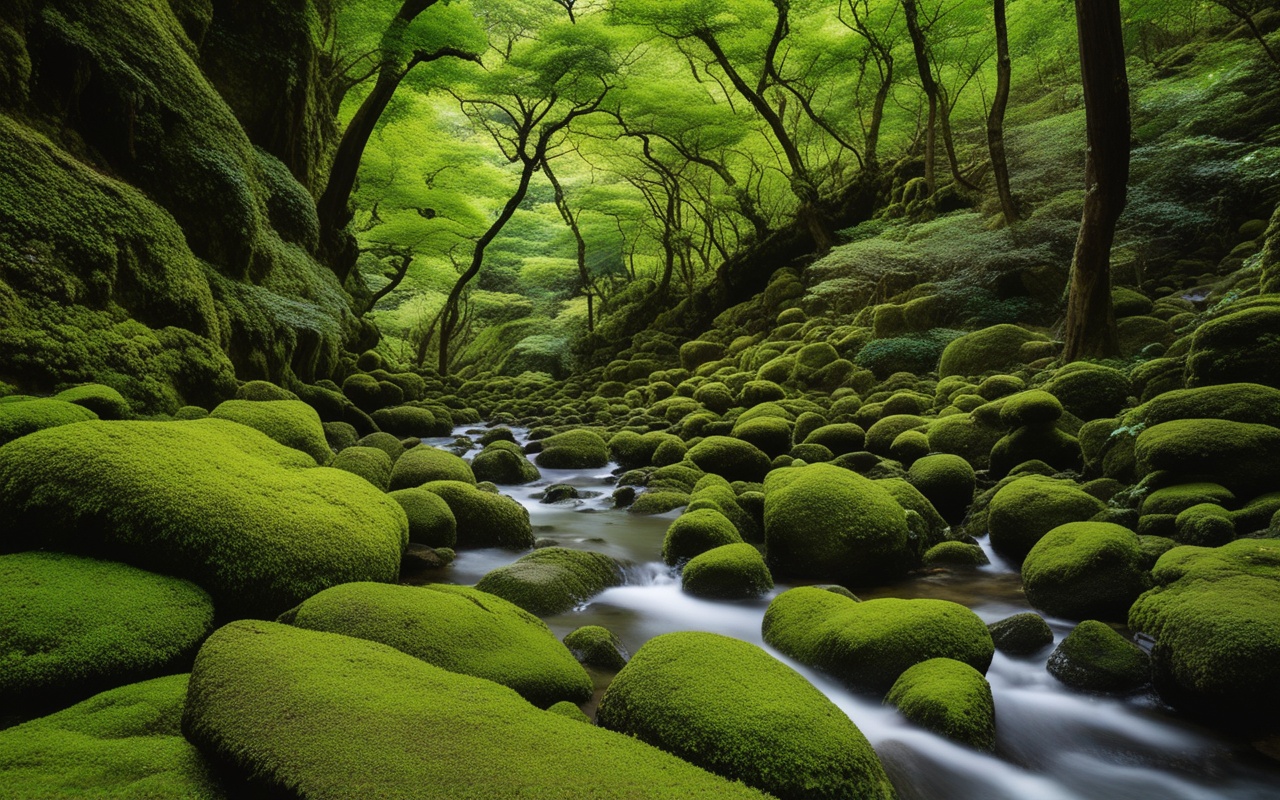
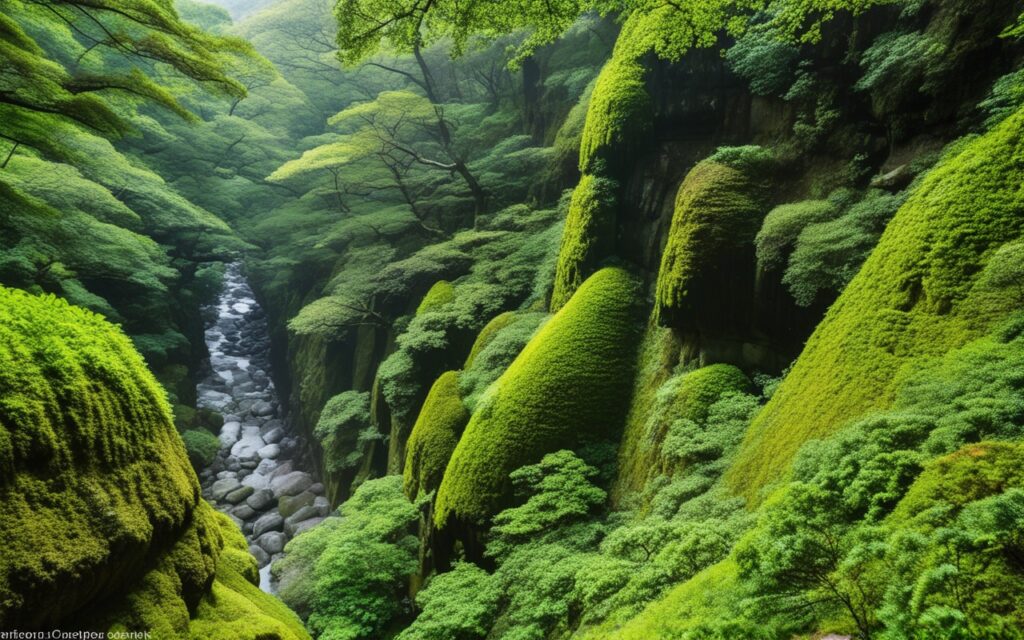
Kamakura was built in a valley surrounded by forested hills. Several small streams flow down from these hills, and one of them — the Namiki River — has carved a surprisingly deep gorge through the soft volcanic stone. Local residents have maintained a walking path along this stream for over a century.
Why This Walk is Special:
- Temperature drop: The gorge stays 3-5°C cooler
- Sound insulation: Stream drowns out city noise
- Hidden in plain sight: Entrance unmarked in English
- Year-round beauty: Each season transforms the gorge
- Free and always open
Seasonal Highlights:
- Spring: Cherry blossoms over the stream
- Summer: Cool refuge from heat
- Autumn: Maple leaves reflected in water
- Winter: Clear stream, moss vibrant green Updated: May 2026
Finding the Entrance
The entrance is the hardest part — the gorge is completely invisible from the main streets.
Starting Point: Kenchoji Temple intersection

Directions:
1. From Kamakura Station, walk toward Kenchoji Temple [Explore Kamakura & Yokohama on a day tour — Great Buddha, Enoshima, Enoden train & night views from Tokyo](Explore Kamakura & Yokohama on a day tour — Great Buddha, Enoshima, Enoden train & night views from Tokyo)
   (15 min via Komachi Street or Kannana Avenue)

2. Just before Kenchoji's main gate, turn RIGHT
   onto the small residential lane

3. Walk past 3 houses on your left

4. Look for a narrow gap between two stone walls
   — this is the gorge entrance

Entrance Markers:
   - No sign in English
   - Small wooden post (Japanese: 遊歩道入口)
   - Stone paving begins
The Gorge Walk: Section by Section
Section 1: The Stone Corridor (0-200m)
The path begins as a narrow stone walkway between high stone walls. The stream runs below on your left. Moss covers the walls, and ferns grow from every crevice.
Terrain: Flat stone paving
Width: 1.5m
Canopy: 90% shade
Sound: Stream + birds
Key feature: 3 small stone bridges cross the stream
Photo Spot #1: The first stone bridge, looking upstream. Mossy walls frame the view.
Section 2: The Bamboo Grove (200-400m)
The walls open up and a bamboo grove appears on the right. The path widens and benches appear. This is the widest and brightest section.
Terrain: Packed gravel
Width: 2-3m
Canopy: Partial (bamboo filters light)
Sound: Bamboo rustling + stream
Features: 2 wooden benches, information board (Japanese)
Photo Spot #2: Looking up through the bamboo toward the sky. Light filters through in geometric patterns.
Section 3: The Waterfall Zone (400-600m)
The stream gradient increases here. A series of small waterfalls (1-2m drops) create consistent white noise. The path narrows again and gets closer to the water.
Terrain: Stone + compacted earth
Width: 1m
Canopy: 70% shade
Sound: Waterfall white noise
Features: 3 small waterfalls, deeper pools
⚠️ Warning: Path can be slippery near water
Photo Spot #3: The main waterfall (1.5m drop) with a small stone lantern beside it. Best with a slow shutter (1/15 sec).
Section 4: The Viewpoint Exit (600-800m)
The path climbs slightly and ends at a small overlook platform overlooking the lower valley. From here, you can see the coast in the distance on clear days.
Terrain: Stone steps (gradual climb)
Exit: Small wooden platform
View: Valley opening toward the sea
Benches: 1 at platform
Exit path: Returns to street level (3-min walk)
Practical Information
Best Times to Walk
Weekday mornings (7-9 AM):
- Nearly empty
- Birds most active
- Best light for photography

Weekday afternoons:
- Some local walkers
- Good light in bamboo section
- Pleasant temperatures Weekends:
- More local families
- Still quiet by Kamakura standards [Book Kamakura, Enoshima & Yokohama day trip from Tokyo — ride the iconic Enoden train & skip transport planning](Book Kamakura, Enoshima & Yokohama day trip from Tokyo — ride the iconic Enoden train & skip transport planning)
- Mornings recommended Avoid:
- After dark (no lighting)
- During/after typhoon (flood risk)
- Summer midday (still cool but humid)
What to Bring
Recommended:
- Comfortable walking shoes
- Camera (smartphone sufficient)
- Water
- Light jacket (cooler in gorge)
- Insect repellent (summer)

Optional:
- Tripod (waterfall photos)
- Picnic snacks (benches available)
- Bird identification guide
Etiquette
✅ Keep voices low (gorge amplifies sound)
✅ Stay on the path
✅ Pack out all trash
✅ Photography welcome (no flash)
✓ Respect private property bordering path
❌ No smoking
❌ No swimming in the stream
❌ No climbing on mossy walls
Combining with Nearby Temples
The gorge walk connects naturally to several temples:
Route A: Morning Gorge + Kenchoji (2 hours)
1. Enter gorge from Kenchoji side (8 AM)
2. Walk through to exit (20 min)
3. Return to Kenchoji (5 min)
4. Visit Kenchoji Temple (1 hour)
Best for: First-time visitors

Route B: Gorge + Engakuji Loop (2.5 hours)
1. Enter gorge from Kenchoji side (9 AM)
2. Exit and walk toward Engakuji (10 min)
3. Visit Engakuji (1 hour)
4. Return via Komachi Street
Best for: Temple enthusiasts

Route C: Full Valley Walk (3 hours)
1. Start at Kenchoji
2. Gorge walk (20 min)
3. Continue to hidden bamboo grove beyond exit
4. Small shrine above the gorge
5. Return through residential streets
Best for: Explorers
Frequently Asked Questions
Q: Is this walk suitable for elderly or children?
A: Yes, the path is flat and well-maintained. Only the last section has a gentle climb.
Q: How long does the walk take?
A: The gorge itself is 20 minutes one way. Most visitors spend 30-40 minutes total, including photo stops.
Q: Is the gorge accessible in rain?
A: Light rain is fine and actually enhances the atmosphere. Avoid during heavy rain (slippery, flood risk).
Q: Can I access the gorge from both ends?
A: Yes, enter from the Kenchoji side or the upper end. The lower entrance is better marked. Q: Are there restrooms along the walk?
A: No. Use facilities at Kamakura Station or Kenchoji Temple before starting.
Last Updated: May 19, 2026
Written by: Anaba OffJapan Editorial Team
Verified: Walk confirmed April 2026
🌟 Share Your Experience
Discovered this hidden gorge? Have photos to share? Join our community forum to share your Kamakura lesser-known spots!
Anaba OffJapan – Avoid the Crowds, Go Deeper into Japan.
🌿 Flora & Fauna Along the Gorge
The Namiki Gorge’s unique microclimate supports an extraordinary variety of plant and animal life that changes dramatically with each season. Regular visitors often remark that the gorge feels like a completely different place depending on when they visit, Understanding these seasonal patterns allows you to plan your walk for the experience you want most — whether that’s vibrant autumn colors, spring blossoms, or the deep green tranquility of summer.
How the Gorge Was Formed
The Namiki Gorge was carved over millennia by the Namiki River, which originates in the hills behind Kenchoji Temple. The soft volcanic tuff and loam layers of Kamakura’s geology erode relatively easily, allowing the stream to cut a channel 5-8 meters deep through the surrounding terrain. This type of gorge formation is called a “valley incision” in geological terms — the stream maintained its course while the surrounding land gradually rose due to tectonic activity. Evidence of this process can be seen in the exposed rock layers along the path, where different colored strata tell the story of volcanic eruptions from Mt. Fuji and the Hakone region over the past 100,000 years. Visit Kamakura Great Buddha, Hachimangu Shrine & Enoshima on a guided day trip from Tokyo with transport included
Best Photography Spots
| Location | Best Time | Recommended Lens | Subject |
|---|---|---|---|
| First stone bridge | 9-11 AM | 16-35mm wide | Mossy walls framing stream |
| Bamboo grove | 10 AM-2 PM | 50mm prime | Light rays through bamboo |
| Main waterfall | Overcast days | 24-70mm | Long exposure water effect |
| Viewpoint exit | Late afternoon | 70-200mm tele | Valley opening to coast |
For the waterfall shots, a neutral density filter allows exposures of 0.5-2 seconds, turning the falling water into a smooth, silky cascade. A tripod is a must-have for this technique — even the steadiest hands cannot hold a half-second exposure without blur.
Mindfulness Walk Technique
The gorge’s acoustic environment — layered sounds of running water, bamboo rustling, bird calls, and wind through trees — creates what sound therapists call a “natural sound bath.” To experience this fully, find a bench in the bamboo section (200-400m), close your eyes for 3 minutes, and focus only on auditory input. Notice how the stream provides a constant bass layer, bamboo adds a mid-frequency rustle, and bird calls create treble accents. Regular practice of this technique has been shown to lower cortisol levels and improve mental clarity — a free therapy session that costs nothing and is available to anyone who visits.
Trees and Plants to Identify
Bird Species Commonly Seen
- Bush warbler (uguisu) — heard more than seen, classic Japanese songbird
- Japanese white-eye (mejiro) — small, active, attracted to flowers
- Brown-eared bulbul (hiyodori) — loud calls, fruit eater
- great tit (shijūkara) — acrobatic, common in the trees
- Common kingfisher (kawasemi) — rare but occasionally seen near the stream if you’re patient and quiet
Mindfulness Walk Tips
Treat the gorge walk as a mindfulness exercise. At the bamboo section (200-400m), pause, put away your phone, and stand still for 3 minutes. Notice the layered sounds: stream base (constant), bamboo rustling (rhythmic), bird calls (sporadic), leaves falling (random). This acoustic environment has been shown to reduce cortisol levels — effectively a natural sound bath. Many local residents visit specifically for this purpose.
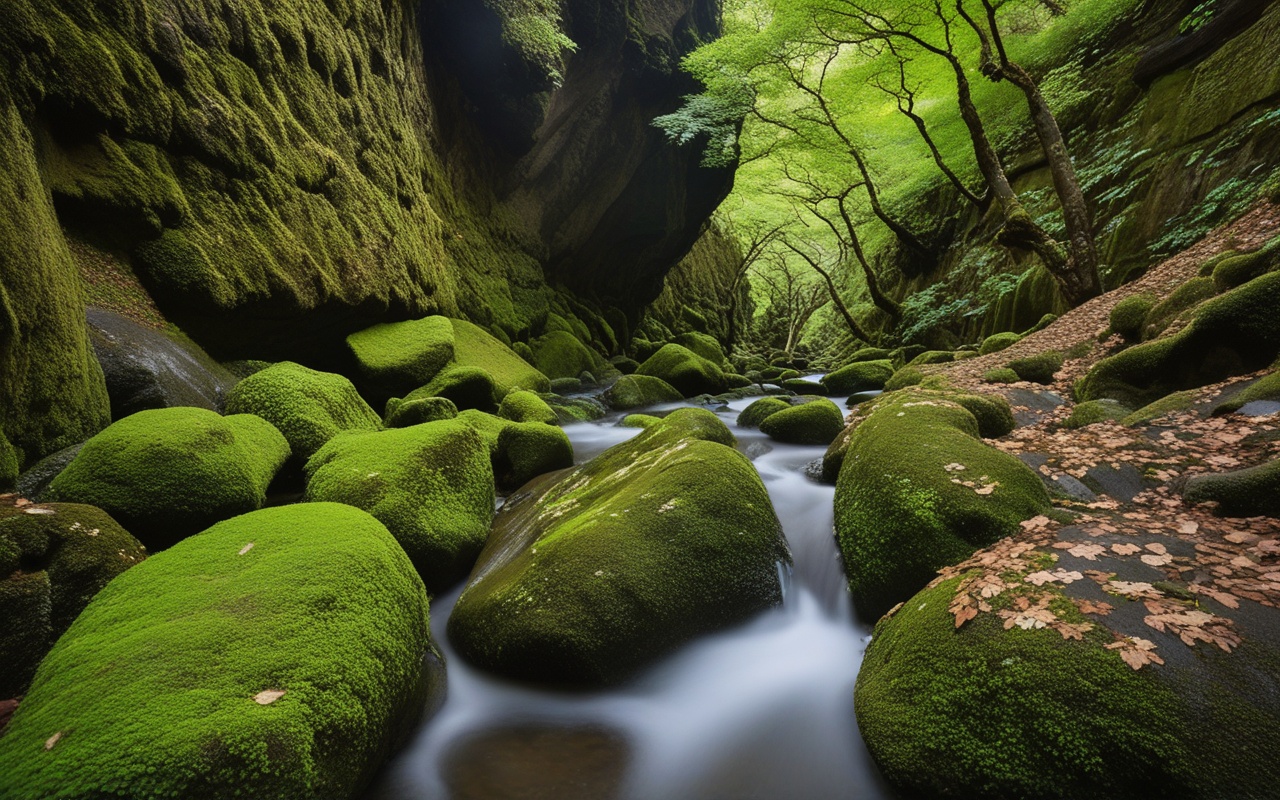
Kamakura Hidden Gorge Walk proves that you don’t need to leave the city center to find peace. Just minutes from the busiest tourist streets, this cool, mossy streamside path offers a quiet escape into nature — and it’s completely free. It’s the perfect 20-minute reset between temple visits.
Conclusion
Whether you are planning exploring Kamakura for the first time or returning for another visit, taking a little extra time to go beyond the obvious sights makes all the difference. During my visit to Kamakura I went with a rough plan and found that leaving room to wander made the trip far more memorable. I hope this guide helps you build an itinerary that fits your pace, and that your time in Kanagawa leaves you with memories worth coming back for.