
Kamakura Zero Waste Movement Guide 2026
Overview
Experience Kamakura Zero Waste Movement Guide in an environmentally responsible way with this sustainable travel guide. Discover eco-friendly accommodations, green transportation options, and local initiatives that make Kamakura a leader in sustainable tourism. Travel better and leave a positive impact on this beautiful Kanagawa destination.
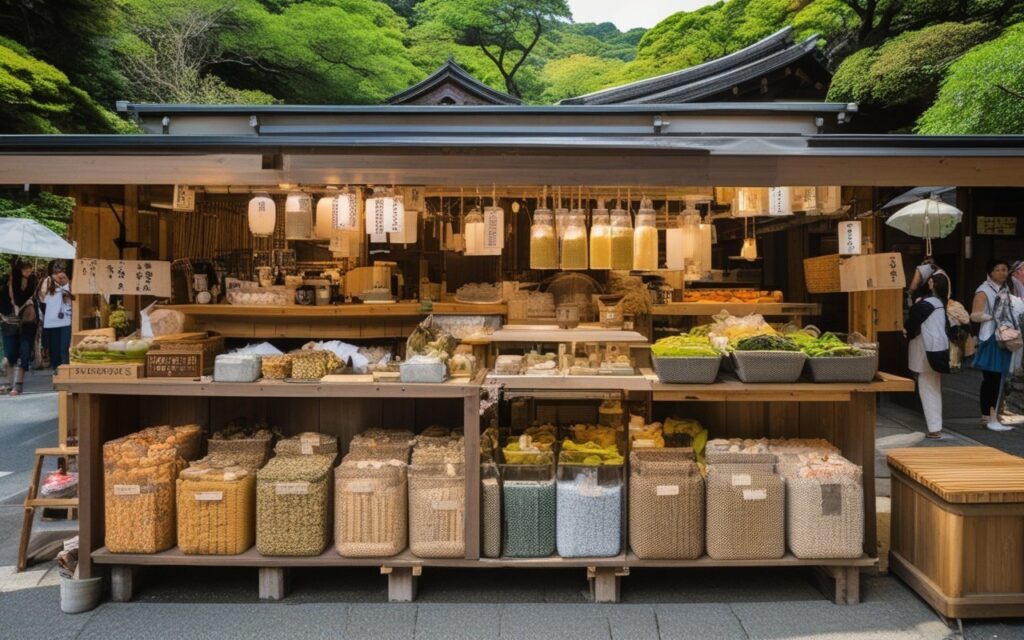
I explored Kamakura’s zero-waste scene during my last visit and tried three different refill stations near the station. I recommend the bulk food store on Komachi Street — they let me fill my own containers for everything from rice to shampoo. For more eco-friendly tips, see our Kamakura area guide.
Coffee cups, lids, and the heat tradeoff
Reusable cups shine in third-wave cafés accustomed to tare weights, Traditional kissaten may prefer porcelain for in-house service; accept that rhythm rather than insisting on pouring a latte into a thermos if it disrupts workflow. Lids matter for spills on trains; silicone lids exist. Ice drinks sweat; coasters or small towels protect wooden counters.
Recycling literacy and contamination guilt
Japan’s sorting rules vary by municipality. Kamakura bins may separate PET caps, labels, and bottles in specific ways during certain periods. Read pictograms slowly; contamination sends entire bags to incineration, When uncertain, pack recyclables back to your lodging for sorting with staff guidance rather than guessing in public panic.
Compostable plastics and the caveat list
“Compostable” utensils require industrial composters not always available locally. Do not toss them into forest leaf litter expecting virtue. Ask organizers of events whether industrial streams exist, When in doubt, durable reusables beat ambiguous bioplastics.
Events, festivals, and crowd trash dynamics
Festivals concentrate wrappers faster than cleanup crews can loop. Volunteer occasionally if language and stamina allow; otherwise model clean behavior visibly—others mimic social norms. Stand aside from sweepers rather than walking through freshly collected piles.
Transport choices intersect waste
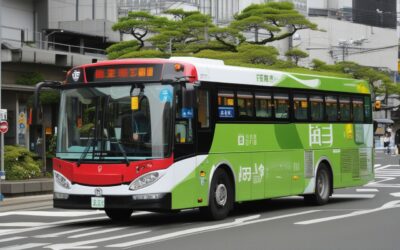
Disposables spike on long train rides when bento buyers discard layers. Preorder simpler packaging or eat before boarding. The Kamakura access guide helps time arrivals so you sit with reusable bottles filled rather than dehydrated into impulse buys at kiosks.
Accommodation tactics
Some lodgings offer filtered water pitchers, bulk soap, and towel reuse programs. Participate sincerely rather than demanding fresh towels daily. Hang laundry to reduce dryer sheets and energy. Refuse disposable toothbrushes if you packed your own.
Cosmetics, sunscreens, and coastal ethics
Ocean proximity makes rinse-off products consequential. Reef-safe labels help but are not universal; clothing and shade reduce sunscreen volume needed. Avoid glitter cosmetics that become microplastic pollutants. Wipes—even “natural” ones—clog pipes and trash cycles; use washcloths.
Digital tickets and paper minimization
QR codes reduce paper unless everyone prints backups unnecessarily. Store tickets offline, screenshot responsibly, and recycle only after your trip segment completes. Maps: download offline regions to avoid redundant brochure grabs.
Food waste versus packaging waste
Zero waste includes not over-ordering. Share plates when culturally appropriate; ask sizes. Leftovers need leakproof containers you actually carry. If you cannot carry leftovers, order less even if photos look less extravagant.
Local brands and refill pantries
Some shops sell bulk grains, detergents refills, and local snacks into customer jars. Language barriers exist; smile, point, weigh, pay. Support these businesses financially; margins are tight. Ask before photographing staff or price boards; some owners prefer privacy.
Children and zero-waste games
Kids respond to challenges: who spots a refill sign first, who carries the cloth bag today, who counts avoided straws. Avoid shame-based competition with strangers; model kindness. Pack snacks in reusable tubes to reduce toy-like plastic wrappers marketed to children.
Accessibility and disposable necessities
Some disabilities require single-use items for health reasons. Movements must not stigmatize medical needs. Zero waste aims at optional disposables first. Venues should provide accessible disposal without judgment.
Volunteer cleanups and data
Beach cleanups quantify brands and debris types, informing advocacy. If you join, wear gloves, sort meticulously, log data if organizers request. Post-cleanup photos should highlight collective action, not poverty tourism aesthetics.
Policy windows and tourist voice
Tourist feedback matters less than resident coalitions, yet polite praise for successful plastic reduction encourages managers. Write concise compliments to cafés that nailed reusables; avoid performative public shaming over minor slips.
Energy, climate, and waste overlap
Incineration-heavy waste systems tie to energy grids, Reducing waste reduces burn burden indirectly. Walk and bike short segments when safe to cut microtrips’ carbon and snack impulse patterns. Align walking stamina with café stops in the Kamakura café guide rather than sugar-cycling through vending machines.
Map and orientation
This map centers near the station-to-shrine corridor where foot traffic concentrates litter risk; use it to plan refill stops and bin locations critically.
Visual reminders for gentle footprints
Great Buddha area circulation without trash spikes
High visitor counts at monumental sites correlate with litter hotspots. Plan snacks before arrival; use bins correctly if provided. Connect movement ethics with site history through Great Buddha walking context so respect extends to packaging, not only volume.
Language phrases that help
Learn short polite requests: no bag, no straw, in this container please. Pronunciation need not be perfect; tone matters. Show containers openly so vendors understand visually.
Hotel breakfast buffets
Buffets generate plate waste; take only what you will eat. Reuse breakfast plates within rules. Avoid individually wrapped jams if bulk pots exist.
Souvenirs beyond plastic trinkets
Choose edible gifts with minimal wrap, textiles, or paper crafts. Avoid mass-produced plastic magnets that break quickly. Quality over quantity respects artisans and landfills.
Data privacy and digital receipts
Opt into email receipts when secure to reduce thermal paper BPA exposure and waste. Manage inbox clutter with filters.
Water quality anxieties
If you distrust a fountain, ask locals politely or choose cafés with filtration. Paranoia-driven PET hoarding is understandable but addressable with modest research.
Typhoon season and damaged infrastructure
Storms disrupt waste collection temporarily; pack extra capacity to carry trash longer. Do not abandon bags on corners when bins overflow.
Night markets and illumination litter
Night events pair with disposable glow items; refuse them. Collect any accidental flyers handed out aggressively; recycle if clean.
Corporate chains versus independents
Chains sometimes standardize reusables poorly; independents sometimes innovate faster. Judge case by case, not ideology alone.
Measuring personal impact without obsession
Estimate avoided bottles per day for motivation, not moral scoring. Share tips with travel companions calmly.
Advocacy souvenirs
Donate to NGOs selling cloth bags funding coastal work. Verify legitimacy before paying.
Air travel layovers and intention drift
Layovers tempt disposable convenience; reset intentions at each transit with a two-minute gear check.
Photography and trash aesthetics
Do not stage “trash picking” photos that exploit workers. Document systems thoughtfully.
Bulk buying, group travel, and shared kits
Groups should designate one spice kit, one soap bar in a tin, and one shared cutting board in vacation rentals rather than duplicating mini-toiletries per person. Bulk buying rice or bread for a shared apartment kitchen reduces packaging per capita. Coordinate who carries the big water jug to the refill station while others hold cloth bags—logistics beats lone-wolf heroics.
Repair cafés, mending, and slow consumption
If your jacket rips on a temple step, a quick stitch extends garment life dramatically. Some communities host repair events sporadically; ask tourism desks quietly. Even without events, a hotel sewing kit prevents buying cheap replacement plastic ponchos that shred in wind.
Packaging law literacy for curious readers
Regulations shift around fees for plastic bags and mandatory charges for utensils. Treat fees as feedback loops encouraging reusables rather than annoyances to circumvent with attitude. Carry coins for deposits where glass bottle schemes still exist in niche shops.
Noise, waste, and neighbor peace
Rustling plastic at dawn on residential streets wakes neighbors. Cloth bags rustle less obtrusively than crinkly overwrap. Quiet packing is environmental empathy in sonic form.
Graywater, wipes, and what not to flush
Even “flushable” wipes strain systems; bin them if you must use them. Graywater from rinsing reusables should go down appropriate drains, not onto temple moss.
Carbon accounting humility
Reusable bottles and jars still carry embodied carbon from manufacturing; reuse them hundreds of times. Lost bottles left in taxis undermine the math quickly. Label your gear subtly with contact info so honest finders can return items.
Closing loops with community knowledge
Zero waste thrives when visitors listen more than lecture. Pair practical steps with spiritual and spatial literacy from the Kamakura shrine and temple companion and Kamakura temple overview. Ground monumental visits with Great Buddha Kamakura history and Great Buddha walking context. Move cleanly using the Kamakura access guide, eat wisely via the Shonan Kamakura street food walk, and recharge in reusables-friendly cafés highlighted in the Kamakura café guide. Kamakura’s streets stay quieter—visually and morally—when your kit matches your values.
Frequently Asked Questions
Q: How can I reduce waste while traveling?
A: Carry a reusable water bottle, shopping bag, and chopsticks. Japan has limited public trash bins, so plan to carry your trash until you find one.
Q: Are there eco-friendly accommodations?
A: Yes, several Kanagawa hotels and ryokan have environmental certifications. Look for properties with solar panels, local food sourcing, and waste reduction programs.
Q: Can I recycle in Kanagawa?
A: Yes, Japan has strict recycling rules. Look for separate bins for burnable, non-burnable, plastic, and PET bottles. Follow local sorting guidelines posted on bins.
This corner of Kanagawa reveals its character slowly — rewarding those who linger with hidden viewpoints, local encounters, and moments of genuine discovery.
Conclusion
Whether you are planning exploring Kamakura for the first time or returning for another visit, taking a little extra time to go beyond the obvious sights makes all the difference. During my visit to Kamakura I went with a rough plan and found that leaving room to wander made the trip far more memorable. I hope this guide helps you build an itinerary that fits your pace, and that your time in Kanagawa leaves you with memories worth coming back for.