
Kamakura Vegetable Farm To Table 2026
Overview
Experience Kamakura Vegetable Farm To Table in an environmentally responsible way with this sustainable travel guide. Discover eco-friendly accommodations, green transportation options, and local initiatives that make Kamakura a leader in sustainable tourism. Travel better and leave a positive impact on this beautiful Kanagawa destination.
Kamakura’s Signature Vegetables
Kamakura Negi (Kamakura (鎌倉)ねぎ)
A sweet, thick green onion variety unique to the region. Unlike regular green onions, Kamakura negi is almost entirely white and has a mild, sweet flavor when grilled. It is delicious on its own with just a sprinkle of salt, and appears in nabemono (hot pot) dishes throughout winter.
Sagami Bay Greens
The coastal soil and mild winters produce exceptionally tender spinach, komatsuna (Japanese mustard spinach), and mizuna. These leafy greens are at their peak from November to March and are often served simply blanched with soy sauce dressing.
Kamakura Takenoko (Bamboo Shoots)
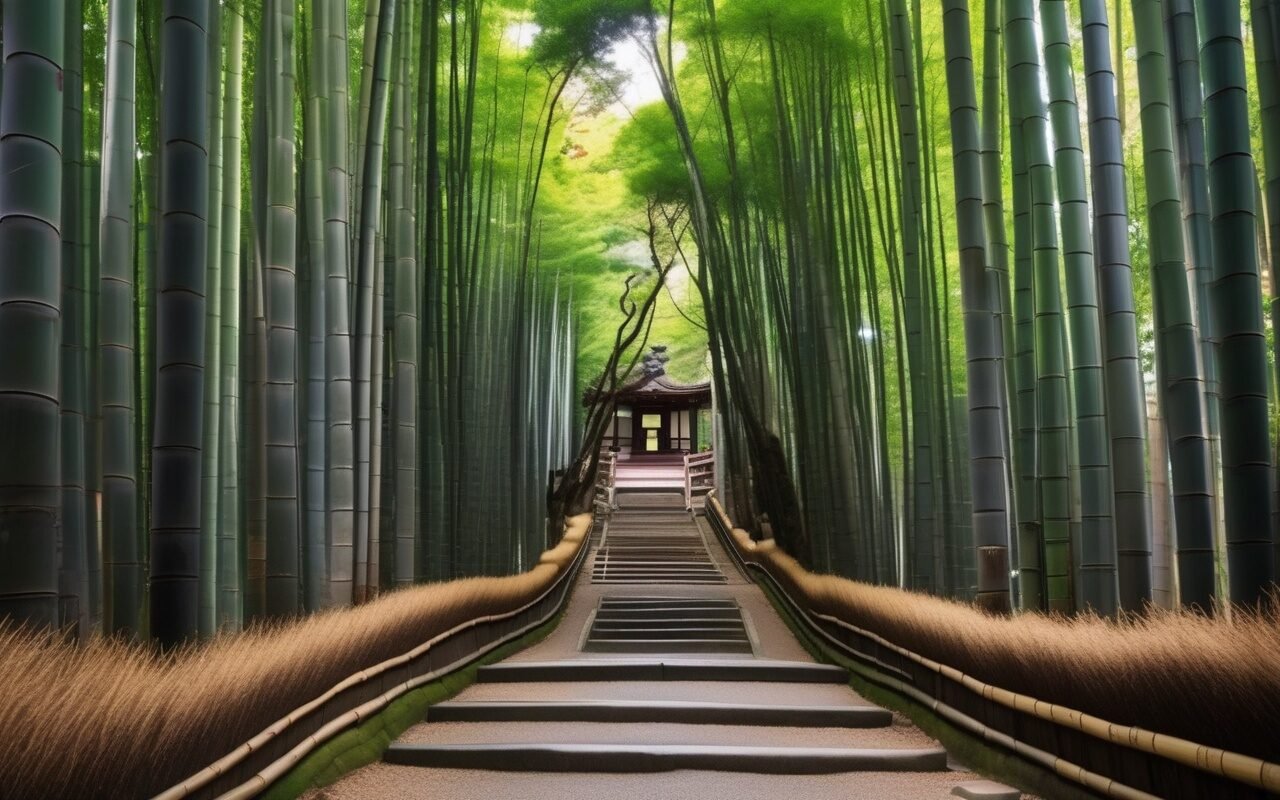
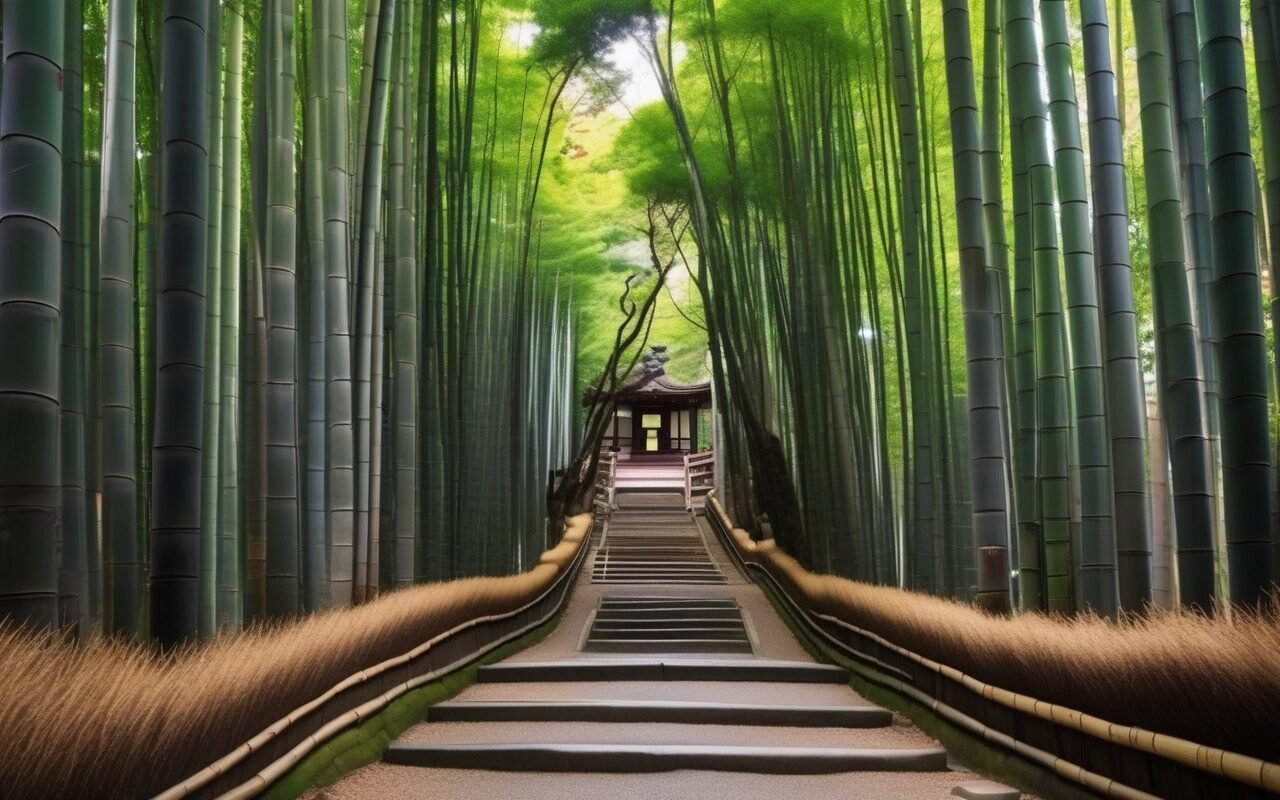
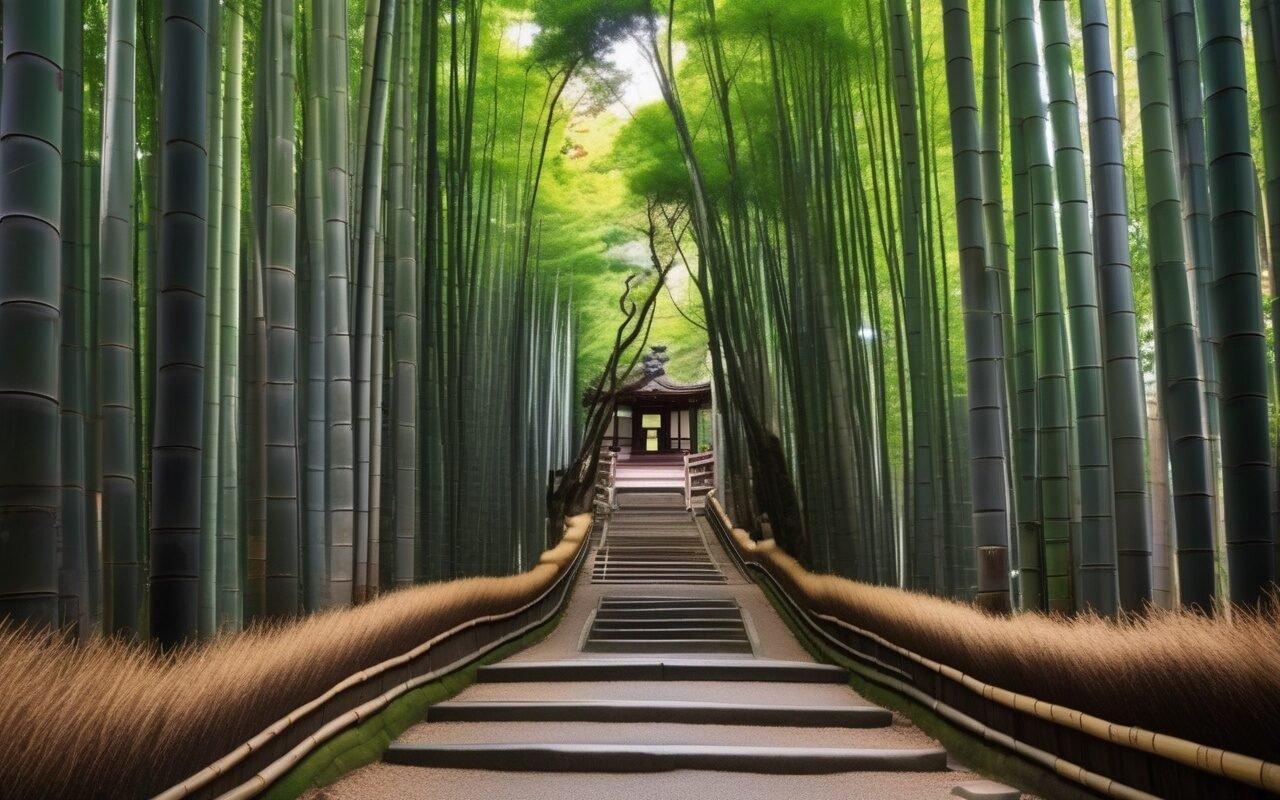
Harvested in April and May, Kamakura’s bamboo shoots are prized for their tender texture and lack of bitterness. Unlike bamboo shoots from other regions, Kamakura takenoko can be eaten raw when very fresh—a delicacy worth seeking out.
Kamakura Satsuma-imo (Sweet Potatoes)
The sandy soil along the Shonan coastShonances sweet potatoes with deep, complex sweetness. Roasted sweet potato vendors appear on Komachi-dori and near Tsurugaoka Hachimangu from September through February.
Farm-to-Table Restaurants
Yotsuba (四つ葉)
A farm-to-table restaurant in Sakae-ku that sources 90% of its vegetables from Kamakura farms within a 10 km radius. Their lunch plate (¥1,800) changes daily based on the morning harvest—you might find grilled Kamakura negi with miso, blanched komatsuna with sesame dressing, and a small bowl of locally made tofu.
- Address: 4-12-15 Sakae-ku, Kamakura
- Reservations: Recommended for dinner (¥3,500–¥5,000 course menu)
- Specialty: Weekly “Farmer’s Plate” featuring a different local farm
Komachi Shokudo (小町食堂)
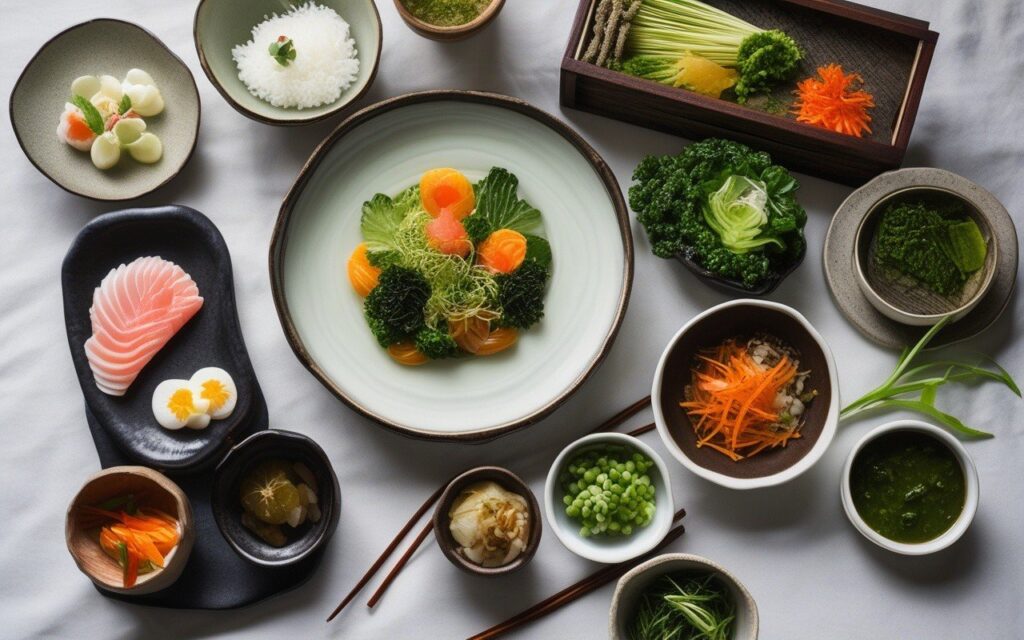
A casual eatery near Komachi-dori that specializes in vegetable-based set meals. Their “Kamakura Vegetable Zen” (¥1,450) includes five small vegetable dishes, rice, miso soup made with local miso, and pickles. The menu rotates seasonally and always includes at least two varieties of Kamakura-grown greens.
Hokoku-ji Garden Cafe
The famous bamboo grove temple houses a tea house that serves matcha and simple sweets made with local ingredients. In autumn, they offer Kuri-an (chestnut paste) desserts made with chestnuts from Kamakura farms. The garden setting makes it one of the most atmospheric places to enjoy local produce.
How to Identify Fresh Local Vegetables
Knowing how to spot truly fresh, locally grown vegetables will enhance your market experience: Leafy greens: Look for perky leaves with no wilting. The stems should snap cleanly when bent. Kamakura komatsuna should have a bright green color and thin, tender stems.
Root vegetables: Sweet potatoes should be firm with smooth skin and no soft spots. Kamakura negi should be mostly white with fresh green tops—avoid any with slimy or yellowing leaves. Seasonal indicators: Each vegetable has a peak season when it is at its best and most affordable:
| Vegetable | Peak Season | Price at Peak | Price Off-Season |
|---|---|---|---|
| Kamakura negi | November–February | ¥150/bundle | ¥250/bundle |
| Takenoko (bamboo shoots) | April–May | ¥400/piece | ¥800/piece |
| Sweet potatoes | September–November | ¥200/piece | ¥350/piece |
| Komatsuna | November–March | ¥100/bundle | ¥180/bundle |
Planning Your Vegetable-Focused Kamakura Visit
Morning (8–10 AM): Start at the Kamakura Farmers Market (second Sunday of each month) or Ofuna Morning Market (every Saturday). Arrive early for the best selection of Kamakura negi, komatsuna, and seasonal specialties, Bring cash and reusable bags.
Late Morning (10–11:30 AM): Visit a farm for a picking experience. Strawberry picking (January–May) and sweet potato digging (September–November) are the most popular options. Reservations recommended for weekends.
Lunch (12–1:30 PM): Dine at Yotsuba or Komachi Shokudo for a farm-to-table meal featuring the morning’s harvest. Request the “farmer’s plate” for the most seasonal selection. Budget ¥1,500–¥2,000 per person.
Afternoon (2–4 PM): Take a cooking class at Kamakura Cooking Studio to learn how to prepare the vegetables you saw at the market. Classes conclude with eating your creations.
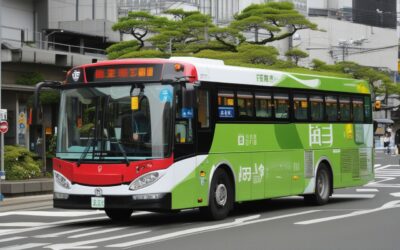
Transport: Kamakura’s farm-to-table destinations are accessible by public transportation. The Enoden train line connects Kamakura Station to Ofuna and surrounding areas. Buses run from Kamakura Station to the farming areas in Sakae-ku and Ofuna.
Accommodation: Several guesthouses in Kamakura offer kitchen facilities where you can cook purchased vegetables. Kamakura Guest House (near Hase Station) provides a shared kitchen and refrigerator for guests who want to prepare their own farm-to-table meals.
Farm-to-Table Cooking at Home
If you buy fresh Kamakura vegetables at the market and want to prepare them yourself, here are simple preparations that showcase their natural flavors:
Kamakura Negi Miso: Grill negi until charred, chop, and mix with miso paste and a dash of mirin. Serve as a dip for cucumber and carrot sticks.
Komatsuna Goma-ae: Blanch komatsuna for 30 seconds, squeeze dry, and toss with ground sesame seeds, soy sauce, and a touch of sugar. Ready in 5 minutes.
Takenoko Gohan: Cook bamboo shoots with dashi, soy sauce, and rice in a rice cooker. The bamboo shoot infuses the rice with a subtle, earthy sweetness.
Sweet Potato Tempura: Slice sweet potatoes thinly (3mm), dust with potato starch, and deep-fry at 170°C for 2–3 minutes. Sprinkle with salt while hot.
Supporting Kamakura Farmers
The Kamakura Agricultural Cooperative runs several programs to support local farmers:
- CSA (Community Supported Agriculture): Subscribe to receive a weekly box of seasonal vegetables delivered to your accommodation (¥2,500/week, minimum 4 weeks)
- Farm Adoption Program: “Adopt” a row of vegetables at a partner farm and receive updates and harvest photos (¥5,000/season)
- Direct Purchase: Buy directly from farmers at the Saturday morning market—prices are 20–30% lower than supermarket, and the money goes directly to the grower
Farmers Markets in Kamakura
Kamakura Farmers Market: Held on the second Sunday of every month near Kamakura Station East Exit (weather permitting). Local farmers sell fresh vegetables, fruits, eggs, and handmade preserves. Arrive early (8 AM) for the best selection—popular farmers sell out by 10 AM.
Ofuna Morning Market (every Saturday): Smaller than the main Kamakura market but less crowded. Here you can find seasonal vegetables at wholesale-like prices, Bring your own bags and cash—most vendors do not accept cards.
Farm-to-Table Dining Experiences
Kamakura’s farm-to-table movement goes beyond ingredients—it encompasses the entire dining experience. Many restaurants invite guests to tour their partner farms, meet the farmers, and even participate in harvesting.
Farm Visits and Harvesting Tours
Yotsuba organizes monthly farm visits (¥1,500 per person) on the first Saturday of each month. Participants meet at the restaurant at 9 AM, walk to a nearby farm (15 minutes), and spend an hour learning about the farm’s growing methods while helping with the harvest. The vegetables collected become part of that day’s lunch service.
Kamakura Organic Farm in Ofuna offers weekly picking experiences for strawberries (January–May), sweet potatoes (September–November), and seasonal greens (year-round). Prices range from ¥1,200–¥2,000 depending on the crop and season.
Seasonal Vegetable Events
Throughout the year, Kamakura hosts special events celebrating local produce:
- Takenoko Matsuri (April): Bamboo shoot festival with fresh takenoko dishes at participating restaurants
- Kamakura Vegetable Fair (October): Restaurants across the city feature special menus using autumn harvest vegetables
- Sweet Potato Festival (November): Roasted sweet potato stalls and sweet potato dessert specials throughout the city
Cooking Classes Focused on Local Vegetables
For travelers who want to learn how to cook with Kamakura vegetables, several cooking schools offer classes: Kamakura Cooking Studio near Tsurugaoka Hachimangu offers a 2-hour class (¥4,500) focusing on seasonal vegetable dishes. Participants learn to make a traditional Japanese breakfast featuring grilled Kamakura negi, blanched komatsuna with sesame dressing, miso soup with local tofu, and tamagoyaki (rolled omelet).
Ofuna Cooking School offers a “Farm-to-Table” course (¥5,500) that includes a morning farm visit followed by a cooking session using the harvested ingredients. The class is conducted in Japanese with English interpretation available upon request (advance notice required).
Preserving Kamakura’s Agricultural Heritage
Kamakura’s agricultural land has been shrinking due to urbanization, but efforts are underway to preserve it. The Kamakura Agricultural Heritage Society works with local farmers to document traditional farming techniques and promote sustainable practices. Visitors can support these efforts by:
- Shopping at farmers markets rather than supermarkets
- Choosing restaurants that source locally
- Participating in farm tours and picking experiences
- Spreading the word about Kamakura’s unique agricultural heritage
For more detailed information, check out our guide on Shonan Surf Eco Activities Guide 2026.
Tips
From my own visits, the advice that saved me the most time was simple: arrive before the peak hours, download an offline map before you leave the station, and build in a backup plan for rainy weather. Many spots in Kanagawa get busy by mid-morning, so an early start usually means shorter queues and better photos.
Frequently Asked Questions (FAQ)
Q: Is farm-to-table dining expensive in Kamakura?
A: Not necessarily. Casual lunch sets at Komachi Shokudo cost around ¥1,200–¥1,500, while high-end farm-to-table dinners range from ¥3,500–¥8,000. The value is excellent considering the quality and freshness of the ingredients.
Q: Can I visit the farms themselves?
A: Some farms offer seasonal picking experiences. Strawberry picking is available from January to May at several farms in the Kamakura area. Check with the Kamakura Tourist Information Center for current offerings.
Q: Are vegetables in Kamakura organic?
A: Many small family farms in Kamakura practice natural farming methods, though they may not carry official organic certification due to the cost of the process, When in doubt, ask the farmer directly at the market.
Q: What is the best season for vegetable-focused dining?
A: Autumn (September–November) offers the widest variety—sweet potatoes, mushrooms, chestnuts, and leafy greens all peak during this period, Spring (March–May) is best for bamboo shoots and wild mountain vegetables.
Q: Do restaurants accommodate dietary restrictions?
A: Many farm-to-table restaurants are accustomed to dietary needs. Yotsuba offers vegan and gluten-free options with advance notice. Always call ahead or check their website.
Conclusion
exploring Kamakura can be as relaxed or as packed as you want it to be, and I have found that the best visits leave room for both planning and spontaneity. During my visit to Kamakura I went with a rough plan and found that leaving room to wander made the trip far more memorable. Use this guide to sort out the logistics in advance, then let the day surprise you — Kanagawa rewards travelers who stay curious.