Tag: kanagawa

  • Kanagawa Roadside Stations: Michi-no-Eki Food & Souvenirs

    Kanagawa Roadside Stations: Michi-no-Eki Food & Souvenirs

    Overview

    Japan’s michi-no-eki — literally “roadside stations” — are one of the country’s great unsung pleasures: rest stops that have evolved into showcases of local food, crafts, and agriculture. Kanagawa has a small but excellent collection, each tied to the character of its region: Kintaro legends in the west, surf culture on the coast, mountain pork and tea in the interior.

    I am a self-confessed michi-no-eki devotee. On road trips across Japan I have learned that these stations are the most reliable places to taste what a region genuinely produces — the farmers who supply them deliver their best, and the standards are consistent. Kanagawa’s five stations are close enough to Tokyo to visit in a single driving day, which makes them the perfect introduction to the genre.

    This guide covers all five of Kanagawa’s michi-no-eki, what to eat and buy at each, and how to combine them into a satisfying driving loop.


    🚗 Why Michi-no-Eki Are Worth Planning Around

    The Concept

    Michi-no-eki are roadside rest facilities run by local governments and communities, designed to serve travelers while promoting local agriculture, food, and crafts. Since the first station opened in 1993, they have become cultural institutions — part farmers market, part food court, part souvenir shop, and part community center.

    What makes them special for travelers is the authenticity. The vegetables are picked that morning, the pork comes from farms you can practically see from the parking lot, and the tea is grown on the slopes behind the building. You will not find the same mass-produced souvenirs as in the cities.

    What You Will Find at Every Station

    • A farmers market — Seasonal vegetables, fruit, and local specialties, often cheaper than Tokyo supermarkets.
    • A food corner — Soft serve, soba, rice bowls, and other quick meals made with local ingredients.
    • Souvenirs — Regional crafts, snacks, and packaged goods you will not find elsewhere.
    • Clean restrooms and parking — Reliable and free, which is more valuable than it sounds on a road trip.

    🥩 Michi-no-Eki Ashigara Kintaro no Furusato

    The Station

    The newest of Kanagawa’s roadside stations, opened in 2020, sits at the gateway to the Ashigara area — the valley where the folk hero Kintaro is said to have grown up. The building is modern and spacious, with a large produce market, a food court, and a terrace overlooking the rice fields toward the mountains.

    I stopped here on the way back from Mount Kintoki and ended up spending an hour I had not planned — tasting the beef, loading up on tea, and watching families try the local soft serve. It is the best single stop in western Kanagawa for food souvenirs.
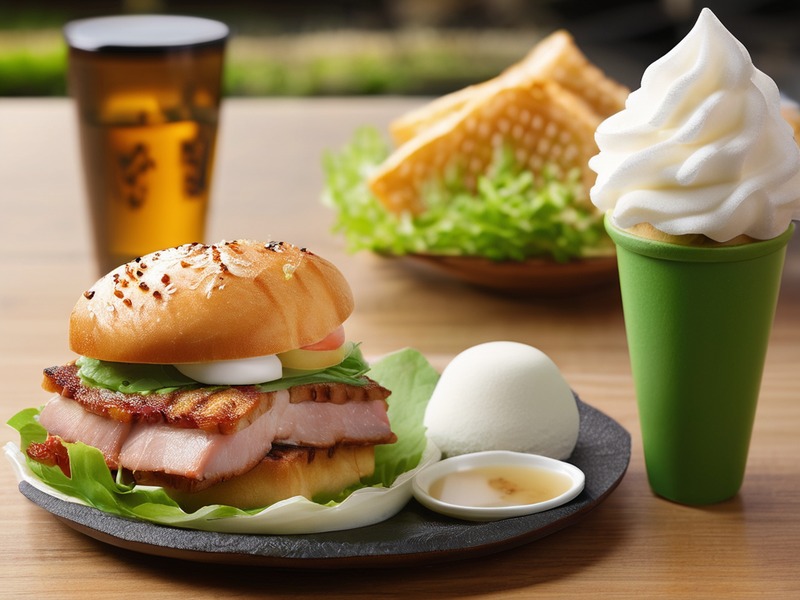
    Michi-no-Eki Ashigara Kintaro no Furusato

    What to Eat and Buy

    • Soshu beef — The local branded wagyu, available as cuts, prepared dishes, and the star of the food court’s menu.
    • Ashigara tea — Grown on the mountain slopes, sold by the bag and served fresh at the tea corner.
    • Kintaro souvenirs — Cute Kintaro-themed sweets, toys, and goods.
    • Morning vegetables — The market opens with the day’s harvest and sells out by early afternoon.

    Practical Notes

    • Access: 15 minutes by car from the Tomei Oi-Matsuda IC, or a short taxi ride from the Izuhakone Railway’s Wada-Kawara Station.
    • Parking: Free and plentiful.
    • Hours: Roughly 9:00-18:00, with the food court closing earlier in winter.

    🏖️ Michi-no-Eki Shonan Chigasaki

    The Station

    Opened in 2024, Shonan Chigasaki is Kanagawa’s coastal roadside station — a beach-adjacent complex on National Route 134 that brings together surf culture, local produce, and a slice of Hawaii (Chigasaki is twinned with Honolulu). It is the only station in Kanagawa where you can watch surfers while eating a burger.

    I visited on a windy autumn afternoon and found the terrace full of surfers who had paddled out that morning. The mix of local vegetables, craft beer, and Hawaiian-style food made it feel less like a rest stop and more like a beach town community center.

    What to Eat and Buy

    • Shirasu and Shonan vegetables — The coastal specialties, fresh and abundant.
    • Honolulu Diner Da Cafe — Hawaiian plate lunches and burgers, reflecting the sister-city connection.
    • Choice! Chigasaki goods — The town’s certified local products, from sauces to sweets.
    • Craft beer — Chigasaki’s local brewery is well represented.

    Practical Notes

    • Access: Right on Route 134, minutes from the Shin-Shonan Bypass Chigasaki-Kaigan IC. By train, take a bus from JR Chigasaki Station.
    • Parking: Free, but fills on summer weekends.
    • Hours: Roughly 9:00-19:00 in summer, shorter in winter.

    🍄 Michi-no-Eki Kiyokawa

    The Station

    Tucked into the mountain village of Kiyokawa — the only village in Kanagawa Prefecture — this station serves as the gateway to Miyagase Lake and the Tanzawa foothills. It is small and unpretentious, focused on the mountain products that the village is known for: Kiyokawa Megumi pork, Kiyokawa tea, and mushrooms.

    I stopped here after a morning at Miyagase Lake and ate a pork cutlet sandwich that remains one of the best things I have eaten in Kanagawa. The tea soft serve, made with local green tea, is worth the trip on its own.

    What to Eat and Buy

    • Kiyokawa Megumi pork — The village’s branded pork, as cutlets, sausages, and prepared dishes.
    • Kiyokawa tea — Grown and processed in the village, sold by the bag. The tea soft serve is a must.
    • Shiitake mushrooms — The village is a major mushroom producer; the fresh ones are excellent.
    • Mountain vegetables — Seasonal greens from the village farms.

    Practical Notes

    • Access: About 50 minutes by bus from Hon-Atsugi Station, or 40 minutes by car from the Tomei Atsugi IC.
    • Parking: Free.
    • Hours: Roughly 9:00-17:00. Check the local calendar for rest days.

    🏞️ Michi-no-Eki Yamakita

    The Station

    Michi-no-Eki Yamakita sits in the riverside town of the same name, near the JR Gotemba Line and the road toward Lake Tanzawa and Nakagawa Onsen. It is the most rustic of Kanagawa’s stations — a friendly, functional stop with a good produce market and a soba counter that looks out over the river valley.

    I stopped here before driving up to Lake Tanzawa and filled my backpack with mountain vegetables and local noodles. It is exactly the kind of place that rewards stopping: small, sincere, and full of things you cannot find in the city.

    What to Eat and Buy

    • Mountain vegetables and river fish — Seasonal specialties of the valley.
    • Ashigara tea — The same regional tea, sold here in bulk.
    • Soba — Local buckwheat noodles served at the food corner.
    • Local processed goods — Pickles, jams, and sauces made in the town.

    Practical Notes

    • Access: Near JR Yamakita Station on the Gotemba Line, about 20 minutes by car from the Oi-Matsuda IC.
    • Parking: Free.
    • Hours: Roughly 9:00-17:00, with winter closures on some weekdays.

    ⛰️ Michi-no-Eki Hakone-toge

    The Station

    Kanagawa’s oldest roadside station (opened 1995) occupies a spectacular site at Hakone Pass, high on the ridge between Kanagawa and Shizuoka prefectures. The terrace looks out over Lake Ashi and the Hakone caldera, and on clear days Mount Fuji rises beyond. It is less a farmers market and more a viewpoint with excellent food.

    I pulled off the road here purely for the view on a foggy morning, and ended up staying through lunch when the clouds cleared to reveal Fuji. Of all Kanagawa’s stations, this is the one to plan around the view.
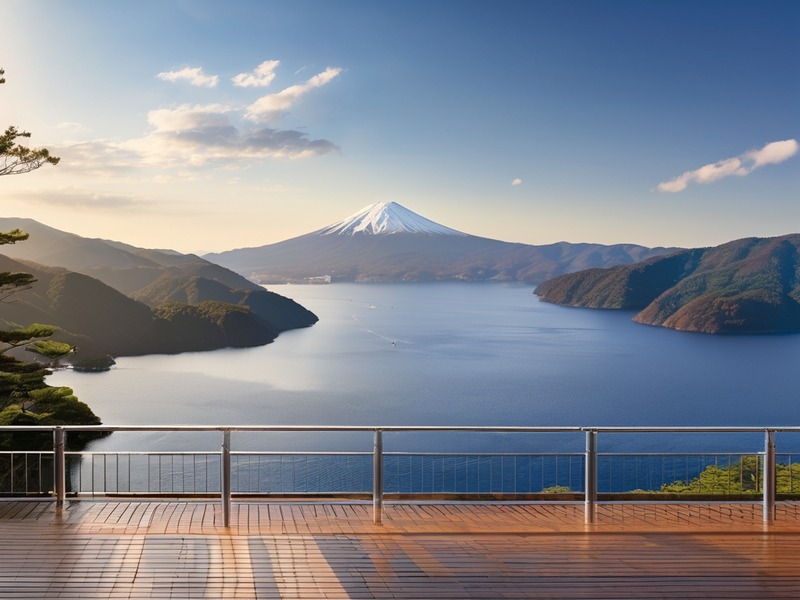
    Hakone-toge terrace view over Lake Ashi

    What to Eat and Buy

    • The terrace view — Lake Ashi and, on clear days, Mount Fuji. The reason to stop.
    • Soba and udon — Warm noodle bowls for the mountain air.
    • Hakone souvenirs — The full range of Hakone crafts and snacks, convenient for a final shopping stop.

    Practical Notes

    • Access: On National Route 1 at Hakone Pass, 30-40 minutes from the Seisho Bypass Hakoneguchi IC.
    • Parking: Free but limited; weekdays are best.
    • Hours: Roughly 9:00-18:00 in summer, shorter in winter.

    🗺️ The Grand Loop: All Five in One Day

    The Route

    The five stations form a rough circle around western and coastal Kanagawa, and with an early start they can all be visited in a day. The driving itself is part of the experience — mountain roads, coastal Route 134, and the Hakone ridge.

    1. 9:00 — Start at Ashigara Kintaro (west). Breakfast at the food court, load up on tea and beef.
    2. 10:30 — Drive the mountain roads to Yamakita for the riverside station.
    3. 12:00 — Lunch soba at Yamakita, then continue to Kiyokawa.
    4. 13:30 — Kiyokawa for pork and tea soft serve, with a possible side trip to Miyagase Lake.
    5. 15:30 — Drive over the ridge to Hakone-toge for the view and an afternoon coffee.
    6. 17:30 — Finish on the coast at Shonan Chigasaki, watching the sunset with a craft beer.

    If You Have Less Time

    Pick two stations that match your route: the Ashigara pair (Kintaro and Yamakita) for the mountain interior, or the coastal pair (Chigasaki and Hakone-toge) for sea and mountain views.


    💡 Practical Tips

    1. Rent a car — The stations are scattered across the prefecture, and a car is the only practical way to visit several in a day. See the rental car guide for rental basics in Japan.
    2. Go on weekday mornings — The best produce sells out by noon, and weekend parking at Chigasaki and Hakone-toge fills early.
    3. Bring cash — While newer stations accept cards, the smaller ones and their food stalls are often cash-only.
    4. Check hours before the trip — Stations in the mountains (Kiyokawa, Yamakita) have shorter hours and occasional rest days.
    5. Buy early — Seasonal specialties like shirasu and mountain vegetables are morning products; afternoon visitors find empty shelves.

    Conclusion

    Kanagawa’s michi-no-eki are the perfect way to taste the prefecture beyond its famous sights. Each station tells the story of its region — the beef and tea of the Ashigara valley, the pork and mushrooms of Kiyokawa, the surf culture of the coast, the mountain views of the Hakone ridge — and together they make a satisfying driving loop that rewards the detour at every stop. Rent a car, start early, and let the stations set the pace.

    FAQ

    Q: Do I need a car to visit the roadside stations?
    A: For visiting several in one day, yes. Each station is individually reachable by bus or taxi from the nearest station, but a car makes the loop practical.

    Q: Which station has the best food?
    A: Ashigara Kintaro for the widest selection (beef, tea, sweets) and Kiyokawa for the pork and tea soft serve. Chigasaki is the place for craft beer and coastal food.

    Q: Are the stations open year-round?
    A: Yes, but mountain stations have shorter hours and occasional rest days in winter. Check the individual schedules before traveling.

    Q: Can I visit all five in one day?
    A: Yes, with a car and an early start. The loop covers roughly 150 km and works best with two drivers or generous breaks.
  • Kanagawa Sake Breweries Guide: Spring-Water Tasting Rooms

    Kanagawa Sake Breweries Guide: Spring-Water Tasting Rooms

    Overview

    When travelers think of Japanese sake, the names that come to mind are Niigata, Kyoto, and Hiroshima. Kanagawa rarely makes the list — and until a few years ago, I did not think of it either. Then a brewer in the Tanzawa foothills explained why the prefecture deserves attention: “We do not have the famous rice. We have something better. We have the water.”

    He was talking about the soft, mineral-light spring water that filters through the Tanzawa mountain range and feeds the western half of Kanagawa. In the world of sake, water is half the story: it drives fermentation, defines mouthfeel, and shapes the clean, gentle character of the finished brew. Kanagawa’s breweries have been drawing on this water for over a century, yet almost none of them appear in the standard English-language sake guides.

    What makes Kanagawa sake distinct is precisely that softness. Where Niigata’s famous “light and dry” style comes from snowy, hard water, Kanagawa’s spring water produces sake that is rounder and more approachable — gentle acidity, subtle sweetness, and a clean finish that pairs easily with food. It is the sake equivalent of a quiet, well-dressed stranger: unassuming at first, genuinely excellent on closer acquaintance.

    This guide covers the prefecture’s breweries worth visiting, how to taste them, transport and etiquette, and how to pair Kanagawa sake with the region’s food.


    🍶 Understanding Kanagawa Sake

    The Water Factor

    Sake is roughly 80% water, and the character of that water shapes the brew more than almost anything else. Kanagawa’s western basin — around Hadano, Atsugi, and Sagamihara — sits on ancient gravel beds that naturally filter rainwater from the Tanzawa range. The result is soft water with low mineral content, which produces a slower, gentler fermentation.

    In practice, this means Kanagawa sake tends to be:

    • Round and smooth — Low minerality means fewer harsh edges.
    • Subtly sweet — The gentle fermentation preserves a soft rice sweetness.
    • Clean-finishing — The aftertaste is short and crisp, which makes it food-friendly.
    • Approachable — Ideal for people new to sake; there is no aggressive alcohol burn.

    The Regions

    1. The Tanzawa Basin (Hadano, Atsugi) — The heartland. Most of the prefecture’s breweries cluster here, drawn by the same spring water. Tasting rooms tend to be small, family-run, and personal.
    2. The Sagamihara Area — Further east, with a few notable kura using water from the Sagami River system.
    3. Yokohama and the Coast — Few breweries, but excellent bars and specialty shops for tasting the prefecture’s output. The Yokohama backstreet gourmet guide covers the city’s sake bars in detail.

    🏭 The Breweries Worth Visiting

    A note on access: most Kanagawa breweries are small operations, and tasting-room hours vary widely. The reliable pattern is that the rooms are open weekends and weekday afternoons, and that advance reservation is appreciated for tours. The following are the prefecture’s most accessible breweries for visitors.

    1. The Hadano-Atsugi Cluster

    This group of breweries forms the core of the prefecture’s sake identity. All sit within 30 minutes of each other by train and taxi, making them easy to combine in a single afternoon. Hadano itself — a town famous for its spring water — is the natural base; see the Hadano and Mount Oyama guide for the full day-trip context.

    • Hadano’s kura — The town’s breweries offer small tasting corners where you can sample three to five varieties for ¥500-1,000. The house styles are dry and clean, with the soft water character coming through clearly. Look for the “Tanzawa” labels, which reference the mountain range.
    • Atsugi’s kura — Just down the Odakyu line, Atsugi’s breweries pair naturally with the town’s Showa-era retro quarter. You can walk from a tasting room to an izakaya serving the same brewery’s sake within minutes; see the Atsugi and Zama car culture guide for the neighborhood context.

    2. Sagamihara and the Sagami River

    The breweries around Sagamihara use water from the Sagami River system, producing a marginally harder style that ages slightly better. These are the least-visited kura in the prefecture, which means you may well get a private tasting. Access is via the JR Sagami Line from Hashimoto.

    3. The Yokohama Tasting Scene

    If you do not want to leave the city, Yokohama’s sake bars and specialty shops offer curated tastings of the prefecture’s output. Two or three bars in the Kannai district carry only Kanagawa-produced sake — an excellent way to compare the region’s styles in one evening. See the Yokohama Kannai area guide for bar recommendations.

    Kanagawa sake brewery tasting room with Tanzawa water


    🧭 How to Taste Kanagawa Sake

    The Tasting Room Ritual

    Japanese brewery tasting rooms (kikizake corner) follow a simple pattern:

    1. Order a flight — Usually 3-5 small glasses of different sake for ¥500-1,000. You can often specify a theme: “dry,” “sweet,” or “aged.”
    2. Taste in order — Start with the lightest (usually a junmai or honjozo) and move toward the richer, sweeter or aged expressions. Going light-to-rich lets each sake show its character.
    3. Note the water — Ask about the water source. Brewers love talking about it, and it directly explains the style.
    4. Buy a bottle — Most tasting rooms sell bottles at brewery-direct prices, often 20-30% below retail. This is the cheapest way to buy genuine Kanagawa sake.

    Etiquette

    • Tasting rooms are relaxed but respectful spaces. Do not shout; do not bring outside food.
    • The staff will pour for you; do not fill your own glass unless invited.
    • If you buy a bottle, ask about storage — most Kanagawa sake is best drunk within a year.
    • Photos are usually fine in tasting rooms, but ask before photographing the brewing equipment.

    Terms Worth Knowing

    • Junmai — Pure rice sake, no added alcohol. Clean and food-friendly; a good introduction to Kanagawa styles.
    • Honjozo — Rice sake with a small amount of brewer’s alcohol added. Lighter and drier.
    • Ginjo / Daiginjo — Polished-rice premium grades. More fragrant and delicate.
    • Nama — Unpasteurized sake. Lively, fresh, and usually only available in season.

    🍽️ Pairing Kanagawa Sake with Local Food

    Kanagawa sake’s clean, round character makes it exceptionally versatile at the table. The local pairings are especially satisfying:

    1. Shirasu (whitebait) — The light, slightly sweet character of Kanagawa junmai is a classic match for the Shonan coast’s raw whitebait bowls. The sake’s softness does not overwhelm the delicate fish. See the Shonan shirasu guide for where to eat it.
    2. Kamaboko (fish cake) — Odawara’s famous kamaboko pairs beautifully with the prefecture’s drier styles. See the Odawara kamaboko guide for the full story.
    3. Soba — The spring-water soba of Hadano and the Tanzawa foothills is the single best match for Kanagawa sake. Both are clean, subtle, and water-driven — a pairing that tastes like the same landscape in two forms.
    4. Izakaya food — Yakitori, grilled fish, and pickles all take the round, clean finish well. The Kanagawa yakitori guide is a good starting point.

    A Tasting Dinner Suggestion

    For a memorable evening, build a meal entirely around Kanagawa sake: start with nama (unpasteurized) with shirasu, move to a junmai with kamaboko, and finish with an aged style alongside grilled fish. The Yokohama premium dining guide includes sake-pairing menus if you prefer the city setting.

    Kanagawa sake pairing with shirasu and kamaboko


    🗓️ Sample Itinerary: The Sake Day Trip

    Morning (9:00-13:00)

    1. 8:30 — Depart Shinjuku on the Odakyu Limited Express toward Odawara.
    2. 9:40 — Arrive at Hadano Station. Start with a walk through the station’s spring-water display, then a short walk to the first brewery’s tasting room.
    3. 10:30 — Tasting at the first kura: focus on junmai and honjozo to establish the baseline “Kanagawa style.”
    4. 11:30 — Lunch: spring-water soba in the town center.
    5. 12:30 — Walk to Sohara Spring for a water tasting — the same water that makes the sake, drunk raw.

    Afternoon (13:00-18:00)

    1. 13:30 — Train or taxi to the second brewery (in Atsugi, 20 min).
    2. 14:00 — Tasting at the second kura: compare ginjo and nama styles against the morning’s junmai.
    3. 15:30 — Walk the Atsugi Showa retro quarter, stopping for coffee at a kissaten.
    4. 16:30 — Visit a craft brewery for contrast — the Kanagawa craft beer guide covers the regional beer scene.
    5. 17:30 — Izakaya dinner in the retro quarter, pairing the day’s finds with local food.
    6. 19:30 — Return train to Tokyo.

    If You Have More Time

    • Overnight in Hadano — A handful of small inns near the Oyama base offer kaiseki dinners with local sake pairings. Book ahead.
    • Sagamihara extension — Add the Sagami River breweries on a second day, using the JR Sagami Line.
    • Combine with Hakone — Hakone’s ryokan often stock Kanagawa sake; a two-day trip pairing the sake trail with a Hakone ryokan stay is a classic combination.

    📅 Seasonal Notes

    • Winter (Dec-Feb) — The brewing season. Some kura open their fermentation halls for limited viewing, and fresh nama sake appears in January. This is the most atmospheric time to visit.
    • Spring (Mar-May) — The new season’s sake (shiboritate) is released. The tasting rooms are stocked with the freshest product of the year.
    • Summer (Jun-Aug) — Hot and humid; sake is traditionally drunk chilled or on the rocks in summer. Some kura offer “hiyaoroshi” (autumn-release sake) previews late in the season.
    • Autumn (Sep-Nov) — Hiyaoroshi season: the aged, re-released sake is at its peak. This is the best season for tasting depth and character.

    💡 Practical Tips

    1. Reserve for tours — Free-walking tasting is usually fine, but guided brewery tours need advance booking through each kura’s website or phone.
    2. Carry cash — Most small tasting rooms and breweries are cash-only.
    3. Buy at the source — Brewery-direct prices are typically 20-30% below retail, and the selection includes brewery-exclusive bottles you cannot find anywhere else.
    4. Check hours before traveling — Small kura often close for festivals, holidays, and the summer break. Check the website or call ahead.
    5. Do not drink and drive — If you are renting a car, taste only at the first brewery, or arrange a taxi for the full day.
    6. Ask about the water — Every brewer has a water story. Asking is the fastest way to get a genuine, personal explanation of what makes Kanagawa sake different.

    Conclusion

    Kanagawa sake is the prefecture’s best-kept secret: a dozen small breweries drawing on the same soft Tanzawa spring water that makes the region’s soba and tofu so clean. It is not the sake you will find in Tokyo’s tourist shops, and that is precisely why it is worth the trip. Spend an afternoon tasting the difference water makes, buy a bottle or two at brewery-direct prices, and you will understand why the brewers say the mountain is the real ingredient.

    FAQ

    Q: Is Kanagawa really a sake-producing prefecture?
    A: Yes. The prefecture has over 20 active breweries, concentrated in the western basin where the Tanzawa spring water flows. It is not as famous as Niigata, but the quality is comparable and the character is distinct.

    Q: Do I need a reservation to visit the breweries?
    A: For the tasting corners, generally no — walk-ins are welcome during opening hours. For guided tours of the brewing facilities, advance reservation is required and appreciated.

    Q: What makes Kanagawa sake different from Niigata sake?
    A: The water. Kanagawa’s soft spring water produces a rounder, smoother, more approachable sake, whereas Niigata’s hard snow-melt water yields the famous sharp, dry style. Kanagawa sake is arguably more food-friendly and easier for beginners.

    Q: Can I buy Kanagawa sake outside the prefecture?
    A: Some labels are distributed nationally, but the best selection is at the breweries themselves. If you cannot visit, the sake specialty shops in Yokohama’s Kannai district carry the widest selection of prefecture-produced sake.

  • Zushi & Hayama Marine Guide 2026 — SUP, Kayaking & Sailing

    Zushi & Hayama Marine Guide 2026 — SUP, Kayaking & Sailing

    Overview

    Getting There

    The Zushi-Hayama coast is easily accessible by public transport:

    Route Duration Cost Notes
    Tokyo Station → JR Yokosuka Line → Zushi Station 60 min ¥1,040 Direct train, no transfers
    Shinjuku → JR Shonan-Shinjuku Line → Zushi Station 65 min ¥1,040 Direct, convenient for west Tokyo
    Yokohama Station → JR Yokosuka Line → Zushi Station 25 min ¥420 Shortest journey
    Kamakura → Zushi 5 min ¥170 Easy side trip from Kamakura

    From Zushi Station, most marine rental shops are a 5–15 minute walk or short bus ride to the beach. A bicycle is the best way to explore multiple spots — rental shops near the station offer bikes for ¥1,000–1,500/day. 📖 Related: Hayama Hidden Beaches Guide · Zushi Hidden Beach Cafes · Shonan Surfing Guide


    Activities by Skill Level

    🟢 Beginner-Friendly (No Experience Needed)

    1. Stand-Up Paddleboarding (SUP)

    SUP is the most accessible marine activity on this coast. The sheltered waters of Zushi Beach and Isshiki Coast provide calm conditions ideal for first-timers.

    Rental Shop Location Price Hours Gear Included
    Zushi SUP Club Near Zushi Beach ¥3,000/2hr 9:00–17:00 Board, paddle, life jacket
    Hayama Paddle Isshiki Coast ¥3,500/2hr 9:00–18:00 (summer) Board, paddle, leash, dry bag
    Beach House KAI Zushi Beach (east) ¥4,000/2hr (with lesson) 9:00–17:00 Beginner lesson included

    Best conditions: Calm mornings (8–11 AM) before the sea breeze picks up. Summer weekdays offer glassy water with minimal boat traffic.

    📍 Pro tip: Start at Isshiki Beach — the water is shallower and the bay is better protected than Zushi Beach’s open stretch. Paddle east along the coast for views of the Imperial Villa’s forested grounds.

    2. Kayaking (Sit-on-Top)

    Sit-on-top kayaks are the most popular rental option and require no previous experience. The short crossing between Zushi Beach and Morito Bay is an ideal 30-minute route.

    Rental Shop Location Price Duration
    Zushi Marine Sports Zushi Beach ¥3,500 (single) / ¥5,000 (double) 2 hours
    Hayama Water Club Hayama Marina ¥3,000 (single) 1.5 hours

    Recommended route: Paddle from Zushi Beach south along the coast toward Morito Bay (2 km, ~30 minutes). Stop at Morito Beach for a break, then paddle back. The coastal views of the Miura Peninsula hills are excellent.

    3. Snorkeling

    Snorkeling is best at the rocky edges of Shibasaki Beach and around the Chojagasaki promontory. Water visibility ranges from 5–10 metres on calm summer days.

    Best spots:

    • Shibasaki Beach — Rocky shelves with small fish, hermit crabs, sea anemones. Go at low tide for the warmest, clearest pools.
    • Chojagasaki — Rocky coves with better fish variety but stronger currents. Stay close to shore.
    • Morito Shrine island — The channel between the shrine island and mainland has some marine life but limited visibility. Rental: Snorkel sets are available at Zushi Marine Sports (¥1,000/day). Bring reef shoes — the rocks are sharp.

    4. Beach Swimming

    Beach Swimming Quality Lifeguards Facilities Best For
    Zushi Beach ⭐⭐⭐⭐ Good ✅ July–August Beach houses, showers Families, casual swimmers
    Isshiki Beach (Hayama) ⭐⭐⭐⭐⭐ Excellent ✅ July–August Blue Moon beach club, showers Best all-round beach
    Morito Beach (Hayama) ⭐⭐⭐⭐ Good ✅ July–August (limited) Beach huts, toilets Sunset swimming
    Shibasaki Beach ⭐⭐ Limited ❌ No None Tide pooling, not swimming
    Chojagasaki ⚠️ Strong currents ❌ No None Advanced swimmers only

    🟡 Intermediate (Some Experience Recommended)

    5. Sailing & Yachting

    Hayama has been a sailing destination since the 1960s. The Hayama Marina and Morito Bay are the centers of sailing activity, with consistent afternoon seabreezes from April through October.

    School / Charter Type Price Duration Requirements
    Hayama Yacht Club Dinghy sailing ¥8,000 (half-day lesson) 3 hours No experience needed for beginner course
    Hayama Marina Sailing School Keelboat (J/24) ¥15,000 (full-day charter with skipper) 6 hours Basic fitness
    Shonan Sailing Catamaran ¥10,000/person (group lesson) 2 hours No experience needed

    Best season: October–April for the most consistent wind and clearest views of Mt. Fuji across Sagami Bay. Summer offers lighter wind suitable for beginner lessons. 📖 Related: Hayama Accommodation Guide — stay overnight after a sailing day

    6. Windsurfing

    Windsurfing is popular at Isshiki Beach and Zushi Beach, where the afternoon seabreeze (12–16 knots in summer) creates good planing conditions.

    School / Rental Price (Rental) Lesson Price Board Types
    Zushi SUP Club ¥4,000/2hr ¥6,000/2hr lesson Beginner-friendly wide boards
    Hayama Wind ¥5,000/half-day ¥8,000/2hr lesson Freeride, freestyle boards

    Best for: Intermediate to advanced windsurfers who want consistent afternoon wind without the crowds of Enoshima. Beginners should book a lesson.

    7. Fishing Charters

    The waters off Zushi and Hayama are rich fishing grounds, with the Miura Peninsula’s underwater topography attracting a variety of species.

    Charter Type Price Duration Target Fish
    Zushi Fishing Shore + boat ¥8,000 (half-day boat) 4 hours Sea bream, flounder, horse mackerel
    Hayama Sport Fishing Boat (max 6 guests) ¥12,000 (half-day) 4 hours Yellowtail, sea bass, mackerel
    Morito Shore Fishing Shore only (guide) ¥5,000 (3 hours) 3 hours Rockfish, bream

    Seasonal catch:

    • Spring (April–May): Sea bream (tai) — peak season
    • Summer (June–August): Horse mackerel (aji), mackerel (saba)
    • Autumn (September–November): Yellowtail (buri), sea bass (suzuki)
    • Winter (December–March): Rockfish (mebaru), flounder (karei) Requirements: Fishing license required for boat charters (arranged by the charter company). Shore fishing in designated areas is free.

    🔴 Advanced (Experienced Only)

    8. Open Water Swimming

    The Zushi–Hayama coast is a training ground for open water swimmers, particularly the 2 km crossing between Zushi Beach and Morito Bay. Route: Zushi Beach → Morito Bay (2 km, ~40–60 minutes depending on conditions)

    ⚠️ Important:

    • Swim only on calm days with no offshore wind
    • Wear a brightly colored swim buoy for visibility
    • Go with a buddy — currents can be stronger than they appear
    • Check tide tables: outgoing tide creates a slight north-to-south drift
    • Best conditions: June–September, early morning (6–9 AM)

    9. Scuba Diving

    Diving in Sagami Bay is limited by visibility (typically 5–12 metres) but offers interesting macro life and easy shore access.

    Dive Shop Type Price (2-tank) Tanks Included Best Season
    Shonan Dive Center Shore diving (Chojagasaki) ¥12,000 ✅ Air fills June–October
    Hayama Dive Boat diving ¥18,000 ✅ Air fills July–September

    Marine life: Octopus, lionfish, sea slugs, moray eels, and occasional sea turtles. The rocky reefs at Chojagasaki are the most reliable shore diving spot.

    10. Offshore Kayaking (Sea Kayak)

    Experienced kayakers can paddle the full 6 km stretch from Zushi Beach down to Chojagasaki and back. This is a 3–4 hour trip requiring good fitness and awareness of wind conditions.

    Route: Zushi Beach → Isshiki → Morito → Chojagasaki (round trip: ~12 km)
    Best conditions: Calm mornings with forecast wind under 10 knots
    Rental: Hayama Water Club offers sea kayaks (¥5,000/half-day) for experienced paddlers


    Seasonal Guide

    Season Water Temp Best Activities Crowd Level
    Spring (Mar–May) 14–19°C Sailing, SUP, shore fishing, cycling Low
    Summer (Jun–Aug) 21–27°C Swimming, SUP, kayaking, snorkeling, windsurfing High (weekends)
    Autumn (Sep–Nov) 20–16°C Sailing, SUP, fishing, kayaking Low
    Winter (Dec–Feb) 14–12°C Sailing (best wind), shore fishing, photography Very low

    Ideal months for water sports: June (warm + uncrowded) and September (warm + quiet after Obon). July–August has the warmest water but the most people on weekends.


    Safety & Etiquette

    Marine Safety

    Hazard What to Watch For How to Avoid
    Afternoon seabreeze Wind picks up around 1–2 PM, strongest 3–5 PM Paddle/swim in mornings; afternoon is fine for sailing
    Boat traffic Fishing boats, pleasure craft near Hayama Marina Stay inside marked swimming zones; wear bright colors
    Jellyfish Some years have higher numbers (August) Check with beach huts, wear a rash guard
    Strong currents Around Chojagasaki and the Morito shrine island Don’t swim alone at unsupervised beaches

    Responsible Marine Recreation

    • Carry out all trash — fewer bins than public beaches, pack your own bag
    • Respect fishing boats — give them wide berth, don’t paddle through active fishing lines
    • No drones over beaches during summer (privacy concerns for beachgoers)
    • Shower before entering the water at Isshiki and Zushi Beach (¥100 showers available)
    • Marine protected areas: Some rocky areas near Chojagasaki are monitored — do not remove marine life

    What to Bring

    Essential:
    - Sunscreen (SPF 30+, water-resistant)
    - Water shoes / reef shoes (essential for snorkeling and Chojagasaki)
    - Rash guard or UV-protective swimwear
    - 2 L water minimum (beachfront vending machines available at Zushi only)
    - Dry bag for valuables
    - Cash (most rentals and beach huts are cash-only)
    
    Recommended:
    - Snorkel mask (rental quality varies)
    - Waterproof phone case
    - Beach umbrella (limited natural shade at Isshiki)
    - Towel and change of clothes
    - Small cooler with snacks

    Activity & Rental Summary

    Activity Best Spot Beginner Friendly Rental Available Avg. Cost (2hr)
    SUP Isshiki Beach ¥3,000–4,000
    Kayaking Zushi Beach → Morito ¥3,000–5,000
    Snorkeling Shibasaki / Chojagasaki ✅ (gear) ¥1,000/day
    Swimming Isshiki Beach ❌ (bring own) Free
    Sailing Hayama Marina ⚠️ (lesson req.) ✅ (charter) ¥8,000–15,000
    Windsurfing Isshiki Beach ⚠️ (lesson req.) ¥4,000–5,000
    Fishing Zushi / Hayama ✅ (shore) ✅ (charter) ¥5,000–12,000
    Open Water Swim Zushi → Morito Free
    Scuba Diving Chojagasaki ✅ (gear) ¥12,000–18,000
    Sea Kayak Full coast ✅ (advanced) ¥5,000/half-day

    Planning Your Day

    Half-Day Morning (SUP + Beach)

    Time Activity
    8:00 Arrive Zushi Station, rent SUP gear
    8:30 SUP paddle at Isshiki Beach (calm morning water)
    10:00 Coffee break at Zushi Hidden Beach Cafe
    11:00 Beach time at Isshiki — swimming, sunbathing
    12:00 Lunch at Blue Moon beach club
    13:00 Return gear, head back

    Full-Day (Sailing + Kayaking)

    Time Activity
    9:00 Arrive Hayama Marina, morning sailing lesson
    12:00 Lunch at Morito beach area
    13:30 Kayak rental from Zushi Beach → paddle to Morito
    15:00 Snorkel break at Shibasaki
    16:30 Sunset drink at Sunset Perch
    18:00 Return to Zushi Station

    Tips

    Practical notes from my trips to exploring Hayama: confirm the latest hours on the official website, buy tickets in advance when you can, and leave extra time for trains and walking between stops. Keeping your first day lighter also helps you enjoy the second day without feeling rushed.

    Frequently Asked Questions

    Q: Do I need to book marine rentals in advance?

    A: Yes, especially on summer weekends. Weekday walk-ins are usually fine, but call ahead at least 1 day in advance for sailing charters and fishing boats. SUP and kayak rentals can often be booked on the day on weekdays.

    Q: Are there changing facilities and showers at the beaches?

    A: Isshiki Beach and Zushi Beach have paid showers (¥100–200). Morito Beach has basic facilities. Shibasaki and Chojagasaki have no facilities — come prepared.

    Q: Can I bring my own kayak or SUP board?

    A: Yes. There are no restrictions on private watercraft at any of these beaches. Launch from any public beach access point. Inflatable boards are popular for easy train transport. Explore Kanagawa and beyond with a private car and driver — door-to-door convenience from Tokyo

    Q: Is the water safe for swimming in spring (April–May)?

    A: Water temperature in April is 14–16°C, too cold for comfortable swimming unless you are used to cold water. May warms to 17–19°C, which some swimmers find acceptable. Full wetsuits make spring swimming possible.

    Q: Which marine activity is best for families with children?

    A: SUP on calm mornings at Isshiki Beach is excellent for families (tandem boards available). Kayaking (double kayak with a child) and beach swimming at Zushi Beach are also family-friendly options. Visit Hakoneen Aquarium on Lake Ashi — a family-friendly marine attraction perfect for rainy days

    Q: Are English-speaking instructors available for sailing lessons?

    A: Hayama Yacht Club has some English-speaking instructors on request. Hayama Marina Sailing School can arrange English support with advance notice (3+ days). Zushi SUP Club and Hayama Paddle staff speak basic English.


    The Zushi-Hayama coast offers Kanagawa’s most diverse marine activity scene. From the calm SUP waters of Isshiki Beach to the serious sailing culture of Hayama Marina, this 6 km stretch of coast delivers genuine watersports experiences without the crowds of Kamakura or Enoshima.

    Whether you are a first-time paddler, an experienced sailor, or a family looking for a beach day with activities, the quiet waters and professional rental shops along this coast make it one of Kanagawa’s best-kept outdoor secrets.

    For a stress-free marine day:

    1. Go on a weekday (especially Monday–Thursday)
    2. Book rentals in advance during summer
    3. Start early (before 9 AM) for the calmest water
    4. Bring a dry bag, reef shoes, and plenty of water
    5. Combine with a cafe visit for the full Zushi-Hayama experience

    Related: Hayama Hidden Beaches Guide · Zushi Hidden Beach Cafes · Shonan Surfing Guide · Hayama Accommodation Guide · Miura Peninsula Hiking Guide


    Last Updated: July 11, 2026
    Written by: Anaba OffJapan Editorial Team

    Prices and schedules are subject to change. Check official websites before your visit.

    I explored this activity across different seasons and found that each visit offered something new. What struck me most was the consistent quality of the experience.

    Conclusion

    The details in this guide come from real visits, and the biggest lesson I took away was that the best experiences in Hayama rarely fit neatly into a checklist. During my visit to Hayama I went with a rough plan and found that leaving room to wander made the trip far more memorable. Plan the essentials, keep your schedule flexible, and you will leave Kanagawa wanting to return.

  • Sagamihara & Lake Sagami Guide — Nature Escape from Tokyo

    Sagamihara & Lake Sagami Guide — Nature Escape from Tokyo

    Sagamihara & Lake Sagami Outdoor Guide 2026 — Nature Escape from Tokyo

    Overview

    Overview of Sagamihara & Lake Sagami

    Detail Information
    Location Northern Kanagawa Prefecture (bordering Tokyo)
    Key areas Lake Sagami (Sagamiko), Lake Tsukui, Sagamihara City
    Nearest station Sagamiko Station (JR Chuo Line)
    Travel time from Tokyo 60-90 minutes by train
    Main season April–November (outdoor activities), December–April (Illumillion)
    Difficulty range Easy (lake walks) to Moderate (mountain hiking)

    Walking around the area, I discovered so much charm that guidebooks alone cannot convey.

    💬 Traveler’s Note: I visited Lake Sagami on a crisp autumn morning and tried the lakeside cycling loop before the rental shops got busy. I recommend starting at Sagamiko Station and riding counterclockwise — the path stays flat and you catch the morning light on the water the whole way.

    Getting There

    By Train (Recommended)

    Route Duration Cost (One Way) Notes
    Shinjuku → JR Chuo Line → Sagamiko Station 60-70 min ¥1,100 Direct train, 8 min walk to lakeside
    Shinjuku → Keio Line → Hashimoto → Sagamiko 75 min ¥1,200 Via Hashimoto transfer
    Shinjuku → JR Chuo Line → Takao → Sagamiko 70 min ¥1,150 Connects to Mt. Takao hiking

    By Highway Bus

    Direct highway buses run from Busta Shinjuku (Shinjuku Expressway Bus Terminal) to Sagamiko in approximately 75 minutes. This is a comfortable option if you prefer not to deal with train transfers.

    By Car

    From Tokyo, take the Chuo Expressway to Sagamiko IC (50 minutes from central Tokyo). Parking is available at the Sagamiko MORI MORI resort (¥500-1,000/day). Note that traffic can be heavy on weekends and holiday afternoons.


    Outdoor Activities

    1. Sagamiko MORI MORI Resort

    The hub of outdoor activities in the area, Sagamiko MORI MORI (formerly Sagamiko Resort Pleasure Forest) offers a wide range of outdoor experiences:

    Activity Details Price
    Camping Tent sites, cabins, and wooden cottages ¥3,000-15,000/night
    BBQ (Wild Cooking Garden) Equipment rental available, bring your own food ¥1,000-3,000
    Adventure Course (Muscle Monster) Giant outdoor climbing obstacle course ¥2,500
    Kids’ Adventure (Picasso’s Eggs) Child-friendly climbing and obstacle course ¥1,500
    Boat Rental Rowboats and pedal boats on Lake Sagami ¥1,500-2,500/hour
    Sagamiko Onsen Hot spring bath with lake views ¥1,200

    Hours: 9:00-17:00 (weekdays), 9:00-18:00 (weekends). Check ahead for seasonal variations.

    2. Hiking Trails

    The area around Lake Sagami serves as a gateway to the mountains west of Mount Takao, offering several excellent hiking routes:

    Trail Duration Distance Difficulty Best For
    Takao-to-Sagamiko Ridge 4-5 hours 10 km Moderate Ridge walking, views
    Mt. Kobotoke-Shiroyama 3-4 hours 7 km Moderate Panoramic views, fewer crowds
    Lake Sagami Loop 1.5-2 hours 5 km Easy Families, photo walks
    Mt. Kagenobu 4-5 hours 8 km Moderate Forest hiking, wildlife

    Takao-to-Sagamiko Route: This point-to-point hike starts at Takaosanguchi Station (Keio Line), passes over the summit of Mount Takao (599m), continues along the ridge to Mount Kobotoke-Shiroyama, and descends toward Lake Sagami. It exits near Sagamiko Station (JR Chuo Line), making it a perfect one-way hike with train access at both ends.

    Lake Sagami Loop: A flat, well-maintained walking path around the lake. Perfect for families, casual walkers, and photographers. The path is paved and passes several rest areas with views of the lake and surrounding mountains.

    3. Cycling

    The roads around Lake Sagami and the nearby Tanzawa foothills are popular with recreational cyclists. The loop around the lake is approximately 10 km and offers gentle elevation changes suitable for casual cyclists. More experienced riders can extend their route toward the Tanzawa mountain passes, but be prepared for significant climbs. Bike rental: Available at Sagamiko MORI MORI (¥1,500/half day). Bring your own bike for the best experience.

    4. Fishing

    Lake Sagami is known for bass fishing, attracting anglers from across the Kanto region, Fishing is permitted from the shore or by boat (rentals available at the resort). A fishing license is required and can be purchased at local tackle shops near the lake.


    Attractions

    Sagamiko Illumillion (Winter Only)

    From late November to April, the resort transforms into one of the Kanto region’s most spectacular illumination displays. Over 6 million LEDs turn the forest and lakeside into a magical light show.

    Detail Information
    Period Late November – April
    Hours 17:00-21:00
    Admission ¥1,500
    Best time Weekday evenings (avoid weekends for the lightest crowds)

    Retro Vending Machine Collection

    One of the area’s most unique lesser-known spots is the Used Tire Market Sagamihara Store (中古タイヤ市場 相模原店), which features a massive collection of retro 1960s-70s vending machines. These vintage machines serve hot food like udon, soba, ramen, and even hamburgers — a true piece of Japanese pop culture history. Location: Near Sagamihara Station. Tip: Bring small change (¥100 and ¥500 coins) as some machines don’t accept bills.

    Lake Tsukui (Tsukui-ko)

    Just a short distance from Lake Sagami, this quieter lake formed by the Shiroyama Dam offers beautiful views, hiking trails, and the ruins of Tsukui Castle — particularly impressive during cherry blossom season in spring. Access: 15 minutes by bus from Sagamiko Station. Best time: Late March-April for cherry blossoms.


    Seasonal Highlights

    Season What to See Best Activities
    Spring (March-May) Cherry blossoms at Lake Tsukui, fresh greenery Hiking, cycling, picnics
    Summer (June-August) Lake activities, Sagamiko Lake Fireworks Festival (August) Camping, BBQs, water sports
    Autumn (October-November) Spectacular autumn foliage, cool hiking weather Hiking, photography
    Winter (December-April) Sagamiko Illumillion, crisp mountain air Illumination viewing, onsen

    Where to Eat

    Restaurant Type Price Notes
    Sagamiko MORI MORI Food Court Casual ¥800-1,500 Located inside the resort, family-friendly
    Lakeside Restaurants Japanese ¥1,000-2,000 Several small restaurants near the dock serve fresh lake fish
    Used Tire Market (retro vending machines) Unique ¥300-800 per item Vintage vending machines serving hot food — a must-try experience
    Convenience stores near Sagamiko Station Takeaway ¥500-1,000 Good for picnic supplies

    What to Expect

    Most activities are designed to be accessible for international visitors. Staff at popular attractions are accustomed to non-Japanese speakers and can communicate through basic English or translation apps. Duration varies from 1-2 hour experiences to half-day adventures. Wear appropriate clothing – many activities involve walking or standing for extended periods. Some outdoor activities may have age or height restrictions. Always check the official website before visiting for the latest information.

    Nearby Recommendations

    The area surrounding this activity has plenty to offer. Nearby cafes and restaurants provide good options for a meal before or after your activity. Consider checking local event calendars for festivals or special events happening during your visit. Many activity venues offer guided combinations that include multiple experiences in one booking.

    Local Tips

    Regular participants recommend bringing your own water bottle and wearing moisture-wicking clothing for active experiences. Arriving 15 minutes before your scheduled time allows for check-in and preparation. Many activities have seasonal variations, so check what’s available during your visit. Don’t be shy about asking questions – instructors are happy to help.n

    Conclusion

    Whether you are planning exploring Sagami Bay for the first time or returning for another visit, taking a little extra time to go beyond the obvious sights makes all the difference. During my visit I went with a rough plan and found that leaving room to wander made the trip far more memorable. I hope this guide helps you build an itinerary that fits your pace, and that your time in Kanagawa leaves you with memories worth coming back for.

  • Kanagawa vs Tokyo: Where Should You Stay in Japan? 2026

    Kanagawa vs Tokyo: Where Should You Stay in Japan? 2026

    Overview

    🗺️ Quick Verdict

    Your Priority Choose This
    First visit to Japan 🗼 Tokyo — the iconic introduction
    Return visitor 🌊 Kanagawa — fresh discoveries, local things
    Temple & history lover 🌊 Kanagawa — Kamakura’s 70+ temples beat anything in central Tokyo
    Nightlife & shopping 🗼 Tokyo — Shinjuku. Ginza are unmatched
    Nature & outdoor activities 🌊 Kanagawa — beaches, onsen
    Food scene diversity 🗼 Tokyo — but Kanagawa excels at seafood and local specialties
    Budget traveler 🌊 Kanagawa — lodging and dining cost 20-30% less
    Family with kids 🌊 Kanagawa — more space, beach access
    Couples / romantic 🌊 Kanagawa — onsen resorts, quieter atmosphere
    Culture immersion 🌊 Kanagawa — authentic local Japan beyond the tourist bubble

    Bottom line: You should visit both. Tokyo is the gateway; Kanagawa is where you’ll find the Japan most tourists miss. Even 2-3 days in Kanagawa transforms a standard Tokyo trip into a deeper time. —

    The Case for Staying in Tokyo

    Tokyo’s Strengths

    Category What Tokyo Offers
    Sights Shibuya Crossing. Skytree
    Food 234 Michelin-starred restaurants, every cuisine on Earth
    Shopping Ginza. Akihabara — world-class shopping districts
    Nightlife Golden Gai, izakaya alleys — endless after-dark options
    Culture Kabuki-za. Mori Art)
    Transport 13 subway lines. 2 airports — best public transit in the world

    Tokyo’s Weaknesses

    • Crowded — 14 million people + 30 million annual tourists
    • Expensive — lodging ¥15,000+/night, dining ¥3,000+/meal (mid-range)
    • Overwhelming — constant decision fatigue, sensory overload
    • Less “Japanese” — global brands dominate, traditional things are curated
    • No nature — parks exist but beaches, and hot springs need 1-2 hour travel

    The Case for Staying in Kanagawa

    Kanagawa’s Strengths

    Category What Kanagawa Offers
    History Kamakura’s 70+ temples, samurai capital for 150 years
    Nature Sagami Bay beaches. Shonan coast
    Wellness Hakone’s world-class onsen, mountain hiking
    Food Shonan shirasu (whitebait). craft beer
    Space Wider streets, more breathing room than Tokyo
    Authenticity Real Japanese neighborhoods, traditional crafts still practiced
    Value Hotels 20-30% cheaper than Tokyo, dining ¥2,000-3,000 for great meals

    Kanagawa’s Weaknesses

    • Less famous — fewer iconic landmarks recognized by name
    • Transport less frequent — local trains run every 10-20 min vs Tokyo’s 2-3 min
    • Nightlife limited — outside Yokohama, most places quiet by 21:00
    • Less shopping variety — no equivalent of Shibuya or Shinjuku
    • Sightseeing requires more planning — attractions are spread across the prefecture

    Cost Comparison

    Expense 🗼 Tokyo 🌊 Kanagawa Savings in Kanagawa
    Budget hotel (per night) ¥12,000-18,000 ¥8,000-14,000 ~25% less
    Mid-range hotel (per night) ¥20,000-35,000 ¥15,000-25,000 ~30% less
    Lunch (per person) ¥1,200-2,000 ¥1,000-1,500 ~25% less
    Dinner (per person) ¥3,000-8,000 ¥2,500-5,000 ~30% less
    Coffee ¥500-700 ¥400-550 ~20% less
    Beer ¥600-800 ¥500-650 ~20% less
    Temple/museum entry ¥500-2,000 ¥300-1,600 ~20% less
    Daily total (per person) ¥15,000-25,000 ¥10,000-18,000 ~30% less

    Time Comparison

    Culture & History

    Aspect 🗼 Tokyo 🌊 Kanagawa
    Temples & shrines ⭐⭐⭐ Senso-ji. Meiji Jingu (impressive but few) ⭐⭐⭐⭐⭐ Kamakura has 70+ temples. 2 UNESCO sites
    Samurai history ⭐⭐ Edo-Tokyo Museum ⭐⭐⭐⭐⭐ Kamakura was the samurai capital (1185-1333)
    Traditional crafts ⭐ Limited to curated things ⭐⭐⭐⭐⭐ Kamakura-bori. Hakone yosegi-zaiku
    Museums ⭐⭐⭐⭐⭐ World-class (Tokyo National, teamLab) ⭐⭐⭐ Hakone Open-Air. Cup Noodles
    Festivals ⭐⭐⭐ Sanja Matsuri. Kanda Matsuri ⭐⭐⭐⭐ Kamakura Festival. Yokohama Port Festival

    Nature & Outdoors

    Aspect 🗼 Tokyo 🌊 Kanagawa
    Beaches ❌ None in central Tokyo ⭐⭐⭐⭐⭐ Yuigahama. Zaimokuza
    Mountains ❌ None (closest: 2 hours) ⭐⭐⭐⭐ Tanzawa. Hakone mountains
    Hiking trails ⭐ Yoyogi Park. Imperial Palace loop ⭐⭐⭐⭐⭐ Daibutsu Trail. Tanzawa
    Onsen (hot springs) ❌ None (closest: Hakone 1.5h) ⭐⭐⭐⭐⭐ Hakone — world-famous onsen resort
    Parks ⭐⭐⭐⭐ Ueno. Yoyogi ⭐⭐⭐⭐ Sankei-en, coastal parks
    Coastal scenery ❌ No coastline ⭐⭐⭐⭐⭐ Sagami Bay. Miura Peninsula

    Food & Drink

    Aspect 🗼 Tokyo 🌊 Kanagawa
    Michelin restaurants ⭐⭐⭐⭐⭐ 234 restaurants ⭐⭐ ~20 restaurants
    Seafood ⭐⭐⭐⭐ Tsukiji, great but Tokyo prices ⭐⭐⭐⭐⭐ Miura tuna, local catches
    Craft beer ⭐⭐⭐⭐ 30+ breweries ⭐⭐⭐⭐⭐ 50+ breweries (Baird, local)
    Sake ⭐⭐⭐ Large selection from across Japan ⭐⭐⭐⭐ Kanagawa is a major sake region (Tengumai. Kikuhime)
    Local specialties ⭐⭐ Monjayaki. Edo-style sushi ⭐⭐⭐⭐⭐ Shirasu. Yokohama ramen
    Street food scene ⭐⭐⭐⭐ Ameya-Yokocho, various festivals ⭐⭐⭐ Komachi-dori, seasonal events

    Atmosphere & Vibe

    Aspect 🗼 Tokyo 🌊 Kanagawa
    Energy High-energy. 24/7 city Relaxed, coastal pace
    Crowds Intense (mostly Shinjuku. Shibuya) Manageable (busy but not overwhelming)
    English accessibility Very high Moderate (major spots OK. rural areas limited)
    Unique character Futuristic, world city Historic, deeply Japanese
    lesser-known spots Hard to find (well-documented) Abundant (under-documented in English)

    Sample Itineraries

    3 Days in Kanagawa (Instead of Tokyo)

    Day Morning Afternoon Evening
    Day 1 Arrive, check in Yokohama Minato Mirai. Red Brick Warehouse Dinner in Kannai/Noge izakaya district
    Day 2 Kamakura temples (Tsurugaoka Hachimangu. Great Buddha) Hase-dera, beach walk Sunset at Enoshima
    Day 3 Hakone loop (Tozan Railway. Lake Ashi pirate ship Day-use onsen before departure

    7 Days: Tokyo + Kanagawa Split

    Days Location Focus
    1-3 🗼 Tokyo Classic Tokyo sights (Shibuya. Akihabara)
    4 🌊 Yokohama Transfer to Kanagawa. Minato Mirai)
    5 🌊 Kamakura Temples. Komachi-dori
    6 🌊 Hakone Hakone Free Pass loop, onsen ryokan overnight
    7 🌊 Shonan/Miura Beach morning, return to Tokyo

    Transportation Between Tokyo and Kanagawa

    Route Time Cost Frequency
    Tokyo → Yokohama (JR Tokaido) 25 min ¥580 Every 3-5 min
    Shinjuku → Kamakura (JR Shonan-Shinjuku) 55 min ¥1,040 Every 15 min
    Tokyo → Odawara (Shinkansen) 35 min ¥3,650 Every 10 min
    Shinjuku → Hakone-Yumoto (Romancecar) 85 min ¥2,470 Every 30-60 min
    Yokohama → Kamakura (JR Yokosuka) 25 min ¥340 Every 10 min
    Kamakura → Enoshima (Enoden) 15 min ¥310 Every 10-15 min

    Pro tip: Base yourself in Kanagawa for 2-3 nights to avoid round-trip commuting from Tokyo. Yokohama makes an great home base with easy day-trip access to Kamakura, Hakone, and Shonan. —

    Which One Is Right for You?

    Choose Tokyo if… – It’s your first visit to Japan

    • You want iconic sights (Shibuya. Skytree)
    • You’re a dedicated foodie seeking Michelin-starred dining
    • Nightlife and shopping are priorities
    • You have only 2-4 days total in Japan

    Choose Kanagawa if… – You’ve visited Tokyo before

    • You prefer nature, and outdoor activities
    • You want authentic Japanese cultural things
    • You’re on a budget (Kanagawa is 20-30% cheaper)
    • You’re interested in samurai history and temples
    • You want to time onsen culture
    • You’re traveling with family (more space, less overwhelming)
    • You’re looking for lesser-known spots off the tourist trail

    Visit Both (Recommended)

    The ideal Japan trip includes both Tokyo and Kanagawa:

    Trip Length Tokyo Days Kanagawa Days
    5 days 3 2
    7 days 4 3
    10 days 5 5
    14 days 7 7

    🏨 Where to Stay: Recommended Hotels by Budget

    In Tokyo (if you choose to base there)

    Budget Hotel Area Price/Night Best For
    Budget Capsule Hotel & Sauna Shinjuku ¥3,000-5,000 Solo travelers, late arrivals
    Mid Park Hotel Tokyo Shiodome ¥15,000-25,000 Great views. Shinkansen access
    Luxury Hotel Ryumeikan Tokyo Tokyo Station ¥30,000-50,000 Direct Shinkansen access, traditional rooms

    In Kanagawa (recommended for better value)

    Budget Hotel Area Price/Night Best For
    Budget 9hours Yokohama Station Yokohama Station ¥3,000-5,000 Solo travelers, convenience
    Mid Hotel Edit Yokohama Kannai ¥8,000-14,000 Family-friendly, central location
    Luxury Hotel New Grand Yamashita Park ¥20,000-40,000 Historic hotel, harbor views
    Ryokan Hakone Suimeisou Miyanoshita ¥20,000-35,000 Onsen, garden

    Kanagawa savings: Even a mid-range Kanagawa hotel saves you ¥5,000-10,000/night vs. Tokyo. Over 5 nights, that’s ¥25,000-50,000 — enough for a Hakone ryokan stay.

    📊 Quick Decision Matrix

    Factor Weight Tokyo Kanagawa Recommended
    Iconic sights 10% ✅✅✅ 🗼 Tokyo
    Authenticity 15% ✅✅✅ 🌊 Kanagawa
    Budget value 20% ✅✅✅ 🌊 Kanagawa
    Nature & beaches 15% ✅✅✅ 🌊 Kanagawa
    Nightlife 10% ✅✅✅ 🗼 Tokyo
    Family-friendly 10% ✅✅ 🌊 Kanagawa
    Easy day trips 10% ✅✅ ✅✅ Tie (both access nearby areas)
    Food scene 10% ✅✅✅ ✅✅ 🗼 Tokyo (but Kanagawa is close)

    Weighted score:

    • Tokyo: 35% (iconic sights + nightlife + food + transport)
    • Kanagawa: 65% (authenticity + budget + nature + family + day trips)

    For most travelers. Kanagawa offers a better all-round time at a lower cost.

    💡 Expert Trip Planning Advice

    Real Talk: Common Mistakes Travelers Make

    Mistake 1: Assuming Tokyo is “real Japan”
    Tokyo is a global city, not representative of typical Japan. Kanagawa’s Kamakura, Hakone, and Shonan coast offer things closer to what you imagine when you think “Japan.”

    Mistake 2: Staying in Tokyo and day-tripping to Kanagawa
    You’ll spend 2-3 hours daily commuting, Staying in Kanagawa (Yokohama or Kamakura) saves time and money. A 25-minute train from Yokohama to Tokyo is faster than Tokyo’s own cross-city commutes. Mistake 3: Overloading the itinerary
    Both Tokyo and Kanagawa have more to offer than you can see in a week. Pick 2-3 priorities per day and leave room for spontaneous discoveries. The best things often aren’t in guidebooks. Mistake 4: Not booking Hakone in advance
    If you want a ryokan with a view, book 2-3 months ahead, Waiting until your trip means settling for budget options or no availability.

    The Bottom Line

    Kanagawa offers everything that makes Japan special — but with more space, and deeper authenticity than Tokyo. While Tokyo is an essential stop for first-time visitors, the travelers who return home raving about their “real Japan time” often spent significant time in Kanagawa. Don’t choose one over the other — budget time for both.

    “Tokyo is where Japan shows off. Kanagawa is where Japan relaxes.”


    Related Articles


    Last Updated: June 29. 2026
    Written by: Anaba OffJapan Editorial Team During my trip. I discovered that booking lodging at least two weeks in advance makes a big difference.

    Getting There

    Kanagawa is well-connected by multiple train lines from Tokyo. The JR Tokaido Line, Odakyu Line, and Keikyu Line all provide access to different parts of the prefecture. Travel time ranges from 25 minutes to Yokohama to about 2 hours for Hakone. Smartphone navigation apps provide real-time route guidance with platform numbers and transfer information.

    Best Time to Visit

    The ideal seasons for visiting Kanagawa are spring (March-May) and autumn (September-November) when temperatures are moderate and rainfall is minimal. Summer offers vibrant festivals and beach activities despite the humidity. Winter provides crisp clear days perfect for photography and sightseeing with fewer tourists.

    What to Expect

    Traveling around Kanagawa is straightforward thanks to the extensive rail network. Trains run frequently from early morning until around midnight. Expect to walk a fair amount – comfortable shoes are essential. Many temples and shrines have uneven stone paths and stairs. Ticket machines at stations have an English language option. If you get lost, station staff are helpful and many speak basic English. Taxis are reliable but expensive; only use them for short trips or when trains have stopped.

    Nearby Recommendations

    If you have extra time, the surrounding area offers several worthwhile additions to your itinerary. Local tourist information centers can provide maps and suggestions for combining nearby attractions into an efficient route. Many areas offer combination tickets that save money compared to buying individual admission tickets. Consider extending your stay to explore neighboring towns and villages.

    Local Tips

    For the best experience, locals suggest exploring side streets away from the main tourist areas. Some of the best restaurants and shops are hidden down narrow alleys. Ask your accommodation staff for their personal recommendations – they often know the best local spots not found in guidebooks. If you see a line of locals waiting outside a restaurant, join it – it’s usually worth the wait.

    Packing Essentials

    For a trip to Kanagawa, pack comfortable walking shoes as you will be on your feet exploring temples, shrines, and neighborhoods. A reusable water bottle is essential – tap water is safe to drink and there are public fountains at major stations and parks. A small umbrella or light rain jacket is useful year-round, as rain can arrive unexpectedly. Power banks are recommended since you will rely on your phone for maps and translation. A small daypack for daily essentials makes sightseeing much more convenient.

    Budget Planning

    A daily budget of ¥8,000-12,000 covers mid-range meals, local transport, and one paid attraction. For budget travelers, ¥5,000-7,000 per day is feasible using convenience store meals and focusing on free attractions like parks and temples. Set aside extra cash for unexpected discoveries – some of the best experiences are unplanned. Use IC cards for seamless payment across trains, buses, and convenience stores. Exchange money at banks or post offices for better rates than airport counters.n

    Frequently Asked Questions

    Q: When should I visit for the best weather?
    A: For the most comfy weather, plan your trip between late March and early June, or from September through November, During these months, temperatures range from 15-25°C, making outdoor exploration enjoyable. Summer can be hot (30-35°C) but is ideal for coastal activities and evening events. Q: Is this destination easy to reach by public transport?
    A: Yes. Kanagawa has great public transport connections from Tokyo. Most destinations are within an hour by train. The nearest station is typically a short walk or bus ride from the main attractions. For detailed route info, check the transport section above. Q: How much time should I spend at Kanagawa?
    A: Most visitors find that a few minutes to review the key info is sufficient to explore the main highlights of Kanagawa. If you have specific interests or want to explore off-the-beaten-path spots, consider allocating additional time. The article above provides suggested itineraries and time tips for different interests and schedules. Q: What should I prepare before my trip?
    A: Prepare by checking the latest travel advisories, booking lodging in advance during peak seasons, and carrying a small charger. It is also helpful to learn a few basic Japanese phrases and have a copy of your passport and insurance info accessible.

    Final Thoughts

    Kanagawa vs Tokyo: Where Should You Stay… is your starting point for exploring this part of Kanagawa. With these practical tips, you’ll navigate Kanagawa with confidence and enjoy a smooth travel time. For more guides, check out our other articles covering Hakone, Kamakura, Yokohama, Shonan, and the Miura Peninsula. —

    Conclusion

    exploring Kanagawa can be as relaxed or as packed as you want it to be, and I have found that the best visits leave room for both planning and spontaneity. During my visit I went with a rough plan and found that leaving room to wander made the trip far more memorable. Use this guide to sort out the logistics in advance, then let the day surprise you — Kanagawa rewards travelers who stay curious.

  • Kawasaki Travel Guide — Factory Night Views & Local Eats

    Kawasaki Travel Guide — Factory Night Views & Local Eats

    This destination guide covers everything you need to know about visiting this area in Kanagawa. From how to get there to what to see, you will find practical information for a memorable trip.

    Kawasaki Travel Guide 2026 — Factory Night Views, Museums & Local Eats

    Overview

    Plan your perfect visit to Kawasaki Travel Guide 2026 — Factory Night Views, Museums & Local Eats with this comprehensive destination guide, Covering everything from must-see attractions to practical travel tips, this guide helps you make the most of your time in Kawasaki. Whether you have a single day or an entire week, discover the best that this Kanagawa destination has to offer.

    Getting to Kawasaki

    Route Time Cost (One Way) Notes
    JR Tokaido/Keihin-Tohoku Line (Tokyo→Kawasaki) 15 min ¥230 Fastest, most frequent
    JR Keihin-Tohoku Line (Yokohama→Kawasaki) 10 min ¥180 Quick hop from Yokohama
    Keikyu Line (Shinagawa→Kawasaki) 12 min ¥290 Alternative route
    Shinkansen Does not stop Shin-Yokohama is the closest stop

    When I visited, I was truly impressed by the quality.

    Top Attractions

    1. Factory Night Views (Kawasaki’s Specialty)

    Kawasaki’s Keihin Industrial Zone is one of Japan’s most famous spots for “factory night view” photography. The industrial landscape transforms into a glittering spectacle at night, with illuminated pipelines, smokestacks, and chemical plants reflected in Tokyo Bay.

    Viewing Spot Access Best Time Photography Tips
    Ukishima Island 10 min taxi from Kawasaki Station Sunset + 30 min Wide-angle lens, tripod required
    Kawasaki Marien (observation deck) Bus from Kawasaki Station (15 min) 30 min after sunset Free, indoor, weather info available
    Keihin Canal Walk Walk from Keikyu Kawasaki Station Evening hours Tripod recommended, reflections in water
    Chidorichi Parking Area By car (Shuto expressway) Nighttime Car required, great elevated views

    Important: Factory night views are best on clear, calm evenings. Avoid rainy or windy nights — the haze and unstable air affect visibility. Winter offers the clearest air. 📖 Related: Kawasaki Factory Night View Guide · Yokohama Night View Guide

    2. Fujiko F. Fujio Museum (Doraemon Museum)

    This museum, dedicated to the creator of the beloved Doraemon series, is one of Kanagawa’s best attractions for families and anime fans.

    Detail Information
    Hours 10:00-18:00 (closed Tuesdays)
    Admission ¥1,000 (adult), ¥500 (child)
    Location Noborito area (bus from Noborito Station)
    Reservations Required — book online in advance
    Highlights Original artwork, life-sized Doraemon figures, manga reading room, rooftop garden

    Tips:

    • Tickets must be reserved online (lawson-ticket.jp) and sell out days in advance
    • Photography is limited to specific areas only
    • The museum cafe serves Doraemon-themed food
    • Allow 2-3 hours for the full experience

    3. Lazona Kawasaki Plaza

    One of Japan’s largest shopping complexes, directly connected to Kawasaki Station. Over 300 shops, restaurants, and entertainment options.

    Feature Details
    Shops 300+ (Uniqlo, GU, Loft, Zara, MUJI, etc.)
    Restaurants 80+ (ramen, sushi, Italian, Chinese, cafes)
    Cinema 109 Cinemas (9 screens)
    Hours Shops 10:00-21:00, Restaurants 11:00-23:00
    Access Direct from Kawasaki Station (2 min walk)

    4. Nihon Minka-en (Japan Open-Air Folk House Museum)

    A collection of 25 traditional Japanese farmhouses from across the Kanto region, relocated to a beautiful park in Kawasaki. This is one of the most underrated cultural attractions in Kanagawa, offering a rare glimpse into pre-modern Japanese rural life.

    What makes it special: Unlike the more tourist-oriented Edo-Tokyo Open Air Museum, Nihon Minka-en feels genuinely authentic. Many of the farmhouses are over 200 years old, and you can walk inside most of them to see irori (traditional hearths), earthen floors, and thatched roofs up close, During weekends, volunteers sometimes demonstrate traditional crafts like weaving and bamboo work. 📖 Related: Kamakura Traditional Crafts · Tanzawa Oyama Hiking Guide

    Detail Information
    Hours 9:30-17:00 (closed Mondays)
    Admission ¥500 (adult), free (child)
    Access Bus from Mukogaoka-Yuen Station (15 min)
    Highlights Thatched-roof farmhouses (some 300+ years old), hands-on craft experiences
    Time needed 2-3 hours

    5. Kawasaki Daishi (Heiken Temple)

    One of Japan’s most important Shingon Buddhist temples, founded in 1128. The temple complex is vast and includes a five-story pagoda, main hall, and beautiful gardens. Kawasaki Daishi is one of the three major Daishi temples in Japan, drawing millions of visitors annually — especially during New Year’s hatsumode (first shrine visit of the year).

    Why go: Beyond its religious significance, the temple grounds offer a peaceful escape from the urban surroundings. The approach path (Omotesando) is lined with traditional shops selling senbei rice crackers, manju sweets, and local crafts. The treasure house contains important Buddhist artworks, and the five-story pagoda is a striking example of traditional Japanese architecture.

    Pro tip: Visit on a weekday morning when the temple is quietest. The 8 AM morning prayer ceremony is open to visitors and offers a genuine spiritual experience. If you’re interested in Japanese Buddhism, this is a must-see complement to the temples of Kamakura.

    Detail Information
    Hours 6:00-17:00
    Admission Free (grounds), ¥500 (treasure house)
    Access 5 min walk from Kawasaki-Daishi Station (Keikyu Line)
    Best time New Year (intense crowds but incredible atmosphere)

    📖 Related: Kamakura Shrine Temple Guide


    Local Food Guide

    Restaurant Cuisine Price Area
    Sankyu Kawasaki-style ramen ¥800-1,200 Near Kawasaki Station
    Lazona Food Court Diverse options (sushi, ramen, Indian, Chinese) ¥700-1,500 Kawasaki Station
    Kawasaki-Daishi Omotesando Street food (dango, manju, senbei) ¥300-800 Near Kawasaki Daishi
    Keikyu Kawasaki Gourmet Street Local izakaya, yakitori ¥1,000-3,000 Near Keikyu Kawasaki

    Sample Itinerary: Full Day

    Time Activity
    10:00 AM Arrive at Kawasaki Station
    10:30 AM Lazona Kawasaki shopping + lunch (2.5 hours)
    1:00 PM Nihon Minka-en (2 hours)
    3:30 PM Kawasaki Daishi temple (1 hour)
    5:00 PM Rest / cafe break
    6:00 PM Head to Ukishima for factory night views
    6:30 PM Factory night view photography (sunset + 30 min)
    8:00 PM Dinner at Keikyu Kawasaki gourmet street
    9:00 PM Return to Tokyo/Yokohama

    Budget: Approximately ¥3,000-5,000 (transport + ¥1,000 activities + ¥2,000 food)


    Getting Around Kawasaki

    Kawasaki Station is the main hub (JR Keihin-Tohoku, Tokaido, Nambu lines). Lazona Kawasaki Plaza connects directly. For factory night views, take a bus to Ukishima waterfront.

    Day Trip Itinerary

    Half-Day: Lazona shopping + lunch, Toshiba Science Museum, Kawasaki Daishi temple. Full Day: Doraemon Museum (book ahead), local ramen, factory night views, izakaya dinner.

    Getting There

    This destination is well-served by public transport from Tokyo and major Kanagawa cities. The journey typically takes 60-90 minutes from central Tokyo. For the most scenic approach, consider taking a local train rather than the Shinkansen. The journey itself is part of the experience.

    Best Time to Visit

    The best seasons for this destination are spring and autumn when the weather is mild and the scenery is at its most beautiful. Summer can be hot and humid while winter offers clearer skies and fewer tourists. Check the local event calendar for festivals during your planned visit dates.

    What to Expect

    Each destination in Kanagawa has its own unique character and pace. Popular spots like Kamakura and Hakone can get very crowded during peak seasons, while lesser-known areas like Miura offer a more relaxed experience. Tourist information centers at major stations provide free maps and English-speaking staff. Most destinations have a mix of free and paid attractions. Budget at least half a day for each major destination to explore without rushing.

    Nearby Recommendations

    This destination pairs well with several nearby attractions. The local tourist information center can suggest efficient routes covering multiple points of interest. Many destinations offer day passes that include admission to several attractions plus local transport. Consider spending the night to fully explore the area without rushing.

    Local Tips

    Seasoned travelers suggest visiting lesser-known attractions within the destination for a more authentic experience. The main sights are popular for good reason, but the side streets and local neighborhoods hold their own charm. Strike up conversations with local shopkeepers and restaurant owners – their stories and recommendations often lead to memorable experiences not found in any guidebook.

    Packing Essentials

    Day trips in Kanagawa require minimal packing. Bring a charged portable battery for your phone since you will use maps and transit apps extensively. A light scarf or shawl is useful for entering religious sites and for cool evenings. Pack a reusable shopping bag for souvenirs purchased at local shops. A physical map from the tourist information center serves as a reliable backup if your phone battery dies.

    Money-Saving Tips

    Save money by using local trains instead of limited express services for the same route. Pack a picnic from a convenience store for lunch at scenic spots. Stay in accommodations slightly away from the main tourist area for better rates. Many destinations offer free walking tours led by local volunteers – check at the tourist information center. Consider visiting during shoulder season (April-May, October-November) for lower prices and pleasant weather.n

    Conclusion

    Whether you are planning exploring Kawasaki for its night for the first time or returning for another visit, taking a little extra time to go beyond the obvious sights makes all the difference. During my visit I went with a rough plan and found that leaving room to wander made the trip far more memorable. I hope this guide helps you build an itinerary that fits your pace, and that your time in Kanagawa leaves you with memories worth coming back for.

  • Coworking Guide — Best Remote Work Spaces in Yokohama 2026

    Coworking Guide — Best Remote Work Spaces in Yokohama 2026

    Overview

    Quick Comparison

    Location Best For Day Pass Cost WiFi Speed Power Outlets
    Yokohama Dedicated workspace ¥1,500-3,000/day 100-500 Mbps ✅ great
    Kamakura Cafe working Free (with drink) 20-80 Mbps ✅ Good
    Hakone Digital detox / scenic work ¥2,000-4,000/day 10-50 Mbps ⚠️ Limited
    Shonan Coast Beachside productivity Free-¥1,000 30-80 Mbps ✅ Good

    What mainly impressed me during my visit was how strongly the local character remains preserved. —

    Yokohama — Best Infrastructure

    Yokohama has the best coworking infrastructure in Kanagawa, with modern spaces in Minato Mirai and affordable options near Yokohama Station.

    Dedicated Coworking Spaces

    Space Area Day Pass Monthly WiFi Speed Notes
    Regus Minato Mirai Minato Mirai ¥3,500 ¥35,000 300+ Mbps Professional, meeting rooms
    WeWork Yokohama Yokohama Station ¥3,000 ¥32,000 500+ Mbps Modern, phone booths
    The Desk Yokohama Kannai ¥2,500 ¥25,000 200+ Mbps Creative vibe, lockers
    Creative Lounge Minato Mirai ¥1,500 ¥18,000 100+ Mbps Casual, community focus
    Share Office e-DESK Yokohama Station ¥2,000 ¥22,000 200+ Mbps Budget-friendly, quiet environment

    Work-Friendly Cafes (Free WiFi)

    Cafe Area WiFi Speed Power Noise Level Best Time
    Café Bota Minato Mirai 80 Mbps ✅ Many outlets Moderate Weekday mornings
    Tully’s Coffee Yokohama Station 50 Mbps ✅ Limited Moderate 7 AM-10 AM
    Starbucks Reserve Minato Mirai 80 Mbps ✅ Many outlets Moderate Before 11 AM
    Cafe & Books Bibelot Kannai 60 Mbps ⚠️ Limited Quiet Weekday afternoons
    Excelsior Caffè Yokohama Station 40 Mbps ✅ Some outlets Moderate Mornings

    Digital Nomad-Friendly Hotels

    Hotel Area Day Rate Work Space Notes
    APA Hotel Yokohama-ekimae Yokohama Station ¥5,000-7,000 Desk in room, lobby Good for short stays
    Hotel Edit Yokohama Kannai ¥6,000-9,000 Coworking area, rooftop Workspace included in rate
    LYURO Share Hotel Minato Mirai ¥8,000-12,000 Communal desks Social atmosphere

    📖 Related: Yokohama Area Guide · Yokohama Cafe Guide


    Kamakura — Cafe Culture Paradise

    Kamakura has one of the highest cafe densities in Japan, making it ideal for remote workers who prefer cafe-based work. The city is quieter than Yokohama but has fewer dedicated coworking spaces.

    Dedicated Coworking

    Space Area Day Pass Monthly Notes
    CocoDesk Kamakura Near Kamakura Station ¥2,500 ¥27,000 Small, great community
    Kamakura Creative Center Yuigahama ¥2,000 ¥22,000 Creative professionals, events

    Best Cafes for Remote Work

    Cafe Area WiFi Power Vibe Notes
    Kamakura 24sekki Near Station ✅ 50 Mbps ✅ Many Cozy, good for afternoon work
    Irori Cafe Yuigahama ✅ 40 Mbps ✅ Limited Beach view, relaxed atmosphere
    Cafe Vivement Komachi-dori ✅ 60 Mbps ✅ Some Quiet upstairs seating, good coffee
    Magokoro Hase ✅ 30 Mbps ⚠️ Limited Seaside, best for morning work

    Cafe Work Tips

    • Arrive early: Kamakura cafes fill up by 10:30 AM on weekends
    • Order thoughtfully: Order a drink + food item for longer stays (¥1,500-2,500)
    • Time limits: Some cafes have 60-90 minute limits during peak hours
    • Weekday advantage: Kamakura is much quieter on weekdays — work-friendly cafes have empty seats all afternoon

    📖 Related: Kamakura Cafe Guide · Kamakura Matcha Cafe Guide · Kamakura Area Guide


    Hakone — Work + Onsen Retreats

    Hakone is best for “workcations” — combining work sessions with onsen breaks. Dedicated coworking is limited, but many ryokan and hotels offer good work environments.

    Ryokan/Hotel with Work-Friendly Rooms

    Property Area Nightly Rate Work Space Internet
    Gora Kadan Gora ¥50,000+ Desk, garden 50 Mbps
    Hotel Okada Hakone-Yumoto ¥15,000-25,000 Lobby lounge rooms 30 Mbps
    Guesthouse Gora Gora ¥8,000-12,000 Common room, dorm area 20 Mbps
    Hakone Suishoen Lake Ashi ¥20,000+ Lake-view desk 40 Mbps

    Coworking Options

    Space Area Day Pass Notes
    Hakone Workation Cafe Gora ¥2,000 Limited hours, coffee included
    Hakone-Yumoto Library Hakone-Yumoto Free Free WiFi, basic places

    Digital Detox Alternatives

    If you want to disconnect, several Hakone properties offer limited or no WiFi:


    Shonan Coast — Beachside Productivity

    The Shonan coast has a growing cafe work culture, mainly in Enoshima and Fujisawa. | Cafe | Area | WiFi | Power | Best For |
    |:—–|:—-:|:—-:|:—–:|:———|
    | Pacific Drive-in | Enoshima | 50 Mbps | ✅ Yes | Ocean view, outdoor seating |
    | Sunset Cafe | Shichirigahama | 40 Mbps | ⚠️ Limited | Afternoon work with view |
    | Cafe Lotta | Enoshima | 60 Mbps | ✅ Many | Vegan food, community tables |
    | Shonan Beach House | Katase Beach | 30 Mbps | ✅ Limited | Summer-only, casual |


    🌐 Detailed Coworking Space Reviews

    WeWork Yokohama (Best Overall)

    Detail Info
    Location 2-4F. Yokohama
    Access 3 min walk from Minato Mirai Station
    Hours 24/7 (members) / 9 AM-6 PM (day pass)
    Day Pass ¥3,000 (weekday). ¥2,000 (weekend)
    Monthly ¥32,000 (fixed desk). ¥38,000 (dedicated desk)
    WiFi Speed 500+ Mbps (tested: consistent 450 Mbps)
    Meeting Rooms ✅ 6 rooms (¥1,000-3,000/hour)
    Phone Booths ✅ 8 booths (first-come, soundproof)
    Coffee Free (bean-to-cup machine, oat milk available)
    Printing ¥10/page (B&W). ¥50/page (color)
    Lockers ¥3,000/month (members only)
    Events Weekly networking (Wed evenings. ¥500 members)

    Pros: Fastest WiFi in Kanagawa. Professional atmosphere. Great for video calls (phone booths are soundproof). Central Minato Mirai location with harbor views. Cons: Expensive for short stays. No natural light in interior desks. Can feel corporate/cold.

    The Desk Yokohama (Best for Creatives)

    Detail Info
    Location 3-32-4 Kannai. Yokohama
    Access 5 min walk from Kannai Station
    Hours 24/7 (members) / 8 AM-10 PM (day pass)
    Day Pass ¥2,500 (includes 1 drink)
    Monthly ¥25,000 (fixed desk)
    WiFi Speed 200+ Mbps (tested: 180-250 Mbps)
    Atmosphere Creative, community-focused
    Events Monthly art shows, design workshops

    Pros: Creative community. Good for designers/writers. Natural light in meeting room. 24-hour access for members. Cons: Less professional than WeWork. Limited phone booths (4 only). Weekend hours limited.

    Creative Lounge (Best Budget)

    Detail Info
    Location 3rd Floor. Minato Mirai
    Access Direct from Minato Mirai Station (2 min)
    Hours 10 AM-8 PM (daily)
    Day Pass ¥1,500 (includes 1 drink)
    Monthly ¥18,000 (unlimited use)
    WiFi Speed 100+ Mbps (tested: 90-120 Mbps)
    Atmosphere Casual, cafe-style

    Pros: Cheapest dedicated coworking in Yokohama. Great harbor views from 3rd floor. Landmark Tower has great food court. Cons: Not 24/7. Gets crowded after 2 PM. Limited power outlets. More casual — less suitable for important video calls.

    📱 Digital Nomad Community in Kanagawa

    Kanagawa has a growing digital nomad community, though it’s smaller and less organized than Tokyo’s. Here’s how to connect: Online communities:

    • Facebook: “Digital Nomads Japan” group (12,000+ members, active Yokohama/Kanagawa discussions)
    • Meetup: “Yokohama Remote Workers” (monthly meetups. 50+ attendees)
    • Discord: “Japan Tech Nomads” (tech-focused, active voice channels)
    • LINE: Some coworking spaces have member-only LINE groups

    Regular events:
    | Event | Frequency | Location | Cost | Vibe |
    |:——|:———:|:———|:—-:|:—–|
    | Yokohama Remote Work Meetup | 1st Wed monthly | The Desk Yokohama | Free | Casual networking |
    | WeWork Yokohama Community Lunch | Every other Thu | WeWork Yokohama | Free for members | Professional networking |
    | Kamakura Creative Morning | Last Fri monthly | Kamakura Creative Center | ¥500 | Morning co-working session |
    | Shonan Beach Remote Work Day | 2nd Sat monthly | Varies (Enoshima area) | Free | Coworking + beach walk |

    Practical tips for meeting other remote workers:

    • Weekday afternoons (1-3 PM) are the best time to meet people — after lunch, before the afternoon focus
    • The open seating areas at WeWork and The Desk are more social than phone booths or private desks
    • Bring business cards (meishi) — still standard practice in Japan even in remote work circles

    💼 Detailed Coworking Pricing Comparison

    Space 1 Day 5 Days 10 Days 1 Month Best Value
    WeWork Yokohama ¥3,000 ¥14,000 ¥27,000 ¥32,000 Monthly
    The Desk Yokohama ¥2,500 ¥12,000 ¥23,000 ¥25,000 Monthly
    Creative Lounge ¥1,500 ¥7,000 ¥13,000 ¥18,000 10-day pass
    Regus Minato Mirai ¥3,500 ¥16,000 ¥31,000 ¥35,000 Monthly
    CocoDesk Kamakura ¥2,500 ¥11,000 ¥21,000 ¥27,000 Monthly
    Kamakura Creative Center ¥2,000 ¥9,000 ¥17,000 ¥22,000 10-day pass
    Hakone Workation Cafe ¥2,000 ¥8,000 ¥15,000 Day pass (1-2 visits)

    tip by visit length:

    • 1-2 days: Creative Lounge (¥1,500/day, best for short visits)
    • 3-5 days: The Desk Yokohama (¥2,500/day, best balance)
    • 1-2 weeks: 10-day pass at Creative Lounge (¥13,000. ~¥1,300/day)
    • 1 month+: Monthly at Creative Lounge (¥18,000. ~¥600/day — best value in Kanagawa)

    🏨 lodging + Coworking: Best Package Deals

    Several properties offer combined lodging and workspace packages for digital nomads:

    Property Area Room + Coworking Rate Package Includes Best For
    LYURO Share Hotel Minato Mirai ¥10,000-15,000/night Dorm bed + coworking access + breakfast Solo nomads. 1-2 weeks
    Hotel Edit Yokohama Kannai ¥8,000-12,000/night Private room + lobby workspace + Starbucks card Couples. 1-2 weeks
    Guesthouse Gora Gora. Hakone ¥4,000/night (dorm) Bed + common room WiFi + onsen discount Budget. 1 week+
    Sakura Hostel Kamakura Kamakura ¥4,500/night (dorm) Bed + kitchen access + nearby cafe WiFi Budget. 1 week+

    How to Get There

    Most locations in this guide are accessible from central Tokyo within 60-90 minutes by train. The JR lines and private railways connect major stations efficiently. For real-time routes, use Google Maps or Japan Travel by Navitime. Consider purchasing an IC card (Suica/Pasmo) for seamless travel across all train and bus lines.

    Best Time to Visit

    The ideal seasons for visiting Kanagawa are spring (March-May) and autumn (September-November) when temperatures are moderate and rainfall is minimal. Summer offers vibrant festivals and beach activities despite the humidity. Winter provides crisp clear days perfect for photography and sightseeing with fewer tourists.

    What to Expect

    Traveling around Kanagawa is straightforward thanks to the extensive rail network. Trains run frequently from early morning until around midnight. Expect to walk a fair amount – comfortable shoes are essential. Many temples and shrines have uneven stone paths and stairs. Ticket machines at stations have an English language option. If you get lost, station staff are helpful and many speak basic English. Taxis are reliable but expensive; only use them for short trips or when trains have stopped.

    Nearby Recommendations

    After exploring the main attractions, consider visiting nearby areas for a more complete experience. Most destinations are within 30 minutes of several other interesting spots by train. Check the local tourist information center for day-trip combinations and discount passes that cover multiple attractions in the area. Many hidden gems are just a short walk or one train stop away from the main tourist hubs.

    Local Tips

    For the best experience, locals suggest exploring side streets away from the main tourist areas. Some of the best restaurants and shops are hidden down narrow alleys. Ask your accommodation staff for their personal recommendations – they often know the best local spots not found in guidebooks. If you see a line of locals waiting outside a restaurant, join it – it’s usually worth the wait.

    Packing Essentials

    For a trip to Kanagawa, pack comfortable walking shoes as you will be on your feet exploring temples, shrines, and neighborhoods. A reusable water bottle is essential – tap water is safe to drink and there are public fountains at major stations and parks. A small umbrella or light rain jacket is useful year-round, as rain can arrive unexpectedly. Power banks are recommended since you will rely on your phone for maps and translation. A small daypack for daily essentials makes sightseeing much more convenient.

    Budget Planning

    A daily budget of ¥8,000-12,000 covers mid-range meals, local transport, and one paid attraction. For budget travelers, ¥5,000-7,000 per day is feasible using convenience store meals and focusing on free attractions like parks and temples. Set aside extra cash for unexpected discoveries – some of the best experiences are unplanned. Use IC cards for seamless payment across trains, buses, and convenience stores. Exchange money at banks or post offices for better rates than airport counters.n

    Practical Tips for Remote Work in Kanagawa

    Internet Connectivity

    Area Reliability Average Speed Best Provider
    Yokohama great 100-500 Mbps NTT Fiber / au Hikari
    Kamakura Very Good 30-80 Mbps NTT Fiber
    Shonan Good 30-80 Mbps NTT Fiber
    Hakone Moderate 10-50 Mbps Depends on property
    Miura Peninsula Moderate 10-40 Mbps Limited in rural areas

    Backup Connectivity

    • Ubigi eSIM: ¥2,000/7 days, reliable across Kanagawa
    • Airalo eSIM: ¥1,500/7 days, slightly slower in mountain areas
    • Japan Travel SIM: Available at airports. ¥3,000-5,000 for 7-14 days
    • Free WiFi: Major stations (Yokohama. Odawara) offer 30-minute free WiFi

    Recommended Schedule

    Time Activity
    7:00-9:00 AM Morning work session (cafe or coworking)
    9:00-10:30 AM Explore / sightseeing before crowds
    10:30-12:30 PM Second work session
    12:30-2:00 PM Lunch break
    2:00-4:00 PM Afternoon work or sightseeing
    4:00 PM+ Leisure time / onsen / dining

    Frequently Asked Questions

    Q: Q: Can I work from cafes in Kamakura all day?
    A: A: Most cafes in Kamakura welcome laptop workers but appreciate orders every 1-2 hours. Kamakura 24sekki and Cafe Vivement are mainly laptop-friendly. Avoid busy restaurants during lunch hours (11:30 AM-1:30 PM). Q: Q: Is the internet fast enough for video calls in Hakone?
    A: A: In central Hakone-Yumoto and Gora, yes (30-50 Mbps). In remote areas around Lake Ashi, speeds drop to 10-20 Mbps. Always test your connection before an important video call. Q: Q: Are there quiet coworking spaces in Yokohama?
    A: A: Yes. The Desk Yokohama in Kannai is known for its quiet, focused atmosphere. Regus Minato Mirai offers private phone booths for calls. Q: Q: Can I find printers and scanners in coworking spaces?
    A: A: Yes. Regus, WeWork, and The Desk Yokohama all offer printing services. Kamakura’s coworking spaces have basic printing available. Most cafes do not offer printing. Q: Q: What is the best area for a remote work stay in Kanagawa?
    A:** A: For productivity + convenience, Yokohama (Minato Mirai or Kannai). For lifestyle + nature, Kamakura (near Yuigahama). For a retreat-style workcation, Hakone (Gora or Hakone-Yumoto). — , I’m confident that these tips will make your trip to Kanagawa great.

    Final Thoughts

    Kanagawa offers great options for remote workers, from Yokohama’s professional coworking spaces to Kamakura’s atmospheric cafes and Hakone’s relaxing workcations. For a productive week:

    • Work: WeWork Yokohama or The Desk Yokohama
    • Cafe work: Kamakura 24sekki or Irori Cafe
    • Workcation: Hakone Suishoen or Guesthouse Gora

    No matter where you choose to work. Kanagawa’s combination of reliable infrastructure, and easy access to Tokyo makes it an ideal base for digital nomads. — Last Updated: June 29, 2026
    Written by: Anaba OffJapan Editorial Team Related: Kanagawa WiFi Spots Complete · Japan SIM eSIM Guide · Kanagawa Charging Spots

    Conclusion

    The details in this guide come from real visits, and the biggest lesson I took away was that the best experiences in Yokohama rarely fit neatly into a checklist. During my visit to Yokohama I went with a rough plan and found that leaving room to wander made the trip far more memorable. Plan the essentials, keep your schedule flexible, and you will leave Kanagawa wanting to return.

  • Kanagawa Craft Beer Guide 2026 — Best Breweries & Taprooms

    Kanagawa Craft Beer Guide 2026 — Best Breweries & Taprooms

    Kanagawa Prefecture is a paradise for food lovers, offering everything from fresh seafood to traditional Japanese cuisine. This guide introduces the best dining experiences across the region.

    Kanagawa Craft Beer Guide 2026 — 15 Best Breweries & Taprooms

    Overview

    Discover the best food and drink experiences that Kanagawa Craft Beer Guide 2026 — 15 Best Breweries & Taprooms has to offer. From hidden local gems to popular dining destinations, this guide takes you through the culinary landscape of Kanagawa in Kanagawa Prefecture. Whether you are a first-time visitor or a returning food enthusiast, you will find something to satisfy your cravings.

    Yokohama — The Craft Beer Capital of Kanagawa

    1. Yokohama Beer (Minato Mirai)

    One of Kanagawa’s most established craft breweries, located in the Minato Mirai waterfront area.

    Detail Information
    Location Minato Mirai (5 min from MM Station)
    Taproom hours 11:00-22:00 (daily)
    Signature beer Yokohama Lager (crisp, clean, easy drinking)
    Food German-style sausages, pretzels, beer-braised chicken
    Tours By reservation (¥1,500, includes tasting)

    Try: The Seasonal IPA series — changes every 2-3 months with local ingredients like citrus from Shonan.

    2. Thrash Zone Brewing (Kannai)

    A heavy metal-themed craft brewery in the Kannai district, known for bold, hop-forward beers.

    Detail Information
    Location Kannai (3 min from Kannai Station)
    Taproom hours 15:00-23:00 (closed Mondays)
    Signature beer Mosh Pit IPA (7.5% ABV, intense citrus)
    Food Pizza, wings, loaded fries
    Vibe Loud music, metal decor, lively atmosphere

    Try: The Riff Raff Pale Ale — more approachable than the IPA, with balanced citrus and pine notes.

    3. Base Brewing (Yokohama Station)

    A small, experimental brewery focused on small-batch, limited-release beers.

    Detail Information
    Location Near Yokohama Station (west exit)
    Taproom hours 16:00-23:00 (weekdays), 12:00-23:00 (weekends)
    Signature beer YK Sour (sour ale with local fruit)
    Food Light snacks only (cheese plates, nuts)
    Vibe Quiet, intimate, conversational

    Tip: Follow their Instagram for limited-release announcements — their IPAs often sell out within hours.

    4. Kamakura Brewing (Yokohama Taproom)

    While the brewery is in Kamakura, the Yokohama taproom near Ishikawacho Station is more accessible.

    Detail Information
    Location Ishikawacho (5 min walk)
    Taproom hours 14:00-22:00 (weekdays), 12:00-22:00 (weekends)
    Signature beer Shonan Gold Ale (golden ale, citrus notes)
    Food Kamakura-vegetable pizza

    5. Yokohama Beer Honmoku Brewery

    The original brewery of Yokohama Beer, located in the Honmoku area. Offers brewery tours and a larger taproom than the Minato Mirai location. 📖 Related: Yokohama Backstreet Gourmet · Yokohama Night View Guide


    Kamakura & Shonan — Surfside Brewing

    6. Kamakura Brewing (Main Brewery)

    Kamakura’s original craft brewery, with a taproom near Kamakura Station.

    Detail Information
    Location Kamakura Station area (10 min walk east exit)
    Taproom hours 12:00-21:00 (closed Wednesdays)
    Signature beer Kamakura IPA (6.2% ABV, pine and grapefruit)
    Food Curry, Kamakura-yasai (local vegetable) sides
    Best for A post-sightseeing beer after temples

    Try: The seasonal Yuzu Wheat Ale — made with real yuzu from Kanagawa farms.

    7. Shonan Beer (Fujisawa)

    A craft brewery established in 1996 — one of Japan’s craft beer pioneers.

    Detail Information
    Location Fujisawa (15 min walk from Fujisawa Station)
    Taproom hours 11:30-21:00
    Signature beer Shonan Gold (golden ale, 5.0% ABV, crisp finish)
    Bottle shop Yes — buy 6-packs to go
    Food Beer-braised pork, edamame, fish and chips

    8. Enoshima Beer (Enoshima)

    A small brewery on Enoshima Island, offering beer with an ocean view.

    Detail Information
    Location Enoshima (near the Sea Candle)
    Taproom hours 11:00-18:00 (seasonal, check ahead)
    Signature beer Enoshima White Ale (witbier, 4.5% ABV, refreshing)
    Best for Sunset beer with ocean view

    📖 Related: Shonan Craft Brewery Tour · Shonan Enoshima Sunset Guide


    Hakone — Mountain Brews

    9. Hakone Beer (Gora)

    Hakone’s only dedicated craft brewery, located in the Gora area.

    Detail Information
    Location Gora (5 min walk from Gora Station)
    Taproom hours 11:00-19:00 (closed Thursdays)
    Signature beer Hakone Mt. View Ale (amber ale, 5.5% ABV)
    Food Sausages, cheese plate, onsen tamago snack
    Vibe Mountain lodge cozy, fireplace in winter

    Try: The Owakudani Smoked Porter — a dark beer with a subtle smoky character, inspired by the volcanic valley.

    10. Odawara Beer (Odawara)

    A small brewery near Odawara Station, producing beer with Hakone spring water.

    Detail Information
    Location Odawara Station area
    Taproom hours 12:00-20:00 (closed Tuesdays)
    Signature beer Odawara Castle Ale (copper-colored, malty)

    📖 Related: Hakone Area Guide · Odawara Day Trip Guide


    Miura Peninsula

    11. Misaki Beer (Misaki Port)

    A tiny taproom in Misaki Port serving beer brewed in Yokohama with local Misaki flavors.

    Detail Information
    Location Misaki Port (near the morning market)
    Taproom hours 11:00-17:00 (weekends only)
    Signature beer Maguro Stout (dark, roasted coffee notes)

    12. Miura Coast Brewing (Miura)

    A new(er) nano-brewery using local Miura vegetables and fruits in seasonal beers.

    Detail Information
    Location Miura (bus from Misakiguchi Station)
    Taproom hours Irregular (check Instagram)
    Specialty Strawberry Sour (January-May, made with Miura strawberries)

    📖 Related: Miura Peninsula Tuna Complete Guide · Misaki Port Food Guide


    Brewery Map by Area

    Yokohama (5 breweries) ← Best for variety and accessibility
      ├── Yokohama Beer (Minato Mirai)
      ├── Thrash Zone Brewing (Kannai)
      ├── Base Brewing (Yokohama Station)
      ├── Kamakura Brewing (Ishikawacho taproom)
      └── Yokohama Beer Honmoku (Honmoku)
    
    Kamakura & Shonan (3 breweries) ← Best for surfside vibes
      ├── Kamakura Brewing (Kamakura)
      ├── Shonan Beer (Fujisawa)
      └── Enoshima Beer (Enoshima) Hakone & Odawara (2 breweries) ← Best for mountain atmosphere
      ├── Hakone Beer (Gora)
      └── Odawara Beer (Odawara) Miura Peninsula (2 breweries) ← Best for off-the-beaten-path
      ├── Misaki Beer (Misaki Port)
      └── Miura Coast Brewing (Miura)

    Craft Beer Tips for Kanagawa

    Best Times to Visit Taprooms

    Time Experience
    Weekday afternoons Quiet, relaxed, staff have time to chat
    Friday evenings Lively but not crowded — the sweet spot
    Weekend afternoons Busy at popular places (Thrash Zone, Kamakura Brewing)
    Sundays Many taprooms close early or entirely

    Beer Festival Calendar

    Event Location Month Details
    Yokohama Craft Beer Festival Minato Mirai April, October 30+ breweries, ¥3,000 entry with tasting glass
    Shonan Beer Festival Fujisawa August Coastal setting, 20+ breweries
    Kamakura Beer Walk Kamakura June Walking tour visiting 10+ venues

    Beer and Food Pairings

    Brewery Food Pairing Restaurant
    Yokohama Beer Sausages On-site taproom
    Thrash Zone Pizza On-site taproom
    Kamakura Brewing Kamakura-yasai curry On-site
    Shonan Beer Fish and chips On-site
    Enoshima Beer Octopus crackers (takeaway) Street stalls near taproom

    Quick Tips:

    • Plan ahead — check opening hours and reserve where possible
    • Carry cash — not all places accept credit cards
    • Arrive early — the best experiences start before the crowds

    Dos and Don’ts

    Do say itadakimasu before eating and gochisosama after finishing. Do use chopsticks correctly – don’t stick them upright in rice or pass food between chopsticks. Do try the local specialty dishes at each destination. Don’t pour soy sauce directly on rice – use the small dish provided. Don’t waste food – order what you can finish. Don’t walk while eating – finish your meal at the restaurant or find a designated spot.

    Conclusion

    Whether you are planning exploring Kanagawa for its craft for the first time or returning for another visit, taking a little extra time to go beyond the obvious sights makes all the difference. During my visit I went with a rough plan and found that leaving room to wander made the trip far more memorable. I hope this guide helps you build an itinerary that fits your pace, and that your time in Kanagawa leaves you with memories worth coming back for.

  • Kanagawa Event Calendar 2026 — Festivals & Seasonal Events

    Kanagawa Event Calendar 2026 — Festivals & Seasonal Events

    Overview

    I explored Kanagawa’s event calendar throughout the year and attended festivals across every season. This month-by-month guide reflects the events I personally recommend based on crowd levels, accessibility, and overall experience. — Festivals & Seasonal Highlights? This guide covers the best things to do in and around Kanagawa, from outdoor adventures to cultural experiences. Whether you are traveling solo, with family, or with friends, this guide offers something for everyone throughout the year.

    January — New Year & Winter Lights

    Top Events:

    • Hatsumode (New Year Visit) at Tsurugaoka Hachimangu (Kamakura): Jan 1-7. Millions visit for New Year prayers.
    • Hakone Ekiden: Tokyo to Hakone, Jan 2-3. Famous university relay race, 217 km over 2 days.
    • Winter Lights at Enoshima Sea Candle, Yokohama: Through Jan. “Gems of Shonan” winter lights.
    • New Year at Odawara Castle: Jan 1-7. Samurai shows. Tip: Tsurugaoka Hachimangu gets 3+ million visitors in the first week of January. Visit Jan 4-7 for fewer crowds. Related: Kamakura New Year Guide · Hakone Area Guide

    February — Plum Blossoms & Winter Events

    Top Events:

    • Odawara Plum Festival at Odawara Castle: Early Feb to early Mar. 300+ plum trees in bloom, tea.
    • Yokohama Port Opening Anniversary: Feb 11. Marks the 1859 port opening.
    • Kamakura Winter Special at temples: Feb weekends. Special open times, limited stamps.
    • Kawasaki Daishi Setsubun: Feb 3. Bean-throwing for good luck. Tip: The Odawara Plum Festival is less busy than Tokyo’s same-season festival.

    March — Cherry Blossoms Begin

    Top Events:

    • Sakura Season at Tsurugaoka Hachimangu, Sankeien Garden: Late Mar to early Apr. Cherry blossoms.
    • Yokohama International Women’s Marathon: Early Mar.
    • Hina Matsuri (Doll Festival) at Kamakura Museum: Mar 1-31. Old doll displays. Tip: Cherry blossoms at Sankeien Garden are pretty and less busy than Kamakura’s main spots. Arrive by 8 AM. Related: Kanagawa Sakura Spots · Sankeien Garden

    April — Peak Cherry Blossoms

    Top Events:

    • Sakura Peak across Kanagawa: Early to mid-Apr. Best cherry blossom week.
    • Yokohama Port Opening Festival: Late Apr. Parade, music, fireworks.
    • Kamakura Festival: Mid to late Apr. Horseback archery, tea.
    • Hakone Open-Air Museum Cherry Blossoms: Mid Apr. Sakura plus outdoor art. Tip: The horseback archery at Tsurugaoka Hachimangu is a must-see. Arrive 1 hour early for a good spot.

    May — Green Season & Festivals

    Top Events:

    • Yokohama Port Festival at Minato Mirai, Chinatown: Early May. Parade, music, fireworks.
    • Odawara Castle Festival: Early May. Samurai walks, history shows, food stalls.
    • Shonan Beach Opening Prep: Late May. Beach houses go up, surf season starts.

    Tip: Golden Week (Apr 29 – May 5) is Japan’s busiest travel time. Go early (before 9 AM) or visit quiet areas.

    June — Hydrangeas & Rainy Season

    Top Events:

    • Hydrangea Season at Meigetsu-in, Hasedera, Kamakura: Mid Jun to mid Jul, Famous blue flowers.
    • Hakone Hydrangea Train on Hakone Tozan Railway: Jun-Jul. Night lights on flowers along the tracks.
    • Shonan Beach Opening: Late Jun. Beach season begins.

    Tip: Hydrangea season is KAMAKURA’S BUSIEST TIME. Visit on weekdays only. Meigetsu-in needs timed tickets. The Hakone night train is a magical choice.

    July — Summer Beaches & Fireworks Begin

    Top Events:

    • Kamakura Fireworks Festival at Yuigahama Beach: Mid Jul. 7,000 fireworks over the bay.
    • Enoshima Beach Season: Jul 1. Beach houses, swimming, water sports.
    • Miura Fireworks Festival on Miura Coast: Late Jul. Small, cozy fireworks. Tip: The Kamakura Fireworks Festival draws 200,000+ people. Arrive by 4 PM, Bring a blanket and snacks.

    August — Peak Summer

    Top Events:

    • Shonan Beach Peak Season: All Aug. Busiest beach month.
    • Yokohama Pikachu Outbreak at Minato Mirai: Early to mid Aug. 2,000+ Pikachu parade.
    • Odawara Summer Festival: Early Aug. Fireworks over Odawara Castle.
    • Kamakura Bon Odori at temples: Mid Aug. Summer dance. Tip: Pikachu Outbreak is huge. Book rooms months ahead. Weekdays are less busy.

    September — Autumn Begins

    Top Events:

    • Yokohama Oktoberfest at Minato Mirai: Late Sep to early Oct. Beer, food, music.
    • Hakone Autumn Color Preview at high places: Late Sep. First fall colors.
    • Miura Tuna Festival at Misaki Port: Sep. Tuna cutting shows, fresh market. Tip: September is a good month to visit. Summer crowds thin out. Weather is still warm.

    October — Autumn Colors

    Top Events:

    • Yokohama Autumn Leaves at Sankeien Garden: Late Oct to late Nov. Peak fall colors.
    • Hakone Autumn Peak at Open-Air Museum, ropeway: Late Oct to mid Nov. Great fall colors.
    • Halloween Events in Yokohama, Kawasaki: Oct 31. Costume parades. Tip: For Hakone fall colors without crowds, go on a weekday when the ropeway opens (9 AM).

    November — Peak Autumn & Lights Begin

    Top Events:

    • Yokohama Red Brick Winter Market: Late Nov to Dec. Christmas market, mulled wine.
    • Kamakura Autumn Peak at Engaku-ji, Kencho-ji: Mid Nov. Fall colors at Zen temples.
    • Enoshima Gems of Shonan lights: Late Nov to Feb. Winter lights on the island. Tip: Visit both the Red Brick Market and Enoshima lights on the same day for a great evening.

    December — Winter Magic

    Top Events:

    • Yokohama Christmas Market at Minato Mirai, Red Brick: Dec. European-style market, lights.
    • Enoshima Gems of Shonan: Through Feb. Peak winter lights.
    • Yokohama New Year Countdown at Minato Mirai: Dec 31. Fireworks. Tip: Dec 30 to Jan 3 is quiet for attractions (many close) but busy for temples and shops.

    Year-Round Events

    • Misaki Morning Market at Misaki Port: Daily (7 AM – 1 PM)
    • Kamakura Antique Market near Kamakura Station: 1st & 3rd Sunday
    • Yokohama Chinatown Events: Seasonal (Chinese New Year, Moon Festival)

    Tips

    Practical notes from my trips to exploring Kanagawa: confirm the latest hours on the official website, buy tickets in advance when you can, and leave extra time for trains and walking between stops. Keeping your first day lighter also helps you enjoy the second day without feeling rushed.

    Conclusion

    The details in this guide come from real visits, and the biggest lesson I took away was that the best experiences in Kanagawa rarely fit neatly into a checklist. During my visit I went with a rough plan and found that leaving room to wander made the trip far more memorable. Plan the essentials, keep your schedule flexible, and you will leave Kanagawa wanting to return.

  • Kanagawa Vegan Dining — 20+ Plant-Based Restaurants 2026

    Kanagawa Vegan Dining — 20+ Plant-Based Restaurants 2026

    Overview

    Experience Kanagawa Vegan Dining — 20+ Plant-Based Restaurants in an environmentally responsible way with this sustainable travel guide. Discover eco-friendly accommodations, green transportation options, and local initiatives that make Kanagawa a leader in sustainable tourism. Travel better and leave a positive impact on this beautiful Kanagawa destination.

    Understanding Japanese Dining for Plant-Based Travelers

    The Hidden Dashi Problem

    Many Japanese dishes that appear vegetarian contain fish-based ingredients:

    Ingredient Made From Found In
    Katsuobushi Dried bonito flakes Miso soup, okonomiyaki
    Dashi (standard) Bonito flakes + kelp Simmered dishes, dipping sauces
    Kaeshi Soy sauce + mirin + bonito Soba/udon dipping sauce
    Fish sauce Fermented anchovies Some ramen broths, dipping sauces

    What to look for: Restaurants that explicitly mark items as「ビーガン」or「プラントベース」(plant-based) on their English menus are your safest bet. Shojin ryori (Buddhist temple cuisine) is naturally vegan — but still confirm, as some modern versions use fish stock.

    Dietary Communication Cards

    Before your trip, prepare a Japanese dietary card explaining your restrictions. Here is a template you can show at restaurants:

    I am vegetarian/vegan. I do not eat meat, fish, or shellfish. I also cannot eat dashi (fish broth). Please remove katsuobushi (bonito flakes) from my food. Vegan: No eggs, no dairy products. Gluten-free: No wheat, no soy sauce (use tamari or salt). “`


    Kamakura — Best for Plant-Based Dining

    Kamakura is the most vegan-friendly town in Kanagawa, thanks to its history of Zen Buddhism and temple cuisine. The cafe culture here is also more accommodating than most Japanese cities.

    Shojin Ryori (Buddhist Temple Cuisine)

    Restaurant Area Price Vegan Notes
    Hachinoki (鉢の木) Kita-Kamakura ¥3,500-5,000 ✅ 100% Seasonal vegan course, traditional temple setting
    Kobushi (こぶし) Kencho-ji area ¥3,000-4,000 ✅ 100% Set menu with seasonal vegetables, booking needed
    Shigetsu (四季の味しげつ) Near Tsurugaoka Hachimangu ¥2,500-3,500 ⚠️ Confirm Mostly plant-based, but ask about dashi

    Hachinoki is the standout — a dedicated shojin ryori restaurant in Kita-Kamakura that serves five-course vegan meals in a traditional Japanese room overlooking a moss garden, bookings are essential (book at least 2-3 days ahead).

    Vegan-Friendly Cafes

    Cafe Area Price Best For
    Kamakura 24sekki Near Kamakura Station ¥1,000-2,000 Vegan bakery, soups
    Magokoro (まごころ) Hase area ¥1,500-2,500 Organic bowls, coffee
    Kajiya (かじや) Komachi-dori ¥1,200-2,000 Muslim-friendly, vegetarian options
    Green Cafe Komachi-dori ¥1,000-1,800 Vegan desserts, matcha lattes
    Cafe Mame Yuigahama ¥1,200-2,000 Vegetarian curry, organic coffee

    Kamakura 24sekki is a must-visit — a cozy vegan bakery and cafe near Kamakura Station’s east exit. Their sandwiches, quiches, and soups are all plant-based, and they have great takeaway options for picnics at Tsurugaoka Hachimangu. Magokoro is a relaxed seaside cafe near Hase Station, perfect after visiting the Great Buddha. They offer organic bowls clearly labeled with dietary icons. 📖 Related: Kamakura Cafe Guide · Kamakura Matcha Cafe Guide · Kamakura Farm-to-Table Guide


    Yokohama — Best Variety for All Diets

    Yokohama’s international port history means more restaurants are familiar with Western dietary needs. The city has the highest concentration of dedicated vegan restaurants in Kanagawa.

    Dedicated Vegan Restaurants

    Restaurant Area Price Cuisine Notes
    Kusum (クスム) Kannai ¥2,000-3,000 Indian vegan 100% plant-based, wide menu
    Sala (サーラー) Motomachi ¥1,500-2,500 Sri Lankan vegan Buffet lunch, weekend dinner
    Chaya Natural Minato Mirai ¥2,500-4,000 Japanese vegan Organic set meals, pretty setting
    Farmer (multiple locations) Yokohama Station area ¥1,200-2,000 Bowl-based Clearly labeled vegetarian options
    Maji Cafe Isezakicho ¥1,000-1,800 Cafe Vegan toast, smoothies

    Vegetarian-Friendly International

    Restaurant Area Cuisine Vegetarian Vegan
    Yokohama Chinatown (select stalls) Chinatown Chinese ✅ (steamed buns, veggie dumplings) ⚠️ (ask about lard)
    Kannai Izakaya (select shops) Kannai Japanese ⚠️ (vegetable skewers) ❌ (dashi-based)
    Café Bota Minato Mirai Cafe ✅ (oat milk available)
    Motomachi Brunch Spots Motomachi Western-Japanese ✅ (most menus) ⚠️ (check egg/dairy)

    📖 Related: Yokohama Chinatown Food Guide · Yokohama Backstreet Gourmet · Yokohama Premium Dining Guide


    Hakone — Onsen Town Plant-Based Options

    Hakone is more hard for plant-based dining because ryokan cuisine centers on *kaiseki* (multi-course meals) that heavily feature fish. However, with advance planning, great options exist.

    Ryokan with Vegan Kaiseki

    Ryokan Price/Night Vegan Kaiseki Advance Notice needed
    Gora Kadan From ¥50,000 ✅ (on request) 7 days
    Hakone Suishoen From ¥20,000 ✅ (on request) 5 days
    Ryokan Kappa From ¥15,000 ⚠️ (modifications only) 3 days
    Guesthouse Gora From ¥8,000 Self-catering kitchen N/A

    Important: Vegan kaiseki must be arranged before booking. Most ryokan booking forms include a dietary restrictions field — use it. If booking via Booking.com or Agoda, email the property directly after confirming the booking.

    Standalone Restaurants

    Restaurant Area Price Vegan Notes
    Kanmidokoro Hora Hakone-Yumoto ¥1,000-2,000 Tofu-based dishes, clear English labels
    Suzuka Gora ¥1,500-2,500 ⚠️ Soba shop with vegetable tempura (ask about broth)
    Hakone Bakery Hakone-Yumoto ¥500-1,000 Vegan bread, coffee

    Kanmidokoro Hora is your safest option — a cafe specializing in yuba (tofu skin) dishes, many of which are naturally vegan, found near Hakone-Yumoto Station, it is easy to find and has English menus. 📖 Related: Hakone Onsen Complete Guide · Hakone Yuba Cuisine Guide · Hakone lodging Guide


    Shonan Coast & Enoshima

    Restaurant Area Price Vegan Best For
    Chirashiya Enoshima ¥1,500-2,500 Vegetable sushi (shojin-modoki)
    Sunset Cafe Shichirigahama ¥1,200-2,000 ⚠️ Smoothie bowls, salads (confirm dairy)
    Cafe Lotta Enoshima ¥1,000-1,800 Vegan curry, soy meat dishes
    Beach Houses (in summer) Katase Beach ¥800-1,500 ⚠️ Corn, grilled vegetables

    Chirashiya near Enoshima Station is famous for its creative vegetable sushi (*shojin-modoki*) — plant-based ingredients prepared to look and taste like traditional fish sushi. The textures are remarkably authentic. Cash only and bookings recommended. 📖 Related: Enoshima Family Day Guide · Shonan Enoshima Sunset Guide · Shonan Beach House Cafe Guide


    Miura Peninsula

    Restaurant Area Price Vegan Notes
    Misaki Port (select stalls) Misaki ¥800-1,500 ⚠️ Vegetable tempura, rice balls (confirm dashi)
    Farmers Market (seasonal) Miura ¥500-1,000 Fresh local vegetables, fruit
    Soba shops (select) Jogashima ¥1,000-2,000 ⚠️ Zaru soba (cold, no broth) is naturally vegan

    📖 Related: Miura Peninsula Tuna Complete Guide · Misaki Port Food Guide · Shonan Shirasu Complete Guide


    Eco-Friendly Transport Options

    The most sustainable way to reach this destination is by train. Kanagawas rail network runs on electricity and has a significantly lower carbon footprint than driving. Consider purchasing a day pass for unlimited travel and combine your visit with nearby attractions to minimize transport impact.

    Best Time to Visit

    Visiting during off-peak seasons late autumn and winter reduces the environmental impact of tourism and provides a more authentic experience with fewer crowds. Spring and autumn offer the most comfortable weather for outdoor exploration.

    What to Expect

    Sustainable travel in Kanagawa is accessible and rewarding. The region has excellent public transport, reducing the need for rental cars. Many accommodations have environmental certifications. Local food movements are strong, with farm-to-table restaurants and farmers markets throughout the prefecture. Recycling bins are widely available, with clear sorting instructions in English at major tourist spots. Carrying a reusable water bottle and shopping bag significantly reduces your plastic footprint.

    Nearby Recommendations

    The surrounding area offers additional opportunities for eco-conscious travel. Nearby farmers markets provide fresh local produce and handmade crafts. Consider taking a guided nature walk to learn about local flora and fauna. Environmental education centers in the area offer workshops on traditional sustainable practices.

    Local Tips

    Sustainability advocates recommend choosing local, seasonal, organic food options that support regional farmers. Walking and cycling are the most environmentally friendly ways to explore Kanagawa’s compact destinations. Purchasing local crafts directly from artisans preserves traditional skills and reduces shipping emissions. Consider offsetting your travel carbon emissions through reputable programs.

    Packing Essentials

    Eco-conscious travelers should pack a reusable water bottle, shopping bag, and food container to minimize single-use plastic. A bamboo toothbrush and solid shampoo bars reduce bathroom waste. Bring a reusable coffee cup for takeaway drinks at cafes. Pack a small repair kit for quick fixes to clothing or gear. Solar-powered chargers are excellent for multi-day trips in areas with limited power access.

    Money-Saving Tips

    Sustainable travel often saves money. Using public transport instead of taxis significantly reduces costs. Eating at local markets and family-run restaurants is cheaper than tourist-oriented establishments. Staying in eco-friendly accommodations often includes perks like free bicycle rental or discounted attraction tickets. Buying local products directly from producers eliminates middleman costs and supports the community.n

    Dos and Don’ts

    Do separate your trash according to local recycling rules. Do bring a reusable water bottle and shopping bag. Do support local businesses and artisans. Don’t use single-use plastics when alternatives are available. Don’t buy products made from endangered species or protected materials. Don’t leave any trace in natural areas – carry out what you bring in.

    Practical Tips for Plant-Based Dining in Kanagawa

    Essential Japanese Phrases

    Write these on a card or save to your phone:

    English Japanese Pronunciation
    “I am vegetarian.” ベジタリアンです。 Bejitarian desu
    “I am vegan.” ビーガンです。 Biigan desu
    “No meat, no fish.” 肉と魚は食べません。 Niku to sakana wa tabemasen
    “Does this contain fish broth?” これに魚のだしは入っていますか? Kore ni sakana no dashi wa haitte imasu ka?.
    “Please remove bonito flakes.” かつおぶしを抜いてください。 Katsuobushi o nuitte kudasai

    Smart Backup Options

    Convenience stores (FamilyMart. Lawson) are reliable backup options:

    • Onigiri (rice balls): Choose *umeboshi* (pickled plum) or *kombu* (kelp) fillings — but check the ingredient list for dashi in the rice
    • Salads: Available at most konbini, skip the dressing
    • Fruit: Bananas, cut fruit cups
    • Nuts and snacks: Plain peanuts, nori (seaweed) snacks
    • Instant miso soup: Some brands are vegan, check the label

    Restaurant chain tips:

    • CoCo Ichibanya: Vegetarian curry available (ask for no meat). specify no dashi
    • Sushi chains: Order cucumber rolls (kappa maki). or natto rolls
    • Ramen shops: Most broth contains pork/fish — skip unless the shop explicitly offers vegan broth

    Apps to Download

    App Purpose Free
    HappyCow Find vegan/vegetarian restaurants near you ✅ (in-app purchases)
    Google Translate Camera translation for Japanese menus ✅ Free
    OpenRice Japan Restaurant reviews with dietary filters ✅ Free

    What surprised me was how easy it is to travel sustainably here without sacrificing comfort.

    Frequently Asked Questions

    Q: Q: Is shojin ryori (Buddhist temple cuisine) always vegan?
    A: A: Traditional shojin ryori is 100% vegan — no meat, fish, eggs, or dairy. However, some modern temples have adapted recipes to include dashi. Always confirm with the restaurant before ordering. Q: Q: Can I find vegan food at convenience stores in Kanagawa?

    A: A: Yes, but you need to check labels carefully. Onigiri with umeboshi (plum) or kombu (kelp) fillings are usually vegan, but the rice itself may contain dashi. Plain salads, fruit, nuts, and edamame are safe choices. Q: Q: Are there vegan options at ryokan in Hakone?
    A: A: Yes, but you must request a vegan kaiseki meal at least 5-7 days before your stay. Luxury ryokan like Gora Kadan are most accommodating. Budget options and guesthouses may not offer plant-based dinners. Q: Q: Do Yokohama restaurants understand vegan needs?

    A: A: Generally yes, mostly in Minato Mirai and Motomachi areas. Yokohama’s international population means more restaurant staff are familiar with plant-based diets. Dedicated vegan restaurants like Kusum and Sala are great choices. Q: Q: What should I do if a restaurant has no English menu?**
    A: A: Use the dietary communication card template above, show it to staff, and wait for confirmation. If they seem unsure, move to a backup option rather than risk miscommunication. HappyCow is your best resource for finding accommodating restaurants. —

    My personal exploration of Kanagawa has been incredibly rewarding, and I recommend adding this region to any Japan travel itinerary — the variety of experiences within short distances is what makes it special.

    Dining plant-based in Kanagawa requires planning and preparation, but it is entirely possible — mostly in Kamakura and Yokohama. For a stress-free time:

    1. Kamakura: Visit Hachinoki (shojin ryori) or Kamakura 24sekki (vegan bakery)
    2. Yokohama: Kusum or Sala for dedicated vegan dining
    3. Hakone: Arrange vegan kaiseki with your ryokan in advance
    4. Always carry: Dietary card, and backup konbini snacks

    With these strategies and restaurant tips, you can enjoy Kanagawa’s culinary culture while staying true to your plant-based values. — Last Updated: June 29, 2026
    Written by: Anaba OffJapan Editorial Team

    Related: Kamakura Cafe Guide · Food Allergies in Kanagawa Guide · Yokohama Chinatown Food Guide · Hakone Yuba Cuisine Guide · Shonan Shirasu Complete Guide

    Nearby Recommendations

    Continue your sustainable travel journey by visiting nearby eco-friendly attractions. Many areas have nature trails, conservation centers, and organic farms. Check local event calendars for environmental workshops.

    Conclusion

    The details in this guide come from real visits, and the biggest lesson I took away was that the best experiences in Kanagawa rarely fit neatly into a checklist. During my visit I went with a rough plan and found that leaving room to wander made the trip far more memorable. Plan the essentials, keep your schedule flexible, and you will leave Kanagawa wanting to return.