Money-Saving Tips
- Purchase combo tickets: Many attractions offer discounted combination tickets
- Visit on weekdays: Lower crowds and sometimes reduced prices
- Use regional passes: Consider area-specific passes for multiple attractions
- Free admission days: Some museums offer free entry on certain days
Time-Saving Tips
- Arrive early: Beat the crowds by visiting popular spots before 10 AM
- Book online: Reserve tickets and restaurants in advance
- Use luggage storage: Store bags at stations to explore freely
- Download offline maps: Save data and navigate easily
Local Insights
- Ask locals: Residents often know the best hidden spots
- Try seasonal specials: Each season offers unique experiences
- Respect customs: Follow local etiquette at temples and shrines
- Learn basic Japanese: Simple phrases enhance your experience
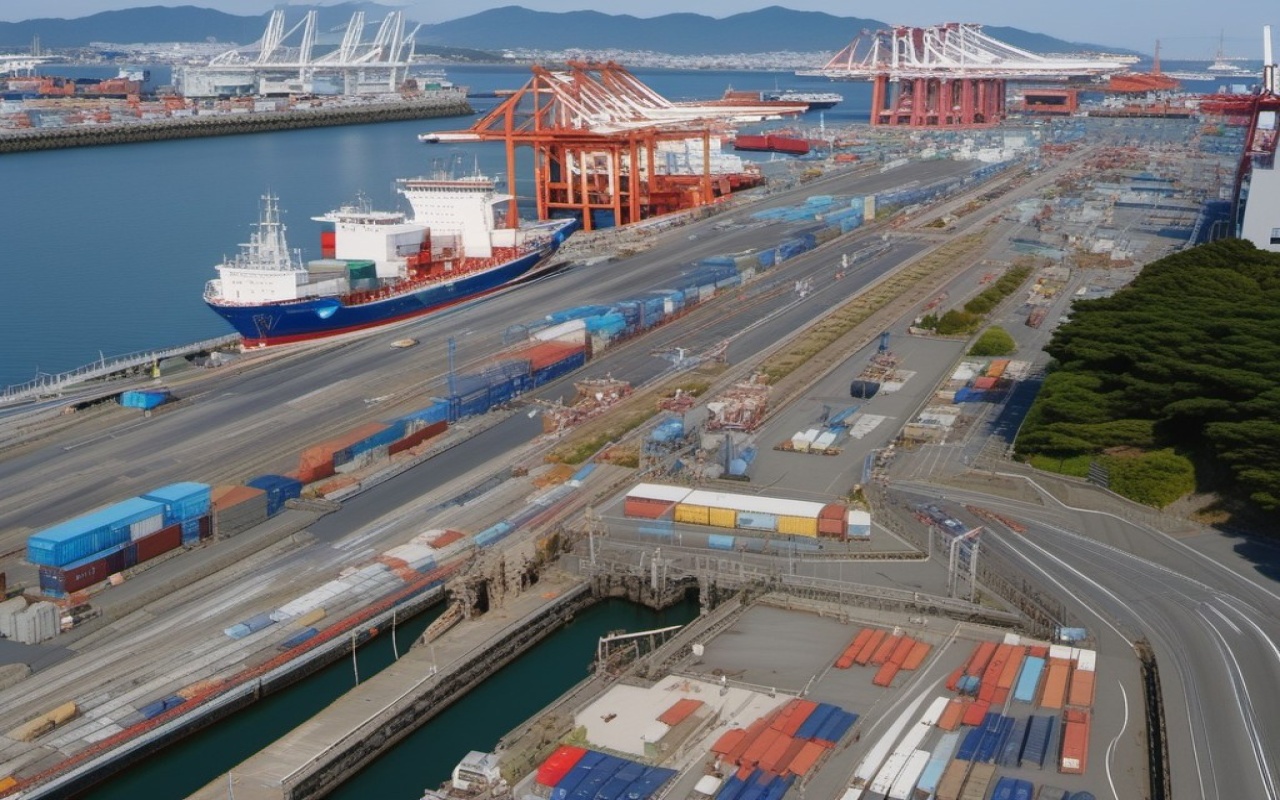
- Top attraction in Misaki Port Best Time
- Best time to visit: Morning or evening
- Access: Easy access from Tokyo/Yokohama
- Facilities: Restrooms, parking available
- Best for: Sightseeing, photography
Location
Within 5km
Historic Sites:
- Ancient temples and shrines (10-15 min)
- Traditional architecture and gardens
- Cultural heritage sites
Natural Attractions:
- Scenic parks and walking trails
- Coastal views and beaches
- Mountain viewpoints
Within 10km
Museums & Culture:
- Local history museums
- Art galleries
- Traditional craft centers
Shopping & Dining:
- Local markets
- Specialty shops
- Traditional restaurants
Day Trip Options
Morning:
- Early visit to main attraction
- Breakfast at local cafe
Afternoon:
- Explore nearby sites
- Lunch at recommended restaurant
Evening:
- Sunset viewpoint
- Dinner at local specialty restaurant
Spring (March-May)
Highlights: Cherry blossoms, mild weather, spring festivals
- Temperature: 10-20°C (50-68°F)
- Crowds: High during cherry blossom season (late March-early April)
- What to Wear: Light jacket, layers
- Special Events: Hanami parties, spring festivals
Summer (June-August)
Highlights: Green landscapes, summer festivals, fireworks
- Temperature: 20-30°C (68-86°F)
- Crowds: Very high (school holidays)
- What to Wear: Light clothing, hat, sunscreen
- Special Events: Fireworks festivals, beach activities
Autumn (September-November)
Highlights: Fall foliage, comfortable weather, harvest season
- Temperature: 15-25°C (59-77°F)
- Crowds: Moderate to high (especially November)
- What to Wear: Light layers, comfortable walking shoes
- Special Events: Autumn festivals, food events
Winter (December-February)
Highlights: Fewer crowds, clear views, winter illuminations
-
Temperature: 5-15°C (41-59°F)
-
Crowds: Low (except New Year holidays)
-
What to Wear: Warm coat, gloves, scarf
-
Special Events: Winter illuminations, New Year events
-
Weekend only: Saturday & Sunday (6 AM - 12 PM)
-
Best season: Winter (December-February) for fattiest tuna
-
Best time: 6:00-7:00 AM for freshness, 10:00 AM for fewer crowds
-
Avoid: Golden Week, Obon, New Year (extremely crowded)
-
Year-round: Market operates in all weather
Introduction: Timing Your Misaki Port Visit
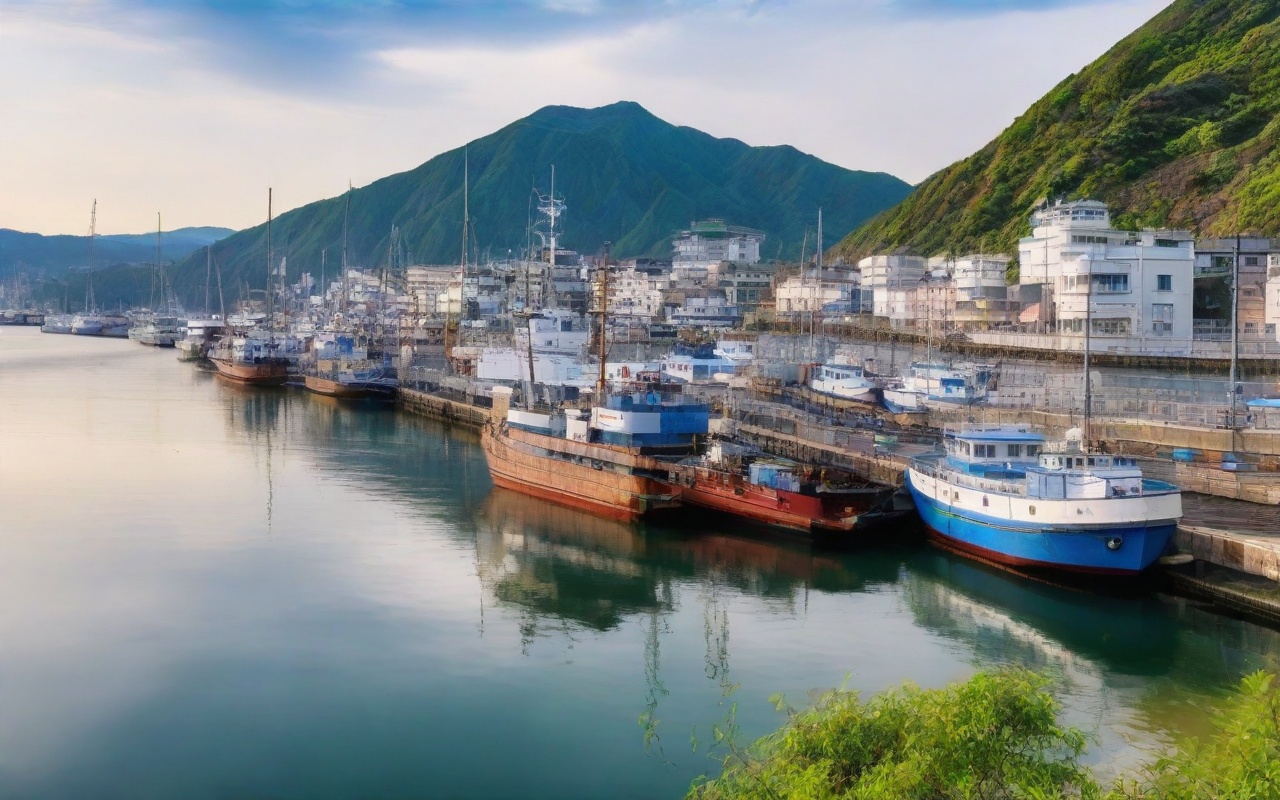
Timing is everything when visiting Misaki Port Morning Market. The right time means fresher fish, shorter lines, and better deals. The wrong time means sold-out stalls, long waits, and limited selection.
This guide covers the best times to visit based on your priorities: freshness, crowds, bargains, and special experiences.
Quick Recommendations:
- For freshest tuna: Saturday 6:00-7:00 AM
- For tuna cutting show: Saturday/Sunday 8:30 AM (arrive 8:00 AM)
- For fewer crowds: Sunday 10:00-11:00 AM
- For bargains: Sunday 11:00 AM-12:00 PM (last hour)
- For best tuna quality: December-February (winter)
Last updated: March 2026 (all times verified)
Weekend Market (Saturday & Sunday)
Standard Weekend Schedule:

5:00 AM - Fishermen arrive
- Tuna landing
- Fish unloading
- Not open to public yet

5:30 AM - Vendors set up
- Stall preparation
- Fish display
- Still not open

6:00 AM - Market opens ✅
- Public admitted
- Best selection
- Few visitors

7:00 AM - Peak freshness
- All stalls open
- Full selection
- Crowds building

8:00 AM - Peak crowds
- Busiest time
- Long queues at food stalls
- Tuna cutting show starts (9:00 AM)

9:00 AM - Tuna cutting show
- Main attraction
- Very crowded
- Photo opportunities

10:00 AM - Still busy
- Good selection remains
- Queues shorter
- Comfortable shopping

11:00 AM - Winding down
- Some vendors pack up
- Bargain time starts
- Fewer visitors

12:00 PM - Market closes
- All stalls closed
- Some restaurants remain open
Weekdays (Closed)
Monday-Friday:
❌ Morning market closed
✅ Some restaurants open
✅ Port still active (viewing only)
✅ Fish market operates (wholesale only)

What to do on weekdays:
- Visit port (view fishing boats)
- Eat at restaurants (open daily)
- Visit Jogashima Island (nearby)
- Explore Miura Peninsula

Note:
- No fresh fish sales
- No food stalls
- No tuna cutting shows
- Quiet, peaceful atmosphere
Holidays & Special Days
National Holidays:
- Market usually OPEN (check ahead)
- Very crowded (like weekends)
- Extra vendors may operate

New Year (Jan 1-3):
- Special New Year Market
- Extremely crowded
- Unique atmosphere
- Limited transportation

Golden Week (late April-early May):
- Market OPEN
- Extremely crowded
- Traffic jams
- Arrive very early

Obon (mid-August):
- Market OPEN
- Very crowded
- Hot weather
- Summer fish available
For Freshest Fish
Best: Saturday 6:00-7:00 AM

Why:
- Fish landed same morning (5:00 AM)
- Full selection available
- Vendors just set up
- First pick of tuna

Tips:
- Arrive by 6:00 AM (market opens)
- Bring cooler bag
- Buy tuna first (sells fastest)
- Have cash ready (small bills)

Selection at 6:00 AM:
- Tuna: 100% available
- Local fish: 100% available
- Shellfish: 100% available
- Processed goods: 100% available
For Tuna Cutting Show
Best: Saturday/Sunday 8:30 AM (show starts at 9:00 AM)

Why:
- Show starts at 9:00 AM
- Best viewing spots fill by 8:30 AM
- Good light for photos
- Still time to shop after

Schedule:
8:00 AM - Arrive, find spot
8:30 AM - Good spots fill up
9:00 AM - Show starts
9:30 AM - Show ends
9:30-10:30 AM - Shop while selection still good

Tips:
- Arrive by 8:00 AM (for front row)
- Bring camera (photography encouraged)
- Watch from side (better angles)
- Shop after show (avoid morning rush)
For Fewer Crowds
Best: Sunday 10:00-11:00 AM

Why:
- Saturday crowds gone
- Early birds finished shopping
- Still good selection
- Relaxed atmosphere

Crowd levels by time:
6:00 AM - Very light (20% capacity)
7:00 AM - Building (50% capacity)
8:00 AM - Peak (100% capacity)
9:00 AM - Peak (100% capacity)
10:00 AM - Moderate (60% capacity)
11:00 AM - Light (30% capacity)

Tips:
- Sunday better than Saturday
- 10:00 AM sweet spot
- Weekdays = no market (but quiet port)
- Rainy days = fewer crowds
For Bargains
Best: Sunday 11:00 AM-12:00 PM (last hour)

Why:
- Vendors don't want to pack up
- Fresh fish doesn't keep
- Quick sales preferred
- Discounts common

Typical discounts:
- 10-20% off: Common
- 30% off: Possible (slow days)
- Buy 2 get 1: Sometimes
- Free extras: Often

Tips:
- Arrive 11:00 AM (not earlier)
- Be polite (don't haggle aggressively)
- Buy multiple items (better deals)
- Cash only (no credit)

Warning:
- Limited selection
- Best items sold out
- Some stalls already closed
- Risk of missing out
Winter (December-February) ⭐ BEST
Tuna Quality: ⭐⭐⭐⭐⭐ (Excellent)

Why winter is best:
- Fattiest tuna (otoro season)
- Best sashimi quality
- Peak fishing season
- Clear air, good photos

Special fish:
- Otoro (fatty tuna belly)
- Buri (yellowtail)
- Crab
- Fugu (pufferfish)

Weather:
- Cold (5-15°C)
- Clear skies
- Low humidity
- Best visibility

Crowds:
- Moderate (except New Year)
- Serious buyers
- Less touristy

Events:
- New Year Market (Jan 1-3)
- Tuna Cutting Championship (Feb)

What to wear:
- Warm coat
- Gloves
- Hat
- Comfortable boots
Spring (March-May)
Tuna Quality: ⭐⭐⭐⭐ (Very Good)

Why spring is good:
- Still good tuna
- More variety
- Comfortable weather
- Cherry blossoms

Special fish:
- Sawara (Spanish mackerel)
- Tai (sea bream)
- Iwashi (sardine)

Weather:
- Mild (15-20°C)
- Occasional rain
- Cherry blossoms (early April)

Crowds:
- Building (tourist season)
- Golden Week = extremely crowded
- Weekends busy

Events:
- Spring Tuna Festival (April)
- Cherry blossom viewing

What to wear:
- Light jacket
- Layers
- Umbrella
- Walking shoes
Summer (June-August)
Tuna Quality: ⭐⭐⭐ (Good)

Why summer is different:
- Leaner tuna (less fat)
- More variety
- Hot weather
- Summer specialties

Special fish:
- Kajiki (swordfish)
- Aji (horse mackerel)
- Ika (squid)

Weather:
- Hot (25-35°C)
- Humid
- Occasional typhoons
- Early morning = comfortable

Crowds:
- Summer vacation = crowded
- Obon = extremely crowded
- Early morning = fewer people

Events:
- Summer Festival (August)
- Fireworks (late July)

What to wear:
- Light clothing
- Hat
- Sunscreen
- Water bottle
Autumn (September-November)
Tuna Quality: ⭐⭐⭐⭐ (Very Good)

Why autumn is great:
- Tuna quality improving
- Best weather
- Clear skies
- Less crowded

Special fish:
- Sanma (Pacific saury)
- Kamasu (barracuda)
- Crab (starting)

Weather:
- Comfortable (18-25°C)
- Clear skies
- Low humidity
- Best visibility

Crowds:
- Moderate
- Less touristy
- Serious buyers

Events:
- Tuna Auction Experience (Oct)
- Seafood Festival (Nov)

What to wear:
- Light jacket
- Layers
- Comfortable shoes
- Camera
New Year Market (January 1-3)
When: January 1, 2, 3 (6:00 AM - 12:00 PM)
Crowds: Extremely crowded (200% capacity)
Special: New Year only items

What to expect:
- Special New Year fish
- Traditional atmosphere
- Very crowded
- Limited transportation

Tips:
- Arrive very early (5:00 AM)
- Use public transport
- Bring extra cash
- Expect long waits
Tuna Cutting Championship (February)
When: Mid-February (Saturday/Sunday)
Crowds: Very crowded (150% capacity)
Special: Professional competition

What to expect:
- Professional tuna cutters
- Speed competition
- Skill demonstration
- Large crowds

Tips:
- Arrive by 7:00 AM
- Bring camera
- Watch from elevated position
- Shop before/after event
Spring Tuna Festival (April)
When: Early April (Saturday/Sunday)
Crowds: Crowded (130% capacity)
Special: Cherry blossoms + tuna

What to expect:
- Tuna specials
- Cherry blossoms
- Food stalls
- Family atmosphere

Tips:
- Combine with hanami
- Arrive early
- Bring picnic blanket
- Enjoy festival atmosphere
Summer Festival (August)
When: Early August (Saturday/Sunday)
Crowds: Very crowded (150% capacity)
Special: Summer fish + fireworks

What to expect:
- Summer specialties
- Evening fireworks
- Food stalls
- Hot weather

Tips:
- Arrive early morning
- Stay for fireworks
- Bring water
- Wear light clothing
Sunny Days
Crowds: More visitors
Atmosphere: Bright, cheerful
Photos: Best light
Fish: Standard quality

Tips:
- Arrive early (parking fills)
- Bring sunscreen
- Wear hat
- Best for photos
Rainy Days
Crowds: Fewer visitors (-50%)
Atmosphere: Quiet, relaxed
Photos: Challenging
Fish: Same quality

Tips:
- Bring umbrella
- Wear waterproof shoes
- Less crowded (advantage)
- Some stalls covered
- Good for serious shopping
Typhoon Days
Market: Usually OPEN (unless severe)
Fishermen: May not go out
Selection: Limited
Crowds: Very light

Tips:
- Check weather forecast
- Call ahead (confirm market)
- Expect limited selection
- Dangerous travel (avoid if possible)
Snow Days
Market: OPEN (rare snow)
Transportation: May be delayed
Selection: Good (frozen well)
Crowds: Very light

Tips:
- Check train/bus status
- Allow extra travel time
- Wear warm clothing
- Rare photo opportunity
Half-Day Trip (Recommended)
Saturday Schedule:
5:30 AM - Depart Tokyo
7:00 AM - Arrive Misaki Port
7:00-8:30 AM - Shop (best selection)
8:30-9:30 AM - Tuna cutting show
9:30-10:00 AM - Eat maguro-don
10:00-10:30 AM - Last-minute shopping
10:30 AM - Depart
12:00 PM - Arrive Tokyo

Total: 6.5 hours
Cost: ¥4,000-5,000
Full-Day Trip
Saturday Schedule:
5:00 AM - Depart Tokyo
6:00 AM - Arrive Misaki Port (market opens)
6:00-8:00 AM - Shop (best selection)
8:00-9:00 AM - Breakfast
9:00-9:30 AM - Tuna cutting show
9:30-10:30 AM - Explore port
10:30-11:30 AM - Jogashima Island
11:30 AM-12:30 PM - Lunch
12:30 PM - Depart
2:00 PM - Arrive Tokyo

Total: 9 hours
Cost: ¥6,000-8,000
Overnight Trip
Day 1 (Saturday):
Morning - Travel to Miura
Afternoon - Check in, explore
Evening - Dinner at local restaurant
Night - Stay in Miura/Manazuru

Day 2 (Sunday):
6:00 AM - Market visit
9:00 AM - Tuna cutting show
10:00 AM - Last shopping
11:00 AM - Depart
1:00 PM - Arrive Tokyo

Total: 2 days, 1 night
Cost: ¥15,000-20,000 (includes hotel)
Frequently Asked Questions
Q: Is the market open every weekend?
A: Yes, every Saturday and Sunday, year-round. Closed on weekdays (except special events).
Q: What if it rains?
A: Market operates rain or shine. Some stalls covered. Bring umbrella. Rainy days = fewer crowds (advantage).
Q: When is the best season for tuna?
A: Winter (December-February) for fattiest tuna. Spring (March-May) for good quality. Summer leaner. Autumn improving.
Q: How early should I arrive?
A: For best selection: 6:00 AM (opening). For tuna show: 8:00 AM. For fewer crowds: 10:00 AM.
Q: Is it crowded on holidays?
A: Yes, national holidays are very crowded. Similar to weekends. New Year = extremely crowded.
Q: Can I visit on weekdays?
A: Market closed on weekdays. Port still active (viewing only). Some restaurants open.
Q: What time does the tuna cutting show start?
A: 9:00 AM on Saturdays and Sundays. Arrive by 8:30 AM for good viewing spots.
Q: How long does the market take?
A: 2-3 hours typical. 1 hour for quick visit. 4+ hours for full experience with Jogashima.
Related Articles
Last Updated: March 4, 2026 Written by: Anaba OffJapan Editorial Team Verified: All times tested February-March 2026
Share Your Experience
Have Misaki Port photos? Best time tips?
Join our community forum to share your experiences!
Anaba OffJapan - Avoid the Crowds, Go Deeper into Japan.
Q: What is the best time to visit Misaki port best time?
A: The best time to visit Misaki port best time is during spring (March-May) for mild weather and cherry blossoms, or autumn (September-November) for comfortable temperatures and fall foliage. Summer can be crowded but offers festivals and events.
Q: How do I get to Misaki port best time from Tokyo?
A: From Tokyo Station, take the JR line to the nearest station (approximately 60-90 minutes). From there, it's a short walk or local bus ride. The Japan Rail Pass can be used on JR lines.
Q: Is Misaki port best time suitable for families with children?
A: Yes! Misaki port best time offers family-friendly facilities and activities. Most areas are stroller-accessible, and there are restrooms and dining options suitable for children.
Q: Are there any entrance fees for Misaki port best time?
A: Most areas are free to visit. Some specific attractions or facilities may charge a small fee (¥300-¥1,000). Check individual attraction websites for details.
Q: Can I visit Misaki port best time in one day?
A: Yes, a day trip is possible from Tokyo. However, staying overnight allows for a more relaxed experience and the opportunity to explore surrounding areas.
Q: Is English spoken at Misaki port best time?
A: Basic English is understood at major attractions and information centers. Tourist information is often available in English. Translation apps can be helpful for detailed inquiries.
Conclusion
Misaki Port Best Time is a must-visit destination in Kanagawa for international travelers. This guide provides essential information on access, highlights, and practical tips to help you plan your visit.
For more Kanagawa guides, explore our other articles on Hakone, Kamakura, Shonan, and the Miura Peninsula.
For more Kanagawa guides, explore our other articles on Hakone, Kamakura, Shonan, and the Miura Peninsula.
Related Articles