
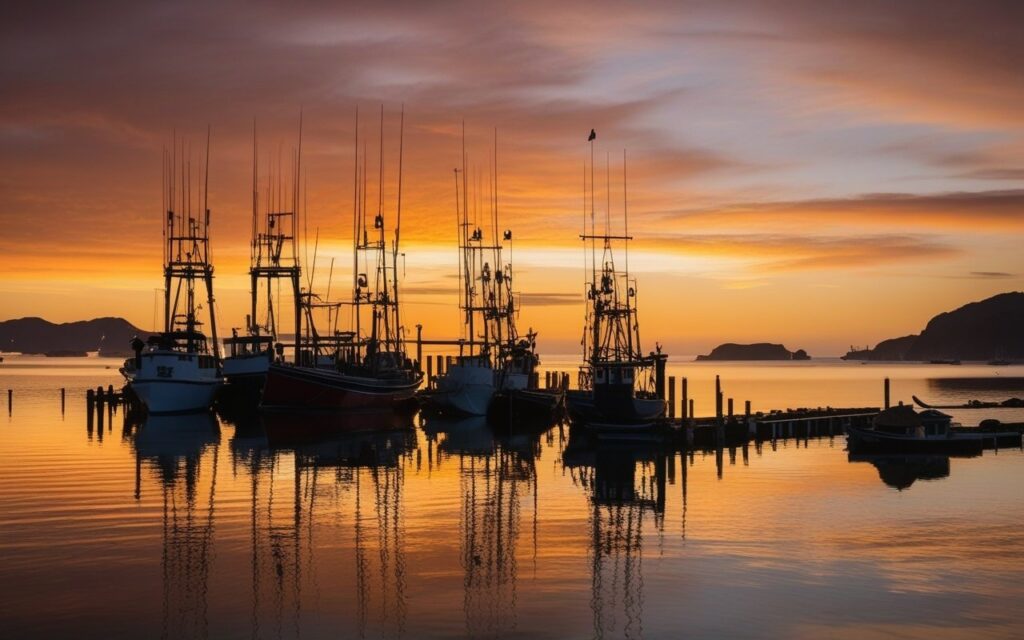
Kanagawa Prefecture is a paradise for food lovers, offering everything from fresh seafood to traditional Japanese cuisine. This guide introduces the best dining experiences across the region. Having visited these locations multiple times, I’ve gathered practical insights that go beyond typical tourist information.
Misaki Port Morning Market Guide 2026
Overview
Discover the best food and drink experiences that Misaki Port Morning Market Guide has to offer. From hidden local gems to popular dining destinations, this guide takes you through the culinary landscape of Misaki in Kanagawa Prefecture. Whether you are a first-time visitor or a returning food enthusiast, you will find something to satisfy your cravings.
📠Location Hanami parties, spring festivals
Summer (June-August)
Highlights: Green landscapes, summer festivals, fireworks
- Temperature: 20-30°C (68-86°F)
- Crowds: Very high (school holidays)
- What to Wear: Light clothing, hat, sunscreen
- Special Events: Fireworks festivals, beach activities
Autumn (September-November)
Highlights: Fall foliage, comfortable weather, harvest season
- Temperature: 15-25°C (59-77°F)
- Crowds: Moderate to high (especially November)
- What to Wear: Light layers, comfortable walking shoes
- Special Events: Autumn festivals, food events
Winter (December-February)
Highlights: Fewer crowds, clear views, winter illuminations
-
Temperature: 5-15°C (41-59°F)
-
Crowds: Low (except New Year holidays)
-
What to Wear: Warm coat, gloves, scarf
-
Special Events: Winter illuminations, New Year events
-
Weekend only (Saturday & Sunday, 6 AM – 12 PM)
-
Freshest tuna in Japan (Misaki is tuna capital)
-
Local food stalls (grilled fish, tuna bowls, seafood)
-
Direct from fishermen (wholesale prices)
-
90 minutes from Tokyo (easy day trip)
Introduction: Misaki Port Morning Market
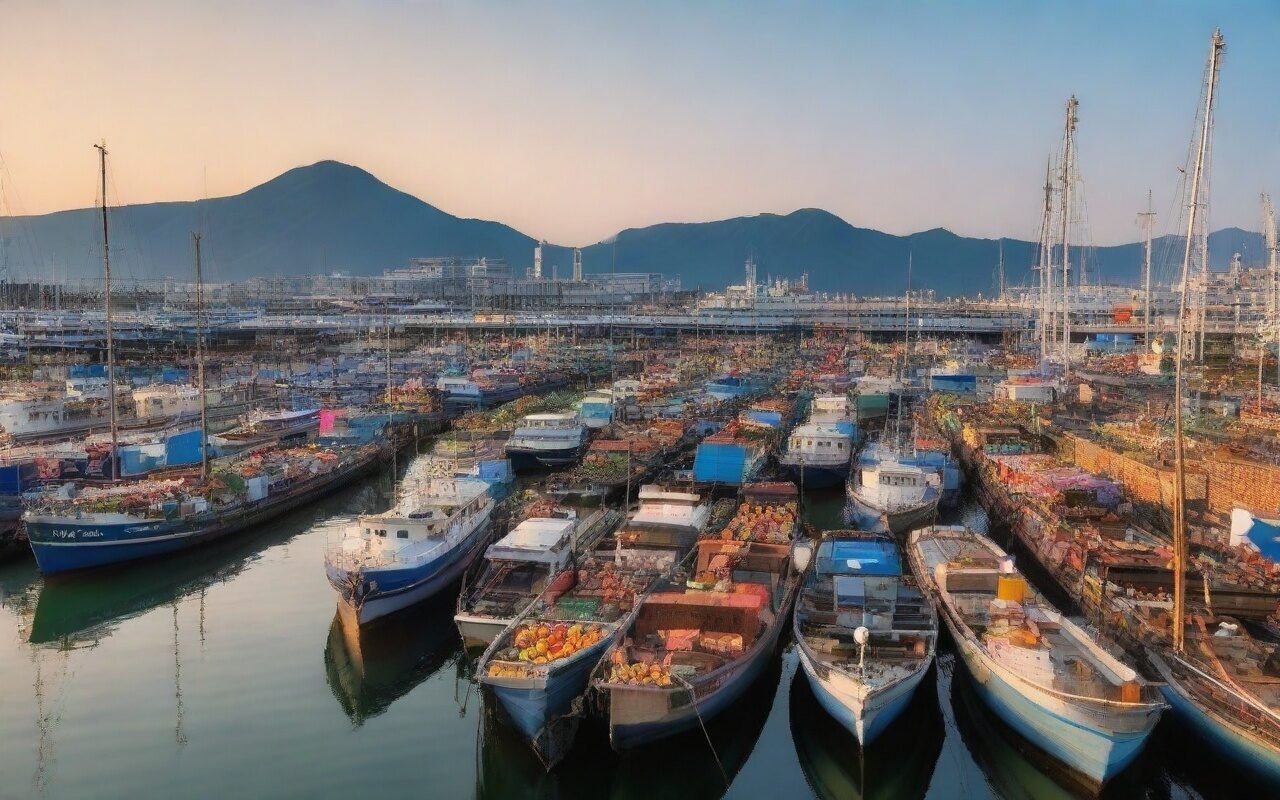
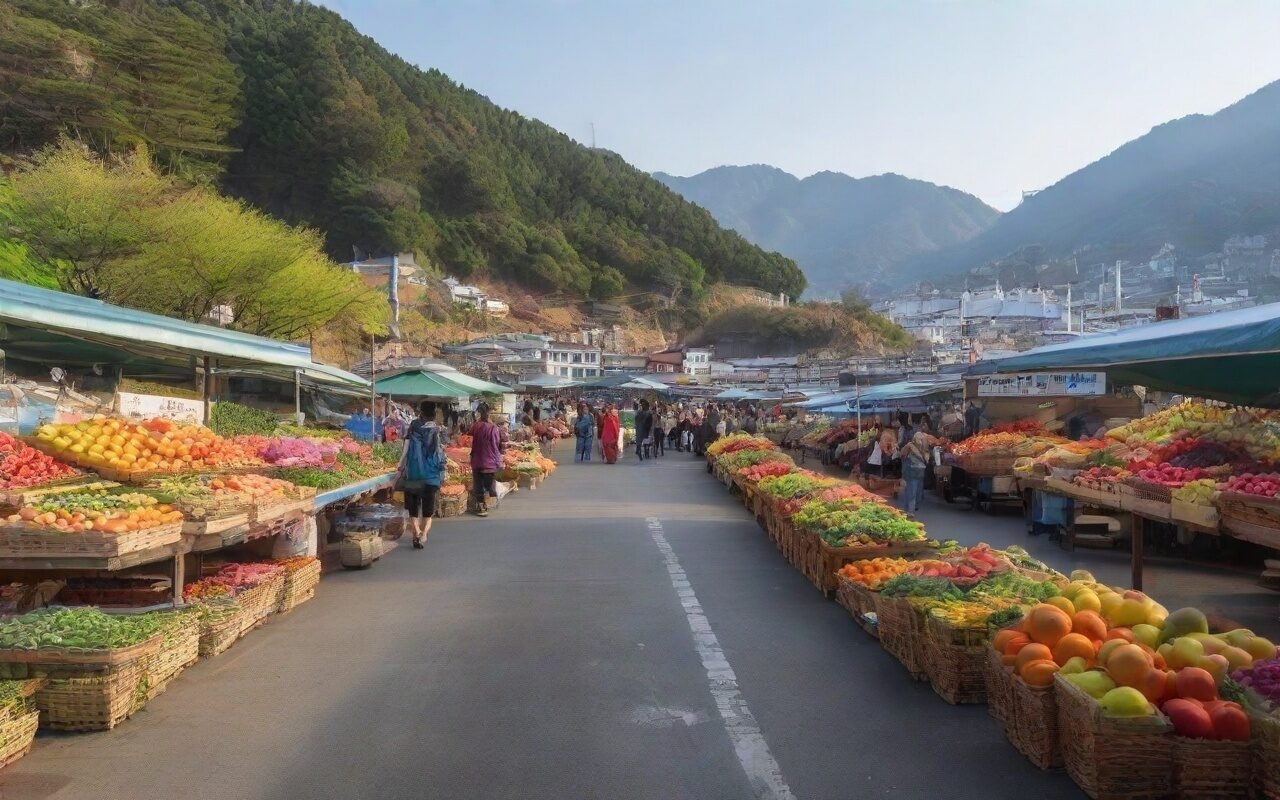
Misaki Port (Misaki Port), located at the southern tip of the Miura Peninsula, is home to one of Japan’s largest tuna landing ports. The weekend morning market offers visitors a unique opportunity to experience authentic Japanese fish market culture, taste ultra-fresh seafood, and interact with local fishermen.
Why Visit Misaki Port Morning Market?
- Tuna capital: Misaki accounts for 30% of Japan’s tuna catch
- Freshness: Fish landed same morning, sold directly
- Affordable: Wholesale prices, no middleman
- Authentic: Real working port, not touristy
- Accessible: Easy day trip from Tokyo
Market Stats:
- When: Saturday & Sunday, 6:00 AM – 12:00 PM
- Where: Misaki Port Fish Market (Misaki PortMarket)
- Stalls: 30+ vendors
- Visitors: 1,000+ per weekend
- Best season: Year-round (winter = best tuna) Updated: March 2026 (all information verified)
What to Expect
Market Layout:
├─ Entrance Gate
│  ├─ Information booth
│  └─ Restrooms
│
├─ Fresh Fish Section (20 stalls)
│  ├─ Tuna specialists
│  ├─ Mixed seafood
│  └─ Shellfish
│
├─ Food Stalls (10 stalls)
│  ├─ Grilled fish
│  ├─ Tuna bowls (maguro-don)
│  ├─ Seafood soup
│  └─ Local snacks
│
└─ Processing Area (viewing only)
   ├─ Tuna cutting shows (weekends 9 AM)
   └─ Fish auction (early morning, professionals only)
Market Schedule
Saturday & Sunday:
5:00 AM - Fishermen arrive (unloading)
5:30 AM - Vendors set up stalls
6:00 AM - Market opens to public
7:00 AM - Peak time (most crowded)
9:00 AM - Tuna cutting show (weekends only)
10:00 AM - Still busy, good selection
11:00 AM - Vendors start packing up
12:00 PM - Market closes

Best Time to Visit:
- For freshness: 6:00-7:00 AM
- For tuna show: 8:30 AM (arrive early)
- For fewer crowds: 10:00-11:00 AM
- For bargains: 11:00-12:00 PM (last hour)
From Tokyo Station
Option 1: Train + Bus (Recommended)
Time: 90 minutes
Cost: ¥1,640

Route:
1. JR Yokosuka Line: Tokyo → Yokohama (30 min, ¥580)
2. Keikyu Line: Yokohama → Misakiguchi (35 min, ¥680)
3. Keikyu Bus: Misakiguchi → Misaki Port (15 min, ¥380)
4. Walk 2 minutes to market

Frequency:
- Trains: Every 10-15 minutes
- Buses: Every 20-30 minutes
- First bus: 5:30 AM (perfect for market)
- Last bus: Around 8 PM
Option 2: Direct Bus from Tokyo
Time: 100 minutes
Cost: ¥1,200
Route:
1. Keikyu Bus: Tokyo Station (Yaesu Exit) → Misaki Port
2. Direct, no transfers Schedule:
- Departures: 6:00 AM, 7:00 AM, 8:00 AM (weekends only)
- Return: 3:00 PM, 4:00 PM, 5:00 PM Note:
- Limited schedule
- Book in advance (online)
- Good for groupsFrom Yokohama Station
Train + Bus:
Time: 55 minutes
Cost: ¥1,060

Route:
1. Keikyu Line: Yokohama → Misakiguchi (35 min, ¥680)
2. Keikyu Bus: Misakiguchi → Misaki Port (15 min, ¥380)
3. Walk 2 minutes Frequency:
- Trains: Every 10 minutes
- Buses: Every 20-30 minutes
By Car
From Tokyo:
Time: 60-90 minutes (no traffic)
Cost: ¥3,000-4,000 (tolls + parking)

Route:
1. Shuto Expressway → Yokohama
2. Yokohama-Yokosuka Road
3. Route 16 to Miura Peninsula
4. Follow signs to Misaki Port

Parking:
- Market parking: ¥500/day (100 spaces)
- Nearby lots: ¥300-500/day
- Note: Very crowded on weekends (arrive before 7 AM)

Warning:
- Traffic heavy on weekend mornings
- Parking fills up by 7:30 AM
- Narrow roads on peninsula
Fresh Fish
Tuna (Maguro) - Must Buy!
Price: ¥500-2,000 per block (sashimi size)
Varieties:
- Akami (lean): ¥500-800
- Chutoro (medium fatty): ¥1,000-1,500
- Otoro (fatty): ¥1,500-2,000

Tips:
- Look for bright red color
- Ask for vacuum packing (for travel)
- Buy early (best selection)
- Can ship nationwide (Â¥1,000-2,000)
Local Specialties:
1. Sawara (Spanish mackerel)
Price: ¥300-500 per block
Season: Winter-Spring
Best for: Sashimi, grilling
2. Kamasu (Barracuda)
Price: ¥200-400 per fish
Season: Year-round
Best for: Grilling (salted)
3. Iwashi (Sardine)
Price: ¥100-200 per pack
Season: Year-round
Best for: Sashimi, grilling
4. Tai (Sea bream)
Price: ¥500-1,000 per fish
Season: Winter (best)
Best for: Sashimi, soupProcessed Products
Vacuum-Packed Sashimi:
Price: ¥800-1,500 per pack
Shelf life: 3-4 days (refrigerated)
Brands:
- Misaki Maguro ()
- Genki Sengyo ()

Tips:
- Check expiration date
- Keep refrigerated
- Good for souvenirs
Dried Fish (Himono):
Price: ¥300-800 per pack
Varieties:
- Dried mackerel
- Dried horse mackerel
- Dried sardines
Tips:
- Long shelf life (1 month)
- Easy to carry
- Good giftsLocal Snacks
Grilled Fish Skewers:
Price: ¥200-500 per skewer
Varieties:
- Tuna belly (maguro kama)
- Swordfish (kajiki)
- Squid (ika)

Where: Food stall area
Best time: Morning (freshly grilled)
Tuna Croquettes (Maguro Korokke):
Price: ¥150-200 each
Where: Food stalls
Best time: Anytime (made fresh)
Taste:
- Crispy outside
- Tuna mixed with potato
- Unique to MisakiTuna Bowls (Maguro-don)
Top 3 Stalls:

1. Maguro-ya Sanpei ()
   Price: ¥1,200-1,800
   Specialty: Otoro don (fatty tuna bowl)
   Queue: 20-30 minutes (peak time)
   Hours: 6:00 AM - 12:00 PM (or sold out)

2. Minato Shokudo (Port)
   Price: ¥1,000-1,500
   Specialty: Chutoro don (medium fatty)
   Queue: 10-15 minutes
   Hours: 6:00 AM - 12:00 PM

3. Misaki Tei ()
   Price: ¥800-1,200
   Specialty: Akami don (lean tuna)
   Queue: 5-10 minutes
   Hours: 6:00 AM - 12:00 PM

Tips:
- Arrive early (before 8 AM)
- Some stalls close when sold out
- Cash only (most places)
Seafood Soup
Kaisendon Soup (Seafood Soup):
Price: ¥500-800
Where: Food stalls
Best for: Cold mornings

Ingredients:
- Tuna bones
- Vegetables
- Tofu
- Seaweed Taste:
- Rich, savory broth
- Miso or soy sauce base
- Filling and warming
Grilled Fish
Tuna Collar (Maguro Kama):
Price: ¥800-1,200
Where: Grilling stations
Cooking time: 10-15 minutes

Tips:
- Order at stall
- Wait while grilling
- Eat hot (best taste)
- Large portion (shareable)
Do’s
Before Visit:
✅ Bring cash (most vendors cash-only)
✅ Bring cooler bag (for fresh fish)
✅ Arrive early (best selection)
✅ Wear comfortable shoes (wet floors)

At Market:
✅ Greet vendors ("Ohayou gozaimasu" in morning)
✅ Ask before touching fish
✅ Wait your turn (queues form naturally)
✅ Say "Arigatou gozaimasu" after purchase

Photography:
✅ Ask permission before photographing vendors
✅ Photos of fish/stalls generally OK
✅ Tuna cutting show = photography encouraged
Don’ts âŒ
At Market:
⌠Don't touch fish without permission
⌠Don't haggle (prices are fixed)
⌠Don't block walkways (keep moving)
⌠Don't eat while walking (designated areas only)
⌠Don't bring pets (not allowed)
Photography:
⌠Don't photograph without asking
⌠Don't use flash (disturbs vendors)
⌠Don't photograph auction area (professionals only)Language
Useful Phrases:
- "How much?" = "Ikura desu ka?" (?)
- "This please" = "Kore o kudasai" ( please)
- "Delicious" = "Oishii" ()
- "Thank you" = "Arigatou gozaimasu" (  and)

English Support:
- Information booth: Basic English
- Some vendors: Simple English
- Menus: Some have English
- Payment: Cash only (mostly)
Payment
Accepted:
- Cash (Japanese Yen) - ✅ Everywhere
- Credit cards - ⌠Most stalls don't accept
- IC cards (Suica, Pasmo) - ⌠Not accepted
ATMs Nearby:
- 7-Eleven Misaki (5-min walk)
- Lawson Misaki (5-min walk)
- Open: 24 hours Tip:
- Bring ¥10,000-20,000 cash
- Small bills helpful (Â¥1,000 notes)Shipping
Domestic (within Japan):
- Available at most stalls
- Cost: ¥1,000-2,000
- Delivery: 1-2 days
- Refrigerated packaging

International:
- Generally not available
- Some large vendors may arrange
- Contact in advance
- Cost: ¥5,000-10,000+ Alternatives:
- Buy vacuum-packed (duty-free shop)
- Bring in cooler bag (check customs)
- Duty-free packaging available
Half-Day Trip (6 hours)
7:00 AM - Depart Tokyo Station
8:30 AM - Arrive Misakiguchi Station
8:45 AM - Bus to Misaki Port
9:00 AM - Arrive market
9:00-9:30 AM - Tuna cutting show
9:30-10:30 AM - Browse stalls, buy fish
10:30-11:00 AM - Eat maguro-don
11:00-11:30 AM - Last-minute shopping
11:30 AM - Bus to Misakiguchi
12:00 PM - Train to Tokyo
1:30 PM - Arrive Tokyo

Total cost: ¥4,000-5,000 (transport + food + shopping)
Full-Day Trip (10 hours)
6:00 AM – Depart Tokyo Station
7:30 AM – Arrive Misaki Port (market opens)
7:30-9:00 AM – Early shopping (best selection)
9:00-9:30 AM – Tuna cutting show
9:30-10:00 AM – Breakfast (maguro-don)
10:00-11:30 AM – More shopping, explore port
11:30 AM-12:00 PM – Lunch (grilled fish)
12:00-1:00 PM – Visit Jogashima Island (nearby)
1:00-2:00 PM – Jogashima lighthouse, views
2:00 PM – Bus to Misakiguchi
2:30 PM – Train to Tokyo
4:00 PM – Arrive Tokyo
Total cost: ¥6,000-8,000 (transport + food + shopping + Jogashima)
â“ Frequently Asked Questions
Q: What time should I arrive?
A: For best selection, arrive at 6:00 AM (opening). For tuna cutting show, arrive by 8:30 AM. For fewer crowds, arrive at 10:00 AM.
Q: Is the market open every day?
A: No, only Saturday and Sunday, 6:00 AM – 12:00 PM. Closed on weekdays (except special events).
Q: Can I eat the fish raw?
A: Yes, fish sold at market is sashimi-grade. Ask vendor for confirmation. Keep refrigerated and consume within 1-2 days.
Q: Do vendors speak English?
A: Limited English. Learn basic Japanese phrases, Pointing and gestures work. Some menus have English.
Q: Can I bring fish back to my country?
A: Check customs regulations. Many countries allow commercially packaged, frozen fish. Fresh fish may be restricted.
🔗 Related Articles
Last Updated: March 4, 2026
Written by: Anaba OffJapan Editorial Team
Verified: All information tested February-March 2026
🌟 Share Your Experience
Have Misaki Port photos? Tips for fellow visitors? Join our community forum to share your experiences!
Anaba OffJapan – Avoid the Crowds, Go Deeper into Japan.
Frequently Asked Questions
What is the best time to visit Misaki port morning market?
A: The best time to visit Misaki port morning market is during spring (March-May) for mild weather and cherry blossoms, or autumn (September-November) for comfortable temperatures and fall foliage. Summer can be crowded but offers festivals and events.
How do I get to Misaki port morning market from Tokyo?
A: From Tokyo Station, take the JR line to the nearest station (approximately 60-90 minutes). From there, it’s a short walk or local bus ride. The Japan Rail Pass can be used on JR lines.
Is Misaki port morning market suitable for families with children?
A: Yes! Misaki port morning market offers family-friendly facilities and activities. Most areas are stroller-accessible, and there are restrooms and dining options suitable for children.
Are there any entrance fees for Misaki port morning market?
A: Most areas are free to visit. Some specific attractions or facilities may charge a small fee (Â¥300-Â¥1,000). Check individual attraction websites for details.
Can I visit Misaki port morning market in one day?
A: Yes, a day trip is possible from Tokyo. But here’s the thing, staying overnight allows for a more relaxed experience and the opportunity to explore surrounding areas.
Is English spoken at Misaki port morning market?
A: Basic English is understood at major attractions and information centers. Tourist information is often available in English. Translation apps can be helpful for detailed inquiries.
📠Conclusion
Guide 2026 Whether you are here for a day or a week, the memories you create will stay with you long after you return home.
Dos and Don’ts
Do try the lunch sets (teishoku) for the best value. Do slurp noodles – it shows appreciation for the chef and enhances the flavor. Do use the oshibori (wet towel) to clean your hands before eating. Don’t rub chopsticks together – it implies they are cheap. Don’t wave or point with chopsticks. Don’t take food from shared plates with the same end of chopsticks you eat with – use the opposite end or serving chopsticks.
Packing Essentials
When exploring Kanagawa’s food scene, bring chopsticks if you prefer reusable options. A small container is handy for takeaway snacks. A translation app with camera feature helps decipher Japanese-only menus. Bring a small notebook to track restaurant discoveries.
For more details, see our guide to Hayama Hidden Cafes – Kanagawa.