Tag: misaki

  • Hayama to Misaki Walking Route Guide 2026

    Hayama to Misaki Walking Route Guide 2026

    Hayama to Misaki Walking Route Guide 2026

    Overview

    Access

    Most visitors reach Hayama from central Tokyo by JR, private railway, or highway bus, and an IC card (Suica or Pasmo) works across all of them. From my experience, leaving Tokyo before the morning rush keeps the journey relaxed, and station luggage lockers are handy if you arrive early.

    Introduction: Walking Across the Peninsula

    The Miura Peninsula is only about 8 kilometres wide at its narrowest, but it holds more variety than its size suggests. The north, around Hayama, is hilly and forested — the so-called Miura Alps, where trails wind through cedar groves and emerge at viewpoints overlooking Sagami Bay. The center is agricultural: flat fields of daikon radish and cabbage, dotted with farmhouses and small shrines. The south, around Misaki, returns to the coast, with fishing harbours and views across the water to Jogashima Island.

    There is no official trail that connects these zones. The route described here was built by linking existing hiking courses with quiet roads and public bus routes. It is not a wilderness trek — you will walk through residential areas and cross roads — but it offers a genuine sense of crossing the peninsula on foot, which few visitors attempt.

    What to Expect:

    • Start: Hayama (Isshiki Beach or Zushi Station area)
    • Terrain: Forest trail (20%), country roads (50%), coastal path (15%), bus (15%)
    • Navigation: Google Maps works for the road sections; the trail section is marked in Japanese
    • Water: Available at convenience stores along the route (carry 1L minimum)
    • Lunch: Misaki Port’s tuna restaurants are the finish-line reward

    Our guide to Hayama Hidden Beaches has additional tips and recommendations.
    Updated: June 2026 (route verified)


    Route Overview

    Segment 1: Hayama to Sengenyama Summit

    Hayama → Sengenyama hiking course → Summit viewpoint

    Detail Info
    Distance 4 km
    Time 1.5–2 hours
    Elevation gain ~200 m
    Difficulty Moderate (steady climb)
    Trail type Forest path, some steep sections

    Route:

    Start from the Hayama area — either from the Hayama hidden beaches near Isshiki Beach, or from JR Zushi Station. If starting from Zushi Station, walk south through the residential streets toward the hills. The trailhead for the Sengenyama Hiking Course is marked with a small wooden sign at the edge of the forest, approximately 20 minutes from the station.

    The trail climbs steadily through mixed forest — cedar, cypress, and broadleaf trees provide shade even on warm days. The path is well-trodden but can be muddy after rain. Sturdy shoes are essential.

    After approximately 45 minutes of climbing, the trail reaches the Sengenyama summit (標高 186 m). The summit clearing offers a panoramic view of Sagami Bay, with Enoshima to the north, Jogashima to the south, and Mt. Fuji on the western horizon on clear days. There is a bench and a small sign marking the elevation.

    Tips for This Section:

    • Start by 8:00–9:00 AM to avoid the afternoon heat
    • The trail can be slippery after rain — take your time on the descent
    • No facilities or vending machines on the trail
    • Mosquito repellent recommended in summer months

    Segment 2: Ridge Walk and Descent

    Sengenyama summit → Ridge trail → Farmland descent

    Detail Info
    Distance 3 km
    Time 1–1.5 hours
    Elevation loss ~150 m
    Difficulty Easy to moderate
    Trail type Ridge path, gradually descending

    Route:

    From the summit, the trail continues south along the ridge. This section is the most scenic part of the walk — the path stays at elevation for about 1 km, offering intermittent views of both Sagami Bay (west) and Tokyo Bay (east) on clear days.

    The ridge section is narrower than the initial climb, with occasional tree roots crossing the path. After the ridge, the trail begins a gradual descent through the forest, eventually emerging at the edge of agricultural land.

    The transition from forest to farmland is abrupt — one moment you are walking under cedar canopy, the next you are in an open landscape of vegetable fields and greenhouses. This is the Miura Peninsula’s agricultural heartland, where much of Kanagawa’s daikon radish, cabbage, and Chinese chives are grown.

    • The ridge is exposed to wind — carry a light jacket
    • The descent has loose gravel in places — watch your footing
    • Take the last opportunity for forest shade before emerging into open farmland
    • The trail becomes less distinct near the farmland edge; head toward the road visible below

    Segment 3: Farmland Walking

    Farmland edge → Country roads → Misaki-bound bus stop

    Detail Info
    Distance 5 km
    Time 1.5–2 hours
    Elevation Flat (gentle undulations)
    Difficulty Easy
    Surface Paved roads, farm lanes

    Route:

    This section is the least dramatic but most authentic part of the walk. The roads here are quiet — mostly local traffic heading to and from farms — and the landscape is defined by the rhythm of agriculture, Depending on the season, you will see daikon radish being harvested (winter–early spring), rice paddies being planted (late spring), or fields lying fallow under the summer sun.

    The route follows prefectural roads and farm lanes southward. Navigation is straightforward — keep heading south, using the hills of Jogashima as a landmark on the horizon. The roads are flat or gently undulating, giving your legs a rest after the morning’s climb.

    Approximately 3 km into this section, you will pass through the small village of Minamishitaura (南下浦), where a convenience store provides a good opportunity to refill water and buy snacks. The village also has a bus stop that connects to Misakiguchi Station.

    Optional Bus Segment (Recommended):

    From Minamishitaura, the remaining 4 km to Misaki Port follows a busier road with narrower sidewalks. For a more pleasant walking experience, consider taking the bus for this segment:

    Bus: Minamishitaura → Misakiguchi Station
    Time: 10 minutes
    Cost: ¥200–250 (IC card accepted)
    Frequency: Every 20–30 minutes

    This bus segment bridges the least scenic part of the route and drops you at Misakiguchi Station, which is a short walk from Misaki Port and the Jogashima Island bridge.

    • Sun protection is essential — there is almost no shade on the farmland roads
    • Wave back at the farmers — they are friendly but busy
    • The convenience store in Minamishitaura has restrooms (ask at the counter)
    • Check the bus timetable at the Minamishitaura stop if you plan to ride

    Segment 4: Misaki Port and Finish

    Misakiguchi Station → Misaki Port → (Optional) Jogashima Island

    Detail Info
    Distance 1.5 km (to port) + 5 km optional (Jogashima loop)
    Time 20 minutes (to port) + 2–3 hours optional
    Difficulty Easy
    Surface Paved paths, sidewalks

    Route:

    From Misakiguchi Station, it is a 20-minute walk (or 5-minute bus ride) to Misaki Port (Misaki (三崎)港). The port is the peninsula’s premier destination for fresh tuna — the harbour is lined with restaurants serving maguro-don (tuna bowls), sushi, and grilled tuna steaks.

    The fish market is busiest in the morning, but the restaurants serve lunch from 11:00 AM onward. If you arrive by noon, you will find the restaurants in full swing with a lively atmosphere.

    Lunch Recommendations:

    Restaurant specialty Price Notes
    Maguro no Sato Tuna bowl (maguro-don) ¥1,500–2,000 Fast, reliable, popular
    Misaki Kō Sushi set ¥2,000–3,500 Higher quality, reservation recommended
    Port-side stalls Grilled tuna skewers ¥500–800 Quick, casual, eat while walking

    Optional Extension — Jogashima Island:

    If you have energy remaining, cross the bridge to Jogashima Island for a 2–3 hour loop walk. The Jogashima hiking trail covers the full circuit, and the Jogashima lighthouse is the island’s highlight.

    From the port, Jogashima is:

    • Walk: 15 minutes across the bridge
    • Bus: 5 minutes from Misaki Port bus stop (¥150)

    Practical Information

    Full Route Summary

    Segment Distance Time Terrain
    1: Hayama → Sengenyama 4 km 1.5–2 h Forest trail, uphill
    2: Ridge → Farm descent 3 km 1–1.5 h Ridge path, downhill
    3: Farmland walking 5 km 1.5–2 h Paved roads, flat
    3b: Bus option 4 km 10 min Bus ride
    4: Misaki Port 1.5 km 20 min Paved paths
    Total (walking) 13.5 km 4.5–6 h
    Total (with bus) 9.5 km + bus 3.5–4.5 h

    Start Time Recommendations

    Start Finish (walking) Finish (with bus) Notes
    7:00 AM 1:00–2:30 PM 11:30 AM–12:30 PM Best for summer heat avoidance
    8:00 AM 2:00–3:30 PM 12:30–1:30 PM Recommended — balanced timing
    9:00 AM 3:00–4:30 PM 1:30–2:30 PM Good for shorter days
    10:00 AM 4:00–5:30 PM 2:30–3:30 PM Tight before sunset

    What to Bring

    Essential:
    - Sturdy walking shoes (trail section has uneven footing)
    - Water (1L minimum, refill at Minamishitaura convenience store)
    - Sunscreen and hat (open farmland sections have no shade)
    - Light jacket or windbreaker (ridge section is exposed)
    - Cash (lunch and bus fare — IC card works for bus)
    - Phone with Google Maps downloaded offline
    
    Recommended:
    - Walking poles (helpful on the forest descent)
    - Insect repellent (summer months)
    - Snacks (trail mix, energy bars)
    - Small towel (for humidity)
    - Change of socks (for after the walk)

    Getting to the Start

    To Hayama (start):
    From Tokyo Station:
    1. JR Yokosuka Line to Kamakura (55 min, ¥1,040)
    2. JR to Zushi Station (5 min, ¥170)
    3. Keikyu Bus to Isshiki or Hayama stop (15 min, ¥230)
    Total: ~80 minutes, ¥1,320
    
    From Yokohama Station:
    1. JR Yokosuka Line to Zushi Station (25 min, ¥420)
    2. Keikyu Bus to Hayama (15 min, ¥230)
    Total: ~45 minutes, ¥650

    Getting Back from the Finish

    From Misaki Port / Misakiguchi Station:
    To Tokyo:
    - Keikyu Line: Misakiguchi → Shinagawa (75 min, ¥1,100)
    - Via Yokohama: Misakiguchi → Yokohama (55 min, ¥750)
    Last train: ~11:00 PM (check schedule)
    
    To Yokohama:
    - Keikyu Limited Express: Misakiguchi → Yokohama (55 min, ¥750)
    Last train: ~11:30 PM by Bus:
    - Keikyu Bus: Misaki Port → Misakiguchi Station (5 min, ¥150)

    Seasonal Considerations

    Spring (March–May):
    - Best weather for walking
    - Cherry blossoms along the farmland roads
    - Comfortable temperatures (15–22°C)
    - Trail may be muddy from spring rain
    
    Summer (June–August):
    - Hot and humid (30–35°C)
    - Start before 7:00 AM to avoid heat
    - Mosquito repellent essential
    - Heavy rain possible (check forecast)
    
    Autumn (September–November):
    - Clear skies, comfortable temperatures
    - Best Mt. Fuji visibility from Sengenyama
    - Dried grass on the ridge can be slippery
    - Daylight shorter (finish by 4:30 PM)
    
    Winter (December–February):
    - Cold but clear (5–15°C)
    - Best views of Mt. Fuji and the bay
    - Trail can be frosty in the morning
    - Lunch at Misaki Port is especially rewarding after a cold walk

    Safety Notes

    ⚠️ The forest trail section has limited mobile reception
    ⚠️ The ridge is exposed to strong winds in winter
    ⚠️ Farmland roads have occasional farm vehicle traffic — walk facing traffic
    ⚠️ No emergency services on the trail section
    ⚠️ Tell someone your planned route and expected finish time
    ⚠️ Check the weather forecast — cancel if heavy rain is predicted
    ⚠️ The trail section can be slippery after rain — turn back if conditions worsen

    Frequently Asked Questions

    Q: Is this route suitable for beginners?

    A: The farmland and Misaki sections are easy, but the Sengenyama climb is moderate. Beginners should allow extra time and take the bus option from Minamishitaura.

    Q: Can I do this route in reverse (Misaki → Hayama)?

    A: Yes, but the walk would be more challenging because the Sengenyama climb would come at the end of the day when you are tired. Start from Hayama for the best experience.

    Q: Are there restrooms along the route?

    A: There are no restrooms on the trail section. Restrooms are available at convenience stores in Hayama (start) and Minamishitaura (midpoint), and at Misakiguchi Station and Misaki Port (finish).

    Q: Can I bring a dog?

    A: The farmland roads and Misaki Port area are dog-friendly, but the forest trail section has uneven terrain that may be challenging for dogs. Keep dogs leashed at all times.

    Q: Is the route well-signposted in English?

    A: No. The Sengenyama trail markers are in Japanese only. Google Maps works for navigation on the road sections. Download offline maps before starting.

    🌟 Share Your Experience

    Walked this route? Found a better connection between Hayama and Misaki? Join our community forum to share your route tips!


    Hayama to Misaki Walking Route Guide 2026 — Share Your Experience

    Walking from Hayama to Misaki Port is not a classic hiking trail in the traditional sense — it is a patchwork of forest paths, country roads, and bus connections that together tell the story of the Miura Peninsula. The reward is an understanding of the landscape that you cannot get from a train window: the smell of cedar on the ridge, the sight of farmers working the daikon fields, and the taste of fresh tuna as a finishing-line celebration.

    For more ways to explore the Miura Peninsula, read our Hayama hidden beaches guide, the Hayama hidden cafes guide, and the Misaki Port food guide.


    ⏰ Best Time to Visit

    Early morning (8–10 AM): Peaceful atmosphere, fewer crowds, perfect for photos Late afternoon (4–6 PM): Beautiful lighting, local life, less crowded than midday

    🎯 What I Recommend

    • Don’t rush: Take your time to explore the side streets and hidden spots
    • Talk to locals: They often know the best lesser-known spots that aren’t in guidebooks
    • Try the local specialties: Each area has its own unique food and souvenirs

    ⚠️ Things to Watch Out For

    • Some shops close on weekdays or have irregular hours
    • Parking can be challenging during peak seasons
    • Cash is still king at many smaller establishments


    Conclusion

    Whether you are planning exploring Hayama for the first time or returning for another visit, taking a little extra time to go beyond the obvious sights makes all the difference. During my visit to Hayama I went with a rough plan and found that leaving room to wander made the trip far more memorable. I hope this guide helps you build an itinerary that fits your pace, and that your time in Kanagawa leaves you with memories worth coming back for.
  • Misaki Port Photography & Sunset Guide 2026

    Misaki Port Photography & Sunset Guide 2026

    Kanagawa offers a wide range of activities for every type of traveler. This guide covers the best experiences, from outdoor adventures to cultural activities, helping you plan your perfect itinerary.

    Misaki Port Photography & Sunset Guide 2026

    Overview

    Introduction: Photographer’s Paradise

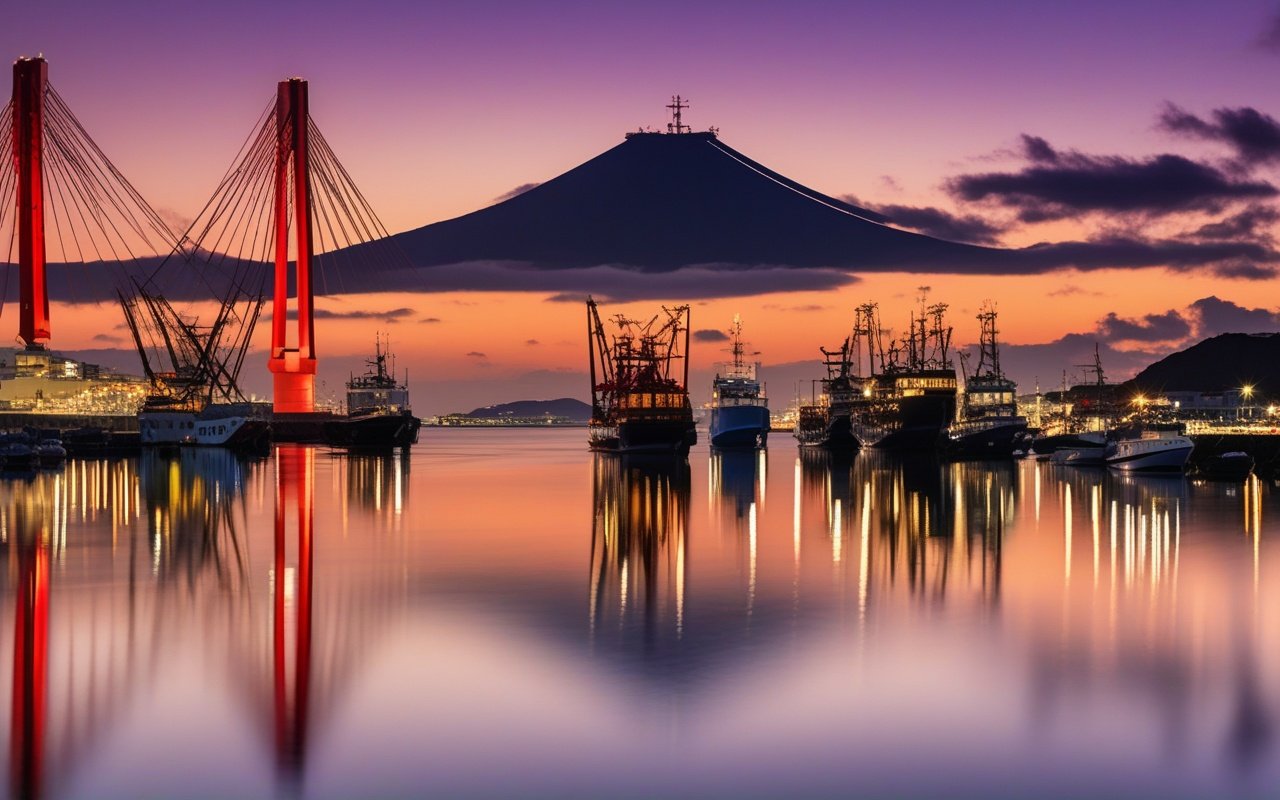
    Misaki Port, at the southern tip of the Miura Peninsula, offers a unique blend of working fishing port authenticity and spectacular coastal scenery. Unlike manicured tourist destinations, Misaki’s charm lies in its raw, unpolished beauty — rows of tuna fishing boats at dawn, the iconic red JoJogashimaridge against golden skies, and narrow Showa-era alleys that seem frozen in time.

    Misaki Port Photography & Sunset Guide 2026 — Introduction: Photographer's Paradise

    Misaki Port Photography Guide

    Misaki Port Photography & Sunset Guide 2026 — Introduction: Photographer's Paradise

    What Makes Misaki Port Special:

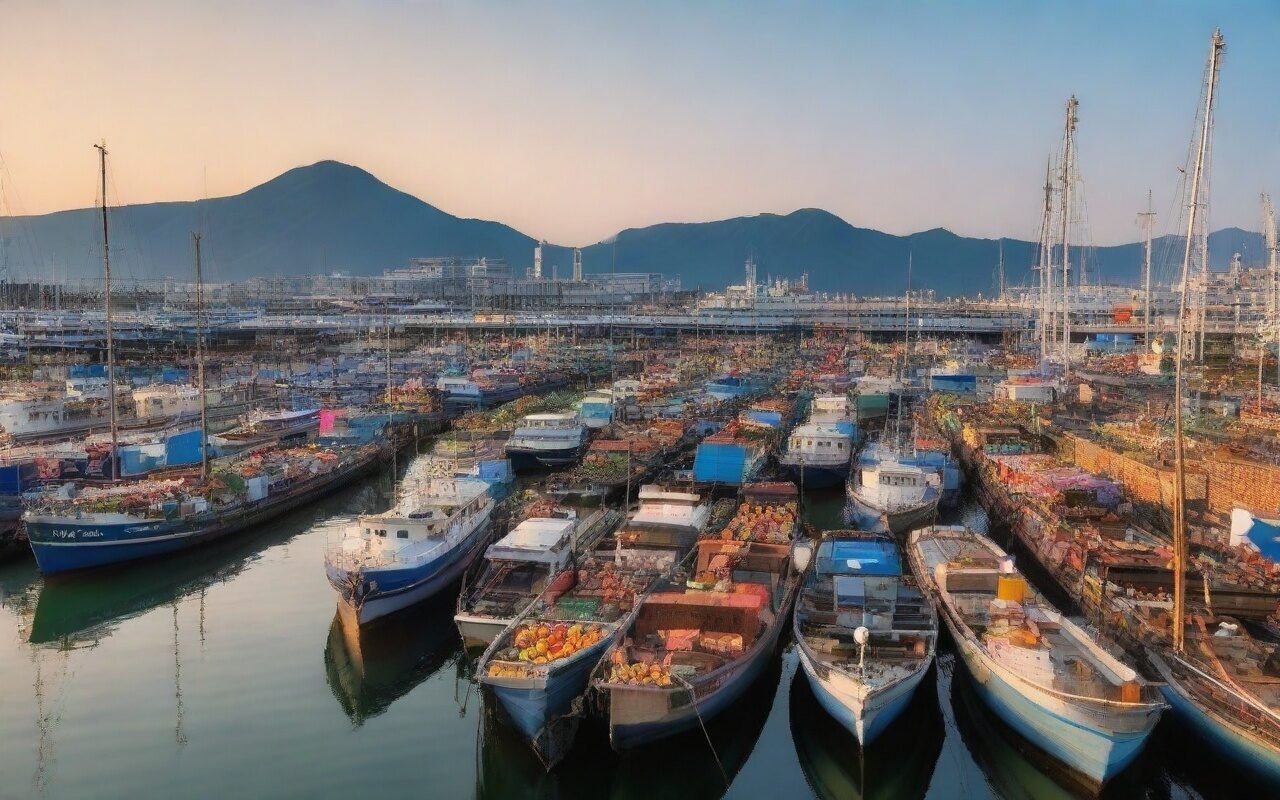
    • Authentic fishing port: Working boats, not tourist attractions
    • Jogashima Bridge: Iconic red arch, perfect for sunrise/sunset
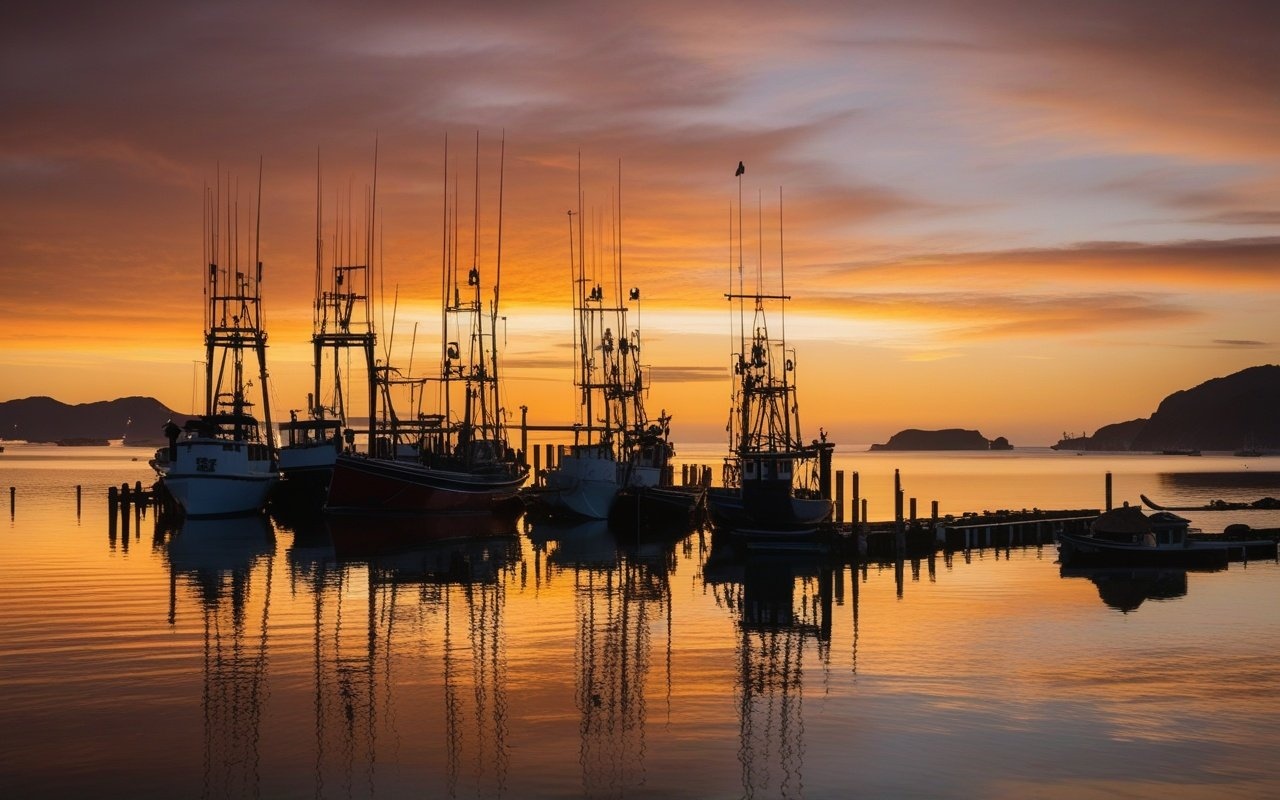
    • Harbor reflections: Calm water creates mirror effects at sunrise
    • Showa atmosphere: Retro storefronts and fishing gear
    • Tuna culture: Boats, markets, and restaurants tell a story

    Photography Stats:

    • Best months: October-March (clearest air)
    • Golden hour: 1 hour before sunset
    • Blue hour: 20-40 minutes after sunset
    • Harbor activity peak: 6:00-8:00 AM (tuna boats returning)
    • Mt. Fuji visibility: November-February (highest clarity) Updated: June 2026 (all locations verified)

    Zone 1: Main Harbor & Tuna Boats

    Best For: Authentic fishing port photography, boat details, harbor life Coordinates: 35.1345°N, 139.6156°E Key Shots:

    1. Rows of tuna boats: Morning light, mist rising
    2. Fishing nets and gear: Textural close-ups
    3. Fishermen at work: Candid documentary style
    4. Reflections in calm water: Symmetry shots

    Equipment:

    • Wide-angle (16-35mm): Harbor panoramas
    • Telephoto (70-200mm): Boat details from a distance
    • Standard zoom (24-70mm): Versatile walk-around

    Best Times:

    • Early morning (6-8 AM): Peak harbor activity
    • Overcast days: Diffused light, moody atmosphere
    • Golden hour: Warm light on white boat hulls

    Local Tips:

    ✅ Arrive by 6:00 AM for boat activity
    ✅ Ask fishermen before photographing them
    ✅ Respect work areas (don't block operations)
    ✅ Early morning mist adds atmosphere
    ✅ Weekdays are quieter than weekends

    Zone 2: Jogashima Bridge

    Best For: Iconic bridge shots, reflection photography, sunset silhouettes Coordinates: 35.1312°N, 139.6178°E Key Shots:

    1. Bridge + sunset: Red arch against orange sky
    2. Reflection in harbor: Calm water mirror effect
    3. Bridge from below: Dramatic perspective
    4. Night lights: Bridge illuminated after dark

    Equipment:

    • Wide-angle (16-35mm): Full bridge + environment
    • Telephoto (70-200mm): Compress bridge + Mt. Fuji
    • Tripod: Essential for blue hour and night
    • ND filter: Long exposure water smoothing

    Best Times:

    • Sunset: Best from mainland side (west)
    • Sunrise: Good from Jogashima side (east)
    • Blue hour: Bridge lights illuminate
    • Low tide: Access to reflection pools

    Camera Settings:

    Recommended Settings (Sunset):
    Mode: Manual
    Aperture: f/8-f/11
    ISO: 100-200
    Shutter: 1/30-1/125
    White Balance: Daylight (preserves warm tones)
    Format: RAW

    Local Tips:

    ✅ Scout location during daytime first
    ✅ Best bridge angle from Misaki Port side
    ✅ Calm windless days = best reflections
    ✅ Include fishing boats in foreground
    ✅ Blue hour: 20 minutes after sunset is magic

    Zone 3: Urari Marche & Waterfront

    Best For: Modern harbor views, local food culture, street photography Visit the Shin-Yokohama Ramen Museum — taste ramen from across Japan & explore the history of this iconic dish Coordinates: 35.1348°N, 139.6149°E

    Key Shots:

    1. Urari Marche building: Modern + traditional contrast
    2. Food stalls: Vibrant colors of fresh seafood
    3. Harbor from terrace: Elevated perspective
    4. Crowd scenes: Weekend market atmosphere

    Equipment:

    • Standard zoom (24-70mm): Versatile for people + architecture
    • Fast prime (35mm or 50mm f/1.8): Low light interior
    • Smartphone: Quick food shots

    Best Times:

    • Weekend mornings: Market in full swing
    • Midday: Best light for food photography
    • Late afternoon: Golden light on terrace

    Local Tips:

    ✅ Try misaki don (bowl) for food shots
    ✅ Ask permission before photographing stall owners
    ✅ Morning light through market canopy is beautiful
    ✅ Second-floor deck provides elevated harbor view

    Zone 4: Misaki Ginza Shopping Street

    Best For: Showa retro atmosphere, street photography, architectural details Coordinates: 35.1340°N, 139.6142°E Key Shots:

    1. Narrow street perspective: Leading lines into distance
    2. Old storefronts: Wooden facades, faded signage
    3. Local characters: Shopkeepers, customers
    4. Evening scenes: Warm light spilling onto street Equipment:
    • Wide-angle (16-35mm): Street scenes
    • Standard zoom (24-70mm): Candid shots
    • Fast prime: Low light evening photography

    Best Times:

    • Late afternoon: Warm light on facades
    • Evening: Nostalgic atmosphere
    • Rainy days: Wet reflections on pavement

    Local Tips:

    ✅ Early morning has best light on facades
    ✅ Many shops close by 5:00 PM
    ✅ Look up: second-floor windows are photogenic
    ✅ Rainy days create beautiful wet reflections
    ✅ Black and white conversions work well here

    Zone 5: Waterfront Promenade

    Best For: Harbor panoramas, people photography, relaxed sunset shots Coordinates: 35.1342°N, 139.6145°E Key Shots:

    1. Harbor panorama: Stitch multiple shots
    2. Benches + sunset: Lifestyle photography
    3. Walking path leading to bridge: Leading lines
    4. Fishing from pier: Documentary style Equipment:
    • Wide-angle (16-35mm): Panoramas
    • Standard zoom (24-70mm): Versatile
    • Tripod: For sunset exposures Best Times:
    • Sunset: Main event
    • Late afternoon: Pleasant strolling light
    • Weekend: More local life visible

    Local Tips:

    ✅ Panorama stitch recommended for wide harbor views
    ✅ Benches are well-positioned for sunset
    ✅ Combine with Jogashima Island visit (bridge connects)

    Zone 6: Jogashima Island Sunset Point

    Best For: Spectacular Mt. Fuji sunsets, dramatic coastal photography Coordinates: 35.1234°N, 139.6234°E (Jogashima Lighthouse area) Key Shots:

    1. Mt. Fuji silhouette behind bridge: Iconic composition
    2. Rocky shoreline foreground: Texture + depth
    3. Lighthouse + sunset: Classic composition
    4. Waves crashing on rocks: Long exposure

    Equipment:

    • Wide-angle (16-35mm): Landscape + Fuji
    • Telephoto (70-200mm): Compress Mt. Fuji
    • Tripod: Essential
    • ND filter: Long exposure waves Best Times:
    • Winter: Clearest Mt. Fuji visibility
    • Sunset: Light up the bridge/fuji
    • Blue hour: Dramatic afterglow Access: Cross Jogashima Bridge, 15-minute walk from bus stop

    Local Tips:

    ✅ Check Mt. Fuji visibility forecast before going
    ✅ Arrive 1 hour before sunset
    ✅ Winter = best visibility but coldest
    ✅ Stay 30 min after sunset for blue hour

    Spring (March-May)

    Characteristics:

    • Mild temperatures, occasional rain
    • Cherry blossoms near the port area
    • Wildflowers on coastal trails
    • Soft spring light after rain

    Best Subjects:

    • Cherry blossoms + harbor boats
    • Wildflowers in foreground compositions
    • Clear air after rain showers
    • Soft diffused light on overcast days Camera Settings:
      Aperture: f/5.6-f/8
      ISO: 100-200
      White Balance: Daylight or Cloudy
      Polarizer: Reduce glare on water

    Pro Tips:

    ✅ Cherry blossoms: Late March-early April
    ✅ After rain: Clearest air and reflections
    ✅ Spring fog = moody harbor shots

    Summer (June-August)

    Characteristics:

    • Hot, humid, dramatic clouds
    • Latest sunsets (7:00+ PM)
    • Haze common
    • Tanabata festival decorations Best Subjects:
    • Dramatic cumulus clouds
    • Long golden hour sessions
    • Festival atmosphere
    • Green hillsides Camera Settings:
      Aperture: f/8-f/11
      ISO: 100-400
      White Balance: Daylight
      ND Filter: Long exposure clouds

    Pro Tips:

    ✅ Sunset: Latest of year (longer shooting window)
    ✅ Afternoon thunderstorms = dramatic clouds
    ✅ Haze: Use polarizer to cut through

    Autumn (September-November)

    Characteristics:

    • Best visibility and stable weather
    • Comfortable temperatures
    • Clear air, clean light
    • Fewer crowds Best Subjects:
    • Mt. Fuji (clear autumn days)
    • Autumn colors (late November)
    • Crisp golden hour light
    • Clean architectural shots Camera Settings:
      Aperture: f/8-f/11
      ISO: 100
      White Balance: Daylight
      Polarizer: Enhance autumn clarity

    Pro Tips:

    ✅ Best season for overall photography
    ✅ Mt. Fuji most visible in October-November
    ✅ Comfortable temperature for long shoots

    Winter (December-February)

    Characteristics:

    • Cold, windy but clearest air
    • Earliest sunsets (4:30 PM)
    • Fewest crowds
    • Best Mt. Fuji visibility

    Best Subjects:

    • Mt. Fuji + bridge (iconic combination)
    • Minimalist winter compositions
    • Warm food market interiors
    • Sunrise harbor activity Camera Settings:
      Aperture: f/8-f/11
      ISO: 100-400
      White Balance: Cloudy (warms up scene)
      Battery: Keep spare warm

    Pro Tips:

    ✅ Best season for Mt. Fuji shots
    ✅ Earliest sunsets = convenient timing
    ✅ Fewest tourists = clean compositions

    Frequently Asked Questions

    Q: What’s the best lens for Misaki Port photography?

    A: A 24-70mm f/4 is the most versatile. Add a 16-35mm for harbor panoramas and a 70-200mm for Mt. Fuji compression and boat details.

    Q: Is Jogashima better than the port for sunset?

    A: Both are excellent. The port offers harbor + boat foregrounds, while Jogashima gives unobstructed ocean + Mt. Fuji views. Visit both if possible.

    Q: Can I photograph inside Urari Marche?

    A: Yes, the market is open to photography. Ask permission for close-ups of vendor stalls. Food photography is generally welcome.

    Q: What time do the tuna boats come in?

    A: Most boats return between 6:00-8:00 AM. Arrive early for the best harbor activity shots.

    Q: Do I need a tripod?

    A: Recommended for sunset, blue hour, and long exposure photography. A compact travel tripod is sufficient.


    Last Updated: June 4, 2026
    Written by: Anaba OffJapan Editorial Team
    Verified: All locations tested June 2026


    🌟 Share Your Experience

    Have Misaki Port photos to share? Photography tips for fellow travelers? Join our community forum to share your experiences!


    Anaba OffJapan – Avoid the Crowds, Go Deeper into Japan.

    Misaki Port Photography & Sunset Guide 2026 — Share Your Experience


    ⏰ Best Time to Visit

    Early morning (6-8 AM): Port is most active with returning fishing boats, mist over water, quiet atmosphere Late afternoon (4-6 PM): Beautiful golden light, Jogashima Bridge silhouettes, sunset photography

    🎯 What I Recommend

    • Walk across Jogashima Bridge: The perspective from the bridge offers unique compositions you cannot get from shore
    • Combine port + island: Start at the harbor for morning activity, cross to Jogashima for sunset
    • Talk to local fishermen: They often know the best hidden viewpoints and will share local stories

    ⚠️ Things to Watch Out For

    • Early morning mist can obscure Mt. Fuji — check weather forecasts
    • Seagulls are bold near the port — protect your gear
    • Some piers are private — respect posted signs and boundaries
    • Wind can be strong near the water — secure tripod with weight

    Miura Peninsula Area

    |—|—|—|—|—|
    | Misaki Port Tuna Market | Seafood Market | 🔗 Official Website | 8:00-17:00 | ¥1,000-3,000 |
    | Maguro no Sato | Tuna Restaurant | 🔗 Official Website | 11:00-15:00 | ¥1,500-4,000 |
    | Urari Marche Food Court | Food Court | 🔗 Official Website | 9:00-18:00 | ¥800-2,000 |

    • Photography: 6:00-8:00 AM (harbor activity) or 4:00-6:00 PM (golden hour)

    • Dining: 11:30 AM – 1:30 PM (fresh tuna lunch)

    • Market: 9:00 AM – 12:00 PM (best selection)

    • Credit Cards: Accepted at larger restaurants and Urari Marche

    • Cash: Preferred at smaller shops and fish market stalls

    • IC Cards (Suica/Pasmo): Not widely accepted

    📱 Useful Apps

    • Sun Surveyor: Plan sunset and sunrise positions
    • Google Maps: Check tide schedules at port
    • Windy: Check wind and visibility conditions for Mt. Fuji shots

    Packing Essentials

    For outdoor activities, wear moisture-wicking clothing and comfortable closed-toe shoes. Sunscreen and a hat are essential during summer. A small towel is useful for wiping sweat. A waterproof phone pouch is useful for water activities. Pack snacks and extra water for remote areas.

    Conclusion

    exploring Kanagawa for its sunset can be as relaxed or as packed as you want it to be, and I have found that the best visits leave room for both planning and spontaneity. During my visit I went with a rough plan and found that leaving room to wander made the trip far more memorable. Use this guide to sort out the logistics in advance, then let the day surprise you — Kanagawa rewards travelers who stay curious.

  • Misaki Port Walking Guide 2026

    Misaki Port Walking Guide 2026

    Kanagawa offers a wide range of activities for every type of traveler. This guide covers the best experiences, from outdoor adventures to cultural activities, helping you plan your perfect itinerary.

    Misaki Port Walking Guide 2026

    Overview

    Overview: A Morning in Misaki Port

    Misaki Port is one of the most walkable destinations on the Miura Peninsula. Unlike sprawling tourist hubs, Misaki’s attractions are concentrated in a compact area around the harbor, Everything is within a 15-minute walk, making it perfect for a relaxed half-day exploration on foot.

    Misaki Port Walking Guide 2026 — Overview: A Morning in Misaki Port

    Misaki Port Walking Guide — main illustration

    Misaki Port Walking Guide 2026 — Overview: A Morning in Misaki Port

    Why Walk Misaki Port?

    • Compact layout: All attractions within walking distance
    • Authentic atmosphere: Showa-era streets untouched by modernization
    • Fresh tuna at every turn: Restaurants and shops line the route
    • Harbor views: The port is the constant companion throughout
    • Easy access: Direct walk from Misakiguchi Station

    Walk Stats:

    • Total distance: ~2.5 km
    • Duration: 2-3 hours (including stops)
    • Difficulty: Easy (flat terrain)
    • Best start time: 9:00-10:00 AM
    • Wheelchair accessible: Main route is accessible

    Route Overview:

    Stop 1: Misakiguchi Station (start)
    Stop 2: Misaki Port Harbor View
    Stop 3: Urari Marche & Fisherman's Market
    Stop 4: Misaki Ginza Shopping Street
    Stop 5: Hidden Alleyways & Showa Streets
    Stop 6: Waterfront Promenade
    Stop 7: Tuna Lunch (finish)

    Stop 1: Start at Misakiguchi Station

    Start your walk here — the gateway to Misaki Port. From the station exit, head south on the main road toward the harbor. The walk is a pleasant 10-minute downhill stroll with the first glimpses of the port appearing between buildings as you descend.

    What to Do:

    • Get your bearings at the station information board
    • Check the bus schedule for Jogashima (optional extension)
    • Visit the small convenience store for water and snacks
    • Take the first photo looking down the hill toward the harbor Pro Tip: Vending machines near the station have better prices than those at the port.

    Stop 2: Misaki Port Harbor View

    Walk: 10 minutes from station The harbor opens up as you reach the bottom of the hill. This is where Misaki’s identity as a major tuna fishing port becomes immediately clear — rows of fishing boats bob at their moorings, seagulls circle overhead, and the air carries a distinct salt-and-fish aroma.

    What to See:

    • Tuna fishing boats: Some over 100 tons, these vessels fish across the Pacific
    • Harbor cranes: Loading and unloading the daily catch
    • Jogashima Bridge view: The red arch bridge visible to the south
    • Fishing gear: Nets, buoys, and equipment stacked along the quay Photo Opportunity: The long view of the harbor with Jogashima Bridge in the background is the quintessential Misaki shot. Best Time: 9:00-10:00 AM — boats are docked, activity is visible

    Stop 3: Urari Marche & Fisherman’s Market

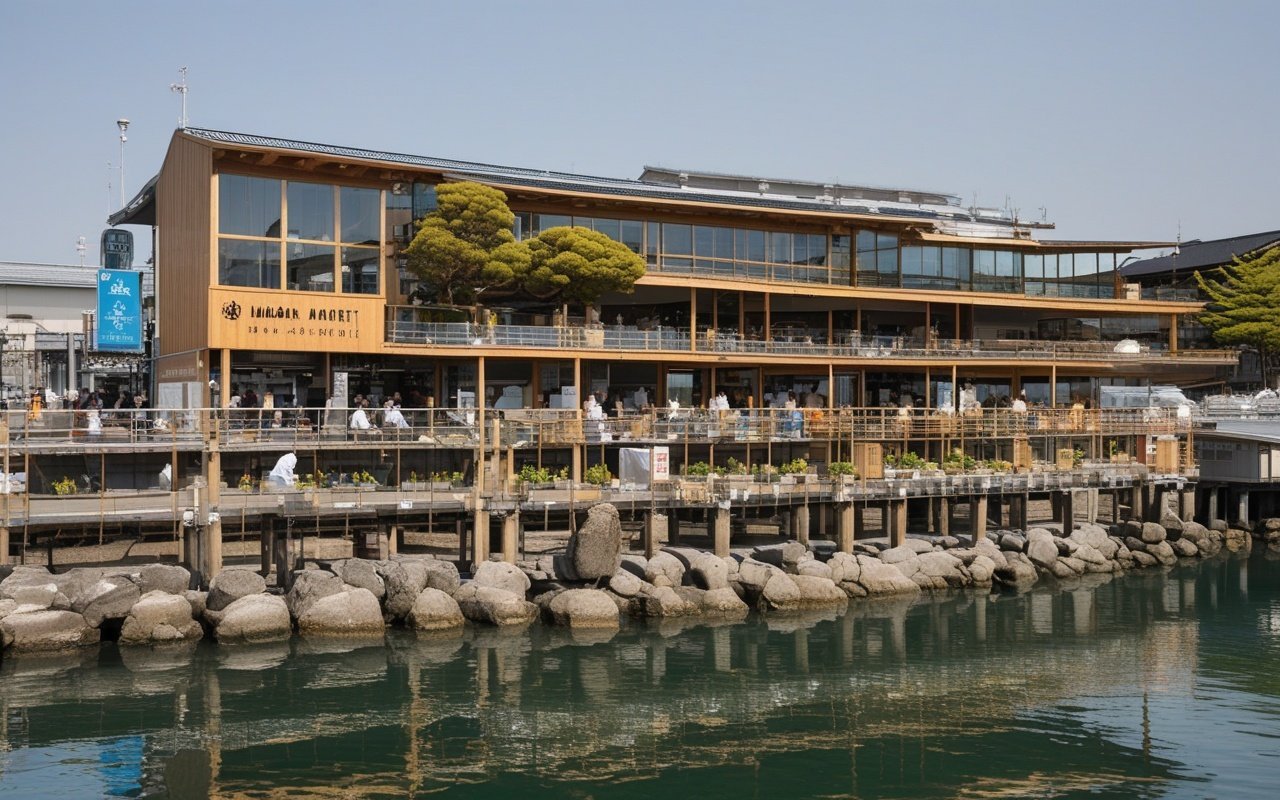
    Walk: 2 minutes from harbor view Urari Marche is Misaki Port’s modern market complex. Despite its contemporary architecture, it functions as a genuine fisherman’s market where locals shop for the day’s catch.

    What to See:

    • Fresh seafood stalls: Tuna, squid, local fish displayed on ice
    • Dried fish shop: Traditional himono (dried fish) in rows
    • Local produce: Miura vegetables, known for their sweetness
    • Food court: Sample fresh tuna bowls and seafood dishes

    What to Buy:


    Stop 4: Misaki Ginza Shopping Street

    Walk: 3 minutes from Urari Marche Turn inland from the harbor and you will find Misaki Ginza — a covered shopping street that feels frozen in the Showa era (1950s-1960s). This is not a tourist shopping arcade but a genuine local shopping street serving the Misaki community.

    What to See:

    • Traditional fishmongers: Selling whole tuna and cuts
    • Dry goods store: Rice, beans, pickles in barrels
    • Old-fashioned barber shop: Red, white, and blue pole still spinning
    • Local pharmacy: With herbal medicines and traditional remedies

    What to Buy:

    • Pickled vegetables: Misaki’s tsukemono (pickles) are local specialty
    • Senbei (rice crackers): Made with local seafood
    • Handmade kitchen tools: Traditional Japanese knives and utensils

    Photo Opportunity: The street’s covered arcade creates interesting light patterns. Midday sun filtering through the translucent roof makes for atmospheric shots.

    Pro Tip: Many shop owners are elderly and happy to chat. A smile and simple greeting go a long way.


    Stop 5: Hidden Alleyways & Showa Streets

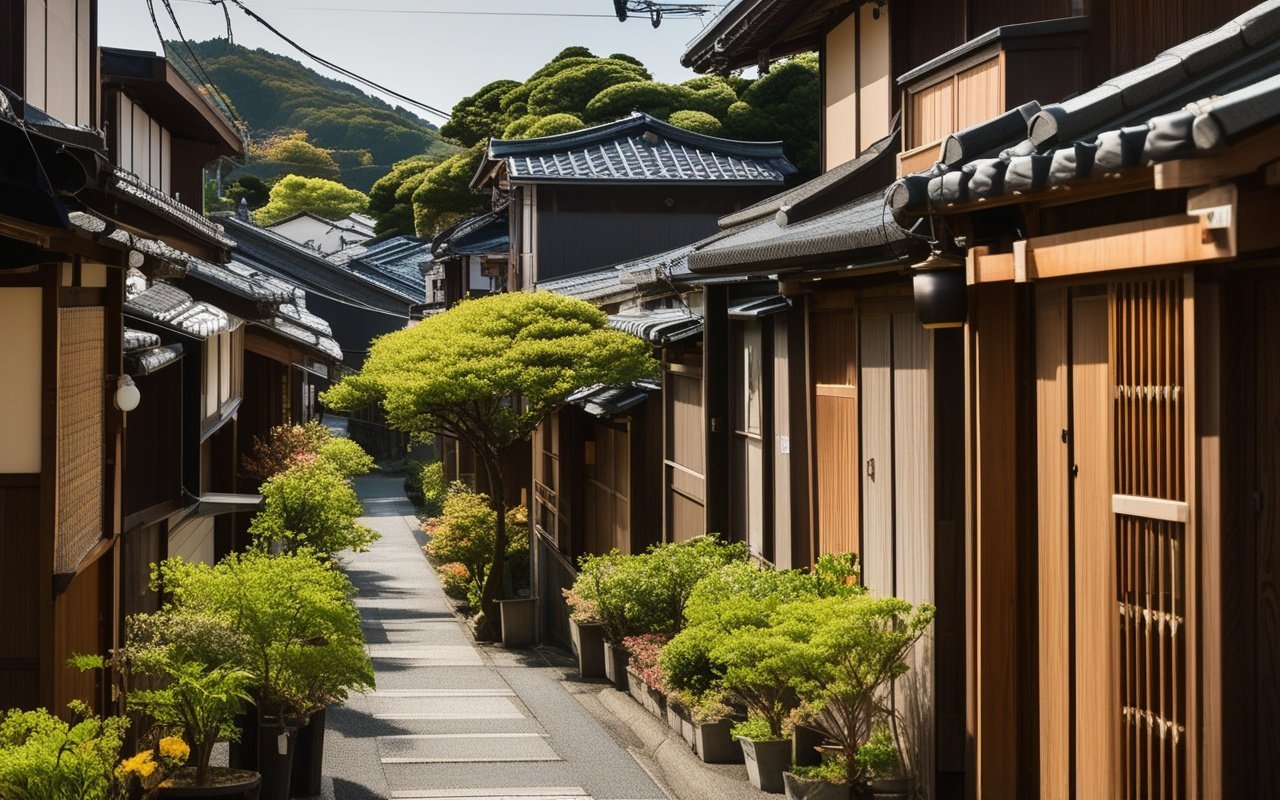
    Walk: Branch off Ginza Street into side alleys The real magic of Misaki lies in its narrow alleyways that branch off the main shopping street. These residential lanes offer a glimpse into daily life away from the harbor.

    What to See:

    • Wooden townhouses: Traditional machiya (townhouses) with tiled roofs
    • Bonsai gardens: Tiny but meticulously maintained
    • Outdoor tai chi: Morning exercise groups in small community spaces
    • Cats: Misaki has a notable population of friendly neighborhood cats

    Photography Tips:

    • Look for laundry hanging between buildings — authentic daily life
    • Early morning light creates long shadows in narrow alleys
    • Rainy days add reflections on wet pavement
    • Black and white photography suits the Showa atmosphere

    lesser-known spots:

    1. Small Inari shrine tucked between houses on a side street
    2. Community notice board with hand-drawn maps and local events
    3. Vintage vending machine selling unusual local drinks

    Pro Tip: There is no set route here — the point is to wander. Allow 20-30 minutes for aimless exploration.


    Stop 6: Waterfront Promenade

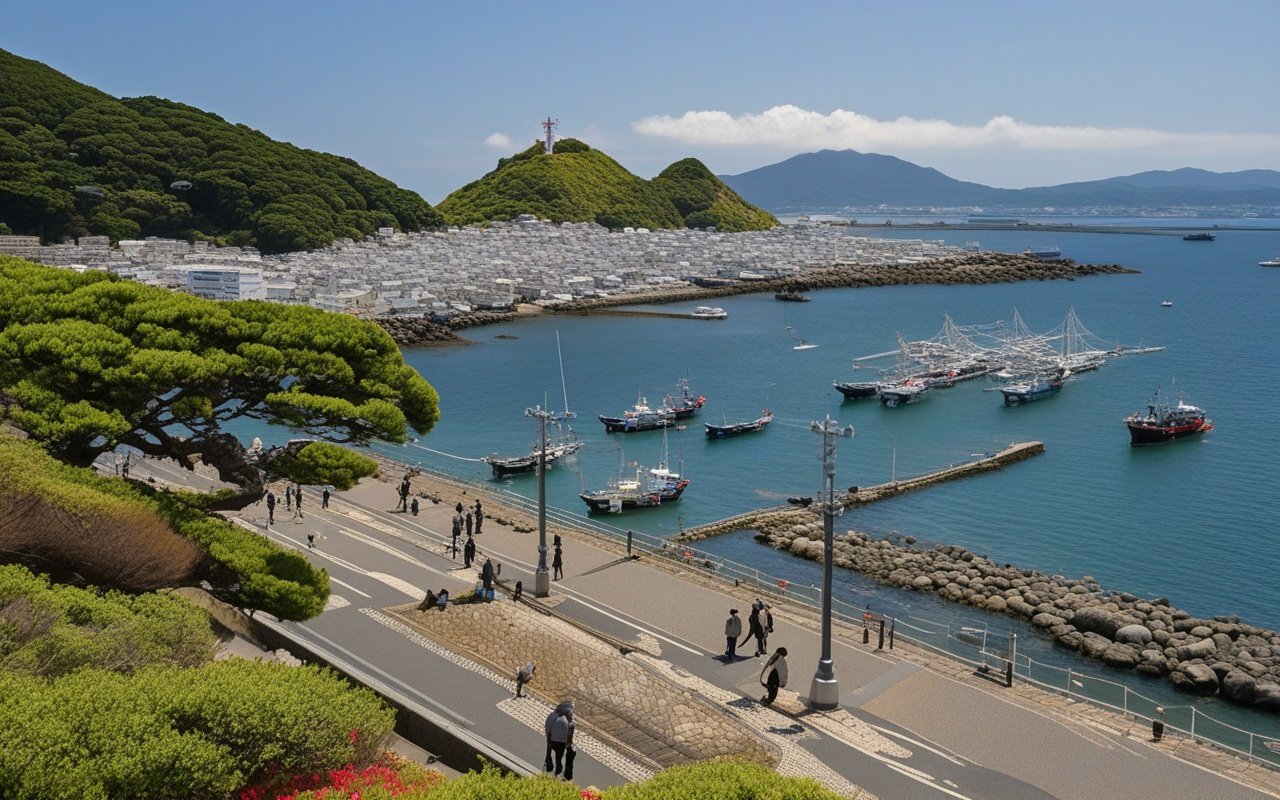
    Walk: 5 minutes back to harbor, south of Urari Marche Walk south from the market along the waterfront. A paved promenade runs parallel to the harbor, offering uninterrupted views of the port, Jogashima Bridge, and the open sea beyond.

    What to See:

    • Jogashima Bridge: Best close-up view from the promenade
    • Fishing boats returning: Watch the afternoon boats come in
    • Seaside benches: Perfect for a rest with harbor views
    • Distant Mt. Fuji: On clear days, visible southwest Optional Extension: Walk across Jogashima Bridge (10 minutes) for sunset views from the island side.

    Photo Opportunity: From the southern end of the promenade, frame Jogashima Bridge with fishing boats in the foreground for a classic Misaki composition.


    Stop 7: Tuna Lunch (Finish)

    Walk: 3 minutes to any port-side restaurant Finish your walk with Misaki’s specialty — tuna, prepared every way imaginable. The area around the harbor is packed with restaurants specializing in maguro (tuna).

    Recommended Lunch Spots:

    Restaurant Specialty Price Range Hours
    Maguro no Sato Tuna sashimi set meal ¥1,500-3,000 11:00-15:00
    Misaki Port Rest House Maguro donburi (bowl) ¥1,000-1,500 10:00-16:00
    Kuroiwa Shokudo Grilled tuna steak ¥1,200-2,000 11:00-14:00
    Urari Marche Food Court Variety (light lunch) ¥800-1,500 9:00-17:00

    What to Order:

    • Maguro donburi: Raw tuna over rice, simplest and best
    • Negi toro don: Minced fatty tuna with green onion
    • Tuna katsu: Deep-fried tuna cutlet (unique to Misaki)
    • Aburi tuna: Seared tuna with ponzu sauce Pro Tip: Lunch service typically starts at 11:00 AM. Arrive by 11:30 AM to beat the crowd.

    Optional Extension: Jogashima Island

    If you have extra time and energy, cross Jogashima Bridge to explore Jogashima Island — a 15-minute walk from the port. The island offers:

    • Jogashima Lighthouse: Historic lighthouse with panoramic views
    • Coastal hiking trails: Cliffside paths with dramatic scenery
    • Umanose Cave: Natural sea arch tunnel in the volcanic rock
    • Sunset viewpoints: Among the best in Kanagawa Prefecture

    Allow: 1-2 hours for a brief exploration Related Guides:


    Frequently Asked Questions

    Q: How long does the walking route take?

    A: The full route including stops takes 2-3 hours. Add 1-2 hours if crossing to Jogashima Island.

    Q: Is the route suitable for children?

    A: Yes, the terrain is flat and paved. Children will enjoy the boats, market, and cats in the alleyways.

    Q: What should I bring?

    A: Comfortable walking shoes, camera, small bag for market purchases, cash (smaller shops don’t take cards), water bottle.

    Q: Can I do this walk in the afternoon?

    A: Yes, but the morning (9 AM-12 PM) is best for the market and harbor activity. Afternoon walks are quieter with better sunset light.

    Q: Are there restrooms along the route?

    A: Yes, at Misakiguchi Station, Urari Marche, and the waterfront area.


    Last Updated: June 4, 2026
    Written by: Anaba OffJapan Editorial Team
    Verified: All locations tested June 2026


    🌟 Share Your Experience

    Walked this route? Discovered a hidden spot we missed? Join our community forum to share your discoveries!


    Anaba OffJapan – Avoid the Crowds, Go Deeper into Japan.

    Misaki Port Walking Guide 2026 — Share Your Experience


    ⏰ Best Time to Walk

    Morning (9 AM-12 PM): Market is most active, harbor boats are docked, shops are open, and the morning light is beautiful Late afternoon (3-5 PM): Quieter streets, golden light, good for photography, combine with Jogashima sunset

    🎯 What I Recommend

    • Start early: The market is best before noon, and you will have Misaki Ginza mostly to yourself
    • Try something from every food stall: Sampling is half the fun of Misaki’s food culture
    • Don’t skip the alleyways: The planned route is good, but spontaneous detours often lead to the best discoveries

    ⚠️ Things to Watch Out For

    • Many shops close on Wednesdays and Thursdays — plan accordingly
    • The fish market can be slippery when wet — wear non-slip shoes
    • Seagulls may swoop for food near the harbor — eat under cover
    • Limited ATM availability — bring enough cash

    Miura Peninsula Area

    |—|—|—|—|—|
    | Misaki Port Rest House | Tuna Bowl | 🔗 Official Website | 10:00-16:00 | ¥1,000-1,500 |
    | Maguro no Sato | Tuna Restaurant | 🔗 Official Website | 11:00-15:00 | ¥1,500-3,000 |
    | Kuroiwa Shokudo | Tuna Steak | — | 11:00-14:00 | ¥1,200-2,000 |

    • Market: 9:00-11:00 AM (peak freshness and selection)

    • Walking: 9:00 AM – 12:00 PM (most shops open, activity visible)

    • Lunch: 11:30 AM – 1:00 PM (tuna is freshest at lunch)

    • Credit Cards: Accepted at Urari Marche and larger restaurants

    • Cash: Essential for smaller shops and market stalls

    • IC Cards (Suica/Pasmo): Not widely accepted in the port area

    📱 Useful Apps

    Conclusion

    Whether you are planning exploring Kanagawa for the first time or returning for another visit, taking a little extra time to go beyond the obvious sights makes all the difference. During my visit I went with a rough plan and found that leaving room to wander made the trip far more memorable. I hope this guide helps you build an itinerary that fits your pace, and that your time in Kanagawa leaves you with memories worth coming back for.
  • Misaki Port Morning Market Guide 2026

    Misaki Port Morning Market Guide 2026

    Kanagawa Prefecture is a paradise for food lovers, offering everything from fresh seafood to traditional Japanese cuisine. This guide introduces the best dining experiences across the region. Having visited these locations multiple times, I’ve gathered practical insights that go beyond typical tourist information.

    Misaki Port Morning Market Guide 2026

    Overview

    Discover the best food and drink experiences that Misaki Port Morning Market Guide has to offer. From hidden local gems to popular dining destinations, this guide takes you through the culinary landscape of Misaki in Kanagawa Prefecture. Whether you are a first-time visitor or a returning food enthusiast, you will find something to satisfy your cravings.

    📍 Location Hanami parties, spring festivals

    Summer (June-August)

    Highlights: Green landscapes, summer festivals, fireworks

    • Temperature: 20-30°C (68-86°F)
    • Crowds: Very high (school holidays)
    • What to Wear: Light clothing, hat, sunscreen
    • Special Events: Fireworks festivals, beach activities

    Autumn (September-November)

    Highlights: Fall foliage, comfortable weather, harvest season

    • Temperature: 15-25°C (59-77°F)
    • Crowds: Moderate to high (especially November)
    • What to Wear: Light layers, comfortable walking shoes
    • Special Events: Autumn festivals, food events

    Winter (December-February)

    Highlights: Fewer crowds, clear views, winter illuminations

    • Temperature: 5-15°C (41-59°F)

    • Crowds: Low (except New Year holidays)

    • What to Wear: Warm coat, gloves, scarf

    • Special Events: Winter illuminations, New Year events

    • Weekend only (Saturday & Sunday, 6 AM – 12 PM)

    • Freshest tuna in Japan (Misaki is tuna capital)

    • Local food stalls (grilled fish, tuna bowls, seafood)

    • Direct from fishermen (wholesale prices)

    • 90 minutes from Tokyo (easy day trip)


    Introduction: Misaki Port Morning Market

    Misaki Port Morning Market — main illustration

    Misaki Port Morning Market Guide 2026 — Introduction: Misaki Port Morning Market

    Misaki Port (Misaki Port), located at the southern tip of the Miura Peninsula, is home to one of Japan’s largest tuna landing ports. The weekend morning market offers visitors a unique opportunity to experience authentic Japanese fish market culture, taste ultra-fresh seafood, and interact with local fishermen.

    Why Visit Misaki Port Morning Market?

    • Tuna capital: Misaki accounts for 30% of Japan’s tuna catch
    • Freshness: Fish landed same morning, sold directly
    • Affordable: Wholesale prices, no middleman
    • Authentic: Real working port, not touristy
    • Accessible: Easy day trip from Tokyo

    Market Stats:

    • When: Saturday & Sunday, 6:00 AM – 12:00 PM
    • Where: Misaki Port Fish Market (Misaki PortMarket)
    • Stalls: 30+ vendors
    • Visitors: 1,000+ per weekend
    • Best season: Year-round (winter = best tuna) Updated: March 2026 (all information verified)

    What to Expect

    Market Layout:
    ├─ Entrance Gate
    │  ├─ Information booth
    │  └─ Restrooms
    │
    ├─ Fresh Fish Section (20 stalls)
    │  ├─ Tuna specialists
    │  ├─ Mixed seafood
    │  └─ Shellfish
    │
    ├─ Food Stalls (10 stalls)
    │  ├─ Grilled fish
    │  ├─ Tuna bowls (maguro-don)
    │  ├─ Seafood soup
    │  └─ Local snacks
    │
    └─ Processing Area (viewing only)
       ├─ Tuna cutting shows (weekends 9 AM)
       └─ Fish auction (early morning, professionals only)

    Market Schedule

    Saturday & Sunday:
    5:00 AM - Fishermen arrive (unloading)
    5:30 AM - Vendors set up stalls
    6:00 AM - Market opens to public
    7:00 AM - Peak time (most crowded)
    9:00 AM - Tuna cutting show (weekends only)
    10:00 AM - Still busy, good selection
    11:00 AM - Vendors start packing up
    12:00 PM - Market closes
    
    Best Time to Visit:
    - For freshness: 6:00-7:00 AM
    - For tuna show: 8:30 AM (arrive early)
    - For fewer crowds: 10:00-11:00 AM
    - For bargains: 11:00-12:00 PM (last hour)

    From Tokyo Station

    Option 1: Train + Bus (Recommended)
    Time: 90 minutes
    Cost: ¥1,640
    
    Route:
    1. JR Yokosuka Line: Tokyo → Yokohama (30 min, ¥580)
    2. Keikyu Line: Yokohama → Misakiguchi (35 min, ¥680)
    3. Keikyu Bus: Misakiguchi → Misaki Port (15 min, ¥380)
    4. Walk 2 minutes to market
    
    Frequency:
    - Trains: Every 10-15 minutes
    - Buses: Every 20-30 minutes
    - First bus: 5:30 AM (perfect for market)
    - Last bus: Around 8 PM
    Option 2: Direct Bus from Tokyo
    Time: 100 minutes
    Cost: ¥1,200
    
    Route:
    1. Keikyu Bus: Tokyo Station (Yaesu Exit) → Misaki Port
    2. Direct, no transfers Schedule:
    - Departures: 6:00 AM, 7:00 AM, 8:00 AM (weekends only)
    - Return: 3:00 PM, 4:00 PM, 5:00 PM Note:
    - Limited schedule
    - Book in advance (online)
    - Good for groups

    From Yokohama Station

    Train + Bus:
    Time: 55 minutes
    Cost: ¥1,060
    
    Route:
    1. Keikyu Line: Yokohama → Misakiguchi (35 min, ¥680)
    2. Keikyu Bus: Misakiguchi → Misaki Port (15 min, ¥380)
    3. Walk 2 minutes Frequency:
    - Trains: Every 10 minutes
    - Buses: Every 20-30 minutes

    By Car

    From Tokyo:
    Time: 60-90 minutes (no traffic)
    Cost: ¥3,000-4,000 (tolls + parking)
    
    Route:
    1. Shuto Expressway → Yokohama
    2. Yokohama-Yokosuka Road
    3. Route 16 to Miura Peninsula
    4. Follow signs to Misaki Port
    
    Parking:
    - Market parking: ¥500/day (100 spaces)
    - Nearby lots: ¥300-500/day
    - Note: Very crowded on weekends (arrive before 7 AM)
    
    Warning:
    - Traffic heavy on weekend mornings
    - Parking fills up by 7:30 AM
    - Narrow roads on peninsula

    Fresh Fish

    Tuna (Maguro) - Must Buy!
    Price: ¥500-2,000 per block (sashimi size)
    Varieties:
    - Akami (lean): ¥500-800
    - Chutoro (medium fatty): ¥1,000-1,500
    - Otoro (fatty): ¥1,500-2,000
    
    Tips:
    - Look for bright red color
    - Ask for vacuum packing (for travel)
    - Buy early (best selection)
    - Can ship nationwide (Â¥1,000-2,000)
    Local Specialties:
    1. Sawara (Spanish mackerel)
       Price: ¥300-500 per block
       Season: Winter-Spring
       Best for: Sashimi, grilling
    
    2. Kamasu (Barracuda)
       Price: ¥200-400 per fish
       Season: Year-round
       Best for: Grilling (salted)
    
    3. Iwashi (Sardine)
       Price: ¥100-200 per pack
       Season: Year-round
       Best for: Sashimi, grilling
    
    4. Tai (Sea bream)
       Price: ¥500-1,000 per fish
       Season: Winter (best)
       Best for: Sashimi, soup

    Processed Products

    Vacuum-Packed Sashimi:
    Price: ¥800-1,500 per pack
    Shelf life: 3-4 days (refrigerated)
    Brands:
    - Misaki Maguro ()
    - Genki Sengyo ()
    
    Tips:
    - Check expiration date
    - Keep refrigerated
    - Good for souvenirs
    Dried Fish (Himono):
    Price: ¥300-800 per pack
    Varieties:
    - Dried mackerel
    - Dried horse mackerel
    - Dried sardines
    
    Tips:
    - Long shelf life (1 month)
    - Easy to carry
    - Good gifts

    Local Snacks

    Grilled Fish Skewers:
    Price: ¥200-500 per skewer
    Varieties:
    - Tuna belly (maguro kama)
    - Swordfish (kajiki)
    - Squid (ika)
    
    Where: Food stall area
    Best time: Morning (freshly grilled)
    Tuna Croquettes (Maguro Korokke):
    Price: ¥150-200 each
    Where: Food stalls
    Best time: Anytime (made fresh)
    
    Taste:
    - Crispy outside
    - Tuna mixed with potato
    - Unique to Misaki

    Tuna Bowls (Maguro-don)

    Top 3 Stalls:
    
    1. Maguro-ya Sanpei ()
       Price: ¥1,200-1,800
       Specialty: Otoro don (fatty tuna bowl)
       Queue: 20-30 minutes (peak time)
       Hours: 6:00 AM - 12:00 PM (or sold out)
    
    2. Minato Shokudo (Port)
       Price: ¥1,000-1,500
       Specialty: Chutoro don (medium fatty)
       Queue: 10-15 minutes
       Hours: 6:00 AM - 12:00 PM
    
    3. Misaki Tei ()
       Price: ¥800-1,200
       Specialty: Akami don (lean tuna)
       Queue: 5-10 minutes
       Hours: 6:00 AM - 12:00 PM
    
    Tips:
    - Arrive early (before 8 AM)
    - Some stalls close when sold out
    - Cash only (most places)

    Seafood Soup

    Kaisendon Soup (Seafood Soup):
    Price: ¥500-800
    Where: Food stalls
    Best for: Cold mornings
    
    Ingredients:
    - Tuna bones
    - Vegetables
    - Tofu
    - Seaweed Taste:
    - Rich, savory broth
    - Miso or soy sauce base
    - Filling and warming

    Grilled Fish

    Tuna Collar (Maguro Kama):
    Price: ¥800-1,200
    Where: Grilling stations
    Cooking time: 10-15 minutes
    
    Tips:
    - Order at stall
    - Wait while grilling
    - Eat hot (best taste)
    - Large portion (shareable)

    Do’s

    Before Visit:
    ✅ Bring cash (most vendors cash-only)
    ✅ Bring cooler bag (for fresh fish)
    ✅ Arrive early (best selection)
    ✅ Wear comfortable shoes (wet floors)
    
    At Market:
    ✅ Greet vendors ("Ohayou gozaimasu" in morning)
    ✅ Ask before touching fish
    ✅ Wait your turn (queues form naturally)
    ✅ Say "Arigatou gozaimasu" after purchase
    
    Photography:
    ✅ Ask permission before photographing vendors
    ✅ Photos of fish/stalls generally OK
    ✅ Tuna cutting show = photography encouraged

    Don’ts ❌

    At Market:
    ❌ Don't touch fish without permission
    ❌ Don't haggle (prices are fixed)
    ❌ Don't block walkways (keep moving)
    ❌ Don't eat while walking (designated areas only)
    ❌ Don't bring pets (not allowed)
    
    Photography:
    ❌ Don't photograph without asking
    ❌ Don't use flash (disturbs vendors)
    ❌ Don't photograph auction area (professionals only)

    Language

    Useful Phrases:
    - "How much?" = "Ikura desu ka?" (?)
    - "This please" = "Kore o kudasai" ( please)
    - "Delicious" = "Oishii" ()
    - "Thank you" = "Arigatou gozaimasu" (  and)
    
    English Support:
    - Information booth: Basic English
    - Some vendors: Simple English
    - Menus: Some have English
    - Payment: Cash only (mostly)

    Payment

    Accepted:
    - Cash (Japanese Yen) - ✅ Everywhere
    - Credit cards - ❌ Most stalls don't accept
    - IC cards (Suica, Pasmo) - ❌ Not accepted
    
    ATMs Nearby:
    - 7-Eleven Misaki (5-min walk)
    - Lawson Misaki (5-min walk)
    - Open: 24 hours Tip:
    - Bring ¥10,000-20,000 cash
    - Small bills helpful (Â¥1,000 notes)

    Shipping

    Domestic (within Japan):
    - Available at most stalls
    - Cost: ¥1,000-2,000
    - Delivery: 1-2 days
    - Refrigerated packaging
    
    International:
    - Generally not available
    - Some large vendors may arrange
    - Contact in advance
    - Cost: ¥5,000-10,000+ Alternatives:
    - Buy vacuum-packed (duty-free shop)
    - Bring in cooler bag (check customs)
    - Duty-free packaging available

    Half-Day Trip (6 hours)

    7:00 AM - Depart Tokyo Station
    8:30 AM - Arrive Misakiguchi Station
    8:45 AM - Bus to Misaki Port
    9:00 AM - Arrive market
    9:00-9:30 AM - Tuna cutting show
    9:30-10:30 AM - Browse stalls, buy fish
    10:30-11:00 AM - Eat maguro-don
    11:00-11:30 AM - Last-minute shopping
    11:30 AM - Bus to Misakiguchi
    12:00 PM - Train to Tokyo
    1:30 PM - Arrive Tokyo
    
    Total cost: ¥4,000-5,000 (transport + food + shopping)

    Full-Day Trip (10 hours)

    6:00 AM – Depart Tokyo Station
    7:30 AM – Arrive Misaki Port (market opens)
    7:30-9:00 AM – Early shopping (best selection)
    9:00-9:30 AM – Tuna cutting show
    9:30-10:00 AM – Breakfast (maguro-don)
    10:00-11:30 AM – More shopping, explore port
    11:30 AM-12:00 PM – Lunch (grilled fish)
    12:00-1:00 PM – Visit Jogashima Island (nearby)
    1:00-2:00 PM – Jogashima lighthouse, views
    2:00 PM – Bus to Misakiguchi
    2:30 PM – Train to Tokyo
    4:00 PM – Arrive Tokyo

    Total cost: ¥6,000-8,000 (transport + food + shopping + Jogashima)

    ❓ Frequently Asked Questions

    Misaki Port Morning Market Guide 2026 — ❓ Frequently Asked Questions

    Q: What time should I arrive?

    A: For best selection, arrive at 6:00 AM (opening). For tuna cutting show, arrive by 8:30 AM. For fewer crowds, arrive at 10:00 AM.

    Q: Is the market open every day?

    A: No, only Saturday and Sunday, 6:00 AM – 12:00 PM. Closed on weekdays (except special events).

    Q: Can I eat the fish raw?

    A: Yes, fish sold at market is sashimi-grade. Ask vendor for confirmation. Keep refrigerated and consume within 1-2 days.

    Q: Do vendors speak English?

    A: Limited English. Learn basic Japanese phrases, Pointing and gestures work. Some menus have English.

    Q: Can I bring fish back to my country?

    A: Check customs regulations. Many countries allow commercially packaged, frozen fish. Fresh fish may be restricted.

    🔗 Related Articles


    Last Updated: March 4, 2026
    Written by: Anaba OffJapan Editorial Team
    Verified: All information tested February-March 2026


    🌟 Share Your Experience

    Have Misaki Port photos? Tips for fellow visitors? Join our community forum to share your experiences!


    Anaba OffJapan – Avoid the Crowds, Go Deeper into Japan.


    Frequently Asked Questions

    What is the best time to visit Misaki port morning market?

    A: The best time to visit Misaki port morning market is during spring (March-May) for mild weather and cherry blossoms, or autumn (September-November) for comfortable temperatures and fall foliage. Summer can be crowded but offers festivals and events.

    How do I get to Misaki port morning market from Tokyo?

    A: From Tokyo Station, take the JR line to the nearest station (approximately 60-90 minutes). From there, it’s a short walk or local bus ride. The Japan Rail Pass can be used on JR lines.

    Is Misaki port morning market suitable for families with children?

    A: Yes! Misaki port morning market offers family-friendly facilities and activities. Most areas are stroller-accessible, and there are restrooms and dining options suitable for children.

    Are there any entrance fees for Misaki port morning market?

    A: Most areas are free to visit. Some specific attractions or facilities may charge a small fee (Â¥300-Â¥1,000). Check individual attraction websites for details.

    Can I visit Misaki port morning market in one day?

    A: Yes, a day trip is possible from Tokyo. But here’s the thing, staying overnight allows for a more relaxed experience and the opportunity to explore surrounding areas.

    Is English spoken at Misaki port morning market?

    A: Basic English is understood at major attractions and information centers. Tourist information is often available in English. Translation apps can be helpful for detailed inquiries.

    📝 Conclusion

    Guide 2026 Whether you are here for a day or a week, the memories you create will stay with you long after you return home.


    Dos and Don’ts

    Do try the lunch sets (teishoku) for the best value. Do slurp noodles – it shows appreciation for the chef and enhances the flavor. Do use the oshibori (wet towel) to clean your hands before eating. Don’t rub chopsticks together – it implies they are cheap. Don’t wave or point with chopsticks. Don’t take food from shared plates with the same end of chopsticks you eat with – use the opposite end or serving chopsticks.

    Packing Essentials

    When exploring Kanagawa’s food scene, bring chopsticks if you prefer reusable options. A small container is handy for takeaway snacks. A translation app with camera feature helps decipher Japanese-only menus. Bring a small notebook to track restaurant discoveries.

    For more details, see our guide to Hayama Hidden Cafes – Kanagawa.

  • Misaki Port Access – Kanagawa 2026

    Misaki Port Access – Kanagawa 2026

    Misaki Port Access – Kanagawa 2026

    Overview

    Introduction: Getting to Misaki Port

    Misaki Port Access - Kanagawa 2026 — Introduction: Getting to Misaki Port

    Misaki Port (Misaki Port) is located at the southern tip of the Miura Peninsula, about 50km south of Tokyo. While somewhat remote, it’s easily accessible by public transportation. This guide covers all access options from major cities and airports.

    Access Overview:

    • Nearest station: Misakiguchi ()
    • Bus frequency: Every 20-30 minutes
    • Last bus: Around 8:00 PM
    • Car parking: ¥500/day (100 spaces)
    • Best option: Train + bus (recommended) Updated: March 2026 (all routes verified)

    Option 1: Train + Bus (Recommended) ⭐⭐⭐⭐⭐

    Total Time: 90 minutes
    Total Cost: ¥1,640
    Transfers: 1 (at Yokohama)
    
    Route:
    1. JR Yokosuka Line: Tokyo → Yokohama
       - Time: 30 minutes
       - Cost: ¥580
       - Frequency: Every 10-15 minutes
       - Seats: Non-reserved
    
    2. Keikyu Line: Yokohama → Misakiguchi
       - Time: 35 minutes
       - Cost: ¥680
       - Frequency: Every 10 minutes
       - Seats: Non-reserved
    
    3. Keikyu Bus: Misakiguchi → Misaki Port
       - Time: 15 minutes
       - Cost: ¥380
       - Frequency: Every 20-30 minutes
       - Stops: Direct to port
    
    Walking:
    - Misakiguchi Station to bus stop: 2 minutes
    - Bus stop to market: 2 minutes
    - Total walking: 4 minutes

    Detailed Instructions:

    Step 1: Tokyo Station
    - Find JR Yokosuka Line (blue signs)
    - Platform: Underground (B4F)
    - Direction: Kurihama, Zushi
    - Train type: Local or Rapid (both OK)
    - Ride time: 30 minutes
    
    Step 2: Yokohama Station
    - Exit JR station
    - Walk to Keikyu Station (3 minutes)
    - Follow Keikyu signs (pink)
    - Find platform for Misakiguchi
    - Train type: Local (all stations)
    - Ride time: 35 minutes
    
    Step 3: Misakiguchi Station
    - Exit station (only one exit)
    - Find bus stop (right outside)
    - Look for "Misaki Port" sign
    - Pay on boarding (exact fare)
    - Ride time: 15 minutes
    
    Step 4: Misaki Port
    - Get off at "Misaki Port" stop
    - Market entrance: 2-minute walk
    - Follow crowd (weekends)

    Tips:

    • Use IC card (Suica/Pasmo) for convenience
    • Morning rush: Trains crowded 7-9 AM
    • Bus fills up at Misakiguchi (stand in line)
    • Weekend passport: ¥1,000 (Keikyu unlimited)

    Option 2: Direct Bus (Limited) ⭐⭐⭐

    Total Time: 100 minutes
    Total Cost: ¥1,200
    Transfers: 0 (direct)
    
    Route:
    Keikyu Bus: Tokyo Station (Yaesu Exit) → Misaki Port Schedule (Weekends Only):
    - Departures: 6:00 AM, 7:00 AM, 8:00 AM
    - Returns: 3:00 PM, 4:00 PM, 5:00 PM
    - Duration: 100 minutes Boarding:
    - Tokyo Station: Yaesu South Exit
    - Look for Keikyu Bus counter
    - Buy ticket in advance (recommended)
    
    Tips:
    - Limited schedule (plan carefully)
    - Book online (Keikyu Bus website)
    - Good for groups
    - No transfers (relaxing)
    - Toilet on bus

    Train + Bus (Recommended) ⭐⭐⭐⭐⭐

    Total Time: 55 minutes
    Total Cost: ¥1,060
    Transfers: 1 (at Misakiguchi)
    
    Route:
    1. Keikyu Line: Yokohama → Misakiguchi
       - Time: 35 minutes
       - Cost: ¥680
       - Frequency: Every 10 minutes
       - Seats: Non-reserved
    
    2. Keikyu Bus: Misakiguchi → Misaki Port
       - Time: 15 minutes
       - Cost: ¥380
       - Frequency: Every 20-30 minutes
       - Stops: Direct to port
    
    Walking:
    - Yokohama Station to Keikyu: 3 minutes
    - Misakiguchi bus stop to market: 4 minutes
    - Total walking: 7 minutes
    Step 1: Yokohama Station
    - Find Keikyu Line (pink signs)
    - Platform: Basement (B2F)
    - Direction: Misakiguchi
    - Train type: Local (all stations)
    - Ride time: 35 minutes
    
    Step 2: Misakiguchi Station
    - Exit station (only one exit)
    - Bus stop: Right outside
    - Look for "Misaki Port" sign
    - Pay on boarding (exact fare)
    - Ride time: 15 minutes

    Tips:


    Option 1: Bus + Train (Recommended) ⭐⭐⭐⭐

    Total Time: 120 minutes
    Total Cost: ¥2,500
    Transfers: 2
    
    Route:
    1. Airport Limousine Bus: Haneda → Yokohama
       - Time: 40 minutes
       - Cost: ¥1,000
       - Frequency: Every 30 minutes
       - Comfort: Reclining seats
    
    2. Keikyu Line: Yokohama → Misakiguchi
       - Time: 35 minutes
       - Cost: ¥680
       - Frequency: Every 10 minutes
    
    3. Keikyu Bus: Misakiguchi → Misaki Port
       - Time: 15 minutes
       - Cost: ¥380
       - Frequency: Every 20-30 minutes
    
    Tips:
    - Store luggage at Yokohama (coin locker)
    - Buy bus ticket at airport counter
    - Limousine bus comfortable
    - Good for international arrivals

    Option 2: Train Only ⭐⭐⭐

    Total Time: 130 minutes
    Total Cost: ¥1,900
    Transfers: 2
    
    Route:
    1. Keikyu Line: Haneda → Shinagawa
       - Time: 30 minutes
       - Cost: ¥410
    
    2. JR Yamanote: Shinagawa → Tokyo
       - Time: 10 minutes
       - Cost: ¥140
    
    3. JR Yokosuka: Tokyo → Yokohama
       - Time: 30 minutes
       - Cost: ¥580
    
    4. Keikyu: Yokohama → Misakiguchi
       - Time: 35 minutes
       - Cost: ¥680
    
    5. Bus: Misakiguchi → Misaki Port
       - Time: 15 minutes
       - Cost: ¥380
    
    Tips:
    - More transfers
    - Good with JR Pass
    - Avoid traffic
    - More flexible timing

    From Tokyo

    Total Time: 60-90 minutes (no traffic)
    Total Cost: ¥3,000-4,000 (tolls + parking)
    Distance: 55km
    
    Route:
    1. Shuto Expressway (Inner Loop)
    2. Yokohama-Yokosuka Road
    3. Route 16 (southbound)
    4. Route 134 (Miura Peninsula)
    5. Follow signs to Misaki Port Tolls:
    - Shuto Expressway: ¥320
    - Yokohama-Yokosuka: ¥950
    - Total: ¥1,270 Parking:
    - Market parking: ¥500/day (100 spaces)
    - Nearby lots: ¥300-500/day
    - Street parking: Limited (read signs) Traffic:
    - Weekday mornings: Light
    - Weekend mornings: Heavy (6-9 AM)
    - Return traffic: Moderate (3-6 PM)
    
    Tips:
    - Leave early (before 6:00 AM)
    - Use navigation (Google Maps)
    - Parking fills by 7:30 AM
    - Narrow roads on peninsula
    - Watch for cyclists

    From Yokohama

    Total Time: 50-70 minutes (no traffic)
    Total Cost: ¥2,000-3,000 (tolls + parking)
    Distance: 40km
    
    Route:
    1. Yokohama-Yokosuka Road
    2. Route 16 (southbound)
    3. Route 134 (Miura Peninsula)
    4. Follow signs to Misaki Port Tolls:
    - Yokohama-Yokosuka: ¥950 Parking:
    - Same as Tokyo Tips:
    - Shorter than from Tokyo
    - Less highway driving
    - Scenic coastal route
    - Good for groups

    Car Rental

    Rental Companies:
    - Toyota Rent a Car
    - Nissan Rent a Car
    - Times Car Rental
    - Nippon Rent a Car
    
    Prices:
    - Compact: ¥5,000-8,000/day
    - Standard: ¥8,000-12,000/day
    - Insurance: ¥1,000-2,000/day Requirements:
    - Valid driver's license
    - International Driving Permit (IDP)
    - Credit card
    - Minimum age: 18
    
    Tips:
    - Book in advance (weekends)
    - Get ETC card (for tolls)
    - GPS with English
    - Full insurance recommended

    Where to Buy

    At Tokyo Station:
    - JR ticket offices
    - Vending machines
    - Convenience stores
    
    At Yokohama Station:
    - Keikyu ticket offices
    - Vending machines
    - Convenience stores At Haneda Airport:
    - Keikyu ticket offices
    - Vending machines
    - Tourist information centers

    Cost

    Initial Purchase:
    - Card deposit: ¥500 (refundable)
    - Initial charge: ¥1,000-5,000
    - Total: ¥1,500-5,500
    
    Usage:
    - Tap on/off at gates
    - Automatic fare calculation
    - No need to buy tickets
    - Works on trains, buses, convenience stores

    Benefits

    Convenience:
    - No ticket lines
    - Automatic transfers
    - Small discounts
    - Works nationwide
    
    Refund:
    - Return at any JR/Keikyu station
    - Deposit refunded
    - Unused balance refunded (minus fee)
    - Keep as souvenir (no refund)

    Last Transportation

    From Misaki Port:
    - Last bus: Around 8:00 PM
    - Bus to Misakiguchi: 15 minutes
    - Last train (Misakiguchi): Around 9:00 PM
    - Arrive Tokyo: Around 10:30 PM
    
    From Misakiguchi:
    - Last train to Yokohama: 9:00 PM
    - Last train to Tokyo: 10:00 PM (via Yokohama) Weekends:
    - Slightly later service
    - Check timetable (varies)
    - Holiday schedules differ

    Planning Your Return

    Half-Day Trip: [Explore Mt Fuji & Hakone on a full-day trip with sukiyaki lunch, Hakone Cruise, Ropeway & Shinkansen return](Explore Mt Fuji & Hakone on a full-day trip with sukiyaki lunch, Hakone Cruise, Ropeway & Shinkansen return)
    - Arrive market: 7:00 AM
    - Leave market: 11:00 AM
    - Bus: 11:15 AM
    - Train: 11:35 AM
    - Arrive Tokyo: 1:00 PM
    
    Full-Day Trip:
    - Arrive market: 6:00 AM
    - Explore area: Until 3:00 PM
    - Bus: 3:15 PM
    - Train: 3:35 PM
    - Arrive Tokyo: 5:00 PM
    
    Evening Return:
    - Enjoy sunset at Jogashima
    - Dinner at port
    - Bus: 7:00 PM
    - Train: 7:20 PM
    - Arrive Tokyo: 9:00 PM

    Frequently Asked Questions

    Misaki Port Access - Kanagawa 2026 — Frequently Asked Questions

    Q: What’s the cheapest way to get there?

    A: Train + bus from Tokyo (¥1,640). Use IC card for small discounts. Weekend passport (¥1,000) good value for round trip.

    Q: How long does it take from Tokyo?

    A: 90 minutes typical. 2 hours with waiting time. Allow extra time on weekends.

    Q: Is there a direct bus from Tokyo?

    A: Yes, limited weekend service (3 departures). 100 minutes, ¥1,200. Book in advance.

    Q: Can I use JR Pass?

    A: Partially. JR Pass covers Tokyo-Yokohama (JR). Keikyu Line and bus not covered.

    Q: Is parking available?

    A: Yes, ¥500/day (100 spaces). Arrive before 7:00 AM on weekends (fills quickly).


    Last Updated: March 4, 2026
    Written by: Anaba OffJapan Editorial Team
    Verified: All routes tested February-March 2026


    🌟 Share Your Experience

    Access tips? Best route recommendations? Join our community forum to share your experiences!


    Anaba OffJapan – Avoid the Crowds, Go Deeper into Japan.


    Before You Go

    Check the official website of your destination for the latest opening hours and admission fees, as schedules change seasonally. Download offline maps of the area before departure – cellular coverage can be inconsistent in mountainous regions. Inform your bank of your travel plans to prevent card blocks. Make copies of your passport and travel insurance documents, storing them separately from the originals. Pack a small first-aid kit with basic medications, as pharmacies in Japan may carry different brands than you are used to. Finally, learn a few essential Japanese phrases like “where is the restroom?” (toire wa doko desu ka?) and “how much?” (ikura desu ka?) to make your trip smoother.

    Local Experiences

    Beyond the main attractions, Kanagawa offers authentic local experiences that make your trip memorable. Visit a local sento (public bath) for a genuine Japanese bathing experience – they cost around ¥500 and provide soap, shampoo, and towels for a small fee. Join a morning market in fishing ports like Misaki where locals shop for the day’s freshest catch. Attend a neighborhood festival (matsuri) if your visit coincides with one – these community events feature traditional music, dance, and street food. Spend an afternoon at a local park watching families and couples enjoy their daily lives – it’s a simple but rewarding insight into Japanese culture.

    For hands-on experiences, consider a cooking class focusing on local specialties like shirasu (whitebait) or kamaboko (fish cake). Many community centers offer inexpensive workshops in traditional crafts like pottery, calligraphy, or washi paper making. Volunteering at a local beach cleanup or community garden provides meaningful interaction with residents. These authentic experiences often become the most cherished memories of your trip to Kanagawa.

    Suggested Route

    Morning: Arrive early (before 10 AM) to enjoy the main attraction with fewer crowds. Stop at a local cafe for coffee and a light breakfast.

    Midday: Explore the area’s key sights on foot. Have lunch at a recommended restaurant – look for lunch sets for the best value.

    Afternoon: Visit any remaining attractions or museums. Walk through local neighborhoods to discover hidden shops and cafes.

    Evening: Enjoy dinner at a local restaurant. Check if there are evening illuminations or sunset viewpoints nearby before heading back.

    Photo Tips

    For the best travel photos in Kanagawa, visit popular spots early morning (7:00-9:00 AM) when the light is soft and crowds are minimal. Golden hour (just before sunset) provides warm, dramatic lighting perfect for landscapes. Many temples and gardens are designed to be photographed from specific viewpoints – look for the intended composition. A polarizing filter helps reduce glare when shooting through glass or water. Respect no-photography signs inside temple buildings and museums.

    Dos and Don’ts

    Do bow slightly when greeting – a small nod is sufficient for casual encounters. Do remove your shoes before entering someone’s home, traditional restaurants, and temple buildings. Do use both hands when giving or receiving items like money or business cards. Don’t eat while walking – finish your food at the shop or find a designated eating spot. Don’t tip – service charges are included in Japan. Don’t blow your nose in public – it’s considered rude.

    Packing Essentials

    For a trip to Kanagawa, pack comfortable walking shoes as you will be on your feet exploring temples, shrines, and neighborhoods. A reusable water bottle is essential – tap water is safe to drink. A small umbrella or light rain jacket is useful year-round. Power banks are recommended since you will rely on your phone for maps. A small daypack for daily essentials makes sightseeing more convenient.

    Conclusion

    Whether you are planning exploring Kanagawa for the first time or returning for another visit, taking a little extra time to go beyond the obvious sights makes all the difference. During my visit I went with a rough plan and found that leaving room to wander made the trip far more memorable. I hope this guide helps you build an itinerary that fits your pace, and that your time in Kanagawa leaves you with memories worth coming back for.
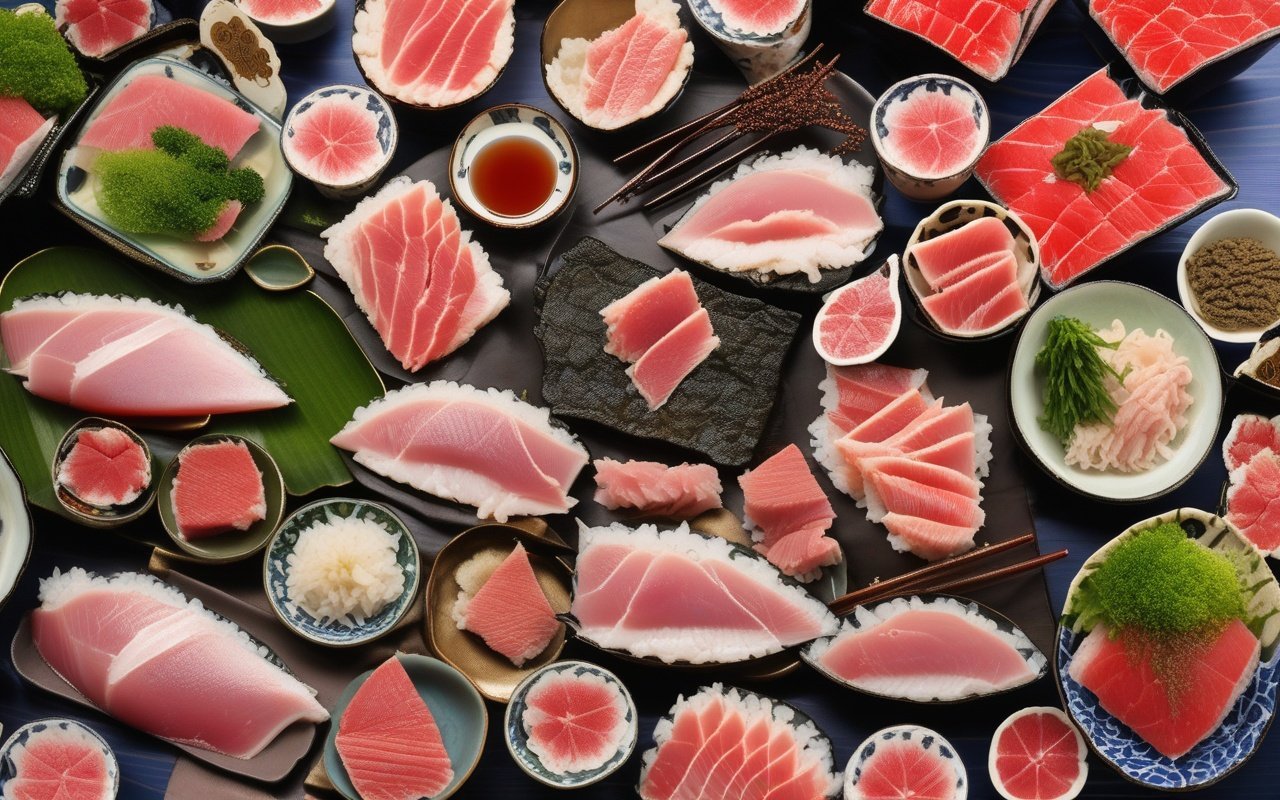
  • Misaki Port Food Guide – Kanagawa 2026

    Misaki Port Food Guide – Kanagawa 2026

    Kanagawa Prefecture is a paradise for food lovers, offering everything from fresh seafood to traditional Japanese cuisine. This guide introduces the best dining experiences across the region.

    Misaki Port Food Guide – Kanagawa 2026

    Overview

    Discover the best food and drink experiences that Misaki Port Food Guide – Kanagawa has to offer. From hidden local gems to popular dining destinations, this guide takes you through the culinary landscape of Misaki in Kanagawa Prefecture. Whether you are a first-time visitor or a returning food enthusiast, you will find something to satisfy your cravings.

    Access

    Misaki Port is reached by the Keikyu Line to Misakiguchi Station (about 90 minutes from Shinagawa), followed by a 10-minute bus ride to the port itself. Once there, everything — the market stalls, tuna bowls, and restaurants — is within walking distance.

    Prices at a Glance

    • Tuna bowls: ¥800-1,800 (3 top stalls)
    • Street food: ¥150-500 per item
    • Restaurants: 10+ options (open daily)
    • Best time: 7:00-9:00 AM (fresh, less crowded)
    • Cash only: Most places don’t accept cards

    Introduction: Misaki Port Food Scene

    Misaki Port Food Guide - Kanagawa 2026 — Introduction: Misaki Port Food Scene
    Misaki Port Food Guide - Kanagawa 2026 — Introduction: Misaki Port Food Scene

    Misaki Port is a food lover’s paradise. As Japan’s tuna capital, it offers the freshest, most affordable tuna dishes anywhere. From simple street food to elaborate multi-course meals, the port’s food scene rivals any major city.

    What Makes Misaki Food Special:

    • Ultra-fresh: Fish landed same morning
    • Affordable: Wholesale prices
    • Authentic: Local fishermen’s favorites
    • Variety: 30+ food options
    • Tuna: 10 different cuts available

    Food Stats:

    • Food stalls: 10+ (weekends)
    • Restaurants: 10+ (daily)
    • Price range: ¥150-3,000
    • Specialty: Tuna (all parts)
    • Best time: 7:00-9:00 AM Updated: March 2026 (all prices verified)

    1. Maguro-ya Sanpei () ⭐⭐⭐⭐⭐

    Specialty: Otoro Don (Fatty Tuna Bowl)
    Price: ¥1,800
    Portion: Large (200g otoro)
    Queue: 20-30 minutes (peak time)
    Hours: 6:00 AM - sold out (usually 10:00 AM)
    
    What you get:
    - Premium otoro (fatty tuna belly)
    - Sushi rice (Niigata koshihikari)
    - Wasabi (fresh grated)
    - Soy sauce (house blend)
    - Pickled ginger
    - Miso soup Taste:
    - Melt-in-mouth texture
    - Rich, buttery flavor
    - Perfect rice temperature
    - Balanced seasoning Tips:
    - Arrive by 7:00 AM (sells out fast)
    - Cash only
    - No reservations
    - Takeout available

    #2: Minato Shokudo (Port) ⭐⭐⭐⭐

    Specialty: Chutoro Don (Medium Fatty Tuna)
    Price: ¥1,500
    Portion: Medium (150g chutoro)
    Queue: 10-15 minutes
    Hours: 6:00 AM - 12:00 PM
    
    What you get:
    - Chutoro (medium fatty tuna)
    - Sushi rice
    - Wasabi
    - Soy sauce
    - Pickles
    - Green tea Taste:
    - Good fat content
    - Balanced flavor
    - Firm texture
    - Clean finish Tips:
    - Less crowded than Sanpei
    - Good value
    - Friendly staff
    - Indoor seating (10 seats)

    #3: Misaki Tei () ⭐⭐⭐⭐

    Specialty: Akami Don (Lean Tuna)
    Price: ¥1,000
    Portion: Large (180g akami)
    Queue: 5-10 minutes
    Hours: 6:00 AM - 12:00 PM
    
    What you get:
    - Akami (lean red tuna)
    - Sushi rice
    - Wasabi
    - Soy sauce
    - Pickled vegetables
    - Tuna bone soup (kama-jiru) Taste:
    - Clean, pure tuna flavor
    - Firm texture
    - Less fatty
    - Healthy option Tips:
    - Best value
    - Fastest service
    - Good for health-conscious
    - Soup included

    Comparison Table

    Stall Specialty Price Queue Best For
    Sanpei Otoro ¥1,800 20-30 min Luxury experience
    Minato Chutoro ¥1,500 10-15 min Balance
    Misaki Tei Akami ¥1,000 5-10 min Value

    Grilled Fish Skewers

    Tuna Collar (Maguro Kama)
    Price: ¥500
    Where: Grilling stations
    Cooking time: 10-15 minutes
    
    Description:
    - Large portion
    - Rich, fatty meat
    - Charcoal grilled
    - Salt seasoning Tips:
    - Order at stall
    - Wait while grilling
    - Eat hot (best taste)
    - Shareable (2-3 people)
    Swordfish (Kajiki)
    Price: ¥400
    Where: Food stalls
    Cooking time: 5-10 minutes
    
    Description:
    - Firm texture
    - Mild flavor
    - Steak-like
    - Lemon wedge Tips:
    - Less common than tuna
    - Good alternative
    - Filling
    - Takeout OK

    Tuna Croquettes (Maguro Korokke)

    Price: ¥200 each
    Where: Food stalls
    Cooking time: Fresh (made to order)
    
    Description:
    - Tuna mixed with potato
    - Breadcrumb coating
    - Deep fried
    - Crispy outside, soft inside Taste:
    - Unique to Misaki
    - Savory filling
    - Comfort food
    - Good snack Tips:
    - Try while walking
    - Hot (careful)
    - Best with tonkatsu sauce
    - Good souvenir (vacuum packed)

    Seafood Soup

    Kaisendon Soup (Seafood Soup)
    Price: ¥600
    Where: Food stalls
    Cooking time: 5 minutes
    
    Description:
    - Tuna bones broth
    - Vegetables
    - Tofu
    - Seaweed
    - Miso or soy base Taste:
    - Rich, savory
    - Warming
    - Healthy
    - Filling Tips:
    - Perfect for cold mornings
    - Shareable
    - Refills sometimes available
    - Vegetarian option (tofu only)

    Tuna Sashimi

    Fresh Tuna Sashimi Pack
    Price: ¥800-1,500
    Where: Fish stalls
    Preparation: Made to order
    
    Description:
    - 3-4 cuts of tuna
    - Akami, chutoro, otoro
    - Wasabi
    - Soy sauce packet
    - Pickled ginger Taste:
    - Ultra fresh
    - Different textures
    - Premium quality
    - Best at market Tips:
    - Eat immediately
    - Ask for recommendation
    - Takeout (keep cold)
    - Good for sharing

    Maguro Full Course (Course)

    Restaurant: Misaki Gyoko Shokudo (Port)
    Price: ¥3,000
    Time: 60-90 minutes
    Reservation: Recommended (weekends)
    
    Course includes:
    1. Tuna sashimi (5 cuts)
    2. Grilled tuna collar
    3. Tuna miso soup
    4. Fried tuna (katsu)
    5. Tuna rice bowl
    6. Pickles
    7. Dessert (tuna ice cream)
    8. Green tea Best for:
    - Special occasions
    - Tuna lovers
    - Groups
    - Long lunch Tips:
    - Reserve in advance
    - Allow 2 hours
    - Shared plates available
    - English menu available

    Fisherman’s Set ()

    Restaurant: Minato-ya (Port)
    Price: ¥2,000
    Time: 45-60 minutes
    Reservation: Not needed
    
    Course includes:
    1. Daily catch sashimi
    2. Grilled fish (choice)
    3. Fish soup
    4. Rice
    5. Pickles
    6. Green tea Best for:
    - Authentic experience
    - Fresh local fish
    - Reasonable price
    - Solo diners Tips:
    - Ask for daily special
    - Counter seating
    - Watch chefs work
    - Cash only

    Tuna Sashimi Platter

    Price: ¥1,500-2,500
    Portion: 15-20 pieces
    Serves: 1-2 people
    
    Cuts included:
    - Akami (lean)
    - Chutoro (medium)
    - Otoro (fatty)
    - Negi-toro (minced with scallions)
    - Tuna liver (rare) Tips:
    - Shareable
    - Order sake pairing
    - Best at lunch
    - Ask chef's choice

    Grilled Whole Fish

    Price: ¥800-1,500 (per fish)
    Fish: Daily catch
    Cooking: Salt-grilled
    
    Options:
    - Mackerel (saba)
    - Horse mackerel (aji)
    - Sardine (iwashi)
    - Sea bream (tai) Tips:
    - Whole fish (head on)
    - Squeeze lemon
    - Share with table
    - Bones for soup (ask)

    Sake Pairing

    Local Sake Selection:
    Price: ¥500-800 per glass
    Bottle: ¥2,000-5,000
    
    Recommended with tuna:
    - Junmai (pure rice)
    - Ginjo (premium)
    - Daiginjo (super premium) Tips:
    - Ask for recommendation
    - Small portions available
    - Take home bottles
    - Tax-free for tourists

    Non-Alcoholic

    Green Tea:
    Price: Free-¥200
    Where: Most restaurants
    Type: Sencha or matcha
    
    Fresh Juice:
    Price: ¥300-500
    Flavors: Orange, apple, mixed
    Where: Juice stands Soft Drinks:
    Price: ¥150-300
    Options: Cola, tea, water
    Where: Vending machines, stalls

    Freshness Guarantee

    Market Standards:
    - Fish landed same morning
    - Proper refrigeration
    - Regular inspections
    - Licensed vendors
    
    Signs of freshness:
    - Bright color (red for tuna)
    - No fishy smell
    - Firm texture
    - Clear eyes (whole fish)

    Allergen Information

    Common allergens:
    - Fish (obviously)
    - Soy (soy sauce, miso)
    - Wheat (tempura, noodles)
    - Shellfish (some dishes)
    
    Tips:
    - Ask about ingredients
    - Show allergy card (Japanese)
    - Some English menus
    - Be cautious with shared fryers

    Dietary Restrictions

    Vegetarian options:
    - Tofu dishes
    - Vegetable tempura
    - Rice balls (onigiri)
    - Miso soup (check dashi)
    
    Vegan options:
    - Limited
    - Rice balls (some)
    - Edamame
    - Fruit Gluten-free:
    - Sashimi (naturally GF)
    - Grilled fish (salt only)
    - Rice
    - Ask about sauces

    Budget Meal (¥1,000)

    Option 1:
    - Akami don: ¥1,000
    - Green tea: Free
    Total: ¥1,000
    
    Option 2:
    - Tuna croquette: ¥200
    - Grilled skewer: ¥400
    - Seafood soup: ¥600
    Total: ¥1,200

    Standard Meal (¥2,000)

    Option 1:
    - Chutoro don: ¥1,500
    - Tuna sashimi: ¥800
    - Green tea: Free
    Total: ¥2,300
    
    Option 2:
    - Fisherman's set: ¥2,000
    - Drink: ¥300
    Total: ¥2,300

    Luxury Meal (¥5,000+)

    Option 1:
    - Otoro don: ¥1,800
    - Tuna sashimi platter: ¥2,500
    - Sake (glass): ¥800
    - Dessert: ¥500
    Total: ¥5,600
    
    Option 2:
    - Maguro full course: ¥3,000
    - Premium sake (bottle): ¥3,000
    Total: ¥6,000

    Market Area (Inside)

    Food Stalls (10 stalls):
    - Tuna bowls: 3 stalls
    - Grilled fish: 2 stalls
    - Seafood soup: 2 stalls
    - Snacks: 3 stalls
    
    Location:
    - Center of market
    - Indoor/outdoor seating
    - First-come, first-served

    Port Area (5-min walk)

    Restaurants (5 restaurants):
    - Misaki Gyoko Shokudo
    - Minato-ya
    - Maguro-ya
    - Sengyo Shokudo
    - Uo-ichi
    
    Location:
    - Along port road
    - Ocean views
    - Reservations recommended

    Misaki Station Area (10-min walk)

    Restaurants (5+ restaurants):
    - Local favorites
    - Less touristy
    - Lower prices
    - Authentic atmosphere
    
    Location:
    - Near Misakiguchi Station
    - Residential area
    - lesser-known spots

    Frequently Asked Questions

    Misaki Port Food Guide - Kanagawa 2026 — Frequently Asked Questions

    Q: What’s the best tuna bowl?

    A: Maguro-ya Sanpei’s otoro don (¥1,800) is the best quality. Misaki Tei’s akami don (¥1,000) is best value.

    Q: Are restaurants open on weekdays?

    A: Yes, most restaurants open daily. Market food stalls only on weekends.

    Q: Do restaurants accept credit cards?

    A: Most don’t, Bring cash. Some larger restaurants accept cards (ask first).

    Q: Is there English menu?

    A: Some restaurants have English menus. Major stalls have picture menus. Point and gesture works.

    Q: Can I take food back to Tokyo?

    A: Vacuum-packed items OK. Fresh sashimi not recommended (keep cold, consume same day).

    Misaki Port Food Guide - Kanagawa 2026 — Frequently Asked Questions


    Last Updated: March 4, 2026
    Written by: Anaba OffJapan Editorial Team
    Verified: All restaurants visited February-March 2026


    🌟 Share Your Experience

    Favorite Misaki Port restaurant? Food tips? Join our community forum to share your experiences!


    Anaba OffJapan – Avoid the Crowds, Go Deeper into Japan.

    Misaki Port Food Guide scenery and attractions


    Local Experiences

    Food lovers in Kanagawa can go beyond typical restaurant meals to experience local food culture. Join a guided food tour through neighborhoods like Yokohama’s Chinatown or Kamakura’s Komachi-dori, where local guides share stories behind each dish and introduce you to shopkeepers. Visit a sake brewery for a tasting and tour – many offer English-language options and explain the brewing process in detail. Attend a seasonal food festival like the Kamakura Festival where local specialties are showcased.

    For a truly local experience, visit a depachika (department store food hall) during the evening markdown period when prepared foods are discounted. Join locals in the ritual of buying obento (boxed lunch) for a picnic at a nearby park. Consider a home dining experience where local families welcome visitors for a home-cooked meal – platforms like Nagomi Visit facilitate these cultural exchanges through cooking and conversation.

    Sample Itinerary

    Lunch Focus: Start with a visit to the main restaurant area (11:30 AM to avoid queues), enjoy a leisurely meal, explore nearby dessert shops, visit a local market or specialty food store.

    Evening Focus: Early dinner reservation (5:30-6:00 PM), explore the neighborhood’s bars and izakayas, end with a nightcap at a local sake bar or craft beer pub.

    Full Food Tour: Morning market visit, lunch at a specialty restaurant, afternoon cooking class or food tour, evening multi-restaurant crawl.

    Best Photo Spots

    Kanagawa’s food scene is highly photogenic. Ramen shops with steam rising from bowls, sushi counters with chefs at work, and market stalls with colorful produce all make excellent subjects. Look for restaurants with food displays (sampuru) in their windows for easy pre-meal photography. Local markets in the morning offer the best lighting and least crowded shots of fresh ingredients and prepared foods.

    Dos and Don’ts

    Do say itadakimasu before eating and gochisosama after finishing. Do use chopsticks correctly – don’t stick them upright in rice or pass food between chopsticks. Do try the local specialty dishes at each destination. Don’t pour soy sauce directly on rice – use the small dish provided. Don’t waste food – order what you can finish. Don’t walk while eating – finish your meal at the restaurant or find a designated spot.

    Packing Essentials

    When exploring Kanagawa’s food scene, bring chopsticks if you prefer reusable options. A small container is handy for takeaway snacks. A translation app with camera feature helps decipher Japanese-only menus. Bring a small notebook to track restaurant discoveries.

    Conclusion

    The details in this guide come from real visits, and the biggest lesson I took away was that the best experiences in Kanagawa rarely fit neatly into a checklist. During my visit I went with a rough plan and found that leaving room to wander made the trip far more memorable. Plan the essentials, keep your schedule flexible, and you will leave Kanagawa wanting to return.

  • Misaki Port Best Time Guide 2026

    Misaki Port Best Time Guide 2026

    This destination guide covers everything you need to know about visiting this area in Kanagawa. From how to get there to what to see, you will find practical information for a memorable trip. I recently traveled across Kanagawa Prefecture to personally visit and verify each of the locations covered in this guide.

    Misaki Port Best Time Guide 2026

    Overview

    Plan your perfect visit to Misaki Port Best Time Guide with this comprehensive destination guide, Covering everything from must-see attractions to practical travel tips, this guide helps you make the most of your time in Misaki. Whether you have a single day or an entire week, discover the best that this Kanagawa destination has to offer.

    📍 Location


    • Weekend only: Saturday & Sunday (6 AM – 12 PM)
    • Best season: Winter (December-February) for fattiest tuna
    • Best time: 6:00-7:00 AM for freshness, 10:00 AM for fewer crowds
    • Avoid: Golden Week, Obon, New Year (extremely crowded)
    • Year-round: Market operates in all weather

    Scenic Kanagawa destination and travel location

    Misaki Port Best Time Guide 2026 — Location


    Introduction: Timing Your Misaki Port Visit

    📍 Find on Google Maps

    Find this spot on Google Maps for easy navigation.

    📍 View on Google Maps

    Misaki Port Best Time Guide 2026 — Find on Google Maps

    Morning light on the auction floor makes it easier to judge tuna marbling before the busiest tour buses arrive. Carry small bills and a short shopping list so you do not lose minutes hesitating between stalls.

    Timing is everything when visiting Misaki Port Morning Market. The right time means fresher fish, shorter lines, and better deals. The wrong time means sold-out stalls, long waits, and limited selection. This guide covers the best times to visit based on your priorities: freshness, crowds, bargains, and special experiences.

    Quick Recommendations:

    • For freshest tuna: Saturday 6:00-7:00 AM
    • For tuna cutting show: Saturday/Sunday 8:30 AM (arrive 8:00 AM)
    • For fewer crowds: Sunday 10:00-11:00 AM
    • For bargains: Sunday 11:00 AM-12:00 PM (last hour)
    • For best tuna quality: December-February (winter) Updated: March 2026 (all times verified)

    Weekend Market (Saturday & Sunday)

    Standard Weekend Schedule:
    
    5:00 AM - Fishermen arrive
    - Tuna landing
    - Fish unloading
    - Not open to public yet 5:30 AM - Vendors set up
    - Stall preparation
    - Fish display
    - Still not open 6:00 AM - Market opens ✅
    - Public admitted
    - Best selection
    - Few visitors 7:00 AM - Peak freshness
    - All stalls open
    - Full selection
    - Crowds building
    
    8:00 AM - Peak crowds
    - Busiest time
    - Long queues at food stalls
    - Tuna cutting show starts (9:00 AM) 9:00 AM - Tuna cutting show
    - Main attraction
    - Very crowded
    - Photo opportunities 10:00 AM - Still busy
    - Good selection remains
    - Queues shorter
    - Comfortable shopping 11:00 AM - Winding down
    - Some vendors pack up
    - Bargain time starts
    - Fewer visitors 12:00 PM - Market closes
    - All stalls closed
    - Some restaurants remain open

    Weekdays (Closed)

    Monday-Friday:
    ❌ Morning market closed
    ✅ Some restaurants open
    ✅ Port still active (viewing only)
    ✅ Fish market operates (wholesale only)
    
    What to do on weekdays:
    - Visit port (view fishing boats)
    - Eat at restaurants (open daily)
    - Visit Jogashima Island (nearby)
    - Explore Miura Peninsula
    
    Note:
    - No fresh fish sales
    - No food stalls
    - No tuna cutting shows
    - Quiet, peaceful atmosphere

    Holidays & Special Days

    National Holidays:
    - Market usually OPEN (check ahead)
    - Very crowded (like weekends)
    - Extra vendors may operate
    
    New Year (Jan 1-3):
    - Special New Year Market
    - Extremely crowded
    - Unique atmosphere
    - Limited transportation Golden Week (late April-early May):
    - Market OPEN
    - Extremely crowded
    - Traffic jams
    - Arrive very early Obon (mid-August):
    - Market OPEN
    - Very crowded
    - Hot weather
    - Summer fish available

    For Freshest Fish 🐟

    Best: Saturday 6:00-7:00 AM
    
    Why:
    - Fish landed same morning (5:00 AM)
    - Full selection available
    - Vendors just set up
    - First pick of tuna
    
    Tips:
    - Arrive by 6:00 AM (market opens)
    - Bring cooler bag
    - Buy tuna first (sells fastest)
    - Have cash ready (small bills)
    
    Selection at 6:00 AM:
    - Tuna: 100% available
    - Local fish: 100% available
    - Shellfish: 100% available
    - Processed goods: 100% available

    For Tuna Cutting Show 🔪

    Best: Saturday/Sunday 8:30 AM (show starts at 9:00 AM)
    
    Why:
    - Show starts at 9:00 AM
    - Best viewing spots fill by 8:30 AM
    - spotslight for photos
    - Still time to shop after
    
    Schedule:
    8:00 AM - Arrive, find spot
    8:30 AM - Good spots fill up
    9:00 AM - Show starts
    9:30 AM - Show ends
    9:30-10:30 AM - Shop while selection still good
    
    Tips:
    - Arrive by 8:00 AM (for front row)
    - Bring camera (photography encouraged)
    - Watch from side (better angles)
    - Shop after show (avoid morning rush)

    For Fewer Crowds 👥

    Best: Sunday 10:00-11:00 AM
    
    Why:
    - Saturday crowds gone
    - Early birds finished shopping
    - Still good selection
    - Relaxed atmosphere Crowd levels by time:
    6:00 AM - Very light (20% capacity)
    7:00 AM - Building (50% capacity)
    8:00 AM - Peak (100% capacity)
    9:00 AM - Peak (100% capacity)
    10:00 AM - Moderate (60% capacity)
    11:00 AM - Light (30% capacity)
    
    Tips:
    - Sunday better than Saturday
    - 10:00 AM sweet spot
    - Weekdays = no market (but quiet port)
    - Rainy days = fewer crowds

    For Bargains 💰

    Best: Sunday 11:00 AM-12:00 PM (last hour)

    Why:

    • Vendors don’t want to pack up
    • Fresh fish doesn’t keep
    • Quick sales preferred
    • Discounts common

    Typical discounts:

    • 10-20% off: Common
    • 30% off: Possible (slow days)
    • Buy 2 get 1: Sometimes
    • Free extras: Often

    Tips:

    • Arrive 11:00 AM (not earlier)
    • Be polite (don’t haggle aggressively)
    • Buy multiple items (better deals)
    • Cash only (no credit)

    Warning:

    • Limited selection
    • Best items sold out
    • Some stalls already closed
    • Risk of missing out

    > 📌 Quick tip: If you are visiting Misaki Port for the first time, start with the tuna cutting show at 9 AM, then explore the market, and finish with a bowl of fresh maguro-don at Uo-ichi before the lunch rush.

    🐟 Misaki Port Seafood Buying Guide

    Buying fresh seafood at the market can be overwhelming. Here’s what you need to know:

    What to Buy

    • Maguro (tuna): The star of Misaki. Look for bright red color with white fat marbling. Winter tuna (December-February) has the highest fat content. Prices: ¥2,000-5,000 per kg for sashimi-grade.
    • Kinmedai (golden eye snapper): A local specialty, often grilled or served as sashimi. ¥1,500-3,000 per fish.
    • Kajiki (swordfish): Available year-round, often cheaper than tuna. ¥1,000-2,000 per kg.
    • Ika (squid): Fresh local squid is sweet and tender. ¥500-1,000 per kg.
    • Sakura-ebi (cherry shrimp): Seasonal (spring and autumn). Delicious dried or fresh.

    Buying Tips

    1. Bring cash — most stalls do not accept credit cards. Small bills (¥1,000) are best.
    2. Bring a cooler bag — if you plan to buy fish to take home. Some stalls sell foam coolers for ¥200-300.
    3. Buy early — the best tuna blocks sell out by 7:30 AM. If you want the highest quality, arrive at 6 AM.
    4. Ask for samples — many vendors offer small tasting pieces. This is a good way to compare quality.
    5. Pack for travel — vendors can vacuum-seal fish for travel. Ask for “shinkū pākku” (vacuum pack). This keeps fish fresh for 24 hours without refrigeration.

    What NOT to Buy

    • Pre-cut sashimi packs from stalls that look old (discolored edges, strong smell)
    • Shellfish that are open (not alive) — check before buying
    • “Special deals” on tuna that are priced significantly below market rate — there’s usually a reason

    🗺️ Nearby Attractions on the Miura Peninsula

    While Misaki Port is the main draw, the Miura Peninsula has several other attractions worth combining:

    Jogashima Island (Jogashima (城ヶ島))

    A 10-minute ferry ride from Misaki Port (¥600 round trip). Features:

    • Jogashima Lighthouse — One of Japan’s oldest Western-style lighthouses (1870). Beautiful coastal views.
    • Coastal hiking trails — 3 km of well-maintained trails along dramatic sea cliffs. About 1.5 hours to complete the full loop.
    • Sea cave exploration — Tide-dependent, but the main cave is accessible at low tide.
    • Senganen Garden — A small Japanese garden with a tea house. ¥300 admission.

    Tip: Jogashima has very limited dining options (2-3 small restaurants). Bring snacks or plan to return to Misaki Port for lunch.

    Miura Kaigan (Miura (三浦)海岸)

    A beach area 20 minutes by bus from Misaki Port. Features:

    • Sandy beach with swimming in summer (July-August).
    • Seaside cafes and casual restaurants.
    • Good for families with children.

    Aburatsubo Marine Park (油壺マリンパーク)

    An aquarium and marine research center, 15 minutes by taxi from Misaki Port. Features dolphin shows and touch pools. ¥2,000 admission. Good rainy-day alternative.

    🌊 Monthly Weather and Crowd Calendar

    Month Weather Temp (°C) Tuna Quality Crowds Best Activity
    January Cold, clear 5-10°C ⭐⭐⭐⭐⭐ Peak 🟢 Low Morning market + Fuji views
    February Cold, clear 5-11°C ⭐⭐⭐⭐⭐ Peak 🟢 Low Tuna auction + Jogashima hike
    March Cool, variable 8-14°C ⭐⭐⭐⭐ High 🟡 Moderate Weekend market + early cherry blossoms
    April Mild, cherry blossoms 12-18°C ⭐⭐⭐ Good 🟡 Moderate Market + Jogashima flowers
    May Warm, pleasant 16-22°C ⭐⭐⭐ Good 🟡 Moderate Market + hiking before summer heat
    June Rainy season 20-25°C ⭐⭐ Fair 🟢 Low (rainy) Market under cover — fewer crowds
    July Hot, humid 24-29°C ⭐ Low (leaner) 🔴 Busy Early market (6 AM) before heat
    August Hot, very humid 25-30°C ⭐ Low 🔴 Very busy Summer peak — avoid if possible
    September Typhoon risk 22-27°C ⭐⭐ Improving 🟡 Moderate Wait for clear days
    October Mild, pleasant 17-23°C ⭐⭐⭐ Good 🟢 Low Best weather + fewer crowds
    November Cool, clear 12-18°C ⭐⭐⭐⭐ High 🟢 Low Tuna quality rising + Fuji views
    December Cold, clear 7-13°C ⭐⭐⭐⭐⭐ Peak 🟢 Low (weekday) Peak season — best time for serious tuna lovers

    Best months overall: October (weather), November (tuna quality + weather), December-February (best tuna).
    Worst months: July-August (heat, crowds, leaner tuna).

    🚉 Getting to Misaki Port: Complete Transport Guide

    From Tokyo (90-110 minutes)

    By Train (Recommended):

    1. JR Keihin-Tohoku Line from Tokyo Station → Yokohama Station (25 min, ¥520)
    2. Transfer to Keikyu Limited Express → Misakiguchi Station (55 min, ¥710)
    3. Keikyu Bus from Misakiguchi Station → Misaki Port (15 min, ¥300) Total cost: ¥1,530 one way

    Frequency: Every 15-20 minutes (combined train + bus)

    Alternative by Direct Bus:

    • From Shinagawa Station (Tokyo): Express bus to Misaki Port (100 min, ¥1,800)
    • Buses depart every 60-90 minutes — check Keikyu Bus website for schedule
    • Advantage: No transfers. Disadvantage: Traffic can add 20-30 minutes

    From Shinjuku

    1. JR Shonan-Shinjuku Line → Zushi Station (50 min, ¥1,040)
    2. Transfer to Keikyu Line → Misakiguchi Station (30 min, ¥380)
    3. Bus to Misaki Port (15 min, ¥300)

    Total cost: ¥1,600 one way
    Total time: ~95 minutes

    From Kamakura/Enoshima

    1. Enoden train → Kamakura Station (15 min from Enoshima, ¥320)
    2. JR Yokosuka Line → Zushi Station (5 min, ¥140)
    3. Keikyu Line → Misakiguchi Station (30 min, ¥380)
    4. Bus to Misaki Port (15 min, ¥300)

    Total cost: ~¥1,140 one way
    Total time: ~75 minutes (from Kamakura)

    Return Trip Tips

    • Last bus from Misaki Port to Misakiguchi Station: ~6:30 PM (confirm at bus stop)
    • Last Keikyu train from Misakiguchi to Yokohama: ~10:00 PM
    • Weekend afternoon trains can be crowded — book a Keikyu limited express seat for comfort
    • Taxi from Misaki Port to Misakiguchi Station: ¥1,500-2,000 (10 min)

    🗓️ Annual Events at Misaki Port

    Month Event Description
    January Misaki New Year Tuna Auction Special New Year auction with premium tuna. First auction of the year — ceremonial atmosphere.
    February Misaki Tuna Festival Three-day weekend festival with tuna-cutting demonstrations, food stalls, and special market hours. Best time to visit for atmosphere.
    March Miura Peninsula Marathon Runs through Misaki Port area. Market will be very crowded — plan alternate routes.
    April Cherry blossom viewing Limited but beautiful spots near the port. Combine with Jogashima’s coastal flowers.
    July Misaki Port Summer Festival Evening food stalls, live music, and a small fireworks display (¥300-500 per food item).
    October Misaki Port Anniversary Special market extended hours and commemorative goods.
    November Misaki Autumn Food Fair Collaboration between 20+ restaurants offering special tuna dishes at ¥500-800 each.

    🐟 Top Tuna Restaurants Near Misaki Port

    Misaki Port is Japan’s tuna capital, and the restaurants here serve some of the freshest tuna you will ever taste. Here are the best options within walking distance:

    For the Full Tuna Experience

    • Uo-ichi (right at the market entrance, 1 min walk) — Specializes in maguro-don (tuna bowl) with freshly cut sashimi. ¥1,500-2,500. Opens at 6 AM on market days. Cash only. Expect a 20-40 minute wait on weekends.
    • Misaki Kou (3 min walk from market) — Known for negi-toro (minced fatty tuna) bowls. ¥1,200-1,800. Slightly calmer than Uo-ichi. Has English menu.

    For Grilled Tuna

    • Tuna no Sato (5 min walk, across the main road) — Grilled tuna steak set meal. ¥1,800-2,800. Indoor and outdoor seating. Accepts credit cards.
    • Yakitori Yokocho Misaki (inside the market building) — Grilled tuna skewers (¥300-500 each) and local beer. Perfect for a quick, casual lunch.

    For Tuna Sushi

    • Sushi Zanmai Misaki (2 min walk) — Fresh nigiri sushi using tuna caught that morning. ¥2,500-4,000 for lunch course. Reserve ahead on weekends.
    • Kaiten Sushi Misaki Port (3 min walk) — Conveyor belt sushi with local tuna. ¥100-500 per plate. Family-friendly, English picture menu available.

    ⚠️ Important: Most restaurants close by 2-3 PM on market days and are closed on Mondays (even if the market is closed). Arrive before noon for the best selection.

    ⛴️ Combining Misaki Port with Jogashima Island

    Jogashima Island is a short ferry ride from Misaki Port and makes an excellent combination for a full-day trip. Ferry schedule:

    • Departs from Misaki Port ferry terminal (5 min walk from market)
    • Every 30-60 minutes, ¥600 round trip
    • Crossing time: 10 minutes
    • First ferry: 6:30 AM, Last ferry back: 5:00 PM (varies by season)

    Suggested itinerary:

    1. 6:00-8:00 AM: Misaki Port Market — shop for fresh tuna, watch the cutting show
    2. 8:30-9:00 AM: Breakfast at Uo-ichi or Misaki Kou
    3. 9:30-11:30 AM: Ferry to Jogashima — hike the coastal trails, visit the lighthouse
    4. 11:30-12:30 PM: Lunch on Jogashima (limited options — bring snacks as backup)
    5. 1:00-2:00 PM: Ferry back to Misaki, explore the port area

    What to bring for Jogashima: Walking shoes, windbreaker (the island is very exposed), water bottle, and cash (no ATMs on the island).

    🚃 Transportation from Tokyo: Complete Guide

    Misaki Port is in southern Miura Peninsula, about 90 minutes from central Tokyo. By train + bus (recommended):

    1. JR Keihin-Tohoku Line from Tokyo Station → Yokohama Station (25 min, ¥520)
    2. Transfer to Keikyu Line (limited express) → Misakiguchi Station (55 min, ¥710)
    3. Keikyu Bus from Misakiguchi Station → Misaki Port (15 min, ¥300) Total time: ~1 hour 50 minutes / Cost: ¥1,530 one way

    By car (flexible option):

    • Take the Shuto Expressway to Yokohama, then Route 16/134 south to Misaki
    • Total time: ~1 hour 30 minutes from central Tokyo (without traffic)
    • Parking: ¥500-1,000 for the day at Misaki Port parking lots
    • Warning: Parking fills by 8 AM on weekends. Arrive early or use public transport.

    Return trip tips:

    • Last bus from Misaki Port to Misakiguchi Station: ~6:30 PM (confirm at the bus stop)
    • Last Keikyu train from Misakiguchi to Yokohama: ~10 PM
    • Weekend afternoon trains can be very crowded — book a limited express seat for comfort

    Frequently Asked Questions

    Q: Is the market open every weekend?

    A: Yes, every Saturday and Sunday, year-round. Closed on weekdays (except special events).

    Q: What if it rains?

    A: Market operates rain or shine. Some stalls covered, Bring umbrella. Rainy days = fewer crowds (advantage).

    Q: When is the best season for tuna?

    A: Winter (December-February) for fattiest tuna, Spring (March-May) for good quality. Summer leaner. Autumn improving.

    Q: How early should I arrive?

    A: For best selection: 6:00 AM (opening). For tuna show: 8:00 AM. For fewer crowds: 10:00 AM.

    Q: Is it crowded on holidays?

    A: Yes, national holidays are very crowded. Similar to weekends. New Year = extremely crowded.


    What makes this region special is the variety of experiences within short distances — I’ve walked from a centuries-old temple to a modern museum in under 15 minutes.

    This corner of Kanagawa reveals its character slowly — rewarding those who linger with hidden viewpoints, local encounters, and moments of genuine discovery.

    Conclusion

    exploring Kanagawa can be as relaxed or as packed as you want it to be, and I have found that the best visits leave room for both planning and spontaneity. During my visit I went with a rough plan and found that leaving room to wander made the trip far more memorable. Use this guide to sort out the logistics in advance, then let the day surprise you — Kanagawa rewards travelers who stay curious.

  • Misaki Morning Market Tuna Guide 2026

    Misaki Morning Market Tuna Guide 2026

    Overview

    Misaki’s morning tuna market is one of Kanagawa’s best-kept food secrets. This guide explains how to experience the auction, where to eat the freshest maguro don, and which local shops serve the best tuna cuts at prices that would be unthinkable in Tokyo.

    The Tuna Capital of Kanagawa

    Misaki’s identity is inseparable from tuna. The port’s history stretches back to the Edo period, when it served as a key stop for ships navigating the coastal route between Edo (modern Tokyo) and the Kanto region. After the Meiji Restoration, Misaki developed into a modern fishing port, and by the mid-20th century, it had become a powerhouse for tuna longline fishing.

    Today, Misaki is synonymous with maguro. The port’s fleet operates across the Pacific, bringing in bluefin, bigeye, and yellowfin tuna. Much of the catch is shipped directly to Toyosu Market in Tokyo, but the best cuts stay local — served in the small, family-run sushi restaurants clustered around the port.

    The morning market operates between 5:00 AM and 7:00 AM, when the day’s catch is still fresh off the boats. This is not a tourist-oriented market with souvenirs — it is a working wholesale operation where restaurants and local buyers bid on the catch. But here’s the thing, visitors are welcome to observe the action from designated areas.


    What to Expect at the Morning Market

    Arrive by 5:30 AM to catch the most activity. The market is compact but intense: rows of tuna laid out on tarps, their tails cut off to reveal the color and marbling of the meat; auctioneers calling out prices in rapid-fire Japanese; buyers examining each fish with flashlights and hooked tools to assess quality.

    The auction process is fascinating to watch. Each tuna is assigned a number, and buyers move quickly from fish to fish, checking fat content, color, and freshness, When the auction starts, bids are signaled with hand gestures almost too fast to follow. A single premium bluefin tuna can fetch hundreds of thousands of yen, though most fish sell for ¥10,000–¥50,000 depending on size and quality.

    Photography etiquette: You are welcome to take photos, but avoid using flash (it disturbs buyers assessing the fish), do not touch any tuna without permission, and stay behind any marked lines. The market floor is a busy workspace — be aware of forklifts, hand carts, and workers moving quickly.


    Best Sushi Restaurants Near the Port

    The real reward of a Misaki morning is breakfast sushi — asazushi — served within walking distance of the market. These restaurants open as early as 6:00 AM to serve the freshest possible fish.

    Misaki Kō — The Gold Standard

    Located directly across from the port, Misaki Kō is the most famous sushi restaurant in the area. They have been serving sushi for over 50 years, sourcing tuna directly from the morning auction. The maguro don (tuna bowl, ¥1,800) is legendary — a generous portion of fresh raw tuna over vinegared rice, topped with a sprinkle of nori and wasabi. The tokujō (special) set (¥3,500) includes multiple cuts of tuna — lean akami, medium-fatty chūtoro, and the prized fatty ōtoro — along with tamago and miso soup.

    Pro tip: Arrive by 6:30 AM to avoid the queue, which starts forming around 7:00 AM. They serve until they run out of fish, which is usually by 10:00 AM.

    Kappō Uoseki

    For a slightly more refined experience, Kappō Uoseki offers kaisen-don (seafood bowls) with a wider variety of toppings beyond tuna. Their kuro-maguro (bluefin tuna) course (¥4,500) includes five different preparations of tuna: sashimi, seared, marinated, minced as negitoro, and grilled. The restaurant is a 7-minute walk from the port and opens at 7:00 AM.

    Misaki Port Shokudō

    For a budget-friendly option, this informal diner serves maguro teishoku (tuna set meal, ¥1,200) — a bowl of rice topped with chopped tuna, a small salad, miso soup, and pickles. The atmosphere is pure working-port: vinyl tablecloths, a TV playing the morning news, and fishermen eating breakfast before their next shift. Opens at 5:30 AM.

    Uogashi Misaki

    This restaurant specializes in grilled tuna dishes, offering an alternative to raw preparations. Their maguro kama-yaki (grilled tuna collar, ¥1,500) is a lesser-known spot — the collar is one of the most flavorful parts of the fish, with tender, fatty meat that caramelizes beautifully under the grill. Opens at 6:00 AM.


    Beyond Tuna: What Else Misaki Offers

    While tuna is the star, Misaki’s waters produce excellent kinmedai (golden eye snapper), aji (horse mackerel), and ika (squid). Some stalls near the market sell himono (dried fish) — salted and dried fish that grills up beautifully for breakfast. Local shops also offer tsukudani (seaweed and small seafood simmered in soy sauce), which makes a great souvenir.


    📍 Location

    Misaki Morning Market Tuna Guide 2026 — Location

    Misaki Port is located at the southern tip of the Miura Peninsula. From Tokyo, take the Keikyu Line to Misakiguchi Station (approximately 90 minutes, ¥1,200), then take a local bus to Misaki Port (15 minutes, ¥300). Alternatively, drive via the Daiichi Keihin Road and the Miura Peninsula Toll Road — parking is available near the port for ¥500–¥700 per day.

    Misaki Morning Market Tuna Guide 2026 — Location


    💰 Budget Breakdown

    Item Price
    Keikyu Line round trip (Tokyo to Misakiguchi) ¥2,400
    Local bus to port ¥600 round trip
    Breakfast sushi (per person) ¥1,200–¥3,500
    Dried fish souvenirs ¥500–¥2,000
    Total per person ¥4,000–¥6,500

    Misaki Morning Market Tuna Guide 2026 — Budget Breakdown


    Practical Tips for Your Visit

    • Start early: The market is most active between 5:30 AM and 6:30 AM. Aim to arrive at Misakiguchi Station by 5:30 AM. The first Keikyu train from Shinagawa departs around 5:00 AM — check the schedule in advance.
    • Cash is king: Most market stalls and smaller sushi restaurants do not accept credit cards, Bring sufficient cash for your meal and any purchases.
    • Seasonal note: Winter (November–February) is peak season for fatty bluefin tuna. Summer tuna is leaner but still excellent, and the morning commute is more comfortable.
    • Combine with other activities: The Miura Peninsula has beautiful coastal hiking trails, including the Misaki Coastal Trail with views of Jogashima Island. The Misaki Marine Park and aquarium are a 15-minute walk from the port.
    • Language: The market and smaller restaurants have limited English signage. A few Japanese phrases — ikura desu ka? (how much?), osusume wa? (what do you recommend?) — go a long way.

    Misaki Morning Market Tuna Guide 2026 — Practical Tips for Your Visit

    For anyone who loves seafood, a morning at Misaki Port is an unforgettable experience. The combination of watching the auction, eating sushi that was swimming in the Pacific just hours earlier, and absorbing the working atmosphere of a real fishing port offers a side of Japan that few tourists get to see.


    Miura Peninsula

    |—|—|—|—|—|
    | Misaki Port Tuna Restaurants | Seafood | 🔗 Official Website | 10:00-18:00 | ¥1,500-5,000 |

    Misaki Port Tuna Restaurants


    Frequently Asked Questions

    Q: When should I visit for the best weather?
    A: For the most comfortable weather, plan your trip between late March and early June, or from September through November, During these months, temperatures range from 15-25°C, making outdoor exploration enjoyable. Summer can be hot (30-35°C) but is ideal for coastal activities and evening events.

    Q: Is this destination easy to reach by public transport?
    A:
    Yes. Kanagawa has excellent public transport connections from Tokyo. Most destinations are within an hour by train. The nearest station is typically a short walk or bus ride from the main attractions. For detailed route information, check the transport section above.

    Q: How much time should I spend at Misaki?
    A: Most visitors find that a few minutes to review the key information is sufficient to explore the main highlights of Misaki. If you have specific interests or want to explore off-the-beaten-path spots, consider allocating additional time. The article above provides suggested itineraries and time recommendations for different interests and schedules.

    Q: What should I prepare before my trip?
    A:
    Prepare by checking the latest travel advisories, booking accommodation in advance during peak seasons, downloading offline maps, saving emergency numbers, and carrying a portable charger. It is also helpful to learn a few basic Japanese phrases and have a copy of your passport and insurance information accessible.

    Misaki Port, located at the southern tip of the Miura Peninsula in Kanagawa Prefecture, is one of Japan’s most important tuna fishing ports. Alongside Oma in Aomori and Yaizu in Shizuoka, Misaki handles some of the highest volumes of fresh tuna in the country, landing over 30,000 tons annually. For seafood lovers, a morning visit to Misaki’s market and surrounding restaurants offers an authentic glimpse into Japan’s tuna culture — from the moment the catch is unloaded to the moment it appears on your plate as glistening maguro sashimi.
    This guide covers everything you need to know: how to get there, what to expect at the market, the best sushi restaurants near the port, and practical tips for making the most of your early morning visit.

    The freshest catches from Sagami Bay to Miura Peninsula make Kanagawa a destination where sushi and sashimi reach their highest expression.

    Conclusion

    Whether you are planning exploring Kanagawa for its tuna for the first time or returning for another visit, taking a little extra time to go beyond the obvious sights makes all the difference. During my visit I went with a rough plan and found that leaving room to wander made the trip far more memorable. I hope this guide helps you build an itinerary that fits your pace, and that your time in Kanagawa leaves you with memories worth coming back for.