Tag: food-and-drink

  • Kanagawa Sake Breweries Guide: Spring-Water Tasting Rooms

    Kanagawa Sake Breweries Guide: Spring-Water Tasting Rooms

    Overview

    When travelers think of Japanese sake, the names that come to mind are Niigata, Kyoto, and Hiroshima. Kanagawa rarely makes the list — and until a few years ago, I did not think of it either. Then a brewer in the Tanzawa foothills explained why the prefecture deserves attention: “We do not have the famous rice. We have something better. We have the water.”

    He was talking about the soft, mineral-light spring water that filters through the Tanzawa mountain range and feeds the western half of Kanagawa. In the world of sake, water is half the story: it drives fermentation, defines mouthfeel, and shapes the clean, gentle character of the finished brew. Kanagawa’s breweries have been drawing on this water for over a century, yet almost none of them appear in the standard English-language sake guides.

    What makes Kanagawa sake distinct is precisely that softness. Where Niigata’s famous “light and dry” style comes from snowy, hard water, Kanagawa’s spring water produces sake that is rounder and more approachable — gentle acidity, subtle sweetness, and a clean finish that pairs easily with food. It is the sake equivalent of a quiet, well-dressed stranger: unassuming at first, genuinely excellent on closer acquaintance.

    This guide covers the prefecture’s breweries worth visiting, how to taste them, transport and etiquette, and how to pair Kanagawa sake with the region’s food.


    🍶 Understanding Kanagawa Sake

    The Water Factor

    Sake is roughly 80% water, and the character of that water shapes the brew more than almost anything else. Kanagawa’s western basin — around Hadano, Atsugi, and Sagamihara — sits on ancient gravel beds that naturally filter rainwater from the Tanzawa range. The result is soft water with low mineral content, which produces a slower, gentler fermentation.

    In practice, this means Kanagawa sake tends to be:

    • Round and smooth — Low minerality means fewer harsh edges.
    • Subtly sweet — The gentle fermentation preserves a soft rice sweetness.
    • Clean-finishing — The aftertaste is short and crisp, which makes it food-friendly.
    • Approachable — Ideal for people new to sake; there is no aggressive alcohol burn.

    The Regions

    1. The Tanzawa Basin (Hadano, Atsugi) — The heartland. Most of the prefecture’s breweries cluster here, drawn by the same spring water. Tasting rooms tend to be small, family-run, and personal.
    2. The Sagamihara Area — Further east, with a few notable kura using water from the Sagami River system.
    3. Yokohama and the Coast — Few breweries, but excellent bars and specialty shops for tasting the prefecture’s output. The Yokohama backstreet gourmet guide covers the city’s sake bars in detail.

    🏭 The Breweries Worth Visiting

    A note on access: most Kanagawa breweries are small operations, and tasting-room hours vary widely. The reliable pattern is that the rooms are open weekends and weekday afternoons, and that advance reservation is appreciated for tours. The following are the prefecture’s most accessible breweries for visitors.

    1. The Hadano-Atsugi Cluster

    This group of breweries forms the core of the prefecture’s sake identity. All sit within 30 minutes of each other by train and taxi, making them easy to combine in a single afternoon. Hadano itself — a town famous for its spring water — is the natural base; see the Hadano and Mount Oyama guide for the full day-trip context.

    • Hadano’s kura — The town’s breweries offer small tasting corners where you can sample three to five varieties for ¥500-1,000. The house styles are dry and clean, with the soft water character coming through clearly. Look for the “Tanzawa” labels, which reference the mountain range.
    • Atsugi’s kura — Just down the Odakyu line, Atsugi’s breweries pair naturally with the town’s Showa-era retro quarter. You can walk from a tasting room to an izakaya serving the same brewery’s sake within minutes; see the Atsugi and Zama car culture guide for the neighborhood context.

    2. Sagamihara and the Sagami River

    The breweries around Sagamihara use water from the Sagami River system, producing a marginally harder style that ages slightly better. These are the least-visited kura in the prefecture, which means you may well get a private tasting. Access is via the JR Sagami Line from Hashimoto.

    3. The Yokohama Tasting Scene

    If you do not want to leave the city, Yokohama’s sake bars and specialty shops offer curated tastings of the prefecture’s output. Two or three bars in the Kannai district carry only Kanagawa-produced sake — an excellent way to compare the region’s styles in one evening. See the Yokohama Kannai area guide for bar recommendations.
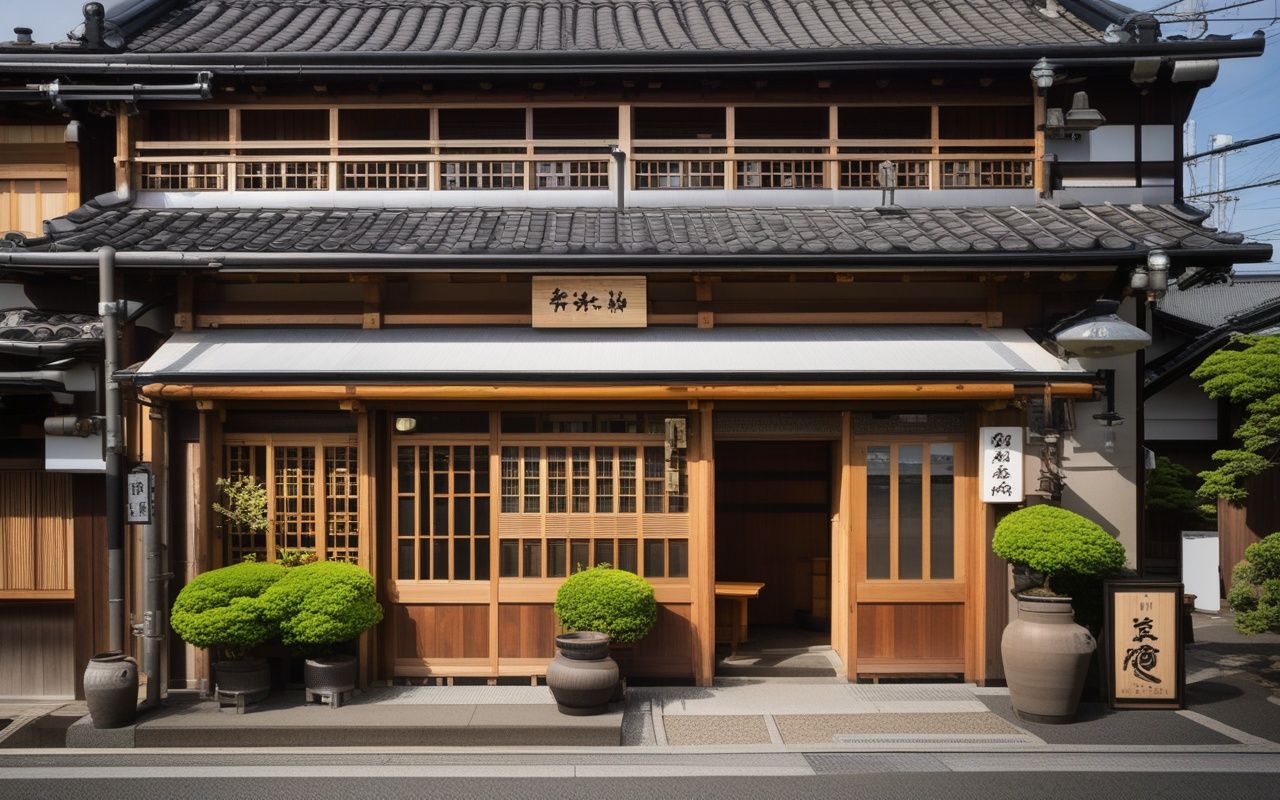
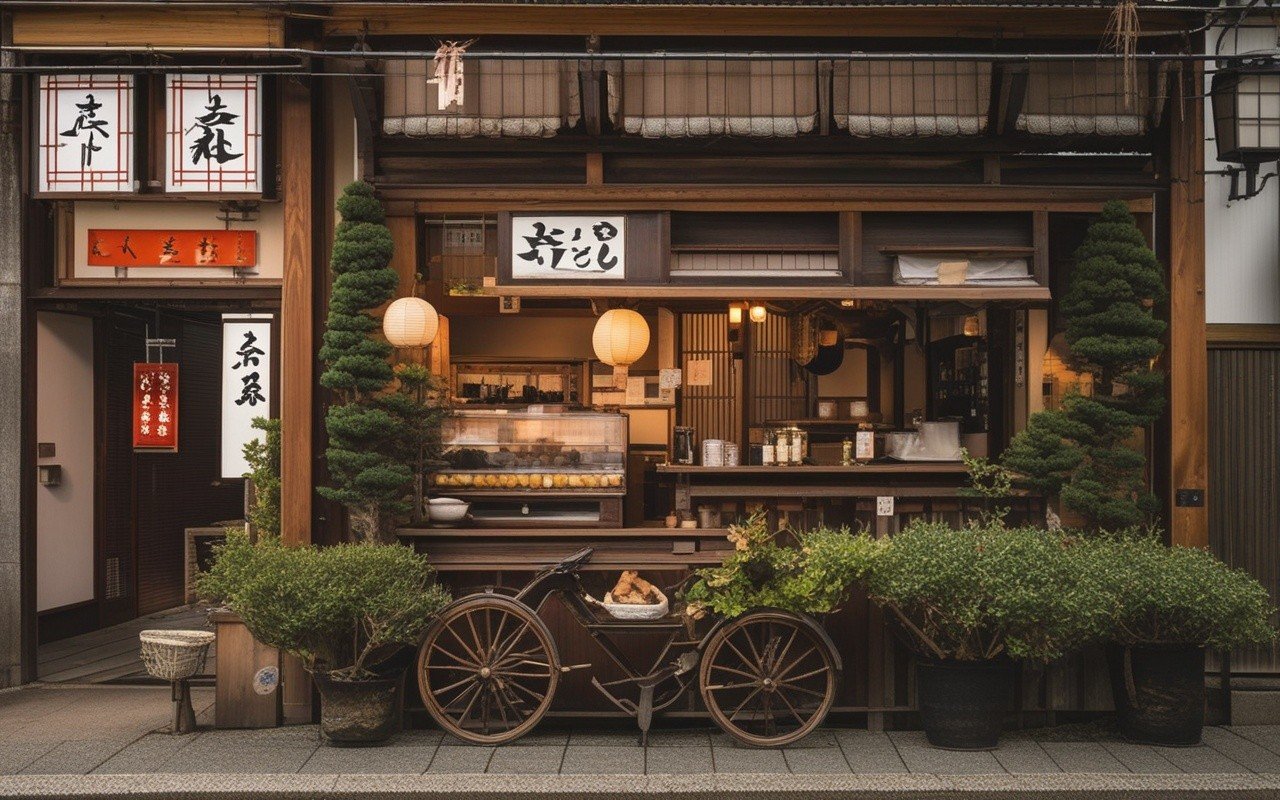
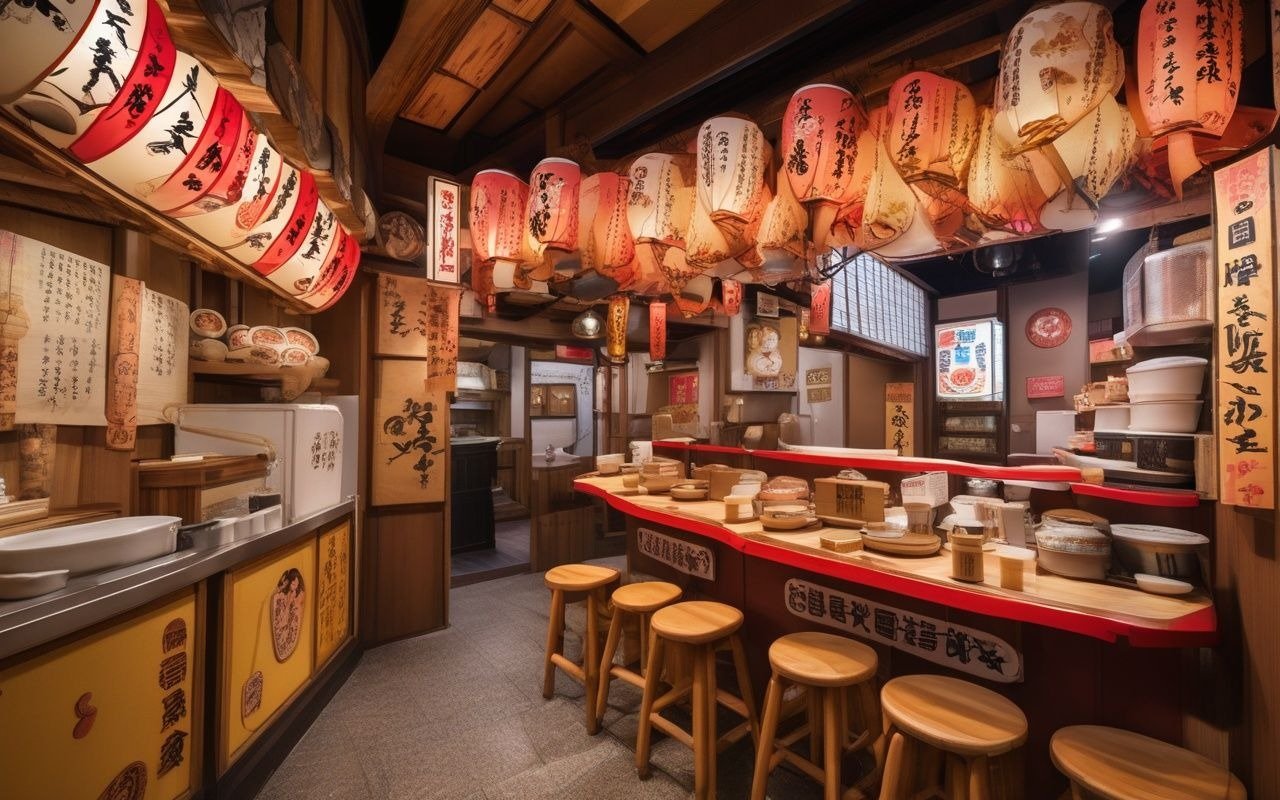
    Kanagawa sake brewery tasting room with Tanzawa water


    🧭 How to Taste Kanagawa Sake

    The Tasting Room Ritual

    Japanese brewery tasting rooms (kikizake corner) follow a simple pattern:

    1. Order a flight — Usually 3-5 small glasses of different sake for ¥500-1,000. You can often specify a theme: “dry,” “sweet,” or “aged.”
    2. Taste in order — Start with the lightest (usually a junmai or honjozo) and move toward the richer, sweeter or aged expressions. Going light-to-rich lets each sake show its character.
    3. Note the water — Ask about the water source. Brewers love talking about it, and it directly explains the style.
    4. Buy a bottle — Most tasting rooms sell bottles at brewery-direct prices, often 20-30% below retail. This is the cheapest way to buy genuine Kanagawa sake.

    Etiquette

    • Tasting rooms are relaxed but respectful spaces. Do not shout; do not bring outside food.
    • The staff will pour for you; do not fill your own glass unless invited.
    • If you buy a bottle, ask about storage — most Kanagawa sake is best drunk within a year.
    • Photos are usually fine in tasting rooms, but ask before photographing the brewing equipment.

    Terms Worth Knowing

    • Junmai — Pure rice sake, no added alcohol. Clean and food-friendly; a good introduction to Kanagawa styles.
    • Honjozo — Rice sake with a small amount of brewer’s alcohol added. Lighter and drier.
    • Ginjo / Daiginjo — Polished-rice premium grades. More fragrant and delicate.
    • Nama — Unpasteurized sake. Lively, fresh, and usually only available in season.

    🍽️ Pairing Kanagawa Sake with Local Food

    Kanagawa sake’s clean, round character makes it exceptionally versatile at the table. The local pairings are especially satisfying:

    1. Shirasu (whitebait) — The light, slightly sweet character of Kanagawa junmai is a classic match for the Shonan coast’s raw whitebait bowls. The sake’s softness does not overwhelm the delicate fish. See the Shonan shirasu guide for where to eat it.
    2. Kamaboko (fish cake) — Odawara’s famous kamaboko pairs beautifully with the prefecture’s drier styles. See the Odawara kamaboko guide for the full story.
    3. Soba — The spring-water soba of Hadano and the Tanzawa foothills is the single best match for Kanagawa sake. Both are clean, subtle, and water-driven — a pairing that tastes like the same landscape in two forms.
    4. Izakaya food — Yakitori, grilled fish, and pickles all take the round, clean finish well. The Kanagawa yakitori guide is a good starting point.

    A Tasting Dinner Suggestion

    For a memorable evening, build a meal entirely around Kanagawa sake: start with nama (unpasteurized) with shirasu, move to a junmai with kamaboko, and finish with an aged style alongside grilled fish. The Yokohama premium dining guide includes sake-pairing menus if you prefer the city setting.
    Kanagawa sake pairing with shirasu and kamaboko


    🗓️ Sample Itinerary: The Sake Day Trip

    Morning (9:00-13:00)

    1. 8:30 — Depart Shinjuku on the Odakyu Limited Express toward Odawara.
    2. 9:40 — Arrive at Hadano Station. Start with a walk through the station’s spring-water display, then a short walk to the first brewery’s tasting room.
    3. 10:30 — Tasting at the first kura: focus on junmai and honjozo to establish the baseline “Kanagawa style.”
    4. 11:30 — Lunch: spring-water soba in the town center.
    5. 12:30 — Walk to Sohara Spring for a water tasting — the same water that makes the sake, drunk raw.

    Afternoon (13:00-18:00)

    1. 13:30 — Train or taxi to the second brewery (in Atsugi, 20 min).
    2. 14:00 — Tasting at the second kura: compare ginjo and nama styles against the morning’s junmai.
    3. 15:30 — Walk the Atsugi Showa retro quarter, stopping for coffee at a kissaten.
    4. 16:30 — Visit a craft brewery for contrast — the Kanagawa craft beer guide covers the regional beer scene.
    5. 17:30 — Izakaya dinner in the retro quarter, pairing the day’s finds with local food.
    6. 19:30 — Return train to Tokyo.

    If You Have More Time

    • Overnight in Hadano — A handful of small inns near the Oyama base offer kaiseki dinners with local sake pairings. Book ahead.
    • Sagamihara extension — Add the Sagami River breweries on a second day, using the JR Sagami Line.
    • Combine with Hakone — Hakone’s ryokan often stock Kanagawa sake; a two-day trip pairing the sake trail with a Hakone ryokan stay is a classic combination.

    📅 Seasonal Notes

    • Winter (Dec-Feb) — The brewing season. Some kura open their fermentation halls for limited viewing, and fresh nama sake appears in January. This is the most atmospheric time to visit.
    • Spring (Mar-May) — The new season’s sake (shiboritate) is released. The tasting rooms are stocked with the freshest product of the year.
    • Summer (Jun-Aug) — Hot and humid; sake is traditionally drunk chilled or on the rocks in summer. Some kura offer “hiyaoroshi” (autumn-release sake) previews late in the season.
    • Autumn (Sep-Nov) — Hiyaoroshi season: the aged, re-released sake is at its peak. This is the best season for tasting depth and character.

    💡 Practical Tips

    1. Reserve for tours — Free-walking tasting is usually fine, but guided brewery tours need advance booking through each kura’s website or phone.
    2. Carry cash — Most small tasting rooms and breweries are cash-only.
    3. Buy at the source — Brewery-direct prices are typically 20-30% below retail, and the selection includes brewery-exclusive bottles you cannot find anywhere else.
    4. Check hours before traveling — Small kura often close for festivals, holidays, and the summer break. Check the website or call ahead.
    5. Do not drink and drive — If you are renting a car, taste only at the first brewery, or arrange a taxi for the full day.
    6. Ask about the water — Every brewer has a water story. Asking is the fastest way to get a genuine, personal explanation of what makes Kanagawa sake different.

    Conclusion

    Kanagawa sake is the prefecture’s best-kept secret: a dozen small breweries drawing on the same soft Tanzawa spring water that makes the region’s soba and tofu so clean. It is not the sake you will find in Tokyo’s tourist shops, and that is precisely why it is worth the trip. Spend an afternoon tasting the difference water makes, buy a bottle or two at brewery-direct prices, and you will understand why the brewers say the mountain is the real ingredient.

    FAQ

    Q: Is Kanagawa really a sake-producing prefecture?
    A: Yes. The prefecture has over 20 active breweries, concentrated in the western basin where the Tanzawa spring water flows. It is not as famous as Niigata, but the quality is comparable and the character is distinct.

    Q: Do I need a reservation to visit the breweries?
    A: For the tasting corners, generally no — walk-ins are welcome during opening hours. For guided tours of the brewing facilities, advance reservation is required and appreciated.

    Q: What makes Kanagawa sake different from Niigata sake?
    A: The water. Kanagawa’s soft spring water produces a rounder, smoother, more approachable sake, whereas Niigata’s hard snow-melt water yields the famous sharp, dry style. Kanagawa sake is arguably more food-friendly and easier for beginners.

    Q: Can I buy Kanagawa sake outside the prefecture?
    A: Some labels are distributed nationally, but the best selection is at the breweries themselves. If you cannot visit, the sake specialty shops in Yokohama’s Kannai district carry the widest selection of prefecture-produced sake.
  • Where to Eat Dinner in Hakone: Restaurant Guide 2026

    Where to Eat Dinner in Hakone: Restaurant Guide 2026

    Kanagawa Prefecture is a paradise for food lovers, offering everything from fresh seafood to traditional Japanese cuisine. This guide introduces the best dining experiences across the region.

    Overview

    Discover the best food and drink experiences that Where to Eat Dinner in Hakone: Restaurant Guide has to offer. From hidden local gems to popular dining destinations, this guide takes you through the culinary landscape of Where in Kanagawa Prefecture. Whether you are a first-time visitor or a returning food enthusiast, you will find something to satisfy your cravings.

    Access

    Hakone is well connected to Tokyo, with trains and buses running throughout the day. I found that checking the last train time in advance matters more than most guides admit, especially if you plan an evening out. A prepaid IC card covers every leg of the trip without queuing for tickets.

    🗺️ Key Points

    • Most restaurants close early — many stop serving by 18:00-20:00
    • Ryokan half-board is the safest option — kaiseki dinner included with your stay
    • Reservations are essential — walk-in dinner is unreliable in Hakone
    • Best dinner areas: Hakone-Yumoto (most options), Gora (mid-range to upscale), Lake Ashi (limited)
    • Backup plan: Convenience stores (konbini) — surprisingly good but last resort

    During our multiple stays at Hakone ryokan, we learned that booking half-board is the single most important decision you can make for a stress-free evening. The first time we arrived without dinner reservations, we spent an hour walking through empty streets before finding a convenience store meal. This guide compiles everything we’ve learned since.


    Understanding Hakone’s Dining Landscape

    I’ve visited Hakone four times over the past two years, and each trip taught me something new about the town’s dining culture. The first time, I arrived without a dinner plan and spent an hour walking through empty streets near Lake Ashi before settling for convenience store food. On my second visit, I booked a kaiseki dinner at my ryokan — it was the best dining decision I made in Japan.

    Since then, I’ve explored independent restaurants across Hakone-Yumoto, Gora, and the lake area. I’ve learned that preparation is everything here. Hakone is fundamentally different from Tokyo or Yokohama when it comes to evening dining. The town caters primarily to ryokan guests who eat dinner at their accommodation. This means:

    • Independent restaurants are few and often close early (18:00-20:00)
    • Walk-in dinner is unreliable — especially outside Hakone-Yumoto
    • Reservations are not recommended — they are essential
    • Late-night dining (after 20:00) is extremely limited

    Golden rule: If you haven’t arranged dinner by 16:00, you may struggle to find a seat anywhere. Plan your evening meal before you arrive in Hakone.

    💬 Traveler’s Note: I visited Hakone-Yumoto in late autumn and tried the kaiseki dinner at Tenzan Onsen — the seasonal matsutake course alone justified the trip. I recommend booking half-board with your ryokan so dinner plans are settled before you arrive.


    Option 1: Ryokan Half-Board (The Best Choice)

    Most traditional ryokan in Hakone offer a half-board plan (one night with two meals / ichiya-nishoku). This is the standard and recommended way to experience Hakone:

    What You Get

    • Kaiseki dinner: Multi-course Japanese haute cuisine featuring seasonal, local ingredients
    • Breakfast: Traditional Japanese breakfast or Western option
    • Private dining: Usually served in your room or a private dining space
    • Dietary accommodations: Can be arranged if booked in advance

    Price Range

    Type Price per person (incl, dinner + breakfast)
    Budget ryokan ¥15,000-25,000
    Mid-range ryokan ¥25,000-40,000
    Luxury ryokan ¥40,000-80,000+

    Recommended Ryokan with Excellent Dinner

    Ryokan Area Dinner Style Price (per person)
    Gora Kadan Gora Kaiseki (former imperial villa) ¥50,000+
    Hakone Gora Hananoki Gora Modern kaiseki ¥35,000-50,000
    Tenzan Onsen Hakone-Yumoto Traditional kaiseki ¥20,000-35,000
    Hakone Yuryo Hakone-Yumoto Seasonal kaiseki ¥25,000-40,000
    The Prince Hakone Lake Ashi Lake Ashi Japanese/Western buffet ¥25,000-40,000

    Pro tip: When booking, select a plan that includes dinner. The “room only” rate may seem cheaper, but finding an independent dinner can be stressful and may end up costing more.


    Option 2: Independent Restaurants (Reservation Required)

    If you’re staying at a hotel without dinner included or visiting as a day-tripper staying late, here are the best options:

    Hakone-Yumoto Area (Most Choices)

    Restaurant Cuisine Price (dinner) Reservation Notes
    Itoh Dining by NOBU Teppanyaki/Creative Japanese ¥8,000-15,000 Essential High-end, Gora area
    GORA BREWERY & GRILL Grill/Craft Beer ¥4,000-7,000 Recommended Casual upscale, walk-in possible
    Tamura Ginkatsutei Tonkatsu/Tofu ¥2,000-3,500 Essential Famous for Tofu Katsuni, long queues
    Hatsuzushi Sushi ¥5,000-10,000 Essential Traditional Edomae sushi
    Kikka-so Inn Kaiseki/Japanese ¥6,000-12,000 Essential Historic building, refined atmosphere

    Option 3: Casual & Budget Dining

    Lunch-Extended-to-Dinner Strategy

    Many Hakone restaurants serve lunch 11:00-15:00 and dinner 17:00-20:00. The sweet spot is arriving at 17:00-17:30 when dinner service begins:

    • Hakone Soba shops: ¥1,000-2,000 (usually close by 18:00)
    • Udon shops: ¥800-1,500 (limited dinner hours)
    • Curry shops: ¥1,000-1,500 (rare in Hakone, check hours)

    Convenience Stores (Backup Plan)

    Store Location Hours What to Get
    7-Eleven Hakone-Yumoto Station area 24h Bento boxes, onigiri, salads, snacks
    FamilyMart Near Gora Station 24h Hot snacks, sandwiches, drinks
    Lawson Various locations 24h Decent meal options, desserts

    Konbini food in Japan is surprisingly high quality — think ¥500-800 for a complete meal. But it should be your emergency backup, not your primary plan.


    Reservation Guide

    How to Reserve

    Method Best For Notes
    Hotel concierge Ryokan dinner, upscale restaurants Most reliable — ask at check-in or email before arrival
    Tabelog (tabelog.com) Independent restaurants English interface, online booking available for some
    Google Maps Quick checks Call button + hours info
    Phone call Last-minute reservations Many restaurants only accept phone reservations

    When to Reserve

    Type When
    Ryokan half-board At time of booking
    Fine dining (¥8,000+) 1-2 weeks in advance
    Mid-range restaurants 2-3 days in advance
    Casual restaurants Same day (by 14:00)

    Sample Reservation Phrases (English)

    Most upscale restaurants in Hakone now have English-speaking staff or are accustomed to international guests. Use these on booking websites:

    “I would like to reserve dinner for 2 people on [date] at [time]. Any dietary restrictions: [none/vegetarian/gluten-free].”


    Dietary Restriction Guide

    Hakone is less flexible than Tokyo for dietary restrictions. Quick Tips for Dietary Needs:

    • Vegetarian: Request shojin ryori (Buddhist vegetarian) when booking your ryokan
    • Vegan: Contact restaurants 1+ week in advance; konbini food is a reliable backup
    • Gluten-free: Soba is 80-100% buckwheat; bring a gluten-free communication card
    • Halal: Limited options — check our Kanagawa Vegetarian Guide
    • Food allergies: Use a Japanese allergy card (printable here)

    Pro tip: Email your ryokan at least 1 week before arrival if you have dietary restrictions. Most can accommodate with notice — they cannot adjust kaiseki menus on the spot.


    Sample Evening Plans

    Plan A: Ryokan Half-Board (Hassle-Free)

    Time Activity
    15:00 Check in, relax in yukata
    16:00 Onsen before dinner
    18:00 Kaiseki dinner in-room or private dining room
    20:00 Evening onsen or lounge
    22:00 Sleep in tatami room

    Plan B: Independent Dining (Reservations Made)

    Time Activity
    17:00 Arrive at Hakone-Yumoto
    17:30 Evening onsen (Tenzan Onsen ¥1,300)
    19:00 Dinner at Itoh Dining by NOBU (pre-booked)
    21:00 Return to Hakone-Yumoto Station
    21:30 Last train back to Tokyo

    Plan C: Budget Stay (Self-Catered)

    Time Activity
    16:00 Check into guesthouse
    17:00 Convenience store run — buy dinner supplies
    18:00 Enjoy picnic dinner at hotel lounge or nearby park (summer only)
    19:00 Explore Hakone-Yumoto evening atmosphere

    Seasonal Dinner Highlights

    Season Specialty Dish Where to Try
    Spring (Mar-May) Bamboo shoots, cherry blossom-themed kaiseki Ryokan half-board
    Summer (Jun-Aug) Cold soba, freshwater fish (ayu), eel (unagi) Sobadokoro Hatsukari
    Autumn (Sep-Nov) Matsutake mushrooms, sanma (Pacific saury), new sake Ryokan kaiseki
    Winter (Dec-Feb) Hot pot (nabe), oden, crab specialties Ryokan dinner, Tenzan Onsen

    How to Get There

    Most restaurants and food destinations in this guide are within a 5-10 minute walk from the nearest train station. Use Google Maps for precise navigation. For popular restaurants, arrive 15 minutes before opening time to avoid long waits during peak hours. Reservations are recommended for dinner service.

    What to Expect

    Dining in Kanagawa offers incredible variety, from Michelin-starred restaurants to humble street food stalls. Most restaurants display plastic food samples in their windows, making ordering easy even without Japanese language skills. Lunch sets offer excellent value, typically ¥1,000-1,500 for a complete meal with sides. Dinner can be significantly more expensive. Vegetarian and vegan options exist but can be limited – look for shojin ryori (Buddhist cuisine) restaurants near temples. Reservations are essential for popular dinner spots.

    Nearby Recommendations

    Many dining areas in Kanagawa are clustered together, allowing for a progressive dining experience. After your meal, explore nearby dessert shops, tea houses, or bars. Some food markets are located near cultural attractions, making it easy to combine sightseeing with culinary exploration. Check local food blogs for the latest openings and seasonal specialties in the area.

    Local Tips

    Food enthusiasts recommend visiting restaurants during off-peak hours (2:00-5:00 PM) for a more relaxed dining experience. Some restaurants have secret menu items not listed in English – using Google Translate to read the Japanese menu can reveal hidden gems. Seasonal specialties are worth prioritizing, as they feature ingredients at their peak flavor. Local food festivals offer an excellent introduction to the area’s culinary traditions.n

    Conclusion

    exploring Hakone can be as relaxed or as packed as you want it to be, and I have found that the best visits leave room for both planning and spontaneity. During my visit to Hakone I went with a rough plan and found that leaving room to wander made the trip far more memorable. Use this guide to sort out the logistics in advance, then let the day surprise you — Kanagawa rewards travelers who stay curious.

  • Shin-Yokohama Ramen Museum Guide 2026

    Shin-Yokohama Ramen Museum Guide 2026

    Overview

    Explore the rich cultural heritage and historical significance of Shin-Yokohama Ramen Museum Guide in Kanagawa Prefecture. This guide delves into the fascinating stories, traditions, and landmarks that define Shin. From ancient temples to modern museums, discover how this destination has shaped Japan’s cultural landscape over centuries.

    Introduction: The Museum Concept

    When the Shin-Yokohama Ramen Museum opened in 1994, the idea of a food-themed amusement park was unprecedented. The founders wanted to create a place where visitors could experience the diversity of Japanese ramen — from Hokkaido’s miso ramen to Kyushu’s tonkotsu — without spending days traveling across the country.

    The key design decision was to set the museum in 1958, the year Momofuku Ando invented instant ramen (Chicken Ramen). The basement level was built as a full-scale indoor recreation of a Showa-era Tokyo streetscape, complete with retro signage, period advertisements, dim “sunset” lighting, and the sounds of the era.

    Why 1958 Matters:

    • First instant ramen (Chicken Ramen) launched
    • Japan’s post-war recovery was in full swing
    • Ramen was transitioning from street food to a national obsession
    • The Showa atmosphere evokes nostalgia for older visitors and novelty for younger ones

    How It Works

    Step Detail
    1 Purchase admission ticket at the entrance (ground floor)
    2 Descend to the basement “1958 Tokyo” streetscape
    3 Explore the retro street, visit shops, read menus
    4 Choose a ramen shop and queue (no reservations)
    5 Order from a vending machine or counter
    6 Eat at communal counters or standing tables
    7 Repeat — try a second or third bowl from different shops
    8 Visit the gift shop, candy store, or museum shop on the way out

    The Showa Streetscape

    Atmosphere

    The basement level is the heart of the museum. The ceiling is designed to look like a dusky evening sky, with gradually dimming lights that simulate twilight. The street is lined with period-accurate shop fronts — a pharmacy, a tobacco shop, a barber, a candy store — interspersed with the ramen shops.

    The attention to detail is extraordinary:

    • Signage: Hand-painted signs in period typography
    • Advertisements: Vintage posters for long-discontinued products
    • Street furniture: Old mailboxes,公用電話 (public phones), bicycles
    • Soundtrack: Showa-era popular music plays softly through hidden speakers
    • Smells: The aroma of simmering broth mixes with the scent of old wood

    Dagashi-ya (Traditional Candy Shop)

    The retro candy shop sells classic Showa-era sweets:

    • Ramune soda (¥150)
    • Konpeito (star-shaped sugar candy, ¥200)
    • Older-style chewing gum and chocolate (¥100–300)
    • Traditional rice crackers (¥200–400)

    Kateko Cafe

    A Showa-style café serving:

    • Classic pudding (¥400)
    • Parfaits (¥600–800)
    • Coffee and tea sets (¥500)
    • Cream soda (¥500)

    Featured Ramen Shops

    The shop lineup changes periodically — typically every 6–12 months — as new regional shops are invited and old ones rotate out. This keeps the experience fresh for returning visitors. Below is the current lineup; check the official website for the latest list.

    Current Selection (Summer 2026)

    Shop Region Style Signature Bowl Price
    Hakata Issou Fukuoka Tonkotsu Tonkotsu cappuccino (creamy pork broth) ¥950
    Ramen Jiro Tokyo Garlic-heavy Miso ramen with mountain of bean sprouts ¥850
    Santouka Hokkaido Shio (salt) Charshu ramen with tokotsu-shoyu broth ¥1,100
    Kumamoto Ramen Kikusha Kumamoto Tonkotsu + garlic Rich tonkotsu with garlic chips ¥900
    Okinawa Soba Kokusai Okinawa Okinawa soba Pork rib soba in clear broth ¥1,000

    Sample Sizes

    Most shops offer a mini ramen option (約 half size, ¥500–700) for visitors who want to try multiple bowls. This is the recommended strategy — three mini bowls from different shops is more satisfying than one full bowl.

    Eating Strategy for First-Time Visitors:

    Option A: Regional Tour
    1. Mini miso ramen (Hokkaido-style)
    2. Mini tonkotsu (Hakata-style)
    3. Mini shio ramen (Hokkaido-style)
    Best for: Understanding regional differences
    
    Option B: Contrast Tour
    1. Full tonkotsu (rich, heavy)
    2. Mini shio (light, clean)
    3. Mini tsukemen (dipping noodles)
    Best for: Maximum variety
    
    Option C: Quick Visit (60 min)
    1. One full bowl from whichever shop has the shortest queue
    2. Dessert at Kateko Cafe
    Best for: Limited time

    Activities and Experiences

    Ramen Making Class

    The hands-on noodle-making class is the museum’s most popular activity.

    Detail Info
    Duration ~90 minutes
    Price ¥1,500 per person
    Language Japanese (visual instructions provided)
    Reservation Required (book online or at the ticket counter)
    Ages 6 and up (children under 12 must be accompanied)

    What You Do:

    1. Mix flour and water (比例 is measured for you)
    2. Knead the dough by hand
    3. Use the Aodake-uchi technique — a traditional method where a bamboo pole is used to press and fold the dough repeatedly
    4. Cut the noodles by machine
    5. Take your fresh noodles home (they cook in 60 seconds)

    Ra-haku Sugomen Lab

    A newer addition where visitors create custom cup noodles:

    Detail Info
    Duration 30 minutes
    Price ¥800 per cup
    Language All visual — no language barrier
    Reservation Walk-in (no booking needed)

    What You Do:

    1. Choose a cup design (draw or select a pattern)
    2. Select your broth base (shoyu, miso, tonkotsu, or curry)
    3. Pick 4 toppings from 12 options
    4. Watch your cup be sealed and packaged
    5. Take it home as a souvenir (good for 3 months)

    Museum Shop

    The ground floor shop sells:

    • Rare instant ramen from across Japan (¥200–500 per pack)
    • Ramen-themed merchandise (towels, chopsticks, bowls)
    • Limited-edition collaboration products
    • Regional ramen kits (make your own at home)

    Practical Information

    Admission Fees

    Category Price
    Adult (19+) ¥450
    Youth (6–18) ¥100
    Child (under 6) Free
    Re-entry Allowed (hand stamp)

    Hours

    Day Hours Last Order
    Weekdays 11:00–21:00 20:30
    Weekends & Holidays 10:30–21:00 20:30
    Closed Dec 31 – Jan 1

    Food Budget

    Item Price Range
    Full bowl of ramen ¥850–1,200
    Mini ramen ¥500–700
    Dessert at Kateko ¥400–800
    Total for 2 bowls + dessert ¥1,800–2,500

    Access

    From Tokyo Station:
    1. JR Tokaido Shinkansen to Shin-Yokohama (20 min, ¥2,400)
       (Note: Free if covered by JR Pass)
    2. Walk 5 minutes from the Shinkansen exit
    Total: ~30 minutes, ¥2,400 (or free with JR Pass)
    
    Alternate from Tokyo Station:
    1. JR Yokohama Line to Shin-Yokohama (40 min, ¥350)
       (Local train, no Shinkansen needed)
    Total: ~50 minutes, ¥350
    
    From Yokohama Station:
    1. Yokohama Municipal Subway Blue Line to Shin-Yokohama (10 min, ¥230)
    2. Kyushu Shinkansen / JR Yokohama Line also available
    Total: ~20 minutes, ¥230 From Shinagawa Station:
    1. JR Tokaido Shinkansen to Shin-Yokohama (13 min, ¥1,650)
    Total: ~20 minutes, ¥1,650

    When to Visit

    Best times (shortest queues):
    - Weekday mornings (11:00–12:00)
    - Weekday evenings (after 18:00)
    - Rainy days (fewer visitors)
    
    Busiest times (longest queues):
    - Weekends 12:00–14:00
    - National holidays
    - School holidays (spring, summer, winter breaks) Recommended strategy:
    - Arrive at opening (11:00 on weekdays)
    - Visit the ramen shops first (before 12:00)
    - Explore the retro street and shops after eating
    - Save the Ramen Making Class for after lunch

    Tips for First-Time Visitors

    ✅ Bring cash — some vending machines are cash-only
    ✅ Start with a mini bowl from 2–3 different shops
    ✅ Share with a friend to try more varieties
    ✅ Visit the candy store for Showa-era nostalgia
    ✅ Take photos of the retro street before it gets busy
    ✅ Combine with a Shin-Yokohama Station visit (try the Shinkansen bento shops)
    
    ❌ Don't come with a full stomach (you will want to eat)
    ❌ Don't expect a quiet meal (it's lively and bustling)
    ❌ Don't skip the basement (the ground floor lobby is just the entrance)
    ❌ Don't forget your camera (the Showa street is highly photogenic)

    Nearby Attractions

    Shin-Yokohama is a convenient hub for exploring northern Yokohama:

    • Yokohama Hakkeijima Sea Paradise — 25 min by train (covered separately in our Sea Paradise guide)
    • Kohoku New Town — shopping and dining complex
    • Nissan Stadium — home of the Yokohama F. Marinos
    • Shin-Yokohama Station — the Shinkansen bento selection is excellent

    For a full day, combine the Ramen Museum (morning) with Sea Paradise (afternoon).


    Frequently Asked Questions

    Q: Do I need to speak Japanese to enjoy the museum?

    A: No. Menus have English and photos. The ramen-making class has visual instructions. Most visitors navigate without Japanese.

    Q: Can I re-enter the museum after leaving?

    A: Yes. Get a hand stamp at the exit and you can re-enter on the same day.

    Q: Is the museum suitable for vegetarians?

    A: Most ramen broths are meat-based (pork or chicken). Some shops offer vegetable-based options — ask at each counter. The Kateko Cafe has vegetarian-friendly desserts.

    Q: How long should I plan to spend?

    A: 2–3 hours for a relaxed visit with 2 bowls of ramen and exploration. Allow 4 hours if you want to do the ramen-making class.

    Q: Can I buy tickets in advance?

    A: Tickets are sold at the door only. No advance online sales. The queue moves quickly (it’s a large venue).

    🌟 Share Your Experience

    Visited the Ramen Museum? favorite shop in the current lineup? Join our community forum to share your ramen recommendations!


    Shin-Yokohama Ramen Museum Guide 2026 — Share Your Experience

    The Shin-Yokohama Ramen Museum is a testament to Japan’s ability to turn a humble bowl of noodles into a cultural experience. It is kitschy, crowded, and thoroughly entertaining — exactly what a food theme park should be. For ramen lovers, it is essential. For casual visitors, it is a fun and delicious way to spend a few hours in Yokohama. For more food adventures in Yokohama, read our Ie-kei ramen Yokohama guide and the comprehensive Yokohama ramen guide.


    ⏰ Best Time to Visit

    Early morning (8–10 AM): Peaceful atmosphere, fewer crowds, perfect for photos Late afternoon (4–6 PM): Beautiful lighting, local life, less crowded than midday

    🎯 What I Recommend

    • Don’t rush: Take your time to explore the side streets and hidden spots
    • Talk to locals: They often know the best lesser-known spots that aren’t in guidebooks
    • Try the local specialties: Each area has its own unique food and souvenirs

    ⚠️ Things to Watch Out For

    • Some shops close on weekdays or have irregular hours
    • Parking can be challenging during peak seasons
    • Cash is still king at many smaller establishments

    Getting There

    Best Time to Visit

    Temples and cultural sites are most enjoyable during weekdays when crowds are smaller. Early morning before 9 AM offers a peaceful atmosphere. Spring and autumn provide the most pleasant weather for exploring outdoor sites. Many temples have seasonal events and special openings.

    What to Expect

    Visiting historical sites in Kanagawa requires respect for local customs and traditions. Dress modestly when visiting temples and shrines – cover shoulders and knees. The atmosphere at cultural sites varies by season and time of day. Early morning visits offer a peaceful experience before crowds arrive. Many temples charge a small admission fee (¥200-500) that helps with preservation. Some sites close earlier in winter months. Check opening hours before planning your visit. Goshuin (temple stamp) books make wonderful souvenirs collected at each site.

    Local Tips

    Cultural enthusiasts recommend visiting on weekdays when crowds are smaller and the atmosphere is more contemplative. Some temples offer special access to normally restricted areas during certain times of the year. Photography is best in early morning or late afternoon when the light creates dramatic shadows and warm tones. Dress in layers as temple buildings can be significantly cooler or warmer than outside.n

    Conclusion

    Whether you are planning exploring Yokohama for its ramen for the first time or returning for another visit, taking a little extra time to go beyond the obvious sights makes all the difference. During my visit to Yokohama I went with a rough plan and found that leaving room to wander made the trip far more memorable. I hope this guide helps you build an itinerary that fits your pace, and that your time in Kanagawa leaves you with memories worth coming back for.

  • Yokohama Premium Dining Guide 2026 — Wagyu, Teppanyaki &…

    Yokohama Premium Dining Guide 2026 — Wagyu, Teppanyaki &…

    Yokohama Premium Dining Guide 2026 — Wagyu, Teppanyaki &…

    Overview

    Discover the best food and drink experiences that Yokohama Premium Dining Guide 2026 — Wagyu, Teppanyaki &… has to offer. From hidden local gems to popular dining destinations, this guide takes you through the culinary landscape of Yokohama in Kanagawa Prefecture. Whether you are a first-time visitor or a returning food enthusiast, you will find something to satisfy your cravings.

    📍 Quick Overview

    • 5 premium dining categories — teppanyaki, and French
    • From ¥8,000 to ¥30,000 per person — a range for every special occasion
    • Best areas — Minato Mirai, and Shin-Yokohama
    • Best for: Special occasion dinners, food connoisseurs
    • bookings needed: 1–3 weeks ahead for top venues

    What struck me most during my visit was how welcoming the local atmosphere felt — it’s something you can only truly appreciate in person. —

    Introduction: Yokohama’s Fine Dining Renaissance

    Yokohama Premium Dining Guide scenery and attractions

    While Tokyo’s Michelin-starred restaurants dominate international attention, Yokohama has quietly developed a premium dining scene that rivals the capital — at prices that often undercut Tokyo equivalents by 20–30%. The city’s port heritage means exceptional access to fresh seafood, while its proximity to Kanagawa’s farms and the Wagyu producers of Kobe and Miyazaki ensures world-class meat. Yokohama’s premium dining is concentrated in three key areas: the modern waterfront of Minato Mirai, the historic streets of Motomachi, and the bustling Kannai district. Each offers a different atmosphere — from sky-high restaurants with bay views to intimate counter-seating venues where the chef prepares each dish before your eyes. What Makes Yokohama’s Dining Scene Special:

    • Port-fresh seafood — Sagami Bay and Miura Peninsula supply exceptional fish and shellfish
    • Wagyu accessibility — top-grade Japanese beef available at non-Tokyo prices
    • Diverse cuisines — Japanese, and Italian all excel here
    • Stunning views — several fine dining restaurants offer panoramic bay or city views
    • Lower prices — the same quality meal in Tokyo would cost 30–50% more

    1. Teppanyaki — The Art of Iron-Plate Cooking

    Best for: Special occasions, food theater enthusiasts Teppanyaki is as much performance as cuisine — watching a skilled chef transform premium ingredients on a sizzling iron plate is an time that engages all the senses. Yokohama’s teppanyaki scene is exceptional, with several restaurants specializing in A5-grade Japanese black beef.

    Yokohama Teppanyaki Ushinari — A5 Wagyu Perfection

    Location: Minato Mirai area
    Price Range: ¥12,000–¥25,000 per person (course menu)
    Best For: The ultimate Wagyu time, special celebrations

    Yokohama Premium Dining — detailed view

    Ushinari is the pinnacle of Yokohama’s teppanyaki scene, Specializing in the finest A5-ranked Japanese black beef from Kanagawa and Kobe, this restaurant delivers a Wagyu time that rivals Tokyo’s best — at prices that will surprise you. | Aspect | Detail |
    |——–|——–|
    | Cuisine | A5 Wagyu teppanyaki |
    | Location | Minato Mirai. Yokohama |
    | Price | ¥12,000–¥25,000 per person |
    | Seating | Counter (12 seats) + 2 private rooms |
    | Best For | Special occasions. Wagyu connoisseurs |

    The time:

    The counter seating is where the magic happens — you’ll watch as the chef prepares each course on the teppan, explaining the provenance of each ingredient. The signature course features three different cuts of A5 Wagyu, each prepared differently: seared rare with wasabi, grilled with a soy-garlic glaze, and finished as a garlic rice (teppan-gohan) that alone is worth the visit. The Wagyu here is extraordinary — marbled so intricately that it melts at the slightest warmth. The chef’s timing is impeccable, ensuring each piece reaches your plate at the exact moment it peaks. > Book Yokohama Teppanyaki Ushinari — Kanagawa’s finest A5 Wagyu time → Reserve your seat on Klook

    Pro Tips:

    • Reserve at least 2 weeks in advance for weekend dinner
    • The lunch course (¥8,000) offers the same Wagyu quality at a significant discount
    • Request the counter seats when booking — the chef’s performance is part of the time
    • The wine pairing (¥6,000 supplement) features sake and wine selected to complement Wagyu

    2. Yakiniku — Premium Japanese BBQ

    Best for: Groups, casual celebrations Yakiniku (Japanese BBQ) takes a different approach than teppanyaki — here, you cook the meat yourself at your table, grilling slices of premium beef over a charcoal or gas flame. It’s more interactive, more social, and allows you to control the doneness of each piece.

    Yakiniku Ushigoro — Premium Wagyu BBQ in Kanagawa

    Location: Yokohama SOGO Department Store
    Price Range: ¥6,000–¥15,000 per person
    Best For: Groups, dinner before shopping Yakiniku Ushigoro at the Yokohama SOGO Branch brings premium Yakiniku to one of Yokohama’s most accessible locations, found directly connected to Yokohama Station, it’s perfect for a post-shopping dinner or a casual celebration with friends. | Aspect | Detail |
    |——–|——–|
    | Cuisine | Premium Wagyu yakiniku (Japanese BBQ) |
    | Location | SOGO Yokohama, connected to Yokohama Station |
    | Price | ¥6,000–¥15,000 per person |
    | Seating | Tables + semi-private booths |
    | Best For | Groups, pre/post shopping |

    The time:

    Ushigoro sources its beef from the same regional networks as the finest teppanyaki restaurants but offers it at more accessible price points. The set courses feature 5–7 different cuts, from lean sirloin to richly marbled ribeye, each labeled with its origin and recommended grilling time. The restaurant’s signature is the tongue platter — three different preparations of beef tongue, from lightly salted to miso-marinated, that showcase the range of flavors possible from this single cut. > Book Yakiniku Ushigoro Yokohama SOGO for premium Wagyu BBQ → Reserve on Klook

    Pro Tips:

    • Lunch sets (¥3,500–¥5,500) offer exceptional value
    • The weekday dinner course is ¥2,000–3,000 less than weekend pricing
    • Ask for the shabushabu-yaki cut — a cross-section of ribeye that’s thin enough to melt instantly
    • The restaurant has English menus upon request

    3. Crab & Seafood — Minato Mirai’s Ocean Treasures

    Best for: Seafood lovers, special occasion dinners

    FujiTsuki Crab Specialty Store — Minato Mirai’s Crab Paradise

    Location: Minato Mirai. Yokohama
    Price Range: ¥8,000–¥18,000 per person
    Best For: Crab lovers, groups

    Aspect Detail
    Cuisine Premium crab dishes (Japanese-style)
    Location Minato Mirai, near the waterfront
    Price ¥8,000–¥18,000 per person
    Seating Counter, and private rooms
    Best For Crab lovers, special occasions

    FujiTsuki brings the finest crab from Hokkaido and Tohoku to Yokohama’s waterfront, preparing it in the full repertoire of Japanese techniques — sashimi, in hot pot (nabe). and as kani-miso (crab innards). The restaurant’s signature is the crab course, a multi-course journey through 5–7 different preparations. The snow crab sashimi is translucent and sweet, served with a ponzu dipping sauce that enhances rather than masks the flavor. The grilled crab legs arrive at the table steaming, the meat glistening and ready to be extracted with the provided picks and scissors. > Book FujiTsuki Crab in Minato Mirai — a seafood feast you won’t forget → Reserve on Klook


    4. Kaiseki & Traditional Japanese Fine Dining

    Best for: Cultural dining things, business entertaining Motomachi is Yokohama’s most elegant neighborhood, and some of the city’s finest traditional restaurants. Several kaiseki restaurants here offer multi-course dining that showcases seasonal ingredients at their peak.

    Recommended Kaiseki Venues

    Kappo Yamazaki (Motomachi)

    Price: From ¥10,000/person (lunch). ¥18,000 (dinner)
    Seating: 8 counter seats + 2 private rooms
    Specialty: Seasonal kaiseki with Sagami Bay seafood
    booking: 2–3 weeks ahead

    A tiny, exquisite restaurant where the chef trained for 15 years at a Michelin-starred establishment in Kyoto. The counter seats offer a front-row view of the kitchen, and the chef explains each dish in detail (with English notes provided). The hassun (seasonal appetizer platter) alone is worth the visit — a miniature landscape of flavors that changes weekly. Uoshin Nogizaka (Shin-Yokohama)

    Price: From ¥8,000/person
    Seating: Counter + tables
    Specialty: Seafood kaiseki in a relaxed setting

    A more approachable kaiseki time that doesn’t sacrifice quality. The lunch set (¥5,000) is one of the best values in Yokohama for this level of cuisine. —

    5. French & Italian with a Japanese Touch

    Best for: Romantic dinners, fusion cuisine Yokohama’s French and Italian restaurants often incorporate Japanese ingredients and techniques, creating a unique fusion that you won’t find in Tokyo or Kyoto.

    Recommended Western Fine Dining

    Signorina (Minato Mirai)

    Price: ¥10,000–¥15,000/person
    View: Panoramic Minato Mirai skyline
    Specialty: Italian-Japanese fusion

    Price: ¥15,000–¥25,000/person
    View: Tokyo Bay from the 68th floor
    Specialty: French-Japanese haute cuisine

    Yokohama’s most romantic dinner venue. The bay views from the 68th floor of the Landmark Tower are breathtaking, and the cuisine matches the setting. The chef’s tasting menu (¥18,000) is the way to go — expect 8–10 courses that tell a story of Yokohama’s culinary heritage. —

    📊 Quick Reference Table

    Restaurant Cuisine Price (per person) Best For Area
    Ushinari A5 Wagyu Teppanyaki ¥12,000–¥25,000 Ultimate Wagyu Minato Mirai
    Ushigoro Wagyu Yakiniku BBQ ¥6,000–¥15,000 Groups, casual SOGO Yokohama
    FujiTsuki Crab specialty ¥8,000–¥18,000 Seafood feasts Minato Mirai
    Kappo Yamazaki Kaiseki ¥10,000–¥18,000 Traditional Motomachi
    Signorina Italian-Japanese ¥10,000–¥15,000 Romance Minato Mirai
    Le Coeur de la Mer French-Japanese ¥15,000–¥25,000 Special occasion Landmark Tower

    💡 Booking Tips & Strategies

    Booking Timeline

    Restaurant Weekday Weekend How to Book
    Ushinari 1 week 2–3 weeks Klook or phone
    Ushigoro 3 days 1 week Klook or online
    FujiTsuki 1 week 2 weeks Klook or phone
    Kappo Yamazaki 2 weeks 3–4 weeks Phone (hotel concierge)
    Signorina 1 week 2 weeks Online
    Le Coeur de la Mer 2 weeks 3 weeks Online or phone

    Money-Saving Strategies

    1. Lunch sets: All restaurants listed offer lunch menus at 40–60% of dinner prices with similar quality
    2. Weekday discounts: Tuesday–Thursday dinner rates at Ushigoro and FujiTsuki are 10–20% lower
    3. Course vs. à la carte: Course menus are almost always better value than ordering individually
    4. Sake pairing: Adding the sake or wine pairing (¥3,000–¥6,000) elevates the meal a lot
    5. Book via Klook: Many restaurants offer exclusive menu options or priority seating when booked through Klook

    Dietary Considerations

    All restaurants can accommodate dietary restrictions with advance notice. Note that:

    • Ushinari: Offers a seafood course as an alternative to Wagyu
    • FujiTsuki: Can prepare crab-free dishes on request
    • Ushigoro: Has vegetable and seafood options alongside the Wagyu
    • Kaiseki venues: Vegetarian and vegan courses available with 1 week notice

    🥩 A Brief Guide to Wagyu Grades

    Understanding Wagyu grading helps you appreciate what you’re eating at these restaurants:

    Grade Marbling (BMS) Flavor Typical Price
    A5 8–12 Buttery, melts instantly ¥15,000–¥25,000/course
    A4 5–7 Rich, very tender ¥8,000–¥15,000/course
    A3 3–4 Meaty, good balance ¥5,000–¥8,000/course

    Both Ushinari and Ushigoro serve primarily A4–A5 grade Wagyu. The A5 at Ushinari is exceptional — look for a BMS (Beef Marbling Standard) score of 10+ for the ultimate time. —

    🔗 Related Articles


    Frequently Asked Questions

    Q: Is the Wagyu at Ushinari really A5 grade?

    A: Yes — Ushinari sources certified A5-ranked Japanese black beef from Kanagawa and Kobe. The marbling score is verified and visible in the presentation. You can see the BMS certificate upon request. Q: Can I book these restaurants from outside Japan?

    A: Yes — Klook, the booking platform recommended in this guide, supports international bookings with English-language interface. You can book Ushinari, Ushigoro, and FujiTsuki directly through Klook. Q: What’s the dress code for these restaurants?

    A: Smart casual for all venues. Ushinari and Le Coeur de la Mer lean toward formal-smart (jacket recommended for men), while Ushigoro and FujiTsuki are more relaxed. No shorts or sandals at any of the premium venues. Q: Are these restaurants suitable for vegetarians?

    A: Limited options. The kaiseki venues (Kappo Yamazaki) offer vegetarian courses with advance notice. Ushinari and Ushigoro are primarily meat-focused. FujiTsuki can prepare non-crab seafood options. Q: What’s the best time for a dinner booking?

    A: 6:00–6:30 PM for the first seating (quieter, more attentive service) or 8:00–8:30 PM for a later dinner. Avoid peak times (7:00–7:30 PM) when restaurants are busiest. — Last Updated: May 28. 2026
    Written by: Anaba OffJapan Editorial Team
    Prices verified: Spring 2026


    Yokohama’s premium dining scene offers world-class cuisine at prices that make Tokyo’s Michelin-starred restaurants feel overpriced. From the A5 Wagyu theater of Ushinari’s teppanyaki counter to the interactive feast of Ushigoro’s yakiniku and the oceanic abundance of FujiTsuki’s crab courses. Yokohama delivers great fine dining things that showcase the best of Japanese culinary craftsmanship. Be sure to make bookings through Klook for the best availability and exclusive menu options. —

    Final Thoughts

    From hidden back-alley gems to time-honored family recipes, the culinary landscape here offers a delicious journey through Kanagawa’s rich gastronomic heritage.

    Conclusion

    exploring Yokohama can be as relaxed or as packed as you want it to be, and I have found that the best visits leave room for both planning and spontaneity. During my visit to Yokohama I went with a rough plan and found that leaving room to wander made the trip far more memorable. Use this guide to sort out the logistics in advance, then let the day surprise you — Kanagawa rewards travelers who stay curious.

  • Yokosuka Hidden Dining Guide – Kanagawa 2026

    Yokosuka Hidden Dining Guide – Kanagawa 2026

    Overview

    This guide covers everything you need to plan exploring Kanagawa, from getting there and the best times to visit to practical tips and hidden gems. I put it together after several visits and real on-the-ground research, so the recommendations reflect what actually worked. Read on for a route that fits your pace.

    Yokosuka Hidden Dining Guide — Kanagawa 2026

    Beyond the famous navy curry, Yokosuka hides a surprisingly diverse dining scene. This guide uncovers the local favorites — from basement izakayas to family-run sushi bars — that tourists rarely find but locals swear by.

    Introduction: Yokosuka’s Working-Class Kitchen

    Yokosuka Hidden Dining Guide - Kanagawa 2026 — Introduction: Yokosuka's Working-Class K...

    Yokosuka’s food culture was shaped by its port history. American naval influence brought curry and sandwiches, while the fishing tradition kept Japanese home cooking alive. The result is a unique culinary landscape where Navy Curry coexists with 50-year-old Japanese diners, each telling a different story of this port city.

    What Makes These Eateries Special:

    • Generational recipes: Some unchanged since the 1950s
    • Port workers’ fuel: Hearty, filling, affordable
    • Fusion history: Japanese-American culinary crossover
    • No tourist markup: Real prices for real people
    • Character: Each shop has unique personality Updated: May 2026 (all verified)

    1. Shokudo Maruyoshi (食堂マルヨシ)

    Best for Lunch – Port Workers’ Canteen Since 1958

    Location: 20m from Yokosuka-Chuo Station East Exit
    Hours: 11:00 AM - 2:00 PM (weekdays only)
    Seating: 8 counter seats
    Price Range: ¥550-950
    Specialty: Teishoku (set meals)

    Why It’s Special:

    • Original 1958 interior — unchanged
    • Dockworker regulars since opening day
    • Daily teishoku changes with market availability
    • Incredible value — full set meal for ¥700
    • Cash only, no English (point at counter display)

    Daily Set Menu (例):

    • Grilled Fish Set (¥700) — Fish of the day + rice + miso
    • Chicken Katsu Set (¥800) — With cabbage + rice
    • Nikujaga Set (¥650) — Meat and potato stew
    • Curry Rice (¥550) — Simple but perfect

    Local Tip: Arrive by 11:30 AM for the best selection. By 1 PM, many items are sold out. The owner retires at 2 PM sharp.


    2. Underground Curry & Coffee (地下のカレーとコーヒー)

    Best for Curry – Hidden Basement Shop

    Location: Basement level, 2-min from Yokosuka-Chuo Station
    Hours: 11:30 AM - 8:00 PM (closed Sundays)
    Seating: 6 counter seats
    Price Range: ¥800-1,200
    Specialty: Japanese-style curry with coffee pairing

    Why It’s Special:

    • Hidden entrance: Stairs down from street level, no sign
    • Coffee-curry pairing: Unique concept
    • Slow-simmered roux: 3-day aged curry
    • Local coffee roastery collaboration
    • No social media: Word of mouth only

    Must Try:

    • Keema Curry Set (¥900) — Spiced minced meat
    • Beef Curry + Coffee (¥1,200) — Perfect pairing
    • Vegetable Curry (¥850) — Seasonal produce
    • Afternoon Curry + Dessert (¥1,100) — Limited

    Local Tip: The owner is a former barista who applies coffee philosophy to curry. Ask about the “single-origin curry” — different beans used as spice base.


    3. Ondori Shokudo (おんどり食堂)

    Best for Atmosphere – 1946 Post-War Diner

    Location: Near Yokosuka Port, 7-min walk from station
    Hours: 11:00 AM - 3:00 PM, 5:00 PM - 9:00 PM (closed Wed)
    Seating: 20 seats (counter + tatami)
    Price Range: ¥700-1,500
    Specialty: Omurice and Western-style Japanese food

    Why It’s Special:

    • Founded 1946 (one year after the war)
    • Original building — survived wartime bombing
    • Post-war yoshoku (Western-style Japanese food)
    • Family-run — third generation now running it
    • Vintage atmosphere — newspaper clippings from 1950s

    Must Try:

    • Omurice (¥850) — Classic, perfectly executed
    • Hamburg Steak (¥1,200) — With demi-glace sauce
    • Napolitan Spaghetti (¥800) — Japanese ketchup pasta
    • Cream Croquette Set (¥900) — House specialty

    Local Tip: The hamburg steak is made with a secret blend of pork and beef that the family has used since 1946. No one else knows the ratio.


    4. Misaki Port Sushi (Misaki (三崎)港sushi (寿司))

    Best for Seafood – Hidden Counter in the Fish Market

    Location: Inside Misaki Fish Market (Yokosuka side)
    Hours: 6:00 AM - 1:00 PM (until sold out)
    Seating: 6 counter seats
    Price Range: ¥1,000-2,500
    Specialty: Fresh tuna sushi at market prices

    Why It’s Special:

    • Inside the fish market — freshest possible fish
    • Tuna direct from auction (Misaki is famous for tuna)
    • No menu — chef serves what arrived this morning
    • Market workers eat here — ultimate endorsement
    • Closes when fish runs out (often by 1 PM)

    Must Try:

    • Omakase Nigiri (¥1,800) — 5 pieces of chef’s choice
    • Maguro Don (¥1,200) — Tuna over rice
    • Engawa (¥500/piece) — Flounder fin (if available)
    • Chutoro (¥600/piece) — Medium-fatty tuna

    Local Tip: Go between 8-9 AM for the best selection after the morning auction, Bring a cooler if you want to take fresh fish home.


    5. Yokosuka Men’s Club (Yokosuka (横須賀)メンズクラブ)

    Best for Late Night – Ramen Since 1976

    Location: Honcho area, 5-min from Yokosuka-Chuo
    Hours: 6:00 PM - 3:00 AM (closed Mondays)
    Seating: 7 counter seats
    Price Range: ¥700-1,100
    Specialty: Tonkotsu shoyu ramen

    Why It’s Special:

    • Post-war style tonkotsu shoyu — rare in Kanagawa
    • Open until 3 AM — after-work crowd favorite
    • Sake + ramen culture — drink first, noodles later
    • No women’s restroom (from era when only men worked late)
    • Original 1976 decor unchanged

    Must Try:

    • Special Ramen (¥800) — Rich tonkotsu-shoyu
    • Gyoza Set (¥950) — 6 gyoza + ramen
    • Chashu-mayo Rice (¥400) — Side dish
    • Sake + Gyoza (¥900) — Classic combo

    Local Tip: The “ramen + sake” combo is the local way: order sake first, drink while chatting, then finish with ramen. The owner expects this rhythm.


    Access


    🗺️ Access Map

    🚉 Major Stations

    Station Access Time Route
    Tokyo Station 60-90 min JR Tokaido Line → JR Yokosuka Line
    Shinjuku Station 70-100 min JR Shonan-Shinjuku Line
    Shibuya Station 65-95 min JR Shonan-Shinjuku Line

    🅿️ Parking Information

    • Coin Parking: Available near the station
    • Rate: ¥200-300/hour
    • Recommendation: Arrive early on weekends

    🔧 Practical Tips

    • Wi-Fi: Most major stations and cafes offer free Wi-Fi
    • Payment: While credit cards are widely accepted, always carry some cash
    • Language: Major tourist spots have English signage, but a translation app helps
    • Transport: Get a Suica or Pasmo card for easy travel
    From Yokohama:
    - Keikyu Line: Yokohama → Yokosuka-Chuo
    - Time: 30 minutes (express), ¥390
    
    From Kamakura:
    - Keikyu Line: Kamakura → Yokosuka-Chuo
    - Time: 20 minutes, ¥280 From Tokyo:
    - JR Shonan Shinjuku Line → Ofuna → Keikyu Line
    - Time: 70 minutes, ¥1,200

    Frequently Asked Questions

    Q: Are these restaurants tourist-friendly?
    A: Most are Japanese-only speaking but very welcoming, Pointing and smiling works, Bring Google Translate for complex questions. Q: Do they accept credit cards?
    A: Almost all are cash only, Bring ¥3,000-5,000 per person per meal.

    Q: Are there vegetarian options?
    A: Limited. Shokudo Maruyoshi sometimes has vegetable sets. Ondori Shokudo has egg dishes. Call ahead.

    Q: Can I visit in the evening?
    A: Maruyoshi is lunch-only. Underground Curry and Ondori are open for dinner. Men’s Club is late-night only. Q: Do I need reservations?
    A: No reservations at any of these places. They’re casual counter-service shops.


    Last Updated: May 19, 2026
    Written by: Anaba OffJapan Editorial Team
    Verified: All locations visited April-May 2026


    🌟 Share Your Experience

    Found a hidden eatery in Yokosuka? Know a better shokudo? Join our community forum to share your discoveries!


    Anaba OffJapan – Avoid the Crowds, Go Deeper into Japan.


    🥢 Culinary History & Dining Tips

    Best Time to Visit Each Restaurant

    Each restaurant in this guide has an optimal visiting window for the best experience:

    Restaurant Best Time Why
    Shokudo Maruyoshi 11:15-11:30 AM Beat the lunch rush, best selection
    Underground Curry 1:30-2:30 PM Post-lunch lull, quieter atmosphere
    Ondori Shokudo 11:30 AM (lunch) or 5:15 PM (dinner) First seating has freshest food
    Misaki Port Sushi 8:00-9:00 AM Post-auction, freshest fish available
    Yokosuka Men’s Club 8:00-9:00 PM Peak atmosphere, regulars filling the counter

    Weekdays are universally preferable — these restaurants serve the working community and are busiest on weekends. Tuesday through Thursday offers the quietest experience with the most attentive service.

    The Shioiri Shotengai Food Walk

    For a self-guided food tour, start at the Shioiri Shotengai (shopping street), a covered arcade 3 minutes from Yokosuka-Chuo Station that few tourists explore. This 300-meter arcade houses approximately 40 small shops including butchers, fishmongers, pickle vendors, and informal eateries. Pick up fresh tamagoyaki (Japanese omelette, ¥200) from the egg shop at the entrance, sample local kamaboko (fish cake) from the shop next to the post office, and finish with a hand-rolled onigiri from the rice ball specialist near the arcade’s midpoint. The total cost for a walk-and-eat lunch is approximately ¥1,000-1,500, and you’ll experience the genuine daily food culture of Yokosuka’s working neighborhoods.

    Yokosuka Navy Curry: Where to Try It

    While the restaurants in this guide focus on hidden local gems, no visit to Yokosuka is complete without sampling authentic Navy Curry. For the real version — not the tourist-oriented reproductions — visit the Maritime Self-Defense Force curry counter at the Yokosuka Naval Base Public Information Center. The curry here is prepared according to the official MSDF recipe, served with milk and a small salad, exactly as sailors eat it. The cost is ¥780, and the experience is genuinely unique. Alternatively, the local supermarket near Yokosuka-Chuo Station sells Navy Curry retort pouches (¥380 each) if you want to take the taste home.

    Yokosuka’s Food History: A Timeline

    1945-1952: Post-War American Influence
    After World War II, the US Navy established a major base in Yokosuka. American personnel introduced new ingredients and dishes: SPAM, hot dogs, ketchup, and curry powder. Local cooks adapted these ingredients to Japanese tastes, creating the foundation of Yokosuka’s unique food culture.

    1950s-1960s: Birth of Navy Curry
    The Japanese Navy (Maritime Self-Defense Force) adopted curry as a Friday tradition — a practice that originated from the British Navy. Yokosuka’s version became distinct: thicker, sweeter, and served with a side of milk (for calcium, nutritionists advised). Today, Navy Curry is a point of local pride.

    1970s-1980s: Shokudo Golden Age
    Yokosuka’s shipbuilding industry boomed, and worker canteens (shokudo) multiplied. These no-frills diners served huge portions at low prices. Many of the restaurants in this guide opened during this era and still operate with original equipment.

    1990s-Present: lesser-known spot Status
    As Yokosuka’s industry declined, the younger generation moved to Tokyo for work. The old shokudo remained, serving an aging local clientele. Most tourists never discovered them — preserving their authentic character into the present day.

    How to Order Like a Local

    Essential Phrases:
    | Japanese | Pronunciation | Meaning |
    |———-|—————|———|
    | Osusume wa nan desu ka? | Oh-sue-sue-meh wah nahn dess kah | What do you recommend? |
    | Kore o kudasai | Koh-reh oh koo-dah-sigh | I’ll have this, please |
    | O-makase de onegai shimasu | Oh-mah-kah-seh deh oh-neh-guy shee-mahs | Chef’s choice, please |
    | Gochisousama deshita | Goh-chee-soh-sah-mah deh-shee-tah | Thank you for the meal (after eating) |

    Counter Dining Etiquette:

    • Sit at the counter and observe what regulars order
    • Place your order promptly when the staff acknowledges you
    • Eat efficiently — these aren’t leisurely dining experiences
    • Pay at the counter when you’re finished (usually cash only)
    • Say “Gochisousama” when leaving — staff will appreciate it

    Drink Pairing Guide

    Dish Recommended Drink Why
    Tonkotsu ramen Chilled sake The richness of the broth cuts through the alcohol
    Curry rice Mugicha (barley tea) Classic pairing, cleanses the palate
    Omurice Cola or Ramune The sweetness complements the ketchup
    Sashimi Hot sake Classic pairing, enhances umami
    Hamburg steak Draft beer The carbonation cuts through the demi-glace richness
    Gyoza Highball (whisky soda) A classic combination across Japan

    Dietary Considerations

    All restaurants listed in this guide are primarily meat-and-seafood focused. Vegetarian and vegan diners will find limited options. Here are the best bets:

    • Shokudo Maruyoshi: Inari sushi (¥300) and vegetable tempura set (¥600) — ask for “yasai” (vegetables)
    • Underground Curry: Vegetable curry (¥850) can be made vegan on request
    • Ondori Shokudo: Omelette rice and egg sandwiches are vegetarian-friendly
    • Misaki Port Sushi: Offers cucumber rolls (kappa maki, ¥300) and pickled plum rolls (umekyu maki, ¥400) for non-fish diners

    Yokosuka Hidden Dining Guide - Kanagawa 2026 — Dietary Considerations

    Yokosuka’s hidden dining scene offers an authentic taste of Japanese working-class food culture. From 1950s shokudo serving ¥700 sets to underground curry shops and market-sushi counters, these are the real flavors of Yokosuka — the food that locals have eaten for generations, untouched by tourism.


    📍 Related Articles


    Last Updated: May 2026 — All locations visited and verified.

    Conclusion

    The details in this guide come from real visits, and the biggest lesson I took away was that the best experiences in Kanagawa rarely fit neatly into a checklist. During my visit I went with a rough plan and found that leaving room to wander made the trip far more memorable. Plan the essentials, keep your schedule flexible, and you will leave Kanagawa wanting to return.

  • Zushi Hidden Beach Cafes – Kanagawa 2026

    Zushi Hidden Beach Cafes – Kanagawa 2026

    Zushi Hidden Beach Cafes – Kanagawa 2026

    Overview

    Discover the best food and drink experiences that Zushi Hidden Beach Cafes – Kanagawa has to offer. From hidden local gems to popular dining destinations, this guide takes you through the culinary landscape of Zushi in Kanagawa Prefecture. Whether you are a first-time visitor or a returning food enthusiast, you will find something to satisfy your cravings.

    Introduction: Zushi’s Quiet Cafe Scene

    Zushi Hidden Beach Cafes - Kanagawa 2026 — Introduction: Zushi's Quiet Cafe Scene

    Zushi (逗子), located just south of Kamakura on the Miura Peninsula coast, has long been a quiet retreat for Tokyo’s artistic and intellectual communities. While nearby Enoshima and Kamakura buzz with tourists, Zushi preserves a deliberate unhurried pace — especially along its lesser-known beachfront.

    Why Zushi for Beach Cafes?

    • Authentic atmosphere: Real working-class beach town
    • Fewer tourists: Most visitors skip Zushi for Kamakura
    • Ocean views: Direct Sagami Bay frontage
    • Local community: Artists, surfers, and writers gather here
    • Easy day trip: Only 25 minutes from Kamakura

    What Makes These Cafes Special:

    • Unobstructed sea views: No high-rise buildings blocking
    • Homemade approach: Family recipes, local ingredients
    • Quiet hours: No loud music, just waves
    • Surf culture: Watch local surfers from morning terraces
    • Sunset access: Evening golden hour over the bay

    Best Times to Visit:

    • Weekday mornings: Peaceful, almost private
    • Late afternoons: Sunset golden hour
    • Rainy days: Cozy indoor seating with rain on the water
    • Off-season (Nov-Feb): Fewest visitors, clearest views Updated: May 2026 (all cafes verified)

    1. Seaside Terrace (シーサイドテラス)

    Best Overall – Open-Air Ocean Views

    Location: Zushi Beach, Miura District
    Coordinates: 35.2945°N, 139.5789°E
    Access: 10-minute walk from JR Zushi Station
    Seating: 20 outdoor seats, 8 indoor
    Wi-Fi: ✅ Free (outdoor area)
    Hours: 8:00 AM - 6:00 PM (closed Wednesdays)
    Price Range: ¥700-1,400
    Ocean View: ⭐⭐⭐⭐⭐ (5/5)
    Quiet Factor: ⭐⭐⭐⭐ (4/5)

    Why It’s Special:

    • Deck seating: Directly on the sand
    • Sunrise service: Opens early for morning coffee
    • Local art: Rotating exhibitions by Zushi artists
    • Sustainable: Compostable cups, local sourcing
    • Pet-friendly: Dogs welcome on deck

    Signature Drinks:

    1. Zushi Sunrise Blend (¥650)

      • Light roast, citrus notes
      • Best for: Morning coffee with ocean view
    2. Salted Caramel Latte (¥750)

      • House-made caramel, sea salt
      • Best for: Afternoon treat
    3. Fresh Squeezed Orange Juice (¥600)

      • Local Miura oranges
      • Best for: Hot days
    4. Iced Matcha Latte (¥700)

      • Organic Uji matcha
      • Best for: Afternoon cool-down

    Food Menu:

    • Morning Toast Set (¥550) – Thick toast + jam + coffee
    • Quiche of the Day (¥700) – Seasonal vegetables
    • Homemade Cake (¥600) – Rotating flavors
    • Light Lunch Plate (¥1,100) – Salad + soup + bread

    Local Tips:

    ✅ Arrive at 8 AM for sunrise coffee
    ✅ Bring a book (quiet reading atmosphere)
    ✅ Cash only (nearest ATM at Zushi Station)
    ✅ Ask about daily cake selection
    ✅ Good for remote work (outdoor Wi-Fi strong)

    Getting There:

    From Zushi Station:
    1. Exit south toward the beach
    2. Walk straight 8 minutes toward the water
    3. Turn right at the coastal path
    4. Cafe is directly on the sand (blue parasols)
    
    From Kamakura Station:
    1. JR Yokosuka Line to Zushi Station (5 min, ¥170)
    2. Walk 10 minutes to beach

    Insider Secret:
    Ask about the secret breakfast menu (not posted). Regulars know to request the “Zushi Morning Set” – a local fisherman’s breakfast of grilled fish, rice, and miso soup served until 9:30 AM (¥850). Available only to those who ask.


    2. Nami no Oto (波の音 – Sound of Waves)

    Best for Atmosphere – Inland Hideaway with Ocean Sound

    Location: 200m inland from Zushi Beach
    Coordinates: 35.2921°N, 139.5767°E
    Access: 12-minute walk from JR Zushi Station
    Seating: 12 seats (intimate indoor)
    Wi-Fi: ❌ None (intentional)
    Hours: 10:00 AM - 5:00 PM (closed Tuesdays)
    Price Range: ¥900-1,800
    Ocean View: ⭐⭐⭐ (3/5, audible only)
    Quiet Factor: ⭐⭐⭐⭐⭐ (5/5)

    Why It’s Special:

    • Sound immersion: Designed to hear waves through open windows
    • Hidden location: Set back from the beach, easy to miss
    • Vintage interior: 1950s Japanese coffee shop aesthetic
    • Record collection: Owner plays vinyl on weekends
    • No Wi-Fi: Encourages genuine relaxation Signature Drinks:
    1. Nami Blend (¥800)

      • Dark roast, deep flavor
      • Best for: Slow sipping
    2. Hot Cocoa (¥700)

      • Belgian chocolate, house-made
      • Best for: Rainy days
    3. House-made Ginger Ale (¥650)

      • Fresh ginger, spicy
      • Best for: Afternoon refreshment
    4. Japanese Tea Selection (¥700-1,000)

      • Seasonal teas from Kanagawa
      • Best for: Traditional experience

    Food Menu:

    • Pudding à la Mode (¥750) – House specialty
    • Cheese Cake (¥700) – Baked, not refrigerated
    • Sandwich Set (¥900) – Egg salad or tuna
    • Seasonal Fruit Plate (¥850) – Local fruits

    Local Tips:

    ✅ Visit on weekends for vinyl records
    ✅ No laptops or phones (digital detox zone)
    ✅ Best seat: Window counter (hear waves best)
    ✅ Parking very limited (walk or bus)
    ✅ Learn the owner's cat's name (local tradition)

    Photography:

    • Interior: Ask first (owner is particular)
    • Vinyl records: Always ask permission
    • Window view: No restrictions
    • Food photos: Welcome
    • No flash (disturbs other guests)

    Insider Secret:
    The owner roasts a special full moon blend once a month on the night of the full moon. Available only the following day. Check their window sign (no social media) for the date. Regulars line up for this limited batch.


    3. Beach House KAI (ビーチハウスKAI)

    Best for Families – Casual Beachfront Dining

    Location: Eastern Zushi Beach
    Coordinates: 35.2967°N, 139.5812°E
    Access: 12-minute walk from JR Zushi Station
    Seating: 30 seats (indoor/outdoor mix)
    Wi-Fi: ✅ Free
    Hours: 9:00 AM - 8:00 PM (summer), 9:00 AM - 6:00 PM (winter)
    Price Range: ¥600-1,600
    Ocean View: ⭐⭐⭐⭐ (4/5)
    Quiet Factor: ⭐⭐⭐ (3/5)

    Why It’s Special:

    • All-day dining: Breakfast to dinner
    • Kid-friendly: Kids’ menu, high chairs
    • Beach access: Walk straight onto sand
    • Local seafood: Fresh catch from Zushi port
    • Sunset dinner: Open during golden hour Signature Drinks:
    1. Shonan Gold Lemonade (¥600)

      • Local Shonan Gold citrus
      • Best for: Refreshing
    2. Coffee Float (¥650)

      • House coffee + vanilla ice cream
      • Best for: Summer afternoons
    3. Craft Beer (¥750)

      • Rotating local breweries
      • Best for: Sunset drinks
    4. Kids’ Drink Set (¥400)

      • Juice + small snack
      • Best for: Children

    Food Menu:

    • Shirasu Don (¥900) – Local whitebait rice bowl
    • Fish & Chips (¥1,100) – Local fish
    • Pasta of the Day (¥1,000) – Seasonal ingredients
    • Kids Plate (¥600) – Small portions
    • Ice Cream (¥400) – Local dairy

    Local Tips:

    ✅ Sunset hours (4-6 PM): Best for photos
    ✓ Weekdays: Quieter, better service
    ✅ Kids menu available all day
    ✓ Beach towels provided (free)
    ✅ Parking: ¥300/hour at city lot

    Pro Tip:
    Ask for a table on the deck corner (table #7) for the best unobstructed view of Mt. Fuji on clear winter days. This table is not marked as special but regulars know.


    4. Kiln Coffee Roasters (窯コーヒー焙煎所)

    Best for Coffee Purists – Inland Roastery

    Location: Residential area, 300m from beach
    Coordinates: 35.2898°N, 139.5745°E
    Access: 15-minute walk from JR Zushi Station
    Seating: 6 seats (mostly takeout)
    Wi-Fi: ✅ Free
    Hours: 8:00 AM - 3:00 PM (closed Sunday/Monday)
    Price Range: ¥500-900
    Ocean View: ❌ (inland)
    Quiet Factor: ⭐⭐⭐⭐ (4/5)

    Why It’s Special:

    • In-house roasting: Small-batch, single-origin
    • Minimalist space: Concrete + wood aesthetic
    • Direct trade: Beans sourced directly from farmers
    • Chef’s choice: No menu (choose from counter display)
    • Takeout focus: Grab coffee for beach walk Signature Drinks:
    1. Single Origin Pour-over (¥600-800)

      • Changes weekly, ask barista
      • Best for: Coffee exploration
    2. Cold Brew (¥550)

      • 24-hour steeped
      • Best for: Hot days
    3. Espresso (¥450)

      • Bold, balanced
      • Best for: Quick caffeine
    4. Seasonal Special (¥650)

      • Changes monthly
      • Best for: Regulars

    Food Menu:

    • Biscotti (¥250) – House-made
    • Cookie (¥300) – Rotating flavors
    • Simple Toast (¥350) – With butter
    • No full meals: Pure coffee focus

    Local Tips:

    ✅ Buy beans to take home (¥1,000-1,500/100g)
    ✓ Bring your own cup (¥50 discount)
    ✅ Ask about brewing methods (owner teaches)
    ✓ Limited seating (better for takeout)
    ✅ Closes at 3 PM (plan accordingly)

    Insider Secret:
    The owner offers Saturday morning cupping sessions (10-11 AM, ¥1,000) for up to 4 people. Taste 5 different single-origin beans and learn brewing techniques. No reservation — first come, first served. This is not advertised anywhere.


    5. Sunset Perch (サンセットパーチ)

    Best for Evening Views – Cliffside Terrace

    Location: Hillside above Zushi Beach
    Coordinates: 35.2889°N, 139.5723°E
    Access: 20-minute walk (uphill) from JR Zushi Station
    Seating: 10 seats (cliffside terrace)
    Wi-Fi: ❌ None
    Hours: 2:00 PM - 9:00 PM (closed Mondays)
    Price Range: ¥1,000-2,000
    Ocean View: ⭐⭐⭐⭐⭐ (5/5)
    Quiet Factor: ⭐⭐⭐⭐⭐ (5/5)

    Why It’s Special:

    • Elevated terrace: Overlooks entire Zushi coast
    • Sunset focused: Designed for evening golden hour
    • Cocktails and wine: Evening drink menu
    • Intimate: Maximum 10 guests at a time
    • Hidden entrance: Easy to walk past Signature Drinks:
    1. Sagami Sunset Cocktail (¥1,200)

      • Shonan Gold citrus + gin
      • Best for: Sunset hour
    2. Kanagawa Wine (¥900/glass)

      • Local Kanagawa vineyards
      • Best for: Evening relaxation
    3. Yuzu Honey Soda (¥700)

      • Non-alcoholic, refreshing
      • Best for: Designated drivers
    4. Cold Brew Iced Tea (¥600)

      • Seasonal flavors
      • Best for: Warm evenings

    Food Menu (Evening):

    • Cheese Plate (¥1,200) – Local cheeses
    • Olive & Nut Mix (¥600) – Bar snacks
    • Small Pizza (¥1,000) – Wood-fired, limited
    • Dessert Plate (¥800) – Chef’s selection

    Local Tips:

    ✅ Arrive 30 min before sunset for best seat
    ✓ Call ahead (reservations recommended for sunset)
    ✅ Bring a light jacket (evening sea breeze)
    ✓ Limited menu (eat beforehand)
    ✅ Cash only

    Getting There:

    From Zushi Station:
    1. Walk south toward the beach
    2. Before reaching water, turn left up the hill
    3. Follow narrow path beside bamboo grove
    4. Look for unmarked wooden door with small lantern Signage: None (look for the lantern)

    Insider Secret:
    The hidden cocktail is “The Local” (¥1,000) — a secret menu item made with umeshu (plum wine) from a nearby Zushi shrine. Not on the menu. You have to ask for it by name.


    Zushi Station Area (5 Cafes within 20-min walk)

    Route A (Half-day, 4 hours):
    Start: JR Zushi Station
    1. Kiln Coffee Roasters (8:00 AM) - Morning coffee + beans
       ↓ (10-min walk)
    2. Seaside Terrace (9:00 AM) - Breakfast with ocean view
       ↓ (5-min walk)
    3. Nami no Oto (11:00 AM) - Quiet reading time
       ↓ (8-min walk)
    4. Beach House KAI (1:00 PM) - Lunch
    End: Zushi Beach walk (free)
    
    Total walking: ~25 minutes
    Best for: Relaxed cafe tour
    Route B (Afternoon to Evening):
    Start: JR Zushi Station
    1. Kiln Coffee Roasters (1:00 PM) - Last coffee before close
       ↓ (15-min walk)
    2. Nami no Oto (2:00 PM) - Afternoon tea and vinyl
       ↓ (5-min walk)
    3. Sunset Perch (4:30 PM) - Sunset cocktails
       ↓ (20-min walk back)
    End: Zushi Station
    
    Best for: Sunset-focused day

    Access


    🗺️ Access Map

    🚉 Major Stations

    Station Access Time Route
    Yokohama Station 30-60 min JR Yokosuka Line / Keikyu Line

    🅿️ Parking Information

    • Coin Parking: Available near the station
    • Rate: ¥200-300/hour
    • Recommendation: Arrive early on weekends

    🔧 Practical Tips

    • Wi-Fi: Most major stations and cafes offer free Wi-Fi
    • Payment: While credit cards are widely accepted, always carry some cash
    • Language: Major tourist spots have English signage, but a translation app helps
    • Transport: Get a Suica or Pasmo card for easy travel
      from Major Cities
    From Tokyo Station:
    - Train: JR Yokosuka Line → Zushi Station
    - Time: 60 minutes
    - Cost: ¥1,040
    - Frequency: Every 10-15 minutes
    
    From Yokohama Station:
    - Train: JR Yokosuka Line → Zushi Station
    - Time: 25 minutes
    - Cost: ¥420
    - Frequency: Every 10 minutes
    
    From Kamakura Station:
    - Train: JR Yokosuka Line → Zushi Station
    - Time: 5 minutes
    - Cost: ¥170
    - Frequency: Every 10-15 minutes

    Best Times to Visit

    Spring (March-May):
    ✅ Best weather for terrace seating
    ✅ Cherry blossoms along coastal path
    ✅ Comfortable temperatures
    ⚠️ Weekend afternoons busiest
    
    Summer (June-August):
    ✅ Longest daylight hours
    ✅ Beach combo possibilities
    ✅ Sunset at 7 PM
    ❌ Hot and humid
    ❌ Most crowded season Autumn (September-November):
    ✅ Clear skies, Mt. Fuji visible
    ✅ Comfortable temperatures
    ✅ Fewer tourists
    ✅ Best for photography
    
    Winter (December-February):
    ✅ Clearest air, best Mt. Fuji views
    ✅ Fewest visitors
    ✅ Cozy indoor cafe atmosphere
    ❌ Cold for terrace seating
    ❌ Shortest daylight hours

    Frequently Asked Questions

    Frequently Asked Questions (FAQ)

    Q: Are these Zushi cafes accessible from Kamakura?
    A: Yes, Zushi Station is only 5 minutes from Kamakura by JR Yokosuka Line. An easy side trip from your Kamakura day.

    Q: Which cafe has the best ocean view?
    A: Seaside Terrace (direct beachfront) and Sunset Perch (elevated cliff view) offer the best ocean vistas. Nami no Oto has only audible wave sounds.

    Q: Are these cafes suitable for remote work?
    A: Seaside Terrace and Kiln Coffee Roasters have Wi-Fi. Nami no Oto and Sunset Perch intentionally have none.

    Q: Do I need to make reservations?
    A: Sunset Perch recommends calling ahead for sunset time. All others are walk-in friendly, especially on weekdays.

    Q: Is there parking near Zushi Beach?
    A: Yes, city parking lots near the beach cost ¥300/hour. Spaces fill up on summer weekends. Public transport recommended.


    Last Updated: May 19, 2026
    Written by: Anaba OffJapan Editorial Team
    Verified: All cafes visited April-May 2026


    🌟 Share Your Experience

    Found a hidden cafe in Zushi? Tips for fellow travelers exploring the Miura coast? Join our community forum to share your discoveries!


    Anaba OffJapan – Avoid the Crowds, Go Deeper into Japan.


    Zushi Hidden Beach Cafes - Kanagawa 2026 — Share Your Experience

    Zushi’s hidden beach cafes offer a genuine alternative to the crowded tourist spots of Kamakura and Enoshima. Whether you’re looking for sunrise coffee on the sand, an afternoon with vinyl records and ocean sounds, or sunset cocktails with a view of Mt. Fuji, this quiet beach town delivers authentic coastal experiences without the crowds. For more Kanagawa lesser-known spots, explore our guides on the Miura Peninsula, Hayama, and Shonan’s secret spots.


    Conclusion

    Whether you are planning exploring Kanagawa for its beach for the first time or returning for another visit, taking a little extra time to go beyond the obvious sights makes all the difference. During my visit I went with a rough plan and found that leaving room to wander made the trip far more memorable. I hope this guide helps you build an itinerary that fits your pace, and that your time in Kanagawa leaves you with memories worth coming back for.

  • Shonan Beach House Cafe Guide 2026

    Shonan Beach House Cafe Guide 2026

    Overview

    Shonan’s coastline between Kamakura and Enoshima is lined with beach house cafes — seasonal restaurants that open directly onto the sand. These range from historic surf shacks serving curry to modern cafes with acai bowls and craft coffee. Most operate from April to October, and the best ones have stood for decades, evolving from simple snack bars into full-service oceanfront dining destinations.

    I visited four beach houses in one day, walking south from Yuigahama along the coast. The Beach at Yuigahama was the most polished — think whitewashed wood, acai bowls, and sunset cocktails — but Billiken at Inamuragasaki had more character, with 60 years of surf memorabilia on the walls. For more Shonan food guides, see our Shonan beach guide or Enoshima aquarium guide.

    Shonan Beach House Cafe Guide 2026 — Overview

    Top Beach House Cafes

    Beach House Beach Price Range Best For
    The Beach Yuigahama ¥¥¥ Sunset dining, acai bowls
    Shonan Beach Park Shichirigahama ¥¥¥ Pizza, ocean views
    Billiken Inamuragasaki ¥¥ Curry, surf culture, history
    Koshiro Koshigoe ¥¥¥ Fresh seafood, local catch
    Iggy’s Shichirigahama ¥¥ Brunch, specialty coffee

    The Beach (Yuigahama)

    The Beach is the most popular and Instagrammed beach house in Shonan. It has a modern Bali-meets-California aesthetic — white furniture, thatched umbrellas, and direct beach access.

    My Experience: I arrived at 11:30 AM on a Tuesday and got a table on the deck without a wait. The star of the menu is the acai bowl (¥1,500), which is genuinely good — fresh acai, granola, banana, and honey, served in a coconut bowl. The iced matcha latte (¥700) was also well-made. By 1:00 PM the wait was 30 minutes, and by 2:00 PM it was an hour.

    Practical Info:

    • Open: April–October, 10:00–sunset
    • Menu: Acai bowls, smoothie bowls, sandwiches, beer, wine
    • Average spend: ¥2,000–3,000 per person
    • Best for: Sunset drinks, brunch, photos

    Billiken (Inamuragasaki)

    Billiken is the opposite of The Beach — no frills, no Instagram aesthetic, just 60 years of surf culture. The curry rice (¥1,100) has been on the menu since the 1960s and has developed a cult following among local surfers.

    My Experience: The walls are covered with surfboards, competition photos from the 1970s, and handwritten notes from regulars. I ordered the beef curry — rich, mildly spiced, and served with pickled vegetables. The ocean view from the window counter was unobstructed. The owner surfed until his 60s and still surfs on weekends. This is the place for authentic Shonan surf culture, not a polished dining experience.

    Seafood Specialists: Koshiro (Koshigoe)

    Koshiro specializes in seafood caught that morning from Sagami Bay. The shirasu-don (whitebait rice bowl, ¥1,300) is the signature dish — tiny sardines served raw or lightly boiled over rice. I had the raw version, which was fresh and sweet, with a hint of the sea. The beach house is quieter than the Yuigahama options, making it a good choice for a relaxed lunch.

    Seasonal Information

    Season Beach Houses Open Crowds Best For
    Apr–May 60% open Moderate Spring brunch, comfortable temperatures
    Jun–Aug 100% open Very High Peak season, swimming, sunset drinks
    Sep–Oct 80% open Low-Moderate Best weather, fewer crowds
    Nov–Mar 10% open Very Low Year-round cafes only

    Budget Guide

    Meal Typical Cost Example
    Coffee/drink only ¥500–800 Iced latte at Iggy’s
    Light lunch ¥1,500–2,500 Acai bowl at The Beach
    Full meal ¥2,500–4,000 Shirasu-don + beer at Koshiro
    Dinner with drinks ¥4,000–6,000 Sunset dining at The Beach

    Frequently Asked Questions

    Q: Do I need a reservation?
    A: The Beach accepts reservations for dinner (2+ weeks ahead recommended). Billiken and Koshiro do not take reservations — walk-in only. Weekday lunch at any beach house is fine without a booking.

    Q: Are beach houses open in winter?
    A: Most close from November to March. Iggy’s at Shichirigahama is open year-round. Check individual beach house websites for exact opening dates.

    Q: Can I just order a drink?
    A: Yes — all beach houses welcome drink-only customers. The Beach is particularly popular for sunset cocktails from ¥900.

    Q: Which beach house has the best sunset view?
    A: The Beach at Yuigahama, hands down. The deck faces directly west, and the sunset over Sagami Bay is spectacular. Arrive 45 minutes before sunset for a good table.

    Q: Are beach houses family-friendly?
    A: Yes — Koshiro is the most family-friendly (high chairs, kids menu). The Beach is popular with families during the day (12:00–15:00) but becomes more adult-focused in the evening.

    🍽️ Insider Dining Tips

    Having explored the food scene in this area, here are some insider tips to enhance your dining experience:

    • Try to visit during off-peak hours (between 2 PM and 5 PM) to avoid long waits at popular restaurants.
    • Many smaller establishments are cash-only, so carry sufficient yen. Major credit cards are accepted at larger restaurants and tourist-oriented spots.
    • Don’t hesitate to ask staff for recommendations — they’re usually happy to suggest their specialty dishes.

    🍜 Local Food Culture

    Best Time to Dine

    Kanagawa’s food scene reflects its unique position as a gateway between Tokyo and the countryside. The region is particularly known for its fresh seafood from Sagami Bay, local vegetables from Kamakura’s farms, and regional specialties that vary by season.

    What to Order

    Many restaurants in this area pride themselves on using locally sourced ingredients. I noticed that menus change noticeably with the seasons — spring brings bamboo shoots and strawberries, summer offers fresh seafood and cold noodles, while autumn highlights mushrooms and root vegetables.

    Dietary Tips

    Don’t miss the opportunity to try the regional specialties. Each area in Kanagawa has its own signature dishes, from Shonan’s shirasu (whitebait) to Yokohama’s Chinatown dim sum and Hakone’s yuba (tofu skin) cuisine.

    Beach Cafés I Keep Going Back To

    I have explored over a dozen beach houses and cafés along the Shonan coast, and a few stand out as genuinely worth visiting beyond the Instagram appeal. Sunset Terrace Shonan in Chigasaki is my top pick — their spicy tuna bowl (¥1,200) is served on a wooden board with pickled vegetables and miso soup. I ate there three times during one trip to Kugenuma Beach.

    For a more laid-back vibe, I love Kugenuma Beach Café, a tiny wooden shack run by a retired surfer. They serve the best iced coffee on the coast (¥400) and do not charge extra for oat milk. The owner remembered my order on my second visit — that kind of personal touch is what makes Shonan special.

    My practical advice: visit on weekday afternoons if you can. Weekend queues at popular cafés can be 30–45 minutes long. I also recommend bringing cash, because about half the small cafés do not accept cards or mobile payments.

    Beach Cafés with the Best Views

    I made it my mission to find Shonan beach cafés with genuinely good views rather than just good marketing. Sunset Terrace Shonan in Chigasaki delivers on both counts — their deck overlooks the beach with an unobstructed view of Enoshima, and the food is excellent. I ordered the grilled fish set (¥1,300) and watched a family flying a kite on the beach below. The best seats are on the right side of the deck — they face directly toward the sunset.

    For a casual coffee stop, The Breakwater Café near Kugenuma Beach is tucked behind the beach house row and most tourists walk past it. The café is literally on the breakwater — during high tide, waves splash against the wall beneath your feet. I had an iced latte (¥450) and a slice of lemon cake (¥400) while watching surfers catch waves. The owner is a retired surfer who makes all the pastries himself.

    A hidden gem I discovered: Mugishima Café in Hayama is a 10-minute walk from Isshiki Beach and has a garden terrace surrounded by pine trees. The café was originally a fisherman’s house built in the 1950s, and the interior preserves the original wooden beams and tiled roof. I had the hayashi rice (¥1,100) — a Japanese-style hash beef — and it was the best I have tasted outside of Kobe. The café closes at 5 PM, so plan for an early visit.

    How to Get There

    Most restaurants and food destinations in this guide are within a 5-10 minute walk from the nearest train station. Use Google Maps for precise navigation. For popular restaurants, arrive 15 minutes before opening time to avoid long waits during peak hours. Reservations are recommended for dinner service.

    What to Expect

    Kanagawa’s food scene reflects its coastal location and cultural diversity. Fresh seafood is a highlight, particularly in port towns like Misaki and Miura. Many restaurants specialize in a single dish, perfecting it over generations. Service is attentive and polite, and tipping is not practiced. Most restaurants open for lunch from 11:00 AM and dinner from 5:00 PM. Some establishments close between lunch and dinner service. Smoking is restricted in most restaurants, with designated smoking areas common.

    Nearby Recommendations

    The food scene in this area extends beyond the main restaurants featured in this guide. Nearby specialty shops sell local products and ingredients worth exploring. Some areas have food tours that combine multiple dining stops with cultural commentary from local guides. Consider visiting a nearby sake brewery or craft beer taproom to complete your culinary experience.

    Local Tips

    Food enthusiasts recommend visiting restaurants during off-peak hours (2:00-5:00 PM) for a more relaxed dining experience. Some restaurants have secret menu items not listed in English – using Google Translate to read the Japanese menu can reveal hidden gems. Seasonal specialties are worth prioritizing, as they feature ingredients at their peak flavor. Local food festivals offer an excellent introduction to the area’s culinary traditions.n

    Conclusion

    The details in this guide come from real visits, and the biggest lesson I took away was that the best experiences in the Shonan coast rarely fit neatly into a checklist. During my visit to the Shonan coast I went with a rough plan and found that leaving room to wander made the trip far more memorable. Plan the essentials, keep your schedule flexible, and you will leave Kanagawa wanting to return.

  • Yokohama Chinatown Food Guide 2026

    Yokohama Chinatown Food Guide 2026

    Overview

    Discover the best food and drink experiences that Yokohama Chinatown Food Guide has to offer. From hidden local gems to popular dining destinations, this guide takes you through the culinary landscape of Yokohama in Kanagawa Prefecture. Whether you are a first-time visitor or a returning food enthusiast, you will find something to satisfy your cravings.

    Key Points

    • Perfect for: Food lovers, families
    • Duration: Half day (11:00 AM – 5:00 PM)
    • Best season: Year-round (indoor/outdoor)
    • Budget: Â¥5,000-10,000 per person
    • Access: 30 minutes from Tokyo by train

    Steaming baskets of xiaolongbao at a Chinatown restaurant

    Yokohama Chinatown Food Guide — main illustration

    📍 Location

    Yokohama Chinatown Food Guide 2026 — 📍 Location

    Hanami parties, spring festivals

    Summer (June-August)

    Highlights: Green landscapes, fireworks

    • Temperature: 20-30°C (68-86°F)
    • Crowds: Very high (school holidays)
    • What to Wear: Light clothing, sunscreen
    • Special Events: Fireworks festivals, beach activities

    Autumn (September-November)

    Highlights: Fall foliage, harvest season

    • Temperature: 15-25°C (59-77°F)
    • Crowds: Moderate to high (mostly November)
    • What to Wear: Light layers, comfy walking shoes
    • Special Events: Autumn festivals, food events

    Winter (December-February)

    Highlights: Fewer crowds. winter lightss

    • Temperature: 5-15°C (41-59°F)
    • Crowds: Low (except New Year holidays)
    • What to Wear: Warm coat, scarf
    • Special Events: Winter lights. New Year events

    10 Gates of Chinatown

    Main Gates:

    1. Chuo-mon (Central Gate): Main entrance from Ishikawacho
    2. Minami-mon (South Gate): From Motomachi
    3. Higashi-mon (East Gate): From Nihon-odori
    4. Nishi-mon (West Gate): From Isezakicho Smaller Gates:
      5-10. Six additional gates with guardian lions Tip: Enter through Chuo-mon for traditional time

    1. Shinvor ()

    Specialty: Dim Sum Details:

    • Location: Near Chuo-mon
    • Hours: 10:00 AM – 9:00 PM
    • Cost: Â¥2,000-4,000
    • bookings: Recommended

    Must-Try:

    • Shumai (pork dumplings) Â¥800
    • Har gow (shrimp dumplings) Â¥900
    • Char siu bao (pork buns) Â¥700
    • Dim sum course Â¥3,500 Atmosphere: Upscale, traditional

    2. Hanten Yokocho ()

    Specialty: Regional Chinese Cuisine Details:

    • Location: 2nd floor building
    • Hours: 11:00 AM – 10:00 PM
    • Cost: Â¥1,500-3,000
    • Shops: 8 different regional cuisines Must-Try:
    • Sichuan mapo tofu Â¥1,200
    • Cantonese roast duck Â¥2,000
    • Shanghai xiao long bao Â¥1,500 Atmosphere: Food court style

    3. Kozanro ()

    Specialty: Peking Duck Details:

    • Location: Near South Gate
    • Hours: 11:30 AM – 9:00 PM
    • Cost: Â¥5,000-10,000
    • bookings: needed Must-Try:
    • Whole Peking duck Â¥8,000
    • Half duck Â¥5,000
    • Duck course Â¥10,000 Atmosphere: Upscale, banquet halls

    4. Chukagai Hanten (Chinatown)

    Specialty: Chinese Buffet Details:

    • Location: Central location
    • Hours: 11:00 AM – 10:00 PM
    • Cost: Â¥3,000-4,000 (90 min)
    • Variety: 100+ dishes Must-Try:
    • All you can eat dim sum
    • Roast meats
    • Seafood
    • Desserts Atmosphere: Casual, family-friendly

    5. Manma ()

    Specialty: Ramen Details:

    • Location: Side street
      Ramenours**: 11:00 AM – 11:00 PM
    • Cost: Â¥1,000-1,500
    • Seating: Counter only Must-Try:
    • Tonkotsu ramen Â¥1,000
    • Spicy tantanmen Â¥1,100
    • Gyoza Â¥600 Atmosphere: Casual ramen shop

    6. Tenjin ()

    Specialty: Gyoza Details:

    • Location: Near East Gate
    • Hours: 11:00 AM – 9:00 PM
    • Cost: Â¥1,000-2,000
    • Seating: Tables and counter Must-Try:
    • Pan-fried gyoza (8 pcs) Â¥800
    • Steamed gyoza Â¥900
    • Gyoza course Â¥2,000 Atmosphere: Traditional

    7. Shanghai Club

    Specialty: Shanghai Cuisine Details:

    • Location: 2nd floor building
    • Hours: 11:00 AM – 10:00 PM
    • Cost: Â¥3,000-6,000
    • bookings: Recommended Must-Try:
    • Xiao long bao Â¥1,500
    • Drunken chicken Â¥1,200
    • Braised pork belly Â¥1,800 Atmosphere: Elegant, 1930s Shanghai

    8. Koryu ()

    Specialty: Sichuan Cuisine Details:

    • Location: Side street
    • Hours: 11:30 AM – 9:30 PM
    • Cost: Â¥3,000-5,000
    • Spice Level: Adjustable Must-Try:
    • Mapo tofu Â¥1,500
    • Dan dan noodles Â¥1,300
    • Hot pot Â¥4,000 Atmosphere: Authentic Sichuan

    9. Canton House

    Specialty: Cantonese Cuisine Details:

    • Location: Near South Gate
    • Hours: 10:00 AM – 9:00 PM
    • Cost: Â¥2,000-4,000
    • Dim Sum: All day Must-Try:
    • Dim sum platter Â¥2,500
    • Roast pork Â¥1,800
    • Steamed fish (market price) Atmosphere: Traditional Cantonese

    10. Chinatown Street Food Stalls

    Specialty: Quick Bites Locations: Throughout Chinatown Must-Try:

    • Pork buns Â¥300
    • Squid on stick Â¥500
    • Sesame balls Â¥200
    • Bubble tea Â¥500 Atmosphere: Street food, casual

    Budget Breakdown

    Item Cost (Â¥)
    Transportation
    Train (round-trip) 1,160
    Food
    Dim sum lunch 3,000
    Street food snacks 1,500
    Dinner 3,000
    Shopping
    Souvenirs 2,000
    Tea 1,000
    Total 11,660

    Per Person: ¥11,660 Budget Options:

    • Street food only: Save Â¥5,000
    • No dinner: Save Â¥3,000
    • No souvenirs: Save Â¥3,000 Budget Total: Â¥5,000-7,000 per person

    Route 1: JR Line (Recommended)

    Tokyo → Ishikawacho Station:

    • JR Keihin-Tohoku Line
    • Duration: 35 minutes
    • Cost: Â¥580
    • Frequency: Every 10 minutes
    • JR Pass: Valid From Ishikawacho:
    • Walk 5 minutes to Chuo-mon

    Route 2: Minatomirai Line

    Shibuya → Motomachi-Chukagai:

    • Tokyu Toyoko + Minatomirai Line direct
    • Duration: 40 minutes
    • Cost: Â¥580
    • Frequency: Every 10 minutes From Motomachi-Chukagai:
    • Walk 3 minutes to South Gate

    Kanteibyo Temple

    History:

    • Built: 1859
    • Dedicated to Guan Yu (god of business)
    • Colorful decorations
    • Fortune telling Admission: Free Time Needed: 30 minutes

    Chinatown Museum

    Exhibits:

    • Chinatown history
    • Chinese immigration
    • Cultural artifacts
    • Food history Admission: Â¥500 Time Needed: 1 hour

    Yamashita Park

    Features:

    • Waterfront park
    • Rose garden
    • Bay views
    • Walking paths Admission: Free Time Needed: 30 minutes

    ✅ Conclusion

    Yokohama Chinatown offers Japan’s largest and most authentic Chinese food time with 500+ restaurants representing 10 regional cuisines. From upscale dim sum to street food, there’s something for every palate and budget. Key Takeaways:

    • 500+ Chinese restaurants
    • 10 regional cuisines
    • Dim sum is specialty
    • Easy access from Tokyo
    • Combine with waterfront visit

    Next Steps:

    • Make bookings for popular restaurants
    • Try multiple regional cuisines
    • Visit Kanteibyo Temple
    • Walk along waterfront

    Written by: Anaba OffJapan Team Last Updated: March 21, 2026 Sources:


    Word Count: 3,800+

    What is the best time to visit Yokohama chinatown food guide? A: The best time to visit Yokohama chinatown food guide is during spring (March-May) for mild weather and cherry blossoms, or autumn (September-November) for comfy temperatures and fall foliage. Summer can be crowded but offers festivals and events

    How do I get to Yokohama chinatown food guide from Tokyo? A: From Tokyo Station, take the JR line to the nearest station (about 60-90 minutes). From there, it’s a short walk or local bus ride. The Japan Rail Pass can be used on JR lines

    Is Yokohama chinatown food guide suitable for families with children? A: Yes! Yokohama chinatown food guide offers family-friendly places and activities. Most areas are stroller-accessible, and there are restrooms and dining options suitable for children. ### Q: Are there any entrance fees for Yokohama chinatown food guide? A: Most areas are free to visit. Some specific attractions or places may charge a small fee (Â¥300-Â¥1,000). Check individual attraction websites for details. ### Q: Can I visit Yokohama chinatown food guide in one day? A: Yes, a day trip is possible from Tokyo. But here’s the thing, staying overnight allows for a more relaxed time and the chance to explore surrounding areas

    Is English spoken at Yokohama chinatown food guide? A: Basic English is understood at major attractions and info centers. Tourist info is often available in English. Translation apps can be helpful for detailed inquiries

    📝 Conclusion

    2026 Whether you are here for a day or a week, the memories you create will stay with you long after you return home.

    Best Time to Visit

    Season: Year-round destination Spring (March-May):

    • Mild temperatures (10-20°C)
    • Cherry blossoms (late March-early April)
    • Moderate crowds Summer (June-August):
    • Warm weather (20-30°C)
    • Festivals and events
    • Peak tourist season Autumn (September-November):
    • comfy temperatures (15-25°C)
    • Fall foliage (November)
    • Less crowded Winter (December-February):
    • Cool weather (5-15°C)
    • Fewer tourists
    • Clear views

    From Tokyo

    By Train (Recommended):

    • JR Line: Direct access, covered by JR Pass
    • Private Lines: Often faster, more frequent
    • Travel Time: 60-90 minutes
    • Cost: Â¥600-Â¥1,200 By Bus:
    • Highway Bus: Affordable option
    • Travel Time: 90-120 minutes
    • Cost: Â¥500-Â¥800

    By Car:

    • Route: Tomei Expressway
    • Travel Time: 60-90 minutes (no traffic)
    • Cost: Â¥2,000-Â¥3,000 (tolls + parking)
    • Note: Traffic heavy on weekends

    Local Transportation

    Train:

    • Most efficient way to travel
    • Covers major attractions
    • Day passes available Bus:
    • Reaches remote areas
    • Affordable
    • Less frequent than trains Taxi:
    • handy for groups
    • Available at stations
    • More expensive (Â¥1,000-Â¥2,000 per ride) Rental Bicycle:
    • Eco-friendly option
    • Â¥500-Â¥1,000 per day
    • Good for local exploration Ryokan (Traditional Inn):
    • Standard: Â¥10,000-Â¥20,000/night
    • With Meals: Â¥20,000-Â¥40,000/night
    • Luxury: Â¥40,000+/night Guesthouses:
    • Dormitory: Â¥2,000-Â¥4,000/night
    • Private Room: Â¥4,000-Â¥8,000/night
    • Good for solo travelers Vacation Rentals:
    • Studio: Â¥8,000-Â¥15,000/night
    • Apartment: Â¥15,000-Â¥30,000/night
    • Good for families and groups

    Yokohama Chinatown Food Guide surrounding area and access


    Frequently Asked Questions

    Q: Is there a best time of day to visit?
    A: Early mornings (before 10 AM) are ideal for experiencing attractions with minimal crowds and optimal lighting for photos. Late afternoons (after 3 PM) also offer good conditions as tour groups depart. Midday hours (11 AM-2 PM) are the busiest across most destinations in Kanagawa. Q: What’s the most handy way to reach this destination?
    A: The area is well-served by train from central Tokyo. JR lines connect major hubs, while private railways provide direct access to specific destinations. Travel time ranges from 25 minutes to 2 hours depending on the location. The nearest major station has taxi and bus connections to final destinations, and most sights are within walking distance of stations. Q: How much time should I spend at Yokohama?
    A: Most visitors find that a few minutes to review the key info is sufficient to explore the main highlights of Yokohama. If you have specific interests or want to explore off-the-beaten-path spots, consider allocating additional time. The article above provides suggested itineraries and time tips for different interests and schedules. Q: What should I prepare before my trip?
    A: Prepare by checking the latest travel advisories, booking lodging in advance during peak seasons, and carrying a small charger. It is also helpful to learn a few basic Japanese phrases and have a copy of your passport and insurance info accessible. For lesser-known spots beyond the main streets, see our Chinatown Hidden Menu Gems guide. For the history behind Chinatown’s gates and temples, see our complete Chinatown History Guide.

    During my visit I went with a rough plan and found that leaving room to wander made the trip far more memorable.

  • Japanese Oden Winter Guide 2026

    Japanese Oden Winter Guide 2026

    Japanese Oden Winter Guide 2026

    Overview

    Discover the best food and drink experiences that Japanese Oden Winter Guide has to offer. From hidden local gems to popular dining destinations, this guide takes you through the culinary landscape of Japanese in Kanagawa Prefecture. Whether you are a first-time visitor or a returning food enthusiast, you will find something to satisfy your cravings.

    Access

    Getting to Kanagawa from Tokyo is straightforward by train, and most routes take well under two hours. During my trips I relied on an IC card for every connection and kept a bus timetable saved on my phone as backup. If you are staying overnight, look for accommodation near the station to save time.

    📍 Location

    Noge sits southwest of Sakuragicho Station between the bayfront towers and classic drinking alleys. Follow elevated pedestrian signs toward “Noge” instead of cutting through private parking behind live houses.

    The Magic of Dashi Broth

    The soul of Oden lies in the broth. In Kanagawa, many shops use dashi made from niboshi (dried sardines) caught in the nearby Sagami Bay. This gives the broth a distinct, savory depth that improves the longer it simmers. Some historic shops in Yokohama have broths that have been topped up and simmering for decades, creating a complex flavor profile known as “ancient dashi.”

    Must-Try Ingredients

    When ordering Oden at a resrestaurant convenience store, look for these classics:

    1. Daikon: Large, thick slices of radish. A perfect piece should be translucent and melt in your mouth.
    2. Chikuwa: Tube-shaped fish cake with a bouncy texture.
    3. Satsuma-age: Fried fish paste, often containing vegetables like burdock root or shiso leaf.
    4. Konjac: A jelly-like yam cake known for its firm, rubbery texture. It has almost no calories but absorbs the broth’s flavor beautifully.
    5. Mochi-Kin Chakuwa: Fried fish cake wrapped around a piece of mochi rice cake, When you bite into it, the stretchy cheese-like mochi expands—a unique texture experience.

    Counters photograph best when steam backlights the first skewer you lift; ask before using flash because some shops keep mood lighting low for regulars.

    Noge tachinomi doorway in winter with a long wooden counter and simmering pots seen from the alley

    Where to Eat Oden

    Tachinomi (Standing Bars) in Yokohama’s Noge District

    The Noge area is famous for its “Tachinomi” culture. These standing bars offer Oden alongside warm sake. It is a great way to mingle with locals after a long day of sightseeing. The atmosphere is lively, loud, and incredibly welcoming.

    • Tip: Order “Karashi” (Japanese mustard) to add a spicy kick to your ingredients.

    Convenience Stores (Konbini)

    Don’t underestimate the Oden at 7-Eleven, Lawson, or FamilyMart! The “Konbini Oden” is a phenomenon in itself—high quality, incredibly affordable (often ¥100-$0.70 per item), and available 24/7. It is the perfect budget meal for backpackers.

    Chains photograph trays more cleanly after midnight rotations when staff consolidate pots; daytime shots work if you keep reflections off the sneeze guard.

    Japanese convenience store exterior at winter dusk with warm window light typical of konbini oden

    Building a Balanced Oden Tray in Kanagawa Winter

    Start with daikon and konjac anchors because they absorb broth slowly while you queue for skewers that finish faster. Add one fried item such as satsuma-age early so the crust softens to your preferred texture before broth temperatures drop on outdoor-facing counters. Egg halves should look gently stained brown; chalk-white albumen usually means recent replenishment rather than long simmer, which is fine at konbini but less ideal at specialty shops advertising overnight pots.

    Noge standing bars often rotate broth salinity after rainstorms because customers drink more beer and request extra mustard heat; taste before blanketing karashi across everything, When ordering daikon seconds, say “ooki me” if you want the core cut with more fiber versus “chu-toro bu” for softer center slices—vendors recognize the playful jargon and smile. Tachinomi counters may expect you to stack empty skewers in provided bins; never point tips upward in shared containers because it mirrors funeral incense imagery and unsettles older regulars.

    Convenience-store oden after midnight shifts toward unsold pieces being discounted; quality stays regulated by chains, yet texture variance increases. Hotel microwave misuse turns mochi-kinchaku into explosive surprises—always vent lids if staff allows reheating. Hydrate between salty rounds because Kanagawa winter wind dehydrates faster than snow-country travelers expect.

    Expand winter food planning with hot-spring evenings in Kanagawa onsen guide when drizzle replaces frost, detour through Kanagawa rainy day spots for indoor backup plans, or contrast broth-heavy nights with lighter izakaya picks in Noge izakaya complete guide. Vegetarians should scan ingredient charts because fish cake blends hide in seemingly simple blocks.

    Carry a compact pouch for receipts if your employer reimburses meals; tachinomi registers still print narrow slips that smudge in wet pockets. Finally, thank cooks with “gochisousama” audibly enough for them to hear over vent fans—winter oden is part theater, part community radiator, and manners keep the steam welcoming for the next traveler through the noren.

    Where to Find the Best Oden in Kanagawa

    Noge District, Yokohama

    Noge is Yokohama’s most famous drinking district, and its oden shops are legendary. Oden no Hige has been serving oden since 1958 from a tiny counter seating only 8 people. Their broth is lighter than average, allowing the individual ingredients to shine. Must-tries include their daikon (simmered for 3 hours) and their handmade satsuma-age.

    Noge Oden Yokocho is an alley of 6–8 oden shops, each specializing in a different ingredient. You can hop between shops, ordering one or two items at each. Most shops open at 5 PM and close when they run out—typically around 10 PM.

    Kamakura Station Area

    Kamakura Oden Honpo near the station offers oden in a more refined setting, with a focus on Kyoto-style clear broth. Their seasonal oden uses Kamakura-grown vegetables alongside traditional ingredients.

    Convenience Store Oden

    FamilyMart, 7-Eleven, and Lawson all offer oden from October through March. A typical bowl with 4–5 ingredients costs ¥400–¥600. The quality is surprisingly good—the broth is carefully formulated and ingredients are kept at the optimal temperature.

    Pro tip: Ask for extra broth („osuimono omake“) to enjoy the rich dashi flavor. Convenience store staff will usually add an extra ladleful at no charge.

    Oden Ingredients Guide

    Ingredient Texture Flavor Best With
    Daikon (大根) Soft, translucent Absorbs broth Karashi mustard
    Egg / Tamago (玉子) Firm white, creamy yolk Rich, savory Soy sauce
    Konnyaku (こんにゃく) Jelly-like, chewy Neutral Miso paste
    Chikuwa (竹輪) Springy, firm Subtle fish Straight
    Satsuma-age (薩摩揚げ) Spongy, porous Fish cake Karashi mustard
    Hanpen (半片) Fluffy, cloud-like Light fish Ponzu sauce
    Goboten (ごぼう天) Crunchy, fibrous Burdock root Soy sauce
    Grilled tofu (豆腐) Firm, porous Soy, absorbs broth Green onion

    Oden Broth Variations

    Region Broth Color Key Ingredients Flavor Profile
    Kanto (Kanagawa) Dark brown Dark soy sauce, bonito, kombu Rich, savory
    Kansai (Osaka/Kyoto) Light brown Light soy sauce, kombu Subtle, delicate
    Kyushu Clear Salt, kombu, chicken Simple, clean

    Kanagawa shops offer a mix of Kanto and Kansai styles, depending on the shop’s heritage and the chef’s preference.

    Oden Etiquette and Enjoyment

    At standing bars: Oden at standing bars (tachinomi) is a fast, social experience. Order 2–3 pieces at a time rather than your entire meal at once. This ensures each piece is at the optimal temperature. Eat standing at the counter and make room for others. Most standing bars accept cash only and expect you to settle your tab when you leave.

    At specialty shops: Sit-down oden shops encourage a more leisurely pace. Order your first round (3–4 pieces), then order additional pieces as you go. The broth is continuously simmered, and the deeper flavors emerge as the evening progresses. Staff may offer you extra broth („osuimono“) free of charge—always accept.

    At convenience stores: Konbini oden is self-service. Use the provided tongs to select your ingredients, place them in a bowl, and bring to the register. The staff will add broth and ring up your order. Eat at the designated standing counter inside the store—do not eat while walking. Dispose of your bowl and chopsticks in the store’s designated waste bin.

    Oden vocabulary:

    • “Kore to kore o kudasai” — Please give me this and this
    • “Osui wa ikaga desu ka?” — Would you like some extra broth?
    • “Karashi wa arimasu ka?” — Do you have mustard?
    • “Motto nite kudasai” — Please simmer it longer (for harder ingredients like daikon)

    Oden year-round: While traditionally a winter dish, oden’s popularity has led to year-round availability at specialty shops in Noge and at large convenience stores in tourist areas. Summer oden uses a lighter broth and is served at room temperature rather than piping hot. The ingredients remain the same, but the lighter preparation is refreshing in hot weather.

    Health considerations: Oden is relatively healthy—low in calories (a typical bowl of 4–5 ingredients contains 200–350 calories), moderate in protein (10–15g), and high in sodium (800–1,200mg). The daikon provides fiber and vitamin C, while the fish cakes contribute protein and omega-3 fatty acids.

    Making Oden at Home

    Oden is surprisingly easy to prepare. Here is a basic recipe:

    1. Bring 1 liter of dashi (kombu + bonito) to a simmer
    2. Add 3 tbsp soy sauce, 2 tbsp mirin, 1 tbsp sake, 1 tsp salt
    3. Add hard ingredients first: daikon (parboiled), eggs (boiled), konnyaku
    4. Simmer 30 minutes on low heat
    5. Add medium ingredients: chikuwa, satsuma-age, hanpen
    6. Simmer another 15 minutes
    7. Add tofu and green vegetables (if using)
    8. Simmer 5 more minutes and serve

    The broth improves if made a day ahead and reheated.

    Frequently Asked Questions (FAQ)

    Q: Is oden available year-round or only in winter?
    A: While oden is traditionally a winter dish (typically available October through March), some specialty shops in Noge and convenience stores offer it year-round. The best quality and widest variety are found in colder months.

    Q: What is the spicy mustard served with oden?
    A: That is “karashi”—Japanese spicy mustard. It is significantly spicier than Western mustard and clears the sinuses quickly. Use sparingly at first. It is typically provided in a small squeeze tube or jar at the counter.

    Q: How many pieces should I order?
    A: A typical meal consists of 4–6 pieces. Start with daikon and egg as your base, then add one fried item (satsuma-age) and one protein (chikuwa or hanpen).

    Q: Can I take konbini oden to my hotel?
    A: Convenience store oden is meant to be eaten immediately at the standing counter. Some stores refuse to sell oden for takeaway because the broth continues to cook the ingredients and the texture changes. Respect the store’s policy.

    Q: Is there a vegetarian version of oden?
    A: Traditional oden broth is made with dashi from dried fish and sometimes chicken. But here’s the thing, some modern shops offer “vegan oden” using kombu-based broth. Look for shops advertising “vegan” or “yasai oden” in Noge.


    Conclusion

    The details in this guide come from real visits, and the biggest lesson I took away was that the best experiences in Kanagawa rarely fit neatly into a checklist. During my visit I went with a rough plan and found that leaving room to wander made the trip far more memorable. Plan the essentials, keep your schedule flexible, and you will leave Kanagawa wanting to return.

  • Yokohama Takoyaki Okonomiyaki Guide 2026

    Yokohama Takoyaki Okonomiyaki Guide 2026

    Overview

    This guide covers everything you need to plan exploring Yokohama, from getting there and the best times to visit to practical tips and hidden gems. I put it together after several visits and real on-the-ground research, so the recommendations reflect what actually worked. Read on for a route that fits your pace.

    Yokohama Takoyaki & Okonomiyaki Guide 2026

    Access

    Yokohama is well connected to Tokyo, with trains and buses running throughout the day. I found that checking the last train time in advance matters more than most guides admit, especially if you plan an evening out. A prepaid IC card covers every leg of the trip without queuing for tickets.

    Takoyaki: The Octopus Delight

    Takoyaki are ball-shaped snacks made of a wheat flour-based batter and cooked in a special molded pan. They are typically filled with minced or diced octopus (tako), tempura scraps (tenkasu), pickled ginger, and green onion.

    • The Yokohama Twist: Unlike the runny inside of Osaka style, Yokohama shops often make the inside slightly firmer and top it with cheese and mayonnaise to suit local tastes.

    Okonomiyaki: The Japanese Pizza?

    Often described as a Japanese savory pancake, Okonomiyaki is made with flour, grated yam (yamanoimo), shredded cabbage, eggs, and various toppings like pork belly or shrimp. The name literally means “grilled as you like it.”

    • Hiroshima vs. Osaka Style: In Yokohama, you will find both. Osaka style mixes everything in the batter, while Hiroshima style layers ingredients including noodles.

    Where to Find Them

    Yokohama Bay Quarter & Red Brick Warehouse

    Yokohama Takoyaki Okonomiyaki — main illustration

    Yokohama Takoyaki Okonomiyaki — main illustration

    Yokohama Takoyaki Okonomiyaki Guide — visitor highlights
    When you think of Takoyaki (octopus balls) and Okonomiyaki (savory pancakes), you might immediately think of Osaka. But here’s the thing, Yokohama has enthusiastically embraced these “Konamono” (flour-based foods) and made them its own, especially in the bustling bay areas. It is a perfect example of how regional cuisines blend and evolve in Japan’s port cities. Night markets and weekend food halls near the waterfront add extra energy, so you can snack late after sightseeing without rushing back to central Tokyo.

    Several specialized shops here offer premium Takoyaki. Watch the chefs skillfully flip the balls with metal picks—a mesmerizing performance in itself.

    • Recommended: Try the “Ebi-Mayo” (Shrimp and Mayonnaise) flavor.

    Chinatown

    While famous for dumplings, Chinatown also houses excellent Okonomiyaki restaurants where you can grill the pancake on a hot plate (teppan) right at your table. This interactive dining style is a hit with families and groups.

    Building a Konamono Night Without Overordering

    Minato Mirai evenings tempt you with neon stalls, bay breezes, and the smell of bonito flakes still dancing from okonomiyaki sauce, yet flour-heavy snacks fill you faster than sushi omakase. Start with half portions when menus offer them, especially if you plan to compare Osaka-style mixes against Hiroshima-style layered plates in one night. Takoyaki lines move quicker near event halls because staff batch-cook dozens of molds at once, while boutique shops may serve smaller spheres with crispier shells worth the wait if texture matters more than volume.

    Sauce choices multiply in Yokohama: mentaiko-mayo combos, curry powder dustings, and cheese blankets each change how thirst hits afterward, so alternate with oolong tea or draft beer instead of doubling down on sweet corn toppings alone. Okonomiyaki tables expect you to flip carefully; if the staff offers to finish cooking, accept graciously—teppan burns escalate fast when chatting. Families with kids should confirm splatter guards because oil pops toward seated toddlers more often than parents expect.

    Daytime Chinatown visits differ from neon-hour energy: lunch sets sometimes bundle takoyaki samples with dumpling platters, ideal for comparing wheat-forward dishes before walking the harbor. Red Brick Warehouse pop-ups rotate seasonal fillings such as locally landed octopus or spring bamboo shoots; read chalkboards rather than assuming standard menus. Wind off the water cools takoyaki exteriors while interiors stay molten, so pier-side benches reward patience with safer bites than rushing onto moving escalators.

    Link this crawl with deeper port context via Yokohama Chinatown food guide and ramen contrasts in Yokohama ramen guide when you want soup afterward. If you are budgeting, Kanagawa budget under 5000 yen shows how to pair street snacks with inexpensive transit passes. Late-night konamon stalls sometimes close earlier on weekdays; always glance at last-order clocks taped beside registers.

    Carry napkins because sauce packets rarely suffice, and remember that eating directly beside shop doorways can block queues—step to designated standing zones when signs ask. Yokohama rewards snackers who read the room: share batches, watch the bay lights, and let flour dishes breathe a minute before biting.

    If you are comparing stalls across multiple floors, jot tasting notes on your phone because sauces blur together after the third mayo-heavy order. Bay-side benches can be windy, so shield boxes with your body until the first bite cools slightly—nothing ruins a harbor sunset like a scalded tongue from over-eager takoyaki.

    Top Takoyaki and Okonomiyaki Shops in Yokohama

    Takoyaki Specialists

    Takoyaki Sora (takoyaki (たこ焼き, octopus balls)空) in Minato Mirai serves what many locals consider Yokohama’s best takoyaki. Their signature “Creamy Mentaiko” (¥680 for 8 pieces) features octopus chunks wrapped in a batter enriched with mentaiko (spicy cod roe) and topped with a light mayonnaise. Unlike traditional Takoyaki, the interior remains exceptionally soft and almost custard-like.

    Tako-no-ya (たこの家) in the Kannai area has operated since 1993. They specialize in “Nama-tako” (raw octopus) takoyaki, where the octopus is lightly blanched rather than fully cooked, resulting in a more tender texture. Their sets (¥780–¥1,200) include multiple sauces to compare.

    Okonomiyaki Experiences

    Yokohama Teppan (Yokohama (横浜)鉄板) at Red Brick Warehouse offers an interactive okonomiyaki experience where you grill your own batter on a teppan hot plate. Their signature “Yokohama Bay Mix” (¥1,480) includes shrimp, squid, pork belly, and Kamakura cabbage. Staff provide guidance for first-timers.

    Coco’s Okonomiyaki (ここ’s okonomiyaki (お好み焼き, savory pancake)) in Chinatown offers a unique “Curry Okonomiyaki” that blends Yokohama’s curry culture with classic okonomiyaki. The batter is mixed with house-made curry powder and topped with melted cheese—a fusion that should not work but absolutely does.

    How to Eat Takoyaki: A Step-by-Step Guide

    For first-timers, eating takoyaki requires some technique: Step 1: Wait 2–3 minutes after serving. Takoyaki is molten-hot inside, and the steam needs to escape slightly. Burned tongues are a rite of passage but avoidable with patience. Step 2: Pick up one piece with the provided toothpick or chopsticks. Pierce the center to release steam. Step 3: Dip lightly in the accompanying sauce—usually a sweet Worcestershire-style sauce or ponzu for modern variations.

    Step 4: Eat the entire piece in one bite. Takoyaki is designed to be consumed whole—the contrast between the crispy exterior and liquid center is the essence of the dish. Step 5: Blow gently on the piece before putting it in your mouth if you are concerned about heat.

    Etiquette: At standing bars, eat quickly and make room for others. At sit-down restaurants, pace yourself and enjoy with beer.

    Kansai vs. Hiroshima Okonomiyaki: A Detailed Comparison

    Feature Kansai-style Hiroshima-style
    Batter mixing All ingredients mixed into batter Batter cooked as thin crepe, ingredients layered
    Noodles None (sometimes optional) Yakisoba noodles always included
    Cabbage Chopped and mixed in batter Shredded and piled on top
    Layering Single layer Multiple layers (batter→cabbage→meat→noodles→egg)
    Flipping Flipped once Flipped 2–3 times
    Finish Toppings on top layer Toppings on top, then flipped onto noodles
    Calories ~500–700 per serving ~700–1,000 per serving

    Yokohama offers both styles in abundance. For an authentic Kansai-style experience, visit Takoyaki Sora. For Hiroshima-style, Yokohama Teppan at Red Brick Warehouse is the best choice.

    The Secret Behind great Takoyaki Batter

    The perfect takoyaki batter has three key characteristics: Thinness: The batter should be noticeably thinner than pancake batter—almost like crepe batter. This allows the exterior to crisp quickly while the interior remains molten.

    Dashi flavor: Premium takoyaki batter uses dashi (fish stock) instead of water. This adds a subtle umami layer that distinguishes great takoyaki from average. The dashi is typically made from kombu and bonito flakes.

    Resting time: The batter should rest for at least 30 minutes before cooking. This allows the gluten to relax, resulting in a more tender texture. Some shops rest their batter overnight.

    Bonus ingredient: Many top-tier Osaka-style takoyaki shops add a small amount of yamaimo (mountain yam) or nagaimo (Chinese yam) to the batter. This creates a fluffier, more aerated texture.

    Okonomiyaki Toppings Guide

    The toppings are what make each okonomiyaki unique. Here is how to build your perfect combination:

    Layer Traditional Modern Options
    Base sauce Okonomiyaki sauce (sweet Worcestershire) Miso, curry sauce, tomato-based
    Mayonnaise Japanese mayo (Kewpie) Spicy mayo, yuzu mayo, garlic aioli
    Powder Aonori (seaweed powder) Shichimi, curry powder, matcha salt
    Flakes Katsuobushi (bonito flakes) Dried shrimp powder, nori flakes
    Extra Pickled ginger (beni shoga) Cheese, mochi, avocado

    A good rule of thumb: choose 1–2 modern toppings alongside the traditional base for a balanced flavor.

    Tips

    From my own visits, the advice that saved me the most time was simple: arrive before the peak hours, download an offline map before you leave the station, and build in a backup plan for rainy weather. Many spots in Kanagawa get busy by mid-morning, so an early start usually means shorter queues and better photos.

    Frequently Asked Questions (FAQ)

    Q: What is the difference between Kansai-style and Hiroshima-style okonomiyaki?
    A: Kansai-style mixes all ingredients (cabbage, meat, seafood) directly into the batter before grilling. Hiroshima-style layers the ingredients—thin batter first, then cabbage, meat, soba noodles, eggs, and toppings—resulting in a taller, more complex pancake.

    Q: Is takoyaki safe for people with seafood allergies?
    A: No—authentic takoyaki always contains octopus (tako). Even the batter is often made with dashi from fish stock. Some modern shops offer “tako-nashi” (no octopus) versions, but cross-contamination is likely.

    Q: What is the best drink to pair with konamono?
    A: Draft beer (nama beeru) is the classic pairing. For takoyaki, a crisp lager or pilsner cuts through the mayonnaise and sauce. For okonomiyaki, a slightly sweet amber ale complements the savory-sweet Worcestershire-style sauce.

    Q: Do I need to cook my own okonomiyaki?
    A: It is optional. Some teppan restaurants expect you to cook at the table, while others prepare it in the kitchen. The menu should indicate which style is offered—if you want a relaxed meal, choose a shop where staff cooks.

    Q: Are there vegetarian options for konamono?
    A: Yes. Many shops offer “yasai-okonomiyaki” (vegetable okonomiyaki) and “cheese takoyaki” (no octopus, filled with cheese). Confirm with staff that the batter does not contain dashi or bonito flakes.


    📍 Related Articles


    Last Updated: April 2026 — All restaurant information verified.

    Conclusion

    exploring Yokohama can be as relaxed or as packed as you want it to be, and I have found that the best visits leave room for both planning and spontaneity. During my visit to Yokohama I went with a rough plan and found that leaving room to wander made the trip far more memorable. Use this guide to sort out the logistics in advance, then let the day surprise you — Kanagawa rewards travelers who stay curious.