
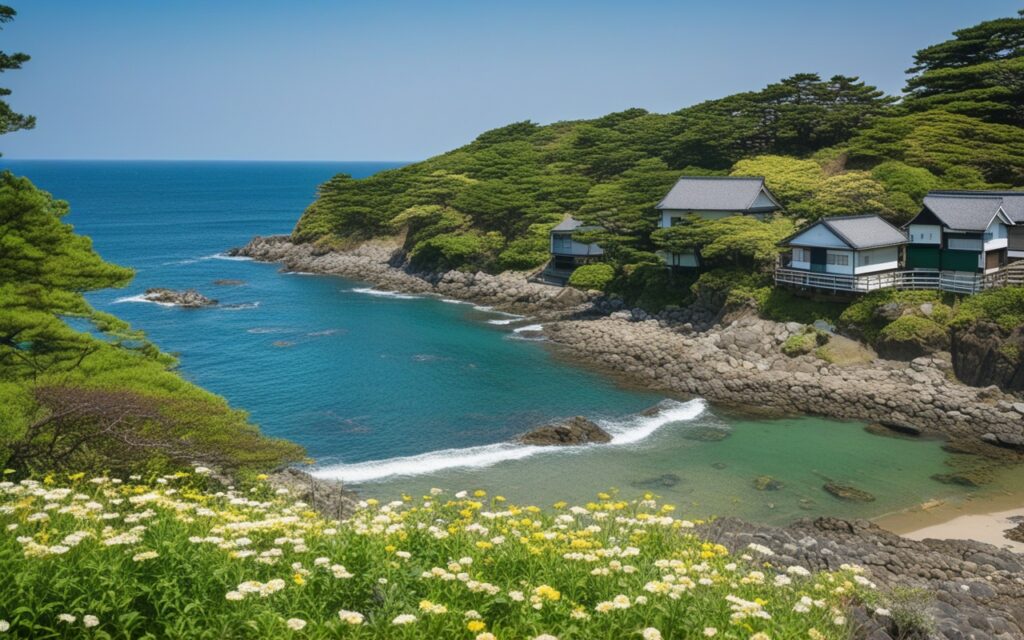
Miura Coast Secret Swimming Spots – Kanagawa 2026
Overview
Plan your perfect visit to Miura Coast Secret Swimming Spots – Kanagawa with this comprehensive destination guide, Covering everything from must-see attractions to practical travel tips, this guide helps you make the most of your time in Miura. Whether you have a single day or an entire week, discover the best that this Kanagawa destination has to offer.
Introduction: Finding Solitude on Kanagawa’s Coast
📍 Miura Coast Swimming Spots
[Experience Zekkei Seaside Nahama — a stunning coastal resort on the Miura Peninsula](Experience Zekkei Seaside Nahama — a stunning coastal resort on the Miura Peninsula)
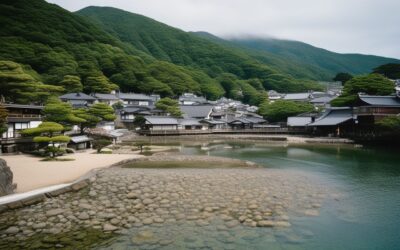
Discover secret swimming coves and beach access points along the Miura Peninsula.
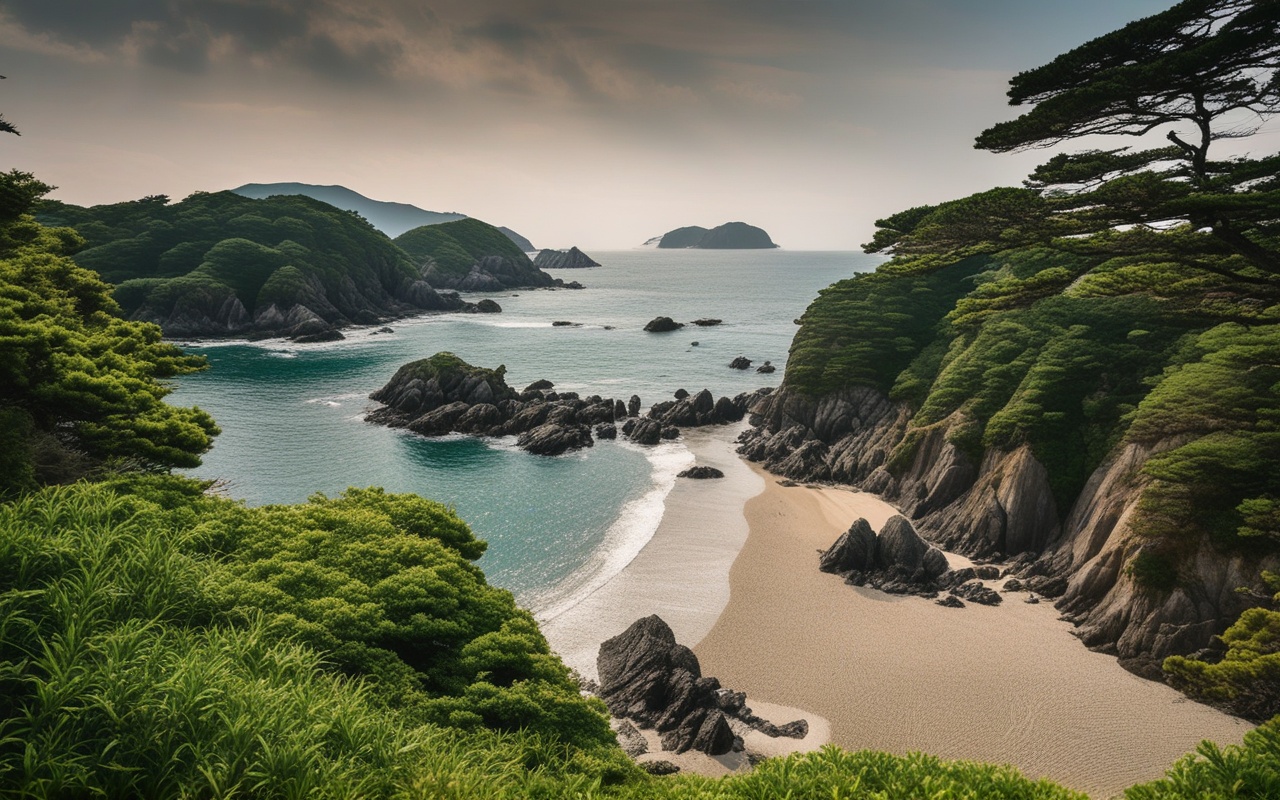
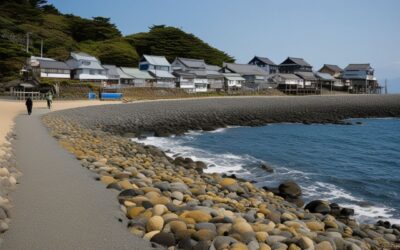
Kanagawa’s beaches — Kamakura, Zushi, Enoshima — draw massive crowds every summer. But the Miura Peninsula’s east coast, with its rugged topography, hides dozens of small coves that remain quiet even in August. These aren’t official beaches. They’re spots discovered by local fishermen, then passed down through families. Book your stay at Enoshima Hotel — seaside accommodation with stunning ocean views
Important Note
⚠️ These are NOT official swimming beaches.
- No lifeguards
- No facilities
- No emergency services nearby
- Swim at your own risk
- Check water conditions before entering
- Strong currents possible at some spots
- Never swim alone
#1: Anjinzaki Cove (安針崎の入江)
Best for: First-time visitors, easy access
Location: Northern Miura, near Anjinzaki Park
Access: 10-min walk from parking area
Water: Calm, protected from open ocean
Bottom: Sandy with some rocky areas
Depth: Shallow (1-3m), good for beginners
Why It’s Special:
- Sheltered cove: Protected from rough seas
- Gradual depth: Safe for weak swimmers
- Shady trees: Natural shade until mid-afternoon
- Sand + rock mix: Interesting underwater terrain
- Nearby park: Facilities within walking distance
Getting There:
From Yokosuka:
- Bus from Yokosuka Station to “Anjinzaki” stop Book Central Hotel Yokosuka — convenient and affordable accommodation in the heart of Yokosuka
- Walk through Anjinzaki Park toward coast
- Follow path down to cove (5 min)
- Look for rope marker on tree Note: Last 100m is a steep dirt path
Tips:
- Arrive before 10 AM for best spot on the small beach
- Snorkeling gear recommended (small fish in rocky areas)
- No shade after 2 PM (bring umbrella)
- Cell reception: Good (near residential area)
2. Nagai Beach Hidden Cove (長井浜の隠れ入江)
Best for: Snorkeling, clear water
Location: Southern Miura, Nagai area
Access: 20-min walk from bus stop
Water: Clear, rocky bottom, marine life
Bottom: Primarily rock reef with sandy patches
Depth: 2-5m, good for snorkeling
Why It’s Special:
- Crystal clear water: Visibility up to 8m on calm days
- Rock reef ecosystem: Fish, sea urchins, small octopus
- Undercut cliffs: Interesting rock formations
- Larger area: Room for multiple groups
- Less known: Even locals don’t always know this one
Getting There:
From Keikyu Nagai Station:
1. Bus to "Nagai Kaigan" stop (15 min)
2. Walk south along coastal road for 5 min
3. Turn right at abandoned fishing hut
4. Follow dirt path through bamboo (10 min)
5. Path ends at the cove ⚠️ Path requires navigation skills
Tips:
- Wear water shoes (sharp rocks in water)
- Snorkel mask essential (water shoes too)
- Strong swimmer only (no lifeguard)
- Check tide — best at mid to high tide
- Bring mask defogger (water shoes recommended)
3. Shiroyama Secret Cove (城山の秘密の入江)
Best for: Solitude, advanced explorers
Location: Central Miura coast
Access: 15-min hike from road
Water: Deep, open ocean exposure
Bottom: Rocky, sudden dropoffs
Depth: 3-10m (variable)
⚠️ Advanced only
Why It’s Special:
- Extreme privacy: Rarely has more than 1 group
- Deep water: Jump from 3m rocks
- Dramatic scenery: Cliffs on both sides
- Natural diving platform: 3m rock ledge Getting There:
Access is deliberately vague to protect this spot.
Key Info:
- Requires navigating private property boundary
- Ask at local fishing supply shop for permission
- Respect the landowners
- Leave no trace
Tips:
- This spot requires local knowledge. Be polite and respectful.
- Drop-off near shore (know your limits)
- Check conditions carefully (exposed to currents)
- Best on flat, calm days only
- Tell someone your exact location
4. Aburatsubo Cove (油壺の入江)
Best for: Families with older children
Location: Southern Miura, near Aburatsubo Marine Park
Access: 5-min walk from road
Water: Calm, enclosed cove
Bottom: Sand with seagrass
Depth: 0.5-2m, safe for children
Why It’s Special:
- Marine park proximity: Showers nearby
- Enclosed cove: Minimal current
- Seagrass beds: Habitat for small marine life
- Sand bottom: Comfortable for feet
- Parking nearby: 5-minute walk
Getting There:
From Keikyu Misakiguchi Station:
1. Bus to "Aburatsubo" stop (20 min)
2. Walk toward the marine park
3. Take the left fork before the main entrance
4. Cove is at the end of the path (5 min) Parking: ¥500/day at marine park lot
Tips:
- Visit marine park’s aquarium before swimming Visit Hakoneen Aquarium on Lake Ashi — a family-friendly marine attraction perfect for rainy days
- Showers available at marine park (¥200)
- Last bus at 6 PM (plan return)
- Small beach shop (basics only)
- Good for: Snorkeling, SUP, kayaking
Practical Information
What to Bring
Essential:
- Water (2L per person minimum)
- Sunscreen (reapply frequently)
- Hat and sunglasses
- Water shoes
- Towel
- Snacks

Recommended:
- Snorkel mask
- Floating cooler
- Dry bag for valuables
- First aid kit
- Beach umbrella
- Portable charger
Safety
✅ Swim with a buddy
✅ Check weather and tide
✅ Enter water feet first
✅ Know your limits
✅ Watch for boat traffic (some coves)

❌ Never swim alone
❌ Don't dive into unknown water
❌ Avoid after drinking alcohol
❌ Don't ignore warning signs
❌ Don't leave trash
When to Go
Best: July 15 - September 15 (warm water)
   Weekdays (fewest people)
   Mid-tide (good water level)

Good: June (cooler water, fewer people)
   September (warm water, fewer families) Avoid: May and earlier (cold water)
   October and later (too cold)
   Typhoon warnings (dangerous)
   August weekends (busiest)
Frequently Asked Questions
Q: Are these beaches legal to swim at?
A: There are no official swimming bans at these locations, but they are not designated swimming areas. Swim at your own risk.
Q: Do I need a car?
A: Most require a combination of train + bus + walking, but a car makes access significantly easier. Q: Are there jellyfish?
A: Naturally. Watch for them in August especially. Carry vinegar in case of stings. Q: Can I camp overnight?
A: No, Camping is not permitted at any of these coves. Return before dark.
Q: Is the water clean?
A: Generally yes — Miura coast has good water quality. Check Kanagawa water quality reports during summer.
Last Updated: May 19, 2026
Written by: Anaba OffJapan Editorial Team
Verified: Spots visited May 2026
🌟 Share Your Experience
Found a secret swimming spot on Miura? Know a better cove? Join our community forum to share responsibly!
Anaba OffJapan – Avoid the Crowds, Go Deeper into Japan.
🏖️ Water Safety & Marine Life Guide
Each cove along the Miura coast has its own distinct character and requires different preparation depending on tide and weather conditions. Before heading out, research the specific conditions of your chosen spot — some coves are best at low tide, while others become accessible only at mid-tide, Adjusting your timing based on these factors can transform your experience from merely pleasant to truly memorable.
How to Find Your Own Secret Cove
While this guide covers four established spots, the Miura coastline has dozens of coves waiting to be discovered. The key is knowing what to look for. Study Google Maps satellite view — look for small indentations in the coastline that aren’t marked by any road access. Cross-reference with topographical maps: a steep contour line near the coast often indicates a cliff, while a gentler slope might hide a cove. Visit during winter when vegetation is sparse and access paths are visible. Always approach with respect — if a path passes through private property, seek permission before proceeding. Once you find a new spot, practice the same discretion that keeps the existing coves secret.
Understanding Miura’s Coastal Conditions
The Miura Peninsula sits at the convergence of two ocean currents — the warm Kuroshio Current from the south and the cooler Oyashio Current from the north. This creates unique water conditions that vary dramatically between coves.
Water Temperature by Season:
| Month | Temp (°C) | Swim Comfort |
|——-|———–|————–|
| June | 19-21 | Cool, wetsuit recommended |
| July | 22-25 | Comfortable for swimming |
| August | 24-27 | Warmest, ideal conditions |
| September | 22-24 | Pleasant, fewer crowds |
Current Types to Watch For:
- Rip currents — narrow channels of fast-moving water flowing away from shore. If caught, swim parallel to shore, not against the current.
- Longshore currents — flow parallel to the beach. Common on more exposed coves.
- Tidal currents — strongest during incoming/outgoing tides near narrow cove entrances.
Marine Life Identification
What You Might Encounter While Snorkeling:
Safe to Observe:
- Striped beakfish (ishidai) — common, distinctive stripes, curious but harmless
- Black rockfish (mebaru) — hides under rocks, red-brown coloration
- Japanese anchovy (katakuchi-iwashi) — forms large shimmering schools
- Sea hares (kuro-umiboshi) — sea slugs, fascinating to watch
- Pufferfish (fugu) — various small species, non-aggressive
Keep Distance:
- Sea urchins (uni) — spines can cause painful puncture wounds. Look before stepping
- Jellyfish (kurage) — present from July to September. Carry vinegar for stings
- Cone snails — rare but venomous. Don’t pick up unfamiliar shells
- Moray eels (utsubo) — hide in crevices, won’t bother you if unprovoked
Emergency Preparedness
Every cove on this list has zero emergency services. Prepare accordingly:
Before Swimming:
- Check Kanagawa water quality report online
- Share your location with someone not at the beach
- Set a check-in time (text when you leave)
- Download offline maps of the area

In Your Day Pack:
- Basic first aid kit (bandages, antiseptic, vinegar for stings)
- Whistle (to signal if needed)
- Fully charged phone in waterproof case
- Emergency blanket

If Problems Arise:
- Stay calm, conserve energy
- Signal (wave one arm overhead)
- Call 118 (Japan Coast Guard emergency number)
Responsible Cove Etiquette
These coves remain secret because locals protect them. Follow these principles:
- Take 120% of your trash out — pick up any litter you find, not just your own
- No amplified music — the sound carries across the water to other coves
- Keep groups small — more than 6 people changes the atmosphere
- Respect privacy — don’t photograph other people without permission
- Leave no trace — no fires, no markings, no alterations to the natural environment
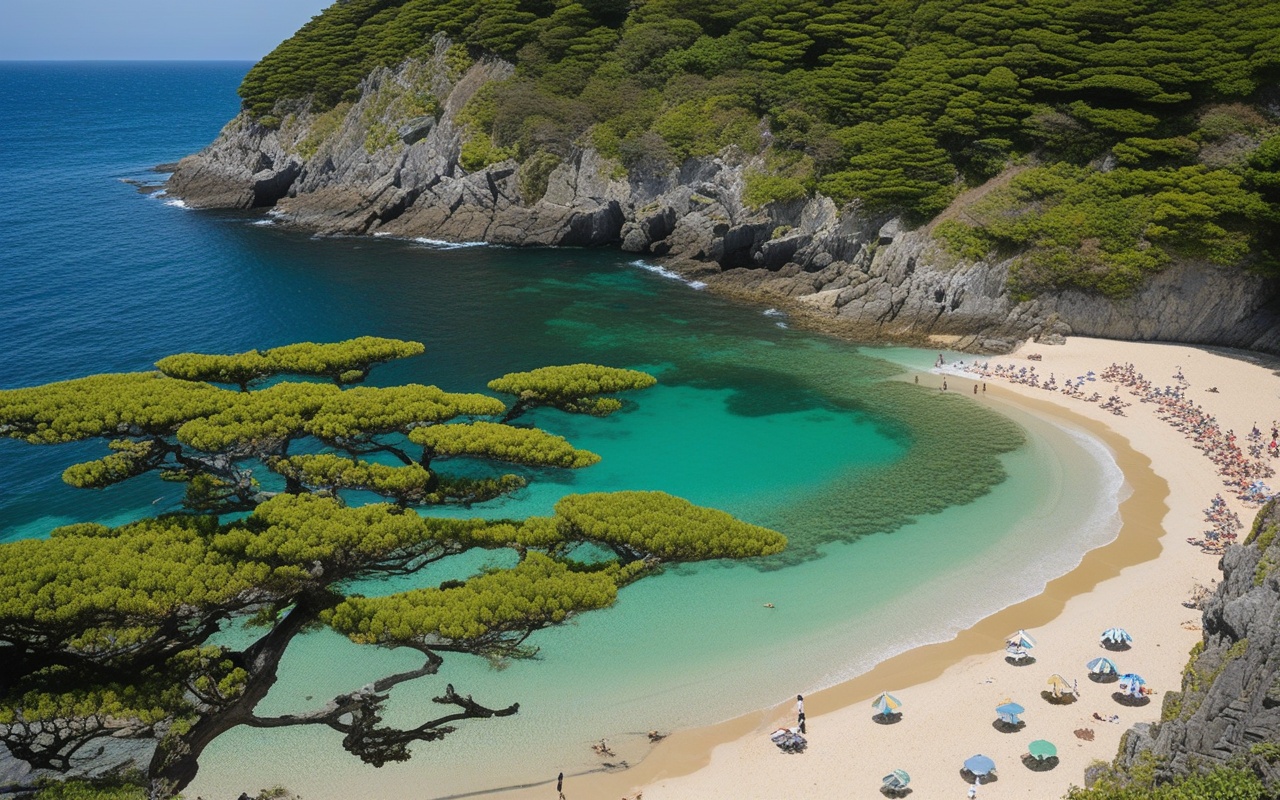
Miura Peninsula’s secret swimming coves offer a rare experience on Kanagawa’s coast: genuine solitude and natural beauty without crowds. These spots require effort to reach and respect to enjoy, but for those willing to hike and explore, they provide the most rewarding coastal experiences in the prefecture.
Kamakura Area
|—|—|—|—|—|
| Kamakura Menman | Ramen | 🔗 Official Website | 11:00-21:00 | ¥900-1,200 |
Packing Essentials
Day trips require minimal packing. Bring a charged portable battery for your phone. A light scarf is useful for entering religious sites. Pack a reusable shopping bag for souvenirs. A physical map from tourist information serves as a reliable backup.
Conclusion
Whether you are planning exploring Kanagawa for the first time or returning for another visit, taking a little extra time to go beyond the obvious sights makes all the difference. During my visit I went with a rough plan and found that leaving room to wander made the trip far more memorable. I hope this guide helps you build an itinerary that fits your pace, and that your time in Kanagawa leaves you with memories worth coming back for.