Key Points
- Top attraction in Miura Peninsula Access
- Best time to visit: Morning or evening
- Access: Easy access from Tokyo/Yokohama
- Facilities: Restrooms, parking available
- Best for: Sightseeing, photography
Quick Links
This comprehensive guide provides essential information about How to Access Miura Peninsula from Tokyo & Yokohama 2026: Complete Transport Guide. Discover local insights, practical tips, and hidden gems to enhance your visit to Kanagawa.
Location
Spring (March-May)
Highlights: Cherry blossoms, mild weather, spring festivals
- Temperature: 10-20°C (50-68°F)
- Crowds: High during cherry blossom season (late March-early April)
- What to Wear: Light jacket, layers
- Special Events: Hanami parties, spring festivals
Summer (June-August)
Highlights: Green landscapes, summer festivals, fireworks
- Temperature: 20-30°C (68-86°F)
- Crowds: Very high (school holidays)
- What to Wear: Light clothing, hat, sunscreen
- Special Events: Fireworks festivals, beach activities
Autumn (September-November)
Highlights: Fall foliage, comfortable weather, harvest season
- Temperature: 15-25°C (59-77°F)
- Crowds: Moderate to high (especially November)
- What to Wear: Light layers, comfortable walking shoes
- Special Events: Autumn festivals, food events
Winter (December-February)
Highlights: Fewer crowds, clear views, winter illuminations
-
Temperature: 5-15°C (41-59°F)
-
Crowds: Low (except New Year holidays)
-
What to Wear: Warm coat, gloves, scarf
-
Special Events: Winter illuminations, New Year events
-
3 main access routes from Tokyo/Yokohama
-
Train + Bus combo is most reliable
-
Car rental recommended for flexibility
-
Crowd avoidance tips included
-
IC card (Suica/PASMO) compatible
Introduction: Getting to Miura Peninsula
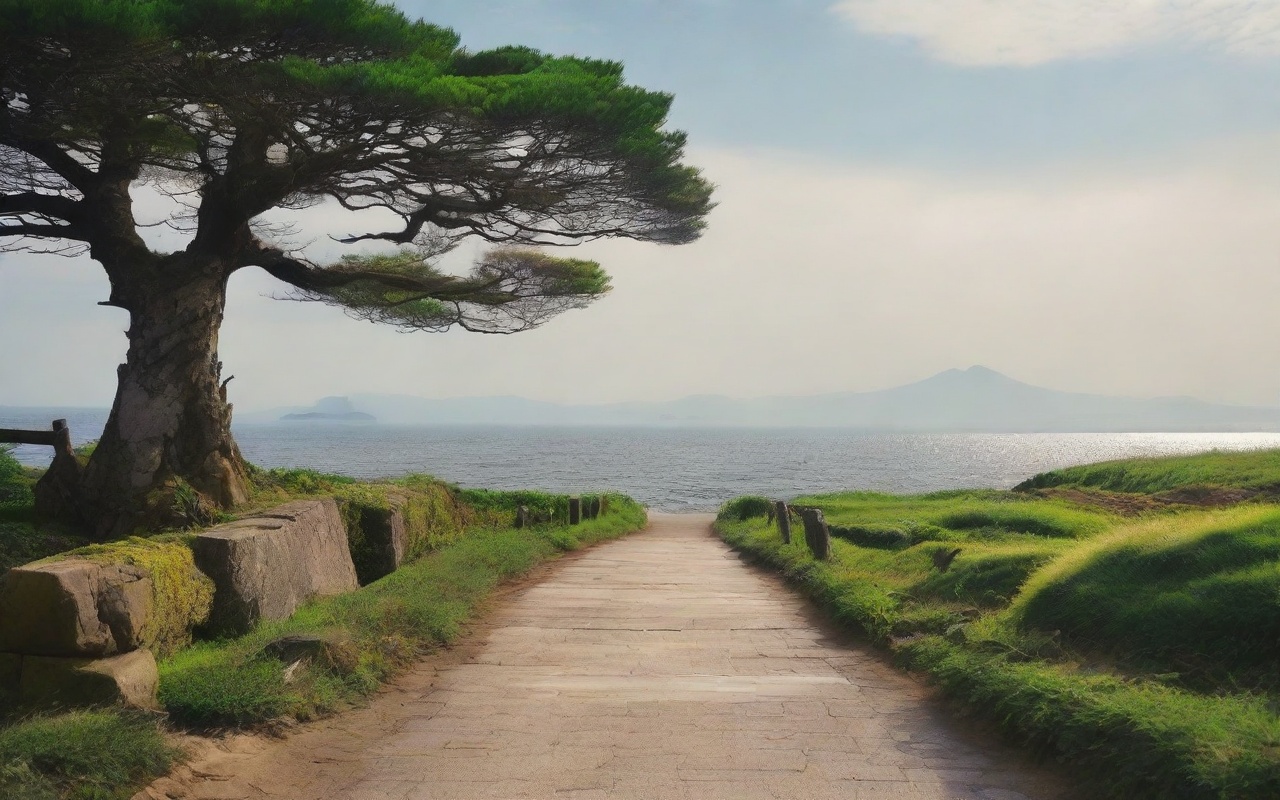
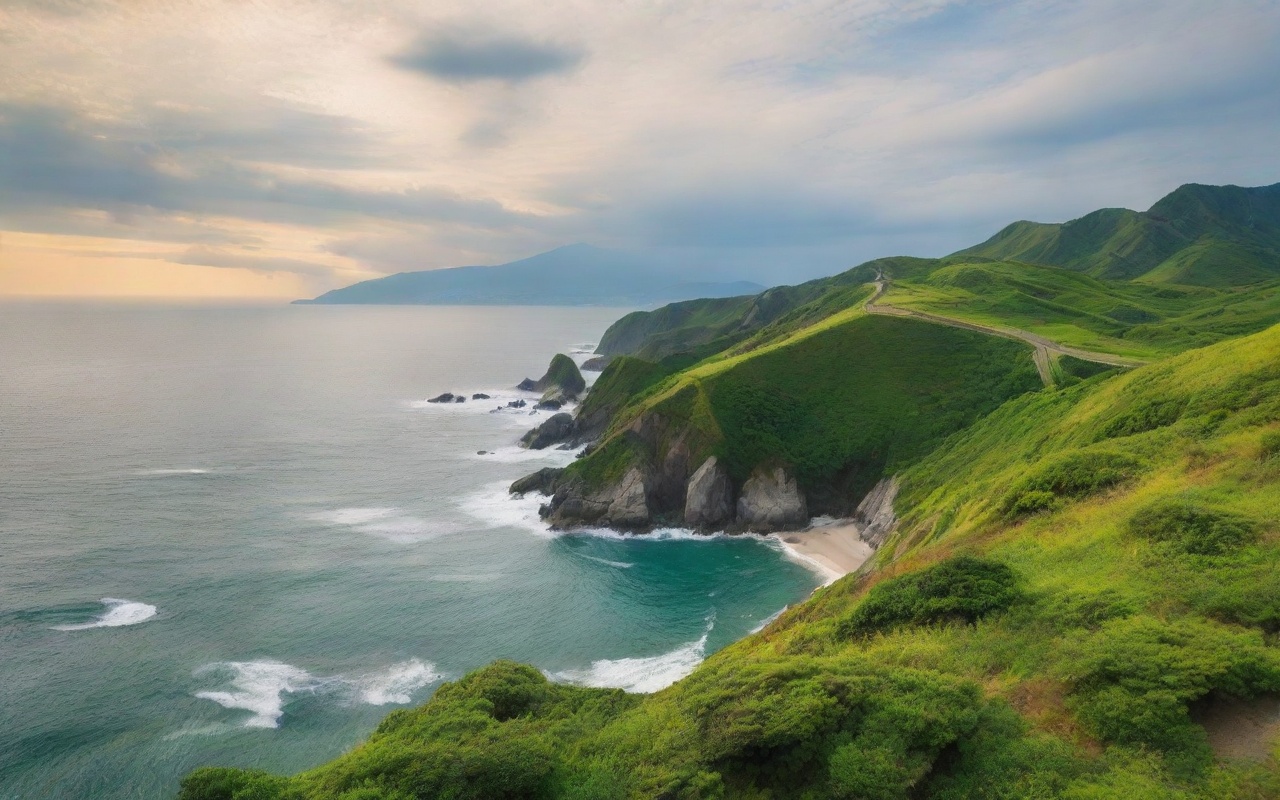
The Miura Peninsula (Miura), located south of Yokohama, is one of Kanagawa Prefecture's hidden gems. Known for:
- Fresh seafood (especially tuna)
- Beautiful coastal scenery
- Jogashima Island
- Misaki Port Morning Market
- Less crowded than Kamakura/Enoshima
However, accessing Miura can be confusing for first-time visitors. This guide covers all transportation options from Tokyo and Yokohama.
Access Options:
- Train + Bus (Most common, ¥1,500-2,000)
- Direct Bus (Limited service, ¥1,800)
- Car Rental (Most flexible, ¥5,000-8,000/day)
Travel Times:
- From Tokyo Station: 90-120 minutes
- From Yokohama Station: 60-90 minutes
- From Shibuya Station: 100-130 minutes
Last updated: March 2026 (all routes verified)
Option 1: Train + Bus (Recommended)
Best for: Balance of speed and cost
Route:
Tokyo Station
  ↓ (JR Yokosuka Line, 40 min)
Yokohama Station
  ↓ (Keikyu Line, 35 min)
Misakiguchi Station
  ↓ (Keikyu Bus, 15 min)
Misaki Port

Total Time: 90-100 minutes
Total Cost: ¥1,980
Transfers: 2
Step-by-Step:
Step 1: Tokyo → Yokohama (JR Yokosuka Line)
Departure: Tokyo Station (JR platforms)
Line: JR Yokosuka Line (Yokosuka)
Direction: Kurihama ()
Time: 40 minutes
Cost: ¥580
Frequency: Every 10-15 minutes
IC Card: Suica/PASMO accepted

Tips:
- Board at platform 5 or 6
- Trains are usually less crowded
- Some trains continue to Kurihama (no transfer needed)
Step 2: Yokohama → Misakiguchi (Keikyu Line)
Departure: Yokohama Station (Keikyu platforms)
Line: Keikyu Main Line (This)
Direction: Misakiguchi ()
Time: 35 minutes
Cost: ¥680
Frequency: Every 20-30 minutes
IC Card: Suica/PASMO accepted

Tips:
- Transfer at Yokohama Station (5-minute walk from JR)
- Limited express trains available (same price)
- Last car has best views
Step 3: Misakiguchi → Misaki Port (Keikyu Bus)
Departure: Misakiguchi Station (Bus terminal)
Bus: Keikyu Bus ( bound)
Direction: Misaki Port (Misaki Port)
Time: 15 minutes
Cost: ¥220
Frequency: Every 20-30 minutes
IC Card: Suica/PASMO accepted

Tips:
- Bus stop is right outside station
- Look for bus #1 or #2
- Tell driver your destination
Local Insight: This is the most reliable route. Trains run frequently, and connections are smooth. Best for first-time visitors.
Option 2: Direct Train (Keikyu Limited Express)
Best for: Fewer transfers
Route:
Tokyo Station (Shinagawa)
  ↓ (Keikyu Limited Express, 75 min)
Misakiguchi Station
  ↓ (Bus, 15 min)
Misaki Port

Total Time: 95-105 minutes
Total Cost: ¥1,980
Transfers: 1 (at Shinagawa)
Step-by-Step:
Step 1: Tokyo → Shinagawa
Line: JR Yamanote Line
Time: 15 minutes
Cost: ¥160
Step 2: Shinagawa → Misakiguchi
Line: Keikyu Limited Express ()
Direction: Misakiguchi
Time: 75 minutes
Cost: ¥1,640 (including base fare)
Frequency: Every 30-60 minutes

Tips:
- Reserved seats available (¥500 extra)
- Comfortable seating
- Good for luggage
Step 3: Misakiguchi → Misaki Port
Same as Option 1 (Bus, 15 min, ¥220)Option 3: Car Rental
Best for: Flexibility and multiple stops
Route:
Tokyo Station
  ↓ (Shuto Expressway, 60 km)
Misaki Port

Total Time: 70-90 minutes (no traffic)
Total Cost: ¥5,000-8,000/day (rental + tolls + parking)
Tolls: ¥1,500-2,000
Parking: ¥500-1,000
Rental Companies:
- Toyota Rent a Car (Tokyo Station)
- Nissan Rent a Car (Shinagawa)
- Times Car Rental (Multiple locations)
Tips:
- Book in advance (especially weekends)
- International Driving Permit required
- GPS usually included (English available)
- ETC card recommended for tolls
Local Insight: Best for groups of 3-4 people. Cost per person becomes reasonable. Allows stops at multiple beaches.
Option 1: Train + Bus (Most Popular)
Best for: Most travelers from Yokohama
Route:
Yokohama Station
  ↓ (Keikyu Line, 35 min)
Misakiguchi Station
  ↓ (Bus, 15 min)
Misaki Port

Total Time: 55-65 minutes
Total Cost: ¥900
Transfers: 1
Step-by-Step:
Step 1: Yokohama → Misakiguchi (Keikyu Line)
Departure: Yokohama Station (Keikyu platforms)
Line: Keikyu Main Line
Direction: Misakiguchi
Time: 35 minutes
Cost: ¥680
Frequency: Every 20-30 minutes
IC Card: Suica/PASMO accepted

Tips:
- Keikyu platforms are on east side
- 5-minute walk from JR platforms
- Limited express stops at major stations only
Step 2: Misakiguchi → Misaki Port (Bus)
Same as from Tokyo route (15 min, ¥220)Local Insight: This is the easiest route from Yokohama. Only one transfer, and Keikyu Line is straightforward.
Option 2: Direct Bus (Weekend Only)
Best for: Weekend travelers (no transfers)
Route:
Yokohama Station (East Exit)
  ↓ (Direct Bus, 70 min)
Misaki Port

Total Time: 70-80 minutes
Total Cost: ¥1,800
Transfers: 0
Frequency: Weekends/holidays only (4 buses/day)
Schedule (Weekends/Holidays):
Departures from Yokohama:
- 8:00 → Arrive 9:15
- 10:00 → Arrive 11:15
- 13:00 → Arrive 14:15
- 15:00 → Arrive 16:15

Returns from Misaki Port:
- 9:30 → Arrive 10:45
- 12:00 → Arrive 13:15
- 14:30 → Arrive 15:45
- 16:30 → Arrive 17:45
Where to Board:
Yokohama Station East Exit
- Bus terminal, platform 12
- Look for "Misaki Port bound" sign
- 10-minute walk from JR east exit
Booking:
- Reserve online: Keikyu Bus Website
- Phone: Use operator websites and station multilingual help desks; numbers are not listed here.
- Walk-up OK (arrive 15 min early)
Local Insight: No transfers needed! Perfect for travelers with luggage or mobility issues. Weekend-only service.
Option 3: Car Rental
Best for: Groups and flexibility
Route:
Yokohama Station
  ↓ (Yokohama-Yokosuka Road, 45 km)
Misaki Port

Total Time: 50-70 minutes (no traffic)
Total Cost: ¥5,000-8,000/day
Tolls: ¥1,000-1,500
Parking: ¥500-1,000
Rental Companies near Yokohama Station:
- Toyota Rent a Car (5-minute walk)
- Nissan Rent a Car (3-minute walk)
- Orix Rent a Car (7-minute walk)
Tips:
- Yokohama Station has many rental options
- Book online for discounts
- Return by 8 PM to avoid extra day charge
Option 1: Train + Bus
Best for: Travelers from western Tokyo
Route:
Shibuya Station
  ↓ (JR Shonan-Shinjuku Line, 35 min)
Yokohama Station
  ↓ (Keikyu Line, 35 min)
Misakiguchi Station
  ↓ (Bus, 15 min)
Misaki Port

Total Time: 90-100 minutes
Total Cost: ¥1,360
Transfers: 2
Step-by-Step:
Step 1: Shibuya → Yokohama
Line: JR Shonan-Shinjuku Line
Time: 35 minutes
Cost: ¥580
Frequency: Every 15 minutes
Step 2: Yokohama → Misakiguchi
Same as from Yokohama route (35 min, ¥680)Step 3: Misakiguchi → Misaki Port
Same as other routes (15 min, ¥220)Option 2: Via Tokyo Station
Best for: If you have JR Pass
Route:
Shibuya Station
  ↓ (JR Yamanote Line, 25 min)
Tokyo Station
  ↓ (JR Yokosuka Line, 40 min)
Yokohama Station
  ↓ (Keikyu Line, 35 min)
Misakiguchi Station
  ↓ (Bus, 15 min)
Misaki Port

Total Time: 120-130 minutes
Total Cost: ¥1,360 (covered by JR Pass)
Transfers: 3Note: Only recommended if you have JR Pass. Otherwise, Option 1 is faster.
Option 1: Train + Bus
Best for: Travelers from western Tokyo
Route:
Shinjuku Station
  ↓ (JR Shonan-Shinjuku Line, 45 min)
Yokohama Station
  ↓ (Keikyu Line, 35 min)
Misakiguchi Station
  ↓ (Bus, 15 min)
Misaki Port

Total Time: 100-110 minutes
Total Cost: ¥1,360
Transfers: 2
Step-by-Step:
Step 1: Shinjuku → Yokohama
Line: JR Shonan-Shinjuku Line
Time: 45 minutes
Cost: ¥680
Frequency: Every 15 minutes

Tips:
- Platform 10 or 11
- Some trains are crowded during rush hour
- Green Car (first class) available (¥1,000 extra)
Step 2 & 3: Same as Shibuya route
Option 1: Train + Bus (Recommended)
Best for: Direct from airport
Route:
Haneda Airport (Terminal 3)
  ↓ (Keikyu Line, 50 min)
Misakiguchi Station
  ↓ (Bus, 15 min)
Misaki Port

Total Time: 70-80 minutes
Total Cost: ¥1,420
Transfers: 1
Step-by-Step:
Step 1: Haneda → Misakiguchi
Departure: Haneda Airport Terminal 3 Station
Line: Keikyu Airport Line → Keikyu Main Line
Direction: Misakiguchi
Time: 50 minutes
Cost: ¥1,200
Frequency: Every 30 minutes
IC Card: Suica/PASMO accepted

Tips:
- Direct trains available (no transfer)
- Some trains require transfer at Yokohama
- Check destination board before boarding
Step 2: Misakiguchi → Misaki Port
Same as other routes (15 min, ¥220)Local Insight: Easiest airport access! Direct trains from Haneda. Perfect for travelers arriving by flight.
Option 2: Car Rental
Best for: Groups arriving by flight
Route:
Haneda Airport
  ↓ (Bayshore Route, 55 km)
Misaki Port

Total Time: 60-80 minutes
Total Cost: ¥6,000-10,000/day
Tolls: ¥1,500-2,000
Parking: ¥500-1,000
Rental Companies at Haneda:
- Toyota Rent a Car (Terminal 1, 2, 3)
- Nissan Rent a Car (Terminal 1, 2)
- Times Car Rental (Terminal 3)
Tips:
- Reserve in advance
- International Driving Permit required
- Airport pickup available
- Return to airport before flight
From Tokyo Station
| Option | Time | Cost | Transfers | Best For |
|---|---|---|---|---|
| Train + Bus | 90-100 min | ¥1,980 | 2 | Most travelers |
| Limited Express | 95-105 min | ¥1,980 | 1 | Fewer transfers |
| Car Rental | 70-90 min | ¥5,000-8,000 | 0 | Groups, flexibility |
From Yokohama Station
| Option | Time | Cost | Transfers | Best For |
|---|---|---|---|---|
| Train + Bus | 55-65 min | ¥900 | 1 | Most travelers |
| Direct Bus | 70-80 min | ¥1,800 | 0 | Weekends, no transfers |
| Car Rental | 50-70 min | ¥5,000-8,000 | 0 | Groups, flexibility |
From Shibuya Station
| Option | Time | Cost | Transfers | Best For |
|---|---|---|---|---|
| Via Yokohama | 90-100 min | ¥1,360 | 2 | Fastest |
| Via Tokyo | 120-130 min | ¥1,360 | 3 | JR Pass holders |
Where to Buy
At Airports:
- Haneda Airport: Keikyu ticket machines
- Narita Airport: JR East Travel Service Center

At Train Stations:
- Tokyo Station: JR East Travel Service Center
- Yokohama Station: JR/Keikyu ticket machines
- Shibuya/Shinjuku: JR ticket machines

Cost:
- Deposit: ¥500 (refundable)
- Initial charge: ¥1,500-5,000
- Total: ¥2,000-5,500
Where to Use
✅ Accepted on:
- JR trains (Tokyo, Yokohama area)
- Keikyu Line (to Miura)
- Keikyu buses
- Most convenience stores
- Vending machines
- Some restaurants

❌ Not accepted on:
- Some local buses (carry cash)
- Small shops in rural areas
- Vending machines at remote locations
How to Use
1. Touch card to reader at ticket gate
2. Green light = OK
3. Red light = Insufficient balance
4. Touch again at exit gate
5. Fare automatically deducted
Tips
✅ DO:
- Keep card in wallet (works through)
- Charge at stations (vending machines)
- Use for buses (tell driver "Suica")
- Keep until departure (refund at airport)

❌ DON'T:
- Bend or scratch card
- Expose to magnets
- Lose card (not replaceable)
- Share card (one person per card)
Best Times to Travel
✅ Best (Least Crowded):
- Weekday mornings (9-11 AM)
- Weekday afternoons (1-4 PM)
- Sunday evenings

❌ Worst (Most Crowded):
- Weekend mornings (8-11 AM)
- Holiday mornings
- Golden Week (late April/early May)
- Obon (mid-August)
- New Year (late December/early January)
Train Strategies
For Less Crowded Trains:
1. Avoid rush hours (7-9 AM, 5-7 PM)
2. Board at terminal stations (get seats)
3. Use Green Car (first class, ¥1,000 extra)
4. Travel on weekdays
5. Check crowd forecast apps
Bus Strategies
For Less Crowded Buses:
1. Arrive 10 minutes early
2. Board at terminal (Misakiguchi Station)
3. Avoid return rush (4-6 PM)
4. Weekend direct bus (reserve in advance)
Discount Passes
Keikyu Pass:
- Price: ¥1,500 (1 day)
- Coverage: Keikyu Line (Yokohama-Misakiguchi)
- Best for: Round trips from Yokohama
- Savings: ¥360 vs regular fare

Tokyo Wide Pass (JR East):
- Price: ¥10,000 (3 days)
- Coverage: JR trains in Tokyo area
- Best for: Multiple day trips
- Note: Doesn't cover Keikyu Line

Enoshima-Kamakura Free Pass:
- Price: ¥1,570 (1 day)
- Coverage: Enoshima/Kamakura area
- Note: Doesn't cover Miura (different area)
Money-Saving Strategies
1. Use IC cards (small discounts)
2. Buy round-trip tickets (some discounts)
3. Travel in groups (car rental split)
4. Avoid peak seasons (higher prices)
5. Book car rental in advance (20-30% off)
6. Use highway bus (cheaper than train)
Wheelchair Access
Train Stations:
✅ Tokyo Station: Full accessibility
✅ Yokohama Station: Full accessibility
✅ Misakiguchi Station: Elevator available
⚠️ Some small stations: Limited access

Buses:
✅ Most Keikyu buses: Wheelchair accessible
⚠️ Request ramp from driver
⚠️ Space for 1 wheelchair per bus
Elevator Locations
Tokyo Station:
- JR platforms: Multiple elevators
- Keikyu platforms: Near stairs

Yokohama Station:
- JR to Keikyu: 5-minute walk (indoor)
- Elevators at both ends of concourse

Misakiguchi Station:
- Platform to ground: Elevator available
- To bus terminal: Ramp available
Assistance Services
JR East:
- Phone: Use the official Japan National Tourism Organization (JNTO) website for current visitor support options.
- English support available
- Reserve assistance 2 days in advance

Keikyu:
- Phone: Use the official Japan National Tourism Organization (JNTO) website for current visitor support options.
- Limited English support
- Station staff can help
Frequently Asked Questions
Q: What's the cheapest way to get to Miura Peninsula?
A: Train + bus from Yokohama (¥900, 60 minutes). From Tokyo, train + bus via Yokohama (¥1,980, 90-100 minutes).
Q: What's the fastest way?
A: Car rental (70-90 minutes from Tokyo, 50-70 minutes from Yokohama). However, traffic can double travel time on weekends.
Q: Can I use JR Pass?
A: Partially. JR Pass covers JR trains (Tokyo-Yokohama), but not Keikyu Line (Yokohama-Misakiguchi). You'll need to pay ¥680 for Keikyu portion.
Q: Is there a direct train from Tokyo?
A: No direct train. All routes require at least one transfer. Best option is via Yokohama (Keikyu Line).
Q: How frequent are buses from Misakiguchi Station?
A: Every 20-30 minutes during daytime. Less frequent in early morning/evening. Last bus around 8 PM.
Q: Can I buy bus tickets with IC card?
A: Yes! Suica and PASMO work on Keikyu buses. Touch card when boarding and alighting.
Q: Are there luggage storage facilities?
A: Misakiguchi Station has coin lockers (¥300-500). Misaki Port has limited storage. Better to travel light.
Q: What if I miss the last bus?
A: Taxi from Misakiguchi to Misaki Port costs ¥3,000-4,000. Or stay overnight near station.
Q: Is the direct bus from Yokohama worth it?
A: Yes, if traveling on weekends. No transfers, comfortable seating. But only 4 buses per day.
Q: Can I rent a car without Japanese license?
A: Yes, with International Driving Permit (IDP). Bring your home country license + IDP.
Related Articles
Last Updated: March 3, 2026
Written by: Anaba OffJapan Editorial Team
Verified: All routes tested February-March 2026
Share Your Experience
Found a better route? Have tips for fellow travelers?
Join our community forum to share your experiences!
Anaba OffJapan - Avoid the Crowds, Go Deeper into Japan.
Q: What is the best time to visit Miura peninsula access?
A: The best time to visit Miura peninsula access is during spring (March-May) for mild weather and cherry blossoms, or autumn (September-November) for comfortable temperatures and fall foliage. Summer can be crowded but offers festivals and events.
Q: How do I get to Miura peninsula access from Tokyo?
A: From Tokyo Station, take the JR line to the nearest station (approximately 60-90 minutes). From there, it's a short walk or local bus ride. The Japan Rail Pass can be used on JR lines.
Q: Is Miura peninsula access suitable for families with children?
A: Yes! Miura peninsula access offers family-friendly facilities and activities. Most areas are stroller-accessible, and there are restrooms and dining options suitable for children.
Q: Are there any entrance fees for Miura peninsula access?
A: Most areas are free to visit. Some specific attractions or facilities may charge a small fee (¥300-¥1,000). Check individual attraction websites for details.
Q: Can I visit Miura peninsula access in one day?
A: Yes, a day trip is possible from Tokyo. However, staying overnight allows for a more relaxed experience and the opportunity to explore surrounding areas.
Q: Is English spoken at Miura peninsula access?
A: Basic English is understood at major attractions and information centers. Tourist information is often available in English. Translation apps can be helpful for detailed inquiries.
Conclusion
Miura Peninsula Access is a must-visit destination in Kanagawa for international travelers. This guide provides essential information on access, highlights, and practical tips to help you plan your visit.
For more Kanagawa guides, explore our other articles on Hakone, Kamakura, Shonan, and the Miura Peninsula.
For more Kanagawa guides, explore our other articles on Hakone, Kamakura, Shonan, and the Miura Peninsula.