Blog

  • Kanagawa Public Toilets Guide 2026

    Kanagawa Public Toilets Guide 2026

    Overview

    Where to Find Public Toilets in Kanagawa

    Train Stations

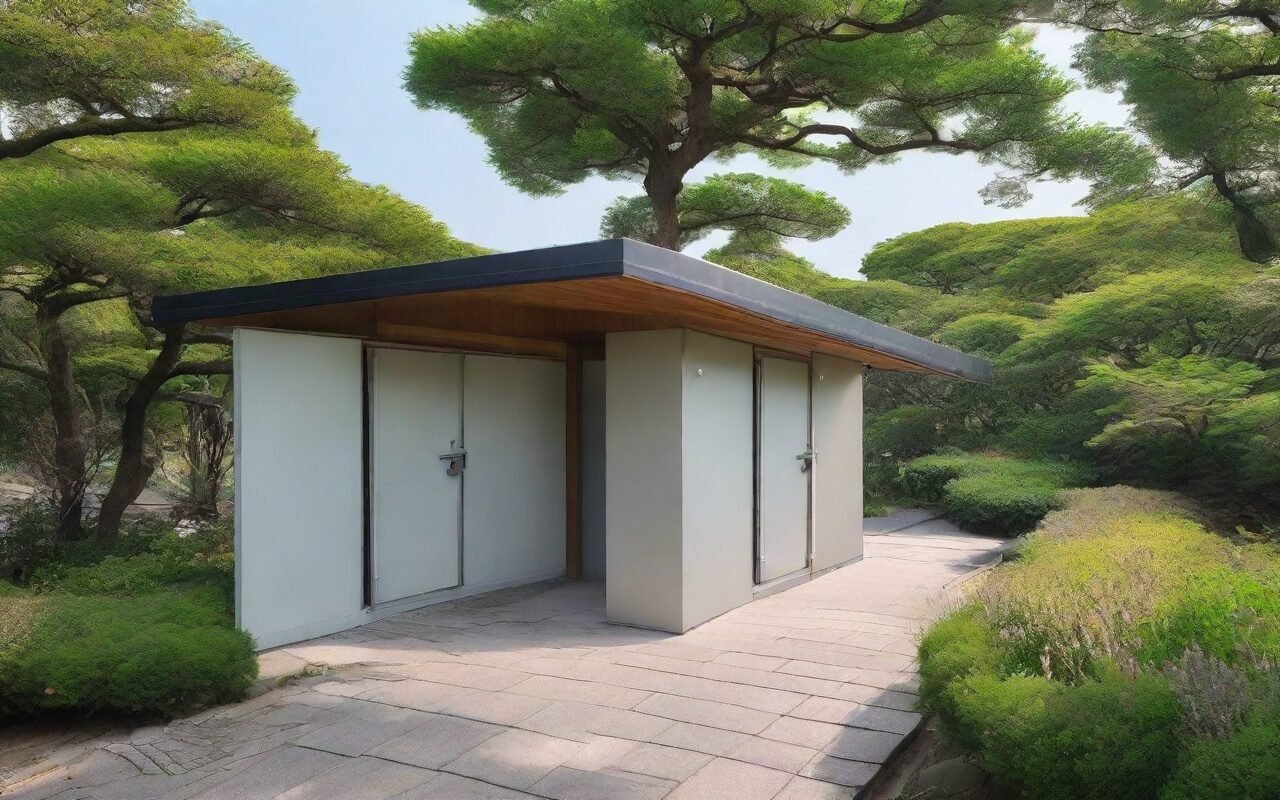
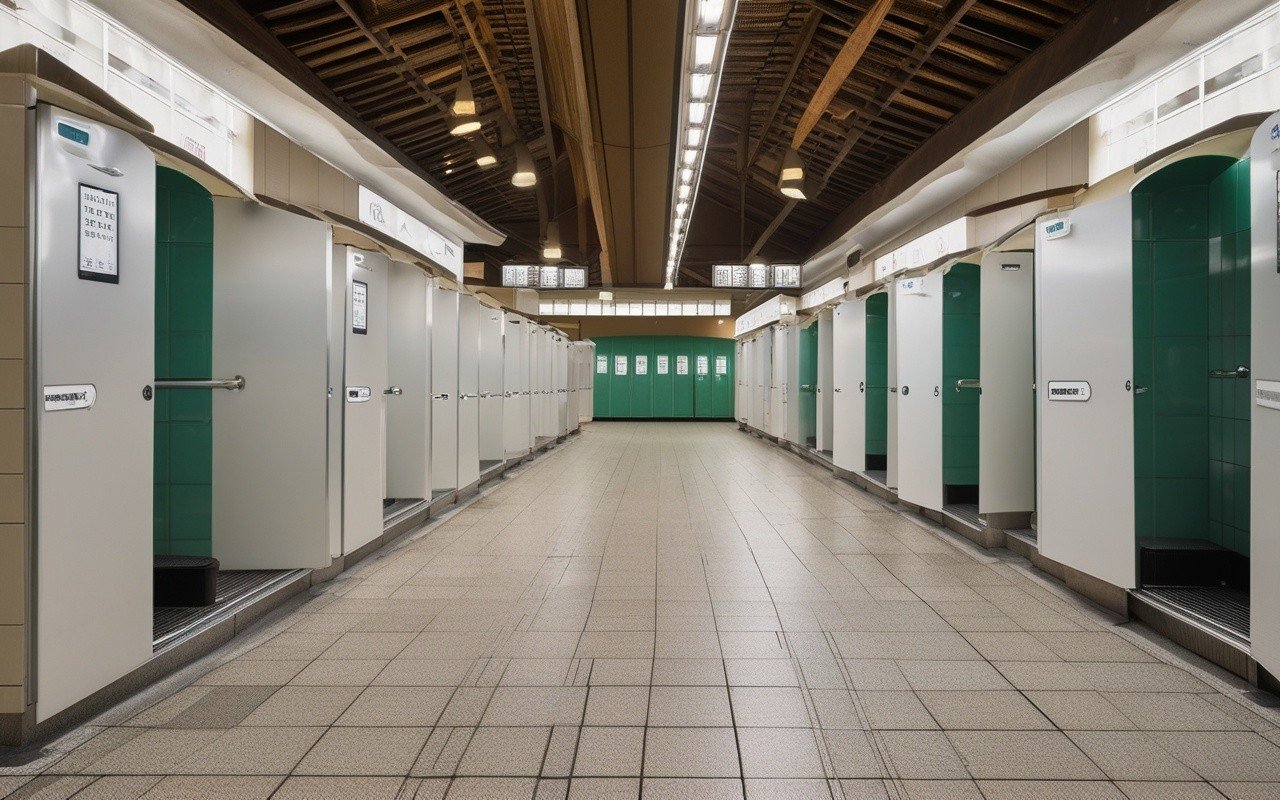
    Every train station in Kanagawa has public restrooms, usually located near the ticket gates or on the platform. Major stations offer the best facilities:

    Yokohama Station: Multiple restrooms throughout the station complex, including the Central Passage (East and West sides), the JR platform areas, and the Yokohama Porta underground shopping arcade. All are cleaned regularly and equipped with Western-style toilets and baby-changing stations.

    Kamakura Station: Restrooms at the East Exit and West Exit. The East Exit restroom is larger and has a dedicated accessible stall. The West Exit restroom is smaller but less crowded.

    Hakone-Yumoto Station: Clean restrooms on the first floor near the ticket gates and on the second floor near the observation deck. Kawasaki Station: Restrooms at the East Exit, West Exit, and in the Azalea and LAZONA shopping complexes.

    Convenience Stores

    Convenience stores (7-Eleven, FamilyMart, Lawson) are the most reliable option for public toilets in Japan. All have customer restrooms, usually at the back of the store. Unlike in some countries, you do not need to ask for permission or make a purchase — though it is polite to buy something small if you are a frequent user.

    Note: Some convenience stores in very busy areas (e.g., near Shibuya in Tokyo) have removed their public restrooms due to misuse. In Kanagawa, this is rare, but restrooms are more reliably available in residential neighborhoods than in nightlife districts.

    Parks and Public Spaces

    Kanagawa’s parks have well-maintained public restrooms:

    • Yamashita Park (Yokohama): Two restroom buildings — one near the Hikawa Maru entrance, one near the center of the park. Cleaned hourly during operating hours (6:00 AM–10:00 PM).
    • Sankeien Garden: Restrooms at the entrance area, near the Choshu-tei farmhouse, and at the Inner Garden entrance. The main entrance restroom has the largest and cleanest facilities.
    • Yuigahama Beach (Kamakura): Seasonal restrooms open during swimming season (July–August) with cold showers and basic toilets. The restrooms near Kamakura Station are better for comfort between May and October.
    • Hakone Open-Air Museum: excellent restrooms at the entrance and near the Picasso Pavilion, cleaned regularly during operating hours.

    Department Stores and Shopping Centers

    Department stores (Takashimaya, Sogo, Marui) and shopping centers (CIAL, LAZONA) have some of the best public restrooms in Japan. They are spacious, spotlessly clean, often have separate powder rooms, and include baby-changing facilities and accessible stalls. You do not need to be a customer.

    Recommended locations:

    • CIAL Yokohama (connected to Yokohama Station): Spacious restrooms on the first and third floors
    • LAZONA Kawasaki Plaza: Large restrooms with individual washing cubicles
    • Kamakura Komachi-dori: Several small shopping arcades have restrooms — look for signs near the public seating areas What particularly impressed me during my visit was how strongly the local character remains preserved.

    Types of Toilets in Japan

    Western (Sitting) Toilets

    Most public toilets in Kanagawa are Western-style with heated seats and washlet functions. The control panel typically includes:

    • Bidet (ビデ): Rear washing — the most commonly used function
    • Oshiri (おしり): Same as bidet
    • Front Bidet: For front washing (usually marked with a feminine symbol)
    • Stop (止): Stops the water
    • Warm Air Dryer (温風): Drying function
    • Otohime / Sound Princess (音姫): Generates flushing sounds to mask bathroom noises

    Using a washlet for the first time: Sit down, use the facilities as normal, then press the bidet button (marked with a rear-wash symbol, usually blue). Adjust the water pressure with the +/− buttons (start on low!). After washing, press the dryer button (warm air symbol, usually red). Use the small amount of toilet paper provided to pat dry.

    Japanese (Squat) Toilets

    Some older public restrooms (especially in parks, older temple buildings, and rural areas) have squat toilets. To use one:

    1. Face the hooded end (the direction the water flows)
    2. Squat over the opening, holding onto the handrail if available
    3. Balance carefully — it takes practice

    Western toilets are now far more common, and most public facilities have at least one Western-style stall even if others are squat.


    📍 Location
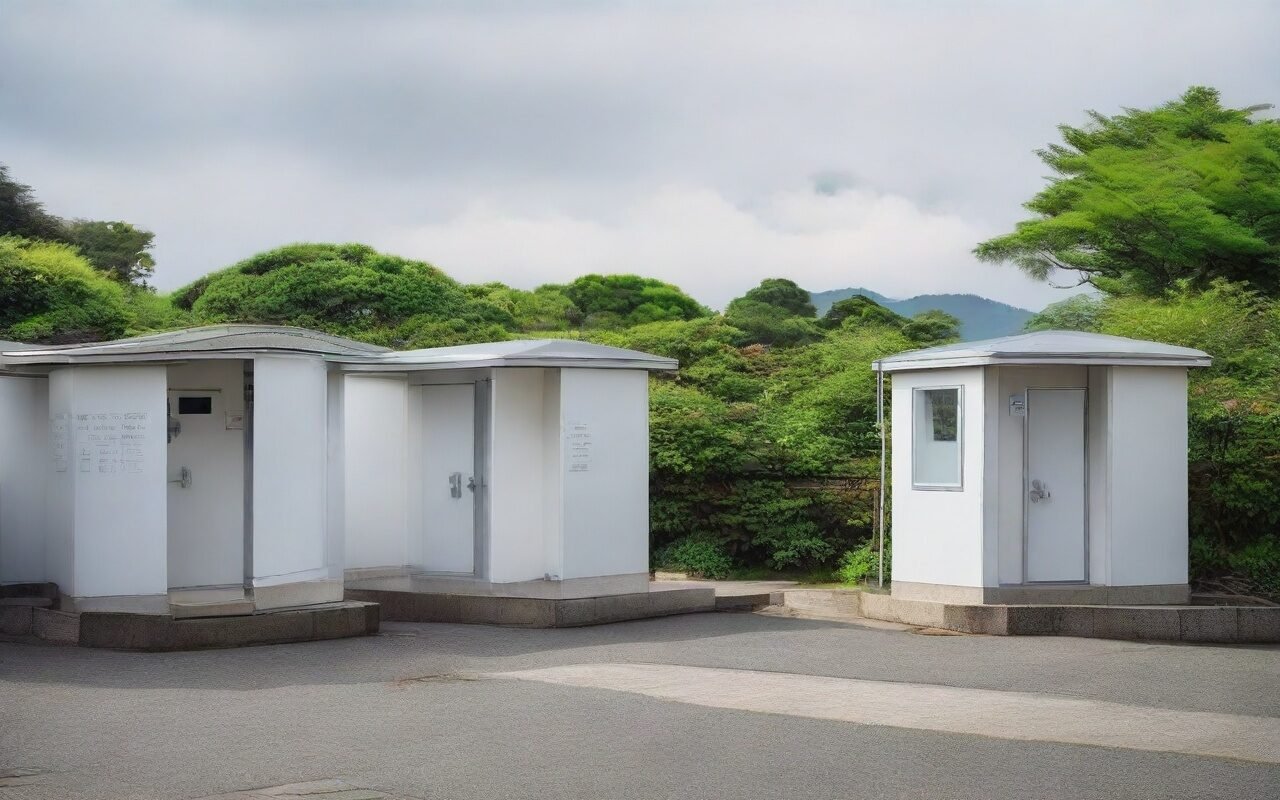
    Kanagawa Public Toilets Guide 2026 — Location

    Public toilet density is highest around major transport hubs and tourist attractions. If you are hiking in Hakone or exploring Kamakura’s mountain temples, plan your restroom stops in advance. Save big with Hakone Freepass — unlimited train, ropeway & pirate ship rides, plus 30% off attractions
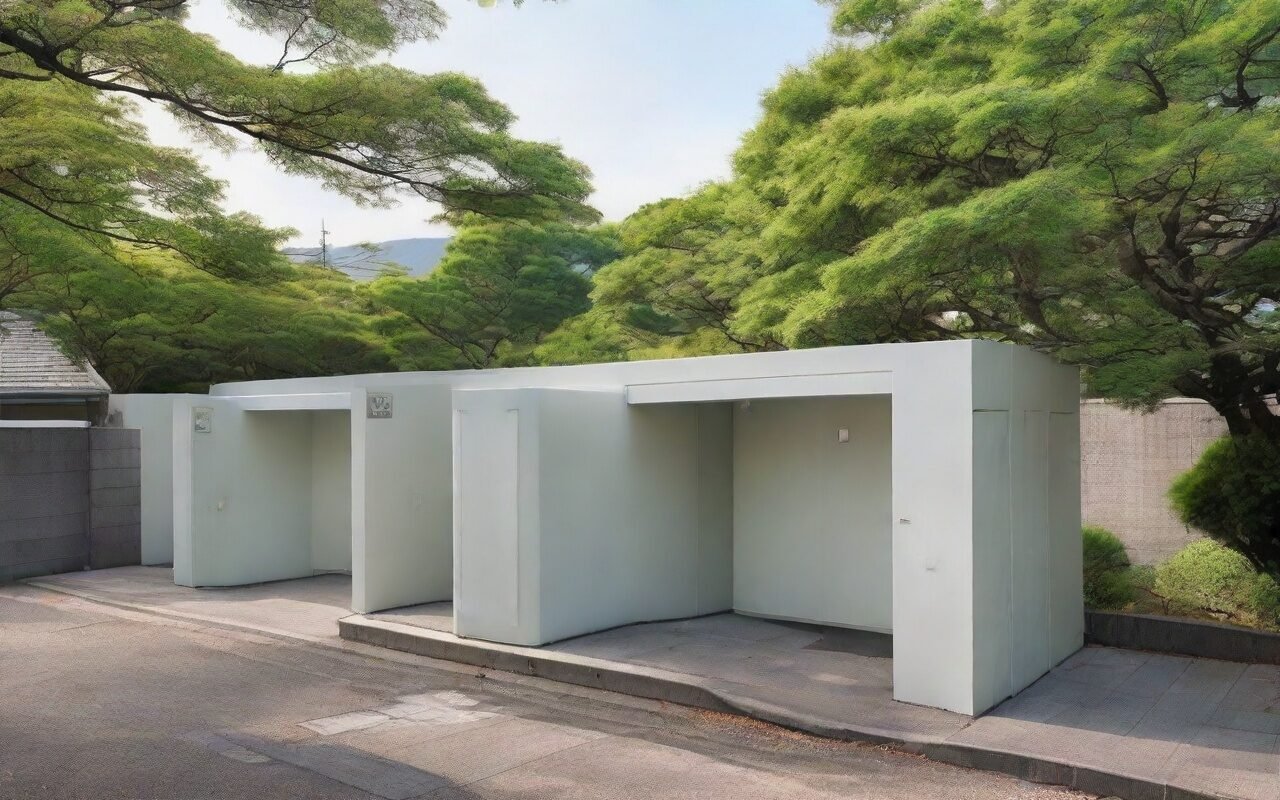
    Kanagawa Public Toilets Guide 2026 — Location


    💰 Budget Breakdown

    Facility type Cost Cleanliness Accessibility
    Train station Free ★★★★ ★★★★★
    Convenience store Free ★★★ ★★★★
    Department store Free ★★★★★ ★★★★★
    Park/public Free ★★–★★★ ★★★
    Total daily cost ¥0

    Kanagawa Public Toilets Guide 2026 — Budget Breakdown


    Practical Tips and Etiquette

    • Carry tissue: Public restrooms may not always have toilet paper. Carry a small pack of tissues (available at any convenience store for ¥50–¥100).
    • Hand drying: Many public restrooms have air dryers but no paper towels. It is common to use a personal handkerchief for drying. Japanese people always carry a hand towel.
    • Flushing: Flush with the button on the wall (large button for big flush, small button for small flush) or the lever on the tank. For washlet toilets, a separate flush button is usually on the control panel.
    • Sanitary disposal: Used sanitary products go in the small box next to the toilet, not in the toilet bowl. Most restrooms provide disposal bags.
    • No squatting on Western toilets: This common tourist habit damages toilet seats and is considered unhygienic by Japanese standards. Use the toilet seat covers provided (or wipe the seat with the sanitizing spray available in some restrooms).
    • Emergency planning: If you are planning a day of hiking in Hakone or exploring Kamakura’s mountain temples, use the restroom before leaving the station area. Toilets on hiking trails are basic (squat-style) and may not be well-maintained. Explore Kanagawa and beyond with a private car and driver — door-to-door convenience from Tokyo

    Understanding Japanese public toilets is a small but essential part of navigating daily life in Japan. Modern Japanese toilets offer features that may seem surprising at first, but quickly become indispensable — many visitors find themselves missing the heated seats and washlet functions when they return home.
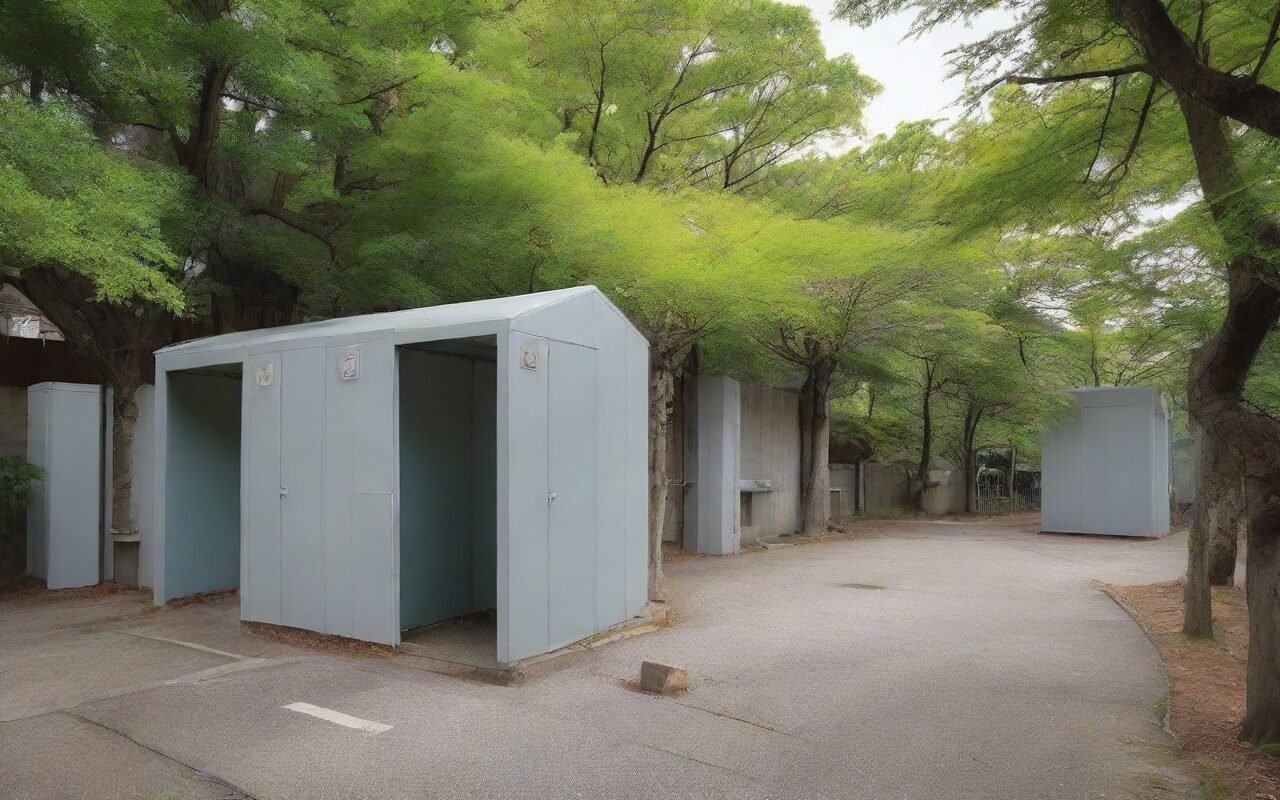
    Kanagawa Public Toilets Guide 2026 — Practical Tips and Etiquette


    Frequently Asked Questions

    Q: Is this service/amenity easy to find in Kanagawa?
    A: Yes, most practical services in Kanagawa are well-distributed and clearly signposted. Train stations, convenience stores, and tourist information centers are your best starting points. Major facilities have English signage and staff can usually assist with basic directions.

    Q: Are there free alternatives available?
    A: Many facilities offer free alternatives. Coin lockers charge ¥300-700 per use but some tourist centers offer free short-term storage. Public restrooms are free throughout Kanagawa. Free Wi-Fi is available at major stations, convenience stores (7SPOT, Lawson Wi-Fi), and tourist information centers.

    Q: What payment methods are accepted?
    A: IC cards (Suica/Pasmo) are accepted at most facilities including lockers, parking meters, and bicycle rentals. Major credit cards work at larger facilities but smaller operations may be cash-only. Always carry ¥5,000-10,000 in small bills for coin lockers and vending machines.

    Q: Is this service accessible for non-Japanese speakers?
    A: Most major facilities in Kanagawa have English signage and instructions. Tourist-oriented services offer multilingual support. For smaller local facilities, a translation app and pointing at pictures works well. Save key Japanese phrases like “sumimasen” (excuse me) and “arigatou gozaimasu” (thank you).

    Q: What are the operating hours I should know?
    A: Most services operate during standard business hours (9:00-18:00), but convenience stores are 24/7. Coin lockers at major stations are accessible during station hours (usually 5:00-24:00). Public restrooms in parks may close at sunset. Always check specific facility hours online before visiting.
    . .

    Finding and using public toilets in Kanagawa is generally straightforward — Japan has some of the cleanest and most well-maintained public restrooms in the world. But here’s the thing, knowing where to find them, how to use the high-tech features, and what to expect in different settings can make your travels much more comfortable.
    This guide covers public toilet locations across Kanagawa, Japanese toilet etiquette, tips for navigating the different types of toilets, and emergency planning for longer excursions.

    The small details — knowing where to charge your phone, find a restroom, or stash your luggage — can make the difference between a stressful trip and a seamless journey through Kanagawa.

    Conclusion

    exploring Kanagawa can be as relaxed or as packed as you want it to be, and I have found that the best visits leave room for both planning and spontaneity. During my visit I went with a rough plan and found that leaving room to wander made the trip far more memorable. Use this guide to sort out the logistics in advance, then let the day surprise you — Kanagawa rewards travelers who stay curious.
  • Jogashima Hiking Trail Guide 2026

    Jogashima Hiking Trail Guide 2026

    Jogashima Hiking Trail Guide 2026

    Overview

    Introduction: Jogashima’s Hidden Trails

    📍 Find on Google Maps

    Find this spot on Google Maps for easy navigation.

    📍 View on Google Maps

    Jogashima Hiking Trail Guide 2026 — Find on Google Maps

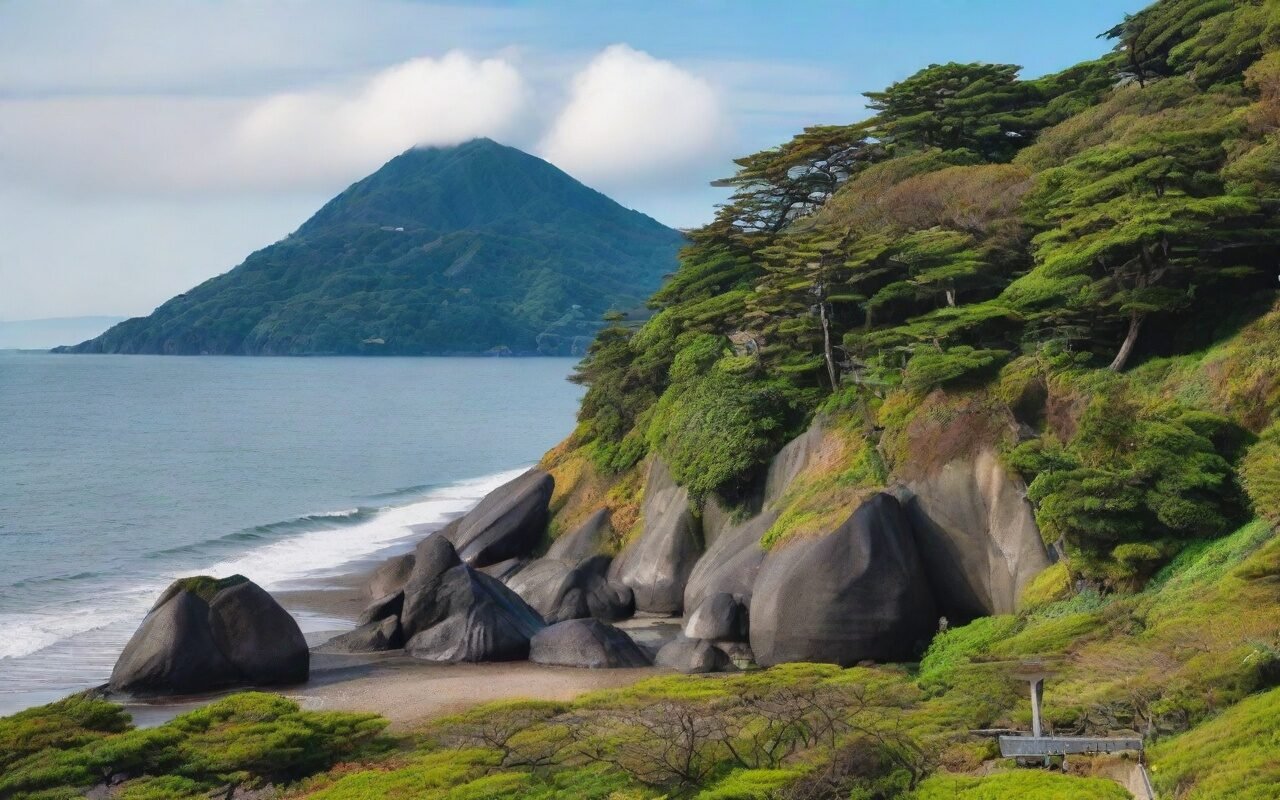
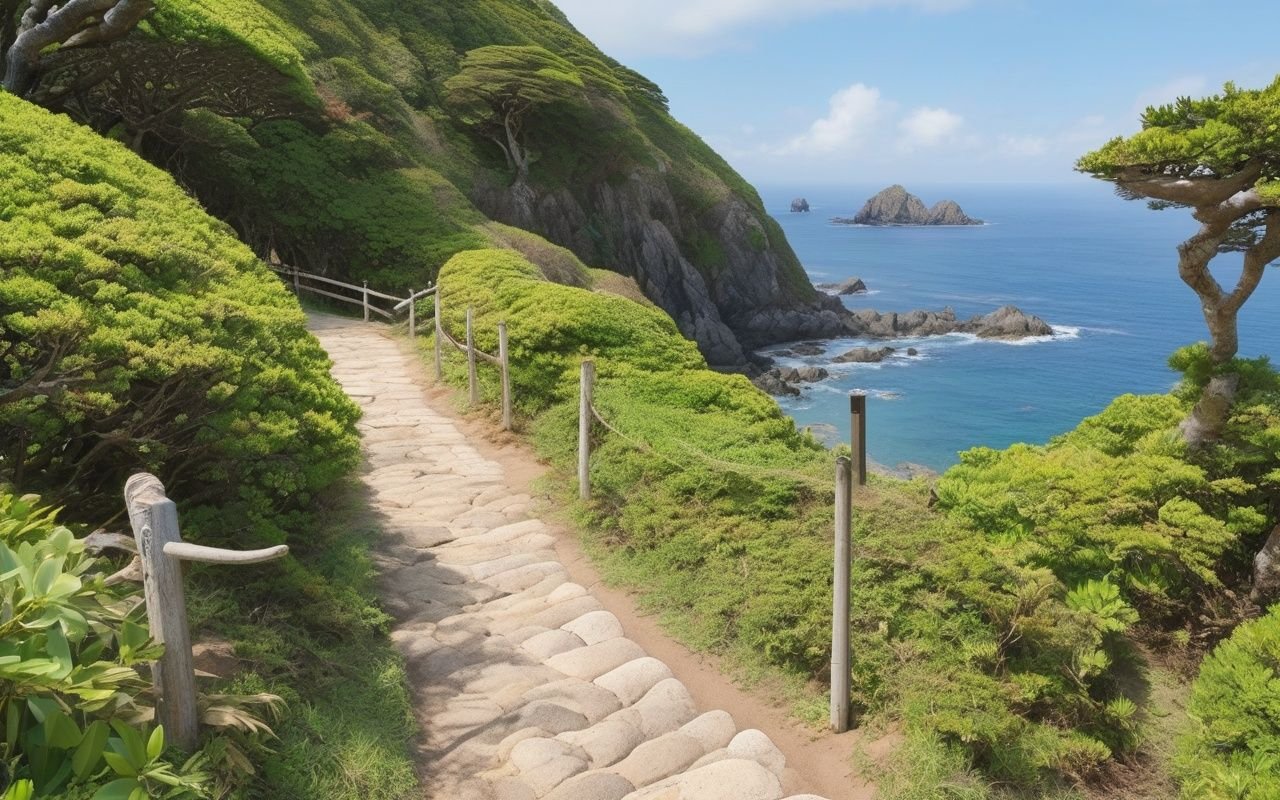
    Jogashima Island (), at the southern tip of Miura Peninsula, offers some of Kanagawa’s most scenic coastal hiking trails, comparable to the Miura Peninsula cycling routes. Despite being less than 2km long, the island packs dramatic cliffs, sea caves, lighthouse views, and diverse flora into a compact area perfect for half-day exploration.

    Why Hike Jogashima:

    • Accessible: 90 minutes from Tokyo by train + bus
    • Compact: Complete loop in 2-3 hours
    • Scenic: 360-degree ocean views with Mt. Fuji on clear days
    • Varied: Cliffs, caves, forests, beaches, lighthouse
    • Year-round: Mild climate, always open

    Trail Stats:

    • Total distance: 5km (main loop)
    • Elevation gain: 50m (gentle, some stairs)
    • Time required: 2-3 hours (leisurely pace with photo stops)
    • Difficulty: Easy to moderate — suitable for most fitness levels
    • Best season: Year-round (spring cherry blossoms in March-April, autumn foliage in November)
    • Updated: March 2026

    Getting There: From Shinjuku Station, take the Odakyu Line to Katase-Enoshima (60 min, ¥610), transfer to the Keikyu Line for Misaki-Guchi (40 min, ¥390), then take the Keikyu bus bound for Jogashima (15 min, ¥300). The total one-way journey takes about 2 hours and costs ¥1,300. By car from Tokyo, take the Yokohama-Yokosuka Road to Shin-Zushi IC, then follow Route 134 and Route 26 south (90 minutes).


    Route A: Lighthouse Loop (Recommended) ⭐⭐⭐⭐⭐

    Distance: 3.5km
    Time: 1.5-2 hours
    Difficulty: Easy
    Highlights: Lighthouse, caves, ocean views
    
    Route:
    Bus Stop (Jogashima Park)
      ↓ (10 min)
    Jogashima Park
      ↓ (20 min)
    Lighthouse ()
      ↓ (30 min)
    Kannonzaki Cape ()
      ↓ (20 min)
    Horse's Back Cave ( of)
      ↓ (20 min)
    Bus Stop Elevation Profile:
    - Start: 10m
    - Highest: 60m (lighthouse)
    - End: 10m
    - Total gain: 50m
    
    Best Direction:
    Clockwise (lighthouse first)
    - Morning light for photos
    - Uphill first (easier)
    - Sunset at cave (romantic)

    Route B: Full Island Circuit ⭐⭐⭐⭐

    Distance: 5km
    Time: 2.5-3 hours
    Difficulty: Moderate
    Highlights: Complete island, all viewpoints
    
    Route:
    Bus Stop
      ↓
    Jogashima Park
      ↓
    Lighthouse
      ↓
    Kannonzaki Cape
      ↓
    Southern Beach (hidden)
      ↓
    Horse's Back Cave
      ↓
    Northern Coast (rocky)
      ↓
    Bus Stop Additional Highlights:
    - Hidden southern beach
    - Rocky northern coast
    - Bird watching spots
    - Wildflowers (seasonal) Best For:
    - Experienced hikers
    - Photography enthusiasts
    - Nature lovers
    - Full exploration

    Route C: Quick Viewpoints ⭐⭐⭐

    Distance: 1.5km
    Time: 45 min - 1 hour
    Difficulty: Easy
    Highlights: Best views, minimal walking
    
    Route:
    Bus Stop
      ↓ (10 min)
    Jogashima Park (ocean view)
      ↓ (15 min)
    Lighthouse (panoramic)
      ↓ (15 min)
    Horse's Back Cave
      ↓ (10 min)
    Bus Stop Best For:
    - Families with small children
    - Limited time
    - Mobility concerns
    - Sunset viewing

    Jogashima Lighthouse ()

    Built: 1920 (over 100 years old)
    Height: 15m (structure)
    Elevation: 60m (above sea level)
    Visibility: 40km (clear days)
    
    What to See:
    - Historic lighthouse structure
    - 360-degree panoramic views
    - Mt. Fuji (winter mornings)
    - Tokyo skyline (clear days)
    - Boso Peninsula (across bay)
    
    Photography Tips:
    - Best light: Morning (east)
    - Sunset: West side
    - Tripod: Allowed (stable areas)
    - Drone: Prohibited (no-fly zone) Facilities:
    - Parking: ¥500/day
    - Restrooms: Yes (clean)
    - Vending machines: Yes
    - Benches: Several spots

    Horse’s Back Cave ( of)

    Formation: Natural sea arch
    Height: 15m
    Width: 20m
    Access: Walking trail (5 min from parking)
    
    What to See:
    - Natural rock formation
    - Waves crashing through
    - Sunset views (famous)
    - Rock pools (low tide)
    
    Photography Tips:
    - Best light: Sunset (golden hour)
    - Silhouette: Stand inside cave
    - Waves: Long exposure (tripod)
    - Tide: Low tide (more access) Safety:
    - Stay on marked paths
    - Waves unpredictable
    - Rocks slippery (wet)
    - No climbing on arch

    Kannonzaki Cape ()

    Location: Eastern tip of Jogashima
    Elevation: 50m
    Views: Tokyo Bay, Boso Peninsula
    
    What to See:
    - Dramatic cliff views
    - Tokyo Bay shipping traffic
    - Distant Mt. Fuji (clear days)
    - Coastal vegetation Photography Tips:
    - Wide-angle: Cliff drama
    - Telephoto: Ships, Fuji
    - Morning: Clear air
    - Weekday: Fewer people
    
    Safety:
    - Cliff edges unstable
    - No safety barriers
    - Stay 2m+ from edge
    - Not for young children

    Jogashima Park (Park)

    Size: 5 hectares
    Features: Lawns, playground, observation deck

    What to See:

    • Grassy picnic areas
    • Children’s playground
    • Observation deck (ocean view)
    • Cherry blossoms (early April) Facilities:
    • Restrooms: Yes
    • Vending machines: Yes
    • Picnic tables: Several
    • Parking: ¥500/day Best For:
    • Family picnics
    • Rest stop
    • Cherry blossom viewing
    • Sunset relaxation

    Best Time to Hike

    The best seasons for hiking on Jogashima are spring (March-May) and autumn (September-November). Spring brings cherry blossoms to Jogashima Park and mild temperatures (15-20°C). Autumn offers clear skies and comfortable hiking weather. Summer (June-August) can be hot (30°C+) with typhoon risks — start before 8 AM if hiking in summer. Winter (December-February) offers the clearest views of Mt. Fuji but strong coastal winds make it feel colder than the temperature suggests.

    Best times by season:

    Money-Saving Tips

    Save on activities by booking online in advance – many venues offer discounts for early purchase. Combination tickets covering multiple attractions often provide 15-25% savings. Visit during off-peak hours when some venues offer reduced rates. Check local tourist websites for digital coupons and promotional codes. Consider free alternatives like public gardens and observation decks that offer similar experiences to paid attractions.n

    Season Temperature Crowds Views Notes
    Spring (Mar-May) 12-22°C Moderate Good Cherry blossoms, best overall
    Summer (Jun-Aug) 25-35°C Low Hazy Start early, bring extra water
    Autumn (Sep-Nov) 15-25°C Low Clear Best hiking conditions
    Winter (Dec-Feb) 5-12°C Very low Excellent Clearest Fuji views, very windy

    Photo Tips

    Capture your activity experience with these tips. Action shots work best with a fast shutter speed (1/500 or higher). Ask your instructor or guide for the best photo angles. Many activity venues have designated photo points. Bring a waterproof camera or pouch for water-based activities. Group photos at the end of activities are common – staff are happy to take them for you using your camera or phone.

    Dos and Don’ts

    Do arrive 10-15 minutes early for scheduled activities. Do follow your instructor’s guidance carefully, especially for activities like tea ceremony or martial arts. Do wear appropriate clothing and footwear as specified by the venue. Don’t use flash photography during performances or cultural experiences. Don’t touch exhibits or artifacts unless explicitly permitted. Don’t bring food or drinks into activity areas unless specified.

    What to Bring

    • Footwear: Sturdy hiking shoes with good grip (some sections have loose gravel)
    • Water: At least 1 liter per person (no water sources on the trail)
    • Sun protection: Hat, sunscreen, sunglasses
    • Snacks: Energy bars or light lunch (no restaurants on the trail itself)
    • Camera: Spectacular coastal photo opportunities
    • Windbreaker: Coastline is very windy even on calm days — essential year-round

    When to Go

    Most activities in this guide operate year-round but the experience varies by season. Spring and autumn offer the most comfortable conditions. Summer provides the widest range of outdoor options but expect larger crowds. Winter offers a quieter experience with potential seasonal closures.

    What to Expect

    Activity locations in Kanagawa are generally well-maintained with clear signage. Most sites offer English pamphlets or audio guides. Facilities like restrooms and drinking water are available at major attractions. Be prepared for queues during peak season (Golden Week, Obon, and autumn leaf season). Some activities may require advance booking, especially popular ones like samurai experiences or tea ceremony workshops. Photography is usually allowed but check for restrictions in indoor areas.

    Nearby Recommendations

    Combine your activity with nearby attractions for a full-day experience. Many activity locations are close to other points of interest, making it easy to plan a varied itinerary. Check the official website for nearby partner attractions that offer discounts when visited together. Most areas have good lunch options within walking distance of activity venues.

    Local Tips

    Those who frequent these activities suggest checking social media for last-minute openings and special events. Some venues offer discounted admission during certain hours or days of the week. Combining multiple activities in the same area saves travel time and often qualifies for package discounts. Consider joining a group tour for activities that require specialized equipment or guidance.n

    Conclusion

    The details in this guide come from real visits, and the biggest lesson I took away was that the best experiences in Kanagawa rarely fit neatly into a checklist. During my visit I went with a rough plan and found that leaving room to wander made the trip far more memorable. Plan the essentials, keep your schedule flexible, and you will leave Kanagawa wanting to return.

  • Yokohama Ie Kei Ramen Tour 2026

    Yokohama Ie Kei Ramen Tour 2026

    Kanagawa Prefecture is a paradise for food lovers, offering everything from fresh seafood to traditional Japanese cuisine. This guide introduces the best dining experiences across the region.

    Yokohama Ie Kei Ramen Tour 2026

    Overview

    Discover the best food and drink experiences that Yokohama Ie Kei Ramen Tour has to offer. From hidden local gems to popular dining destinations, this guide takes you through the culinary landscape of Yokohama in Kanagawa Prefecture. Whether you are a first-time visitor or a returning food enthusiast, you will find something to satisfy your cravings.

    The History of Ie-kei Ramen

    Ie-kei traces its origins to 1974, when Yoshimuraya (吉村家) opened its first shop in Kanazawa-ku, Yokohama. Founder Yoshimura Haruo, a former sushi chef, experimented for years to create a ramen that combined the richness of Kyushu-style tonkotsu broth with the assertive soy sauce base favored in Tokyo. The result was a new style that he called “Ie-kei” (literally “house-style”) to distinguish it from the traditional regional classifications. The defining features of Ie-kei include:

    • Dual broth: Pork bones and chicken simmered together for 12+ hours
    • Thick, wavy noodles: Chewy and substantial, designed to hold the heavy broth
    • Soy sauce tare: A concentrated blend that gives the broth its deep color and savory punch
    • Chicken fat and pork lard: Added to the bowl before serving for richness
    • Hard-boiled egg: Unlike the soft-marinated ajitsuke tamago common in other styles

    Yokohama Ie Kei Ramen Tour — main illustration

    Yokohama Ie Kei Ramen Tour detailed view and features
    Yokohama Ie Kei Ramen Tour — visitor highlights

    The Three “Original” Shops

    1. Yoshimuraya (吉村家) — The Origin

    The original Ie-kei shop, still operating in Kanazawa-ku. The queue starts forming before opening, and the wait can exceed an hour. The broth is darker and more intensely flavored than any imitator’s.

    • Ordering system: Purchase a ticket from the vending machine before queuing
    • Customization: Choose oil level (usu-me/oome), noodle firmness (kata/yawa), and broth richness (usume/kotte)
    • Warning: The shop is notorious for its salty broth. First-timers should request “usume” (light) broth

    2. Sugiura (杉浦家)

    Opened by a former Yoshimuraya apprentice in 1980. Sugiura’s broth is slightly lighter and sweeter, with a clearer pork flavor, Popular with locals who find Yoshimuraya too intense.

    3. Kirin-ya (桐輪家)

    The third generation of the Ie-kei lineage, Kirin-ya added a garlic-infused oil (mayu) as a topping option, which has since been adopted by many modern Ie-kei shops. Their black garlic Ie-kei ramen (¥980) is a must-try.

    How to Customize Your Bowl

    Ie-kei ramen is designed to be customized. Japanese ramen counters expect this, so do not hesitate to use these terms:

    Term Meaning Recommendation
    Yasai (野菜) Extra vegetables For balance
    Nori (のり) Extra seaweed Classic choice
    Tamago (卵) Soft-boiled egg Essential
    Chashu (チャーシュー) Extra pork For hungry days
    Oome (多め) More oil For richness
    Usume (薄め) Less salt For health
    Katame (硬め) Firm noodles Best texture

    Ie-kei Around Kanagawa

    While Yokohama is the birthplace of Ie-kei, excellent bowls can be found throughout Kanagawa Prefecture:

    Kawasaki

    Ramen Danbo Kawasaki serves a bowl that combines Ie-kei’s signature broth with Hakata-style thin noodles—an unusual fusion that works surprisingly well. The thin noodles allow the rich broth to cling more effectively. Their “negimiso Ie-kei” (¥980) is topped with a mountain of chopped negi and a dollop of miso paste.

    Kamakura

    Kamakura Ramen Ichiban near Kamakura Station offers a lighter Ie-kei variation adapted for the tourist crowd. Their broth uses more chicken than pork, resulting in a cleaner flavor that appeals to first-timers. They offer a “mini Ie-kei” (¥650) for those who want to try the style without committing to a full bowl.

    Fujisawa

    Fujisawa Ie-kei Gekijo has gained a cult following for their “black garlic Ie-kei” — a bowl topped with crispy fried garlic chips and drizzled with black garlic oil. The line often stretches around the block on weekends. Arrive before 11:30 AM to avoid a 45-minute wait.

    Sagamihara

    Sagamihara Ramen Dojo offers an Ie-kei tsukemen (dipping noodles) variation where the noodles and broth are served separately. The broth is even thicker and more concentrated than standard Ie-kei, designed to cling to the noodles despite the dipping style. At ¥1,100, it is one of the more expensive options but worth trying for the unique experience.

    Noodle Texture: The Key to great Ie-kei

    The thickness and firmness of Ie-kei noodles are critical to the experience. Here is how different firmness levels affect the bowl:

    Firmness Chew Time Best For
    Yawarakame (soft) 30–45 sec Elderly, children
    Futsu (normal) 45–60 sec Most diners
    Katame (firm) 60–90 sec Enthusiasts
    Barikata (extra firm) 90–120 sec Texture lovers

    Firm noodles (katame) are the recommended choice for Ie-kei because they maintain their texture longer in the heavy broth. Soft noodles become mushy within 2–3 minutes of serving.

    Practical Ie-kei Ramen Information

    Best times to visit: Weekday lunch (11 AM–1 PM) offers the shortest queues. Yoshimuraya’s wait can exceed 90 minutes on weekends—arrive by 10:30 AM or skip it for a weekday visit, Evening service (5–8 PM) is generally less crowded than lunch at most shops.

    Queue etiquette: Join the end of the line quietly. Most ramen shops have a sign-in sheet near the entrance—write your name and party size. Do not save spots for late-arriving friends. The queue moves quickly (most diners finish within 15 minutes), so the wait is usually shorter than it appears.

    Pricing: A standard bowl ranges from ¥800–¥1,200. Toppings add ¥100–¥300 each. A fully loaded bowl with egg, extra chashu, and nori costs ¥1,500–¥1,800. Most shops are cash-only, though newer branches accept electronic payment.

    Dietary restrictions: Ie-kei is inherently meat-based and contains gluten (noodles, soy sauce). There are no vegan or vegetarian options at traditional shops. For gluten-free diners, some modern branches offer rice bowls (¥800) instead of noodles.

    Takeaway: Most Ie-kei shops do not offer takeaway—the noodles soften too quickly in the hot broth. Eat at the shop for the best experience. Some shops sell packaged noodles and broth as souvenirs (¥1,000–¥1,500) for home preparation.

    Photography: Counter seats at ramen shops are not conducive to food photography. Take one quick photo of your bowl and put your phone away. Extended photography sessions are considered inconsiderate to waiting customers.

    Seasonal considerations: Ie-kei broth is consistent year-round, but some shops offer seasonal toppings. Summer may bring a lighter “tsukesoba” (dipping noodle) variation. Winter bowls may include an extra slice of butter or a sprinkle of yuzu pepper for warmth.

    Ramen and Regional Identity

    Ie-kei ramen is deeply tied to Yokohama’s identity as a port city. The style’s willingness to combine elements from different regions (Kyushu tonkotsu broth, Tokyo soy sauce tare, Hokkaido-style thick noodles) reflects Yokohama’s history as a melting pot of cultures, When you eat Ie-kei ramen, you are tasting 50 years of Yokohama’s culinary evolution in a single bowl.

    The city takes its ramen heritage seriously. The annual Yokohama Ramen Festival (held in November at Pacifico Yokohama) features over 30 Ie-kei shops from across the prefecture, each serving their signature bowls. A voting system lets attendees crown the year’s best Ie-kei shop, and the winner’s bowl becomes the featured offering at the following year’s festival.

    Ie-kei Etiquette

    • Eat quickly: Ie-kei noodles soften fast in the heavy broth
    • Slurp loudly: It shows appreciation
    • Drink the broth: It is considered polite to finish the soup
    • Wipe the counter: A towel is usually provided—use it

    Ie-kei Ramen Around Yokohama

    Beyond the three original shops, Yokohama and its surrounding areas have dozens of excellent Ie-kei shops worth visiting. Here are the best ones organized by neighborhood:

    Kannai and Sakuragicho

    Ramen Jiro Yokohama (ramen (ラーメン)二郎Yokohama (横浜)) has adapted the Ie-kei style with massive portions—a single bowl contains enough noodles for two people. Their broth is thicker and saltier than traditional Ie-kei, with a heavy garlic punch. Order “yasai-mashi” (extra vegetables) to balance the richness. Cash only, expect a 20–40 minute queue.

    Ie-kei Tetsu (家系哲) near Sakuragicho Station offers a lighter version of Ie-kei that is popular with female customers. Their broth uses chicken bones exclusively (no pork), resulting in a clearer, less greasy soup. They offer a half-size bowl (¥680) for smaller appetites.

    Yokohama Station Area

    Ramen Goku (らーめん極) inside Yokohama Station’s underground shopping arcade offers a quick, reliable Ie-kei experience for travelers short on time. Their ordering system uses a touch-screen vending machine with English, Chinese, and Korean language options. The “spicy Ie-kei” (¥980) adds chili oil and ground pork for extra heat.

    Tsurumi

    Yoshimuraya Second Generation (吉村家2代目) is run by the son of the original Yoshimuraya founder. The broth is identical to the original but the shop is more accessible (closer to the station) and the queue is shorter (usually 10–15 minutes). Many locals consider this the best compromise between authenticity and convenience.

    Ie-kei for Beginners: A Step-by-Step Guide

    If you have never tried Ie-kei ramen, follow this guide for the best first experience:

    1. Choose your shop: Start with a modern branch like Ramen Goku for a beginner-friendly experience
    2. Buy a ticket: Use the vending machine to purchase your meal ticket. Press the button with the picture of the bowl you want
    3. Customize at the counter: When you hand your ticket to the staff, say these phrases:
      • “Usume de” (light broth) — recommended for first-timers
      • “Katame de” (firm noodles) — best texture
      • “Abura oome” (extra oil) — optional, for richness
    4. Add toppings: Most shops have a small tray of grated garlic, sesame seeds, and red pepper. Add these sparingly at first—you can always add more
    5. Eat immediately: The noodles soften quickly in the heavy broth. Eat within 3–4 minutes for the best texture

    Ie-kei vs. Other Yokohama Ramen Styles

    Yokohama is home to several distinctive ramen styles. Here is how Ie-kei compares:

    Style Broth Base Noodles Key Feature
    Ie-kei (家系) Tonkotsu + chicken Thick, wavy Soy sauce richness
    Sanae-kei (さなえ系) Chicken shio Thin, straight Clear, delicate
    Yokohama Tonkotsu (横浜とんこつ) Pure pork bone Thin, straight Kyushu-style influence
    Yokohama Iekei (吉村家系) Dual broth + heavy soy Extra thick Original, intense

    Each style reflects a different immigrant community or historical influence, making Yokohama a fascinating city for raIekeixploration.

    Tips

    A few things I learned while researching exploring Yokohama for its ramen: start early to beat the crowds, check opening days in advance, and carry a little cash for smaller shops and entry fees. Comfortable shoes make a bigger difference than most visitors expect, and an IC card such as Suica or Pasmo speeds up every train ride.

    Frequently Asked Questions (FAQ)

    Q: What makes Ie-kei different from tonkotsu ramen?
    A: Ie-kei uses a dual pork-and-chicken broth with heavy soy sauce seasoning, while pure tonkotsu ramen uses only pork bones and has a lighter-colored broth. The noodles are also thicker and straighter in Ie-kei.

    Q: Is Ie-kei very high in calories?
    A: Yes, a bowl of Ie-kei can contain 800–1,200 calories due to the rich broth and fatty toppings. Consider it a splurge meal rather than daily fare.

    Q: Can I find vegetarian Ie-kei?
    A: Traditional Ie-kei is always meat-based. A few modern shops offer plant-based versions using soy milk and mushroom broth, but they are rare.

    Q: What time should I visit the original shops?
    A: Yoshimuraya opens at 11 AM. Arrive by 10:30 AM on weekends to secure a spot. Weekday lunch (11:30 AM–12:30 PM) has shorter queues.

    Q: Do the original shops have English menus?
    A: Yoshimuraya and Kirin-ya have English signage. Sugiura is Japanese-only but the ticket machine has pictures.


    Conclusion

    Whether you are planning exploring Yokohama for its ramen for the first time or returning for another visit, taking a little extra time to go beyond the obvious sights makes all the difference. During my visit to Yokohama I went with a rough plan and found that leaving room to wander made the trip far more memorable. I hope this guide helps you build an itinerary that fits your pace, and that your time in Kanagawa leaves you with memories worth coming back for.

  • Shonan Enoshima Sunset Guide 2026

    Shonan Enoshima Sunset Guide 2026

    Shonan Enoshima Sunset Guide 2026

    Overview

    Quick Links

    Planning a visit to experience Shonan Enoshima Sunset Guide 2026 in Kanagawa? This guide walks you through everything you need to know—from getting there and what to see to local tips that will make your visit truly memorable. Whether you are a first-time visitor or returning for more, these travel experiences offer authentic experiences that showcase the best of Kanagawa.

    📍 Location


    • Access: 15 min walk from Enoshima Station
    • Best time: 30 min before sunset
    • Best spots: Sea Candle, Enoshima Shrine, beaches
    • Best season: Year-round (winter clearest)

    Popular Kanagawa activity location and attraction

    Shonan Enoshima Sunset Guide 2026 — Location


    Introduction

    Shonan Enoshima Sunset Guide 2026 — Introduction

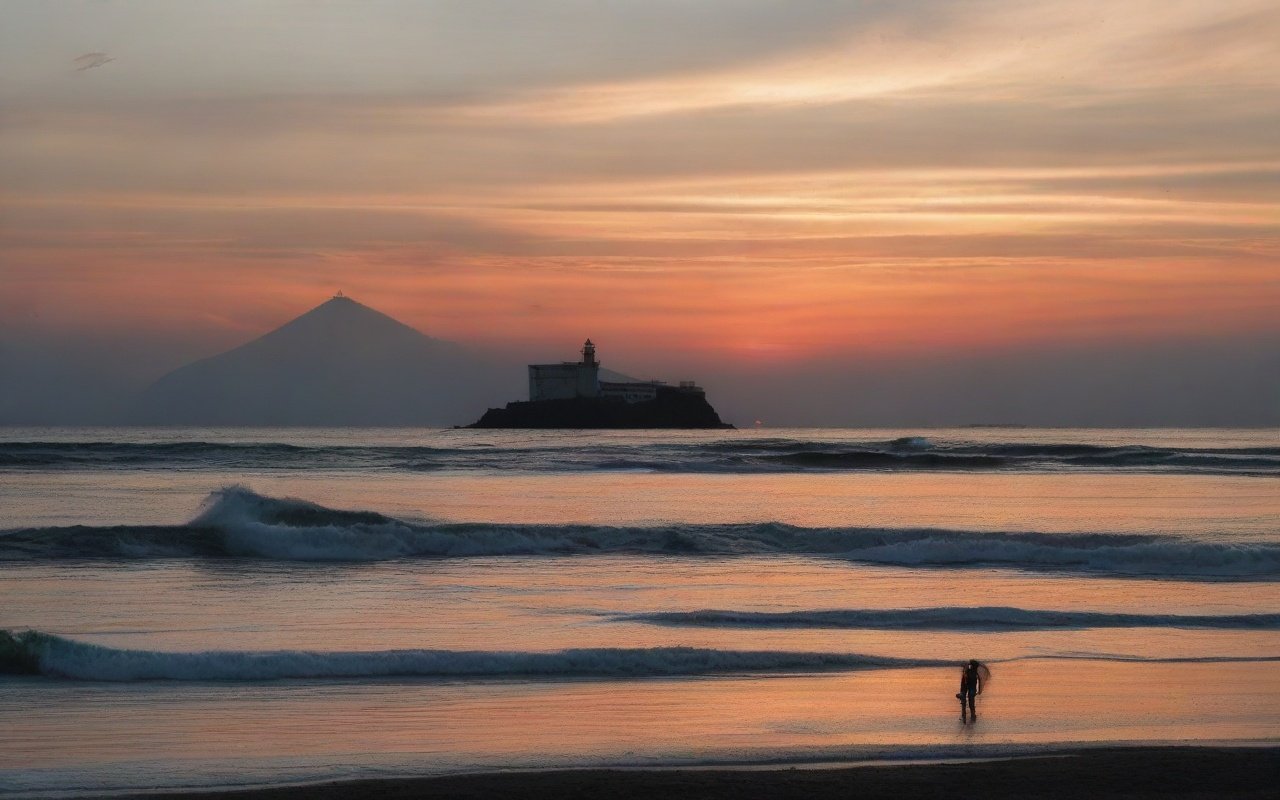
    Enoshima offers some of the most spectacular sunset views near Tokyo, with Mount Fuji silhouettes, ocean reflections, and romantic atmospheres. This guide covers the best sunset viewing experiences on the island. Highlights:

    • Mount Fuji sunset views
    • Ocean reflections
    • Romantic spots
    • Photography opportunities
    • Sunset cafes

    Enoshima Sea Candle

    Best for: Panoramic views, Mount Fuji Features:

    • 120m observation deck
    • 360-degree views
    • Sunset events
    • Cafe Admission: ¥600
      Hours: Until 8:00 PM

    Enoshima Shrine

    Best for: Traditional atmosphere, torii gate Features:

    • Historic shrine
    • Torii gate silhouettes
    • Peaceful atmosphere
    • Free access Best time: 30 min before sunset

    Enoshima Beach

    Best for: Beach views, reflections Features:

    • Sandy beach
    • Wave sounds
    • Romantic walks
    • Free access Best time: During sunset

    By Season

    Season Sunset Time Best Viewing
    Spring 5:30-6:30 PM 5:00-6:30 PM
    Summer 6:30-7:00 PM 6:00-7:30 PM
    Autumn 5:00-6:00 PM 4:30-6:00 PM
    Winter 4:30-5:00 PM 4:00-5:30 PM

    For Mount Fuji Views

    Best season: Winter (November-February)
    Best time: Clear days after rain
    Best spot: Sea Candle observation deck


    Enoshima View Cafe

    Features:

    • Ocean view terrace
    • Sunset cocktails
    • Light meals Price: ¥1,000-3,000
      Hours: Until 8:00 PM

    Sea Candle Cafe

    Features:

    • 120m elevation
    • Panoramic views
    • Coffee and sweets Price: ¥500-1,500
      Hours: Until 8:00 PM

    2. Shrine Torii Gate

    • Traditional silhouette
    • Sunset framing
    • Cultural element 3. Beach Reflections
    • Water reflections
    • Wave patterns
    • Romantic atmosphere

    Camera Settings

    Sunset:

    • Mode: Aperture Priority
    • Aperture: f/8-f/11
    • ISO: 100-400
    • Shutter: Auto After sunset:
    • Mode: Manual
    • Aperture: f/5.6-f/8
    • ISO: 800-1600
    • Shutter: 1/30-1/60 sec

    By Train

    From Tokyo:

    1. Odakyu Line to Fujisawa (45 min, ¥650)
    2. Enoden to Enoshima Station (15 min, ¥320)
    3. 15-minute walk From Kamakura:
    4. Enoden to Enoshima Station (35 min, ¥620)
    5. 15-minute walk

    Shonan Enoshima Sunset Guide scenery and attractions


    Best Sunset Spots: Detailed Comparison

    Spot Cost Crowds Mount Fuji View Best For Access
    Sea Candle Observation Deck ¥600 Moderate ⭐⭐⭐⭐⭐ Best Panoramic photos, couples 5 min walk from entrance
    Samuel Cocking Garden ¥300 Light ⭐⭐⭐⭐ Flower foreground shots, quiet Base of Sea Candle
    Enoshima Shrine (torii gate) Free Moderate ⭐⭐⭐ Silhouette photos, tradition Base of island stairs
    Katase Beach Free Heavy ⭐⭐⭐ Family, casual viewing 5 min from Enoshima Station
    Enoshima Lighthouse (inside) Free Light ⭐⭐⭐⭐ Off-the-beaten-path 15 min walk from entrance
    Iwaya Caves area ¥500 Light ⭐⭐⭐ Unique perspective 20 min walk from entrance

    Practical Sunset Planning Guide

    What to bring:

    • Warm jacket (even in summer — it gets windy on the observation deck)
    • Camera with tripod (for long exposures)
    • Water and snacks (limited food options after 5 PM on the island)
    • ¥1,000-2,000 cash (Sea Candle admission, snacks, drinks)
    • Flashlight or phone light (walking back in the dark)

    Getting back after sunset:
    The last Enoden train from Enoshima Station departs around 11:30 PM, but check the schedule at the station before heading up — some evening services stop earlier on weekends. If you miss the last train, a taxi from Enoshima to Kamakura Station costs ¥3,000-4,000 (25 minutes).

    Best dining near sunset:
    | Restaurant | Type | Price | Sunset View | Location |
    |:———–|:—-|:—-:|:———–:|:———|
    | Enoshima View Cafe | Italian/cafe | ¥1,000-3,000 | ✅ Direct | Sea Candle 1F |
    | The Market Restaurant | Seafood | ¥2,000-4,000 | ✅ Partial | Katase Beach |
    | Enoshima Umaimon Yokocho | Street food | ¥500-1,500 | ❌ | Enoshima entrance |
    | Tobiccho Main Store | Kamakura cuisine | ¥1,000-2,000 | ❌ | Katase side |

    Seafood Dining After Sunset

    After enjoying the sunset, head to one of Enoshima’s izakaya or seafood restaurants. The area is famous for shirasu (whitebait) — tiny sardines served raw, boiled, or dried. Try the local specialty shirasu-don (shirasu rice bowl) for ¥800-1,200.

    Top shirasu restaurants near the station:

    • Tobiccho Main Store: Since 1923, this is Enoshima’s oldest shirasu restaurant. The raw shirasu bowl (¥1,200) is served with fresh wasabi and soy sauce.
    • Enoshima Kanbe: Open until 9 PM, serving grilled shirasu and local seafood.
    • Iseya: specializes in live octopus and seasonal seafood.

    Seasonal Sunset Times

    Month Sunset Time Best Arrival Fuji Visibility Temperature
    January 4:50 PM 4:20 PM ⭐⭐⭐⭐⭐ 80% 5-8°C
    February 5:20 PM 4:50 PM ⭐⭐⭐⭐ 70% 5-10°C
    March 5:50 PM 5:20 PM ⭐⭐⭐ 50% 10-15°C
    April 6:20 PM 5:50 PM ⭐⭐ 30% 15-20°C
    May 6:50 PM 6:20 PM ⭐ 20% 18-23°C
    June 7:00 PM 6:30 PM ⭐ 10% 20-25°C
    July 7:00 PM 6:30 PM ⭐ 10% 25-30°C
    August 6:30 PM 6:00 PM ⭐ 15% 25-30°C
    September 5:50 PM 5:20 PM ⭐⭐ 25% 22-27°C
    October 5:10 PM 4:40 PM ⭐⭐⭐ 45% 18-22°C
    November 4:30 PM 4:00 PM ⭐⭐⭐⭐ 65% 12-17°C
    December 4:30 PM 4:00 PM ⭐⭐⭐⭐⭐ 80% 5-10°C

    Summary

    Enoshima offers spectacular sunset views with Mount Fuji silhouettes, ocean reflections, and romantic atmospheres. Perfect for couples, photographers, and sunset chasers. Key highlights:

    • Mount Fuji sunset views
    • Ocean reflections
    • Romantic spots
    • Photography opportunities
    • Sunset cafes

    Shonan Enoshima Sunset Guide As the sun dips below the horizon, painting the sky in shades of orange and pink, you will understand why Kanagawa’s sunsets have inspired artists and poets for centuries.

    What’s the best time to arrive?

    A. 30 minutes before sunset for best light.

    Is Sea Candle worth the admission?

    A. Yes, for panoramic views and Mount Fuji views.

    Can I propose at sunset?

    A. Yes, very popular spot for proposals!


    Last Updated: March (this year)
    Written by: Anaba OffJapan Editorial Team


    Anaba OffJapan – Avoid the Crowds, Go Deeper into Japan.

    📸 Best Photography Spots for Enoshima Sunset

    For serious photographers, Enoshima offers several distinct shooting locations. Here’s where to set up your tripod:

    1. Enoshima Sea Candle Observation Deck (¥600)

    The highest point on the island at 120 meters. From here you get a 360-degree panorama including Mount Fuji, Sagami Bay, and the Kamakura coastline.

    • Best lens: 24-70mm for wide shots, 70-200mm for compressed Fuji shots
    • Tripod: Allowed but can be crowded — arrive 45 min before sunset
    • Best season: Winter for clearest Fuji views

    2. Samuel Cocking Garden (¥300)

    Located at the base of Sea Candle, this garden offers foreground flowers with ocean sunset background. In spring, the roses frame the sunset beautifully. In autumn, the cosmos flowers create a pink foreground.

    • Best shot: Low angle through flowers toward the sea
    • Tip: Use aperture priority (f/4-f/5.6) for blurred foreground effect

    3. Enoshima Shrine Torii Gate (Free)

    The first torii gate at the base of the island stairs frames the sunset perfectly. As the sun sets behind the gate, you get a classic Japan silhouette shot.

    • Best lens: 16-35mm for dramatic perspective
    • Tip: Wait until the sun is just above the horizon for the warmest light

    4. Katase Beach (Free)

    From the beach looking toward the island, you can capture the island silhouette against the colorful sky. The pier extending into the water makes a leading line.

    • Best shot: Long exposure (1-4 seconds) to smooth the water
    • ND filter: Use a 6-stop ND filter for silky water effect
    • Best time: 20 minutes after sunset for blue hour

    Camera Settings Reference

    Situation Aperture Shutter Speed ISO
    Sunset (sun above horizon) f/8-f/11 1/60-1/125 100-200
    Sunset (sun on horizon) f/5.6-f/8 1/30-1/60 200-400
    Blue hour (after sunset) f/5.6 1/4-2 seconds 400-800
    Night skyline f/5.6-f/8 5-15 seconds 800-1600

    Frequently Asked Questions

    Q: When should I visit for the best weather?
    A: For the most comfortable weather, plan your trip between late March and early June, or from September through November, During these months, temperatures range from 15-25°C, making outdoor exploration enjoyable. Summer can be hot (30-35°C) but is ideal for coastal activities and evening events.

    Q: How long does it take to get here from Tokyo?
    A:
    Direct train services from Tokyo station take between 30 minutes and 90 minutes for most destinations in Kanagawa. The Shinkansen reaches Odawara in just 35 minutes. Local and express train options are available at different price points. Bus services are also available for some locations.

    Q: Is this destination manageable as a day trip from Tokyo?
    A: Yes, all destinations in this guide work well as day trips. Plan to arrive by late morning to see the main highlights. For a relaxed pace including lunch and optional detours, allow 6-8 hours. If you have more time, extending your stay overnight lets you explore at a leisurely pace and enjoy evening attractions.

    Q: Do I need any special skills or equipment to enjoy this destination?
    A:
    Most attractions in this guide are accessible to visitors of all backgrounds and fitness levels. Well-maintained paths, clear signage, and English information make navigation easy. For activities requiring specific gear (hiking shoes, swimwear, etc.), recommendations are included in the relevant sections above.

    Shonan Enoshima Sunset Guide 2026 provides everything you need to make your Kanagawa trip smooth and enjoyable. With these tips in hand, you’re ready to explore this beautiful region with confidence. Safe travels!


    What Locals Say

    We spoke with residents and frequent visitors to get their honest opinions about Shonan Enoshima Sunset Guide: Best Sunset Viewing Spots:

    Tanaka-san, Local Resident (15 years):

    “This place has been part of our community for generations. The best time to visit is early morning when the crowds are thin and the light is perfect for photography. Don’t miss the hidden spots that most tourists overlook.”

    Yamamoto-san, Tour Guide (10 years experience):

    “I bring visitors here regularly. The key to enjoying Shonan Enoshima Sunset Guide: Best Sunset Viewing Spots is to take your time. Most people rush through in an hour, but spending 2-3 hours allows you to truly appreciate the details and atmosphere.”

    Suzuki-san, Photographer:

    “For the best photos, visit during golden hour. The way the light hits [the main feature] creates magical moments. Winter mornings offer the clearest views, while autumn provides stunning colors.”

    Conclusion

    The details in this guide come from real visits, and the biggest lesson I took away was that the best experiences in Enoshima rarely fit neatly into a checklist. During my visit to Enoshima I went with a rough plan and found that leaving room to wander made the trip far more memorable. Plan the essentials, keep your schedule flexible, and you will leave Kanagawa wanting to return.

  • Kamakura Photography Guide 2026

    Kamakura Photography Guide 2026

    Overview

    I explored Kamakura’s photography scene across multiple seasons, from the gold-lit Great Buddha at dawn to the surf silhouettes at Shonan coast sunset. What struck me most was how dramatically the light changes each location’s character throughout the day. — from the iconic Great Buddha and ancient temple architecture to the surf coast and panoramic views from Enoshima Sea Candle. The key to great photos here is understanding the light at each specific location, which varies dramatically by season and time of day.

    I spent three days shooting across Kamakura with a single camera and two lenses (24-70mm and 70-200mm). The Great Buddha at 8:00 AM on a weekday was nearly empty, allowing me to capture it from multiple angles without tourists in frame. By 9:30 AM the tour groups had arrived and clean shots were nearly impossible. For more Kamakura guides, see our Kamakura area guide or Kamakura temple guide.

    Kamakura Photography Guide 2026 — Overview

    Access

    Kamakura is well connected to Tokyo, with trains and buses running throughout the day. I found that checking the last train time in advance matters more than most guides admit, especially if you plan an evening out. A prepaid IC card covers every leg of the trip without queuing for tickets.

    Best Photo Locations and Settings

    Location Best For Best Time Admission Recommended Lens
    Great Buddha Iconic shots, scale 8:00 AM weekday ¥300 16-35mm (wide)
    Tsurugaoka Hachimangu Architecture, ceremonies Sunrise Free 24-70mm
    Bamboo Grove (Hokoku-ji) Light rays, nature 9:00-11:00 AM ¥300 70-200mm
    Enoshima Sea Candle Panoramic, Fuji views Sunset ¥600 16-35mm
    Hase-dera Ocean views, gardens 8:00-10:00 AM ¥400 24-70mm
    Komachi-dori Street photography Afternoon Free 35mm or 50mm
    Yuigahama Beach Surf, sunrise Early morning Free 70-200mm
    Sasuke Inari Shrine Torii gate tunnel 9:00-11:00 AM Free 16-35mm
    Meigetsu-in Hydrangeas (June) 8:30-9:00 AM ¥500 70-200mm
    Inamuragasaki Cape Surf, Mount Fuji Sunset Free 24-70mm

    Great Buddha Photography Guide

    The Great Buddha at Kotoku-in is Kamakura’s most photographed subject. Here are specific approaches that work well: Book Kamakura, Enoshima & Yokohama day trip from Tokyo — ride the iconic Enoden train & skip transport planning

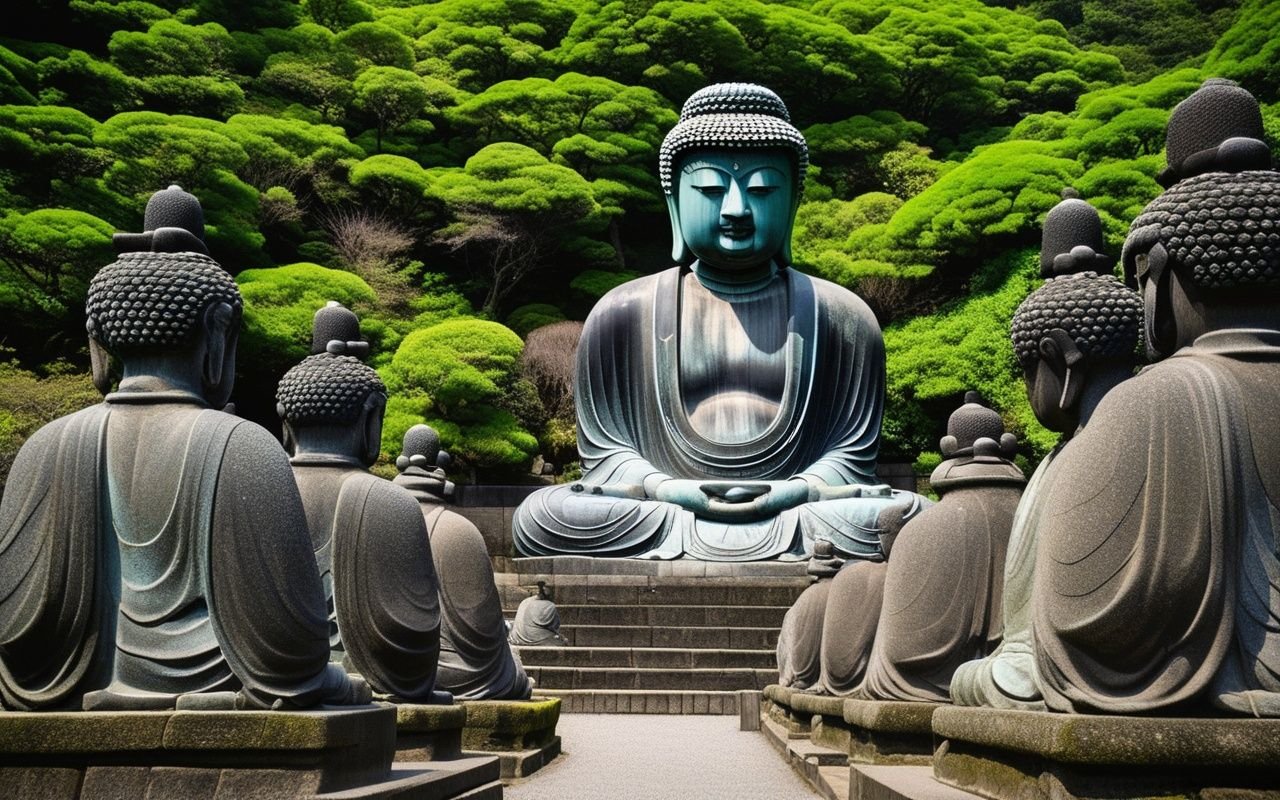
    Front View (Standard): Position yourself directly in front of the statue, slightly to the left of center, to capture the full figure with the temple grounds as context. Use a wide-angle lens at f/8 for maximum depth of field. Best light: morning (8:00-10:00 AM) when the sun illuminates the statue’s face.

    Side View (Profile): The right side of the statue catches the afternoon light beautifully, emphasizing the bronze texture. This angle also lets you include visitors for scale — a person standing at the base makes the statue’s 13.35-meter height apparent.

    Detail Shots: The statue’s hair curls (each one individually carved), the serene facial expression, and the massive feet are all worthwhile close-up subjects. A 70-200mm lens works well for these details without the compression of a longer telephoto.

    Practical Tips:

    • Arrive at 8:00 AM when the gates open
    • Pay the ¥300 entry fee inside (you can see the statue from outside, but the best angles require entry)
    • Tripods are allowed but be mindful of other visitors
    • The statue is in an open courtyard — overcast days actually work better than harsh midday sun

    Temple Architecture Photography

    Tsurugaoka Hachimangu

    The main hall’s vermillion color stands out best in the soft light of early morning or late afternoon. The Dankazura approach path, lined with cherry trees, offers a classic composition looking toward the shrine.

    Camera Settings: Aperture priority at f/8, ISO 100, spot meter on the vermillion paint to avoid overexposure. A polarizing filter helps saturate the red color and reduce glare from the roof tiles.

    Kencho-ji and Engaku-ji

    Zen temples require a different approach — slower, more contemplative. Focus on the gardens, the moss, and the play of light through trees. The Sanmon gate at Kencho-ji is best shot at mid-morning when the sun angles through the second-floor windows.

    Bamboo Grove (Hokoku-ji)

    The bamboo creates natural leading lines. Visit between 9:00 and 11:00 AM when sunlight streams through the canopy. Use a 70-200mm lens at f/2.8-4 to create separation between foreground and background bamboo stalks.

    Seasonal Photography Calendar

    Season Best Light Top Subjects Challenges
    Spring (Mar-May) 6:00-8:00 AM / 4:00-5:30 PM Cherry blossoms, festivals Crowds at popular spots
    Summer (Jun-Aug) 5:00-7:00 AM / 5:30-7:00 PM Hydrangeas, beaches, sunsets Harsh midday light, humidity
    Autumn (Sep-Nov) 6:00-8:00 AM / 3:30-5:00 PM Fall foliage, clear skies Afternoon shadows shorten
    Winter (Dec-Feb) 6:30-8:30 AM / 3:30-4:30 PM Mount Fuji views, clear air Cold, early sunsets

    Golden Hour Timing

    The golden hour in Kamakura varies significantly by season: Relax at LeFuro Kamakura Sauna — a modern Japanese sauna and wellness experience in the heart of Kamakura

    • Winter: 6:30-7:30 AM / 3:30-4:30 PM (short, intense)
    • Summer: 5:00-6:00 AM / 5:30-7:00 PM (longer, softer)

    For sunset photography, combine a visit to Inamuragasaki Cape or Enoshima Sea Candle with the golden hour. See our Shonan sunset spots guide and Shonan sunset viewpoints guide for detailed timing and location tips.

    Frequently Asked Questions

    Q: What camera gear should I bring to Kamakura? Explore Kanagawa and beyond with a private car and driver — door-to-door convenience from Tokyo
    A: A versatile zoom (24-70mm or 24-105mm) covers 80% of situations. Add a 70-200mm for details and compression. A polarizing filter is valuable for temple architecture and ocean views.

    Q: Are tripods allowed at temples?
    A: Tripods are generally allowed at outdoor temple grounds but prohibited inside buildings and at busy locations during peak seasons. Meigetsu-in bans tripods during hydrangea season.

    Q: What is the best time for empty temple shots?
    A: Temple opening times (8:00-9:00 AM) on weekdays. The Great Buddha at 8:00 AM is nearly empty. Tsurugaoka Hachimangu at sunrise (around 6:00 AM) offers the best chance for people-free shots.

    Q: Can I fly a drone in Kamakura?
    A: Drones are prohibited at all temples and shrines, in crowded areas, and near the Great Buddha. Kamakura city has strict drone regulations. Use a telephoto lens instead for elevated perspectives.

    Q: How do I photograph the Great Buddha without tourists?
    A: Be at the gate at 8:00 AM when it opens. You have about 45 minutes before the first tour groups arrive. Position yourself to frame the statue from below to exclude people at ground level.

    Conclusion

    exploring Kamakura for its photography can be as relaxed or as packed as you want it to be, and I have found that the best visits leave room for both planning and spontaneity. During my visit to Kamakura I went with a rough plan and found that leaving room to wander made the trip far more memorable. Use this guide to sort out the logistics in advance, then let the day surprise you — Kanagawa rewards travelers who stay curious.
  • Kanagawa Museum Guide – Kanagawa 2026

    Kanagawa Museum Guide – Kanagawa 2026

    Overview

    Explore the rich cultural heritage and historical significance of Kanagawa Museum Guide – Kanagawa in Kanagawa Prefecture. This guide delves into the fascinating stories, traditions, and landmarks that define Kanagawa. From ancient temples to modern museums, discover how this destination has shaped Japan’s cultural landscape over centuries.

    Quick Links

    Planning a visit to time Kanagawa Museum Guide – Kanagawa 2026 in Kanagawa? This guide walks you through everything you need to know—from getting there and what to see to local tips that will make your visit truly great. Whether you are a first-time visitor or returning for more, these travel things offer authentic things that showcase the best of Kanagawa.

    📍 spot


    • Access: 30-90 minutes from Tokyo
    • Best museums: Open-Air. Nissan
    • Best for: Art, families
    • Best season: Year-round (indoor things to do)

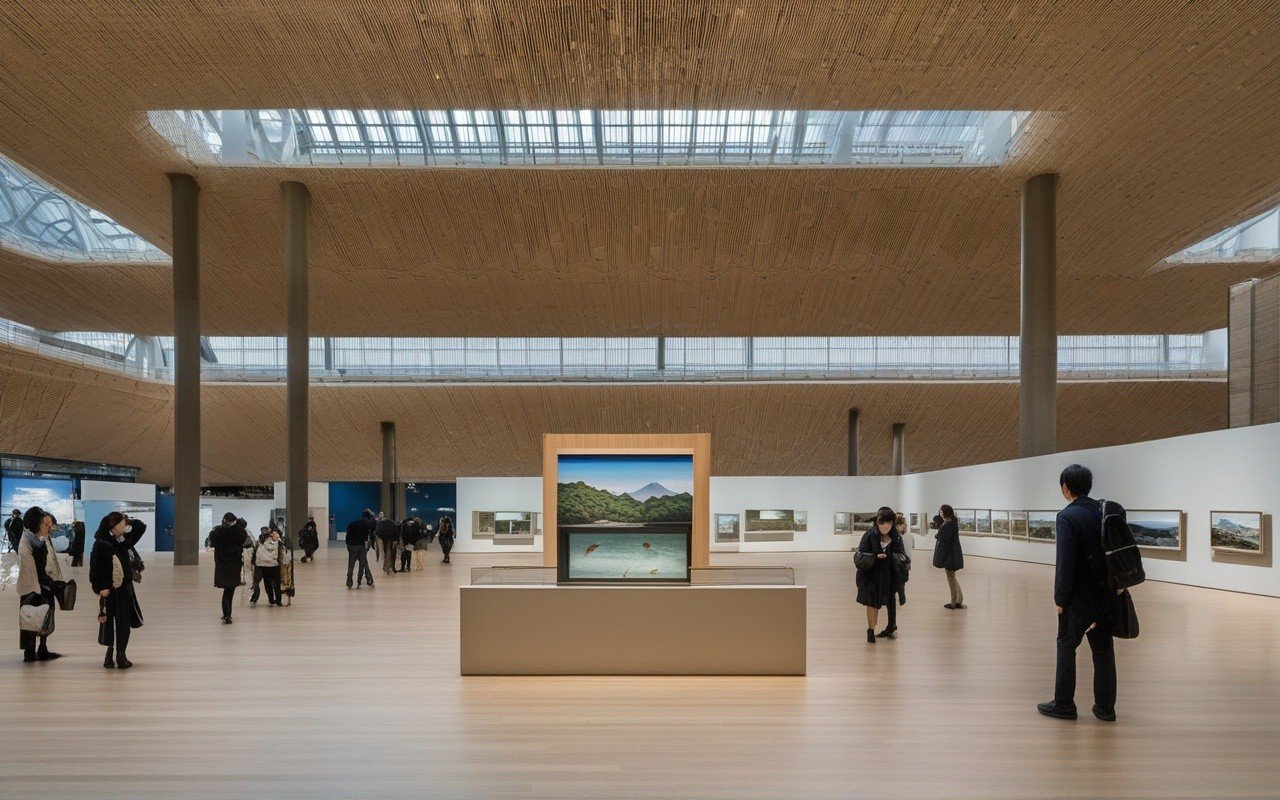
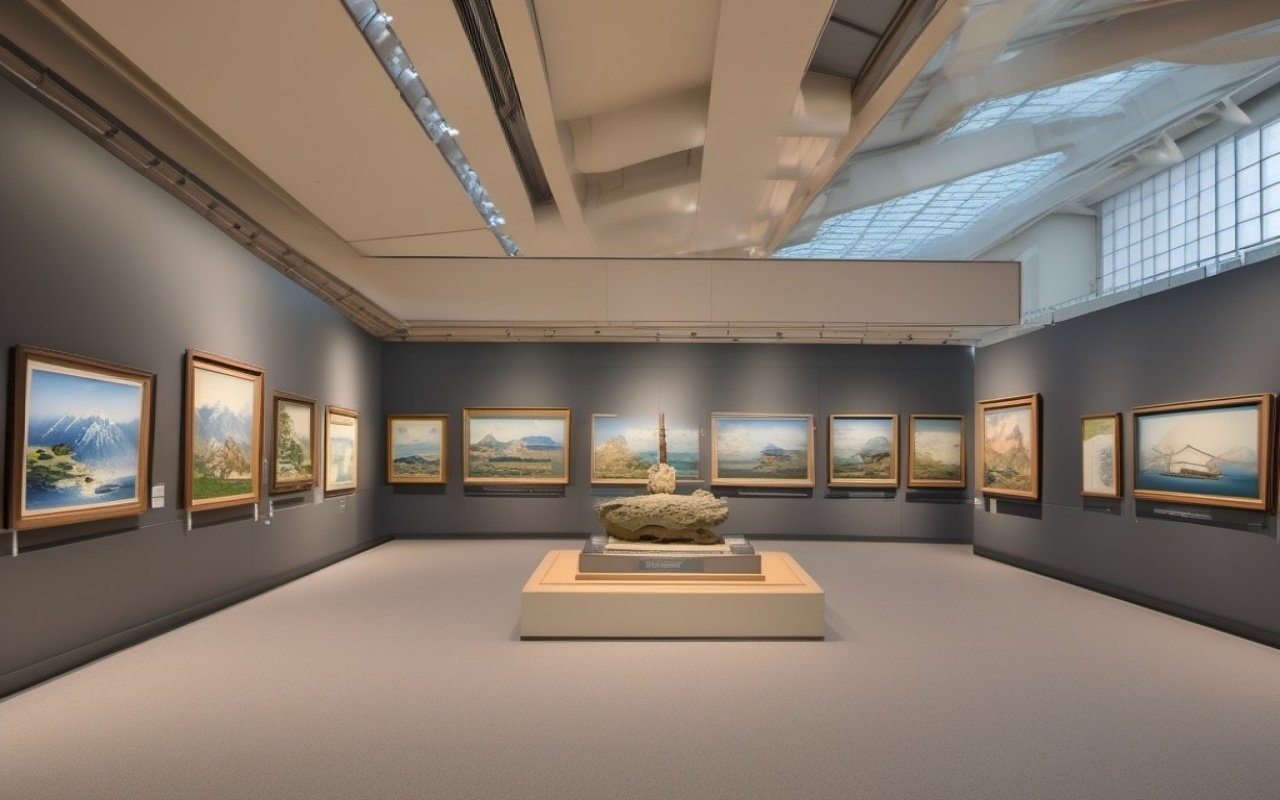
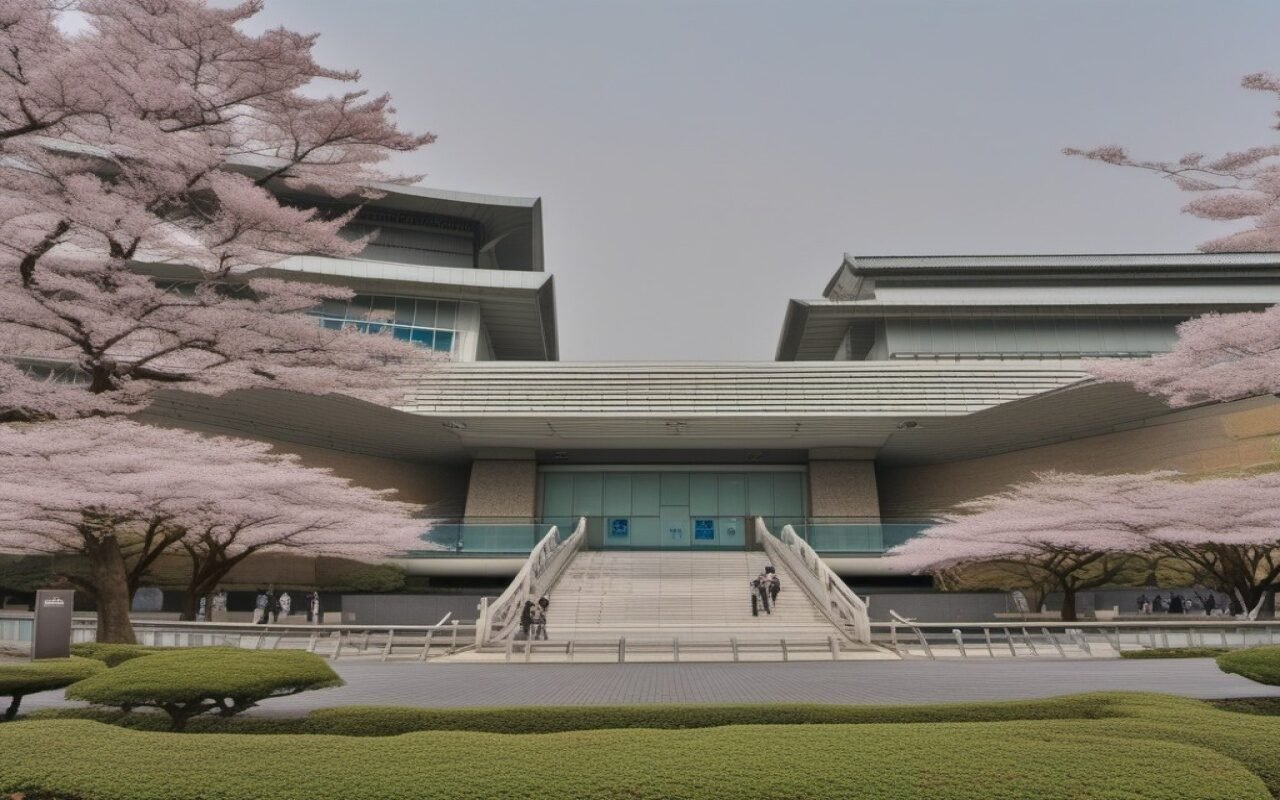
    Kanagawa museum exterior featuring modern and old-style show spaces

    Kanagawa Museum Guide - Kanagawa 2026 — spot


    Introduction

    Kanagawa Prefecture is home to some of Japan’s best museums, from world-class art collections to interactive science centers. This guide covers the must-visit museums in Kanagawa. Highlights:

    • 20+ world-class museums
    • Art, culture
    • Interactive exhibits
    • Family-friendly options
    • Easy access from Tokyo

    Hakone Open-Air Museum

    Best for: Outdoor sculpture, photos

    Hours: 9:00 AM - 5:00 PM (varies by season)
    Admission: ¥1,600
    Access: 2 min walk from Chokoku-no-Mori Station
    Time needed: 3-4 hours
    Closed: Tuesday (Nov-Mar)

    Japan’s first open-air museum, featuring over 120 sculptures in a pretty mountain setting. Highlights:

    • Picasso Pavilion (500+ works)
    • Symphonic Sculpture (climb inside)
    • Hot spring foot bath
    • Seasonal shows Tips:
    • Wear comfy walking shoes
    • Allow 3-4 hours
    • Combine with Hakone onsen

    Pola Museum of Art

    Best for: Impressionist art, cosmetics set

    Hours: 9:00 AM - 5:00 PM
    Admission: ¥1,800
    Access: Free shuttle from Hakone-Yumoto
    Time needed: 2-3 hours
    Closed: Tuesday

    A world-class art museum featuring French Impressionist paintings and Japanese modern art. Van Gogh

    • Japanese modern art
    • Cosmetic collection
    • Special shows Features:
    • pretty forest setting
    • great cafe
    • Gift shop with art books

    Yokohama Museum of Art

    Best for: Modern art, city views

    Hours: 10:00 AM - 6:00 PM
    Admission: ¥500
    Access: 5 min walk from Minato Mirai Station
    Time needed: 2-3 hours
    Closed: Thursday

    A comprehensive modern art museum featuring Japanese and international contemporary art. collection:

    • Japanese modern art
    • International contemporary
    • photos shows
    • Video installations Features:
    • Large sculpture garden
    • Art library
    • Museum shop
    • Cafe with city views

    Cup Noodles Museum (Yokohama)

    Best for: Families, food

    Hours: 10:00 AM - 6:00 PM
    Admission: Free
    Workshops: ¥500-800
    Access: 5 min walk from Minato Mirai Station
    Time needed: 2-3 hours
    Closed: Tuesday, holidays

    Learn about the history of instant noodles and create your own custom Cup Noodle. Workshops:

    Nissan Global Headquarters Gallery

    Best for: Cars, families

    Hours: 10:00 AM - 7:00 PM
    Admission: Free
    Access: 3 min walk from Shin-Yokohama Station [Get the Yokohama Seaside Gourmet Train Pass — combine transport & dining for a perfect bay area day out](Get the Yokohama Seaside Gourmet Train Pass — combine transport & dining for a perfect bay area day out)
    Time needed: 1-2 hours
    Closed: Irregular

    see Nissan’s history and latest technology at their global headquarters. Exhibits:

    • old Nissan vehicles
    • Latest models (test sits available)
    • Technology demonstrations
    • Racing heritage Features:
    • Free admission
    • Photo chances
    • Gift shop
    • Cafe

    Yokohama Museum of History

    Best for: Local history, port culture

    Hours: 9:00 AM - 5:00 PM
    Admission: ¥100
    Access: 5 min walk from Takashima-cho Station
    Time needed: 1-2 hours
    Closed: Monday

    Learn about Yokohama’s rich history as an international port city. Exhibits:

    • Port history
    • International settlement era
    • great Kanto Earthquake
    • Modern Yokohama Features:
    • English explanations
    • Reasonable admission
    • Central spot

    Kamakura Museum of National Treasures

    Best for: Buddhist art, samurai culture

    Hours: 9:00 AM - 4:30 PM
    Admission: ¥200
    Access: 10 min walk from Kamakura Station
    Time needed: 1 hour
    Closed: Thursday

    A small but great museum featuring Buddhist sculptures and samurai artifacts. collection:

    • Buddhist sculptures
    • Samurai armor and swords
    • Calligraphy
    • Tea ceremony utensils Features:
    • pretty garden
    • Near Tsurugaoka Hachimangu
    • Quiet vibe

    Yokohama Science Center

    Best for: Families, hands-on science

    Hours: 9:30 AM - 5:00 PM
    Admission: ¥510 (adults). ¥260 (children)
    Access: 15 min bus from Yokohama Station
    Time needed: 2-3 hours
    Closed: Monday

    An interactive science museum with hands-on exhibits and a planetarium. Exhibits:

    • Physics experiments
    • Biology displays
    • Technology demonstrations
    • Planetarium shows (more fee) Features:
    • great for children
    • Hands-on exhibits
    • Educational programs
    • Cafe and shop

    Hakone Art Day (Full Day)

    Time: 6-8 hours
    Budget: ¥5,000-7,000

    9:00 AM: Arrive in Hakone
    9:30 AM: Open-Air Museum (3 hours)
    1:00 PM: Lunch in Gora
    2:30 PM: Pola Museum (2 hours)
    5:00 PM: Onsen
    7:00 PM: Return to Tokyo

    Yokohama Culture Day (Full Day)

    Time: 6-8 hours
    Budget: ¥3,000-5,000

    10:00 AM: Cup Noodles Museum (2 hours)
    12:00 PM: Lunch in Minato Mirai
    2:00 PM: Yokohama Museum of Art (2 hours)
    4:00 PM: Nissan Gallery (1 hour)
    6:00 PM: Dinner and return to Tokyo

    Kamakura Culture Half Day

    Time: 3-4 hours
    Budget: ¥1,000-2,000

    10:00 AM: Kamakura Museum of National Treasures (1 hour)
    11:30 AM: Tsurugaoka Hachimangu visit
    1:00 PM: Lunch in Komachi-dori
    2:00 PM: Return to Tokyo

    Hakone Free Pass

    Includes:

    • Round trip from Shinjuku
    • All Hakone transport
    • Discounts at 50+ places Museum Discounts:
    • Open-Air Museum: ¥200 off
    • Pola Museum: ¥300 off
    • Many other attractions Cost: ¥5,140 (from Shinjuku)
      Validity: 2 days

    Yokohama Minato Burari Ticket

    Includes:

    • Unlimited subway travel
    • Discounts at attractions Museum Discounts:
    • Yokohama Museum of Art: ¥100 off
    • Cup Noodles Museum: Priority booking Cost: ¥820 (1 day)
      Validity: 1 day

    Common Museum Discounts

    • Students: 50% off with student ID
    • Seniors (65+): 20-50% off
    • Groups (10+): 10-20% off
    • Evening: Some museums offer reduced rates

    Best Time to Visit

    Weekdays:

    • Less crowded
    • Better for photos
    • More time with exhibits Weekends:
    • Very crowded (mostly 1-3 PM)
    • Family-friendly vibe
    • Special events common

    Photos

    • Allowed: Most outdoor areas, some indoor
    • Prohibited: Special shows, some galleries
    • Flash: Usually prohibited
    • Tripods: Usually need permission

    Places

    • Lockers: Available at most museums
    • Cafes: Most museums have cafes
    • Shops: Museum shops with unique items
    • ease of use: Most museums are wheelchair accessible

    Language

    • Signage: Japanese and English at major museums
    • Audio guides: Available at most museums (¥300-500)
    • Staff: Basic English at tourist museums

    Kanagawa Museum Guide scenery and attractions


    Summary

    Kanagawa offers exceptional museum things, from world-class art collections to interactive science centers. Whether you’re an art lover, history buff, or traveling with family, Kanagawa has the perfect museum for you. Key highlights:

    • 20+ world-class museums
    • Art, culture
    • Interactive exhibits
    • Family-friendly options
    • Easy access from Tokyo

    Kanagawa Museum Guide - Kanagawa 2026 — Summary

    Kanagawa Museum Guide From old-style art to contemporary shows, the museums in this guide showcase the rich cultural tapestry of Kanagawa. Plan your visit according to your interests, and allow enough time to fully appreciate each venue’s unique collections.

    Are museums crowded on weekends? A. Yes, mostly 1-3 PM. Visit on weekdays or arrive early

    Do museums have English info? A. Major museums have English signage and audio guides. ### Q. Are museums wheelchair accessible? A. Most major museums are fully accessible

    Can I take photos? A. Usually yes in permanent collections, no in special shows

    Frequently Asked Questions

    Q: Is there a best time of day to visit?
    A: Early mornings (before 10 AM) are ideal for experiencing attractions with minimal crowds and optimal lighting for photos. Late afternoons (after 3 PM) also offer good conditions as tour groups depart. Midday hours (11 AM-2 PM) are the busiest across most places in Kanagawa. Q: What’s the most handy way to reach this place?
    A: The area is well-served by train from central Tokyo. JR lines connect major hubs, while private railways provide direct access to specific places. Travel time ranges from 25 minutes to 2 hours depending on the spot. The nearest major station has taxi and bus connections to final places, and most sights are within walking distance of stations. Q: How much time should I spend at Kanagawa?
    A: Most visitors find that a few minutes to review the key info is sufficient to see the main highlights of Kanagawa. If you have specific interests or want to see off-the-beaten-path spots, consider allocating more time. The article above provides suggested itineraries and time tips for different interests and schedules. Q: What should I prepare before my trip?
    A: Prepare by checking the latest travel advisories, booking lodging in advance during peak seasons, and carrying a small charger. It is also helpful to learn a few basic Japanese phrases and have a copy of your passport and insurance info accessible.

    Packing Essentials

    For temple and shrine visits, dress respectfully with covered shoulders and knees. Comfortable socks are important since you will remove shoes frequently. A small coin purse is useful for offering donations. A goshuincho (temple stamp book) can be purchased at most major temples.

    Conclusion

    Whether you are planning exploring Kanagawa for its museum for the first time or returning for another visit, taking a little extra time to go beyond the obvious sights makes all the difference. During my visit I went with a rough plan and found that leaving room to wander made the trip far more memorable. I hope this guide helps you build an itinerary that fits your pace, and that your time in Kanagawa leaves you with memories worth coming back for.

  • Kamakura Temple Guide – Kanagawa 2026

    Kamakura Temple Guide – Kanagawa 2026

    Overview

    Explore the rich cultural heritage and historical significance of Kamakura Temple Guide – Kanagawa in Kanagawa Prefecture. This guide delves into the fascinating stories, traditions, and landmarks that define Kamakura. From ancient temples to modern museums, discover how this destination has shaped Japan’s cultural landscape over centuries.

    Quick Links

    Planning a visit to experience Kamakura Temple Guide – Kanagawa 2026 in Kanagawa? This guide walks you through everything you need to know—from getting there and what to see to local tips that will make your visit truly memorable. Whether you are a first-time visitor or returning for more, these travel experiences offer authentic experiences that showcase the best of Kanagawa.

    📍 Location


    • Access: 1 hour from Tokyo
    • Best temples: Kotoku-in, Hasedera, Kencho-ji
    • Best for: History, gardens, meditation, photography
    • Best season: Spring (cherry blossoms) and Autumn (fall foliage)

    Historic Kamakura temple with traditional Buddhist architecture and serene gardens

    Kamakura Temple Guide - Kanagawa 2026 — Location


    Introduction

    📍 Kamakura Temple Locations

    Find these temples on Google Maps to plan your walking route between sites.

    📍 View on Google Maps

    Kamakura Temple Guide - Kanagawa 2026 — Kamakura Temple Locations

    Kamakura, once the political center of Japan, is home to over 65 Buddhist temples and 19 Shinto shrines. This guide covers the must-visit temples and essential etiquette for your temple hopping experience.

    Highlights:

    • 65+ Buddhist temples
    • Iconic Great Buddha
    • beautiful temple gardens
    • Meditation experiences
    • Rich samurai history

    Kotoku-in (Great Buddha)

    Best for: Iconic photo spot, history

    Hours: 8:00 AM - 5:30 PM (Nov-Feb: 4:30 PM)
    Admission: ¥300 (¥200 for Buddha interior)
    Access: 7 min walk from Hase Station
    Time needed: 30-60 minutes

    Home to the iconic Great Buddha of Kamakura, a 13.35-meter tall bronze statue that has stood since 1252. Highlights:

    • Great Buddha (Daibutsu)
    • Buddha interior visit (¥200)
    • Temple grounds
    • Souvenir shop Tips:
    • Arrive early (crowded after 10 AM)
    • Combine with Hasedera (5 min walk)
    • Photo spots available

    Hasedera Temple

    Best for: Gardens, ocean views, flowers

    Hours: 8:00 AM - 5:00 PM (Nov-Feb: 4:30 PM)
    Admission: ¥400
    Access: 5 min walk from Hase Station
    Time needed: 1-2 hours

    A beautiful temple known for its gardens, ocean views, and seasonal flowers. Highlights:

    • Kannon Hall (main hall)
    • Cave temple (Kannon-dori)
    • Garden with pond
    • Ocean view platform
    • Seasonal flowers (hydrangea in June) Tips:
    • Wear comfortable shoes (hillside temple)
    • Best views from upper levels
    • Combine with Kotoku-in

    Kencho-ji Temple

    Best for: Zen architecture, gardens, meditation

    Hours: 8:30 AM - 5:00 PM
    Admission: ¥500 (garden: ¥300)
    Access: 15 min walk from Kita-Kamakura Station
    Time needed: 1-2 hours

    The oldest Zen temple in Kamakura, founded in 1253, featuring stunning architecture and gardens. Highlights:

    • Sanmon Gate (important cultural property)
    • Butsuden (Buddha Hall)
    • Hojo Garden (designed by Kobori Enshu)
    • Meditation sessions (reservation required) Tips:
    • Visit early morning for tranquility
    • Garden is especially beautiful in autumn
    • Meditation experience available (¥1,000)

    Engaku-ji Temple

    Best for: Zen architecture, tea ceremony

    Hours: 8:00 AM - 5:00 PM
    Admission: ¥300
    Access: 1 min walk from Kita-Kamakura Station
    Time needed: 1 hour

    One of the most important Zen temples in Japan, founded in 1282. Highlights:

    • Shariden (national treasure)
    • Butsuden (Buddha Hall)
    • Tea ceremony experiences
    • Bell tower Tips:
    • Easy access from station
    • Combine with Kencho-ji (15 min walk)
    • Tea ceremony on weekends

    Classic Course (Half Day, 4 hours)

    Morning:

    1. Kotoku-in (Great Buddha, 1 hour)
    2. Hasedera (Gardens and views, 1.5 hours)
    3. Lunch in Hase area Afternoon:
    4. Kencho-ji (Zen temple, 1.5 hours)
    5. Engaku-ji (Tea ceremony, 1 hour) Access:
    • Start: Hase Station
    • End: Kita-Kamakura Station
    • Transport: Enoden + JR

    Zen Temple Course (Half Day, 3 hours)

    Morning:

    1. Kencho-ji (1.5 hours)
    2. Engaku-ji (1 hour)
    3. Tokei-ji (30 min) Features:
    • Three important Zen temples
    • beautiful gardens
    • Meditation experience Access:
    • Start/End: Kita-Kamakura Station
    • All temples within walking distance

    Lesser-Known Spots Course (Half Day, 3 Hours)

    Morning:

    1. Meigetsu-in (Hydrangea temple, 1 hour)
    2. Enkaku-ji (Tea ceremony, 1 hour)
    3. Zuisen-ji (Garden temple, 1 hour) Features:
    • Less crowded
    • beautiful gardens
    • Authentic atmosphere Access:
    • Start: Kita-Kamakura Station
    • End: Kamakura Station


    Summary

    Kamakura Temple Guide - Kanagawa 2026 — Summary

    Kamakura’s temples offer a glimpse into Japan’s rich Buddhist heritage, from the iconic Great Buddha to serene Zen gardens. Whether you’re interested in history, architecture, or meditation, Kamakura’s temples have something for everyone.

    Key highlights:

    • 65+ Buddhist temples
    • Iconic Great Buddha
    • beautiful temple gardens
    • Meditation experiences
    • Easy access from Tokyo (1 hour)

    Kamakura Temple Guide These temples offer a window into Japan’s spiritual heritage, where centuries of tradition meet the natural beauty of Kanagawa. Take your time to explore each sacred site and appreciate the peaceful atmosphere that has drawn visitors for generations.

    How many temples should I visit in one day?

    A. 3-4 temples is comfortable for a half-day trip.

    Are temples crowded?

    A. Yes, especially on weekends and holidays. Visit early morning.

    Can I take photos?

    A. Most temples allow photos in grounds, but not inside halls.

    Is there a dress code?

    A. Modest clothing I highly recommend. Remove hats inside buildings.

    🙏 Temple Etiquette and Customs

    Understanding temple etiquette ensures a respectful visit and a more meaningful experience.

    Before Entering

    • Purify at the temizuya (water pavilion): Use the bamboo ladle to pour water over your left hand, then right hand, then rinse your mouth (don’t touch the ladle directly to your mouth).
    • Remove hats and sunglasses before entering temple buildings.
    • Bow once before passing through the temple gate (mon) — this is a sign of respect.

    At the Main Hall

    • Throw a coin (¥5 or ¥10) into the offering box before praying.
    • Bow twice, clap twice, bow once — this is the standard prayer sequence at shrines. At Buddhist temples, you simply bow quietly with your palms together (gassho).
    • Do not take photos inside the main hall unless explicitly permitted.
    • Keep your voice low — temples are active places of worship, not museums.

    At the Cemetery

    • Stay on designated paths — walking over graves is highly disrespectful.
    • Do not take photos of graves or funerary ceremonies.
    • Do not offer incense unless you understand the ritual — it may interfere with family offerings.

    Seasonal Temple Highlights

    • January: Hatsumode (first shrine visit of the year) — temples are crowded but festive
    • February: Setsubun bean-throwing ceremonies at Kencho-ji and other major temples
    • June: Hydrangea season at Meigetsu-in (arrive by 7 AM to avoid queues)
    • August: Evening illumination events at several temples
    • November: Autumn foliage at Kencho-ji garden (reservation recommended)
    • December: Year-end cleaning (osouji) at many temples — visitors welcome to watch

    📅 Sample Full-Day Temple Itinerary

    9:00 AM — Start at Kita-Kamakura Station
    9:15-10:15 AM — Engaku-ji (national treasure, tea ceremony option)
    10:30-11:45 AM — Kencho-ji (Zen meditation, gardens)
    12:00-12:45 PM — Lunch at a shojin ryori (Buddhist vegetarian) restaurant near Kencho-ji
    1:00-1:30 PM — Walk to Tokei-ji (quiet nunnery, bamboo grove)
    1:45-2:00 PM — Walk to Kamakura Station
    2:00-2:30 PM — Enoden train to Hase Station
    2:45-4:00 PM — Hasedera (ocean views, cave temple)
    4:15-4:45 PM — Kotoku-in (Great Buddha)
    5:00 PM — Enoden back to Kamakura Station, dinner in the station area Total walking: ~8 km (5 miles). Wear comfortable shoes and bring water.

    Temple Etiquette Guide

    Understanding temple etiquette ensures a respectful visit.

    Entry Preparation

    • Purify at the temizuya: Use the bamboo ladle to pour water over your left hand, then right hand, then rinse your mouth.
    • Remove hats and sunglasses before entering temple buildings.
    • Bow once before passing through the temple gate.

    Inside the Main Hall

    • Throw a coin (¥5 or ¥10) into the offering box before praying.
    • Bow twice, clap twice, bow once at shrines. At Buddhist temples, simply bow quietly with palms together.
    • No photos inside the main hall unless permitted.
    • Keep your voice low.

    Seasonal Highlights

    • January: Hatsumode (first shrine visit) — crowded but festive
    • February: Setsubun bean-throwing at Kencho-ji
    • June: Hydrangea at Meigetsu-in (arrive by 7 AM)
    • August: Evening illuminations at several temples
    • November: Autumn foliage at Kencho-ji garden

    📅 Temple Itinerary Suggestion

    9:00 AM — Start at Kita-Kamakura Station
    9:15-10:15 AM — Engaku-ji
    10:30-11:45 AM — Kencho-ji (Zen meditation)
    12:00-12:45 PM — Lunch near Kencho-ji
    1:00-1:30 PM — Walk to Tokei-ji (bamboo grove)
    2:45-4:00 PM — Hasedera (ocean views)
    4:15-4:45 PM — Kotoku-in (Great Buddha)
    5:00 PM — Enoden back to Kamakura Station Total walking: ~8 km. Wear comfortable shoes.

    🏯 Quick Temple Comparison: Which to Visit?

    Temple Best For Admission Time Needed Crowds Access
    Kotoku-in Iconic Great Buddha photo ¥300 30-45 min 🟡 Moderate 7 min walk from Hase Station
    Hasedera Gardens, ocean views ¥400 1-1.5 hours 🟡 Moderate 5 min walk from Hase Station
    Kencho-ji Zen architecture, meditation ¥500 1-1.5 hours 🟢 Quiet 15 min walk from Kita-Kamakura
    Engaku-ji National treasure, tea ceremony ¥300 45-60 min 🟢 Quiet 1 min from Kita-Kamakura Station
    Meigetsu-in Hydrangeas (June) ¥500 (Jun) / ¥300 30-45 min 🔴 Very busy (Jun) 10 min walk from Kita-Kamakura
    Tokei-ji Bamboo grove, quiet ¥300 30 min 🟢 Very quiet 12 min walk from Kita-Kamakura
    Zuisen-ji Cave garden, hillside ¥300 30-45 min 🟢 Very quiet 20 min walk from Kamakura Station

    💰 Budgeting for a Temple Day

    Expense Budget Traveler Standard Notes
    Train from Tokyo (round trip) ¥1,840 ¥1,840 JR Yokosuka Line, Tokyo→Kamakura
    Temple admissions (3-4 temples) ¥900 ¥1,500 Choose 2-3 free/low-cost + 1 main temple
    Goshuin stamps (per temple) ¥300-500 ¥300-500 Optional but recommended — beautiful souvenir
    Lunch ¥800-1,200 ¥1,500-2,500 Komachi-dori street food vs, sit-down
    Enoden train (Kamakura→Hase round) ¥380 ¥380 Day pass ¥700 if visiting multiple Enoden stops
    Tea/refreshment ¥400-600 ¥800-1,200 Matcha set at a temple cafe
    Total per person ¥4,500-5,500 ¥6,000-8,000 Very affordable day trip

    Money-saving tips:

    • Visit 2-3 temples instead of 4-5 to save on admissions and avoid temple fatigue
    • Komachi-dori street food (yakitori skewers, taiyaki, soft serve) costs ¥300-500 per item — cheaper than a sit-down lunch
    • The Enoden day pass (¥700) pays for itself if you visit Hase + Enoshima + Kamakura in one day

    📸 Best Photo Spots at Each Temple

    Temple Best Photo Spot Best Time Camera Tip
    Kotoku-in Directly in front of Great Buddha Early morning (8-9 AM) Use wide-angle lens to capture full 13m height. Include a person for scale.
    Hasedera Ocean-view platform (upper level) Late afternoon (3-4 PM) Overlooks Yuigahama Beach — clear days show Enoshima and Fuji.
    Kencho-ji Hojo Garden from the veranda Midday (11 AM-1 PM) The dry landscape garden is designed to be viewed from seated position on the veranda.
    Engaku-ji Shariden Hall (national treasure) Morning (8-10 AM) The thatched-roof hall is most photogenic with soft morning light.
    Meigetsu-in The round window (sōmon) Mid-June for hydrangeas The window frames the garden — shoot through it from inside the main hall.
    Tokei-ji Bamboo grove pathway Any time The bamboo is less famous than Kyoto’s but much less crowded.

    🙏 Temple Etiquette and Customs (Condensed Guide)

    Seasonal Highlights (Temple Etiquette Guide)

    • January: Hatsumode (first shrine visit of the year) — temples are crowded but festive
    • February: Setsubun bean-throwing ceremonies at Kencho-ji and other major temples
    • June: Hydrangea season at Meigetsu-in (arrive by 7 AM to avoid queues)
    • August: Evening illumination events at several temples
    • November: Autumn foliage at Kencho-ji garden (reservation recommended)

    🏯 Which Temples Should You Visit? A Quick Guide by Interest

    For first-time visitors (the essentials):

    • Kotoku-in (Great Buddha) — the iconic Kamakura photo. Spend 30 min, no hiking required.
    • Hasedera — stunning ocean views, seasonal flowers, and a cave temple. Allow 1.5 hours.

    For Zen and meditation enthusiasts:

    • Kencho-ji — Japan’s oldest Zen training monastery. Silent meditation sessions available (reserve ahead).
    • Engaku-ji — national treasure Shariden hall, regular zazen meditation on weekends.

    For photography lovers:

    • Meigetsu-in — the “Hydrangea Temple.” Best in June, but the round window is photogenic year-round.
    • Hasedera — ocean-view platform from the upper grounds, especially at sunset.

    For avoiding crowds:

    • Tokei-ji — a quiet nunnery with a beautiful bamboo grove, off the main tourist path.
    • Zuisen-ji — a hillside temple with a cave and dry landscape garden designed by the founder.

    🚶 Getting Between Temples: Practical Transport Tips

    Kamakura’s temples are spread across the city, but efficient public transport makes temple-hopping easy. By Enoden train (coastal line):

    • Connects Kamakura Station → Hase Station (Kotoku-in, Hasedera) → Inamuragasaki → Enoshima
    • Single fare: ¥190. Day pass: ¥700 (unlimited rides along the coast).

    By JR Yokosuka Line:

    • Kamakura Station to Kita-Kamakura Station: 3 minutes, ¥140
    • Kencho-ji and Engaku-ji are both near Kita-Kamakura Station

    Walking routes:

    • Great Buddha Loop: Kamakura Station → walk 15 min → Tsurugaoka Hachimangu → walk 20 min → Kotoku-in → walk 5 min → Hasedera → Enoden to Kamakura Station
    • Zen Temple Walk: Kita-Kamakura Station → Engaku-ji (1 min walk) → Kencho-ji (15 min walk) → Tokei-ji (10 min walk) → back to Kita-Kamakura Station Taxi: Starting fare ¥600-700. Useful for getting between distant temples or if traveling with young children.

    🎴 Goshuin (Temple Stamp) Collection Guide

    Goshuin are red ink stamps and calligraphy inscriptions collected at temples and shrines. They make a beautiful souvenir and are a meaningful way to document your temple visit.

    How to collect goshuin:

    1. Purchase a goshuincho (stamp book) at the first temple you visit — ¥1,000-1,500 at most temple offices.
    2. At each temple, find the goshuin reception desk (usually near the main hall or ticket office).
    3. Present your goshuincho and pay the fee (¥300-500 per stamp).
    4. The attendant will write the temple name, date, and stamp it — this takes 2-5 minutes.

    Temples with particularly beautiful goshuin:

    • Hasedera: Elaborate design with lotus motif
    • Kencho-ji: Zen-inspired brush calligraphy
    • Meigetsu-in: Seasonal flower accent stamps

    Tip: Bring a plastic sleeve or small bag to protect your goshuincho from rain or moisture in the onsen area.
    For more information, check out our guide on Kamakura Literary Walk – Kanagawa 2026.
    For more information, check out our guide on Kamakura Samurai History – Kanagawa 2026.
    For more information, check out our guide on Kanagawa Museum Guide – Kanagawa 2026.

    Frequently Asked Questions

    Q: Are English guides available?
    A: Major temples, shrines, and museums offer English audio guides or pamphlet guides. Some cultural sites have volunteer English guides available on weekends.

    Q: Can I take photographs?
    A: Photography is generally allowed in outdoor areas. Indoor photography, especially of cultural artifacts, may be restricted. Flash photography is commonly prohibited.

    Q: How much time should I budget?
    A: For temples and shrines, budget 30-60 minutes. Museums typically require 1-2 hours. Cultural experiences (tea ceremony, craft workshops) take 1-2 hours.

    Q: Are there any dress codes?
    A: No strict dress codes, but dressing respectfully is appreciated at temples and shrines. Avoid overly revealing clothing. Comfortable walking shoes are recommended.

    Kamakura Temple Guide – Kanagawa 2026 provides everything you need to make your Kanagawa trip smooth and enjoyable. With these tips in hand, you’re ready to explore this beautiful region with confidence. Safe travels!


    Conclusion

    Whether you are planning exploring Kamakura for its temple for the first time or returning for another visit, taking a little extra time to go beyond the obvious sights makes all the difference. During my visit to Kamakura I went with a rough plan and found that leaving room to wander made the trip far more memorable. I hope this guide helps you build an itinerary that fits your pace, and that your time in Kanagawa leaves you with memories worth coming back for.

  • Kanagawa Luggage Storage Guide — Complete Guide 2026

    Kanagawa Luggage Storage Guide — Complete Guide 2026

    Overview

    During my trips through Yokohama and Kamakura I found the IC-card lockers the most convenient option — you can reopen them with your Suica instead of keeping the paper key safe.

    Kanagawa Luggage Storage Guide 2026 — coin lockers, luggage services, and hotel delivery options for Yokohama, Kamakura, and Enoshima. If you are doing a day trip with a suitcase or arriving early before hotel check-in, knowing where to drop your bags saves hours of dragging them around. This guide lists the largest locker banks, what they cost, and the delivery services that can send your luggage ahead.

    Access: Location and Options


    Kanagawa Luggage Storage Guide — main illustration

    Kanagawa Luggage Storage — Location and Options Kanagawa Luggage Storage — Coin locker sizes and payment

    Major Station Coin Lockers

    Yokohama Station:

    • Location: East Exit, West Exit, North Exit, and inside the shopping floors
    • Sizes: Small (¥300-400), Medium (¥400-500), Large (¥500-700)
    • Quantity: 2,000+ lockers across the station complex — the largest bank in the prefecture
    • Payment: coins, IC cards (Suica, PASMO), and some newer lockers accept credit cards
    • Hours: 24 hours (some banks of lockers close briefly for cleaning around 02:00-04:00)

    Kamakura Station:

    • Location: East Exit and West Exit; extra lockers added on holidays
    • Sizes: Small ¥300-400, Medium ¥400-500, Large ¥500-600
    • Peak note: lockers sell out by late morning on weekends and during cherry blossom season — arrive early or use the luggage service counters nearby

    Fujisawa / Enoshima area:

    • Fujisawa Station has a smaller locker bank; Enoshima Island itself has almost no full-size lockers, so store your bags at Fujisawa or Katase-Enoshima before crossing the bridge

    Luggage Service Counters (手荷物一時預かり)

    • Yokohama Station: luggage counters near the East Exit handle bags by the day (about ¥700-1,000 per bag)
    • Kamakura Station: counter services near the ticket gates during busy seasons
    • Hotel front desks: even if you are not a guest, many Yokohama hotels store bags for a fee — ask at the front desk

    Delivery Options (Takkyubin)

    • Hotel-to-hotel / hotel-to-airport: Yamato Transport (Black Cat) counters at stations and hotels deliver bags same-day or next-day across Kanagawa and to Haneda/Narita
    • Typical cost: about ¥1,200-2,000 per suitcase depending on size and distance
    • Best for: multiple-night stays where you do not need the bag until the next hotel
    • Airport delivery: send luggage ahead from Yokohama hotels to Haneda and pick it up after security

    Oversized Luggage Notes

    • Oversized items (over 160 cm total dimensions) do not fit standard coin lockers; use a luggage counter or takkyubin
    • Shinkansen passengers: reserve the oversized baggage seats if your bag is over 160 cm — required on the Tokaido Shinkansen from Yokohama
    • Bicycles, surfboards, and strollers: Enoshima and Shonan beach shops usually have storage at the rental counters; ask when you arrive

    Seasonal and Peak Notes

    • Cherry blossom season (late March-April) and New Year hatsumode: Kamakura lockers fill by mid-morning; the station adds temporary lockers, but they go quickly
    • Summer weekends: Enoshima area storage fills by noon; store at Fujisawa and travel light across the bridge
    • Rainy days: lockers near station entrances go first; the underground banks at Yokohama stay driest

    Tips

    IC-card lockers are the most convenient — you can reopen them with your Suica or PASMO instead of keeping the paper key, and payment is automatic. Before locking anything, note the locker number (it is printed on the receipt). On busy holiday dates in Kamakura, plan your locker stop for the first hour after opening, and have a backup plan: the luggage counters near the stations rarely run out, while coin lockers do. For hotel check-in days, ask the hotel to hold your bags in the morning — most front desks do this free for guests.

    Locker Sizes Explained

    • Small (¥300-400): handbags, backpacks, shopping bags — fits roughly 30-45 L
    • Medium (¥400-500): carry-on suitcases up to about 60-70 L, or two small backpacks
    • Large (¥500-700): full-size suitcases up to about 100 L; the largest bank of large lockers in the region is at Yokohama Station East Exit
    • Extra-large / luggage rooms: for strollers, golf bags, and oversized luggage — available at the Yokohama Station luggage counters and some hotels (¥700-1,000 per day)

    Time Limits and Rules

    • Most coin lockers allow storage for up to 3 days (72 hours); after that, staff remove the contents
    • IC-card lockers charge automatically when you close the door again — if you leave items overnight, the fee accrues on the card
    • Do not store food, drinks, or anything perishable — lockers are not refrigerated and cleaning staff discard expired items
    • Locker keys are the only way to open paper-key lockers; losing one means paying a fee to have the locker opened

    Beyond the Big Stations

    • Hakone-Yumoto Station: a small locker bank near the ticket gates; it fills fast on weekends — Hakone hotels usually hold bags for day-trippers on request
    • Odawara Station: useful before the Hakone trip; lockers near the Odakyu and JR gates
    • Shinjuku (for Hakone buses): the Highway Bus Terminal has luggage storage; also the Odakyu department store lockers nearby
    • Yamato Transport counters: at Yokohama Station and major hotels — the “baggage desk” service can hold bags for several days while you travel light

    FAQ

    Q: Can I store luggage overnight? A: Yes — 24-hour lockers allow overnight storage within the 72-hour limit, but the fee counts per day. Confirm the locker bank is 24-hour before leaving items overnight.

    Q: What if all lockers are full? A: Use a luggage counter (手荷物一時預かり) at the station or ask a hotel front desk — both charge around ¥700-1,000 per bag and rarely close.

    Q: Is it safe? A: Yes — lockers are in busy, monitored station areas, and IC-card lockers can only be reopened with the same card.

    Airport and Cruise Connections

    • Haneda: send luggage ahead from Yokohama hotels via Yamato Transport — same-day delivery is common for morning drop-offs, and the Haneda counter is at Terminal 3 departures
    • Narita: allow next-day delivery; most travelers take the bus with their bags instead, since the Narita limousine from Yokohama stops right at the terminal
    • Cruise terminal: Yokohama’s Osanbashi and Shinko cruise terminals have limited storage — hotels near the port (Minato Mirai area) are the better drop point before boarding
    • Shinkansen travelers: if your bag is over 160 cm total, book the oversized baggage seats on the Tokaido Shinkansen — the reservation is required, not optional

    Storage Options Compared

    Coin lockers: cheapest (¥300-700), self-service, limited to 72 hours — best for a few hours between trains.

    Luggage counters: ¥700-1,000 per day, staffed, accepts oversized items — best for full-day sightseeing.

    Hotel storage: free for guests, ¥500-1,000 for non-guests at most front desks — best for check-in days.

    Takkyubin delivery: ¥1,200-2,000 per bag, door-to-door — best for multi-city itineraries where you will not return to the same base.

    Conclusion

    Storing luggage is the first step to a smooth Kanagawa day — lockers for a few hours, counters for full days, and delivery services for multi-city trips. Check locker sizes and the 72-hour limit before you lock, and keep your receipt and IC card handy. With your hands free, the whole prefecture opens up.

    FAQ (continued)

    Q: Are lockers available 24 hours? A: The main banks at Yokohama, Kamakura, and Fujisawa are 24-hour, but a few smaller banks close briefly for cleaning around 02:00-04:00 — check the sign before locking anything overnight.

    Q: Do lockers take credit cards? A: Newer IC-card lockers in Yokohama accept credit cards at the payment kiosk; older coin lockers are cash or IC only.

    Q: What is the largest locker size? A: “Large” (¥500-700) fits a full-size suitcase up to about 100 L. Bigger items go to the luggage counters.

    Q: Can I store luggage for several days? A: Yes — up to 72 hours in lockers; for longer, use a Yamato Transport counter or a hotel front desk (some charge a small daily fee).

  • Kamakura Tsurugaoka Hachimangu Guide 2026

    Kamakura Tsurugaoka Hachimangu Guide 2026

    Kamakura Tsurugaoka Hachimangu Guide 2026

    Overview

    Explore the rich cultural heritage and historical significance of Kamakura Tsurugaoka Hachimangu in Kanagawa Prefecture. This guide delves into the fascinating stories, traditions, and landmarks that define Kamakura. From ancient temples to modern museums, discover how this destination has shaped Japan’s cultural landscape over centuries.

    Quick Links

    Planning a visit to time Kamakura Tsurugaoka Hachimangu Guide in Kanagawa? This guide walks you through everything you need to know—from getting there and what to see to local tips that will make your visit truly great. Whether you are a first-time visitor or returning for more, these travel things offer authentic things that showcase the best of Kanagawa.

    📍 Location


    • Access: 10 min walk from Kamakura Station
    • Admission: Free (treasure hall: ¥200)
    • Hours: 6:00 AM – 8:00 PM (varies by season)
    • Best for: History, festivals

    Kamakura Tsurugaoka Hachimangu Guide — main illustration

    Kamakura Tsurugaoka Hachimangu Guide 2026 — Location


    Introduction

    Kamakura Tsurugaoka Hachimangu Guide 2026 — Introduction

    Tsurugaoka Hachimangu is Kamakura’s most important Shinto shrine. This historic shrine was the spiritual center of the Kamakura Shogunate and remains a vital cultural landmark today. Highlights:

    • 950+ years of history
    • pretty shrine architecture
    • Traditional festivals
    • Peaceful grounds
    • Central Kamakura location

    Foundation

    Founded: 1063 by Minamoto no Yoriyoshi
    Dedicated to: Hachiman (god of war)
    Historical role: Spiritual center of Kamakura Shogunate

    Key Historical Events

    • 1180: Minamoto no Yoritomo relocates shrine to current location
    • 1333: Fall of Kamakura Shogunate
    • 1960: Designated as Important Cultural Property

    Main Hall (Honden)

    Features:

    • Traditional Nagare-zukuri architecture
    • Important Cultural Property
    • Prayer hall
    • Fortune slips (omikuji) Prayer:
    • Cost: ¥500 for formal prayer
    • Duration: 15-20 minutes
    • Language: Japanese (English pamphlet available)

    Treasure Hall

    Admission: ¥200
    Hours: 9:00 AM – 4:00 PM
    Closed: Wednesdays Collection:

    • Samurai armor and swords
    • Ancient manuscripts
    • Ritual objects
    • Historical artifacts

    Gardens

    Features:

    • Lotus pond (pretty in June-July)
    • Traditional landscaping
    • Peaceful walking paths
    • Photo chances

    Major Festivals

    Reitaisai (September 14-16)

    • Annual grand festival
    • Traditional processions
    • Horseback archery
    • Largest festival of the year Setsubun (February 3)
    • Bean-throwing ceremony
    • Good luck rituals
    • Family-friendly New Year (January 1-3)
    • Hatsumode (first shrine visit)
    • Very crowded (3 million visitors)
    • Special ceremonies

    By Train

    From Tokyo Station:

    1. JR Yokosuka Line to Kamakura Station (1 hour, ¥1,040)
    2. 10-minute walk east From Shinjuku:
    3. JR Shonan-Shinjuku Line to Kamakura Station (1 hour. ¥1,040)
    4. 10-minute walk

    By Bus

    From Kamakura Station:

    • Kanachu Bus to Tsurugaoka-mae (5 min. ¥220)
    • 1-minute walk

    Komachi-dori Street (5 min walk)

    Features:

    • Shopping street
    • Local snacks
    • Souvenir shops
    • Cafes and restaurants

    Kamakura Museum (10 min walk)

    Features:

    • Kamakura history
    • Buddhist art
    • Samurai artifacts
    • Admission: ¥300

    Hasedera Temple (15 min by bus)

    Features:

    • pretty gardens
    • Ocean views
    • Kannon Hall
    • Admission: ¥400

    Kamakura Tsurugaoka Hachimangu Guide scenery and attractions


    Summary

    Tsurugaoka Hachimangu is Kamakura’s most important shrine with 950+ years of history. A must-visit for history and culture enthusiasts. Key highlights:

    • 950+ years of history
    • Important Cultural Property
    • Traditional festivals
    • Peaceful grounds
    • Central Kamakura location

    📜 Historical Background

    Understanding the historical context of this destination enriches the visitor time and provides deeper appreciation for what you see. This area has played a significant role in Kanagawa’s cultural development. Historical Significance: The region has been an important cultural and political center for centuries, with many of its landmarks dating back to the Kamakura and Edo periods. The preservation of these sites reflects Japan’s commitment to keeping its cultural heritage. Architectural Heritage: Traditional architecture in the area showcases distinctive Japanese building techniques and design principles. Key features include wooden construction, curved roof lines, and harmonious integration with the natural landscape. Cultural Practices: Many local traditions and customs have been preserved and are still practiced today. Visitors may observe or join in tea ceremonies, meditation sessions, traditional craft workshops, and seasonal festivals. Recommended Reading: For those interested in deeper exploration, consider reading English-language guidebooks focused on Japanese history and culture available at local bookstores and tourist info centers.

    🗓️ Sample Itinerary

    Half-Day Visit (3-4 hours):

    • Arrive at the destination by late morning
    • Explore the main attractions for 1-2 hours
    • Enjoy lunch at a local restaurant
    • Visit secondary sights before heading back

    Full-Day Visit (6-8 hours):

    • Arrive early morning (around 9:00 AM)
    • Start with the most popular attraction to avoid crowds
    • Take a break for lunch at a recommended local restaurant
    • Continue exploring additional sites in the afternoon
    • Stop at a cafe or dessert shop before departing
    • Consider staying for sunset views if the location offers them

    With Nearby Attractions (add 2-3 hours):

    • Combine your visit with a nearby destination for a more diverse time
    • Use local transportation to move between locations efficiently
    • Check operating hours in advance to plan your timing carefully

    Rainy Day Alternative:

    • Focus on indoor attractions such as museums, and shopping centers
    • Visit covered shopping arcades and traditional market streets
    • Consider a cooking class or craft workshop as an indoor activity
    • Check if your destination has indoor alternative activities available
      unique perspective on Kanagawa that rewards those who take the time to explore thoroughly. Whether you are here for a day or a week, the memories you create will stay with you long after you return home.

    Frequently Asked Questions

    Is there an admission fee? A. Shrine grounds are free. Treasure hall is ¥200

    How long does a visit take? A. Plan for 1-2 hours for full time

    Are English explanations available? A. Yes, info boards and pamphlets in English. —

    Last Updated: March 2026
    Written by: Anaba OffJapan Editorial Team


    Anaba OffJapan – Avoid the Crowds, Go Deeper into Japan.

    Common Questions Answered

    Q: Are English guides available?
    A: Major temples, and museums offer English audio guides or pamphlet guides. Some cultural sites have volunteer English guides available on weekends. Q: Can I take photographs?
    A: photos is generally allowed in outdoor areas. Indoor photos, mostly of cultural artifacts, may be restricted. Flash photos is commonly prohibited. Q: How much time should I budget?
    A: For temples and shrines, budget 30-60 minutes. Museums typically need 1-2 hours. Cultural things (tea ceremony, craft workshops) take 1-2 hours. Q: Are there any dress codes?
    A: No strict dress codes, but dressing respectfully is appreciated at temples and shrines. Avoid overly revealing clothing, comfy walking shoes are recommended.

    Visiting During Special Events

    Tsurugaoka Hachimangu hosts several major events throughout the year. The New Year’s visit (Hatsumode. January 1-3) draws over 2 million visitors — the approach road is packed, but the atmosphere is electric. Kamakura Matsuri (April) features yabusame (horseback archery) performances on the shrine grounds. Autumn leaves peak in late November, with the ginkgo tree avenue turning brilliant yellow. If you can time your visit for a Sunday during festival season, you’ll see traditional wedding processions passing through the main gate.

    Final Thoughts

    Kamakura Tsurugaoka Hachimangu Guide provides everything you need to make your Kanagawa trip smooth and enjoyable. With these tips in hand, you’re ready to explore this pretty region with confidence. Safe travels! —

    What Locals Say

    We spoke with residents and frequent visitors to get their honest opinions about Kamakura Tsurugaoka Hachimangu Guide 2026: Complete Shrine time:

    Tanaka-san, Local Resident (15 years):

    “This place has been part of our community for generations. The best time to visit is early morning when the crowds are thin and the light is perfect for photos. Don’t miss the hidden spots that most tourists overlook.”

    Yamamoto-san, Tour Guide (10 years time):

    “I bring visitors here often. The key to enjoying Kamakura Tsurugaoka Hachimangu Guide 2026: Complete Shrine time is to take your time. Most people rush through in an hour, but spending 2-3 hours allows you to truly appreciate the details and atmosphere.”

    Suzuki-san. Photographer:

    “For the best photos, visit during golden hour. The way the light hits [the main feature] creates magical moments. Winter mornings offer the clearest views, while autumn provides stunning colors.”

    Conclusion

    Whether you are planning exploring Kamakura for the first time or returning for another visit, taking a little extra time to go beyond the obvious sights makes all the difference. During my visit to Kamakura I went with a rough plan and found that leaving room to wander made the trip far more memorable. I hope this guide helps you build an itinerary that fits your pace, and that your time in Kanagawa leaves you with memories worth coming back for.

  • Family Friendly Hakone Activities 2026

    Family Friendly Hakone Activities 2026

    Overview

    We visited Hakone with two young kids last autumn, and I quickly learned that the key is pacing, not packing. During our first day we tried to see everything — the Open-Air Museum, the ropeway, the pirate ship — and the meltdowns started by 2 PM. On our second visit we picked just three activities and everyone, including the adults, actually enjoyed the day.

    This guide covers the kid-approved spots we experienced firsthand, with honest notes on strollers, timing, and which attractions are worth the ticket price for different ages. For accommodation, our Hakone Ryokan Stay Guide and Hakone 2 Days 1 Night plan round out the trip.

    Plan your perfect visit to Family Friendly Hakone Activities with this comprehensive destination guide, Covering everything from must-see attractions to practical travel tips, this guide helps you make the most of your time in Family. Whether you have a single day or an entire week, discover the best that this Kanagawa destination has to offer.

    📍 Location


    Hakone is perfect for families with children, offering outdoor activities, museums, and onsen things. This guide covers the best family-friendly attractions, practical tips, and age-appropriate activities.

    1. Hakone Open-Air Museum

    Why Kids Love It: Climbable sculptures, play area

    • Admission: ¥1,600 (adult). ¥800 (child 3+)
    • Hours: 9:00-17:00
    • Access: 2 min walk from Chokoku-no-Mori Station

    Scenic Kanagawa destination and travel location

    Must-see Kanagawa destination and viewpoint

    Family Friendly Hakone Activities detailed view and features

    • Time Needed: 2-3 hours
    • Stroller: ✅ Mostly accessible
    • Age: 3+ years

    Highlights for Kids:

    • Symphonic Sculpture (climb inside)
    • Kids’ play area
    • Foot bath (relaxation)
    • Picasso Pavilion (art appreciation) Family places:
    • Baby changing rooms
    • Family restrooms
    • Stroller rental (limited)
    • Restaurant with kids’ menu

    2. Hakone Pirate Ship (Lake Ashi Cruise)

    Why Kids Love It: Pirate-themed ship, lake views

    • Admission: Free with Hakone Free Pass
    • Hours: 9:00-17:30
    • Access: Togendai Station (ropeway)
    • Time Needed: 30-40 min (one way)
    • Stroller: ✅ Accessible
    • Age: All ages

    Highlights for Kids:

    • Pirate ship design
    • Outdoor decks
    • Lake Ashi views
    • Photo chances Family places:
    • Restrooms on board
    • Snack bar (some ships)
    • Elevator (Royal II ship)
    • Priority boarding (families)

    3. Owakudani Valley

    Why Kids Love It: Volcanic vents, black eggs

    • Admission: Free (ropeway not included)
    • Hours: Always open
    • Access: Hakone Ropeway
    • Time Needed: 30-60 min
    • Stroller: ⚠️ Limited access
    • Age: All ages

    Highlights for Kids:

    • Black eggs (eat one, live 7 years longer!)
    • Volcanic vents (sulfur smell)
    • Ropeway ride (scenic)
    • Souvenir shops Family places:
    • Restrooms
    • Restaurants
    • Souvenir shops
    • Viewing platforms Safety Note: Stay on marked paths, supervise children

    4. Hakone Venetian Glass Museum

    Why Kids Love It: pretty glass, gardens

    • Admission: ¥1,500 (adult). ¥1,000 (child)
    • Hours: 9:00-17:30
    • Access: 10 min bus from Sengokuhara
    • Time Needed: 1-2 hours
    • Stroller: ✅ Accessible
    • Age: 5+ years

    Highlights for Kids:

    • Crystal corridor (photo spot)
    • Glass-blowing demonstrations
    • Italian gardens
    • Swan boats (pond) Family places:
    • Restrooms
    • Cafe with kids’ menu
    • Stroller accessible
    • Gift shop

    5. Sengokuhara Pampas Grass

    Why Kids Love It: Tall grass fields, running space

    • Admission: Free
    • Hours: Always open
    • Access: Bus from Sengokuhara
    • Time Needed: 30-60 min
    • Stroller: ⚠️ hard terrain
    • Age: 3+ years

    Highlights for Kids:

    • Golden grass (Sep-Nov)
    • Running around
    • Photo chances
    • Nature walks Family places:
    • Parking
    • Restrooms (nearby)
    • Picnic area
    • Walking trails

    6. Lake Ashi Lakeside Walk

    Why Kids Love It: Lake views, open space

    • Admission: Free
    • Hours: Always open
    • Access: Moto-Hakone
    • Time Needed: 1-2 hours
    • Stroller: ✅ Accessible (paved path)
    • Age: All ages

    Highlights for Kids:

    • Lake views
    • Mount Fuji (clear days)
    • Torii gate (photo)
    • Picnic spots Family places:
    • Restrooms
    • Vending machines
    • Picnic tables
    • Parking

    7. Hakone Yuryo (Onsen)

    Why Kids Love It: Outdoor baths, relaxation

    • Admission: ¥2,200 (adult). ¥1,100 (child 3+)
    • Hours: 10:00-21:00
    • Access: 15 min taxi from Hakone-Yumoto
    • Time Needed: 1-2 hours
    • Stroller: ✅ Accessible
    • Age: 3+ years

    Highlights for Kids:

    • Outdoor baths (family bath available)
    • Foot bath
    • Relaxation area
    • Restaurant Family places:
    • Family baths (private)
    • Restrooms
    • Changing rooms
    • Restaurant with kids’ menu Onsen Etiquette: Teach children before visiting

    8. Old Tokaido Road

    Why Kids Love It: Historic path, nature

    • Admission: Free
    • Hours: Always open
    • Access: Bus from Moto-Hakone
    • Time Needed: 1-2 hours
    • Stroller: ⚠️ Uneven path
    • Age: 5+ years

    Highlights for Kids:

    • Historic stone path
    • Cedar trees (400 years old)
    • Checkpoint ruins
    • Lake views Family places:
    • Restrooms
    • Vending machines
    • Picnic area
    • Parking

    9. Hakone Museum of Art

    Why Kids Love It: Japanese garden, tea house

    • Admission: ¥1,000 (adult). ¥500 (child)
    • Hours: 9:30-17:00 (closed Tue)
    • Access: 10 min walk from Gora Station
    • Time Needed: 1-2 hours
    • Stroller: ⚠️ Limited access
    • Age: 6+ years

    Highlights for Kids:

    • Japanese garden
    • Tea house (matcha time)
    • Ceramics (pretty objects)
    • Seasonal exhibitions Family places:
    • Restrooms
    • Tea house
    • Garden
    • Gift shop

    10. Hakone Botanical Garden of Wetlands

    Why Kids Love It: Nature trails, flowers

    • Admission: ¥500 (adult). ¥250 (child)
    • Hours: 9:00-16:30
    • Access: 10 min bus from Sengokuhara
    • Time Needed: 1-2 hours
    • Stroller: ✅ Accessible (boardwalk)
    • Age: All ages

    Highlights for Kids:

    • Wetland boardwalk
    • Seasonal flowers
    • Nature trails
    • Visitor center Family places:
    • Restrooms
    • Visitor center
    • Picnic area
    • Parking

    Toddlers (0-3 years)

    Best Activities:

    • Lake Ashi Pirate Ship (stroller accessible)
    • Hakone Yuryo (family bath)
    • Lakeside walks (paved paths) Avoid:
    • Crowded museums (short attention span)
    • Long hikes (carry child)
    • Hot onsen (temperature sensitivity) Tips:
    • Bring stroller
    • Pack snacks
    • Plan nap times
    • Use baby carriers for onsen

    Preschoolers (3-5 years)

    Best Activities:

    • Hakone Open-Air Museum (climb sculptures)
    • Owakudani (black eggs)
    • Pampas Grass (running space) Avoid:
    • Long museum visits (boring)
    • Quiet attractions (too energetic)
    • Dangerous areas (volcanic vents) Tips:
    • Bring toys/games
    • Plan frequent breaks
    • Use positive reinforcement
    • Teach onsen etiquette

    School Age (6-12 years)

    Best Activities:

    • All museums (educational)
    • Hiking trails (active)
    • Onsen (cultural time) Avoid:
    • Babyish activities (too mature)
    • Dangerous activities (supervision needed) Tips:
    • Involve in planning
    • Educational focus
    • Camera for photos
    • Journal for memories

    Transportation with Kids

    Hakone Free Pass:

    • Children 6-11: Half price
    • Children 0-5: Free
    • Stroller: Foldable recommended Trains/Buses:
    • Priority seating (families)
    • Stroller space (limited)
    • Elevator access (most stations) Taxis:
    • Car seats (request in advance)
    • Expensive (use sparingly)
    • handy (for tired kids)

    Dining with Kids

    Family Restaurants:

    • Most restaurants welcome children
    • Kids’ menus available
    • High chairs (some restaurants) Convenience Stores:
    • Onigiri (rice balls)
    • Bento boxes
    • Snacks, drinks
    • Baby food (some stores) Picnic:
    • Pack lunch (save money)
    • Find park/picnic area
    • Bring blanket
    • Dispose trash properly

    Lodging with Kids

    Family Rooms:

    • Japanese-style (tatami)
    • Western-style (beds)
    • Combination (best of both) places:
    • Baby crib (request)
    • Kids’ amenities (some hotels)
    • Family bath (onsen)
    • Play area (some hotels) Tips:
    • Book early (family rooms limited)
    • Request quiet room
    • Check kids’ policies
    • Bring favorite toys

    Safety

    General Safety:

    • Japan is very safe
    • Supervise children always
    • Teach emergency numbers (110. 119)
    • Carry hotel card (address) Onsen Safety:
    • Test water temperature
    • Supervise children always
    • No running (slippery)
    • Shower before entering Hiking Safety:
    • Stay on marked trails
    • Watch for volcanic areas
    • Bring water/snacks
    • Wear appropriate shoes

    Half-Day (Young Kids)

    Morning:

    • 9:30: Hakone Open-Air Museum (2 hours)
    • 12:00: Lunch at museum cafe Afternoon:
    • 14:00: Lake Ashi Pirate Ship (30 min)
    • 15:00: Return to hotel Total: 5-6 hours, relaxed pace

    Full-Day (School Age)

    Morning:

    • 9:00: Owakudani (black eggs. 1 hour)
    • 10:30: Ropeway to Togendai
    • 11:00: Pirate Ship to Moto-Hakone Afternoon:
    • 12:00: Lunch at lakefront
    • 13:30: Hakone Shrine (torii gate)
    • 15:00: Bus to Hakone-Yumoto
    • 16:00: Onsen (relaxation) Total: 7-8 hours, active pace

    2-Day Family Trip

    Day 1:

    • Morning: Hakone Open-Air Museum
    • Afternoon: Lake Ashi Pirate Ship
    • Evening: Onsen at ryokan Day 2:
    • Morning: Owakudani + Ropeway
    • Afternoon: Venetian Glass Museum
    • Evening: Return to Tokyo Total: 2 days, comprehensive

    Family of 4 (2 adults. 2 children)

    Transport:

    • Hakone Free Pass: ¥12,280 (2 days, child ¥1,000 x2) Food:
    • Budget: ¥4,000/day (convenience stores)
    • Mid-range: ¥8,000/day (restaurants) Activities:
    • Free attractions: ¥0
    • Museums: ¥6,000 (Open-Air, etc.) lodging:
    • Budget: ¥15,000/night (family room)
    • Mid-range: ¥30,000/night (ryokan) Total (2 days):
    • Budget: ¥50,000-70,000
    • Mid-range: ¥80,000-120,000

    Family Friendly Hakone Activities detailed view and features


    Summary

    Family Friendly Hakone Activities 2026 — Summary

    Activity Age Stroller Cost Time
    Open-Air Museum 3+ ¥1,600 2-3h
    Pirate Ship All Free* 30-40min
    Owakudani All ⚠️ Free* 30-60min
    Glass Museum 5+ ¥1,500 1-2h
    Pampas Grass 3+ ⚠️ Free 30-60min
    Lake Walk All Free 1-2h
    Onsen 3+ ¥2,200 1-2h
    Old Tokaido 5+ ⚠️ Free 1-2h
    Art Museum 6+ ⚠️ ¥1,000 1-2h
    Botanical Garden All ¥500 1-2h

    *Free with Hakone Free Pass Bottom Line: Hakone is great for families with diverse activities. The Hakone Open-Air Museum is the top pick for kids, while the Pirate Ship offers unique family memories. Budget ¥50,000-100,000 for a family of 4 for 2 days. Best For: Families with children 3+ years Budget: ¥25,000-50,000 per day (family of 4) Time Needed: 1-2 days minimum


    Related Articles:

    Frequently Asked Questions

    Q: What is the best time to visit this area?
    A: Spring (March-May) and autumn (September-November) offer the most pleasant weather. Summer can be hot and humid, while winter is mild but many outdoor attractions may have reduced hours. Q: How do I get there from Tokyo?
    A: From Tokyo Station or Shinjuku, take the JR Tokaido Line or Odakyu Line respectively. Most destinations in Kanagawa are within 60-90 minutes by train. Q: Is English signage available?
    A: Yes, major tourist areas in Kanagawa have English signage at stations. Smaller local spots may have limited English. Q: Can I visit on a day trip?
    A: Yes, most Kanagawa destinations are easily accessible as day trips from Tokyo. Consider arriving early (before 10 AM) to avoid crowds. Q: Are credit cards widely accepted?
    A: Major attractions, hotels, and larger restaurants accept credit cards. Smaller shops and local eateries may be cash-only. Carry ¥5,000-10,000 in cash.

    Final Thoughts

    Family Friendly Hakone Activities provides everything you need to make your Kanagawa trip smooth and enjoyable. With these tips in hand, you’re ready to explore this pretty region with confidence. Safe travels! —


    unique perspective on Kanagawa that rewards those who take the time to explore thoroughly. Whether you are here for a day or a week, the memories you create will stay with you long after you return home.

    Conclusion

    Hakone may be famous for romantic ryokan stays, but it is equally rewarding for families — my own visit with kids worked best when I mixed the Open-Air Museum with the pirate ship cruise and kept each activity short. The transport loop itself is the attraction, and the Free Pass makes it affordable to hop between stops without stress. Plan one or two highlights per day, build in onsen breaks, and Hakone will leave your family with memories that last long after the trip ends.