Blog

  • Weekend Getaway Tokyo Kanagawa Quick Trip 2026

    Weekend Getaway Tokyo Kanagawa Quick Trip 2026

    Overview

    Plan your perfect visit to Weekend Getaway Tokyo Kanagawa Quick Trip with this comprehensive destination guide, Covering everything from must-see attractions to practical travel tips, this guide helps you make the most of your time in Weekend. Whether you have a single day or an entire week, discover the best that this Kanagawa destination has to offer.

    🗺️ Key Points

    • Perfect for: Weekend travelers, busy professionals
    • Duration: 1-2 days
    • Budget: ¥10,000-20,000
    • Best season: Year-round
    • Focus: Quick escape from Tokyo

    📋 Overview

    Kanagawa Prefecture is the perfect weekend getaway from Tokyo, offering diverse things just 30-90 minutes away. This guide covers the best quick trip itineraries, transport options, and budget tips for maximizing your weekend escape.

    🚃 Transport from Tokyo
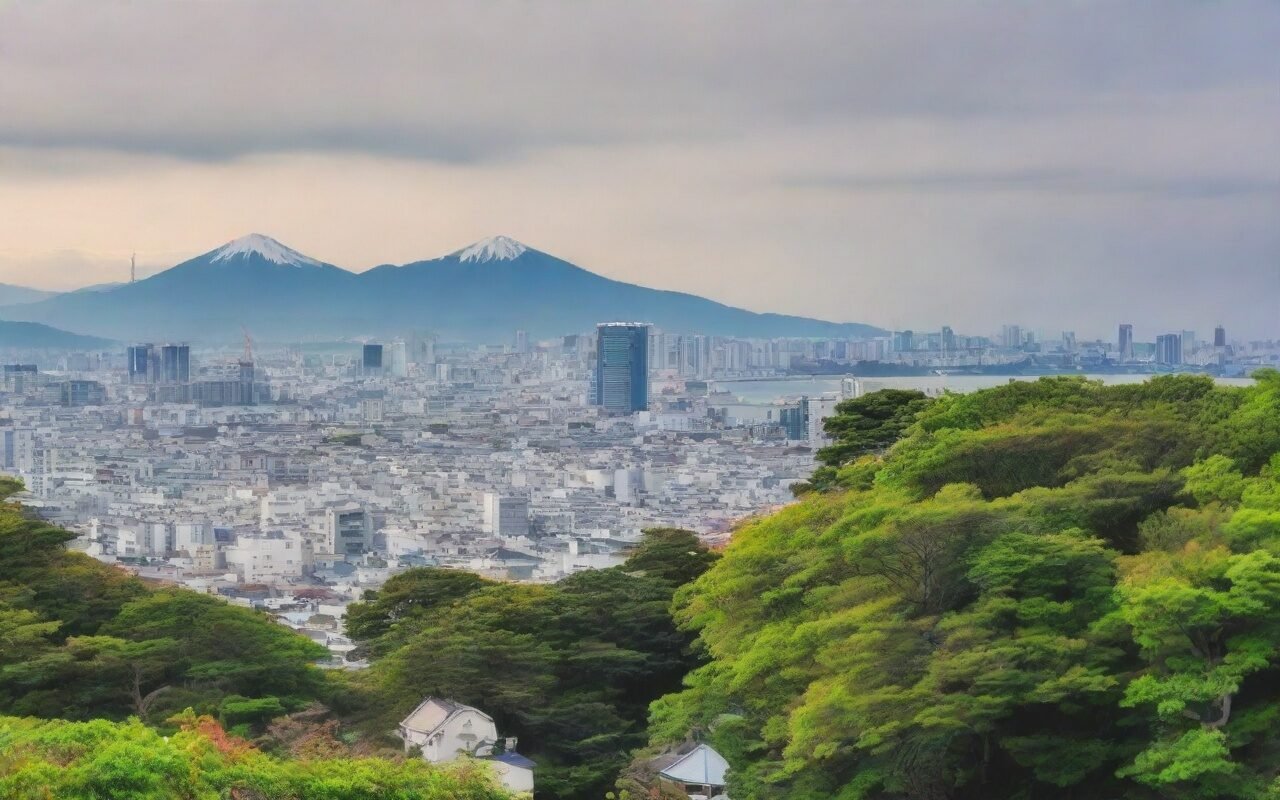

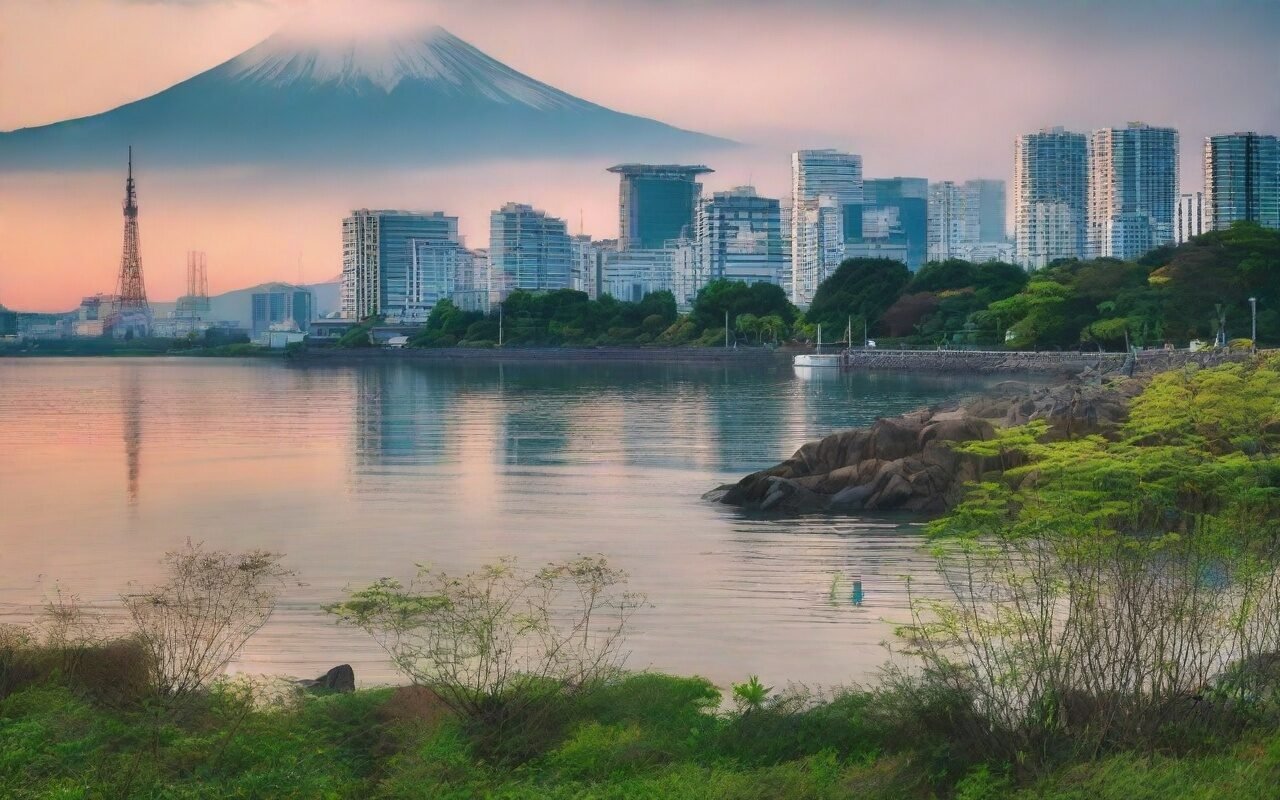
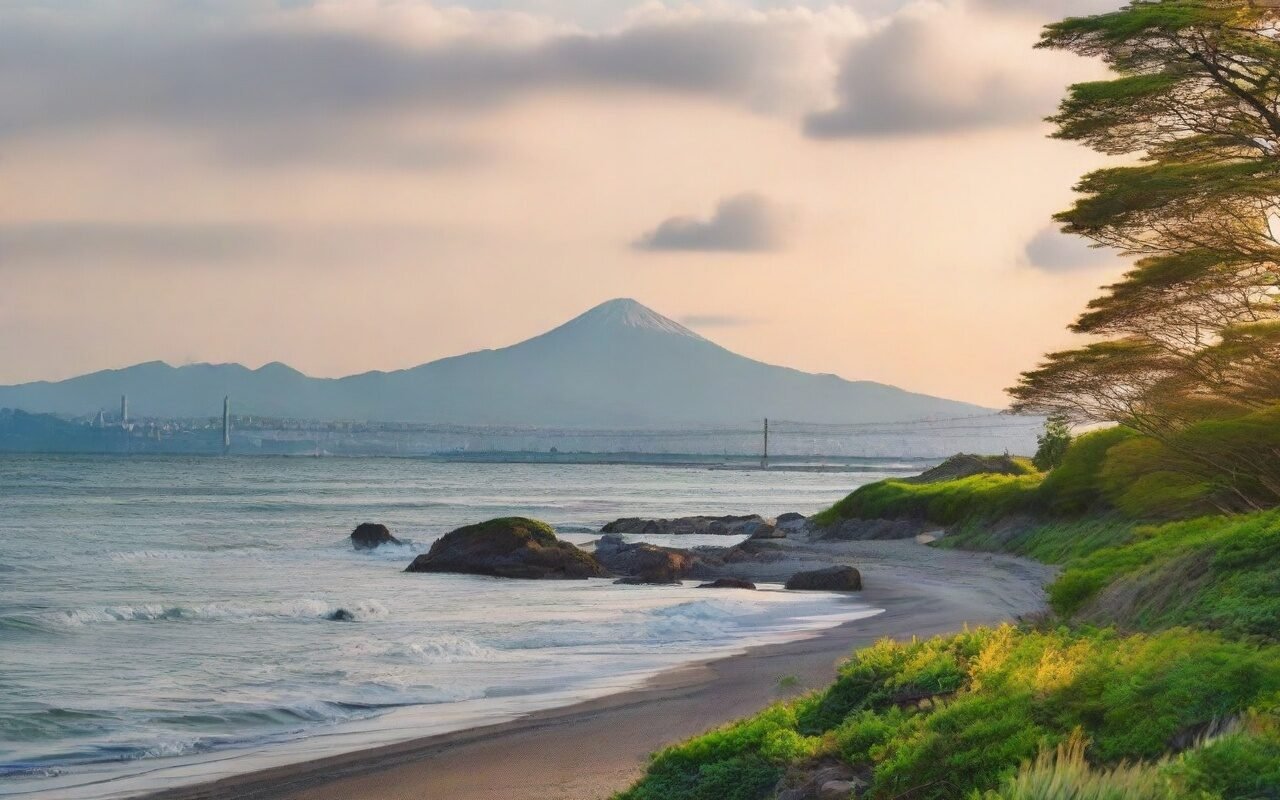
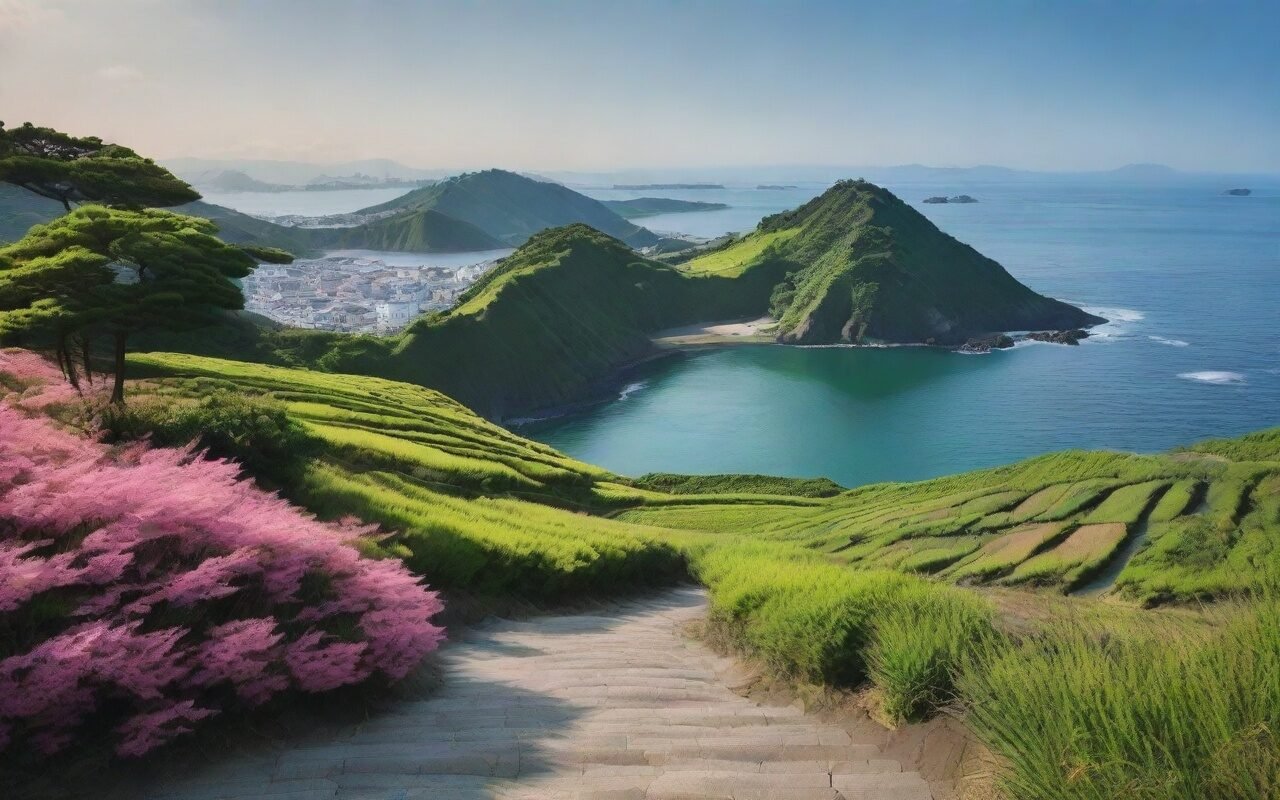
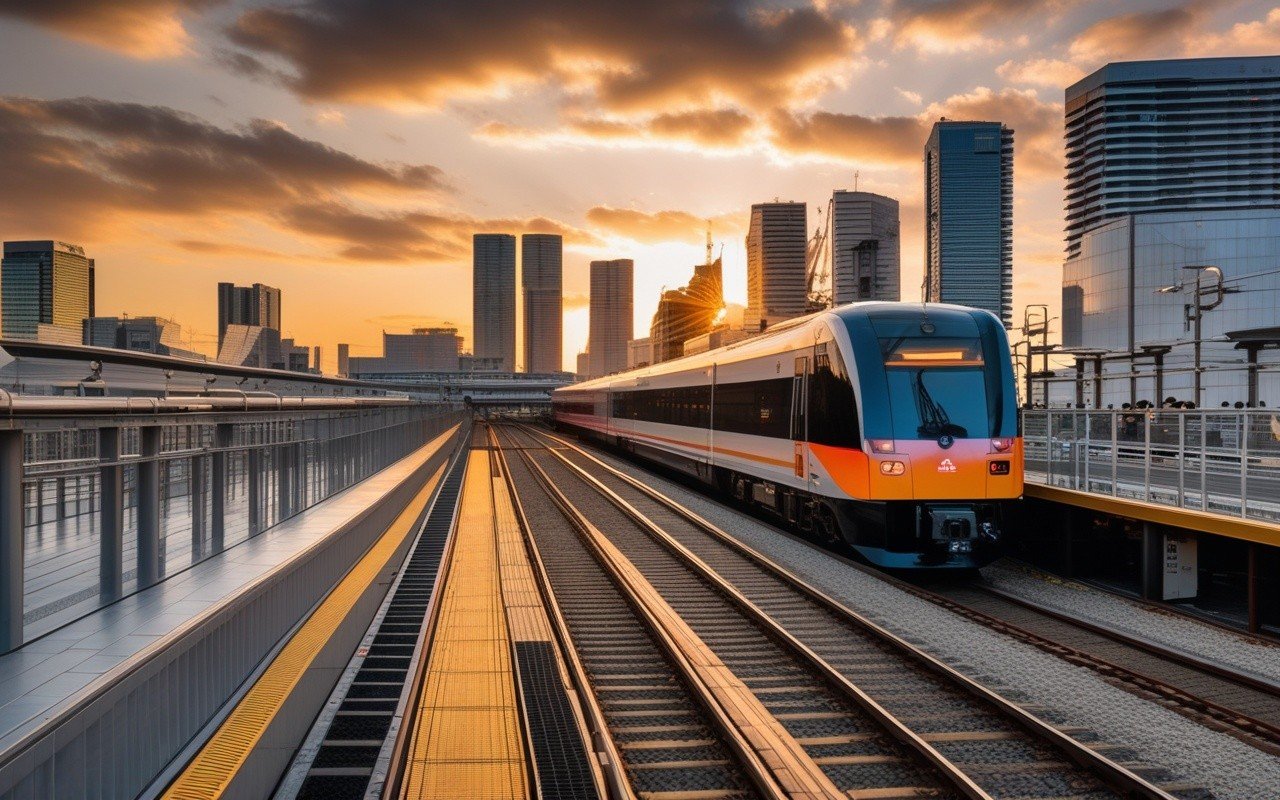
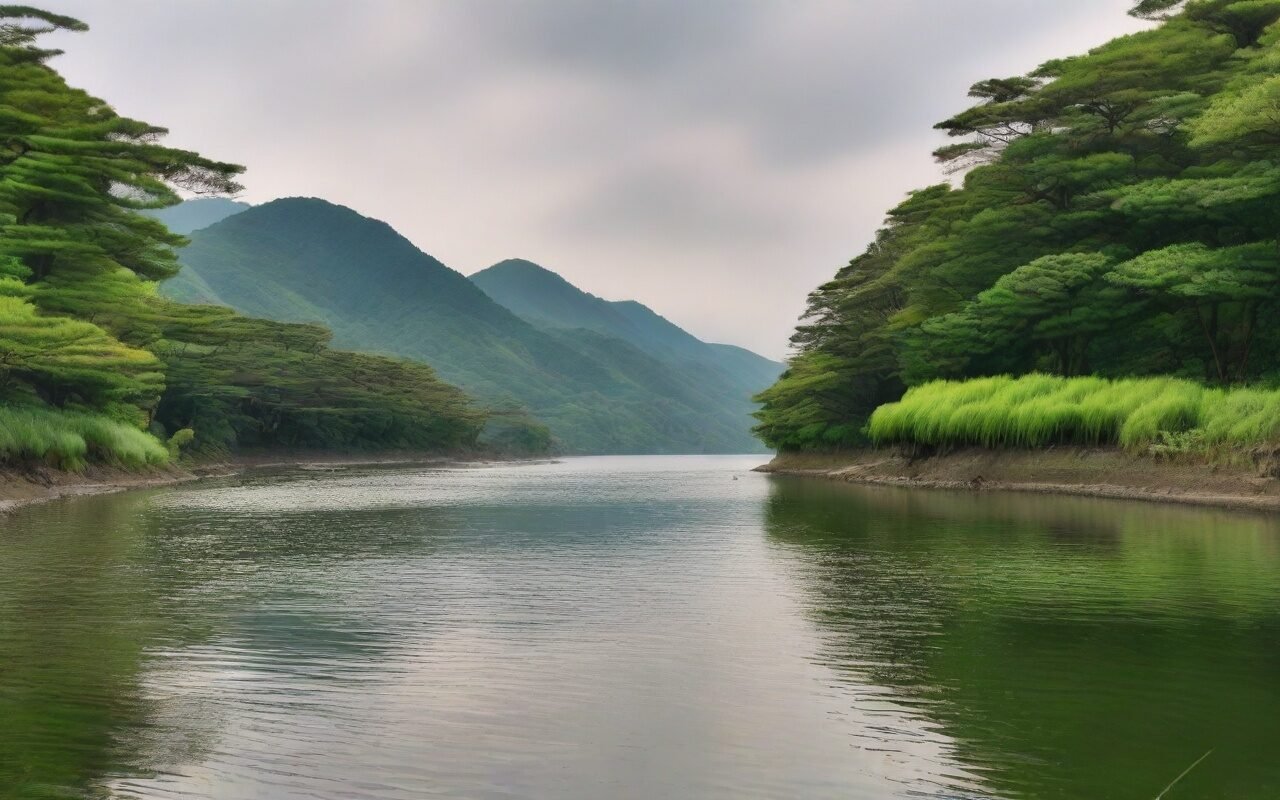
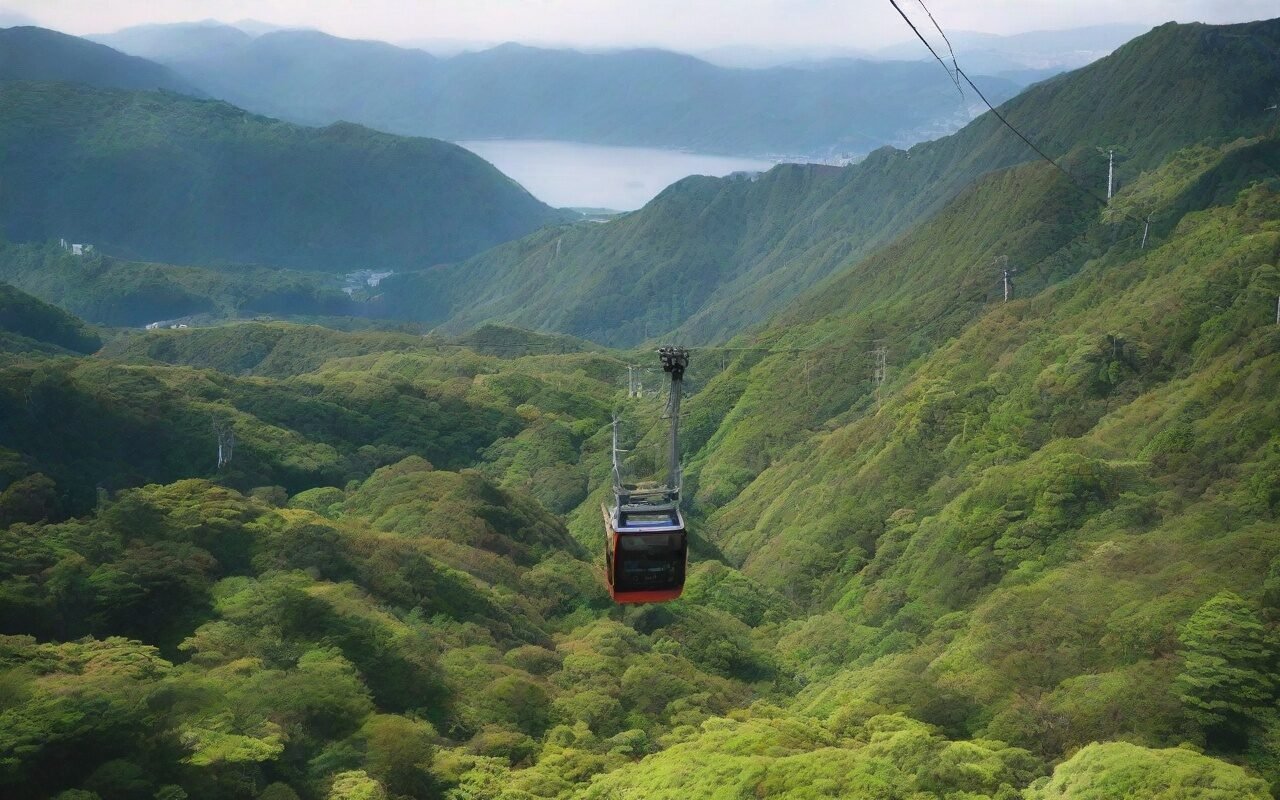
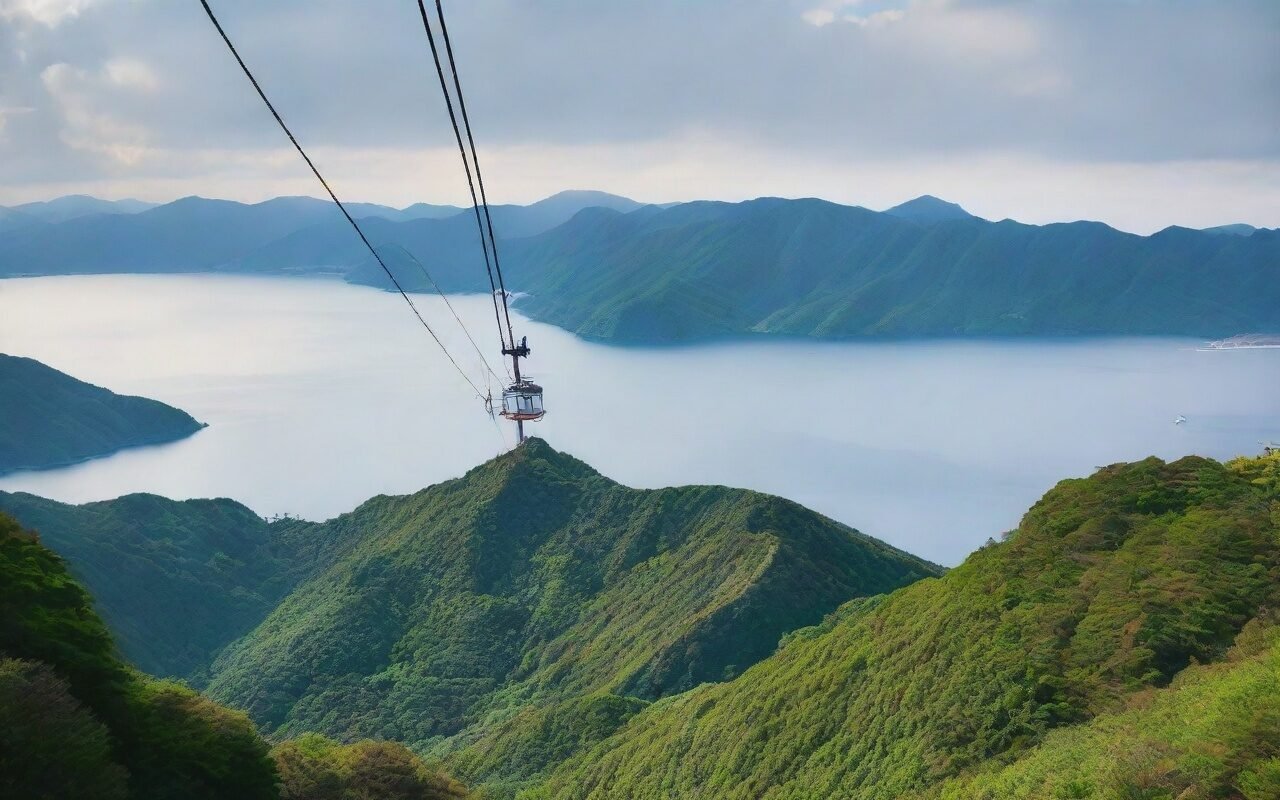
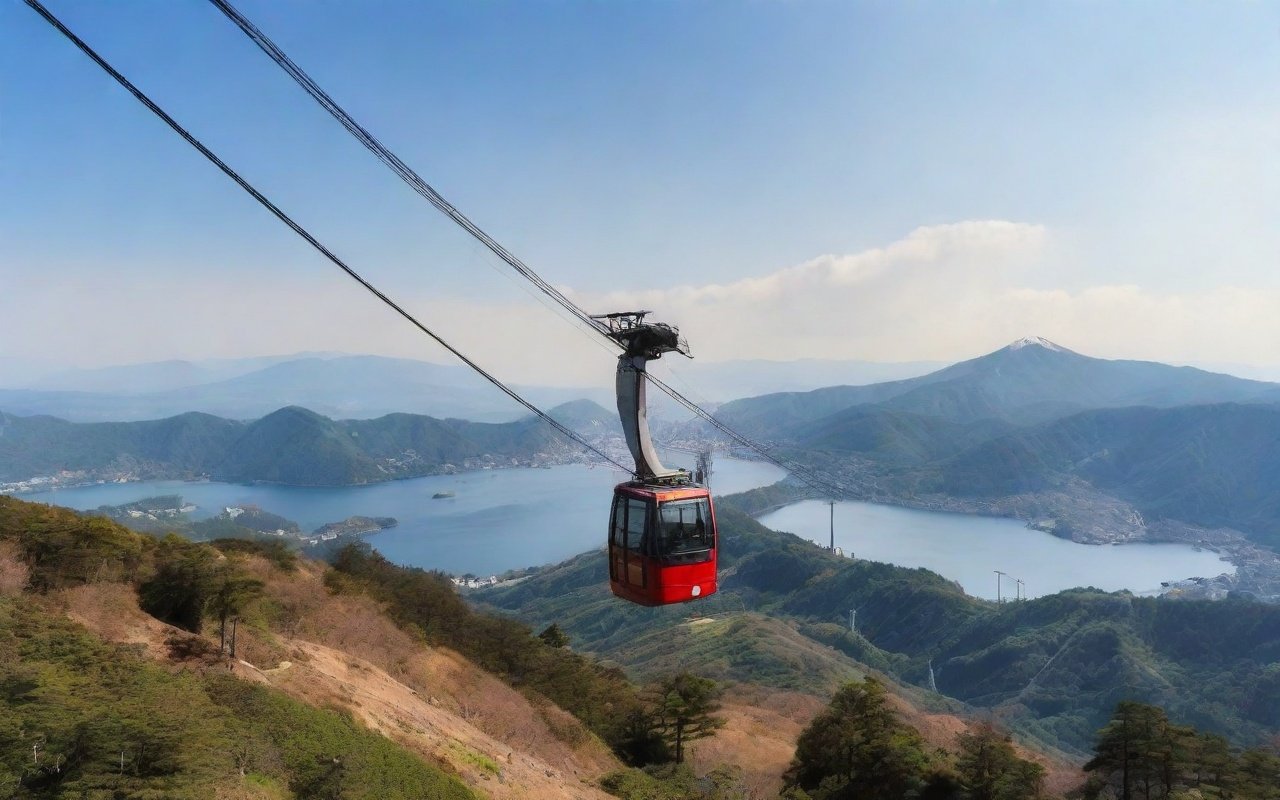
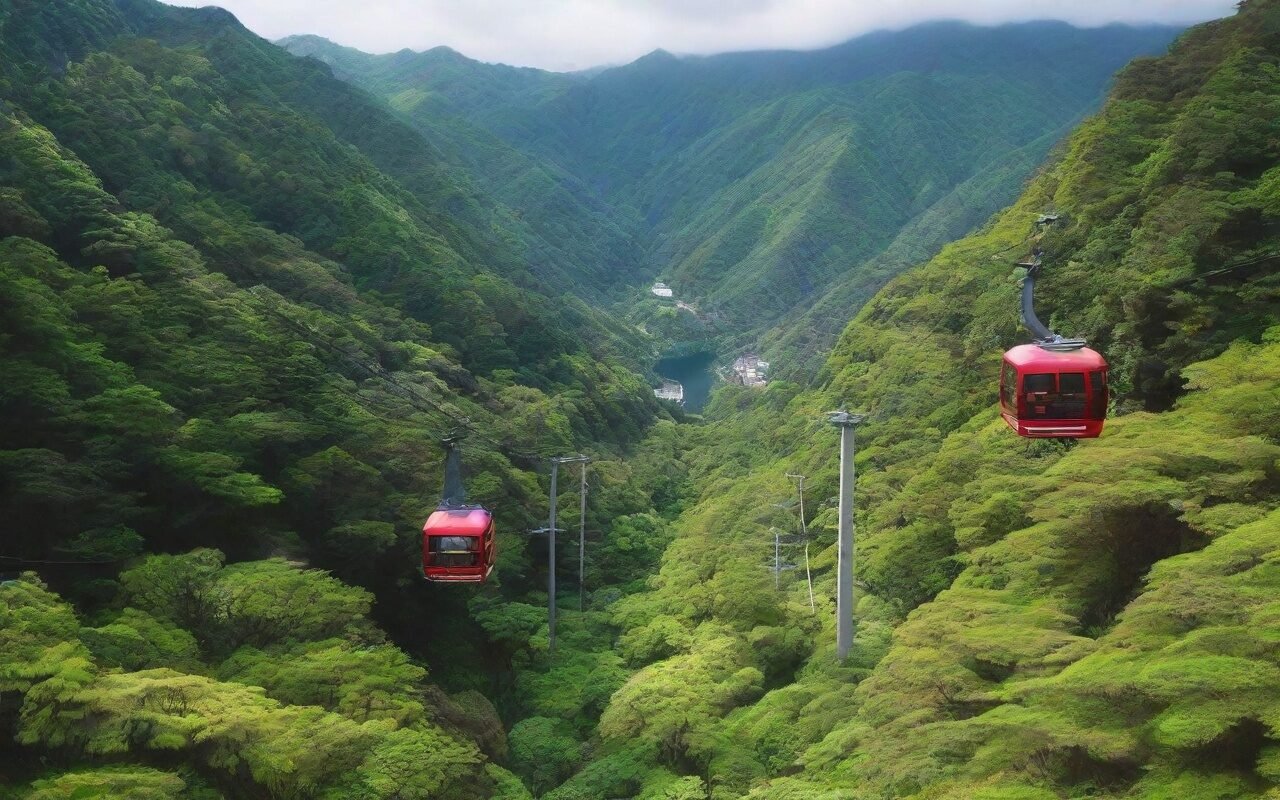
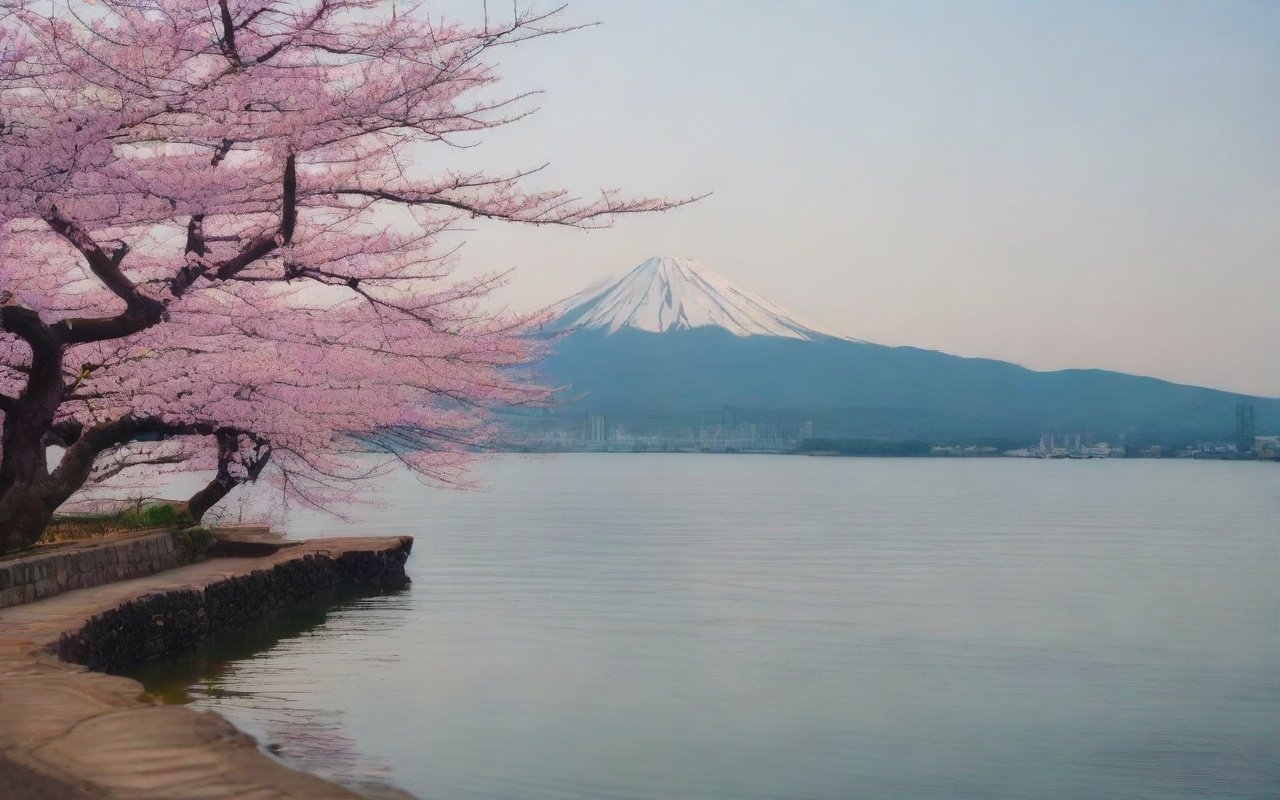
    Scenic Kanagawa destination and travel location

    Weekend Getaway Tokyo Kanagawa Quick Trip 2026 — Transport from Tokyo Weekend Getaway Tokyo Kanagawa Quick Trip 2026 — Transport from Tokyo

    Quick Access Options

    To Yokohama (30 minutes)

    • JR Tokaido Line: ¥470. 25 minutes from Tokyo Station
    • Tokyu Toyoko Line: ¥470. 30 minutes from Shibuya
    • Keikyu Line: ¥300. 20 minutes from Shinagawa

    To Kamakura (1 hour)

    • JR Yokosuka Line: ¥1,040. 55 minutes from Tokyo Station
    • Shonan-Shinjuku Line: ¥1,040. 60 minutes from Shinjuku

    To Hakone (1.5 hours)

    • Odakyu Romancecar: ¥2,330. 75 minutes from Shinjuku
    • JR Tokaido Shinkansen: ¥3,740. 35 minutes to Odawara

    Money-Saving Transport

    Weekend Passes:

    • Tokyo Wide Pass (¥10,000): 3 days, covers Kanagawa
    • Odakyu Enoshima-Kamakura Pass (¥1,500): 1 day
    • Hakone Free Pass (¥5,000 from Tokyo): 2 days

    Tips:

    • buy passes online for 10% discount
    • Travel off-peak (avoid 7-9 AM. 5-7 PM)
    • Use IC cards (Suica/Pasmo) for convenience

    🗓️ Weekend Itineraries
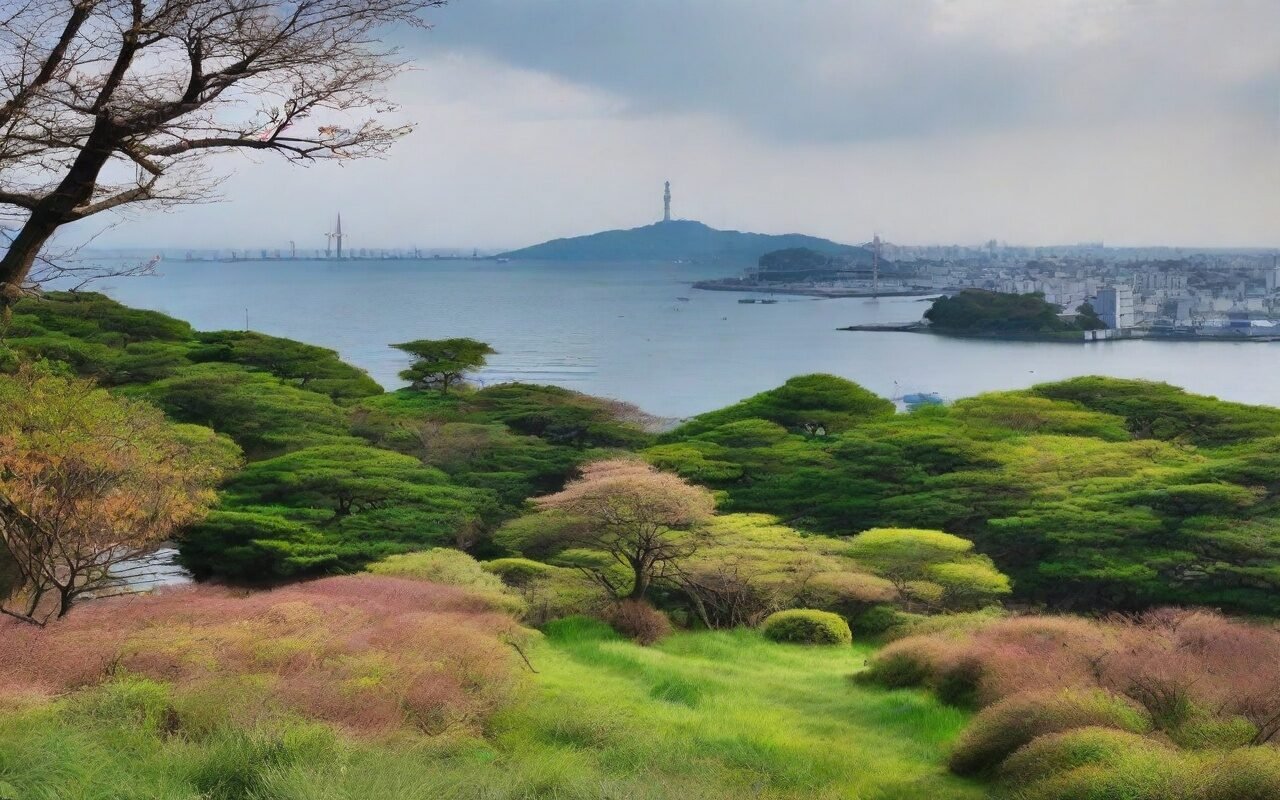
    Weekend Getaway Tokyo Kanagawa Quick Trip 2026 — Weekend Itineraries

    Itinerary 1: Yokohama Quick Escape (1 Day)

    Budget: ¥8,000-12,000
    Pace: Relaxed Morning (9 AM-12 PM):

    • Depart Tokyo Station (9:00)
    • Arrive Yokohama (9:30)
    • Cup Noodles Museum (10:00-11:30)
    • Red Brick Warehouse (11:30-12:00) Lunch (12-1 PM):
    • Yokohama Chinatown (¥1,000-1,500) Afternoon (1-5 PM):
    • Landmark Tower Sky Garden (1:00-2:00)
    • Yamashita Park (2:00-3:00)
    • Minato Mirai shopping (3:00-5:00) Evening (5-8 PM):
    • Dinner at Isezakicho (¥1,500-2,000)
    • Night views (5:30-6:30)
    • Return to Tokyo (7:00) Total Cost:
    • Transport: ¥940 (round trip)
    • Food: ¥3,500-4,500
    • Attractions: ¥1,530
    • Total: ¥5,970-6,970

    Itinerary 2: Kamakura Culture Weekend (2 Days)

    Budget: ¥15,000-25,000
    Pace: Moderate Day 1:

    • Morning: Depart Tokyo, arrive Kamakura
    • Great Buddha. Hasedera Temple
    • Lunch at Komachi-dori
    • Tsurugaoka Hachimangu
    • Dinner at Yuigahama area
    • Overnight at Kamakura guesthouse

    Day 2:

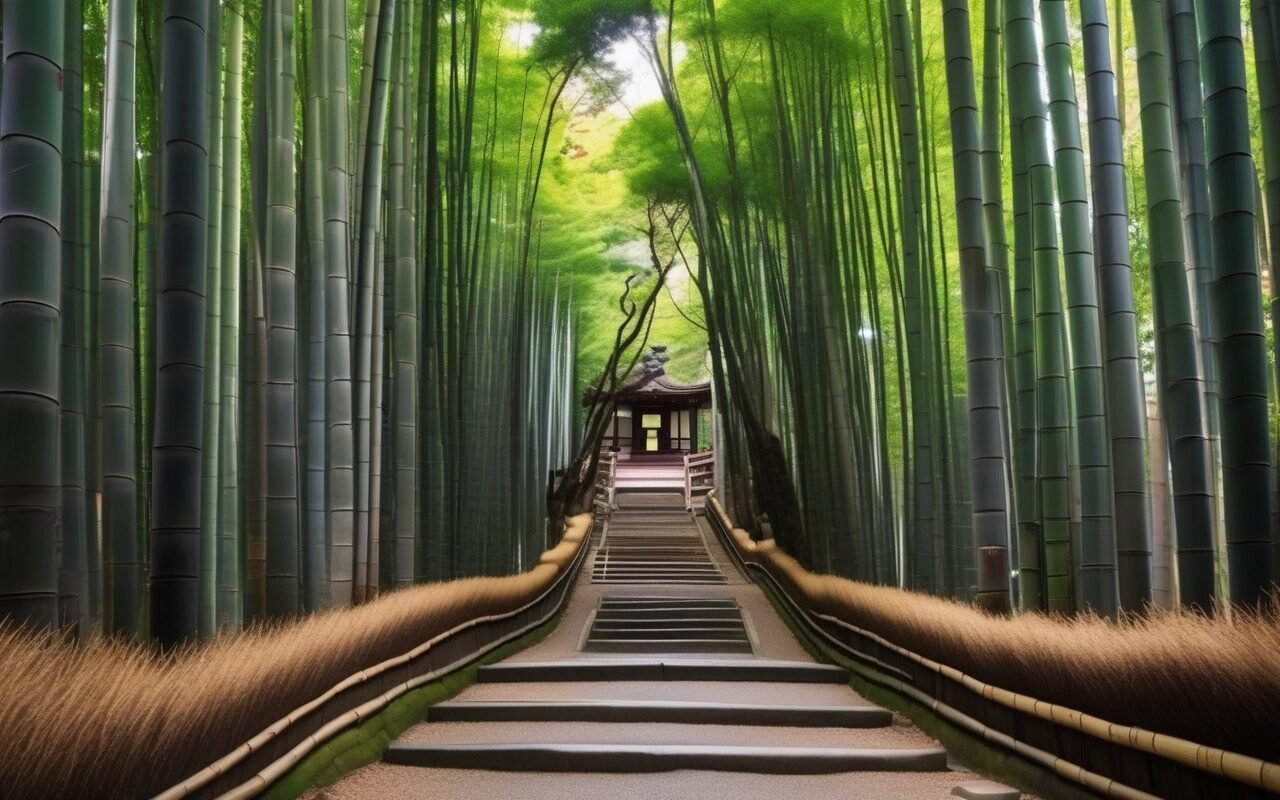
    • Morning: Hokokuji Temple (bamboo grove)
    • Enoshima Island visit
    • Lunch at Enoshima
    • Return to Tokyo Total Cost:
    • Transport: ¥1,840 (round trip)
    • lodging: ¥3,500-5,000
    • Food: ¥6,000-8,000
    • Attractions: ¥1,500-2,000
    • Total: ¥12,840-16,840

    Itinerary 3: Hakone Relaxation Weekend (2 Days)

    Budget: ¥20,000-35,000
    Pace: Relaxed Day 1:

    • Morning: Romancecar to Hakone
    • Hakone Open-Air Museum
    • Lake Ashi cruise
    • Check into onsen ryokan
    • Evening onsen time Day 2:
    • Morning: Owakudani volcanic valley
    • Hakone Shrine
    • Lunch at Yumoto
    • Return to Tokyo

    Total Cost:

    • Transport: ¥4,660 (Romancecar round trip)
    • lodging: ¥10,000-20,000 (ryokan)
    • Food: ¥6,000-8,000
    • Attractions: ¥3,000-4,000
    • Total: ¥23,660-36,660

    💰 Budget Breakdown

    Budget Weekend (¥8,000-12,000)

    • Transport: ¥1,000-2,000
    • Food: ¥4,000-6,000
    • Attractions: ¥1,000-2,000
    • lodging: ¥2,000-4,000 (hostel)
    • Best for: Yokohama day trip. Kamakura budget

    Mid-Range Weekend (¥15,000-25,000)

    • Transport: ¥2,000-4,000
    • Food: ¥6,000-8,000
    • Attractions: ¥2,000-3,000
    • lodging: ¥5,000-10,000 (guesthouse)
    • Best for: Kamakura 2-day. Hakone budget

    Luxury Weekend (¥30,000+)

    • Transport: ¥4,000-6,000
    • Food: ¥10,000-15,000
    • Attractions: ¥3,000-5,000
    • lodging: ¥15,000-25,000 (ryokan)
    • Best for: Hakone luxury, special occasions

    🎯 Quick Trip Tips

    Time-Saving Strategies

    1. Leave early: Avoid rush hour, maximize time
    2. Book in advance: Trains, lodging, attractions
    3. Use express trains: Romancecar, limited express
    4. Pack light: One bag for weekend trips
    5. Download offline maps: No signal in some areas

    Money-Saving Strategies

    1. Use weekend passes: 20-30% savings
    2. Eat at local restaurants: 30-50% cheaper than tourist areas
    3. Visit free attractions: Temples, parks, beaches
    4. Book lodging early: 20-40% cheaper
    5. Combine attractions: Multi-ticket discounts

    Optional:

    • Camera
    • Umbrella (rainy season)
    • Sunscreen (summer)
    • Warm layers (winter)

    🌸 Seasonal Weekend Guide

    Spring (March-May)

    • Best for: Cherry blossoms, comfy weather
    • Recommended: Kamakura temples. Yokohama parks
    • Budget: ¥10,000-15,000
    • Tips: Book 2-3 months ahead

    Summer (June-August)

    • Best for: Beach activities, festivals
    • Recommended: Shonan beaches. Enoshima
    • Budget: ¥8,000-12,000
    • Tips: Start early, avoid midday heat

    Autumn (September-November)

    • Best for: Fall foliage, pleasant weather
    • Recommended: Hakone. Kamakura mountains
    • Budget: ¥12,000-18,000
    • Tips: Peak foliage in November

    Winter (December-February)

    • Best for: Onsen, fewer crowds
    • Recommended: Hakone hot springs
    • Budget: ¥15,000-25,000
    • Tips: Book ryokan in advance

    📍 Location

    Kanagawa is easily accessible from Tokyo:

    • Yokohama: 30 minutes from Tokyo Station
    • Kamakura: 1 hour from Tokyo Station
    • Hakone: 1.5 hours from Shinjuku
    • Shonan: 1 hour from Shibuya

    🗺️ Nearby Attractions

    Within 1km of Stations

    • Yokohama: Minato Mirai. Chinatown
    • Kamakura: Great Buddha. Komachi-dori
    • Hakone: Lake Ashi, onsen
    • Shonan: Beaches. Enoshima

    Within 5km

    • Yokohama: Cup Noodles Museum. Marine Tower
    • Kamakura: Beaches, hiking trails
    • Hakone: Owakudani, ropeway
    • Shonan: Zushi. Fujisawa

    🎒 Essential Preparation Guide

    What to Pack

    Essential Items:

    • comfy walking shoes (most important)
    • Weather-appropriate clothing layers
    • small phone charger (long days out)
    • refillable water bottle (stay hydrated)
    • Small backpack for daily essentials
    • Cash (many places cash-only in Japan)
    • IC card (Suica/Pasmo for transport)
    • Pocket tissues (restrooms often lack paper)

    Seasonal Additions:

    • Spring: Light jacket, allergy medication
    • Summer: Sunscreen, cooling towel
    • Autumn: Light layers, rain jacket
    • Winter: Warm coat, scarf

    Money-Saving Tips:

    • Convenience store breakfast: ¥300-500
    • Supermarket dinner bento: ¥500-800 (after 7 PM discount)
    • Free attractions: Temples, beaches
    • Day passes: Unlimited transport for ¥500-1,500
    • Hostel lodging: ¥3,000-5,000/night

    Transportation Mastery

    Train System:

    • JR lines cover major destinations
    • Private lines (Tokyu. Keikyu) offer discounts
    • IC cards (Suica/Pasmo) work on all lines
    • Day passes save 30-50% on transport

    Bus System:

    • Local buses reach areas trains don’t
    • Day passes available for unlimited rides
    • English announcements on major routes
    • IC cards accepted on most buses

    Walking & Cycling:

    • Many attractions within walking distance
    • Bicycle rental: ¥1,000-1,500/day
    • Dedicated cycling paths in some areas
    • Best way to discover lesser-known spots

    🌟 Insider Secrets

    Best Kept Secrets

    Hidden Viewpoints:

    • Enoshima Sea Candle top floor (less crowded)
    • Hakone Shrine back trails (peaceful)
    • Kamakura hiking paths (panoramic views)
    • Yokohama rooftop gardens (free, stunning)

    Local Dining:

    • Isezakicho back alleys (authentic, cheap)
    • Komachi-dori side streets (local favorites)
    • Hakone Yumoto side roads (traditional)
    • Shonan fishing ports (fresh, direct)

    Quiet Times:

    • Temples: 8-9 AM (opening time)
    • Beaches: Weekday mornings
    • Museums: Tuesday-Thursday afternoons
    • Restaurants: 11:30 AM or 2 PM (off-peak)

    Photography Masterclass

    Golden Hour Locations:

    • Yuigahama Beach: 30 min before sunset
    • Lake Ashi: Morning (Fuji clearest)
    • Enoshima: Late afternoon (ocean glow)
    • Yokohama: Blue hour (30 min after sunset)

    Composition Tips:

    • Use foreground elements (trees, buildings)
    • Include people for scale
    • Capture local life (markets, temples)
    • Shoot vertical for social media

    Weather photos:

    • Rainy: Reflections, moody
    • Foggy: Mysterious atmosphere, layers
    • Clear: Distant views, vibrant colors
    • Snow: Rare, capture quickly

    📍 Local Neighborhood Guide

    Yokohama Neighborhoods

    Minato Mirai:

    • Modern waterfront district
    • Shopping, fun
    • Best for: First-time visitors
    • Time needed: Half day Chinatown:
    • Asia’s largest Chinatown
    • 500+ restaurants, shops
    • Best for: Food lovers
    • Time needed: 2-3 hours

    Yamashita Park Area:

    • Historic waterfront park
    • Marine Tower. Red Brick Warehouse
    • Best for: Relaxing, photos
    • Time needed: 2 hours

    Kamakura Neighborhoods

    Komachi-dori:

    • Main shopping street
    • Street food, souvenirs
    • Best for: Shopping, snacks
    • Time needed: 1-2 hours Temple District:
    • Great Buddha. Hokokuji
    • Cultural heart of Kamakura
    • Best for: History, spirituality
    • Time needed: Half day

    Beach Area:

    • Yuigahama. Zushi beaches
    • Surf culture, beach cafes
    • Best for: Ocean, relaxation
    • Time needed: 2-3 hours

    Hakone Areas

    Yumoto:

    • Gateway to Hakone
    • Onsen town, restaurants
    • Best for: Hot springs, base
    • Time needed: Half day

    Lake Ashi:

    • Scenic lake, cruises
    • Mount Fuji views (winter)
    • Best for: Nature, photos
    • Time needed: 2-3 hours

    Owakudani:

    • Volcanic valley, black eggs
    • Ropeway, hiking trails
    • Best for: Unique time
    • Time needed: 1-2 hours

    🌟 Advanced Local things

    Cultural Immersion Activities

    Traditional Craft Workshops:

    • Pottery making in Kamakura (¥3,000-5,000. 2 hours)
    • Incense blending at historic temples (¥2,000-3,000)
    • Calligraphy lessons with local masters (¥2,500-4,000)
    • Tea ceremony joining (¥3,000-5,000. includes matcha)
    • Origami workshops at cultural centers (¥1,000-2,000)

    Festival joining:

    • Spring matsuri (March-April): Local shrine festivals
    • Summer hanabi (July-August): Fireworks festivals
    • Autumn matsuri (September-November): Harvest celebrations
    • Winter lights (December-February): Light displays

    Local Food things:

    • Sushi making classes (¥5,000-8,000. includes lunch)
    • Ramen broth cooking workshops (¥4,000-6,000)
    • Sake tasting tours (¥3,000-5,000. 5-7 varieties)
    • Wagashi (Japanese sweets) making (¥3,500-5,000)
    • Tofu making at traditional shops (¥2,000-3,000)

    Off-the-Beaten-Path Adventures

    Hidden Hiking Trails:

    • Kamakura Daibutsu hiking trail (2 hours, moderate)
    • Hakone old Tokaido road (3 hours, easy)
    • Enoshima island circumnavigation (1.5 hours, easy)
    • Mount Myojin panoramic trail (2.5 hours, moderate)
    • Sagami Bay coastal walk (4 hours, easy-moderate)

    Secret Beaches:

    • Shichirigahama (local surfers’ favorite)
    • Isshiki Beach in Hayama (quiet, clean)
    • Morito Beach in Zushi (family-friendly)
    • Koajiro Beach (lesser-known spot, few visitors)
    • Nagai Beach (local secret, great sunset)

    Local Neighborhoods:

    • Ofuna in Kamakura (residential, authentic)
    • Motomachi in Yokohama (upscale, historic)
    • Gora in Hakone (mountain village feel)
    • Zushi town center (surf culture, relaxed)
    • Fujisawa old town (traditional, unspoiled)

    Seasonal Deep Dives

    Spring (March-May) Deep time:

    • Cherry blossom hanami parties in local parks
    • Temple garden visits during peak bloom
    • Spring vegetable tasting menus at ryokan
    • Traditional flower arrangement workshops
    • Morning market visits for seasonal produce

    Summer (June-August) Deep time:

    • Early morning beach yoga sessions
    • Evening fireworks festivals (free viewing spots)
    • Indoor museum hopping during hot afternoons
    • Night cycling along coastal paths
    • Cold ramen and shaved ice tasting tour

    Autumn (September-November) Deep time:

    • Fall foliage hiking in Hakone mountains
    • Harvest festival joining at local shrines
    • Mushroom foraging guided tours
    • Hot spring visits with mountain views
    • photos workshops for autumn colors

    Winter (December-February) Deep time:

    • Onsen hopping with snow views
    • Clear Mount Fuji viewpoint hunting
    • lights walking tours
    • Hot pot restaurant crawling
    • Traditional New Year temple visits

    📍 Detailed Area Guides

    Yokohama Deep Dive

    Minato Mirai District:

    • Landmark Tower Sky Garden (¥1,030. 360° views)
    • Cup Noodles Museum (free entry. ¥500 activities)
    • Red Brick Warehouse (free, dining)
    • Cosmo World amusement park (free entry, pay per ride)
    • Queen’s Square shopping (100+ shops)

    Chinatown Exploration:

    • 500+ restaurants and food stalls
    • Paozu giant soup dumplings (¥800-1,200)
    • Good Luck Dumpling budget option (¥500)
    • Kanteibyo Temple (free, historic)
    • Covered arcades for rainy days

    Yamashita Park Area:

    • Waterfront park (free, pretty views)
    • Marine Tower (¥1,000. observation deck)
    • Hikawa Maru ship museum (¥500. historic)
    • NYK Maritime Museum (free, shipping history)
    • Harbor cruise boats (¥1,600. 40 minutes)

    Kamakura Deep Dive

    Temple Circuit:

    • Kotoku-in Great Buddha (¥300. iconic)
    • Hasedera Temple (¥400. ocean views)
    • Hokokuji Temple (¥300. bamboo grove)
    • Kenchoji Temple (¥500. oldest Zen temple)
    • Engakuji Temple (¥300. important cultural site)

    Beach Culture:

    • Yuigahama Beach (surfing, swimming)
    • Shichirigahama Beach (local favorite)
    • Beachside cafes and restaurants
    • Surfboard rental shops (¥3,000-5,000/day)
    • Sunset viewing spots

    Shopping & Dining:

    • Komachi-dori Street (main shopping)
    • Side street antique shops
    • Local soba noodle restaurants
    • Shirasu (whitebait) specialty restaurants
    • Matcha cafes and sweets shops

    Hakone Deep Dive

    Onsen Towns:

    • Yumoto (gateway, many options)
    • Gora (mountain village, quiet)
    • Miyanoshita (historic, traditional)
    • Tonosawa (quiet, local feel)
    • Sokokura (hidden, authentic)

    Nature things:

    • Lake Ashi cruise (¥1,000. scenic)
    • Owakudani volcanic valley (ropeway access)
    • Hakone Shrine (free, lakeside torii)
    • Old Tokaido road hiking (free, historic)
    • Botanical gardens (¥500. seasonal flowers)

    Art & Culture:

    • Open-Air Museum (¥1,600. sculpture park)
    • Venetian Glass Museum (¥1,800. unique)
    • Pola Museum of Art (¥1,800. impressionist)
    • Narukawa Art Museum (¥1,000. local artists)
    • Hakone Checkpoint (¥500. historic site)

    Kanagawa is the perfect weekend getaway from Tokyo, offering diverse things just 30-90 minutes away. Whether you choose a quick Yokohama day trip, a cultural Kamakura weekend, or a relaxing Hakone onsen retreat, you’ll find great value and great things. Plan ahead, use transport passes, and embrace the local pace of life. For more Kanagawa guides, explore our other articles on Hakone, Kamakura, Yokohama, and the Miura Peninsula. —

    Related Articles:


    Frequently Asked Questions

    Q: What is the best time to visit this area?
    A: Spring (March-May) and autumn (September-November) offer the most pleasant weather. Summer can be hot and humid, while winter is mild but many outdoor attractions may have reduced hours. Q: How do I get there from Tokyo?
    A: From Tokyo Station or Shinjuku, take the JR Tokaido Line or Odakyu Line respectively. Most destinations in Kanagawa are within 60-90 minutes by train. Q: Is English signage available?
    A: Yes, major tourist areas in Kanagawa have English signage at stations. Smaller local spots may have limited English. Q: Can I visit on a day trip?
    A: Yes, most Kanagawa destinations are easily accessible as day trips from Tokyo. Consider arriving early (before 10 AM) to avoid crowds. Q: Are credit cards widely accepted?
    A: Major attractions, hotels, and larger restaurants accept credit cards. Smaller shops and local eateries may be cash-only. Carry ¥5,000-10,000 in cash.

    Final Thoughts

    Explore this guide to discover the best things Kanagawa has to offer. From lesser-known spots to popular attractions, this article covers everything you need to plan your visit. This corner of Kanagawa reveals its character slowly — rewarding those who linger with hidden viewpoints, and moments of genuine discovery.

    Conclusion

    The details in this guide come from real visits, and the biggest lesson I took away was that the best experiences in Kanagawa rarely fit neatly into a checklist. During my visit I went with a rough plan and found that leaving room to wander made the trip far more memorable. Plan the essentials, keep your schedule flexible, and you will leave Kanagawa wanting to return.
  • Kamakura Family Spots – Kanagawa 2026

    Kamakura Family Spots – Kanagawa 2026

    Overview

    Best Family-Friendly Temples and Shrines

    Tsurugaoka Hachimangu — Space to Run

    Kamakura’s most important shrine is also one of the most family-friendly. The approach — a wide, paved path lined with cherry trees — is flat and stroller-friendly, and the main courtyard offers plenty of space for children to move around. The shrine grounds include a small pond with koi fish that children enjoy feeding (food available at the shrine shop for ¥100). The Maiden (stage for traditional dance) is a great photo backdrop.

    Pro tip: Visit in the morning before 10:00 AM when the grounds are relatively quiet. The shrine’s omikuji (fortune slips, ¥200) are fun for older children who can read the English translations.

    Hase Kannon — Kid-Friendly Features

    Hasedera temple has several features that appeal to children. The temple’s small Jizo statues — small stone figures wearing red bibs — create a whimsical atmosphere. The temple’s observation platform offers a panoramic view of Kamakura’s coastline that children can enjoy spotting boats and the ocean.

    The temple also has a small cave (Benten-kutsu) that children find exciting to explore, though it is low-ceilinged and may be intimidating for very young children. The garden features a small waterfall and koi pond.

    Kotoku-in (Great Buddha) — Quick and Impressive

    The Great Buddha is a must-see that works well for families because it is quick — the main attraction is immediately visible upon entering, and most children are awed by the sheer size of the 13-meter-tall bronze statue. The grounds are flat and spacious, and for ¥20 you can go inside the statue (a tight climb up a narrow staircase — best for children aged 6+ and adults without claustrophobia).

    The visit typically takes 20–30 minutes, which aligns well with children’s attention spans. The nearby Hase shopping street offers ice cream and snacks as a post-visit reward.

    What struck me most during my visit was how welcoming the local atmosphere felt — it’s something you can only truly appreciate in person.

    Kamakura’s Beaches for Families

    Yuigahama Beach

    Kamakura’s main beach, Yuigahama, is a 15-minute walk from Kamakura Station or a short ride on the Enoden train. The beach has gentle waves and a gradual slope into the water, making it safe for children. From July to August, swimming is permitted with lifeguards on duty.

    • Facilities: Public showers (¥300 for 3 minutes), rental umbrellas (¥2,000–¥3,000), and beachside cafes
    • Best for: Families with children aged 3+
    • Crowds: Weekends in August are very crowded; weekday mornings are peaceful

    Zaimokuza Beach

    Located east of Yuigahama, Zaimokuza Beach is quieter and slightly less developed, making it a good choice if you prefer a more relaxed beach experience. The swimming area is roped off and patrolled by lifeguards.

    • Best for: Families who want a quieter alternative to Yuigahama
    • Access: 20-minute walk from Kamakura Station, or take the Enoden to Wadazuka Station

    Hands-On Activities for Children

    Kamakura Hiking Trails

    Several easy hiking trails in Kamakura are manageable for children aged 5 and up. The Daibutsu Hiking Course connects the Great Buddha to Kenchoji Temple, taking about 45–60 minutes through forested hills. The trail is well-maintained with gentle slopes and offers occasional views of the city, Bring water, insect repellent (especially in summer), and comfortable shoes.

    Kamakura Museum of National Treasures

    Located on the grounds of Tsurugaoka Hachimangu, this museum houses an impressive collection of Kamakura-period art and artifacts. While not specifically designed for children, the museum offers activities sheets (ask at the front desk) that help children engage with the exhibits. The sword collection and Buddhist statue displays are particularly captivating for children who are at the “knights and samurai” stage. Admission: ¥600 for adults, free for high school students and under

    Tsuruoka Hachimangu Treasure Hall

    A smaller, more accessible museum option. The Treasure Hall displays a rotating selection of shrine artifacts including swords, masks, and armor. Children enjoy the hands-on displays where they can touch replicas of armor pieces. Admission: ¥200

    Komachi-dori — A Walk Through the Shopping Street

    The main shopping street leading to Tsurugaoka Hachimangu is a hit with children. The street is pedestrian-friendly (narrow but manageable with a stroller on weekdays), and the variety of food samples and small souvenirs keeps interest high:

    • Taiyaki (fish-shaped cake filled with red bean or custard): ¥200–¥300
    • Matcha ice cream: ¥350–¥500
    • Kamakura vegetable croquettes: ¥200
    • Small toy and trinket shops at every turn

    Practical Family Tips

    • Stroller logistics: The main sights are stroller-accessible, though some temple paths have gravel or stone steps. The Enoden train is narrow and can be crowded — fold your stroller before boarding. Stroller rental is available at Kamakura Station (¥500/day).
    • Diaper changing: Public restrooms at Kamakura Station, Tsurugaoka Hachimangu, and Kotoku-in have baby-changing facilities. Convenience stores (FamilyMart, 7-Eleven) also have small changing areas.
    • Nursing: There are no dedicated nursing rooms at the temples, but the Hase Kannon temple office can provide a quiet private space if you ask politely.
    • Timing: Plan outdoor activities for the morning (8:00–11:00 AM) and save indoor/museum activities for the hottest part of the afternoon (1:00–3:00 PM).

    📍 Location

    Kamakura Family Spots - Kanagawa 2026 — Location

    All major family spots are within walking distance or a short Enoden ride from Kamakura Station. The flat path from the station to Tsurugaoka Hachimangu is the easiest route for strollers.

    Kamakura Family Spots - Kanagawa 2026 — Location


    💰 Budget Breakdown

    Activity Cost
    Tsurugaoka Hachimangu Free
    Kotoku-in (Great Buddha) ¥300
    Hasedera ¥400
    Kamakura Museum ¥600
    Komachi-dori snacks ¥500–¥1,000
    Beach (summer) Free
    Typical family day (2 adults, 2 children) ¥6,000–¥9,000

    Kamakura Family Spots - Kanagawa 2026 — Budget Breakdown


    Kamakura is compact, varied, and welcoming to families. With its mix of cultural sights, beaches, and hands-on activities, it offers a stress-free day out that satisfies both adults and children — a rare combination in any travel destination.

    Kamakura Family Spots - Kanagawa 2026 — Budget Breakdown


    Frequently Asked Questions

    Q: Is there a best time of day to visit?
    A: Early mornings (before 10 AM) are ideal for experiencing attractions with minimal crowds and optimal lighting for photography. Late afternoons (after 3 PM) also offer good conditions as tour groups depart. Midday hours (11 AM-2 PM) are the busiest across most destinations in Kanagawa.

    Q: What’s the most convenient way to reach this destination?
    A:
    The area is well-served by train from central Tokyo. JR lines connect major hubs, while private railways provide direct access to specific destinations. Travel time ranges from 25 minutes to 2 hours depending on the location. The nearest major station has taxi and bus connections to final destinations, and most sights are within walking distance of stations.

    Q: Is this destination manageable as a day trip from Tokyo?
    A: Yes, all destinations in this guide work well as day trips. Plan to arrive by late morning to see the main highlights. For a relaxed pace including lunch and optional detours, allow 6-8 hours. If you have more time, extending your stay overnight lets you explore at a leisurely pace and enjoy evening attractions.

    Q: Do I need any special skills or equipment to enjoy this destination?
    A:
    Most attractions in this guide are accessible to visitors of all backgrounds and fitness levels. Well-maintained paths, clear signage, and English information make navigation easy. For activities requiring specific gear (hiking shoes, swimwear, etc.), recommendations are included in the relevant sections above.

    My personal exploration of Kanagawa has been incredibly rewarding, and I encourage every traveler to experience these places firsthand. Kamakura is an excellent destination for families with children. Its compact size, excellent public transport, and variety of attractions — from temples and beaches to hands-on workshops and parks — mean there is something for every age group. Unlike sprawling Tokyo, Kamakura’s major sights are concentrated within a 2 km radius, making it easy to cover several activities in a single day without exhausting young travelers.
    This guide covers the best family-friendly spots in Kamakura, along with practical advice on strollers, dining with kids, and keeping everyone happy and engaged.

    Kanagawa is a fantastic destination for families, with attractions and activities that engage visitors of all ages without the crowds of central Tokyo.

    Packing Essentials

    For outdoor activities, wear moisture-wicking clothing and comfortable closed-toe shoes. Sunscreen and a hat are essential during summer. A small towel is useful for wiping sweat. A waterproof phone pouch is useful for water activities. Pack snacks and extra water for remote areas.

    For more details, see our guide to Enoshima Hidden Cave Exploration – Kanagawa.

    Conclusion

    exploring Kamakura for its family can be as relaxed or as packed as you want it to be, and I have found that the best visits leave room for both planning and spontaneity. During my visit to Kamakura I went with a rough plan and found that leaving room to wander made the trip far more memorable. Use this guide to sort out the logistics in advance, then let the day surprise you — Kanagawa rewards travelers who stay curious.

  • Enoden Unlimited Guide – Kanagawa 2026

    Enoden Unlimited Guide – Kanagawa 2026

    Overview

    Enoden Unlimited Pass — Is It Worth It?

    The Enoden offers a one-day unlimited ride pass (のりおりくん) that allows unlimited hopping on and off at all 15 stations along the line.

    Price: ¥610 for adults, ¥310 for children (ages 6–12)
    Where to buy: Ticket machines at Kamakura Station, Fujisawa Station, and Enoshima Station
    Validity: Full day (until the last train, approximately midnight)
    Savings comparison: A single ride costs ¥150–¥310 depending on distance. If you plan to get off at 4+ stops, the pass pays for itself.

    When it is worth it: If you are following a multi-stop itinerary — for example, Kamakura Station → Hase (Great Buddha) → Inamuragasaki (viewpoint) → Enoshima (aquarium and island) → Kamakura Station — the pass saves money and eliminates the hassle of buying individual tickets at each stop.

    When individual tickets are better: If you are only going to one destination (e.g., Kamakura to Enoshima and back), individual tickets cost ¥600 round trip — barely less than the pass, so the pass is still convenient.

    What struck me most during my visit was how welcoming the local atmosphere felt — it’s something you can only truly appreciate in person.

    The 15 Stations — Highlights and Where to Get Off

    The Enoden has 15 stations, each with its own character. Here are the most useful stops for visitors:

    Kamakura Station (Kamakura (鎌倉)駅)

    The eastern terminus and main hub. From here, you can access Tsurugaoka Hachimangu (10-minute walk), Komachi-dori shopping street, and the Kamakura Museum. This is where most visitors start their Enoden journey.

    Wadazuka Station (和田塚駅)

    A small station serving the quiet residential area between Kamakura and Yuigahama. Get off here for Yuigahama Beach (5-minute walk through a charming neighborhood with hydrangea-lined streets in June).

    Hase Station (長谷駅)

    The most popular stop for tourists. Five-minute walk to the Great Buddha (Kotoku-in), and 7-minute walk to Hasedera temple with its famous terrace garden and ocean views. The station area has several good lunch spots and souvenir shops.

    Inamuragasaki Station (稲村ヶ崎駅)

    This stop serves Inamuragasaki Park — a hilltop viewpoint offering a panoramic view of Sagami Bay with Enoshima Island prominently in the frame. This is the classic Enoden photo spot where the train appears to run directly into the sea. The park is a 5-minute uphill walk from the station.

    Shichirigahama Station (七里ヶ浜駅)

    Get off here for the famous Shichirigahama Beach — a long, sandy stretch popular with surfers and sunset watchers. Several beachfront cafes and restaurants serve fresh seafood with ocean views. The Bills Shichirigahama restaurant is famous for its ricotta pancakes and unobstructed Fuji view (on clear days).

    Koshigoe Station (腰越駅)

    A quiet station serving the fishing port of Koshigoe. This is a good stop if you want a more local, less touristy experience. The small port area has a few seafood restaurants frequented by locals.

    Enoshima Station (Enoshima (江ノ島)駅)

    The second most popular stop. Five-minute walk to the Enoshima Bridge leading to Enoshima Island, and 5-minute walk to the Enoshima Aquarium. This is the main gateway to Enoshima’s temples, caves, lighthouse, and observation tower.

    Shonan-kaigan-kōen Station (Shonan (湘南)海岸公園駅)

    The stop for Shonan Seaside Park and the dog-friendly beach area. Also close to the Shonan Kaigan Promenade — a pleasant walking and cycling path along the coast.

    Fujisawa Station (藤沢駅)

    The western terminus. Fujisawa is a busy commercial city with department stores, restaurants, and connections to the Odakyu Line for Shinjuku. Most visitors will turn around here and ride back toward Kamakura.


    Enoden Photo Spots

    The Enoden is one of Japan’s most photogenic train lines. The most famous photo locations:

    1. Kamakura Station platform: Classic red trains framed by the station canopy
    2. Inamuragasaki crossing: The train crossing the street with the ocean in the background (the famous “Enoden at the coast” shot)
    3. Shichirigahama: Trains running parallel to the beach with Enoshima in the distance
    4. Enoden Enoshima Station: The view from the pedestrian bridge above the tracks
    5. Between Koshigoe and Enoshima: Trains passing through hydrangea-filled gardens (peak in mid-June)

    Best time for photos: Early morning (7:00–8:30 AM) for soft light and fewer people, or golden hour (4:00–5:00 PM in winter, 5:30–6:30 PM in summer) for warm lighting over the ocean. The famous crossing photo at Inamuragasaki is most dramatic on days with a clear view of Enoshima Island.


    📍 Location

    Enoden Unlimited Guide - Kanagawa 2026 — Location

    The Enoden runs from Kamakura Station (47 minutes from Tokyo Station via the JR Yokosuka Line) to Fujisawa Station (60 minutes from Shinjuku via the Odakyu Line). The entire line can be ridden in approximately 35 minutes without stops.

    Enoden Unlimited Guide - Kanagawa 2026 — Location


    📋 Model Courses (from Enoden 1-Day Pass Guide)

    Course 1: Classic Kamakura Temples (Full Day)

    Duration: 6-7 hours — Stations Used: 4-5

    1. Kamakura Station — Start point, visit Tsurugaoka Hachimangu (15 min walk)
    2. Hase Station — Great Buddha, Hasedera Temple
    3. Inamuragasaki Station — Beach walk, coastal scenery
    4. Enoshima Station — Island exploration
    5. Fujisawa Station — End point

    Best for: First-time visitors wanting to see Kamakura’s highlights in one day.

    Course 2: Enoshima Island Focus (Half Day)

    Duration: 3-4 hours — Stations Used: 2-3

    1. Fujisawa Station — Start point
    2. Enoshima Station — Island access, Enoshima Shrine, Sea Candle
    3. Kamakura-Koko-Mae Station — Photo stop at famous crossing
    4. Kamakura Station — End point

    Best for: Travelers focused on Enoshima with a quick photo stop.

    Course 3: Anime Pilgrimage (Half Day)

    Duration: 3-4 hours — Stations Used: 3-4

    1. Kamakura-Koko-Mae Station — Slam Dunk famous crossing
    2. Shichirigahama Station — Beach views, Bills pancakes
    3. Inamuragasaki Station — Coastal scenery, photo spot
    4. Hase Station — Temple visits (Great Buddha)
    5. Kamakura Station — End point

    Best for: Anime fans visiting Slam Dunk and Bungo Stray Dogs locations.


    💰 Budget Breakdown

    Ticket type Price Best for
    Single ride (adult) ¥150–¥310 One destination
    Unlimited day pass (adult) ¥610 4+ stops
    Enoshima-Kamakura Free Pass (Odakyu) ¥1,640 Shinjuku round trip + Enoden unlimited
    JR Kamakura Extension (from Tokyo) ¥950 each way JR Yokosuka Line users

    Enoden Unlimited Guide - Kanagawa 2026 — Budget Breakdown


    Practical Tips for Riding the Enoden

    • Rush hours: The Enoden can be extremely crowded on weekends and holidays from 10:00 AM to 4:00 PM. If possible, ride before 9:30 AM or after 5:00 PM for a more comfortable experience. On weekdays, the train is busiest between 7:30–9:00 AM and 5:00–7:00 PM with commuters.
    • Strollers and luggage: The train cars are narrow. Fold strollers and keep backpacks on your lap or between your feet. Large suitcases are not practical — use coin lockers at Kamakura Station.
    • Positioning: Sit on the right side when traveling from Kamakura to Fujisawa (for ocean views), and on the left side on the return trip (for coastal views).
    • IC cards: Suica, Pasmo, and all other IC cards work on the Enoden. Simply tap at the ticket gate — no need to calculate fares.
    • Schedule: Trains run every 10–15 minutes during daytime and every 20 minutes in the early morning and evening. The first train departs Kamakura around 5:30 AM, and the last train around midnight.

    Enoden Unlimited Guide - Kanagawa 2026 — Practical Tips for Riding the Enoden

    More than just a means of transportation, the Enoden is an attraction in itself. The combination of ocean views, historic trains, and access to Kamakura’s best temples and beaches makes it an essential part of any visit to the area. Whether you use the unlimited pass to hop between stops or simply enjoy the ride from end to end, the Enoden delivers one of the most scenic train journeys in the Kanto region.


    With a little preparation and these insider tips, you can focus on what matters most: immersing yourself in the beauty and culture of Kanagawa.

    Conclusion

    Riding the Enoden from end to end was one of the most memorable afternoons of my time in Kanagawa — each station offers a different mood, from the temple lanes of Kamakura to the ocean views at Shichirigahama and the island skyline of Enoshima. Whether you plan to hop on and off all day or simply enjoy the ride, this little train delivers one of the most scenic journeys in the Kanto region.

  • Suica Pasmo Guide – Kanagawa 2026

    Suica Pasmo Guide – Kanagawa 2026

    This guide provides essential travel tips and practical advice for navigating Kanagawa Prefecture. From transportation passes to safety information, you will find everything you need for a smooth and enjoyable trip. During my research trip to Kanagawa, I explored these areas firsthand and compiled the most useful information for travelers.

    Overview

    📍 Location

    • Suica and PASMO are interchangeable (use either one)
    • Available at major stations (Tokyo, Yokohama, Shinjuku) Get the Yokohama Seaside Gourmet Train PasPasscombine transport & dining for a perfect bay area day out
    • Use for trains, buses, and shopping
    • Mobile Suica available (iPhone/Android)
    • Refundable deposit (¥500)

    Suica Pasmo Guide — main illustration

    Suica Pasmo Guide - Kanagawa 2026 — Location


    Introduction: What are Suica and PASMO?

    Suica Pasmo Guide - Kanagawa 2026 — Introduction: What are Suica and PASMO?
    Suica Pasmo Guide - Kanagawa 2026 — Introduction: What are Suica and PASMO?

    Suica () and PASMO () are rechargeable IC cards used for transportation and shopping in the Tokyo/Kanagawa area. Key Features:

    • Touch-and-go payment system
    • No need to buy tickets for each ride
    • Automatic fare calculation
    • Can be used for shopping at convenience stores, vending machines
    • Interchangeable (Suica = PASMO)

    For International Travelers:

    • Welcome Suica (28-day validity, no deposit)
    • Mobile Suica (iPhone/Android)
    • Regular Suica (unlimiunlimitedity, ¥500 deposit) Updated: March 2026 (all information verified)

    Welcome Suica (Recommended for Tourists)

    Validity: 28 days
    Deposit: ¥0 (no deposit)
    Refund: No refund available
    Purchase: Haneda Airport, Narita Airport, Major JR stations
    
    Best For:
    - Short-term visitors (under 28 days)
    - No hassle with refund
    - All features of regular Suica Where to Buy:
    - Haneda Airport Terminal 3 (JR East Travel Service Center)
    - Narita Airport Terminal 1, 2, 3 (JR East Travel Service Center)
    - Tokyo Station (JR East Travel Service Center)
    - Shinjuku Station (JR East Travel Service Center) Hours: 9:00-19:00 (most centers)

    Regular Suica

    Validity: 10 years from last use
    Deposit: ¥500 (refundable)
    Refund: ¥500 deposit + remaining balance (minus ¥220 fee)
    Purchase: Any JR East station with ticket office
    
    Best For:
    - Long-term visitors
    - Multiple visits to Japan
    - Want refund option Where to Buy:
    - JR East stations (ticket office)
    - Major stations (Tokyo, Shinjuku, Yokohama, etc.) Hours: Varies by station (typically 6:00-23:00)

    Mobile Suica (iPhone/Android)

    Validity: Same as regular Suica
    Deposit: ¥500 (refundable)
    Refund: Same as regular Suica
    Purchase: iPhone/Android app
    
    Best For:
    - Tech-savvy travelers
    - Don't want physical card
    - Already have compatible phone Requirements:
    - iPhone: iPhone 8 or later (iOS 13+)
    - Android: Most recent models (FeliCa compatible)
    
    How to Set Up:
    1. Download "Suica" app
    2. Create account
    3. Choose "Welcome Suica" or "Regular Suica"
    4. Charge with credit card
    5. Hold phone to reader (top of iPhone)

    PASMO

    Validity: Same as Suica
    Deposit: ¥500 (refundable)
    Refund: Same as Suica
    Purchase: Non-JR stations (Keikyu, Odakyu, etc.)
    
    Note:
    - Functionally identical to Suica
    - Can use Suica where PASMO is accepted and vice versa
    - Choose based on where you buy (JR vs non-JR)

    At Airports

    Haneda Airport (Terminal 3):

    Location: JR East Travel Service Center (3F)
    Hours: 9:00-19:00
    Cards Available: Welcome Suica, Regular Suica, Mobile Suica
    Payment: Cash, Credit Card (for Mobile Suica)
    English Support: Yes

    Narita Airport (Terminals 1, 2, 3):

    Location: JR East Travel Service Center (Arrival Lobby)
    Hours: 8:00-19:00
    Cards Available: Welcome Suica, Regular Suica, Mobile Suica
    Payment: Cash, Credit Card (for Mobile Suica)
    English Support: Yes

    At Major Stations

    Tokyo Station:

    Location: JR East Travel Service Center (Marunouchi Central Exit)
    Hours: 9:00-19:00
    Cards Available: All types
    English Support: Yes

    Shinjuku Station:

    Location: JR East Travel Service Center (South Exit)
    Hours: 9:00-19:00
    Cards Available: All types
    English Support: Yes

    Yokohama Station:

    Location: JR Information Desk (Central Exit)
    Hours: 9:00-18:00
    Cards Available: Regular Suica, Mobile Suica
    English Support: Limited

    At Station Vending Machines

    Step-by-Step:
    1. Find "Charge" or "Charging" machine (green)
    2. Place card on reader (top-left corner)
    3. Select amount (¥1,000, ¥2,000, ¥3,000, ¥4,000, ¥5,000, ¥10,000)
    4. Insert cash
    5. Take card and change
    
    Minimum Charge: ¥1,000
    Maximum Charge: ¥20,000 (including balance)
    Payment: Cash only (at machines) Note:
    - Machines have English option (look for "English" button)
    - Some machines accept credit cards (look for credit card symbol)

    At Convenience Stores

    Stores:
    - 7-Eleven
    - Lawson
    - FamilyMart
    
    How to Charge:
    1. Tell staff "Suica charge" or "PASMO charge"
    2. Hand over card
    3. Specify amount (minimum ¥1,000)
    4. Pay cash
    5. Staff will charge for you Hours: Varies by store (many 24/7)
    Payment: Cash only

    For Trains

    Step-by-Step:
    1. Approach ticket gate
    2. Look for IC card reader (usually marked with IC logo)
    3. Touch card to reader (1-2 seconds)
    4. Gate opens
    5. Same at exit (fare automatically deducted)
    
    Important:
    - Touch card firmly (don't wave)
    - Wait for beep and green light
    - Don't rush (gate closes quickly)
    - If balance insufficient, gate won't open (charge first)

    For Buses

    Boarding:
    1. Enter from rear door (most buses)
    2. Touch card to reader (near door)
    3. Take numbered ticket (if applicable)
    
    Alighting:
    1. Move to front door
    2. Check fare display (match with your number)
    3. Touch card to reader (near driver)
    4. Fare automatically deducted
    5. Exit from front door
    
    Note:
    - Some buses: board from front, exit from rear
    - Watch other passengers for cues
    - Driver can help if confused

    For Shopping

    Where to Use:
    - Convenience stores (7-Eleven, Lawson, FamilyMart)
    - Vending machines (look for IC logo)
    - Some restaurants (fast food chains)
    - Some shops (station kiosks, souvenir shops)
    
    How to Pay:
    1. Tell cashier "Suica" or "PASMO"
    2. Touch card to reader
    3. Confirm amount on display
    4. Wait for beep
    5. Done! Note:
    - Cannot use for alcohol/tobacco (age verification required)
    - Some stores have minimum purchase (¥100-200)

    Train Fares (Kanagawa Area)

    From Tokyo Station:
    - To Yokohama: ¥580 (30 min)
    - To Kamakura: ¥990 (55 min)
    - To Fujisawa: ¥990 (60 min)
    - To Chigasaki: ¥1,190 (70 min)
    
    From Yokohama Station:
    - To Kamakura: ¥580 (25 min)
    - To Enoshima: ¥560 (35 min)
    - To Fujisawa: ¥680 (40 min)
    - To Chigasaki: ¥870 (50 min) Note:
    - Fares automatically calculated
    - No need to worry about exact fare
    - Transfer discounts applied automatically

    Bus Fares

    Kanagawa Area:
    - Flat rate (most city buses): ¥230
    - Distance-based (some routes): ¥230-500
    - Highway buses: ¥500-2,000
    
    Payment:
    - Touch card when boarding and alighting
    - Fare automatically calculated
    - Transfer discounts available (some routes)

    Money-Saving Tips

    1. Use IC card discounts:
       - Some trains: ¥5-10 cheaper than paper tickets
       - Transfer discounts: Automatic
    
    2. Day passes (better value for unlimited travel):
       - Tokyo Wide Pass: ¥10,000 (3 days)
       - Enoshima-Kamakura Pass: ¥1,570 (1 day)
       - Yokohama Minato Burai Pass: ¥1,590 (1 day)
    
    3. Charge in bulk:
       - Less time at machines
       - Don't worry about balance

    Common Mistakes to Avoid

    ❌ Don't:
    - Forget to touch card at exit (gate won't open next time)
    - Lose card (not replaceable, balance lost)
    - Bend or scratch card (damages IC chip)
    - Expose to magnets (damages IC chip)
    - Share card (one person per card)
    
    ✅ Do:
    - Touch card firmly to reader
    - Keep card in wallet (works through)
    - Check balance regularly
    - Report lost card immediately (some protection)

    Troubleshooting

    Problem: Gate won't open
    Solution:
    - Check balance (may be insufficient)
    - Touch card again (may not have registered)
    - Go to ticket office (staff can help)
    
    Problem: Card not reading
    Solution:
    - Remove from wallet/case (may be interference)
    - Clean card surface (gentle cloth)
    - Try different reader (may be malfunction)
    - Go to ticket office (may need replacement)
    
    Problem: Insufficient balance
    Solution:
    - Charge at nearest machine
    - Go to ticket office (can pay difference)
    - Use fare adjustment machine (at exit)

    For iPhone Users

    Requirements:
    - iPhone 8 or later
    - iOS 13 or later
    - Apple ID (Japan region not required)
    
    Step-by-Step Setup:
    1. Download "Suica" app (by JR East)
    2. Open app and tap "Get Started"
    3. Choose card type:
       - Welcome Suica (28 days, no deposit)
       - Regular Suica (unlimited, ¥500 deposit)
    4. Enter email address
    5. Add credit card for charging
    6. Confirm and complete
    7. Card appears in Apple Wallet
    
    How to Use:
    - Hold top of iPhone to reader
    - No need to open app
    - Works even when battery dead (Express Transit mode)
    
    To Enable Express Transit:
    1. Settings → Wallet & Apple Pay
    2. Express Transit Card
    3. Select Suica
    4. Done! (no Face ID needed for transit)

    For Android Users

    Requirements:
    - Android phone with FeliCa support
    - Most Japanese domestic models
    - Some international models (check compatibility)
    
    Step-by-Step Setup:
    1. Download "Mobile Suica" app (by JR East)
    2. Open app and tap "Register"
    3. Choose card type
    4. Enter information
    5. Add credit card for charging
    6. Complete registration
    
    Note:
    - Not all Android phones support Suica
    - Check phone specifications before relying on it
    - Consider physical card as backup

    Welcome Suica

    Refund: Not available
    Validity: 28 days from purchase
    After Expiry: Card becomes unusable (balance lost)
    
    Tip: Use up balance before expiry

    Mobile Suica

    Refund Process:
    1. Open Suica app
    2. Go to Menu → Refund
    3. Follow instructions
    4. Refund to credit card (7-10 business days)
    
    Refund Amount: Same as regular Suica
    Processing Time: 7-10 business days

    Transportation

    Trains:
    ✅ JR East (Tokyo, Yokohama, Kanagawa area)
    ✅ Tokyo Metro
    ✅ Toei Subway
    ✅ Private railways (Keikyu, Odakyu, Keio, etc.)
    ✅ Shinkansen (some, need separate ticket)
    
    Buses:
    ✅ City buses (Tokyo, Yokohama, Kawasaki, etc.)
    ✅ Highway buses (some)
    ✅ Airport buses (some) Other:
    ✅ Monorail (Tokyo, Shonan)
    ✅ Tram (Toden, Setagaya)
    ✅ Ferry (some)

    Shopping

    Convenience Stores:
    ✅ 7-Eleven
    ✅ Lawson
    ✅ FamilyMart
    ✅ Ministop
    
    Vending Machines:
    ✅ JR East stations (many)
    ✅ Public areas (some) Restaurants:
    ✅ McDonald's
    ✅ Starbucks
    ✅ Yoshinoya
    ✅ Matsuya
    ✅ Sukiya Shops:
    ✅ Station kiosks (NewDays, Kiosk)
    ✅ Souvenir shops (some)
    ✅ Drugstores (some)

    Nationwide Compatibility

    Suica/PASMO can be used in:
    ✅ Tokyo (Kanto region)
    ✅ Osaka (ICOCA area)
    ✅ Kyoto (ICOCA area)
    ✅ Nagoya (Manaca area)
    ✅ Fukuoka (Hayakaken area)
    ✅ Sapporo (Kitaca area)
    ✅ Sendai (Suica area)
    
    Note:
    - Most IC cards are interchangeable nationwide
    - Some regional cards may not work everywhere
    - Check for IC logo at reader

    Frequently Asked Questions

    Q: What’s the difference between Suica and PASMO?

    A: Functionally identical. Suica is issued by JR East, PASMO by non-JR companies. Can use either one interchangeably.

    Q: Can I use Suica on Shinkansen?

    A: Not directly. Need to purchase separate Shinkansen ticket. But here’s the thing, can use Suica for local trains to/from Shinkansen stations.

    Q: Is there an English app for Mobile Suica?

    A: The Suica app has limited English support. Main functions are in Japanese, but card setup is straightforward.

    Q: Can I share one Suica card between two people?

    A: No. One card per person. Gates will error if two people try to use same card.

    Q: What happens if I lose my Suica card?

    A: Unfortunately, balance is lost (not replaceable). Registered Mobile Suica can be reissued (fee applies).


    Last Updated: March 3, 2026
    Written by: Anaba OffJapan Editorial Team
    Verified: All information tested February-March 2026


    🌟 Share Your Experience

    Have tips for using Suica/PASMO? Questions for fellow travelers? Join our community forum to share your experiences!


    Anaba OffJapan – Avoid the Crowds, Go Deeper into Japan.

    Suica Pasmo Guide scenery and attractions


    Local Experiences

    Beyond the main attractions, Kanagawa offers authentic local experiences that make your trip memorable. Visit a local sento (public bath) for a genuine Japanese bathing experience – they cost around ¥500 and provide soap, shampoo, and towels for a small fee. Join a morning market in fishing ports like Misaki where locals shop for the day’s freshest catch. Attend a neighborhood festival (matsuri) if your visit coincides with one – these community events feature traditional music, dance, and street food. Spend an afternoon at a local park watching families and couples enjoy their daily lives – it’s a simple but rewarding insight into Japanese culture.

    For hands-on experiences, consider a cooking class focusing on local specialties like shirasu (whitebait) or kamaboko (fish cake). Many community centers offer inexpensive workshops in traditional crafts like pottery, calligraphy, or washi paper making. Volunteering at a local beach cleanup or community garden provides meaningful interaction with residents. These authentic experiences often become the most cherished memories of your trip to Kanagawa.

    Sample Itinerary

    Half-Day (3-4 hours): Start at the main train station, visit the primary attraction, explore the surrounding shopping street, and grab lunch at a local restaurant.

    Full Day (6-8 hours): Morning at the main attraction, lunch at a recommended local spot, afternoon exploring nearby temples or museums, evening at a local restaurant or observation deck.

    With Extra Time: Add a nearby destination accessible by a short train ride, or explore a hiking trail for nature lovers. Consider staying overnight to experience the area in the evening when day-trippers have left.

    Best Photo Spots

    Kanagawa offers endless photo opportunities. Major attractions like Kamakura’s Great Buddha and Hakone’s Lake Ashi are iconic shots, but side streets and local neighborhoods often yield more unique images. Sunrise at Shichirigahama Beach offers stunning Mount Fuji views on clear winter mornings. Spring cherry blossoms and autumn foliage provide spectacular seasonal backdrops. Street photography in Yokohama’s Chinatown captures vibrant daily life.

    Dos and Don’ts

    Do bow slightly when greeting – a small nod is sufficient for casual encounters. Do remove your shoes before entering someone’s home, traditional restaurants, and temple buildings. Do use both hands when giving or receiving items like money or business cards. Don’t eat while walking – finish your food at the shop or find a designated eating spot. Don’t tip – service charges are included in Japan. Don’t blow your nose in public – it’s considered rude.

    What to Bring

    Smart travelers to Kanagawa pack light and bring layers. The weather can shift from warm to cool within a day. A portable WiFi device or SIM card is essential for navigation. Bring a small notebook for recommendations. Hand sanitizer and tissues are useful. Consider packing a foldable tote bag for souvenirs.

    Conclusion

    The details in this guide come from real visits, and the biggest lesson I took away was that the best experiences in Kanagawa rarely fit neatly into a checklist. During my visit I went with a rough plan and found that leaving room to wander made the trip far more memorable. Plan the essentials, keep your schedule flexible, and you will leave Kanagawa wanting to return.
  • Kamakura Wagashi Sweets – Kanagawa 2026

    Kamakura Wagashi Sweets – Kanagawa 2026

    Kamakura Wagashi Sweets – Kanagawa 2026

    Overview

    Kamakura’s wagashi tradition dates back centuries, with confectioners using local ingredients like sweet potatoes and red beans to create seasonal masterpieces. This guide introduces the finest wagashi shops and the stories behind their signature sweets.

    What is Wagashi?

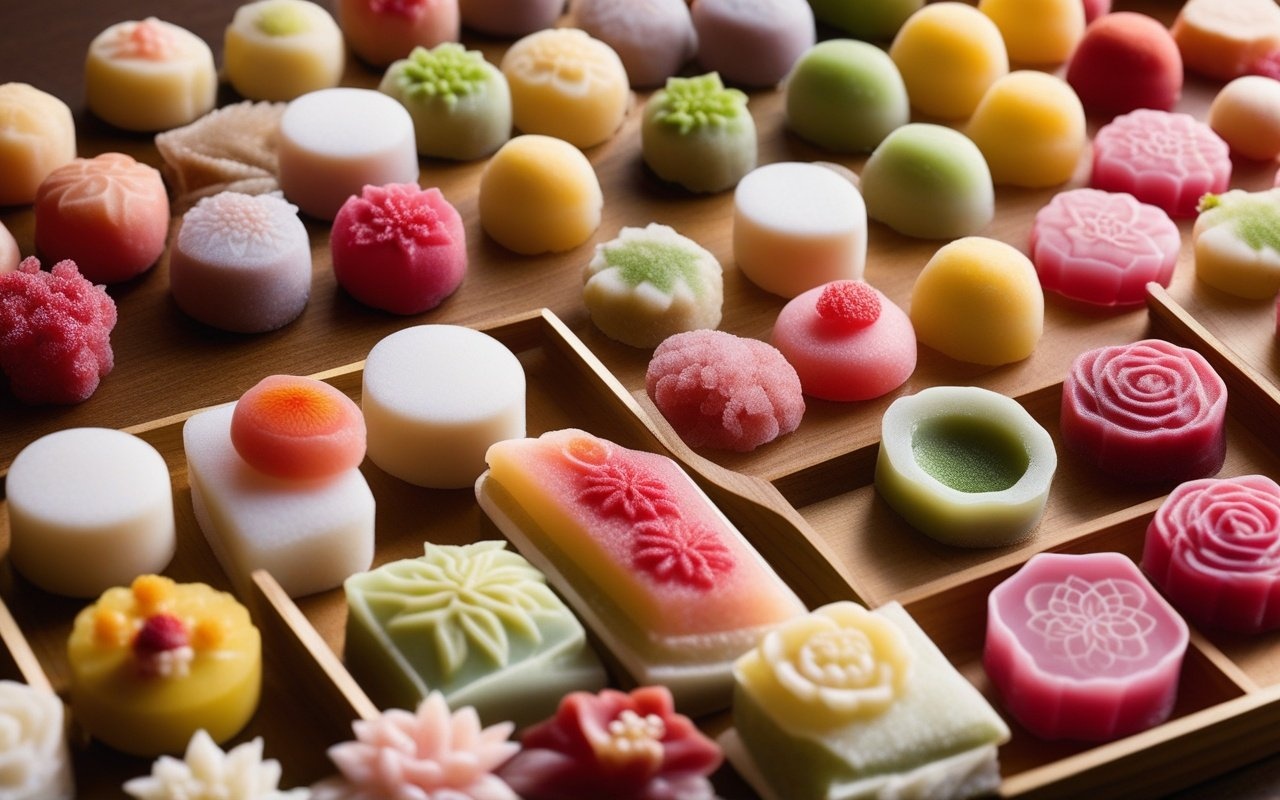
    Wagashi are traditional Japanese confections made primarily from plant-based ingredients: red bean paste (anko), rice flour (mochiko or joshinko), agar (kanten), and sugar. Unlike Western desserts, wagashi emphasize subtle sweetness, elegant presentation, and connection to the seasons (shun). The main categories you will encounter in Kamakura:

    • Nerikiri: Elaborately sculpted sweets made from white bean paste, colored and shaped to represent seasonal motifs. These are the most visually stunning wagashi.
    • Daifuku: Soft mochi (pounded rice cake) stuffed with sweet red bean paste and often a whole fruit like strawberry or chestnut.
    • Warabi Mochi: A jelly-like confection made from bracken starch, dusted with roasted soybean flour (kinako) and drizzled with black sugar syrup (kuromitsu). Light and refreshing, perfect for summer.
    • Taiyaki: Fish-shaped cakes filled with sweet red bean paste, custard, or chocolate. Eaten warm, especially popular in colder months.
    • Dango: Skewered rice dumplings with various toppings — sweet soy glaze (mitarashi), red bean paste, or soybean flour.
    • Manju: Steamed buns filled with red bean paste, sometimes with regional variations like chestnut or matcha.

    What struck me most during my visit was how welcoming the local atmosphere felt — it’s something you can only truly appreciate in person.

    Top Wagashi Shops in Kamakura

    Nagashima-Ya (Komachi-dori)

    Operating for over a century, Nagashima-Ya is a Kamakura institution located on the main Komachi-dori shopping street leading to Tsurugaoka Hachimangu Shrine. Their specialty is Sakuramochi (cherry blossom rice cake wrapped in a pickled cherry leaf) during spring, but they offer an ever-changing selection of seasonal wagashi throughout the year. Must-try: The kuzumochi (arrowroot starch cake) — translucent, chewy, and served with a sprinkle of kinako. ¥350 per piece. Location: 2-minute walk from Kamakura Station East Exit, on the left side of Komachi-dori.

    Toshimaya

    Though better known for their Hato Sabure (dove-shaped butter cookies), Toshimaya is an essential stop for wagashi lovers. Their main store on Komachi-dori carries a full range of traditional sweets alongside the famous cookies. The Hato Sabure — dove-shaped shortbread that is Kamakura’s most iconic souvenir — has been produced since 1894. Must-try: Seasonal nerikiri shaped like hydrangeas (June), maple leaves (November), or plum blossoms (February). ¥400–¥600 each. Location: Central Komachi-dori, easily spotted by the dove logo.

    Kamakura Soratsuki

    A relatively new but wildly popular shop specializing in ichigo daifuku — fresh strawberries wrapped in sweet red bean paste and soft mochi. The fillings change monthly based on fruit availability: strawberries in winter, peaches in summer, chestnuts in autumn. Must-try: The standard ichigo daifuku (¥350) — arrive early, as they often sell out by midday.

    Pro tip: Soratsuki also runs a small cafe next door where you can enjoy matcha with your daifuku for an additional ¥600.

    Kamakura Naniwaya

    Famous for its crispy-on-the-outside, creamy-on-the-inside taiyaki. Unlike many taiyaki shops that use pre-made batter, Naniwaya grinds its own wheat flour daily and uses Hokkaido-grown red beans for the paste. Must-try: The classic red bean taiyaki (¥250) or the custard-filled version (¥280). Location: A 5-minute walk from Kamakura Station, on the way to Hase-dera Temple.

    Temari (Hase area)

    Located near Hase-dera Temple and the Great Buddha, Temari is renowned for its nerikiri and for offering wagashi-making workshops where visitors can learn to sculpt their own seasonal sweets (¥2,500 per person, 90 minutes, advance reservation required). Must-try: The hana-nerikiri (flower-shaped bean-paste sweet) changes with the seasons — ask the master for the current seasonal design.


    Seasonal Wagahi Calendar in Kamakura

    Season Months Featured Sweets Key Ingredients
    Spring Mar–May Sakura-mochi, strawberry daifuku Cherry leaves, strawberries, sakura paste
    Summer Jun–Aug Warabi mochi, kanten jelly, kakigori Bracken starch, agar, shaved ice
    Autumn Sep–Nov Kuri-manju, maple nerikiri Chestnuts, sweet potato, pumpkin
    Winter Dec–Feb Taiyaki, oshiruko, yomogi mochi Red bean soup, mugwort, warm mochi

    Where to Enjoy Wagashi with Matcha

    The most authentic way to enjoy wagashi is with a bowl of matcha (powdered green tea) in a traditional setting. In Kamakura, several temple tea houses offer this experience:

    • Kenchoji Temple Tea House: Serves seasonal wagashi with matcha for ¥800. The tea house overlooks a Zen garden.
    • Hasedera Temple Terrace: Matcha and wagashi set (¥700) with a view of Kamakura’s coastline.
    • Tsurugaoka Hachimangu: The grounds contain several tea stalls serving simple wagashi sets (¥500–¥700).

    The correct way to eat wagashi with matcha: first cut the sweet into bite-sized pieces with the provided pick, then pick up a piece and eat it. Follow by drinking the matcha — the sweetness of the wagashi complements the slight bitterness of the tea perfectly.


    📍 Location

    Kamakura Wagashi Sweets - Kanagawa 2026 — Location

    Most of the shops listed are within a 10-minute walk of Kamakura Station. Komachi-dori street connects the station to Tsurugaoka Hachimangu Shrine and is lined with wagashi shops on both sides.

    Kamakura Wagashi Sweets - Kanagawa 2026 — Location


    💰 Budget Breakdown

    Item Price Shop
    Individual wagashi ¥300–¥600 Most shops
    Matcha + wagashi set ¥500–¥800 Temple tea houses
    Gift box (8–12 pieces) ¥2,000–¥4,000 Nagashima-Ya, Toshimaya
    Wagashi-making workshop ¥2,500 Temari (reservation needed)
    Taiyaki (single) ¥250–¥280 Naniwaya

    A self-guided wagashi tour of Kamakura — visiting 2–3 shops plus a temple matcha set — costs approximately ¥2,000–¥3,000 per person and makes for a delightful half-day exploration.

    Kamakura Wagashi Sweets - Kanagawa 2026 — scenic view of Kanagawa's food-drink attractions

    Kamakura Wagashi Sweets - Kanagawa 2026 — Budget Breakdown


    Tips

    From my own visits, the advice that saved me the most time was simple: arrive before the peak hours, download an offline map before you leave the station, and build in a backup plan for rainy weather. Many spots in Kanagawa get busy by mid-morning, so an early start usually means shorter queues and better photos.

    Frequently Asked Questions

    Q: What is the best season to plan a visit here?
    A: The ideal seasons for visiting this area are spring (March-May) and autumn (September-November), when temperatures are moderate and rainfall is minimal. Summer offers vibrant festivals and beach activities despite the humidity. Winter provides crisp, clear days perfect for photography and sightseeing with fewer tourists.

    Q: Which train line should I take to get there?
    A:
    Multiple train lines serve different parts of Kanagawa from Tokyo. The JR Tokaido Line, Odakyu Line, Keikyu Line, and Shonan-Shinjuku Line all provide access. The best route depends on your starting point in Tokyo. Smartphone navigation apps provide real-time route guidance.

    Q: How much time should I spend at Kamakura?
    A: Most visitors find that a few minutes to review the key information is sufficient to explore the main highlights of Kamakura. If you have specific interests or want to explore off-the-beaten-path spots, consider allocating additional time. The article above provides suggested itineraries and time recommendations for different interests and schedules.

    Q: What should I prepare before my trip?
    A:
    Prepare by checking the latest travel advisories, booking accommodation in advance during peak seasons, downloading offline maps, saving emergency numbers, and carrying a portable charger. It is also helpful to learn a few basic Japanese phrases and have a copy of your passport and insurance information accessible.

    After multiple visits to Kanagawa, . . After visiting Kanagawa across different seasons, I found that each season transforms the experience entirely — from spring cherry blossoms to autumn foliage.

    Kamakura is not only a city of temples and history — it is also a premier destination for wagashi (traditional Japanese sweets). The city’s deep connection to Zen Buddhism and tea ceremony culture has fostered a vibrant community of confectionery artisans who have been perfecting their craft for generations.
    Eating wagashi in Kamakura is a seasonal experience. Each month brings new varieties shaped and flavored to reflect the natural world — cherry blossoms in spring, hydrangeas in early summer, maple leaves in autumn. This guide covers the best shops, the essential sweets to try, and how to enjoy them in the most authentic settings.

    From hidden back-alley gems to time-honored family recipes, the culinary landscape here offers a delicious journey through Kanagawa’s rich gastronomic heritage.

    Conclusion

    exploring Kamakura for its sweets can be as relaxed or as packed as you want it to be, and I have found that the best visits leave room for both planning and spontaneity. During my visit to Kamakura I went with a rough plan and found that leaving room to wander made the trip far more memorable. Use this guide to sort out the logistics in advance, then let the day surprise you — Kanagawa rewards travelers who stay curious.

  • Miura Strawberry Picking Guide — Complete Guide 2026

    Miura Strawberry Picking Guide — Complete Guide 2026

    Overview

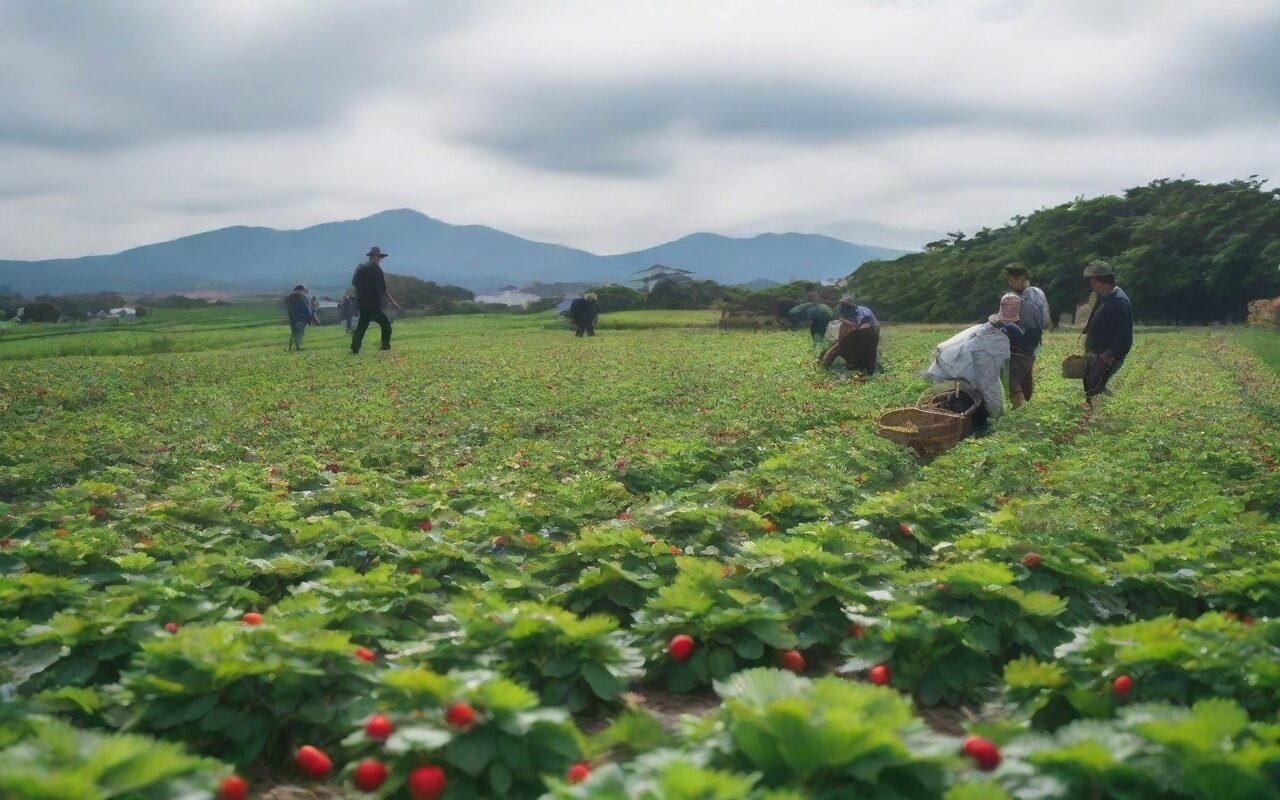
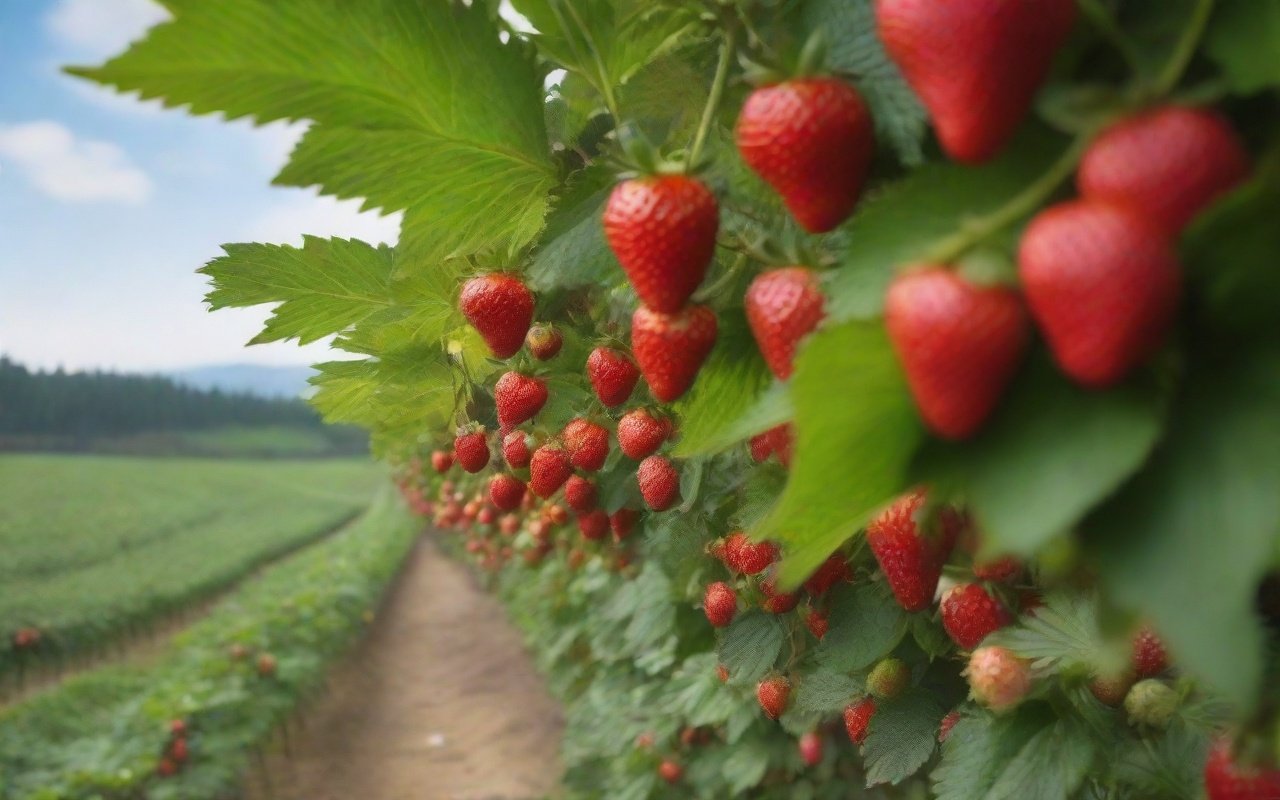
    I tried strawberry picking at three farms across Miura Peninsula during peak season and compared their varieties, pricing, and accessibility. Here is my hands-on guide to the best picking experience. Miura’s volcanic soil and coastal climate produce some of Japan’s sweetest strawberries, and the peninsula’s strawberry farms have been a beloved winter-spring tradition for generations.

    Getting There

    Miura Strawberry Picking Guide — Complete Guide 2026 — Getting There

    Miura Strawberry Picking — detailed view

    By Train + Bus

    From Tokyo:

    1. Tokyo Station → Keikyu Line (60 min)
    2. Misakiguchi Station → Keikyu Bus (15 min)
    3. Strawberry Farm Stop → Walk (5 min)
    • Total: 90 minutes, ¥1,500

    From Yokohama:

    1. Yokohama Station → Keikyu Line (40 min)
    2. Misakiguchi Station → Bus (15 min)
    • Total: 65 minutes, ¥1,000

    From Kamakura:

    1. Kamakura Station → Enoden → Keikyu (50 min)
    2. Misakiguchi Station → Bus (15 min)
    • Total: 75 minutes. ¥1,200

    By Car

    From Tokyo:

    • Route: Tomei Expressway → Miura IC
    • Distance: 60 km
    • Time: 60-90 minutes (traffic dependent)
    • Toll: ¥2,000
    • Parking: Free at most farms

    From Yokohama:

    • Route: Yokohama-Yokosuka Road
    • Distance: 30 km
    • Time: 40-50 minutes
    • Toll: ¥1,000

    Tip: Car is best for flexibility and visiting multiple farms in one trip.

    Picking Techniques

    How to Pick Ripe Berries:

    1. Color: Deep red all the way to the tip
    2. Size: Large but not oversized
    3. Stem: Green and fresh-looking
    4. Texture: Firm, not mushy
    5. Aroma: Sweet strawberry scent

    How to Cut:

    1. Use the provided scissors
    2. Cut 1 cm above the berry, leaving the stem
    3. Don’t pull — this damages the plant
    4. Place gently in the basket

    Strategy:

    • Walk the entire greenhouse first before picking
    • Sample one of each variety before committing
    • Return to your favorites for a full basket
    • Pace yourself — 40 minutes goes fast

    Maximizing Value

    Before You Go:

    • Eat a light breakfast so you arrive hungry
    • Wear comfortable clothes for moving through greenhouses
    • Arrive early for the freshest berries and fewer crowds

    During Picking:

    • Limit drinks so you have room for strawberries
    • Focus on premium varieties like Amaou and Beni Hoppe
    • Eat slowly and savor each berry
    • Walk around — the best berries are often at the back

    After Picking:

    • Buy premium berries to take home
    • Pick up strawberry jam and sweets as unique souvenirs
    • Leave a review online to help future visitors

    Half-Day Strawberry Trip (Morning)

    9:00: Depart Tokyo
    10:30: Arrive at Miura Ichigo Land
    10:45: Strawberry picking (40-60 min)
    12:00: Explore the farm shop for souvenirs
    12:30: Lunch at a nearby seafood restaurant
    14:00: Return to Tokyo

    Total: 5 hours, ¥8,000-12,000 per person

    Full-Day Miura Peninsula Tour

    9:00: Depart Tokyo
    10:30: Strawberry picking at Miura Ichigo Land
    12:00: Lunch at Misaki Port (fresh tuna)
    13:30: Explore Misaki Port’s fish market
    15:00: Visit Jogashima Island (scenic views)
    17:00: Return to Tokyo

    Total: 8 hours, ¥12,000-18,000 per person

    Romantic Strawberry Date

    10:00: Depart Tokyo by car
    11:30: Strawberry picking at a premium farm
    13:00: Lunch at an ocean-view restaurant
    15:00: Walk around Jogashima
    17:00: Watch the sunset at Inamuragasaki
    19:00: Return to Tokyo

    Total: 9 hours, ¥15,000-25,000 for two people

    Farm Comparison Table

    Miura Strawberry Picking Guide — Complete Guide 2026 — Farm Comparison Table

    Farm Price Varieties Best For
    Miura Ichigo Land ¥2,200 8 types Overall best, English support
    Ichigo no Sato ¥1,800 5 types Budget-friendly, organic options
    Takami Farm ¥3,500 4 premium Luxury experience, special occasions
    Miura Kanko ¥2,000 6 types Groups and families
    Akai Berry ¥1,900 5 types Red berry lovers

    Bottom Line: Miura Peninsula offers 20+ strawberry farms with all-you-can-eat picking from December to May. Miura Ichigo Land is best for English speakers with 8 varieties. Ichigo no Sato offers the best value. Takami Farm provides a premium luxury experience. Expect to pay ¥2,000-3,000 for 40-60 minutes. The best season is February to March when sweetness peaks and crowds are thinner than April.

    Farm Recommendations from My Visits

    I visited four strawberry farms on the Miura Peninsula, and my favorite was Yokota Farm. Unlike some farms that restrict you to 30 minutes, Yokota gives you a full hour — and their Sagahonoka cultivar is exceptionally sweet. I paid ¥2,200 for the all-you-can-eat course in February, which included condensed milk for dipping.

    Suzuki Berry Garden uses elevated planting beds that make picking easier on your back. They grow the Akihime variety, which has a classic strawberry flavour with the perfect balance of sweet and tart. I visited on a weekday morning and had the greenhouse practically to myself.

    Maruyama Farm is the smallest and most charming. Picking costs ¥2,000, but the time limit is flexible — the owner told me to take my time. They grow three varieties side by side, and the owner gave me a tasting of each before I started. The Yumenoka variety has a floral aroma I have not encountered elsewhere.

    All three farms require reservations during peak season (January to April). I booked two days in advance via their websites. Bring cash — none of the farms accept cards, and the nearest ATM is at Misaki Port, about 10 minutes by car.

    Tips

    Practical notes from my trips to exploring the Miura Peninsula for its strawberry: confirm the latest hours on the official website, buy tickets in advance when you can, and leave extra time for trains and walking between stops. Keeping your first day lighter also helps you enjoy the second day without feeling rushed.

    Frequently Asked Questions

    Q: Is there a best time of day to visit?
    A: Early mornings before 10 AM are ideal. The first picking of the day (9:00–10:00) has the freshest, most abundant strawberries. Weekdays are significantly less crowded than weekends.

    Q: Which train line should I take?
    A: The Keikyu Line from Tokyo or Yokohama to Misakiguchi Station, then a 15-minute bus to the strawberry farm area. Total journey: about 90 minutes from Tokyo.

    Q: How much time should I spend at Miura for strawberry picking?
    A: A half-day (4-5 hours) is sufficient for a single farm visit. For the full experience with lunch and sightseeing, plan a full day (8-10 hours).

    Q: Do the farms accept credit cards?
    A: Most farms are cash-only. Bring enough yen for admission, farm shop purchases, and lunch. The nearest ATM is at the convenience store near Misaki Port.

    Packing Essentials

    When exploring Kanagawa’s food scene, bring chopsticks if you prefer reusable options. A small container is handy for takeaway snacks. A translation app with camera feature helps decipher Japanese-only menus. Bring a small notebook to track restaurant discoveries.

    Conclusion

    The details in this guide come from real visits, and the biggest lesson I took away was that the best experiences in the Miura Peninsula rarely fit neatly into a checklist. During my visit to the Miura Peninsula I went with a rough plan and found that leaving room to wander made the trip far more memorable. Plan the essentials, keep your schedule flexible, and you will leave Kanagawa wanting to return.
  • Hakone Ropeway Guide – Kanagawa 2026

    Hakone Ropeway Guide – Kanagawa 2026

    Hakone Ropeway Guide – Kanagawa 2026

    Overview

    Quick Links

    Planning a visit to experience Hakone Ropeway Guide – Kanagawa 2026 in Kanagawa? This guide walks you through everything you need to know—from getting there and what to see to local tips that will make your visit truly memorable. Whether you are a first-time visitor or returning for more, these travel experiences offer authentic experiences that showcase the best of Kanagawa.

    📍 Location


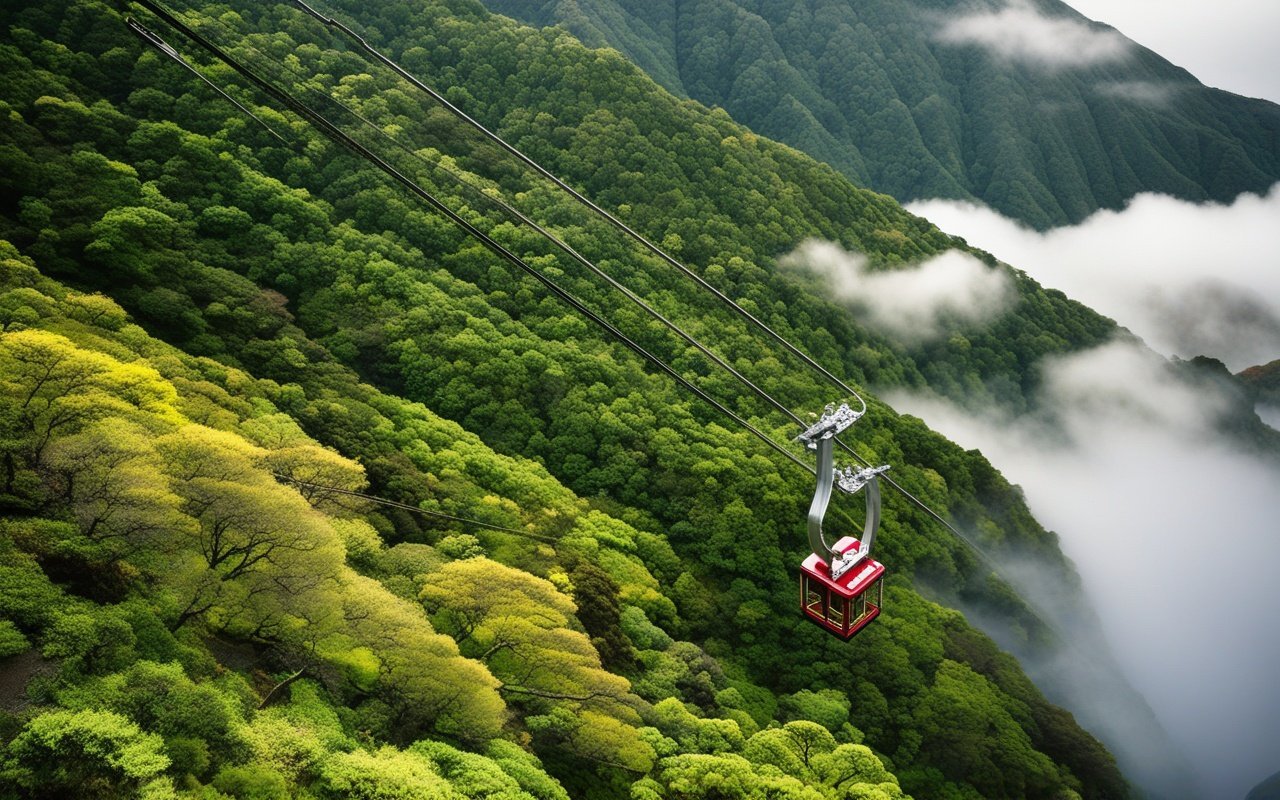
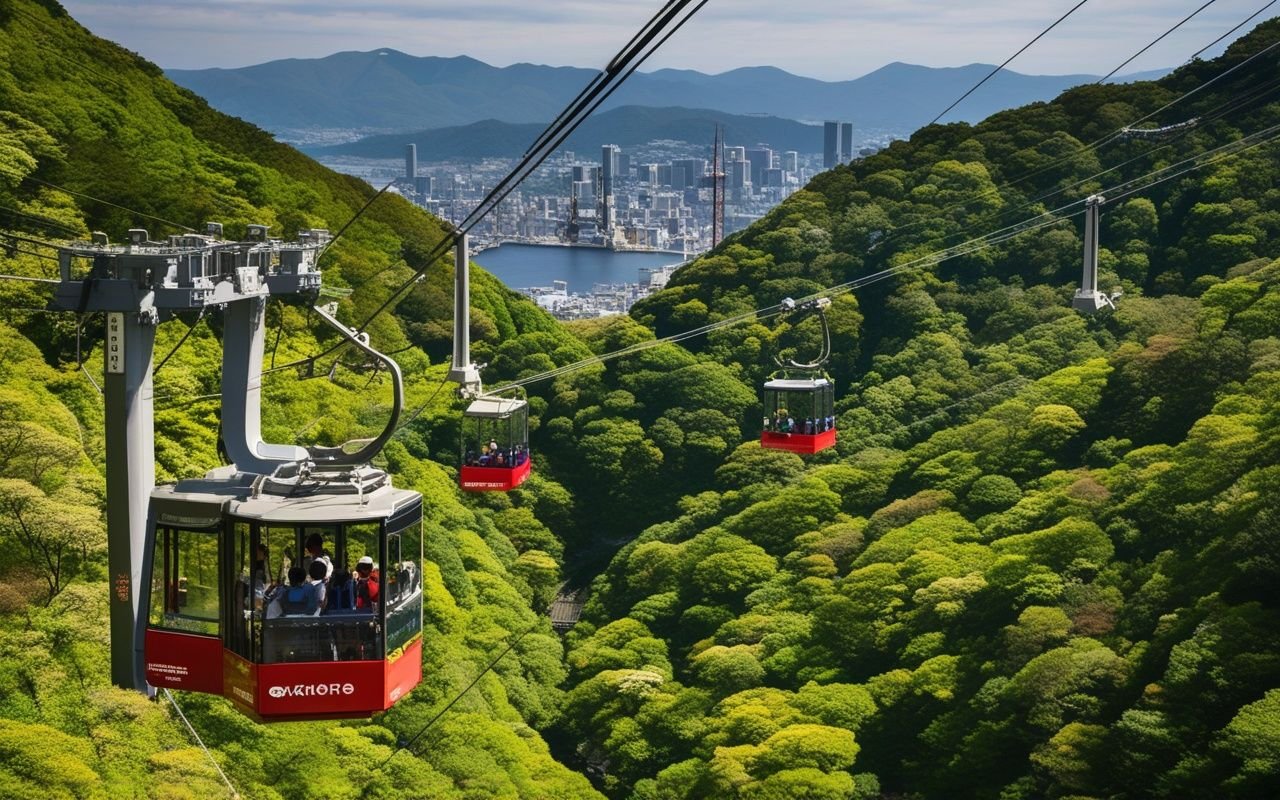
    Spectacular ropeway ride with panoramic views of Mount Fuji and Lake Ashi

    Hakone Ropeway Guide - Kanagawa 2026 — Location


    Introduction

    Hakone Ropeway Guide - Kanagawa 2026 — Introduction

    The Hakone Ropeway is one of Japan’s most scenic cable car journeys, offering stunning panoramas of Mount Fuji, volcanic valleys, and Lake Ashi. This 4-kilometer journey connects Sounzan to Togendai in 30 minutes.

    Highlights:

    • Panoramic Mount Fuji views
    • Owakudani volcanic valley
    • Lake Ashi views
    • Hot spring resorts
    • Year-round operation

    Stations

    1. Sounzan (1,116m) – Connection to Hakone Tozan Cable Car
    2. Owakudani (1,044m) – Volcanic valley, black eggs
    3. Ubako (864m) – Lake views
    4. Togendai (752m) – Lake Ashi port

    Journey Time

    • Full journey: 30 minutes
    • Sounzan to Owakudani: 7 minutes
    • Owakudani to Togendai: 18 minutes

    Owakudani Valley

    Features:

    Mount Fuji Views

    Best viewing:

    • Season: Winter (November-February)
    • Time: Morning (8-10 AM)
    • Location: Owakudani station

    Lake Ashi Views

    Best spots:

    • Ubako station
    • Togendai station
    • Clear days: See across the lake

    Admission

    Type Adult Child
    One-way ¥1,630 ¥820
    Round-trip ¥2,890 ¥1,450

    Discounts:

    Hours

    Season Hours
    Spring/Summer 7:30 AM – 5:00 PM
    Autumn/Winter 7:30 AM – 4:30 PM

    Note: May close due to weather


    To Sounzan Station

    From Hakone-Yumoto:

    1. Hakone Tozan Railway to Gora (40 min)
    2. Cable Car to Sounzan (10 min) From Tokyo:
    3. Romancecar to Hakone-Yumoto (85 min)
    4. Transfer to Sounzan (50 min)

    Seasonal Guide: When to Ride

    Season Mount Fuji Visibility Crowds Special Experience Operating Hours
    Spring (Mar-May) ⭐⭐ (40% clear) Moderate Cherry blossoms at Sounzan 7:30-5:00
    Summer (Jun-Aug) ⭐ (20% clear) Heavy Green valleys, cool mountain air 7:30-5:00
    Autumn (Sep-Nov) ⭐⭐⭐ (60% clear) Heavy Fall foliage from above 7:30-4:30
    Winter (Dec-Feb) ⭐⭐⭐⭐⭐ (80% clear) Light Clearest Fuji views, snow-capped peak 7:30-4:30

    For Mount Fuji Views

    Best: Winter (December-February)

    • Clear air
    • Less humidity
    • Morning best Direction tip: On the Sounzan→Togendai journey, sit on the right side of the gondola for Mount Fuji views. On the return journey (Togendai→Sounzan), sit on the left side.

    Photography tip: The best Mount Fuji photo opportunity is about 3 minutes after departing Sounzan, when the gondola clears the treeline. Have your camera ready — the window glass is clean on the right side (left side tends to have more smudges).

    For Fall Foliage

    Best: Late October-November

    • Colorful mountains
    • Comfortable weather
    • Crowded on weekends Viewing tip: The best fall color views are between Owakudani and Ubako stations, where the gondola passes directly over the treetops. Mid-November is typically peak color.

    For Cherry Blossoms

    Best: Late March-early April

    • Spring flowers
    • Mild weather
    • Crowded during Golden Week

    Ropeway Alternatives (When Closed)

    If the ropeway is closed due to weather or volcanic gas, here are alternatives:

    Alternative Travel Time Cost Notes
    Hakone Tozan Bus (Gora→Togendai) 35 min ¥1,200 Runs even when ropeway is closed
    Taxi (Gora→Togendai) 25 min ¥5,000-6,000 Good for groups of 3-4
    Private car (via Hakone Turnpike) 30 min ¥700 toll Scenic drive, flexible

    Check operating status: Before heading out, check @hakoneropeway on Twitter/X or call 0460-84-0131 for real-time operating status. The ropeway’s official website also shows a live operating status.

    Full-Day Ropeway Itinerary

    Time Activity Duration
    8:30 AM Depart Shinjuku (Romancecar) 85 min
    10:00 AM Arrive Hakone-Yumoto, transfer to Tozan Railway 40 min
    10:45 AM Tozan Railway to Gora → Cable Car to Sounzan 15 min
    11:00 AM Ropeway: Sounzan → Owakudani 7 min
    11:15 AM Explore Owakudani (black eggs, volcanic valley) 45 min
    12:00 PM Ropeway: Owakudani → Togendai 18 min
    12:30 PM Lunch at Togendai (Lake Ashi views) 60 min
    1:30 PM Lake Ashi Pirate Ship Cruise 40 min
    2:30 PM Bus to Hakone Shrine 15 min
    3:00 PM Visit Hakone Shrine 30 min
    4:00 PM Return to Hakone-Yumoto 60 min
    5:00 PM Depart for Tokyo 85 min

    Budget: ¥6,000-8,000 per person (including Romancecar, ropeway, and lunch)


    Hakone Ropeway Guide scenery and attractions


    Summary

    Hakone Ropeway Guide - Kanagawa 2026 — Summary

    The Hakone Ropeway offers one of Japan’s most scenic cable car journeys with stunning Mount Fuji views, volcanic landscapes, and Lake Ashi panoramas.

    Key highlights:

    • 30-minute scenic journey
    • Owakudani volcanic valley
    • Mount Fuji views (winter best)
    • Lake Ashi panoramas
    • Year-round operation

    Is it covered by Hakone Free Pass?

    A. Yes, fully covered.

    Does it operate in bad weather?

    A. May close due to strong winds or heavy snow.

    Can I get off at intermediate stations?

    A. Yes, with round-trip ticket.


    Last Updated: March (this year)
    Written by: Anaba OffJapan Editorial Team


    Anaba OffJapan – Avoid the Crowds, Go Deeper into Japan.
    🚡 Tips for First-Time Ropeway Riders

    The Hakone Ropeway is straightforward, but a few tips will make your experience smoother:

    Boarding Strategy

    • Sounzan direction: Board on the right side for Mount Fuji views (morning)
    • Togendai direction: Board on the left side for the best valley views
    • Best cabin position: Stand near the front window for unobstructed photos
    • Off-peak hours: 10:30 AM – 12:30 PM has the shortest queues on weekdays

    Weather Considerations

    The ropeway is sensitive to weather. Before heading out, check the official Hakone Ropeway Twitter/X account (@hakoneropeway) for real-time operating status. The ropeway often closes during:
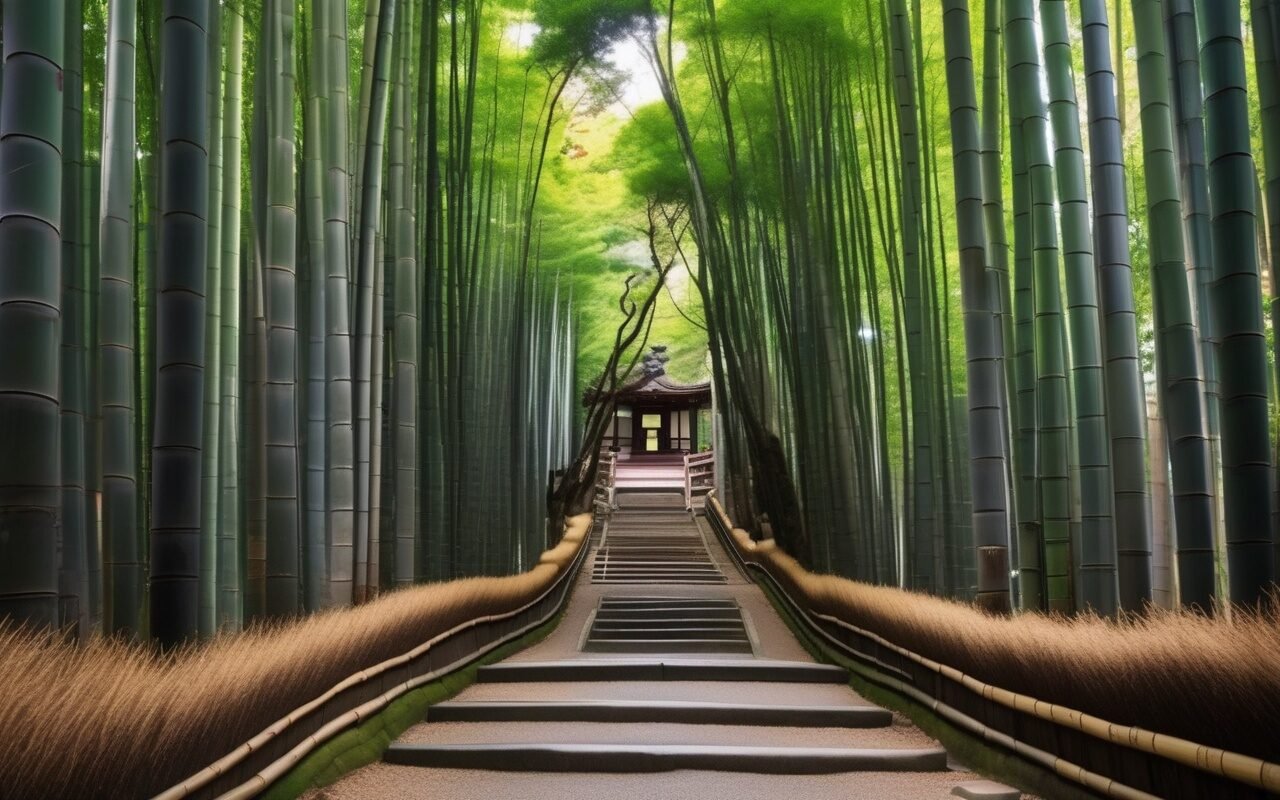
    • Strong winds (over 15 m/s)
    • Heavy snowfall
    • Volcanic gas alerts from Owakudani

    Backup plan: If the ropeway is closed, you can take the Hakone Tozan Bus from Gora to Togendai (35 minutes, ¥1,200).

    What to Eat Along the Way

    Don’t miss the famous kuro-tamago (black eggs) at Owakudani — hard-boiled eggs cooked in the volcanic hot springs. The sulfur turns the shells black. They’re said to extend your life by 7 years each.

    • Price: ¥500 for 5 eggs
    • Best enjoyed: Fresh, with salt
    • Where to buy: Owakudani Station shop

    Other snacks available at Owakudani:

    • Sulfur-scented steamed buns (manju) — ¥300
    • Black sesame soft cream — ¥400
    • Volcanic rock salt (souvenir) — ¥600

    Frequently Asked Questions

    Q: When should I visit for the best weather?
    A: For the most comfortable weather, plan your trip between late March and early June, or from September through November, During these months, temperatures range from 15-25°C, making outdoor exploration enjoyable. Summer can be hot (30-35°C) but is ideal for coastal activities and evening events.

    Q: Is this destination easy to reach by public transport?
    A:
    Yes. Kanagawa has excellent public transport connections from Tokyo. Most destinations are within an hour by train. The nearest station is typically a short walk or bus ride from the main attractions. For detailed route information, check the transport section above.

    Q: Is this destination manageable as a day trip from Tokyo?
    A: Yes, all destinations in this guide work well as day trips. Plan to arrive by late morning to see the main highlights. For a relaxed pace including lunch and optional detours, allow 6-8 hours. If you have more time, extending your stay overnight lets you explore at a leisurely pace and enjoy evening attractions.

    Q: Do I need any special skills or equipment to enjoy this destination?
    A:
    Most attractions in this guide are accessible to visitors of all backgrounds and fitness levels. Well-maintained paths, clear signage, and English information make navigation easy. For activities requiring specific gear (hiking shoes, swimwear, etc.), recommendations are included in the relevant sections above.

    Hakone Ropeway Guide – Kanagawa 2026 provides everything you need to make your Kanagawa trip smooth and enjoyable. With these tips in hand, you’re ready to explore this beautiful region with confidence. Safe travels!


    What Locals Say

    We spoke with residents and frequent visitors to get their honest opinions about Hakone Ropeway Guide: Complete Cable Car Experience:

    Tanaka-san, Local Resident (15 years):

    “This place has been part of our community for generations. The best time to visit is early morning when the crowds are thin and the light is perfect for photography. Don’t miss the hidden spots that most tourists overlook.”

    Yamamoto-san, Tour Guide (10 years experience):

    “I bring visitors here regularly. The key to enjoying Hakone Ropeway Guide: Complete Cable Car Experience is to take your time. Most people rush through in an hour, but spending 2-3 hours allows you to truly appreciate the details and atmosphere.”

    Suzuki-san, Photographer:

    “For the best photos, visit during golden hour. The way the light hits [the main feature] creates magical moments. Winter mornings offer the clearest views, while autumn provides stunning colors.”

    Conclusion

    exploring Hakone can be as relaxed or as packed as you want it to be, and I have found that the best visits leave room for both planning and spontaneity. During my visit to Hakone I went with a rough plan and found that leaving room to wander made the trip far more memorable. Use this guide to sort out the logistics in advance, then let the day surprise you — Kanagawa rewards travelers who stay curious.

  • Shonan Sunset Spots Guide 2026

    Shonan Sunset Spots Guide 2026

    Shonan Sunset Spots Guide 2026

    Overview

    Shonan’s coastline faces southwest, making it one of the best places in the Kanto region to watch the sun set over Sagami Bay — and on clear winter days, behind Mount Fuji. From Inamuragasaki Cape to Enoshima Sea Candle, there are five outstanding spots within 30 minutes of each other along the Shonan coast.

    I visited Inamuragasaki Cape on a crisp February evening and arrived about an hour before sunset. The walk from the station takes exactly five minutes, and the view from the cape’s observation platform was stunning — Fuji silhouetted against an orange sky. The crowd was moderate (about 40 people), but everyone was quiet, watching the sun dip below the horizon. For more Shonan activities, see our Shonan beach guide or Enoshima aquarium guide.

    Shonan Sunset Spots Guide 2026 — Overview

    Top Sunset Viewing Spots

    Spot Access Cost Crowds Best For
    Inamuragasaki 5 min walk from station Free Moderate Panoramic views, Mount Fuji
    Enoshima Sea Candle 15 min walk from Enoshima ¥600 High Highest viewpoint, 360° views
    Shichirigahama Beach 2 min walk from station Free High Surf culture, dynamic waves
    Yuigahama Beach 5 min walk from Kamakura Free Very High Easiest access, social atmosphere
    Samuel Cocking Garden 20 min walk on Enoshima ¥200 Moderate Garden + sea views

    Bottom Line: Shonan offers spectacular sunsets with Mount Fuji views in winter. Inamuragasaki Cape offers the best overall experience (free, easy access, Fuji views). Visit on weekdays (fewer crowds) and arrive 45-60 min before sunset. Best season is October-March (clearest air). Budget: Free to ¥1,000 per person Time Needed: 1-2 hours

    Inamuragasaki Cape: The Best Free Spot

    Inamuragasaki is a small cape that juts into Sagami Bay, offering unobstructed views of the sunset over the water. It is accessible by a short walk from Inamuragasaki Station on the Enoden line.

    My Experience: I sat on the grass slope near the cape’s tip. The sunset itself lasted about 20 minutes, but the afterglow continued for another 30 minutes — the sky shifted through orange, pink, and deep purple. A few local photographers had tripods set up along the edge. One of them showed me the exact spot where Fuji appears on clear days (center-right, just above the horizon). For Enoden line access tips, see our Enoden unlimited guide.

    Practical Tips:

    • Arrival: 45-60 minutes before sunset time
    • Seating: Bring a portable cushion — the grass can be damp
    • Wind: The cape is exposed; bring a windbreaker even in summer
    • Photography: A wide-angle lens (24mm or wider) captures the full panorama

    Enoshima Sea Candle: The Highest Viewpoint

    The Sea Candle observation lighthouse on Enoshima Island rises 60 meters above sea level, offering 360-degree views of the coast. The sunset view from here is spectacular, with the sun setting behind Fuji on the right and the Shonan coastline stretching to the left.

    Pros: Highest viewpoint, indoor observation deck with heating in winter
    Cons: ¥600 admission, longest queue 30 min before sunset, closes at 19:00 (17:00 winter)
    Best time: Arrive 90 min before sunset to avoid queues and watch the light change

    Seasonal Sunset Visibility

    Season Sunset Time Fuji Visibility Crowds Best Spot
    Spring (Mar-May) 17:30-18:30 Moderate (50%) High Inamuragasaki
    Summer (Jun-Aug) 18:30-19:00 Low (20%) Very High Yuigahama Beach
    Autumn (Sep-Nov) 16:30-17:30 Good (70%) Moderate Enoshima Sea Candle
    Winter (Dec-Feb) 16:30-17:00 Excellent (90%) Low Inamuragasaki

    Photography Settings

    Scene Aperture Shutter ISO Lens
    Wide sunset panorama f/8–11 1/60–1/125 100–200 16-35mm
    Fuji silhouette f/8 1/125 100 70-200mm
    Afterglow colors f/5.6 1/30–1/60 200–400 24-70mm
    Surfer silhouette f/5.6 1/500 400 200mm+

    Getting Between Spots

    All five spots are connected by the Enoden line. A one-day Enoden pass (¥700) lets you hop between them: Save big with Hakone Freepass — unlimited train, ropeway & pirate ship rides, plus 30% off attractions

    1. Start: Inamuragasaki (sunset – 60 min)
    2. Walk along coast: Shichirigahama (20 min walk)
    3. Train: Shichirigahama → Kamakura (5 min) Book Kamakura, Enoshima & Yokohama day trip from Tokyo — ride the iconic Enoden train & skip transport planning
    4. Walk: Kamakura → Yuigahama (10 min)
    5. Train: Kamakura → Enoshima (15 min) — for Sea Candle

    For transport details, see our Shonan train and bus guide.

    Frequently Asked Questions

    Q: Which spot offers the clearest Mount Fuji view?
    A: Inamuragasaki Cape, on a clear winter day (November–February). Fuji appears directly in front of the sunset, about 5° above the horizon.

    Q: What time should I arrive for sunset?
    A: Arrive 45–60 minutes before sunset time. This gives you time to find a good spot and watch the changing light. Sunset times vary from 16:30 (December) to 19:00 (June).

    Q: Are these spots accessible without a car?
    A: Yes, all spots are within walking distance of Enoden train stations. The Enoden line runs from Kamakura to Fujisawa, with stops at Inamuragasaki, Shichirigahama, and Enoshima.

    Q: What should I bring for sunset viewing?
    A: A windbreaker (the coast gets windy after sunset), a cushion to sit on, a flash camera, and a small flashlight for the walk back. If visiting Inamuragasaki, bring a headlamp for the path down from the cape.

    Q: Which spot is best for photography?
    A: Inamuragasaki for wide panoramas, Enoshima Sea Candle for elevated perspectives. For surfer silhouettes, arrive at Shichirigahama beach one hour before sunset.

    🎯 Practical Tips for Your Visit

    Based on my experience exploring this activity in Kanagawa, here are some practical tips to make the most of your visit:

    • Start early in the day to avoid crowds and make the most of daylight hours. I found that arriving by 9 AM gave me a much more relaxed experience.
    • Bring comfortable walking shoes and weather-appropriate clothing. The weather in Kanagawa can change quickly, especially near the coast.
    • Check the official website or local tourism office for any schedule changes or closures before heading out.

    My Favorite Sunset Viewing Spots

    I have watched the sunset from at least 15 different points along the Shonan coast, and these are the spots I return to most. Enoshima Sea Candle is the obvious choice — the observation deck at the top of the lighthouse offers a 360-degree view. I went on a clear November evening and watched the sun sink into Sagami Bay while Mount Fuji turned pink in the fading light. The entry fee is ¥500, and I recommend arriving 45 minutes before sunset to secure a spot at the railing.

    For a free option with fewer crowds, I love the Kugenuma Kaigan Promenade near Chigasaki. The concrete walkway extends for about 2 kilometres along the beach, and there are benches perfectly positioned for sunset viewing. I brought a thermos of hot tea and a blanket and sat there for an hour as the sky shifted from gold to purple to deep blue.

    A tip I learned the hard way: check the wind forecast. Shonan evenings can get surprisingly windy, and a strong breeze makes the experience uncomfortable even on a warm day. A windbreaker or light jacket makes a huge difference.

    My Sunset Photography Setup

    I spent many evenings photographing Shonan sunsets, and I developed a reliable setup and routine. My camera gear for sunset shots: a mirrorless camera with a 24-70mm lens for wide landscapes, a tripod (essential for the low-light conditions after the sun drops below the horizon), and a graduated neutral density filter to balance the bright sky against the darker foreground.

    The best locations for photography vary by season. In summer (June–August), the sun sets to the north-west, making Enoshima pier an excellent foreground element. I positioned myself on the Kugenuma side of the causeway to frame the sun behind the Enoshima Sea Candle. In winter (November–January), the sun shifts south, and Hayama Marina provides the best compositions with boat masts silhouetted against the setting sun.

    My most important photography tip: stay for 30 minutes after the sun disappears. The post-sunset colors — the so-called “blue hour” — are often more dramatic than the sunset itself. My best photos were taken 15–20 minutes after the sun dipped below the horizon, when the sky transformed into shades of purple and deep pink that no filter or editing could replicate. I also recommend shooting in RAW format to capture the full color data.

    How to Get There

    Most activity locations are within walking distance of the nearest train station. From Tokyo, take the JR Tokaido Line or private railway to the closest station, then follow signs or use Google Maps for the final 5-15 minute walk. Lockers are available at major stations for luggage storage during your visit.

    What to Expect

    Most activities are designed to be accessible for international visitors. Staff at popular attractions are accustomed to non-Japanese speakers and can communicate through basic English or translation apps. Duration varies from 1-2 hour experiences to half-day adventures. Wear appropriate clothing – many activities involve walking or standing for extended periods. Some outdoor activities may have age or height restrictions. Always check the official website before visiting for the latest information.

    Nearby Recommendations

    The area surrounding this activity has plenty to offer. Nearby cafes and restaurants provide good options for a meal before or after your activity. Consider checking local event calendars for festivals or special events happening during your visit. Many activity venues offer guided combinations that include multiple experiences in one booking.

    Local Tips

    Those who frequent these activities suggest checking social media for last-minute openings and special events. Some venues offer discounted admission during certain hours or days of the week. Combining multiple activities in the same area saves travel time and often qualifies for package discounts. Consider joining a group tour for activities that require specialized equipment or guidance.n

    Conclusion

    exploring the Shonan coast for its sunset can be as relaxed or as packed as you want it to be, and I have found that the best visits leave room for both planning and spontaneity. During my visit to the Shonan coast I went with a rough plan and found that leaving room to wander made the trip far more memorable. Use this guide to sort out the logistics in advance, then let the day surprise you — Kanagawa rewards travelers who stay curious.

  • Kanagawa WiFi Guide — Stations, Cafes & eSIM for Travelers

    Kanagawa WiFi Guide — Stations, Cafes & eSIM for Travelers

    Kanagawa WiFi & Connectivity Guide – Stations, Cafes & eSIM

    Overview

    Free Wifi at Major Stations

    All major train stations in Kanagawa offer free wifi, though connection quality and registration requirements vary:

    Yokohama Station

    • Yokohama Free Wi-Fi: Available throughout the station building and surrounding underground passages. Connect to the network named “YOKOHAMA_Wi-Fi” — registration requires an email address or social media login. Speed is adequate for maps, messaging, and social media. No time limit.
    • JR East Free Wi-Fi: Available on JR platforms and in the ticket gate area. Connect to “JR-EAST_FREE_Wi-Fi” — registration with an email address required. Valid for 14 days after registration.

    Kamakura Station

    • Kamakura Free Wi-Fi: Available at the station concourse and tourist information center. Connect to “Kamakura_Wi-Fi” — simple registration (email only). Valid for 24 hours per session.
    • JR East Free Wi-Fi: Also available on the JR platforms.

    Hakone-Yumoto Station

    • Hakone Free Wi-Fi: Available in the station building and the adjacent tourist information center. Connect to “Hakone_Free_Wi-Fi” — registration requires an email address. Valid for 7 days.

    Kawasaki Station

    • Kawasaki City Wi-Fi: Available in the station area and the Azalea and LAZONA shopping complexes. Connect to “Kawasaki_Free_Wi-Fi” — email registration required.

    — the quality and attention to detail were remarkable.

    Free Wifi at Tourist Information Centers

    All major tourist information centers in Kanagawa offer free wifi:

    Location Network name Registration Speed
    Yokohama Tourist Information (Sakuragicho) YOKOHAMA_Wi-Fi Email/social media ★★★★
    Kamakura Tourist Information (Kamakura Station) Kamakura_Wi-Fi Email only ★★★
    Hakone Tourist Information (Hakone-Yumoto) Hakone_Free_Wi-Fi Email only ★★★★
    Yokohama Chinatown Tourist Information YOKOHAMA_Wi-Fi Email/social media ★★★
    Kawasaki Tourist Information Kawasaki_Free_Wi-Fi Email only ★★★

    Free Wifi at Convenience Stores

    Most convenience store chains in Kanagawa offer free wifi, useful for quick checks when you are away from stations: 7-Eleven: Connect to “7SPOT” — registration requires an email address (or LINE account for Japanese users). Valid for 60 minutes per session, unlimited sessions per day. Available at all 250+ 7-Eleven locations in Kanagawa.

    FamilyMart: Connect to “Famima_Wi-Fi” — registration via email. Valid for 60 minutes per session. Available at most of the 350+ FamilyMart stores in the prefecture. Lawson: Connect to “LAWSON_Free_Wi-Fi” — registration via email. Valid for 60 minutes per session. Available at most locations.

    Note: You must generally be inside or directly outside the store to connect. The signal does not extend far beyond the storefront.


    Pocket Wifi Rental — The Best Option for Heavy Users

    For reliable, unlimited internet throughout your trip, pocket wifi is the best option: Rental options:

    • NINJA WiFi: Pick up at Haneda Airport or delivery to your hotel. Unlimited data, up to 10 devices. ¥500–¥700/day. Speeds are good enough for video calls and streaming.
    • Japan Wireless: Similar price and coverage, with the advantage of no daily cap even for heavy usage. ¥580/day for 15 days.
    • eSIM: If your phone supports eSIM, providers like Ubigi and Airalo offer Kanagawa/Japan data plans starting at ¥1,500 for 7 days (3 GB total). No pickup required — activate before your trip.

    Where to rent: Haneda Airport (arrivals hall), major electronics stores (Yodobashi Camera, Bic Camera), or online delivery to your hotel.


    📋 Overview

    Kanagawa WiFi & Connectivity Guide – Stations, Cafes & eSIM 2026 — Overview

    Free wifi coverage in Kanagawa is concentrated at major transport hubs and tourist areas. Coverage in rural areas (mountain hiking trails, remote temples) is limited or non-existent.

    Kanagawa WiFi & Connectivity Guide – Stations, Cafes & eSIM 2026 — Overview


    📍 Location

    Kanagawa WiFi & Connectivity Guide scenery and attractions


    💰 Budget Breakdown

    Connectivity option Cost Best for
    Free station wifi ¥0 Quick checks, maps
    Convenience store wifi ¥0 Emergency access
    Pocket wifi (rental) ¥500–¥700/day Heavy users, families
    eSIM (3 GB/7 days) ¥1,500 Light users, single traveler
    SIM card (unlimited/7 days) ¥2,500–¥3,500 Moderate users

    Kanagawa WiFi & Connectivity Guide – Stations, Cafes & eSIM 2026 — Budget Breakdown


    Getting There

    Kanagawa is well-connected by multiple train lines from Tokyo. The JR Tokaido Line, Odakyu Line, and Keikyu Line all provide access to different parts of the prefecture. Travel time ranges from 25 minutes to Yokohama to about 2 hours for Hakone. Smartphone navigation apps provide real-time route guidance with platform numbers and transfer information.

    Best Time to Visit

    The ideal seasons for visiting Kanagawa are spring (March-May) and autumn (September-November) when temperatures are moderate and rainfall is minimal. Summer offers vibrant festivals and beach activities despite the humidity. Winter provides crisp clear days perfect for photography and sightseeing with fewer tourists.

    Nearby Recommendations

    The surrounding area offers additional experiences worth exploring. Check the local event calendar for markets, festivals, and seasonal events. Many destinations have walking trails connecting multiple points of interest. Nearby shrines and temples often provide a quieter, more contemplative experience. Local shops and cafes near train stations are great for unique souvenirs and snacks.

    Local Tips

    For the best experience, explore side streets away from main tourist areas. Some of the best restaurants and shops are tucked away in narrow alleys. Ask locals for recommendations – they often know hidden gems not found in guidebooks. If you see a line of locals waiting outside a restaurant, join it. Carry cash as many small shops and restaurants are cash-only.

    Money-Saving Tips

    Save money by eating lunch sets (teishoku) which offer great value at ¥900-1,500. Purchase day passes for unlimited train travel in specific areas. Convenience stores provide affordable meals and snacks. Book attractions online in advance for potential discounts. Many museums offer reduced admission during certain days or hours. Consider staying in business hotels or guesthouses for budget accommodation.

    Packing Essentials

    Pack comfortable walking shoes as most exploration is done on foot. Bring a reusable water bottle – tap water is safe throughout Japan. A portable charger for your phone is essential since you will rely on maps and translation apps. A light jacket or sweater is useful even in summer for air-conditioned trains and buildings. Pack a small umbrella for unexpected rain showers.

    Dos and Don’ts

    Do carry cash as many smaller establishments are cash-only. Do be punctual for any scheduled activities or meetings. Do use the designated smoking areas rather than smoking on the street. Don’t talk loudly on trains or buses – keep phone calls brief. Don’t enter restricted areas at temples and shrines. Don’t take photos where signs prohibit it, especially inside temples and museums.

    What to Expect

    Expect a mix of modern convenience and traditional culture. Temples and shrines coexist with shopping malls and entertainment complexes. Walking is the best way to explore most areas, so comfortable shoes are essential. Wifi is available at most stations and tourist facilities. Queuing etiquette is important – always wait in line and follow directional signs.

    Conclusion

    Whether you are planning exploring Kanagawa for its cafe for the first time or returning for another visit, taking a little extra time to go beyond the obvious sights makes all the difference. During my visit I went with a rough plan and found that leaving room to wander made the trip far more memorable. I hope this guide helps you build an itinerary that fits your pace, and that your time in Kanagawa leaves you with memories worth coming back for.

  • Kamakura Vegetable Farm To Table 2026

    Kamakura Vegetable Farm To Table 2026

    Kamakura Vegetable Farm To Table 2026

    Overview

    Experience Kamakura Vegetable Farm To Table in an environmentally responsible way with this sustainable travel guide. Discover eco-friendly accommodations, green transportation options, and local initiatives that make Kamakura a leader in sustainable tourism. Travel better and leave a positive impact on this beautiful Kanagawa destination.

    Kamakura’s Signature Vegetables

    Kamakura Negi (Kamakura (鎌倉)ねぎ)

    A sweet, thick green onion variety unique to the region. Unlike regular green onions, Kamakura negi is almost entirely white and has a mild, sweet flavor when grilled. It is delicious on its own with just a sprinkle of salt, and appears in nabemono (hot pot) dishes throughout winter.

    Eco-friendly travel experience in Kanagawa

    Sustainable tourism initiative in Kanagawa

    Kamakura Vegetable Farm To Table — visitor highlights

    Sagami Bay Greens

    The coastal soil and mild winters produce exceptionally tender spinach, komatsuna (Japanese mustard spinach), and mizuna. These leafy greens are at their peak from November to March and are often served simply blanched with soy sauce dressing.

    Kamakura Takenoko (Bamboo Shoots)

    Harvested in April and May, Kamakura’s bamboo shoots are prized for their tender texture and lack of bitterness. Unlike bamboo shoots from other regions, Kamakura takenoko can be eaten raw when very fresh—a delicacy worth seeking out.

    Kamakura Satsuma-imo (Sweet Potatoes)

    The sandy soil along the Shonan coastShonances sweet potatoes with deep, complex sweetness. Roasted sweet potato vendors appear on Komachi-dori and near Tsurugaoka Hachimangu from September through February.

    Farm-to-Table Restaurants

    Yotsuba (四つ葉)

    A farm-to-table restaurant in Sakae-ku that sources 90% of its vegetables from Kamakura farms within a 10 km radius. Their lunch plate (¥1,800) changes daily based on the morning harvest—you might find grilled Kamakura negi with miso, blanched komatsuna with sesame dressing, and a small bowl of locally made tofu.

    • Address: 4-12-15 Sakae-ku, Kamakura
    • Reservations: Recommended for dinner (¥3,500–¥5,000 course menu)
    • Specialty: Weekly “Farmer’s Plate” featuring a different local farm

    Komachi Shokudo (小町食堂)

    A casual eatery near Komachi-dori that specializes in vegetable-based set meals. Their “Kamakura Vegetable Zen” (¥1,450) includes five small vegetable dishes, rice, miso soup made with local miso, and pickles. The menu rotates seasonally and always includes at least two varieties of Kamakura-grown greens.

    Hokoku-ji Garden Cafe

    The famous bamboo grove temple houses a tea house that serves matcha and simple sweets made with local ingredients. In autumn, they offer Kuri-an (chestnut paste) desserts made with chestnuts from Kamakura farms. The garden setting makes it one of the most atmospheric places to enjoy local produce.

    How to Identify Fresh Local Vegetables

    Knowing how to spot truly fresh, locally grown vegetables will enhance your market experience: Leafy greens: Look for perky leaves with no wilting. The stems should snap cleanly when bent. Kamakura komatsuna should have a bright green color and thin, tender stems.

    Root vegetables: Sweet potatoes should be firm with smooth skin and no soft spots. Kamakura negi should be mostly white with fresh green tops—avoid any with slimy or yellowing leaves. Seasonal indicators: Each vegetable has a peak season when it is at its best and most affordable:

    Vegetable Peak Season Price at Peak Price Off-Season
    Kamakura negi November–February ¥150/bundle ¥250/bundle
    Takenoko (bamboo shoots) April–May ¥400/piece ¥800/piece
    Sweet potatoes September–November ¥200/piece ¥350/piece
    Komatsuna November–March ¥100/bundle ¥180/bundle

    Planning Your Vegetable-Focused Kamakura Visit

    Morning (8–10 AM): Start at the Kamakura Farmers Market (second Sunday of each month) or Ofuna Morning Market (every Saturday). Arrive early for the best selection of Kamakura negi, komatsuna, and seasonal specialties, Bring cash and reusable bags.

    Late Morning (10–11:30 AM): Visit a farm for a picking experience. Strawberry picking (January–May) and sweet potato digging (September–November) are the most popular options. Reservations recommended for weekends.

    Lunch (12–1:30 PM): Dine at Yotsuba or Komachi Shokudo for a farm-to-table meal featuring the morning’s harvest. Request the “farmer’s plate” for the most seasonal selection. Budget ¥1,500–¥2,000 per person.

    Afternoon (2–4 PM): Take a cooking class at Kamakura Cooking Studio to learn how to prepare the vegetables you saw at the market. Classes conclude with eating your creations.

    Transport: Kamakura’s farm-to-table destinations are accessible by public transportation. The Enoden train line connects Kamakura Station to Ofuna and surrounding areas. Buses run from Kamakura Station to the farming areas in Sakae-ku and Ofuna.

    Accommodation: Several guesthouses in Kamakura offer kitchen facilities where you can cook purchased vegetables. Kamakura Guest House (near Hase Station) provides a shared kitchen and refrigerator for guests who want to prepare their own farm-to-table meals.

    Farm-to-Table Cooking at Home

    If you buy fresh Kamakura vegetables at the market and want to prepare them yourself, here are simple preparations that showcase their natural flavors:

    Kamakura Negi Miso: Grill negi until charred, chop, and mix with miso paste and a dash of mirin. Serve as a dip for cucumber and carrot sticks.

    Komatsuna Goma-ae: Blanch komatsuna for 30 seconds, squeeze dry, and toss with ground sesame seeds, soy sauce, and a touch of sugar. Ready in 5 minutes.

    Takenoko Gohan: Cook bamboo shoots with dashi, soy sauce, and rice in a rice cooker. The bamboo shoot infuses the rice with a subtle, earthy sweetness.

    Sweet Potato Tempura: Slice sweet potatoes thinly (3mm), dust with potato starch, and deep-fry at 170°C for 2–3 minutes. Sprinkle with salt while hot.

    Supporting Kamakura Farmers

    The Kamakura Agricultural Cooperative runs several programs to support local farmers:

    • CSA (Community Supported Agriculture): Subscribe to receive a weekly box of seasonal vegetables delivered to your accommodation (¥2,500/week, minimum 4 weeks)
    • Farm Adoption Program: “Adopt” a row of vegetables at a partner farm and receive updates and harvest photos (¥5,000/season)
    • Direct Purchase: Buy directly from farmers at the Saturday morning market—prices are 20–30% lower than supermarket, and the money goes directly to the grower

    Farmers Markets in Kamakura

    Kamakura Farmers Market: Held on the second Sunday of every month near Kamakura Station East Exit (weather permitting). Local farmers sell fresh vegetables, fruits, eggs, and handmade preserves. Arrive early (8 AM) for the best selection—popular farmers sell out by 10 AM.

    Ofuna Morning Market (every Saturday): Smaller than the main Kamakura market but less crowded. Here you can find seasonal vegetables at wholesale-like prices, Bring your own bags and cash—most vendors do not accept cards.

    Farm-to-Table Dining Experiences

    Kamakura’s farm-to-table movement goes beyond ingredients—it encompasses the entire dining experience. Many restaurants invite guests to tour their partner farms, meet the farmers, and even participate in harvesting.

    Farm Visits and Harvesting Tours

    Yotsuba organizes monthly farm visits (¥1,500 per person) on the first Saturday of each month. Participants meet at the restaurant at 9 AM, walk to a nearby farm (15 minutes), and spend an hour learning about the farm’s growing methods while helping with the harvest. The vegetables collected become part of that day’s lunch service.

    Kamakura Organic Farm in Ofuna offers weekly picking experiences for strawberries (January–May), sweet potatoes (September–November), and seasonal greens (year-round). Prices range from ¥1,200–¥2,000 depending on the crop and season.

    Seasonal Vegetable Events

    Throughout the year, Kamakura hosts special events celebrating local produce:

    • Takenoko Matsuri (April): Bamboo shoot festival with fresh takenoko dishes at participating restaurants
    • Kamakura Vegetable Fair (October): Restaurants across the city feature special menus using autumn harvest vegetables
    • Sweet Potato Festival (November): Roasted sweet potato stalls and sweet potato dessert specials throughout the city

    Cooking Classes Focused on Local Vegetables

    For travelers who want to learn how to cook with Kamakura vegetables, several cooking schools offer classes: Kamakura Cooking Studio near Tsurugaoka Hachimangu offers a 2-hour class (¥4,500) focusing on seasonal vegetable dishes. Participants learn to make a traditional Japanese breakfast featuring grilled Kamakura negi, blanched komatsuna with sesame dressing, miso soup with local tofu, and tamagoyaki (rolled omelet).

    Ofuna Cooking School offers a “Farm-to-Table” course (¥5,500) that includes a morning farm visit followed by a cooking session using the harvested ingredients. The class is conducted in Japanese with English interpretation available upon request (advance notice required).

    Preserving Kamakura’s Agricultural Heritage

    Kamakura’s agricultural land has been shrinking due to urbanization, but efforts are underway to preserve it. The Kamakura Agricultural Heritage Society works with local farmers to document traditional farming techniques and promote sustainable practices. Visitors can support these efforts by:

    • Shopping at farmers markets rather than supermarkets
    • Choosing restaurants that source locally
    • Participating in farm tours and picking experiences
    • Spreading the word about Kamakura’s unique agricultural heritage

    For more detailed information, check out our guide on Shonan Surf Eco Activities Guide 2026.

    Tips

    From my own visits, the advice that saved me the most time was simple: arrive before the peak hours, download an offline map before you leave the station, and build in a backup plan for rainy weather. Many spots in Kanagawa get busy by mid-morning, so an early start usually means shorter queues and better photos.

    Frequently Asked Questions (FAQ)

    Q: Is farm-to-table dining expensive in Kamakura?
    A: Not necessarily. Casual lunch sets at Komachi Shokudo cost around ¥1,200–¥1,500, while high-end farm-to-table dinners range from ¥3,500–¥8,000. The value is excellent considering the quality and freshness of the ingredients.

    Q: Can I visit the farms themselves?
    A: Some farms offer seasonal picking experiences. Strawberry picking is available from January to May at several farms in the Kamakura area. Check with the Kamakura Tourist Information Center for current offerings.

    Q: Are vegetables in Kamakura organic?
    A: Many small family farms in Kamakura practice natural farming methods, though they may not carry official organic certification due to the cost of the process, When in doubt, ask the farmer directly at the market.

    Q: What is the best season for vegetable-focused dining?
    A: Autumn (September–November) offers the widest variety—sweet potatoes, mushrooms, chestnuts, and leafy greens all peak during this period, Spring (March–May) is best for bamboo shoots and wild mountain vegetables.

    Q: Do restaurants accommodate dietary restrictions?
    A: Many farm-to-table restaurants are accustomed to dietary needs. Yotsuba offers vegan and gluten-free options with advance notice. Always call ahead or check their website.


    Conclusion

    exploring Kamakura can be as relaxed or as packed as you want it to be, and I have found that the best visits leave room for both planning and spontaneity. During my visit to Kamakura I went with a rough plan and found that leaving room to wander made the trip far more memorable. Use this guide to sort out the logistics in advance, then let the day surprise you — Kanagawa rewards travelers who stay curious.