
Overview
Access
Most visitors reach Kanagawa from central Tokyo by JR, private railway, or highway bus, and an IC card (Suica or Pasmo) works across all of them. From my experience, leaving Tokyo before the morning rush keeps the journey relaxed, and station luggage lockers are handy if you arrive early.
Introduction: Kanagawa’s Wild Coast
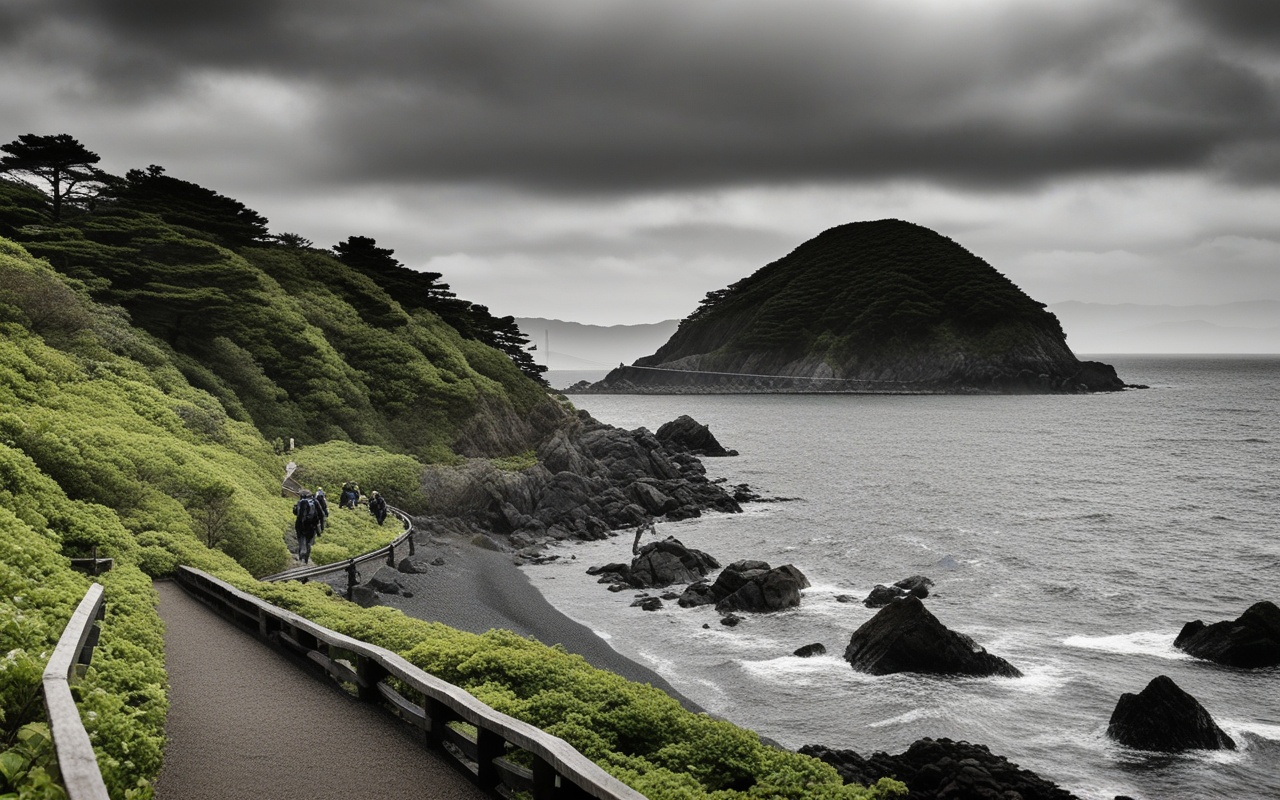
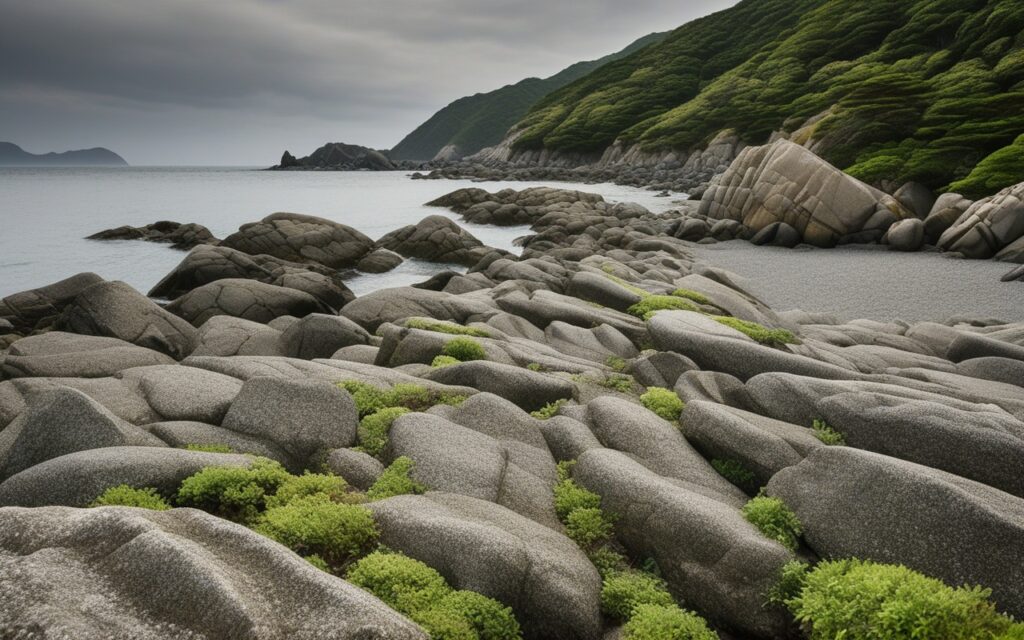
While most visitors explore Kamakura’s temples or Enoshima’s crowded observation decks, the Sagami Bay coast offers a different kind of Kanagawa experience. This trail follows the traditional route used by fishermen to travel between villages before modern roads were built. Today, it’s a quiet hiking path through a landscape that has changed little in centuries.
Why This Trail is Special:
- No crowds: Some days you’ll have the trail to yourself
- Genuine fishing villages: Working communities, not tourist shows
- Tidal pools: excellent for exploring at low tide
- Historical features: Old stone walls, shrines, WWII remnants
- Coastal views: Mt. Fuji on clear days (winter)
Trail Profile:
Route: Misakiguchi → Aburatsubo → Nagai → JogashJogashimaach
Length: 10km (point to point)
Elevation: Minimal (mostly flat, some short climbs)
Surface: Paved (40%), dirt (40%), stone steps (20%)
Water: Bring 1L minimum (no shops on sections)
Trail Sections
Section 1: Misakiguchi to Aburatsubo (2km, 40 min)
Start from Misakiguchi Station and walk west toward the coast.
Starting Point: Keikyu Misakiguchi Station
Direction: West toward the bay
Surface: Residential streets → coastal path
Highlights:
- Small fishing shrine at the harbor
- Working fishing boats (morning best)
- Old stone warehouse (明治-era, now abandoned)
GPS Waypoint: 35.1567°N, 139.6134°E (harbor entrance) First Viewpoint: After 1km, the trail meets the open bay at a small seawall. On clear days, Mt. Fuji appears across the water. A wooden bench here is a good initial rest stop.
Section 2: Aburatsubo Village Loop (1.5km, 30 min)
Aburatsubo is the most picturesque village on the route — a cluster of traditional houses around a natural harbor.
Terrain: Coastal path + village lanes
Highlights:
- Aburatsubo Inlet: Calm, emerald water
- Fishing boats: Colorful wooden boats
- Village shrine: Small, unattended
- Old well: Still used by locals
- Tidal pool area: At low tide (best exploration)
**
Tidal Pools at Aburatsubo:
At low tide, the rocky shore reveals pools with:
- Small crabs
- Sea anemones
- Hermit crabs
- Small fish
- Various seashells
Best time: 2 hours before low tide (check tables)
Section 3: Aburatsubo to Nagai Coast (3km, 60 min)
This is the most scenic section, hugging the coastline with constant ocean views.
Terrain: Dirt path + old stone steps
Highlights:
- Cliff views: 20m above the water
- WWII bunker: Abandoned, visible from path
- Old stone wall: Edo-era fishing boundary marker
- Small cove: Pebble beach, good for breaks
- Wildflowers: In season (spring and autumn)
⚠️ Caution: This section has some narrow parts with dropoffs. Watch footing, especially after rain. The WWII bunker is unstable — observe from the path.
Midpoint Rest: At 4.5km, a small clearing with a stone Jizo statue offers a natural rest point with shade and a view.
Section 4: Nagai Coast (2km, 40 min)
The trail passes through the Nagai area, where the coast opens up and the path becomes easier.
Terrain: Flat coastal path (paved sections)
Highlights:
- Nagai Beach (not for swimming, rocky)
- Tide pools (extensive at Nagai)
- Small lighthouse
- Abandoned fishing huts
- Beach glass (some areas)
Note: This section has the best tidal pool exploration
- Go at low tide (0.5m or lower)
- Wear water shoes (sharp rocks)
- Bring a small net (catch and release)
- Watch for sea urchins (don’t touch)
- Photography: Polarizer filter essential
Section 5: Nagai to Jogashima Approach (1.5km, 30 min)
The final section approaches the bridge to Jogashima Island.
Terrain: Paved path, then road
Highlights:
- Fisherman’s shrine: Small, with unique stone torii
- Jogashima Bridge: Final destination
- Sunset viewpoint: End the walk here
- Bus stop: Return to station
Alternative: Continue to Jogashima Island for sunset
Seasonal Notes
Winter (Nov-Feb) — Best Season
✅ Clearest views, Mt. Fuji visible
✅ Cool hiking temperatures
✅ Low tide in daylight hours
✅ Fewest other walkers
✅ Sharp light for photography
❌ Cold wind off the water
Spring (Mar-May)
✅ Wildflowers along the trail
✅ Mild temperatures
✅ Longer daylight
⚠️ More haze on the water
⚠️ Increasing visitors
Summer (Jun-Aug)
✅ Longest days
✅ Warm water for tide pools
❌ Hot, humid
❌ High tide during daylight
❌ Insects
❌ Typhoon risk (Sept)
Autumn (Sep-Nov)
✅ Comfortable temperatures
✅ Fall colors (limited on coast)
✅ Lower humidity
✅ Good visibility
Best for: Photography
Practical Information
What to Bring
Essential:
- Sturdy walking shoes
- Water (1.5L minimum)
- Sun protection
- Snacks/lunch
- Windbreaker
Recommended:
- Binoculars (bird watching)
- Camera (wide lens for coast)
- Tide table
- Small first aid kit
- Cash (no ATMs on trail) Optional:
- Snorkel mask (tide pools)
- Field guide (coastal plants)
- Fishing line (local fishermen friendly)
Getting There and Back
Start (Misakiguchi Station):
From Yokohama: Keikyu Line (35 min, ¥450)
From Kamakura: Keikyu Line (25 min, ¥350)
From Tokyo: JR → Yokohama → Keikyu (90 min)

End (Jogashima or Nagai):
Bus from Jogashima entrance to Misakiguchi (15 min, ¥300)
Last bus: Varies by season (check)
Facilities Along the Trail
Restrooms:
- Misakiguchi Station (before start)
- Aburatsubo Marine Park (km 2.5)
- Nagai area (km 6)
- Jogashima Bridge (km 9)

Water:
- Aburatsubo visitor center
- Nagai (small shop, limited hours)
- Bring your own (recommended) Food:
- Bring your own (recommended)
- Aburatsubo has limited snacks
- Jogashima has vending machines
Frequently Asked Questions
Q: Can I do this trail in running shoes?
A: Yes, the trail is mostly smooth enough for running shoes, Hiking boots not required.
Q: Is the trail well-marked?
A: Some sections are better marked than others. Download the GPS track before going. Signs are in Japanese. Q: Can I bring my dog?
A: Yes, the trail is dog-friendly. Keep leashed near villages. Q: Is there shade?
A: Limited. About 30% of the trail has tree cover. Bring sun protection. Q: Can I swim along the trail?
A: Some coves are swimmable. Check conditions locally. No lifeguards.
Last Updated: May 19, 2026
Written by: Anaba OffJapan Editorial Team
Verified: Trail hiked April 2026
🌟 Share Your Experience
Hiked this trail? Found a secret cove along the way? Join our community forum to share your coastal discoveries!
Anaba OffJapan – Avoid the Crowds, Go Deeper into Japan.
🐟 Fishing Village Culture & Local Life
The Sagami Bay Coastal Trail offers more than just scenic walking — it’s a living museum of Japan’s coastal heritage. The fishing villages along this route have maintained traditional practices that have largely disappeared elsewhere in Kanagawa, Observing the daily rhythms of these communities — morning boat departures, afternoon net repairs, evening family meals — provides cultural insight that no museum can replicate.
Trail Navigation Tips
The coastal trail is not consistently marked. While some sections have wooden signposts in Japanese, others require careful attention to stay on route. Download the GPS track before departure and carry a fully charged power bank — phone battery drains faster near the coast due to constant searching for cellular signal. Key landmarks to watch for: at the end of the Aburatsubo village road, look for a stone marker with a carved fish (next to the old well); from there, the trail continues as a dirt path between two persimmon trees. The most confusing section is the Nagai approach, where the trail briefly crosses a paved road — look for the faded red arrow painted on the utility pole at the intersection.
Packing for the Trail
Beyond the standard hiking essentials, the coastal trail requires specific gear:
- Sun protection: The trail has only 30% shade coverage. A wide-brimmed hat, UPF-rated clothing, and reef-safe sunscreen are essential.
- Footwear: Water-resistant trail runners or approach shoes are ideal. The trail includes sections where waves splash across the path at high tide.
- Camera protection: Coastal salt spray is corrosive. Wipe down camera gear with a dry microfiber cloth after the hike.
- Plenty of water: There are no water refill points between Misakiguchi and Jogashima. The 10km trail requires at least 1.5 liters per person.
- Snacks: Calorie-dense food like trail mix, onigiri (rice balls), or protein bars will sustain energy through the 3-5 hour hike.
The Five Fishing Villages
Each village along the trail has a distinct character shaped by its geography and history. Misaki (三崎) — The largest fishing port on the Miura Peninsula, famous for its tuna fleet. Misaki processes approximately 20% of Japan’s bluefin tuna. The morning auction (5:30-7:00 AM) is a spectacle of speed and expertise — buyers inspect tuna with flashlights and bid in rapid-fire calls. Visitors can observe from a designated viewing area near the market office.
Aburatsubo (油壺) — Named for its oil-slick-smooth harbor waters, this village has been a fishing community since the Edo period. Its name comes from “abura” (oil) and “tsubo” (jar), referring to the harbor’s protected, oil-like calm waters. The village maintains traditional methods: small wooden boats (wasen) are still repaired by hand on the shore.
Nagai (長井) — The most rural village on the route, with a declining population of under 2,000. The village’s few remaining fishing families have diversified into tourism — offering homestay experiences and fishing tours. The community center displays photographs documenting village life since the 1920s.
Jogashima Area — While the island itself is a designated natural park, the mainland approach has small fishing shacks where you can buy freshly caught fish directly from the fishermen. Look for the hand-painted signs near the bridge entrance.
Local Dialect and Phrases
The Miura Peninsula has its own dialect (Miura-ben), though it’s gradually disappearing. You might hear:
| Standard Japanese | Miura-ben | English |
|---|---|---|
| Arigatou | Ooki-ni | Thank you |
| Tabemashou | Kuwae-mau | Let’s eat |
| Samui | Sabi-ne | Cold, isn’t it? |
| Ii tenki da ne | Ee tenki ya na | Nice weather |
Photography Along the Trail
Best Light Conditions:
- Morning (7-10 AM): Sun behind you when walking south to north
- Late afternoon (3-5 PM): Golden light on the cliffs and villages
- Winter: Lowest sun angle, longest shadows, most dramatic light
- After a storm: Clearest air, maximum visibility of Mt. Fuji
Recommended Gear:
- 24-70mm zoom for village scenes and general landscapes
- 70-200mm telephoto for compressing coastal layers and distant fishing boats
- Polarizing filter for cutting through coastal haze and enhancing water color
- Tripod for long exposure seascapes (1-4 second shutter for silky water effects)
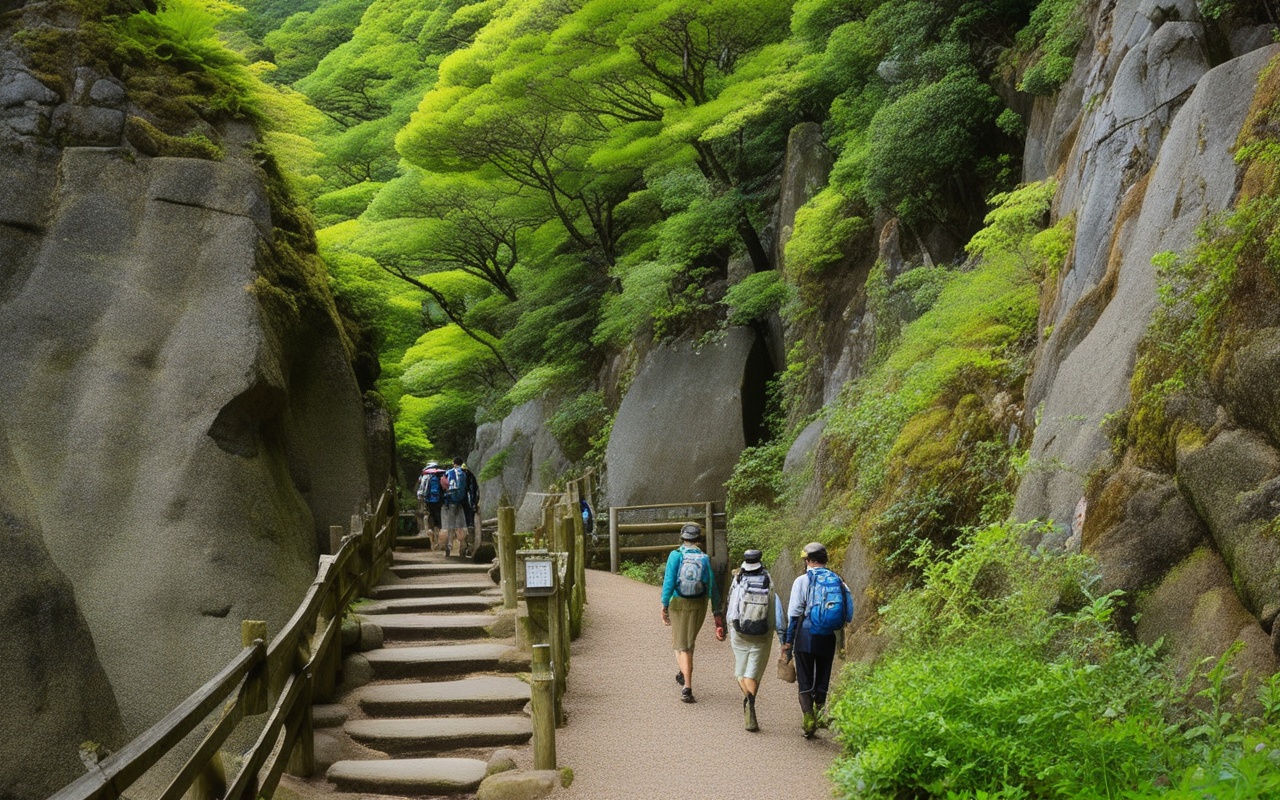
The Sagami Bay Coastal Trail is one of Kanagawa’s best kept secrets — a genuine coastal hiking experience that shows a side of the prefecture most visitors never see. With its working fishing villages, tidal pools, and uninterrupted coastal views, it offers the kind of immersive travel experience that guidebooks rarely capture.
Packing Essentials
For outdoor activities, wear moisture-wicking clothing and comfortable closed-toe shoes. Sunscreen and a hat are essential during summer. A small towel is useful for wiping sweat. A waterproof phone pouch is useful for water activities. Pack snacks and extra water for remote areas.
Conclusion
Whether you are planning exploring Kanagawa for the first time or returning for another visit, taking a little extra time to go beyond the obvious sights makes all the difference. During my visit I went with a rough plan and found that leaving room to wander made the trip far more memorable. I hope this guide helps you build an itinerary that fits your pace, and that your time in Kanagawa leaves you with memories worth coming back for.