Tag: seasonal

  • Kanagawa Fruit Picking: Grapes, Pears & Mandarin Oranges

    Kanagawa Fruit Picking: Grapes, Pears & Mandarin Oranges

    Overview

    One of the most charming things to do in Japan is visit a farm and pick your own fruit. Kanagawa is surprisingly well suited to it: the peninsula has a long tradition of fruit farming, with microclimates that produce everything from Shine Muscat grapes in the north to sun-ripened mikan oranges along the coast. And because the farms sit close to Tokyo, nearly all of them are reachable by train and bus.

    I grew up picking apples in orchards, and Japan’s version of fruit picking — all-you-can-eat sessions, careful variety selection, and the seasonal rhythm of the farms — quickly became one of my favorite activities here. My first Kanagawa harvest was pears at a Sagamihara farm in late August; I have been back every year since, following the fruit calendar from strawberries in winter to mikan in late autumn.

    This guide covers Kanagawa’s main fruit-picking options — grapes, pears, mikan, and strawberries — with seasons, typical prices, farm details, and practical advice for international visitors.


    🍇 Grape Picking (August – October)

    The Season

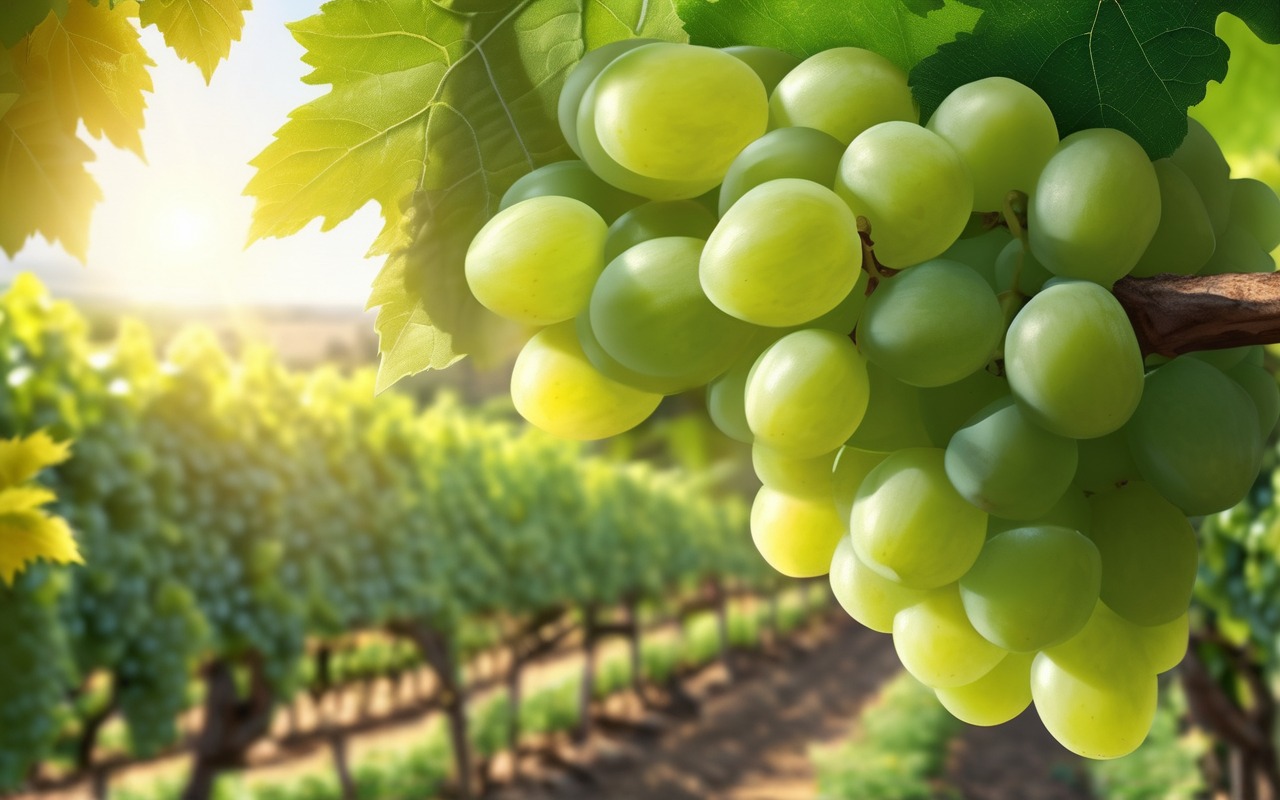
    Grape season in Kanagawa runs from early August through October, with the prized Shine Muscat variety peaking in late August and September. The grapes here are grown on low trellises, which means you pick standing under a canopy of fruit — easy, shaded, and very photogenic.

    I visited a vineyard near Atsugi in early September and spent a happy hour cutting bunches of Shine Muscat with the farm’s provided scissors. The all-you-can-eat format means you taste your way along the rows, and the difference between fresh-picked grapes and store-bought ones is dramatic.

    Where to Pick

    • Sagamihara area — Several vineyards operate around the city, including Misawa Farm in Minami-ku. Access by bus from JR Yokohama Line or Odakyu stations.
    • Atsugi and Aikawa — Vineyards along the Nakatsu River valley, about 30 minutes from Hon-Atsugi.
    • Ashigara area — Smaller vineyards in the western valley, near the Ashigara area sights.

    Prices and Format

    • All-you-can-eat: Typically ¥1,500-2,500 per person for 30-45 minutes, depending on the variety (Shine Muscat is the premium option).
    • By weight: Some farms sell pick-your-own by the kilogram instead, around ¥1,500-2,500 per kg.
    • Season note: Peak Shine Muscat season is late August to September; early and late season prices are lower.

    🍐 Pear Picking (Mid-August – October)

    The Season

    Kanagawa is a serious pear-producing region — the water-rich plains around Sagamihara and Ebina grow some of the best pears in the Kanto area. The season runs from mid-August to early October, with the two classic varieties: Hosui (crisp and sweet, early season) and Kosui (juicier, late season).

    Pear picking is the most relaxed of the fruit-picking experiences. The trees are low and the fruit hangs at chest height, so you can take your time comparing bunches. The farms provide a peeler and knife, and most visitors eat their fill on the spot.

    Where to Pick

    • Sagamihara: Haruyama Pear Orchard (Haruyama Nashien) in Minami-ku — a long-established orchard, about 15 minutes by bus from Hara-Taima Station on the JR Sagami Line.
    • Ebina: Several orchards operate around Ebina Station on the Odakyu Line, reachable by local bus.

    Prices and Format

    • All-you-can-eat: Around ¥1,200-1,800 per person for 30-45 minutes.
    • Take-home: Pears bought to take home are usually priced per piece or per box.

    🍊 Mikan Picking (October – December)

    The Season

    Mikan — Japanese mandarin oranges — are the autumn icon of the Pacific coast, and Kanagawa’s Miura Peninsula and Odawara area are classic mikan country. The season runs from mid-October to late December, with the fruit ripening on sunny hillside terraces overlooking the sea.

    Mikan picking is an outdoor hill-climbing experience: you walk up the terraced groves, snip oranges from the trees, and eat them warm from the sun with the ocean below. The contrast between the bright orange fruit and the blue bay is one of the most scenic harvests in Japan. I did this at a Miura grove in mid-November and found the views alone worth the trip.
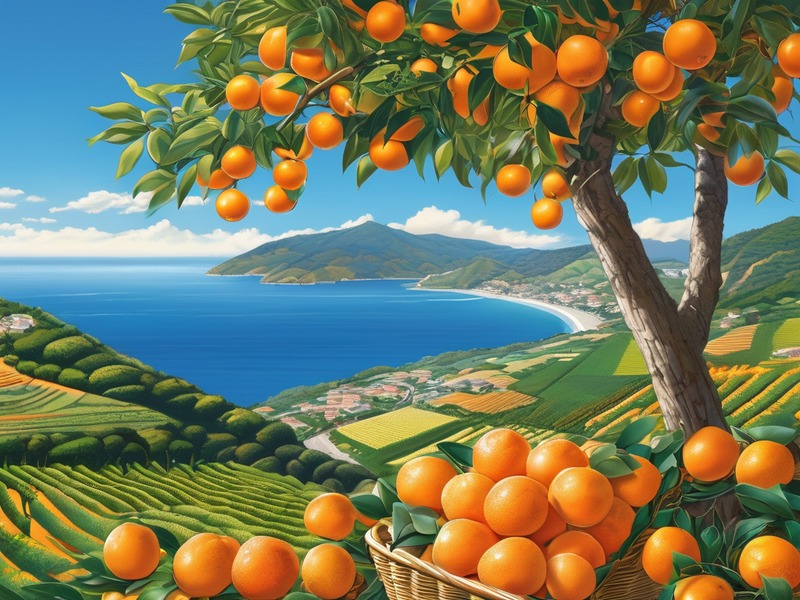
    Mikan grove on Miura hillside with ocean view

    Where to Pick

    • Miura Peninsula: Dozens of groves operate under the Miura Mikan Picking Association. The main access is Keikyu Miura-Kaigan Station, with a tourist information desk that assigns visitors to participating groves. Around ¥1,200 for adults, including on-site eating and about 1 kg to take home.
    • Odawara area: Farms near Nebukawa Station on the JR Tokaido Line, including Orange Garden (Oranger Garden), about 20 minutes on foot from the station (shuttle in season). Around ¥500 for adults.
    • Yokosuka: The Tsukuihama Tourist Farm area also runs mikan and strawberry picking.

    Prices and Format

    • All-you-can-eat: ¥500-1,200 per person depending on the farm, usually including a take-home bag.
    • Season note: Early season (October) fruit is tangier; by December the fruit is fully sweet.

    🍓 Strawberry Picking (January – May)

    The Season

    Strawberry picking is Japan’s most popular fruit-picking activity, and Kanagawa’s winter-spring season (roughly January to early May) fills the gap when most other fruit is out of season. The strawberries are grown in greenhouses, raised on raised beds, which means you pick standing up — clean, warm, and easy.

    The standard format is all-you-can-eat for 30 minutes inside the warm greenhouse, dipping the berries in condensed milk as you go. The best varieties — like the local Beni Hoppe — are sweet enough to eat plain. I have brought visiting friends to a Miura strawberry farm in February more times than I can count; it never fails to delight.
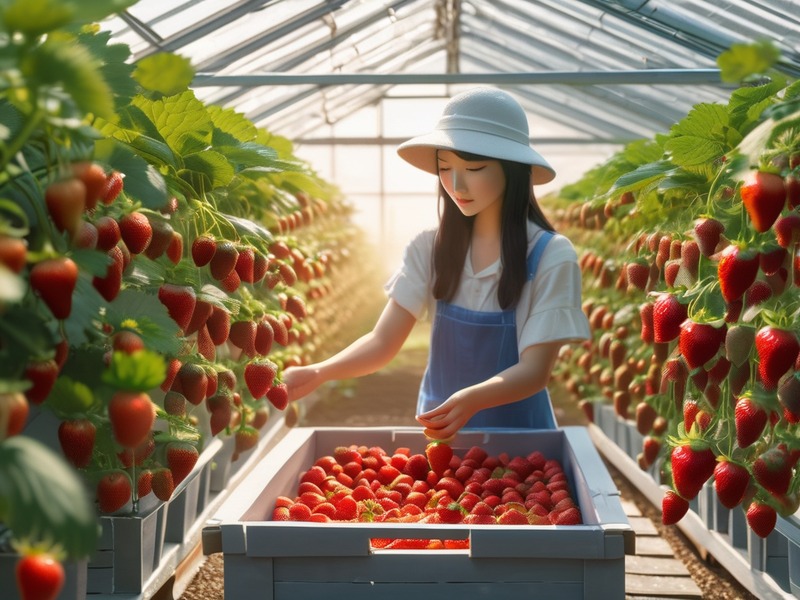
    Strawberry picking in a Miura greenhouse

    Where to Pick

    • Miura Peninsula: The strawberry heartland, with the Tsukuihama Tourist Farm (Tsukuihama Kanko Noen) in Yokosuka near the Miura border as one of the largest. Keikyu Tsukuihama Station is about 20 minutes away on foot (free shuttle in season).
    • Sagamihara: A few farms operate in the southern part of the city.
    • Odawara: Small strawberry farms operate around the coastal towns.

    Prices and Format

    • All-you-can-eat (30 min): Around ¥2,000-2,500 per person during peak season (January-April), dropping to ¥1,500-2,000 in late April-May.
    • By weight: Some farms sell take-home boxes by weight.
    • Reservation: Popular farms require reservations on weekends. Book at least a few days ahead.

    🗓️ The Year-Round Fruit Calendar

    Season Fruit Where Price range
    Jan-May Strawberries Miura, Sagamihara ¥1,500-2,500
    Aug-Oct Grapes (Shine Muscat) Sagamihara, Atsugi ¥1,500-2,500
    Aug-Oct Pears Sagamihara, Ebina ¥1,200-1,800
    Oct-Dec Mikan Miura, Odawara ¥500-1,200

    The Ideal Year

    • February: Strawberries at Miura, with the Miura Peninsula sights as a bonus.
    • Late August: Pears at Sagamihara, then the Tsukui Lake parks nearby.
    • September: Shine Muscat grapes near Atsugi, combined with a Miyagase Lake outing.
    • November: Mikan at Miura or Odawara, followed by a stop at the Odawara castle.

    💡 Tips for International Visitors

    1. Language — Most farms are family-run and may not have English signage or staff. A translation app is your best friend; the essential phrases are simple (“how much,” “reservation,” “thank you”).
    2. Reservations — Strawberry and Shine Muscat sessions fill quickly. Reserve by phone or the farm’s website; some accept bookings through major reservation platforms.
    3. What to bring — Comfortable shoes (you may walk on hillsides), a hat for sunny groves, and a small bag for take-home fruit. The farms provide picking tools, but some charge a small fee for containers.
    4. Etiquette — Eat what you pick in the all-you-can-eat sessions, and do not remove fruit from the grove beyond the provided take-home portion. Follow the farm’s instructions about touching fruit — once cut from the vine, it must be eaten.
    5. Weather — Strawberry picking is indoor (greenhouse), but grape, pear, and mikan picking are outdoors. Check the forecast and dress accordingly.
    6. Cash — Many small farms are cash-only. Withdraw before you go.

    🚗 Getting There

    By Train and Bus

    Most Kanagawa fruit farms are reachable by public transport:

    • Miura: Keikyu Line to Miura-Kaigan or Misaki-guchi, then the tourist information desk for grove assignments.
    • Sagamihara: JR Yokohama Line or Odakyu Line, then a short bus ride to the orchard.
    • Atsugi/Aikawa: Odakyu Line to Hon-Atsugi, then local buses.
    • Odawara: JR Tokaido Line to Nebukawa Station, then a walk or in-season shuttle.

    By Car

    A car makes multi-farm days far easier, especially in the Miura hills. See the rental car guide for driving basics in Japan, and note that farm parking is usually free but limited.


    🔗 Related Guides

    Conclusion

    Fruit picking is the perfect Japanese farm activity: seasonal, affordable, and rewarding in a way that no museum visit can match. Kanagawa’s farms cover the full calendar — strawberries to warm a winter morning, grapes and pears to sweeten late summer, and mikan to close out the year on a sunny hillside above the sea. It is a hands-on way to taste the prefecture’s countryside, meet the people who grow its food, and take home the freshest possible souvenir. Pick a season, find a farm, and enjoy the harvest.

    FAQ

    Q: Do I need to speak Japanese to go fruit picking?
    A: No. A translation app handles the basics, and the picking itself is self-explanatory. Reservations are easiest by phone or website, sometimes with help from a translation app.

    Q: Can I take fruit home?
    A: Usually yes. Mikan and strawberry farms typically include a take-home portion in the price. Grapes and pears are often available for purchase by weight or box.

    Q: What is the best fruit-picking experience for a first visit?
    A: Strawberries in winter-spring are the most forgiving (indoor, warm, easy), while mikan in autumn offer the most scenic setting on the Miura hillsides.

    Q: Are reservations required?
    A: Not always, but recommended — especially for strawberries and Shine Muscat grapes on weekends. Many farms accept walk-ins on weekday mornings.

  • Yokohama & Kamakura Seasonal Sightseeing Routes 2026

    Yokohama & Kamakura Seasonal Sightseeing Routes 2026

    Overview

    Plan your perfect visit to Yokohama & Kamakura Seasonal Sightseeing Routes with this comprehensive destination guide, Covering everything from must-see attractions to practical travel tips, this guide helps you make the most of your time in Yokohama. Whether you have a single day or an entire week, discover the best that this Kanagawa destination has to offer.

    🌸 Spring Route: Cherry Blossoms & Coastal Views (March–May)

    Route Overview

    Yokohama Kamakura Spring Sightseeing Route begins at Minato Mirai and follows the cherry blossom trail south to Kamakura’s ancient temples via the Enoden train. This route takes approximately 10 hours and covers 8 major stops.

    Morning: Yokohama Waterfront

    Start your day at Yokohama’s Yamashita Park, where over 180 cherry trees line the waterfront promenade. From here, walk to Minato Mirai 21 and visit the iconic Yokohama Red Brick Warehouse — the spring flower displays outside the buildings are a local highlight.

    Pro Tip: Visit on a weekday morning before 10 AM. The waterfront path is significantly less crowded and you will have the cherry blossom views almost to yourself.

    Midday: Enoden Coastal Ride

    Take the JR Keihin-Tohoku Line from Yokohama Station to Ofuna, then transfer to the Enoden line at Kamakura Station. The Enoden train’s coastal section between Kamakura and Fujisawa offers stunning views of Sagami Bay with cherry blossoms in the foreground during late March.

    Afternoon: Kamakura Temples & Gardens

    Disembark at Hase Station and walk to Hasedera Temple — its hillside garden features late-blooming cherry varieties that peak in early April. From there, the Great Buddha at Kotokuin Temple is a 10-minute walk away.

    Evening: Komachi-dori & Return

    Stroll through Komachi-dori shopping street for cherry blossom-themed sweets and souvenirs before catching the train back to Yokohama for dinner at Yokohama Chinatown, Japan’s largest Chinatown and a spring evening highlight.


    ☀️ Summer Route: Beaches, Fireworks & Night Views (June–August)

    Summer Route Details

    Summer in Kanagawa means beach culture, evening festivals, and rooftop bars. This Shonan Kamakura itinerary maximizes afternoon beach time and evening illuminations.

    Morning: Zushi & Hayama Beaches

    Start your morning at Zushi Beach, a 25-minute ride from Kamakura Station via the Keikyu Line. The beaches here are less crowded than nearby Kamakura’s beaches and offer clear views of Mount Fuji on summer mornings.

    Midday: Shonan Seafood Lunch

    Head to Enoshima Island via the Enoden line for lunch. The island’s seafood restaurants serve Shirasu (whitebait) — a Sagami Bay specialty available fresh from June to August. For a deeper dive into the area’s marine attractions, explore the Enoshima Aquarium, one of Japan’s largest and most family-friendly aquariums.

    Afternoon: Kamakura Hydrangea Season

    June is hydrangea season in Kamakura, and Meigetsuin Temple (the “Hydrangea Temple”) is the premier spot. The garden path lined with hundreds of hydrangea bushes in full bloom is a breathtaking sight. July and August shift the focus to Kamakura’s beaches — Kamakura Beach and Yuigahama Beach are both easily accessible from Kamakura Station.

    Evening: Minato Mirai Illumination & Fireworks

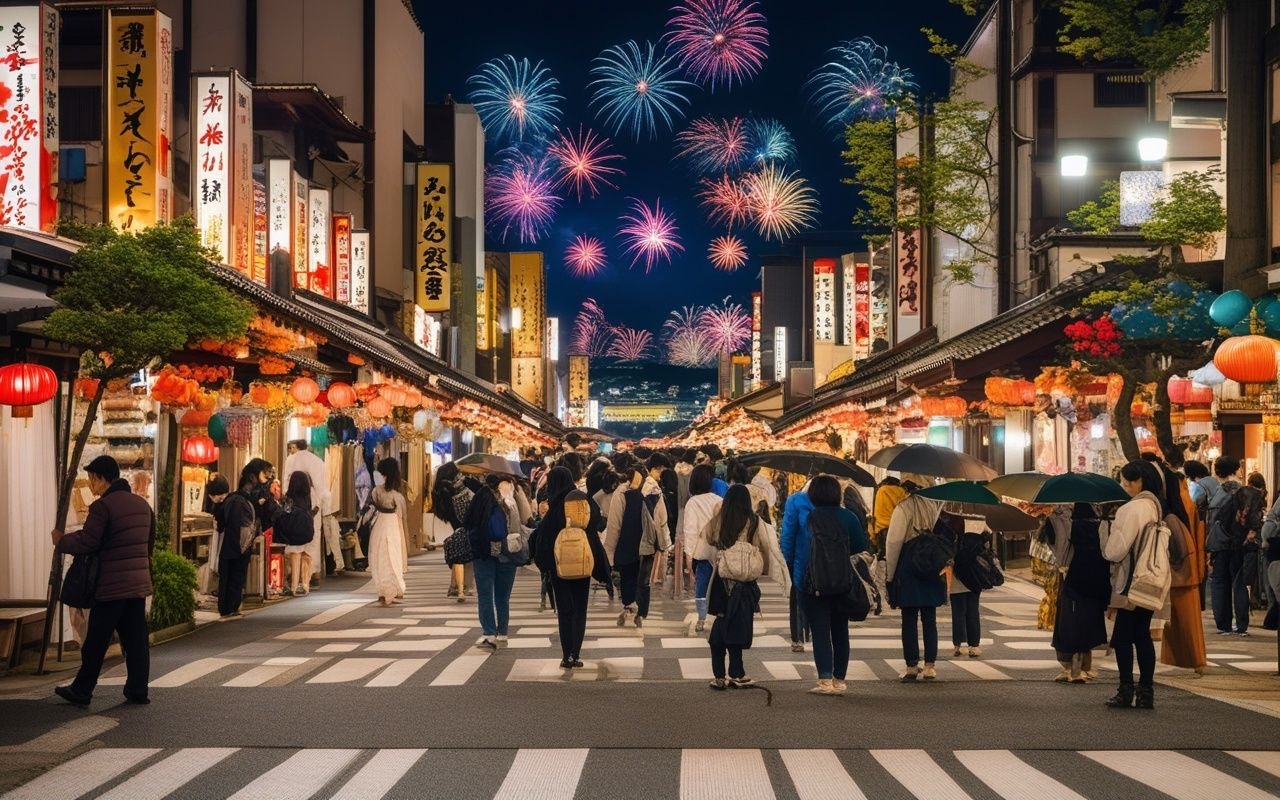
    Return to Yokohama for the evening. The Minato Mirai waterfront features summer illuminations, and Yokohama’s major fireworks festivals (mid-July and mid-August) launch from the bay directly in front of the Red Brick Warehouse.


    🍂 Autumn Route: Foliage, Museums & Craft Beer (September–November)

    Autumn Route Details

    Autumn foliage season draws visitors from around the world. This Yokohama Kamakura autumn itinerary layers fall colors with cultural experiences.

    Morning: Sankeien Garden

    Begin at Sankeien Garden in Yokohama — a sprawling Japanese landscape garden with historic buildings relocated from across Japan. The maple and ginkgo trees peak in late November, creating a stunning tapestry of red and gold.

    Midday: Kamakura’s Autumn Temples

    Take the train to Kamakura Station and walk to Tsurugaoka Hachimangu Shrine via the Komachi-dori approach. The shrine’s ginkgo avenue turns brilliant yellow in late November. From there, visit Kenchoji Temple — Kamakura’s oldest Zen temple — where the maple-lined approach is at its peak in mid-to-late November.

    For a complete guide to getting around, check the Yokosuka transportation guide for train routes connecting Yokohama, Kamakura, and the Miura Peninsula.

    Afternoon: Yokohama Craft Beer & Culture

    Return to Yokohama and head to the Kamakura-ko area near the Red Brick Warehouse, where autumn craft beer festivals are held on weekends. Visit the Yokohama Museum of Art for its excellent permanent collection of modern art.

    Evening: Autumn Night Illumination

    The Sankeien Garden autumn night illumination runs for two weeks in late November. The garden is dramatically lit, and the reflection of autumn foliage in the central pond is unforgettable.


    ❄️ Winter Route: Illuminations, Onsen & Warming Foods (December–February)

    Winter Route Details

    Winter in Kanagawa features world-class illuminations, clear views of Mount Fuji, and steaming bowls of regional ramen. This winter Yokohama Kamakura route combines all three.

    Morning: Yokohama’s Winter Sights

    Start at the Landmark Tower Sky Garden (69th floor, 273 meters) for panoramic views of Mount Fuji — winter mornings offer the clearest visibility. Then visit the Yokohama Red Brick Warehouse for its winter market, featuring local crafts and warming street food.

    Midday: Kamakura Winter Walk

    Take the train to Kamakura and follow the Tsurugaoka Hachimangu approach to the shrine. Winter is the quietest season in Kamakura, and the bare branches of the ancient ginkgo trees create a serene atmosphere. The nearby Kamakura Museum of National Treasures houses samurai artifacts and Buddhist sculptures.

    Afternoon: Warming Up with Kanagawa Food

    Winter is the perfect time to explore Kanagawa’s comfort food. The Yokosuka Navy Curry is a hearty curry dish with roots in the Japanese Maritime Self-Defense Force — it is served with milk and salad in the traditional style. For ramen lovers, the Yokohama ramen guide covers the city’s signature Iekei ramen style.

    Evening: Minato Mirai Winter Illumination (December–February)

    The Minato Mirai Winter Illumination uses over 300,000 blue and white LEDs to transform the waterfront into a sparkling winter wonderland. The display runs from early November to mid-February. End the evening with dinner at one of the Yokohama premium dining restaurants overlooking the illuminated bay.


    🚃 Transport Pass Recommendations

    To make the most of these seasonal routes, consider purchasing a transport pass:

    Enoshima-Kamakura Free Pass (¥1,470)

    • Round-trip from Shinjuku
    • Unlimited Enoden rides
    • Discounts at 30+ attractions
    • Best for: Spring and autumn routes

    Yokohama Minato Burari Pass (¥500)

    • Unlimited bus travel in Yokohama
    • Discounts at major attractions
    • Best for: Winter route’s Yokohama section

    Kamakura Free Pass (¥2,160)

    • Round-trip from Tokyo Station
    • Unlimited local bus rides
    • Best for: Summer route with beach access

    For a detailed comparison of all Kanagawa transport passes, refer to the Kanagawa transport pass comparison.


    💰 Budget Breakdown by Season

    Season Transport (per person) Meals Admissions Total
    Spring ¥2,000–3,000 ¥3,000–4,000 ¥1,500 ¥6,500–8,500
    Summer ¥2,000–3,000 ¥4,000–5,000 ¥2,500 ¥8,500–10,500
    Autumn ¥2,000–3,000 ¥4,000–5,000 ¥2,000 ¥8,000–10,000
    Winter ¥2,000–3,000 ¥3,000–4,000 ¥2,000 ¥7,000–9,000

    📍 Seasonal Highlights Calendar

    Spring Must-Sees

    • Late March: Cherry blossoms at Yamashita Park
    • Early April: Hasedera Temple cherry trees
    • May: Peonies at Hasedera

    Summer Must-Sees

    • June: Hydrangeas at Meigetsuin Temple
    • July–August: Beach season at Yuigahama
    • August: Yokohama Sparkling Twilight fireworks

    Autumn Must-Sees

    • Mid-November: Kenchoji Temple maples
    • Late November: Sankeien Garden foliage
    • November: Kamakura-ko craft beer festival

    Winter Must-Sees

    • December–February: Minato Mirai illumination
    • December: Red Brick Warehouse winter market
    • January: New Year hatsumode at Tsurugaoka Hachimangu

    🎒 What to Pack by Season

    • Spring: Light jacket, comfortable walking shoes, umbrella (April showers)
    • Summer: Sunscreen, hat, swimwear, light towel, reusable water bottle
    • Autumn: Layered clothing, light sweater, camera for foliage
    • Winter: Warm coat, gloves, scarf — the bay wind is cold

    💡 Pro Travel Tips

    Pro Tip 1: The Enoden train between Kamakura and Fujisawa is scenic but can be crowded during peak seasons (Golden Week in spring, Obon in summer, foliage weekends in autumn). Board at Kamakura Station terminus for the best chance of a window seat.

    Pro Tip 2: Many temples in Kamakura close at 4:30 PM from October to February. Plan your afternoon route accordingly during the winter season.


    Frequently Asked Questions

    Q: Can I combine Yokohama and Kamakura in one day?
    A: Yes — the Yokohama-Kamakura seasonal route is designed as a full-day itinerary. The train between Yokohama and Kamakura takes only 25 minutes on the JR Yokosuka Line. For a single-city focus, see the Yokohama sightseeing guide or the Kamakura one day trip guide.

    Q: What is the best season for first-time visitors?
    A: Spring (March–May) and autumn (September–November) offer the most pleasant weather and the most spectacular natural beauty. Summer is ideal for beach lovers, while winter provides the clearest Mount Fuji views.

    Q: Are these routes suitable for solo travelers?
    A: Absolutely. The train and bus network is well-signposted in English, and all stops on these routes are safe and accessible for solo travelers. See the solo travel Kanagawa 3-day itinerary for an extended solo route.

    Q: Do I need to book attractions in advance?
    A: For temples and shrines, no advance booking is needed. For the Landmark Tower Sky Garden and special seasonal illuminations, advance tickets are recommended on weekends and holidays.

    Q: What is the best transport pass for visiting both cities?
    A: The Enoshima-Kamakura Free Pass covers the Enoden line used heavily in the spring and autumn routes, while individual JR tickets are affordable for the Yokohama-Kamakura connection.

    Q: Are these routes family-friendly?
    A: Yes — each route includes family-friendly stops. The Enoshima Aquarium is excellent for children in summer, and the Minato Mirai area has wide, stroller-friendly walkways year-round.


    Yokohama and Kamakura offer distinct seasonal experiences that reward repeat visits. Each season transforms these cities — from spring cherry blossoms along the Enoden coast to winter illuminations at Minato Mirai. By matching your travel dates to the seasonal highlights in this guide, you will experience the very best of Kanagawa Prefecture.

    Whether you choose a spring flower route, a summer beach escape, an autumn foliage walk, or a winter illumination tour, the transport connections between these two cities make multi-destination sightseeing effortless. Plan your seasonal Kamakura itinerary, pack accordingly, and discover why Kanagawa is one of Japan’s most rewarding regions for seasonal travel.


    Written by: Anaba OffJapan Team
    Last Updated: July 14, 2026
    Sources:

    Conclusion

    exploring Kamakura can be as relaxed or as packed as you want it to be, and I have found that the best visits leave room for both planning and spontaneity. During my visit to Kamakura I went with a rough plan and found that leaving room to wander made the trip far more memorable. Use this guide to sort out the logistics in advance, then let the day surprise you — Kanagawa rewards travelers who stay curious.

  • Kanagawa Event Calendar 2026 — Festivals & Seasonal Events

    Kanagawa Event Calendar 2026 — Festivals & Seasonal Events

    Overview

    I explored Kanagawa’s event calendar throughout the year and attended festivals across every season. This month-by-month guide reflects the events I personally recommend based on crowd levels, accessibility, and overall experience. — Festivals & Seasonal Highlights? This guide covers the best things to do in and around Kanagawa, from outdoor adventures to cultural experiences. Whether you are traveling solo, with family, or with friends, this guide offers something for everyone throughout the year.

    January — New Year & Winter Lights

    Top Events:

    • Hatsumode (New Year Visit) at Tsurugaoka Hachimangu (Kamakura): Jan 1-7. Millions visit for New Year prayers.
    • Hakone Ekiden: Tokyo to Hakone, Jan 2-3. Famous university relay race, 217 km over 2 days.
    • Winter Lights at Enoshima Sea Candle, Yokohama: Through Jan. “Gems of Shonan” winter lights.
    • New Year at Odawara Castle: Jan 1-7. Samurai shows. Tip: Tsurugaoka Hachimangu gets 3+ million visitors in the first week of January. Visit Jan 4-7 for fewer crowds. Related: Kamakura New Year Guide · Hakone Area Guide

    February — Plum Blossoms & Winter Events

    Top Events:

    • Odawara Plum Festival at Odawara Castle: Early Feb to early Mar. 300+ plum trees in bloom, tea.
    • Yokohama Port Opening Anniversary: Feb 11. Marks the 1859 port opening.
    • Kamakura Winter Special at temples: Feb weekends. Special open times, limited stamps.
    • Kawasaki Daishi Setsubun: Feb 3. Bean-throwing for good luck. Tip: The Odawara Plum Festival is less busy than Tokyo’s same-season festival.

    March — Cherry Blossoms Begin

    Top Events:

    • Sakura Season at Tsurugaoka Hachimangu, Sankeien Garden: Late Mar to early Apr. Cherry blossoms.
    • Yokohama International Women’s Marathon: Early Mar.
    • Hina Matsuri (Doll Festival) at Kamakura Museum: Mar 1-31. Old doll displays. Tip: Cherry blossoms at Sankeien Garden are pretty and less busy than Kamakura’s main spots. Arrive by 8 AM. Related: Kanagawa Sakura Spots · Sankeien Garden

    April — Peak Cherry Blossoms

    Top Events:

    • Sakura Peak across Kanagawa: Early to mid-Apr. Best cherry blossom week.
    • Yokohama Port Opening Festival: Late Apr. Parade, music, fireworks.
    • Kamakura Festival: Mid to late Apr. Horseback archery, tea.
    • Hakone Open-Air Museum Cherry Blossoms: Mid Apr. Sakura plus outdoor art. Tip: The horseback archery at Tsurugaoka Hachimangu is a must-see. Arrive 1 hour early for a good spot.

    May — Green Season & Festivals

    Top Events:

    • Yokohama Port Festival at Minato Mirai, Chinatown: Early May. Parade, music, fireworks.
    • Odawara Castle Festival: Early May. Samurai walks, history shows, food stalls.
    • Shonan Beach Opening Prep: Late May. Beach houses go up, surf season starts.

    Tip: Golden Week (Apr 29 – May 5) is Japan’s busiest travel time. Go early (before 9 AM) or visit quiet areas.

    June — Hydrangeas & Rainy Season

    Top Events:

    • Hydrangea Season at Meigetsu-in, Hasedera, Kamakura: Mid Jun to mid Jul, Famous blue flowers.
    • Hakone Hydrangea Train on Hakone Tozan Railway: Jun-Jul. Night lights on flowers along the tracks.
    • Shonan Beach Opening: Late Jun. Beach season begins.

    Tip: Hydrangea season is KAMAKURA’S BUSIEST TIME. Visit on weekdays only. Meigetsu-in needs timed tickets. The Hakone night train is a magical choice.

    July — Summer Beaches & Fireworks Begin

    Top Events:

    • Kamakura Fireworks Festival at Yuigahama Beach: Mid Jul. 7,000 fireworks over the bay.
    • Enoshima Beach Season: Jul 1. Beach houses, swimming, water sports.
    • Miura Fireworks Festival on Miura Coast: Late Jul. Small, cozy fireworks. Tip: The Kamakura Fireworks Festival draws 200,000+ people. Arrive by 4 PM, Bring a blanket and snacks.

    August — Peak Summer

    Top Events:

    • Shonan Beach Peak Season: All Aug. Busiest beach month.
    • Yokohama Pikachu Outbreak at Minato Mirai: Early to mid Aug. 2,000+ Pikachu parade.
    • Odawara Summer Festival: Early Aug. Fireworks over Odawara Castle.
    • Kamakura Bon Odori at temples: Mid Aug. Summer dance. Tip: Pikachu Outbreak is huge. Book rooms months ahead. Weekdays are less busy.

    September — Autumn Begins

    Top Events:

    • Yokohama Oktoberfest at Minato Mirai: Late Sep to early Oct. Beer, food, music.
    • Hakone Autumn Color Preview at high places: Late Sep. First fall colors.
    • Miura Tuna Festival at Misaki Port: Sep. Tuna cutting shows, fresh market. Tip: September is a good month to visit. Summer crowds thin out. Weather is still warm.

    October — Autumn Colors

    Top Events:

    • Yokohama Autumn Leaves at Sankeien Garden: Late Oct to late Nov. Peak fall colors.
    • Hakone Autumn Peak at Open-Air Museum, ropeway: Late Oct to mid Nov. Great fall colors.
    • Halloween Events in Yokohama, Kawasaki: Oct 31. Costume parades. Tip: For Hakone fall colors without crowds, go on a weekday when the ropeway opens (9 AM).

    November — Peak Autumn & Lights Begin

    Top Events:

    • Yokohama Red Brick Winter Market: Late Nov to Dec. Christmas market, mulled wine.
    • Kamakura Autumn Peak at Engaku-ji, Kencho-ji: Mid Nov. Fall colors at Zen temples.
    • Enoshima Gems of Shonan lights: Late Nov to Feb. Winter lights on the island. Tip: Visit both the Red Brick Market and Enoshima lights on the same day for a great evening.

    December — Winter Magic

    Top Events:

    • Yokohama Christmas Market at Minato Mirai, Red Brick: Dec. European-style market, lights.
    • Enoshima Gems of Shonan: Through Feb. Peak winter lights.
    • Yokohama New Year Countdown at Minato Mirai: Dec 31. Fireworks. Tip: Dec 30 to Jan 3 is quiet for attractions (many close) but busy for temples and shops.

    Year-Round Events

    • Misaki Morning Market at Misaki Port: Daily (7 AM – 1 PM)
    • Kamakura Antique Market near Kamakura Station: 1st & 3rd Sunday
    • Yokohama Chinatown Events: Seasonal (Chinese New Year, Moon Festival)

    Tips

    Practical notes from my trips to exploring Kanagawa: confirm the latest hours on the official website, buy tickets in advance when you can, and leave extra time for trains and walking between stops. Keeping your first day lighter also helps you enjoy the second day without feeling rushed.

    Conclusion

    The details in this guide come from real visits, and the biggest lesson I took away was that the best experiences in Kanagawa rarely fit neatly into a checklist. During my visit I went with a rough plan and found that leaving room to wander made the trip far more memorable. Plan the essentials, keep your schedule flexible, and you will leave Kanagawa wanting to return.