Tag: yokosuka

  • High School Fleet Pilgrimage in Yokosuka — Navy Town Guide

    High School Fleet Pilgrimage in Yokosuka — Navy Town Guide

    Overview

    If you have ever watched High School Fleet (はいふり) and wondered what the real port town behind the fictional Yokosuka Girls’ Marine High School looks like, this guide is for you. The anime follows Akeno Misaki and her crew aboard the training ship Harekaze, sailing the waters of Sagami Bay. Almost every backdrop in the series — the waterfront parks, the naval base, the narrow shopping streets, even the curry served in the mess hall — is drawn from the actual city of Yokosuka, a working navy town at the entrance of Tokyo Bay.

    Unlike other pilgrimage sites that only appear in a few establishing shots, Yokosuka is so woven into the show’s identity that the city government and the anime’s production team have run official collaboration campaigns here. You can stand on the same promenade where the Harekaze was moored in promotional art, eat the curry that the anime’s sailors share in the mess hall, and watch real JMSDF vessels — the modern-day cousins of the anime’s warships — from public viewing points.

    This guide covers the five essential pilgrimage spots, how to reach them from Tokyo, and a practical itinerary that fits into a single day. Everything in this article is walkable or a short bus ride from either Yokosuka Station (JR) or Yokosuka-Chūō Station (Keikyū).


    📍 Getting There

    Yokosuka sits about 60 km south of central Tokyo, at the southern tip of the Miura Peninsula. Two railway lines serve the city center, and both are convenient for pilgrims.

    From Tokyo

    The most straightforward route uses the Keikyū Main Line:

    1. Keikyū Line (55 min, ¥820) — Take the Keikyū Limited Express from Shinagawa Station to Yokosuka-Chūō Station. Trains run every 10-15 minutes. This is the fastest option and drops you right at the base of the pilgrimage area.
    2. JR Yokosuka Line (65 min, ¥810) — Take the JR Yokosuka Line from Tokyo Station directly to Yokosuka Station. It is a slower but comfortable ride with fewer transfers, and the station is a 10-minute walk from the waterfront.
    3. Car — Via the Yokohama-Yokosuka Road or the National Route 16 coastal road. Parking is limited near the port on weekends, so trains are strongly recommended.

    Money-Saving Tickets

    If you plan to explore beyond the port area — Kannonzaki Lighthouse, Kurihama, or the southern Miura Peninsula — the Miura Peninsula Enjoyable Ticket covers transport on buses and railways across the peninsula and pays for itself after two or three rides. For a port-focused pilgrimage day, a regular return ticket is usually enough.


    🎯 Pilgrimage Spots

    Spot 1: Yokosuka Port & the JMSDF Base (The Harekaze’s Home Waters)

    Anime reference: The port of Yokosuka appears throughout the series as the home base of the girls’ marine academy — the place where the Harekaze departs on its first cruise and where the fleet returns between missions.
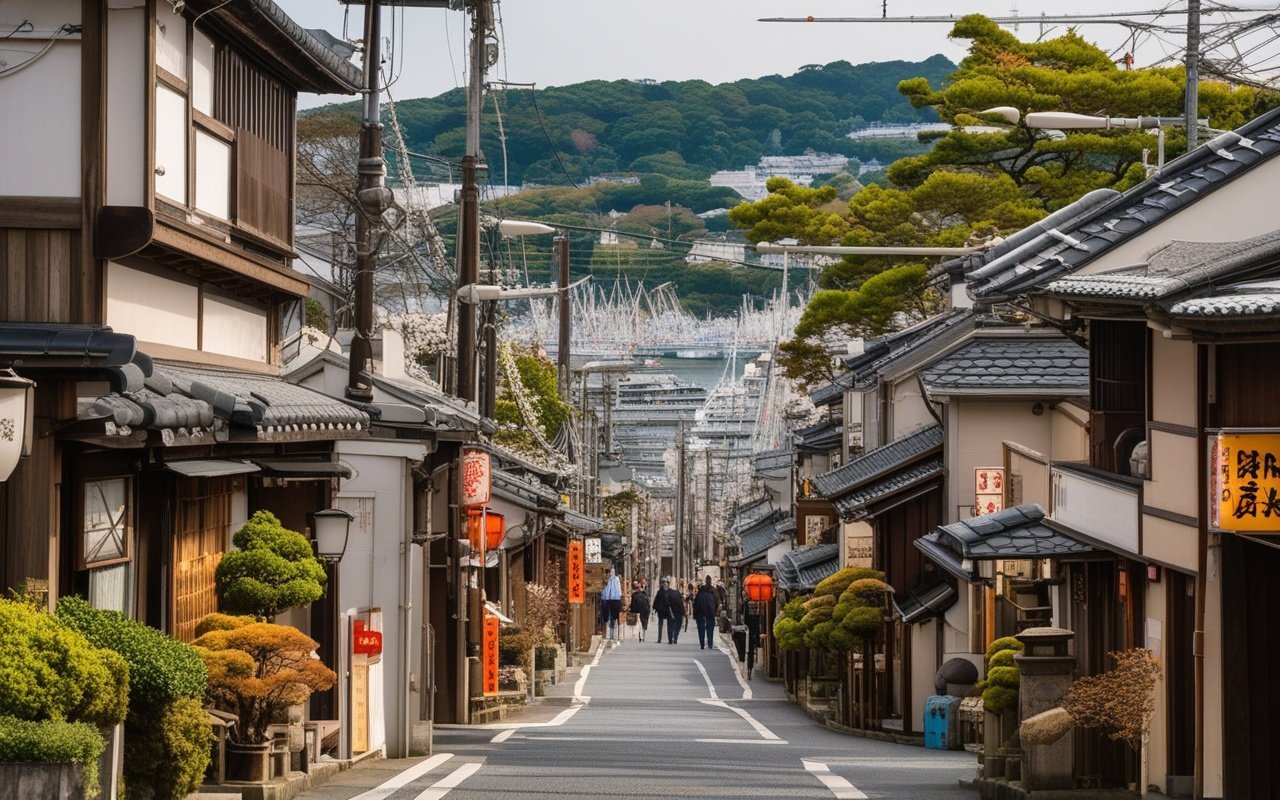
    High School Fleet Pilgrimage in Yokosuka scenery and attractions

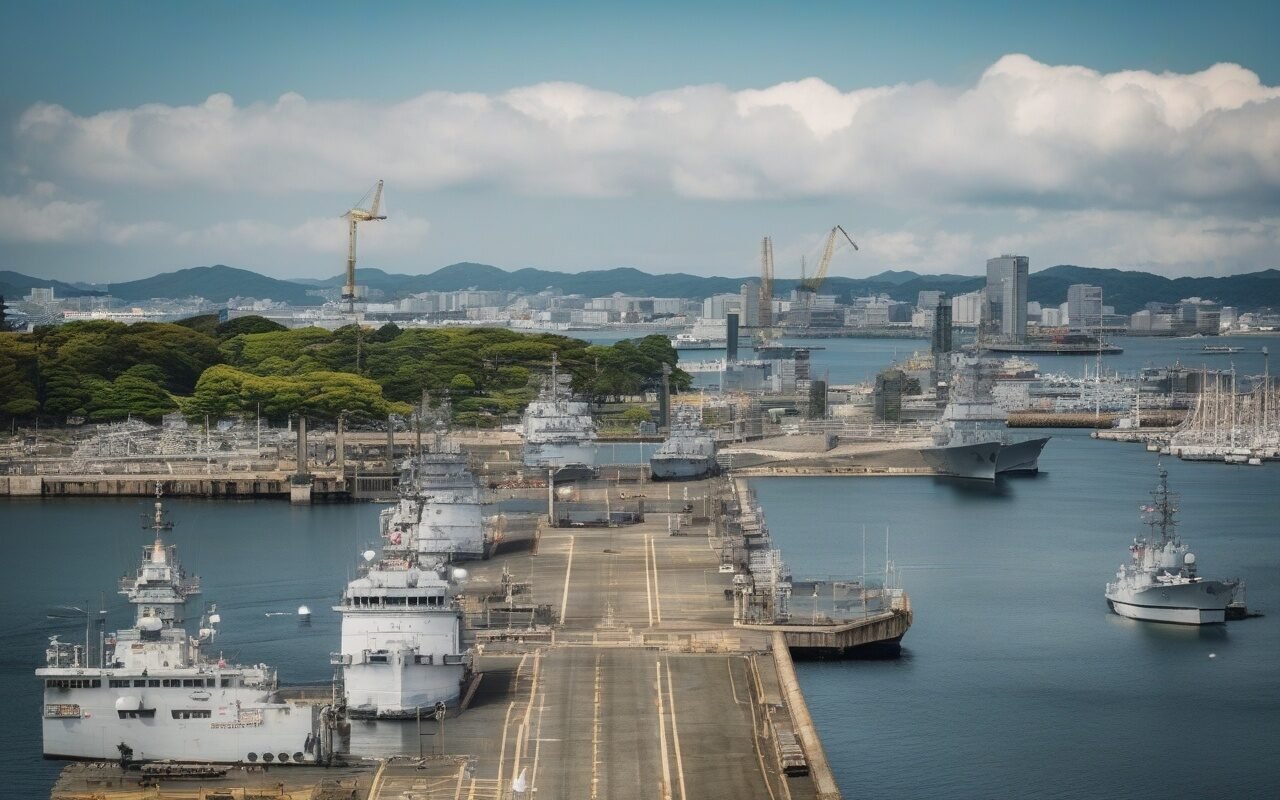
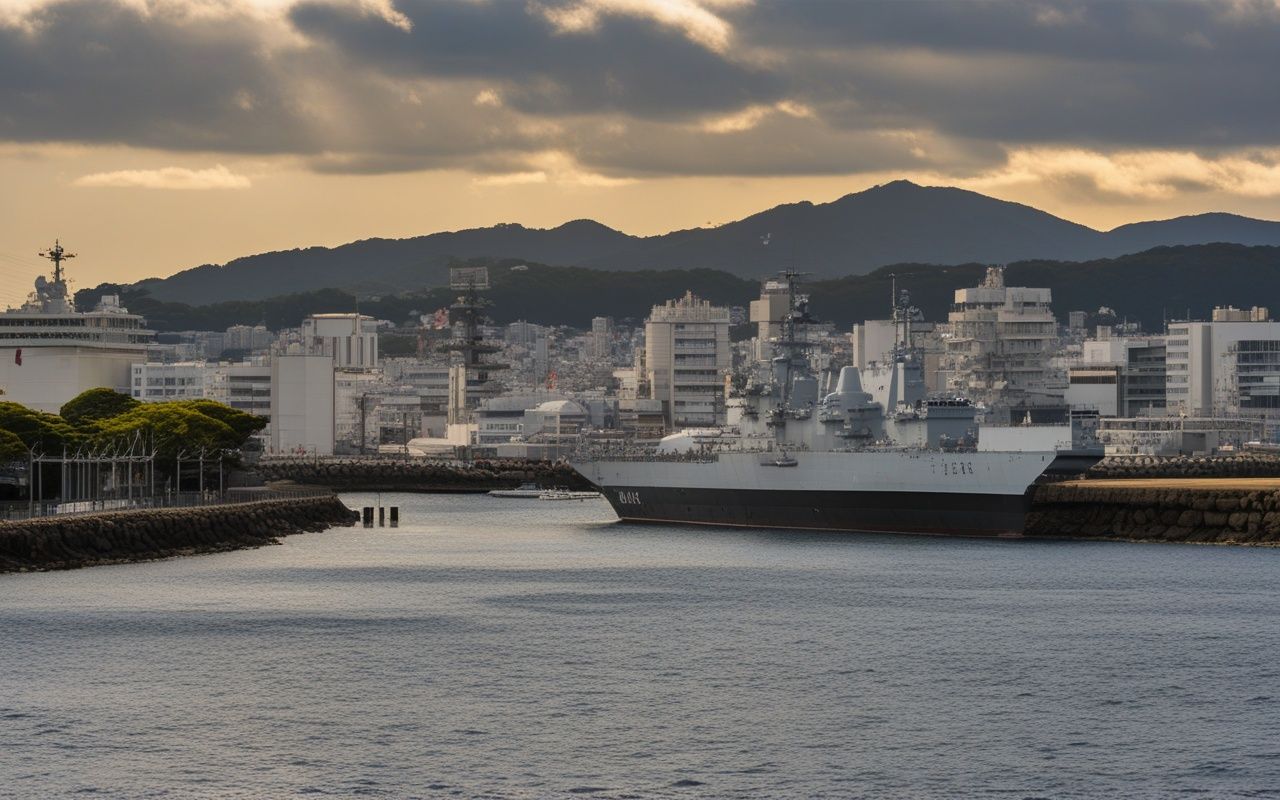
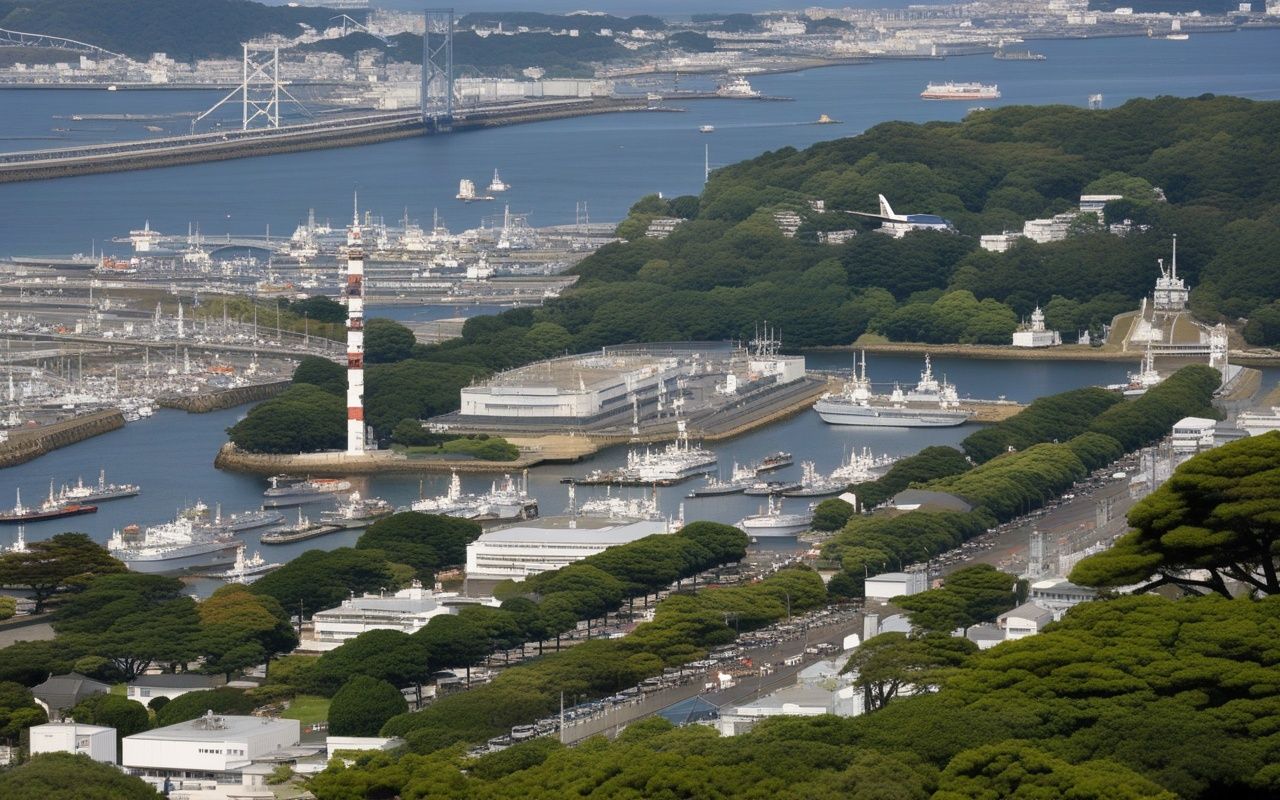
    The easiest way to experience the navy-town atmosphere is to walk the waterfront promenade between Verny Park and Mikasa Park. From the promenade you can see the JMSDF Yokosuka Naval Base across the water — the real home of the Japan Maritime Self-Defense Force’s submarine fleet and escort flotillas. On weekdays, you will often spot grey warships at anchor and submarines moored at their piers. This is the closest real-world equivalent to the anime’s naval academy harbor.

    • Access: 5 min walk from Yokosuka Station (JR) toward the bay, or 8 min from Yokosuka-Chūō Station (Keikyū)
    • Best time: Weekday mornings (9:00-11:00 AM) when warship activity is highest
    • Photo tip: Shoot from the promenade railing at Verny Park for a clean, unobstructed view of the base. A 100-200mm lens brings the ships close without needing a boat.

    ⚠️ Note: The naval base itself is off-limits to the public. Do not attempt to enter restricted areas, and keep photography to public parks and sidewalks. The guards and local police take security seriously, and so should visitors.

    Spot 2: Verny Park (ヴェルニー公園) — The Promenade Where the Fleet Departs

    Anime reference: Verny Park’s waterfront promenade, with its red-brick plazas and rows of palm trees, is the visual model for several of the anime’s seaside walking scenes and the academy’s harborside areas.
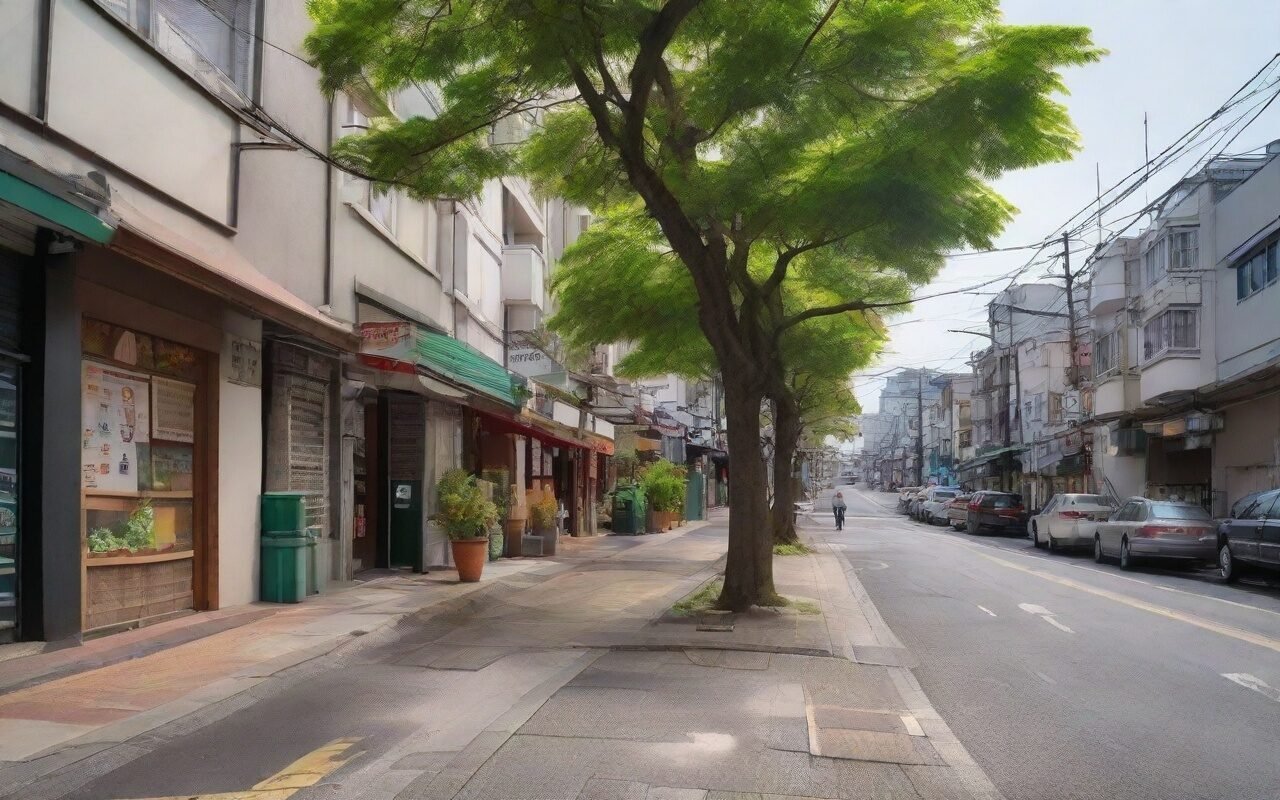
    High School Fleet Pilgrimage in Yokosuka detailed view and features

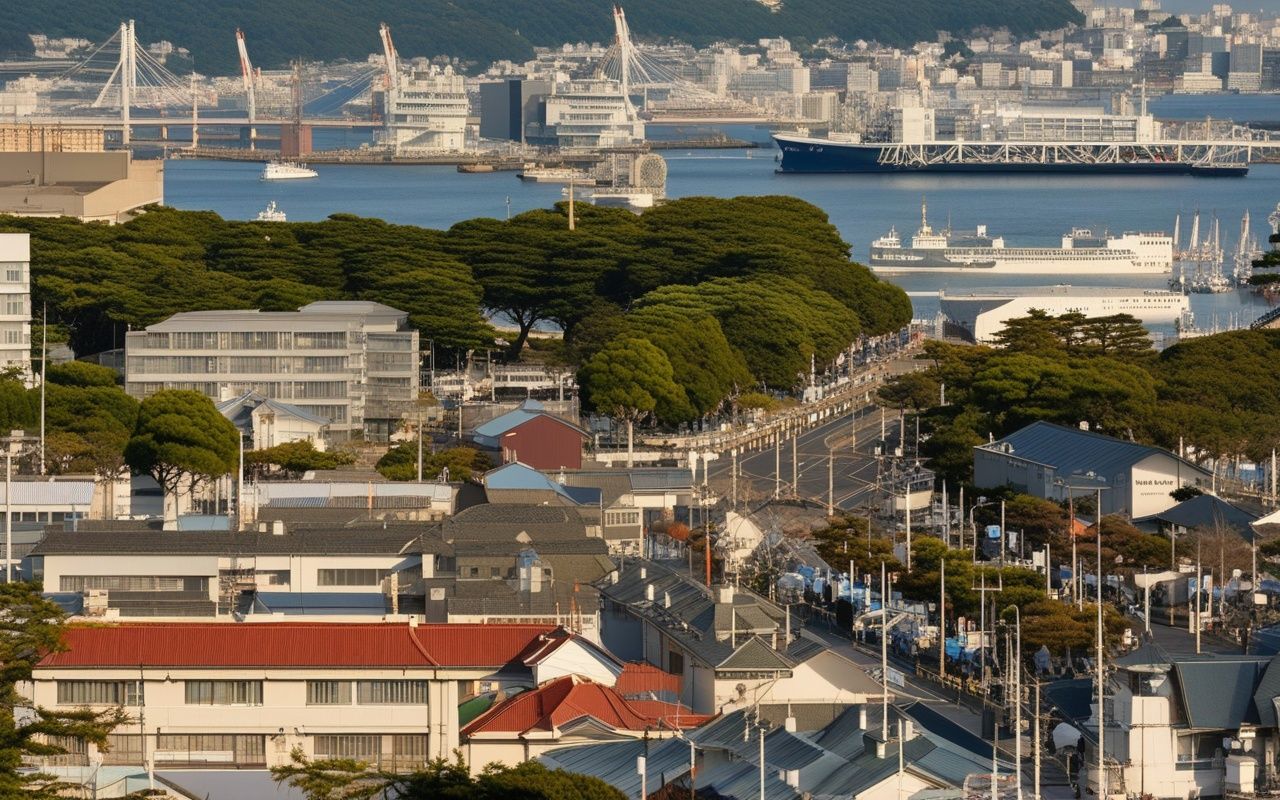
    Verny Park was built on the site of the former Yokosuka Iron Foundry, a 19th-century shipyard where Japanese naval engineering began. Today it is a long, elegant waterfront park named after the French engineer François Léonce Verny, who helped establish the foundry. The park’s brick piers and gently curving pathways feel unmistakably like the anime’s harborside settings. Benches face the water, making it a perfect spot to sit and watch the ferries and warships pass — just as the characters do between missions.

    • Access: 6 min walk from Yokosuka Station (JR), along the bay
    • Best time: Late afternoon (3:00-5:00 PM) for golden light on the water
    • Photo tip: Use the brick plaza and palm trees as foreground layers to recreate the show’s iconic promenade compositions

    Spot 3: Mikasa Park & the Battleship Mikasa — The Real Flagship

    Anime reference: The imposing warship moored in Mikasa Park is the closest real-world counterpart to the anime’s training vessels — and the park’s harbor views evoke the fleet formations that anchor the show’s opening sequences.
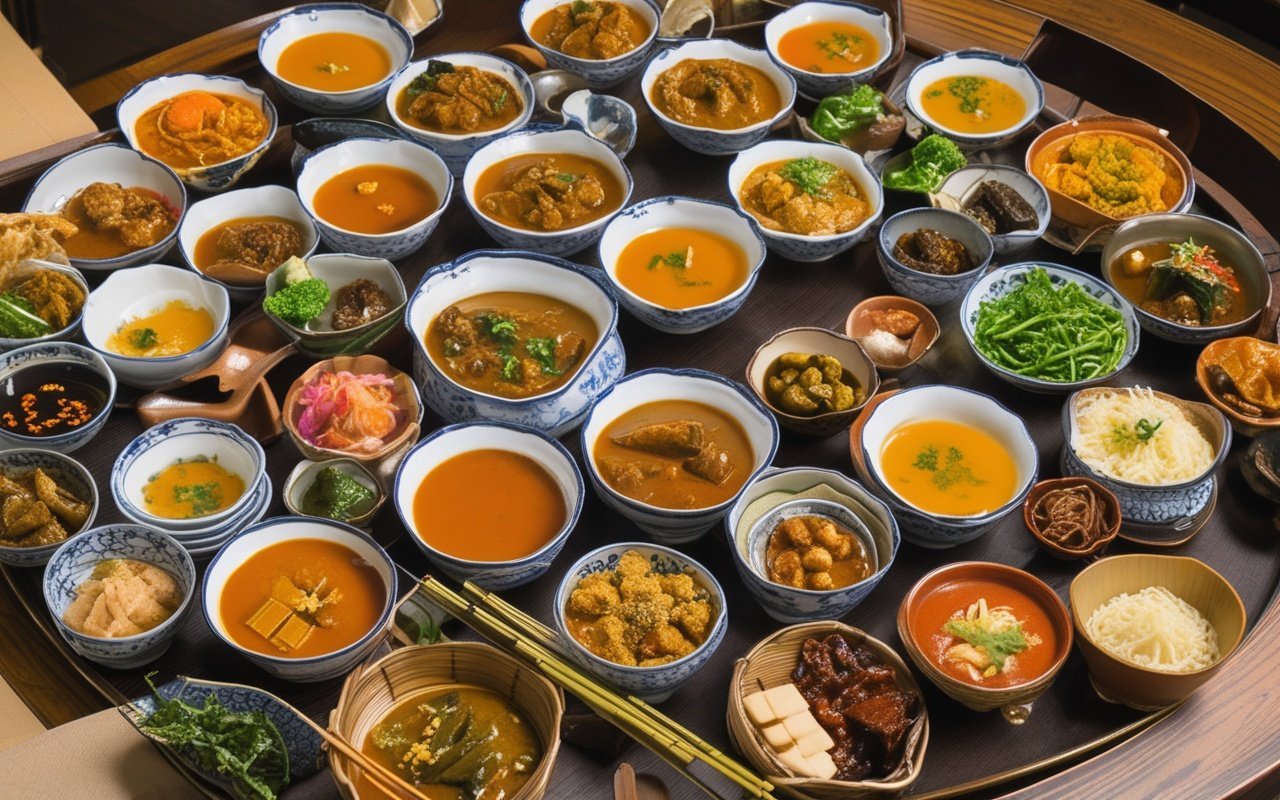
    High School Fleet Pilgrimage in Yokosuka — visitor highlights

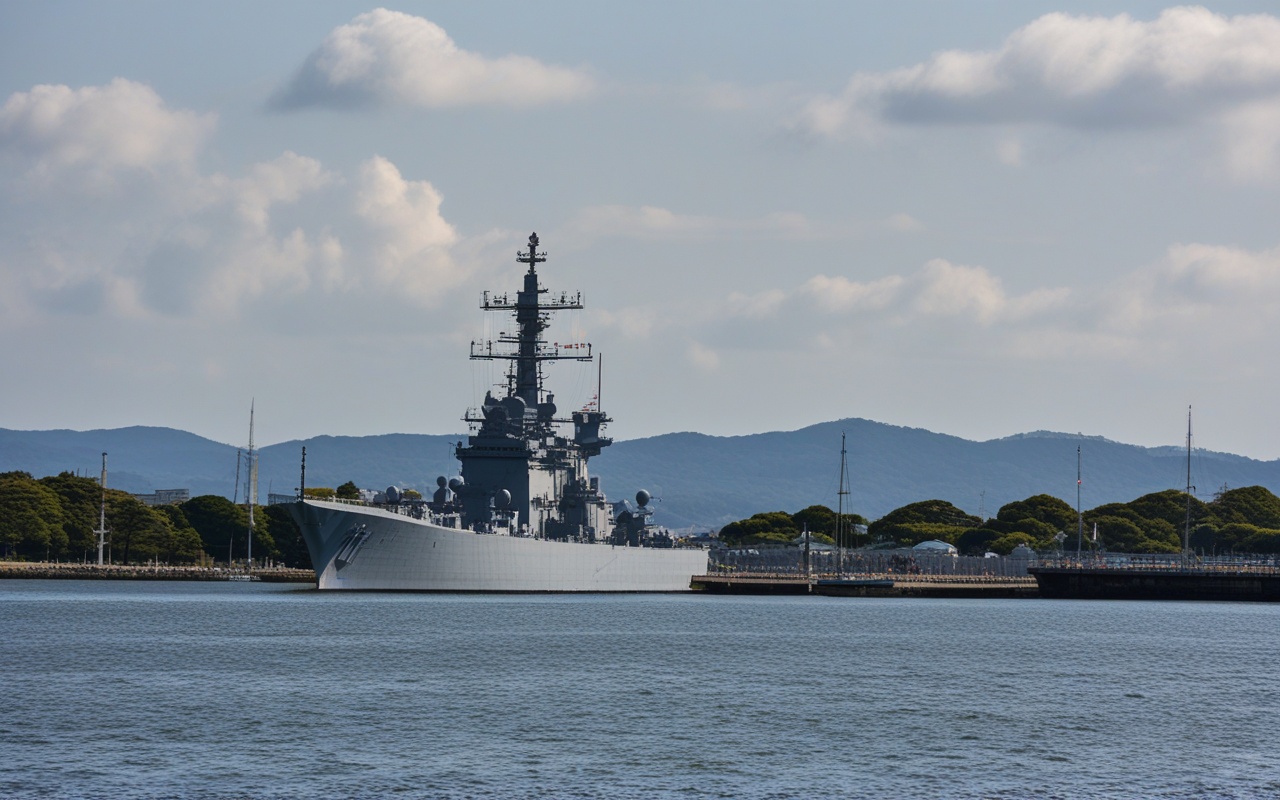
    Mikasa Park surrounds the pre-dreadnought battleship Mikasa, Admiral Tōgō’s flagship during the Russo-Japanese War of 1905 and the only remaining ship of its class in the world. You can board the preserved battleship and explore its decks, gun turrets, and mess areas. For a High School Fleet fan, the contrast is fascinating: the cramped, mechanical world of the real 1905 warship versus the bright, student-crew world of the Harekaze. The park also has wide lawns and harbor viewpoints that are popular for picnics.

    • Access: 10 min walk from Yokosuka Station (JR), or 6 min from Mikasa Park bus stop
    • Hours: Battleship Mikasa is open 9:00 AM – 5:30 PM (last entry 5:00 PM), closed on some holidays. Check the official schedule before visiting.
    • Admission: ¥600 for the battleship museum (well worth it)
    • Photo tip: Frame the battleship from the park’s eastern seawall at low tide for a full-hull shot with the city skyline behind it

    Spot 4: Dobuita Street (どぶ板通り) — The Anime’s Shopping Street

    Anime reference: Yokosuka’s narrow shopping streets and their old-town atmosphere inspire the series’ town scenes — the kind of lanes the characters walk when they are ashore between missions.

    Dobuita Street is the most famous shopping street in Yokosuka, a narrow covered arcade that has served sailors and locals for over a century. It is packed with shops selling naval memorabilia, retro stores, burger joints, and the legendary “yokosuka burgers” served with curry-based sauces. The street’s weathered signage, foreign accents, and military surplus stores give it a unique character that you will not find anywhere else in Kanagawa. Walking the arcade is like stepping into the show’s civilian-world scenes.

    • Access: 8 min walk from Yokosuka Station (JR), entrance at the north end of the arcade
    • Best time: Lunch (11:30 AM – 1:30 PM) for burgers and curry, or early evening when the neon signs come on
    • Photo tip: The arcade’s retro neon and painted storefronts photograph beautifully with a 35mm lens; look for the navy-themed shop windows

    Spot 5: Yokosuka Navy Curry — The Mess Hall Connection

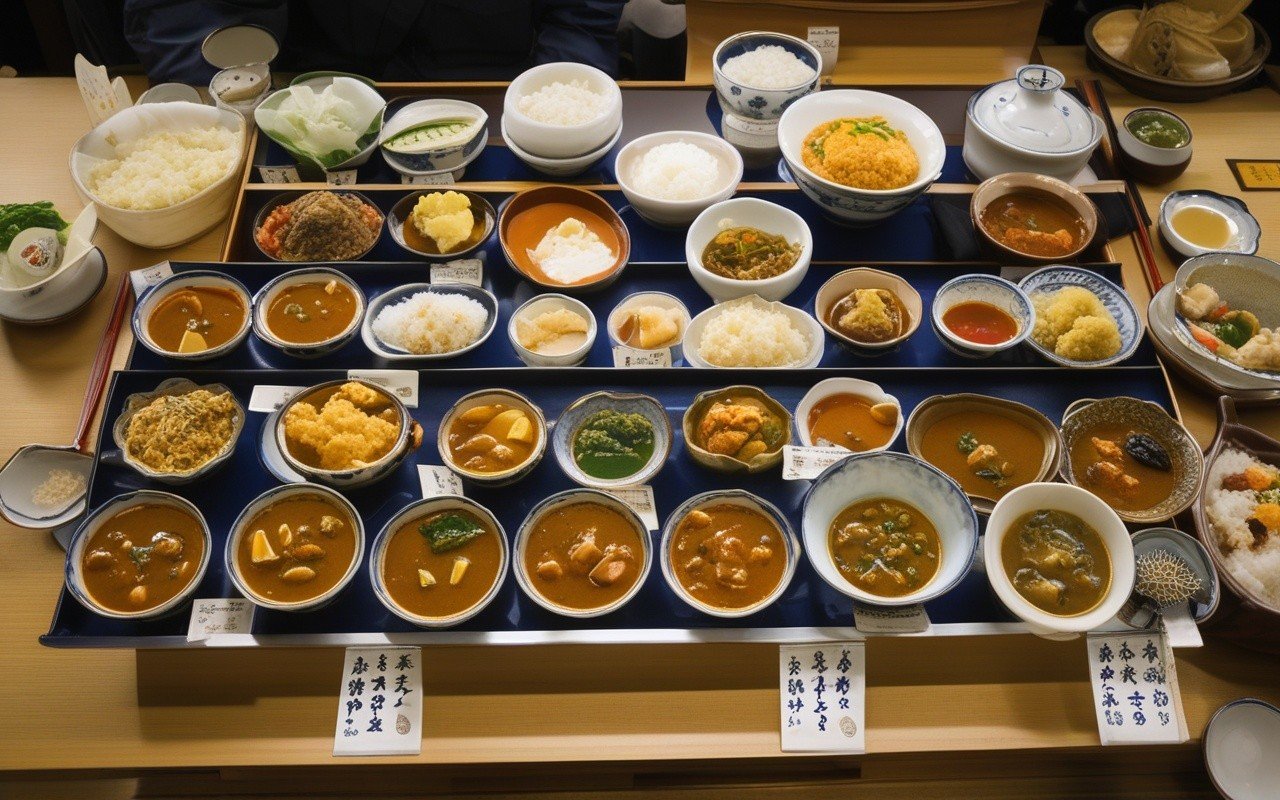
    Anime reference: Curry is the staple meal aboard the Harekaze — the series’ cheerful mess-hall scenes are full of it. Yokosuka is nationally famous for navy curry, served to JMSDF sailors every Friday.
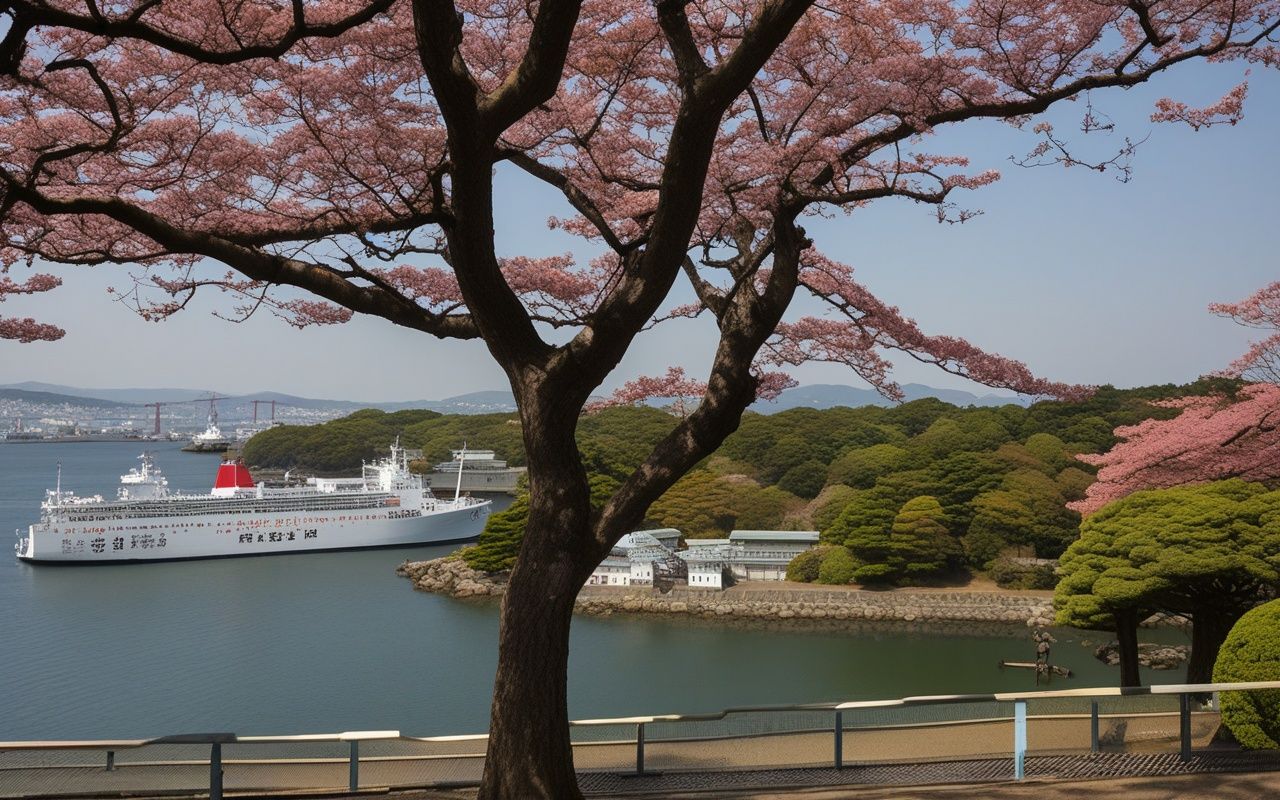
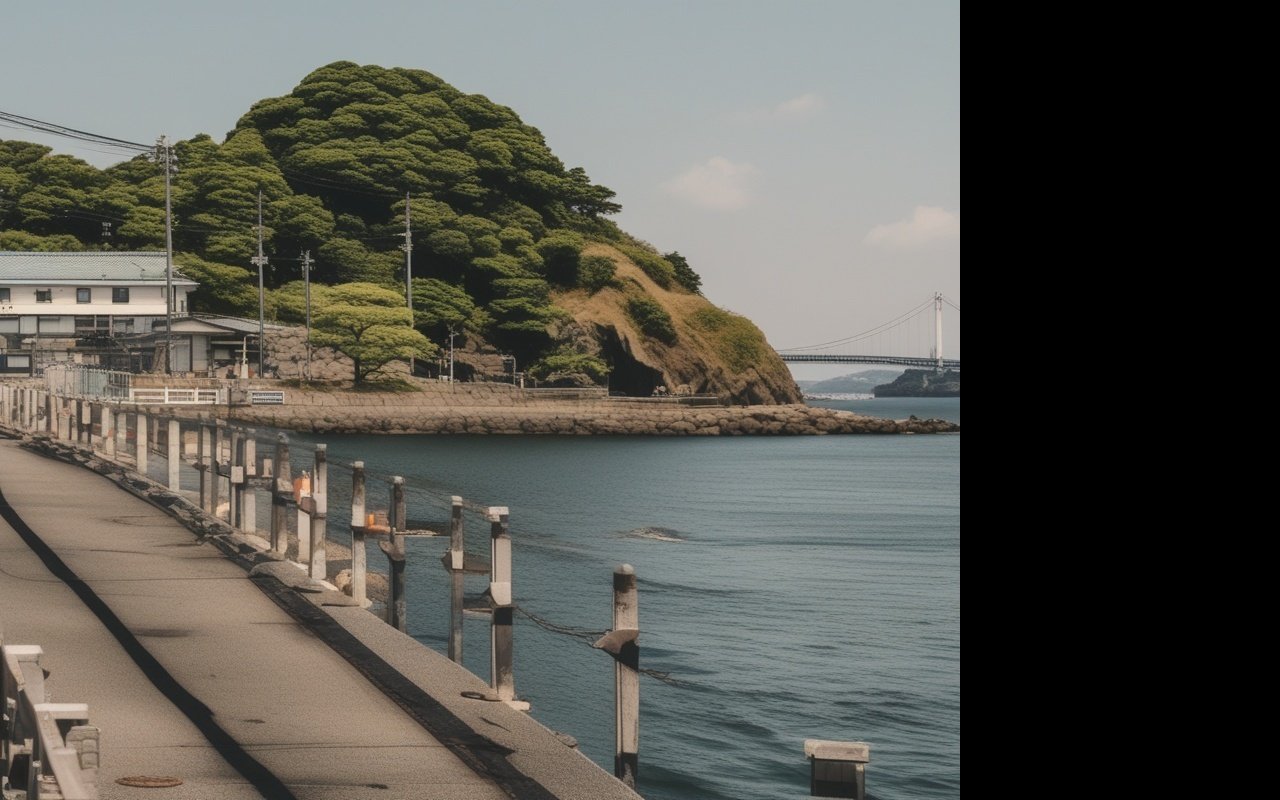
    High School Fleet Pilgrimage in Yokosuka surrounding area and access

    Navy curry is a local institution: a rich, Western-style curry served with rice, a salad, and milk, following the JMSDF’s traditional recipe. More than 30 restaurants and shops in Yokosuka serve their own versions, often with a subtle twist on the classic. The curry houses around Dobuita Street and the station area are the most convenient, and several are decorated with naval themes that will feel very familiar to High School Fleet fans. Some restaurants even offer a “fleet-style” set that mirrors the anime’s mess-hall scenes.

    • Access: Curry restaurants cluster around Dobuita Street and both stations
    • Budget: ¥1,000-1,500 per curry set
    • Pro tip: Ask for the “navy curry” (かいぐんカレー) by name; most shops serve it year-round

    🗺 Sample Itinerary

    Half-Day Pilgrimage Route (4-5 hours)

    Time Activity
    8:30 AM Depart from Tokyo (Keikyū Limited Express from Shinagawa)
    9:30 AM Arrive at Yokosuka-Chūō Station, walk to Verny Park
    10:00 AM Waterfront promenade + JMSDF base viewing
    11:00 AM Mikasa Park & Battleship Mikasa tour
    12:30 PM Navy curry lunch near Dobuita Street
    1:30 PM Stroll Dobuita Street
    2:30 PM Return to Tokyo

    Full-Day Route (add these for a complete experience)

    • Kannonzaki Lighthouse & Park — scenic cape at the entrance of Tokyo Bay, accessible by bus from Yokosuka Station
    • Kurihama Flower World — a hillside garden with sweeping bay views, a 20-min bus ride from Yokosuka
    • Yokosuka Museum of Art — modern art museum with a stunning bay-side terrace

    If you plan to spend the night, the Central Hotel Yokosuka is a budget-friendly base right in the city center, while La Vista Yokosuka Kannonzaki Terrace offers a coastal retreat with ocean views at the cape.


    💡 Travel Tips

    Crowd Avoidance

    Yokosuka is quieter than Kamakura and Enoshima, but the port area gets busy on weekends and public holidays:

    • Visit on weekdays for the quietest experience
    • Arrive before 10:00 AM at Mikasa Park to beat school-group crowds
    • Avoid Golden Week and August when summer events draw large crowds
    • The first Saturday of each month sometimes features additional public events at the base area — check local notices

    Best Time to Visit

    • Spring (March-May): Mild temperatures, cherry blossoms along the waterfront
    • Summer (June-August): Navy festivals and the Yokosuka Yosakoi dance festival; hot and humid
    • Autumn (September-November): Best weather, clear bay views, comfortable walking
    • Winter (December-February): Fewest crowds and crisp views across the bay to Bōsō Peninsula

    What to Bring

    • Comfortable walking shoes (the pilgrimage route is 5-7 km of walking)
    • Camera with a 70-200mm lens for warship and harbor shots
    • Water bottle (the waterfront has limited vending machines between parks)
    • Coins for buses (¥200-300 per ride if you take the Kannonzaki detour)
    • A light jacket — the bay breeze is stronger than it looks

    Frequently Asked Questions

    Q: Is Yokosuka really the model for the anime’s setting?

    A: Yes. The anime’s production team visited Yokosuka extensively, and the city’s landmarks — Verny Park, Mikasa Park, the port, and the shopping streets — are widely recognized as the visual basis for the series’ town and academy scenes. The city has also run official collaboration campaigns with the franchise.

    Q: Can I see the actual JMSDF base?

    A: You can view the base from public parks and the waterfront promenade, but you cannot enter it. The base is an active military facility. On some weekends and holidays, the JMSDF holds public events with ship tours — these are announced on the base’s official website, but availability varies.

    Q: How long should I spend in Yokosuka?

    A: A half-day (4-5 hours) covers the five main pilgrimage spots comfortably. For the full experience, including the navy curry crawl and the Kannonzaki detour, plan for a full day. Overnight stays are worthwhile if you want to photograph the harbor at sunset and sunrise.

    Q: Is navy curry really served on Fridays?

    A: Yes — the JMSDF serves curry to its sailors every Friday as a tradition dating back to the 1900s. The restaurants in Yokosuka serve navy curry daily, so you do not need to visit on a Friday to enjoy it.

    Q: What other anime locations are nearby?

    A: The Miura Peninsula and its surroundings are rich in anime pilgrimage spots. The Kanagawa Anime Pilgrimage Guide covers the full map, and you can easily combine Yokosuka with a navy curry food crawl or a walk down Dobuita Street. Getting around the peninsula is covered in the Yokosuka transportation guide.

    Q: Can I visit in winter?

    A: Absolutely. Winter offers the clearest bay views, the fewest crowds, and comfortable temperatures (8-12°C / 46-54°F). The golden winter light on the harbor is stunning in the late afternoon.


    🔗 Related Articles


    Last Updated: 2026-07-31
    Written by: Anaba OffJapan Editorial Team


    Yokosuka may not have the famous railroad crossings or hillside temples of other Kanagawa pilgrimage towns, but it offers something rarer: a real, working navy town that looks exactly like the world of High School Fleet. From the grey hulls moored in the harbor to the brick promenades of Verny Park and the unmistakable smell of navy curry on Dobuita Street, this is a pilgrimage for fans who want to see the everyday world behind the anime. Whether you spend half a day or a full weekend, the port city delivers the show’s atmosphere in the most authentic way possible. For more anime-inspired adventures, explore our guides to Hakone, Kamakura, and Yokohama.

    What struck me most was how the real city mirrors the anime’s daily rhythms — sailors on lunch breaks, families strolling the promenade, and the ever-present sea breeze carrying the smell of curry across the park. It felt less like visiting a filming location and more like stepping into the characters’ hometown. That, more than any single landmark, is what makes Yokosuka a pilgrimage worth taking.

    Conclusion

    Whether you are planning exploring Yokosuka for its anime for the first time or returning for another visit, taking a little extra time to go beyond the obvious sights makes all the difference. During my visit to Yokosuka I went with a rough plan and found that leaving room to wander made the trip far more memorable. I hope this guide helps you build an itinerary that fits your pace, and that your time in Kanagawa leaves you with memories worth coming back for.
  • Yokosuka Transportation Guide 2026 — Miura Peninsula Access

    Yokosuka Transportation Guide 2026 — Miura Peninsula Access

    Yokosuka Transportation Guide 2026 — Getting Around the Miura Peninsula

    📍 Overview

    • Two main train lines — Keikyu Line (faster, more frequent) and JR Yokosuka Line (convenient from Tokyo)
    • Keikyu Line passes offer substantial savings — Yokosuka One-Day Pass (¥1,140) pays for itself in 2–3 trips
    • Buses fill the gaps — local buses connect stations to coastal attractions, Misaki Port, and Kannonzaki
    • Ferries to the Boso Peninsula — Tokyo Bay Ferry connects Kurihama to Kanaya (Chiba) in 40 minutes
    • 30–50 minutes from Tokyo via Keikyu Line express services

    Yokosuka sits at the heart of the Miura Peninsula, making it both a destination and a transit hub. Unlike Kamakura’s single-station layout, Yokosuka’s transport network spans multiple lines, bus operators, and even a ferry service. This guide breaks down every option so you can choose the best way to reach and explore Yokosuka without wasting time or money.


    1. Getting to Yokosuka from Major Hubs

    From Tokyo (Shinagawa Station) via Keikyu Line — Fastest Option

    The Keikyu Line is the most convenient way to reach Yokosuka from central Tokyo. Keikyu trains depart from Shinagawa Station and run directly to Yokosuka-Chuo Station with limited express services making the journey in as little as 50 minutes.

    Service Type Travel Time Frequency Fare (Shinagawa → Yokosuka-Chuo)
    Keikyu Limited Express (快特) ~50 min Every 10–15 min ¥690
    Keikyu Express (急行) ~60 min Every 10–15 min ¥690
    Keikyu Local (普通) ~75 min Off-peak only ¥690

    For taxi tips and fare estimates, see the Kanagawa taxi guide.
    Key Stations in Yokosuka (from north to south):

    • Oppama Station — Access to Oppama Park and northern Yokosuka
    • Shin-Otsu Station — Near the naval base viewpoint
    • Shioiri Station — JR transfer point, central Yokosuka
    • Yokosuka-Chuo Station — Main station, closest to Dobuita Street
    • Hemi Station — Access to the waterfront area
    • Uraga Station — Historic shipyard and Uraga Port

    My tip: Take the Keikyu Limited Express (快特) from Shinagawa. It’s the fastest and skips local stops. I recommend looking for trains with a red “快特” sign on the front — I learned this after mistakenly boarding a local train on my first visit and the journey took 25 minutes longer.

    From Tokyo Station via JR Yokosuka Line

    The JR Yokosuka Line offers a direct route from Tokyo Station to Yokosuka, but it’s slower than the Keikyu option.

    Route Travel Time Fare Notes
    Tokyo → Yokosuka (JR) ~65 min ¥950 Stops at Shioiri Station
    Tokyo → Kurihama (JR) ~75 min ¥1,040 Terminus of JR Yokosuka Line

    The JR Yokosuka Line terminates at Kurihama Station, which is south of central Yokosuka. From Kurihama, you can transfer to Keikyu Line trains or take a bus to Misaki Port.

    When to choose JR:

    • If you have a JR Rail Pass — the journey is covered at no extra cost
    • If you’re already near Tokyo Station and don’t want to transfer
    • If you’re heading to Kurihama (Tokyo Bay Ferry terminal)

    From Yokohama

    Route Travel Time Fare Frequency
    Keikyu Line (Yokohama → Yokosuka-Chuo) ~30 min ¥390 Every 10–15 min
    JR Negishi Line → JR Yokosuka Line (Yokohama → Shioiri) ~40 min ¥470 Every 15–20 min

    The Keikyu Line is significantly faster and cheaper from Yokohama. JR only makes sense if you have a JR Rail Pass.

    From Haneda Airport

    Haneda Airport connects directly to Yokosuka via the Keikyu Line — no transfers needed.

    • Route: Haneda Airport → Keikyu Line (limited express) → Yokosuka-Chuo
    • Travel Time: ~55 minutes
    • Fare: ¥640

    This is one of the most convenient airport-to-destination routes in Kanagawa. The Keikyu Line runs directly from the airport terminal, so you don’t need to go into Tokyo first.

    From Narita Airport

    Route Travel Time Fare Transfers
    Narita Express → Tokyo → JR Yokosuka Line ~2 hours ¥5,200 (NEX) + ¥950 1 (Tokyo)
    Keisei Skyliner → Nippori → JR → Shinagawa → Keikyu Line ~2 hours ¥3,000 (Skyliner) + ¥830 2 (Nippori, Shinagawa)

    The Keisei + Keikyu combo is cheaper but requires two transfers. The Narita Express route is simpler if you have a JR Rail Pass.


    2. Getting Around Yokosuka

    Keikyu Line — The Backbone

    The Keikyu Line runs north-south through Yokosuka, connecting all major stations. For most travelers, this will be your primary mode of transport within the city.

    Key stations and what’s nearby:

    Station Key Attractions Walking Time
    Yokosuka-Chuo Dobuita Street, Mikasa Park, Naval Base Viewpoint 5 min
    Shioiri JR transfer, shopping center 2 min
    Oppama Oppama Park, local dining 10 min
    Hemi Waterfront promenade 5 min
    Uraga Uraga Port, historic shipyard 10 min
    Kurihama Tokyo Bay Ferry, Kurihama Flower Park Bus required

    Between Yokosuka-Chuo and Shioiri stations, the walk is about 10 minutes. If you’re mobile, you can easily explore central Yokosuka on foot.

    JR Yokosuka Line

    The JR line has limited stops in Yokosuka — primarily Shioiri Station and Kurihama Station. Use it if:

    • You’re connecting to/from Tokyo Station
    • You have a JR Rail Pass
    • You’re heading to Kurihama for the ferry

    Local Buses

    Yokosuka’s bus network is operated primarily by Keikyu Bus and covers areas the train lines don’t reach.

    Key Bus Routes:

    Route From → To Travel Time Fare Frequency
    Bus #6 Yokosuka-Chuo → Misaki Port ~35 min ¥630 Every 30 min
    Bus #8 Yokosuka-Chuo → Kannonzaki Park ~20 min ¥350 Every 30–60 min
    Bus #4 Yokosuka-Chuo → Verny Park → Uraga ~15 min ¥260 Every 20–30 min
    Bus #1 Kurihama → Misaki Port ~25 min ¥470 Every 30 min
    Bus #K Yokosuka-Chuo → Yokosuka Research Park ~25 min ¥350 Every 40 min

    Tips for bus travel:

    • IC cards work on all Keikyu buses — tap on at the front door, tap off at the rear
    • Buses display route numbers and destinations in English on the electronic board
    • Board from the rear door (not the front) — this is standard for flat-fare buses
    • Exact change is accepted if you don’t have an IC card, but IC cards are strongly recommended

    Taxis

    Taxis in Yokosuka are reliable but expensive for longer distances.

    Route Approximate Fare Travel Time
    Yokosuka-Chuo → Kannonzaki Park ¥1,500–2,000 ~10 min
    Yokosuka-Chuo → Misaki Port ¥3,500–4,500 ~25 min
    Yokosuka-Chuo → Kurihama Ferry Terminal ¥2,000–2,500 ~15 min

    Taxi apps that work in Yokosuka:

    • Uber Taxi — Available in Yokosuka, request through the app
    • GO — The most popular Japanese taxi app, supports English
    • JapanTaxi — Works throughout Kanagawa

    I tried all three apps during my stay; I found GO to be the most reliable for English speakers. The initial fare is approximately ¥500–700, with incremental charges based on distance. The initial fare is approximately ¥500–700, with incremental charges based on distance.

    Bicycle Rentals

    Cycling is an excellent way to explore Yokosuka’s coastline and the Miura Peninsula.

    Rental Options:

    Provider Location Price Bicycle Type
    Yokosuka City Cycle Yokosuka-Chuo Station ¥500/day City bike
    Docomo Bike Share Various stations ¥165/30 min E-bike
    Miura Peninsula Cycling Misaki Port area ¥1,000/half day Cross bike

    The Yokosuka City Cycle program has stations at major transit points including Yokosuka-Chuo, Shioiri, and Kurihama stations. Bikes can be returned to any station.

    My tip: For a memorable day trip, rent a bicycle at Yokosuka-Chuo and ride south along the coast towards Uraga and Kurihama. The route follows quiet roads with views of Tokyo Bay and takes about 1.5 hours one way. From Kurihama, you can take a bus back or continue to Misaki Port for tuna lunch.

    Tokyo Bay Ferry — The Unique Option

    The Tokyo Bay Ferry connects Kurihama (Yokosuka) to Kanaya (Chiba Prefecture) across Tokyo Bay. This is primarily useful for travelers heading to or from the Boso Peninsula.

    Route Travel Time Fare Frequency
    Kurihama → Kanaya ~40 min ¥1,000 (adult) 7–10 daily
    Car + driver ~40 min ¥2,500 7–10 daily

    Access to Kurihama Ferry Terminal:

    • Bus: Take Keikyu Bus #1 from Yokosuka-Chuo Station (25 min, ¥470)
    • Taxi: From Yokosuka-Chuo Station (15 min, ¥2,000–2,500)
    • Train: JR Yokosuka Line to Kurihama Station, then 10 min walk or short bus ride

    I experienced the Tokyo Bay Ferry on a clear morning in early July and the views of Tokyo Bay were spectacular — with the Miura Peninsula stretching out on one side and the Boso Peninsula on the other, I could even see Mount Fuji in the distance. The ferry is worth taking even without a destination on the other side. Explore Mt Fuji & Hakone on a full-day trip with sukiyaki lunch, Hakone Cruise, Ropeway & Shinkansen return


    3. Discount Passes & Money-Saving Tips

    Keikyu Line Passes

    Pass Price Coverage Best For
    Yokosuka One-Day Pass ¥1,140 Unlimited Keikyu Line rides within Yokosuka area Day trips exploring multiple Yokosuka attractions
    Keikyu One-Day Pass ¥1,000 (weekday) / ¥800 (weekend) Unlimited rides on all Keikyu lines Travelers visiting both Yokosuka and Kamakura in one day
    Keikyu Weekend Pass ¥800 Unlimited Keikyu rides on weekends/holidays Weekend visitors

    When the Yokosuka One-Day Pass pays off:

    • Round trip from Shinagawa to Yokosuka-Chuo costs ¥1,380 — the pass is ¥1,140, so you save ¥240 even on a basic round trip
    • Add one bus ride or short Keikyu trip within Yokosuka, and the savings increase

    JR Pass Holders

    If you have a JR Rail Pass, the JR Yokosuka Line to Shioiri Station is covered at no additional cost. However, to reach Yokosuka-Chuo (where most attractions are), you’ll need to either:

    • Walk 10 minutes from Shioiri Station
    • Take a Keikyu Line train from Shioiri to Yokosuka-Chuo (¥180, not covered by JR Pass)

    Combo Savings

    Destination Combination Best Pass Savings vs. Pay-As-You-Go
    Yokosuka + Kamakura (same day) Keikyu Weekend Pass ~¥400
    Yokosuka + Misaki Port (same day) Yokosuka One-Day Pass ~¥300
    Shinagawa → Yokosuka + return + bus Yokosuka One-Day Pass ~¥600

    4. Practical Tips

    IC Cards

    All trains and buses in Yokosuka accept Suica, PASMO, and other major IC cards. You can also use IC cards to pay at convenience stores, vending machines, and some restaurants near the stations.

    Where to get an IC card:

    • Tokyo: Any JR East ticket machine (Suica)
    • Shinagawa Station: Keikyu Line ticket machines (PASMO)
    • Yokosuka-Chuo Station: Keikyu Line ticket machines (PASMO) Mobile Suica (iPhone/Apple Watch) works throughout Yokosuka and is the most convenient option if you have a compatible device.

    Google Maps & Navigation

    Google Maps works reliably in Yokosuka for both train and bus routes. The app shows:

    • Exact platform numbers for Keikyu and JR trains
    • Bus stop locations and real-time departure times
    • Fare estimates for each route option The Yokosuka Navi app (English available) provides offline maps and curated walking routes around the city.

    Access for Wheelchair Users

    Station Elevator Access Staff Assistance
    Yokosuka-Chuo (Keikyu) ✅ Yes ✅ Available
    Shioiri (JR) ✅ Yes ✅ Available
    Shioiri (Keikyu) ✅ Yes ✅ Available
    Oppama ✅ Yes ✅ Limited
    Kurihama ✅ Yes ✅ Available

    Keikyu buses are low-floor and wheelchair accessible. Call Keikyu Bus customer service 24 hours in advance to confirm accessible bus schedules.

    Late-Night Transport

    Service Last Departure Coverage
    Keikyu Line (towards Shinagawa) ~11:45 PM from Yokosuka-Chuo Yokosuka → Tokyo
    Keikyu Line (towards Kurihama) ~12:30 AM from Yokosuka-Chuo Within Yokosuka
    JR Yokosuka Line (towards Tokyo) ~11:30 PM from Shioiri Yokosuka → Tokyo
    Local buses Varies by route, most stop by 8:00 PM Within Yokosuka
    Taxis 24-hour availability Throughout Yokosuka

    After 9:00 PM, bus frequency drops significantly. Plan to use trains or taxis for late-night travel.


    5. Sample Transport Scenarios

    Scenario 1: Day Trip from Tokyo to Yokosuka (Budget)

    08:30 — Shinagawa Station → Keikyu Limited Express → Yokosuka-Chuo (50 min, ¥690)
    09:30 — Walk to Mikasa Park (free, naval history museum ¥600)
    11:00 — Dobuita Street (shopping, browsing)
    12:30 — Navy Curry lunch (¥1,000–1,500)
    14:00 — Bus #8 to Kannonzaki Park (¥350, 20 min)
    16:00 — Bus #8 back to Yokosuka-Chuo
    17:30 — Return to Shinagawa via Keikyu Line (¥690)
    Total transport cost: ¥1,730 + ¥700 for buses = ¥2,430 (or ¥1,140 with Yokosuka One-Day Pass)

    Scenario 2: Yokosuka + Misaki Port (Full Day)

    09:00 — Shinagawa → Keikyu → Yokosuka-Chuo (¥690)
    10:00 — Bus #6 to Misaki Port (¥630, 35 min)
    10:45 — Misaki Port tuna market and lunch
    14:00 — Bus #6 back to Yokosuka-Chuo (¥630)
    15:00 — Mikasa Park and Dobuita Street
    18:00 — Return to Shinagawa (¥690)
    Best pass: Yokosuka One-Day Pass (¥1,140) — covers all Keikyu travel + bus discounts

    Scenario 3: Miura Peninsula Cycling Day

    08:00 — Keikyu Limited Express to Yokosuka-Chuo (¥690)
    09:00 — Pick up rental bike at Yokosuka City Cycle (¥500/day)
    09:30 — Cycle south along the coast to Uraga
    11:00 — Uraga Port and historic shipyard area
    12:30 — Continue cycling to Kurihama
    14:00 — Kurihama Flower Park (seasonal)
    15:30 — Return cycling or bus back to Yokosuka-Chuo
    18:00 — Return to Tokyo via Keikyu Line


    Frequently Asked Questions

    Q: Is Suica/PASMO accepted on all Yokosuka buses?
    A: Yes, all Keikyu buses accept IC cards. Tap on when boarding (rear door) and tap off when exiting (front door). The fare is calculated automatically based on your route.

    Q: What’s the cheapest way to get from Tokyo to Yokosuka?
    A: The Keikyu Limited Express from Shinagawa Station at ¥690 one-way is the cheapest and fastest option. A round trip costs ¥1,380.

    Q: Do I need to reserve seats on the Keikyu Line?
    A: No, Keikyu Line trains are non-reserved. Just tap your IC card and board any car. The only exception is the “Keikyu Wing” limited express service, which requires a ¥200 supplement.

    Q: How do I get to Dobuita Street from Yokosuka-Chuo Station?
    A: Exit Yokosuka-Chuo Station from the central exit and walk straight for about 5 minutes. You’ll see the Dobuita Street arch — it’s directly ahead from the station.

    Q: Is the Tokyo Bay Ferry worth taking?
    A: Yes, even without a destination in Chiba. The 40-minute crossing offers panoramic views of Tokyo Bay, Miura Peninsula, and the Boso Peninsula. On clear days, you can see Mount Fuji in the distance.

    Q: Can I use a JR Rail Pass on Keikyu buses?
    A: No, JR Rail Pass covers JR services only. Keikyu buses require separate payment via IC card or cash.

    Q: Is Yokosuka walkable?
    A: Central Yokosuka (Yokosuka-Chuo, Shioiri, Dobuita Street, Mikasa Park) is very walkable. For Misaki Port, Kannonzaki, or Kurihama, you’ll need buses or trains.


    📍 Related Articles


    Last Updated: July 2026 — All route information verified.

    Conclusion

    The details in this guide come from real visits, and the biggest lesson I took away was that the best experiences in the Miura Peninsula rarely fit neatly into a checklist. During my visit to the Miura Peninsula I went with a rough plan and found that leaving room to wander made the trip far more memorable. Plan the essentials, keep your schedule flexible, and you will leave Kanagawa wanting to return.

  • Yokosuka Accommodation Guide 2026 — Where to Stay on the…

    Yokosuka Accommodation Guide 2026 — Where to Stay on the…

    📍 Overview

    • 3 distinct accommodation areas — central Yokosuka, Kannonzaki coast, and the Miura peninsula
    • From ¥6,000 (business) to ¥35,000+ (resort) per night
    • 30–60 minutes from Yokohama by train — ideal base for Miura Peninsula exploration
    • Best for: Naval history enthusiasts, coastal travelers, hikers, weekend getaway seekers
    • Perfect base for day trips to Kamakura, the Miura coastline, and Jogashima Island

    Introduction: Why Stay in Yokosuka?

    Yokosuka Accommodation Guide scenery and attractions

    📍 Yokosuka Hotel Locations

    Browse Yokosuka’s best accommodation options and check their locations on the map.

    📍 View on Google Maps

    Most travelers rush through Yokosuka on a day trip from Tokyo — they visit Dobuita Street, eat Navy Curry, and head back home. But staying overnight unlocks a completely different experience. The city’s waterfront transforms at sunset, the morning fish markets buzz with pre-dawn energy, and you’ll have the Miura Peninsula’s hiking trails and coastal viewpoints entirely to yourself before the day-trippers arrive.

    Yokosuka offers something rare in Kanagawa: affordable accommodation within sight of the ocean. While Yokohama’s waterfront hotels command ¥30,000+ for bay views, Yokosuka’s coastal properties offer similar scenery at half the price. The city also serves as the perfect gateway to the Miura Peninsula — with its dramatic coastline, hidden beaches, and world-class tuna fishing at Misaki Port.

    Why Stay Overnight:

    • Sunset over Tokyo Bay — the view from Kannonzaki Park is spectacular
    • Early morning at Misaki Port — watch the tuna auction (6:00 AM) and eat the freshest sushi of your life
    • Dobuita Street at night — a completely different atmosphere after dark, with live music and locals socializing
    • Miura Peninsula hiking — start early before the heat builds and have the trails to yourself

    1. Central Yokosuka — City Convenience & Budget Stays

    Best for: Budget travelers, solo adventurers, Dobuita Street explorers, train commuters

    Yokosuka Accommodation — detailed view

    Aspect Detail
    Vibe Urban, practical, walkable
    Access 2–5 min walk from Yokosuka-Chuo or Shioiri Station
    Price Range ¥6,000–¥15,000/night
    Best For Budget stays, solo travelers, Dobuita access

    Central Yokosuka revolves around its two main stations — Yokosuka-Chuo (Keikyu Line) and Shioiri (JR). This area puts you within walking distance of Dobuita Street, the naval base viewpoints, and dozens of the city’s best shokudo and curry shops. Accommodation here is practical and affordable — think reliable Japanese business hotels rather than boutique properties.

    Mid-Range & Practical

    Hotel Yokosuka Central

    Price: From ¥8,000/night
    Rooms: 120
    Features: Clean modern rooms, restaurant, coin laundry
    Access: 3 min walk from Yokosuka-Chuo Station
    Best For: Solo travelers, couples on a budget

    A solid mid-range option with rooms that are spacious by Japanese business hotel standards. The location is ideal — Dobuita Street is a 5-minute walk, and Yokosuka-Chuo Station connects you to Yokohama in 30 minutes. The breakfast buffet (¥1,100) offers both Japanese and Western options, including local Navy Curry.

    Budget-Friendly

    Toyoko Inn Yokosuka-Chuo Station

    Price: From ¥6,500/night (single)
    Rooms: 180
    Features: Free breakfast, clean rooms, coin laundry
    Access: 2 min walk from Yokosuka-Chuo Station
    Best For: Ultra-budget, solo business travelers

    The reliable budget chain delivers consistent quality. Free breakfast (onigiri, miso soup, coffee) helps keep costs down. The location is excellent — directly across from the station with easy access to both Dobuita Street and the Keikyu Line to Kamakura.

    Capsule Inn Yokosuka

    Price: From ¥3,500/night
    Rooms: 80 capsules (men only)
    Features: Onsen bath, sauna, lounge area
    Access: 5 min walk from Shioiri Station
    Best For: Solo male travelers, extreme budget

    A no-frills capsule hotel with a surprisingly good onsen bath on the premises. The sauna is popular with locals. Not suitable for couples or light sleepers, but unbeatable value for solo male travelers who just need a place to sleep.

    ⚠️ Central Yokosuka Watchpoints

    • Weekend events: Dobuita Street can get lively on Saturday nights with live music spilling onto the street — request a room away from the main drag if you value quiet
    • Early closing: Many restaurants close by 8:00 PM. For late dinners, the area around the naval base has 24-hour options
    • Train noise: Rooms facing the JR line can be audible. Request a room on the upper floors facing away from the tracks

    2. Kannonzaki & The Coast — Waterfront Luxury & Nature

    Best for: Couples, nature lovers, photographers, weekend getaway seekers

    Aspect Detail
    Vibe Coastal resort, peaceful, scenic
    Access 15 min bus from Yokosuka-Chuo Station (or 5 min taxi)
    Price Range ¥15,000–¥35,000/night
    Best For Romantic stays, sunset views, hiking access

    The Kannonzaki area sits at the tip of the Miura Peninsula, where Tokyo Bay meets the Pacific Ocean. This is Yokosuka’s premier coastal accommodation zone — think resort hotels with bay views, cliffside terraces overlooking the shipping lanes, and easy access to the Kannonzaki Nature Trail. The area is quieter and more relaxed than central Yokosuka, making it ideal for a weekend escape.

    Waterfront Resort

    La Vista Yokosuka Kannonzaki Terrace

    Price: From ¥22,000/night (double)
    Rooms: 98
    Features: Restaurant terrace with bay views, spa, private beach access
    Access: 15 min by bus from Yokosuka-Chuo Station
    Best For: Couples, romantic getaways, sunset views

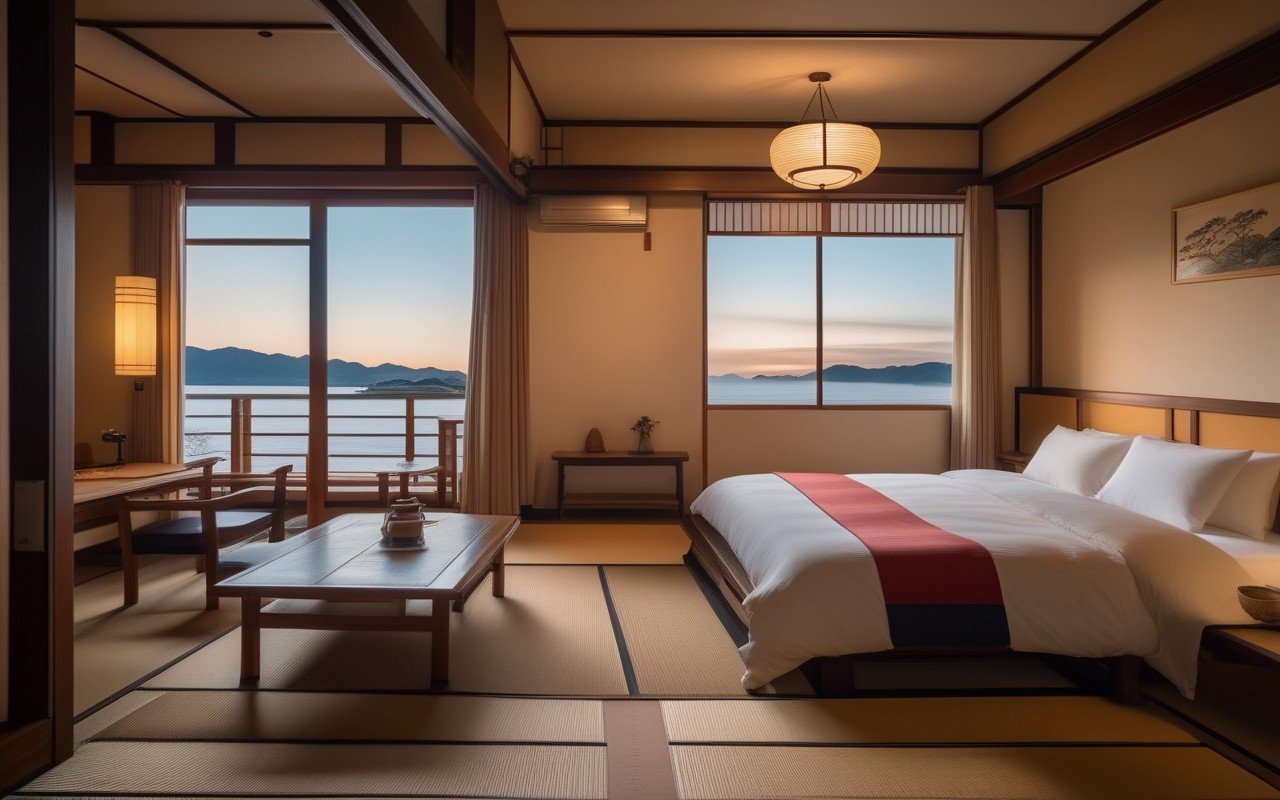
    Perched on the Kannonzaki cliffs, this resort hotel offers stunning views across Tokyo Bay — you can watch ships glide past while dining on the terrace. The rooms are spacious with floor-to-ceiling windows designed to capture the coastal light. The on-site restaurant serves fresh seafood from Misaki Port, and the private beach access is a rare find in Kanagawa.

    Booking a bay-view room here is worth the upgrade — the sunset over the water, with the Boso Peninsula silhouetted in the distance, is one of the most romantic views in Kanagawa.

    Book La Vista Yokosuka Kannonzaki Terrace on Klook for the best rates and availability → Check prices and book here

    Why book on Klook: Klook often offers rates that match or beat the hotel’s direct booking price, and you can earn rewards points. The booking process is in English and supports international credit cards.

    Mid-Range Coastal

    Central Hotel Yokosuka

    Price: From ¥12,000/night (double)
    Rooms: 75
    Features: Modern rooms, restaurant, free parking
    Access: 10 min walk from Oppama Station
    Best For: Mid-range comfort, families with cars

    Located between central Yokosuka and the Kannonzaki coast, this well-maintained hotel offers a comfortable compromise. The rooms are larger than typical business hotels, and free parking makes it popular with families exploring the Miura Peninsula by car. The restaurant serves a solid Japanese-Western breakfast buffet.

    Book Central Hotel Yokosuka on Klook and save on your Miura Peninsula stay → Check rates and availability

    ⚠️ Coastal Area Watchpoints

    • Limited dining: The Kannonzaki area has few restaurants outside the hotels. Plan to eat at your hotel or take a taxi into central Yokosuka (¥1,500, 10 minutes)
    • Bus frequency: Buses from Yokosuka-Chuo Station run every 30 minutes on weekdays, hourly on weekends. Check the schedule in advance
    • Seasonal rates: Summer (July–August) rates at La Vista can be 30–50% higher than off-season. Book early for the best prices

    3. Misaki Port & Southern Miura — Fishing Village Charm

    Best for: Seafood lovers, hiking enthusiasts, off-the-beaten-path explorers

    Aspect Detail
    Vibe Fishing port, rustic, authentic
    Access 25 min bus from Yokosuka-Chuo Station to Misaki Port
    Price Range ¥10,000–¥25,000/night
    Best For Tuna lovers, hikers, photographers seeking authenticity

    The southern tip of the Miura Peninsula is a different world — small fishing ports, rugged coastlines dotted with shrines, and a pace of life that feels decades removed from Tokyo. Misaki Port is famous for its tuna (one of Japan’s top three tuna ports), and staying here means you can walk from your lodging to the morning fish market in minutes.

    Accommodation Options

    Misaki’s accommodation is limited to a few minshuku (family-run guesthouses) and small inns. These are basic but authentic — expect tatami rooms, shared bathrooms, and home-cooked meals featuring the day’s catch.

    Misaki Minshuku Uo-ichi

    Price: From ¥10,000/night (includes dinner + breakfast)
    Rooms: 6 tatami rooms
    Features: Home-cooked meals, fishing experiences available
    Access: 3 min walk from Misaki Port
    Best For: Authentic experience, seafood lovers

    The evening meal here is the highlight — the owner serves whatever was caught that morning, prepared in half a dozen ways: sashimi, grilled, simmered, and in a hot pot. The tuna sashimi is exceptional, and the portion sizes are generous.

    ⚠️ Misaki Watchpoints

    • Limited availability: Only a handful of lodgings exist in Misaki. Book at least 2–4 weeks in advance
    • Language: English is limited. Have a translation app ready
    • Early mornings: The fish market starts at 5:00 AM. If you’re a light sleeper, request a room away from the port
    • No luxury: Misaki is about authenticity, not amenities. Set expectations accordingly

    📊 Quick Comparison Table

    Area Budget Range Best For Access to Yokohama Atmosphere
    Central Yokosuka ¥6,000–¥15,000 Budget, solo, Dobuita access 30 min train Urban, practical
    Kannonzaki Coast ¥15,000–¥35,000 Romance, views, nature 20 min train + 15 min bus Resort, peaceful
    Misaki Port ¥10,000–¥25,000 Authentic fishing village 40 min bus Rustic, authentic

    💡 Booking Tips & Strategies

    Seasonal Pricing Calendar

    Season Price Impact Booking Window
    Jan–Feb Low 1 week ahead
    Mar–Apr Moderate (cherry blossoms) 2–4 weeks ahead
    May (Golden Week) Very high 2–3 months ahead
    Jun Low (rainy season) 1 week ahead
    Jul–Aug High (beach season) 2–4 weeks ahead
    Sep–Oct Moderate 2 weeks ahead
    Nov High (fall foliage at Kannonzaki) 2–4 weeks ahead
    Dec–Jan Moderate 1–2 weeks ahead

    Money-Saving Strategies

    1. Book via Klook: Both La Vista Kannonzaki Terrace and Central Hotel Yokosuka are available on Klook, often with exclusive rates. Check Klook’s Yokosuka hotel deals here
    2. Weekday stays: Monday–Thursday rates are 30–40% lower than Friday–Saturday at coastal properties
    3. Combine with transport: Consider a Keikyu Line pass if you’re arriving from Yokohama or Tokyo
    4. Eat local: Skip the hotel restaurant for dinner and walk to Dobuita Street or a local shokudo — you’ll save ¥2,000–3,000 per meal while eating better food

    🚗 Access from Major Hubs

    From Time Cost Best Method
    Yokohama 30 min ¥390 Keikyu Line (express)
    Kamakura 20 min ¥280 Keikyu Line
    Tokyo (Shinagawa) 50 min ¥690 Keikyu Line (direct)
    Haneda Airport 45 min ¥540 Keikyu Line

    🏨 Sample Itineraries by Travel Style

    Romantic Weekend (2 nights, ¥44,000–60,000 total)

    Night 1: La Vista Kannonzaki Terrace — ¥22,000+
      → Afternoon: Kannonzaki Nature Trail hike
      → Evening: Sunset dinner on hotel terrace
      → Book it here: Stay at La Vista Yokosuka Kannonzaki Terrace — a scenic coastal retreat overlooking Tokyo Bay
    
    Night 2: Central Hotel Yokosuka — ¥12,000
      → Morning: Misaki Port tuna breakfast
      → Day: Dobuita Street and naval history tour
      → Book it here: Book Central Hotel Yokosuka — convenient and affordable accommodation in the heart of Yokosuka

    Budget Explorer (3 nights, ¥18,000–25,000 total)

    Night 1–3: Toyoko Inn Yokosuka-Chuo — ¥6,000/night
      → Day 1: Dobuita Street + Navy Curry
      → Day 2: Kannonzaki Park hike (free)
      → Day 3: Day trip to Misaki Port + Jogashima
      → Free activities: Naval base viewpoints, port walks, sunset watching

    Nature & Hiking (2 nights, ¥30,000–40,000 total)

    Night 1: La Vista Kannonzaki Terrace — ¥22,000
      → Afternoon: Kannonzaki Nature Trail
    Night 2: Central Hotel Yokosuka — ¥12,000
      → Morning: Miura Peninsula cycling or hiking

    🔗 Related Articles


    Frequently Asked Questions

    Q: Is Yokosuka a good base for exploring Kanagawa?

    A: Yes, but with caveats. Yokosuka is well-connected to Kamakura (20 minutes) and Yokohama (30 minutes) via the Keikyu Line. But here’s the thing, it’s further from Hakone (2+ hours) and the Shonan coast. It works best as a base if you plan to focus on the Miura Peninsula, Kamakura, and Yokohama.

    Q: Which area should I choose for my first visit?

    A: Central Yokosuka for first-timers — you’ll be Shonang distance to all the main attractions (Dobuita Street, naval base viewpoints, excellent curry shops). For romantic getaways or nature lovers, choose the Kannonzaki coast.

    Q: Are Yokosuka hotels cheaper than Yokohama?

    A: Significantly. A ¥12,000 hotel in Yokosuka equals a ¥25,000 hotel in Yokohama for equivalent quality. The Kannonzaki coast hotels offer bay views at half the price of Minato Mirai.

    Q: Do Yokosuka hotels speak English?

    A: Business hotels (Toyoko Inn, Hotel Central) have basic English support via translation apps and written materials. La Vista Kannonzaki Terrace has English-speaking staff at the front desk. Minshuku in Misaki are Japanese-only — bring a translation app.

    Q: Can I visit the US Naval Base in Yokosuka?

    A: The base itself requires military affiliation for entry, but the surrounding area offers excellent viewpoints. The Mikasa Park and the naval port observation deck provide good views of the ships.


    📍 Related Articles


    Last Updated: June 2026 — All accommodation information verified.

    Conclusion

    Whether you are planning exploring Yokosuka for the first time or returning for another visit, taking a little extra time to go beyond the obvious sights makes all the difference. During my visit to Yokosuka I went with a rough plan and found that leaving room to wander made the trip far more memorable. I hope this guide helps you build an itinerary that fits your pace, and that your time in Kanagawa leaves you with memories worth coming back for.
  • Yokosuka Hidden Dining Guide – Kanagawa 2026

    Yokosuka Hidden Dining Guide – Kanagawa 2026

    Overview

    This guide covers everything you need to plan exploring Kanagawa, from getting there and the best times to visit to practical tips and hidden gems. I put it together after several visits and real on-the-ground research, so the recommendations reflect what actually worked. Read on for a route that fits your pace.

    Yokosuka Hidden Dining Guide — Kanagawa 2026

    Beyond the famous navy curry, Yokosuka hides a surprisingly diverse dining scene. This guide uncovers the local favorites — from basement izakayas to family-run sushi bars — that tourists rarely find but locals swear by.

    Introduction: Yokosuka’s Working-Class Kitchen

    Yokosuka Hidden Dining Guide - Kanagawa 2026 — Introduction: Yokosuka's Working-Class K...

    Yokosuka’s food culture was shaped by its port history. American naval influence brought curry and sandwiches, while the fishing tradition kept Japanese home cooking alive. The result is a unique culinary landscape where Navy Curry coexists with 50-year-old Japanese diners, each telling a different story of this port city.

    What Makes These Eateries Special:

    • Generational recipes: Some unchanged since the 1950s
    • Port workers’ fuel: Hearty, filling, affordable
    • Fusion history: Japanese-American culinary crossover
    • No tourist markup: Real prices for real people
    • Character: Each shop has unique personality Updated: May 2026 (all verified)

    1. Shokudo Maruyoshi (食堂マルヨシ)

    Best for Lunch – Port Workers’ Canteen Since 1958

    Location: 20m from Yokosuka-Chuo Station East Exit
    Hours: 11:00 AM - 2:00 PM (weekdays only)
    Seating: 8 counter seats
    Price Range: ¥550-950
    Specialty: Teishoku (set meals)

    Why It’s Special:

    • Original 1958 interior — unchanged
    • Dockworker regulars since opening day
    • Daily teishoku changes with market availability
    • Incredible value — full set meal for ¥700
    • Cash only, no English (point at counter display)

    Daily Set Menu (例):

    • Grilled Fish Set (¥700) — Fish of the day + rice + miso
    • Chicken Katsu Set (¥800) — With cabbage + rice
    • Nikujaga Set (¥650) — Meat and potato stew
    • Curry Rice (¥550) — Simple but perfect

    Local Tip: Arrive by 11:30 AM for the best selection. By 1 PM, many items are sold out. The owner retires at 2 PM sharp.


    2. Underground Curry & Coffee (地下のカレーとコーヒー)

    Best for Curry – Hidden Basement Shop

    Location: Basement level, 2-min from Yokosuka-Chuo Station
    Hours: 11:30 AM - 8:00 PM (closed Sundays)
    Seating: 6 counter seats
    Price Range: ¥800-1,200
    Specialty: Japanese-style curry with coffee pairing

    Why It’s Special:

    • Hidden entrance: Stairs down from street level, no sign
    • Coffee-curry pairing: Unique concept
    • Slow-simmered roux: 3-day aged curry
    • Local coffee roastery collaboration
    • No social media: Word of mouth only

    Must Try:

    • Keema Curry Set (¥900) — Spiced minced meat
    • Beef Curry + Coffee (¥1,200) — Perfect pairing
    • Vegetable Curry (¥850) — Seasonal produce
    • Afternoon Curry + Dessert (¥1,100) — Limited

    Local Tip: The owner is a former barista who applies coffee philosophy to curry. Ask about the “single-origin curry” — different beans used as spice base.


    3. Ondori Shokudo (おんどり食堂)

    Best for Atmosphere – 1946 Post-War Diner

    Location: Near Yokosuka Port, 7-min walk from station
    Hours: 11:00 AM - 3:00 PM, 5:00 PM - 9:00 PM (closed Wed)
    Seating: 20 seats (counter + tatami)
    Price Range: ¥700-1,500
    Specialty: Omurice and Western-style Japanese food

    Why It’s Special:

    • Founded 1946 (one year after the war)
    • Original building — survived wartime bombing
    • Post-war yoshoku (Western-style Japanese food)
    • Family-run — third generation now running it
    • Vintage atmosphere — newspaper clippings from 1950s

    Must Try:

    • Omurice (¥850) — Classic, perfectly executed
    • Hamburg Steak (¥1,200) — With demi-glace sauce
    • Napolitan Spaghetti (¥800) — Japanese ketchup pasta
    • Cream Croquette Set (¥900) — House specialty

    Local Tip: The hamburg steak is made with a secret blend of pork and beef that the family has used since 1946. No one else knows the ratio.


    4. Misaki Port Sushi (Misaki (三崎)港sushi (寿司))

    Best for Seafood – Hidden Counter in the Fish Market

    Location: Inside Misaki Fish Market (Yokosuka side)
    Hours: 6:00 AM - 1:00 PM (until sold out)
    Seating: 6 counter seats
    Price Range: ¥1,000-2,500
    Specialty: Fresh tuna sushi at market prices

    Why It’s Special:

    • Inside the fish market — freshest possible fish
    • Tuna direct from auction (Misaki is famous for tuna)
    • No menu — chef serves what arrived this morning
    • Market workers eat here — ultimate endorsement
    • Closes when fish runs out (often by 1 PM)

    Must Try:

    • Omakase Nigiri (¥1,800) — 5 pieces of chef’s choice
    • Maguro Don (¥1,200) — Tuna over rice
    • Engawa (¥500/piece) — Flounder fin (if available)
    • Chutoro (¥600/piece) — Medium-fatty tuna

    Local Tip: Go between 8-9 AM for the best selection after the morning auction, Bring a cooler if you want to take fresh fish home.


    5. Yokosuka Men’s Club (Yokosuka (横須賀)メンズクラブ)

    Best for Late Night – Ramen Since 1976

    Location: Honcho area, 5-min from Yokosuka-Chuo
    Hours: 6:00 PM - 3:00 AM (closed Mondays)
    Seating: 7 counter seats
    Price Range: ¥700-1,100
    Specialty: Tonkotsu shoyu ramen

    Why It’s Special:

    • Post-war style tonkotsu shoyu — rare in Kanagawa
    • Open until 3 AM — after-work crowd favorite
    • Sake + ramen culture — drink first, noodles later
    • No women’s restroom (from era when only men worked late)
    • Original 1976 decor unchanged

    Must Try:

    • Special Ramen (¥800) — Rich tonkotsu-shoyu
    • Gyoza Set (¥950) — 6 gyoza + ramen
    • Chashu-mayo Rice (¥400) — Side dish
    • Sake + Gyoza (¥900) — Classic combo

    Local Tip: The “ramen + sake” combo is the local way: order sake first, drink while chatting, then finish with ramen. The owner expects this rhythm.


    Access


    🗺️ Access Map

    🚉 Major Stations

    Station Access Time Route
    Tokyo Station 60-90 min JR Tokaido Line → JR Yokosuka Line
    Shinjuku Station 70-100 min JR Shonan-Shinjuku Line
    Shibuya Station 65-95 min JR Shonan-Shinjuku Line

    🅿️ Parking Information

    • Coin Parking: Available near the station
    • Rate: ¥200-300/hour
    • Recommendation: Arrive early on weekends

    🔧 Practical Tips

    • Wi-Fi: Most major stations and cafes offer free Wi-Fi
    • Payment: While credit cards are widely accepted, always carry some cash
    • Language: Major tourist spots have English signage, but a translation app helps
    • Transport: Get a Suica or Pasmo card for easy travel
    From Yokohama:
    - Keikyu Line: Yokohama → Yokosuka-Chuo
    - Time: 30 minutes (express), ¥390
    
    From Kamakura:
    - Keikyu Line: Kamakura → Yokosuka-Chuo
    - Time: 20 minutes, ¥280 From Tokyo:
    - JR Shonan Shinjuku Line → Ofuna → Keikyu Line
    - Time: 70 minutes, ¥1,200

    Frequently Asked Questions

    Q: Are these restaurants tourist-friendly?
    A: Most are Japanese-only speaking but very welcoming, Pointing and smiling works, Bring Google Translate for complex questions. Q: Do they accept credit cards?
    A: Almost all are cash only, Bring ¥3,000-5,000 per person per meal.

    Q: Are there vegetarian options?
    A: Limited. Shokudo Maruyoshi sometimes has vegetable sets. Ondori Shokudo has egg dishes. Call ahead.

    Q: Can I visit in the evening?
    A: Maruyoshi is lunch-only. Underground Curry and Ondori are open for dinner. Men’s Club is late-night only. Q: Do I need reservations?
    A: No reservations at any of these places. They’re casual counter-service shops.


    Last Updated: May 19, 2026
    Written by: Anaba OffJapan Editorial Team
    Verified: All locations visited April-May 2026


    🌟 Share Your Experience

    Found a hidden eatery in Yokosuka? Know a better shokudo? Join our community forum to share your discoveries!


    Anaba OffJapan – Avoid the Crowds, Go Deeper into Japan.


    🥢 Culinary History & Dining Tips

    Best Time to Visit Each Restaurant

    Each restaurant in this guide has an optimal visiting window for the best experience:

    Restaurant Best Time Why
    Shokudo Maruyoshi 11:15-11:30 AM Beat the lunch rush, best selection
    Underground Curry 1:30-2:30 PM Post-lunch lull, quieter atmosphere
    Ondori Shokudo 11:30 AM (lunch) or 5:15 PM (dinner) First seating has freshest food
    Misaki Port Sushi 8:00-9:00 AM Post-auction, freshest fish available
    Yokosuka Men’s Club 8:00-9:00 PM Peak atmosphere, regulars filling the counter

    Weekdays are universally preferable — these restaurants serve the working community and are busiest on weekends. Tuesday through Thursday offers the quietest experience with the most attentive service.

    The Shioiri Shotengai Food Walk

    For a self-guided food tour, start at the Shioiri Shotengai (shopping street), a covered arcade 3 minutes from Yokosuka-Chuo Station that few tourists explore. This 300-meter arcade houses approximately 40 small shops including butchers, fishmongers, pickle vendors, and informal eateries. Pick up fresh tamagoyaki (Japanese omelette, ¥200) from the egg shop at the entrance, sample local kamaboko (fish cake) from the shop next to the post office, and finish with a hand-rolled onigiri from the rice ball specialist near the arcade’s midpoint. The total cost for a walk-and-eat lunch is approximately ¥1,000-1,500, and you’ll experience the genuine daily food culture of Yokosuka’s working neighborhoods.

    Yokosuka Navy Curry: Where to Try It

    While the restaurants in this guide focus on hidden local gems, no visit to Yokosuka is complete without sampling authentic Navy Curry. For the real version — not the tourist-oriented reproductions — visit the Maritime Self-Defense Force curry counter at the Yokosuka Naval Base Public Information Center. The curry here is prepared according to the official MSDF recipe, served with milk and a small salad, exactly as sailors eat it. The cost is ¥780, and the experience is genuinely unique. Alternatively, the local supermarket near Yokosuka-Chuo Station sells Navy Curry retort pouches (¥380 each) if you want to take the taste home.

    Yokosuka’s Food History: A Timeline

    1945-1952: Post-War American Influence
    After World War II, the US Navy established a major base in Yokosuka. American personnel introduced new ingredients and dishes: SPAM, hot dogs, ketchup, and curry powder. Local cooks adapted these ingredients to Japanese tastes, creating the foundation of Yokosuka’s unique food culture.

    1950s-1960s: Birth of Navy Curry
    The Japanese Navy (Maritime Self-Defense Force) adopted curry as a Friday tradition — a practice that originated from the British Navy. Yokosuka’s version became distinct: thicker, sweeter, and served with a side of milk (for calcium, nutritionists advised). Today, Navy Curry is a point of local pride.

    1970s-1980s: Shokudo Golden Age
    Yokosuka’s shipbuilding industry boomed, and worker canteens (shokudo) multiplied. These no-frills diners served huge portions at low prices. Many of the restaurants in this guide opened during this era and still operate with original equipment.

    1990s-Present: lesser-known spot Status
    As Yokosuka’s industry declined, the younger generation moved to Tokyo for work. The old shokudo remained, serving an aging local clientele. Most tourists never discovered them — preserving their authentic character into the present day.

    How to Order Like a Local

    Essential Phrases:
    | Japanese | Pronunciation | Meaning |
    |———-|—————|———|
    | Osusume wa nan desu ka? | Oh-sue-sue-meh wah nahn dess kah | What do you recommend? |
    | Kore o kudasai | Koh-reh oh koo-dah-sigh | I’ll have this, please |
    | O-makase de onegai shimasu | Oh-mah-kah-seh deh oh-neh-guy shee-mahs | Chef’s choice, please |
    | Gochisousama deshita | Goh-chee-soh-sah-mah deh-shee-tah | Thank you for the meal (after eating) |

    Counter Dining Etiquette:

    • Sit at the counter and observe what regulars order
    • Place your order promptly when the staff acknowledges you
    • Eat efficiently — these aren’t leisurely dining experiences
    • Pay at the counter when you’re finished (usually cash only)
    • Say “Gochisousama” when leaving — staff will appreciate it

    Drink Pairing Guide

    Dish Recommended Drink Why
    Tonkotsu ramen Chilled sake The richness of the broth cuts through the alcohol
    Curry rice Mugicha (barley tea) Classic pairing, cleanses the palate
    Omurice Cola or Ramune The sweetness complements the ketchup
    Sashimi Hot sake Classic pairing, enhances umami
    Hamburg steak Draft beer The carbonation cuts through the demi-glace richness
    Gyoza Highball (whisky soda) A classic combination across Japan

    Dietary Considerations

    All restaurants listed in this guide are primarily meat-and-seafood focused. Vegetarian and vegan diners will find limited options. Here are the best bets:

    • Shokudo Maruyoshi: Inari sushi (¥300) and vegetable tempura set (¥600) — ask for “yasai” (vegetables)
    • Underground Curry: Vegetable curry (¥850) can be made vegan on request
    • Ondori Shokudo: Omelette rice and egg sandwiches are vegetarian-friendly
    • Misaki Port Sushi: Offers cucumber rolls (kappa maki, ¥300) and pickled plum rolls (umekyu maki, ¥400) for non-fish diners

    Yokosuka Hidden Dining Guide - Kanagawa 2026 — Dietary Considerations

    Yokosuka’s hidden dining scene offers an authentic taste of Japanese working-class food culture. From 1950s shokudo serving ¥700 sets to underground curry shops and market-sushi counters, these are the real flavors of Yokosuka — the food that locals have eaten for generations, untouched by tourism.


    📍 Related Articles


    Last Updated: May 2026 — All locations visited and verified.

    Conclusion

    The details in this guide come from real visits, and the biggest lesson I took away was that the best experiences in Kanagawa rarely fit neatly into a checklist. During my visit I went with a rough plan and found that leaving room to wander made the trip far more memorable. Plan the essentials, keep your schedule flexible, and you will leave Kanagawa wanting to return.

  • Yokosuka Dobuita Street Guide 2026

    Yokosuka Dobuita Street Guide 2026

    Overview

    This guide covers everything you need to plan exploring Yokosuka, from getting there and the best times to visit to practical tips and hidden gems. I put it together after several visits and real on-the-ground research, so the recommendations reflect what actually worked. Read on for a route that fits your pace.

    Yokosuka Dobuita Street Guide 2026

    Explore the unique culture of Yokosuka Dobuita Street, where American military influence meets Japanese tradition. This guide covers the street’s history, food, shopping, and vibrant international atmosphere.

    🗺️ Key Points

    • Perfect for: Shopping enthusiasts, military history buffs, families
    • Duration: 2-3 hours
    • Best Beston: Year-round
    • Budget: ¥3,000-5,000 per person
    • Access: 5 minutes walk from Yokosuka-Chuo station

    📍 Location

    History of Dobuita Street

    Dobuita Street originated in the late 1800s when the Imperial Japanese Navy established its base in Yokosuka. The area developed to serve sailors and their families, evolving into a vibrant international district, much like the broader Yokosuka dining scene.

    Key Historical Points:

    • 1865: Yokosuka Ironworks established
    • 1870s: First foreign shops appear
    • 1945-1950s: Post-war American influence
    • Present: Popular tourist destination

    1. Military Surplus Shops

    Authentic military gear, uniforms, and collectibles from various eras. Recommended: Navy Surplus Store
    Items: Jackets, boots, accessories
    Price Range: ¥1,000-10,000

    2. American Souvenir Shops

    Unique American-themed souvenirs and gifts. Recommended: Dobuita Gift Shop
    Items: T-shirts, magnets, keychains
    Price Range: ¥500-3,000

    3. International Food Stores

    Imported snacks, beverages, and specialty foods. Recommended: World Food Market
    Items: American candy, coffee, spices
    Price Range: ¥200-2,000

    1. American Diners

    Classic American burgers, fries, and milkshakes. Recommended: Dobuita Diner
    Specialty: Cheeseburgers
    Price: ¥800-1,500

    2. International Cuisine

    Mexican, Italian, and Asian fusion restaurants. Recommended: Fiesta Mexicana
    Specialty: Tacos and burritos
    Price: ¥700-1,200


    💰 Budget Breakdown

    Yokosuka Dobuita Street Guide 2026 — Budget Breakdown

    Item Cost
    Train (round trip) ¥1,840
    Shopping ¥2,000-4,000
    Lunch ¥800-1,500
    Drinks/Snacks ¥500-1,000
    Total ¥5,140-8,340

    Yokosuka Dobuita Street offers a unique shopping and dining experience that blends American and Japanese cultures. Whether you’re a military history enthusiast, shopping lover, or simply curious about this international district, Dobuita Street provides a memorable glimpse into Yokosuka’s naval heritage.

    For more Kanagawa guides, explore our other articles on Yokosuka Military Curry, Yokosuka Accommodation Guide, Kamakura, and the Miura Peninsula.

    📸 Photo Spots on Dobuita Street Dobuita Street offers several excellent photo opportunities:

    1. The Dobuita Street arch at the entrance — the iconic gateway with “Dobuita Street” written in English and Japanese. Best shot: early morning (no crowds) or evening (neon lights illuminated).
    2. Military surplus store facades — the storefronts with hanging jackets and military gear make for authentic, gritty street photography.
    3. The Yokosuka Navy Base gate — a short walk from Dobuita, the main gate area is a fascinating contrast between American military presence and Japanese daily life. Photos of the gate itself are permitted; photos of personnel are not.
    4. Verny Park (5 min walk) — a waterfront park with a French-style garden. Excellent backdrop for portraits, especially during cherry blossom season.

    🚶 A Self-Guided Walking Tour of Dobuita Street

    Start at the Yokosuka-Chuo Station (Keikyu Line) and exit from the central exit. The street begins immediately ahead. Stop 1 (0-5 min): The Dobuita Street entrance arch. Take your photo here before the crowds arrive.

    Stop 2 (5-20 min): Explore the military surplus stores on the left side of the street. Even if you are not buying, the displays of vintage jackets, patches, and boots are fascinating to browse.

    Stop 3 (20-40 min): Continue to the mid-point where American souvenir shops cluster. Look for T-shirts with “Yokosuka” and “US Navy” designs — these are unique to this area.

    Stop 4 (40-60 min): Lunch at Takaraya Honten (navy curry) or Dobuita Diner (burgers). Both are on the main street and easy to spot.

    Stop 5 (60-80 min): After lunch, explore the side streets. Izakaya Goto and Fiesta Mexicana are on the side lanes. The side streets also have smaller, more unique shops.

    Stop 6 (80-100 min): Walk to the end of Dobuita Street toward the naval base area. The street ends at a T-junction with a view of the base fence.

    Stop 7 (100-120 min): Optional — visit Verny Park for a peaceful stroll along the waterfront, or head back to the station area for souvenir shopping.

    📅 Annual Events on Dobuita Street

    • Yokosuka America Festival (May) — A weekend celebration with parades, live music, food stalls, and street performances. The street is closed to traffic. Expect 50,000+ visitors over two days.
    • Yokosuka Navy Curry Festival (October) — Sample navy curry from 20+ restaurants, all competing for the “best curry” title. ¥500-800 per tasting portion.
    • Christmas Illumination (December) — Dobuita Street is decorated with lights and Christmas trees. The American-style decorations reflect the area’s international character.
    • New Year Countdown (December 31) — A small but lively gathering at the street entrance with countdown and champagne.

    Check the Yokosuka Tourism website for exact dates, as these vary year to year.

    🍽️ Where to Eat on Dobuita Street: Local Favorites

    Dobuita Street is famous for its unique blend of American and Japanese food culture. Here are the must-try experiences:

    Yokosuka Navy Curry

    Navy curry is Yokosuka’s signature dish — a legacy of the Imperial Japanese Navy’s tradition of serving curry on Fridays to prevent beriberi. It’s thicker, sweeter, and richer than standard Japanese curry.

    • Takaraya Honten — The original navy curry restaurant since 1914. Lunch set: ¥1,200. The recipe includes a secret blend of spices and beef stock.
    • Cafe & Restaurant Tully’s — Modern navy curry interpretation. Lunch set: ¥1,000. Good for first-timers.
    • Navy Curry Honpo — Takeout option, ¥800. Perfect for a quick lunch before shopping.

    American-Style Dining

    • Dobuita Diner (main street) — Classic American burgers, onion rings, and milkshakes. The “Yokosuka Burger” (¥1,200) comes with a fried egg and bacon.
    • Hot Dog Stand at the Entrance — ¥350 for a classic American hot dog with sauerkraut. Open until supplies run out.
    • Tsunami Bakery — Hard-to-find American-style donuts and cinnamon rolls, Popular with base personnel. ¥200-400 each.

    International Snacks

    • Fiesta Mexicana — Tacos, burritos, and margaritas. ¥700-1,200. Authentic Mexican food prepared by a Japanese chef who trained in California.
    • Matsuya Yokosuka — Late-night ramen, open until 4 AM on weekends. ¥700-900. A local institution.

    🌙 Evening on Dobuita Street: The Night Scene

    Dobuita Street transforms after dark. While the shops close around 6-7 PM, the bars and izakayas come alive from 8 PM onward.

    Best for casual drinks:

    • Rock n’ Roll Cafe — Live music on weekends, draft beer from ¥500. A mix of American and Japanese clientele.
    • Irish Pub Yokosuka — Guinness on tap, ¥800. Popular with US Navy personnel and expats.

    Izakaya experience:

    • Izakaya Goto — Traditional Japanese pub food in the side streets off Dobuita. ¥3,000-4,000 for a full dinner with drinks.
    • Yokosuka Tabemono Yokocho — A small alley of tiny food stalls. Great for trying multiple dishes. Open until 10 PM.

    Safety note: Dobuita Street is safe at night, with visible police presence and well-lit streets. However, standard precautions apply — keep valuables secure and avoid unlicensed taxis.

    🛍️ Shopping Guide: What to Buy on Dobuita Street

    Item Where Price Best for
    Navy jacket Navy Surplus Store ¥5,000-8,000 Authentic souvenir
    Yokosuka T-shirt Dobuita Gift Shop ¥1,200-2,000 Light souvenir
    Yokosuka Curry pack Food Market ¥500-800 Edible souvenir
    Military patches Surplus shops ¥200-500 Collectible
    Japanese-to-English dictionaries Local bookstores ¥1,000-2,000 Practical

    Best shopping time: Weekday afternoons (Tuesday-Friday, 1-4 PM) are quietest. Saturdays are the busiest but also have the widest selection of street food stalls.

    🏛️ Nearby Attractions Worth Combining

    While Dobuita Street is the main attraction, several nearby sites are worth visiting on the same day:

    Mikasa Memorial Ship (三笠記念艦)

    A 15-minute walk from Dobuita Street, the Mikasa is a pre-dreadnought battleship that served as Admiral Togo’s flagship during the Russo-Japanese War (1904-05). It’s one of only three pre-dreadnought battleships preserved worldwide.

    • Hours: 9:00 AM – 5:00 PM (last entry 4:30 PM)
    • Admission: ¥600 adults, ¥300 children
    • Time needed: 1-1.5 hours
    • Highlights: Original bridge, gun turrets, museum exhibits about the Battle of Tsushima
    • Tip: English audio guides are available (¥300). The ship’s interior is well-preserved and gives a vivid sense of early 20th-century naval life.

    Verny Park (ヴェルニー公園)

    A 5-minute walk west of Dobuita Street, this waterfront park was built on reclaimed land where the Yokosuka Ironworks once stood, Named after the French engineer Léonce Verny who designed the ironworks, the park features:

    • French-style formal gardens with roses and fountains
    • Waterfront promenade with views of Yokosuka Bay and the US Navy base
    • Cherry blossom trees (peak bloom: late March to early April)
    • A small museum about Verny and the ironworks (free admission)
    • Best time: Late afternoon for sunset views over the bay

    Sarushima (猿島)

    Tokyo Bay’s only natural island, a 10-minute ferry ride from Yokosuka Port (15 min walk from Dobuita). The island features abandoned military fortifications from the Meiji and WWII eras, now overgrown with vegetation. It’s a unique “urban ruins” experience popular with photographers.

    • Ferry: ¥1,600 round trip, every 30-60 minutes (seasonal)
    • Open: March-November only
    • Time needed: 2-3 hours for a complete exploration

    🚃 Getting to Dobuita Street from Tokyo: Complete Guide

    Dobuita Street is located in central Yokosuka, about 60-90 minutes from central Tokyo depending on your route.

    By Train (Recommended)

    Option 1: Keikyu Line (Fastest)

    • From Shinagawa Station: Take the Keikyu Main Line Limited Express (特急) to Yokosuka-Chuo Station
    • Travel time: 55 minutes / Cost: ¥1,040 one way
    • Frequency: Every 10-20 minutes
    • Transfer: No transfer needed — direct train from Shinagawa
    • Exit: Take the central exit. Dobuita Street is a 5-minute walk straight ahead.

    Option 2: JR Yokosuka Line

    • From Tokyo Station: Take the JR Yokosuka Line (Yokosuka (横須賀)線) to Yokosuka Station
    • Travel time: 65 minutes / Cost: ¥1,020 one way
    • Frequency: Every 15-30 minutes
    • Transfer: No transfer needed — direct train from Tokyo Station
    • Exit: From Yokosuka Station, walk 15 minutes east or take a local bus (¥210, 5 minutes) to Dobuita Street.

    By Car

    • Take the Shuto Expressway via Yokohama, then Route 16 south toward Yokosuka
    • Travel time: 60-90 minutes from central Tokyo (longer on weekends)
    • Parking: Several coin parking lots near Dobuita (¥200-300/hour, ¥1,000-1,500/day)
    • Weekend warning: Parking fills by 10 AM. Arrive early or use public transport.

    Combining with Other Destinations

    Dobuita Street can be easily combined with other Miura Peninsula attractions in a single day:

    • Yokosuka Museum of Naval History (Mikasa Park) — 15 min walk from Dobuita. See the preserved pre-dreadnought battleship Mikasa.
    • Verny Park — 5 min walk west. A waterfront French-style garden with views of Yokosuka Bay.
    • Saru Island — A small island accessible by rental boat from Yokosuka Port (seasonal).

    Getting Back to Tokyo

    • Last train from Yokosuka-Chuo Station: Keikyu Line departure ~11:30 PM weekdays, ~11:00 PM weekends
    • Last train from Yokosuka Station: JR Line departure ~11:45 PM
    • Taxi from Yokosuka Station to central Tokyo: ¥20,000-25,000 (fixed fare available from the station taxi rank)
    • Ride-share services (Uber, DiDi) operate in Yokosuka but availability is limited compared to Tokyo

    Tips

    Practical notes from my trips to exploring Yokosuka: confirm the latest hours on the official website, buy tickets in advance when you can, and leave extra time for trains and walking between stops. Keeping your first day lighter also helps you enjoy the second day without feeling rushed.

    Frequently Asked Questions

    Q: Is Dobuita Street safe at night?
    A: Yes, Dobuita Street is generally safe at night with good street lighting and a visible police presence. Standard precautions apply — keep valuables secure and avoid unlicensed taxis. The area is popular with US Navy personnel and tourists, so there are always people around until late.

    Q: What are the best souvenirs to buy?
    A: Top souvenirs include: military surplus jackets (¥5,000-8,000), Yokosuka T-shirts (¥1,200-2,000), navy curry packs (¥500-800), military patches (¥200-500), and American-style snacks from the import food stores. Most shops open from 10 AM to 7 PM.

    Q: What time do shops and restaurants open?
    A: Most shops open around 10:00-11:00 AM and close by 7:00-8:00 PM. Restaurants open earlier (some from 7:00 AM for breakfast) and close later (some until 10:00 PM). Bars stay open until midnight or later on weekends. The street is quietest on Monday mornings — many shops are closed.

    Q: How do I get to Dobuita Street from Tokyo?
    A: Take the Keikyu Line from Shinagawa Station to Yokosuka-Chuo Station (55 minutes, ¥1,040). The street is a 5-minute walk from the central exit. Alternatively, take the JR Yokosuka Line from Tokyo Station to Yokosuka Station (65 minutes, ¥1,020), then a 15-minute walk or short bus ride.

    Q: Is Dobuita Street suitable for families?
    A: Yes, during daytime hours. The military surplus stores and American-style diners are fun for older kids and teenagers. The area is less suitable for very young children in the evening when the bar scene activates. Families should visit between 10 AM and 5 PM.

    Q: What’s the difference between Dobuita Street and the nearby areas?
    A: Dobuita Street is the main shopping and dining strip (500m long). Parallel streets are more residential. Verny Park (5 min walk west) is a waterfront park with French gardens. The Mikasa Memorial Ship (10 min walk) is a preserved battleship museum. Honcho Street (parallel to Dobuita) has more Japanese-style restaurants and izakayas.

    Conclusion

    The details in this guide come from real visits, and the biggest lesson I took away was that the best experiences in Yokosuka rarely fit neatly into a checklist. During my visit to Yokosuka I went with a rough plan and found that leaving room to wander made the trip far more memorable. Plan the essentials, keep your schedule flexible, and you will leave Kanagawa wanting to return.

  • Yokosuka Military Curry Guide 2026

    Yokosuka Military Curry Guide 2026

    Yokosuka Military Curry Guide 2026

    Overview

    Discover the best food and drink experiences this Kanagawa destination has to offer. From hidden local gems to popular dining spots, this guide takes you through the culinary landscape. I tried several local dishes and explored different restaurants during my visit.

    Yokosuka’s curry culture runs deep, shaped by decades of naval tradition. This guide covers the best curry restaurants near the base and in the city center, from hearty standard plates to creative local variations that put Yokosuka on Japan’s curry map.

    I tried several local dishes and explored different restaurants. I recommend the traditional options for an authentic experience. For more information, see our Kanagawa guide.

    Access

    Getting to Yokosuka from Tokyo is straightforward by train, and most routes take well under two hours. During my trips I relied on an IC card for every connection and kept a bus timetable saved on my phone as backup. If you are staying overnight, look for accommodation near the station to save time.

    📍 Location

    History of Yokosuka Military Curry

    The origins of Yokosuka Military Curry date back to the Meiji era (1868-1912). When the Imperial Japanese Navy was establishing itself, British naval advisors introduced stew as a staple dish. Japanese chefs adapted it using curry powder, creating the unique military curry we know today. Key Historical Points:

    • 1870s: Curry introduced to the Imperial Japanese Navy
    • 1900s: Standardized as Friday menu item
    • 1945-1950s: Post-war decline
    • 2000s: Revival as local specialty
    • Present: Recognized as intangible cultural heritage

    Complete Restaurant Directory

    Restaurant Specialty Price (Curry Set) Atmosphere English Menu Address Hours
    Kaigun Curry Classic Navy Curry ¥1,200 Traditional. 50-year history 1-15 Matsuba-cho 11:00-21:00 (Mon off)
    Curry House Navy Admiral’s Special ¥1,500 Family-friendly, spacious 2-8 Honcho 11:00-22:00
    Ship’s Galley Friday Military Curry ¥1,300 Aboard naval vessel, unique ⚠️ Limited Yokosuka Port Pier 3 10:00-18:00 (Wed off)
    Yokosuka Port Market Self-serve curry bar ¥800 Casual, fast Port Market 2F 10:00-20:00
    Cafe Port Curry + dessert set ¥1,000 Cafe-style. Western seating 3-5 Honcho 9:00-19:00
    Kure Curry Hiroshima-style curry ¥1,100 Modern interior 2-10 Odakicho 11:00-21:00

    Best Times to Visit Each Restaurant

    Restaurant Lunch Peak Dinner Friday Special Wait Time Booking
    Kaigun Curry 12:00-1:30 PM 6:00-8:00 PM Navy Friday Set ¥1,500 20-40 min (peak) Not accepted
    Curry House Navy 12:30-2:00 PM 6:30-8:30 PM Admiral Friday ¥1,800 10-20 min Not accepted
    Ship’s Galley 11:30 AM-1:00 PM Closed by 6 PM Authentic Navy recipe 30-60 min (Fri only) Recommended
    Yokosuka Port Market 12:00-1:30 PM Not busy Curry bar operates 0-5 min Not needed

    Recommended Itinerary: Yokosuka Military Curry Tour

    Time Activity
    10:30 AM Depart Tokyo (JR Yokosuka Line. 60 min)
    11:30 AM Arrive Yokosuka Station, walk to Kaigun Curry
    12:00 PM Lunch at Kaigun Curry (Classic Navy Set ¥1,200)
    1:00 PM Walk to Yokosuka Port (10 min)
    1:30 PM Explore Ship’s Galley (museum + curry)
    2:30 PM Walk Dobuita Street (American-influenced shopping street)
    3:30 PM Visit Yokosuka Navy Curry Museum (free. 30 min)
    4:30 PM Return to Yokosuka Station
    5:00 PM Depart for Tokyo

    Budget: ¥4,000-5,000 per person (transport ¥1,840 + 2 curry tastings ¥2,500 + souvenirs ¥500)


    💰 Budget Breakdown

    Item Cost
    Train (round trip) ¥1,840
    Lunch (military curry) ¥1,200-1,500
    Second curry tasting ¥800-1,000
    Drinks ¥300-500
    Souvenirs ¥500-1,000
    Total ¥4,640-5,840

    Yokosuka Military Curry offers a unique blend of history. Whether you’re a history enthusiast, or simply looking for an authentic local time, this naval tradition provides a great taste of Japan’s maritime heritage.

    Yokosuka Military Curry Guide 2026 — Budget Breakdown

    Yokosuka Military Curry Guide The unique fusion of Japanese and Western culinary traditions has created a curry culture that is distinctly Kanagawa. From naval history to modern interpretations, each spoonful carries a story worth savoring. —

    🍛 How Yokosuka Military Curry Is Made — The Traditional Recipe

    Military curry differs from standard Japanese curry in several key ways. Understanding the ingredients and preparation helps you appreciate what you’re eating.

    The Naval Tradition

    The Imperial Japanese Navy adopted curry in the early 1900s as a way to prevent beriberi (a vitamin deficiency disease) among sailors. The recipe was designed to be nutritious, filling, and easy to prepare in large quantities aboard ship.

    Key Characteristics

    Feature Military Curry Standard Japanese Curry
    Roux Made from scratch with flour, and curry powder Often uses pre-made roux blocks
    Protein Beef or chicken (navy-style) Pork, or beef
    Vegetables Onions, potatoes (finely diced) Large chunks
    Thickness Medium-thick (sauce-like) Thick (stew-like)
    Served with Rice, milk Rice only
    Spice level Mild (family-friendly) Varies widely

    The Navy Friday Tradition

    Every Friday, the Japan Maritime Self-Defense Force serves curry for lunch — a tradition dating back to the Imperial Navy. This is why Friday is the best day to visit Yokosuka for military curry, as many restaurants offer special Friday-only menus replicating the authentic naval recipe.

    Where to time the Full Tradition

    Restaurant Authenticity Friday Special Price
    Kaigun Curry ★★★★★ Classic Navy Set ¥1,200
    Curry House Navy ★★★★☆ Admiral’s Special ¥1,500
    Ship’s Galley Restaurant ★★★★★ Friday Military Curry ¥1,300
    Yokosuka Port Market ★★★☆☆ Self-serve curry bar ¥800

    Pro tip: For the most authentic time, visit Kaigun Curry on a Friday between 11:30 AM and 1:00 PM, when the kitchen is preparing fresh batches using the traditional recipe.

    Tips

    Practical notes from my trips to exploring Yokosuka: confirm the latest hours on the official website, buy tickets in advance when you can, and leave extra time for trains and walking between stops. Keeping your first day lighter also helps you enjoy the second day without feeling rushed.

    Frequently Asked Questions

    Q: What makes Yokosuka military curry different from regular Japanese curry?
    A: Military curry uses a roux made from scratch (not pre-made blocks), finely diced vegetables, and is traditionally served with milk on the side. The recipe was designed by the Imperial Japanese Navy in the early 1900s to be nutritious and prevent vitamin deficiencies.

    Q: Which restaurant serves the most authentic military curry?
    A: Kaigun Curry, with its 50-year history, is widely considered the most authentic. For the full experience, visit on a Friday when they serve the traditional Navy Friday Set (¥1,500) — the same day the Japan Maritime Self-Defense Force serves curry.

    Q: Can I visit the naval base for curry?
    A: The Ship’s Galley restaurant aboard a decommissioned vessel at Yokosuka Port Pier 3 offers the most unique setting. Advance booking is recommended, especially on Fridays.

    Q: Is Yokosuka good for a day trip from Tokyo?
    A: Absolutely. Yokosuka is 60 minutes from Tokyo Station by JR Yokosuka Line. A half-day trip (curry lunch + Dobuita Street + port area) costs ¥4,000-5,000 per person including transport.

    Explore this guide to discover the best things Kanagawa has to offer. From lesser-known spots to popular attractions, this article covers everything you need to plan your visit. Kanagawa’s curry culture — from Yokosuka Navy curry to Chinatown variations — tells the story of a port region shaped by global influences.

    Conclusion

    The details in this guide come from real visits, and the biggest lesson I took away was that the best experiences in Yokosuka rarely fit neatly into a checklist. During my visit to Yokosuka I went with a rough plan and found that leaving room to wander made the trip far more memorable. Plan the essentials, keep your schedule flexible, and you will leave Kanagawa wanting to return.

  • Yokosuka Navy Curry Complete Guide — Complete Guide 2026

    Yokosuka Navy Curry Complete Guide — Complete Guide 2026

    Yokosuka Navy Curry Complete Guide — Kanagawa 2026

    Overview

    Navy curry is more than a meal in Yokosuka — it’s a cultural institution with over a century of history. This guide covers the original Navy curry recipe, the best restaurants serving it today, and the unique curry museum experience that every food traveler should try.

    What Defines Yokosuka Navy Curry? Yokosuka Navy Curry is distinguished by several characteristics that set it apart from standard Japanese curry:

    • Dark, rich roux: Made with a higher proportion of spices (turmeric, cumin, coriander, and sometimes cinnamon)
    • Beef or pork chunks: Larger pieces of meat that are slow-cooked until tender
    • Served with milk: A small glass of milk is always served alongside—a Navy tradition believed to aid digestion of spicy food
    • Pickles: Fukujin-zuke (sweet vegetable pickles) and rakkyo (pickled shallots) are standard
    • Salad: A simple lettuce and tomato salad with French dressing

    Yokosuka Navy Curry Complete Guide scenery and attractions
    Yokosuka Navy Curry Complete Guide — main illustration

    Yokosuka Navy Curry Complete Guide — visitor highlights

    The Best Curry Shops in Yokosuka

    1. Hirakawa (ひら川)

    Operating since 1956, Hirakawa is the oldest surviving Navy curry restaurant in Yokosuka. Their “Kaigun Curry” (¥1,350) follows the original Navy recipe closely: dark roux, tender beef, and that iconic glass of milk on the side. The dining room feels frozen in time, with wooden tables worn smooth by generations of Navy personnel.

    • Address: Near Yokosuka Station, 5-minute walk from the central exit
    • Tip: Order the “large” if you are hungry—the regular portion is surprisingly small by modern standards

    2. Curry House CoCo Ichibanya Yokosuka

    While CoCo Ichibanya is a nationwide chain, the Yokosuka location offers exclusive Navy Curry variations not available elsewhere. Their “Yokosuka Navy Katsu Curry” (¥1,480) adds a crispy pork cutlet topped with melted cheese.

    3. Tom’s Curry (トムズカレー)

    A US Navy veteran-owned shop near the naval base entrance. Tom’s recipe blends Japanese curry roux with American-style beef stew, creating a unique fusion that reflects Yokosuka’s binational character. Accepts dollars at par with yen.

    4. Yokosuka Curry Market

    Every Saturday, the plaza near Yokosuka Station hosts a curry market where 6–8 restaurants set up stalls offering sample-sized portions (¥300–¥500 each). This is the best way to try multiple versions in one afternoon.

    Navy Curry vs. Other Japanese Curry Styles

    Understanding what makes Navy curry unique requires comparing it to other Japanese curry styles:

    Feature Yokosuka Navy Curry Standard Japanese Curry Kare Pan (Curry Bread)
    Base Roux (flour + curry powder) Roux + fruit puree Curry sauce filling
    Meat Beef or pork chunks Chicken, pork, or beef Ground meat
    Spice level Medium Mild to medium Mild
    Served with Milk + pickles + salad Pickles only N/A (fried bread)
    Thickness Very thick Medium N/A (dough wrapped)
    Origin 1908, Imperial Navy Post-WWII, civilian 1920s, bakeries

    Navy Curry Nutrition Information

    A standard serving of Navy curry with rice (approximately 600g) contains:

    Nutrient Amount % Daily Value*
    Calories 850–1,100 42–55%
    Protein 35–45g 70–90%
    Fat 25–40g 38–62%
    Carbohydrates 100–130g 33–43%
    Sodium 1,200–1,800mg 52–78%
    Fiber 3–5g 12–20%

    *Based on a 2,000 calorie daily diet Navy curry is a hearty, energy-dense meal. Its high sodium content is historically intentional—sailors lost salt through sweating in engine rooms and needed replacement. Modern versions are somewhat reduced in salt but remain a robust meal.

    The Spoon Tradition: Why Navy Curry Is Eaten with a Spoon

    Unlike most Japanese curry dishes that are eaten with chopsticks, Navy curry is traditionally eaten with a spoon. This tradition dates back to the Imperial Navy’s practical considerations:

    • Stability: On a pitching ship, a spoon provides better food retention than chopsticks
    • Efficiency: Sailors needed to eat quickly between duties
    • Uniformity: The thick roux makes chopsticks impractical anyway

    Today, every Yokosuka Navy curry restaurant serves the dish with a spoon as a nod to this tradition. The spoons are typically larger than dessert spoons but smaller than soup spoons—a unique size that has become part of the Navy curry identity.

    Planning Your Yokosuka Navy Curry Experience

    Morning itinerary (curry-focused)
    Arrive at Yokosuka Station by 10:30 AM. Walk to Hirakawa (5 minutes) and queue for the 11 AM opening. Order the Kaigun Curry set (¥1,350) with the glass of milk. After lunch, walk to the waterfront (10 minutes) and take photos of the naval base. Visit the Yokosuka Museum of Art for a post-curry stroll along the promenade.

    Saturday market itinerary
    If visiting on a Saturday, arrive by 10 AM and go directly to the Yokosuka Curry Market near the station. Purchase sample-sized portions (¥300–¥500 each) from 4–5 different vendors to compare styles. Use the remaining afternoon to explore Verny Park and Saru Island.

    Combined Itinerary (half day)

    • 10:30 AM: Arrive Yokosuka Station
    • 11:00 AM: Hirakawa for Kaigun Curry
    • 12:30 PM: Verny Park stroll
    • 1:30 PM: Ferry to Saru Island (¥1,400 round trip)
    • 2:30 PM: Explore abandoned bunkers on Saru Island
    • 4:00 PM: Return ferry, souvenir shopping at station

    Tips for first-timers: Bring cash (historic shops are cash-only), wear comfortable walking shoes (the port area is spread out), and allow 3–4 hours for a relaxed visit. English is not widely spoken at Hirakawa, but the menu has pictures, Pointing and smiling works perfectly.

    Getting there: Yokosuka is 60 minutes from Yokohama Station on the Keikyu Line (¥510) or 75 minutes from Tokyo Station on the JR Yokosuka Line (¥1,130). The Keikyu Weekend Pass (¥1,800) covers unlimited Keikyu Line travel for one day and pays for itself with a round trip from Tokyo.

    Exploring Yokosuka Beyond Curry

    While curry is the main draw, Yokosuka offers other attractions worth incorporating into your visit: Verny Park: A waterfront park along the port, perfect for a post-curry stroll, Named after French engineer François Léonce Verny, who helped build the Yokosuka Naval Arsenal. The park features cannons, a memorial to the first Japanese submarine, and excellent views of the US Navy base.

    Saru Island (猿島): A 15-minute ferry ride from Yokosuka, this uninhabited island features abandoned World War II bunkers and tunnels overgrown with vegetation. It is a popular spot for photography and picnicking. Ferry tickets (¥1,400 round trip) include access to the island’s walking trails.

    Yokosuka Museum of Art: Located on the waterfront, this museum features works by local artists and a cafe with, of course, Navy curry on the menu. The museum building itself is an architectural landmark, designed by renowned architect Sakakura Junzo.

    Retort Pouch Navy Curry Comparison

    Retort pouch curry makes an excellent souvenir. Here is a comparison of the major brands available at Yokosuka Station souvenir shops:

    Brand Style Price Spice Level Best For
    Yokosuka Kaigun Curry Traditional Navy ¥580 Medium Authenticity
    Curry House Yokosuka Modern thick roux ¥650 Mild Beginners
    Tom’s Navy Curry Beef stew fusion ¥720 Medium-Hot Adventurous
    Yokosuka Black Curry Charcoal-infused ¥850 Hot Novelty

    The Cultural Significance of Navy Curry

    Yokosuka Navy Curry is more than a meal—it is a cultural artifact that tells the story of Japan’s modernization and international relations. The tradition began in 1908 when the Imperial Japanese Navy officially adopted curry rice as a Friday meal for all sailors. The Navy’s Medical Bureau recommended curry because:

    • The spices (turmeric, cumin, coriander) had antibacterial properties that helped prevent food poisoning in tropical waters
    • Rice provided sustained energy for long voyages
    • The thick roux could be prepared in large quantities and kept warm for hours without quality deterioration
    • The meal could be eaten with a single spoon, convenient for rough seas

    After World War II, the tradition was maintained by the Japan Maritime Self-Defense Force, and Yokosuka’s proximity to the US Navy base added new elements to the recipe. American servicemen introduced thicker roux using wheat flour (instead of the traditional curry powder base), larger portions, and the side salad that is now standard.

    Making Navy Curry at Home: A Simplified Recipe

    For travelers who want to recreate the experience at home, here is a simplified version of the traditional Navy curry recipe:

    Ingredients (serves 4):

    • 500g beef chuck, cut into 2cm cubes
    • 2 onions, thinly sliced
    • 2 carrots, diced
    • 2 potatoes, cubed
    • 3 tbsp butter
    • 3 tbsp flour
    • 2 tbsp curry powder (Japanese brand recommended)
    • 1 tsp garam masala
    • 750ml beef broth
    • 2 tbsp soy sauce
    • 1 tbsp ketchup (secret ingredient!)
    • Salt and pepper to taste

    Instructions:

    1. Brown the beef in butter over high heat, then set aside
    2. Sauté onions in the same pot until caramelized (15–20 minutes)
    3. Add flour and curry powder, stirring constantly for 2 minutes
    4. Gradually add beef broth while stirring to prevent lumps
    5. Return beef to pot, add carrots, potatoes, soy sauce, and ketchup
    6. Simmer on low heat for 45–60 minutes until beef is tender
    7. Season with garam masala, salt, and pepper
    8. Serve over steamed Japanese rice with a small glass of milk and pickles on the side

    Yokosuka Navy Curry Events Calendar

    Event Month Description
    Navy Curry Festival March 30+ stalls, live music, ship tours
    Curry Grand Prix June Restaurants compete for best curry award
    Summer Curry Evening August Night market with curry and beer
    Yokosuka Port Festival October Navy ship open to public, curry specials
    Winter Navy Curry Fair December Limited edition retort pouches released

    Pairing Drinks with Navy Curry

    While milk is the traditional accompaniment, other beverages pair well:

    Drink Why It Works Where to Find
    Cold draft beer Cuts through the richness Most curry shops
    Oolong tea Cleanses the palate Served at all restaurants
    Yuzu lemonade Citrus brightness Tom’s Curry
    Lassi (sweet or salted) Traditional Indian pairing Hirakawa (limited)

    💡 Related: Also see our guide for For the most comprehensive guide with rankings and maps, see our complete Navy Curry guide

    What surprised me most was how affordable the set meals are compared to similar restaurants in Tokyo.

    Frequently Asked Questions (FAQ)

    Q: Why is milk served with Navy curry?
    A: The Imperial Japanese Navy adopted the practice of serving milk with curry because it was believed that the calcium and fat helped neutralize the spices and prevent stomach upset. It is a tradition that continues today.

    Q: Is Yokosuka Navy curry very spicy?
    A: Generally no—it is milder than Indian or Thai curries. The spice level is comparable to a mild-to-medium Japanese curry. If you want extra heat, most shops offer chili powder or pepper.

    Q: Can I visit the naval base to eat?
    A: The US Navy base has its own curry restaurants, but access is restricted to base personnel and their guests. Stick to the shops in town for the best experience.

    Q: What is the best time to visit Yokosuka for curry?
    A: Weekday lunch (11:00 AM–1:00 PM) offers shorter queues than weekends. Saturday during the Curry Market is also excellent.

    Q: Do I need reservations?
    A: Hirakawa and most of the historic shops are first-come, first-served. Arrive early for Hirakawa—the queue can reach 45 minutes at peak times.


    📍 Related Articles


    Last Updated: May 2026 — All restaurant information verified.

    Conclusion

    The details in this guide come from real visits, and the biggest lesson I took away was that the best experiences in Yokosuka rarely fit neatly into a checklist. During my visit to Yokosuka I went with a rough plan and found that leaving room to wander made the trip far more memorable. Plan the essentials, keep your schedule flexible, and you will leave Kanagawa wanting to return.