
Overview
This guide covers everything you need to plan exploring Kanagawa, from getting there and the best times to visit to practical tips and hidden gems. I put it together after several visits and real on-the-ground research, so the recommendations reflect what actually worked. Read on for a route that fits your pace.
Yokosuka Hidden Dining Guide — Kanagawa 2026
Beyond the famous navy curry, Yokosuka hides a surprisingly diverse dining scene. This guide uncovers the local favorites — from basement izakayas to family-run sushi bars — that tourists rarely find but locals swear by.
Introduction: Yokosuka’s Working-Class Kitchen
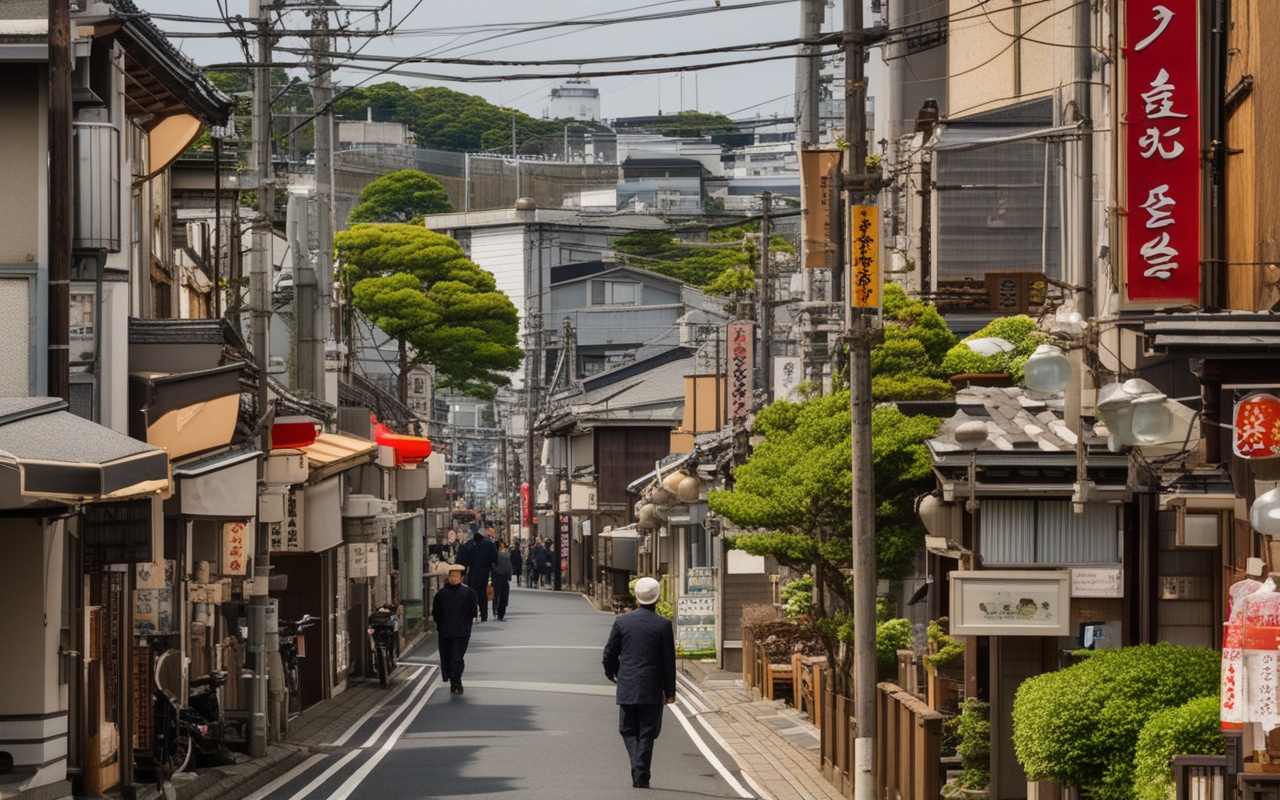
Yokosuka’s food culture was shaped by its port history. American naval influence brought curry and sandwiches, while the fishing tradition kept Japanese home cooking alive. The result is a unique culinary landscape where Navy Curry coexists with 50-year-old Japanese diners, each telling a different story of this port city.
What Makes These Eateries Special:
- Generational recipes: Some unchanged since the 1950s
- Port workers’ fuel: Hearty, filling, affordable
- Fusion history: Japanese-American culinary crossover
- No tourist markup: Real prices for real people
- Character: Each shop has unique personality Updated: May 2026 (all verified)
1. Shokudo Maruyoshi (食堂マルヨシ)
Best for Lunch – Port Workers’ Canteen Since 1958
Location: 20m from Yokosuka-Chuo Station East Exit
Hours: 11:00 AM - 2:00 PM (weekdays only)
Seating: 8 counter seats
Price Range: ¥550-950
Specialty: Teishoku (set meals)
Why It’s Special:
- Original 1958 interior — unchanged
- Dockworker regulars since opening day
- Daily teishoku changes with market availability
- Incredible value — full set meal for ¥700
- Cash only, no English (point at counter display)
Daily Set Menu (例):
- Grilled Fish Set (¥700) — Fish of the day + rice + miso
- Chicken Katsu Set (¥800) — With cabbage + rice
- Nikujaga Set (¥650) — Meat and potato stew
- Curry Rice (¥550) — Simple but perfect
Local Tip: Arrive by 11:30 AM for the best selection. By 1 PM, many items are sold out. The owner retires at 2 PM sharp.
2. Underground Curry & Coffee (地下のカレーとコーヒー)
Best for Curry – Hidden Basement Shop
Location: Basement level, 2-min from Yokosuka-Chuo Station
Hours: 11:30 AM - 8:00 PM (closed Sundays)
Seating: 6 counter seats
Price Range: ¥800-1,200
Specialty: Japanese-style curry with coffee pairing
Why It’s Special:
- Hidden entrance: Stairs down from street level, no sign
- Coffee-curry pairing: Unique concept
- Slow-simmered roux: 3-day aged curry
- Local coffee roastery collaboration
- No social media: Word of mouth only
Must Try:
- Keema Curry Set (¥900) — Spiced minced meat
- Beef Curry + Coffee (¥1,200) — Perfect pairing
- Vegetable Curry (¥850) — Seasonal produce
- Afternoon Curry + Dessert (¥1,100) — Limited
Local Tip: The owner is a former barista who applies coffee philosophy to curry. Ask about the “single-origin curry” — different beans used as spice base.
3. Ondori Shokudo (おんどり食堂)
Best for Atmosphere – 1946 Post-War Diner
Location: Near Yokosuka Port, 7-min walk from station
Hours: 11:00 AM - 3:00 PM, 5:00 PM - 9:00 PM (closed Wed)
Seating: 20 seats (counter + tatami)
Price Range: ¥700-1,500
Specialty: Omurice and Western-style Japanese food
Why It’s Special:
- Founded 1946 (one year after the war)
- Original building — survived wartime bombing
- Post-war yoshoku (Western-style Japanese food)
- Family-run — third generation now running it
- Vintage atmosphere — newspaper clippings from 1950s
Must Try:
- Omurice (¥850) — Classic, perfectly executed
- Hamburg Steak (¥1,200) — With demi-glace sauce
- Napolitan Spaghetti (¥800) — Japanese ketchup pasta
- Cream Croquette Set (¥900) — House specialty
Local Tip: The hamburg steak is made with a secret blend of pork and beef that the family has used since 1946. No one else knows the ratio.
4. Misaki Port Sushi (Misaki (三崎)港sushi (寿司))
Best for Seafood – Hidden Counter in the Fish Market
Location: Inside Misaki Fish Market (Yokosuka side)
Hours: 6:00 AM - 1:00 PM (until sold out)
Seating: 6 counter seats
Price Range: ¥1,000-2,500
Specialty: Fresh tuna sushi at market prices
Why It’s Special:
- Inside the fish market — freshest possible fish
- Tuna direct from auction (Misaki is famous for tuna)
- No menu — chef serves what arrived this morning
- Market workers eat here — ultimate endorsement
- Closes when fish runs out (often by 1 PM)
Must Try:
- Omakase Nigiri (¥1,800) — 5 pieces of chef’s choice
- Maguro Don (¥1,200) — Tuna over rice
- Engawa (¥500/piece) — Flounder fin (if available)
- Chutoro (¥600/piece) — Medium-fatty tuna
Local Tip: Go between 8-9 AM for the best selection after the morning auction, Bring a cooler if you want to take fresh fish home.
5. Yokosuka Men’s Club (Yokosuka (横須賀)メンズクラブ)
Best for Late Night – Ramen Since 1976
Location: Honcho area, 5-min from Yokosuka-Chuo
Hours: 6:00 PM - 3:00 AM (closed Mondays)
Seating: 7 counter seats
Price Range: ¥700-1,100
Specialty: Tonkotsu shoyu ramen
Why It’s Special:
- Post-war style tonkotsu shoyu — rare in Kanagawa
- Open until 3 AM — after-work crowd favorite
- Sake + ramen culture — drink first, noodles later
- No women’s restroom (from era when only men worked late)
- Original 1976 decor unchanged
Must Try:
- Special Ramen (¥800) — Rich tonkotsu-shoyu
- Gyoza Set (¥950) — 6 gyoza + ramen
- Chashu-mayo Rice (¥400) — Side dish
- Sake + Gyoza (¥900) — Classic combo
Local Tip: The “ramen + sake” combo is the local way: order sake first, drink while chatting, then finish with ramen. The owner expects this rhythm.
Access
🗺️ Access Map
🚉 Major Stations
| Station | Access Time | Route |
|---|---|---|
| Tokyo Station | 60-90 min | JR Tokaido Line → JR Yokosuka Line |
| Shinjuku Station | 70-100 min | JR Shonan-Shinjuku Line |
| Shibuya Station | 65-95 min | JR Shonan-Shinjuku Line |
🅿️ Parking Information
- Coin Parking: Available near the station
- Rate: ¥200-300/hour
- Recommendation: Arrive early on weekends
🔧 Practical Tips
- Wi-Fi: Most major stations and cafes offer free Wi-Fi
- Payment: While credit cards are widely accepted, always carry some cash
- Language: Major tourist spots have English signage, but a translation app helps
- Transport: Get a Suica or Pasmo card for easy travel
From Yokohama:
- Keikyu Line: Yokohama → Yokosuka-Chuo
- Time: 30 minutes (express), ¥390

From Kamakura:
- Keikyu Line: Kamakura → Yokosuka-Chuo
- Time: 20 minutes, ¥280 From Tokyo:
- JR Shonan Shinjuku Line → Ofuna → Keikyu Line
- Time: 70 minutes, ¥1,200
Frequently Asked Questions
Q: Are these restaurants tourist-friendly?
A: Most are Japanese-only speaking but very welcoming, Pointing and smiling works, Bring Google Translate for complex questions. Q: Do they accept credit cards?
A: Almost all are cash only, Bring ¥3,000-5,000 per person per meal.
Q: Are there vegetarian options?
A: Limited. Shokudo Maruyoshi sometimes has vegetable sets. Ondori Shokudo has egg dishes. Call ahead.
Q: Can I visit in the evening?
A: Maruyoshi is lunch-only. Underground Curry and Ondori are open for dinner. Men’s Club is late-night only. Q: Do I need reservations?
A: No reservations at any of these places. They’re casual counter-service shops.
Last Updated: May 19, 2026
Written by: Anaba OffJapan Editorial Team
Verified: All locations visited April-May 2026
🌟 Share Your Experience
Found a hidden eatery in Yokosuka? Know a better shokudo? Join our community forum to share your discoveries!
Anaba OffJapan – Avoid the Crowds, Go Deeper into Japan.
🥢 Culinary History & Dining Tips
Best Time to Visit Each Restaurant
Each restaurant in this guide has an optimal visiting window for the best experience:
| Restaurant | Best Time | Why |
|---|---|---|
| Shokudo Maruyoshi | 11:15-11:30 AM | Beat the lunch rush, best selection |
| Underground Curry | 1:30-2:30 PM | Post-lunch lull, quieter atmosphere |
| Ondori Shokudo | 11:30 AM (lunch) or 5:15 PM (dinner) | First seating has freshest food |
| Misaki Port Sushi | 8:00-9:00 AM | Post-auction, freshest fish available |
| Yokosuka Men’s Club | 8:00-9:00 PM | Peak atmosphere, regulars filling the counter |
Weekdays are universally preferable — these restaurants serve the working community and are busiest on weekends. Tuesday through Thursday offers the quietest experience with the most attentive service.
The Shioiri Shotengai Food Walk
For a self-guided food tour, start at the Shioiri Shotengai (shopping street), a covered arcade 3 minutes from Yokosuka-Chuo Station that few tourists explore. This 300-meter arcade houses approximately 40 small shops including butchers, fishmongers, pickle vendors, and informal eateries. Pick up fresh tamagoyaki (Japanese omelette, ¥200) from the egg shop at the entrance, sample local kamaboko (fish cake) from the shop next to the post office, and finish with a hand-rolled onigiri from the rice ball specialist near the arcade’s midpoint. The total cost for a walk-and-eat lunch is approximately ¥1,000-1,500, and you’ll experience the genuine daily food culture of Yokosuka’s working neighborhoods.
Yokosuka Navy Curry: Where to Try It
While the restaurants in this guide focus on hidden local gems, no visit to Yokosuka is complete without sampling authentic Navy Curry. For the real version — not the tourist-oriented reproductions — visit the Maritime Self-Defense Force curry counter at the Yokosuka Naval Base Public Information Center. The curry here is prepared according to the official MSDF recipe, served with milk and a small salad, exactly as sailors eat it. The cost is ¥780, and the experience is genuinely unique. Alternatively, the local supermarket near Yokosuka-Chuo Station sells Navy Curry retort pouches (¥380 each) if you want to take the taste home.
Yokosuka’s Food History: A Timeline
1945-1952: Post-War American Influence
After World War II, the US Navy established a major base in Yokosuka. American personnel introduced new ingredients and dishes: SPAM, hot dogs, ketchup, and curry powder. Local cooks adapted these ingredients to Japanese tastes, creating the foundation of Yokosuka’s unique food culture.
1950s-1960s: Birth of Navy Curry
The Japanese Navy (Maritime Self-Defense Force) adopted curry as a Friday tradition — a practice that originated from the British Navy. Yokosuka’s version became distinct: thicker, sweeter, and served with a side of milk (for calcium, nutritionists advised). Today, Navy Curry is a point of local pride.
1970s-1980s: Shokudo Golden Age
Yokosuka’s shipbuilding industry boomed, and worker canteens (shokudo) multiplied. These no-frills diners served huge portions at low prices. Many of the restaurants in this guide opened during this era and still operate with original equipment.
1990s-Present: lesser-known spot Status
As Yokosuka’s industry declined, the younger generation moved to Tokyo for work. The old shokudo remained, serving an aging local clientele. Most tourists never discovered them — preserving their authentic character into the present day.
How to Order Like a Local
Essential Phrases:
| Japanese | Pronunciation | Meaning |
|———-|—————|———|
| Osusume wa nan desu ka? | Oh-sue-sue-meh wah nahn dess kah | What do you recommend? |
| Kore o kudasai | Koh-reh oh koo-dah-sigh | I’ll have this, please |
| O-makase de onegai shimasu | Oh-mah-kah-seh deh oh-neh-guy shee-mahs | Chef’s choice, please |
| Gochisousama deshita | Goh-chee-soh-sah-mah deh-shee-tah | Thank you for the meal (after eating) |
Counter Dining Etiquette:
- Sit at the counter and observe what regulars order
- Place your order promptly when the staff acknowledges you
- Eat efficiently — these aren’t leisurely dining experiences
- Pay at the counter when you’re finished (usually cash only)
- Say “Gochisousama” when leaving — staff will appreciate it
Drink Pairing Guide
| Dish | Recommended Drink | Why |
|---|---|---|
| Tonkotsu ramen | Chilled sake | The richness of the broth cuts through the alcohol |
| Curry rice | Mugicha (barley tea) | Classic pairing, cleanses the palate |
| Omurice | Cola or Ramune | The sweetness complements the ketchup |
| Sashimi | Hot sake | Classic pairing, enhances umami |
| Hamburg steak | Draft beer | The carbonation cuts through the demi-glace richness |
| Gyoza | Highball (whisky soda) | A classic combination across Japan |
Dietary Considerations
All restaurants listed in this guide are primarily meat-and-seafood focused. Vegetarian and vegan diners will find limited options. Here are the best bets:
- Shokudo Maruyoshi: Inari sushi (¥300) and vegetable tempura set (¥600) — ask for “yasai” (vegetables)
- Underground Curry: Vegetable curry (¥850) can be made vegan on request
- Ondori Shokudo: Omelette rice and egg sandwiches are vegetarian-friendly
- Misaki Port Sushi: Offers cucumber rolls (kappa maki, ¥300) and pickled plum rolls (umekyu maki, ¥400) for non-fish diners
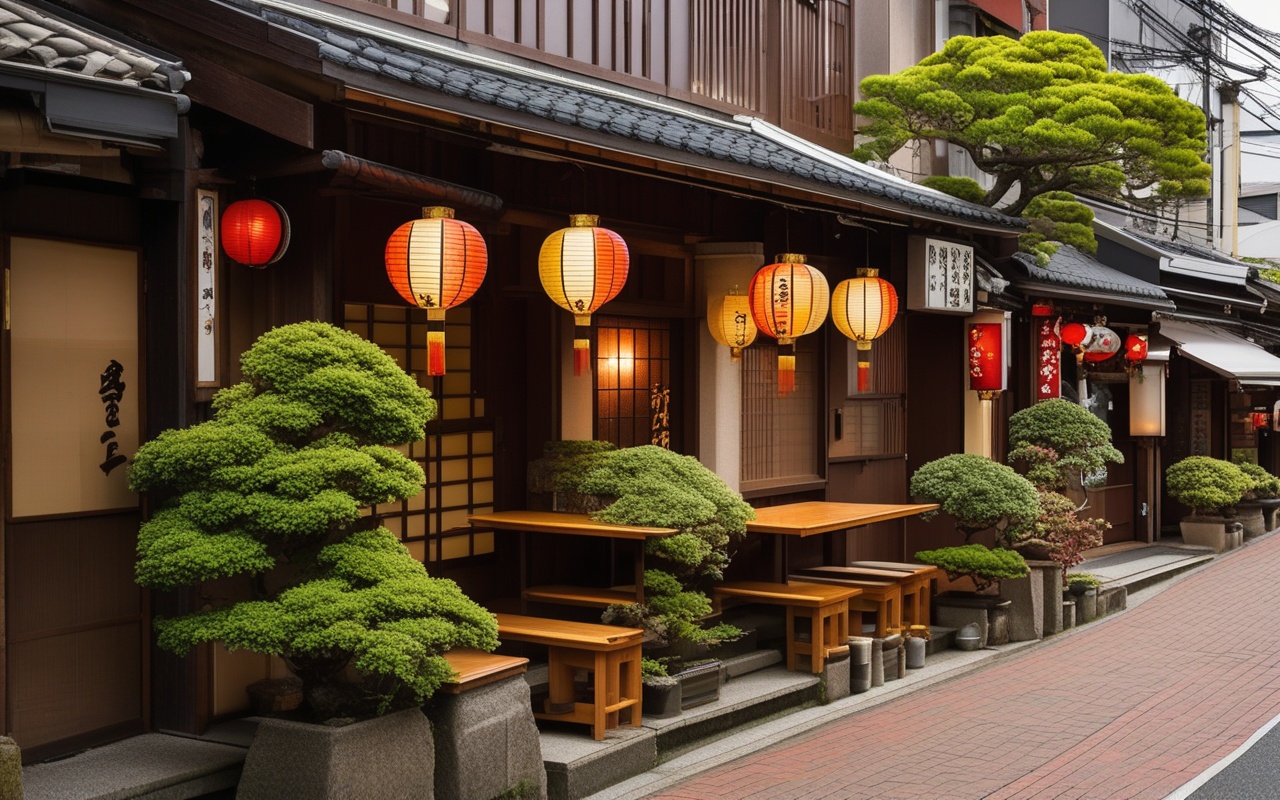
Yokosuka’s hidden dining scene offers an authentic taste of Japanese working-class food culture. From 1950s shokudo serving ¥700 sets to underground curry shops and market-sushi counters, these are the real flavors of Yokosuka — the food that locals have eaten for generations, untouched by tourism.
📍 Related Articles
Last Updated: May 2026 — All locations visited and verified.
Conclusion
The details in this guide come from real visits, and the biggest lesson I took away was that the best experiences in Kanagawa rarely fit neatly into a checklist. During my visit I went with a rough plan and found that leaving room to wander made the trip far more memorable. Plan the essentials, keep your schedule flexible, and you will leave Kanagawa wanting to return.