Quick Links
Planning a visit to experience Miura Peninsula Hiking Guide 2026 in Kanagawa? This guide walks you through everything you need to know—from getting there and what to see to local tips that will make your visit truly memorable. Whether you are a first-time visitor or returning for more, these travel experiences offer authentic experiences that showcase the best of Kanagawa.

Location


- Access: 1.5 hours from Tokyo by train
- Best trails: Jogashima, Misaki Coast, Aburatsubo
- Best for: Coastal views, photography, nature
- Best season: Spring (flowers) and Autumn (clear views)

Introduction

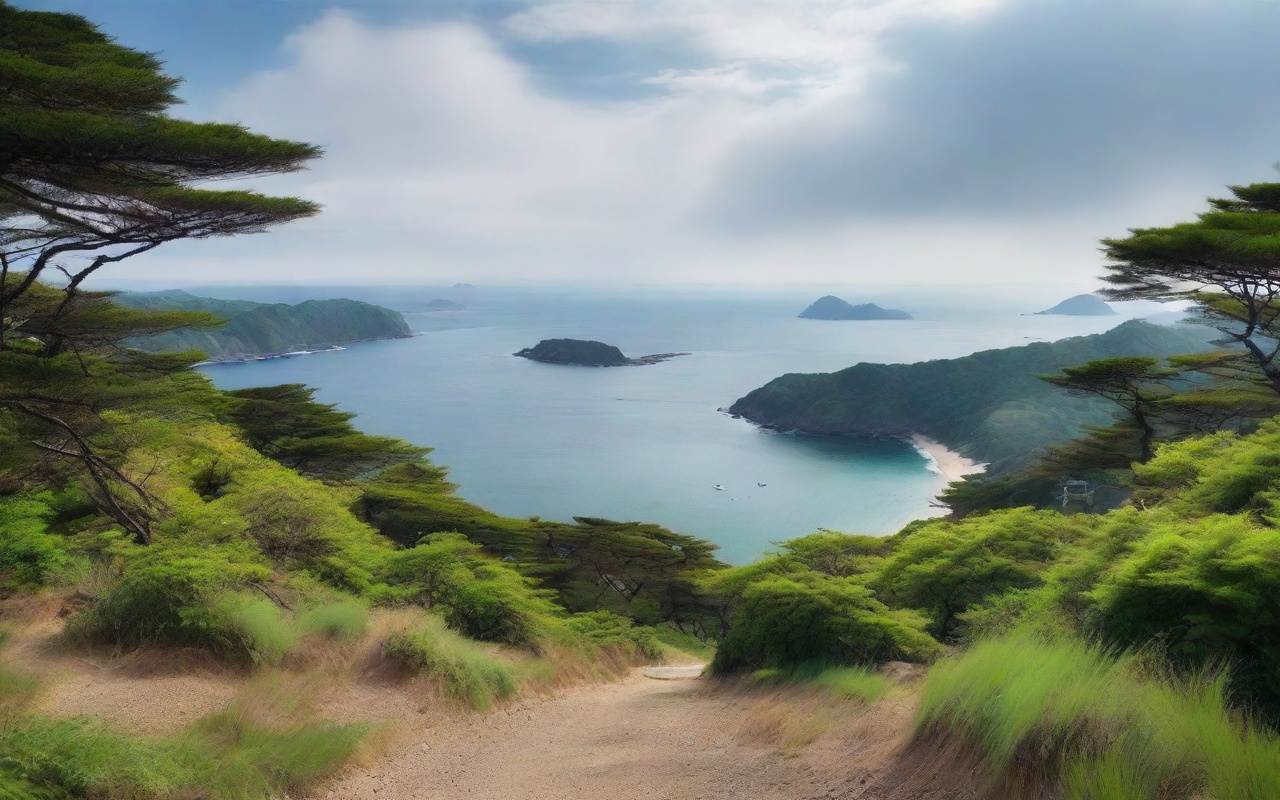
The Miura Peninsula, located south of Yokohama, offers some of the best coastal hiking near Tokyo. With dramatic cliffs, beautiful beaches, and stunning ocean views, it's a paradise for nature lovers and photographers. Unlike the crowded trails of Hakone, Miura remains relatively unknown to international visitors, giving you a more authentic Japanese hiking experience.
Why Miura Peninsula?
- Proximity: Just 1.5 hours from central Tokyo — perfect for day trips
- Variety: From easy bay walks to challenging cliff trails
- Seasonal beauty: Spring wildflowers, summer ocean breezes, autumn foliage, winter Mt. Fuji views
- Fresh seafood: The peninsula is famous for tuna fishing and fresh sashimi
- Historic lighthouses: 19th-century lighthouses built by British engineers
Trail Statistics:
- 100+ km of marked coastal trails
- 5 distinct trail systems
- 3 difficulty levels (easy, moderate, challenging)
- Well-maintained with clear signage in Japanese and English
Jogashima Island Trail
Best for: Coastal views, photography, lighthouse
Distance: 5 km loop
Duration: 2-3 hours
Difficulty: Easy to Moderate
Access: 10 min bus from Misakiguchi Station
A beautiful island connected to the mainland by a bridge, featuring dramatic coastal cliffs and a historic lighthouse. Highlights:
- Jogashima Lighthouse (1871)
- Tsumekiro Cliff (100m high)
- Seasonal flowers (poppies, cosmos)
- Fresh seafood restaurants
Trail Map:
- Bus stop → Lighthouse (20 min)
- Lighthouse → Tsumekiro Cliff (30 min)
- Cliff → Coastal path (40 min)
- Coastal path → Bus stop (30 min)

Misaki Coast Trail
Best for: Ocean views, fishing villages, seafood
Distance: 8 km point-to-point
Duration: 3-4 hours
Difficulty: Moderate
Access: Start at Misaki Port, end at Jogashima
A scenic coastal trail passing through traditional fishing villages and offering stunning ocean views. Highlights:
- Misaki Port (fresh fish market)
- Traditional fishing boats
- Coastal rock formations
- Seafood lunch stops

Aburatsubo Trail
Best for: Families, easy walking, bay views
Distance: 3 km loop
Duration: 1-2 hours
Difficulty: Easy
Access: 15 min bus from Misakiguchi Station
A gentle coastal walk around a beautiful bay, perfect for families and casual hikers. Highlights:
- Aburatsubo Bay
- Sea turtle observation (summer)
- Beach access
- Seafood restaurants

⏰ Best Time to Visit
Early morning (8-10 AM): Peaceful atmosphere, fewer crowds, perfect for photos Late afternoon (4-6 PM): beautiful lighting, local life, less crowded than midday
What I Recommend
- Don't rush: Take your time to explore the side streets and hidden spots
- Talk to locals: They often know the best hidden gems that aren't in guidebooks
- Try the local specialties: Each area has its own unique food and souvenirs
Things to Watch Out For
- Some shops close on weekdays or have irregular hours
- Parking can be challenging during peak seasons
- Cash is still king at many smaller establishments
What to Pack
Essential Items
- Hiking shoes — Trail runners or light hiking boots with good grip
- Sun protection — Hat, sunscreen, sunglasses (limited shade on coastal trails)
- Water — At least 1.5L per person (few vending machines on trails)
- Cash — Many seafood restaurants and buses are cash-only
- Camera — The coastal scenery is incredibly photogenic
Seasonal Gear
- Spring (Mar-May): Light layers, rain jacket for showers
- Summer (Jun-Aug): Breathable clothing, extra water, insect repellent
- Autumn (Sep-Nov): Light jacket, comfortable layers
- Winter (Dec-Feb): Warm layers, windbreaker for coastal winds
Local Food & Dining
The Miura Peninsula is famous for its fresh seafood, particularly tuna. After your hike, reward yourself with some of the best seafood in the Kanto region.
Must-Try Restaurants
| Restaurant | Specialty | Area | Price Range |
|---|---|---|---|
| Misaki Maguro | Fresh tuna sashimi | Misaki Port | ¥1,500-3,000 |
| Jogashima Seafood | Grilled fish, tempura | Jogashima | ¥1,200-2,500 |
| Aburatsubo Kaiyuan | Steamed shellfish | Aburatsubo | ¥2,000-4,000 |
| Kanaya Fish Market | Sushi, sashimi set | Misakiguchi | ¥1,000-2,000 |
Dining Tips
- Lunch is best: Most seafood restaurants are freshest at lunch (11:30 AM - 1:30 PM)
- Cash preferred: Smaller establishments don't accept cards
- Reservations: Not usually needed for lunch, but recommended for dinner
- Tuna auction: Visit Misaki Port early morning (5-6 AM) to see the tuna auction
Practical Information
Getting There
- From Tokyo Station: JR Yokosuka Line to Misakiguchi (70 min, ¥940)
- From Shinagawa: Keikyu Line to Misakiguchi (60 min, ¥720)
- From Yokohama: Keikyu Line to Misakiguchi (45 min, ¥620)
- Bus connections: From Misakiguchi Station to trailheads (every 15-20 min)
Best Times to Visit
- Season: Spring (flowers) and Autumn (clear views) are ideal
- Time of day: Start early (8-10 AM) to avoid afternoon heat in summer
- Weekdays: Fewer crowds, but some restaurants closed
- Weather check: Check forecast — trails exposed to wind and rain
Payment & Apps
- Cash: Essential for buses and small restaurants
- IC Cards: Suica/PASMO work on trains but not local buses
- Apps: Google Maps (navigation), Tabelog (restaurant reviews)
Dietary Notes
- Vegetarian: Limited options — seafood-focused area
- Allergies: Most restaurants can accommodate with advance notice
- Water: Tap water is safe to drink
Suggested Itineraries
One-Day Hiking Trip
- 8:00 AM: Depart Tokyo/Yokohama
- 9:30 AM: Arrive Misakiguchi, bus to Jogashima
- 10:00 AM - 1:00 PM: Jogashima Island Trail
- 1:30 PM: Lunch at Misaki Port (fresh tuna!)
- 2:30 PM: Aburatsubo Trail (easy afternoon walk)
- 4:00 PM: Return to Misakiguchi, train home
Weekend Camping Trip
- Day 1: Jogashima + Misaki Coast trails, camp at Jogashima campground
- Day 2: Aburatsubo + coastal exploration, seafood dinner before returning
Conclusion
The Miura Peninsula offers some of the best coastal hiking near Tokyo — dramatic cliffs, historic lighthouses, fresh seafood, and stunning ocean views, all within 1.5 hours of the city center. Whether you're a seasoned hiker or just looking for a peaceful day trip away from Tokyo's crowds, Miura delivers an authentic Japanese coastal experience.
Why Miura stands out:
- Uncrowded trails: Unlike Hakone, Miura remains off the tourist radar
- Variety: Easy bay walks to challenging cliff trails for all levels
- Fresh seafood: Some of the best tuna sashimi in Japan at Misaki Port
- Year-round beauty: Spring flowers, summer ocean, autumn foliage, winter Mt. Fuji views
- Easy access: Just 1-1.5 hours from Tokyo or Yokohama
Start planning your Miura hiking adventure today!
FAQ
Q: Are trails suitable for beginners?
A: Yes! Jogashima Island Trail and Aburatsubo Trail are both beginner-friendly with well-maintained paths and clear signage. Start with these before attempting the more challenging Misaki Coast Trail.
Q: Can I hike in summer?
A: Yes, but start early (6-8 AM) to avoid the midday heat. Bring plenty of water (at least 2L) and wear sun protection. The coastal breezes help, but some sections have limited shade.
Q: Are there guided tours?
A: Yes, local tour operators offer guided hikes (¥5,000-8,000 per person). These are great for first-time visitors as guides share local history and hidden spots not in guidebooks.
Q: Is the peninsula accessible with a JR Pass?
A: Partially. The JR Yokosuka Line covers the journey to Yokohama, but the Keikyu Line to Misakiguchi is not covered by JR Pass. Consider purchasing a Keikyu One-Day Pass (¥700) for unlimited rides.

Q: Where can I store luggage?
A: Coin lockers are available at Misakiguchi Station (¥300-500). Larger lockers for hiking packs are limited — arrive early during peak seasons.
Q: Is it safe for solo hikers?
A: Yes, the trails are well-marked and frequently used by locals. However, tell someone your hiking plan and carry a charged phone. Mobile signal is generally good along the coast.