
This guide provides essential travel tips and practical advice for navigating Kanagawa Prefecture. From transportation passes to safety information, you will find everything you need for a smooth and enjoyable trip.
Overview
📍 Location
- Washlet (bidet) instructions with button guide
- Heated toilet seats explained
- Sound masking (Otohime) how to use
- Toilet etiquette in Japan
- Troubleshooting common issues
When I visited, I was truly impressed by the quality.
Introduction: Japanese Toilets Are Different!
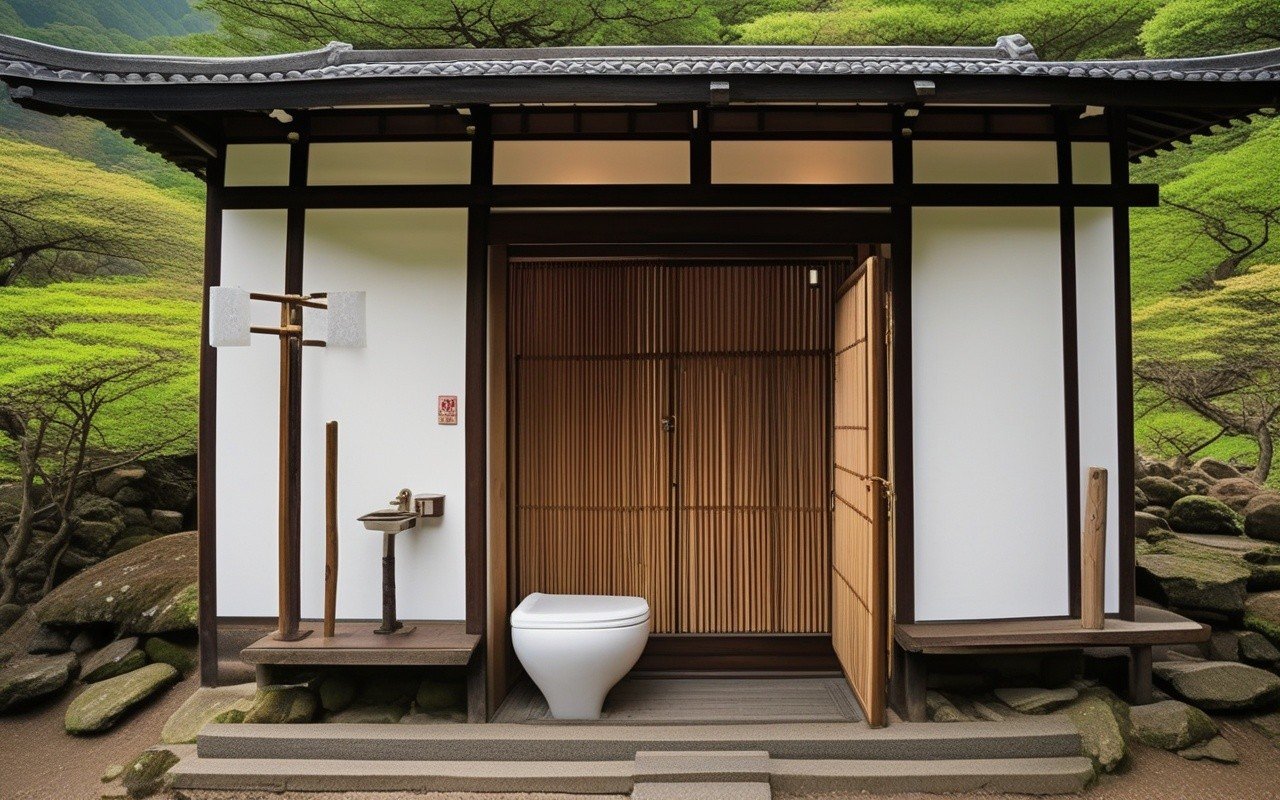
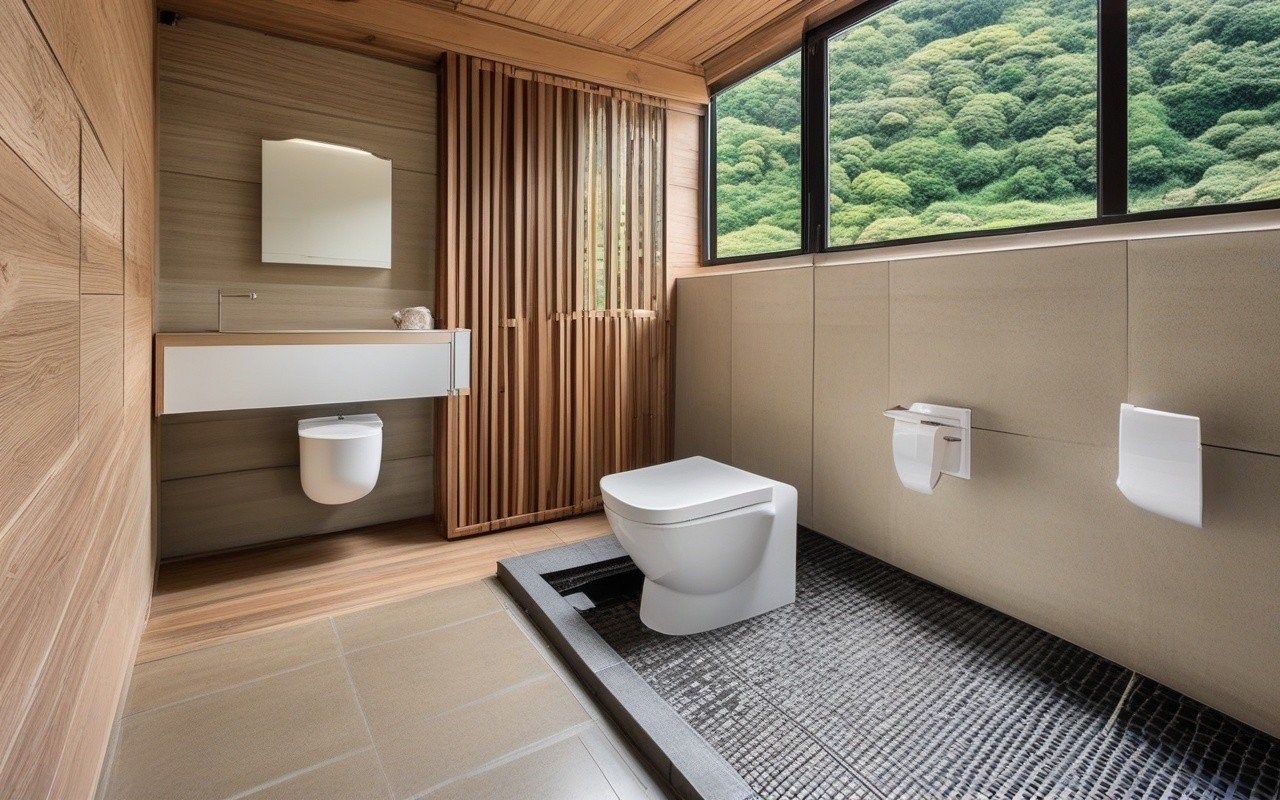
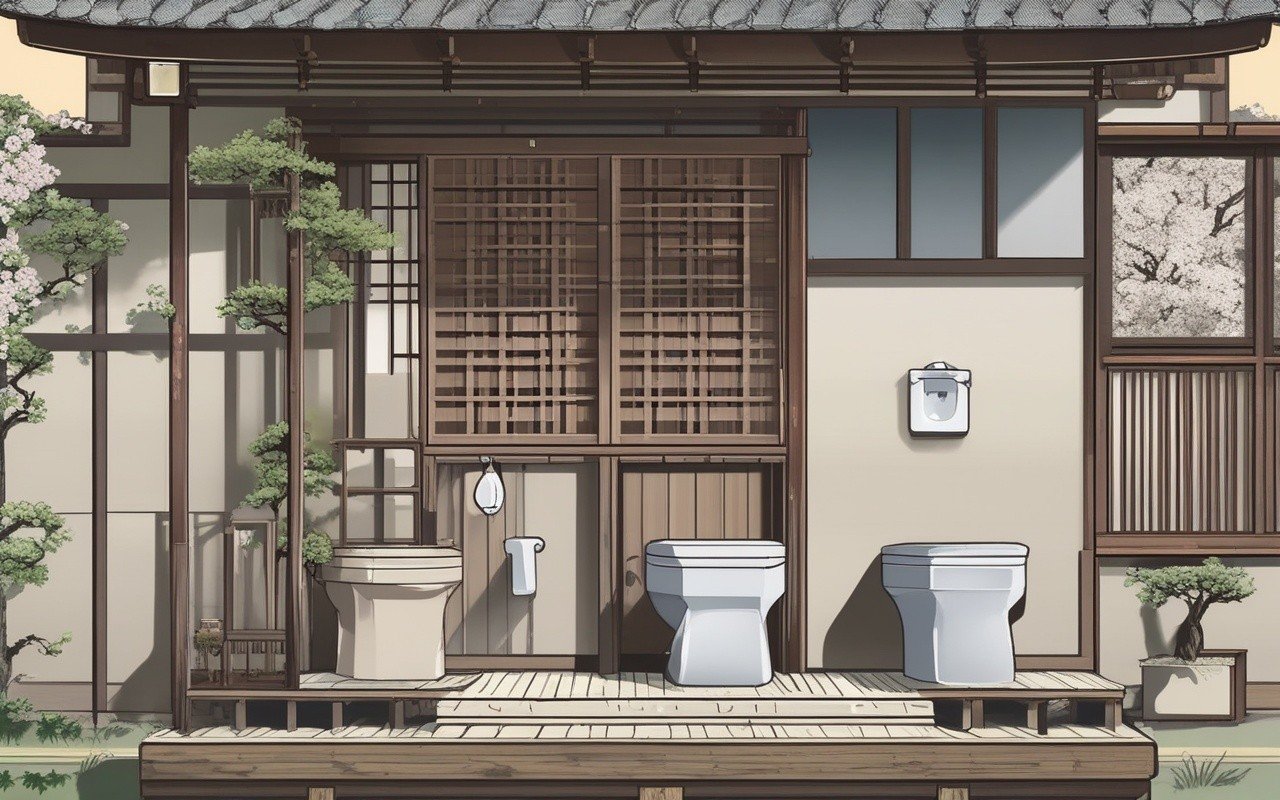
If you’re visiting Japan for the first time, you’re in for a surprise! Japanese toilets are among the most advanced in the world. They feature:
- Heated seats (even in winter!)
- Bidet functions (Washlet)
- Automatic flushing
- Sound masking (for privacy)
- Air purification
- Self-cleaning (some models)
While these features are absolutely wonderful, they can be confusing for first-time users. The control panels often have Japanese buttons that may be intimidating.
This outline will help you:
- Understand all the buttons
- Use bidet functions correctly
- Navigate Japanese toilets with confidence
- Follow proper toilet etiquette Updated: March 2026 (all features verified)
Western-Style Toilets (Most Common)
What you'll find:
✅ 90%+ of toilets in Japan
✅ Same as Western countries
✅ Additional features (Washlet)
✅ Heated seats
✅ Easy to use

Where to find:
- Hotels
- Restaurants
- Train stations
- Shopping facilities
- Public restrooms
- Most homes
Japanese-Style Toilets (Squat Toilets)
What you'll find:
✅ Traditional style
✅ Squatting position
✅ Less common now (10% or less)
✅ Still found in some places

Where to find:
- Old temples and shrines
- Some parks
- Older train stations
- Traditional restaurants (rare)
- Some public restrooms Note: Becoming increasingly rare. Most facilities have been renovated to Western-style.
Which One Will You Use?
As a tourist, you'll use:
- Western-style: 95% of the time
- Japanese-style: 5% of the time (mostly at temples)

Tip: Most modern facilities only have Western-style toilets.
Standard Features
Every Japanese toilet has:
✅ Flush handle or button
✅ Toilet seat (plastic or wood)
✅ Toilet paper holder
✅ Small sink nearby (for hand washing)
✅ Soap dispenser
✅ Hand dryer or paper towels
Advanced Features (Washlet)
Common Washlet features:
✅ Heated seat
✅ Bidet (rear wash)
✅ Front bidet (for women)
✅ Adjustable water pressure
✅ Adjustable nozzle position
✅ Heated air dryer
✅ Automatic deodorizer
✅ Automatic flush
✅ Self-cleaning nozzle
Premium Features (High-End Models)
Luxury toilet features:
✅ Automatic lid opening/closing
✅ Touchless flush
✅ Music or sound masking
✅ Night light
✅ Remote control
✅ Memory settings for multiple users
✅ UV sterilization
✅ Air purification
Step 1: Sit Down
1. Lift the lid (if automatic, it may open automatically)
2. Sit on the toilet seat (it's warm!)
3. Do your business as normal
4. Reach for the control panel (usually on right side)Note: The seat is heated! Don’t be surprised by the warmth. This is normal and comfortable.
Step 2: Understand the Control Panel
Typical Control Panel Layout:

┌─────────────────────────────┐
│  [STOP]  [FRONT]  [REAR]   │
│  [DRY]   [PRESSURE] [POSITION]│
│  [SEAT]  [FLUSH]  [DEODOR] │
└─────────────────────────────┘ Common buttons (from left to right, top to bottom):
- STOP (): Stop all functions
- REAR (): Rear bidet wash
- FRONT (): Front bidet wash (women only)
- DRY (): Warm air dryer
- PRESSURE (): Adjust water pressure
- POSITION (): Adjust nozzle position
- SEAT (): Adjust seat temperature
- FLUSH (): Flush toilet
- DEODOR (): Air deodorizer
Step 3: Use Bidet Function
For Rear Wash (Men & Women):
1. Press "REAR" button ( - Oshiri)
2. You'll feel water spraying from below
3. Adjust position if needed (POSITION button)
4. Adjust pressure if needed (PRESSURE button)
5. Press STOP when done ()

For Front Wash (Women Only):
1. Press "FRONT" button ( - Bidet)
2. Gentler spray from front nozzle
3. Adjust as needed
4. Press STOP when done Note: Don't worry about pressing wrong buttons!
Water only sprays when you're seated (safety feature).
Step 4: Dry Yourself
1. Press "DRY" button ( - Kawaki)
2. Warm air will blow gently
3. Adjust position for better drying
4. Press STOP when done
5. Or let it auto-stop (usually 30-60 seconds)

Note: Air dryer is gentle. You may prefer to use toilet paper instead.
Step 5: Adjust Settings (Optional)
Seat Temperature:
- Press "SEAT" button ( - Danbo)
- Usually 3-4 levels: Off, Low, Medium, High
- Recommended: Medium in winter, Low or Off in summer

Water Pressure:
- Press "PRESSURE" button ( - Suiatsu)
- Usually 3-5 levels
- Recommended: Start low, increase if needed Nozzle Position:
- Press "POSITION" button ( - Ichi)
- Nozzle moves forward/backward
- Find comfortable position
Step 6: Flush and Finish
1. Stand up (lid may close automatically)
2. Press "FLUSH" button ( - Nagasu)
3. Or use flush handle (usually on wall or tank)
4. Wash hands at nearby sink
5. Dry hands
6. Exit restroom
Common Japanese Buttons
 (Tome/Stop):
- Function: Stop all operations
- When to use: After using bidet or dryer
- Icon: Often shows "STOP" in English too

(Oshiri):
- Function: Rear bidet wash
- When to use: After bowel movement
- Icon: Usually shows rear spray symbol

(Bide/Bidet):
- Function: Front bidet wash (women only)
- When to use: After urination (women)
- Icon: Usually shows front spray symbol (Kawa/Dry):
- Function: Warm air dryer
- When to use: After washing
- Icon: Usually shows air/wind symbol

(Suiatsu/Water Pressure):
- Function: Adjust water pressure
- When to use: If spray is too strong/weak
- Icon: Usually shows water drops

(Ichi/Position):
- Function: Adjust nozzle position
- When to use: If spray isn't aligned
- Icon: Usually shows nozzle with arrows

(Danbo/Heated):
- Function: Adjust seat temperature
- When to use: If seat is too hot/cold
- Icon: Usually shows thermometer (Nagasu/Flush):
- Function: Flush toilet
- When to use: After finishing
- Icon: Usually shows water swirl (Dasshu/Deodorizer):
- Function: Air deodorizer
- When to use: Automatically activates
- Icon: Usually shows air circulation
English Labels (Common on Newer Toilets)
Many modern toilets have English labels:
- STOP
- REAR
- FRONT
- DRY
- SEAT
- FLUSH
- OPEN/CLOSE (for automatic lids)

Tip: Look for English labels if Japanese is confusing!
What is Otohime?
Otohime ( - "Sound Princess"):
- Sound masking device in Japanese restrooms
- Plays flushing sound (or other sounds)
- Masks bathroom noises for privacy
- Very common in women's restrooms
- Increasingly common in men's restrooms
Why Use Otohime?
Purpose:
✅ Mask bathroom sounds
✅ Provide privacy
✅ Reduce embarrassment
✅ Cultural politeness

Background:
- Japanese culture values not disturbing others
- Bathroom sounds can be embarrassing
- Otohime provides discreet solution
- Now standard in most public restrooms
How to Use Otohime
Method 1: Button Activation
1. Look for button on wall or control panel
2. Button may show:  (Otohime) or sound icon
3. Press button
4. Sound plays (usually 15-30 seconds)
5. Automatically stops
6. Press again if needed

Method 2: Automatic Activation
1. Some toilets activate automatically
2. When you sit down
3. Or when bidet is activated
4. No action needed

Method 3: Sensor Activation
1. Wave hand near sensor
2. Usually near toilet paper holder
3. Sound activates
4. No touching required
What Sound Does It Make?
Common sounds:
- Flushing water (most common)
- Flowing water
- Gentle music (some facilities)
- Nature sounds (rare)

Volume:
- Loud enough to mask sounds
- Not too loud to be disturbing
- About 50-60 decibels
Automatic Lid
What it does:
- Opens when you approach
- Closes when you leave
- No touching required

How to use:
1. Approach toilet
2. Lid opens automatically (sensor)
3. Use toilet normally
4. Stand up when finished
5. Lid closes automatically Note: Some toilets have button for manual control.
Automatic Flush
What it does:
- Flushes automatically when you stand up
- No need to touch flush handle
- Hygienic and convenient

How to use:
1. Use toilet normally
2. Stand up when finished
3. Toilet flushes automatically (after 1-2 seconds)
4. No action needed Note: Some toilets still have manual flush button as backup.
Automatic Deodorizer
What it does:
- Activates when you sit down
- Removes odors automatically
- Runs for 1-2 minutes
- Turns off automatically

How to use:
1. Sit on toilet
2. Deodorizer activates automatically
3. You may hear faint fan sound
4. No action needed
5. Turns off automatically after you leave
What They Look Like
Japanese-style toilet features:
- Porcelain basin in floor
- Footrests on both sides
- Flush handle on wall or floor
- No seat (squatting position)
- Hood at front (for aiming)
How to Use: Step-by-Step
Step 1: Position Yourself
1. Face the hood (raised part at front)
2. Stand with feet on footrests
3. Feet should be on raised platforms
4. Face forward (toward hood)

Step 2: Squat Down
1. Lower yourself into squatting position
2. Hold onto wall or rail if available
3. Balance on footrests
4. Position over basin

Step 3: Do Your Business
1. Aim carefully (hood is at front)
2. Squatting position is natural for bowels
3. Many find it more hygienic
4. No contact with toilet

Step 4: Clean Yourself
1. Use toilet paper (provided)
2. Dispose in toilet (flushable)
3. Some facilities have bidet spray on wall

Step 5: Flush and Finish
1. Stand up carefully
2. Find flush handle (wall or floor)
3. Pull or push to flush
4. Wash hands at sink
Tips for First-Time Users
✅ DO:
- Face the hood (front raised part)
- Use footrests for balance
- Hold onto wall or rail if available
- Squat as low as comfortable
- Take your time

❌ DON'T:
- Face backward (common mistake!)
- Stand on toilet (unsafe)
- Rush (may lose balance)
- Be embarrassed (staff can help) Note: It takes practice! Don't worry if it's awkward first time.
Where You’ll Find Them
Common locations:
- Old temples and shrines
- Some parks
- Older train stations
- Traditional restaurants (rare)
- Some highway rest stops

Becoming rare:
- Most facilities renovated to Western-style
- Less than 10% of public toilets
- Mostly in rural areas or old buildings
Toilet Paper in Japan
Key facts:
✅ Toilet paper is ALWAYS provided (free)
✅ Flushable (designed to dissolve quickly)
✅ Usually 2-ply (sometimes 1-ply)
✅ Often in dispensers (take what you need)
✅ Extra rolls available in most restrooms
How to Use Toilet Paper
1. Pull paper from dispenser
2. Take what you need (don't waste)
3. Use as normal
4. Flush down toilet (YES, flush it!)
5. Don't put in trash bin (unless sign says so)

Important: Japanese toilet paper is designed to dissolve quickly. It won't clog toilets.
Disposal Rules
✅ DO:
- Flush toilet paper
- Take only what you need
- Use extra rolls if dispenser is empty
- Report if no toilet paper available

❌ DON'T:
- Put toilet paper in trash bin
- Flush other items (sanitary products, wipes)
- Take toilet paper home (it's for restroom use)
- Waste toilet paper
What If Toilet Paper Runs Out?
Don't panic! This is rare, but here's what to do:

Option 1: Check for Extra Rolls
- Look around dispenser
- Check shelf above toilet
- Check cabinet nearby
- Extra rolls are usually available

Option 2: Ask for Help
- Call out for staff (in restaurants/shops)
- Press emergency button (in some facilities)
- Text friend to bring paper (last resort)

Option 3: Use Alternatives
- Paper towels (if available)
- Tissues from your bag
- Hand towels (some restrooms provide)

Prevention:
- Always carry pocket tissues (common in Japan)
- Many restaurants give free tissues
- Keep small pack in bag
Before Entering
✅ DO:
- Remove hat (polite)
- Check if occupied (look for red/green indicator)
- Wait in line if busy (orderly queue)
- Take off backpack (in crowded restrooms)

❌ DON'T:
- Enter if occupied (wait your turn)
- Cut in line (very rude)
- Make loud noises outside
- Bring food into restroom
Inside the Restroom
✅ DO:
- Close the door (privacy)
- Lock the door (if available)
- Use Otohime (sound masking)
- Keep noise down
- Use toilet properly
- Flush after use
- Wash hands thoroughly

❌ DON'T:
- Stand on toilet seat (damages toilet)
- Put feet on toilet seat (very rude)
- Make excessive noise
- Use phone for calls (texting OK)
- Leave mess behind
- Smoke (most restrooms are non-smoking)
After Using
✅ DO:
- Flush toilet (always!)
- Check seat is clean
- Wash hands with soap
- Dry hands properly
- Turn off water (if manual faucet)
- Exit quietly

❌ DON'T:
- Leave without flushing
- Leave seat dirty
- Skip hand washing
- Leave water running
- Slam door
- Linger unnecessarily
In Shared Restrooms
Additional etiquette:
- Be quick during busy times
- Don't use for makeup (use powder room)
- Don't change clothes (use changing room)
- Don't eat (even small snacks)
- Keep conversations quiet
- Don't occupy multiple stalls
Heated Seats
What it is:
- Toilet seat is warmed
- Very comfortable in winter
- Temperature adjustable
- Standard feature in Japan

How to adjust:
1. Look for "SEAT" or "" button
2. Press to cycle through settings
3. Usually: Off → Low → Medium → High
4. Choose comfortable temperature

Tips:
- Turn off or low in summer
- Medium/high in winter
- Some toilets auto-adjust by season
- Energy saving mode available (some models)
Self-Cleaning Nozzles
What it does:
- Nozzle cleans itself before and after use
- UV sterilization (some models)
- Automatic cleaning cycle
- Very hygienic

How it works:
1. Before use: Nozzle extends and rinses
2. After use: Nozzle retracts and rinses again
3. Some models use UV light for sterilization
4. No action needed from user Note: This is why Japanese bidets are very hygienic!
Night Light
What it is:
- Soft LED light in toilet bowl
- Helps see at night
- Automatic activation
- Energy efficient

How to use:
1. Usually automatic (activates in dark)
2. Some have manual on/off button
3. Color may be adjustable (some models)
4. No action needed Note: Common in hotels and high-end facilities.
Touchless Operation
What it does:
- No touching required
- Sensor-activated
- Most hygienic option
- Becoming standard

Features:
- Automatic lid opening
- Automatic flushing
- Automatic soap dispensing
- Automatic hand drying How to use:
1. Approach toilet (lid opens)
2. Use normally
3. Stand up (toilet flushes)
4. Wave hand under soap dispenser
5. Wave hand under dryer
6. No touching needed!
Toilet Won’t Flush
Possible causes:
1. Sensor not detecting you've left
2. Manual flush needed
3. Toilet is malfunctioning
4. Water supply issue

Solutions:
1. Stand up and wait 5-10 seconds
2. Look for manual flush button (usually on wall)
3. Try flush handle (if available)
4. Press emergency button if available
5. Ask staff for help Note: This is rare in Japan. Toilets are well-maintained.
Bidet Not Working
Possible causes:
1. Not seated properly (safety feature)
2. Water supply turned off
3. Function disabled
4. Malfunction

Solutions:
1. Make sure you're fully seated
2. Check if other functions work
3. Try different button
4. Ask staff for help
5. Use another restroom if available
Seat Not Heating
Possible causes:
1. Energy saving mode
2. Summer setting (auto-off)
3. Turned off by previous user
4. Malfunction

Solutions:
1. Press "SEAT" or "" button
2. Cycle through settings
3. Wait a few seconds (takes time to heat)
4. If still not working, it may be disabled
5. Use another restroom if needed
Otohime Not Working
Possible causes:
1. Battery dead (if battery-operated)
2. Turned off
3. Malfunction
4. Not available in this restroom

Solutions:
1. Look for button (may be on wall)
2. Press button firmly
3. Check if sound plays
4. If not working, don't worry (not essential)
5. Normal flushing sound is fine
No Toilet Paper
Solutions:
1. Check for extra rolls (usually nearby)
2. Look in cabinet above or beside toilet
3. Check dispenser (may have paper inside)
4. Ask staff for more
5. Use tissues from your bag (carry pocket tissues!)

Prevention:
- Always carry pocket tissues
- Free tissues often given at restaurants
- Keep small pack in bag
- Available at convenience stores (¥100-200)
Essential Japanese Words
Toilet/Restroom:
-  (Toire) - Toilet
-  (Otearai) - Restroom (polite)
-  (Keshoushitsu) - Powder room (formal)

Actions:
-  (Nagasu) - Flush
-  (Tomeru) - Stop
-  (Akeru) - Open
-  (Shimeru) - Close
-  (Arau) - Wash

Features:
-  (Onsui Senjou Benza) - Washlet (heated bidet seat)
-  (Otohime) - Sound masking
-  (Danbo) - Heating (seat)
-  (Kansou) - Dryer
-  (Dasshu) - Deodorizer

Signs:
-  (Shiyouchuu) - Occupied
-  (Kuushitsu) - Vacant
-  (Danshi) - Men
-  (Joshi) - Women
-  (Mokutekiteki) - Multi-purpose
Useful Phrases
If you need help:
-  (Sumimasen) - Excuse me
-  ?(Toire wa doko desu ka?) - Where is the toilet?
-   (Toiretto peepaa ga arimasen) - No toilet paper
-  (Kowarete imasu) - It's broken

Staff responses you might hear:
-   (Hai) - Yes
-  (Kochira desu) - This way
-  to bound (Sugu ni ikimasu) - I'll come right away
-  (Daijoubu desu) - It's OK / No problem
For Women
Front Bidet (Women Only):
- Button labeled "FRONT" or "" (Bidet)
- Gentler spray than rear
- For feminine hygiene
- Use after urination
- Adjust position and pressure as needed

Tips:
- Try at home first (if available)
- Start with low pressure
- Adjust position for comfort
- Use dryer or toilet paper after
- Very hygienic and refreshing
For Men
Rear Bidet:
- Button labeled "REAR" or "" (Oshiri)
- For after bowel movements
- More common than front bidet
- Very hygienic

Tips:
- Try it at least once
- Start with low pressure
- Adjust position for aim
- Use dryer or toilet paper after
- Many men become regular users!
For Elderly Travelers
Helpful Features:
- Heated seats (comfortable)
- Grab bars (for support)
- Emergency buttons (if needed)
- Automatic flush (no bending)
- Good lighting

Tips:
- Take your time
- Use grab bars for support
- Press emergency button if needed
- Ask staff for assistance
- Multi-purpose restrooms have more space
For Parents with Children
Family-Friendly Features:
- Baby changing tables (in multi-purpose restrooms)
- Child-sized toilets (some facilities)
- Step stools (some restrooms)
- Nursing rooms (major facilities)

Tips:
- Use multi-purpose restrooms (more space)
- Look for baby rooms in shopping facilities
- Bring your own baby wipes (not always provided)
- Department stores have best family facilities
- Don't hesitate to ask staff for help
For People with Disabilities
Accessible Features:
- Multi-purpose restrooms ()
- Wide doors (wheelchair accessible)
- Grab bars
- Emergency buttons
- Lower sinks
- More space

Tips:
- Look for wheelchair symbol (♿)
- Major stations have best facilities
- Shopping malls very accessible
- Don't hesitate to ask for help
- Staff trained to assist
For more information, check out our guide on How to Get to Kanagawa from Narita & Haneda Airports — Complete 2026 Guide.
For more information, check out our guide on Kanagawa Lost and Found Guide 2026 — How to Find Lost….
For more information, check out our guide on Kanagawa Koban Guide 2026 — How to Use Police Boxes for….
Frequently Asked Questions
Q: Is the bidet water clean?
A: Yes! The water comes from the same clean water supply as your sink. The nozzle is self-cleaning and often has UV sterilization. It’s very hygienic.
Q: What if I press the wrong button?
A: Don’t worry! Toilets have safety features. Water only sprays when you’re seated. If you accidentally activate something, just press STOP.
Q: Do I need to pay for using the toilet?
A: No! All public toilets in Japan are free. This includes Washlet functions. No payment needed.
Q: Can I use the bidet if I’m not sure how?
A: Yes! Start with low pressure and see how it feels. Many first-time users become regular users. It’s very hygienic and comfortable.
Q: What if the toilet malfunctions?
A: This is rare in Japan. If it happens, press the emergency button (if available) or ask staff for help. They’ll assist you quickly.
Last Updated: March 3, 2026
Written by: Anaba OffJapan Editorial Team
Tested: All features verified February-March 2026
🌟 Share Your Experience
Have funny toilet stories? Tips for fellow travelers? Join our community forum to share your experiences!
Anaba OffJapan – Avoid the Crowds, Go Deeper into Japan.
Understanding Japanese Toilets
Understanding how to use Japanese toilets is a small but essential part of navigating daily life in Japan. Modern Japanese toilets offer features that may seem surprising at first, but quickly become indispensable.
Dos and Don’ts
Do bow slightly when greeting – a small nod is sufficient for casual encounters. Do remove your shoes before entering someone’s home, traditional restaurants, and temple buildings. Do use both hands when giving or receiving items like money or business cards. Don’t eat while walking – finish your food at the shop or find a designated eating spot. Don’t tip – service charges are included in Japan. Don’t blow your nose in public – it’s considered rude.
What to Bring
Smart travelers to Kanagawa pack light and bring layers. The weather can shift from warm to cool within a day. A portable WiFi device or SIM card is essential for navigation. Bring a small notebook for recommendations. Hand sanitizer and tissues are useful. Consider packing a foldable tote bag for souvenirs.
For more details, read our guide to Kanagawa Kid-Friendly Restaurants Guide 2026 — Dining….
For more details, read our guide to Kanagawa Scam Prevention Guide 2026 — Common Tourist….
Check out our Rental Car Guide – Kanagawa guide for more information.
Check out our Narita Express N’EX Complete Guide: Round-Trip from guide for more information.
For more details, read our guide to Yokohama Kannai Area Guide.
For more details, read our guide to Kanagawa Night Safety Guide 2026 — Safe Evening….
For more details, read our guide to Kanagawa WiFi & Connectivity Guide – Stations, Cafes & eSIM.
Check out our Kanagawa Summer Guide 2026 — Beaches, Fireworks & Summer… guide for more information.
Check out our Kanagawa Hotel Cancellation Guide 2026 — Policies & How… guide for more information.
For more details, read our guide to Kawasaki Accommodation Guide 2026 — Budget-Friendly….
Check out our Yokohama Transport Pass Comparison guide for more information.
Check out our Kanagawa Accessible Attractions Guide 2026 — Sightseeing… guide for more information.
For more details, read our guide to Kanagawa Onsen Accommodation — Hot Spring Ryokan & Day Baths.
Check out our Kanagawa Ryokan Etiquette Guide 2026 — Manners for… guide for more information.
Check out our Lost Passport in Kanagawa Guide 2026 — Step-by-Step… guide for more information.
Learn more in our dedicated Coworking Guide — Best Remote Work Spaces in Yokohama article.
For more details, read our guide to Kanagawa Hotel Check-In Guide 2026 — What to Expect &….
Check out our Kanagawa Summer Heat Guide 2026 — Staying Cool & Safe in… guide for more information.
For more details, read our guide to Kanagawa Disaster Preparedness Guide 2026 — Earthquakes….
Learn more in our dedicated Kanagawa Seasonal Festivals Calendar 2026 — Year-Round… article.
Learn more in our dedicated Kanagawa Packing List Guide 2026 — Complete Travel… article.
Conclusion
The details in this guide come from real visits, and the biggest lesson I took away was that the best experiences in Kanagawa rarely fit neatly into a checklist. During my visit I went with a rough plan and found that leaving room to wander made the trip far more memorable. Plan the essentials, keep your schedule flexible, and you will leave Kanagawa wanting to return.