
Kanagawa Taxi Guide – Kanagawa 2026
Overview
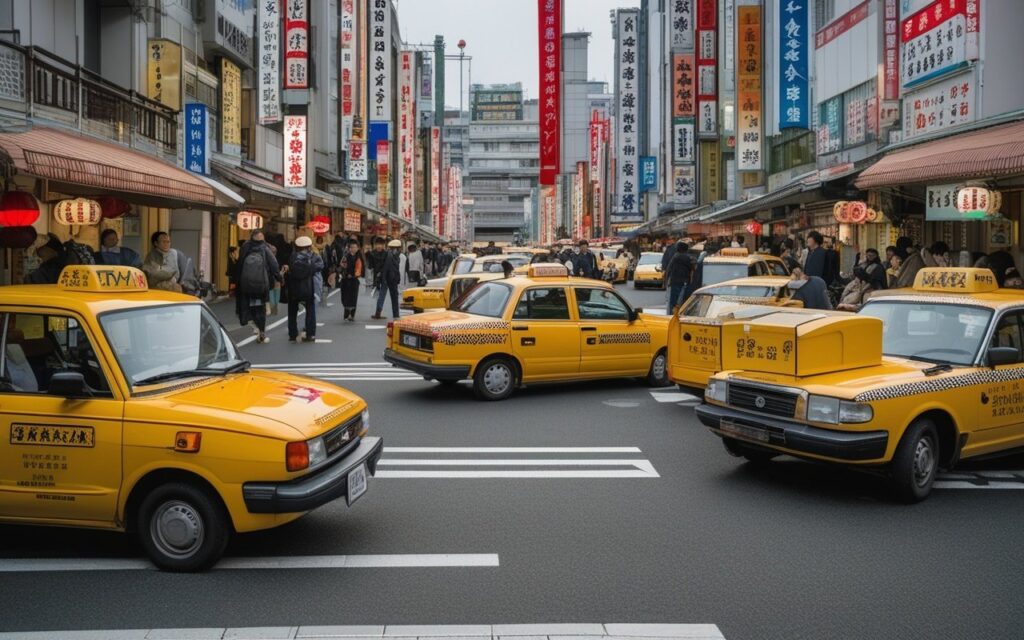
Taxis in Kanagawa are metered, comfortable, and easy to use — the main challenge is hailing one away from stations. Taxis cluster at the official taxi stands outside major stations (Yokohama, Kamakura, Fujisawa, Ofuna) and at hotel entrances. This guide covers fares, payment, apps, and when a taxi is actually worth the cost compared with trains and buses.
Access
Getting to Kanagawa from Tokyo is straightforward by train, and most routes take well under two hours. During my trips I relied on an IC card for every connection and kept a bus timetable saved on my phone as backup. Taxis become useful once you arrive: hotels, temples on hills, and late-night return trips are where they earn their fare.
Location and Routes
How Fares Work
- Flag-down (initial fare): roughly ¥500-600 for the first 1-1.1 km, then about ¥100-200 per additional 250-400 m depending on the tariff zone
- Time-based charge: when the taxi crawls in traffic, the meter adds time charges — avoid taxis for long trips through downtown Yokohama at rush hour
- Night surcharge: about 20% added between 22:00 and 05:00
- Typical rides: Kamakura Station to Hase-dera about ¥1,000-1,300; Yokohama Station to Minato Mirai about ¥1,000-1,500; Ofuna Station to the monorail station about ¥700-900
Payment
- Cash, IC cards (Suica, PASMO), and credit cards are accepted in most taxis — check the door sticker
- GO Pay and other app payments work in many vehicles
- No tipping is expected in Japan; the meter total is the final fare
Calling a Taxi
- Apps: GO and DiDi are the main options in Kanagawa; both have English interfaces, show estimated fares, and let you pay by card
- Taxi stands: at Yokohama Station East/West exits, Kamakura Station East Exit, and Fujisawa Station — queue and take the first car
- Hotels: concierges call taxis on request; most hotels have a stand out front
- On the street: raise your hand at a safe spot; the taxi’s front-right light turns green (or shows “空車” / empty) when available
When to Take a Taxi
Worth it:
- Groups of 3-4: a taxi often costs about the same as four train tickets for short hops
- Luggage-heavy arrivals: Yokohama Station to a Minato Mirai hotel beats carrying bags through transfers
- Late night when trains end (after about 00:30)
- Hills and temple areas: the hilly parts of Kamakura and the Hakone mountains are tiring on foot
Skip it:
- Rush-hour downtown Yokohama (the meter runs while you sit)
- Long distances: Yokohama to Hakone by taxi costs well over ¥15,000 — take the train or highway bus instead
Special Situations
- Airport trips: from Yokohama to Haneda, a taxi takes about 30-40 minutes and costs roughly ¥8,000-10,000 depending on traffic — a limousine bus (¥650-1,000) is far cheaper; Narita trips run about ¥25,000 and the bus (¥3,600-3,700) is the sensible choice
- Accessible taxis: lift-equipped “universal” taxis are available at Yokohama and Kamakura stations on request; book via the dispatch apps
- Hakone: local taxis serve the lake area and ropeway stations; short hops around Moto-Hakone run about ¥1,000-1,500
Tips
Show your destination in Japanese on your phone map — drivers appreciate it and it avoids confusion. Confirm the route if you are heading to Haneda or Narita, since Kanagawa taxis are metered rather than flat-rate for airports. Keep small bills; some drivers cannot break ¥10,000 notes on short rides. The rear left door opens automatically, so wait for it rather than pulling the handle. If the driver starts the meter before you are seated, that is normal practice in Japan.
Taxi Types and Companies
- Standard sedans — the default; fit 3-4 passengers and 2-3 suitcases in the trunk
- Jumbo taxis — van-style taxis for groups of 5-9; book via the dispatch apps or your hotel; useful for Hakone group trips
- Universal/accessible taxis — ramp-equipped vehicles for wheelchair users; request “yukai taisho” (universal) taxi via the apps
- Major operators: Yokohama and Kamakura are served by several medium-sized companies; the GO app aggregates most of them, so you rarely need to call a specific company
Apps in Detail
GO: the largest dispatch app in the Kanto area. English interface, shows the estimated fare before you book, and lets you pay by registered card (GO Pay). Coverage is excellent across Yokohama, Kamakura, and the Shonan coast.
DiDi: strong in the eastern Kanagawa area and often slightly cheaper during off-peak hours. Supports English and card payment.
Uber Taxi: available in some Kanagawa areas; it books licensed taxis rather than ride-hail private cars.
Note: apps show a fare estimate, but the final price follows the meter. Peak-hour demand can add a dispatch surcharge — the app shows this before you confirm.
Late Night and Special Hours
- After midnight: trains stop around 00:30; taxis at Yokohama Station East Exit form a long queue on weekends — the apps are faster than waiting in line
- Night surcharge: about 20% between 22:00 and 05:00 — a 23:00 ride costs noticeably more than the same trip at 21:00
- New Year and festival nights: Kamakura and Enoshima add temporary taxi stands; wait times can reach 30-60 minutes
Sample Fares
- Yokohama Station → Minato Mirai (2 km): about ¥1,000-1,300
- Kamakura Station → Hase-dera (2.5 km): about ¥1,100-1,400
- Ofuna Station → Shonan-Enoshima (6 km): about ¥1,800-2,300
- Hakone-Yumoto → Gora (10 km, mountain road): about ¥3,500-4,500
- Yokohama → Haneda Airport: about ¥8,000-10,000 (35-45 minutes)
Riding Etiquette and Access
- Doors: the rear left door opens and closes automatically — wait for it and never pull the handle
- Seat belts: rear passengers must buckle up; it is legally required and drivers will remind you
- Child seats: available on request from dispatch apps and hotel concierges — request at booking, not at the curb
- Accessibility: universal taxis with ramps are bookable via GO and DiDi; the apps flag wheelchair-accessible vehicles
- Lost items: call the taxi company printed on the receipt — drivers report lost items to their dispatch office
Conclusion
Taxis in Kanagawa are clean, safe, and easy to use once you know the apps and the fare basics. Reserve through the GO app at peak times, keep cash or IC for older cabs, and remember that drivers are honest — you will rarely need to negotiate a route. For late nights or heavy luggage, a taxi is often the smartest way to move.
FAQ
Q: Do taxi drivers speak English? A: Generally limited English, but route navigation and the meter are universal. Show your destination on your phone map, and drivers will confirm with the map display on the rear seat screen.
Q: Is it true taxis are expensive in Japan? A: By global standards yes, but for Kanagawa’s short hops — 2-3 km — a taxi is a reasonable splurge, especially for groups or bad weather.
Q: Can I pay with an IC card? A: Most taxis accept Suica, PASMO, and other IC cards; check the sticker on the rear door window. Credit cards are accepted in the majority of vehicles.
Q: Are there flat rates anywhere? A: A few operators offer flat rates for airport and Hakone routes; check the GO app’s “fixed fare” section, which shows them when available.
Q: What if I cannot find a taxi at night? A: Use the GO app rather than walking to a stand — on weekend nights the Yokohama Station stands can have 30+ minute waits while app-dispatched cars arrive in 5-10 minutes.