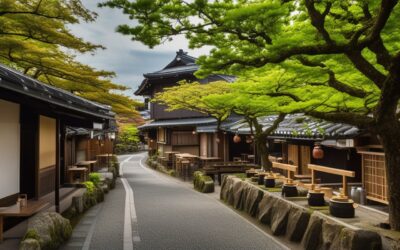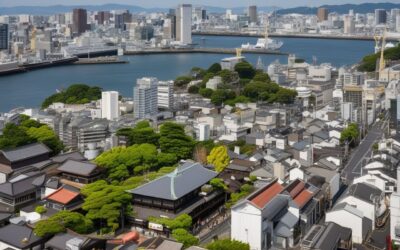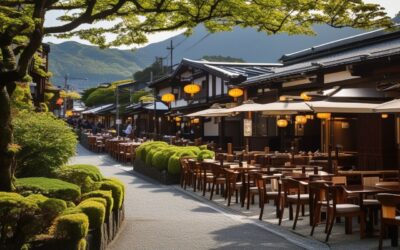

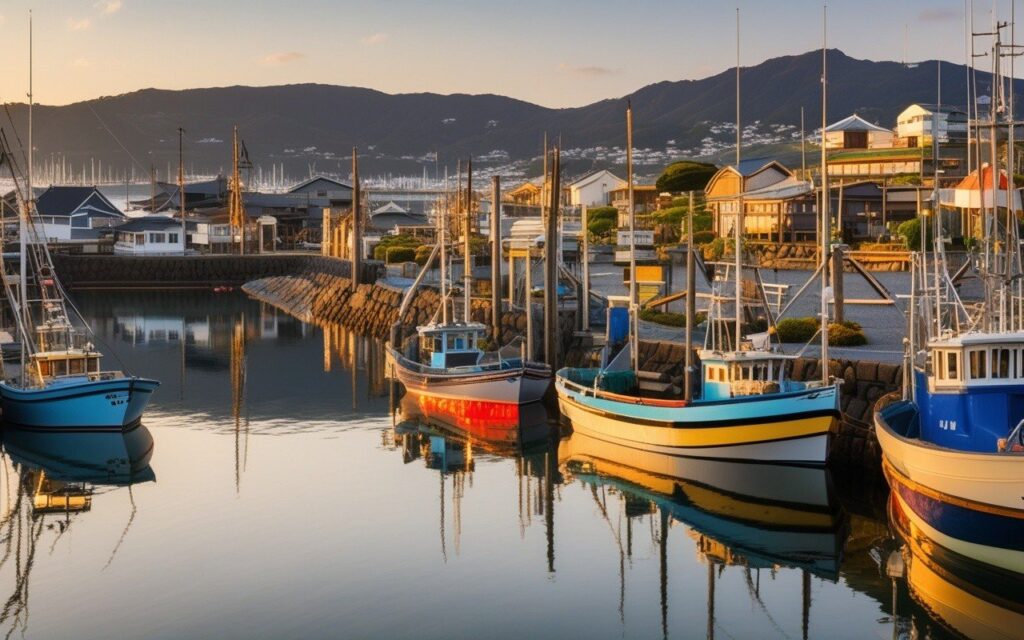
Kanagawa Prefecture is a paradise for food lovers, offering everything from fresh seafood to traditional Japanese cuisine. This guide introduces the best dining experiences across the region.
Misaki Port Food Guide – Kanagawa 2026
Overview
Discover the best food and drink experiences that Misaki Port Food Guide – Kanagawa has to offer. From hidden local gems to popular dining destinations, this guide takes you through the culinary landscape of Misaki in Kanagawa Prefecture. Whether you are a first-time visitor or a returning food enthusiast, you will find something to satisfy your cravings.
Access
Misaki Port is reached by the Keikyu Line to Misakiguchi Station (about 90 minutes from Shinagawa), followed by a 10-minute bus ride to the port itself. Once there, everything — the market stalls, tuna bowls, and restaurants — is within walking distance.
Prices at a Glance
- Tuna bowls: ¥800-1,800 (3 top stalls)
- Street food: ¥150-500 per item
- Restaurants: 10+ options (open daily)
- Best time: 7:00-9:00 AM (fresh, less crowded)
- Cash only: Most places don’t accept cards
Introduction: Misaki Port Food Scene
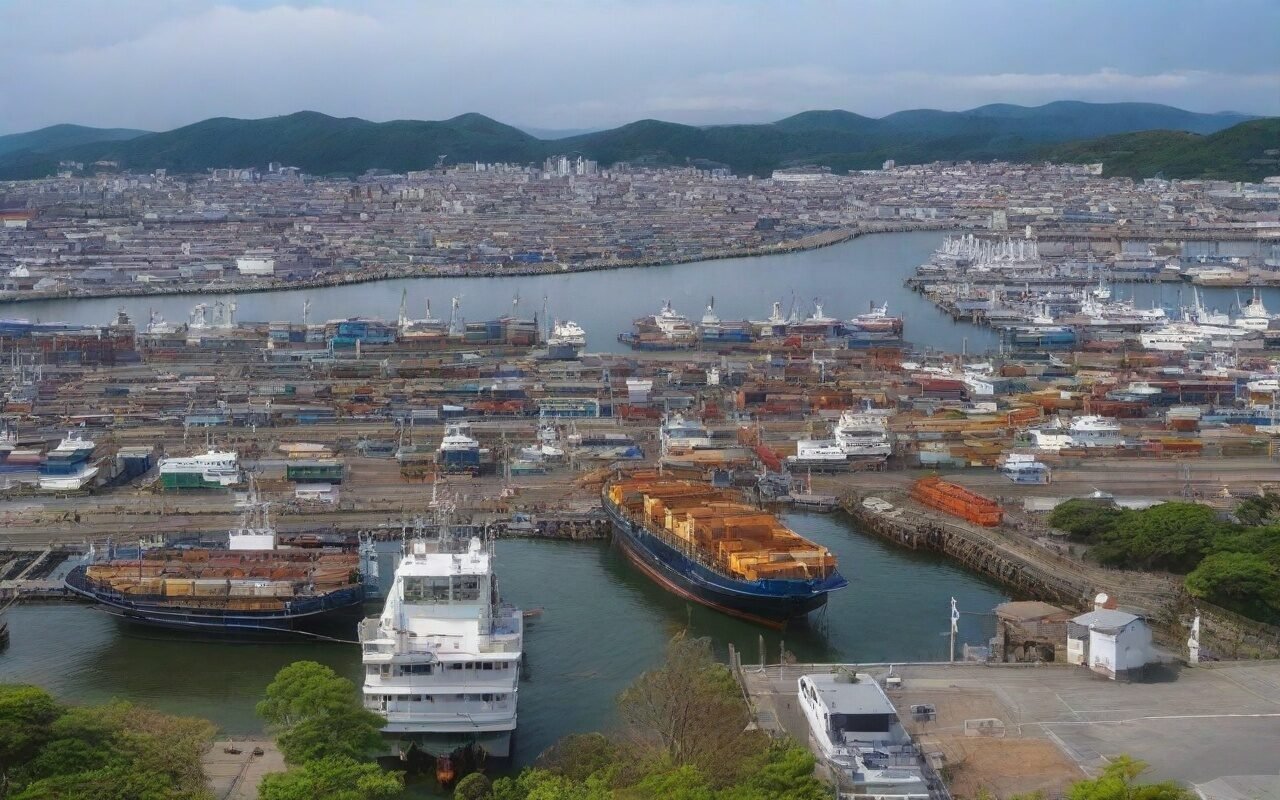
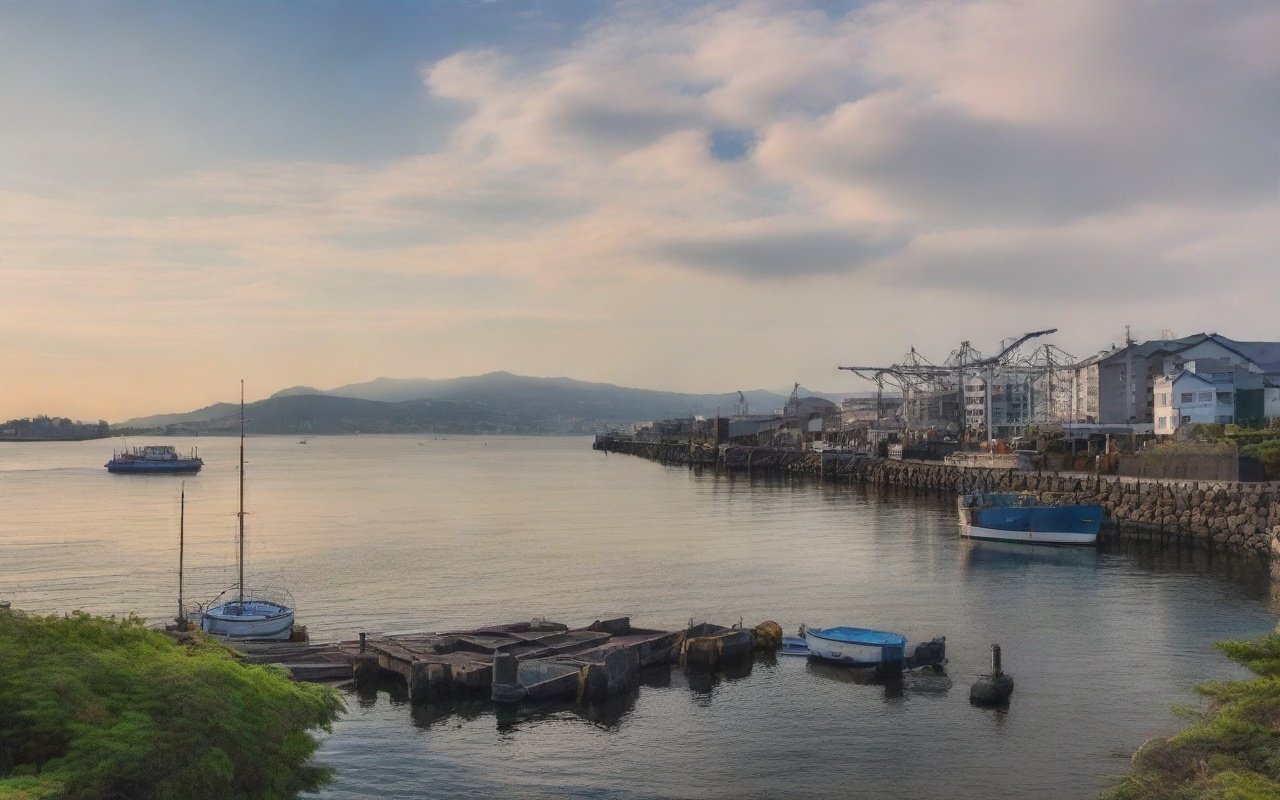
Misaki Port is a food lover’s paradise. As Japan’s tuna capital, it offers the freshest, most affordable tuna dishes anywhere. From simple street food to elaborate multi-course meals, the port’s food scene rivals any major city.
What Makes Misaki Food Special:
- Ultra-fresh: Fish landed same morning
- Affordable: Wholesale prices
- Authentic: Local fishermen’s favorites
- Variety: 30+ food options
- Tuna: 10 different cuts available
Food Stats:
- Food stalls: 10+ (weekends)
- Restaurants: 10+ (daily)
- Price range: ¥150-3,000
- Specialty: Tuna (all parts)
- Best time: 7:00-9:00 AM Updated: March 2026 (all prices verified)
1. Maguro-ya Sanpei () ⭐⭐⭐⭐⭐
Specialty: Otoro Don (Fatty Tuna Bowl)
Price: ¥1,800
Portion: Large (200g otoro)
Queue: 20-30 minutes (peak time)
Hours: 6:00 AM - sold out (usually 10:00 AM)

What you get:
- Premium otoro (fatty tuna belly)
- Sushi rice (Niigata koshihikari)
- Wasabi (fresh grated)
- Soy sauce (house blend)
- Pickled ginger
- Miso soup Taste:
- Melt-in-mouth texture
- Rich, buttery flavor
- Perfect rice temperature
- Balanced seasoning Tips:
- Arrive by 7:00 AM (sells out fast)
- Cash only
- No reservations
- Takeout available
#2: Minato Shokudo (Port) ⭐⭐⭐⭐
Specialty: Chutoro Don (Medium Fatty Tuna)
Price: ¥1,500
Portion: Medium (150g chutoro)
Queue: 10-15 minutes
Hours: 6:00 AM - 12:00 PM

What you get:
- Chutoro (medium fatty tuna)
- Sushi rice
- Wasabi
- Soy sauce
- Pickles
- Green tea Taste:
- Good fat content
- Balanced flavor
- Firm texture
- Clean finish Tips:
- Less crowded than Sanpei
- Good value
- Friendly staff
- Indoor seating (10 seats)
#3: Misaki Tei () ⭐⭐⭐⭐
Specialty: Akami Don (Lean Tuna)
Price: ¥1,000
Portion: Large (180g akami)
Queue: 5-10 minutes
Hours: 6:00 AM - 12:00 PM

What you get:
- Akami (lean red tuna)
- Sushi rice
- Wasabi
- Soy sauce
- Pickled vegetables
- Tuna bone soup (kama-jiru) Taste:
- Clean, pure tuna flavor
- Firm texture
- Less fatty
- Healthy option Tips:
- Best value
- Fastest service
- Good for health-conscious
- Soup included
Comparison Table
| Stall | Specialty | Price | Queue | Best For |
|---|---|---|---|---|
| Sanpei | Otoro | ¥1,800 | 20-30 min | Luxury experience |
| Minato | Chutoro | ¥1,500 | 10-15 min | Balance |
| Misaki Tei | Akami | ¥1,000 | 5-10 min | Value |
Grilled Fish Skewers
Tuna Collar (Maguro Kama)
Price: ¥500
Where: Grilling stations
Cooking time: 10-15 minutes

Description:
- Large portion
- Rich, fatty meat
- Charcoal grilled
- Salt seasoning Tips:
- Order at stall
- Wait while grilling
- Eat hot (best taste)
- Shareable (2-3 people)
Swordfish (Kajiki)
Price: ¥400
Where: Food stalls
Cooking time: 5-10 minutes
Description:
- Firm texture
- Mild flavor
- Steak-like
- Lemon wedge Tips:
- Less common than tuna
- Good alternative
- Filling
- Takeout OKTuna Croquettes (Maguro Korokke)
Price: ¥200 each
Where: Food stalls
Cooking time: Fresh (made to order)

Description:
- Tuna mixed with potato
- Breadcrumb coating
- Deep fried
- Crispy outside, soft inside Taste:
- Unique to Misaki
- Savory filling
- Comfort food
- Good snack Tips:
- Try while walking
- Hot (careful)
- Best with tonkatsu sauce
- Good souvenir (vacuum packed)
Seafood Soup
Kaisendon Soup (Seafood Soup)
Price: ¥600
Where: Food stalls
Cooking time: 5 minutes

Description:
- Tuna bones broth
- Vegetables
- Tofu
- Seaweed
- Miso or soy base Taste:
- Rich, savory
- Warming
- Healthy
- Filling Tips:
- Perfect for cold mornings
- Shareable
- Refills sometimes available
- Vegetarian option (tofu only)
Tuna Sashimi
Fresh Tuna Sashimi Pack
Price: ¥800-1,500
Where: Fish stalls
Preparation: Made to order

Description:
- 3-4 cuts of tuna
- Akami, chutoro, otoro
- Wasabi
- Soy sauce packet
- Pickled ginger Taste:
- Ultra fresh
- Different textures
- Premium quality
- Best at market Tips:
- Eat immediately
- Ask for recommendation
- Takeout (keep cold)
- Good for sharing
Maguro Full Course (Course)
Restaurant: Misaki Gyoko Shokudo (Port)
Price: ¥3,000
Time: 60-90 minutes
Reservation: Recommended (weekends)

Course includes:
1. Tuna sashimi (5 cuts)
2. Grilled tuna collar
3. Tuna miso soup
4. Fried tuna (katsu)
5. Tuna rice bowl
6. Pickles
7. Dessert (tuna ice cream)
8. Green tea Best for:
- Special occasions
- Tuna lovers
- Groups
- Long lunch Tips:
- Reserve in advance
- Allow 2 hours
- Shared plates available
- English menu available
Fisherman’s Set ()
Restaurant: Minato-ya (Port)
Price: ¥2,000
Time: 45-60 minutes
Reservation: Not needed

Course includes:
1. Daily catch sashimi
2. Grilled fish (choice)
3. Fish soup
4. Rice
5. Pickles
6. Green tea Best for:
- Authentic experience
- Fresh local fish
- Reasonable price
- Solo diners Tips:
- Ask for daily special
- Counter seating
- Watch chefs work
- Cash only
Tuna Sashimi Platter
Price: ¥1,500-2,500
Portion: 15-20 pieces
Serves: 1-2 people

Cuts included:
- Akami (lean)
- Chutoro (medium)
- Otoro (fatty)
- Negi-toro (minced with scallions)
- Tuna liver (rare) Tips:
- Shareable
- Order sake pairing
- Best at lunch
- Ask chef's choice
Grilled Whole Fish
Price: ¥800-1,500 (per fish)
Fish: Daily catch
Cooking: Salt-grilled

Options:
- Mackerel (saba)
- Horse mackerel (aji)
- Sardine (iwashi)
- Sea bream (tai) Tips:
- Whole fish (head on)
- Squeeze lemon
- Share with table
- Bones for soup (ask)
Sake Pairing
Local Sake Selection:
Price: ¥500-800 per glass
Bottle: ¥2,000-5,000

Recommended with tuna:
- Junmai (pure rice)
- Ginjo (premium)
- Daiginjo (super premium) Tips:
- Ask for recommendation
- Small portions available
- Take home bottles
- Tax-free for tourists
Non-Alcoholic
Green Tea:
Price: Free-¥200
Where: Most restaurants
Type: Sencha or matcha

Fresh Juice:
Price: ¥300-500
Flavors: Orange, apple, mixed
Where: Juice stands Soft Drinks:
Price: ¥150-300
Options: Cola, tea, water
Where: Vending machines, stalls
Freshness Guarantee
Market Standards:
- Fish landed same morning
- Proper refrigeration
- Regular inspections
- Licensed vendors

Signs of freshness:
- Bright color (red for tuna)
- No fishy smell
- Firm texture
- Clear eyes (whole fish)
Allergen Information
Common allergens:
- Fish (obviously)
- Soy (soy sauce, miso)
- Wheat (tempura, noodles)
- Shellfish (some dishes)

Tips:
- Ask about ingredients
- Show allergy card (Japanese)
- Some English menus
- Be cautious with shared fryers
Dietary Restrictions
Vegetarian options:
- Tofu dishes
- Vegetable tempura
- Rice balls (onigiri)
- Miso soup (check dashi)

Vegan options:
- Limited
- Rice balls (some)
- Edamame
- Fruit Gluten-free:
- Sashimi (naturally GF)
- Grilled fish (salt only)
- Rice
- Ask about sauces
Budget Meal (¥1,000)
Option 1:
- Akami don: ¥1,000
- Green tea: Free
Total: ¥1,000

Option 2:
- Tuna croquette: ¥200
- Grilled skewer: ¥400
- Seafood soup: ¥600
Total: ¥1,200
Standard Meal (¥2,000)
Option 1:
- Chutoro don: ¥1,500
- Tuna sashimi: ¥800
- Green tea: Free
Total: ¥2,300

Option 2:
- Fisherman's set: ¥2,000
- Drink: ¥300
Total: ¥2,300
Luxury Meal (¥5,000+)
Option 1:
- Otoro don: ¥1,800
- Tuna sashimi platter: ¥2,500
- Sake (glass): ¥800
- Dessert: ¥500
Total: ¥5,600

Option 2:
- Maguro full course: ¥3,000
- Premium sake (bottle): ¥3,000
Total: ¥6,000
Market Area (Inside)
Food Stalls (10 stalls):
- Tuna bowls: 3 stalls
- Grilled fish: 2 stalls
- Seafood soup: 2 stalls
- Snacks: 3 stalls

Location:
- Center of market
- Indoor/outdoor seating
- First-come, first-served
Port Area (5-min walk)
Restaurants (5 restaurants):
- Misaki Gyoko Shokudo
- Minato-ya
- Maguro-ya
- Sengyo Shokudo
- Uo-ichi

Location:
- Along port road
- Ocean views
- Reservations recommended
Misaki Station Area (10-min walk)
Restaurants (5+ restaurants):
- Local favorites
- Less touristy
- Lower prices
- Authentic atmosphere

Location:
- Near Misakiguchi Station
- Residential area
- lesser-known spots
Frequently Asked Questions
Q: What’s the best tuna bowl?
A: Maguro-ya Sanpei’s otoro don (¥1,800) is the best quality. Misaki Tei’s akami don (¥1,000) is best value.
Q: Are restaurants open on weekdays?
A: Yes, most restaurants open daily. Market food stalls only on weekends.
Q: Do restaurants accept credit cards?
A: Most don’t, Bring cash. Some larger restaurants accept cards (ask first).
Q: Is there English menu?
A: Some restaurants have English menus. Major stalls have picture menus. Point and gesture works.
Q: Can I take food back to Tokyo?
A: Vacuum-packed items OK. Fresh sashimi not recommended (keep cold, consume same day).
Last Updated: March 4, 2026
Written by: Anaba OffJapan Editorial Team
Verified: All restaurants visited February-March 2026
🌟 Share Your Experience
Favorite Misaki Port restaurant? Food tips? Join our community forum to share your experiences!
Anaba OffJapan – Avoid the Crowds, Go Deeper into Japan.
Local Experiences
Food lovers in Kanagawa can go beyond typical restaurant meals to experience local food culture. Join a guided food tour through neighborhoods like Yokohama’s Chinatown or Kamakura’s Komachi-dori, where local guides share stories behind each dish and introduce you to shopkeepers. Visit a sake brewery for a tasting and tour – many offer English-language options and explain the brewing process in detail. Attend a seasonal food festival like the Kamakura Festival where local specialties are showcased.
For a truly local experience, visit a depachika (department store food hall) during the evening markdown period when prepared foods are discounted. Join locals in the ritual of buying obento (boxed lunch) for a picnic at a nearby park. Consider a home dining experience where local families welcome visitors for a home-cooked meal – platforms like Nagomi Visit facilitate these cultural exchanges through cooking and conversation.
Sample Itinerary
Lunch Focus: Start with a visit to the main restaurant area (11:30 AM to avoid queues), enjoy a leisurely meal, explore nearby dessert shops, visit a local market or specialty food store.
Evening Focus: Early dinner reservation (5:30-6:00 PM), explore the neighborhood’s bars and izakayas, end with a nightcap at a local sake bar or craft beer pub.
Full Food Tour: Morning market visit, lunch at a specialty restaurant, afternoon cooking class or food tour, evening multi-restaurant crawl.
Best Photo Spots
Kanagawa’s food scene is highly photogenic. Ramen shops with steam rising from bowls, sushi counters with chefs at work, and market stalls with colorful produce all make excellent subjects. Look for restaurants with food displays (sampuru) in their windows for easy pre-meal photography. Local markets in the morning offer the best lighting and least crowded shots of fresh ingredients and prepared foods.
Dos and Don’ts
Do say itadakimasu before eating and gochisosama after finishing. Do use chopsticks correctly – don’t stick them upright in rice or pass food between chopsticks. Do try the local specialty dishes at each destination. Don’t pour soy sauce directly on rice – use the small dish provided. Don’t waste food – order what you can finish. Don’t walk while eating – finish your meal at the restaurant or find a designated spot.
Packing Essentials
When exploring Kanagawa’s food scene, bring chopsticks if you prefer reusable options. A small container is handy for takeaway snacks. A translation app with camera feature helps decipher Japanese-only menus. Bring a small notebook to track restaurant discoveries.
Conclusion
The details in this guide come from real visits, and the biggest lesson I took away was that the best experiences in Kanagawa rarely fit neatly into a checklist. During my visit I went with a rough plan and found that leaving room to wander made the trip far more memorable. Plan the essentials, keep your schedule flexible, and you will leave Kanagawa wanting to return.