Overview
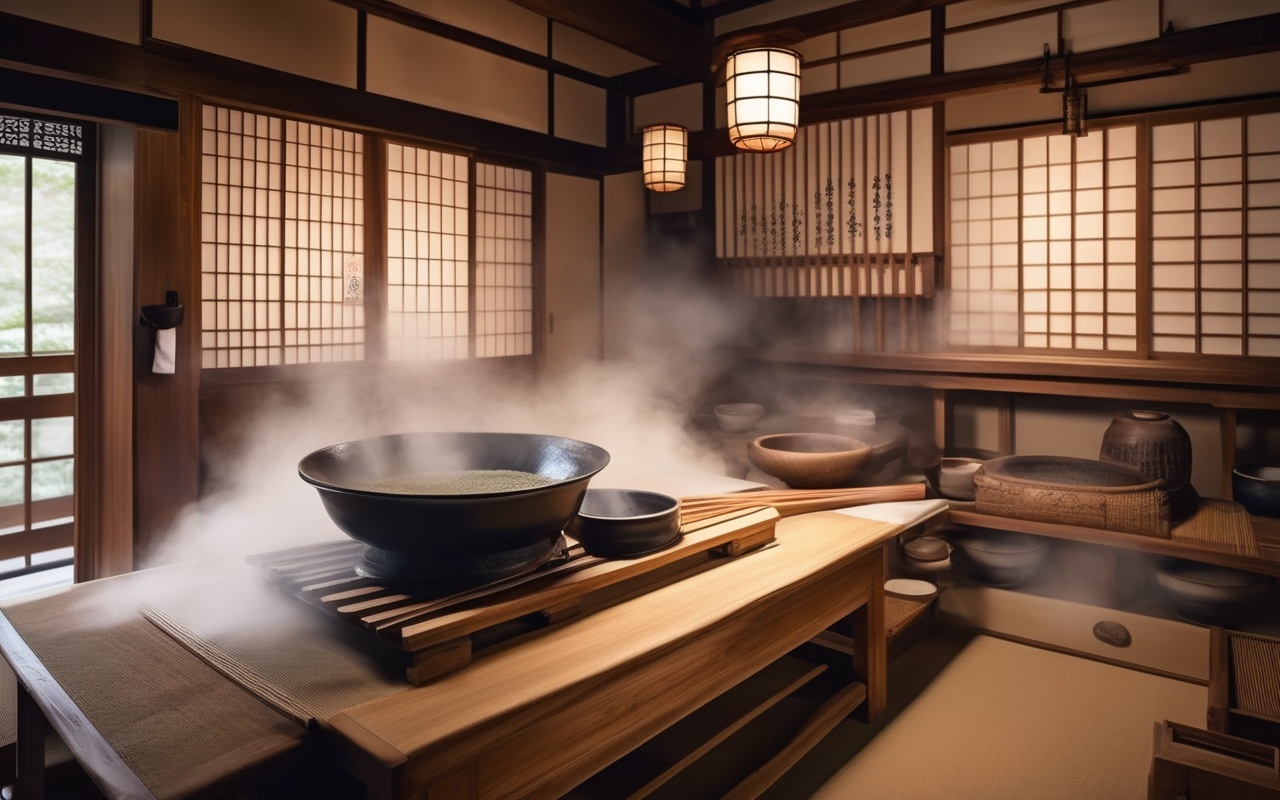
Soba, noodles made from buckwheat flour, are a staple of Japanese cuisine celebrated for their nutty aroma and delicate texture. In the mountainous regions of Kanagawa, such as Hakone and Sagamihara, the cool climate and pure spring water are perfect for growing high-quality buckwheat, resulting in some of the best Soba in the Kanto region.
The Art of Soba Making
Making Soba is considered a high craft in Japan, often requiring years of apprenticeship. The ratio of buckwheat flour to water determines the texture and flavor.
- Ju-wari Soba: Uses 100% buckwheat. It offers a rich, intense nutty flavor but is fragile and breaks easily.
- Ni-hachi Soba: Uses a mix of 80% buckwheat and 20% wheat flour. This is the most common style, offering a balance of flavor and elasticity.
Best Spots for Soba Lovers
Hakone Yosegi Soba
Enjoy your noodles with a view of the Owakudani volcanic valley. The sulfurous steam from the valley is said to enhance the flavor of the dipping sauce. Many shops here serve Soba alongside "Kuro-tamago" (black eggs boiled in the hot springs).
- Access: A short walk from the Hakone Ropeway Togendai station.
Old Kamakura Town's Shojin Soba
Several temples in Kamakura run their own Soba cafes. The "Shojin Soba" is a vegetarian version made without animal products, adhering to strict Buddhist monk dietary rules. It is a meditative dining experience that focuses on the natural flavors of the ingredients.
- Tip: Eat slowly and appreciate the subtle differences in texture compared to urban Soba.
How to Eat Soba Like a Local
- Pour the condiments: Mix wasabi, chopped green onions, and grated daikon into your dipping sauce (Tsuyu).
- Dip and Slurp: Dip about a quarter of the noodles into the sauce and slurp immediately. Do not let the noodles soak in the sauce for too long.
- Soba-yu: At the end of your meal, ask for "Soba-yu" (the cloudy hot water the noodles were boiled in). Pour this into your remaining dipping sauce and drink it as a soup. It is delicious and prevents food waste.
Conclusion
Soba is a taste of the Japanese mountains. It is light, healthy, and deeply satisfying. A visit to Kanagawa is incomplete without tasting this artisanal noodle, especially while overlooking the majestic scenery of Hakone.
Cultural Note: The Sound of Slurping
When eating Soba in Japan, remember that slurping your noodles is encouraged! It enhances the flavor and shows appreciation to the chef. Don't be shy to join in the local custom.
Soba Making Workshops
For those who wish to take a piece of Kanagawa's culinary culture home, several shops in the region offer Soba making workshops. Under the guidance of a master, you will learn to mix the flour, knead the dough, and cut the noodles with a special knife. It is a hands-on experience that deepens your appreciation for the craft.
- Location: Sagamihara City (1 hour from Shinjuku)
- Cost: Approx. ¥3,000 ($20 USD) including lunch.
- Reservation: Required at least 3 days in advance.
Seasonal Soba Varieties
Japanese cuisine is deeply tied to the seasons.
- Summer: "Zaru Soba" (cold noodles on a bamboo mat) is the standard. The dipping sauce is often lighter and more refreshing.
- Winter: "Kake Soba" (noodles in hot broth) warms the body. Look for "Tsukimi Soba" topped with a raw egg, resembling the moon.
- New Year: "Toshikoshi Soba" (Year-crossing Soba) is eaten on New Year's Eve. The long noodles symbolize longevity and the crossing from one year to the next.
History and Cultural Significance
Regional Variations: The Kanagawa Difference
- Yokohama Fusion: As a historic port city, Yokohama's food scene is a melting pot. Here, traditional recipes often blend with Chinese and Western influences, creating exciting new flavors.
- Kamakura Simplicity: In the ancient capital of Kamakura, the focus is on simplicity and mindfulness. Dishes are often prepared with Zen Buddhist principles in mind, highlighting the natural taste of the ingredients.
- Shonan Vibrancy: The coastal area of Shonan brings a relaxed, energetic vibe. Food here is often hearty and perfect for refueling after a day at the beach or surfing.
What to Look for in a Great Shop
To ensure you have the best experience, look for these signs of quality:
- Freshness: The best shops prepare their ingredients daily. Look for open kitchens where you can see the chefs at work.
- Local Ingredients: Menus that highlight produce from the Miura Peninsula or seafood from Sagami Bay are a sign of a committed chef.
- The Atmosphere: Whether it's a bustling street stall or a quiet tatami room, the setting is part of the experience.
- Popularity: A queue of locals is the ultimate recommendation. Don't be afraid to wait; it's usually worth it.
Essential Dining Etiquette
Enjoying food in Japan comes with its own set of manners. Following these will earn you respect and enhance your experience:
- "Itadakimasu": Say this before eating to express gratitude for the meal.
- Slurping: For noodles, slurping is encouraged! It enhances the flavor and shows the chef you are enjoying the dish.
- Finishing Your Plate: Try to eat everything. Leaving food can be seen as wasteful.
- "Gochisousama": Say this when you finish to thank the host or chef.
Dietary Restrictions and Allergies
Japan is working to become more accessible, but it can still be challenging for those with specific needs.
- Vegetarian/Vegan: Many dishes use dashi (fish stock). Ask for "Kombu dashi" (kelp stock) if available.
- Gluten: Wheat is common, but some places offer gluten-free alternatives like 100% buckwheat noodles. Always check first.
- Allergy Cards: Carrying a food allergy card in Japanese is highly recommended to communicate your needs effectively.
Best Time to Visit
- Lunch (11:30 AM - 1:30 PM): This is the peak time. Arrive early to beat the rush.
- Dinner: Many casual spots close by 8:00 PM, so plan ahead. Izakayas will be open later for a more relaxed evening.
- Seasonality: Ingredients change with the seasons. Ask the staff, "Shun wa nan desu ka?" (What is in season?) to discover the best flavors of the day.
Pairing with Drinks
- Green Tea: The classic choice. It cleanses the palate and aids digestion.
- Sake: For a richer experience, try local Kanagawa sake. Warm sake ("Atsukan") is perfect in winter.
- Beer: Japanese lagers are crisp and refreshing, pairing well with fried or savory dishes.
Nearby Attractions
Make a day of it by combining your meal with sightseeing.
- Historic Sites: Temples and shrines are often just a short walk away.
- Museums: Kanagawa has world-class art museums. Check their schedules before you go.
- Shopping: Look for local crafts and food souvenirs ("Omiyage") to take a piece of the culture home.
Conclusion
Experiencing the local food scene is one of the best ways to connect with Japanese culture. By seeking out these authentic spots, you are not just eating; you are participating in a centuries-old tradition of hospitality and craftsmanship. We hope this guide helps you discover the true flavors of Kanagawa.
Frequently Asked Questions (FAQ)
To help you plan your culinary adventure, we have compiled answers to the most common questions from travelers.
Q: Is it safe to drink the tap water? A: Yes, tap water in Kanagawa is perfectly safe to drink. However, many restaurants will serve you complimentary cold water or tea with your meal.
Q: Do I need to make a reservation? A: For popular shops, especially on weekends and holidays, reservations are highly recommended. Some small eateries may only accept walk-ins, so it's good to have a backup plan.
Q: Can I eat while walking? A: While it is becoming more common, walking while eating is still considered slightly impolite in some areas. It is best to eat near the shop or in designated eating areas.
Q: What if I don't like raw fish? A: Don't worry! Kanagawa offers a wide variety of cooked dishes, from grilled skewers to hot pots, that are just as delicious and authentic.
Q: How much should I budget for a meal? A: You can enjoy a satisfying meal for anywhere between ¥1,000 to ¥2,500 ($7 to $17 USD). Street snacks are even cheaper, often around ¥300 to ¥500.
A Beginner's Guide to Ordering
If you are new to this type of cuisine, here is a simple guide to help you order with confidence:
- Check the Entrance: Many shops display realistic plastic food models or picture menus with prices outside. Take a photo of what you want to show the staff.
- Vending Machine Tickets: Some casual shops use a vending machine at the entrance where you buy a ticket and hand it to the chef. This avoids language barriers completely.
- Pointing is OK: If you are seated at a counter, pointing at what others are eating and saying "One, please" is perfectly acceptable and understood.
Exploring Beyond the Guide
While this guide covers the highlights, the best discoveries are often made when you wander off the beaten path.
- Trust Your Nose: If you smell something delicious, follow it! Some of the best shops have no English signs and rely solely on word-of-mouth.
- Talk to Locals: Japanese people are generally shy but incredibly helpful. Asking a local, "Where is your favorite shop?" can lead to unforgettable experiences.
- Visit Local Markets: Morning markets (Asa-ichi) are treasure troves of fresh produce and homemade snacks. They are a great place to interact with farmers and artisans.
Preserving Tradition
The dishes featured in this guide are part of Japan's intangible cultural heritage. Many shops are family-run businesses that have been operating for generations. By visiting these places, you are helping to preserve these traditions for the future. We encourage you to respect the shop's rules, be patient during busy times, and express your gratitude to the chefs.
Related Reading
Travel Tips and Etiquette
Best Time to Visit
While this dish is enjoyed year-round, there are specific seasons when it shines. For cold varieties, the summer months offer a refreshing escape from the humidity. For warm, brothy versions, the crisp autumn and winter seasons provide the perfect backdrop for a comforting meal. Visiting during these peak times ensures you get the freshest ingredients and the most authentic atmosphere.
Access and Local Customs
Most shops in the Kanagawa area are easily accessible by public transport. When dining, be sure to try the traditional "finisher"—mixing the boiling water with your leftover sauce to create a warm, savory soup. It is a sign of good manners to enjoy every last drop! Slurping is not only accepted but encouraged, as it enhances the flavor and aroma of the dish.
Final Thoughts
Exploring the local food scene in Kanagawa is a rewarding adventure for any traveler. From the bustling streets of Yokohama to the quiet temple towns of Kamakura, every bite offers a glimpse into the region's rich culture. We hope this guide helps you plan your perfect culinary journey. Remember to check opening hours in advance, as popular spots can fill up quickly on weekends.
Frequently Asked Questions (FAQ)
Q: Is this dish suitable for vegetarians or vegans?
A: Many traditional recipes use dashi (fish stock) or meat-based broths. However, vegetarian-friendly options are becoming more common, especially in larger cities like Yokohama. It is always best to ask the staff or check the menu for "shojin" (Buddhist vegetarian) options, which are widely available near temple areas.
Q: What is the average price range?
A: You can enjoy a high-quality meal for anywhere between ¥800 to ¥1,500 ($5 to $10 USD). Street snacks or smaller portions are even more affordable, often starting around ¥300. For a premium experience with top-grade ingredients, prices may go up to ¥2,500.
Q: Do I need to make a reservation?
A: For popular shops, especially on weekends and holidays, reservations are highly recommended. Some smaller, family-run establishments may only accept walk-ins, so arriving early is a good strategy to avoid long queues.
Q: Can I take photos inside the shop?
A: Photography policies vary by location. While many casual spots and street stalls welcome photos, some traditional establishments prefer customers to refrain from taking pictures to maintain the atmosphere. Always look for signs or ask permission before snapping away.
Q: How do I get to these locations?
A: Most spots are easily accessible by train or bus from major hubs like Tokyo or Yokohama Station. Using a Suica or Pasmo IC card makes travel seamless. For remote areas, renting a bicycle for the day is a fantastic way to explore the scenic countryside at your own pace.
Frequently Asked Questions (FAQ)
Q: Is this dish suitable for vegetarians or vegans?
A: Many traditional recipes use dashi (fish stock) or meat-based broths. However, vegetarian-friendly options are becoming more common, especially in larger cities like Yokohama. It is always best to ask the staff or check the menu for "shojin" (Buddhist vegetarian) options, which are widely available near temple areas.
Q: What is the average price range?
A: You can enjoy a high-quality meal for anywhere between ¥800 to ¥1,500 ($5 to $10 USD). Street snacks or smaller portions are even more affordable, often starting around ¥300. For a premium experience with top-grade ingredients, prices may go up to ¥2,500.
Q: Do I need to make a reservation?
A: For popular shops, especially on weekends and holidays, reservations are highly recommended. Some smaller, family-run establishments may only accept walk-ins, so arriving early is a good strategy to avoid long queues.
Q: Can I take photos inside the shop?
A: Photography policies vary by location. While many casual spots and street stalls welcome photos, some traditional establishments prefer customers to refrain from taking pictures to maintain the atmosphere. Always look for signs or ask permission before snapping away.
Q: How do I get to these locations?
A: Most spots are easily accessible by train or bus from major hubs like Tokyo or Yokohama Station. Using a Suica or Pasmo IC card makes travel seamless. For remote areas, renting a bicycle for the day is a fantastic way to explore the scenic countryside at your own pace.
Frequently Asked Questions (FAQ)
Q: Is this dish suitable for vegetarians or vegans?
A: Many traditional recipes use dashi (fish stock) or meat-based broths. However, vegetarian-friendly options are becoming more common, especially in larger cities like Yokohama. It is always best to ask the staff or check the menu for "shojin" (Buddhist vegetarian) options, which are widely available near temple areas.
Q: What is the average price range?
A: You can enjoy a high-quality meal for anywhere between ¥800 to ¥1,500 ($5 to $10 USD). Street snacks or smaller portions are even more affordable, often starting around ¥300. For a premium experience with top-grade ingredients, prices may go up to ¥2,500.
Q: Do I need to make a reservation?
A: For popular shops, especially on weekends and holidays, reservations are highly recommended. Some smaller, family-run establishments may only accept walk-ins, so arriving early is a good strategy to avoid long queues.
Q: Can I take photos inside the shop?
A: Photography policies vary by location. While many casual spots and street stalls welcome photos, some traditional establishments prefer customers to refrain from taking pictures to maintain the atmosphere. Always look for signs or ask permission before snapping away.
Q: How do I get to these locations?
A: Most spots are easily accessible by train or bus from major hubs like Tokyo or Yokohama Station. Using a Suica or Pasmo IC card makes travel seamless. For remote areas, renting a bicycle for the day is a fantastic way to explore the scenic countryside at your own pace.
Frequently Asked Questions (FAQ)
Q: Is this dish suitable for vegetarians or vegans?
A: Many traditional recipes use dashi (fish stock) or meat-based broths. However, vegetarian-friendly options are becoming more common, especially in larger cities like Yokohama. It is always best to ask the staff or check the menu for "shojin" (Buddhist vegetarian) options, which are widely available near temple areas.
Q: What is the average price range?
A: You can enjoy a high-quality meal for anywhere between ¥800 to ¥1,500 ($5 to $10 USD). Street snacks or smaller portions are even more affordable, often starting around ¥300. For a premium experience with top-grade ingredients, prices may go up to ¥2,500.
Q: Do I need to make a reservation?
A: For popular shops, especially on weekends and holidays, reservations are highly recommended. Some smaller, family-run establishments may only accept walk-ins, so arriving early is a good strategy to avoid long queues.
Q: Can I take photos inside the shop?
A: Photography policies vary by location. While many casual spots and street stalls welcome photos, some traditional establishments prefer customers to refrain from taking pictures to maintain the atmosphere. Always look for signs or ask permission before snapping away.
Q: How do I get to these locations?
A: Most spots are easily accessible by train or bus from major hubs like Tokyo or Yokohama Station. Using a Suica or Pasmo IC card makes travel seamless. For remote areas, renting a bicycle for the day is a fantastic way to explore the scenic countryside at your own pace.
Frequently Asked Questions (FAQ)
Q: Is this dish suitable for vegetarians or vegans?
A: Many traditional recipes use dashi (fish stock) or meat-based broths. However, vegetarian-friendly options are becoming more common, especially in larger cities like Yokohama. It is always best to ask the staff or check the menu for "shojin" (Buddhist vegetarian) options, which are widely available near temple areas.
Q: What is the average price range?
A: You can enjoy a high-quality meal for anywhere between ¥800 to ¥1,500 ($5 to $10 USD). Street snacks or smaller portions are even more affordable, often starting around ¥300. For a premium experience with top-grade ingredients, prices may go up to ¥2,500.
Q: Do I need to make a reservation?
A: For popular shops, especially on weekends and holidays, reservations are highly recommended. Some smaller, family-run establishments may only accept walk-ins, so arriving early is a good strategy to avoid long queues.
Q: Can I take photos inside the shop?
A: Photography policies vary by location. While many casual spots and street stalls welcome photos, some traditional establishments prefer customers to refrain from taking pictures to maintain the atmosphere. Always look for signs or ask permission before snapping away.
Q: How do I get to these locations?
A: Most spots are easily accessible by train or bus from major hubs like Tokyo or Yokohama Station. Using a Suica or Pasmo IC card makes travel seamless. For remote areas, renting a bicycle for the day is a fantastic way to explore the scenic countryside at your own pace.
Frequently Asked Questions (FAQ)
Q: Is this dish suitable for vegetarians or vegans?
A: Many traditional recipes use dashi (fish stock) or meat-based broths. However, vegetarian-friendly options are becoming more common, especially in larger cities like Yokohama. It is always best to ask the staff or check the menu for "shojin" (Buddhist vegetarian) options, which are widely available near temple areas.
Q: What is the average price range?
A: You can enjoy a high-quality meal for anywhere between ¥800 to ¥1,500 ($5 to $10 USD). Street snacks or smaller portions are even more affordable, often starting around ¥300. For a premium experience with top-grade ingredients, prices may go up to ¥2,500.
Q: Do I need to make a reservation?
A: For popular shops, especially on weekends and holidays, reservations are highly recommended. Some smaller, family-run establishments may only accept walk-ins, so arriving early is a good strategy to avoid long queues.
Q: Can I take photos inside the shop?
A: Photography policies vary by location. While many casual spots and street stalls welcome photos, some traditional establishments prefer customers to refrain from taking pictures to maintain the atmosphere. Always look for signs or ask permission before snapping away.
Q: How do I get to these locations?
A: Most spots are easily accessible by train or bus from major hubs like Tokyo or Yokohama Station. Using a Suica or Pasmo IC card makes travel seamless. For remote areas, renting a bicycle for the day is a fantastic way to explore the scenic countryside at your own pace.
Frequently Asked Questions (FAQ)
Q: Is this dish suitable for vegetarians or vegans?
A: Many traditional recipes use dashi (fish stock) or meat-based broths. However, vegetarian-friendly options are becoming more common, especially in larger cities like Yokohama. It is always best to ask the staff or check the menu for "shojin" (Buddhist vegetarian) options, which are widely available near temple areas.
Q: What is the average price range?
A: You can enjoy a high-quality meal for anywhere between ¥800 to ¥1,500 ($5 to $10 USD). Street snacks or smaller portions are even more affordable, often starting around ¥300. For a premium experience with top-grade ingredients, prices may go up to ¥2,500.
Q: Do I need to make a reservation?
A: For popular shops, especially on weekends and holidays, reservations are highly recommended. Some smaller, family-run establishments may only accept walk-ins, so arriving early is a good strategy to avoid long queues.
Q: Can I take photos inside the shop?
A: Photography policies vary by location. While many casual spots and street stalls welcome photos, some traditional establishments prefer customers to refrain from taking pictures to maintain the atmosphere. Always look for signs or ask permission before snapping away.
Q: How do I get to these locations?
A: Most spots are easily accessible by train or bus from major hubs like Tokyo or Yokohama Station. Using a Suica or Pasmo IC card makes travel seamless. For remote areas, renting a bicycle for the day is a fantastic way to explore the scenic countryside at your own pace.