Money-Saving Tips
- Purchase combo tickets: Many attractions offer discounted combination tickets
- Visit on weekdays: Lower crowds and sometimes reduced prices
- Use regional passes: Consider area-specific passes for multiple attractions
- Free admission days: Some museums offer free entry on certain days
Time-Saving Tips
- Arrive early: Beat the crowds by visiting popular spots before 10 AM
- Book online: Reserve tickets and restaurants in advance
- Use luggage storage: Store bags at stations to explore freely
- Download offline maps: Save data and navigate easily
Local Insights
- Ask locals: Residents often know the best hidden spots
- Try seasonal specials: Each season offers unique experiences
- Respect customs: Follow local etiquette at temples and shrines
- Learn basic Japanese: Simple phrases enhance your experience
- Top attraction in Unused Fish Restaurants
- Best time to visit: Morning or evening
- Access: Easy access from Tokyo/Yokohama
- Facilities: Restrooms, parking available
- Best for: Sightseeing, photography
Location
Within 5km
Historic Sites:
- Ancient temples and shrines (10-15 min)
- Traditional architecture and gardens
- Cultural heritage sites
Natural Attractions:
- Scenic parks and walking trails
- Coastal views and beaches
- Mountain viewpoints
Within 10km
Museums & Culture:
- Local history museums
- Art galleries
- Traditional craft centers
Shopping & Dining:
- Local markets
- Specialty shops
- Traditional restaurants
Day Trip Options
Morning:
- Early visit to main attraction
- Breakfast at local cafe
Afternoon:
- Explore nearby sites
- Lunch at recommended restaurant
Evening:
- Sunset viewpoint
- Dinner at local specialty restaurant
Spring (March-May)
Highlights: Cherry blossoms, mild weather, spring festivals
- Temperature: 10-20°C (50-68°F)
- Crowds: High during cherry blossom season (late March-early April)
- What to Wear: Light jacket, layers
- Special Events: Hanami parties, spring festivals
Summer (June-August)
Highlights: Green landscapes, summer festivals, fireworks
- Temperature: 20-30°C (68-86°F)
- Crowds: Very high (school holidays)
- What to Wear: Light clothing, hat, sunscreen
- Special Events: Fireworks festivals, beach activities
Autumn (September-November)
Highlights: Fall foliage, comfortable weather, harvest season
- Temperature: 15-25°C (59-77°F)
- Crowds: Moderate to high (especially November)
- What to Wear: Light layers, comfortable walking shoes
- Special Events: Autumn festivals, food events
Winter (December-February)
Highlights: Fewer crowds, clear views, winter illuminations
-
Temperature: 5-15°C (41-59°F)
-
Crowds: Low (except New Year holidays)
-
What to Wear: Warm coat, gloves, scarf
-
Special Events: Winter illuminations, New Year events
-
Reservations: Recommended for groups, weekends
-
Phone booking: Japanese only (scripts provided)
-
Walk-ins: OK for small groups, weekdays
-
Best tables: Counter seats for experience
-
Cancellation: 24-hour notice required
Introduction: Booking Your Table
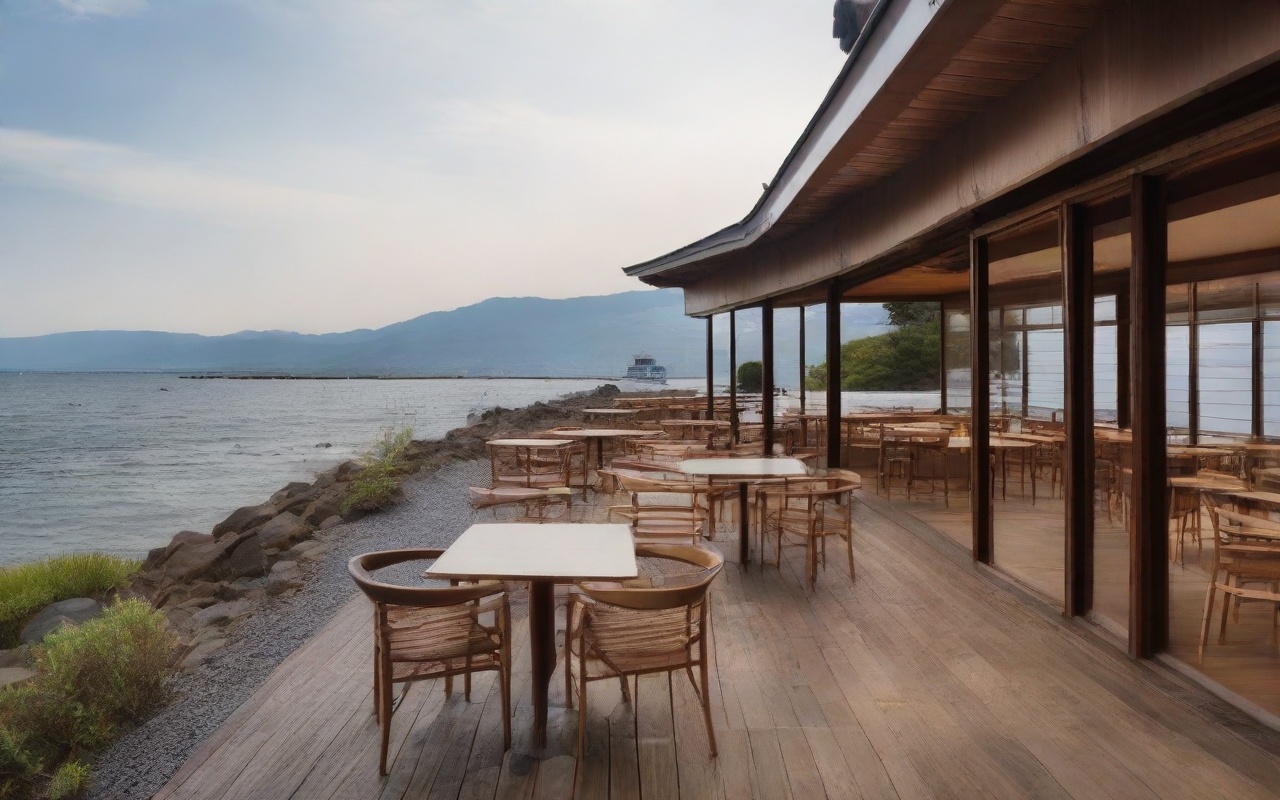
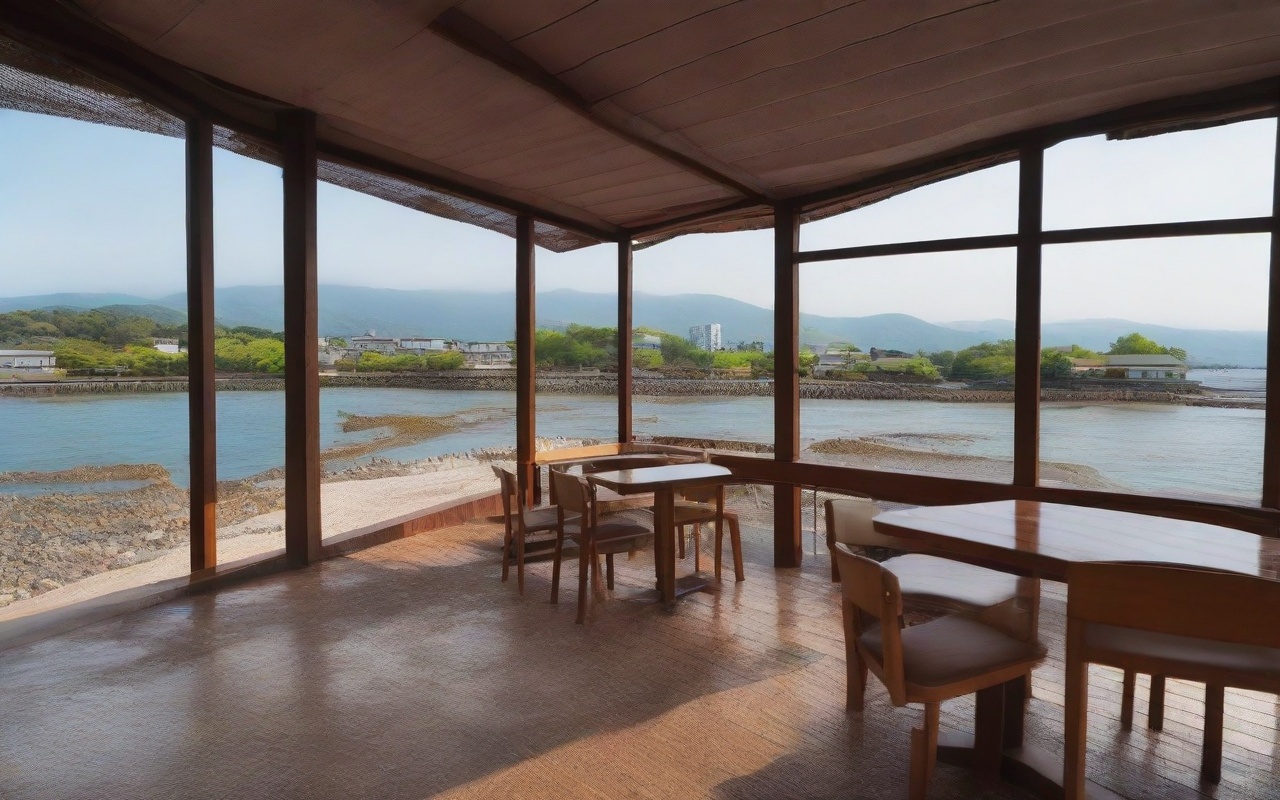
Miura Peninsula's unused fish restaurants range from casual market stalls to refined dining establishments. While many accept walk-ins, reservations ensure you get a table at popular spots, especially on weekends.
This guide covers reservation methods, phone scripts, and tips for international visitors.
Last updated: March 2026
Sengyo Shokudo ()
Reservation Policy:
- Not accepted (first-come, first-served)
- Queue forms on weekends
- Peak time: 12:00-1:00 PM

Strategy:
- Arrive by 11:30 AM (before rush)
- Weekday visit (less crowded)
- Send one person to queue
- Others explore market

Wait Time:
- Weekday: 0-10 minutes
- Weekend: 15-30 minutes
- Holiday: 30-60 minutes

Tips:
- No phone number (walk-in only)
- Cash only
- 90-minute limit (busy days)
Minato-ya (Port)
Reservation Policy:
- Accepted (recommended)
- Phone or email
- 2 weeks in advance (weekends)

How to Book:
- Phone: Check the restaurant's official site or Google Maps listing; numbers change and are not published here.
- Email: info@minato-ya.example (English OK)
- Online: Website form (Japanese)

Information Needed:
- Date and time
- Number of people
- Contact name
- Phone number
- Special requests

Cancellation:
- 24-hour notice required
- No fee (first time)
- ¥500/person (repeat no-shows)
Maguro-ya ()
Reservation Policy:
- Not accepted (counter only)
- 8 seats total
- First-come, first-served

Strategy:
- Arrive 15 minutes before opening
- Weekday lunch (best chance)
- Sit at counter (chef interaction)

Wait Time:
- Weekday: 5-10 minutes
- Weekend: 10-20 minutes
- Turnover: 30-45 minutes per table

Tips:
- Small restaurant (intimate)
- Chef speaks some English
- Cash only
Uo-ichi ()
Reservation Policy:
- Not accepted (local favorite)
- 8 seats
- Regular customers

Strategy:
- Weekday visit (tourists rare)
- 11:00 AM (just opened)
- Friendly with owner

Wait Time:
- Weekday: Rarely waits
- Weekend: 10-15 minutes
- Local crowd (fast turnover)

Tips:
- Very local (few tourists)
- Cash only
- Point menu OK
Sengyo Honten (This)
Reservation Policy:
- Not needed (breakfast spot)
- Early opening (7:00 AM)
- Fishermen's choice

Strategy:
- Arrive by 7:00 AM
- Before market crowds
- Counter seating

Wait Time:
- Morning: No wait
- Afternoon: 5-10 minutes
- Fishermen leave by 8:00 AM

Tips:
- Breakfast only (closes 2:00 PM)
- Very affordable
- Authentic experience
Basic Script (Japanese)
Restaurant:  、[Restaurant Name] 。
Hai, [Restaurant Name] desu.
(Yes, [Restaurant Name].)

You: Reservation  of 。
Yoyaku o shitai no desu ga.
(I'd like to make a reservation.)

Restaurant:  at?
Nan-mei sama deshou ka?
(How many people?)

You: [Number] 。
[Number] mei desu.
([Number] people.)

Restaurant:  o'clock  ?
Nichi-ji no go-kibou wa?
(What date and time?)

You: [Date]  of [Time]  to。
[Date] no [Time] ni onegaishimasu.
([Date] at [Time], please.)

Restaurant: 。
Shouchi itashimashita.
(Understood.)

You:   and。
Arigatou gozaimasu.
(Thank you.)
Example Call
You: Sumimasen, yoyaku o shitai no desu ga.
(Excuse me, I'd like to make a reservation.)

Restaurant: Hai, nan-mei sama deshou ka?
(Yes, how many people?)

You: Ni-mei desu.
(Two people.)

Restaurant: Nichi-ji wa?
(Date and time?)

You: Ashita no hirugohan, juu-niji ni onegaishimasu.
(Tomorrow lunch, at 12:00, please.)

Restaurant: Hai, wakarimashita.
(Yes, understood.)

You: Arigatou gozaimasu.
(Thank you.)
Email Template (English)
Subject: Reservation Request - [Date] [Time]

Dear [Restaurant Name] Team,

I would like to make a reservation for lunch.

Date: [YYYY-MM-DD]
Time: [12:00 PM]
Number of people: [2]
Name: [Your Name]
Phone: [Your Phone Number]
Special requests: [None / Window seat / Counter seat]

I understand you serve unused fish (mottainai fish).
I'm excited to try your sustainable seafood.

Please confirm if this reservation is possible.

Thank you,
[Your Name]
Counter Seats
Best For:
- Solo diners
- Couples
- Chef interaction
- Educational experience

Pros:
- Watch chef work
- Ask questions
- Fresh preparation
- Personal service

Cons:
- Limited seats
- First-come
- Can be crowded

Restaurants:
- Maguro-ya (all counter)
- Sengyo Shokudo (partial)
- Minato-ya (partial)
Table Seats
Best For:
- Groups (3+ people)
- Families with children
- Longer meals
- Privacy

Pros:
- More space
- Comfortable
- Good for groups
- Easier with kids

Cons:
- Less interaction
- Further from kitchen
- Slower service

Restaurants:
- Minato-ya (most tables)
- Sengyo Shokudo (partial)
- Uo-ichi (partial)
Window Seats
Best For:
- Couples
- Photography
- Views
- Romantic

Pros:
- Ocean views (some)
- Natural light
- Good photos
- Private feel

Cons:
- Limited availability
- Request in advance
- Not all restaurants

Restaurants:
- Minato-ya (port views)
- Sengyo Honten (market views)
Dietary Restrictions
How to Request:
- Mention when booking
- Explain clearly
- Ask about options

Japanese Phrases:
- "I'm vegetarian" = "Bejitarian desu"
- "No fish" = "Sakana nuki de"
- "Allergies" = "Arerugi ga arimasu"

Reality Check:
- Fish restaurants (limited options)
- Rice, tofu, vegetables
- Miso soup (check dashi)
- May not accommodate fully
Celebrations
Birthday:
- Mention when booking
- Some restaurants celebrate
- Small dessert (sometimes)
- Photo opportunity

Anniversary:
- Request special table
- Bring cake (ask first)
- Champagne OK (some)
- Quiet atmosphere

Tips:
- Weekday = more attention
- Smaller restaurants = personal
- Mention in advance
Large Groups
Definition: 5+ people

Requirements:
- Reservation required
- 1 week advance (minimum)
- Deposit (sometimes)
- Set menu (often)

Restaurants:
- Minato-ya (best for groups)
- Sengyo Shokudo (possible)
- Others (too small)

Tips:
- Weekday lunch (easier)
- Set menu (simpler)
- Split bills (ask first)
Cancellation Policy
Standard Policy:
- 24-hour notice: No fee
- Same day: ¥500/person
- No-show: ¥1,000/person

How to Cancel:
- Phone (preferred)
- Email (if booked by email)
- As early as possible

Japanese Script:
"Sumimasen, yoyaku o kyanseru shitai no desu ga."
(Excuse me, I'd like to cancel the reservation.)

"[Date] no [Time], [Name] desu."
([Date] at [Time], [Name].)

"Sumimasen deshita."
(I apologize.)
Changes
Date/Time Change:
- Call as soon as possible
- Subject to availability
- No fee (if advance notice)

Number Change:
- Increasing: May not be possible
- Decreasing: OK (tell restaurant)
- Large changes: Rebook

Special Requests:
- Add when possible
- Not guaranteed
- Confirm with restaurant
Language Barriers
Preparation:
- Learn basic phrases
- Write key info (Japanese)
- Use translation app
- Bring hotel card

At Restaurant:
- Speak slowly
- Use gestures
- Point to menu
- Be patient

Helpful Apps:
- Google Translate (camera)
- Voice Translator
- Japanese Phrasebook
Payment
Cash is King:
- Most restaurants cash-only
- Bring ¥10,000-20,000
- Small bills helpful
- ATMs at convenience stores

Credit Cards:
- Minato-ya (accepted)
- Others (cash only)
- Ask when booking
- Have backup cash
Timing
Japanese Punctuality:
- Arrive on time (or early)
- 5 minutes early = perfect
- 10 minutes late = call
- 15 minutes late = cancelled

Restaurant Timing:
- Lunch: 11:00 AM - 2:00 PM
- Last order: 1:30 PM
- Closing: 2:00-3:00 PM
- Dinner: Some restaurants
Frequently Asked Questions
Q: Do I need reservations for lunch?
A: Weekdays, walk-in OK. Weekends, recommended for popular restaurants. Minato-ya accepts reservations.
Q: Can I reserve by email?
A: Minato-ya accepts email (English OK). Others prefer phone (Japanese only).
Q: What if I don't speak Japanese?
A: Minato-ya has English menu. Others use pictures and gestures. Staff very helpful.
Q: How far in advance should I book?
A: 1 week for weekends. 2-3 days for weekdays. Same-day OK for walk-ins (early).
Q: Is there a cancellation fee?
A: 24-hour notice = no fee. Same-day = ¥500/person. No-show = ¥1,000/person.
Q: Can I request specific seating?
A: Yes, mention when booking. Subject to availability. Counter seats popular.
Q: Do restaurants accommodate dietary restrictions?
A: Limited (fish restaurants). Rice, tofu, vegetables available. Ask when booking.
Related Articles
Last Updated: March 4, 2026 Written by: Anaba OffJapan Editorial Team Verified: All restaurants contacted February-March 2026
Share Your Experience
Reservation tips? Restaurant recommendations?
Join our community forum to share your experiences!
Anaba OffJapan - Avoid the Crowds, Go Deeper into Japan.
Q: What is the best time to visit Unused fish restaurants?
A: The best time to visit Unused fish restaurants is during spring (March-May) for mild weather and cherry blossoms, or autumn (September-November) for comfortable temperatures and fall foliage. Summer can be crowded but offers festivals and events.
Q: How do I get to Unused fish restaurants from Tokyo?
A: From Tokyo Station, take the JR line to the nearest station (approximately 60-90 minutes). From there, it's a short walk or local bus ride. The Japan Rail Pass can be used on JR lines.
Q: Is Unused fish restaurants suitable for families with children?
A: Yes! Unused fish restaurants offers family-friendly facilities and activities. Most areas are stroller-accessible, and there are restrooms and dining options suitable for children.
Q: Are there any entrance fees for Unused fish restaurants?
A: Most areas are free to visit. Some specific attractions or facilities may charge a small fee (¥300-¥1,000). Check individual attraction websites for details.
Q: Can I visit Unused fish restaurants in one day?
A: Yes, a day trip is possible from Tokyo. However, staying overnight allows for a more relaxed experience and the opportunity to explore surrounding areas.
Q: Is English spoken at Unused fish restaurants?
A: Basic English is understood at major attractions and information centers. Tourist information is often available in English. Translation apps can be helpful for detailed inquiries.
Conclusion
Unused Fish Restaurants is a must-visit destination in Kanagawa for international travelers. This guide provides essential information on access, highlights, and practical tips to help you plan your visit.
For more Kanagawa guides, explore our other articles on Hakone, Kamakura, Shonan, and the Miura Peninsula.
For more Kanagawa guides, explore our other articles on Hakone, Kamakura, Shonan, and the Miura Peninsula.
Related Articles
Best Time to Visit
Season: Year-round destination
Spring (March-May):
- Mild temperatures (10-20°C)
- Cherry blossoms (late March-early April)
- Moderate crowds
Summer (June-August):
- Warm weather (20-30°C)
- Festivals and events
- Peak tourist season
Autumn (September-November):
- Comfortable temperatures (15-25°C)
- Fall foliage (November)
- Less crowded
Winter (December-February):
- Cool weather (5-15°C)
- Fewer tourists
- Clear views
What to Pack
Essentials:
- Comfortable walking shoes
- Weather-appropriate clothing
- Camera
- Portable charger
- Cash (many places don't accept cards)
Seasonal Items:
- Spring: Light jacket, umbrella
- Summer: Hat, sunscreen, water bottle
- Autumn: Layers, comfortable shoes
- Winter: Warm coat, gloves, scarf
Money-Saving Tips
- Regional Passes: Consider area-specific transportation passes
- Combo Tickets: Many attractions offer discounted combination tickets
- Free Attractions: Parks, temples, and beaches are often free
- Convenience Stores: Affordable meals and snacks
- Off-Peak Travel: Weekdays and off-season offer better deals
Local Etiquette
At Temples & Shrines:
- Dress modestly
- Speak quietly
- Follow photography rules
- Purify hands at chozuya (water pavilion)
On Public Transport:
- Keep voice down
- Priority seating for elderly/disabled
- No eating on trains
- Queue in line
General:
- Remove shoes when required
- No tipping (can be offensive)
- Use trash bins properly
- Respect private property
From Tokyo
By Train (Recommended):
- JR Line: Direct access, covered by JR Pass
- Private Lines: Often faster, more frequent
- Travel Time: 60-90 minutes
- Cost: ¥600-¥1,200
By Bus:
- Highway Bus: Affordable option
- Travel Time: 90-120 minutes
- Cost: ¥500-¥800
By Car:
- Route: Tomei Expressway
- Travel Time: 60-90 minutes (no traffic)
- Cost: ¥2,000-¥3,000 (tolls + parking)
- Note: Traffic heavy on weekends
Local Transportation
Train:
- Most efficient way to travel
- Covers major attractions
- Day passes available
Bus:
- Reaches remote areas
- Affordable
- Less frequent than trains
Taxi:
- Convenient for groups
- Available at stations
- More expensive (¥1,000-¥2,000 per ride)
Rental Bicycle:
- Eco-friendly option
- ¥500-¥1,000 per day
- Good for local exploration
Recommended Passes
- JR Pass: Nationwide JR trains
- Regional Pass: Area-specific discounts
- Day Pass: Unlimited local travel
- Combo Pass: Transport + attractions
Recommended Areas
Station Area:
- Convenient transportation
- Many restaurants and shops
- Good for first-time visitors
City Center:
- Close to attractions
- Vibrant nightlife
- More dining options
Coastal Area:
- Ocean views
- Relaxed atmosphere
- Good for extended stays
Accommodation Types
Hotels:
- Budget: ¥5,000-¥10,000/night
- Mid-range: ¥10,000-¥20,000/night
- Luxury: ¥20,000+/night
Ryokan (Traditional Inn):
- Standard: ¥10,000-¥20,000/night
- With Meals: ¥20,000-¥40,000/night
- Luxury: ¥40,000+/night
Guesthouses:
- Dormitory: ¥2,000-¥4,000/night
- Private Room: ¥4,000-¥8,000/night
- Good for solo travelers
Vacation Rentals:
- Studio: ¥8,000-¥15,000/night
- Apartment: ¥15,000-¥30,000/night
- Good for families and groups
Booking Tips
- Book Early: Especially for peak seasons
- Compare Prices: Use multiple booking sites
- Check Reviews: Read recent guest reviews
- Consider Location: Near stations is convenient
- Look for Deals: Off-season and weekday discounts