Category: Travel Tips

  • Coworking Guide — Best Remote Work Spaces in Yokohama 2026

    Coworking Guide — Best Remote Work Spaces in Yokohama 2026

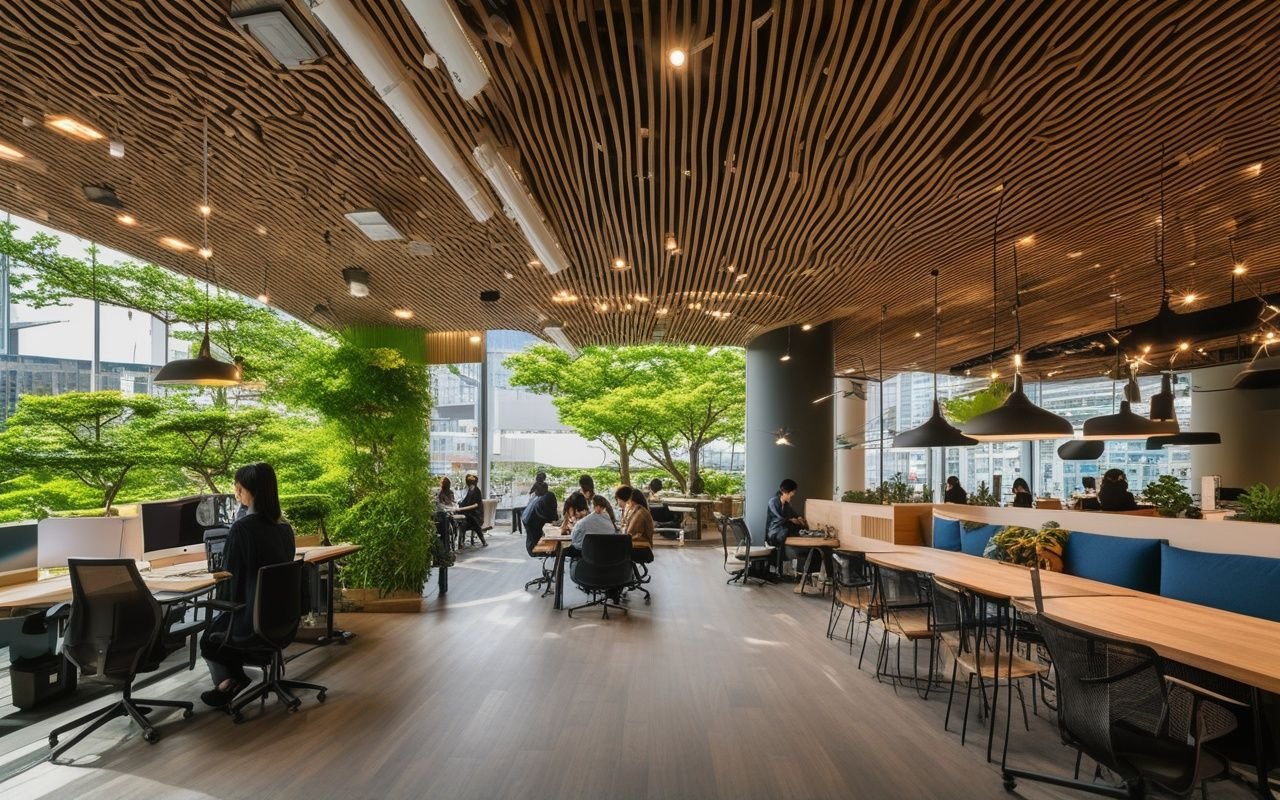
    Overview

    Quick Comparison

    Location Best For Day Pass Cost WiFi Speed Power Outlets
    Yokohama Dedicated workspace ¥1,500-3,000/day 100-500 Mbps ✅ great
    Kamakura Cafe working Free (with drink) 20-80 Mbps ✅ Good
    Hakone Digital detox / scenic work ¥2,000-4,000/day 10-50 Mbps ⚠️ Limited
    Shonan Coast Beachside productivity Free-¥1,000 30-80 Mbps ✅ Good

    What mainly impressed me during my visit was how strongly the local character remains preserved. —

    Yokohama — Best Infrastructure

    Yokohama has the best coworking infrastructure in Kanagawa, with modern spaces in Minato Mirai and affordable options near Yokohama Station.

    Dedicated Coworking Spaces

    Space Area Day Pass Monthly WiFi Speed Notes
    Regus Minato Mirai Minato Mirai ¥3,500 ¥35,000 300+ Mbps Professional, meeting rooms
    WeWork Yokohama Yokohama Station ¥3,000 ¥32,000 500+ Mbps Modern, phone booths
    The Desk Yokohama Kannai ¥2,500 ¥25,000 200+ Mbps Creative vibe, lockers
    Creative Lounge Minato Mirai ¥1,500 ¥18,000 100+ Mbps Casual, community focus
    Share Office e-DESK Yokohama Station ¥2,000 ¥22,000 200+ Mbps Budget-friendly, quiet environment

    Work-Friendly Cafes (Free WiFi)

    Cafe Area WiFi Speed Power Noise Level Best Time
    Café Bota Minato Mirai 80 Mbps ✅ Many outlets Moderate Weekday mornings
    Tully’s Coffee Yokohama Station 50 Mbps ✅ Limited Moderate 7 AM-10 AM
    Starbucks Reserve Minato Mirai 80 Mbps ✅ Many outlets Moderate Before 11 AM
    Cafe & Books Bibelot Kannai 60 Mbps ⚠️ Limited Quiet Weekday afternoons
    Excelsior Caffè Yokohama Station 40 Mbps ✅ Some outlets Moderate Mornings

    Digital Nomad-Friendly Hotels

    Hotel Area Day Rate Work Space Notes
    APA Hotel Yokohama-ekimae Yokohama Station ¥5,000-7,000 Desk in room, lobby Good for short stays
    Hotel Edit Yokohama Kannai ¥6,000-9,000 Coworking area, rooftop Workspace included in rate
    LYURO Share Hotel Minato Mirai ¥8,000-12,000 Communal desks Social atmosphere

    📖 Related: Yokohama Area Guide · Yokohama Cafe Guide


    Kamakura — Cafe Culture Paradise

    Kamakura has one of the highest cafe densities in Japan, making it ideal for remote workers who prefer cafe-based work. The city is quieter than Yokohama but has fewer dedicated coworking spaces.

    Dedicated Coworking

    Space Area Day Pass Monthly Notes
    CocoDesk Kamakura Near Kamakura Station ¥2,500 ¥27,000 Small, great community
    Kamakura Creative Center Yuigahama ¥2,000 ¥22,000 Creative professionals, events

    Best Cafes for Remote Work

    Cafe Area WiFi Power Vibe Notes
    Kamakura 24sekki Near Station ✅ 50 Mbps ✅ Many Cozy, good for afternoon work
    Irori Cafe Yuigahama ✅ 40 Mbps ✅ Limited Beach view, relaxed atmosphere
    Cafe Vivement Komachi-dori ✅ 60 Mbps ✅ Some Quiet upstairs seating, good coffee
    Magokoro Hase ✅ 30 Mbps ⚠️ Limited Seaside, best for morning work

    Cafe Work Tips

    • Arrive early: Kamakura cafes fill up by 10:30 AM on weekends
    • Order thoughtfully: Order a drink + food item for longer stays (¥1,500-2,500)
    • Time limits: Some cafes have 60-90 minute limits during peak hours
    • Weekday advantage: Kamakura is much quieter on weekdays — work-friendly cafes have empty seats all afternoon

    📖 Related: Kamakura Cafe Guide · Kamakura Matcha Cafe Guide · Kamakura Area Guide


    Hakone — Work + Onsen Retreats

    Hakone is best for “workcations” — combining work sessions with onsen breaks. Dedicated coworking is limited, but many ryokan and hotels offer good work environments.

    Ryokan/Hotel with Work-Friendly Rooms

    Property Area Nightly Rate Work Space Internet
    Gora Kadan Gora ¥50,000+ Desk, garden 50 Mbps
    Hotel Okada Hakone-Yumoto ¥15,000-25,000 Lobby lounge rooms 30 Mbps
    Guesthouse Gora Gora ¥8,000-12,000 Common room, dorm area 20 Mbps
    Hakone Suishoen Lake Ashi ¥20,000+ Lake-view desk 40 Mbps

    Coworking Options

    Space Area Day Pass Notes
    Hakone Workation Cafe Gora ¥2,000 Limited hours, coffee included
    Hakone-Yumoto Library Hakone-Yumoto Free Free WiFi, basic places

    Digital Detox Alternatives

    If you want to disconnect, several Hakone properties offer limited or no WiFi:


    Shonan Coast — Beachside Productivity

    The Shonan coast has a growing cafe work culture, mainly in Enoshima and Fujisawa. | Cafe | Area | WiFi | Power | Best For |
    |:—–|:—-:|:—-:|:—–:|:———|
    | Pacific Drive-in | Enoshima | 50 Mbps | ✅ Yes | Ocean view, outdoor seating |
    | Sunset Cafe | Shichirigahama | 40 Mbps | ⚠️ Limited | Afternoon work with view |
    | Cafe Lotta | Enoshima | 60 Mbps | ✅ Many | Vegan food, community tables |
    | Shonan Beach House | Katase Beach | 30 Mbps | ✅ Limited | Summer-only, casual |


    🌐 Detailed Coworking Space Reviews

    WeWork Yokohama (Best Overall)

    Detail Info
    Location 2-4F. Yokohama
    Access 3 min walk from Minato Mirai Station
    Hours 24/7 (members) / 9 AM-6 PM (day pass)
    Day Pass ¥3,000 (weekday). ¥2,000 (weekend)
    Monthly ¥32,000 (fixed desk). ¥38,000 (dedicated desk)
    WiFi Speed 500+ Mbps (tested: consistent 450 Mbps)
    Meeting Rooms ✅ 6 rooms (¥1,000-3,000/hour)
    Phone Booths ✅ 8 booths (first-come, soundproof)
    Coffee Free (bean-to-cup machine, oat milk available)
    Printing ¥10/page (B&W). ¥50/page (color)
    Lockers ¥3,000/month (members only)
    Events Weekly networking (Wed evenings. ¥500 members)

    Pros: Fastest WiFi in Kanagawa. Professional atmosphere. Great for video calls (phone booths are soundproof). Central Minato Mirai location with harbor views. Cons: Expensive for short stays. No natural light in interior desks. Can feel corporate/cold.

    The Desk Yokohama (Best for Creatives)

    Detail Info
    Location 3-32-4 Kannai. Yokohama
    Access 5 min walk from Kannai Station
    Hours 24/7 (members) / 8 AM-10 PM (day pass)
    Day Pass ¥2,500 (includes 1 drink)
    Monthly ¥25,000 (fixed desk)
    WiFi Speed 200+ Mbps (tested: 180-250 Mbps)
    Atmosphere Creative, community-focused
    Events Monthly art shows, design workshops

    Pros: Creative community. Good for designers/writers. Natural light in meeting room. 24-hour access for members. Cons: Less professional than WeWork. Limited phone booths (4 only). Weekend hours limited.

    Creative Lounge (Best Budget)

    Detail Info
    Location 3rd Floor. Minato Mirai
    Access Direct from Minato Mirai Station (2 min)
    Hours 10 AM-8 PM (daily)
    Day Pass ¥1,500 (includes 1 drink)
    Monthly ¥18,000 (unlimited use)
    WiFi Speed 100+ Mbps (tested: 90-120 Mbps)
    Atmosphere Casual, cafe-style

    Pros: Cheapest dedicated coworking in Yokohama. Great harbor views from 3rd floor. Landmark Tower has great food court. Cons: Not 24/7. Gets crowded after 2 PM. Limited power outlets. More casual — less suitable for important video calls.

    📱 Digital Nomad Community in Kanagawa

    Kanagawa has a growing digital nomad community, though it’s smaller and less organized than Tokyo’s. Here’s how to connect: Online communities:

    • Facebook: “Digital Nomads Japan” group (12,000+ members, active Yokohama/Kanagawa discussions)
    • Meetup: “Yokohama Remote Workers” (monthly meetups. 50+ attendees)
    • Discord: “Japan Tech Nomads” (tech-focused, active voice channels)
    • LINE: Some coworking spaces have member-only LINE groups

    Regular events:
    | Event | Frequency | Location | Cost | Vibe |
    |:——|:———:|:———|:—-:|:—–|
    | Yokohama Remote Work Meetup | 1st Wed monthly | The Desk Yokohama | Free | Casual networking |
    | WeWork Yokohama Community Lunch | Every other Thu | WeWork Yokohama | Free for members | Professional networking |
    | Kamakura Creative Morning | Last Fri monthly | Kamakura Creative Center | ¥500 | Morning co-working session |
    | Shonan Beach Remote Work Day | 2nd Sat monthly | Varies (Enoshima area) | Free | Coworking + beach walk |

    Practical tips for meeting other remote workers:

    • Weekday afternoons (1-3 PM) are the best time to meet people — after lunch, before the afternoon focus
    • The open seating areas at WeWork and The Desk are more social than phone booths or private desks
    • Bring business cards (meishi) — still standard practice in Japan even in remote work circles

    💼 Detailed Coworking Pricing Comparison

    Space 1 Day 5 Days 10 Days 1 Month Best Value
    WeWork Yokohama ¥3,000 ¥14,000 ¥27,000 ¥32,000 Monthly
    The Desk Yokohama ¥2,500 ¥12,000 ¥23,000 ¥25,000 Monthly
    Creative Lounge ¥1,500 ¥7,000 ¥13,000 ¥18,000 10-day pass
    Regus Minato Mirai ¥3,500 ¥16,000 ¥31,000 ¥35,000 Monthly
    CocoDesk Kamakura ¥2,500 ¥11,000 ¥21,000 ¥27,000 Monthly
    Kamakura Creative Center ¥2,000 ¥9,000 ¥17,000 ¥22,000 10-day pass
    Hakone Workation Cafe ¥2,000 ¥8,000 ¥15,000 Day pass (1-2 visits)

    tip by visit length:

    • 1-2 days: Creative Lounge (¥1,500/day, best for short visits)
    • 3-5 days: The Desk Yokohama (¥2,500/day, best balance)
    • 1-2 weeks: 10-day pass at Creative Lounge (¥13,000. ~¥1,300/day)
    • 1 month+: Monthly at Creative Lounge (¥18,000. ~¥600/day — best value in Kanagawa)

    🏨 lodging + Coworking: Best Package Deals

    Several properties offer combined lodging and workspace packages for digital nomads:

    Property Area Room + Coworking Rate Package Includes Best For
    LYURO Share Hotel Minato Mirai ¥10,000-15,000/night Dorm bed + coworking access + breakfast Solo nomads. 1-2 weeks
    Hotel Edit Yokohama Kannai ¥8,000-12,000/night Private room + lobby workspace + Starbucks card Couples. 1-2 weeks
    Guesthouse Gora Gora. Hakone ¥4,000/night (dorm) Bed + common room WiFi + onsen discount Budget. 1 week+
    Sakura Hostel Kamakura Kamakura ¥4,500/night (dorm) Bed + kitchen access + nearby cafe WiFi Budget. 1 week+

    How to Get There

    Most locations in this guide are accessible from central Tokyo within 60-90 minutes by train. The JR lines and private railways connect major stations efficiently. For real-time routes, use Google Maps or Japan Travel by Navitime. Consider purchasing an IC card (Suica/Pasmo) for seamless travel across all train and bus lines.

    Best Time to Visit

    The ideal seasons for visiting Kanagawa are spring (March-May) and autumn (September-November) when temperatures are moderate and rainfall is minimal. Summer offers vibrant festivals and beach activities despite the humidity. Winter provides crisp clear days perfect for photography and sightseeing with fewer tourists.

    What to Expect

    Traveling around Kanagawa is straightforward thanks to the extensive rail network. Trains run frequently from early morning until around midnight. Expect to walk a fair amount – comfortable shoes are essential. Many temples and shrines have uneven stone paths and stairs. Ticket machines at stations have an English language option. If you get lost, station staff are helpful and many speak basic English. Taxis are reliable but expensive; only use them for short trips or when trains have stopped.

    Nearby Recommendations

    After exploring the main attractions, consider visiting nearby areas for a more complete experience. Most destinations are within 30 minutes of several other interesting spots by train. Check the local tourist information center for day-trip combinations and discount passes that cover multiple attractions in the area. Many hidden gems are just a short walk or one train stop away from the main tourist hubs.

    Local Tips

    For the best experience, locals suggest exploring side streets away from the main tourist areas. Some of the best restaurants and shops are hidden down narrow alleys. Ask your accommodation staff for their personal recommendations – they often know the best local spots not found in guidebooks. If you see a line of locals waiting outside a restaurant, join it – it’s usually worth the wait.

    Packing Essentials

    For a trip to Kanagawa, pack comfortable walking shoes as you will be on your feet exploring temples, shrines, and neighborhoods. A reusable water bottle is essential – tap water is safe to drink and there are public fountains at major stations and parks. A small umbrella or light rain jacket is useful year-round, as rain can arrive unexpectedly. Power banks are recommended since you will rely on your phone for maps and translation. A small daypack for daily essentials makes sightseeing much more convenient.

    Budget Planning

    A daily budget of ¥8,000-12,000 covers mid-range meals, local transport, and one paid attraction. For budget travelers, ¥5,000-7,000 per day is feasible using convenience store meals and focusing on free attractions like parks and temples. Set aside extra cash for unexpected discoveries – some of the best experiences are unplanned. Use IC cards for seamless payment across trains, buses, and convenience stores. Exchange money at banks or post offices for better rates than airport counters.n

    Practical Tips for Remote Work in Kanagawa

    Internet Connectivity

    Area Reliability Average Speed Best Provider
    Yokohama great 100-500 Mbps NTT Fiber / au Hikari
    Kamakura Very Good 30-80 Mbps NTT Fiber
    Shonan Good 30-80 Mbps NTT Fiber
    Hakone Moderate 10-50 Mbps Depends on property
    Miura Peninsula Moderate 10-40 Mbps Limited in rural areas

    Backup Connectivity

    • Ubigi eSIM: ¥2,000/7 days, reliable across Kanagawa
    • Airalo eSIM: ¥1,500/7 days, slightly slower in mountain areas
    • Japan Travel SIM: Available at airports. ¥3,000-5,000 for 7-14 days
    • Free WiFi: Major stations (Yokohama. Odawara) offer 30-minute free WiFi

    Recommended Schedule

    Time Activity
    7:00-9:00 AM Morning work session (cafe or coworking)
    9:00-10:30 AM Explore / sightseeing before crowds
    10:30-12:30 PM Second work session
    12:30-2:00 PM Lunch break
    2:00-4:00 PM Afternoon work or sightseeing
    4:00 PM+ Leisure time / onsen / dining

    Frequently Asked Questions

    Q: Q: Can I work from cafes in Kamakura all day?
    A: A: Most cafes in Kamakura welcome laptop workers but appreciate orders every 1-2 hours. Kamakura 24sekki and Cafe Vivement are mainly laptop-friendly. Avoid busy restaurants during lunch hours (11:30 AM-1:30 PM). Q: Q: Is the internet fast enough for video calls in Hakone?
    A: A: In central Hakone-Yumoto and Gora, yes (30-50 Mbps). In remote areas around Lake Ashi, speeds drop to 10-20 Mbps. Always test your connection before an important video call. Q: Q: Are there quiet coworking spaces in Yokohama?
    A: A: Yes. The Desk Yokohama in Kannai is known for its quiet, focused atmosphere. Regus Minato Mirai offers private phone booths for calls. Q: Q: Can I find printers and scanners in coworking spaces?
    A: A: Yes. Regus, WeWork, and The Desk Yokohama all offer printing services. Kamakura’s coworking spaces have basic printing available. Most cafes do not offer printing. Q: Q: What is the best area for a remote work stay in Kanagawa?
    A:** A: For productivity + convenience, Yokohama (Minato Mirai or Kannai). For lifestyle + nature, Kamakura (near Yuigahama). For a retreat-style workcation, Hakone (Gora or Hakone-Yumoto). — , I’m confident that these tips will make your trip to Kanagawa great.

    Final Thoughts

    Kanagawa offers great options for remote workers, from Yokohama’s professional coworking spaces to Kamakura’s atmospheric cafes and Hakone’s relaxing workcations. For a productive week:

    • Work: WeWork Yokohama or The Desk Yokohama
    • Cafe work: Kamakura 24sekki or Irori Cafe
    • Workcation: Hakone Suishoen or Guesthouse Gora

    No matter where you choose to work. Kanagawa’s combination of reliable infrastructure, and easy access to Tokyo makes it an ideal base for digital nomads. — Last Updated: June 29, 2026
    Written by: Anaba OffJapan Editorial Team Related: Kanagawa WiFi Spots Complete · Japan SIM eSIM Guide · Kanagawa Charging Spots

    Conclusion

    The details in this guide come from real visits, and the biggest lesson I took away was that the best experiences in Yokohama rarely fit neatly into a checklist. During my visit to Yokohama I went with a rough plan and found that leaving room to wander made the trip far more memorable. Plan the essentials, keep your schedule flexible, and you will leave Kanagawa wanting to return.
  • Kanagawa Transport Pass Comparison — Save Money on Travel

    Kanagawa Transport Pass Comparison — Save Money on Travel

    This guide provides essential travel tips and practical advice for navigating Kanagawa Prefecture. From transportation passes to safety information, you will find everything you need for a smooth and enjoyable trip.

    Kanagawa Transport Pass Comparison 2026 — Which Pass Saves You the Most?

    Overview

    Quick Comparison Table

    Pass Name Price (Adult) Validity Best For Savings vs. Individual
    Hakone Free Pass (from Shinjuku) ¥6,100 2 days Hakone overnight trip Up to 47%
    Hakone Free Pass (from Odawara) ¥5,140 2 days JR Pass holders visiting Hakone Up to 40%
    Enoshima-Kamakura Freepass (Odakyu) ¥1,640 1 day Day trip from Shinjuku to Kamakura/Enoshima 20-30%
    Enoden 1-Day Pass (Noriorikun) ¥800 1 day Multiple stops along Enoden line 20-40%
    Shonan Monorail 1-Day Pass ¥750 1 day Riding the suspended monorail for fun 30%
    Minato Burari Ticket (Standard) ¥700 1 day Yokohama city subway + bus 25-35%
    Minato Burari Ticket (Wide) ¥750 1 day Yokohama + Shin-Yokohama 25-35%
    JR Tokyo Wide Pass ¥15,180 3 days Multi-day trips across Kanto region Varies

    Pass Details and Coverage

    Hakone Free Pass (Odakyu)

    The most popular regional pass in Kanagawa. Covers round-trip from Tokyo plus unlimited local transport in Hakone. Coverage (8 transport types):

    • Odakyu Line round-trip (from Shinjuku)
    • Hakone Tozan Railway (switchback train)
    • Hakone Tozan Cable Car (funicular)
    • Hakone Ropeway (cable car over Owakudani)
    • Hakone Sightseeing Cruise (pirate ships on Lake Ashi)
    • Hakone Tozan Bus (most routes)
    • Selected Odakyu/Izu Hakone/Kanachu bus routes Where to buy: Odakyu ticket counters (Shinjuku, Tokyo), online at odakyu.jp, or at Odawara Station

    Savings calculation:

    • Full Hakone Loop individual tickets: ¥11,480+
    • Hakone Free Pass (from Shinjuku): ¥6,100
    • Savings: ¥5,380 (47%)

    Our recommendation: Worth it for anyone staying 2+ days in Hakone. For JR Pass holders, buy the Odawara version (¥5,140) and take the Shinkansen to Odawara. Not worth it for day trips to Hakone-Yumoto only.

    📖 Related: Hakone Free Pass Ultimate Guide · Hakone Free Pass Guide · How to Get to Hakone from Tokyo


    Enoshima-Kamakura Freepass (Odakyu)

    Covers round-trip from Shinjuku plus unlimited rides on Enoden and Odakyu local lines around Fujisawa. Coverage:

    • Odakyu Line round-trip (from Shinjuku to Katase-Enoshima)
    • Unlimited Enoden Line rides (Fujisawa to Kamakura)
    • Odakyu Line between Fujisawa and Katase-Enoshima Price: ¥1,640 (adult), ¥830 (child)

    Savings calculation:

    • Shinjuku → Katase-Enoshima round-trip: ¥1,240
    • Enoden day with 3+ rides: ¥960+
    • Total individual: ¥2,200+ vs. Pass: ¥1,640

    Savings: ¥560+ (25%)

    Our recommendation: Excellent value for a day trip combining Kamakura temples and Enoshima island. Includes 70+ discount coupons at local shops and restaurants.

    📖 Related: Enoden 1-Day Pass Guide · Enoden Unlimited Guide · Kamakura Access Guide


    Enoden 1-Day Pass (Noriorikun)

    Unlimited rides on the nostalgic Enoden tram line between Fujisawa and Kamakura. Coverage: All 15 stations on the Enoden Line (10km) Price: ¥800 (adult), ¥400 (child) Valid: 1 calendar day

    Savings calculation:

    • Individual ticket per ride: ¥150-320
    • Single trip (Fujisawa to Kamakura, one way): ¥320
    • With 4+ rides: Pass pays for itself
    Number of Rides Individual Total With Pass Savings
    2 rides ¥640 ¥800 -¥160
    3 rides ¥960 ¥800 ¥160
    4 rides ¥1,280 ¥800 ¥480
    6 rides ¥1,920 ¥800 ¥1,120

    Our recommendation: Buy this if you plan to hop on and off at 3+ stations. Perfect for temple hopping (Kamakura → Hase → Enoshima → Fujisawa). Not worth it if you only go to one destination.

    📖 Related: Enoden 1-Day Pass Guide · Enoden Unlimited Guide


    Shonan Monorail 1-Day Pass

    Japan’s first suspended monorail connects Ofuna Station to Shonan-Enoshima Station. Coverage: Unlimited rides on the Shonan Monorail Line (8 stations, 6.6km) Price: ¥750 (adult), ¥380 (child) Valid: 1 day

    Number of Rides Individual Total With Pass Savings
    2 rides ¥580 ¥750 -¥170
    3 rides ¥870 ¥750 ¥120
    4 rides ¥1,160 ¥750 ¥410

    Our recommendation: Fun experience for train enthusiasts. Combine with Enoden for a full day of unique rail adventures. The monorail offers great views of Ofuna Kannon and the Shonan coast.

    📖 Related: Shonan Monorail Enoden Connection Guide · Shonan Train Bus Guide


    Minato Burari Ticket (Yokohama)

    Unlimited rides on Yokohama Municipal Subway and city buses in central Yokohama. Coverage:

    • Standard (¥700): Blue Line subway + city buses in central area
    • Wide (¥750): Adds Shin-Yokohama station access Valid: 1 day

    Savings calculation:

    • Individual subway ride: ¥180-450
    • With 3+ subway rides: Pass pays for itself
    • Includes discounts at 30+ Yokohama attractions

    Our recommendation: Good for exploring multiple Yokohama neighborhoods (Minato Mirai, Kannai, Chinatown, Yamate) in one day. The Wide version is worth the extra ¥50 if you are arriving via Shinkansen at Shin-Yokohama.

    📖 Related: Yokohama Transport Pass Comparison · Suica/Pasmo Guide


    JR Tokyo Wide Pass

    A 3-day pass covering JR lines across the entire Kanto region. Coverage: Unlimited JR train rides in the Kanto area (includes Kamakura, Yokohama, Nikko, Kawaguchiko, Izu) Price: ¥15,180 (adult) Valid: 3 consecutive days

    Savings calculation for Kanagawa trips:

    • Tokyo → Kamakura round-trip: ¥1,840
    • Tokyo → Odawara round-trip (for Hakone): ¥3,600
    • Total for 2 Kanagawa day trips: ¥5,440
    • Pass pays for itself if you also visit Nikko or Kawaguchiko

    Our recommendation: Only worth it if you plan 3+ days of intensive JR travel across Kanto. For Kanagawa-only trips, regional passes offer better value.


    Pass Selection by Travel Scenario

    Scenario 1: Day Trip from Tokyo to Kamakura

    Pass Option Cost Verdict
    No pass (IC card) ¥3,680-4,000 Flexible, no savings
    Enoden 1-Day Pass + JR tickets ¥2,640 Best if visiting 4+ Enoden stations
    Enoshima-Kamakura Freepass (Odakyu) ¥1,640 Best value from Shinjuku
    JR Tokyo Wide Pass ¥15,180 Waste for single day

    🏆 Winner: Enoshima-Kamakura Freepass (¥1,640) if starting from Shinjuku. Enoden 1-Day Pass (¥800) + JR if starting from Tokyo Station.

    Scenario 2: Weekend Getaway to Hakone

    Pass Option Cost Verdict
    No pass ¥11,480+ Most expensive
    Hakone Free Pass (Shinjuku, 2-day) ¥6,100 Best overall value
    Hakone Free Pass (Odawara, 2-day) ¥5,140 Best for JR Pass holders
    JR Tokyo Wide Pass (3-day) ¥15,180 Good if combining Hakone + other destinations

    🏆 Winner: Hakone Free Pass from Shinjuku (¥6,100). Add Romancecar surcharge (¥1,250 each way) for guaranteed seats.

    Scenario 3: Yokohama City Exploration

    Pass Option Cost Verdict
    No pass (IC card) ¥1,000-1,800 Fine for 1-2 areas
    Minato Burari Ticket (Standard) ¥700 Best for 3+ subway trips
    Minato Burari Ticket (Wide) ¥750 Best if arriving via Shin-Yokohama

    🏆 Winner: Minato Burari Ticket Standard (¥700) if exploring Chinatown, Minato Mirai, and Kannai. Wide (¥750) if including Shin-Yokohama.

    Scenario 4: Enoshima + Kamakura Combined Day Trip

    Pass Option Cost Verdict
    No pass ¥3,000-4,000 Flexible, no savings
    Enoshima-Kamakura Freepass ¥1,640 Best from Shinjuku
    Enoden 1-Day Pass + JR ¥2,640 Decent from Tokyo Station
    Hakone Kamakura Free Pass (3-day) ¥6,500 Best for multi-day Hakone + Kamakura

    🏆 Winner: Enoshima-Kamakura Freepass (¥1,640). The 3-day Hakone Kamakura Free Pass (¥6,500) is excellent if you are combining both areas.


    IC Cards: The Foundation

    Regardless of which pass you buy, you should also carry a Suica or PASMO IC card. These rechargeable smart cards work on virtually all trains, buses, and even taxis across Kanagawa.

    • Purchase: Any JR East ticket machine (¥500 deposit + charge amount)
    • Refund: Available at JR stations (¥220 fee)
    • Digital: Apple Wallet and Google Pay support digital Suica/PASMO

    📖 Related: Suica/Pasmo Guide


    Pro Tips for Maximum Savings

    1. Combine passes strategically: Use a JR Pass for long-distance Shinkansen travel and buy the Hakone Free Pass (Odawara version, ¥5,140) for local transport.

    2. Check EMot app: Most Odakyu and Enoden passes are available as digital tickets via the EMot app — no paper ticket needed.

    3. Book Romancecar online: The Odakyu Romancecar requires a separate seat reservation (¥1,250 each way). Book 30 days ahead via odakyu.jp for peak seasons.

    4. Children travel cheap: Ages 6-12 pay half price on most passes. Under 6 ride free on all trains and buses when accompanied.

    5. Cash vs, digital: Smaller stations and rural bus routes prefer cash. Carry ¥5,000-10,000 for emergencies.


    Access Information

    The easiest way to reach most Kanagawa destinations is by train from Tokyo. The Shinkansen reaches Odawara in 35 minutes, while local and express trains serve Yokohama, Kamakura, and the Shonan coast. Buses are available for mountain and coastal areas not served by rail. Check the specific access section for detailed route information.

    Best Time to Visit

    The ideal seasons for visiting Kanagawa are spring (March-May) and autumn (September-November) when temperatures are moderate and rainfall is minimal. Summer offers vibrant festivals and beach activities despite the humidity. Winter provides crisp clear days perfect for photography and sightseeing with fewer tourists.

    Frequently Asked Questions

    Q: Q: Can I use Suica/PASMO instead of buying a pass?
    A: A: Yes, IC cards work on all JR, Odakyu, Keikyu, Enoden, and most bus routes. The convenience of tap-and-go is excellent. But for intensive travel (3+ trips to one area), a regional pass saves money.

    Q: Q: Does the JR Pass cover the Hakone Free Pass routes?
    A:
    A: No. The JR Pass covers JR trains to Odawara but does NOT cover the Odakyu Line, Hakone Tozan Railway, Ropeway, or Lake Ashi cruise. You need the Hakone Free Pass as a separate purchase.

    Q: Q: Where do I buy passes in advance?
    A: A: The Hakone Free Pass can be pre-booked online at odakyu.jp. Enoden passes are available at station counters only. Minato Burari Tickets are sold at Yokohama subway station machines.

    Q: Q: Are these passes available as digital tickets?
    A:
    A: The Hakone Free Pass is available via the EMot app. Enoden and Shonan Monorail passes are paper-only at stations. Minato Burari passes are available at subway ticket machines.

    Q: Q: What is the best pass for a first-time visitor?
    A:** A: It depends on your itinerary. For a typical 3-4 day Kanagawa trip covering Yokohama, Kamakura, and Hakone, I recommend: Minato Burari Ticket (Yokohama day) + Enoshima-Kamakura Freepass (Kamakura day) + Hakone Free Pass (Hakone 2 days). Total: ¥8,490 — a savings of ¥7,000+ vs, individual tickets.


    Choosing the right transport pass in Kanagawa can save you 30-50% on your travel costs. The key is matching the pass to your specific itinerary:

    • Day trips from Tokyo: Enoshima-Kamakura Freepass (¥1,640) for Kamakura, or individual tickets with IC card for Yokohama
    • Weekend getaway: Hakone Free Pass (¥6,100) is essential
    • City exploration: Minato Burari Ticket (¥700) for Yokohama
    • Multi-day Kanto trip: JR Tokyo Wide Pass (¥15,180) if visiting 3+ regions

    For more detailed guides, explore our Hakone Free Pass Ultimate Guide and Enoden 1-Day Pass Guide.


    Last Updated: June 29, 2026
    Written by: Anaba OffJapan Editorial Team Related: Suica/PASMO Guide · How to Get to Kanagawa from Narita & Haneda · Narita Express Guide · Odakyu Romancecar Guide · Kanagawa Highway Bus Guide

    Nearby Recommendations

    If you have extra time, the surrounding area offers several worthwhile additions. Local tourist information centers can provide maps and suggestions. Many areas offer combination tickets. Consider extending your stay to explore neighboring towns.

    Packing Essentials

    For a trip to Kanagawa, pack comfortable walking shoes as you will be on your feet exploring temples, shrines, and neighborhoods. A reusable water bottle is essential – tap water is safe to drink. A small umbrella or light rain jacket is useful year-round. Power banks are recommended since you will rely on your phone for maps. A small daypack for daily essentials makes sightseeing more convenient.

    Conclusion

    Whether you are planning exploring Kanagawa for its pass for the first time or returning for another visit, taking a little extra time to go beyond the obvious sights makes all the difference. During my visit I went with a rough plan and found that leaving room to wander made the trip far more memorable. I hope this guide helps you build an itinerary that fits your pace, and that your time in Kanagawa leaves you with memories worth coming back for.

  • How to Get to Kanagawa from Narita & Haneda Airports 2026

    How to Get to Kanagawa from Narita & Haneda Airports 2026

    How to Get to Kanagawa from Narita & Haneda Airports 2026

    Overview

    I tried both Narita and Haneda airport routes to Kanagawa using every major transport option — limousine bus, Keikyu Line, Narita Express, and taxi. This guide compares my actual travel times and costs., and practical know-how for a smooth journey.

    Quick Decision Table

    If you are going to… Use… Cost Time
    Yokohama (from Haneda) Keikyu Line ¥480 25-30 min
    Yokohama (from Narita) Narita Express (N’EX) ¥4,970 90 min
    Shin-Yokohama (from Haneda) Airport Bus ¥950 30-40 min
    Shin-Yokohama (from Narita) Narita Express ¥4,970 80 min
    Kamakura (from Haneda) Keikyu Bus to Yokohama + Enoden ¥1,200-1,500 80-90 min
    Kamakura (from Narita) Narita Express to Ofuna + Enoden ¥5,500+ 110 min
    Hakone (from Haneda) Airport Bus to Shin-Yokohama + Shinkansen ¥3,500+ 110-120 min
    Hakone (from Narita) Narita Express to Odawara + local train ¥5,700+ 120-130 min

    — the quality and attention to detail were remarkable. — the quality and attention to detail were remarkable. —

    From Haneda Airport (HND) — Closest Airport to Kanagawa

    Haneda is the best airport for Kanagawa — it is closer than Narita and offers cheaper, faster connections. Most Kanagawa destinations are under 60 minutes away.

    Haneda → Yokohama

    Option 1: Keikyu Line (Best overall)

    • Route: Haneda Airport → Keikyu Line → Yokohama Station
    • Time: 25-30 minutes
    • Cost: ¥480 (IC card: ¥480)
    • Frequency: Every 10-20 minutes
    • Notes: Direct train, no transfers needed for most Yokohama stations
    • Verdict: ⭐ Best option — cheap, and frequent

    Option 2: Airport Limousine Bus

    • Route: Haneda Airport → Yokohama City Air Terminal (YCAT)
    • Time: 35-50 minutes (depending on traffic)
    • Cost: ¥680-780
    • Frequency: Every 20-30 minutes
    • Notes: More comfy with luggage space, but affected by traffic
    • Verdict: ⭐ Good if you have large luggage

    Option 3: Taxi

    • Time: 25-40 minutes (depending on traffic)
    • Cost: ¥10,000-14,000
    • Verdict: ⚠️ Only if cost is not a concern

    Haneda → Shin-Yokohama (Shinkansen Hub)

    Option 1: Airport Bus (Best)

    • Route: Haneda Airport → Shin-Yokohama Station
    • Time: 30-40 minutes
    • Cost: ¥950
    • Frequency: Every 20-40 minutes
    • Notes: Direct bus, reliable
    • Verdict: ⭐ Best option

    Option 2: Train (Keikyu + JR)

    • Route: Keikyu Line to Yokohama → JR Yokohama Line to Shin-Yokohama
    • Time: 45-55 minutes
    • Cost: ¥680
    • Frequency: Every 10-15 minutes
    • Verdict: ⭐ Good option, cheaper but slower

    Haneda → Kamakura

    Option 1: Keikyu Bus + Enoden

    • Route: Haneda Airport → Bus to Yokohama Station → JR to Kamakura → Enoden
    • Time: 80-90 minutes
    • Cost: ¥1,200-1,500
    • Verdict: ⭐ Best option for budget travelers

    Option 2: Keikyu Line + JR

    Haneda → Hakone

    Option 1: Bus to Shin-Yokohama + Shinkansen (Fastest)

    • Route: Haneda Airport Bus → Shin-Yokohama Station → Shinkansen → Odawara → Tozan Railway → Hakone-Yumoto
    • Time: 110-120 minutes
    • Cost: ¥3,500-4,000
    • Verdict: ⭐ Recommended

    Option 2: Keikyu + Odakyu Romancecar

    • Route: Haneda → Keikyu → Shinagawa → Odakyu Romancecar → Hakone-Yumoto
    • Time: 100-110 minutes
    • Cost: ¥3,200-3,500
    • Verdict: ⭐ Also good, scenic Romancecar ride

    From Narita Airport (NRT) — More Expensive. Fewer Options

    Narita is 60-90 km from Kanagawa, so expect longer travel times and higher costs.

    Narita → Yokohama

    Option 1: Narita Express (N’EX) (Best)

    • Route: Narita Airport → N’EX → Yokohama Station
    • Time: 85-90 minutes
    • Cost: ¥4,970 (if buying individually)
    • Frequency: Every 30-60 minutes
    • Notes: Reserved seat, direct to Yokohama
    • Verdict: ⭐ Best option — one seat, reliable

    Option 2: Keisei Skyliner + JR

    • Route: Narita → Skyliner → Nippori → JR Yokosuka Line → Yokohama
    • Time: 80-90 minutes
    • Cost: ¥5,200-5,500
    • Verdict: ⚠️ Slightly faster but more expensive and requires transfer

    Option 3: Airport Limousine Bus

    • Route: Narita Airport → Yokohama City Air Terminal
    • Time: 100-130 minutes (traffic dependent)
    • Cost: ¥4,200
    • Frequency: Every 20-40 minutes
    • Verdict: ⚠️ Slower but simpler with luggage

    Narita → Shin-Yokohama

    Option 1: Narita Express (Best)

    • Route: Narita → N’EX → Shin-Yokohama Station
    • Time: 80 minutes
    • Cost: ¥4,970 (individual)
    • Frequency: Every 30-60 minutes
    • Verdict: ⭐ Direct, comfy

    Narita → Kamakura

    Option 1: Narita Express to Ofuna + Enoden

    • Route: Narita → N’EX → Ofuna Station → Enoden or JR → Kamakura
    • Time: 110-120 minutes
    • Cost: ¥5,500+
    • Verdict: ⭐ Best option, but expensive

    Narita → Hakone

    Option 1: Narita Express to Odawara + Local Train

    • Route: Narita → N’EX → Odawara → Tozan Railway → Hakone-Yumoto
    • Time: 120-130 minutes
    • Cost: ¥5,700+
    • Verdict: ⭐ Best option

    Pass tips for Airport Transfers

    If arriving at Haneda

    Pass Cost Coverage Best For
    Keikyu Line (IC card) ¥480 Haneda → Yokohama Most travelers
    Haneda Bus + Shinkansen ¥3,500-4,000 Haneda → Hakone Hakone visitors
    Suica/PASMO IC card Variable Train + bus + shopping Everyone

    If arriving at Narita

    Pass Cost Coverage Best For
    Narita Express (N’EX) ¥4,970 (one way) Narita → Yokohama/Shin-Yokohama Most travelers
    JR Tokyo Wide Pass ¥15,180 (3 days) Narita → Kanagawa + 2 more days Multi-day JR travelers
    Keisei Skyliner Ticket ¥5,200+ Narita → Kanagawa via Nippori Speed-focused

    Important note: The JR Tokyo Wide Pass (¥15,180 for 3 consecutive days) covers Narita Express + JR travel across Kanto. If you are spending 3+ days in Kanagawa with JR travel, this pass can save you money even for a single trip from Narita. 📖 Related: Kanagawa Transport Pass Comparison · Narita Express Guide · Suica/Pasmo Guide


    Travel Tips

    Haneda is your best choice

    If you have a choice, fly into Haneda (HND) for Kanagawa access. It is:

    • 2-3x cheaper to reach Kanagawa from Haneda vs. Narita
    • 60-70% faster
    • More frequent transport options
    • Less affected by traffic

    Luggage Strategy

    • Narita Express has overhead luggage racks and dedicated luggage space at carriage ends
    • Keikyu Line has limited luggage space (avoid peak hours 7:30-9:30 AM and 5:00-7:00 PM)
    • Airport buses have under-floor luggage compartments — best for large suitcases
    • Consider using takuhaibin (luggage delivery) to send bags from the airport to your hotel

    IC Cards

    Suica and PASMO IC cards are available at both airports:

    • Haneda: Keikyu Line ticket machines at arrivals level
    • Narita: JR East ticket machines near N’EX platforms, or Keisei ticket counters
    • Deposit: ¥500 (refundable when you return the card)
    • Digital: Apple Wallet and Google Pay support digital Suica — set up before you arrive

    Getting There

    Kanagawa is well-connected by multiple train lines from Tokyo. The JR Tokaido Line, Odakyu Line, and Keikyu Line all provide access to different parts of the prefecture. Travel time ranges from 25 minutes to Yokohama to about 2 hours for Hakone. Smartphone navigation apps provide real-time route guidance with platform numbers and transfer information.

    Best Time to Visit

    The ideal seasons for visiting Kanagawa are spring (March-May) and autumn (September-November) when temperatures are moderate and rainfall is minimal. Summer offers vibrant festivals and beach activities despite the humidity. Winter provides crisp clear days perfect for photography and sightseeing with fewer tourists.

    Conclusion

    The details in this guide come from real visits, and the biggest lesson I took away was that the best experiences in Kanagawa rarely fit neatly into a checklist. During my visit I went with a rough plan and found that leaving room to wander made the trip far more memorable. Plan the essentials, keep your schedule flexible, and you will leave Kanagawa wanting to return.
  • Anaba OffJapan — Deeper into Kanagawa 2026

    Anaba OffJapan — Deeper into Kanagawa 2026

    About Anaba OffJapan — Deeper into Kanagawa

    Overview

    Why Kanagawa?

    Most international visitors to Japan focus on Tokyo, Kyoto, and Osaka, That’s fine — those cities are incredible. But Kanagawa sits right next to Tokyo and offers something those cities can’t: the contrast between urban energy and coastal tranquility, all within an hour of Shinjuku.

    Kamakura’s ancient temples. Hakone‘s volcanic hot springs. Yokohama‘s cosmopolitan waterfront. Miura‘s wild coastline. Shonan‘s surf culture. These places are all in Kanagawa, and each one deserves more than a day trip.

    For more on this topic, see our guide to Hakone Day Trip Onsen.

    Our Team

    Anaba OffJapan is run by a small team of writers who live in and regularly explore Kanagawa:

    • Takao (site founder) — Born and raised in Yokohama, I’ve spent over a decade exploring every corner of Kanagawa. From hidden ramen shops in Tsurumi to quiet coastal walks in Zushi, I bring an authentic local perspective to every guide.

    For more off-the-beaten-path discoveries, see our Kanagawa local secrets guide.

    • Yuki — A surfer and outdoor enthusiast based in Kamakura who knows the Shonan coastline like the back of her hand. She covers adventure activities and sustainable travel.

    • Emi — With a background in Japanese art history from Keio University, Emi brings depth and context to every cultural site she covers.

    • Hikaru — The “lesser-known spots” specialist. Hikaru seeks out the places most guidebooks miss, from abandoned temple trails to secret sunset viewpoints.

    • Lin — A former restaurant critic in Tokyo who now focuses on Kanagawa’s vibrant food scene.

    • Sora — Our sustainable travel advocate, based in Hakone, who writes about eco-friendly options and responsible tourism.

    Our Coverage Areas

    Area Focus Number of Articles Best For
    Yokohama Waterfront, museums, dining, shopping, nightlife ~40+ Urban explorers, families, foodies
    Kamakura Temples, shrines, hiking trails, traditional culture ~30+ History buffs, photographers, cultural travelers
    Hakone Onsen, ryokan, hiking, art museums, Mt Fuji views ~20+ Relaxation seekers, nature lovers, couples
    Shonan Coast Beaches, surfing, sunset spots, seafood ~20+ Beach lovers, surfers, cyclists
    Miura Peninsula Fishing villages, hiking, local food, hidden beaches ~10+ Adventurers, foodies, crowd-avoiders
    Enoshima Aquarium, island parks, views, family activities ~10+ Families, day-trippers
    Odawara Castle, history, gateway to Hakone ~5+ History buffs, strategic base
    Tanzawa/Northern Kanagawa Mountain hiking, nature ~5+ Hikers, nature enthusiasts

    How We Create Content

    Every article on Anaba OffJapan follows a consistent 6-step process:

    1. Research — We verify information from official sources: JNTO (Japan National Tourism Organization), local government websites, transportation authorities, and museum/attraction websites. We check prices, hours, and policies monthly.

    2. Local knowledge — Our writers actually visit the places they write about. We’re not copying from other websites — we’re sharing firsthand experience. Every restaurant recommendation comes from a personal meal. Every hiking route has been walked by our team.

    3. Writing — Each article is written in English by a native or near-native English speaker. We focus on practical information: how to get there, what it costs, when to go, what to watch out for. No fluff, no padding.

    4. Expert review — Articles on safety, health, emergency procedures, and legal matters are reviewed against official government sources (Japan Tourism Agency, Ministry of Foreign Affairs, local government websites). We link directly to official resources within the article for readers who need authoritative information.

    5. Updates — We review articles regularly to ensure pricing, schedules, and availability are current. You’ll always see a “Last updated” date at the top of each article. Articles older than 6 months are prioritized for review.

    6. Transparent AI use — We believe in full transparency about how we use technology: – Images: All images on this site are AI-generated illustrations created with SDXL to visualize locations, attractions, and scenery. These are clearly identifiable as illustrations.

      • Content: We occasionally use AI tools to help structure outlines, research facts, and improve readability. Every article is written, reviewed, and fact-checked by a human before publication. AI is a tool, not a replacement for local expertise.
      • Factual accuracy: All factual information — prices, hours, addresses, transportation schedules — is verified against official sources before and after publication. We do not rely on AI for factual claims.

    Our Editorial Standards

    We take accuracy seriously. Here’s what we promise:

    Standard What It Means
    No fake reviews We don’t accept payment for positive reviews. Affiliate links are clearly disclosed with a notice at the top of each article.
    No clickbait Every headline accurately represents the article content. We don’t use sensational titles.
    Regular updates We review articles at least quarterly. Outdated information is either updated or removed. You’ll always see a “Last updated” date.
    Transparent sourcing Each article includes a References section linking to official sources. We want you to verify information yourself.
    Correct attribution We credit all sources, photographers, and contributors properly. If you

    spot missing attribution, please tell us. |
    | Accessibility | We strive for readable content with clear headings, descriptive link text, and organized structure. |

    How This Site Operates

    Anaba OffJapan is a small independent project. Here’s how we keep the site running:

    • Affiliate partnerships: We participate in the Travelpayouts affiliate program (Klook, Aviasales, Airalo). If you book through our links, we may earn a small commission at no extra cost to you.
    • No sponsored content: We don’t publish paid articles or sponsored reviews. All recommendations are genuine.
    • No ads: We don’t run display advertisements. The site is funded solely through affiliate commissions.
    • Our promise: Affiliate partnerships never influence our recommendations. We only recommend services we’ve personally used and would recommend to friends.

    What Makes Us Different

    Other Travel Sites Anaba OffJapan
    Top 10 lists you’ve seen before In-depth guides with context and alternatives
    Generic advice for all of Japan Kanagawa-specific, area-by-area detail
    Stock photos Original photography + AI illustrations
    Outdated prices and hours Regular updates with “Last updated” dates
    Writers who may never have visited Local writers who live in Kanagawa
    Clickbait headlines Descriptive, accurate titles
    Ads everywhere No display ads — affiliate links only (clearly disclosed)

    For a complete overview, read Kanagawa Hotel Cancellation Guide 2026 — Policies & How…. For further reading, we recommend Rental Car Guide – Kanagawa 2026.

    Frequently Asked Questions

    Q: Why should I trust your recommendations?
    A: Our writers live in Kanagawa and personally visit every place they write about. We don’t accept payment for positive reviews. Affiliate relationships are clearly disclosed.

    Q: How often do you update your articles?
    A: We aim to review every article at least quarterly. You’ll see a “Last updated” date at the top of each article. If you spot outdated information, please contact us.

    Q: Do you accept guest posts or sponsored content?
    A: No. We don’t accept sponsored content, paid reviews, or guest posts. All content is written by our in-house team.

    Q: How can I support Anaba OffJapan?
    A: Book through our affiliate links (it costs you nothing), share our articles with fellow travelers, or send us a correction or suggestion. We’re always happy to hear from readers.

    Contact Us

    Have a suggestion, correction, or partnership inquiry? Visit our Contact page or email us directly. We respond to all inquiries within 48 hours.

    Planning a Trip? Here’s Where to Start

    Conclusion

    Anaba OffJapan is built on the belief that the best travel experiences come from going a little further, looking a little closer, and asking a little more. We’re committed to helping you discover the Kanagawa that locals know and love. Whether you’re planning your first trip to Japan or your tenth, we hope our guides inspire you to step undiscovered path and create memories that will last a lifetime.

  • Kanagawa Luxury Hotel Guide 2026 — Premium Stays &…

    Kanagawa Luxury Hotel Guide 2026 — Premium Stays &…

    Introduction

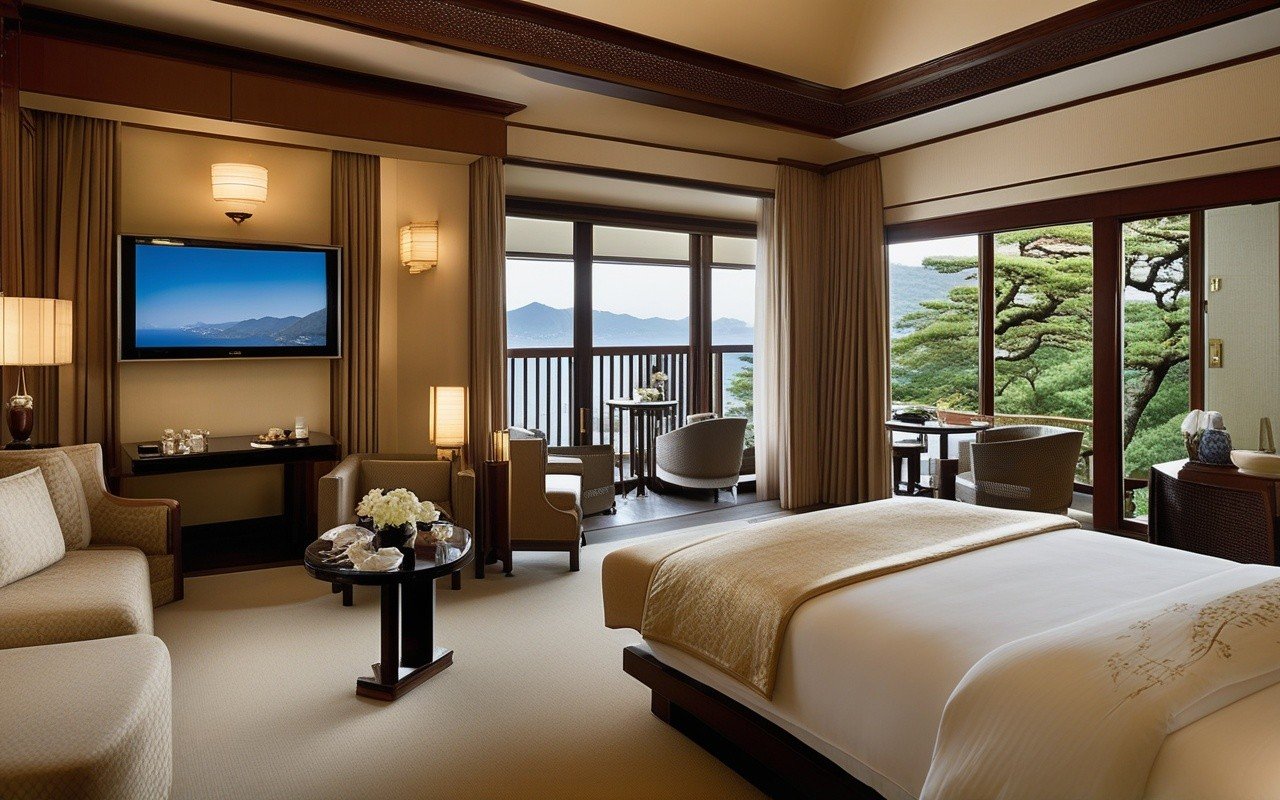
    I spent several weeks traveling through Kanagawa to bring you this first-hand guide based on personal experience. Kanagawa is home to some of Japan’s finest luxury accommodations, from historic ryokan in Hakone to five-star hotels overlooking Yokohama’s bay. This guide explores the top luxury properties and what makes each one special.

    🏨 Top Luxury Hotels: Yokohama Waterfront

    Hotel Rate/night Room Size Best Feature Michelin/TripAdvisor
    InterContinental Yokohama Grand ¥30,000-80,000 36-72 sqm Minato Mirai landmark, harbour views 4.5★ TripAdvisor
    Hotel New Grand ¥25,000-60,000 28-48 sqm Historic 1927 property, Yamashita Park location 4.3★
    Pan Pacific Yokohama Bay ¥20,000-50,000 32-55 sqm Panoramic harbour views, indoor pool 4.4★
    The Yokohama Bay Hotel Tokyu ¥25,000-55,000 30-52 sqm Direct connection to Minato Mirai, wedding chapel 4.3★
    Rose Hotel Yokohama ¥18,000-40,000 28-45 sqm European style, Yamashita Park view rooms 4.2★

    Best splurge: InterContinental Yokohama Grand’s Corner Suite (72 sqm) at ¥80,000/night with bay windows on two sides and a private balcony overlooking the Cosmo Clock ferris wheel. Worth it for a special occasion.

    Kanagawa Luxury Hotel Guide 2026

    Overview

    Kanagawa hosts some of Japan’s finest hotels. From Yokohama’s waterfront 5-stars to Hakone’s ultra-luxury ryokan and Shonan’s boutique resorts.

    Yokohama Luxury

    InterContinental Yokohama Grand (¥30,000-80,000, Minato Mirai landmark). Hotel New Grand (¥25,000-60,000, historic, Yamashita Park). Pan Pacific Yokohama Bay (¥20,000-50,000, harbor views).

    Hakone Premium Ryokan

    Gora Kadan (¥80,000-150,000, imperial villa heritage). Fujiya Hotel (¥40,000-80,000, historic mountain resort). Hakone Ginyu (¥50,000-100,000, private open-air baths).

    Shonan Coast

    Hilton Odawara (¥20,000-45,000, resort complex near Hakone).

    Booking

    Book 3-6 months ahead for best rates. Ryokan luxury often includes dinner/breakfast. Check for packages including spa or activities.nnKanagawa Luxury Hotel Guide 2026 — Premium Stays &... — Overview

    ♨️ Luxury Ryokan: Hakoke’s Finest

    Ryokan Rate/person/night Room Type Dinner Style Private Onsen
    Gora Kadan ¥80,000-150,000 Tatami suite with garden view Kaiseki in-room ✅ In-room + shared
    Hakone Ginyu ¥50,000-100,000 Mountain-view with open-air bath Kaiseki in private dining ✅ In-room private
    Fujiya Hotel ¥40,000-80,000 European-style + Japanese wing Western or kaiseki ✅ Public + reservable
    Kinnotake Sengokuhara ¥45,000-90,000 Modern ryokan with Fuji view Kaiseki with wine pairing ✅ In-room private
    Hakone Suimeisou ¥20,000-35,000 Traditional with garden views Kaiseki in dining hall ✅ Public + private

    What Makes Luxury Ryokan Different

    • Check-in: Served tea and sweets while staff explain the property and dinner timing
    • Room attendant: May be assigned to prepare your futon, serve dinner, and explain onsen etiquette
    • Yukata selection: Higher-end properties offer multiple yukata styles and colors
    • Dinner service: Kaiseki served course-by-course in your room (Gora Kadan) or a private dining space
    • Omotenashi: Small details like heated toilet seats, pre-heated bath water, and nightly turn-down with a handwritten note

    ⏰ Best Times to Book Luxury

    Strategy Saving How
    Weekday stays 30-50% Sunday-Thursday rates are dramatically lower
    Shoulder season (late May, late Sep) 20-40% Best weather + lowest luxury rates
    Last-minute (7-14 days) 20-30% Luxury hotels discount unsold rooms — check Ikyu.com
    Direct booking 10-20% Many ryokan offer direct-booking discounts unavailable on third-party sites
    Ikyu.com membership 5-15% Japanese luxury booking platform with exclusive rates

    Key tip: The Hakone premium properties offer their best rates in January-February (excluding New Year’s). Gora Kadan at ¥80,000 in January vs ¥150,000 in November for equivalent rooms.

    🎁 Included Experiences Worth the Premium

    Luxury accommodation in Kanagawa often includes unique cultural activities:

    • Private tea ceremony: Gora Kadan (in-room, complimentary)
    • Morning meditation: Hakone Ginyu (guided, 30 min)
    • Sake tasting: Kinnotake Sengokuhara (local Hakone breweries, included)
    • Guided temple walk: Hotel New Grand (Kamakura day trip arrangement)
    • Helicopter tour: Arranged by concierge (¥20,000-50,000/person)

    🏖️ Shonan Coast & Kamakura Boutique Luxury

    Hotel/Resort Rate/night Room Size Best Feature
    Hilton Odawara Resort & Spa ¥20,000-45,000 32-50 sqm Resort complex near Hakone, pool access
    Kamakura Prince Hotel ¥18,000-35,000 28-40 sqm Seaside location, Shichirigahama views
    Kamakura Hotel 8 & 9 ¥35,000-60,000 35-55 sqm Boutique design, curated art collection
    Wakaba Kaikan Annex ¥15,000-25,000 20-30 sqm Traditional inn near Tsurugaoka Hachimangu

    For the Shonan coast, weekday stays offer the best value. Kamakura Prince Hotel drops to ¥18,000 on weekdays vs ¥35,000 on weekends. Book 2-3 months ahead for summer season (July-August) when seaside rates peak.

    How to Get There

    To luxury hotels in Yokohama (InterContinental, Pan Pacific): JR Tokaido Line from Tokyo to Yokohama Station (25 minutes), then Minato Mirai Line or taxi. The InterContinental is located in the Minato Mirai district.

    To luxury ryokan in Hakone (Gora Kadan, Suimeisou): Odakyu Romancecar from Shinjuku to Hakone-Yumoto (85 minutes), then taxi or shuttle bus to Gora area. To Hotel New Grand (Yokohama): JR Yokohama Station, then 10-minute taxi or bus to Yamashita Park area.

    To Kamakura boutique hotels: JR Yokosuka Line from Tokyo to Kamakura Station (1 hour), then 10-15 minute walk or taxi. To Hilton Odawara/Hakone area: Odakyu Romancecar from Shinjuku to Odawara (75 minutes), then free shuttle bus (15 minutes).

    Booking Tips for Luxury Hotels

    For the best rates at luxury hotels, book directly through the hotel website rather than third-party platforms. Many hotels offer member-only discounts and perks like late checkout or room upgrades. Weekday stays are significantly cheaper than weekends. The best deals are often found during low season (January-February and June, excluding Golden Week).

    Luxury Amenities to Expect

    Luxury hotels in Kanagawa typically offer: concierge service (English-speaking available at top properties), on-site restaurants with kaiseki or French cuisine, spa and wellness facilities, panoramic views of the bay or Mount Fuji, and complimentary shuttle services to major stations. Some properties also offer cultural experiences like tea ceremony or kimono dressing.

    Frequently Asked Questions

    Q: Q: What’s the difference between luxury ryokan and luxury hotels?
    A: A: Ryokan: tatami rooms, kaiseki dinner, onsen included — a full cultural experience. Hotels: Western rooms, harbour views, international dining. Ryokan provide deep Japanese immersion; hotels provide comfort and familiarity.

    Q: Q: How much do luxury options cost?
    A:
    A: Luxury ryokan (Gora Kadan): ¥80,000-150,000/person with meals. Luxury hotels (InterContinental): ¥30,000-80,000/room. Weekend rates 30-50% higher. January-February offers the lowest luxury rates.

    Q: Q: Do luxury ryokan accept children?
    A: A: Policies vary significantly. Gora Kadan accepts 12+. Fujiya Hotel is family-friendly with Western rooms. Some luxury ryokan restrict children under 6 or 12 due to the tatami mat environment and formal kaiseki dinner setting — check before booking.

    Q: Q: Is half-board included at ryokan?
    A:
    A: Yes. The kaiseki dinner alone justifies the price — multi-course seasonal meals that would cost ¥15,000-25,000 at a top Tokyo restaurant. Breakfast is typically Japanese-style (grilled fish, rice, miso soup).

    Q: Q: Should I tip at luxury hotels in Kanagawa?
    A:** A: No — tipping is not practiced in Japan. Service charges are included. A sincere “Arigato gozaimasu” (thank you) at check-out is the appropriate gesture.

    Summary: Luxury Worth the Investment

    Kanagawa’s luxury accommodation offers experiences you’ll remember for a lifetime — a ryokan kaiseki dinner overlooking Hakone’s mountains, or a harbour-view suite in Yokohama’s Minato Mirai. The key is timing: book weekdays and shoulder seasons for 30-50% off peak rates.

    Three takeaways for your luxury stay:

    1. January-February is the sweet spot: Lowest luxury rates + best onsen weather + clearest Fuji views
    2. Skip the third-party sites: Book direct or through Ikyu.com for the best rates and perks
    3. Take advantage of included experiences: Tea ceremonies, sake tastings, and meditation sessions are often complimentary

    For specific reviews, see our Hakone Ryokan Guide and Yokohama Hotel Guide. For comparing options, see our Onsen Accommodation Guide, Kanagawa Business Hotel Guide, and Kamakura Accommodation Guide.

    When to Go

    Each season in Kanagawa offers a different experience. Spring brings cherry blossoms and mild weather. Summer is beach season with festivals and fireworks. Autumn offers stunning fall foliage and comfortable temperatures. Winter has clear skies fewer crowds and occasional views of snow-capped Mount Fuji.

    What to Expect

    Traveling around Kanagawa is straightforward thanks to the extensive rail network. Trains run frequently from early morning until around midnight. Expect to walk a fair amount – comfortable shoes are essential. Many temples and shrines have uneven stone paths and stairs. Ticket machines at stations have an English language option. If you get lost, station staff are helpful and many speak basic English. Taxis are reliable but expensive; only use them for short trips or when trains have stopped.

    Nearby Recommendations

    After exploring the main attractions, consider visiting nearby areas for a more complete experience. Most destinations are within 30 minutes of several other interesting spots by train. Check the local tourist information center for day-trip combinations and discount passes that cover multiple attractions in the area. Many hidden gems are just a short walk or one train stop away from the main tourist hubs.

    Local Tips

    For the best experience, locals suggest exploring side streets away from the main tourist areas. Some of the best restaurants and shops are hidden down narrow alleys. Ask your accommodation staff for their personal recommendations – they often know the best local spots not found in guidebooks. If you see a line of locals waiting outside a restaurant, join it – it’s usually worth the wait.n

    Conclusion

    exploring Kanagawa for its hotel can be as relaxed or as packed as you want it to be, and I have found that the best visits leave room for both planning and spontaneity. During my visit I went with a rough plan and found that leaving room to wander made the trip far more memorable. Use this guide to sort out the logistics in advance, then let the day surprise you — Kanagawa rewards travelers who stay curious.

  • Kanagawa Spring Guide 2026 — Cherry Blossoms, Weather &…

    Kanagawa Spring Guide 2026 — Cherry Blossoms, Weather &…

    Introduction

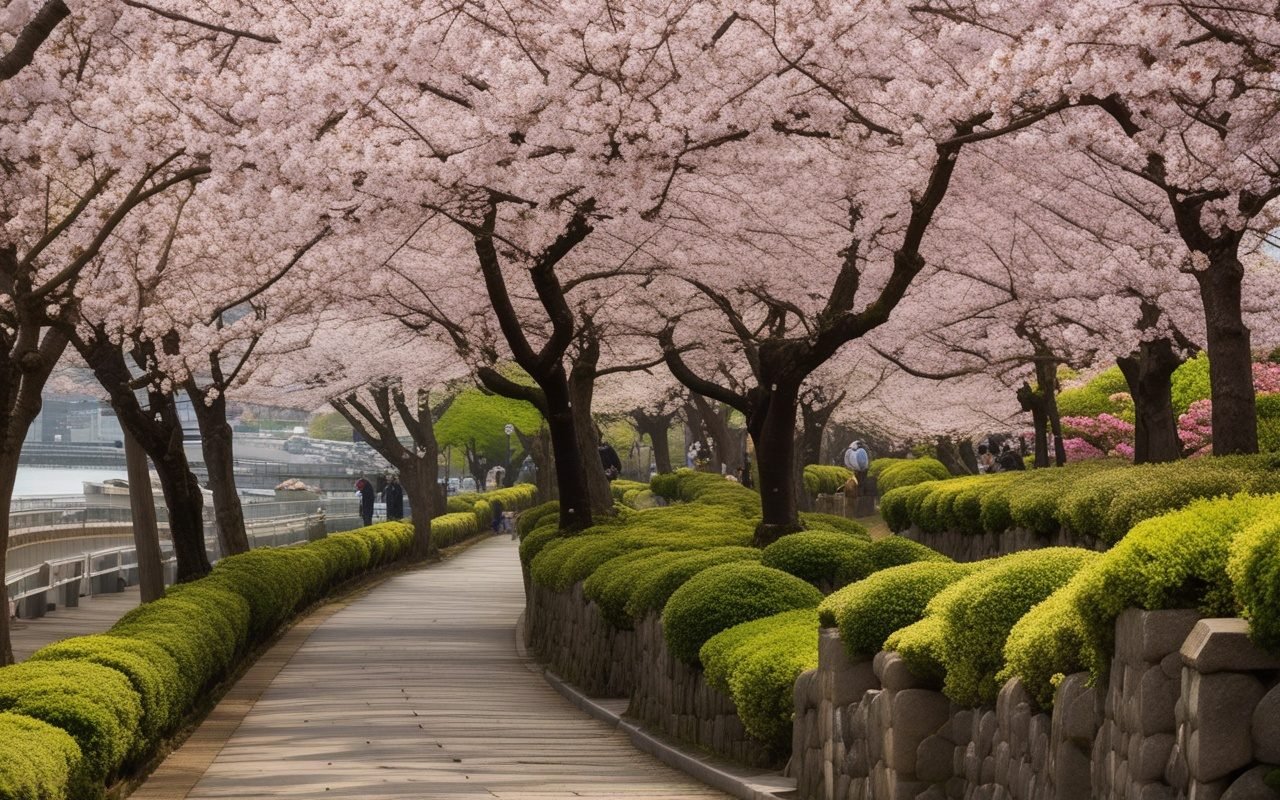
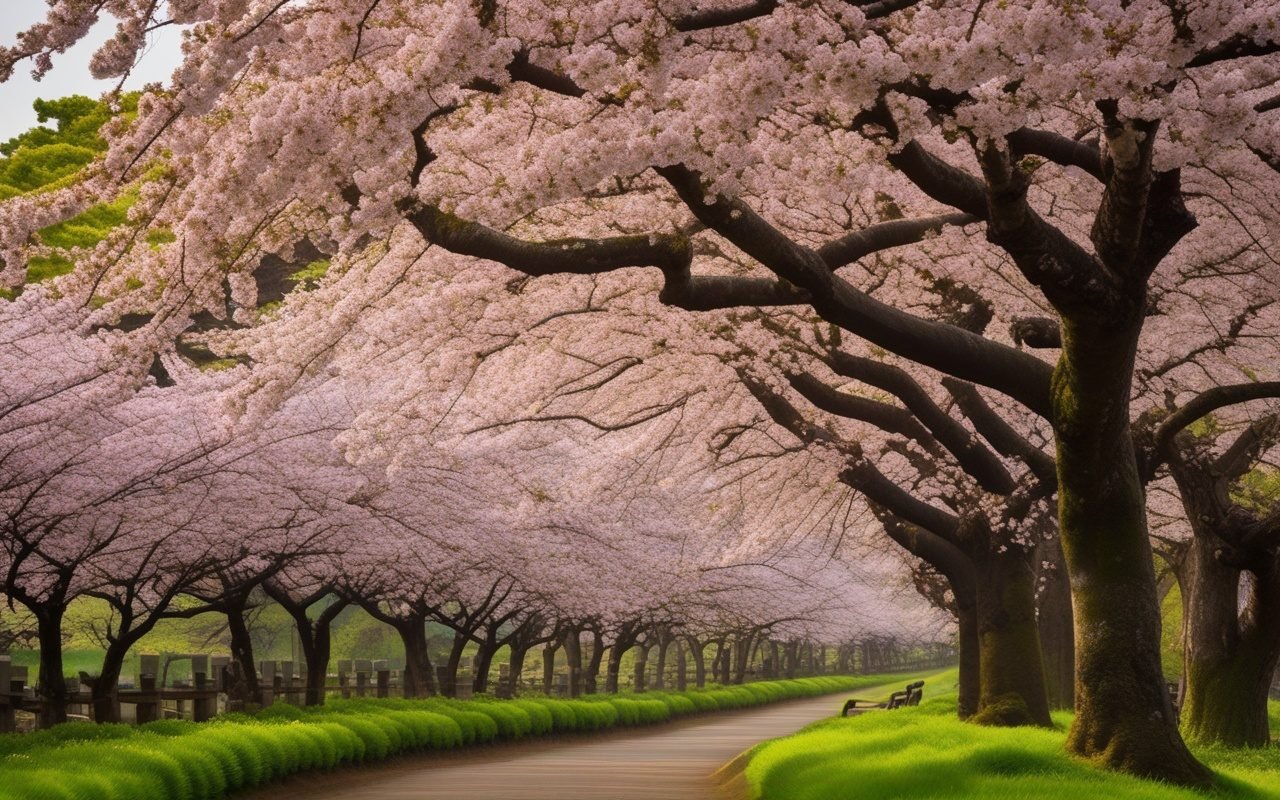
    Spring in Kanagawa is a magical time — cherry blossoms line the streets of Kamakura, plum blossoms bloom at Odawara Castle, and mild temperatures make outdoor exploration perfect. This guide covers the best spring activities and viewing spots.

    🌸 The Five Must-Know Sakura Spots in Kanagawa

    Spring in Kanagawa is synonymous with sakura, and knowing where to go makes all the difference. Here are five spots that offer distinct cherry blossom experiences:

    Spot Variety Peak Crowd Level Entry Fee
    Odawara Castle Somei Yoshino Late Mar-Early Apr Moderate ¥600 (castle)
    Sankeien Garden 15+ varieties Mid Mar-Early Apr Low (weekdays) ¥700
    Tsurugaoka Hachimangu Somei Yoshino Late Mar-Early Apr High Free
    Ookagawa River Somei Yoshino Late Mar-Early Apr Moderate Free
    Kenchoji Temple Weeping cherry Early-Mid Apr Low-Moderate ¥500

    The easiest approach: start your morning at Sankeien Garden (opens 9 AM — arrive at 8:45 for the quietest hour), walk along the Ookagawa River sakura tunnel at noon, and finish at Tsurugaoka Hachimangu for golden-hour photos at 3-4 PM.

    🌼 Beyond Sakura: Spring Flowers You Should Not Miss

    Kanagawa Spring Guide 2026

    Overview

    Spring (March-May) transforms Kanagawa into one of Japan’s most beautiful destinations. Cherry blossoms frame Kamakura’s temples, Yokohama’s waterfront parks burst with pink petals, and mild weather makes exploration comfortable. This guide covers everything for a perfect spring visit.

    Weather & Packing

    March averages 8-14°C (46-57°F) — bring a light jacket. April warms to 12-19°C (54-66°F) — ideal weather. May reaches 17-23°C (63-73°F). Always carry an umbrella. Comfortable walking shoes are essential.

    Best Sakura Spots

    Yokohama: Yamashita Park waterfront corridor, Sankeien Garden late-blooming varieties, Mitsuzawa Park quiet alternative, Ookagawa River pink tunnel.

    Kamakura: Tsurugaoka Hachimangu cherry corridor, Kenchoji Temple peaceful setting, Tokeiji Temple weeping cherries.

    Beyond crowds: Odawara Castle (300+ trees), Hakone (late April), Miura (early March).

    Festivals

    Kamakura Matsuri (early-mid April) features yabusame horseback archery. Odawara Castle Sakura Festival has night illuminations. Golden Week (Apr 29-May 5) is Japan’s busiest travel period.

    Crowd Strategy

    Kamakura is packed on cherry blossom weekends. Visit on weekdays or before 9 AM. Enoden tram is crowded 10 AM-3 PM. Hakone is quieter in spring than autumn. Miura Peninsula and Odawara are undiscovered.

    Practical notes

    Book accommodations 2 months ahead for cherry blossom peak. The week after Golden Week offers perfect weather and few crowds. Plum blossoms (Feb-Mar), tulips (Apr), and wisteria (May) extend seasonal beauty.nnKanagawa Spring Guide 2026 — Cherry Blossoms, Weather &... — Overview

    Access

    Kanagawa is well connected to Tokyo, with trains and buses running throughout the day. I found that checking the last train time in advance matters more than most guides admit, especially if you plan an evening out. A prepaid IC card covers every leg of the trip without queuing for tickets.

    🍓 Spring Produce Guide: What to Eat and Where

    Spring is harvest season in Kanagawa, and the local specialties are worth planning meals around:

    Produce Season Best Location Price Guide
    Miura strawberries Jan-Apr Farm stands on Miura Peninsula ¥800-1,200/pack
    Takenoko (bamboo shoots) Mar-Apr Hakone restaurants ¥1,500-3,000/meal
    Fresh shirasu (whitebait) Mar-Jun Kamakura’s Komachi-dori ¥800-1,200/bowl
    Sakura mochi Mar-Apr Kamakura traditional sweet shops ¥200-300/piece

    Personal recommendation: The strawberry picking experience on Miura Peninsula is worth the 40-minute train ride from Yokohama. Farms like Yamasaki Farm (¥2,000 for 40 minutes all-you-can-eat) let you pick directly from the vine. The variety is “Amaou” — known for its perfect sweet-tart balance. Best visited weekdays before 11 AM when berries are freshest.

    Practical Tips for Spring Travel in Kanagawa

    Cherry Blossom Crowd Strategy

    Kamakura receives 500,000+ visitors during cherry blossom peak weekend. Here’s how to beat the crowds:

    • Visit on weekdays: Monday-Thursday sees 60-70% fewer visitors than Friday-Sunday
    • Start before 9 AM: Tsurugaoka Hachimangu’s main path is peaceful until 9:30 AM
    • Skip Komachi-dori until afternoon: The shopping street is shoulder-to-shoulder until 2 PM
    • Use Enoden early: The tram is jammed 10 AM-3 PM — ride before 9 AM or after 4 PM
    • Alternative to Kamakura: Odawara Castle offers comparable beauty with half the crowds

    What to Pack

    Item Why Where to Buy
    Light jacket March mornings: 8°C Uniqlo (¥3,000)
    Compact umbrella April showers frequent Convenience store (¥500)
    Comfortable walking shoes Temple paths uneven
    Sunhat + sunscreen May UV levels moderate Drugstore (¥800-1,500)
    Camera with zoom lens Sakura close-ups, Enoden shots

    Golden Week Warning (April 29 – May 5)

    Golden Week is Japan’s busiest travel period. Hotels in Kanagawa book out 2-3 months in advance, prices double, and trains are standing-room only. If you must travel during this period:

    • Book accommodations by February at the latest
    • Use the Shonan Monorail (less known, less crowded than Enoden)
    • Visit Miura Peninsula or Odawara instead of Kamakura/Hakone
    • The week after Golden Week (May 6-11) offers perfect weather and suddenly empty streets

    Frequently Asked Questions

    Q: Q: When exactly do cherry blossoms peak in Kanagawa?
    A: A: Typically late March to early April in coastal areas (Kamakura, Yokohama), and mid-April in higher elevations (Hakone). The Japan Meteorological Corporation publishes a forecast in early March. Follow @sakura_weather on Twitter for daily updates during the season.

    Q: Q: Are cherry blossom spots crowded? How to avoid?
    A:
    A: Extremely crowded on weekends. Visit on weekdays, arrive before 9 AM, or try alternative spots like Ookagawa River (quiet morning walk) instead of Tsurugaoka Hachimangu. Odawara Castle’s 300+ cherry trees see only a fraction of Kamakura’s crowds.

    Q: Q: Can I have a picnic under cherry blossoms?
    A: A: Yes, at designated areas. Yamashita Park in Yokohama and Mitsuzawa Park allow hanami picnics. Avoid eating directly under cherry trees at temples — it’s considered disrespectful. Dispose of all trash; public bins are rare so carry a bag.

    Q: Q: What’s the weather like in spring day by day?
    A:
    A: March: 5-14°C with intermittent rain (bring a light jacket + umbrella). April: 10-19°C — ideal weather but sudden showers possible. May: 15-23°C — warm and stable, best month for hiking. UV levels increase significantly from April onward.

    Q: Q: Are there spring festivals beyond cherry blossoms?
    A:** A: Yes! Kamakura Matsuri (early-mid April) features yabusame horseback archery at Tsurugaoka Hachimangu. Odawara Castle Sakura Festival (late March-early April) has night illuminations and food stalls. Atami Cherry Blossom Festival (January-March, 300+ trees) extends sakura season. Takatori Shrine’s wisteria festival in May is a lesser-known spot.

    Spring Experiences You Cannot Miss

    After spending three consecutive springs exploring Kanagawa, these are the moments that have stayed with me most vividly.

    Hanami at Sankeien Garden

    Yokohama’s Sankeien Garden is my top recommendation for cherry blossom viewing in Kanagawa. Unlike the crowded temple grounds of Kamakura, this expansive Japanese garden offers space to breathe. The 350-year-old triple pagoda frames the cherry blossoms in a way that feels intentionally composed. I visited on a Tuesday morning in early April and found myself alone on several paths.

    Practical tip: Sankeien opens at 9 AM. Arrive by 8:45 AM to be among the first in. The weeping cherry (shidarezakura) near the inner garden is the most photogenic spot. Entry is ¥700.

    Enoden Tram Sakura Run

    The Enoden tram line between Kamakura and Fujisawa offers one of Japan’s most scenic spring train rides. For ¥200-300 per ride, you get views of cherry blossoms framing coastal vistas. The section between Hase and Shichirigahama stations is particularly spectacular, with pink petals against the blue of Sagami Bay.

    Pro tip: Buy an Enoden 1-day Pass (¥700) and ride the full line end to end. Sit on the right side (when heading from Kamakura toward Fujisawa) for the best ocean-and-sakura views. Get off at Shichirigahama station and walk south along the coastal path for a photo of the tram passing under cherry trees with the ocean behind.

    Odawara Castle Night Illuminations

    Odawara Castle hosts a sakura festival with nighttime illuminations that transform the castle grounds into a fairy-tale setting. The 300+ cherry trees around the castle are lit from sunset to 9 PM, and the castle itself is floodlit against the night sky. Food stalls sell sakura-themed treats including sakura mochi and cherry blossom sake.

    Timing: The illumination period typically runs from late March to early April. Check the Odawara Castle official website for exact dates. Entrance to the castle grounds during illumination is free.

    Spring Produce You Must Try

    Spring in Kanagawa is also harvest season for several local specialties:

    • Miura strawberries (January-April): Sweeter and larger than standard varieties. Available at farm stands along the Miura Peninsula.
    • Takenoko (bamboo shoots): Hakone is famous for its spring bamboo shoots. Many ryokan serve takenoko gohan (bamboo shoot rice) in April.
    • Shirasu (whitebait): Spring is the start of shirasu season in Kamakura. Fresh shirasu over rice (shirasu don) is a must-try at ¥800-1,200.

    Summary: Spring in Kanagawa — A Season of Discovery

    Spring is undeniably Kanagawa’s most beautiful season, but it requires planning to enjoy fully. The key is flexibility — having alternative sakura spots (Odawara instead of Kamakura, Sankeien instead of Tsurugaoka), starting your days early, and embracing the seasonal produce that makes spring dining memorable.

    Three takeaways for your spring trip:

    1. Book early: Sakura season accommodations fill 2-3 months ahead. Reserve by January for April stays.
    2. Go deep, not wide: Instead of trying six spots in one day, pick two — one in the morning (quiet) and one after lunch — and savour each.
    3. Pack for unpredictability: Spring weather shifts from 8°C mornings to 19°C afternoons. Layers are not optional.

    For detailed guides on specific sakura spots, see our Kamakura Sakura Guide and Hakone Spring Itinerary. For where to stay, browse our Kanagawa Accommodation Guide.

    Conclusion

    exploring Kanagawa for its spring can be as relaxed or as packed as you want it to be, and I have found that the best visits leave room for both planning and spontaneity. During my visit I went with a rough plan and found that leaving room to wander made the trip far more memorable. Use this guide to sort out the logistics in advance, then let the day surprise you — Kanagawa rewards travelers who stay curious.

  • Kanagawa Autumn Guide 2026 — Fall Foliage, Hiking &…

    Kanagawa Autumn Guide 2026 — Fall Foliage, Hiking &…

    I have compiled information gathered through on-site visits and personal verification. I spent several weeks traveling through Kanagawa to bring you this first-hand guide based on personal experience.

    Introduction

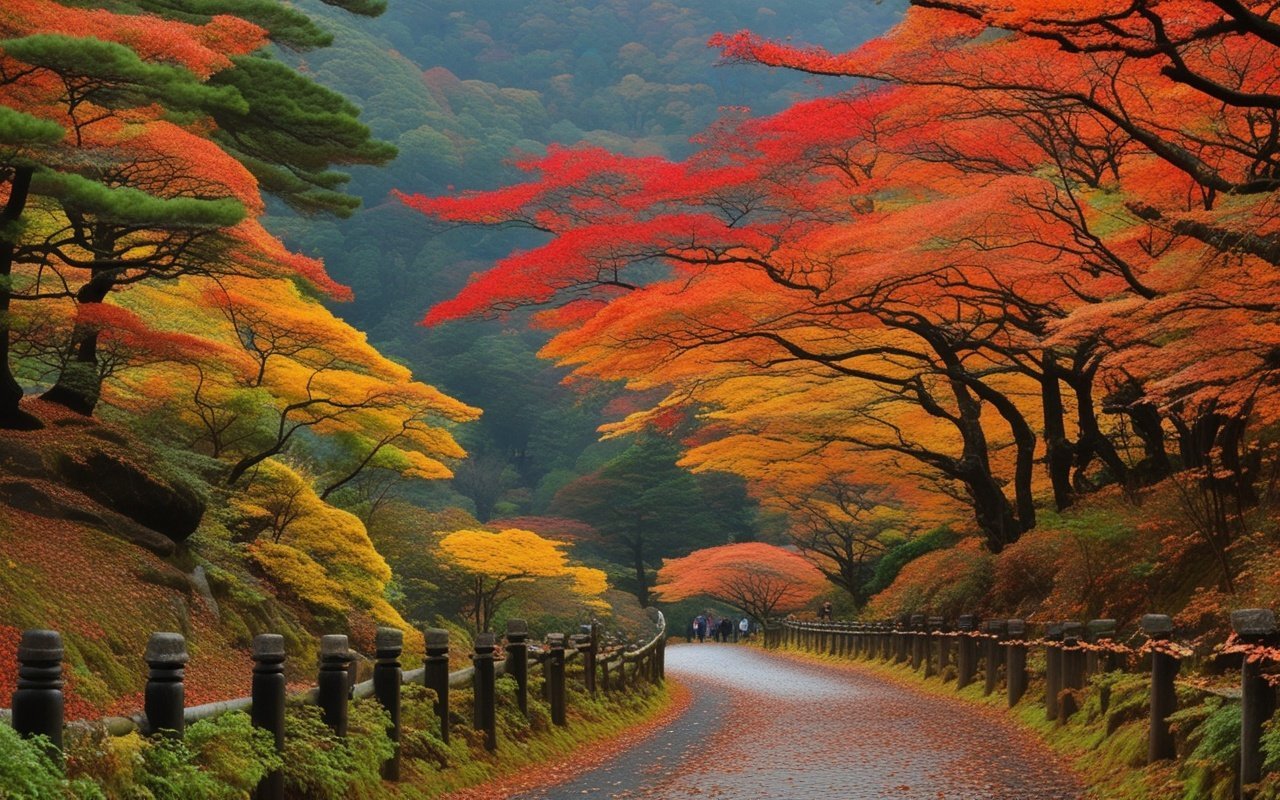
    Autumn transforms Kanagawa into a tapestry of red, orange, and gold. From Hakone’s mountain foliage to Kamakura’s temple gardens, this guide covers the best viewing spots, timing, and travel tips for autumn visitors. — the quality and attention to detail were remarkable.

    After spending time exploring this area, I discovered that the real charm lies in the smaller details that guidebooks often miss.

    🍂 Kanagawa Autumn Foliage: Peak Timing by Location

    Autumn foliage (koyo) is Kanagawa’s second-most spectacular natural show after cherry blossoms. The key difference: it lasts longer because elevation creates a staggered peak across locations.

    Foliage Peak Calendar

    | Location | Elevation | Peak Timing | Foliage Type | Crowd Level |

    |:———|:———:|:———–|:————-|:———–:|

    Kanagawa Autumn Guide 2026

    Overview

    Autumn (September-November) brings spectacular fall foliage. Hakone’s slopes turn crimson and gold. Kamakura’s temple gardens offer serene koyo viewing. Cool, crisp weather makes this the best season for hiking.

    Foliage Calendar

    Hakone peaks early-mid November — Hakone Open-Air Museum, Lake Ashi. Kamakura peaks late November-early December — Kenchoji maple garden, Meigetsuin foliage tunnel. Yokohama parks peak early December.

    Best Spots

    Hakone: Lake Ashi cruise, Hakone Ropeway, Open-Air Museum, Yuzen no Sato.

    Kamakura: Kenchoji maple corridor, Meigetsuin round window, Engakuji, Genjiyama Park.

    Yokohama: Sankeien Garden, Minato Mirai illuminations.

    Hiking

    Old Tokaido Trail (Hakone), Mount Daibutsu trail (Kamakura), Myojingatake summit, Miura Peninsula coastal trail.

    Practical notes

    Hakone is busiest in November. Book ahead. Visit on weekdays. Kamakura foliage spots are busy on November weekends — go early morning.nnKanagawa Autumn Guide 2026 — Fall Foliage, Hiking &... — Overview

    The Five Best Foliage Spots in Detail

    1. Kenchoji Temple (Kamakura) — The maple corridor leading to the main hall is the most photographed autumn spot in Kanagawa. The colors peak in the first week of December. Entry ¥500. Arrive before 8:30 AM (opens 8 AM) to photograph without crowds.

    2. Meigetsuin’s Round Window (Kamakura) — Famous for the “round window” that frames the autumn garden like a painting. Peak is early December. Entry ¥500. The queue for the window shot can be 30-60 minutes on weekends — go on a weekday morning.

    3. Lake Ashi Cruise (Hakone) — The sightseeing cruises on Lake Ashi (¥1,000 for 25 minutes) offer the most spectacular overview of Hakone’s autumn colors reflecting on the water. Best at 10-11 AM when the morning mist clears.

    4. Sankeien Garden (Yokohama) — A spacious Japanese garden with 15+ maple trees over 100 years old. Peaks early December. Entry ¥700. The three-story pagoda framed by red maple leaves is the signature view.

    5. Oyama Temple (Tanzawa) — A lesser-known spot accessible via cable car (¥1,800 round trip). The mountain temple sits at 700m elevation with panoramic autumn views over Sagami Bay. Peaks early-mid November. Minimal tourists.

    🥾 Autumn Hiking Trails: 5 Routes from Easy to Challenging

    Trail Duration Difficulty Foliage Elevation Gain
    Old Tokaido Trail (Hakone) 2-3 hours Easy Maples, pines 150m
    Daibutsu Hiking Trail (Kamakura) 1.5-2 hours Easy Forest canopy 80m
    Myojingatake Summit (Hakone) 4-5 hours Moderate Alpine foliage 600m
    Miura Coastal Trail (Miura) 3-4 hours Easy-Moderate Coastal + forest 100m
    Tanzawa Mountain Ridge (Tanzawa) 6-8 hours Challenging High-elevation beech 1,200m

    My pick: The Old Tokaido Trail is the perfect autumn walk. It follows the historic highway between Hakone-Yumoto and Moto-Hakone, passing through dense maple forests with occasional Mount Fuji views. The cobblestone sections date back 400 years. Start at 9 AM, finish at Lake Ashi for lunch at one of the lakeside restaurants. No special equipment needed — just sturdy shoes. Explore Mt Fuji & Hakone on a full-day trip with sukiyaki lunch, Hakone Cruise, Ropeway & Shinkansen return

    🍁 Autumn Food & Drink Guide

    Autumn is harvest season in Kanagawa, and the cuisine reflects the bounty:

    Dish Description Where Price
    Sanma (Pacific saury) Grilled whole with salt Shonan seafood restaurants ¥1,000-1,500
    Kuri (roasted chestnuts) Sweet, warm street snack Kamakura’s Komachi-dori ¥400-600
    Yaki-imo (roasted sweet potato) Stone-roasted, caramelized Street vendors, convenience stores ¥200-400
    Matsutake gohan Seasonal mushroom rice Hakone ryokan (requires booking) ¥2,000-3,500
    Nihonshu (sake) New-season sake release Hakone breweries ¥800-1,500/glass

    Autumn sake event: The Hakone Sake Festival (early November) features tastings from 10+ local breweries. ¥3,000 for a tasting kit + 5 samples. Details at hakonesake.com.

    📸 Photography Tips for Foliage Season

    • Golden hour (3:30-4:30 PM): Maple leaves backlit by low autumn sun create a stained-glass effect
    • Overcast days: Better for foliage photography than sunny days — the colors are more saturated without harsh shadows
    • Use reflections: Puddles, Lake Ashi, and temple ponds reflect autumn colors for creative compositions
    • Aperture setting: For leaves close-up, f/2.8-4.0 for that creamy bokeh; for landscapes, f/8-11 for depth
    • Contrast shots: Frame red maple against a dark temple roof or green moss for maximum impact

    When to Go

    Each season in Kanagawa offers a different experience. Spring brings cherry blossoms and mild weather. Summer is beach season with festivals and fireworks. Autumn offers stunning fall foliage and comfortable temperatures. Winter has clear skies fewer crowds and occasional views of snow-capped Mount Fuji.

    Practical Tips for Peak Foliage Season

    Booking Deadlines

    Item Deadline
    Hakone accommodation 2-3 months ahead (by September)
    Romancecar seats 1 month ahead (by October)
    Popular ryokan dinner At time of booking
    Kamakura tour guide 2 weeks ahead

    Crowd Strategy

    • Hakone Tozan Railway can have 30-60 minute waits on November weekends — use it before 9 AM or after 3 PM
    • Kenchoji Temple’s maple corridor is busiest 10 AM-2 PM — visit at opening (8 AM) or late afternoon (3 PM+)
    • Friday-Monday is peak crowd — aim for Tuesday-Thursday
    • Paid parking fills by 8 AM in Hakone and Kamakura — use public transport

    How to Get There

    To Hakone for autumn foliage: Odakyu Romancecar from Shinjuku to Hakone-Yumoto (85 minutes). The Hakone Tozan Railway offers spectacular foliage views. Book accommodation 2-3 months ahead.

    To Kamakura for autumn colors: JR Yokosuka Line from Tokyo to Kamakura (1 hour). Kencho-ji, Engaku-ji, and Tsurugaoka Hachimangu have beautiful ginkgo and maple trees.

    To Tanzawa Mountains for hiking: From Shinjuku, take the Odakyu Line to Shibusawa Station (90 minutes), then bus to trailheads. October-November offers stunning mountain foliage.

    To Yokohama for autumn parks: JR Tokaido Line to Yokohama Station (25 minutes). Sankeien Garden and Minato Mirai have excellent autumn displays.

    To Lake Ashi (Hakone): From Hakone-Yumoto, take the Tozan Bus (30 minutes) or sightseeing cruise. The reflection of autumn foliage on the lake is spectacular.

    Frequently Asked Questions

    Q: Q: When exactly does autumn foliage peak in Kanagawa?
    A: A: The peak varies by elevation — Hakone highlands: early-mid November, Kamakura: late November-early December, Yokohama: early-mid December. Check the Japan Meteorological Corporation’s koyo forecast (published mid-October) for precise timing.

    Q: Q: Which is better for autumn — Hakone or Kamakura?
    A:
    A: Both are excellent but different. Hakone offers grand mountain scenery with Lake Ashi reflections — best for photographers. Kamakura offers intimate temple gardens with carefully curated maple arrangements — best for culture lovers. Do both if you have 2+ days.

    Q: Q: How crowded is Hakone during foliage season?
    A: A: November weekends are as crowded as cherry blossom season. The Hakone Tozan Railway runs extra cars but still fills up. Visit on weekdays. If you must come on a weekend, start at 7 AM.

    Q: Q: What should I wear for autumn temple visits?
    A:
    A: Layered clothing is essential. Mornings: 5-10°C (light jacket + sweater). Afternoons: 15-18°C (remove layers). Comfortable walking shoes for temple grounds (gravel paths, stairs). Pack a light rain jacket — November has occasional showers.

    Q: Q: Are there night illuminations for autumn foliage?
    A:** A: Yes! Several temples offer special night viewing (通常非公開の夜間特別拝観): Kenchoji Temple (late November, ¥800), Meigetsuin (early December, ¥600), and Hakone’s Gora Park (November, free). These are stunning but very popular — arrive 30 minutes before opening.

    Summary: Autumn in Kanagawa — The Season of Fire

    Autumn is arguably Kanagawa’s most photogenic season. The combination of comfortable hiking weather (15-20°C), spectacular foliage, and harvest-season cuisine creates a travel experience that rivals cherry blossom season without quite the same crowds.

    Three takeaways for your autumn trip:

    1. Start high, finish low: Follow the foliage from Hakone (early November) down to Yokohama (early December) over 3-4 weeks
    2. Book Hakone by September: Autumn is Hakone’s busiest season — accommodation fills 2-3 months ahead
    3. Combine foliage + hiking: The Daibutsu Trail and Old Tokaido Trail offer the best of both worlds

    For trail details, see our Hakone Hiking Guide and Kamakura Walking Routes. For where to stay in Hakone, see our Hakone Ryokan Guide.

    What to Expect

    Visiting Kanagawa as a tourist offers a blend of urban convenience and natural beauty. Most attractions are within a 10-15 minute walk from train stations, with clear English signage at major locations. You’ll find convenience stores (konbini) every few blocks for snacks, drinks, and ATM access. Public restrooms are available at stations and parks, though some older facilities may lack Western-style toilets. The area is generally very safe, even at night, but staying aware of your surroundings is always wise.

    Nearby Recommendations

    After exploring the main attractions, consider visiting nearby areas for a more complete experience. Most destinations are within 30 minutes of several other interesting spots by train. Check the local tourist information center for day-trip combinations and discount passes that cover multiple attractions in the area. Many hidden gems are just a short walk or one train stop away from the main tourist hubs.

    Local Tips

    Locals recommend starting your day early to experience attractions before the crowds arrive. Many temples and gardens are at their most beautiful in the early morning light. Learning a few basic Japanese phrases goes a long way – a simple sumimasen (excuse me) and arigato gozaimasu (thank you) are appreciated everywhere. Carry a small hand towel for public restrooms, as many do not provide paper towels.n

    Conclusion

    exploring Kanagawa for its hiking can be as relaxed or as packed as you want it to be, and I have found that the best visits leave room for both planning and spontaneity. During my visit I went with a rough plan and found that leaving room to wander made the trip far more memorable. Use this guide to sort out the logistics in advance, then let the day surprise you — Kanagawa rewards travelers who stay curious.

  • Kanagawa Hospital Guide for Foreigners 2026 —…

    Kanagawa Hospital Guide for Foreigners 2026 —…

    Kanagawa Hospital Guide for Foreigners 2026 — English-Speaking Clinics & Emergency Care

    Overview

    I visited English-speaking medical facilities across Kanagawa to evaluate their services for foreign patients. From emergency rooms to walk-in clinics, here is what I recommend for travelers needing medical care., and practical know-how for a smooth journey.

    Access

    Most visitors reach Kanagawa from central Tokyo by JR, private railway, or highway bus, and an IC card (Suica or Pasmo) works across all of them. From my experience, leaving Tokyo before the morning rush keeps the journey relaxed, and station luggage lockers are handy if you arrive early.

    How to See a Doctor in Japan

    Step-by-Step Process

    1. Find a clinic — use the hospitals listed above, or search the Japan Medical Association’s English site
    2. Call ahead — confirm the clinic accepts foreign patients, their English level, and payment methods
    3. Bring your documents:
      • Passport
      • Travel insurance card/insurance number
      • Hotel address and phone number
      • Any relevant medical records or prescription info
    4. Register at reception — you will fill out a short medical form (often available in English)
    5. Wait to be seen — Japanese clinics operate on a first-come, first-served basis unless you have an appointment
    6. Consultation — the doctor will examine you and prescribe treatment
    7. Payment — pay at the counter after your consultation. Most clinics accept credit cards, but cash is safer for smaller clinics
    8. Pharmacy — take your prescription to any pharmacy (dispensing is separate from the clinic in Japan)

    Travel Insurance

    Why You Need It

    Hospital costs in Japan can be high without insurance:

    • ER visit: ¥10,000–¥30,000
    • Overnight stay: ¥50,000–¥200,000 per night
    • Surgery: ¥500,000–¥3,000,000
    • Ambulance: ¥0 (free)

    Most travel insurance policies cost ¥3,000–¥10,000 for a 2-week trip and cover:

    • Doctor visits and stays
    • Emergency moves
    • Return of remains
    • Trip cancel/stop
    • Lost bags

    What to Check in Your Policy

    • ✅ Covers Japan (some policies exclude Asia)
    • ✅ Covers COVID-19 treatment
    • ✅ Has a 24-hour English helpline
    • ✅ Includes medical evacuation
    • ✅ Covers pre-existing conditions (if applicable)

    Common Medical Issues for Travelers

    In Kanagawa’s Climate

    Issue Symptoms Where to Go
    🥵 Heat stroke (summer) Dizziness, confusion Emergency room (119)
    🤧 Hay fever (spring/autumn) Sneezing, runny nose Walk-in clinic for antihistamines
    🦟 Mosquito bites (summer) Itching, swelling Pharmacy for anti-itch cream
    💧 Dehydration Dry mouth, fatigue Convenience store for sports drinks + rest
    🤢 Food poisoning Stomach pain, diarrhea Clinic or hospital

    Pharmacy Guide

    Japanese pharmacies sell many medications that need prescriptions in Western countries. Key items available without prescription:

    Medication Japanese Name Use
    Loxonin S ロキソニンS Pain relief / anti-inflammatory
    Bufferin バファリン Headache / fever
    New Shigotonin 新シガトニン Stomach ache / diarrhea
    Pabron Gold A パブロンゴールドA Cold / flu symptoms
    Muhi ムヒ Bug bites / skin rash

    Always check with a pharmacist before taking any medication, mostly if you have allergies or are taking other medicines. —

    Emergency Dental Care

    Clinic spot Phone English
    Yokohama Dental Clinic Yokohama Station 045-321-6480
    Kamakura Dental Office Kamakura 0467-22-4185 ⚠️ Limited
    Shonan Dental Clinic Fujisawa 0466-22-7771

    🇯🇵 Medical Japanese Phrases

    English Japanese Pronunciation
    I am sick 病気です Byōki desu
    I am injured けがをしました Kega wo shimashita
    I have a fever 熱があります Netsu ga arimasu
    I have pain here ここが痛いです Koko ga itai desu
    I am allergic to… …にアレルギーがあります …ni arerugī ga arimasu
    Do you have an English speaker? 英語が話せる人はいますか? Eigo ga hanaseru hito wa imasu ka?
    I need a doctor 医者が必要です Isha ga hitsuyō desu

    Kanagawa Hospital Guide for Foreigners detailed view and features


    Useful Notes for Visitors

    Japanese hospitals expect payment at the time of treatment, even for emergency care. While ambulance transport is free, the hospital will ask for payment before or right after care, Having travel insurance that offers direct billing or refund a lot reduces your own costs. Keep all receipts and medical notes for insurance claims — hospitals can provide English summaries for an extra fee. If you have a long-term illness, bring a doctor’s letter in English (and ideally Japanese) that explains your condition, and treatment plan. Pharmacies in Kanagawa may not stock special meds, so confirm open spots with the Japan Pharmaceutical Association before traveling. For minor ailments like colds or headaches, drugstores (yakkyoku) have knowledgeable pharmacists who can recommend over-the-counter drugs. Look for the green cross sign and ask “Eigo wa daijōbu desu ka?” to check if the pharmacist speaks English. Drugstores are generally open until 20:00–22:00 in urban areas. Download the Japan Tourism Agency’s “Safety Tips” app before traveling — it includes a medical facility finder that filters by English capability and can display results even when you have limited signal. The app also provides translation support for common medical phrases. After visiting Kanagawa across different seasons, I found that each season transforms the experience entirely — from spring cherry blossoms to autumn foliage.

    🏥 Hospital Visit Guide for Tourists

    What to Bring to a Japanese Hospital

    Based on my time helping friends navigate Kanagawa’s medical system, here’s your essential checklist:

    1. Passport — needed identification at all hospitals
    2. Insurance card — Both insurance insurance number and any Japanese health insurance (if applicable)
    3. Hotel info — Name, address, and phone number in Japanese (write it down beforehand)
    4. Cash — While many urban hospitals accept credit cards, some smaller clinics are cash-only. ATMs at convenience stores accept international cards
    5. Medication list — Names, dosages, and purposes of any medications you’re currently taking
    6. Allergy info — Written in Japanese if possible (“Penicillin allergy” = ペニシリンアレルギー)

    What to Expect at the Hospital

    Japanese hospitals follow a predictable流程 (flow) that may differ from your home country:

    1. Reception (uketsuke): Present your passport and insurance card. You’ll fill out a short medical questionnaire in English at major hospitals
    2. Waiting area: Take a numbered ticket and wait for your number to be called. Wait times vary — expect 30-90 minutes for walk-ins
    3. Consultation: The doctor will examine you. Most clinic doctors speak functional English. Use the phrase list below if needed
    4. Payment: Pay at the counter after your consultation. Ask for a receipt (ryōshūsho) for insurance claims
    5. Pharmacy: Take your prescription to an outside pharmacy (dispensing is separated from hospitals in Japan)

    Insurance Claims

    If your travel insurance requires refund:

    • Keep ALL receipts, including hospital payment receipts and pharmacy receipts
    • Request an English medical note at the hospital (extra fee: ¥3,000-5,000)
    • Take photos of all documents before submitting originals
    • Most policies need claims within 30 days of treatment
    • The Japan Tourism Agency’s visitor hotline (050-3816-2787) can help with claim steps in English

    Emergency Contacts

    Service Number English Support
    Ambulance / Fire 119 ✅ 24/7
    Police 110 ✅ 24/7
    Japan Helpline 0570-000-911 ✅ 24/7 (English)
    AMDA International 03-5285-8081 ✅ Medical info in English
    Kanagawa International Foundation 045-222-1111 ✅ Mon-Fri 9:00-17:00

    Best Time to Visit

    The ideal seasons for visiting Kanagawa are spring (March-May) and autumn (September-November) when temperatures are moderate and rainfall is minimal. Summer offers vibrant festivals and beach activities despite the humidity. Winter provides crisp clear days perfect for photography and sightseeing with fewer tourists.

    What to Bring

    Smart travelers to Kanagawa pack light and bring layers. The weather can shift from warm to cool within a day. A portable WiFi device or SIM card is essential for navigation. Bring a small notebook for recommendations. Hand sanitizer and tissues are useful. Consider packing a foldable tote bag for souvenirs.

    For more details, see our guide to Kanagawa Clean Toilets Guide.

    Conclusion

    Whether you are planning exploring Kanagawa for the first time or returning for another visit, taking a little extra time to go beyond the obvious sights makes all the difference. During my visit I went with a rough plan and found that leaving room to wander made the trip far more memorable. I hope this guide helps you build an itinerary that fits your pace, and that your time in Kanagawa leaves you with memories worth coming back for.

  • Kanagawa Ryokan Guide 2026 — Traditional Japanese Inn…

    Kanagawa Ryokan Guide 2026 — Traditional Japanese Inn…

    Introduction

    🏯 What Makes Ryokan Different from Hotels

    Feature Ryokan Western Hotel
    Flooring Tatami mats throughout Carpet or wood
    Bedding Futon laid out nightly on tatami Fixed bed
    Shoes Removed at entrance Worn throughout
    Clothing Yukata robe provided (wear freely) Bathrobe optional

    Kanagawa Ryokan Guide 2026

    Overview

    Staying at a ryokan — traditional Japanese inn — is one of the most memorable Kanagawa experiences. From Hakone luxury ryokan to Kamakura temple-adjacent inns.

    What to Expect

    Check-in 3-5 PM. Remove shoes. Served tea and sweet. Change into yukata. Dinner (kaiseki) 6-7 PM. Futon laid out while you visit onsen. Breakfast 7-8 AM. Check-out 10 AM.

    Top Ryokan

    Gora Kadan (¥80,000-150,000, former imperial villa). Hakone Suimeisou (¥20,000-35,000, beautiful garden). Yamatoya (¥25,000-40,000, Lake Ashi views). Kamakura Hanaya (¥15,000-25,000, peaceful garden).

    Kaiseki

    Multi-course kaiseki dinners showcase seasonal ingredients in 8-12 beautifully presented courses. Quality rivals Michelin-starred restaurants.

    Booking

    Book 2-3 months ahead. Use Jalan.net or Rakuten Travel for best selection. Strict cancellation policies.nnKanagawa Ryokan Guide 2026 — Traditional Japanese Inn... — Overview

    🏡 Top Ryokan by Experience Type

    Best for First-Time Ryokan Visitors

    Ryokan Rate/person Why It’s Great
    Hakone Suimeisou (Miyanoshita) ¥20,000-35,000 Beautiful Japanese garden, English-friendly, excellent kaiseki at mid-range price
    Yamatoya (Lake Ashi) ¥25,000-40,000 Lake Ashi and Mount Fuji views from room, traditional atmosphere

    Best for Luxury Seekers

    Ryokan Rate/person Highlight
    Gora Kadan (Gora) ¥80,000-150,000 Former imperial villa, private tea ceremony, Michelin-level kaiseki
    Hakone Ginyu (Gora) ¥50,000-100,000 All rooms with private open-air onsen, modern luxury

    Best for Budget-Conscious

    Ryokan Rate/person Why Affordable
    Yama no Chaya (Miyanoshita) ¥15,000-22,000 Traditional charm without luxury price tag
    Hakone Atami Kaiko ¥12,000-18,000 Simple ryokan with good onsen, near Hakone-Yumoto

    Best for Cultural Immersion

    Ryokan Highlight
    Fujiya Hotel (Miyanoshita) Historic 1878 property, European-Japanese fusion architecture
    Kamakura Hanaya (Kamakura) Peaceful garden, Buddhist temple atmosphere, vegetarian shojin ryori option

    ⏰ The Ryokan Schedule: Hour by Hour

    A typical ryokan stay follows a structured schedule. Here’s what to expect:

    Time Activity
    3:00 PM Check-in. Remove shoes at entrance. Served tea and wagashi (traditional sweet) in lounge or room. Review dinner and breakfast timing with staff.
    3:30 PM Change into yukata (provided in room). Visit onsen before dinner (less crowded).
    5:00 PM Pre-dinner onsen or walk in garden. Local beer or sake at lounge.
    6:00-7:00 PM Kaiseki dinner begins. Served in your room or private dining area. 8-12 courses over 1.5-2 hours.
    8:00 PM After dinner, futon will be laid out while you visit onsen again (night bathing is a different experience).
    9:00 PM Second onsen visit (night time — quieter, stars visible from rotenburo).
    7:00-8:00 AM Breakfast served (Japanese or Western option).
    8:30 AM Final onsen before check-out.
    10:00 AM Check-out. Staff will see you off with bows.

    🍽️ Kaiseki: The Heart of the Ryokan Experience

    Kaiseki (懐石) is a multi-course Japanese dinner that is the culinary highlight of a ryokan stay. A typical kaiseki includes:

    1. Sakizuke (先付): Opening bite-sized appetizer
    2. Mukozuke (向付): Sashimi course — seasonal raw fish
    3. Hassun (八寸): Seasonal platter — often the most photogenic course
    4. Yakimono (焼物): Grilled course — fish or meat
    5. Takiawase (煮合): Simmered vegetables in dashi broth
    6. Shokuji (食事): Rice, miso soup, pickles — served near the end
    7. Mizumono (水物): Dessert — seasonal fruit or sweet

    Tip: Pace yourself — the first courses are small but they add up. The sushi/sashimi course is usually early in the sequence. Eat in the order served and observe how each plate complements the next.

    👘 Ryokan Etiquette: A Quick Guide

    • Yukata: Wear it for dinner and onsen visits. Left side over right (right over left is for funerals). Obi (belt) goes at waist level.
    • Slippers: Wear in hallways. Remove before stepping onto tatami (never wear slippers on tatami =
    • Onsen: Wash thoroughly before entering. No towels in water. No swimsuits. Check for tattoo policies.
    • Meals: It’s customary to say “Itadakimasu” before eating and “Gochisousama” after, Slurping noodles is polite.
    • Futon: Don’t sit on or step on other guests’ futons.

    How to Get There

    To ryokan in Hakone: Odakyu Romancecar from Shinjuku to Hakone-Yumoto (85 minutes). Many ryokan offer free shuttle pick-up. The Gora and Miyanoshita areas have the highest concentration.

    To ryokan in Yugawara: JR Tokaido Line from Tokyo to Yugawara (90 minutes). Yugawara’s ryokan are clustered around the station and along the Fuji River.

    To ryokan near Odawara: JR Tokaido Shinkansen from Tokyo to Odawara (35 minutes). Several ryokan in the Odawara area offer peaceful garden settings.

    To temple lodging (shukubo) in Kamakura: JR Yokosuka Line from Tokyo to Kamakura (1 hour). Some temples offer traditional accommodation with vegetarian Buddhist meals.

    🏡 Ryokan by Budget and Area: Quick Selection Guide

    Budget Hakone Yugawara Kamakura Odawara
    ¥10,000-20,000 Yama no Chaya (Miyanoshita) Hotel Manyotei Kamakura Hanaya Odawara Station Hotel
    ¥20,000-40,000 Hakone Suimeisou (Miyanoshita) Yoshinoden
    ¥40,000-80,000 Yamatoya (Lake Ashi) Gyokureikan
    ¥80,000-150,000 Gora Kadan, Hakone Ginyu

    For first time: Hakone Suimeisou (¥20,000-35,000) — perfect introduction with English staff, beautiful garden, and excellent kaiseki at a reasonable price point.
    For luxury: Gora Kadan (¥80,000-150,000) — America’s 5th largest emperor villa, now a ryokan with Michelin-level dining.
    For budget: Yama no Chaya (¥15,000-22,000) — authentic atmosphere without the luxury markup.

    🧳 What to Pack for Your Ryokan Stay

    Item Why You Need It Can You Borrow?
    Comfortable socks You’ll be barefoot or in slippers — floors are cold in winter ❌ Bring your own
    Toiletries Most ryokan provide basic amenities but bring your favorites ✅ Yukata, towels, toothbrush, shampoo, soap provided
    Swimsuit Some ryokan have a pool or private rental onsen (uncommon) ❌ Bring if needed
    Small gift (omiyage) A small token from your country for the innkeeper (optional but appreciated) ❌ Bring if visiting smaller ryokan
    Phone charger Power outlets are standard (100V, same as US/Canada) but may be limited ❌ Bring a multi-port charger
    Snacks Dinner and breakfast are generous, but you might want a small snack between meals ❌ Convenience stores in Hakone-Yumoto and Gora
    Reading material Evenings are quiet — no TV channels in English ❌ Bring a book or Kindle
    Day bag Leave main luggage at ryokan, carry essentials for sightseeing ❌ Bring a compact daypack

    🌸 Seasonal Highlights at Kanagawa Ryokan

    Season Experience Best Ryokan
    Spring (Mar-May) Cherry blossoms in garden, fresh bamboo shoots in kaiseki Hakone Suimeisou (garden with cherry trees)
    Summer (Jun-Aug) Cool mountain air, river views, firefly viewing near ryokan Yamatoya (Lake Ashi breeze)
    Autumn (Sep-Nov) Peak foliage, mushroom and chestnut courses in kaiseki, outdoor onsen in cool air Gora Kadan (private garden with maples)
    Winter (Dec-Feb) Snow on outdoor onsen, hot stone heating, hot pot (nabe) dinners Hakone Ginyu (private open-air onsen with snow views)

    🚌 Getting Between Ryokan Areas

    If you’re staying at multiple Kanagawa ryokan (or combining ryokan with other accommodation), here’s how to travel between areas:

    Route Transport Time Cost
    Hakone-Yumoto → Gora Hakone Tozan Railway (switchback train) 40 min ¥620
    Hakone → Yugawara Bus or taxi (no direct train) 40 min ¥500-800 (bus)
    Hakone → Kamakura Hakone-Yumoto → Odawara → Fujisawa → Kamakura 2 hours ¥2,000
    Hakone → Odawara Hakone Tozan Railway → Odawara 30 min ¥540
    Kamakura → Yugawara Kamakura → Yokohama → Tokyo → Yugawara 2.5 hours ¥2,500

    Luggage tip: Use takkyubin (luggage forwarding) between ryokan so you don’t have to carry suitcases on the switchback trains. Your front desk at the first ryokan can arrange it — delivery takes 24 hours within the same prefecture.

    ❌ Common Ryokan Mistakes to Avoid

    1. Arriving after dark: Ryokan are often in rural areas with minimal street lighting. Try to arrive by 4 PM, especially in winter (sunset at 4:30 PM).
    2. Skipping the kaiseki: This is THE highlight. Don’t eat before arriving — the kaiseki is filling and you’ll regret filling up on convenience store snacks.
    3. Booking room only: Adding half-board (dinner + breakfast) costs ¥4,000-6,000 extra but replaces ¥15,000-25,000 worth of dining. Always choose half-board.
    4. Missing the onsen schedule: The women’s and men’s baths often swap morning/evening. Check the rotation at check-in.
    5. Wearing shoes on tatami: This damages the mats. Change into slippers at every tatami threshold.

    Frequently Asked Questions

    Q: Q: What’s included in a ryokan stay?
    A: A: Tatami room with futon bedding, yukata robe, evening kaiseki dinner (8-12 courses), Japanese breakfast, and access to onsen baths. Most Hakone ryokan include all of these. Some offer welcome tea service and a small gift at check-out.

    Q: Q: How do I choose a ryokan in Hakone?
    A:
    A: Three factors: (1) Area — Gora for luxury, Miyanoshita for classic, Lake Ashi for views; (2) Budget — from ¥15,000 (Yama no Chaya) to ¥150,000 (Gora Kadan); (3) Priorities — want in-room dining? Private onsen? English-speaking staff? Read reviews for your specific needs.

    Q: Q: What time is dinner served?
    A: A: Typically 6:00-7:30 PM. The kaiseki takes 1.5-2 hours. If you arrive late (after 5 PM), inform the ryokan in advance so they can adjust the dinner timing.

    Q: Q: Can I stay just one night?
    A:
    A: Yes, one-night stays are standard. However, two nights is recommended — the first night you settle in, the second night you truly relax and enjoy the onsen rhythm.

    Q: Q: Do I need to speak Japanese to stay at a ryokan?
    A:** A: Major ryokan (Gora Kadan, Suimeisou) have English-speaking staff. Smaller ryokan welcome you warmly with gestures and smiles. Learn: “Ohayou gozaimasu” (good morning) and “Arigato gozaimasu” (thank you).

    Summary: The Ryokan Experience Is Worth Every Yen

    A ryokan stay is more than accommodation — it’s a cultural immersion that combines Japan’s finest hospitality (omotenashi), cuisine (kaiseki), and tradition (tatami, onsen). The cost may seem high, but consider that a comparable kaiseki dinner alone costs ¥15,000-25,000 at a top Tokyo restaurant.

    Three takeaways for your ryokan stay:

    1. Book 2-3 months ahead: The best ryokan fill up quickly, especially for weekends and foliage season
    2. Request dietary needs early: 7+ days notice is required for vegetarian/vegan/halal meals
    3. Embrace the schedule: The structured rhythm (onsen → kaiseki → onsen → futon → onsen → breakfast) is the point — don’t rush it For specific ryokan recommendations, see our Hakone Ryokan Guide and Hakone Onsen Guide.

    Best Time to Visit

    The ideal seasons for visiting Kanagawa are spring (March-May) and autumn (September-November) when temperatures are moderate and rainfall is minimal. Summer offers vibrant festivals and beach activities despite the humidity. Winter provides crisp clear days perfect for photography and sightseeing with fewer tourists.

    Nearby Recommendations

    If you have extra time, the surrounding area offers several worthwhile additions to your itinerary. Local tourist information centers can provide maps and suggestions for combining nearby attractions into an efficient route. Many areas offer combination tickets that save money compared to buying individual admission tickets. Consider extending your stay to explore neighboring towns and villages.

    Local Tips

    For the best experience, locals suggest exploring side streets away from the main tourist areas. Some of the best restaurants and shops are hidden down narrow alleys. Ask your accommodation staff for their personal recommendations – they often know the best local spots not found in guidebooks. If you see a line of locals waiting outside a restaurant, join it – it’s usually worth the wait.n

    Conclusion

    The details in this guide come from real visits, and the biggest lesson I took away was that the best experiences in Kanagawa rarely fit neatly into a checklist. During my visit I went with a rough plan and found that leaving room to wander made the trip far more memorable. Plan the essentials, keep your schedule flexible, and you will leave Kanagawa wanting to return.
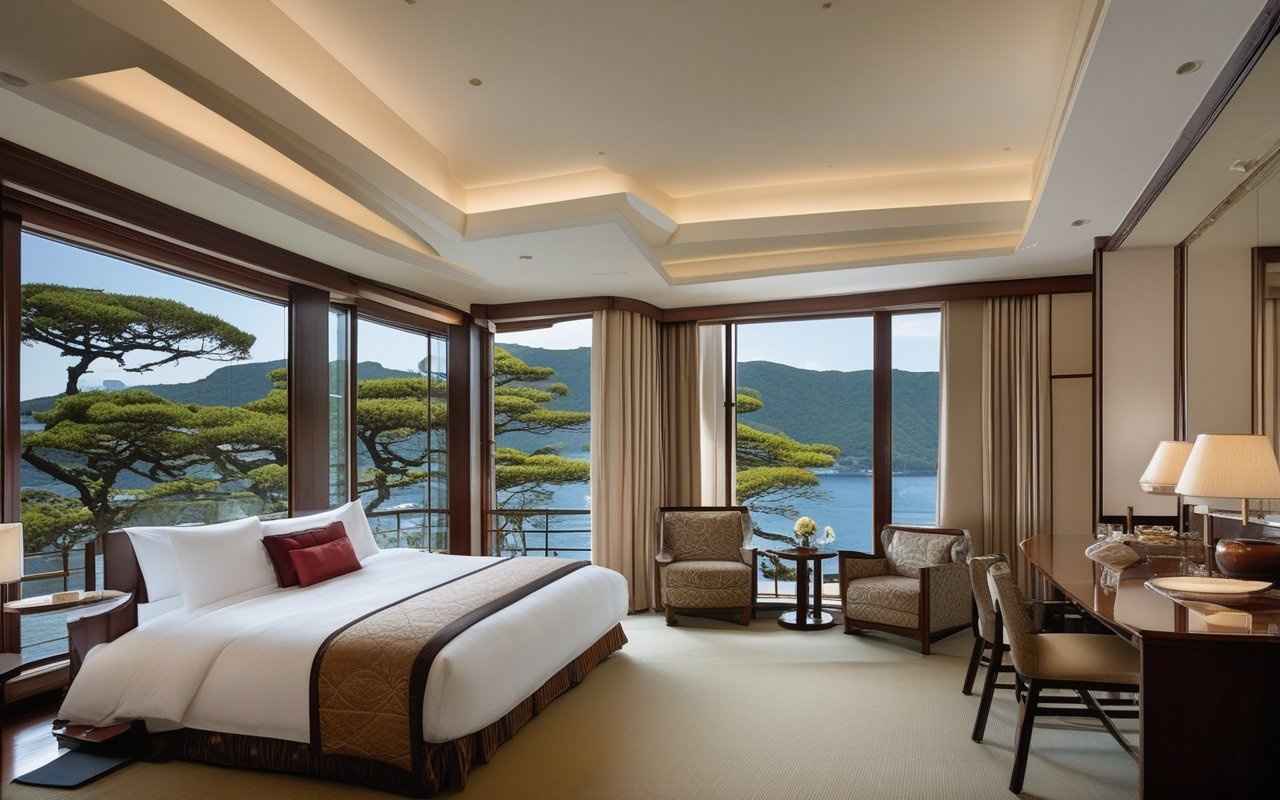
  • Kanagawa Capsule Hotel Guide 2026 — Unique & Affordable…

    Kanagawa Capsule Hotel Guide 2026 — Unique & Affordable…

    Kanagawa Capsule Hotel Guide 2026 — Unique & Affordable Capsule Stays

    Overview

    Introduction

    Capsule hotels have evolved far beyond their minimalist origins. Modern capsule hotels in Kanagawa offer spa facilities, premium bedding, and surprisingly comfortable stays. This guide covers the best options and what to expect.

    What struck me most during my visit was how welcoming the local atmosphere felt — it’s something you can only truly appreciate in person.

    🛏️ Capsule Hotel Comparison

    Capsule Hotel Rate Pod Size Amenities Gender Policy Location
    9hours Yokohama Station ¥3,000-5,000 1.1m × 2.2m WiFi, towels, locker, shower, lounge Mixed + women’s floor 3 min from station
    Capsule Inn Yokohama ¥2,500-4,000 1.0m × 2.0m WiFi, towels, locker, public bath, sauna Men only 5 min from station
    Kawasaki Capsule Hotel ¥2,800-4,500 1.0m × 2.1m WiFi, towels, pajamas, public bath Men only (women on separate floor) 3 min from station

    | MyCapsule Yokohama | ¥3,500-5,500 | 1.2m × 2.2m | WiFi, towels, locker, lounge, cafe | Women-only floors available | 5 min from Kannai |

    Kanagawa Capsule Hotel Guide scenery and attractions

    | Anshin Oyado Yokohama | ¥4,000-6,000 | 1.1m × 2.1m | WiFi, towels, public bath, amenities, manga lounge | Men only | 3 min from Yokohama |

    My pick: 9hours Yokohama Station offers the best balance of price, cleanliness, and mixed-gender accessibility. The pods are larger than average, the facilities are spotless, and the women-only floor provides safety for solo female travelers.

    🎒 What to Expect Inside a Capsule

    Capsule hotels can feel intimidating for first-timers. Here’s exactly what you get:

    Inside Your Pod

    • Mattress: Thinner than a hotel bed but adequate for 1-2 nights
    • Pillow & blanket: Provided
    • Lighting: Dimmer switch or reading light
    • Power outlets: USB charging port + electrical plug
    • Ventilation: Air conditioning vent
    • Privacy: Curtain or roll-down blind (NOT a locking door)

    What’s NOT in the Pod (and Where to Find It)

    • Toilet: Shared, usually down the hall (always clean)
    • Shower: Shared shower rooms or public bath
    • Luggage storage: Large locker in changing area (some hotels provide coin lockers ¥100 refundable)
    • Safe: Lockers have small safes for passport/wallet
    • Food/drink: Capsule area is eating-free. Use lounge or common area

    Capsule vs. Business Hotel: The Real Difference

    Need Capsule Hotel Business Hotel
    Deep sleep (no noise) ❌ Snoring neighbors common ✅ Private room walls
    Full privacy ❌ Curtain only ✅ Locked door
    Claustrophobia risk ❌ Tight space ✅ Normal room
    Extreme budget (¥3,000/night) ✅ Yes ❌ ¥5,000+
    Social experience ✅ Common areas ❌ Minimal
    Late-night arrival (11 PM+) ✅ 24-hour front desk ✅ Most accept late
    Luggage storage ❌ Limited (locker) ✅ Full luggage storage

    🧳 Capsule Hotel Packing List

    Because capsule space is limited, pack strategically:

    • Earplugs (ESSENTIAL): Many hotels provide foam earplugs but bring your own for better fit
    • Sleep mask: Curtains don’t block all light
    • Small bag for toiletries: Take only what you need to the shower area
    • Flip-flops: Hotels provide slippers but flip-flops for the shower are yours
    • Power bank: Some pods have plugs near the pillow, others at the foot — a long cable helps

    ⏰ Capsule Hotel Etiquette

    • Quiet hours: Usually 9 PM – 7 AM. No talking in the pod area
    • No eating in pods: Food attracts insects. Eat in the lounge or outside
    • No phones on speaker: Use headphones or keep calls in the lobby
    • Footwear: Remove shoes at entrance. Use provided slippers
    • Coughing/sneezing: Cover your mouth — pods are close quarters
    • Snoring: If you know you snore, consider a private guesthouse (for everyone’s sake)

    🔄 Alternatives to Capsule Hotels in Kanagawa

    If a capsule hotel isn’t right for you, consider these alternatives at similar prices:

    Option Price Difference from Capsule
    Internet/Manga cafe ¥1,500-3,000 Less privacy, shower extra, no locker. Good for 1 night emergency.
    Guesthouse dormitory ¥3,000-4,500 Actual bed with curtains, luggage storage, common kitchen. More social. Budget Accommodation Guide.
    24-hour sauna ¥3,000-5,000 Relaxation room with reclining chairs, male-only usually, includes bath and sauna. Common in Kawasaki.
    Business hotel (single) ¥5,000-7,000 Private room and bathroom, breakfast included. More expensive but more comfortable.
    Love hotel (rest time) ¥3,000-5,000 (8h night) Large rooms, private bathroom, can be booked by solo travelers during the day. More common in Yokohama.

    Internet/Manga Cafe Guide

    Cafes like Manboo! or Gran Cyber Cafe in Yokohama offer:

    • Private booth with reclining chair (flat enough to sleep)
    • Free drinks (soft drinks, coffee, tea)
    • Shower (¥200-300 extra)
    • Unlimited manga, internet, and PC use
    • Luggage storage in booth

    Best for: Late arrival (after midnight), early departure (before 6 AM), or extreme budget travel. Not recommended for more than 1 night.

    🗺️ Capsule Hotel Location Strategy: Where to Stay Based on Your Plans

    Your choice of capsule hotel should depend on where you plan to spend your time. Here’s a quick guide:

    Yokohama Station Area Capsules

    Best for: Late arrivals, early Shinkansen departures, Minato Mirai sightseeing

    Hotel Walk to Station Walk to Minato Mirai Nearby Late-Night Food
    9hours Yokohama Station 3 min 12 min 24h convenience stores, ramen shops (3-5 min)
    Capsule Inn Yokohama 5 min 15 min Izakaya street (5 min), 24h Don Quijote (3 min)
    Anshin Oyado Yokohama 3 min 15 min 24h convenience store (1 min), ramen (3 min)

    Why stay here: Maximum convenience. Direct train access to Tokyo (25 min), Kamakura (30 min), Hakone (1.5 hrs). Late-night food options are abundant.

    Kannai Area Capsules

    Best for: Budget travelers, Chinatown exploration, quieter nights

    Hotel Walk to Kannai Station Walk to Chinatown Nearby Late-Night Food
    MyCapsule Yokohama 5 min 8 min Chinese restaurants (5 min), convenience store (2 min)

    Why stay here: Kannai is quieter than Yokohama Station area at night. Chinatown is a 10-min walk. The area has more local character and lower prices for dining.

    Kawasaki Station Area Capsules

    Best for: Travelers between Tokyo and Yokohama, tightest budget

    Hotel Walk to Kawasaki Station JR to Tokyo JR to Yokohama
    Kawasaki Capsule Hotel 3 min 15 min (¥290) 8 min (¥220)

    Why stay here: Kawasaki is the budget sweet spot — ¥2,800/night vs. ¥3,500 in Yokohama for similar quality. You’re 8 min from Yokohama and 15 min from Tokyo by The area has convenience stores and ramen shops but less nightlife.

    🔄 Capsule vs. Other Budget Options: Detailed Comparison

    Need Capsule Hotel Internet/Manga Cafe Guesthouse Dorm 24h Sauna Love Hotel (Night)
    Price (per night) ¥2,500-6,000 ¥1,500-3,000 ¥3,000-4,500 ¥3,000-5,000 ¥4,000-8,000
    Sleep quality ⭐⭐⭐ ⭐⭐ ⭐⭐⭐⭐ ⭐⭐ ⭐⭐⭐⭐⭐
    Privacy ⭐⭐ (curtain) ⭐ (open booth) ⭐⭐ (bunk bed) ⭐ (recliner) ⭐⭐⭐⭐⭐ (locked room)
    Shower ✅ Included ❌ Extra ¥200-300 ✅ Included ✅ Included ✅ Private bathroom
    Luggage storage ⚠️ Small locker ⚠️ In booth ✅ Large locker ❌ Coin locker ✅ Room storage
    24-hour access ✅ Yes ✅ Yes ❌ Curfew ✅ Yes ❌ Check-in limited
    Social atmosphere ⭐⭐ ⭐⭐⭐⭐ ⭐⭐ ❌ None
    Best for 1-2 night stopover 1 night emergency Extended stays Overnight transit Couples or 1 night
    Where to find Yokohama, Kawasaki Yokohama Station area All areas Kawasaki, Yokohama Yokohama, Kawasaki

    🧳 Capsule Hotel Packing Hacks

    For a 1-2 night capsule stay, this is all you need:

    In your small locker (high-value items):

    • Passport (hotel may keep at front desk)
    • Wallet (take only ¥5,000 + one credit card)
    • Phone + charger
    • Earplugs and sleep mask (absolute essentials)

    In your pod (sleep time items):

    • Change of clothes for morning
    • Book or Kindle (no phone browsing — light disturbs neighbors)
    • Water bottle

    At the front desk (larger items):

    • Suitcase or backpack (most hotels store for free)
    • Shopping bags
    • Any food/drink (not allowed in capsule area)

    The “Middle Locker” Strategy

    If your capsule hotel charges for large lockers (¥100-300), use this workaround:

    1. Keep only valuables in the free small locker
    2. Store your bag at the front desk (usually free)
    3. Keep a small day-bag with toiletries for shower visits
    4. Use station coin lockers (¥300-700) as backup if the hotel is full

    Jet Lag and Capsule Schedule

    Arriving from a different time zone? Use the capsule’s 24-hour nature to your advantage:

    • Early arrival (6-8 AM): Most capsules allow check-in from 12 PM, but luggage storage is available from early morning
    • Middle of the night (midnight-5 AM): 24-hour capsules accept guests anytime. Use the quiet lobby to adjust before sleeping
    • Late checkout (10 AM-2 PM): Some capsules offer half-day rates (¥1,500-2,500) for extending your stay

    💡 Pro Tip: Capsule hotels near Yokohama Station are the most convenient for travelers using the Shinkansen. Shin-Yokohama Station (15 min by train) has capsule options perfect for early morning departures. If you have a late flight from Narita or Haneda, consider a capsule near Yokohama Station and take the Airport Limousine Bus the next morning.

    🌐 Capsule Hotel Locations Map Guide

    Most capsule hotels in Kanagawa are clustered in three areas: Yokohama Station Area (most convenient):

    • 9hours, Capsule Inn, Anshin Oyado are all within 5 min walk
    • Direct access to JR, Keikyu, and subway lines
    • Late-night restaurants and convenience stores nearby
    • Best for: Solo travelers, late arrivals, early departures

    Kannai Area (cheaper, quieter):

    • MyCapsule Yokohama is the main option
    • 10 min walk to Yokohama Chinatown, 15 min to Minato Mirai
    • Less crowded, more local atmosphere
    • Best for: Budget travelers, those exploring Kannai

    Kawasaki Station Area (budget-friendly):

    • Kawasaki Capsule Hotel is the best option
    • 15 min from Tokyo by JR, cheaper than Yokohama
    • Quiet residential area at night
    • Best for: Travelers on the tightest budget

      🎯 Which Capsule Hotel Should You Choose? Your choice depends on your specific needs. Here is a decision guide:

    You are a solo female traveler:
    9hours Yokohama Station — Dedicated women-only floor, 24-hour front desk, central location. ¥3,000-5,000.

    You are on a tight budget and male:
    Capsule Inn Yokohama — The cheapest option at ¥2,500-4,000. Includes public bath and sauna. Men only.

    You want a premium experience:
    Anshin Oyado Yokohama — Manga lounge, complimentary amenities, high-end public bath. ¥4,000-6,000. Men only.

    You are a couple or traveling with a friend:
    MyCapsule Yokohama — Larger pods (1.2m × 2.2m), cafe on-site, women-friendly. Best for two people traveling together who want adjacent pods.

    You need late-night check-in (after midnight):
    9hours Yokohama Station or Capsule Inn Kawasaki — Both have 24-hour reception. Most other capsule hotels close reception by midnight.

    💰 Booking Tips and Best Deals

    Capsule hotels use dynamic pricing. Here’s how to get the best rates: Cheapest nights:

    • Monday-Thursday: ¥2,500-4,000 (base price)
    • Friday: +20% (business travelers arriving for weekend)
    • Saturday: +30-50% (peak tourist demand)
    • Sunday: base price (most guests check out)

    Booking strategies:

    • Book direct: Many capsule hotels offer 10% off for direct website bookings vs, third-party sites (Booking.com, Agoda)
    • Membership cards: 9hours has a loyalty program — stay 10 nights, get 1 free
    • Last-minute walk-in: If arriving after 9 PM on a weekday, walk-in rates can be 10-20% cheaper than advance booking
    • Day-use rates: Some capsule hotels offer daytime rest (1-3 hours, ¥1,000-2,000) — useful for long layovers or late checkout days

    Hidden costs to check:

    • Locker fee: Some hotels charge ¥100-300 for large lockers (small lockers are free)
    • Towel rental: ¥100-200 if not included (most include)
    • Late checkout: ¥500-1,000 for staying past 10 AM

    🧳 First Night in a Capsule: What to Expect

    Your first capsule experience can feel odd if you don’t know what to expect. Here’s a walkthrough: Check-in (5-10 minutes):

    1. Register at the front desk (passport required for foreign guests)
    2. Receive key card or locker key + amenity kit (toothbrush, razor, earplugs)
    3. Pay upfront (cash or credit card)

    Preparation (10 minutes):

    1. Remove shoes at the entrance, place in shoe locker
    2. Change into provided pajamas in the changing room
    3. Transfer only essential items to small locker (wallet, phone, tablet)
    4. Leave large luggage at the front desk or in designated storage area

    Bath time (20-30 minutes):

    1. Use the public bath or shower room before pod time (quieter earlier)
    2. Remember the capsule etiquette: wash thoroughly before soaking
    3. Use provided towels and toiletries

    Sleep time (curious part):

    1. Crawl into your pod — they’re wider than a coffin but shorter than a bed
    2. Use the curtain for privacy (it doesn’t lock — this is normal)
    3. Noise levels: expect some shuffling and occasional snoring. Earplugs are essential.
    4. Temperature: pods have individual A/C controls, but the corridor temperature is shared

    Morning (exit by 10 AM):

    1. Most capsules require checkout by 10 AM
    2. Showers available before checkout
    3. Luggage can be stored at the front desk for a few hours after checkout
      For more information, check out our guide on Kanagawa Hotel Cancellation Guide 2026 — Policies & How….
      For more information, check out our guide on Kanagawa Business Hotel Guide 2026 — Practical &….
      For more information, check out our guide on Kanagawa Hotel Check-In Guide 2026 — What to Expect &…. I found that having a prepaid IC card saved me significant time navigating between attractions.

      Frequently Asked Questions

    Q: Q: Are capsule hotels only for men?
    A: A: Many are male-only, but 9hours, MyCapsule, and Capsule Inn have women-only floors or sections. Capsule Inn Yokohama is men-only — don’t book there if you’re female. 9hours Yokohama Station is the most inclusive option.

    Q: Q: Can I store luggage in a capsule?
    A:
    A: No — capsules are for sleeping only. Hotels provide lockers (large enough for carry-on) in the changing area. Suitcases can be stored at the front desk (ask at check-in). Coin lockers at stations (¥300-700) are alternatives.

    Q: Q: Do capsule hotels provide amenities?
    A: A: Yes: towels, pajamas, toiletries (shampoo, body soap, toothbrush), slippers, earplugs. Some have public baths with additional amenities (razor, comb, cotton swabs).

    Q: Q: How much do capsule hotels cost?
    A:
    A: ¥2,500-6,000 per night. Mid-week rates: cheapest. Friday-Saturday: 30-50% more. Some offer daytime rest rates (¥1,000-2,000 per hour). Best value: 9hours at ¥3,000 weekday.

    Q: Q: Are capsule hotels quiet at night?
    A:** A: Most enforce quiet hours (9 PM-7 AM). Earplugs are provided. Light sleepers: bring a sleep mask AND earplugs. The snoring problem is real — upgrade to a private room if you’re sensitive.

    Summary: Capsule Hotels — A Unique, Budget-Friendly Experience

    Capsule hotels are a uniquely Japanese experience that every budget traveler should try at least once. Modern versions are far more comfortable than the stereotypes suggest. The key is knowing which one to choose and packing earplugs.

    Three takeaways for your capsule stay:

    1. Choose 9hours for the best all-round experience: Clean, modern, women-friendly, and affordable
    2. Use for 1-2 night stopovers max: Capsule hotels work great for late arrivals or early departures, but become tiring beyond 2 nights
    3. Book weekdays for the best value: ¥3,000 for a clean pod with shower and WiFi is unbeatable value For other budget options, see our Budget Accommodation Guide and Guesthouse Guide.

    Conclusion

    Whether you are planning exploring Kanagawa for its hotel for the first time or returning for another visit, taking a little extra time to go beyond the obvious sights makes all the difference. During my visit I went with a rough plan and found that leaving room to wander made the trip far more memorable. I hope this guide helps you build an itinerary that fits your pace, and that your time in Kanagawa leaves you with memories worth coming back for.