Overview
Hakone is famous for onsen hotels, ropeways, and lake boats, which means its cafe culture hides in plain sight. The best experiences are rarely the loudest storefronts beside bus loops. They sit upstairs from craft shops, inside renovated kominka along narrow lanes, or at small roaster counters where owners dial in espresso for three tables a day. This guide describes how to find those slower rooms, what to order when menus mix Japanese and English, and how to behave in low-turnover spaces where one long-staying guest can shape the whole room's mood.
Hidden here does not mean secret passwords or unmarked doors only influencers know. It means modest signage, limited seats, and schedules that assume you are not racing a ten-stop checklist. If you need Hakone transport framing first, read Hakone area guide and How to get to Hakone from Tokyo. If you already love retro kissaten culture in cities, compare rhythms with Retro kissaten culture guide before you expect identical pastry cases in the mountains.
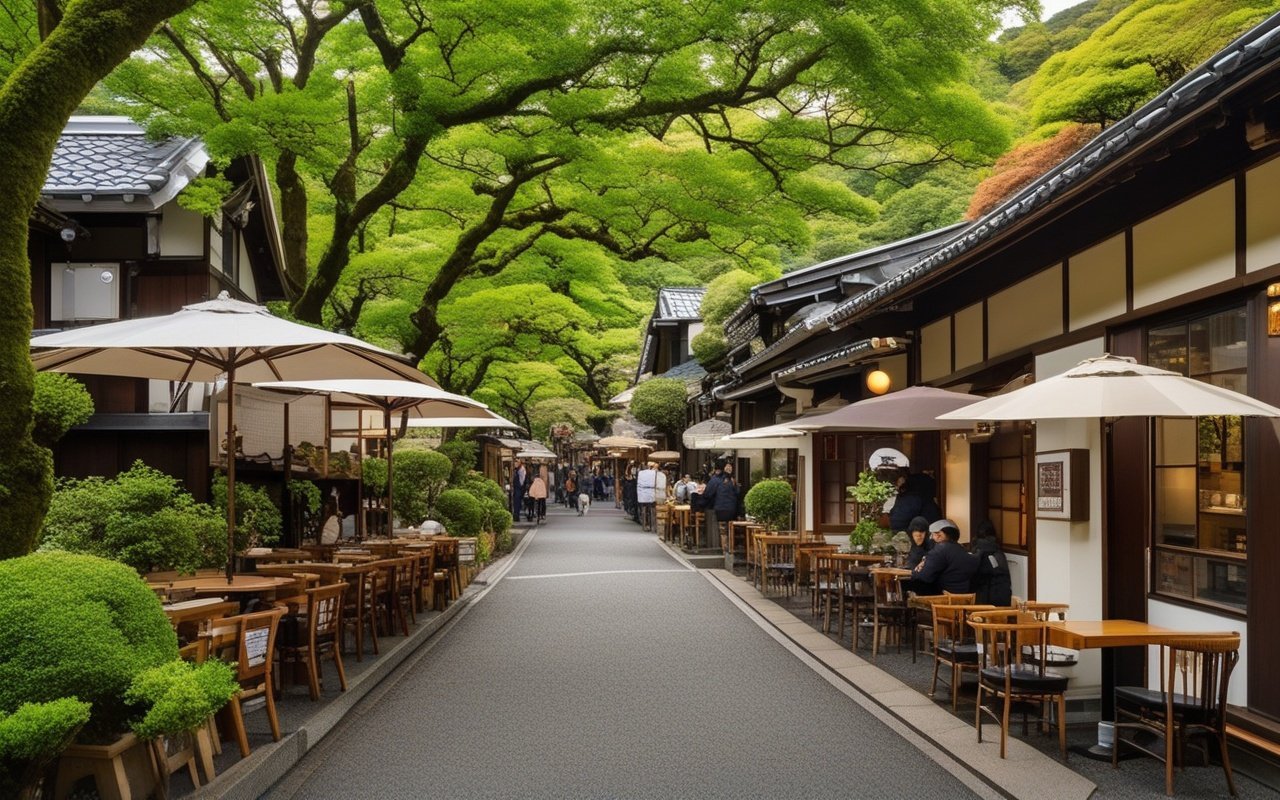
Why Gora and Ashinoyu host slower cafes
Gora sits where mountain railways and walking paths funnel independent travelers who chose not to chain themselves only to hotel buffets. Ashinoyu carries older onsen inn geography; narrow roads discourage huge tour buses from stopping directly at every doorway. Those friction points protect smaller businesses that rely on repeat customers and word of mouth rather than on volume turnover.
Elevation changes temperature and bean storage. Roasters often mention diurnal humidity swings that force grind adjustments across seasons. You might taste the same label differently in July versus November. That variance is feature, not inconsistency, when owners explain calmly.
Reading menus that blend languages
Expect mixed katakana, English, and sometimes handwritten seasonal insertions. If a drink lists "blend" without origin notes, ask politely whether it is chocolate-forward or brighter citrus. Owners usually appreciate curiosity unless a lunch rush line forms behind you.
Non-coffee drinkers should look for hojicha latte, yuzu soda, or local milk soft-serve collaborations. Some shops partner with nearby patisseries; others bake in-house on tiny ovens, which limits stock after mid-afternoon.
Seating ethics in tiny rooms
Low seat counts mean one laptop camper can block revenue for hours. Many owners tolerate remote work if you order refills and avoid phone calls without headphones. Large luggage belongs tucked beside walls, not in aisles. If you see a quiet "no laptop" card, respect it; those rules often follow conflicts owners want to avoid repeating.
Photography varies. Some cafes welcome Instagram traffic; others post no-photo cards to protect other guests' privacy in tight quarters. Ask before raising a camera toward the bar.
Sound, light, and seasonal atmosphere
Winter sun sits lower, painting tatami-mat corners gold in late afternoon. Summer greenery presses against windows, darkening interiors in pleasant ways that challenge phone exposure. Rain amplifies drip lines from eaves; that percussion becomes part of the drink experience if you slow down.
Walking routes that discover cafes without getting lost
Start from Gora Station, pick a direction along side streets parallel to the main road, and note cafes before ropeway crowds arrive mid-morning. Circle back after lunch when tour groups thin. Carry cash because small places still hesitate on foreign cards even when they display Visa stickers aging on the door.
If you hike segments of old stone paths, wipe mud before entering wooden entries. Owners keep spare slippers sometimes, yet arriving clean is kinder.
Pastry timing and sold-out reality
Mountain bakeries run out of popular items by early afternoon. If a showcase looks empty, ask whether a second bake is coming or whether savory plates remain. Do not treat staff as obstacles to optimized itineraries; they often juggle roasting, dishwashing, and register alone.
Coffee styles you will actually encounter
Light-roast pour-over dominates specialty newcomers, yet older kissaten hybrids still serve deep blends with mild bitterness paired with milk candy on the saucer. Espresso menus may be short: single origin only, no flavored syrup beyond seasonal citrus. Accept the constraint as part of place identity.
Tea-forward cafes and non-caffeine balance
Some houses emphasize single-origin Japanese tea with wagashi sourced regionally. If caffeine sensitivity matters, afternoon tea sets help you participate socially without double shots. Ask about caffeine levels in hojicha versus sencha if you are unsure.
Remote work realities
Wi-Fi exists in many shops yet rarely matches city coworking speeds. Upload large files at your hotel. Power outlets can be scarce; carry a charged battery pack. Bathroom codes sometimes sit behind the counter; purchase something before asking.
Families and quieter kids
Small interiors amplify child voices quickly. If traveling with young children, brief them on indoor volume before entering. Strollers may not fit; use carriers when possible.
Accessibility notes
Step thresholds appear frequently in older buildings. Ask whether a side entrance avoids stairs if mobility is limited. Bathrooms may be narrow; plan ahead.
Combining cafes with onsen days
Soaking before coffee dehydrates some people; others love the contrast. If you visit after bathing, drink water before espresso to reduce dizziness at altitude. For broader bathing culture context, read Hakone onsen complete guide alongside this cafe day.
Photography and neighbor respect
Street-facing windows reveal pedestrians unintentionally. Angle cameras inward toward cups and wood grain. Tripods indoors almost always block staff; skip them.
Seasonal drink specials worth trying
Spring menus sometimes feature sakura salt rim experiments; quality varies. Summer iced drinks may use local citrus. Autumn chestnut or sweet potato desserts arrive abruptly when farms deliver. Winter orange peel garnish pairs psychologically with short daylight hours.
Price expectations and tipping culture
Japan does not expect tips. Prices already reflect careful labor. If service delights you, repeat visits and polite reviews help more than awkward cash handoffs.
Language barriers and patience strategies
Point politely at menu photos when words fail. Google Translate camera modes help yet misread handwritten kanji; double-check with staff if allergies matter. Nut and dairy allergies require explicit cards in Japanese when possible.
Evening cafe limits
Many mountain cafes close before dinner because hotel kitchens capture night revenue. Verify closing times online the same morning; social hours shift seasonally.
Sustainability angles
Reusable cups for takeout remain uncommon legally in many prefectures for hygiene reasons; do not shame shops that default to paper. Some places discount if you bring their branded tumblers; ask quietly.
Pairing with light hiking
Carry a collapsible cup if you plan trail water breaks between cafe stops. Do not assume every trailhead has vending machines; Gora pockets vary.
Rainy day pacing
Fog can make ropeways eerie; cafes become sanctuaries. Expect lines when weather collapses outdoor plans. Consider ordering takeaway only if the shop explicitly offers it; many prohibit it to preserve seat turnover fairness.
Misconceptions
Hidden does not mean hostile to tourists. It means small scale. Another myth claims all Hakone coffee is overpriced; compare yen per gram of bean quality before judging. Some shops roast on-site, which justifies premiums.
Safety and altitude notes
Hakone's elevation is modest compared with alpine climbing, yet mild shortness of breath can combine with strong coffee on sensitive individuals. Sip water.
Connecting to wider Kanagawa cafe culture
If you extend toward the coast, compare mountain calm with Hayama hidden cafes rhythms, though Hayama skews more seaside resort. For dense urban kissaten contrasts, Yokohama and Kamakura offer different seating economics worth comparing after your mountain leg.
Shopping adjacent to cafes
Some houses sell beans or drippers. If you buy beans, ask for grind settings matched to your home equipment. Air pressure at sea level differs; owners may suggest slightly finer grind than you expect.
Crowd calendars
Domestic holidays stack tour buses. Weekday Tuesday through Thursday often yields calmer counters. Golden Week and New Year require reservations at a few hybrid cafe-restaurants; call if a phone number exists.
Hygiene and mask-era habits
Some staff still wear masks seasonally during flu peaks. Guests may too. Follow local room cues without debate.
Music volume and conversation
Playlists lean jazz, bossa, or ambient lo-fi at low volume. Loud FaceTime calls contradict room contracts; step outside.
Loyalty and repeat visits
Owners remember faces. Second visits sometimes unlock off-menu beans if rapport exists. Do not demand perks; let them emerge.
Dogs and pets
Pet-friendly cafes are rare indoors due to food hygiene rules. Ask before assuming patio dog tolerance.
Vegan and vegetarian honesty
Mountain dairy is common; fully vegan dessert may be unavailable small days. Ask whether dashi appears in savory plates labeled vegetarian.
Water service norms
Free water glasses appear often; accept them as hospitality, not as invitation to skip ordering.
Closing time psychology
Staff begin subtle cleaning cues: chairs stacked slightly, lights dimmed half clicks. Read those signals faster than clock arguments.
Long-form travel journaling
If you sketch or write, cafes welcome notebooks more than keyboards sometimes. Ink and wood tables require care; blotters help.
Final thoughts
Hakone's best cafes reward travelers who treat them as living rooms shared with strangers. Arrive curious, order bravely, leave quietly, and let the mountain air finish the story on the walk back to your inn.
Deeper timing strategies across ropeway schedules
Morning ropeway crowds peak when hotel breakfast windows close. If your cafe list sits near Gora Park or the lower cable sections, aim for the thirty-minute lull when the first wave ascends but before lunch hikers return muddy. Afternoon inversions sometimes trap haze in valleys; cafes upstairs still catch clearer light, which matters if you care about photography of crema on dark wood.
When buses delay because of one-lane construction, do not sprint into a cafe breathless and loud. Stand under the eave, calm your breathing, wipe shoes, then enter. Staff notice composure more than flawless Japanese.
Bean storage at altitude and why taste shifts daily
Owners often roast in small batches twice weekly because humidity enters bags whenever doors open to humid summer air. If your cup tastes sharper than yesterday, water temperature or grinder calibration may have changed, not your imagination. Ask what changed; some baristas enjoy explaining micro-updates.
Cupping vocabulary without pretense
You do not need to perform expert tasting notes. Simple descriptors like brighter, rounder, or smokier communicate enough. If a flight of samples appears during a quiet hour, accept small pours and pause between sips rather than draining them like shots.
Ceramics versus glass and temperature perception
Thick-walled cups mute acidity slightly; thin glass highlights it. If a shop switches vessels seasonally, compare the same bean across two visits when possible. That experiment teaches sensory literacy faster than reading blogs alone.
Milk texturing at small shops
Single boiler machines sometimes produce silkier microfoam than automated chains because baristas texture by ear. If oat milk is unavailable, default milk still carries local dairy character worth tasting once before insisting on substitutes.
Ice dilution and summer americano pacing
Large ice cubes chill slowly, preserving sweetness longer. If you dislike weak finishes, ask for less ice explicitly rather than complaining afterward. Staff prefer upfront requests.
Morning pastry collaborations
Some cafes source croissants from Odawara bakers who deliver before dawn. Arriving at opening therefore yields flakier layers than mid-afternoon salvage portions. If you need gluten-free options, research ahead; spontaneous miracles are rare.
Evening wind-down herbal menus
Caffeine-free blends sometimes include jujube or kuromame sweetness. They pair well with mild hikes afterward because they avoid jittery night legs on stone stairs.
Community bulletin boards
Local flyers advertise small jazz nights or pottery openings. Even if you skip events, reading boards teaches seasonal village concerns better than generic travel video scripts.
Lost-in-translation moments that still work
Pointing at steam rising from another customer's cup sometimes communicates curiosity better than abstract nouns. Smile, nod, accept no if staff decline replication because ingredients ran out.
Returning beans home as luggage
Seal bags tightly; pressure changes in transit pop cheap zippers. Ask for one-way valve stickers if available. Declare beans if your home country requires agricultural paperwork.
Why some shops decline credit cards quietly
Interchange fees hurt micro margins. Carry yen without treating cash as backward. Digital pay adoption grows yearly yet unevenly.
Respecting closing-side chores
Dish racks clatter near closing as kindness to morning selves. Do not linger through obvious mop signals.
Extended reading on mountain travel ethics
Pair cafe stops with Hakone crowd avoidance if you dislike packed platforms. For broader pass economics tying cafes to buses, Hakone free pass ultimate guide helps decide whether bundled tickets encourage slower pacing.