Overview
Night illuminations in Kamakura transform familiar precincts into staged dialogues between darkness, lantern color temperature, and centuries-old architecture. They also stress infrastructure that was not originally designed for thousands of simultaneous visitors moving with phones raised. This guide explains how to enjoy illuminated evenings without overwhelming neighbors, how to interpret lighting design choices, and how to pair nocturnal visits with daytime study of religious context and access logistics. Start with the Kamakura access guide to understand last trains, bus substitutions, and station bottlenecks that become more punitive after 8 p.m. when crowds surge toward exits. Then read the Kamakura shrine and temple companion so that night scenes you photograph rest on comprehension rather than pure spectacle.
Illumination seasons vary by site and year. Some temples schedule weekend-only evenings; others run consecutive weeks around foliage peaks. Municipal tourism portals and official temple websites remain the authoritative calendars; treat social-media rumors as unverified until cross-checked. Ticketing may shift to timed entry during peak years, which benefits crowd control but requires punctuality. If you miss a window, accept gracefully rather than pressuring staff who must enforce fire codes and visitor caps.
Light as interpretation, not decoration
Professional lighting designers working with heritage sites think about legibility, conservation heat load, and insect behavior. Warm tones often flatter wooden surfaces; cooler tones can emphasize stone texture but may feel clinical if overused. Path lighting prioritizes safety on steps while avoiding glare into worship halls where monks still chant evening services. Understanding these tradeoffs helps you read scenes critically rather than consuming them as disposable Instagram backdrops.
Photographers should recognize that illumination intensities are calibrated for human eyes, not for every camera sensor. High ISO noise becomes part of the aesthetic; embrace it rather than flooding scenes with personal lighting rigs. Tripods may be banned or restricted to certain zones to prevent trip hazards; monopods and handheld techniques with braced elbows often suffice. Never attach lights to sculptures or trees without explicit permission.
Crowd physics after dark
Human crowds behave like fluids with viscosity. Narrow gates create choke points; sudden widenings create eddies where people stop unpredictably. Keep bags compact and zipped to avoid snagging others’ clothing. If you travel with children, hold hands on staircases where shadows hide edge irregularities. Elderly visitors may appreciate walking poles with rubber tips; metal tips can spark on stone and annoy neighbors.
Noise carries farther at night. Lower conversational volume, especially near residential walls. Avoid portable speakers entirely. Headphone tours, if offered officially, should stay at modest volumes to prevent sound bleed.
Safety, visibility, and footwear
Illuminated routes still contain uneven paving, tree roots, and damp patches from mist. Shoes with reliable grip outperform fashion sneakers with slick soles. Carry a small flashlight for unlit connectors between official zones, but angle beams toward the ground to avoid blinding oncoming visitors. Watch for low-hanging branches along garden paths that daytime walks easily avoid.
Etiquette around active worship
Some temples continue evening rituals during public illuminations. That means certain halls remain semi-sacred rather than purely scenic. Do not push past ropes because a composition looks better two meters forward. If monks pass in procession, step aside quietly. Flash photography is almost always inappropriate near altars; even when permitted outdoors, assess whether your burst disrupts others’ immersion.
Neighbors, noise, and economic context
Temple events can strain parking and trash capacity in surrounding neighborhoods. Use public transit when possible, following guidance in the Kamakura access guide. Carry out trash you generate; do not assume bins exist on narrow lanes. Purchase food from vendors operating legally within event perimeters rather than leaving convenience-store packaging on walls.
Pairing day study with night spectacle
Daytime visits teach rooflines, garden stones, and signage that night obscures. The Kamakura temple overview helps you identify architectural elements that illumination emphasizes, such as bracket sets or ridge-end tiles. If your itinerary includes the Daibutsu area, combine spatial familiarity from Great Buddha walking context with chronology from Great Buddha Kamakura history so that night lighting on bronze or surrounding precincts feels grounded rather than purely theatrical.
Tickets, lines, and secondary entrances
Queues may split between prepaid ticket holders and day-of purchasers. Read signs slowly even when staff repeat instructions in rapid Japanese and English. Secondary exits often exist to reduce bottlenecks; follow staff arrows rather than reversing against flow. If you must leave early due to fatigue or family needs, alert companions before entering one-way systems.
Weather contingencies
Rain cancels some outdoor illuminations or moves them indoors with reduced capacity. Wind prompts designers to secure lanterns and may close elevated viewpoints. Cold snaps require layers; standing still in lines chills faster than walking. Heat and humidity still occur in early autumn evenings; hydrate earlier in the day using tips aligned with the Shonan Kamakura street food walk for sensible meal timing.
Photography ethics beyond tripods
Do not block others for minutes while recomposing the same shot. Step out of flow, capture quickly, move on. Avoid drones unless explicitly authorized; heritage airspace and neighbor privacy matter. Do not ask strangers to move from public viewpoints unless you are willing to accept refusal without argument. Model releases do not apply casually to every face in frame; crop or choose angles that protect identities.
Children, strollers, and sensory needs
Strollers may be impractical on gravel and steps. Baby carriers can work but watch overhead lanterns. Some children find dense crowds overwhelming; identify calm pockets such as wider courtyards or sanctioned rest zones. Visitors with sensory sensitivities might prefer opening hour slots when music is absent and crowds thinner, even if sky is not fully dark yet.
Post-event wind-down
After intense visual stimulation, cafés offer gradual return to conversation and reading lights. Consult the Kamakura café guide for venues still open late enough to debrief quietly. Avoid shouting recaps on trains; carriages amplify excitement into fatigue for commuters.
Accessibility at night
Lighting helps some low-vision visitors but high-contrast glare can disorient others. Ask staff about elevator routes where available. Audio descriptions occasionally accompany premium tickets; availability varies. Companions should describe steps and sudden grade changes verbally.
Sustainability of illumination events
Electricity demand spikes during seasonal runs. Organizers sometimes advertise LED retrofits or donations tied to conservation. Visitors can contribute by minimizing disposable glow sticks, refusing redundant paper maps when digital versions suffice, and choosing refillable bottles. Long-term preservation of wood and pigment benefits when heat and light exposure remain controlled; trust designers who dim rather than blast.
Map and orientation
This map centers toward the historic valley where several illumination routes cluster relative to the station approach. Use it to preview walking distances at night when landmarks look different.
Visual rhythm under lanterns
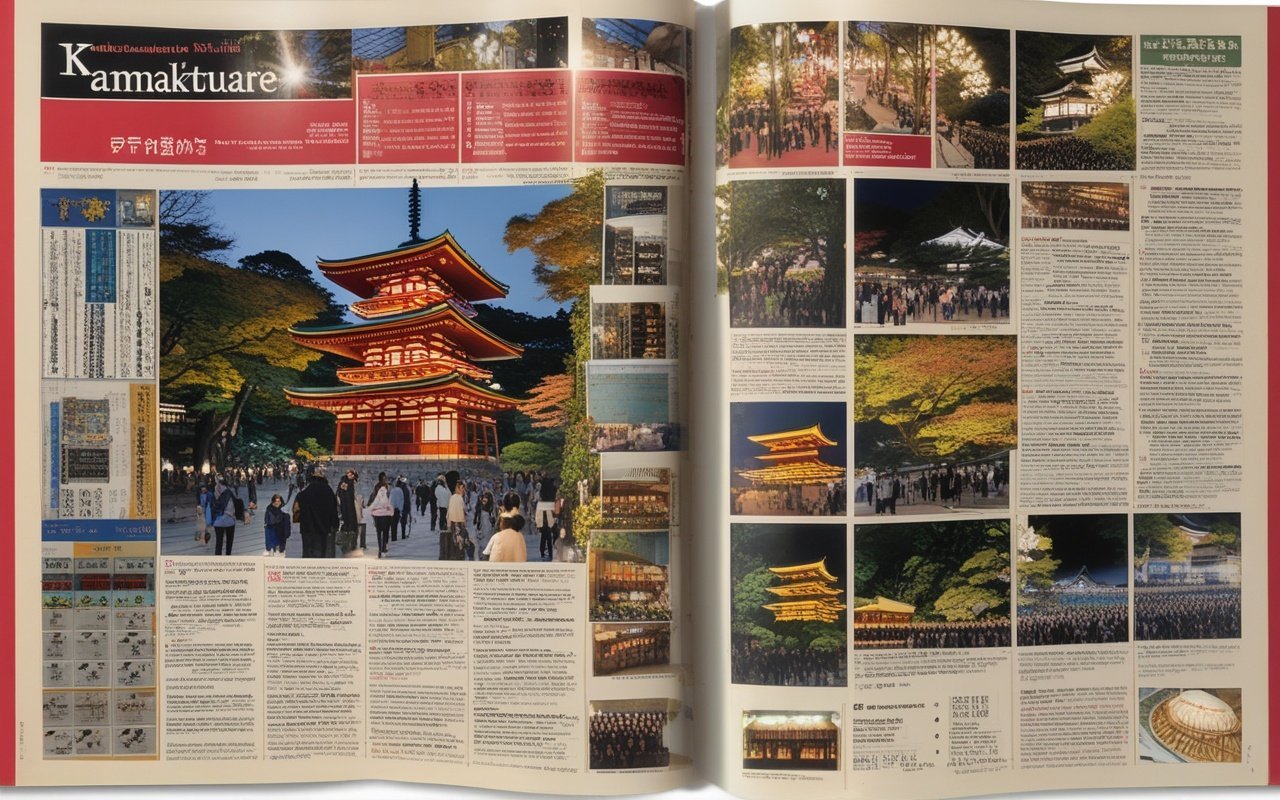
Security, belongings, and scams
Crowds attract pickpockets infrequently but not impossibly. Keep wallets in front pockets or cross-body bags. Ignore unauthorized ticket scalpers; purchase only from official booths and trusted platforms. If you separate from friends, prearrange a meeting point away from gates to avoid blocking exits.
Inclusive enjoyment without gatekeeping
First-time visitors belong at illuminations as much as repeat photographers. Avoid elitist comments about who deserves to stand where. Share space, offer steadying arms on slick steps when appropriate, and thank staff sincerely. Positive crowd culture keeps events viable for future years.
When illuminations end: afterimages
Your eyes will carry afterimages of orange and green. Give yourself minutes in lower light before driving or cycling if applicable. Journal while memories are fresh, noting not only visuals but smells—night-blooming flowers, incense, rain on cedar—that cameras miss.
Literary and cinematic echoes
Night scenes appear in novels and films set in Kamakura because shadows dramatize moral conflict. Compare fictional staging with real crowd behavior. Fiction often empties streets; reality fills them. That gap is instructive rather than disappointing.
Planning multi-day illumination chasers
If you chase several events across a weekend, schedule skeletal recovery blocks. Feet and patience wear simultaneously. Alternate heavy crowd nights with quiet morning walks documented in broader temple literature. Cross-link understanding using the Kamakura temple overview so repeated motifs—lanterns, bells, gates—deepen rather than blur.
Volunteer culture and respectful thanks
Some events rely on neighborhood volunteers directing traffic. Thank them briefly; do not monopolize their attention. Follow hand signals even when smartphone maps disagree; local knowledge often anticipates temporary barriers.
Color temperature and white balance choices
Your camera’s auto white balance may swing wildly between warm lanterns and cool LED path markers, producing inconsistent galleries. Shooting in RAW helps, but ethical editing still means resisting the urge to crank saturation until wood grain looks plastic. If you post publicly, consider adding short captions that credit the site and year, which helps future travelers calibrate expectations when lighting rigs change. Film photographers should note reciprocity failure in long exposures; bracket thoughtfully rather than burning through entire rolls blocking stairways.
Acoustic design you cannot photograph
Night events change sound as much as sight. Footsteps on gravel sharpen; distant ocean rumble may return when crowds pause for announcements. Listen for temple bells scheduled independently of illumination timetables; their overlap with music tracks can be sublime or chaotic. Recording ambient audio may be restricted; default to memory unless signage permits. If live instrumental performances occur, applaud at culturally appropriate moments rather than midphrase because a phone notification buzzed.
Fire safety culture and why rules feel strict
Historic wood structures demand conservative crowd caps. Staff may seem stern when hurrying people past certain corridors; they are often following municipal fire wardens’ instructions rather than personal impatience. Never block fire extinguishers with tripods or bags. Locate exits early, even in familiar daytime courtyards that rearrange ropes at night. Smoking is almost always prohibited; designated areas, if any, sit far from timber.
Insect ecology and humane choices
Bright lights attract moths and beetles. Swatting theatrically near altars disrespects both creatures and worshippers. Long sleeves reduce bites without chemical clouds that disturb neighbors. If you must use repellent, apply away from crowds and let it dry before entering packed gates. Designers sometimes tune wavelengths to reduce insect pull; appreciate those invisible efforts.
Clothing contrast and practical modesty
Illumination photography often favors dark clothing that does not blow highlights against lanterns, but comfort trumps aesthetics when temperatures swing. Scarves can double as lens cloths in pinch; avoid shedding fibers on wet moss. Heel spikes damage old stone; choose flats with grip. If cosplay is discouraged, respect the rule even if your outfit “matches” the vibe; heritage sites are not studios.
Language barriers at entry gates
Staff may repeat instructions in rapid bilingual bursts during peak crush. If you do not understand, step aside, let the queue flow, then ask a quieter marshal at the perimeter. Translation apps help but require headphones or text mode to avoid speakerphone broadcasts. Carry a screenshot of your ticket QR in offline mode to survive spotty data.
Hydration without plastic proliferation
Vending machines near stations sell drinks but generate bottles. Refill beforehand at hotels or public fountains where water quality is confirmed. Illumination routes rarely place bins where you expect; pocket a small bag for recyclables until you reach proper separation points. If you purchase hot drinks from vendors, hold cups steadily in crowds to avoid scalds.
Partnering daytime café research with night tickets
Some cafés post evening event partnerships—limited desserts tied to illumination themes. The Kamakura café guide can help you identify daytime research nooks where you annotate maps before night crowds arrive. Writing legible notes about step counts between ticket checkpoints reduces on-site anxiety.
Comparative context: why Kamakura nights feel intimate
Larger cities host massive projection-mapping spectacles; Kamakura’s scale often remains human, emphasizing silhouette and material honesty. That intimacy can feel magical until intimacy becomes claustrophobia in bottlenecks. Choose weekday tickets when possible, even if foliage is slightly past peak. Peak weekends trade photographic perfection for shoulder-to-shoulder realism; decide consciously which experience you want.
After midnight: trains, taxis, and responsibility
Missing the last train transforms budgets and moods. Set alarms thirty minutes before final departures. If you taxi, know approximate fares to avoid disputes; keep small cash denominations because some drivers prefer exact change. Never pressure drivers to speed on narrow hillside roads. If you stay overnight, book lodging early during illumination weeks because inventory tightens.
Reflection prompts for travel journals
Write answers to: Which three surfaces did light reveal that daylight hid? Where did crowd behavior feel kindest? Which rule initially annoyed you but later made sense? Such prompts convert spectacle into learning without demanding publishable prose.
Closing illumination
Kamakura at night under curated light can be unforgettable when approached with preparation, courtesy, and contextual reading. Anchor logistics with the Kamakura access guide, enrich interpretation with the Kamakura shrine and temple companion, and connect monumental history through Great Buddha Kamakura history plus Great Buddha walking context. Daytime study via the Kamakura temple overview pays dividends after sunset, while food timing from the Shonan Kamakura street food walk and calm debriefs from the Kamakura café guide keep your body aligned with your eyes. Light, shared responsibly, keeps stories glowing.