Overview
Hakone's tourism brand leans on steam, ropeways, and luxury ryokan, yet the destination survives because volcanic soils, lake circulation, and forest understory remain intact enough to buffer millions of footsteps yearly. Conservation here is not an abstract NGO poster; it is trail gravel choices, bus exhaust management near narrow valleys, fishing regulations on Ashinoko, and volunteer crews pulling invasive bamboo roots from Sengokuhara grasslands. Visitors who understand those mechanics travel more kindly and photograph more honestly.
This article explains Hakone's layered geology, how UNESCO Global Geopark status frames education rather than policing every selfie, what trail etiquette actually changes on the ground, and how to combine nature segments with onsen culture without treating mountains as disposable backdrops. For hiking logistics, bookmark Hakone hiking trails for beginners. For family pacing, see Family friendly Hakone activities. If you still need transport framing, Hakone area guide complements this ecological lens.
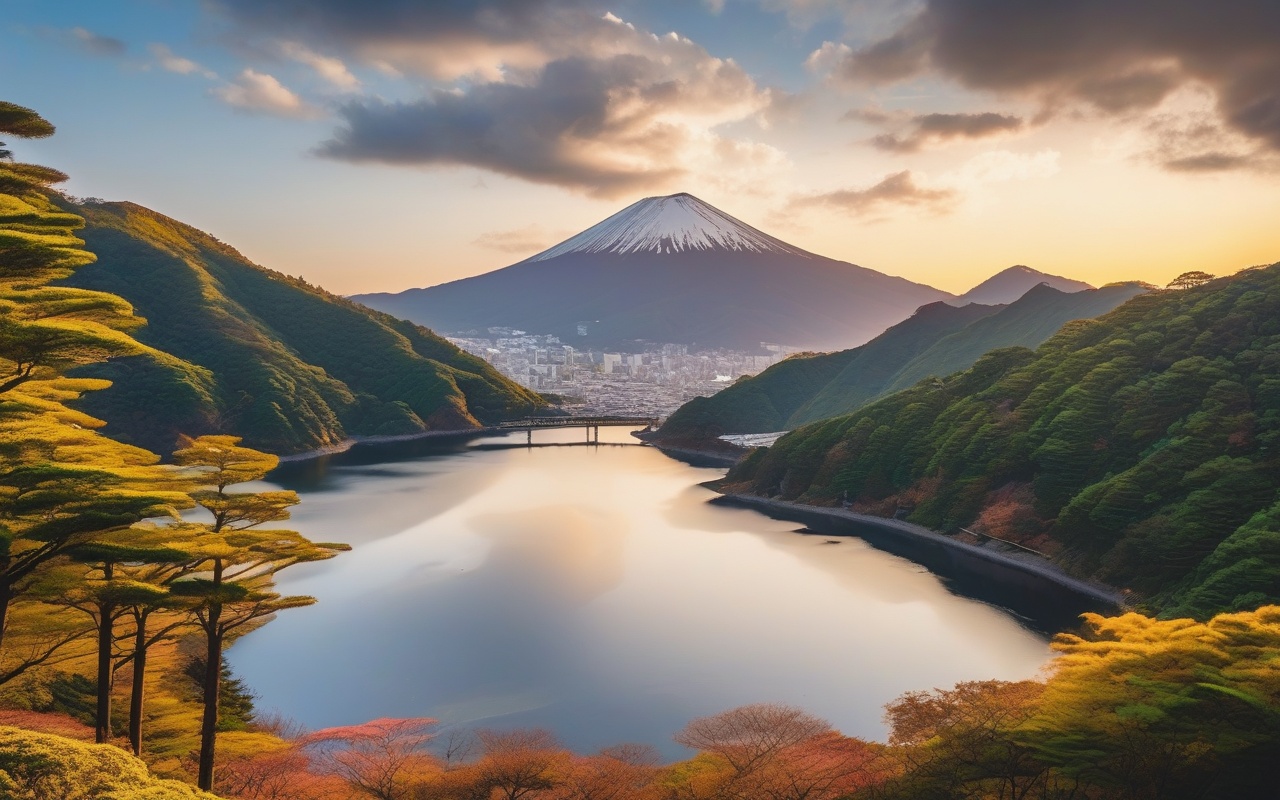
Geology that shapes every conservation decision
Hakone is a volcanic complex where lava domes, caldera lakes, and hydrothermal vents coexist uncomfortably close to hotels. Trails cross ash layers that erode quickly when shortcuts widen after storms. Conservation crews sometimes close segments not because bureaucracy loves fences but because slope stability genuinely fails after heavy rain. When you see yellow tape, do not duck under it for a faster Instagram angle.
Ashinoko is a caldera lake with circulation patterns influenced by inflow rivers and tourist boat wakes. Nutrient runoff from roads and aging septic systems historically stressed water quality; monitoring continues through prefectural partnerships. Your behavior matters in small increments: choose restrooms at facilities instead of improvising in bushes, and avoid feeding wildlife that learns to beg along promenades.
Forest understory and invasive species campaigns
Japanese cedar plantations exist for historical timber policy reasons; biodiversity advocates push mixed replanting where budgets allow. Volunteers cut bamboo shoots that outcompete native shrubs along grassland edges. If you join a bilingual cleanup day, wear gloves, long sleeves, and expect repetitive physical work rather than heroic photo moments.
Wildlife you might encounter ethically
Serow sightings excite hikers, yet approaching closely stresses animals and risks injury. Use telephoto lenses from trails, never chase juveniles for cuter frames. Snakes appear in warm months; watch where you place hands on stone steps. Wild boar encounters are rare near busy routes but possible dawn and dusk; make noise while walking rather than creeping silently with headphones.
Birders should avoid playback calls that disrupt nesting during sensitive seasons. Local guides can share monthly calendars.
Sound pollution on trails
Bluetooth speakers contradict conservation ethos even if not illegal everywhere. Keep headphones personal volume.
Soil compaction and widening scars
When mud deepens, hikers sometimes braid new paths around puddles that widen erosion. Step through mud carefully in proper boots rather than carving parallel tracks. Poles help balance if used gently without poking holes in fragile moss.
Trash ethics beyond "pack it in"
Bins remain scarce on ridges. Carry zip bags for wrappers. Do not burn trash; wildfire risk is real.
Water sources and purification tablets
Stream water may look clear yet carry parasites or volcanic minerals unsafe without testing. Carry adequate bottles from known safe taps at visitor centers.
Ropeway ecology intersections
Cable infrastructure slices sightlines yet reduces road traffic in some corridors by bundling visitors. Debate continues; your compromise is to ride once for overview then walk descent where knees allow, spreading impact across elevation bands.
Lake boating and wake impacts
Large wakes erode fragile shore vegetation when captains speed for schedules. Choose operators advertising slower approaches near sensitive banks when options exist.
Winter trail closures and cornices
Snow hides cliff edges; do not trust footprints ahead blindly.
Spring pollen and respiratory care
Cedar pollen spikes hurt sensitive lungs; masks help on exposed ridges.
Summer heat and dehydration
Humidity plus elevation still stresses cardiac patients. Start early, rest often.
Autumn leaf peeping crowding
Popular overlooks trash easily when bins overflow; pocket your litter even if locals occasionally fail.
Photography and drone restraint
Drone bans protect birds and privacy. Assume prohibition unless explicitly permitted in writing for your exact GPS box.
Night hiking risks
Without infrastructure lighting, night forest walks near hotels still risk ankle breaks; use headlamps sparingly to avoid disorienting wildlife.
Education centers worth slower visits
Geopark museums explain pyroclastic flows with models safer than learning firsthand. Read one additional panel per visit instead of racing.
Onsen chemistry re-entering nature
Sulfur residues on clothing can attract insects oddly; rinse before long forest segments.
Sustainable souvenirs
Avoid picking protected plants; buy prints from local artists instead.
Public transport carbon choices
Buses beat many private car loops per passenger when full; still emit, yet road space matters in narrow valleys.
Volunteer tourism pitfalls
Short voluntourism can burden staff if untrained visitors require supervision. Commit only when language skills match tasks.
Accessibility and boardwalks
Some restored wetlands include wheelchair paths; check maps before assuming all nature equals stairs.
Misconceptions
Geopark status does not mean UNESCO World Heritage identical protections; education emphasis differs.
Linking conservation to cultural history
Forests once supplied charcoal for sekisho-era travel economies; see Hakone checkpoint history for human layers atop geology.
Climate adaptation projects
Heat waves push trail maintenance earlier in mornings; respect shifted worker rest periods.
Citizen science apps
Some regions invite photo uploads of invasive plants; verify app legitimacy before GPS sharing.
Fishing licenses and Ashinoko rules
Anglers need permits; ignorance fines hurt locals' trust in foreign visitors.
Camping prohibitions
Wild camping is restricted; use designated sites if any open seasonally.
Dog waste in trail towns
Bag and carry; do not leave bags beside trailheads "temporarily."
Noise curfew respect near villages
Evening frog choruses are natural; human karaoke from balconies is not.
Final thoughts
Conservation in Hakone is daily maintenance disguised as scenery. Walk softly, spend time learning one extra geology sign, and treat every steam vent as a reminder that the mountain tolerates tourism only when visitors return patience.
Ashinoko shoreline stewardship in plain numbers
Shoreline vegetation buffers filter runoff before it reaches open water. When visitors trample reeds to frame photographs, roots die back in patches that take seasons to recover, not weekends. Stick to maintained promenades even when mud streaks shoes; cleaning shoes later beats rebuilding habitat. Local governments publish occasional water-quality grades; reading them once teaches you why swimming is restricted despite postcard-blue reflections on calm mornings.
Owakudani sulfur fields and visitor flow caps
When volcanic gas concentrations rise, staff cap ropeway arrivals temporarily. Those pauses protect lungs and reduce crowding on narrow viewing decks simultaneously. Complaining loudly at ticket windows does not change geology; it stresses workers who already monitor shifting wind directions. Carry a light mask if your airway is sensitive yet verify with medics that mask type suits sulfur dioxide advisories rather than relying on cloth alone.
Grassland fire management anxiety
Dry winter grass plus tourist cigarette butts historically sparked anxiety; modern bans tightened. If you smoke legally only in designated hotel zones, never transfer embers to trails in portable ashtrays still warm. Wind along Sengokuhara moves faster than intuition predicts.
Wetland boardwalk nails and maintenance cycles
Crews replace weathered planks on schedules tied to budget years, not tourist convenience. Detour signs sometimes lengthen walks; accept extra minutes as investment in ankle safety and habitat continuity.
Bee and hornet awareness mid-summer
Sweet drinks attract vespids at picnic tables; use covered cups. Panicked swatting increases sting odds; move calmly away.
Lichen communities on lava rocks
Lichen grows millimeters yearly; stepping on rock gardens kills decades silently. Step on bare stone paths only.
Fungal networks and soil crusts
Cryptobiotic soil crusts appear dull yet stabilize dust; do not kick crusts for amusement.
River stones and cairn fashion
Stacking decorative cairns displaces invertebrate habitat; resist trend culture.
Night sky darkness preservation
Bright phone screens on ridges ruin others' dark adaptation; use red dim modes sparingly.
Rainstorm geology lessons
Sudden rains reveal how quickly brown water pulses through culverts designed after older storm records. Observe from safe bridges rather than wading for dramatic reels.
Earthquake memory on trail signs
Some signs explain past landslide scars; pause to connect dates with historical eruptions you read in museums.
Tree roots across paths
Step over roots instead of shortening across soil that loosens with each corner cut.
Fungicide use on hotel gardens near forests
Chemical drift debates continue; support lodgings advertising integrated pest management when budgets allow.
Carbon offset honesty
Offsets rarely undo flight emissions instantly; still, local donation boxes funding trail work beat empty guilt.
Educational kids' prompts
Ask children to count three different leaf shapes rather than collecting specimens illegally.
Trailhead toilet use before departure
Biology mid-hike without facilities harms vegetation when desperate choices appear; plan.
Microplastic shedding from fleece jackets
Wind sheds fibers; darker colors show dust less yet fibers still escape; shake garments at hotels not over cliffs.
Seasonal hunting awareness in peripheral zones
Peripheral mountains sometimes host legal hunting seasons far from core Hakone loops; bright clothing helps if you wander off curated maps.
River safety after typhoons
Bridges may look intact while substructures shifted; obey closure notices.
Snowmelt timing and flower emergence
Early photographers crushing rare blooms for angles cause local outrage; stay on paths.
Bat hibernation ethics in caves
Do not shine bright beams into cave mouths; bats die from disturbance budgets quickly.
Mushroom foraging legality
Permits and knowledge barriers protect ecosystems and your liver; buy mushrooms from shops.
Final reminder on cumulative impact
One visitor's shortcut seems harmless; ten thousand identical rationalizations carve new erosion. Choose the longer ethical step count.
Interpreter-led walks versus solo wandering
Paid guides sometimes carry radios linked to park offices during gas advisories, adding safety value beyond storytelling. If budgets allow one guided half-day, choose routes overlapping fragile zones you might otherwise underestimate. Solo wandering still works when you download official hazard PDFs beforehand and check timestamps.
Ferry diesel versus electric transition questions
Tourism boards experiment with cleaner propulsion on lake boats unevenly. Ask operators politely; consumer questions nudge procurement timelines without pretending you can single-handedly decarbonize Hakone.
Hotel greywater and onsen discharge science
Thermal water discharge must meet temperature and chemical standards before entering natural channels. Engineering failures rare yet serious; trust closures.
Plastic bottle reduction tactics
Refill at hotels carrying insulated bottles; vending machines remain convenient yet accumulate caps along trails when bins vanish.
Cyclists sharing narrow roads
If renting e-bikes where legal, hug margins without forcing pedestrians into drainage ditches; bells used sparingly.
Noise from construction widening roads
Long-term road projects reduce congestion eventually yet annoy neighbors nightly; choose earplugs rather than rage-posting inaccurate decibel claims.
Landslide evacuation mental rehearsal
Note which direction leads uphill versus lakeward if sudden soil movement rumors spread during storms; calm orientation beats panic sprinting.
Closing synthesis
Nature conservation in Hakone threads geology, infrastructure, and courtesy. Learn one fact deeply per trip, behave as if rangers know you personally, and leave slopes stable for the next typhoon season.
Longitudinal thinking across repeat visits
If you return across years, photograph the same trail marker tree from a fixed spot to notice bark scars healing slowly. That private ritual builds ecological patience better than collecting dozens of new peaks hastily. Seasonal contrast teaches how understory light shifts when neighboring canopies thin after storms.
Translation help for volunteer waivers
Some cleanup events require Japanese liability waivers; ask bilingual friends or hotel concierges to summarize clauses before signing blindly. Understanding indemnity language respects your own safety planning.
Final word count of humility
No article replaces official hazard boards updated hourly during crises. Treat screens as supplements, not oracles.
When buses announce extended detours because of rockfall inspections, treat the inconvenience as evidence that monitoring systems still function even when your itinerary bruises. Flexibility protects you and the ridge.