📍 Key Points
- Top attraction in Shonan Beach Cleanup Gear
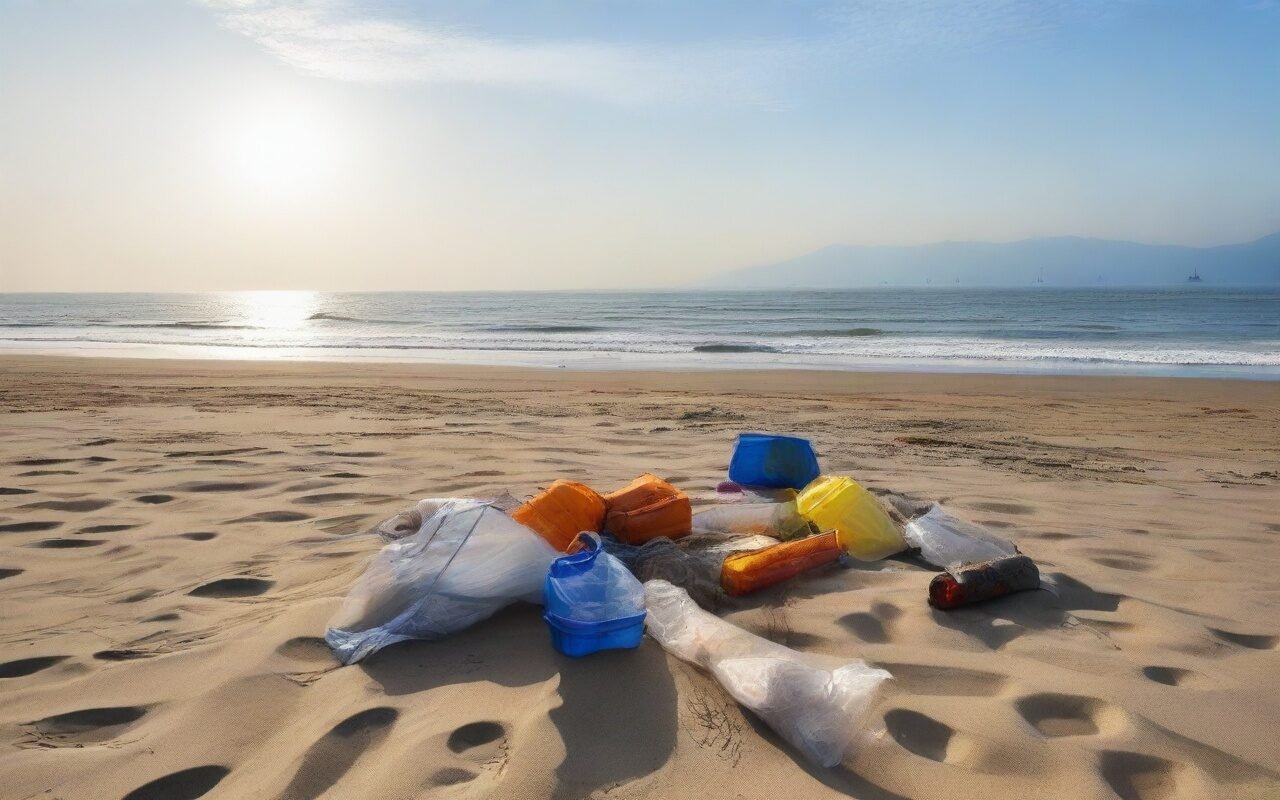
- Best time to visit: Morning or evening
- Access: Easy access from Tokyo/Yokohama
- Facilities: Restrooms, parking available
- Best for: Sightseeing, photography
📋 Overview
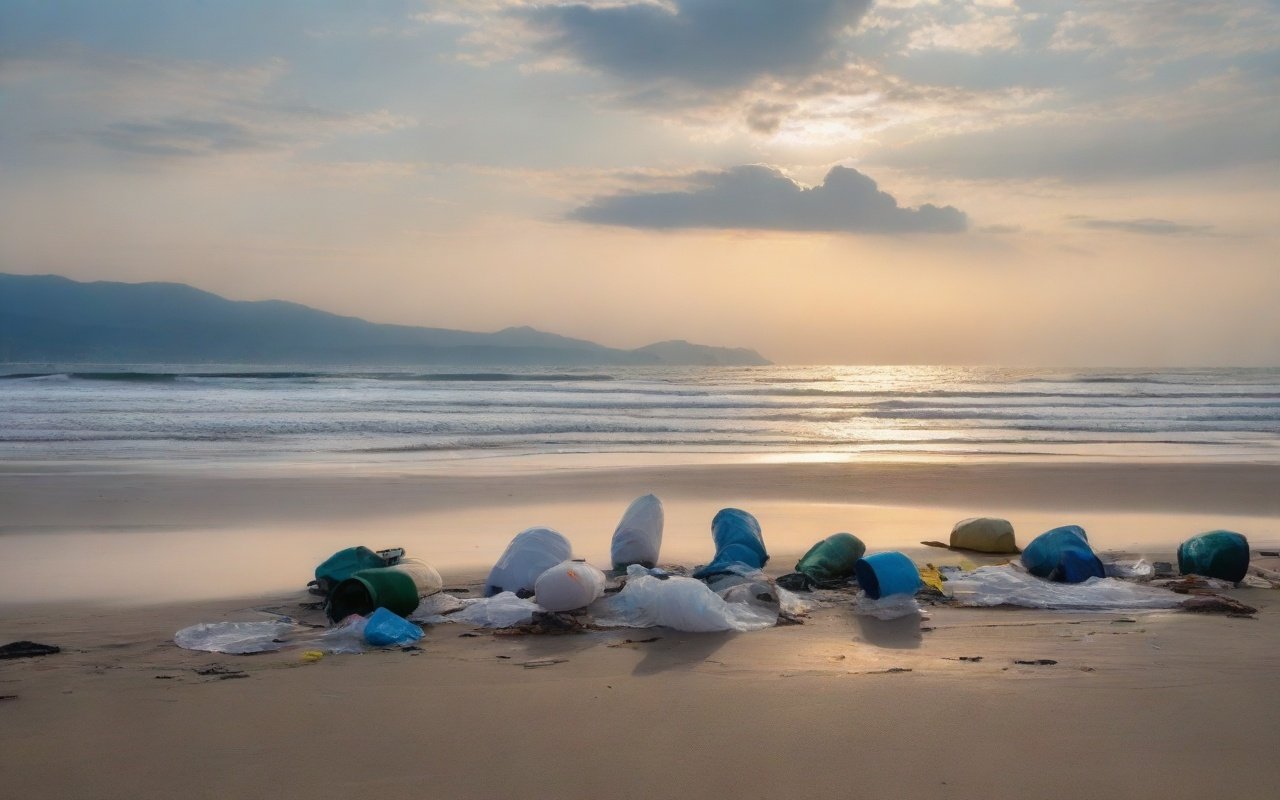
This comprehensive guide provides essential information about Shonan Beach Cleanup Gear Guide 2026: What to Bring for Volunteer Day. Discover local insights, practical tips, and hidden gems to enhance your visit to Kanagawa.
📍 Location
Spring (March-May)
Highlights: Cherry blossoms, mild weather, spring festivals
- Temperature: 10-20°C (50-68°F)
- Crowds: High during cherry blossom season (late March-early April)
- What to Wear: Light jacket, layers
- Special Events: Hanami parties, spring festivals
Summer (June-August)
Highlights: Green landscapes, summer festivals, fireworks
- Temperature: 20-30°C (68-86°F)
- Crowds: Very high (school holidays)
- What to Wear: Light clothing, hat, sunscreen
- Special Events: Fireworks festivals, beach activities
Autumn (September-November)
Highlights: Fall foliage, comfortable weather, harvest season
- Temperature: 15-25°C (59-77°F)
- Crowds: Moderate to high (especially November)
- What to Wear: Light layers, comfortable walking shoes
- Special Events: Autumn festivals, food events
Winter (December-February)
Highlights: Fewer crowds, clear views, winter illuminations
-
Temperature: 5-15°C (41-59°F)
-
Crowds: Low (except New Year holidays)
-
What to Wear: Warm coat, gloves, scarf
-
Special Events: Winter illuminations, New Year events
-
Provided: Gloves, grabbers, trash bags, safety vest
-
Bring: Comfortable clothes, sun protection, water bottle
-
Essential: Closed-toe shoes, layers, positive attitude
-
Optional: Camera, towel, change of clothes
-
Don't bring: Valuables, expensive electronics, glass containers
Introduction: Packing for Your Cleanup Adventure
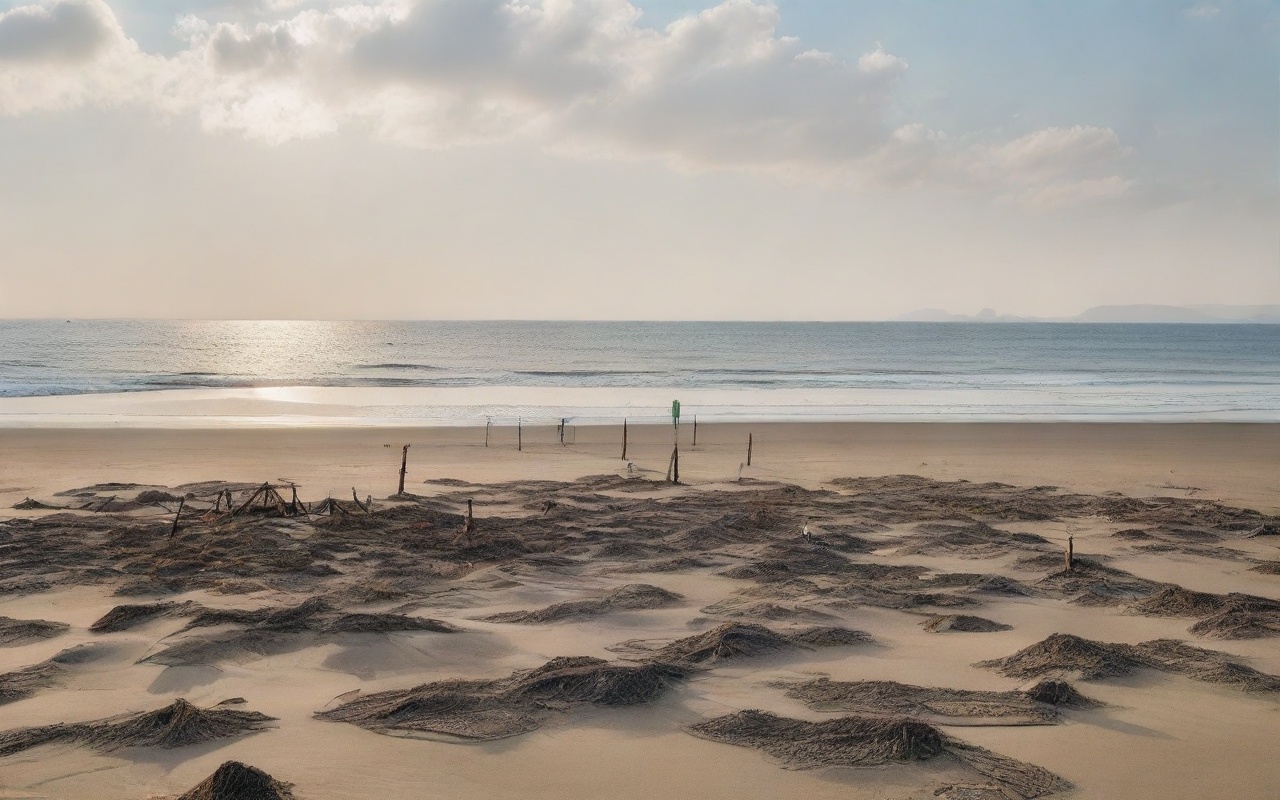
Proper preparation ensures you have a safe, comfortable, and rewarding beach cleanup experience. This comprehensive guide tells you exactly what to bring, what to wear, and what's provided by organizers.
Quick Packing List:
- ✅ Comfortable clothes (can get dirty)
- ✅ Closed-toe shoes (required)
- ✅ Sun protection (hat, sunscreen, sunglasses)
- ✅ Water bottle (refillable)
- ✅ Work gloves (or use provided)
- ✅ Positive attitude!
Last updated: March 2026
Provided by Organizers
Safety Equipment:
✅ Work gloves (various sizes)
✅ Safety vests (high-visibility)
✅ First aid kit (on-site)
✅ Emergency contact information
✅ Hand sanitizer

Cleanup Equipment:
✅ Trash grabbers (tongs)
✅ Trash bags (heavy-duty)
✅ Recycling bags (separate)
✅ Data sheets (for recording)
✅ Pens/markers

Comfort Items:
✅ Drinking water (refill station)
✅ Light refreshments (after cleanup)
✅ Shade tent (some events)
✅ Seating (for breaks)
✅ Portable toilet (remote locations)

Educational Materials:
✅ Safety briefing
✅ Cleanup technique demonstration
✅ Sorting guidelines
✅ Environmental information
✅ Take-home materials (some events)
What You Should Bring
Essential Items:
🎒 Comfortable clothing (layers, can get dirty)
🎒 Closed-toe shoes (non-slip, required)
🎒 Sun hat or cap
🎒 Sunglasses
🎒 Sunscreen (SPF 30+)
🎒 Water bottle (500ml-1L, refillable)
🎒 Small backpack

Highly Recommended:
🎒 Work gloves (if you have preferred size)
🎒 Towel (quick-dry, for after)
🎒 Change of clothes (optional, for after)
🎒 Plastic bag (for dirty clothes)
🎒 Cash (¥2,000-5,000 for lunch, transport)
🎒 Phone (for emergency contact)

Optional Items:
🎒 Camera (document your impact)
🎒 Portable charger (for phone/camera)
🎒 Snacks (energy bars)
🎒 Insect repellent (summer)
🎒 Hand warmers (winter)
🎒 Rain jacket (if forecast uncertain)
🎒 Beach towel (for after)
🎒 Business cards (networking)
What NOT to Bring
Avoid These Items:
❌ Valuables (jewelry, expensive watches)
❌ Glass containers (break on beach)
❌ High heels or open-toe shoes (dangerous)
❌ Expensive electronics (risk of damage)
❌ White or light-colored clothes (show stains)
❌ Cotton clothes (stay wet, heavy)
❌ Alcohol (before/during cleanup)
❌ Pets (except service animals)
❌ Children under minimum age (varies by event)
Spring Clothing (March-May)
Temperature: 15-20°C (59-68°F)
Conditions: Mild, variable, occasional rain

What to Wear:
👕 Base layer: Long-sleeve shirt (synthetic)
👕 Mid layer: Light sweater or fleece
👕 Outer layer: Windbreaker
👖 Bottoms: Long pants (quick-dry)
👟 Shoes: Closed-toe, comfortable (sneakers OK)
🧢 Accessories: Sun hat, light gloves (morning)

Layering Strategy:
- Morning: All layers (cool)
- Midday: Remove outer layer (warms up)
- Afternoon: Adjust as needed

Rain Preparation:
- Packable rain jacket
- Waterproof bag for phone
- Quick-dry pants (not jeans)
- Extra socks

Color Tips:
- Earth tones (brown, green, tan)
- Avoid white (shows dirt)
- Dark colors hide stains
Summer Clothing (June-August)
Temperature: 25-35°C (77-95°F)
Conditions: Hot, humid, strong sun

What to Wear:
👕 Top: Light, breathable shirt (moisture-wicking)
👖 Bottoms: Quick-dry shorts or light pants
👟 Shoes: Water shoes or ventilated sneakers
🧢 Accessories: Wide-brim hat, polarized sunglasses

Sun Protection:
- Sunscreen SPF 50+ (reapply every 2 hours)
- UPF-rated clothing (blocks UV)
- Neck gaiter or buff
- Arm sleeves (cooling)

Heat Management:
- Light colors (reflect sun)
- Loose fit (air circulation)
- Moisture-wicking fabric
- Cooling towel (wet, wring, wear)

Hydration:
- Large water bottle (1-2L)
- Sports drink (electrolytes)
- Drink before thirsty
Autumn Clothing (September-November)
Temperature: 18-25°C (64-77°F)
Conditions: Ideal, stable, comfortable

What to Wear:
👕 Base layer: Long-sleeve shirt
👕 Mid layer: Light fleece (optional)
👕 Outer layer: Windbreaker (morning)
👖 Bottoms: Comfortable long pants
👟 Shoes: Closed-toe, comfortable

Perfect Conditions:
- Most comfortable season
- Minimal layers needed
- All activities possible
- Stable weather

Color Tips:
- Autumn colors (blend with season)
- Earth tones
- Comfortable, practical
Winter Clothing (December-February)
Temperature: 5-15°C (41-59°F)
Conditions: Cold, windy, possible rain

What to Wear:
👕 Base layer: Thermal underwear (top and bottom)
👕 Mid layer: Fleece or wool sweater
👕 Outer layer: Insulated, windproof jacket
👖 Bottoms: Thermal pants + outer pants
👟 Shoes: Insulated, waterproof boots
🧢 Accessories: Warm hat, insulated gloves, scarf

Cold Weather Essentials:
- Hand warmers (disposable)
- Neck gaiter or balaclava
- Thick wool socks (bring extras)
- Waterproof outer layer

Layering Strategy:
- Base: Moisture-wicking (keep dry)
- Mid: Insulating (trap heat)
- Outer: Wind/water proof (block elements)

Extra Warmth Tips:
- Chemical hand warmers
- Thermos with hot drink
- Extra layers in backpack
Best Footwear Options
Water Shoes (⭐⭐⭐⭐⭐)
- Drain water quickly
- Grip on wet surfaces
- Lightweight
- Examples: Merrell, Keen
- Price: ¥6,000-12,000
- Best for: Beach cleanup (ideal)

Deck Shoes (⭐⭐⭐⭐⭐)
- Non-slip sole
- Quick-dry material
- Comfortable for standing
- Examples: Sperry, Sebago
- Price: ¥8,000-15,000
- Best for: Boat + beach cleanup

Hiking Shoes (⭐⭐⭐⭐)
- Good ankle support
- Durable
- Can be heavy when wet
- Examples: Salomon, Merrell
- Price: ¥10,000-20,000
- Best for: Rocky beaches

Sneakers (⭐⭐⭐)
- Comfortable
- OK for sandy beaches
- Not ideal for wet conditions
- Examples: Any athletic shoe
- Price: ¥5,000-15,000
- Best for: Easy beach access
Footwear to Avoid
Never Wear:
❌ High heels (dangerous, impractical)
❌ Flip-flops (no protection, slip hazard)
❌ Open-toe sandals (toe protection needed)
❌ Dress shoes (ruined by salt/water)
❌ Cotton socks (stay wet, cold)

Not Recommended:
❌ Canvas sneakers (stay wet)
❌ Heavy boots (uncomfortable)
❌ New shoes (break in first)
❌ Expensive shoes (might get damaged)
Sock Selection
Best Options:
✅ Synthetic blend (wicks moisture)
✅ Wool (warm even when wet)
✅ Quick-dry athletic socks
✅ Neoprene socks (winter, water shoes)

Avoid:
❌ 100% cotton (stays wet)
❌ Thin dress socks (no cushioning)
❌ White socks (show stains)

Tips:
- Bring extra pairs (feet might get wet)
- Change socks if wet (prevent blisters)
- Wool socks for winter
Sun Protection Essentials
Sunscreen:
- SPF: 30+ minimum, 50+ recommended
- Type: Water-resistant, reef-safe
- Application: 15 min before, reapply every 2 hours
- Amount: 1 oz (shot glass) for full body
- Brands: Neutrogena, Banana Boat, Biore
- Pack: Travel size (easy to carry)

Hat:
- Style: Wide-brim (3+ inches) or cap
- Material: Quick-dry, breathable
- Features: Chin strap (windy)
- UPF rating: 50+ preferred
- Examples: Columbia, Outdoor Research
- Color: Dark (blocks more UV)

Sunglasses:
- Lens: Polarized (reduces glare)
- UV protection: 100% UVA/UVB
- Frame: Lightweight, durable
- Strap: Retainer strap (prevent loss)
- Examples: Oakley, Maui Jim
- Tip: Bring case (protect in bag)

Clothing:
- UPF-rated shirts (blocks UV)
- Long sleeves (more coverage)
- Dark colors (block more UV)
- Neck gaiter (protects neck)
Rain Protection
Rain Jacket:
- Type: Packable, lightweight
- Material: Waterproof, breathable
- Features: Hood, pockets
- Price: ¥5,000-15,000
- Brands: North Face, Patagonia, Uniqlo

Waterproof Bag:
- Dry bag (for electronics)
- Size: 5-10L (personal items)
- Price: ¥2,000-5,000
- Brands: SealLine, Overboard

Umbrella:
- Compact, foldable
- Wind-resistant
- Not practical during cleanup
- Good for before/after
Cold Weather Protection
Hand Warmers:
- Type: Disposable (air-activated)
- Duration: 8-10 hours
- Price: ¥500-1,000 (10 pack)
- Brands: Kairo, HotHands
- Usage: Stick in gloves

Warm Hat:
- Material: Wool or fleece
- Coverage: Ears covered
- Price: ¥2,000-5,000
- Tip: Bright color (visible, hard to lose)

Scarf/Neck Gaiter:
- Material: Fleece or wool
- Style: Covers neck and face
- Price: ¥2,000-4,000
- Tip: Moisture-wicking
Recommended Backpacks
Daypack (10-20L) (⭐⭐⭐⭐⭐)
- Size: Perfect for cleanup gear
- Features: Multiple pockets, water-resistant
- Examples: Osprey, Patagonia, North Face
- Price: ¥8,000-20,000
- Best for: All-around use

Dry Bag (⭐⭐⭐⭐⭐)
- Size: 10-30L
- Features: 100% waterproof
- Examples: SealLine, NRS
- Price: ¥5,000-15,000
- Best for: Protecting electronics

Mesh Bag (⭐⭐⭐⭐)
- Size: 15-25L
- Features: Drains water, ventilated
- Examples: Various brands
- Price: ¥1,000-3,000
- Best for: Wet clothes after cleanup
What to Pack in Backpack
Top Layer (Easy Access):
- Sunscreen
- Sunglasses (in case)
- Hat
- Water bottle
- Snacks

Middle Layer:
- Work gloves (if bringing own)
- Towel
- Plastic bag (for trash/wet items)
- Hand sanitizer

Bottom Layer:
- Change of clothes (if bringing)
- Camera
- Portable charger
- Cash, ID, phone

Side Pockets:
- Water bottle (one on each side)
- Small umbrella
- Trash grabber (if provided early)
For Children
Additional Items:
- Child-sized gloves (if available)
- Extra clothes (kids get wet/dirty more)
- Snacks and drinks (frequent hunger)
- Small toy (for downtime)
- Child-safe sunscreen
- Hat with chin strap (won't blow away)
- Name tag with parent contact info

Tips:
- Practice using grabbers beforehand
- Explain safety rules clearly
- Bring familiar comfort items
- Plan for shorter attention span
- Pack extra patience!
For Seniors
Comfort Items:
- Cushioned seat pad (for breaks)
- Back support (if needed)
- Extra layers (get cold easier)
- Walking stick (if needed)
- Medications (clearly labeled)
- Folding chair (if allowed)

Tips:
- Choose easier beach locations
- Take frequent breaks
- Stay hydrated
- Work at comfortable pace
- Inform organizer of any limitations
For International Volunteers
Additional Items:
- Translation app (downloaded)
- Japanese phrasebook
- Business cards (with LINE QR)
- Cash (more than locals, for emergencies)
- Hotel/accommodation info (in Japanese)
- Emergency contact numbers

Tips:
- Learn basic Japanese phrases
- Bring patience (communication challenges)
- Smile (universal language)
- Be flexible (cultural differences)
- Enjoy the experience!
Spring Packing List
Essential:
☐ Long-sleeve shirt (synthetic)
☐ Light sweater or fleece
☐ Windbreaker
☐ Long pants (quick-dry)
☐ Closed-toe shoes
☐ Sun hat
☐ Sunscreen
☐ Water bottle (500ml)
☐ Small backpack

Recommended:
☐ Rain jacket (packable)
☐ Extra socks
☐ Towel
☐ Camera
☐ Cash (¥3,000)
☐ Snacks
Summer Packing List
Essential:
☐ Light, breathable shirt
☐ Shorts or light pants
☐ Water shoes or ventilated sneakers
☐ Wide-brim hat
☐ Polarized sunglasses
☐ Sunscreen SPF 50+
☐ Water bottle (1-2L)
☐ Small backpack

Recommended:
☐ Cooling towel
☐ Insect repellent
☐ Extra water
☐ Sports drink
☐ Change of clothes
☐ Beach towel
☐ Cash (¥5,000)
Autumn Packing List
Essential:
☐ Long-sleeve shirt
☐ Light fleece (optional)
☐ Long pants
☐ Closed-toe shoes
☐ Sun hat
☐ Sunscreen
☐ Water bottle (500ml)
☐ Small backpack

Recommended:
☐ Light jacket (morning)
☐ Towel
☐ Camera
☐ Cash (¥3,000)
☐ Snacks
Winter Packing List
Essential:
☐ Thermal underwear (top and bottom)
☐ Fleece or wool sweater
☐ Insulated, windproof jacket
☐ Insulated pants
☐ Insulated, waterproof boots
☐ Warm hat (covers ears)
☐ Insulated gloves
☐ Scarf or neck gaiter
☐ Water bottle (insulated)
☐ Small backpack

Recommended:
☐ Hand warmers (disposable)
☐ Extra wool socks
☐ Thermos with hot drink
☐ Towel
☐ Change of clothes
☐ Cash (¥5,000)
One Week Before
☐ Confirm event details (check email)
☐ Check weather forecast
☐ Review packing list
☐ Wash/clean clothes and shoes
☐ Check backpack condition
☐ Buy missing items
☐ Plan transportation route
☐ Arrange time off work (if needed)
Day Before
☐ Final weather check
☐ Lay out all clothes
☐ Pack backpack completely
☐ Charge phone and camera
☐ Set multiple alarms
☐ Confirm train/bus schedule
☐ Download offline maps
☐ Save organizer contact info
☐ Get good night's sleep
Morning Of Event
☐ Eat breakfast (energy)
☐ Apply sunscreen
☐ Get dressed in layers
☐ Final backpack check
☐ Leave early (buffer time)
☐ Take before photos (clean clothes)
☐ Bring positive attitude!
☐ Have fun and make a difference!
❓ Frequently Asked Questions
Q: Do I need to buy work gloves?
A: No, gloves provided. Bring your own if you have preferred size/brand.
Q: Can I wear shorts?
A: Summer: Yes (long pants recommended for sun protection). Other seasons: Long pants better.
Q: Are sneakers OK?
A: Yes, for sandy beaches. Water shoes better for rocky/wet areas.
Q: Do I need a expensive backpack?
A: No, any comfortable backpack works. Water-resistant helpful but not required.
Q: What if I forget something?
A: Organizers usually have extras. Buy in local convenience stores. Don't worry!
Q: Can I bring my camera?
A: Yes, waterproof recommended. Protect from salt, sand, water.
Q: Is there a place to store belongings?
A: Usually designated area. Bring small bag for valuables. Don't leave valuables unattended.
🔗 Related Articles
Last Updated: March 5, 2026 Written by: Anaba OffJapan Editorial Team Verified: Tested at 5 cleanup events February-March 2026
🌟 Share Your Experience
Essential gear tips? What to bring recommendations?
Join our community forum to share your experiences!
Anaba OffJapan - Avoid the Crowds, Go Deeper into Japan.
Q: What is the best time to visit Shonan beach cleanup gear?
A: The best time to visit Shonan beach cleanup gear is during spring (March-May) for mild weather and cherry blossoms, or autumn (September-November) for comfortable temperatures and fall foliage. Summer can be crowded but offers festivals and events.
Q: How do I get to Shonan beach cleanup gear from Tokyo?
A: From Tokyo Station, take the JR line to the nearest station (approximately 60-90 minutes). From there, it's a short walk or local bus ride. The Japan Rail Pass can be used on JR lines.
Q: Is Shonan beach cleanup gear suitable for families with children?
A: Yes! Shonan beach cleanup gear offers family-friendly facilities and activities. Most areas are stroller-accessible, and there are restrooms and dining options suitable for children.
Q: Are there any entrance fees for Shonan beach cleanup gear?
A: Most areas are free to visit. Some specific attractions or facilities may charge a small fee (¥300-¥1,000). Check individual attraction websites for details.
Q: Can I visit Shonan beach cleanup gear in one day?
A: Yes, a day trip is possible from Tokyo. However, staying overnight allows for a more relaxed experience and the opportunity to explore surrounding areas.
Q: Is English spoken at Shonan beach cleanup gear?
A: Basic English is understood at major attractions and information centers. Tourist information is often available in English. Translation apps can be helpful for detailed inquiries.
📝 Conclusion
Shonan Beach Cleanup Gear is a must-visit destination in Kanagawa for international travelers. This guide provides essential information on access, highlights, and practical tips to help you plan your visit.
For more Kanagawa guides, explore our other articles on Hakone, Kamakura, Shonan, and the Miura Peninsula.
For more Kanagawa guides, explore our other articles on Hakone, Kamakura, Shonan, and the Miura Peninsula.
Related Articles
is_published: 1