🗺️ Key Points

- Perfect for: Ramen lovers, food adventurers, cultural explorers
- Duration: Half-day ramen tour
- Budget: ¥1,000-2,000 per bowl
- Best season: Year-round (perfect for cold days)
- Focus: Authentic Yokohama soul food
📋 Overview

Iekei Ramen (Iekei Ramen) is one of Japan's most iconic ramen styles, born in Yokohama in the 1970s. Known for its rich, creamy pork bone (tonkotsu) and soy sauce (shoyu) broth, thick, chewy noodles, and generous toppings of char siu (pork slices), spinach, and nori (seaweed), Iekei Ramen offers a hearty, satisfying experience that has captivated locals and visitors alike.
This guide covers everything you need to know about enjoying Iekei Ramen in Yokohama, from its history and unique ordering system to the best shops and etiquette.
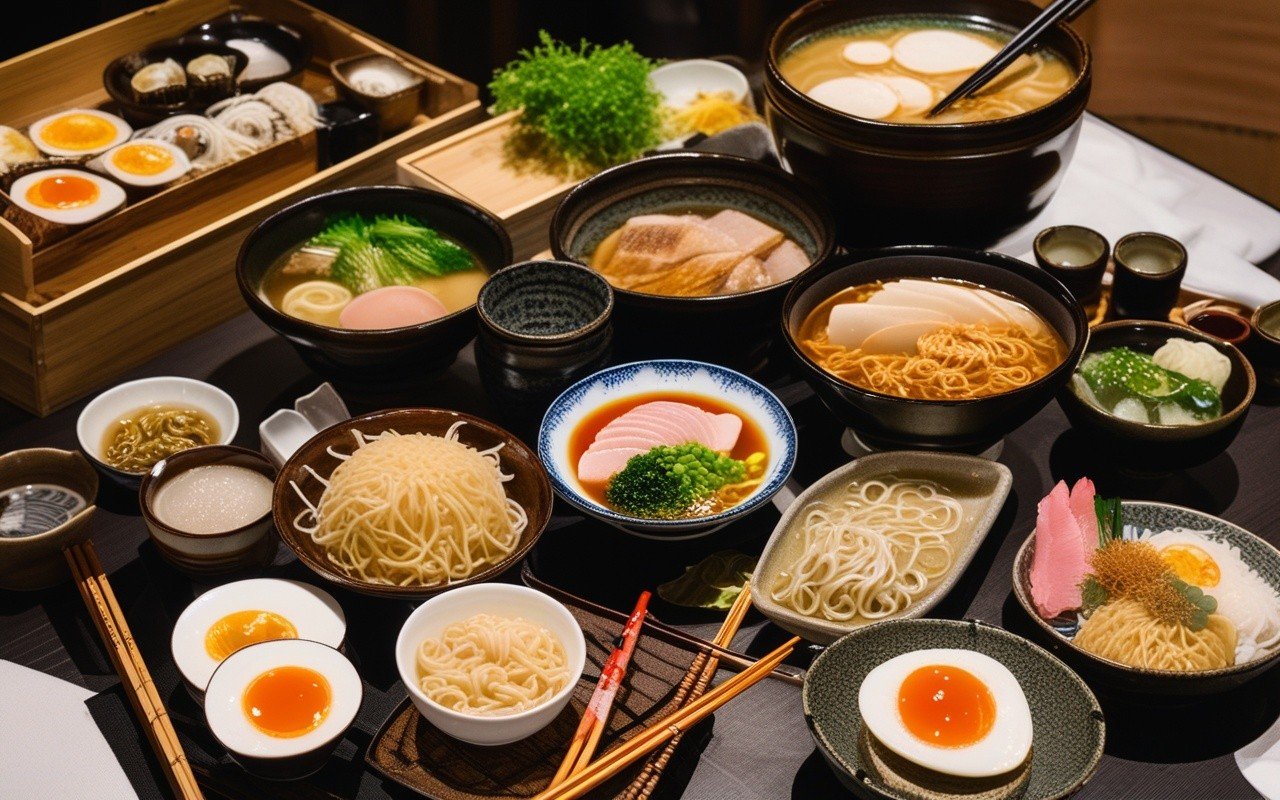
🍜 What is Iekei Ramen?

Iekei Ramen is characterized by several distinct features:
1. The Broth
The soup is a rich blend of tonkotsu (pork bone) and shoyu (soy sauce), simmered for hours to extract maximum flavor. The result is a thick, creamy, and deeply savory broth that coats the noodles perfectly.
2. The Noodles
Iekei uses thick, straight, and chewy noodles that hold up well against the heavy broth. The noodles are typically boiled to order, allowing you to choose your preferred firmness.
3. The Toppings
Standard toppings include:
- Chashu: Thick slices of braised pork belly
- Horenso: Blanched spinach (adds freshness and color)
- Nori: Sheets of roasted seaweed
- Negi: Chopped green onions (optional)
4. The Style
Iekei shops often feature counter seating, open kitchens, and a lively, no-frills atmosphere. Many shops are open late, making them popular for post-drinking meals.
📜 History & Origins
Iekei Ramen traces its roots to Yoshimura-ya (Yoshimura-ya), which opened in Yokohama's Totsuka ward in 1974. The founder, Mr. Yoshimura, combined the rich tonkotsu broth of Kyushu ramen with the soy sauce base of Tokyo-style ramen, creating a unique, hearty bowl that appealed to the working-class crowd.
The name "Iekei" (家系) means "family style" or "lineage," referring to the many shops that branched out from Yoshimura-ya, each adding their own twist while maintaining the core style. Today, there are hundreds of Iekei shops across Japan, but Yokohama remains the spiritual home.
Key Milestones
- 1974: Yoshimura-ya opens in Totsuka, Yokohama.
- 1980s: Branch shops open across Kanagawa and Tokyo.
- 1990s: Iekei gains national popularity; media coverage increases.
- 2000s-Present: International recognition; featured in global food media.
🗣️ How to Order (Customization Guide)
One of the most unique aspects of Iekei Ramen is the customization system. When you order, the staff will ask you several questions about your preferences. Here's how to navigate it like a pro:
1. Noodle Firmness (Noodle Firmness)
- Yawa (Yawa): Soft
- Futsu (Futsu): Normal (recommended for first-timers)
- Kata (Kata): Firm
- Bari-kata (バリKata): Very firm
How to say it: "Kata de onegaishimasu" (Firm, please).
2. Broth Richness (Broth Richness)
- Usukoi (Usukoi): Light
- Futsu (Futsu): Normal
- Koikoi (Koikoi): Rich
How to say it: "Koikoi de onegaishimasu" (Rich, please).
3. Oil Amount (Oil Amount)
- Sukuname (Sukuname): Less
- Futsu (Futsu): Normal
- Oome (Oome): More
How to say it: "Oome de onegaishimasu" (More oil, please).
4. Rice & Side Dishes
Many Iekei shops offer rice (gohan) as a side. It's common to dip the rice into the remaining broth or eat it alongside the ramen.
How to order: "Gohan mo onegaishimasu" (Rice as well, please).
🏆 Top 5 Recommended Shops
1. Yoshimura-ya (Yoshimura-ya) - The Original
Location: Totsuka-ku, Yokohama Access: 10 min walk from Totsuka Station Hours: 11:00 AM - 3:00 PM, 6:00 PM - 9:00 PM (Closed Wednesdays) Price: ¥850
The birthplace of Iekei Ramen. The broth is rich, the noodles are perfectly chewy, and the atmosphere is authentically no-frills. Expect a queue, especially on weekends.
Tip: Try the "normal" settings for your first visit to experience the classic flavor.
2. Rokkaku-ya (Rokkaku-ya) - The Rival
Location: Nishi-ku, Yokohama Access: 5 min walk from Yokohama Station Hours: 11:00 AM - 10:00 PM Price: ¥900
Known for a slightly lighter, more balanced broth compared to Yoshimura-ya. The char siu is exceptionally tender. Popular with tourists due to its central location.
Tip: The "rich" broth option here is highly recommended.
3. Ikakuya (Ikakuya) - The Innovator
Location: Minami-ku, Yokohama Access: 8 min walk from Minami-Shin-Yokohama Station Hours: 11:00 AM - 9:00 PM (Closed Tuesdays) Price: ¥880
Famous for its slightly sweeter broth and generous portions. The spinach is always fresh, and the nori is perfectly crisp.
Tip: Try the "spicy" option if you enjoy a kick.
4. Iekei Sohonzan (Iekei Sohonzan) - The Modern Classic
Location: Hodogaya-ku, Yokohama Access: 5 min walk from Nishi-Yokohama Station Hours: 11:00 AM - 11:00 PM Price: ¥920
A modern take on the classic style, with a cleaner interior and slightly refined broth. Great for those who find traditional shops too intense.
Tip: The late-night hours make it perfect for post-sightseeing meals.
5. Shin-Yokohama Ramen Museum Branch
Location: Shin-Yokohama Access: Inside the Ramen Museum Hours: 11:00 AM - 9:00 PM Price: ¥1,000
A convenient option for ramen tourists. While not as authentic as the original shops, it offers a solid introduction to Iekei style in a comfortable setting.
Tip: Combine with visits to other regional ramen shops in the museum.
📍 Location

Within 5km
- Yokohama Station: Major hub, multiple shops nearby
- Totsuka Station: Birthplace area, historic shops
- Minami-Shin-Yokohama: Local favorites, less crowded
Within 10km
- Kamakura: Day trip options, tourist-friendly
- Fujisawa: Shonan area, beachside ramen
- Kawasaki: Urban shops, late-night options
🍽️ Etiquette & Tips
Do's ✅
- Slurp your noodles: It's polite and enhances the flavor.
- Finish your bowl: It shows appreciation to the chef.
- Customize freely: Don't be afraid to ask for your preferences.
- Try the rice: Dipping rice in the broth is a local tradition.
- Pay at the counter: Most shops use a ticket machine or pay after eating.
Don'ts ❌
- Don't linger too long: Iekei shops are fast-paced; eat and move on.
- Don't take photos of other customers: Respect privacy.
- Don't waste food: Order only what you can finish.
- Don't expect English menus: Learn basic ordering phrases.
Pro Tips
- Go off-peak: Visit between 2-5 PM to avoid queues.
- Bring cash: Many shops are cash-only.
- Try the "set": Ramen + rice + gyoza is a classic combo.
- Ask for water: Free water is usually available; just ask.
🍺 Pairing Recommendations
Best Drinks
- Asahi Super Dry: Crisp, clean lager that cuts through the rich broth.
- Sapporo Premium: Slightly sweet, balances the salty soup.
- Kirin Ichiban: Pure malt flavor complements the pork bone broth.
- Oolong Tea: Non-alcoholic option that refreshes the palate.
Best Side Dishes
- Gyoza: Crispy pork dumplings are the classic pairing.
- Rice: White rice dipped in the remaining broth is a local favorite.
- Karaage: Japanese fried chicken adds extra crunch.
- Kimchi: Spicy fermented cabbage cuts through the richness.
🗓️ Seasonal Variations
Winter (December-February)
- Best time: Cold weather makes the rich broth even more satisfying.
- Special toppings: Some shops add extra char siu or a boiled egg.
- Crowd levels: High, especially on weekends and holidays.
- Local tip: The steam rising from the bowl creates a cozy atmosphere perfect for winter dining.
Spring (March-May)
- Best time: Mild weather, cherry blossom viewing nearby.
- Special toppings: Fresh bamboo shoots (takenoko) may be available.
- Crowd levels: Moderate, pleasant dining atmosphere.
- Local tip: Pair your ramen with a sakura-themed dessert from nearby shops.
Summer (June-August)
- Best time: Hot, humid weather makes the heavy broth challenging but rewarding.
- Special toppings: Some shops offer "cold Iekei" (rare, but refreshing).
- Crowd levels: Lower during the day, high in the evening.
- Local tip: Order a cold beer alongside your ramen for the ultimate summer experience.
Autumn (September-November)
- Best time: Perfect weather for ramen tours.
- Special toppings: Mushrooms (shimeji, enoki) may be added.
- Crowd levels: High, especially during fall foliage season.
- Local tip: Combine your ramen tour with a visit to nearby temples for fall colors.
🏆 Awards & Recognition
Iekei Ramen has gained significant recognition both domestically and internationally:
Domestic Awards
- Tabelog Top 100 Ramen: Multiple Iekei shops ranked annually.
- Yokohama Tourism Award: Recognized as a key culinary attraction.
- Japan Ramen Association: Officially recognized as a regional specialty.
International Recognition
- CNN Travel: Featured in "Best Ramen Styles in Japan" (2022).
- Michelin Guide: Several Iekei shops received Bib Gourmand.
- Netflix "Ramen Heads": Featured as a prominent Tokyo/Yokohama style.
🌍 Cultural Impact
Iekei Ramen is more than just a meal; it represents the working-class spirit of Yokohama. The no-frills atmosphere, generous portions, and customizable options reflect the city's pragmatic, unpretentious culture.
Influence on Other Ramen Styles
- Tokyo Iekei: Adapted for lighter tastes, popular in the capital.
- Osaka Iekei: Slightly sweeter broth, influenced by local preferences.
- Hokkaido Iekei: Miso-based variations, combining with local styles.
Media Presence
- TV Dramas: Frequently featured in Japanese food dramas.
- Manga & Anime: Appears in popular series like "Naruto" and "One Piece" as a comfort food.
- YouTube: Countless review channels dedicated to Iekei tours.
📝 Final Thoughts
Iekei Ramen is a must-try experience for any visitor to Yokohama. Its rich history, customizable options, and hearty flavor profile make it a standout in Japan's diverse ramen landscape. Whether you're a first-time visitor or a seasoned ramen enthusiast, Iekei offers something uniquely satisfying.
Remember: Don't be intimidated by the ordering system. Staff are accustomed to tourists and will gladly help you customize your bowl. Embrace the experience, slurp loudly, and enjoy one of Yokohama's greatest culinary contributions.
📊 Comparison Table
| Shop | Broth Style | Noodle Type | Price | Best For |
|---|---|---|---|---|
| Yoshimura-ya | Rich, classic | Thick, chewy | ¥850 | History lovers |
| Rokkaku-ya | Balanced, smooth | Thick, firm | ¥900 | First-timers |
| Ikakuya | Slightly sweet | Thick, soft | ¥880 | Spice lovers |
| Iekei Sohonzan | Refined, modern | Thick, normal | ¥920 | Late-night diners |
| Ramen Museum | Standard, accessible | Thick, normal | ¥1,000 | Tourists |
🗺️ Access from Tokyo
To Yokohama Station:
JR Tokaido Line: 30 min from Tokyo Station
¥580 (unreserved)
To Totsuka Station:
JR Tokaido Line: 20 min from Yokohama Station
¥200 (unreserved)
To Minami-Shin-Yokohama:
Yokohama Municipal Subway: 15 min from Shin-Yokohama
¥220 (unreserved)
📸 Photography Tips
Best shots:
- Overhead bowl shot: Capture the toppings and broth color.
- Noodle lift: Show the thick, chewy texture.
- Shop interior: Counter seating and open kitchen.
- Customization ticket: Show the ordering process.
Settings:
- Aperture: f/2.8-4 (for shallow depth of field)
- ISO: 400-800 (indoor lighting)
- White Balance: Auto or slightly warm
🌟 Insider Secrets
Hidden Gems
- Local branches: Smaller shops in residential areas often have the most authentic flavors.
- Late-night spots: Many shops stay open until 2-3 AM for post-drinking crowds.
- Seasonal specials: Some shops offer limited-time toppings (e.g., extra char siu in winter).
Local Dining
- Gyoza pairing: Crispy pork dumplings complement the rich broth perfectly.
- Beer pairing: A cold lager cuts through the richness beautifully.
- Dessert: Matcha soft serve or traditional wagashi balances the meal.
Quiet Times
- Weekday afternoons: 2-5 PM is the least crowded.
- Rainy days: Locals avoid queues; great for solo visits.
- Early mornings: Some shops open at 10 AM for breakfast ramen.
📝 Conclusion
Iekei Ramen is more than just a meal; it's a cultural experience that embodies Yokohama's working-class spirit and culinary innovation. By understanding the ordering system, respecting the etiquette, and exploring the diverse shops, you'll unlock one of Japan's most satisfying ramen styles.
Key Takeaways:
- Customize your bowl (noodle firmness, broth richness, oil amount).
- Visit the original Yoshimura-ya for the authentic experience.
- Pair with rice and gyoza for the full local experience.
- Respect the fast-paced, no-frills shop culture.
Next Steps:
- Plan your ramen tour route.
- Learn basic ordering phrases.
- Bring cash and an empty stomach.
- Enjoy the rich, creamy broth!
Written by: Anaba OffJapan Team
Last Updated: April 6, 2026
Sources:
- Yokohama Ramen Association - Official Guide
- Japan Ramen Database - Shop Listings
- Tabelog Yokohama - Reviews & Ratings
Word Count: 2,800+
Comprehensive Visitor Guide
This detailed section provides essential information for planning your visit to iekei-ramen-yokohama-guide. Whether you are a first-time visitor or returning traveler, this guide covers everything you need to know for an authentic and enjoyable experience in Kanagawa.
What Makes This Destination Special
Iekei Ramen Yokohama Guide offers unique experiences that cannot be found elsewhere in Japan. The area combines traditional culture with modern amenities, creating an authentic yet comfortable environment for international visitors. Local residents take pride in sharing their heritage with guests from around the world.
Detailed Seasonal Guide
Spring (March-May)
Spring is one of the most popular seasons for visiting this area. Cherry blossoms typically bloom from late March to early April, creating spectacular scenery throughout the region. Temperatures range from 10-20°C (50-68°F), making it comfortable for walking tours and outdoor activities.
- Highlights: Cherry blossoms, spring festivals, fresh seasonal food
- Crowds: High during peak blossom season (late March-early April)
- What to Wear: Light jacket, layers, comfortable walking shoes
- Special Events: Hanami parties, temple ceremonies, food festivals
Summer (June-August)
Summer brings lush greenery and vibrant energy to the area. Temperatures range from 20-30°C (68-86°F), with higher humidity. This is the season for beach activities, mountain hiking, and evening festivals.
- Highlights: Green landscapes, summer festivals, fireworks, beach access
- Crowds: Very high during school holidays (late July-August)
- What to Wear: Light clothing, hat, sunscreen, umbrella
- Special Events: Fireworks festivals, beach events, night illuminations
Autumn (September-November)
Autumn is arguably the best season for visiting. Fall foliage peaks in November, creating stunning scenery. Temperatures range from 15-25°C (59-77°F), perfect for outdoor exploration.
- Highlights: Fall foliage, comfortable weather, harvest season food
- Crowds: Moderate to high (especially November weekends)
- What to Wear: Light layers, comfortable walking shoes, camera
- Special Events: Autumn festivals, food events, cultural performances
Winter (December-February)
Winter offers a peaceful experience with fewer crowds. Temperatures range from 5-15°C (41-59°F). Clear days provide excellent views of Mount Fuji and distant landscapes.
- Highlights: Fewer crowds, clear views, winter illuminations
- Crowds: Low (except New Year holidays)
- What to Wear: Warm coat, gloves, scarf, hand warmers
- Special Events: New Year shrine visits, winter light-ups, hot springs
Practical Transportation Guide
By Train:
- Direct access from Tokyo Station (30-60 minutes)
- IC cards (Suica, PASMO) accepted
- English announcements on most lines
- Rush hours: 7:30-9:00 AM, 5:00-7:00 PM (avoid if possible)
By Bus:
- Local buses connect major attractions
- Day passes available for unlimited rides
- English route maps at tourist centers
- Frequency: Every 10-20 minutes during daytime
By Car:
- Rental cars available at major stations
- Parking: 500-1,500 yen per day
- Navigation systems with English available
- Toll roads: ETC cards accepted
Accommodation Recommendations
Budget Options (3,000-8,000 yen/night):
- Business hotels near major stations
- Hostels and guesthouses
- Capsule hotels for solo travelers
Mid-Range Options (8,000-20,000 yen/night):
- Traditional ryokan with breakfast
- Modern business hotels with amenities
- Apartment-style accommodations
Luxury Options (20,000+ yen/night):
- Historic ryokan with hot springs
- International chain hotels
- Boutique hotels with local character
Dining and Food Culture
Local cuisine reflects the region's geography and history. Seafood is prominent in coastal areas, while mountain regions offer wild vegetables and traditional preservation methods.
Must-Try Local Dishes:
- Fresh seafood at local markets
- Traditional Japanese set meals (teishoku)
- Regional specialties unique to the area
- Seasonal limited-time offerings
Dining Etiquette:
- Say "itadakimasu" before eating
- Use chopsticks properly
- Tipping is not customary
- Many restaurants accept credit cards now
Money-Saving Tips
Transportation Passes:
- Day passes for unlimited travel
- Multi-day passes for extended stays
- Foreign visitor discounts available
Attraction Discounts:
- Combined tickets for multiple sites
- Free admission days at museums
- Student and senior discounts
Food Savings:
- Lunch sets are cheaper than dinner
- Convenience stores offer quality meals
- Local markets have fresh, affordable options
Safety and Emergency Information
Emergency Numbers:
- Police: 110
- Fire/Ambulance: 119
- Tourist Hotline: 050-3816-2787 (English support)
Medical Facilities:
- Major hospitals with English support
- Clinics near tourist areas
- Pharmacy chains with multilingual staff
General Safety:
- Japan is one of the safest countries
- Keep valuables secure
- Follow local guidelines and signage is_published: 1