Key Points
- Top attraction in Jogashima Sunset Spots
- Best time to visit: Morning or evening
- Access: Easy access from Tokyo/Yokohama
- Facilities: Restrooms, parking available
- Best for: Sightseeing, photography
Quick Links
This comprehensive guide provides essential information about Jogashima Sunset Spots 2026: Best Views at Kanagawa's Southernmost Island. Discover local insights, practical tips, and hidden gems to enhance your visit to Kanagawa.
Spring (March-May)
Highlights: Cherry blossoms, mild weather, spring festivals
- Temperature: 10-20°C (50-68°F)
- Crowds: High during cherry blossom season (late March-early April)
- What to Wear: Light jacket, layers
- Special Events: Hanami parties, spring festivals
Summer (June-August)
Highlights: Green landscapes, summer festivals, fireworks
- Temperature: 20-30°C (68-86°F)
- Crowds: Very high (school holidays)
- What to Wear: Light clothing, hat, sunscreen
- Special Events: Fireworks festivals, beach activities
Autumn (September-November)
Highlights: Fall foliage, comfortable weather, harvest season
- Temperature: 15-25°C (59-77°F)
- Crowds: Moderate to high (especially November)
- What to Wear: Light layers, comfortable walking shoes
- Special Events: Autumn festivals, food events
Winter (December-February)
Highlights: Fewer crowds, clear views, winter illuminations
-
Temperature: 5-15°C (41-59°F)
-
Crowds: Low (except New Year holidays)
-
What to Wear: Warm coat, gloves, scarf
-
Special Events: Winter illuminations, New Year events
-
Southernmost point of Honshu (main island)
-
360-degree ocean views
-
Multiple sunset spots (each unique)
-
Best season: Year-round (winter clearest)
-
Photography (paradise for photographers)
Introduction: Jogashima Island Sunsets
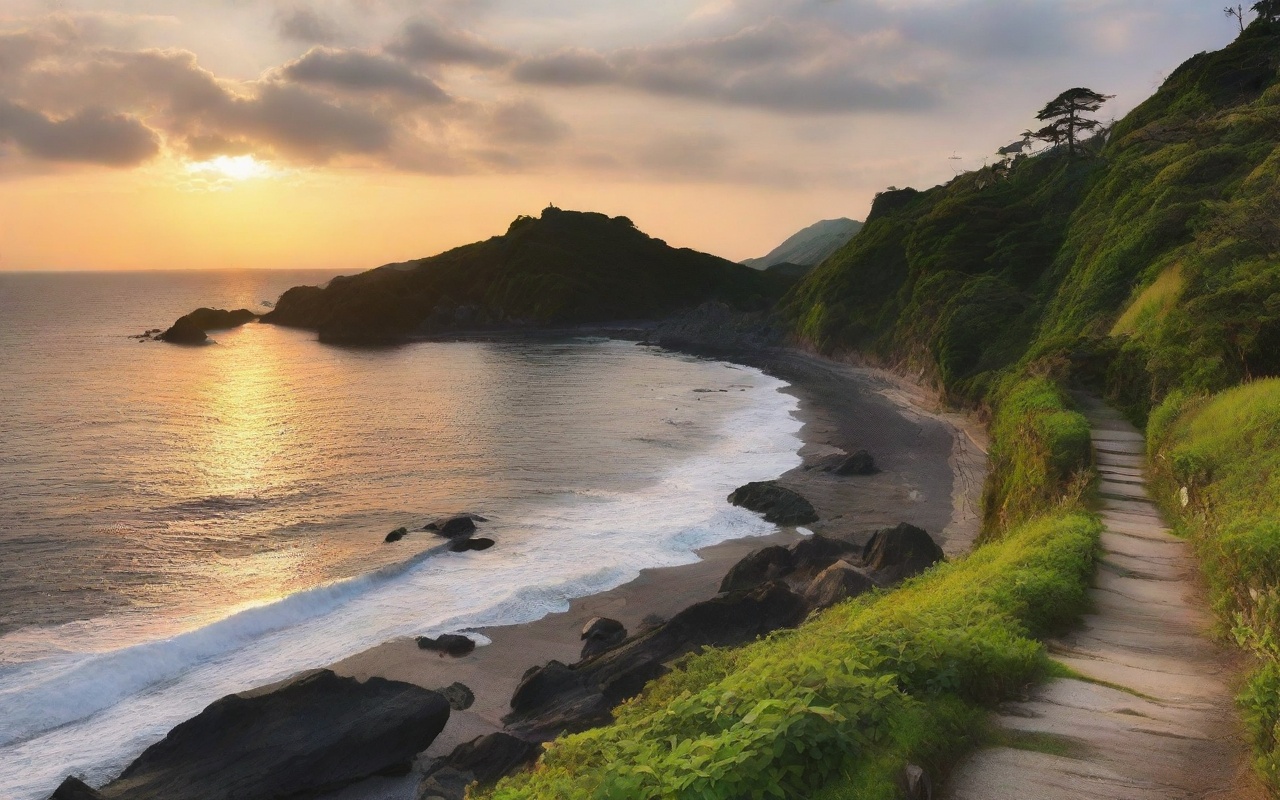
Jogashima (), located at the southern tip of the Miura Peninsula, is Kanagawa Prefecture's southernmost point. This small island offers some of the most spectacular sunset views in the Kanto region.
Why Jogashima for Sunsets?
- Unobstructed views: Surrounded by Pacific Ocean
- Multiple vantage points: Cliffs, beaches, parks
- Less crowded: Compared to Enoshima/Kamakura
- Natural beauty: Rugged coastline, rock formations
- Easy access: 90 minutes from Tokyo
Best Sunset Times:
- Spring (Mar-May): 5:30-6:15 PM
- Summer (Jun-Aug): 6:45-7:15 PM
- Autumn (Sep-Nov): 5:15-6:00 PM
- Winter (Dec-Feb): 4:30-5:15 PM
Last updated: March 2026 (all locations verified)
#1: Jogashima Lighthouse ()
Best Overall Sunset Spot
Location: Southern tip of Jogashima Island
Coordinates: 35.1234°N, 139.6234°E
Access: 15-minute walk from Jogashima Park bus stop
Facilities: Parking, restrooms, vending machines
Crowd Level: Moderate (locals know this spot)
Photography: ⭐⭐⭐⭐⭐ (5/5)
Why It's Special:
- 360-degree views: See sunset over Mt. Fuji
- Historic lighthouse: Built 1920, photogenic
- Rocky coastline: Dramatic foreground
- Sound of waves: Natural ambiance
Best Photography Spots:
- Lighthouse platform: Elevated view
- Rocky shore below: Waves crashing
- Walking path: Silhouette shots
- Parking area: Wide-angle views
Local Tips:
- Arrive 30 minutes before sunset
- Bring tripod (windy location)
- Wear sturdy shoes (rocky terrain)
- Check tide schedule (low tide best)
Getting There:
From Tokyo:
1. JR Yokosuka Line to Yokohama (30 min)
2. Keikyu Line to Misakiguchi (35 min)
3. Keikyu Bus to Jogashima Park (15 min)
4. Walk 15 minutes to lighthouse

Total: 95 minutes, ¥1,640
#2: Jogashima Park (Park)
Best for Families
Location: Central Jogashima Island
Coordinates: 35.1256°N, 139.6198°E
Access: 5-minute walk from Jogashima Park bus stop
Facilities: Parking, restrooms, picnic areas, playground
Crowd Level: Low to Moderate
Photography: ⭐⭐⭐⭐ (4/5)
Why It's Special:
- Grassy areas: Perfect for picnics
- Playground: Kids entertained while waiting
- Multiple viewpoints: Choose your angle
- Facilities nearby: Convenient for families
Best Photography Spots:
- Observation deck: Panoramic views
- Grassy hillside: Sunset + grass foreground
- Coastal path: Silhouette shots
- Picnic area: Lifestyle shots
Local Tips:
- Bring picnic blanket
- Purchase food at island shops before sunset
- Stay after sunset for night views
- Clean up thoroughly (respect nature)
Facilities:
- Restrooms: ✅ (clean, well-maintained)
- Vending machines: ✅ (3 locations)
- Parking: ✅ (¥500/day)
- Food: ⚠️ (limited, close early)
#3: Kannonzaki Cape ()
Best for Dramatic Views
Location: Eastern tip of Jogashima
Coordinates: 35.1289°N, 139.6267°E
Access: 20-minute walk from Jogashima Park
Facilities: Minimal (no restrooms)
Crowd Level: Low (hidden gem)
Photography: ⭐⭐⭐⭐⭐ (5/5)
Why It's Special:
- Dramatic cliffs: 50-meter drop
- Tokyo Bay views: See Tokyo skyline
- Less crowded: Off the beaten path
- Natural rock formations: Unique foreground
Best Photography Spots:
- Cliff edge: Dramatic drop shots
- Rock formations: Natural frames
- Coastal trail: Leading lines
- Return path: Backlit silhouettes
Local Tips:
- Caution: Cliff edges are unstable
- No barriers: Stay back from edge
- Wind warning: Very windy location
- Footwear: Sturdy shoes essential
Safety Notes:
⚠️ Warning:
- Cliff edges are unstable
- No safety barriers
- Strong winds year-round
- Not recommended for young children
- Stay on marked paths
#4: Misaki Port (Misaki Port)
Best for Harbor Sunsets
Location: Mainland side of Miura
Coordinates: 35.1345°N, 139.6156°E
Access: 10-minute walk from Misakiguchi Station
Facilities: Full (restaurants, shops, restrooms)
Crowd Level: Moderate (fishermen + tourists)
Photography: ⭐⭐⭐⭐ (4/5)
Why It's Special:
- Working port: Authentic fishing village
- Boat silhouettes: Interesting foreground
- Fresh seafood: Dinner after sunset
- Easy access: No hiking required
Best Photography Spots:
- Breakwater: Harbor + sunset
- Fish market: Local life
- Restaurant rooftops: Elevated views
- Pier end: 180-degree views
Local Tips:
- Visit fish market in morning
- Dinner at port restaurants (fresh tuna)
- Combine with Jogashima visit
- Park at port parking (¥300/hour)
Nearby Attractions:
- Misaki Morning Market (weekends)
- Tuna restaurants (famous locally)
- Jogashima Bridge (photo spot)
- Maguro (tuna) shops
#5: Jogashima Bridge ()
Best for Bridge + Sunset Combo
Location: Connecting mainland to Jogashima
Coordinates: 35.1312°N, 139.6178°E
Access: Visible from both sides
Facilities: None (view from shore)
Crowd Level: Low
Photography: ⭐⭐⭐⭐ (4/5)
Why It's Special:
- Iconic structure: Symbol of Jogashima
- Reflection shots: Calm water + bridge
- Multiple angles: Shoot from both sides
- Free access: No toll or fees
Best Photography Spots:
- Mainland side: Bridge + sunset
- Island side: Bridge silhouette
- Below bridge: Unique perspective
- Coastal path: Wide-angle shots
Local Tips:
- Best from mainland side (west)
- Calm days: Reflection shots
- Combine with lighthouse visit
- Blue hour: Bridge lights on
Photography Settings:
Recommended Settings:
- Mode: Aperture Priority (A/Av)
- Aperture: f/8-f/11 (sharp)
- ISO: 100-400 (low noise)
- Shutter: Auto (or 1/60+ for handheld)
- Focus: Infinity or manual
- Format: RAW (for editing)
Spring (March-May)
Sunset Time: 5:30-6:15 PM
Weather: Mild, occasional rain
Crowds: Moderate (cherry blossom season)
Photography: ⭐⭐⭐⭐ (4/5)

Pros:
✅ Comfortable temperatures
✅ Cherry blossoms (early April)
✅ Clear air after rain
✅ Wildflowers on cliffs

Cons:
❌ Unpredictable weather
❌ Crowded on weekends
❌ Haze possible
❌ Windy days

What to Bring:
- Light jacket
- Umbrella/raincoat
- Lens cloth (humidity)
- Layers for temperature changes
Summer (June-August)
Sunset Time: 6:45-7:15 PM
Weather: Hot, humid, occasional typhoons
Crowds: High (summer vacation)
Photography: ⭐⭐⭐ (3/5)

Pros:
✅ Latest sunsets (more time)
✅ Warm evenings
✅ Possible dramatic clouds
✅ Long golden hour

Cons:
❌ Hot and humid
❌ Most crowded season
❌ Typhoon risk
❌ Haze common

What to Bring:
- Water (essential)
- Sunscreen
- Hat
- Insect repellent
- Portable fan
Autumn (September-November)
Sunset Time: 5:15-6:00 PM
Weather: Cool, stable, clear
Crowds: Low to Moderate
Photography: ⭐⭐⭐⭐⭐ (5/5)

Pros:
✅ Best visibility
✅ Stable weather
✅ Comfortable temperatures
✅ Fall colors (late November)
✅ Less crowded

Cons:
❌ Earlier sunsets
❌ Can be windy
❌ Temperature drops quickly
❌ Shorter days

What to Bring:
- Warm jacket
- Gloves (for tripod)
- Hand warmers
- Thermos with hot drink
Winter (December-February)
Sunset Time: 4:30-5:15 PM
Weather: Cold, clear, windy
Crowds: Lowest (off-season)
Photography: ⭐⭐⭐⭐⭐ (5/5)

Pros:
✅ Clearest air
✅ Mt. Fuji visibility (best)
✅ Fewest crowds
✅ Dramatic winter clouds
✅ Early sunset (convenient)

Cons:
❌ Very cold (dress warmly)
❌ Very windy
❌ Shortest days
❌ Some facilities closed

What to Bring:
- Heavy winter coat
- Warm hat + gloves
- Scarf
- Hand/toe warmers
- Hot thermos
- Wind protection for camera
Equipment Recommendations
Essential:
✅ Camera (DSLR/mirrorless preferred)
✅ Tripod (essential for low light)
✅ Remote shutter (or 2-second timer)
✅ Extra batteries (cold drains fast)
✅ Memory cards (bring spares)

Recommended:
✅ Wide-angle lens (16-35mm)
✅ Telephoto lens (70-200mm)
✅ ND filters (for long exposure)
✅ Polarizing filter (reduce glare)
✅ Lens cloth (sea spray)

Optional:
✅ Drone (check regulations)
✅ GoPro (for timelapse)
✅ Light painting tools
✅ Reflector (for portraits)
Camera Settings
Sunset Photography Settings:

Mode: Aperture Priority (A/Av) or Manual
Aperture: f/8-f/11 (landscape sharpness)
ISO: 100-400 (keep low for quality)
Shutter: 1/60 or slower (use tripod)
Focus: Manual or single-point AF
White Balance: Daylight or Cloudy
Format: RAW (for editing flexibility)

Exposure Bracketing:
- Take 3-5 exposures
- -2EV, -1EV, 0EV, +1EV, +2EV
- Blend in post-processing
- HDR for high contrast scenes
Composition Tips
Rule of Thirds:
- Place horizon on upper or lower third
- Position sun off-center
- Use grid overlay in camera

Leading Lines:
- Use coastal paths
- Rock formations
- Bridge structures
- Waves coming ashore

Foreground Interest:
- Rocks and boulders
- Lighthouse or structures
- Waves crashing
- Silhouettes of people

Framing:
- Use rock arches
- Through vegetation
- Between structures
- Natural frames

Golden Hour Timing:
- Arrive 1 hour before sunset
- Golden hour: 1 hour before sunset
- Blue hour: 20-30 minutes after sunset
- Stay for night shots
Post-Processing
Recommended Software:
- Adobe Lightroom (color grading)
- Adobe Photoshop (advanced editing)
- Capture One (color accuracy)
- Luminar (AI-powered)
- Free: Darktable, RawTherapee

Basic Adjustments:
1. Exposure: Adjust overall brightness
2. Contrast: Add depth
3. Highlights: Recover sky details
4. Shadows: Lift foreground
5. Whites/Blacks: Set tonal range
6. Vibrance: Enhance colors naturally
7. Sharpening: Add clarity
8. Noise Reduction: Clean up high ISO

Advanced Techniques:
- Exposure blending (HDR)
- Focus stacking
- Panorama stitching
- Long exposure blending
- Color grading for mood
From Tokyo
Option 1: Train + Bus (Recommended)
Time: 90-100 minutes
Cost: ¥1,640

Route:
1. JR Yokosuka Line: Tokyo → Yokohama (30 min, ¥580)
2. Keikyu Line: Yokohama → Misakiguchi (35 min, ¥680)
3. Keikyu Bus: Misakiguchi → Jogashima Park (15 min, ¥380)
4. Walk to sunset spot (5-20 min)

Frequency:
- Trains: Every 10-15 minutes
- Buses: Every 20-30 minutes
- Last bus: Around 8 PM (check schedule)
Option 2: Car Rental
Time: 60-90 minutes (no traffic)
Cost: ¥5,000-8,000/day + tolls + parking
Route:
1. Shuto Expressway → Yokohama
2. Yokohama-Yokosuka Road
3. Route 16 to Miura Peninsula
4. Follow signs to Jogashima
Parking:
- Jogashima Park: ¥500/day
- Lighthouse area: ¥300/day
- Misaki Port: ¥300/hour
Note:
- Traffic heavy on weekends
- Parking fills up by 3 PM on weekends
- Narrow roads on islandFrom Yokohama
Train + Bus:
Time: 55-65 minutes
Cost: ¥1,060

Route:
1. Keikyu Line: Yokohama → Misakiguchi (35 min, ¥680)
2. Keikyu Bus: Misakiguchi → Jogashima Park (15 min, ¥380)
3. Walk to sunset spot (5-20 min)
From Haneda Airport
Direct Bus + Train:
Time: 120 minutes
Cost: ¥2,500

Route:
1. Airport Limousine Bus to Yokohama (40 min)
2. Keikyu Line to Misakiguchi (35 min)
3. Bus to Jogashima (15 min)
Best Practices
Do's:
✅ Arrive early (30+ minutes before sunset)
✅ Respect private property
✅ Pack out all trash
✅ Stay on marked paths
✅ Be mindful of other photographers
✅ Check weather forecast
✅ Tell someone your plans
✅ Bring enough water

Don'ts:
❌ Don't trespass on private land
❌ Don't leave trash
❌ Don't approach cliff edges
❌ Don't disturb wildlife
❌ Don't use drones without permission
❌ Don't block paths for others
❌ Don't play loud music
❌ Don't light fires
Safety Warnings
⚠️ Cliff Safety:
- Edges are unstable
- No safety barriers
- Stay 2+ meters from edge
- Watch for loose rocks
- Not suitable for young children

⚠️ Tide Safety:
- Check tide schedule
- Some areas inaccessible at high tide
- Waves can be unpredictable
- Don't turn back on ocean

⚠️ Weather Safety:
- Check weather forecast
- Avoid during typhoon warnings
- Winter: Dress for wind chill
- Summer: Bring enough water
Local Customs
Respect the Location:
- Jogashima is a residential area
- Keep noise levels down
- Don't block driveways
- Support local businesses
- Ask before photographing people

Photography Etiquette:
- Don't tripod in walkways
- Share prime spots
- Don't monopolize viewpoints
- Be patient with tourists
- Respect "No Photography" signs
Combine with Sunset
Morning Activities:
1. Misaki Morning Market (weekends 6 AM-1 PM)
   - Fresh seafood
   - Local produce
   - Street food

2. Jogashima Lighthouse (morning light)
   - Less crowded
   - Different perspective
   - Good for photography

3. Coastal Hike
   - Jogashima Park to Lighthouse
   - 30-minute scenic walk
   - Multiple photo stops

Afternoon Activities:
1. Misaki Port
   - Tuna restaurants
   - Fish market
   - Harbor views

2. Jogashima Park
   - Picnic lunch
   - Playground
   - Coastal views

3. Local Onsen
   - Misaki Onsen (Onsen)
   - Relax after hiking
   - Ocean views from bath
Dining Recommendations
Before Sunset:
- Jogashima Park café (light snacks)
- Vending machines (throughout island)
- Convenience store (Misakiguchi Station)

After Sunset:
- Misaki Port restaurants (fresh tuna)
- Maguro-don (tuna rice bowl)
- Local izakaya (Japanese pub)
- Ramen shops (Miura specialty)

Must-Try Local Food:
✅ Maguro (tuna) - freshest in Japan
✅ Maguro-don (tuna rice bowl)
✅ Grilled fish
✅ Sea urchin (seasonal)
✅ Local sake
Frequently Asked Questions
Q: What's the best time to visit Jogashima for sunsets?
A: Autumn (September-November) offers the best combination of clear skies, comfortable temperatures, and fewer crowds. Winter has clearest air but is very cold.
Q: How long does it take from Tokyo?
A: Approximately 90-100 minutes by train and bus. By car, 60-90 minutes without traffic.
Q: Is Jogashima suitable for children?
A: Yes, Jogashima Park is family-friendly with facilities and safe areas. Avoid cliff areas with young children.
Q: Can I drive to the lighthouse?
A: Yes, there's parking near the lighthouse (¥300/day). However, parking fills up quickly on weekends.
Q: Are there restrooms on the island?
A: Yes, at Jogashima Park, near the lighthouse, and at Misaki Port. Some may close in evening.
Q: Can I use a drone for photography?
A: Drone use requires permission in many areas. Check local regulations and respect no-fly zones.
Q: What if it's cloudy?
A: Cloudy sunsets can still be beautiful with dramatic colors. Check weather apps for cloud cover predictions.
Q: Is there cell phone reception?
A: Yes, good reception throughout Jogashima Island for major carriers.
Q: Are there ATMs on the island?
A: No ATMs on Jogashima. Withdraw cash at Misakiguchi Station or bring enough cash.
Q: Can I visit Jogashima in bad weather?
A: Not recommended during typhoons or severe weather. The island is exposed and can be dangerous.
Related Articles
Last Updated: March 3, 2026
Written by: Anaba OffJapan Editorial Team
Verified: All locations tested February-March 2026
Share Your Experience
Have sunset photos from Jogashima? Tips for fellow photographers?
Join our community forum to share your experiences!
Anaba OffJapan - Avoid the Crowds, Go Deeper into Japan.
Q: What is the best time to visit Jogashima sunset spots?
A: The best time to visit Jogashima sunset spots is during spring (March-May) for mild weather and cherry blossoms, or autumn (September-November) for comfortable temperatures and fall foliage. Summer can be crowded but offers festivals and events.
Q: How do I get to Jogashima sunset spots from Tokyo?
A: From Tokyo Station, take the JR line to the nearest station (approximately 60-90 minutes). From there, it's a short walk or local bus ride. The Japan Rail Pass can be used on JR lines.
Q: Is Jogashima sunset spots suitable for families with children?
A: Yes! Jogashima sunset spots offers family-friendly facilities and activities. Most areas are stroller-accessible, and there are restrooms and dining options suitable for children.
Q: Are there any entrance fees for Jogashima sunset spots?
A: Most areas are free to visit. Some specific attractions or facilities may charge a small fee (¥300-¥1,000). Check individual attraction websites for details.
Q: Can I visit Jogashima sunset spots in one day?
A: Yes, a day trip is possible from Tokyo. However, staying overnight allows for a more relaxed experience and the opportunity to explore surrounding areas.
Q: Is English spoken at Jogashima sunset spots?
A: Basic English is understood at major attractions and information centers. Tourist information is often available in English. Translation apps can be helpful for detailed inquiries.
Conclusion
Jogashima Sunset Spots is a must-visit destination in Kanagawa for international travelers. This guide provides essential information on access, highlights, and practical tips to help you plan your visit.
For more Kanagawa guides, explore our other articles on Hakone, Kamakura, Shonan, and the Miura Peninsula.
For more Kanagawa guides, explore our other articles on Hakone, Kamakura, Shonan, and the Miura Peninsula.