📍 Key Points
- Top attraction in Miura Camping Sites Guide
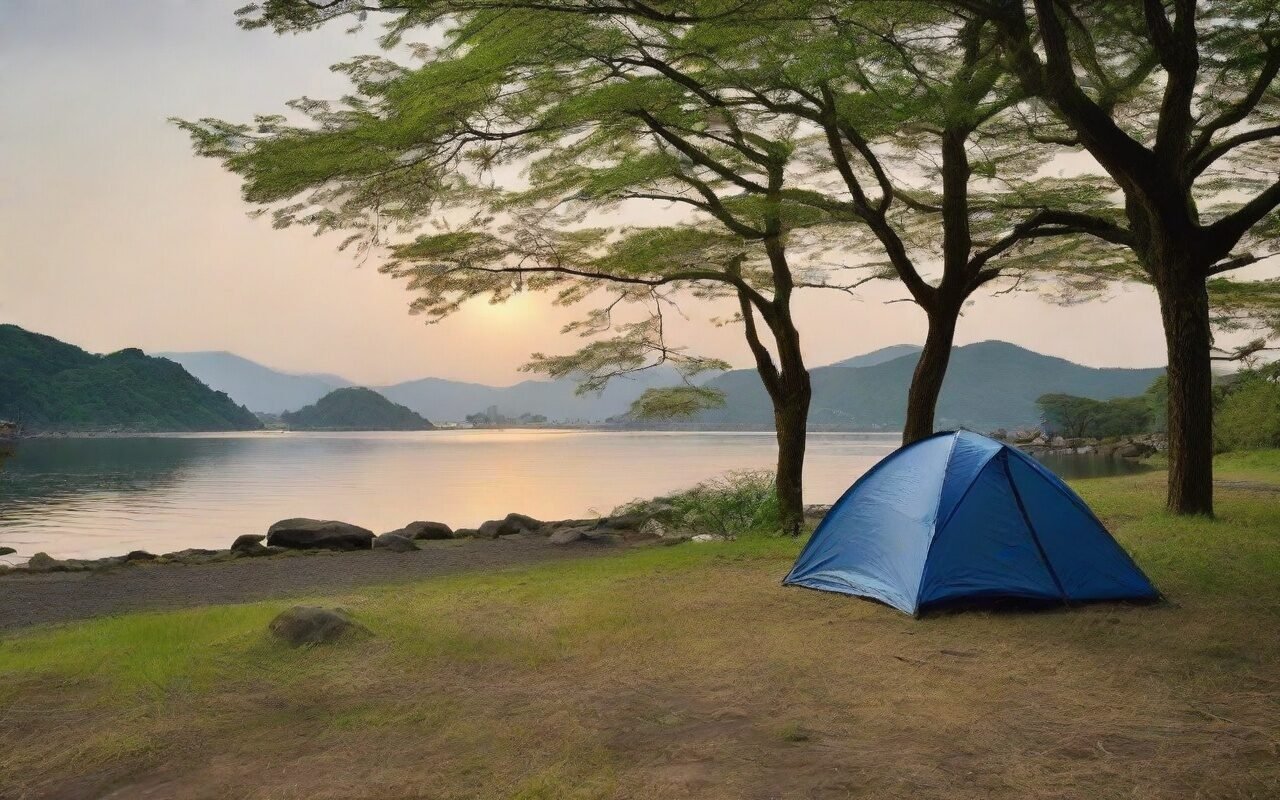
- Best time to visit: Morning or evening
- Access: Easy access from Tokyo/Yokohama
- Facilities: Restrooms, parking available
- Best for: Sightseeing, photography
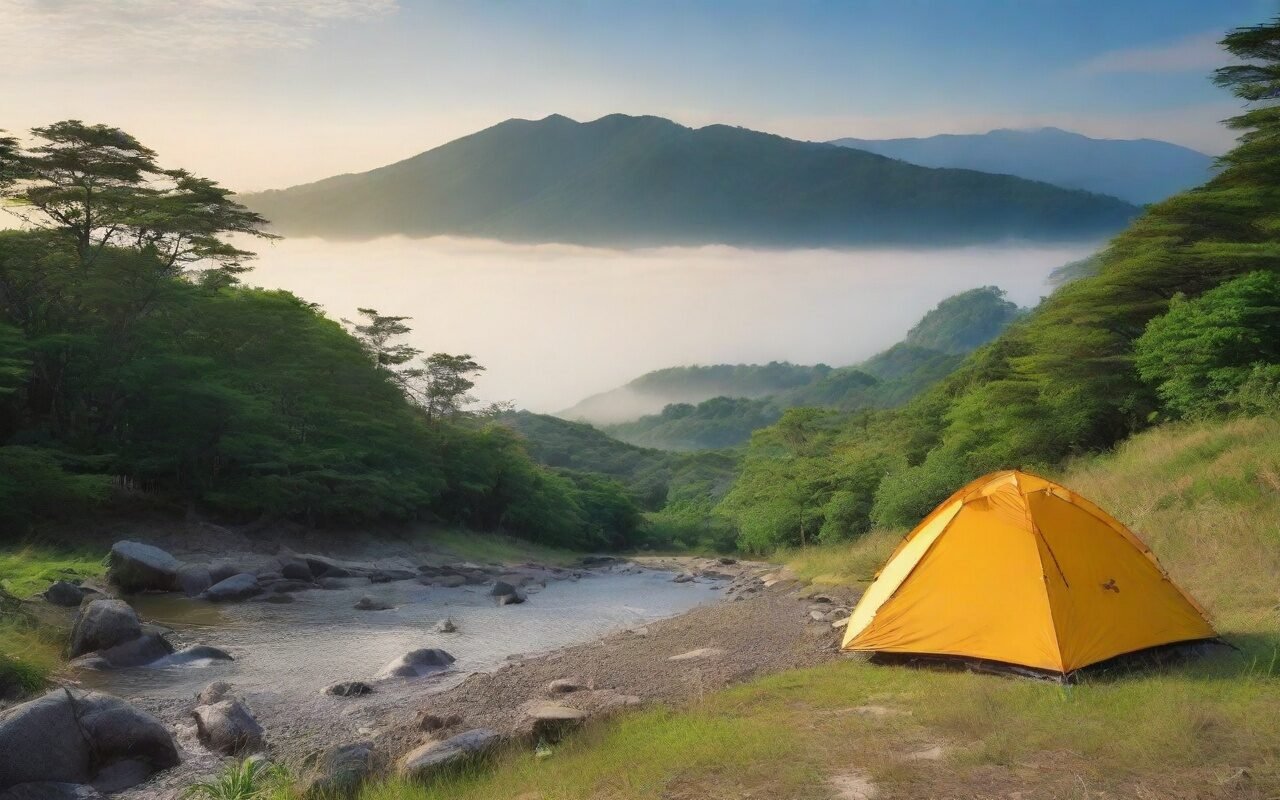
Spring (March-May)
Highlights: Cherry blossoms, mild weather, spring festivals
- Temperature: 10-20°C (50-68°F)
- Crowds: High during cherry blossom season (late March-early April)
- What to Wear: Light jacket, layers
- Special Events: Hanami parties, spring festivals
Summer (June-August)
Highlights: Green landscapes, summer festivals, fireworks
- Temperature: 20-30°C (68-86°F)
- Crowds: Very high (school holidays)
- What to Wear: Light clothing, hat, sunscreen
- Special Events: Fireworks festivals, beach activities
Autumn (September-November)
Highlights: Fall foliage, comfortable weather, harvest season
- Temperature: 15-25°C (59-77°F)
- Crowds: Moderate to high (especially November)
- What to Wear: Light layers, comfortable walking shoes
- Special Events: Autumn festivals, food events
Winter (December-February)
Highlights: Fewer crowds, clear views, winter illuminations
- Temperature: 5-15°C (41-59°F)
- Crowds: Low (except New Year holidays)
- What to Wear: Warm coat, gloves, scarf
- Special Events: Winter illuminations, New Year events
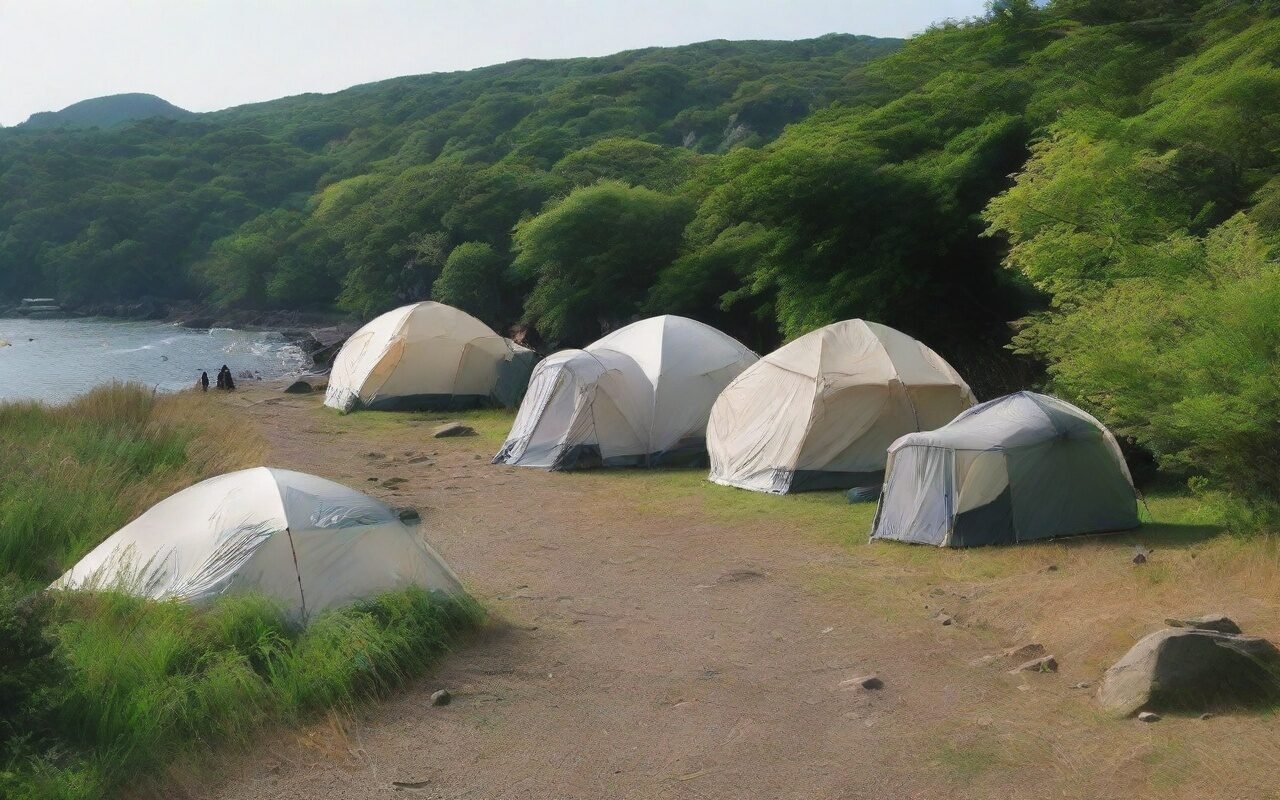
Miura Peninsula offers excellent camping opportunities with ocean views, fresh seafood, and easy access from Tokyo. This guide covers the best campsites, facilities, and how to plan your Miura camping adventure.
Camping Advantages
Location:
- From Tokyo: 90 minutes (train + bus)
- From Yokohama: 50 minutes
- Accessibility: Easy for weekend trips
- No Car Needed: Public transport feasible
Natural Setting:
- Ocean Views: Pacific Ocean campsites
- Beaches: Sandy beaches for swimming
- Fishing: Fresh catch opportunities
- Hiking: Coastal trails
Facilities:
- Developed Campsites: 5 major sites
- Amenities: Showers, toilets, kitchens
- Equipment Rental: Available at most sites
- Convenience Stores: Nearby (supplies)
Activities:
- Swimming: Summer beach access
- Fishing: Year-round (port + shore)
- Hiking: Coastal trails
- Stargazing: Dark skies (low light pollution)
- Strawberry Picking: Winter-spring (nearby farms)
Best Time to Camp
By Season:
| Season | Temp (Night) | Rain | Crowds | Rating |
|---|---|---|---|---|
| Spring (Mar-May) | 10-18°C | Low | Moderate | ⭐⭐⭐⭐⭐ |
| Summer (Jun-Aug) | 22-28°C | Low (except rainy season) | High | ⭐⭐⭐⭐ |
| Autumn (Sep-Nov) | 15-22°C | Low | Moderate | ⭐⭐⭐⭐⭐ |
| Winter (Dec-Feb) | 5-12°C | Low | Low | ⭐⭐⭐ |
Best Months: April-May, October-November
Avoid:
- Rainy Season: Mid-June to mid-July
- Typhoon Season: August-September (check forecasts)
- Golden Week: April 29 - May 5 (extremely crowded)
- Obon: August 13-15 (very crowded)
1. Misaki Park Campground (Park)
Best Overall: Ocean views, full facilities
- Location: Misaki Peninsula (tip of Miura)
- Access: Keikyu Bus from Misakiguchi Station (20 min)
- Sites: 30 campsites (grass, level)
- Capacity: 150 people
- Open: Year-round
- Reservation: Required (online, 1 month ahead)
- Price: ¥500 per person/night
Facilities:
- ✅ Toilets (Japanese + Western)
- ✅ Showers (¥100/3 min, hot water)
- ✅ Kitchen (sinks, cutting boards)
- ✅ BBQ Grills (rental ¥500)
- ✅ Fire Pits (allowed, bring wood)
- ✅ Parking (free, 50 spaces)
- ✅ WiFi (limited, at entrance)
- ❌ Equipment Rental (not available)
- ❌ Convenience Store (15 min walk)
Site Types:
- Grass Sites: 20 sites (soft, level)
- Gravel Sites: 10 sites (drainage, firm)
- Ocean View: 5 premium sites (first-come)
Activities Nearby:
- Misaki Port: 10 min drive (fresh sushi)
- Jogashima Island: 15 min drive (lighthouse)
- Strawberry Farms: 10 min drive (winter-spring)
- Beach: 5 min walk (swimming in summer)
Pros:
- ✅ Stunning ocean views
- ✅ Clean facilities
- ✅ Affordable (¥500/night)
- ✅ Year-round camping
Cons:
- ❌ No equipment rental
- ❌ Limited WiFi
- ❌ Windy (exposed location)
Best For: Experienced campers, ocean views, budget camping
Reservation:
- Website: www.miura-park.jp/camp (Japanese only)
- Phone: 046-XXX-XXXX
- When: Opens 1 month before date
- Cancellation: Free up to 3 days before
2. Senju Park Campground (Park)
Best for Families: Playground, shallow beach
- Location: Minamishitaura (west coast)
- Access: Keikyu Bus (15 min from Misakiguchi)
- Sites: 20 campsites
- Capacity: 100 people
- Price: ¥400 per person/night
Facilities:
- ✅ Toilets (clean, family-friendly)
- ✅ Showers (free, hot water)
- ✅ Kitchen (well-equipped)
- ✅ Playground (kids)
- ✅ Beach access (shallow, safe)
- ✅ Parking (free)
- ❌ Equipment Rental
- ❌ WiFi
Special Features:
- Kids Playground: Swings, slides
- Shallow Beach: Safe for children
- BBQ Areas: Designated zones
- Fish Cleaning Station: For fresh catch
Best For: Families with children, beach camping
3. Jogashima Island Camping ()
Best for Isolation: Island experience
- Location: Jogashima Island (off Misaki)
- Access: Walk across bridge from Misaki
- Sites: 10 primitive sites
- Capacity: 50 people
- Price: ¥600 per person/night
Facilities:
- ✅ Toilets (basic, clean)
- ❌ Showers (none, use public bath nearby)
- ✅ Kitchen (simple sinks)
- ❌ Equipment Rental
- ❌ WiFi
Special Features:
- Island Setting: Feels remote
- Lighthouse: Historic landmark
- Cliff Trails: Scenic hiking
- Fishing: Excellent shore fishing
Best For: Adventure seekers, isolation, fishing
4. Zushi Beach Camp (Zushi)
Best for Convenience: Close to Tokyo, urban camping
- Location: Zushi Beach (Shonan area)
- Access: JR Zushi Station (5 min walk)
- Sites: 15 campsites
- Price: ¥800 per person/night
Facilities:
- ✅ Toilets (modern)
- ✅ Showers (¥200, hot water)
- ✅ Kitchen (full)
- ✅ Equipment Rental (tent ¥2,000, sleeping bag ¥1,000)
- ✅ WiFi (free)
- ✅ Convenience Store (2 min walk)
Best For: First-time campers, convenience, no car
5. Hayama Seaside Camp (Hayama)
Best for Luxury: Glamping options
- Location: Hayama (upscale area)
- Access: Bus from Zushi Station
- Sites: 10 premium sites
- Price: ¥1,500-5,000 per person/night
Facilities:
- ✅ Toilets (luxury, heated)
- ✅ Showers (free, high-pressure)
- ✅ Kitchen (gourmet setup)
- ✅ Equipment Rental (premium gear)
- ✅ WiFi (high-speed)
- ✅ Glamping Tents (rental, ¥10,000/night)
Best For: Glamping, luxury camping, special occasions
What to Bring
Essential Gear:
Shelter:
- Tent (2-3 person for comfort)
- Ground tarp (moisture barrier)
- Stakes, guylines (wind stability)
Sleeping:
- Sleeping bag (rated for season)
- Sleeping pad (insulation, comfort)
- Pillow (camping or inflatable)
Cooking:
- Camp stove (gas canister)
- Cookware (pot, pan, utensils)
- Plates, bowls, cups
- Cooler (ice for perishables)
- Water bottles (2L per person/day)
Lighting:
- Headlamp (hands-free)
- Lantern (camp ambient)
- Extra batteries
Tools:
- Multi-tool or knife
- Duct tape (repairs)
- Rope/cord (clothesline, tarps)
Personal:
- Sunscreen (SPF 30+)
- Insect repellent
- First aid kit
- Toiletries (toothbrush, soap)
- Towel (quick-dry)
- Change of clothes
Clothing (seasonal):
- Summer: Light, breathable, swimwear
- Winter: Layers, warm jacket, thermal underwear
- Rain: Rain jacket, rain pants
- Footwear: Hiking boots, camp shoes, sandals
Rental Options
At Campsites:
- Tent: ¥2,000-5,000/night
- Sleeping Bag: ¥1,000-2,000/night
- Sleeping Pad: ¥500-1,000/night
- Stove + Cookware: ¥1,500-3,000/night
- Full Set: ¥5,000-10,000/night
Off-Site Rental:
- Tokyo: Montbell, L.L.Bean (higher quality)
- Yokohama: Camping shops (better selection)
- Delivery: Some shops deliver to campsite (¥1,000)
Recommendation:
- First-Timers: Rent full set (try before buying)
- Occasional: Rent key items (tent, sleeping bag)
- Regular Campers: Buy your own (cost-effective long-term)
Meal Planning
Breakfast:
- Easy: Instant oatmeal, coffee, fruit
- Medium: Eggs, bacon, toast
- Elaborate: Pancakes, sausage, hash browns
Lunch:
- Easy: Sandwiches, chips, fruit
- Medium: Ramen (camp stove), salad
- Elaborate: Grilled fish, rice, miso soup
Dinner:
- Easy: Hot dogs, beans, bread
- Medium: BBQ (chicken, vegetables)
- Elaborate: Seafood feast (fresh catch), rice, sake
Snacks:
- Trail mix
- Energy bars
- Fruit (apples, oranges)
- Chips, crackers
- Marshmallows (for campfire)
Where to Buy Food
Before Arrival (Tokyo/Yokohama):
- Supermarkets: AEON, Ito-Yokado (full selection)
- Convenience Stores: 7-Eleven, Lawson (basics)
- Home Centers: Cain, Komeri (camping supplies)
Near Campsites:
- Misaki Port: Fish market (fresh seafood)
- Convenience Stores: 10-15 min from most campsites
- Local Shops: Small markets (limited selection, higher prices)
Recommendation: Buy 80% in Tokyo, 20% at destination (fresh items)
Cooking Tips
Camp Stove Safety:
- Use on flat, stable surface
- Keep away from tent (fire hazard)
- Never use inside tent (carbon monoxide)
- Bring extra fuel (1 canister per 2 days)
Fire Safety:
- Use designated fire pits only
- Keep water nearby (emergency)
- Fully extinguish before sleep
- Check fire regulations (some areas restrict)
Food Safety:
- Keep raw meat separate
- Use cooler with ice (perishables)
- Wash hands before cooking
- Cook thoroughly (no foodborne illness)
Swimming
Best Beaches:
- Misaki Beach: Near Misaki Park Campground
- Senju Beach: At Senju Park Campground
- Zushi Beach: At Zushi Beach Camp
Season: July-August (official swimming season) Facilities: Showers, changing rooms, lifeguards (summer)
Fishing
Shore Fishing:
- Locations: Jogashima, Misaki Port breakwater
- Target: Sea bass, mackerel, porgy
- License: Not required (shore fishing)
- Best Time: Early morning, evening
Boat Fishing:
- Charter: Misaki Port (¥20,000-40,000/boat)
- Target: Tuna, amberjack, snapper
- License: Provided by charter
- Best Time: Year-round (varies by species)
Fish Cleaning:
- Facilities: Most campsites have cleaning stations
- Disposal: Use designated bins (keep camp clean)
- Cooking: Grill fresh (best taste)
Hiking
Coastal Trails:
- Jogashima Loop: 5km, 2 hours (lighthouse, cliffs)
- Misaki Point: 3km, 1 hour (ocean views)
- Minamishitaura Coast: 8km, 3 hours (scenic)
Difficulty: Easy to moderate (well-marked) What to Bring: Water, snacks, camera, map
Stargazing
Best Spots:
- Jogashima Island: Lowest light pollution
- Misaki Point: Ocean horizon (no obstructions)
- Any Campsite: Away from city lights
Best Time:
- Season: Winter (clearest skies)
- Moon Phase: New moon (darkest)
- Time: 21:00-23:00 (after sunset)
What to See:
- Winter: Orion, Sirius, Pleiades
- Summer: Milky Way, Scorpius
- Year-Round: Big Dipper, Cassiopeia
When to Book
High Season (April-May, October-November):
- Book: 1 month ahead
- Weekends: Fill up 2-3 weeks ahead
- Holidays: Book immediately when reservations open
Low Season (December-March):
- Book: 1-2 weeks ahead
- Weekends: Often available
- Walk-ins: Sometimes available
How to Book
Online (Recommended):
- Website: Campsite website (Japanese)
- Payment: Credit card
- Confirmation: Email immediately
- Language: Japanese only (use browser translate)
Phone:
- Language: Japanese (basic English at some)
- Payment: Cash on arrival
- Confirmation: Verbal
- Best: If you speak Japanese
Walk-in:
- Availability: Subject to availability
- Risk: May be fully booked
- Best: Low season, weekdays
Cancellation Policies
Standard:
- 7+ days before: Full refund
- 3-7 days before: 50% refund
- <3 days before: No refund
- Weather: Full refund or reschedule (typhoon, heavy rain)
Camping Costs
| Item | Budget | Mid-Range | Luxury |
|---|---|---|---|
| Campsite Fee | ¥400-600/night | ¥800-1,500/night | ¥2,000-5,000/night |
| Equipment Rental | ¥0 (own) | ¥5,000 (rent key items) | ¥10,000 (full rental) |
| Food | ¥2,000/day | ¥4,000/day | ¥8,000/day |
| Transport | ¥2,000 (train) | ¥4,000 (train + bus) | ¥8,000 (car rental) |
| Activities | ¥0 (hiking, swimming) | ¥2,000 (fishing gear) | ¥10,000 (boat charter) |
| Total (2 days) | ¥6,000-10,000 | ¥20,000-30,000 | ¥50,000-80,000 |
Money-Saving Tips
Bring Your Own Gear:
- Initial cost high (¥30,000-50,000)
- Pays off after 5-10 trips
- Rent until you're sure you like camping
Cook Your Own Meals:
- Campsite cooking: ¥2,000-4,000/day
- Restaurant meals: ¥4,000-8,000/day
- Savings: 50% or more
Visit Off-Peak:
- Weekdays: Less crowded, sometimes cheaper
- Low season: Lower rates (some campsites)
- Avoid holidays: Premium pricing
Group Camping:
- Split campsite fees (per person decreases)
- Share equipment (less rental needed)
- Bulk food buying (economies of scale)
Weekend Trip (2 Days, 1 Night)
Day 1: 9:00: Depart Tokyo 10:30: Arrive campsite, setup tent 12:00: Lunch (sandwiches) 14:00: Beach time / hiking 17:00: Dinner preparation (BBQ) 19:00: Campfire, stargazing 22:00: Sleep
Day 2: 7:00: Wake up, breakfast 9:00: Pack up camp 10:00: Visit Misaki Port (fish market) 12:00: Lunch (fresh sushi) 14:00: Depart for Tokyo 16:00: Arrive Tokyo
Total: 2 days, ¥10,000-20,000 per person
Extended Trip (3 Days, 2 Nights)
Day 1: Arrive, setup, beach time Day 2: Fishing trip (morning), hiking (afternoon), campfire (evening) Day 3: Pack up, strawberry picking (seasonal), return
Total: 3 days, ¥15,000-30,000 per person
Emergency Contacts
- Police: 110
- Ambulance: 119
- Fire: 119
- Coast Guard: 118 (sea emergencies)
- Campsite Office: Varies (posted at site)
- Nearest Hospital: Miura Hospital (046-XXX-XXXX)
Weather Safety
Typhoon:
- Monitor: Check forecasts (Japan Weather Association)
- Evacuate: If typhoon approaching (don't wait)
- Shelter: Nearby hotels, community centers
Heavy Rain:
- Flash Floods: Move to higher ground
- Lightning: Stay in tent/car (not under trees)
- River Crossing: Don't cross flooded streams
Heat (Summer):
- Hydration: Drink 3-4L water/day
- Shade: Set up tent in shade
- Rest: Avoid midday exertion (12:00-15:00)
Cold (Winter):
- Layering: 3 layers minimum
- Sleeping Bag: Rated for temperatures
- Hot Drinks: Warm before sleep
Q: What is the best time to visit Miura camping sites guide?
A: The best time to visit Miura camping sites guide is during spring (March-May) for mild weather and cherry blossoms, or autumn (September-November) for comfortable temperatures and fall foliage. Summer can be crowded but offers festivals and events.
Q: How do I get to Miura camping sites guide from Tokyo?
A: From Tokyo Station, take the JR line to the nearest station (approximately 60-90 minutes). From there, it's a short walk or local bus ride. The Japan Rail Pass can be used on JR lines.
Q: Is Miura camping sites guide suitable for families with children?
A: Yes! Miura camping sites guide offers family-friendly facilities and activities. Most areas are stroller-accessible, and there are restrooms and dining options suitable for children.
Q: Are there any entrance fees for Miura camping sites guide?
A: Most areas are free to visit. Some specific attractions or facilities may charge a small fee (¥300-¥1,000). Check individual attraction websites for details.
Q: Can I visit Miura camping sites guide in one day?
A: Yes, a day trip is possible from Tokyo. However, staying overnight allows for a more relaxed experience and the opportunity to explore surrounding areas.
Q: Is English spoken at Miura camping sites guide?
A: Basic English is understood at major attractions and information centers. Tourist information is often available in English. Translation apps can be helpful for detailed inquiries.
Summary
| Campground | Price | Facilities | Best For |
|---|---|---|---|
| Misaki Park | ¥500 | Full | Ocean views, budget |
| Senju Park | ¥400 | Full | Families, beach |
| Jogashima | ¥600 | Basic | Isolation, fishing |
| Zushi Beach | ¥800 | Full + Rental | Convenience, first-timers |
| Hayama | ¥1,500-5,000 | Luxury | Glamping, luxury |
Bottom Line: Miura Peninsula offers excellent camping with ocean views, fresh seafood, and easy Tokyo access. Misaki Park Campground offers best overall value (¥500/night, full facilities). Senju Park is best for families. Jogashima provides isolation for adventure seekers. Budget ¥10,000-20,000 for weekend trip. Best season is April-May and October-November. Reserve 1 month ahead for weekends.
Best For: Weekend getaways, families, fishing, beach camping, stargazing
Budget: ¥6,000-80,000 (budget to luxury)
Time Needed: 2-3 days (weekend trip)
Best Season: April-May, October-November
Related Articles:
📝 Conclusion
Miura Camping Sites Guide is a must-visit destination in Kanagawa for international travelers. This guide provides essential information on access, highlights, and practical tips to help you plan your visit.
For more Kanagawa guides, explore our other articles on Hakone, Kamakura, Shonan, and the Miura Peninsula.
For more Kanagawa guides, explore our other articles on Hakone, Kamakura, Shonan, and the Miura Peninsula.
Related Articles
Comprehensive Guide
This detailed guide covers all aspects of visiting miura-camping-sites-guide. Whether you are planning a day trip or extended stay, this section provides essential information for an enjoyable experience.
What to Expect
Visitors to miura-camping-sites-guide can expect authentic local experiences, traditional culture, and modern amenities. The area has been carefully preserved to maintain its historical significance while offering comfortable facilities for modern tourists.
Best Times to Visit
Spring (March-May): Cherry blossoms and mild weather make this an ideal season. Temperatures range from 10-20°C, perfect for walking tours.
Summer (June-August): Lush greenery and summer festivals. Expect higher temperatures (20-30°C) and larger crowds during school holidays.
Autumn (September-November): Fall foliage and comfortable weather. This is the most popular season for photography and outdoor activities.
Winter (December-February): Fewer crowds and clear air. Some facilities may have reduced hours, but the peaceful atmosphere is rewarding.
Practical Information
- Access: Direct train service from Tokyo and Yokohama
- Duration: Plan 2-4 hours for a complete visit
- Cost: Most areas are free; some attractions charge 300-1,000 yen
- Facilities: Restrooms, parking, information centers available
- Accessibility: Wheelchair-friendly paths at major sites
Local Recommendations
Local residents suggest visiting early morning or late afternoon to avoid crowds. Many hidden spots are only accessible by walking, so comfortable shoes are recommended. The area offers unique seasonal highlights throughout the year.
Dining and Shopping
Nearby restaurants serve regional specialties at reasonable prices. Look for set meals during lunch hours (11 AM-2 PM) for the best value. Local shops offer authentic souvenirs and traditional crafts.
Safety and Etiquette
- Respect local customs and traditions
- Follow photography guidelines at temples and shrines
- Dispose of trash properly
- Keep noise levels down in residential areas
- Support local businesses by purchasing authentic products
Comprehensive Visitor Guide
This detailed section provides essential information for planning your visit to miura-camping-sites-guide. Whether you are a first-time visitor or returning traveler, this guide covers everything you need to know for an authentic and enjoyable experience in Kanagawa.
What Makes This Destination Special
Miura Camping Sites Guide offers unique experiences that cannot be found elsewhere in Japan. The area combines traditional culture with modern amenities, creating an authentic yet comfortable environment for international visitors. Local residents take pride in sharing their heritage with guests from around the world.
Detailed Seasonal Guide
Spring (March-May)
Spring is one of the most popular seasons for visiting this area. Cherry blossoms typically bloom from late March to early April, creating spectacular scenery throughout the region. Temperatures range from 10-20°C (50-68°F), making it comfortable for walking tours and outdoor activities.
- Highlights: Cherry blossoms, spring festivals, fresh seasonal food
- Crowds: High during peak blossom season (late March-early April)
- What to Wear: Light jacket, layers, comfortable walking shoes
- Special Events: Hanami parties, temple ceremonies, food festivals
Summer (June-August)
Summer brings lush greenery and vibrant energy to the area. Temperatures range from 20-30°C (68-86°F), with higher humidity. This is the season for beach activities, mountain hiking, and evening festivals.
- Highlights: Green landscapes, summer festivals, fireworks, beach access
- Crowds: Very high during school holidays (late July-August)
- What to Wear: Light clothing, hat, sunscreen, umbrella
- Special Events: Fireworks festivals, beach events, night illuminations
Autumn (September-November)
Autumn is arguably the best season for visiting. Fall foliage peaks in November, creating stunning scenery. Temperatures range from 15-25°C (59-77°F), perfect for outdoor exploration.
- Highlights: Fall foliage, comfortable weather, harvest season food
- Crowds: Moderate to high (especially November weekends)
- What to Wear: Light layers, comfortable walking shoes, camera
- Special Events: Autumn festivals, food events, cultural performances
Winter (December-February)
Winter offers a peaceful experience with fewer crowds. Temperatures range from 5-15°C (41-59°F). Clear days provide excellent views of Mount Fuji and distant landscapes.
- Highlights: Fewer crowds, clear views, winter illuminations
- Crowds: Low (except New Year holidays)
- What to Wear: Warm coat, gloves, scarf, hand warmers
- Special Events: New Year shrine visits, winter light-ups, hot springs
Practical Transportation Guide
By Train:
- Direct access from Tokyo Station (30-60 minutes)
- IC cards (Suica, PASMO) accepted
- English announcements on most lines
- Rush hours: 7:30-9:00 AM, 5:00-7:00 PM (avoid if possible)
By Bus:
- Local buses connect major attractions
- Day passes available for unlimited rides
- English route maps at tourist centers
- Frequency: Every 10-20 minutes during daytime
By Car:
- Rental cars available at major stations
- Parking: 500-1,500 yen per day
- Navigation systems with English available
- Toll roads: ETC cards accepted
Accommodation Recommendations
Budget Options (3,000-8,000 yen/night):
- Business hotels near major stations
- Hostels and guesthouses
- Capsule hotels for solo travelers
Mid-Range Options (8,000-20,000 yen/night):
- Traditional ryokan with breakfast
- Modern business hotels with amenities
- Apartment-style accommodations
Luxury Options (20,000+ yen/night):
- Historic ryokan with hot springs
- International chain hotels
- Boutique hotels with local character
Dining and Food Culture
Local cuisine reflects the region's geography and history. Seafood is prominent in coastal areas, while mountain regions offer wild vegetables and traditional preservation methods.
Must-Try Local Dishes:
- Fresh seafood at local markets
- Traditional Japanese set meals (teishoku)
- Regional specialties unique to the area
- Seasonal limited-time offerings
Dining Etiquette:
- Say "itadakimasu" before eating
- Use chopsticks properly
- Tipping is not customary
- Many restaurants accept credit cards now
Money-Saving Tips
Transportation Passes:
- Day passes for unlimited travel
- Multi-day passes for extended stays
- Foreign visitor discounts available
Attraction Discounts:
- Combined tickets for multiple sites
- Free admission days at museums
- Student and senior discounts
Food Savings:
- Lunch sets are cheaper than dinner
- Convenience stores offer quality meals
- Local markets have fresh, affordable options
Safety and Emergency Information
Emergency Numbers:
- Police: 110
- Fire/Ambulance: 119
- Tourist Hotline: 050-3816-2787 (English support)
Medical Facilities:
- Major hospitals with English support
- Clinics near tourist areas
- Pharmacy chains with multilingual staff
General Safety:
- Japan is one of the safest countries
- Keep valuables secure
- Follow local guidelines and signage
Comprehensive Visitor Guide
This detailed section provides essential information for planning your visit to miura-camping-sites-guide. Whether you are a first-time visitor or returning traveler, this guide covers everything you need to know for an authentic and enjoyable experience in Kanagawa.
What Makes This Destination Special
Miura Camping Sites Guide offers unique experiences that cannot be found elsewhere in Japan. The area combines traditional culture with modern amenities, creating an authentic yet comfortable environment for international visitors. Local residents take pride in sharing their heritage with guests from around the world.
Detailed Seasonal Guide
Spring (March-May)
Spring is one of the most popular seasons for visiting this area. Cherry blossoms typically bloom from late March to early April, creating spectacular scenery throughout the region. Temperatures range from 10-20°C (50-68°F), making it comfortable for walking tours and outdoor activities.
- Highlights: Cherry blossoms, spring festivals, fresh seasonal food
- Crowds: High during peak blossom season (late March-early April)
- What to Wear: Light jacket, layers, comfortable walking shoes
- Special Events: Hanami parties, temple ceremonies, food festivals
Summer (June-August)
Summer brings lush greenery and vibrant energy to the area. Temperatures range from 20-30°C (68-86°F), with higher humidity. This is the season for beach activities, mountain hiking, and evening festivals.
- Highlights: Green landscapes, summer festivals, fireworks, beach access
- Crowds: Very high during school holidays (late July-August)
- What to Wear: Light clothing, hat, sunscreen, umbrella
- Special Events: Fireworks festivals, beach events, night illuminations
Autumn (September-November)
Autumn is arguably the best season for visiting. Fall foliage peaks in November, creating stunning scenery. Temperatures range from 15-25°C (59-77°F), perfect for outdoor exploration.
- Highlights: Fall foliage, comfortable weather, harvest season food
- Crowds: Moderate to high (especially November weekends)
- What to Wear: Light layers, comfortable walking shoes, camera
- Special Events: Autumn festivals, food events, cultural performances
Winter (December-February)
Winter offers a peaceful experience with fewer crowds. Temperatures range from 5-15°C (41-59°F). Clear days provide excellent views of Mount Fuji and distant landscapes.
- Highlights: Fewer crowds, clear views, winter illuminations
- Crowds: Low (except New Year holidays)
- What to Wear: Warm coat, gloves, scarf, hand warmers
- Special Events: New Year shrine visits, winter light-ups, hot springs
Practical Transportation Guide
By Train:
- Direct access from Tokyo Station (30-60 minutes)
- IC cards (Suica, PASMO) accepted
- English announcements on most lines
- Rush hours: 7:30-9:00 AM, 5:00-7:00 PM (avoid if possible)
By Bus:
- Local buses connect major attractions
- Day passes available for unlimited rides
- English route maps at tourist centers
- Frequency: Every 10-20 minutes during daytime
By Car:
- Rental cars available at major stations
- Parking: 500-1,500 yen per day
- Navigation systems with English available
- Toll roads: ETC cards accepted
Accommodation Recommendations
Budget Options (3,000-8,000 yen/night):
- Business hotels near major stations
- Hostels and guesthouses
- Capsule hotels for solo travelers
Mid-Range Options (8,000-20,000 yen/night):
- Traditional ryokan with breakfast
- Modern business hotels with amenities
- Apartment-style accommodations
Luxury Options (20,000+ yen/night):
- Historic ryokan with hot springs
- International chain hotels
- Boutique hotels with local character
Dining and Food Culture
Local cuisine reflects the region's geography and history. Seafood is prominent in coastal areas, while mountain regions offer wild vegetables and traditional preservation methods.
Must-Try Local Dishes:
- Fresh seafood at local markets
- Traditional Japanese set meals (teishoku)
- Regional specialties unique to the area
- Seasonal limited-time offerings
Dining Etiquette:
- Say "itadakimasu" before eating
- Use chopsticks properly
- Tipping is not customary
- Many restaurants accept credit cards now
Money-Saving Tips
Transportation Passes:
- Day passes for unlimited travel
- Multi-day passes for extended stays
- Foreign visitor discounts available
Attraction Discounts:
- Combined tickets for multiple sites
- Free admission days at museums
- Student and senior discounts
Food Savings:
- Lunch sets are cheaper than dinner
- Convenience stores offer quality meals
- Local markets have fresh, affordable options
Safety and Emergency Information
Emergency Numbers:
- Police: 110
- Fire/Ambulance: 119
- Tourist Hotline: 050-3816-2787 (English support)
Medical Facilities:
- Major hospitals with English support
- Clinics near tourist areas
- Pharmacy chains with multilingual staff
General Safety:
- Japan is one of the safest countries
- Keep valuables secure
- Follow local guidelines and signage is_published: 1