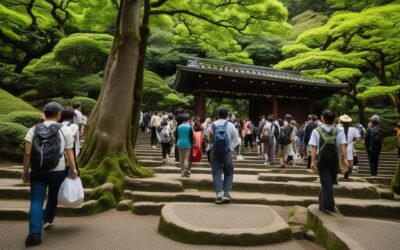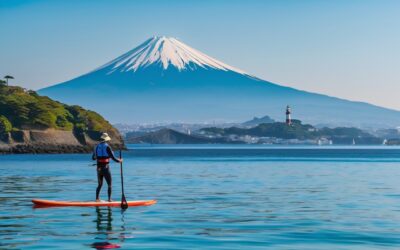

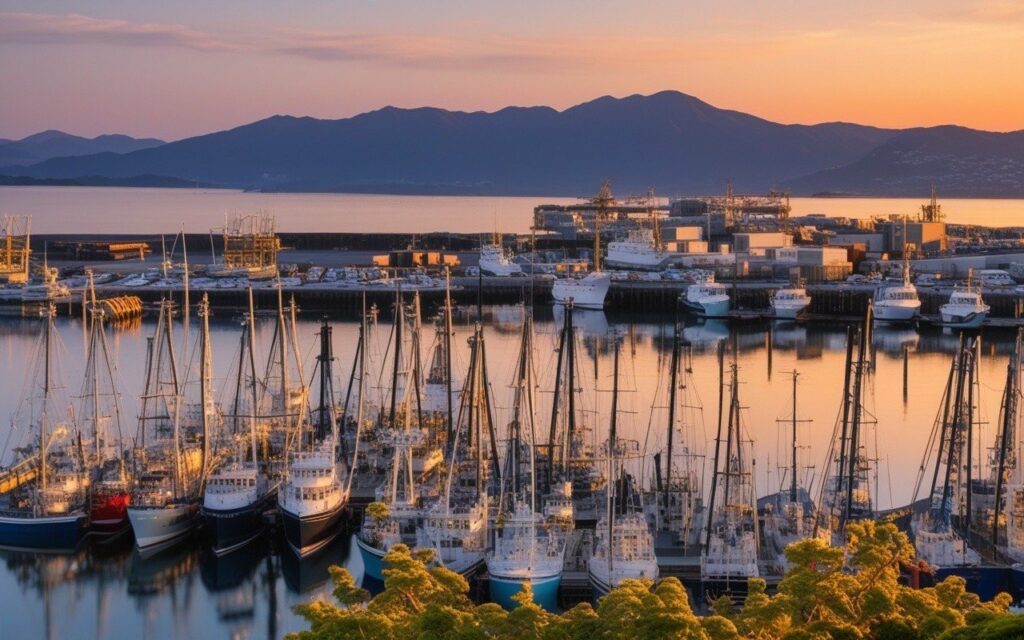
Kanagawa offers a wide range of activities for every type of traveler. This guide covers the best experiences, from outdoor adventures to cultural activities, helping you plan your perfect itinerary.
Misaki Port Photography & Sunset Guide 2026
Overview
Introduction: Photographer’s Paradise
Misaki Port, at the southern tip of the Miura Peninsula, offers a unique blend of working fishing port authenticity and spectacular coastal scenery. Unlike manicured tourist destinations, Misaki’s charm lies in its raw, unpolished beauty — rows of tuna fishing boats at dawn, the iconic red JoJogashimaridge against golden skies, and narrow Showa-era alleys that seem frozen in time.
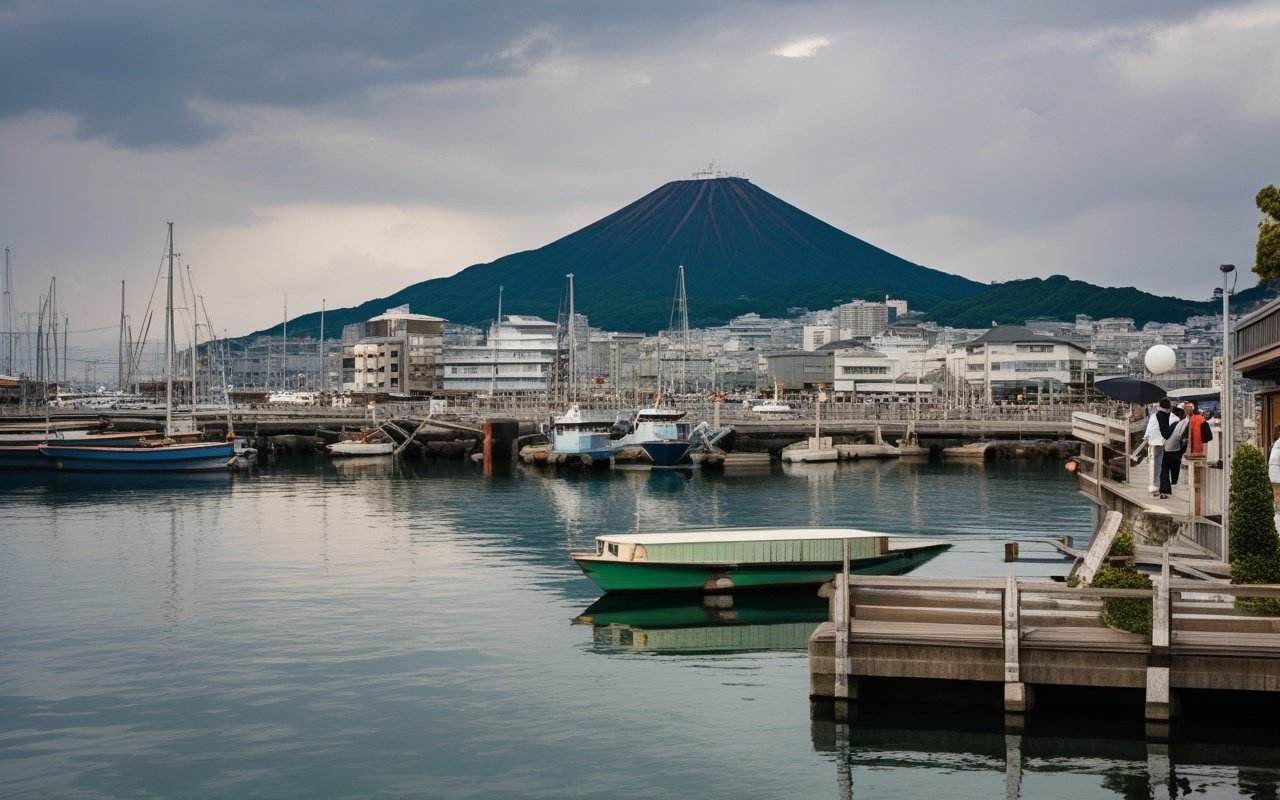
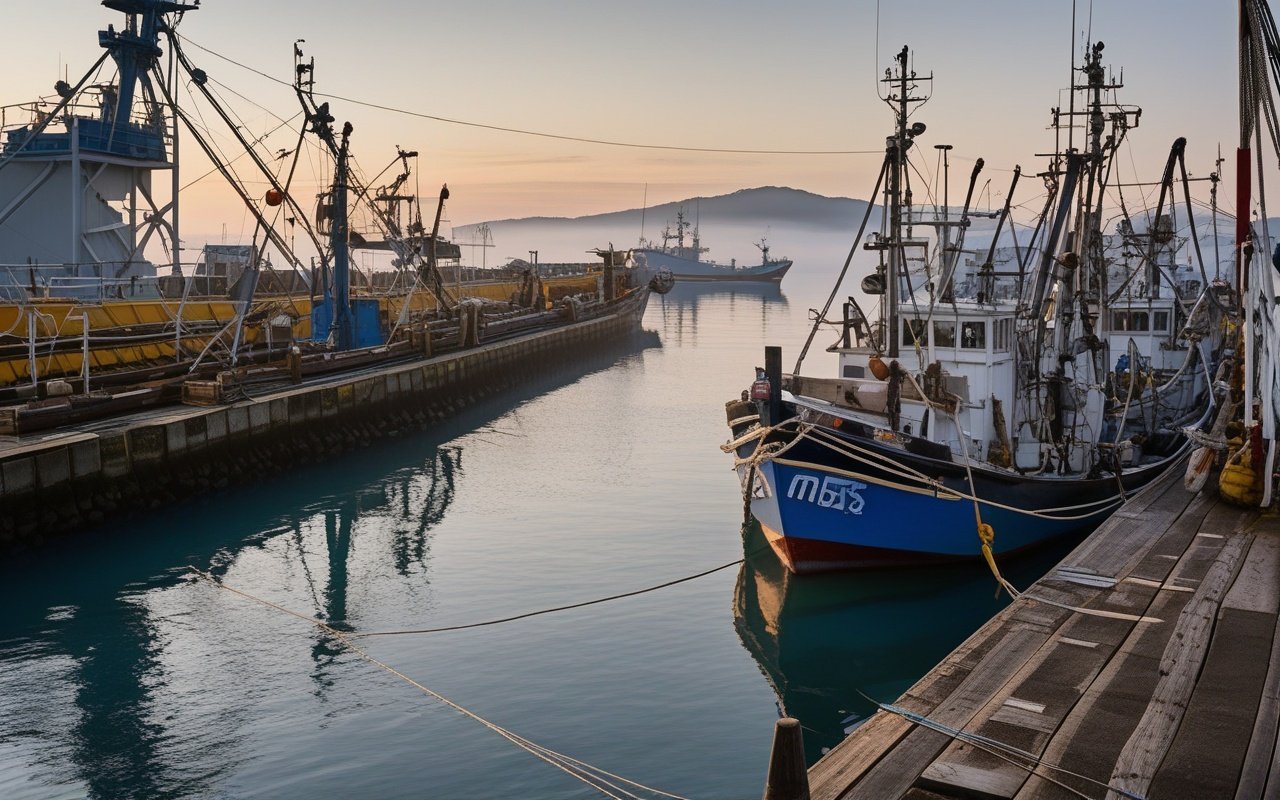
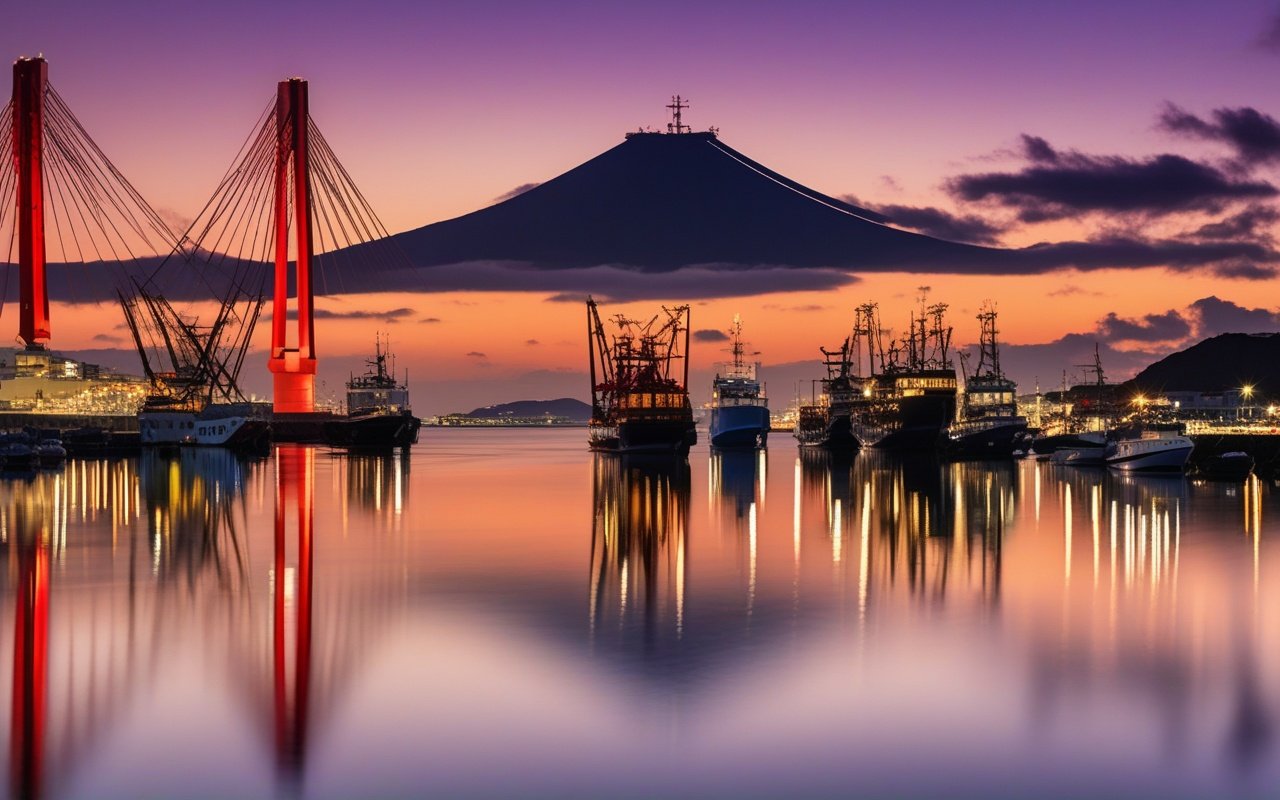
What Makes Misaki Port Special:
- Authentic fishing port: Working boats, not tourist attractions
- Jogashima Bridge: Iconic red arch, perfect for sunrise/sunset
- Harbor reflections: Calm water creates mirror effects at sunrise
- Showa atmosphere: Retro storefronts and fishing gear
- Tuna culture: Boats, markets, and restaurants tell a story
Photography Stats:
- Best months: October-March (clearest air)
- Golden hour: 1 hour before sunset
- Blue hour: 20-40 minutes after sunset
- Harbor activity peak: 6:00-8:00 AM (tuna boats returning)
- Mt. Fuji visibility: November-February (highest clarity) Updated: June 2026 (all locations verified)
Zone 1: Main Harbor & Tuna Boats
Best For: Authentic fishing port photography, boat details, harbor life Coordinates: 35.1345°N, 139.6156°E Key Shots:
- Rows of tuna boats: Morning light, mist rising
- Fishing nets and gear: Textural close-ups
- Fishermen at work: Candid documentary style
- Reflections in calm water: Symmetry shots
Equipment:
- Wide-angle (16-35mm): Harbor panoramas
- Telephoto (70-200mm): Boat details from a distance
- Standard zoom (24-70mm): Versatile walk-around
Best Times:
- Early morning (6-8 AM): Peak harbor activity
- Overcast days: Diffused light, moody atmosphere
- Golden hour: Warm light on white boat hulls
Local Tips:
✅ Arrive by 6:00 AM for boat activity
✅ Ask fishermen before photographing them
✅ Respect work areas (don't block operations)
✅ Early morning mist adds atmosphere
✅ Weekdays are quieter than weekends
Zone 2: Jogashima Bridge
Best For: Iconic bridge shots, reflection photography, sunset silhouettes Coordinates: 35.1312°N, 139.6178°E Key Shots:
- Bridge + sunset: Red arch against orange sky
- Reflection in harbor: Calm water mirror effect
- Bridge from below: Dramatic perspective
- Night lights: Bridge illuminated after dark
Equipment:
- Wide-angle (16-35mm): Full bridge + environment
- Telephoto (70-200mm): Compress bridge + Mt. Fuji
- Tripod: Essential for blue hour and night
- ND filter: Long exposure water smoothing
Best Times:
- Sunset: Best from mainland side (west)
- Sunrise: Good from Jogashima side (east)
- Blue hour: Bridge lights illuminate
- Low tide: Access to reflection pools
Camera Settings:
Recommended Settings (Sunset):
Mode: Manual
Aperture: f/8-f/11
ISO: 100-200
Shutter: 1/30-1/125
White Balance: Daylight (preserves warm tones)
Format: RAW
Local Tips:
✅ Scout location during daytime first
✅ Best bridge angle from Misaki Port side
✅ Calm windless days = best reflections
✅ Include fishing boats in foreground
✅ Blue hour: 20 minutes after sunset is magic
Zone 3: Urari Marche & Waterfront
Best For: Modern harbor views, local food culture, street photography Visit the Shin-Yokohama Ramen Museum — taste ramen from across Japan & explore the history of this iconic dish Coordinates: 35.1348°N, 139.6149°E
Key Shots:
- Urari Marche building: Modern + traditional contrast
- Food stalls: Vibrant colors of fresh seafood
- Harbor from terrace: Elevated perspective
- Crowd scenes: Weekend market atmosphere
Equipment:
- Standard zoom (24-70mm): Versatile for people + architecture
- Fast prime (35mm or 50mm f/1.8): Low light interior
- Smartphone: Quick food shots
Best Times:
- Weekend mornings: Market in full swing
- Midday: Best light for food photography
- Late afternoon: Golden light on terrace
Local Tips:
✅ Try misaki don (bowl) for food shots
✅ Ask permission before photographing stall owners
✅ Morning light through market canopy is beautiful
✅ Second-floor deck provides elevated harbor view
Zone 4: Misaki Ginza Shopping Street
Best For: Showa retro atmosphere, street photography, architectural details Coordinates: 35.1340°N, 139.6142°E Key Shots:
- Narrow street perspective: Leading lines into distance
- Old storefronts: Wooden facades, faded signage
- Local characters: Shopkeepers, customers
- Evening scenes: Warm light spilling onto street Equipment:
- Wide-angle (16-35mm): Street scenes
- Standard zoom (24-70mm): Candid shots
- Fast prime: Low light evening photography
Best Times:
- Late afternoon: Warm light on facades
- Evening: Nostalgic atmosphere
- Rainy days: Wet reflections on pavement
Local Tips:
✅ Early morning has best light on facades
✅ Many shops close by 5:00 PM
✅ Look up: second-floor windows are photogenic
✅ Rainy days create beautiful wet reflections
✅ Black and white conversions work well here
Zone 5: Waterfront Promenade
Best For: Harbor panoramas, people photography, relaxed sunset shots Coordinates: 35.1342°N, 139.6145°E Key Shots:
- Harbor panorama: Stitch multiple shots
- Benches + sunset: Lifestyle photography
- Walking path leading to bridge: Leading lines
- Fishing from pier: Documentary style Equipment:
- Wide-angle (16-35mm): Panoramas
- Standard zoom (24-70mm): Versatile
- Tripod: For sunset exposures Best Times:
- Sunset: Main event
- Late afternoon: Pleasant strolling light
- Weekend: More local life visible
Local Tips:
✅ Panorama stitch recommended for wide harbor views
✅ Benches are well-positioned for sunset
✅ Combine with Jogashima Island visit (bridge connects)
Zone 6: Jogashima Island Sunset Point
Best For: Spectacular Mt. Fuji sunsets, dramatic coastal photography Coordinates: 35.1234°N, 139.6234°E (Jogashima Lighthouse area) Key Shots:
- Mt. Fuji silhouette behind bridge: Iconic composition
- Rocky shoreline foreground: Texture + depth
- Lighthouse + sunset: Classic composition
- Waves crashing on rocks: Long exposure
Equipment:
- Wide-angle (16-35mm): Landscape + Fuji
- Telephoto (70-200mm): Compress Mt. Fuji
- Tripod: Essential
- ND filter: Long exposure waves Best Times:
- Winter: Clearest Mt. Fuji visibility
- Sunset: Light up the bridge/fuji
- Blue hour: Dramatic afterglow Access: Cross Jogashima Bridge, 15-minute walk from bus stop
Local Tips:
✅ Check Mt. Fuji visibility forecast before going
✅ Arrive 1 hour before sunset
✅ Winter = best visibility but coldest
✅ Stay 30 min after sunset for blue hour
Spring (March-May)
Characteristics:
- Mild temperatures, occasional rain
- Cherry blossoms near the port area
- Wildflowers on coastal trails
- Soft spring light after rain
Best Subjects:
- Cherry blossoms + harbor boats
- Wildflowers in foreground compositions
- Clear air after rain showers
- Soft diffused light on overcast days Camera Settings:
Aperture: f/5.6-f/8
ISO: 100-200
White Balance: Daylight or Cloudy
Polarizer: Reduce glare on water
Pro Tips:
✅ Cherry blossoms: Late March-early April
✅ After rain: Clearest air and reflections
✅ Spring fog = moody harbor shots
Summer (June-August)
Characteristics:
- Hot, humid, dramatic clouds
- Latest sunsets (7:00+ PM)
- Haze common
- Tanabata festival decorations Best Subjects:
- Dramatic cumulus clouds
- Long golden hour sessions
- Festival atmosphere
- Green hillsides Camera Settings:
Aperture: f/8-f/11
ISO: 100-400
White Balance: Daylight
ND Filter: Long exposure clouds
Pro Tips:
✅ Sunset: Latest of year (longer shooting window)
✅ Afternoon thunderstorms = dramatic clouds
✅ Haze: Use polarizer to cut through
Autumn (September-November)
Characteristics:
- Best visibility and stable weather
- Comfortable temperatures
- Clear air, clean light
- Fewer crowds Best Subjects:
- Mt. Fuji (clear autumn days)
- Autumn colors (late November)
- Crisp golden hour light
- Clean architectural shots Camera Settings:
Aperture: f/8-f/11
ISO: 100
White Balance: Daylight
Polarizer: Enhance autumn clarity
Pro Tips:
✅ Best season for overall photography
✅ Mt. Fuji most visible in October-November
✅ Comfortable temperature for long shoots
Winter (December-February)
Characteristics:
- Cold, windy but clearest air
- Earliest sunsets (4:30 PM)
- Fewest crowds
- Best Mt. Fuji visibility
Best Subjects:
- Mt. Fuji + bridge (iconic combination)
- Minimalist winter compositions
- Warm food market interiors
- Sunrise harbor activity Camera Settings:
Aperture: f/8-f/11
ISO: 100-400
White Balance: Cloudy (warms up scene)
Battery: Keep spare warm
Pro Tips:
✅ Best season for Mt. Fuji shots
✅ Earliest sunsets = convenient timing
✅ Fewest tourists = clean compositions
Frequently Asked Questions
Q: What’s the best lens for Misaki Port photography?
A: A 24-70mm f/4 is the most versatile. Add a 16-35mm for harbor panoramas and a 70-200mm for Mt. Fuji compression and boat details.
Q: Is Jogashima better than the port for sunset?
A: Both are excellent. The port offers harbor + boat foregrounds, while Jogashima gives unobstructed ocean + Mt. Fuji views. Visit both if possible.
Q: Can I photograph inside Urari Marche?
A: Yes, the market is open to photography. Ask permission for close-ups of vendor stalls. Food photography is generally welcome.
Q: What time do the tuna boats come in?
A: Most boats return between 6:00-8:00 AM. Arrive early for the best harbor activity shots.
Q: Do I need a tripod?
A: Recommended for sunset, blue hour, and long exposure photography. A compact travel tripod is sufficient.
Last Updated: June 4, 2026
Written by: Anaba OffJapan Editorial Team
Verified: All locations tested June 2026
🌟 Share Your Experience
Have Misaki Port photos to share? Photography tips for fellow travelers? Join our community forum to share your experiences!
Anaba OffJapan – Avoid the Crowds, Go Deeper into Japan.
⏰ Best Time to Visit
Early morning (6-8 AM): Port is most active with returning fishing boats, mist over water, quiet atmosphere Late afternoon (4-6 PM): Beautiful golden light, Jogashima Bridge silhouettes, sunset photography
🎯 What I Recommend
- Walk across Jogashima Bridge: The perspective from the bridge offers unique compositions you cannot get from shore
- Combine port + island: Start at the harbor for morning activity, cross to Jogashima for sunset
- Talk to local fishermen: They often know the best hidden viewpoints and will share local stories
⚠️ Things to Watch Out For
- Early morning mist can obscure Mt. Fuji — check weather forecasts
- Seagulls are bold near the port — protect your gear
- Some piers are private — respect posted signs and boundaries
- Wind can be strong near the water — secure tripod with weight
Miura Peninsula Area
|—|—|—|—|—|
| Misaki Port Tuna Market | Seafood Market | 🔗 Official Website | 8:00-17:00 | ¥1,000-3,000 |
| Maguro no Sato | Tuna Restaurant | 🔗 Official Website | 11:00-15:00 | ¥1,500-4,000 |
| Urari Marche Food Court | Food Court | 🔗 Official Website | 9:00-18:00 | ¥800-2,000 |
-
Photography: 6:00-8:00 AM (harbor activity) or 4:00-6:00 PM (golden hour)
-
Dining: 11:30 AM – 1:30 PM (fresh tuna lunch)
-
Market: 9:00 AM – 12:00 PM (best selection)
-
Credit Cards: Accepted at larger restaurants and Urari Marche
-
Cash: Preferred at smaller shops and fish market stalls
-
IC Cards (Suica/Pasmo): Not widely accepted
📱 Useful Apps
- Sun Surveyor: Plan sunset and sunrise positions
- Google Maps: Check tide schedules at port
- Windy: Check wind and visibility conditions for Mt. Fuji shots
Packing Essentials
For outdoor activities, wear moisture-wicking clothing and comfortable closed-toe shoes. Sunscreen and a hat are essential during summer. A small towel is useful for wiping sweat. A waterproof phone pouch is useful for water activities. Pack snacks and extra water for remote areas.
Conclusion
exploring Kanagawa for its sunset can be as relaxed or as packed as you want it to be, and I have found that the best visits leave room for both planning and spontaneity. During my visit I went with a rough plan and found that leaving room to wander made the trip far more memorable. Use this guide to sort out the logistics in advance, then let the day surprise you — Kanagawa rewards travelers who stay curious.