
Kanagawa offers a wide range of activities for every type of traveler. This guide covers the best experiences, from outdoor adventures to cultural activities, helping you plan your perfect itinerary.
Misaki Port Walking Guide 2026
Overview
Overview: A Morning in Misaki Port
Misaki Port is one of the most walkable destinations on the Miura Peninsula. Unlike sprawling tourist hubs, Misaki’s attractions are concentrated in a compact area around the harbor, Everything is within a 15-minute walk, making it perfect for a relaxed half-day exploration on foot.
Why Walk Misaki Port?
- Compact layout: All attractions within walking distance
- Authentic atmosphere: Showa-era streets untouched by modernization
- Fresh tuna at every turn: Restaurants and shops line the route
- Harbor views: The port is the constant companion throughout
- Easy access: Direct walk from Misakiguchi Station
Walk Stats:
- Total distance: ~2.5 km
- Duration: 2-3 hours (including stops)
- Difficulty: Easy (flat terrain)
- Best start time: 9:00-10:00 AM
- Wheelchair accessible: Main route is accessible
Route Overview:
Stop 1: Misakiguchi Station (start)
Stop 2: Misaki Port Harbor View
Stop 3: Urari Marche & Fisherman's Market
Stop 4: Misaki Ginza Shopping Street
Stop 5: Hidden Alleyways & Showa Streets
Stop 6: Waterfront Promenade
Stop 7: Tuna Lunch (finish)
Stop 1: Start at Misakiguchi Station
Start your walk here — the gateway to Misaki Port. From the station exit, head south on the main road toward the harbor. The walk is a pleasant 10-minute downhill stroll with the first glimpses of the port appearing between buildings as you descend.
What to Do:
- Get your bearings at the station information board
- Check the bus schedule for Jogashima (optional extension)
- Visit the small convenience store for water and snacks
- Take the first photo looking down the hill toward the harbor Pro Tip: Vending machines near the station have better prices than those at the port.
Stop 2: Misaki Port Harbor View
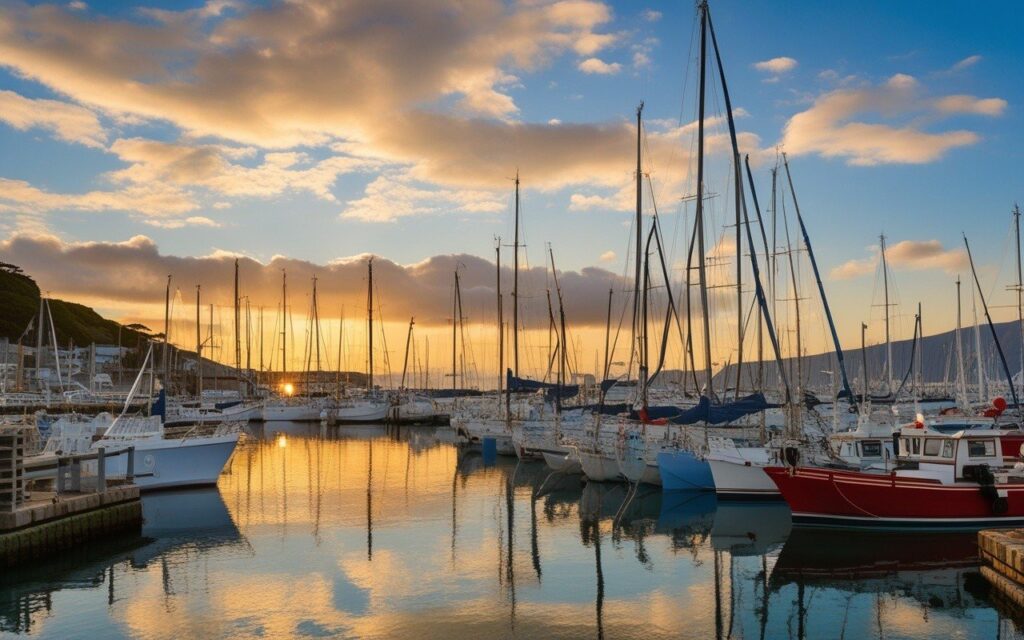
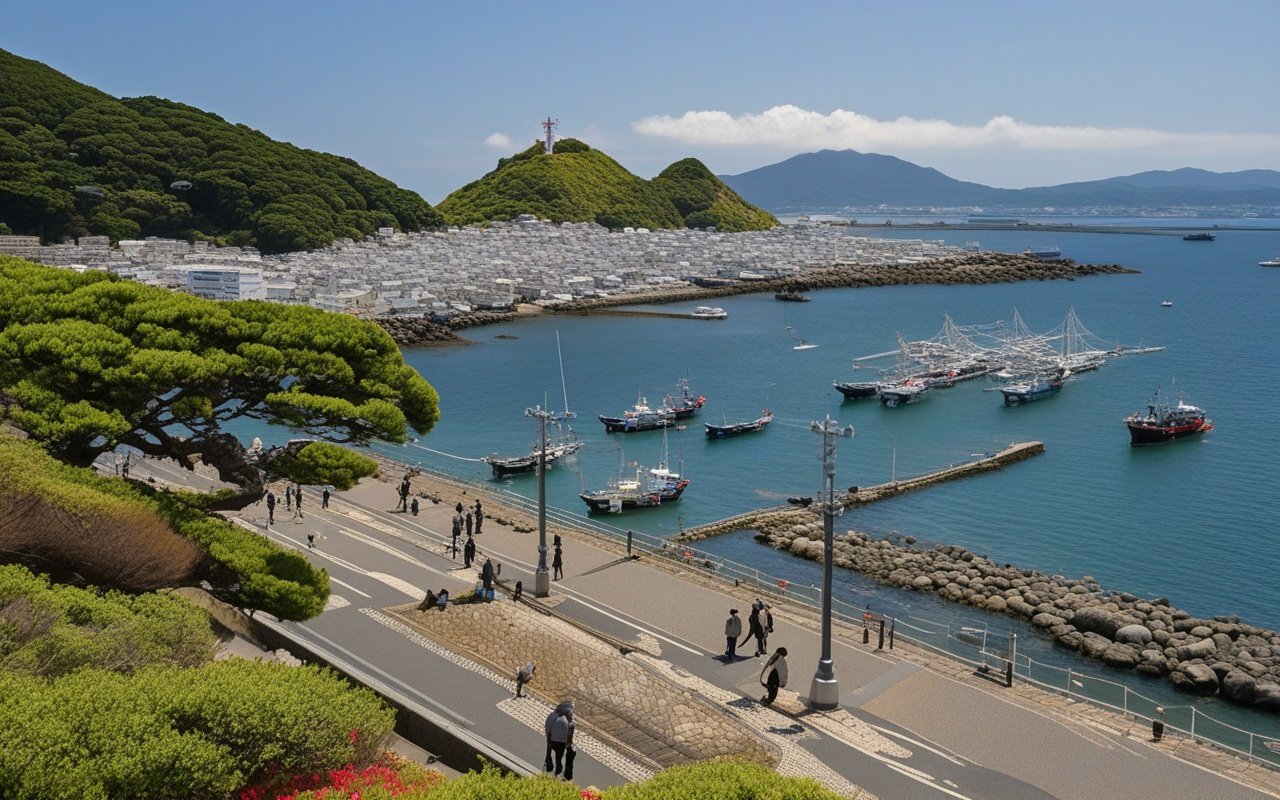
Walk: 10 minutes from station The harbor opens up as you reach the bottom of the hill. This is where Misaki’s identity as a major tuna fishing port becomes immediately clear — rows of fishing boats bob at their moorings, seagulls circle overhead, and the air carries a distinct salt-and-fish aroma.
What to See:
- Tuna fishing boats: Some over 100 tons, these vessels fish across the Pacific
- Harbor cranes: Loading and unloading the daily catch
- Jogashima Bridge view: The red arch bridge visible to the south
- Fishing gear: Nets, buoys, and equipment stacked along the quay Photo Opportunity: The long view of the harbor with Jogashima Bridge in the background is the quintessential Misaki shot. Best Time: 9:00-10:00 AM — boats are docked, activity is visible
Stop 3: Urari Marche & Fisherman’s Market
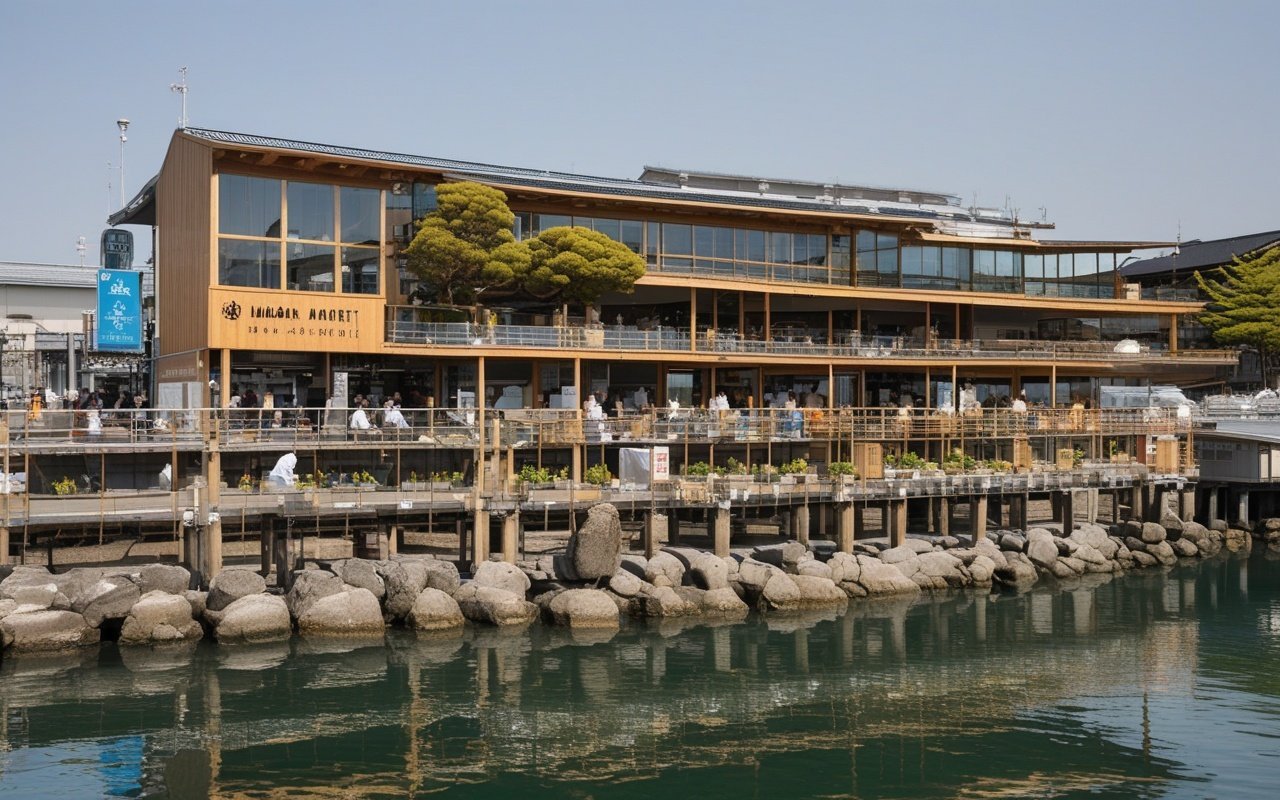
Walk: 2 minutes from harbor view Urari Marche is Misaki Port’s modern market complex. Despite its contemporary architecture, it functions as a genuine fisherman’s market where locals shop for the day’s catch.
What to See:
- Fresh seafood stalls: Tuna, squid, local fish displayed on ice
- Dried fish shop: Traditional himono (dried fish) in rows
- Local produce: Miura vegetables, known for their sweetness
- Food court: Sample fresh tuna bowls and seafood dishes
What to Buy:
- Maguro jerky: Makes an excellent portable snack
- Local seaweed: Grown in Miura’s coastal waters
- Fresh wasabi: From nearby Hakone, sold in small quantities Explore Mt Fuji & Hakone on a full-day trip with sukiyaki lunch, Hakone Cruise, Ropeway & Shinkansen return Eat Now: Try a small bowl of misaki don (minced tuna bowl) as a mid-morning snack — around ¥800-1,200. Pro Tip: Arrive by 10:00 AM for the best selection. The market starts winding down after noon.
Stop 4: Misaki Ginza Shopping Street
Walk: 3 minutes from Urari Marche Turn inland from the harbor and you will find Misaki Ginza — a covered shopping street that feels frozen in the Showa era (1950s-1960s). This is not a tourist shopping arcade but a genuine local shopping street serving the Misaki community.
What to See:
- Traditional fishmongers: Selling whole tuna and cuts
- Dry goods store: Rice, beans, pickles in barrels
- Old-fashioned barber shop: Red, white, and blue pole still spinning
- Local pharmacy: With herbal medicines and traditional remedies
What to Buy:
- Pickled vegetables: Misaki’s tsukemono (pickles) are local specialty
- Senbei (rice crackers): Made with local seafood
- Handmade kitchen tools: Traditional Japanese knives and utensils
Photo Opportunity: The street’s covered arcade creates interesting light patterns. Midday sun filtering through the translucent roof makes for atmospheric shots.
Pro Tip: Many shop owners are elderly and happy to chat. A smile and simple greeting go a long way.
Stop 5: Hidden Alleyways & Showa Streets
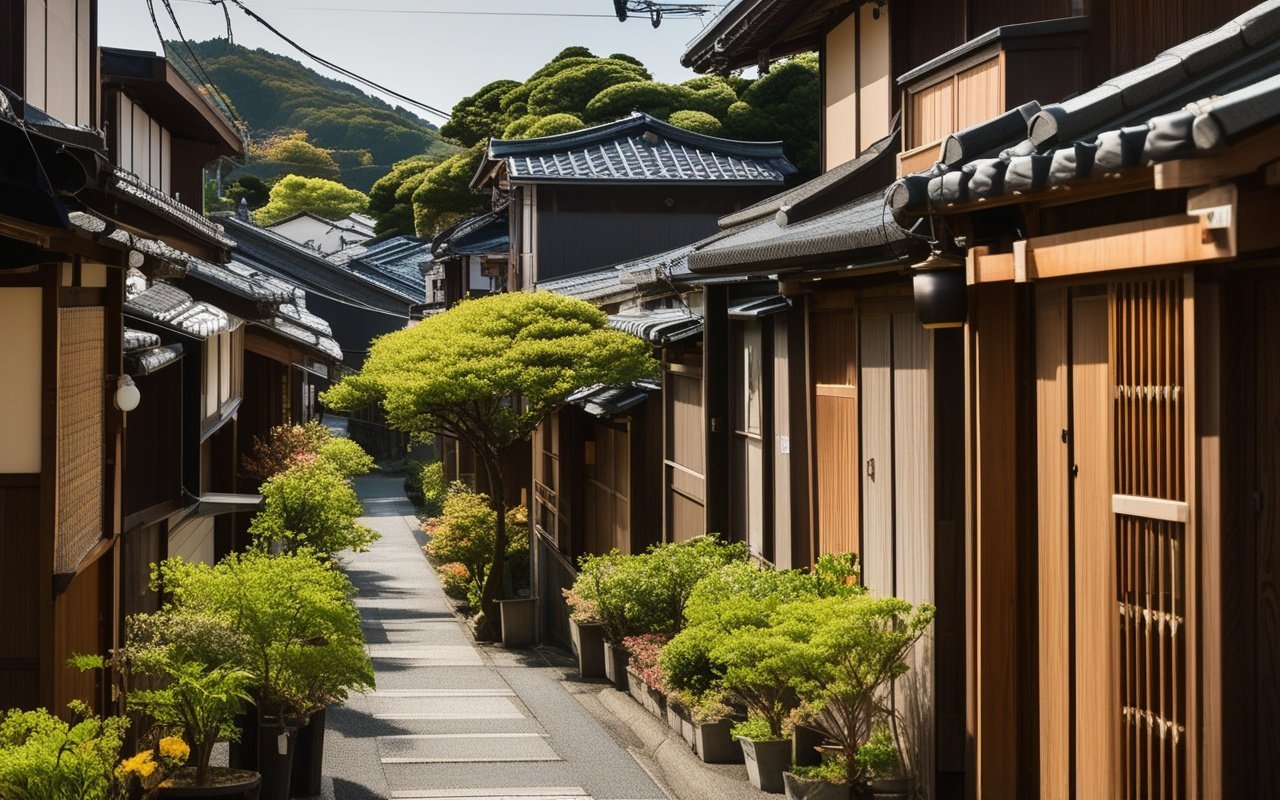
Walk: Branch off Ginza Street into side alleys The real magic of Misaki lies in its narrow alleyways that branch off the main shopping street. These residential lanes offer a glimpse into daily life away from the harbor.
What to See:
- Wooden townhouses: Traditional machiya (townhouses) with tiled roofs
- Bonsai gardens: Tiny but meticulously maintained
- Outdoor tai chi: Morning exercise groups in small community spaces
- Cats: Misaki has a notable population of friendly neighborhood cats
Photography Tips:
- Look for laundry hanging between buildings — authentic daily life
- Early morning light creates long shadows in narrow alleys
- Rainy days add reflections on wet pavement
- Black and white photography suits the Showa atmosphere
lesser-known spots:
- Small Inari shrine tucked between houses on a side street
- Community notice board with hand-drawn maps and local events
- Vintage vending machine selling unusual local drinks
Pro Tip: There is no set route here — the point is to wander. Allow 20-30 minutes for aimless exploration.
Stop 6: Waterfront Promenade
Walk: 5 minutes back to harbor, south of Urari Marche Walk south from the market along the waterfront. A paved promenade runs parallel to the harbor, offering uninterrupted views of the port, Jogashima Bridge, and the open sea beyond.
What to See:
- Jogashima Bridge: Best close-up view from the promenade
- Fishing boats returning: Watch the afternoon boats come in
- Seaside benches: Perfect for a rest with harbor views
- Distant Mt. Fuji: On clear days, visible southwest Optional Extension: Walk across Jogashima Bridge (10 minutes) for sunset views from the island side.
Photo Opportunity: From the southern end of the promenade, frame Jogashima Bridge with fishing boats in the foreground for a classic Misaki composition.
Stop 7: Tuna Lunch (Finish)
Walk: 3 minutes to any port-side restaurant Finish your walk with Misaki’s specialty — tuna, prepared every way imaginable. The area around the harbor is packed with restaurants specializing in maguro (tuna).
Recommended Lunch Spots:
| Restaurant | Specialty | Price Range | Hours |
|---|---|---|---|
| Maguro no Sato | Tuna sashimi set meal | ¥1,500-3,000 | 11:00-15:00 |
| Misaki Port Rest House | Maguro donburi (bowl) | ¥1,000-1,500 | 10:00-16:00 |
| Kuroiwa Shokudo | Grilled tuna steak | ¥1,200-2,000 | 11:00-14:00 |
| Urari Marche Food Court | Variety (light lunch) | ¥800-1,500 | 9:00-17:00 |
What to Order:
- Maguro donburi: Raw tuna over rice, simplest and best
- Negi toro don: Minced fatty tuna with green onion
- Tuna katsu: Deep-fried tuna cutlet (unique to Misaki)
- Aburi tuna: Seared tuna with ponzu sauce Pro Tip: Lunch service typically starts at 11:00 AM. Arrive by 11:30 AM to beat the crowd.
Optional Extension: Jogashima Island
If you have extra time and energy, cross Jogashima Bridge to explore Jogashima Island — a 15-minute walk from the port. The island offers:
- Jogashima Lighthouse: Historic lighthouse with panoramic views
- Coastal hiking trails: Cliffside paths with dramatic scenery
- Umanose Cave: Natural sea arch tunnel in the volcanic rock
- Sunset viewpoints: Among the best in Kanagawa Prefecture
Allow: 1-2 hours for a brief exploration Related Guides:
- Jogashima Lighthouse & Geology Guide — Jogashima’s dramatic coastal scenery
- Jogashima Sunset Spots — Best sunset viewpoints on the island
- Misaki Port Food Guide — More tuna restaurant recommendations
- Misaki Port Best Time to Visit — Plan your visit to avoid crowds
Frequently Asked Questions
Q: How long does the walking route take?
A: The full route including stops takes 2-3 hours. Add 1-2 hours if crossing to Jogashima Island.
Q: Is the route suitable for children?
A: Yes, the terrain is flat and paved. Children will enjoy the boats, market, and cats in the alleyways.
Q: What should I bring?
A: Comfortable walking shoes, camera, small bag for market purchases, cash (smaller shops don’t take cards), water bottle.
Q: Can I do this walk in the afternoon?
A: Yes, but the morning (9 AM-12 PM) is best for the market and harbor activity. Afternoon walks are quieter with better sunset light.
Q: Are there restrooms along the route?
A: Yes, at Misakiguchi Station, Urari Marche, and the waterfront area.
Last Updated: June 4, 2026
Written by: Anaba OffJapan Editorial Team
Verified: All locations tested June 2026
🌟 Share Your Experience
Walked this route? Discovered a hidden spot we missed? Join our community forum to share your discoveries!
Anaba OffJapan – Avoid the Crowds, Go Deeper into Japan.
⏰ Best Time to Walk
Morning (9 AM-12 PM): Market is most active, harbor boats are docked, shops are open, and the morning light is beautiful Late afternoon (3-5 PM): Quieter streets, golden light, good for photography, combine with Jogashima sunset
🎯 What I Recommend
- Start early: The market is best before noon, and you will have Misaki Ginza mostly to yourself
- Try something from every food stall: Sampling is half the fun of Misaki’s food culture
- Don’t skip the alleyways: The planned route is good, but spontaneous detours often lead to the best discoveries
⚠️ Things to Watch Out For
- Many shops close on Wednesdays and Thursdays — plan accordingly
- The fish market can be slippery when wet — wear non-slip shoes
- Seagulls may swoop for food near the harbor — eat under cover
- Limited ATM availability — bring enough cash
Miura Peninsula Area
|—|—|—|—|—|
| Misaki Port Rest House | Tuna Bowl | 🔗 Official Website | 10:00-16:00 | ¥1,000-1,500 |
| Maguro no Sato | Tuna Restaurant | 🔗 Official Website | 11:00-15:00 | ¥1,500-3,000 |
| Kuroiwa Shokudo | Tuna Steak | — | 11:00-14:00 | ¥1,200-2,000 |
-
Market: 9:00-11:00 AM (peak freshness and selection)
-
Walking: 9:00 AM – 12:00 PM (most shops open, activity visible)
-
Lunch: 11:30 AM – 1:00 PM (tuna is freshest at lunch)
-
Credit Cards: Accepted at Urari Marche and larger restaurants
-
Cash: Essential for smaller shops and market stalls
-
IC Cards (Suica/Pasmo): Not widely accepted in the port area
📱 Useful Apps
- Google Maps: Offline maps work well (download area in advance)
- Urari Marche Website: Check market hours and special events
- Stroly Walking Map: Interactive map of Misaki Town
Conclusion
Whether you are planning exploring Kanagawa for the first time or returning for another visit, taking a little extra time to go beyond the obvious sights makes all the difference. During my visit I went with a rough plan and found that leaving room to wander made the trip far more memorable. I hope this guide helps you build an itinerary that fits your pace, and that your time in Kanagawa leaves you with memories worth coming back for.