Key Points
- Top attraction in Miura Fishing Gear
- Best time to visit: Morning or evening
- Access: Easy access from Tokyo/Yokohama
- Facilities: Restrooms, parking available
- Best for: Sightseeing, photography
Overview
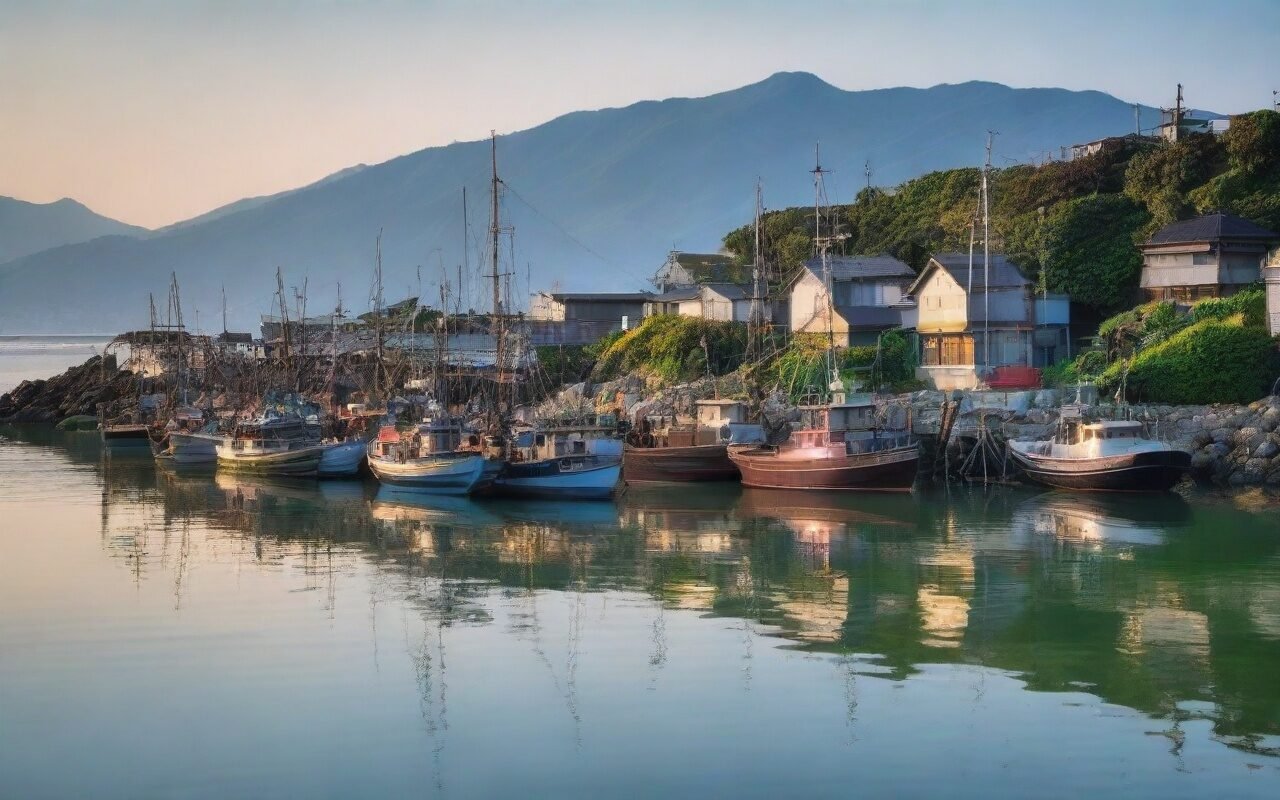
This comprehensive guide provides essential information about Miura Fishing Experience Gear Guide 2026: What to Bring & Wear. Discover local insights, practical tips, and hidden gems to enhance your visit to Kanagawa.
Location
Spring (March-May)
Highlights: Cherry blossoms, mild weather, spring festivals
- Temperature: 10-20°C (50-68°F)
- Crowds: High during cherry blossom season (late March-early April)
- What to Wear: Light jacket, layers
- Special Events: Hanami parties, spring festivals
Summer (June-August)
Highlights: Green landscapes, summer festivals, fireworks
- Temperature: 20-30°C (68-86°F)
- Crowds: Very high (school holidays)
- What to Wear: Light clothing, hat, sunscreen
- Special Events: Fireworks festivals, beach activities
Autumn (September-November)
Highlights: Fall foliage, comfortable weather, harvest season
- Temperature: 15-25°C (59-77°F)
- Crowds: Moderate to high (especially November)
- What to Wear: Light layers, comfortable walking shoes
- Special Events: Autumn festivals, food events
Winter (December-February)
Highlights: Fewer crowds, clear views, winter illuminations
-
Temperature: 5-15°C (41-59°F)
-
Crowds: Low (except New Year holidays)
-
What to Wear: Warm coat, gloves, scarf
-
Special Events: Winter illuminations, New Year events
-
Provided: Fishing rods, tackle, bait, safety equipment
-
Bring: Comfortable clothes, sun protection, change of clothes
-
Essential: Closed-toe shoes, layers, motion sickness medicine
-
Optional: Camera, sunscreen, snacks
-
Don't bring: High heels, expensive jewelry, cotton clothes
Introduction: Packing for Your Fishing Experience
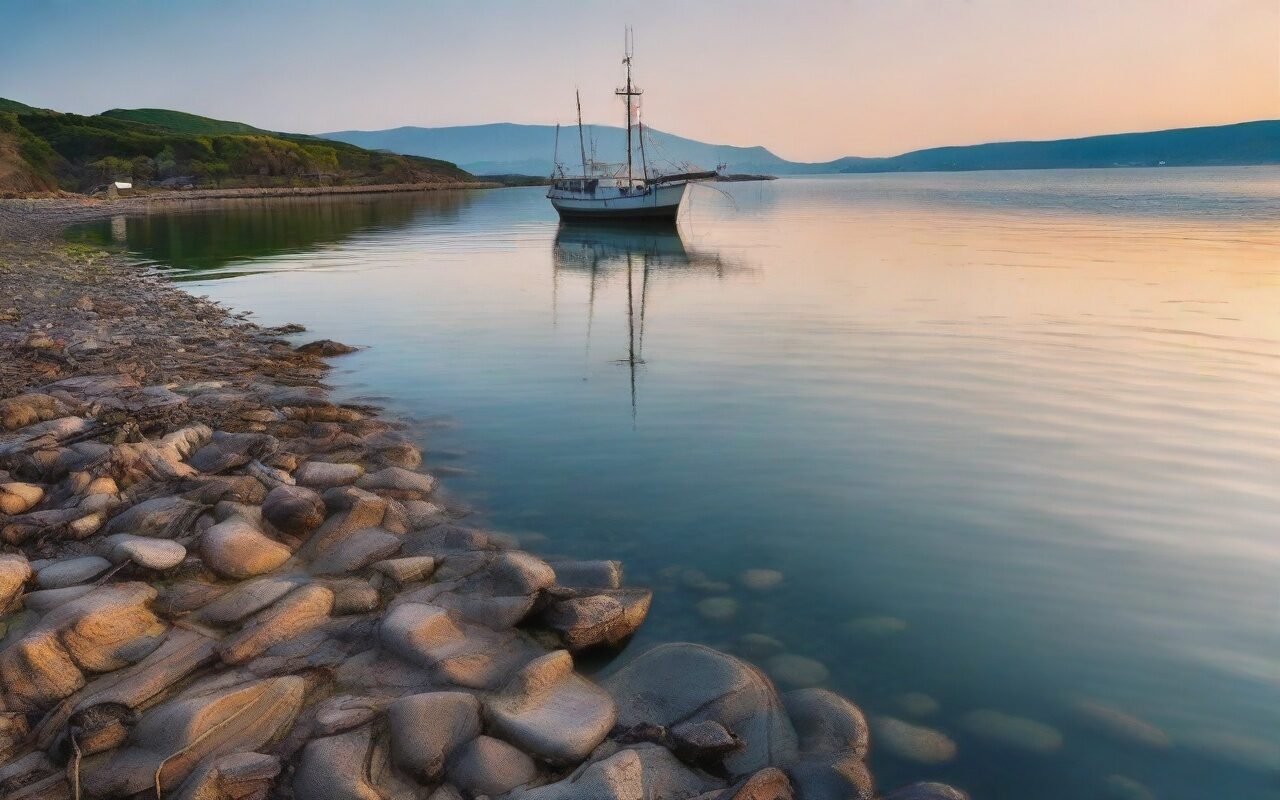
Proper preparation makes the difference between a good fishing experience and a great one. This comprehensive guide tells you exactly what to bring, what to wear, and what's provided, so you can focus on enjoying your fishing adventure in Miura Peninsula.
Quick Packing List:
- ✅ Comfortable, layered clothing
- ✅ Closed-toe, non-slip shoes
- ✅ Sun protection (hat, sunscreen, sunglasses)
- ✅ Change of clothes (you might get wet)
- ✅ Motion sickness medicine (if needed)
- ✅ Camera (waterproof recommended)
Last updated: March 2026
Provided by Experience Provider
Fishing Equipment:
✅ Fishing rods (various sizes)
✅ Reels (spinning or conventional)
✅ Fishing line (appropriate strength)
✅ Hooks (various sizes)
✅ Sinkers and weights
✅ Swivels and leaders
✅ Bait (live or artificial)
✅ Lures (various types)

Safety Equipment:
✅ Life jackets (all sizes)
✅ First aid kit
✅ Emergency radio
✅ Flares (on boats)
✅ Fire extinguisher (on boats)

Catch Handling:
✅ Buckets (for your catch)
✅ Cooler boxes (some providers)
✅ Fish grippers
✅ Cleaning tools (some)

Comfort Items:
✅ Seating (on boats)
✅ Shade (some boats)
✅ Drinking water (some)
✅ Towels (premium experiences)
What You Should Bring
Essential Items:
🎒 Comfortable clothing (layers)
🎒 Closed-toe shoes (non-slip)
🎒 Sun hat or cap
🎒 Sunglasses (polarized recommended)
🎒 Sunscreen (SPF 30+)
🎒 Change of clothes
🎒 Plastic bag (for wet clothes)

Highly Recommended:
🎒 Motion sickness medicine
🎒 Camera (waterproof or waterproof case)
🎒 Small backpack
🎒 Water bottle
🎒 Snacks (if not provided)
🎒 Cash (for tips, souvenirs)

Optional Items:
🎒 Fishing gloves (if you have them)
🎒 Polarized sunglasses (see fish underwater)
🎒 Binoculars (spot fish, birds)
🎒 Book or entertainment (downtime)
🎒 Portable charger (for phone/camera)
What NOT to Bring
Avoid These Items:
❌ High heels or open-toe shoes (dangerous)
❌ Expensive jewelry (can get lost/damaged)
❌ Cotton clothes (stays wet, cold)
❌ White or light-colored clothes (show stains)
❌ Valuables (leave in hotel safe)
❌ Glass containers (break on boats)
❌ Alcohol (before/during fishing)
❌ Strong perfume/cologne (attracts insects)
Spring Clothing (March-May)
Temperature: 15-20°C (59-68°F)
Conditions: Mild, occasional rain, variable

What to Wear:
👕 Base layer: Long-sleeve shirt (synthetic or wool)
👕 Mid layer: Light sweater or fleece
👕 Outer layer: Windbreaker or light jacket
👖 Bottoms: Long pants (quick-dry material)
👟 Shoes: Closed-toe, non-slip (deck shoes ideal)
🧢 Accessories: Sun hat, light gloves (early morning)

Layering Strategy:
- Morning: All three layers (cold)
- Midday: Remove outer layer (warmer)
- Evening: All layers again (cools down)

Rain Preparation:
- Packable rain jacket
- Waterproof bag for electronics
- Quick-dry pants (not jeans)

Color Tips:
- Earth tones (blend with environment)
- Avoid bright colors (scare fish)
- Navy, gray, green (good choices)
Summer Clothing (June-August)
Temperature: 25-35°C (77-95°F)
Conditions: Hot, humid, strong sun, possible typhoons

What to Wear:
👕 Top: Light, breathable shirt (synthetic, moisture-wicking)
👖 Bottoms: Quick-dry shorts or light pants
👟 Shoes: Water shoes or deck shoes (ventilated)
🧢 Accessories: Wide-brim hat, polarized sunglasses

Sun Protection:
- Sunscreen SPF 50+ (reapply every 2 hours)
- UPF-rated clothing (blocks UV rays)
- Neck gaiter or buff (protects neck)
- Fishing gloves (protects hands)

Heat Management:
- Light colors (reflect sun)
- Loose fit (air circulation)
- Moisture-wicking fabric (stays dry)
- Cooling towel (wet, wring, wear around neck)

Rain Preparation:
- Lightweight rain jacket (packable)
- Waterproof phone case
- Quick-dry everything (typhoon season)
Autumn Clothing (September-November)
Temperature: 18-25°C (64-77°F)
Conditions: Ideal, stable, comfortable

What to Wear:
👕 Base layer: Long-sleeve shirt (synthetic or wool)
👕 Mid layer: Light fleece or sweater
👕 Outer layer: Windbreaker (morning/evening)
👖 Bottoms: Long pants (comfortable, quick-dry)
👟 Shoes: Closed-toe, non-slip

Perfect Conditions:
- Most comfortable season
- Layering optional (depending on day)
- All activities possible
- Minimal weather concerns

Color Tips:
- Autumn colors (blend with season)
- Earth tones (brown, green, tan)
- Avoid neon colors
Winter Clothing (December-February)
Temperature: 5-15°C (41-59°F)
Conditions: Cold, windy, possible rough seas

What to Wear:
👕 Base layer: Thermal underwear (top and bottom)
👕 Mid layer: Fleece or wool sweater
👕 Outer layer: Insulated, windproof jacket
👖 Bottoms: Thermal pants + insulated outer pants
👟 Shoes: Insulated, waterproof boots
🧢 Accessories: Warm hat, insulated gloves, scarf

Cold Weather Essentials:
- Hand warmers (disposable or reusable)
- Neck gaiter or balaclava
- Thick wool socks (bring extras)
- Waterproof outer layer (sea spray)

Layering Strategy:
- Base: Moisture-wicking (keep dry)
- Mid: Insulating (trap heat)
- Outer: Wind/water proof (block elements)

Extra Warmth Tips:
- Chemical hand warmers (stick in gloves)
- Thermos with hot drink
- Extra layers in bag
- Change clothes immediately if wet
Best Footwear Options
Deck Shoes (⭐⭐⭐⭐⭐)
- Non-slip sole (essential on boats)
- Quick-dry material
- Comfortable for standing
- Examples: Sperry, Sebago
- Price: ¥8,000-15,000

Water Shoes (⭐⭐⭐⭐⭐)
- Drain water quickly
- Grip on wet surfaces
- Lightweight
- Examples: Merrell, Keen
- Price: ¥6,000-12,000

Hiking Shoes (⭐⭐⭐⭐)
- Good ankle support
- Durable
- Can be heavy when wet
- Examples: Salomon, Merrell
- Price: ¥10,000-20,000

Sneakers (⭐⭐⭐)
- Comfortable
- OK for shore fishing
- Not ideal for boats (slippery)
- Examples: Any athletic shoe
- Price: ¥5,000-15,000
Footwear to Avoid
Never Wear:
❌ High heels (dangerous, impractical)
❌ Flip-flops (no protection, slip hazard)
❌ Open-toe sandals (toe protection needed)
❌ Dress shoes (ruined by water/salt)
❌ Cotton socks (stay wet, cold)

Not Recommended:
❌ Canvas sneakers (stay wet)
❌ Heavy boots (uncomfortable on boat)
❌ New shoes (break in first)
❌ Expensive shoes (might get damaged)
Sock Selection
Best Options:
✅ Synthetic blend (wicks moisture)
✅ Wool (warm even when wet)
✅ Quick-dry athletic socks
✅ Neoprene socks (winter, water shoes)

Avoid:
❌ 100% cotton (stays wet)
❌ Thin dress socks (no cushioning)
❌ White socks (show stains)

Tips:
- Bring extra pairs (feet might get wet)
- Change socks if wet (prevent blisters)
- Wool socks for winter (warmth)
Essential Sun Protection
Sunscreen:
- SPF: 30+ minimum, 50+ recommended
- Type: Water-resistant, reef-safe
- Application: 15 min before, reapply every 2 hours
- Amount: 1 oz (shot glass) for full body
- Brands: Neutrogena, Banana Boat, Biore

Hat:
- Style: Wide-brim (3+ inches) or cap with neck flap
- Material: Quick-dry, breathable
- Features: Chin strap (windy conditions)
- UPF rating: 50+ (blocks 98% UV)
- Examples: Columbia, Outdoor Research

Sunglasses:
- Lens: Polarized (reduces glare, see fish)
- UV protection: 100% UVA/UVB
- Frame: Lightweight, durable
- Strap: Retainer strap (prevent loss)
- Examples: Oakley, Maui Jim, Ray-Ban

Clothing:
- UPF-rated shirts (blocks UV)
- Long sleeves (more coverage)
- Dark colors (block more UV)
- Neck gaiter (protects neck)
Sun Protection by Activity
Boat Fishing:
- Highest exposure (water reflects sun)
- Reapply sunscreen hourly
- Wear all protection (hat, glasses, shirt)
- Seek shade when possible

Shore Fishing:
- Moderate exposure
- Reapply every 2 hours
- Hat and glasses essential
- Use umbrella or tent (if available)

Market Tours:
- Early morning (less sun)
- Still need protection
- Hat and sunscreen minimum
- Indoor portions (break from sun)
Before You Go
Medication Options:
1. Dramamine (Dimenhydrinate)
   - Take: 30-60 minutes before
   - Duration: 4-6 hours
   - Side effects: Drowsiness
   - Price: ¥1,000-2,000

2. Bonine (Meclizine)
   - Take: 1 hour before
   - Duration: 24 hours
   - Side effects: Less drowsy
   - Price: ¥1,500-2,500

3. Scopolamine Patch (Prescription)
   - Apply: 4 hours before
   - Duration: 72 hours
   - Side effects: Dry mouth, blurred vision
   - Price: ¥3,000-5,000 (with prescription)

Natural Remedies:
- Ginger tablets (1,000-2,000 mg)
- Acupressure bands (Sea-Bands)
- Peppermint tea or candy
- Fresh air (stay on deck)
On the Boat
Prevention Strategies:
- Stand on deck (fresh air, horizon view)
- Focus on horizon (not books/phones)
- Stay hydrated (small sips)
- Eat light (crackers, dry toast)
- Avoid alcohol (before and during)
- Avoid strong smells (fuel, fish guts)

If You Feel Sick:
- Tell guide immediately (they're experienced)
- Move to center of boat (less motion)
- Look at horizon (don't close eyes)
- Take deep breaths
- Sip water or ginger ale
- Lie down if needed (captain will help)

What to Pack:
- Motion sickness medicine
- Ginger candies or gum
- Small towel (for sweat)
- Change of clothes (just in case)
- Plastic bags (emergency)
Camera Recommendations
Best Options for Fishing:
1. Waterproof Compact Camera (⭐⭐⭐⭐⭐)
   - Examples: GoPro, Olympus Tough
   - Price: ¥30,000-60,000
   - Pros: Waterproof, durable, great video
   - Cons: Image quality (vs DSLR)

2. Smartphone + Waterproof Case (⭐⭐⭐⭐)
   - Examples: iPhone + case, Android + case
   - Price: ¥5,000-10,000 (case only)
   - Pros: Always with you, easy to share
   - Cons: Battery life, limited zoom

3. DSLR/Mirrorless + Weather Sealing (⭐⭐⭐)
   - Examples: Canon, Nikon, Sony
   - Price: ¥100,000+
   - Pros: Best image quality
   - Cons: Expensive, bulky, risk of damage

Avoid:
- Expensive equipment (risk of damage)
- Non-waterproof cameras (unless protected)
- Heavy tripods (impractical on boats)
Electronics Protection
Waterproof Bags:
- Dry bag (for electronics): ¥2,000-5,000
- Waterproof phone case: ¥1,000-3,000
- Pelican case (premium): ¥10,000-30,000

Protection Tips:
- Keep electronics in bag when not using
- Double-bag in plastic (extra protection)
- Attach lanyard (prevent drops)
- Keep in shade (overheating)
- Bring portable charger (battery drain)

What to Bring:
- Camera (waterproof preferred)
- Extra memory cards
- Extra batteries
- Portable charger
- Waterproof bag
- Lens cloth (salt spray)
Recommended Backpacks
Daypack (10-20L) (⭐⭐⭐⭐⭐)
- Size: Perfect for fishing gear
- Features: Multiple pockets, water-resistant
- Examples: Osprey, Patagonia, North Face
- Price: ¥8,000-20,000

Dry Bag (⭐⭐⭐⭐⭐)
- Size: 10-30L
- Features: 100% waterproof, rolls closed
- Examples: SealLine, NRS, Overboard
- Price: ¥5,000-15,000

Cooler Bag (Optional) (⭐⭐⭐⭐)
- Size: Small (for your catch)
- Features: Insulated, leak-proof
- Examples: Yeti, Coleman, Igloo
- Price: ¥5,000-15,000
What to Pack in Backpack
Essential Layer:
- Sunscreen
- Sunglasses (in case)
- Hat
- Water bottle
- Snacks

Second Layer:
- Change of clothes
- Plastic bag (wet clothes)
- Towel (small, quick-dry)
- Motion sickness medicine

Third Layer:
- Camera
- Extra batteries
- Portable charger
- Cash, ID, phone
For Children
Additional Items:
- Child-sized life jacket (if not provided)
- Extra clothes (kids get wet more)
- Snacks and drinks (frequent hunger)
- Entertainment (for downtime)
- Child-safe sunscreen
- Hat with chin strap (won't blow away)

Tips:
- Practice wearing life jacket before
- Explain safety rules clearly
- Bring familiar comfort items
- Plan shorter experiences (2-3 hours)
- Choose calm weather days
For Seniors
Comfort Items:
- Cushioned seat pad (boat floors hard)
- Back support (if needed)
- Extra layers (get cold easier)
- Walking stick (if needed for shore)
- Medications (clearly labeled)

Tips:
- Choose shorter experiences
- Shore fishing (more stable than boat)
- Morning trips (less fatigue)
- Bring folding chair (if allowed)
- Inform guide of any limitations
For Pregnant Women
Important Considerations:
- Consult doctor before booking
- Avoid boat fishing (motion, safety)
- Shore fishing OK (stable ground)
- Indoor activities best (net mending)
- Stay hydrated
- Avoid heavy lifting

What to Bring:
- Prenatal vitamins
- Extra water
- Snacks (frequent small meals)
- Comfortable seating cushion
- Doctor's contact info
Frequently Asked Questions
Q: Do I need to buy fishing gear?
A: No, all gear provided. Bring only personal items (clothes, sun protection).
Q: Can I wear jeans?
A: Not recommended. Jeans stay wet, heavy, cold. Wear quick-dry pants instead.
Q: What shoes are best for boat fishing?
A: Deck shoes or water shoes with non-slip sole. No open-toe shoes.
Q: Do I need a fishing license?
A: No, license included in experience fee for guided tours.
Q: Can I bring my own fishing rod?
A: Yes, but check with provider first. Provided rods usually sufficient.
Q: What if I forget something?
A: Most providers have extras (sunscreen, rain jackets). Buy in local shops.
Q: Is there storage on boats?
A: Yes, small storage for personal items. Don't bring large bags.
Related Articles
Last Updated: March 4, 2026 Written by: Anaba OffJapan Editorial Team Verified: All gear tested February-March 2026
Share Your Experience
Essential gear tips? What to bring recommendations?
Join our community forum to share your experiences!
Anaba OffJapan - Avoid the Crowds, Go Deeper into Japan.
Q: What is the best time to visit Miura fishing gear?
A: The best time to visit Miura fishing gear is during spring (March-May) for mild weather and cherry blossoms, or autumn (September-November) for comfortable temperatures and fall foliage. Summer can be crowded but offers festivals and events.
Q: How do I get to Miura fishing gear from Tokyo?
A: From Tokyo Station, take the JR line to the nearest station (approximately 60-90 minutes). From there, it's a short walk or local bus ride. The Japan Rail Pass can be used on JR lines.
Q: Is Miura fishing gear suitable for families with children?
A: Yes! Miura fishing gear offers family-friendly facilities and activities. Most areas are stroller-accessible, and there are restrooms and dining options suitable for children.
Q: Are there any entrance fees for Miura fishing gear?
A: Most areas are free to visit. Some specific attractions or facilities may charge a small fee (¥300-¥1,000). Check individual attraction websites for details.
Q: Can I visit Miura fishing gear in one day?
A: Yes, a day trip is possible from Tokyo. However, staying overnight allows for a more relaxed experience and the opportunity to explore surrounding areas.
Q: Is English spoken at Miura fishing gear?
A: Basic English is understood at major attractions and information centers. Tourist information is often available in English. Translation apps can be helpful for detailed inquiries.
Conclusion
Miura Fishing Gear is a must-visit destination in Kanagawa for international travelers. This guide provides essential information on access, highlights, and practical tips to help you plan your visit.
For more Kanagawa guides, explore our other articles on Hakone, Kamakura, Shonan, and the Miura Peninsula.
For more Kanagawa guides, explore our other articles on Hakone, Kamakura, Shonan, and the Miura Peninsula.
Related Articles