Money-Saving Tips
- Purchase combo tickets: Many attractions offer discounted combination tickets
- Visit on weekdays: Lower crowds and sometimes reduced prices
- Use regional passes: Consider area-specific passes for multiple attractions
- Free admission days: Some museums offer free entry on certain days
Time-Saving Tips
- Arrive early: Beat the crowds by visiting popular spots before 10 AM
- Book online: Reserve tickets and restaurants in advance
- Use luggage storage: Store bags at stations to explore freely
- Download offline maps: Save data and navigate easily
Local Insights
- Ask locals: Residents often know the best hidden spots
- Try seasonal specials: Each season offers unique experiences
- Respect customs: Follow local etiquette at temples and shrines
- Learn basic Japanese: Simple phrases enhance your experience
- Top attraction in Shonan Surfing Lessons Guide
- Best time to visit: Morning or evening
- Access: Easy access from Tokyo/Yokohama
- Facilities: Restrooms, parking available
- Best for: Sightseeing, photography
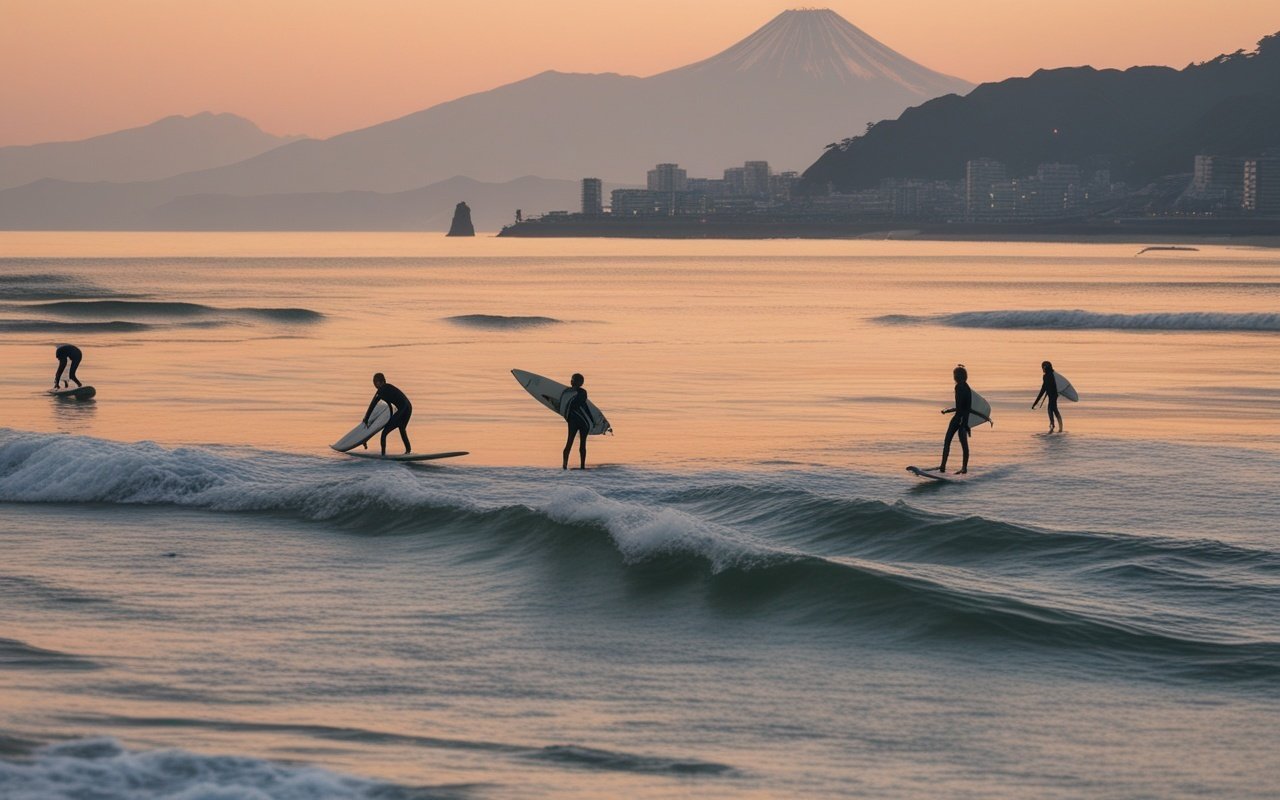
Within 5km
Historic Sites:
- Ancient temples and shrines (10-15 min)
- Traditional architecture and gardens
- Cultural heritage sites
Natural Attractions:
- Scenic parks and walking trails
- Coastal views and beaches
- Mountain viewpoints
Within 10km
Museums & Culture:
- Local history museums
- Art galleries
- Traditional craft centers
Shopping & Dining:
- Local markets
- Specialty shops
- Traditional restaurants
Day Trip Options
Morning:
- Early visit to main attraction
- Breakfast at local cafe
Afternoon:
- Explore nearby sites
- Lunch at recommended restaurant
Evening:
- Sunset viewpoint
- Dinner at local specialty restaurant
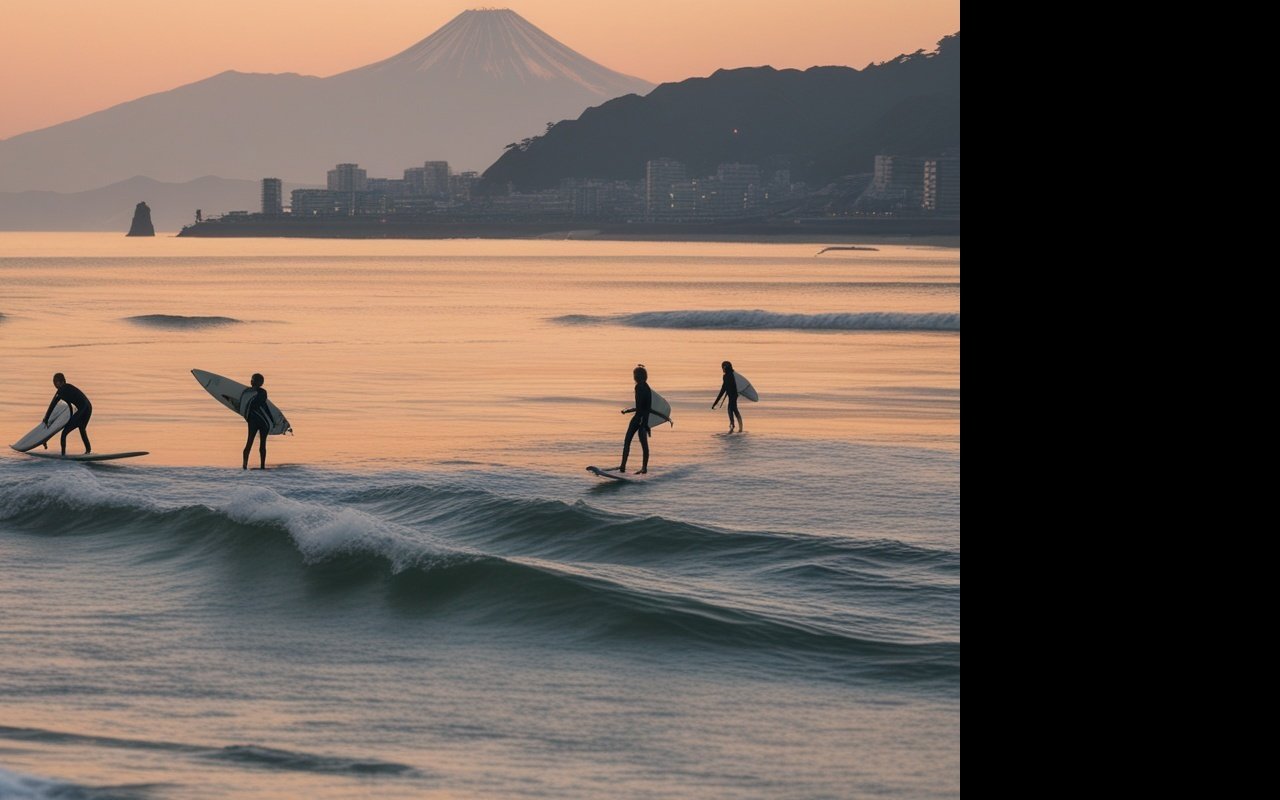
Shonan is Japan's surf capital, offering perfect conditions for beginners with gentle waves, warm water, and over 20 surf schools. This guide covers everything you need to know about taking surfing lessons in Shonan.
Perfect for Beginners
Gentle Waves:
- Wave Height: 0.5-1.5 meters (ideal for learning)
- Wave Type: Sandy bottom (safer than reefs)
- Consistency: Year-round surfable waves
- Best Season: September-November (most consistent)
Warm Water:
- Summer: 22-26°C (72-79°F) - boardshorts/bikini OK
- Winter: 16-20°C (61-68°F) - wetsuit required
- Spring/Autumn: 18-24°C (64-75°F) - springsuit recommended
Accessibility:
- From Tokyo: 60-90 minutes
- From Kamakura: 20-30 minutes
- Train Access: Most beaches walkable from station
- Parking: Available (¥500-1,000/day)
Surf Culture
History:
- 1950s: Surfing introduced to Shonan
- 1960s: Surf boom (first surf shops)
- Present: 50,000+ active surfers
- Culture: Relaxed, friendly, welcoming to beginners
Community:
- Surf Schools: 20+ schools (all levels)
- Surf Shops: 30+ shops (rentals, gear)
- Events: Competitions, festivals (year-round)
- Atmosphere: Inclusive, not intimidating
1. Shonan Surf School (Shonan)
Best Overall: Most experienced, English support
- Location: Yuigahama Beach (Kamakura)
- Established: 1995 (28+ years)
- Instructors: 15+ (ISA certified)
- Languages: Japanese, English, basic Chinese
- Rating: 4.8/5 (500+ reviews)
Lesson Prices: | Lesson Type | Duration | Price | Includes | |------------|----------|-------|----------| | Group Lesson | 2 hours | ¥6,000 | Board, wetsuit, photos | | Private Lesson | 2 hours | ¥12,000 | Board, wetsuit, photos | | 3-Day Package | 6 hours | ¥15,000 | Best value | | Kids Lesson | 2 hours | ¥5,000 | Ages 6-12 |
What's Included:
- Surfboard rental
- Wetsuit rental (seasonal)
- Rash guard (hygiene)
- Shower facilities
- Change rooms
- Lockers
- Photos (digital download)
Schedule:
- Daily: 9:00, 12:00, 15:00
- Duration: 2 hours per lesson
- Max Group: 6 students per instructor
- Min Age: 6 years old
Booking:
- Online: Website (English available)
- Phone: 0467-XX-XXXX
- Walk-in: Available (subject to availability)
- Cancellation: Free up to 24 hours before
Best For: First-timers, English speakers, families
2. Kamakura Surf Club (Kamakura)
Best Value: Affordable, quality instruction
- Location: Shichirigahama Beach
- Established: 2005
- Instructors: 8+ (ISA certified)
- Languages: Japanese, basic English
- Rating: 4.6/5 (300+ reviews)
Lesson Prices: | Lesson Type | Duration | Price | |------------|----------|-------| | Group Lesson | 2 hours | ¥5,000 | | Private Lesson | 2 hours | ¥10,000 | | Sunrise Lesson | 2 hours | ¥7,000 |
Special Features:
- Sunrise lessons (less crowded)
- Video analysis (improve faster)
- Free coffee after lesson
- Discount on gear purchase
Best For: Budget-conscious, video feedback
3. Inamuragasaki Surf Shop ()
Best Location: Consistent waves, scenic
- Location: Inamuragasaki Beach
- Established: 1998
- Instructors: 10+
- Languages: Japanese, English
- Rating: 4.7/5 (400+ reviews)
Lesson Prices: | Lesson Type | Duration | Price | |------------|----------|-------| | Group Lesson | 2 hours | ¥6,500 | | Private Lesson | 2 hours | ¥13,000 | | Couples Lesson | 2 hours | ¥11,000 |
Special Features:
- Point break (consistent waves)
- Cafe on-site (post-surf meals)
- Gear shop (latest brands)
- Photo service (professional)
Best For: Couples, consistent waves, cafe combo
4. Enoshima Surf Academy ( of)
Best for Advanced: Progression programs
- Location: Enoshima Beach
- Established: 2000
- Instructors: 12+ (professional surfers)
- Languages: Japanese, English
- Rating: 4.9/5 (600+ reviews)
Lesson Prices: | Level | Duration | Price | |-------|----------|-------| | Beginner | 2 hours | ¥7,000 | | Intermediate | 2 hours | ¥8,000 | | Advanced | 2 hours | ¥9,000 | | Competition | 3 hours | ¥15,000 |
Special Features:
- Level-based programs
- Professional surfers as instructors
- Competition training
- Sponsorship opportunities (advanced)
Best For: Serious learners, progression, competition
5. Koshigoe Beach Surf School ()
Best for Families: Kid-friendly, patient instructors
- Location: Koshigoe Beach
- Established: 2010
- Instructors: 6+
- Languages: Japanese, basic English
- Rating: 4.7/5 (250+ reviews)
Lesson Prices: | Lesson Type | Duration | Price | |------------|----------|-------| | Family Lesson | 2 hours | ¥15,000 (up to 4) | | Kids Lesson | 2 hours | ¥4,500 | | Group Lesson | 2 hours | ¥5,500 |
Special Features:
- Calm waters (safe for kids)
- Patient instructors
- Kids' boards (smaller sizes)
- Parent-child lessons
Best For: Families with young children, calm waters
6-10. Other Recommended Schools
6. Zaimokuza Surf Shop: Longboard specialists 7. Shichirigahama Surf Club: Sunset lessons 8. Fujisawa Surf Academy: Group discounts 9. Tsujido Surf School: Less crowded 10. Chigasaki Surf Club: Local atmosphere
Group Lessons
What to Expect:
- Group Size: 4-6 students per instructor
- Duration: 2 hours (standard)
- Cost: ¥5,000-7,000 per person
- Atmosphere: Fun, social, less intimidating
Pros:
- ✅ Affordable
- ✅ Meet other beginners
- ✅ Learn from others' mistakes
- ✅ Fun group dynamic
Cons:
- ❌ Less individual attention
- ❌ Fixed schedule
- ❌ May wait for turns
Best For: First-timers, budget travelers, social learners
Private Lessons
What to Expect:
- Ratio: 1 instructor per 1-3 students
- Duration: 2 hours (flexible)
- Cost: ¥10,000-15,000
- Atmosphere: Personalized, focused
Pros:
- ✅ Maximum attention
- ✅ Flexible schedule
- ✅ Faster progress
- ✅ Customized instruction
Cons:
- ❌ More expensive
- ❌ Less social
Best For: Serious learners, busy schedules, shy individuals
Multi-Day Packages
What to Expect:
- Duration: 3-5 days (consecutive or flexible)
- Total Hours: 6-10 hours
- Cost: ¥15,000-30,000 (discounted)
- Progression: Build skills over multiple sessions
Pros:
- ✅ Best value (20-30% discount)
- ✅ Faster improvement
- ✅ Build confidence gradually
- ✅ Different conditions (learn adaptability)
Cons:
- ❌ Requires multiple days
- ❌ Weather dependent
Best For: Dedicated learners, vacation planning, serious beginners
Sunrise/Sunset Lessons
What to Expect:
- Time: 6:00-8:00 or 16:00-18:00
- Duration: 2 hours
- Cost: ¥6,000-8,000
- Experience: Magical lighting, fewer crowds
Pros:
- ✅ Beautiful scenery
- ✅ Fewer people in water
- ✅ Cooler (summer)
- ✅ Instagram-worthy photos
Cons:
- ❌ Early wake-up (sunrise)
- ❌ Limited visibility (sunset)
Best For: Photographers, romantic experience, avoiding crowds
Lesson Structure (2 Hours)
Part 1: Land Instruction (30 min)
-
Safety Briefing (10 min)
- Ocean safety
- Rip currents (how to identify)
- Surf etiquette (right-of-way rules)
- Hand signals (communication)
-
Equipment Overview (10 min)
- Surfboard parts (nose, tail, fins, leash)
- Wetsuit care (how to put on/take off)
- Leash attachment (ankle safety)
-
Basic Techniques (10 min)
- Paddling technique
- Pop-up (standing up)
- Stance (regular vs. goofy)
- Balance tips
Part 2: Water Practice (90 min)
-
Warm-up (10 min)
- Stretching
- Get comfortable in water
-
Paddling Practice (20 min)
- Proper technique
- Turning the board
- Building stamina
-
Pop-up Practice (40 min)
- Instructor pushes board (white water)
- Practice standing up
- Build muscle memory
- Multiple attempts (10-20 tries)
-
Free Surf (20 min)
- Try catching waves (with help)
- Instructor feedback
- Build confidence
Part 3: Wrap-up (30 min)
-
Debrief (15 min)
- What went well
- Areas to improve
- Q&A session
-
Photos & Shower (15 min)
- Receive photos
- Shower and change
- Return equipment
What You'll Learn
By End of First Lesson:
- ✅ Ocean safety basics
- ✅ How to paddle correctly
- ✅ How to pop-up (stand up)
- ✅ Catch 1-3 waves (with help)
- ✅ Basic surf etiquette
What You Won't Learn (yet):
- ❌ Turning the board
- ❌ Reading waves independently
- ❌ Paddling out through waves
- ❌ Advanced maneuvers
Realistic Expectations:
- Success Rate: 80% stand up at least once
- Average: Stand up 1-3 times in first lesson
- Progress: Significant improvement by 3rd lesson
Provided by School
Included:
- ✅ Surfboard (beginner-friendly soft-top)
- ✅ Wetsuit (seasonal)
- ✅ Rash guard (hygiene layer)
- ✅ Leash (ankle safety)
- ✅ Wax (traction)
- ✅ Towel (some schools)
- ✅ Shampoo/soap (shower facilities)
Bring Yourself
Essentials:
- Swimsuit: Wear under wetsuit
- Sunscreen: Water-resistant, SPF 30+
- Water bottle: Stay hydrated
- Change of clothes: For after lesson
- Cash: For photos, tips, shop
Recommended:
- Sunglasses: For before/after
- Hat: Sun protection
- Flip-flops: Easy on/off
- Plastic bag: For wet items
- Snacks: Energy bar (post-surf)
Optional:
- GoPro: Waterproof camera (check with school)
- Reef-safe sunscreen: Environmental choice
- Lip balm: With SPF
- Hair ties: For long hair
Seasonal Considerations
Summer (June-August):
- Wetsuit: Shortsleeve or none (2mm)
- Boardshorts/Bikini: Under rash guard
- Extra: Sunscreen, hat, sunglasses
Winter (December-February):
- Wetsuit: Full suit (4/3mm)
- Extras: Booties, gloves, hood (rental available)
- Extra: Warm clothes for after, thermos
Spring/Autumn (March-May, September-November):
- Wetsuit: Springsuit or full suit (3/2mm)
- Extra: Light jacket for after lesson
Lesson Costs
| Lesson Type | Price Range | Best Value |
|---|---|---|
| Group (2hr) | ¥5,000-7,000 | Shonan Surf School |
| Private (2hr) | ¥10,000-15,000 | Kamakura Surf Club |
| 3-Day Package | ¥15,000-25,000 | Shonan Surf School |
| Kids (2hr) | ¥4,500-6,000 | Koshigoe Beach |
| Sunrise/Sunset | ¥6,000-8,000 | Kamakura Surf Club |
Additional Costs
| Item | Cost | Notes |
|---|---|---|
| Photos | ¥500-1,000 | Often included |
| Locker | ¥100-300 | Sometimes included |
| Shower | Free | Usually included |
| Parking | ¥500-1,000/day | Some schools validate |
| Food | ¥1,000-2,000 | Post-surf meal |
| Gear Purchase | ¥30,000-80,000 | If you continue |
Total Budget (Day Trip from Tokyo)
| Expense | Cost |
|---|---|
| Train | ¥1,840 (JR Pass free) |
| Lesson | ¥6,000 (group) |
| Lunch | ¥1,500 |
| Extras | ¥1,000 |
| Total | ¥10,340 |
By Season
Spring (March-May):
- Water Temp: 18-22°C
- Crowds: Moderate
- Waves: Consistent
- Wetsuit: 3/2mm full suit
- Rating: ⭐⭐⭐⭐ (excellent)
Summer (June-August):
- Water Temp: 22-26°C
- Crowds: Very crowded
- Waves: Smaller (gentler)
- Wetsuit: Shortsleeve or none
- Rating: ⭐⭐⭐⭐ (good for absolute beginners)
Autumn (September-November):
- Water Temp: 20-24°C
- Crowds: Moderate
- Waves: Most consistent
- Wetsuit: 3/2mm springsuit
- Rating: ⭐⭐⭐⭐⭐ (best overall)
Winter (December-February):
- Water Temp: 16-20°C
- Crowds: Least crowded
- Waves: Larger (more challenging)
- Wetsuit: 4/3mm full suit + booties
- Rating: ⭐⭐⭐ (for committed learners)
By Time of Day
Morning (6:00-10:00):
- Pros: Less crowded, glassy waves, cooler (summer)
- Cons: Early wake-up, colder (winter)
- Best: September-November
Midday (11:00-14:00):
- Pros: Warmest, most social
- Cons: Most crowded, choppy waves
- Best: Winter (warmest time)
Afternoon (15:00-18:00):
- Pros: Warm water, sunset views
- Cons: Crowded, tired instructors
- Best: Summer (sunset lessons)
When to Book
High Season (July-August, September):
- Book: 2-4 weeks in advance
- Weekends: Fill up 1 month ahead
- Walk-ins: Rarely available
Low Season (December-February):
- Book: 3-7 days in advance
- Weekends: 1-2 weeks ahead
- Walk-ins: Often available
How to Book
Online (Recommended):
- School websites: Most have English booking
- Payment: Credit card (secure)
- Confirmation: Email immediately
- Cancellation: Easy online
Phone:
- Language: Japanese (some English)
- Payment: Cash on day
- Confirmation: Verbal
- Best: If you speak Japanese
Walk-in:
- Availability: Subject to availability
- Payment: Cash or card
- Risk: May be fully booked
- Best: Low season, weekdays
Cancellation Policies
Standard Policy:
- 48+ hours: Full refund
- 24-48 hours: 50% refund
- <24 hours: No refund
- Weather: Full refund or reschedule
Weather Cancellations:
- School decides: Based on safety
- Too small waves: Lesson proceeds (still learnable)
- Too dangerous: Reschedule or refund
- Rain: Lesson proceeds (wetsuits provided)
After First Lesson
If You Loved It:
- Book 3-day package: Best value, fastest progress
- Buy own gear: Shop recommends based on level
- Join surf community: Facebook groups, local events
If You're Unsure:
- Try 1-2 more lessons: Skills improve quickly
- Different school: Different teaching style
- Different beach: Different wave conditions
Skill Levels
Level 1: Absolute Beginner (0-5 lessons)
- Focus: Safety, paddling, pop-up
- Waves: White water (broken waves)
- Board: Soft-top 8-9 feet
Level 2: Intermediate Beginner (5-10 lessons)
- Focus: Catching unbroken waves, turning
- Waves: Small green waves
- Board: Soft-top or foam hybrid
Level 3: Intermediate (10-30 lessons)
- Focus: Bottom turn, cutback
- Waves: Waist-high waves
- Board: Funboard 7-8 feet
Level 4: Advanced (30+ lessons)
- Focus: Performance maneuvers
- Waves: Head-high+ waves
- Board: Shortboard 6-7 feet
❌ Wrong Expectations
Problem: Expecting to stand up immediately Reality: Takes 3-5 lessons to consistently stand Solution: Be patient, celebrate small wins
❌ Wrong Board
Problem: Buying shortboard too early Reality: Too difficult, slows progress Solution: Start with soft-top 8-9 feet
❌ Skipping Lessons
Problem: Trying to self-teach Reality: Bad habits, safety risks Solution: Take at least 3 lessons
❌ Wrong Timing
Problem: Going at low tide or wrong conditions Reality: Dangerous or unlearnable Solution: Follow instructor's advice
Q: What is the best time to visit Shonan surfing lessons guide?
A: The best time to visit Shonan surfing lessons guide is during spring (March-May) for mild weather and cherry blossoms, or autumn (September-November) for comfortable temperatures and fall foliage. Summer can be crowded but offers festivals and events.
Q: How do I get to Shonan surfing lessons guide from Tokyo?
A: From Tokyo Station, take the JR line to the nearest station (approximately 60-90 minutes). From there, it's a short walk or local bus ride. The Japan Rail Pass can be used on JR lines.
Q: Is Shonan surfing lessons guide suitable for families with children?
A: Yes! Shonan surfing lessons guide offers family-friendly facilities and activities. Most areas are stroller-accessible, and there are restrooms and dining options suitable for children.
Q: Are there any entrance fees for Shonan surfing lessons guide?
A: Most areas are free to visit. Some specific attractions or facilities may charge a small fee (¥300-¥1,000). Check individual attraction websites for details.
Q: Can I visit Shonan surfing lessons guide in one day?
A: Yes, a day trip is possible from Tokyo. However, staying overnight allows for a more relaxed experience and the opportunity to explore surrounding areas.
Q: Is English spoken at Shonan surfing lessons guide?
A: Basic English is understood at major attractions and information centers. Tourist information is often available in English. Translation apps can be helpful for detailed inquiries.
Summary
| School | Location | Group Lesson | Best For |
|---|---|---|---|
| Shonan Surf School | Yuigahama | ¥6,000 | Overall, English |
| Kamakura Surf Club | Shichirigahama | ¥5,000 | Budget, video |
| Inamuragasaki Surf | Inamuragasaki | ¥6,500 | Couples, waves |
| Enoshima Academy | Enoshima | ¥7,000 | Progression |
| Koshigoe Beach | Koshigoe | ¥5,500 | Families, kids |
Bottom Line: Shonan offers world-class beginner surfing with 20+ schools, gentle waves, and warm water. Shonan Surf School is best for English speakers, while Kamakura Surf Club offers best value. Expect to pay ¥5,000-7,000 for a 2-hour group lesson. Book 2-4 weeks ahead for summer. Most students stand up 1-3 times in first lesson.
Best For: Complete beginners, families, English speakers, budget travelers
Budget: ¥10,000-15,000 per day (lesson + transport + food)
Time Needed: 2 hours per lesson, 3-5 lessons for basic proficiency
Best Season: September-November (best waves, fewer crowds)
Related Articles:
📝 Conclusion
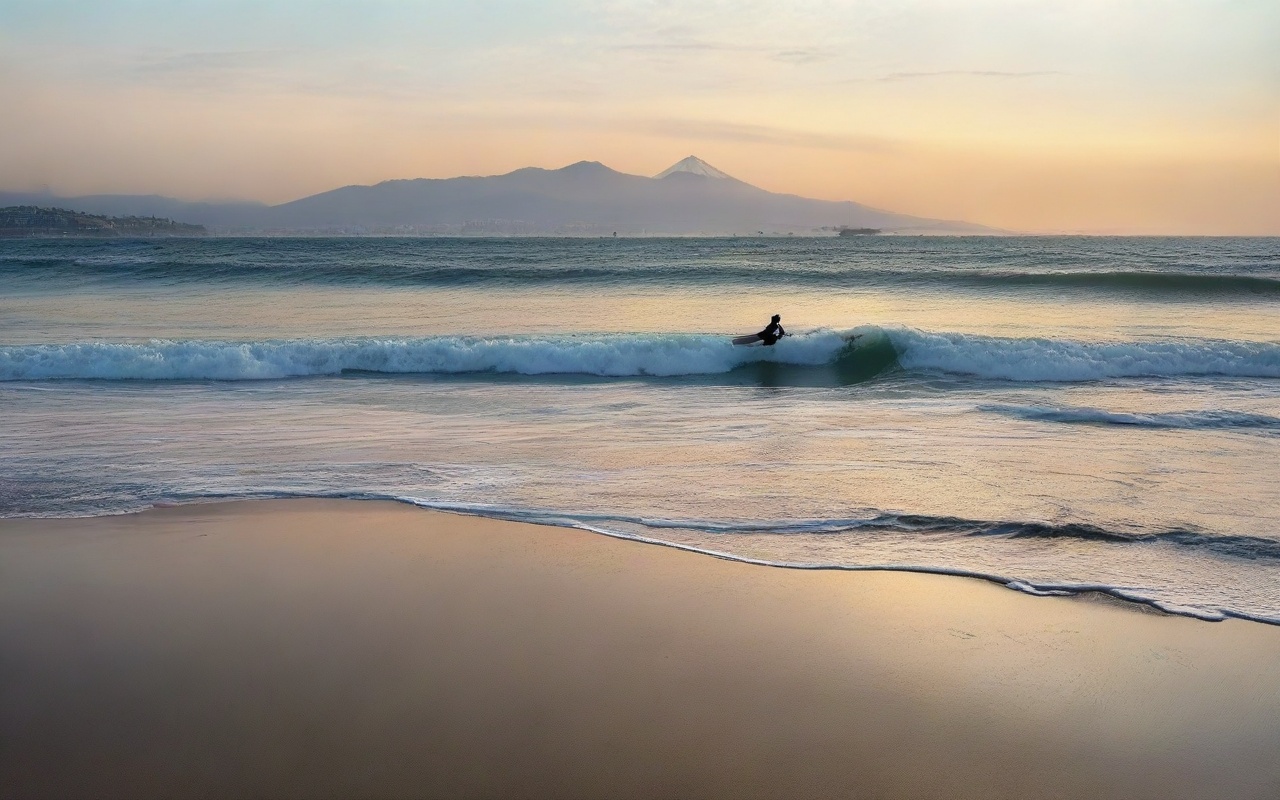
Shonan Surfing Lessons Guide is a must-visit destination in Kanagawa for international travelers. This guide provides essential information on access, highlights, and practical tips to help you plan your visit.
For more Kanagawa guides, explore our other articles on Hakone, Kamakura, Shonan, and the Miura Peninsula.
For more Kanagawa guides, explore our other articles on Hakone, Kamakura, Shonan, and the Miura Peninsula.
Related Articles
Comprehensive Guide
This detailed guide covers all aspects of visiting shonan-surfing-lessons-guide. Whether you are planning a day trip or extended stay, this section provides essential information for an enjoyable experience.
What to Expect
Visitors to shonan-surfing-lessons-guide can expect authentic local experiences, traditional culture, and modern amenities. The area has been carefully preserved to maintain its historical significance while offering comfortable facilities for modern tourists.
Best Times to Visit
Spring (March-May): Cherry blossoms and mild weather make this an ideal season. Temperatures range from 10-20°C, perfect for walking tours.
Summer (June-August): Lush greenery and summer festivals. Expect higher temperatures (20-30°C) and larger crowds during school holidays.
Autumn (September-November): Fall foliage and comfortable weather. This is the most popular season for photography and outdoor activities.
Winter (December-February): Fewer crowds and clear air. Some facilities may have reduced hours, but the peaceful atmosphere is rewarding.
Practical Information
- Access: Direct train service from Tokyo and Yokohama
- Duration: Plan 2-4 hours for a complete visit
- Cost: Most areas are free; some attractions charge 300-1,000 yen
- Facilities: Restrooms, parking, information centers available
- Accessibility: Wheelchair-friendly paths at major sites
Local Recommendations
Local residents suggest visiting early morning or late afternoon to avoid crowds. Many hidden spots are only accessible by walking, so comfortable shoes are recommended. The area offers unique seasonal highlights throughout the year.
Dining and Shopping
Nearby restaurants serve regional specialties at reasonable prices. Look for set meals during lunch hours (11 AM-2 PM) for the best value. Local shops offer authentic souvenirs and traditional crafts.
Safety and Etiquette
- Respect local customs and traditions
- Follow photography guidelines at temples and shrines
- Dispose of trash properly
- Keep noise levels down in residential areas
- Support local businesses by purchasing authentic products
Comprehensive Visitor Guide
This detailed section provides essential information for planning your visit to shonan-surfing-lessons-guide. Whether you are a first-time visitor or returning traveler, this guide covers everything you need to know for an authentic and enjoyable experience in Kanagawa.
What Makes This Destination Special
Shonan Surfing Lessons Guide offers unique experiences that cannot be found elsewhere in Japan. The area combines traditional culture with modern amenities, creating an authentic yet comfortable environment for international visitors. Local residents take pride in sharing their heritage with guests from around the world.
Detailed Seasonal Guide
Spring (March-May)
Spring is one of the most popular seasons for visiting this area. Cherry blossoms typically bloom from late March to early April, creating spectacular scenery throughout the region. Temperatures range from 10-20°C (50-68°F), making it comfortable for walking tours and outdoor activities.
- Highlights: Cherry blossoms, spring festivals, fresh seasonal food
- Crowds: High during peak blossom season (late March-early April)
- What to Wear: Light jacket, layers, comfortable walking shoes
- Special Events: Hanami parties, temple ceremonies, food festivals
Summer (June-August)
Summer brings lush greenery and vibrant energy to the area. Temperatures range from 20-30°C (68-86°F), with higher humidity. This is the season for beach activities, mountain hiking, and evening festivals.
- Highlights: Green landscapes, summer festivals, fireworks, beach access
- Crowds: Very high during school holidays (late July-August)
- What to Wear: Light clothing, hat, sunscreen, umbrella
- Special Events: Fireworks festivals, beach events, night illuminations
Autumn (September-November)
Autumn is arguably the best season for visiting. Fall foliage peaks in November, creating stunning scenery. Temperatures range from 15-25°C (59-77°F), perfect for outdoor exploration.
- Highlights: Fall foliage, comfortable weather, harvest season food
- Crowds: Moderate to high (especially November weekends)
- What to Wear: Light layers, comfortable walking shoes, camera
- Special Events: Autumn festivals, food events, cultural performances
Winter (December-February)
Winter offers a peaceful experience with fewer crowds. Temperatures range from 5-15°C (41-59°F). Clear days provide excellent views of Mount Fuji and distant landscapes.
- Highlights: Fewer crowds, clear views, winter illuminations
- Crowds: Low (except New Year holidays)
- What to Wear: Warm coat, gloves, scarf, hand warmers
- Special Events: New Year shrine visits, winter light-ups, hot springs
Practical Transportation Guide
By Train:
- Direct access from Tokyo Station (30-60 minutes)
- IC cards (Suica, PASMO) accepted
- English announcements on most lines
- Rush hours: 7:30-9:00 AM, 5:00-7:00 PM (avoid if possible)
By Bus:
- Local buses connect major attractions
- Day passes available for unlimited rides
- English route maps at tourist centers
- Frequency: Every 10-20 minutes during daytime
By Car:
- Rental cars available at major stations
- Parking: 500-1,500 yen per day
- Navigation systems with English available
- Toll roads: ETC cards accepted
Accommodation Recommendations
Budget Options (3,000-8,000 yen/night):
- Business hotels near major stations
- Hostels and guesthouses
- Capsule hotels for solo travelers
Mid-Range Options (8,000-20,000 yen/night):
- Traditional ryokan with breakfast
- Modern business hotels with amenities
- Apartment-style accommodations
Luxury Options (20,000+ yen/night):
- Historic ryokan with hot springs
- International chain hotels
- Boutique hotels with local character
Dining and Food Culture
Local cuisine reflects the region's geography and history. Seafood is prominent in coastal areas, while mountain regions offer wild vegetables and traditional preservation methods.
Must-Try Local Dishes:
- Fresh seafood at local markets
- Traditional Japanese set meals (teishoku)
- Regional specialties unique to the area
- Seasonal limited-time offerings
Dining Etiquette:
- Say "itadakimasu" before eating
- Use chopsticks properly
- Tipping is not customary
- Many restaurants accept credit cards now
Money-Saving Tips
Transportation Passes:
- Day passes for unlimited travel
- Multi-day passes for extended stays
- Foreign visitor discounts available
Attraction Discounts:
- Combined tickets for multiple sites
- Free admission days at museums
- Student and senior discounts
Food Savings:
- Lunch sets are cheaper than dinner
- Convenience stores offer quality meals
- Local markets have fresh, affordable options
Safety and Emergency Information
Emergency Numbers:
- Police: 110
- Fire/Ambulance: 119
- Tourist Hotline: 050-3816-2787 (English support)
Medical Facilities:
- Major hospitals with English support
- Clinics near tourist areas
- Pharmacy chains with multilingual staff
General Safety:
- Japan is one of the safest countries
- Keep valuables secure
- Follow local guidelines and signage
Comprehensive Visitor Guide
This detailed section provides essential information for planning your visit to shonan-surfing-lessons-guide. Whether you are a first-time visitor or returning traveler, this guide covers everything you need to know for an authentic and enjoyable experience in Kanagawa.
What Makes This Destination Special
Shonan Surfing Lessons Guide offers unique experiences that cannot be found elsewhere in Japan. The area combines traditional culture with modern amenities, creating an authentic yet comfortable environment for international visitors. Local residents take pride in sharing their heritage with guests from around the world.
Detailed Seasonal Guide
Spring (March-May)
Spring is one of the most popular seasons for visiting this area. Cherry blossoms typically bloom from late March to early April, creating spectacular scenery throughout the region. Temperatures range from 10-20°C (50-68°F), making it comfortable for walking tours and outdoor activities.
- Highlights: Cherry blossoms, spring festivals, fresh seasonal food
- Crowds: High during peak blossom season (late March-early April)
- What to Wear: Light jacket, layers, comfortable walking shoes
- Special Events: Hanami parties, temple ceremonies, food festivals
Summer (June-August)
Summer brings lush greenery and vibrant energy to the area. Temperatures range from 20-30°C (68-86°F), with higher humidity. This is the season for beach activities, mountain hiking, and evening festivals.
- Highlights: Green landscapes, summer festivals, fireworks, beach access
- Crowds: Very high during school holidays (late July-August)
- What to Wear: Light clothing, hat, sunscreen, umbrella
- Special Events: Fireworks festivals, beach events, night illuminations
Autumn (September-November)
Autumn is arguably the best season for visiting. Fall foliage peaks in November, creating stunning scenery. Temperatures range from 15-25°C (59-77°F), perfect for outdoor exploration.
- Highlights: Fall foliage, comfortable weather, harvest season food
- Crowds: Moderate to high (especially November weekends)
- What to Wear: Light layers, comfortable walking shoes, camera
- Special Events: Autumn festivals, food events, cultural performances
Winter (December-February)
Winter offers a peaceful experience with fewer crowds. Temperatures range from 5-15°C (41-59°F). Clear days provide excellent views of Mount Fuji and distant landscapes.
- Highlights: Fewer crowds, clear views, winter illuminations
- Crowds: Low (except New Year holidays)
- What to Wear: Warm coat, gloves, scarf, hand warmers
- Special Events: New Year shrine visits, winter light-ups, hot springs
Practical Transportation Guide
By Train:
- Direct access from Tokyo Station (30-60 minutes)
- IC cards (Suica, PASMO) accepted
- English announcements on most lines
- Rush hours: 7:30-9:00 AM, 5:00-7:00 PM (avoid if possible)
By Bus:
- Local buses connect major attractions
- Day passes available for unlimited rides
- English route maps at tourist centers
- Frequency: Every 10-20 minutes during daytime
By Car:
- Rental cars available at major stations
- Parking: 500-1,500 yen per day
- Navigation systems with English available
- Toll roads: ETC cards accepted
Accommodation Recommendations
Budget Options (3,000-8,000 yen/night):
- Business hotels near major stations
- Hostels and guesthouses
- Capsule hotels for solo travelers
Mid-Range Options (8,000-20,000 yen/night):
- Traditional ryokan with breakfast
- Modern business hotels with amenities
- Apartment-style accommodations
Luxury Options (20,000+ yen/night):
- Historic ryokan with hot springs
- International chain hotels
- Boutique hotels with local character
Dining and Food Culture
Local cuisine reflects the region's geography and history. Seafood is prominent in coastal areas, while mountain regions offer wild vegetables and traditional preservation methods.
Must-Try Local Dishes:
- Fresh seafood at local markets
- Traditional Japanese set meals (teishoku)
- Regional specialties unique to the area
- Seasonal limited-time offerings
Dining Etiquette:
- Say "itadakimasu" before eating
- Use chopsticks properly
- Tipping is not customary
- Many restaurants accept credit cards now
Money-Saving Tips
Transportation Passes:
- Day passes for unlimited travel
- Multi-day passes for extended stays
- Foreign visitor discounts available
Attraction Discounts:
- Combined tickets for multiple sites
- Free admission days at museums
- Student and senior discounts
Food Savings:
- Lunch sets are cheaper than dinner
- Convenience stores offer quality meals
- Local markets have fresh, affordable options
Safety and Emergency Information
Emergency Numbers:
- Police: 110
- Fire/Ambulance: 119
- Tourist Hotline: 050-3816-2787 (English support)
Medical Facilities:
- Major hospitals with English support
- Clinics near tourist areas
- Pharmacy chains with multilingual staff
General Safety:
- Japan is one of the safest countries
- Keep valuables secure
- Follow local guidelines and signage is_published: 1