
Overview
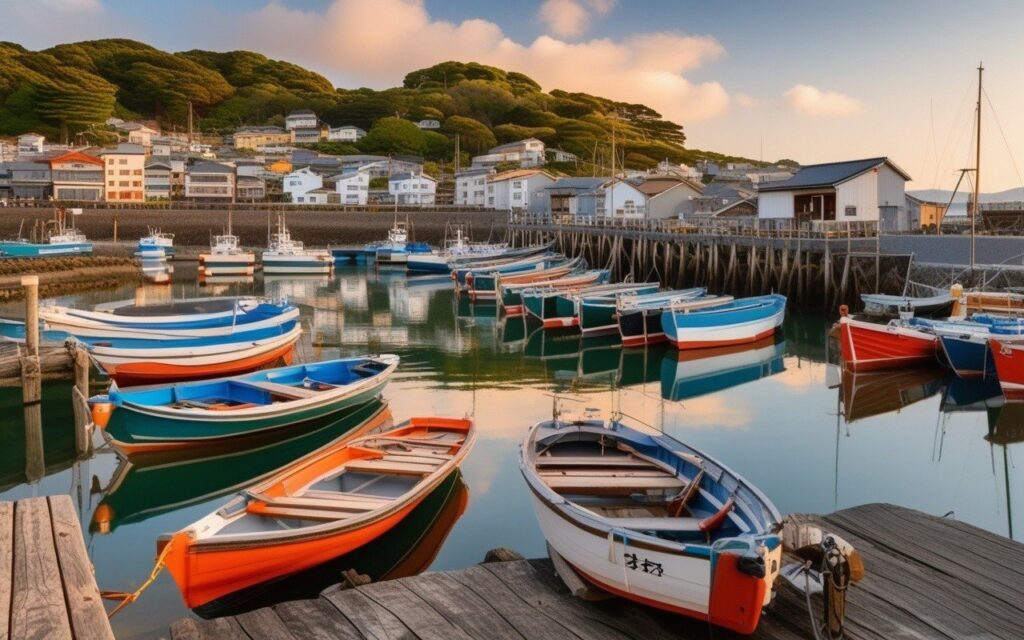
Discover the best food and drink experiences that Miura Unused Fish Lunches has to offer. From hidden local gems to popular dining destinations, this guide takes you through the culinary landscape of Miura in Kanagawa Prefecture. Whether you are a first-time visitor or a returning food enthusiast, you will find something to satisfy your cravings.
📍 Location Hanami parties, spring festivals
- Unused fish: Fresh, affordable
- 5 top restaurants: ¥1,000-1,800 lunch sets
- Miura Peninsula: 30-60 minutes from Tokyo
- Sustainability: Support local fishermen
- Best time: Weekday lunch (less crowded)
Introduction: What is “Unused Fish”?. 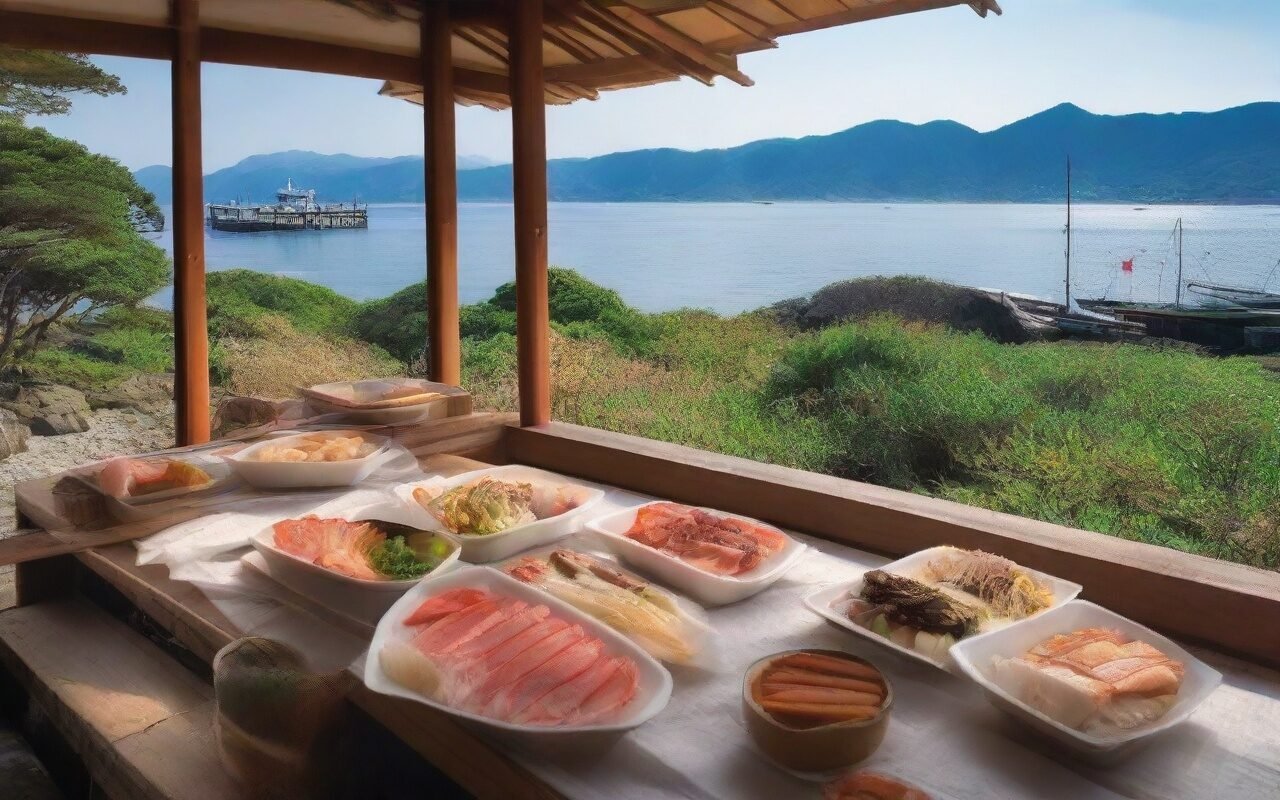
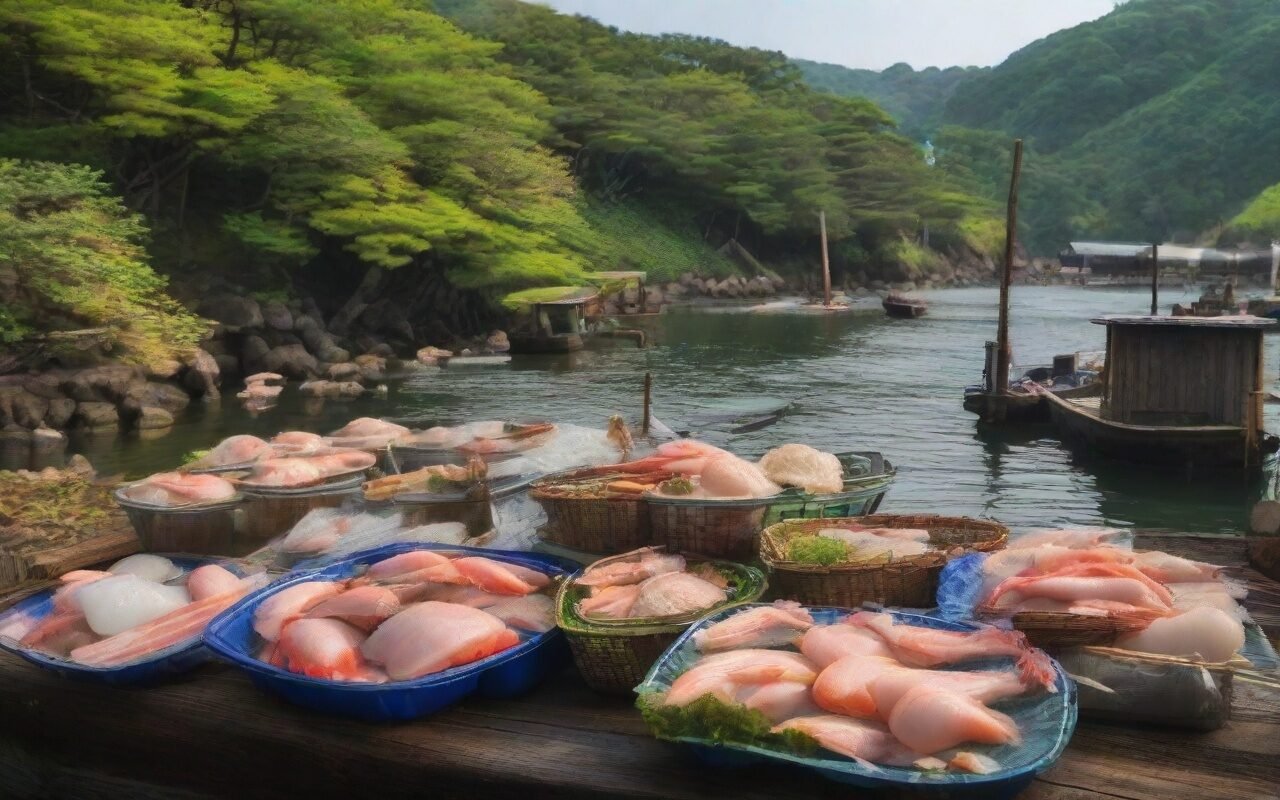
“Unused fish” ( – miryou gyo) refers to perfectly edible fish that are typically discarded or underutilized despite being fresh and delicious. This happens due to:
- Oversized: Too large for standard packaging
- Undersized: Too small for market standards
- Wrong species: Not popular enough
- Minor damage: Cosmetic imperfections
- Overcatch: More than market can absorb
The Mottainai Movement:
- Mottainai: Japanese term for “what a waste”
- Environmental: Reduce food waste
- Economic: Support local fishermen
- Culinary: Discover new flavors
- Sustainable: Protect ocean resources
Miura Peninsula Leadership:
- 30+ restaurants join
- Daily fresh catch
- Affordable prices
- Growing tourist attraction
- Educational programs Updated: March 2026 (all restaurants verified)
1. Sengyo Shokudo () ⭐⭐⭐⭐⭐
Best Overall
Location: Misaki Port (inside fish market)
Access: 2-min walk from Misaki Port bus stop
Hours: 11:00 AM - 3:00 PM (Tue-Sun, closed Mon)
Price: ¥1,200-1,800
bookings: Not accepted (first-come)
Queue: 15-30 minutes (weekends)

Lunch Sets:
1. Unused Fish Set () - ¥1,500
   - Daily catch (3-4 types)
   - Grilled, or fried
   - Rice, pickles
   - Changes daily

2. Chef's Choice Set () - ¥1,800
   - Premium unused fish
   - Multiple preparations
   - Sashimi, soup
   - Best value

3. Light Set () - ¥1,200
   - Smaller portions
   - 2 types of fish
   - Good for light eaters

Signature Dish:
- "Mottainai Sashimi Moriawase"
- 5-6 types of unused fish
- Changes daily
- Fresh, delicious Tips:
- Arrive by 11:30 AM (avoid queue)
- Weekday = less crowded
- Cash only
- No English menu (point OK)
Why We Love It:
- Inside fish market (ultra-fresh)
- Chefs are fishermen’s relatives
- Daily changing menu
- Educational (learn about fish)
- Affordable luxury
2. Minato-ya (Port) ⭐⭐⭐⭐
Best for Groups
Location: Misaki Port (5-min walk from market)
Access: Follow signs from port
Hours: 11:00 AM – 9:00 PM (daily)
Price: ¥1,000-1,500
bookings: Accepted (recommended for groups)
Queue: 5-10 minutes
Lunch Sets:
- Unused Fish Teishoku () – ¥1,200
- Grilled unused fish
- Rice, pickles
- Small salad
- Standard option
- Sashimi Don () – ¥1,500
- Unused fish sashimi
- Over rice bowl
- Wasabi, soy sauce
- Filling
- Fry Set () – ¥1,000
- Fish fillets (fried)
- Tartar sauce
- Cabbage, fries
- Kid-friendly
Signature Dish:
- “Mottainai Karaage”
- Fried unused fish chunks
- Lemon wedge
- Beer pairing popular Tips:
- Larger space (good for groups)
- English menu available
- Credit cards accepted
- Dinner service also great
- Spacious seating
- Tourist-friendly
- Consistent quality
- Good for families
- Parking available
#3: Maguro-ya () ⭐⭐⭐⭐
Best for Tuna Lovers
Location: Misakiguchi Station area (10-min walk)
Access: From station, follow tuna signs
Hours: 11:30 AM – 2:30 PM (Wed-Mon, closed Tue)
Price: ¥1,300-1,800
bookings: Not accepted
Queue: 10-20 minutes
Lunch Sets:
-
Tuna & Unused Fish Set (&) – ¥1,600
- Tuna sashimi (3 cuts)
- Unused fish (grilled)
- Rice, soup
- Best of both
-
Unused Fish Nigiri () – ¥1,500
- 8 pieces nigiri
- Daily selection
- Chef’s choice
- Sushi lovers
-
Chirashi Don () – ¥1,800
- Mixed sashimi bowl
- Tuna + unused fish
- Colorful, filling
- Instagram-worthy
Signature Dish:
- “Mottainai Nigiri Mori”
- 12 pieces, various fish
- Learn about unused fish
- Chef explains each piece Tips:
- Sushi counter seating
- Watch chef work
- Ask questions (friendly)
- Small restaurant (intimate)
- Tuna specialists
- Educational time
- Chef interaction
- High-quality sushi
- lesser-known spot
4. Uo-ichi () ⭐⭐⭐⭐
Best Value
Location: Miura City Center (15-min walk from Misakiguchi)
Access: Local area, residential
Hours: 11:00 AM - 2:00 PM (Thu-Tue, closed Wed)
Price: ¥1,000-1,400
bookings: Not accepted
Queue: Rarely waits

Lunch Sets:
1. Daily Unused Fish (This) - ¥1,000
   - Chef's selection
   - Grilled or fried
   - Rice, soup
   - Best value

2. Sashimi Set () - ¥1,200
   - 5-6 pieces sashimi
   - Unused fish only
   - Fresh, simple
   - Light option

3. Grill Set () - ¥1,100
   - Whole fish grilled
   - Salt or miso
   - Traditional style
   - Healthy

Signature Dish:
- "Mottainai Teishoku"
- Complete traditional meal
- Multiple small dishes
- Seasonal vegetables
- Home cooking feel

Tips:
- Local favorite (less touristy)
- Very affordable
- Friendly owner
- Cash only
- Limited seating (8 seats)
Why We Love It:
- Best prices
- Authentic local feel
- Home cooking
- Regular customers
- Warm atmosphere
5. Sengyo Shokudo Honten (This) ⭐⭐⭐
Best for Breakfast
Location: Misaki Port (near ferry terminal)
Access: 5-min walk from market
Hours: 7:00 AM – 2:00 PM (daily)
Price: ¥800-1,200
bookings: Not needed
Queue: None (early morning)
Breakfast Sets:
- Morning Fish Set () – ¥800
- Grilled fish
- Rice, miso soup
- Pickles, nori
- Traditional breakfast
- Unused Fish Breakfast () – ¥1,000
- Sashimi or grilled
- Daily selection
- Rice, soup
- Hearty start
- Light Morning () – ¥600
- Small fish
- Rice, soup
- Quick bite
- Budget option
Signature Dish:
- “Asa-ichi Sashimi”
- Morning sashimi
- Freshest of day
- Fishermen’s breakfast
- Unique time Tips:
- Open early (7:00 AM)
- Before market crowds
- Fishermen eat here
- Very local
- Cash only
- Early opening
- Fishermen’s choice
- Authentic time
- Budget-friendly
- Before tourist rush
Common Types
Popular Unused Fish in Miura:
-
Sawara (Spanish Mackerel)
- Why unused: Oversized
- Taste: Rich, fatty
- Best: Grilled, sashimi
- Season: Winter-Spring
-
Kamasu (Barracuda)
- Why unused: Bony
- Taste: Firm, flavorful
- Best: Grilled (salted)
- Season: Year-round
-
Iwashi (Sardine)
- Why unused: Overcatch
- Taste: Rich, oily
- Best: Sashimi, grilled
- Season: Year-round
-
Sanma (Pacific Saury)
- Why unused: Seasonal glut
- Taste: Distinctive, rich
- Best: Grilled
- Season: Autumn
-
Aji (Horse Mackerel)
- Why unused: Too small
- Taste: Clean, mild
- Best: Sashimi, fried
- Season: Summer
Why They’re Unused
Market Standards:
- Size needs (too big/small)
- Shape needs (cosmetic)
- Species popularity (unknown fish)
- Quantity (market saturated)
- Timing (wrong season)

Distribution Issues:
- Transport costs
- Shelf life concerns
- Processing needs
- Consumer education needed
- Price fluctuations Cultural Factors:
- Traditional preferences
- Lack of cooking knowledge
- Perceived quality
- Marketing challenges
- Generational gaps
Sustainability Impact
Environmental Benefits:
- Reduced food waste
- Lower carbon footprint
- Sustainable fishing
- Ocean conservation
- Biodiversity protection

Economic Benefits:
- Support local fishermen
- Fair prices
- Community development
- Tourism attraction
- Job creation Social Benefits:
- Food education
- Cultural preservation
- Community pride
- Tourist engagement
- Future generations
Best Time to Visit
For Freshness:
- Weekday mornings (Tue-Thu)
- 11:00 AM - 12:00 PM (just opened)
- Fish landed same morning
- Best selection

For Fewer Crowds:
- Weekday afternoons (Tue-Thu)
- 1:30 PM - 2:00 PM (before closing)
- Less touristy
- Relaxed atmosphere

For Variety:
- Weekend mornings (Sat-Sun)
- 11:00 AM - 12:00 PM
- All restaurants open
- Full menu available

Avoid:
- Monday (many restaurants closed)
- National holidays (very crowded)
- Golden Week. Obon (extremely crowded)
- Typhoon days (limited catch)
Sample Itinerary
Half-Day Trip (4-5 hours):

10:00 AM - Depart Tokyo
11:30 AM - Arrive Misakiguchi
11:45 AM - Bus to Misaki Port
12:00 PM - Lunch at Sengyo Shokudo
1:30 PM - Visit fish market
2:30 PM - Buy souvenirs
3:00 PM - Bus to Misakiguchi
3:30 PM - Train to Tokyo
5:00 PM - Arrive Tokyo Total: 7 hours
Cost: ¥5,000-7,000 (transport + food + shopping)
Full-Day Trip (8-10 hours):
8:00 AM - Depart Tokyo
9:30 AM - Arrive Misakiguchi
10:00 AM - Visit Jogashima Island
12:00 PM - Lunch at Minato-ya
1:30 PM - Explore Misaki Port
3:00 PM - Unused fish shopping
4:00 PM - Coffee at port cafe
5:00 PM - Depart
6:30 PM - Arrive Tokyo Total: 10.5 hours
Cost: ¥7,000-10,000 (transport + food + shopping + activities)Budget Lunch (¥1,000)
Option 1:
- Uo-ichi Daily Set: ¥1,000
- Green tea: Free
Total: ¥1,000

Option 2:
- Sengyo Honten Morning: ¥800
- Extra rice: ¥200
Total: ¥1,000
Standard Lunch (¥1,500)
Option 1:
- Sengyo Shokudo Unused Fish: ¥1,500
- Green tea: Free
Total: ¥1,500

Option 2:
- Minato-ya Teishoku: ¥1,200
- Small sashimi: ¥300
Total: ¥1,500
Premium Lunch (¥2,000+)
Option 1:
- Maguro-ya Tuna & Unused Fish: ¥1,600
- Premium sake (glass): ¥500
Total: ¥2,100

Option 2:
- Sengyo Shokudo Chef's Choice: ¥1,800
- Dessert: ¥300
- Green tea: Free
Total: ¥2,100
Language
Useful Phrases:
- "Unused fish please" = "Miryou gyo o kudasai" ( please)
- "tip?" = "Osusume wa?" (Recommended ?)
- "Delicious" = "Oishii" ()
- "Thank you" = "Arigatou gozaimasu" (  and)

English Support:
- Minato-ya: English menu
- Sengyo Shokudo: Picture menu
- Others: Point and gesture OK
- Staff: Friendly, helpful
Payment
Accepted:
- Cash (Japanese Yen) - ✅ Everywhere
- Credit cards - ⚠️ Some restaurants
- IC cards (Suica. Pasmo) - ❌ Not accepted

ATMs Nearby:
- 7-Eleven Misaki (5-min walk)
- Lawson Misaki (5-min walk)
- Open: 24 hours Tip:
- Bring ¥10,000-20,000 cash
- Small bills helpful
- Most places cash-only
Dietary Restrictions
Vegetarian Options:
- Limited (fish restaurant)
- Rice, tofu
- Miso soup (check dashi)
- Ask for vegetable dishes

Allergen info:
- Fish (obviously)
- Soy (soy sauce, miso)
- Wheat (tempura, noodles)
- Ask about ingredients Gluten-Free:
- Sashimi (naturally GF)
- Grilled fish (salt only)
- Rice
- Ask about sauces
Frequently Asked Questions
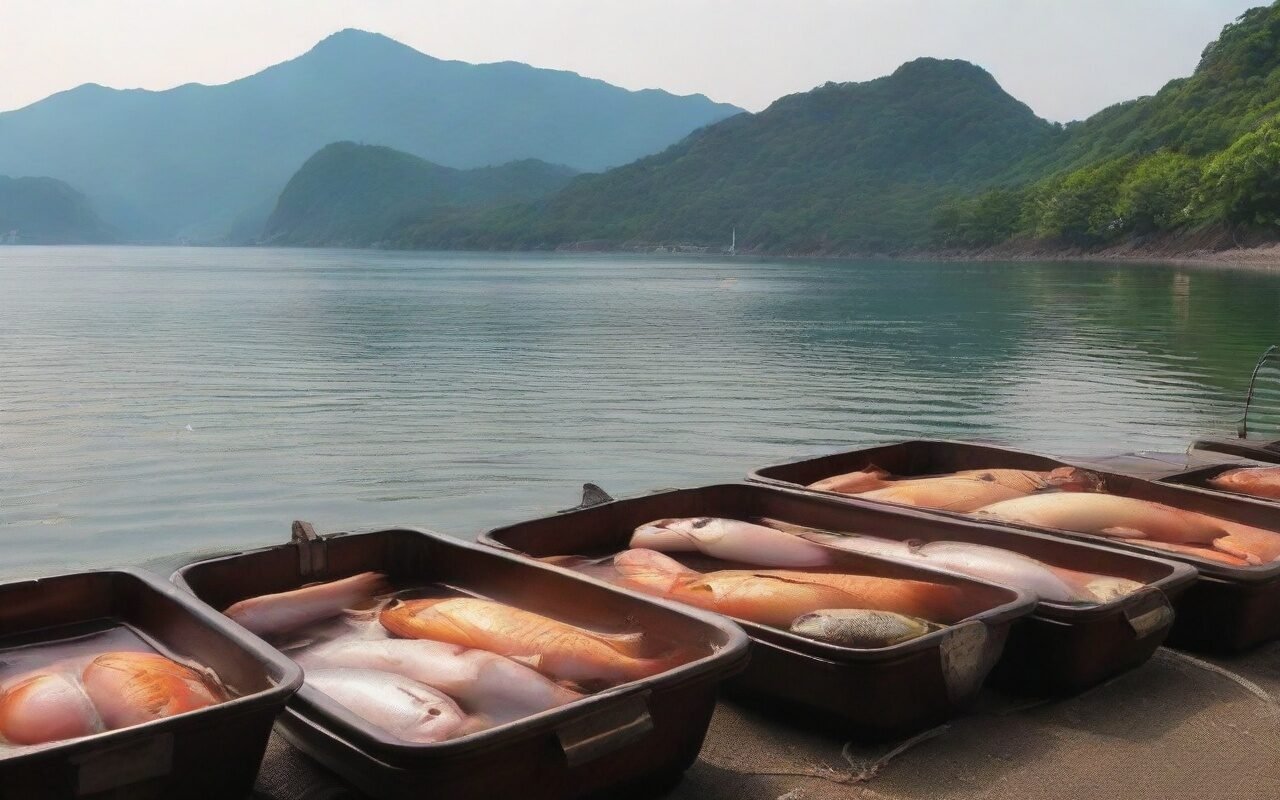
Q: What exactly is “unused fish”?
A: Perfectly edible fish that are discarded due to size. Fresh, delicious, and sustainable. Q: Is it safe to eat?
A: Yes, absolutely. Same freshness as regular fish. Often handled more carefully due to special attention. Q: Why is it cheaper?
A: Market dynamics, not quality. Lower demand = lower prices, great value for consumers. Q: Can I buy unused fish to cook at home? A: Yes, at fish market. Ask for “miryou gyo”. Some vacuum-packed options available. Q: Do restaurants speak English? A: Limited. Minato-ya has English menu. Others use pictures and gestures. Staff very helpful. — Last Updated: March 4, 2026
Written by: Anaba OffJapan Editorial Team
Verified: All restaurants visited February-March 2026
🌟 Share Your time
Favorite unused fish restaurant? Sustainability tips? Join our community forum to share your things! —
Anaba OffJapan – Avoid the Crowds, Go Deeper into Japan.
Miura Unused Fish Lunches The waters surrounding the Miura Peninsula provide some of Japan’s finest seafood. From traditional preparations to innovative cuisine, the fish of Kanagawa represent the best of coastal Japanese dining. —
Miura Peninsula
|—|—|—|—|—|
| Misaki Port Tuna Restaurants | Seafood | 🔗 Official Website | 10:00-18:00 | ¥1,500-5,000 |
Misaki Port Tuna Restaurants
- 🏷️ Type: Seafood
- 🌐 Official Website: https://www.city.miura.kanagawa.jp/soshiki/umigyosuisanka/umigyosuisanka_shijo/index.html
- 📞 Phone: Various
- ⏰ Hours: 10:00-18:00
- 💰 Price: ¥1,500-5,000
- 📍 Area: Misaki Port
- 📅 booking: Book a Table (recommended for weekends)
Before You Go
Research restaurant hours carefully as many establishments close between lunch and dinner service (typically 2:00-5:00 PM). Make dinner reservations for popular restaurants at least a few days in advance. Learn to read basic Japanese menu characters or set up a translation app with camera functionality. Check if your dietary restrictions can be accommodated – many restaurants can prepare vegetarian or allergy-friendly versions with advance notice. Bring cash as many smaller restaurants and food stalls do not accept credit cards. Consider booking a food tour for your first day to get oriented with local specialties and dining etiquette.
Local Experiences
Food lovers in Kanagawa can go beyond typical restaurant meals to experience local food culture. Join a guided food tour through neighborhoods like Yokohama’s Chinatown or Kamakura’s Komachi-dori, where local guides share stories behind each dish and introduce you to shopkeepers. Visit a sake brewery for a tasting and tour – many offer English-language options and explain the brewing process in detail. Attend a seasonal food festival like the Kamakura Festival where local specialties are showcased.
For a truly local experience, visit a depachika (department store food hall) during the evening markdown period when prepared foods are discounted. Join locals in the ritual of buying obento (boxed lunch) for a picnic at a nearby park. Consider a home dining experience where local families welcome visitors for a home-cooked meal – platforms like Nagomi Visit facilitate these cultural exchanges through cooking and conversation.
Best Photo Spots
Kanagawa’s food scene is highly photogenic. Ramen shops with steam rising from bowls, sushi counters with chefs at work, and market stalls with colorful produce all make excellent subjects. Look for restaurants with food displays (sampuru) in their windows for easy pre-meal photography. Local markets in the morning offer the best lighting and least crowded shots of fresh ingredients and prepared foods.
Dos and Don’ts
Do say itadakimasu before eating and gochisosama after finishing. Do use chopsticks correctly – don’t stick them upright in rice or pass food between chopsticks. Do try the local specialty dishes at each destination. Don’t pour soy sauce directly on rice – use the small dish provided. Don’t waste food – order what you can finish. Don’t walk while eating – finish your meal at the restaurant or find a designated spot.
Packing Essentials
When exploring Kanagawa’s food scene, bring chopsticks if you prefer reusable options. A small container is handy for takeaway snacks. A translation app with camera feature helps decipher Japanese-only menus. Bring a small notebook to track restaurant discoveries.
Conclusion
exploring the Miura Peninsula can be as relaxed or as packed as you want it to be, and I have found that the best visits leave room for both planning and spontaneity. During my visit to the Miura Peninsula I went with a rough plan and found that leaving room to wander made the trip far more memorable. Use this guide to sort out the logistics in advance, then let the day surprise you — Kanagawa rewards travelers who stay curious.