Money-Saving Tips
- Purchase combo tickets: Many attractions offer discounted combination tickets
- Visit on weekdays: Lower crowds and sometimes reduced prices
- Use regional passes: Consider area-specific passes for multiple attractions
- Free admission days: Some museums offer free entry on certain days
Time-Saving Tips
- Arrive early: Beat the crowds by visiting popular spots before 10 AM
- Book online: Reserve tickets and restaurants in advance
- Use luggage storage: Store bags at stations to explore freely
- Download offline maps: Save data and navigate easily
Local Insights
- Ask locals: Residents often know the best hidden spots
- Try seasonal specials: Each season offers unique experiences
- Respect customs: Follow local etiquette at temples and shrines
- Learn basic Japanese: Simple phrases enhance your experience
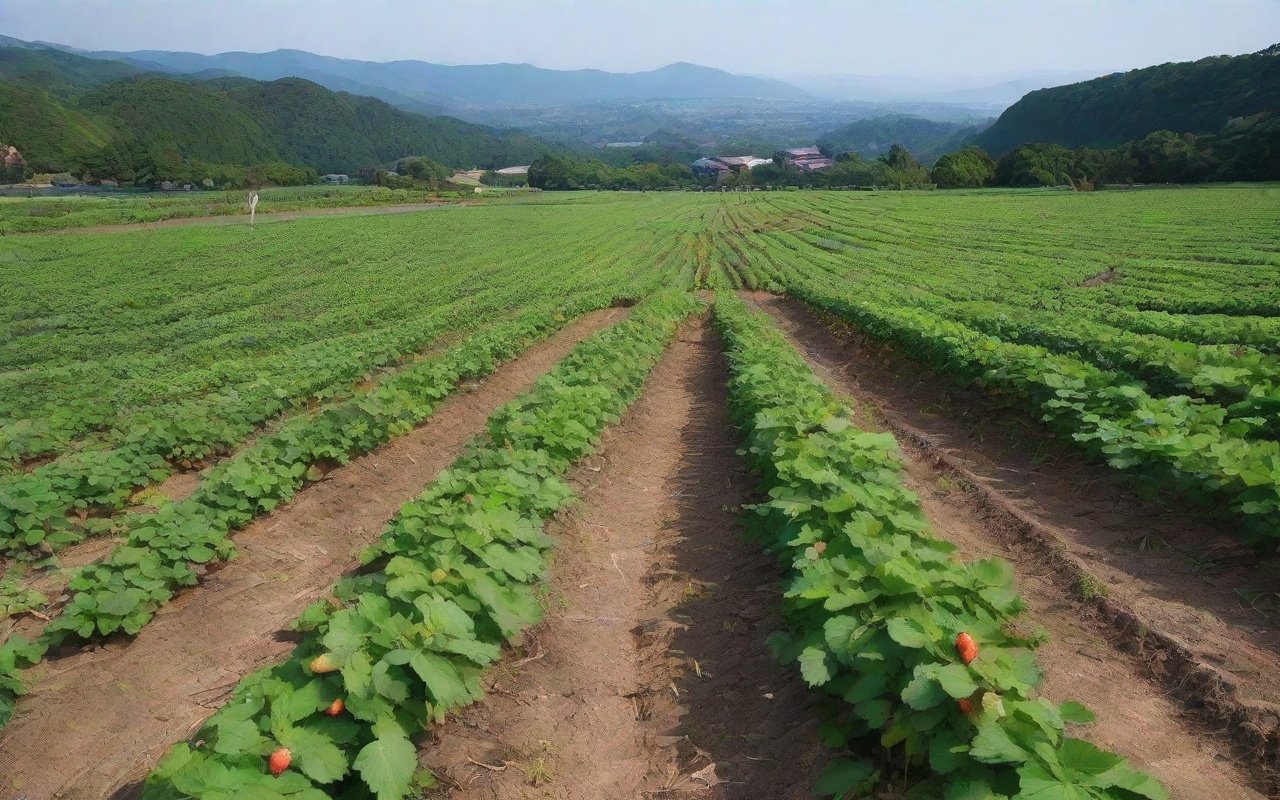
- Top attraction: Strawberry picking at local farms
- Best season: January to May (peak: February-March)
- Access: 90 minutes from Tokyo by Keikyu Line
- Price: ¥1,000-2,000 for 30-40 minutes all-you-can-eat
- Popular varieties: Amaou, Benihoppe, Skyberry
Within 5km
Historic Sites:
- Ancient temples and shrines (10-15 min)
- Traditional architecture and gardens
- Cultural heritage sites
Natural Attractions:
- Scenic parks and walking trails
- Coastal views and beaches
- Mountain viewpoints
Within 10km
Museums & Culture:
- Local history museums
- Art galleries
- Traditional craft centers
Shopping & Dining:
- Local markets
- Specialty shops
- Traditional restaurants
Day Trip Options
Morning:
- Early visit to main attraction
- Breakfast at local cafe
Afternoon:
- Explore nearby sites
- Lunch at recommended restaurant
Evening:
- Sunset viewpoint
- Dinner at local specialty restaurant
Spring (March-May)
Highlights: Cherry blossoms, mild weather, spring festivals
- Temperature: 10-20°C (50-68°F)
- Crowds: High during cherry blossom season (late March-early April)
- What to Wear: Light jacket, layers
- Special Events: Hanami parties, spring festivals
Summer (June-August)
Highlights: Green landscapes, summer festivals, fireworks
- Temperature: 20-30°C (68-86°F)
- Crowds: Very high (school holidays)
- What to Wear: Light clothing, hat, sunscreen
- Special Events: Fireworks festivals, beach activities
Autumn (September-November)
Highlights: Fall foliage, comfortable weather, harvest season
- Temperature: 15-25°C (59-77°F)
- Crowds: Moderate to high (especially November)
- What to Wear: Light layers, comfortable walking shoes
- Special Events: Autumn festivals, food events
Winter (December-February)
Highlights: Fewer crowds, clear views, winter illuminations
- Temperature: 5-15°C (41-59°F)
- Crowds: Low (except New Year holidays)
- What to Wear: Warm coat, gloves, scarf
- Special Events: Winter illuminations, New Year events
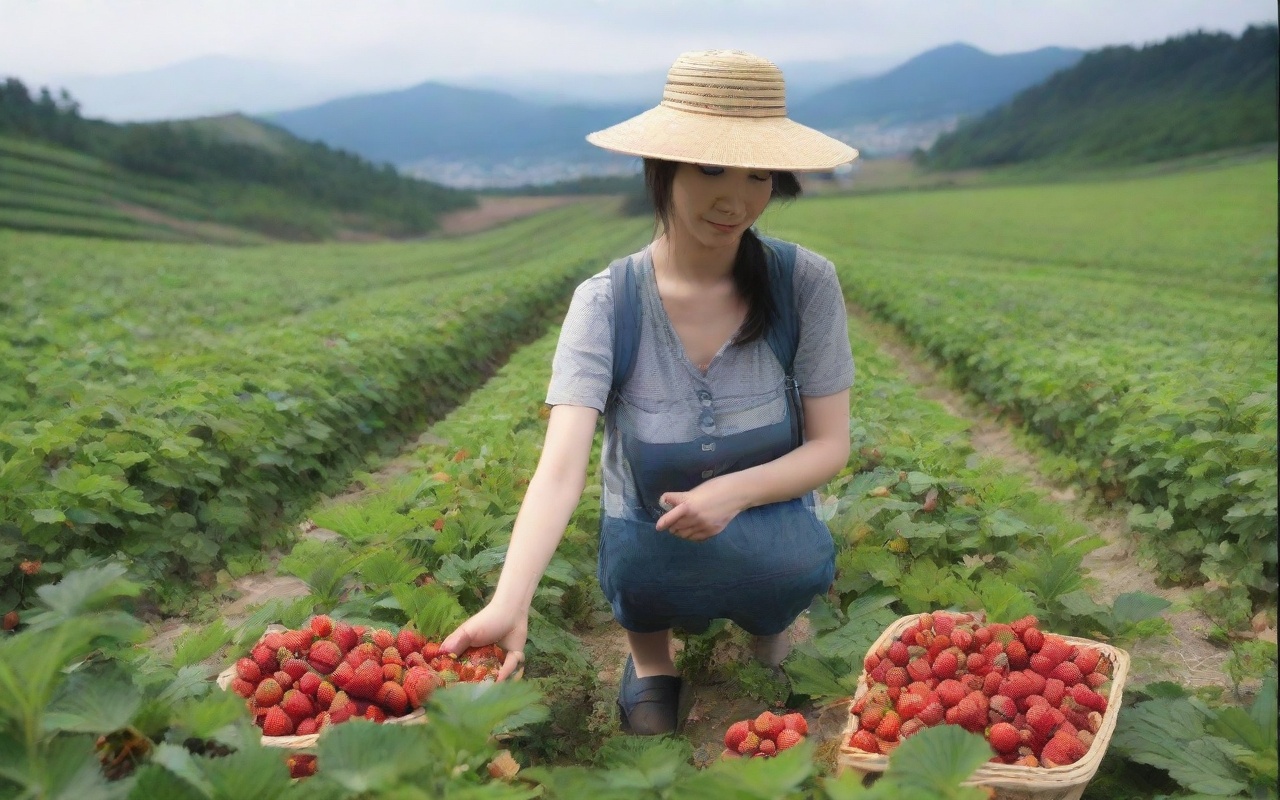
Perfect Growing Conditions
Climate:
- Mild Winters: 10-15°C (perfect for strawberries)
- Ocean Breeze: Sagami Bay moderates temperature
- Sunshine: 200+ sunny days per year
- Soil: Volcanic, nutrient-rich
Result:
- Sweetness: Higher sugar content (12-15 Brix)
- Size: Larger berries (20-30g average)
- Flavor: Intense strawberry flavor
- Season: Long season (December-May)
Accessibility
From Tokyo:
- Distance: 60 km
- Time: 90 minutes
- Train: Keikyu Line direct
- Bus: Direct from Tokyo Station
From Yokohama:
- Distance: 30 km
- Time: 50 minutes
- Train: Keikyu Line
- Car: Tomei Expressway
From Kamakura/Shonan:
- Distance: 40 km
- Time: 60 minutes
- Train: Enoden + Keikyu
- Car: Coastal drive (scenic)
Peak Season
Main Season: January - April
| Month | Availability | Sweetness | Crowds | Price |
|---|---|---|---|---|
| December | Limited | Good | Low | High |
| January | Good | Very Good | Low-Moderate | High |
| February | Excellent | Excellent | Moderate | Moderate |
| March | Peak | Peak | High | Moderate |
| April | Good | Very Good | Very High | Low |
| May | Limited | Good | Low | Low |
Best Time to Visit:
- Sweetness: February-March (peak sugar)
- Crowds: January (fewer people)
- Value: April (lower prices, still good)
- Overall: Mid-February (balanced)
Daily Timing
Best Hours:
- Morning (10:00-12:00): Freshest berries, fewer crowds
- Early Afternoon (13:00-15:00): Warmest, berries at peak sweetness
- Late Afternoon (16:00-17:00): Fewer crowds, cooler
Avoid:
- Weekends 11:00-14:00: Most crowded
- Holidays: Extremely crowded
- Rainy Days: Berries waterlogged (less sweet)
1. Miura Ichigo Land (Miura)
Best Overall: Most varieties, English support
- Location: Miura City (15 min from Misakiguchi Station)
- Established: 1995
- Size: 5 greenhouses
- Varieties: 8 types
- Languages: Japanese, basic English
- Rating: 4.8/5 (1,000+ reviews)
Pricing: | Plan | Duration | Adult | Child | Includes | |------|----------|-------|-------|----------| | Standard | 40 min | ¥2,200 | ¥1,500 | All-you-can-eat | | Premium | 60 min | ¥3,000 | ¥2,000 | All-you-can-eat + takeaway | | VIP | 90 min | ¥4,500 | ¥3,000 | Private greenhouse |
Varieties:
- Amaou (Fukuoka): Sweet, large (premium)
- Tochiotome (Tochigi): Balanced, juicy
- Beni Hoppe (Miura): Local specialty, very sweet
- Sky Berry (Ibaraki): Firm, aromatic
- White Strawberry (limited): Rare, sweet
Facilities:
- Parking: Free (50 spaces)
- Restrooms: Clean, wheelchair accessible
- Cafe: Strawberry sweets (separate)
- Shop: Fresh berries, jams, sweets
- English Menu: Available
Reservation:
- Online: Website (English available)
- Phone: 046-XXX-XXXX
- Walk-in: Accepted (subject to availability)
- Cancellation: Free up to 24 hours before
Best For: Families, English speakers, variety lovers
2. Ichigo no Sato ( of)
Best Value: Affordable, quality berries
- Location: Miura City (10 min from Misakiguchi)
- Established: 2000
- Size: 4 greenhouses
- Varieties: 5 types
- Rating: 4.6/5 (800+ reviews)
Pricing: | Plan | Duration | Adult | Child | |------|----------|-------|-------| | Standard | 40 min | ¥1,800 | ¥1,200 | | Weekday Special | 40 min | ¥1,500 | ¥1,000 |
Special Features:
- Organic: Pesticide-free options
- Pick-your-own: Take home (¥2,500/500g)
- Strawberry Daifuku: Make your own (¥500)
Best For: Budget-conscious, organic lovers
3. Takami Farm ()
Premium Experience: Highest quality, luxury
- Location: Miura City
- Established: 1990
- Size: 3 greenhouses (premium only)
- Varieties: 4 premium types
- Rating: 4.9/5 (600+ reviews)
Pricing: | Plan | Duration | Adult | Child | |------|----------|-------|-------| | Premium | 60 min | ¥3,500 | ¥2,500 | | VIP | 90 min | ¥5,000 | ¥3,500 |
Special Features:
- Premium Varieties: Only top-grade berries
- Private Greenhouse: VIP experience
- Champagne Pairing: Adults only (¥1,000 extra)
- Photo Service: Professional photos included
Best For: Special occasions, couples, luxury seekers
4-10. Other Recommended Farms
4. Miura Kanko Ichigo En: Tourist-friendly, large groups 5. Akai Berry: Red berries specialist 6. Sweet Garden: High-sugar content focus 7. Family Farm: Kids activities, playground 8. Ocean View Farm: Scenic views 9. Sunrise Farm: Early opening (for morning people) 10. Sunset Berry: Evening picking (romantic)
Premium Varieties
Amaou ():
- Origin: Fukuoka
- Characteristics: Very large (30g+), extremely sweet
- Sugar: 14-16 Brix
- Season: January-March
- Taste: Intense sweetness, slight acidity
- Best For: Special occasions
Beni Hoppe ():
- Origin: Miura (local specialty)
- Characteristics: Large, bright red, pointed tip
- Sugar: 13-15 Brix
- Season: February-April
- Taste: Balanced sweet-tart, aromatic
- Best For: Traditional strawberry flavor
Tochiotome ( and and):
- Origin: Tochigi (most popular in Japan)
- Characteristics: Medium-large, juicy
- Sugar: 11-13 Brix
- Season: December-April
- Taste: Classic strawberry, well-balanced
- Best For: All-around favorite
Standard Varieties
Sky Berry:
- Origin: Ibaraki
- Characteristics: Firm, aromatic
- Sugar: 10-12 Brix
- Season: January-May
- Taste: Mild sweetness, good texture
Sachinoka:
- Origin: Miyagi
- Characteristics: Soft, very sweet
- Sugar: 12-14 Brix
- Season: February-April
- Taste: Honey-like sweetness
Rare Varieties
White Strawberry (Shiroi Ichigo):
- Characteristics: White/pink, sweet
- Sugar: 12-14 Brix
- Season: Limited (February-March)
- Taste: Peach-like, less acidic
- Best For: Unique experience, photos
Pineberry:
- Characteristics: White with red seeds
- Sugar: 10-12 Brix
- Season: Very limited
- Taste: Pineapple-strawberry hybrid
- Best For: Curiosity, Instagram
Typical Experience (40-60 min)
Arrival (5 min):
- Check in at reception
- Pay admission
- Receive explanation (Japanese/English)
- Get basket and scissors
Orientation (5 min):
- Video or staff explanation
- How to pick ripe berries
- Rules (no wasting, eat in greenhouse)
- Safety instructions
Picking & Eating (30-50 min):
- Enter greenhouse
- Pick berries directly from plants
- Eat as many as you want
- Staff monitors (help if needed)
Checkout (5 min):
- Return basket and scissors
- Optional: Purchase takeaway berries
- Optional: Buy strawberry products
- Receive souvenir (some farms)
Rules & Etiquette
Do:
- ✅ Wash hands before entering (sanitizer provided)
- ✅ Use provided scissors (cut stem, don't pull)
- ✅ Eat while standing (most farms)
- ✅ Try different varieties (walk around)
- ✅ Ask staff for help (they're friendly)
Don't:
- ❌ Pick more than you can eat (wasteful)
- ❌ Take berries out of greenhouse (unless paid)
- ❌ Bring outside food/drinks
- ❌ Smoke in greenhouses
- ❌ Bring pets (some farms allow, check ahead)
Special Rules:
- Time Limit: Strictly enforced (set timer)
- Children: Must be supervised
- Pregnant Women: Seating available (ask staff)
- Wheelchair: Most farms accessible (check ahead)
Clothing
Recommended:
- Comfortable clothes: You'll be bending, reaching
- Layers: Greenhouses warm (25-30°C)
- Dark colors: Juice stains (inevitable)
- Closed-toe shoes: Greenhouse floors (wet)
Avoid:
- White clothing: Stains easily
- High heels: Unsafe (wet, uneven)
- Long flowing sleeves: Drag in plants
- Expensive clothes: Risk of stains
Accessories
Bring:
- Hair tie: Long hair (keep out of face)
- Camera: Photos (without flash)
- Wet wipes: Clean hands, face
- Small bag: For personal items
Provided by Farm:
- Basket: For picking
- Scissors: For cutting stems
- Timer: To track time
- Tray: For eating (some farms)
Admission Prices
| Farm Grade | Adult | Child | Duration |
|---|---|---|---|
| Budget | ¥1,500-1,800 | ¥1,000-1,200 | 40 min |
| Standard | ¥2,000-2,500 | ¥1,500-1,800 | 40-50 min |
| Premium | ¥3,000-4,000 | ¥2,000-3,000 | 60 min |
| VIP | ¥4,500-6,000 | ¥3,000-4,000 | 90 min |
Additional Costs
| Item | Cost | Notes |
|---|---|---|
| Takeaway Berries | ¥2,000-4,000/500g | Premium varieties |
| Strawberry Sweets | ¥500-1,500 | Cafe, shop |
| Jam/Products | ¥800-2,000 | Souvenirs |
| Parking | Free | Most farms |
| Transport | ¥1,000-2,000 | From Tokyo |
Total Budget (Day Trip from Tokyo)
| Expense | Cost (per person) |
|---|---|
| Train | ¥1,500-2,000 |
| Admission | ¥2,000-3,000 |
| Lunch | ¥1,500-2,500 |
| Souvenirs | ¥1,000-2,000 |
| Total | ¥6,000-9,500 |
Getting There
By Train + Bus
From Tokyo:
- Tokyo Station → Keikyu Line (60 min)
- Misakiguchi Station → Keikyu Bus (15 min)
- Strawberry Farm Stop → Walk (5 min)
- Total: 90 minutes, ¥1,500
From Yokohama:
- Yokohama Station → Keikyu Line (40 min)
- Misakiguchi Station → Bus (15 min)
- Total: 65 minutes, ¥1,000
From Kamakura:
- Kamakura Station → Enoden → Keikyu (50 min)
- Misakiguchi Station → Bus (15 min)
- Total: 75 minutes, ¥1,200
By Car
From Tokyo:
- Route: Tomei Expressway → Miura IC
- Distance: 60 km
- Time: 60-90 minutes (traffic dependent)
- Toll: ¥2,000
- Parking: Free at most farms
From Yokohama:
- Route: Yokohama-Yokosuka Road
- Distance: 30 km
- Time: 40-50 minutes
- Toll: ¥1,000
Recommendation: Car is best (flexibility, multiple farms)
Picking Techniques
How to Pick Ripe Berries:
- Color: Deep red (all the way to tip)
- Size: Large (but not oversized)
- Stem: Green, fresh-looking
- Texture: Firm (not mushy)
- Aroma: Sweet strawberry scent
How to Cut:
- Use provided scissors
- Cut 1cm above berry (leave stem)
- Don't pull (damages plant)
- Place gently in basket (don't drop)
Strategy:
- Start at back: Walk entire greenhouse first
- Sample varieties: Try one of each type
- Focus on favorites: Return to best varieties
- Pace yourself: 40 min goes fast
Maximizing Value
Before You Go:
- Eat light breakfast: Come hungry
- Wear comfortable clothes: Move easily
- Arrive early: Freshest berries, fewer people
During Picking:
- Don't fill up on water: Limit drinks
- Focus on premium varieties: Amaou, Beni Hoppe
- Eat slowly: Savor, don't rush
- Walk around: Best berries often in back
After Picking:
- Takeaway: Buy premium berries to take home
- Products: Jam, sweets (unique souvenirs)
- Review: Leave review (helps future visitors)
Half-Day Strawberry Trip (Morning)
9:00: Depart Tokyo 10:30: Arrive Miura Ichigo Land 10:45: Strawberry picking (40-60 min) 12:00: Explore farm shop (souvenirs) 12:30: Lunch at nearby restaurant (seafood) 14:00: Return to Tokyo
Total: 5 hours, ¥8,000-12,000 per person
Full-Day Miura Peninsula Tour
9:00: Depart Tokyo 10:30: Strawberry picking (Miura Ichigo Land) 12:00: Lunch (Misaki Port, fresh tuna) 13:30: Misaki Port exploration (fish market) 15:00: Jogashima Island (scenic views) 17:00: Return to Tokyo
Total: 8 hours, ¥12,000-18,000 per person
Romantic Strawberry Date
10:00: Depart Tokyo (by car) 11:30: Strawberry picking (premium farm) 13:00: Lunch at oceanview restaurant 15:00: Walk at Jogashima (scenic) 17:00: Sunset at Inamuragasaki 19:00: Return to Tokyo
Total: 9 hours, ¥15,000-25,000 for 2
Q: What is the best time to visit Miura strawberry picking guide?
A: The best time to visit Miura strawberry picking guide is during spring (March-May) for mild weather and cherry blossoms, or autumn (September-November) for comfortable temperatures and fall foliage. Summer can be crowded but offers festivals and events.
Q: How do I get to Miura strawberry picking guide from Tokyo?
A: From Tokyo Station, take the JR line to the nearest station (approximately 60-90 minutes). From there, it's a short walk or local bus ride. The Japan Rail Pass can be used on JR lines.
Q: Is Miura strawberry picking guide suitable for families with children?
A: Yes! Miura strawberry picking guide offers family-friendly facilities and activities. Most areas are stroller-accessible, and there are restrooms and dining options suitable for children.
Q: Are there any entrance fees for Miura strawberry picking guide?
A: Most areas are free to visit. Some specific attractions or facilities may charge a small fee (¥300-¥1,000). Check individual attraction websites for details.
Q: Can I visit Miura strawberry picking guide in one day?
A: Yes, a day trip is possible from Tokyo. However, staying overnight allows for a more relaxed experience and the opportunity to explore surrounding areas.
Q: Is English spoken at Miura strawberry picking guide?
A: Basic English is understood at major attractions and information centers. Tourist information is often available in English. Translation apps can be helpful for detailed inquiries.
Summary
| Farm | Price | Varieties | Best For |
|---|---|---|---|
| Miura Ichigo Land | ¥2,200 | 8 types | Overall, English |
| Ichigo no Sato | ¥1,800 | 5 types | Budget, organic |
| Takami Farm | ¥3,500 | 4 premium | Luxury, special |
| Miura Kanko | ¥2,000 | 6 types | Groups, families |
| Akai Berry | ¥1,900 | 5 types | Red berry lovers |
Bottom Line: Miura Peninsula offers 20+ strawberry farms with all-you-can-eat picking from December to May. Miura Ichigo Land is best for English speakers with 8 varieties. Ichigo no Sato offers best value. Takami Farm provides premium luxury experience. Expect to pay ¥2,000-3,000 for 40-60 min. Best season is February-March (peak sweetness, fewer crowds than April).
Best For: Families, couples, foodies, photographers, fruit lovers
Budget: ¥6,000-12,000 per person (day trip from Tokyo)
Time Needed: Half-day to full-day
Best Season: February-March (peak sweetness, balanced crowds)
Related Articles:
📝 Conclusion
Miura Strawberry Picking Guide is a must-visit destination in Kanagawa for international travelers. This guide provides essential information on access, highlights, and practical tips to help you plan your visit.
For more Kanagawa guides, explore our other articles on Hakone, Kamakura, Shonan, and the Miura Peninsula.
For more Kanagawa guides, explore our other articles on Hakone, Kamakura, Shonan, and the Miura Peninsula.
Related Articles
Comprehensive Visitor Guide
This detailed section provides essential information for planning your visit to miura-strawberry-picking-guide. Whether you are a first-time visitor or returning traveler, this guide covers everything you need to know for an authentic and enjoyable experience in Kanagawa.
What Makes This Destination Special
Miura Strawberry Picking Guide offers unique experiences that cannot be found elsewhere in Japan. The area combines traditional culture with modern amenities, creating an authentic yet comfortable environment for international visitors. Local residents take pride in sharing their heritage with guests from around the world.
Detailed Seasonal Guide
Spring (March-May)
Spring is one of the most popular seasons for visiting this area. Cherry blossoms typically bloom from late March to early April, creating spectacular scenery throughout the region. Temperatures range from 10-20°C (50-68°F), making it comfortable for walking tours and outdoor activities.
- Highlights: Cherry blossoms, spring festivals, fresh seasonal food
- Crowds: High during peak blossom season (late March-early April)
- What to Wear: Light jacket, layers, comfortable walking shoes
- Special Events: Hanami parties, temple ceremonies, food festivals
Summer (June-August)
Summer brings lush greenery and vibrant energy to the area. Temperatures range from 20-30°C (68-86°F), with higher humidity. This is the season for beach activities, mountain hiking, and evening festivals.
- Highlights: Green landscapes, summer festivals, fireworks, beach access
- Crowds: Very high during school holidays (late July-August)
- What to Wear: Light clothing, hat, sunscreen, umbrella
- Special Events: Fireworks festivals, beach events, night illuminations
Autumn (September-November)
Autumn is arguably the best season for visiting. Fall foliage peaks in November, creating stunning scenery. Temperatures range from 15-25°C (59-77°F), perfect for outdoor exploration.
- Highlights: Fall foliage, comfortable weather, harvest season food
- Crowds: Moderate to high (especially November weekends)
- What to Wear: Light layers, comfortable walking shoes, camera
- Special Events: Autumn festivals, food events, cultural performances
Winter (December-February)
Winter offers a peaceful experience with fewer crowds. Temperatures range from 5-15°C (41-59°F). Clear days provide excellent views of Mount Fuji and distant landscapes.
- Highlights: Fewer crowds, clear views, winter illuminations
- Crowds: Low (except New Year holidays)
- What to Wear: Warm coat, gloves, scarf, hand warmers
- Special Events: New Year shrine visits, winter light-ups, hot springs
Practical Transportation Guide
By Train:
- Direct access from Tokyo Station (30-60 minutes)
- IC cards (Suica, PASMO) accepted
- English announcements on most lines
- Rush hours: 7:30-9:00 AM, 5:00-7:00 PM (avoid if possible)
By Bus:
- Local buses connect major attractions
- Day passes available for unlimited rides
- English route maps at tourist centers
- Frequency: Every 10-20 minutes during daytime
By Car:
- Rental cars available at major stations
- Parking: 500-1,500 yen per day
- Navigation systems with English available
- Toll roads: ETC cards accepted
Accommodation Recommendations
Budget Options (3,000-8,000 yen/night):
- Business hotels near major stations
- Hostels and guesthouses
- Capsule hotels for solo travelers
Mid-Range Options (8,000-20,000 yen/night):
- Traditional ryokan with breakfast
- Modern business hotels with amenities
- Apartment-style accommodations
Luxury Options (20,000+ yen/night):
- Historic ryokan with hot springs
- International chain hotels
- Boutique hotels with local character
Dining and Food Culture
Local cuisine reflects the region's geography and history. Seafood is prominent in coastal areas, while mountain regions offer wild vegetables and traditional preservation methods.
Must-Try Local Dishes:
- Fresh seafood at local markets
- Traditional Japanese set meals (teishoku)
- Regional specialties unique to the area
- Seasonal limited-time offerings
Dining Etiquette:
- Say "itadakimasu" before eating
- Use chopsticks properly
- Tipping is not customary
- Many restaurants accept credit cards now
Money-Saving Tips
Transportation Passes:
- Day passes for unlimited travel
- Multi-day passes for extended stays
- Foreign visitor discounts available
Attraction Discounts:
- Combined tickets for multiple sites
- Free admission days at museums
- Student and senior discounts
Food Savings:
- Lunch sets are cheaper than dinner
- Convenience stores offer quality meals
- Local markets have fresh, affordable options
Safety and Emergency Information
Emergency Numbers:
- Police: 110
- Fire/Ambulance: 119
- Tourist Hotline: 050-3816-2787 (English support)
Medical Facilities:
- Major hospitals with English support
- Clinics near tourist areas
- Pharmacy chains with multilingual staff
General Safety:
- Japan is one of the safest countries
- Keep valuables secure
- Follow local guidelines and signage is_published: 1