📍 Key Points
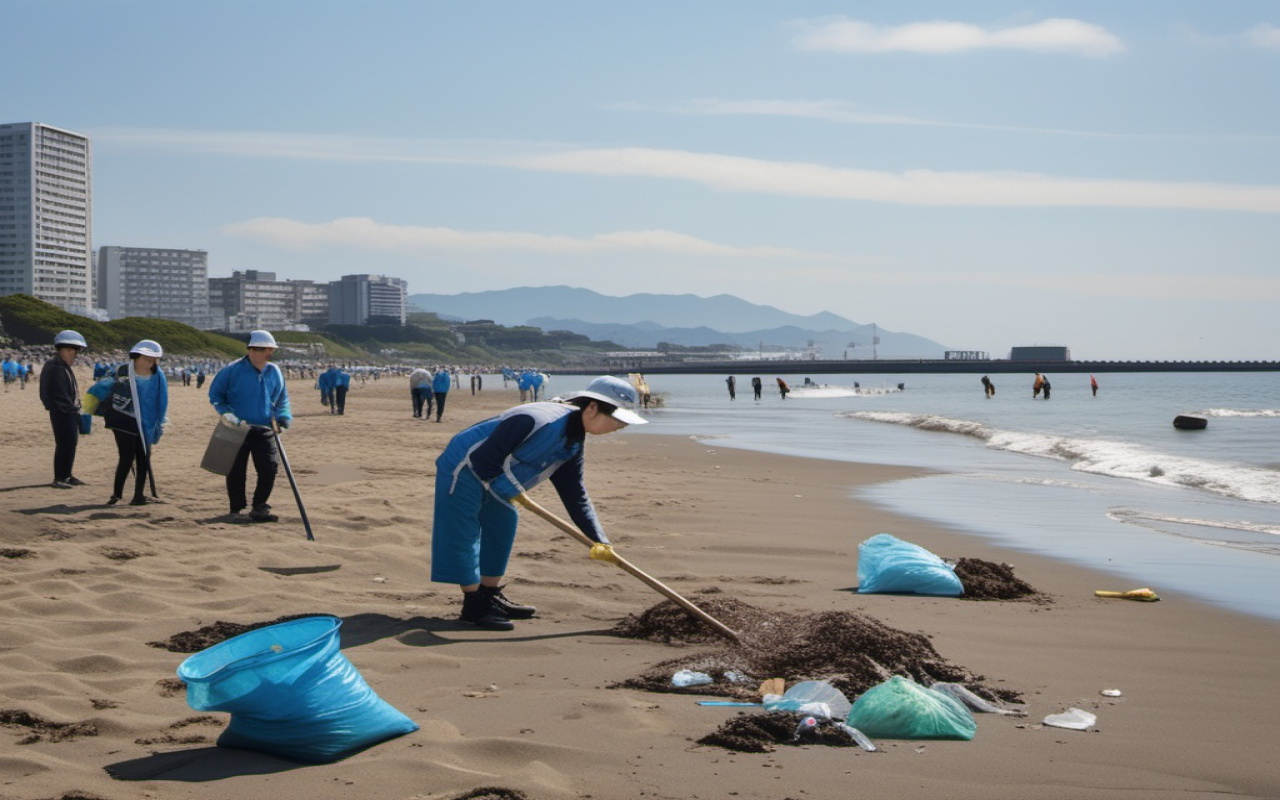
- Top attraction in Shonan Beach Cleanup How To Join
- Best time to visit: Morning or evening
- Access: Easy access from Tokyo/Yokohama
- Facilities: Restrooms, parking available
- Best for: Sightseeing, photography
📋 Overview
This comprehensive guide provides essential information about How to Join Shonan Beach Cleanup 2026: Step-by-Step Participation Guide. Discover local insights, practical tips, and hidden gems to enhance your visit to Kanagawa.
📍 Location
- Easy registration: Online or walk-in
- No experience needed: Training provided
- All welcome: Individuals, families, groups
- Free participation: Equipment included
- Flexible commitment: One-time or regular
Introduction: Your First Beach Cleanup
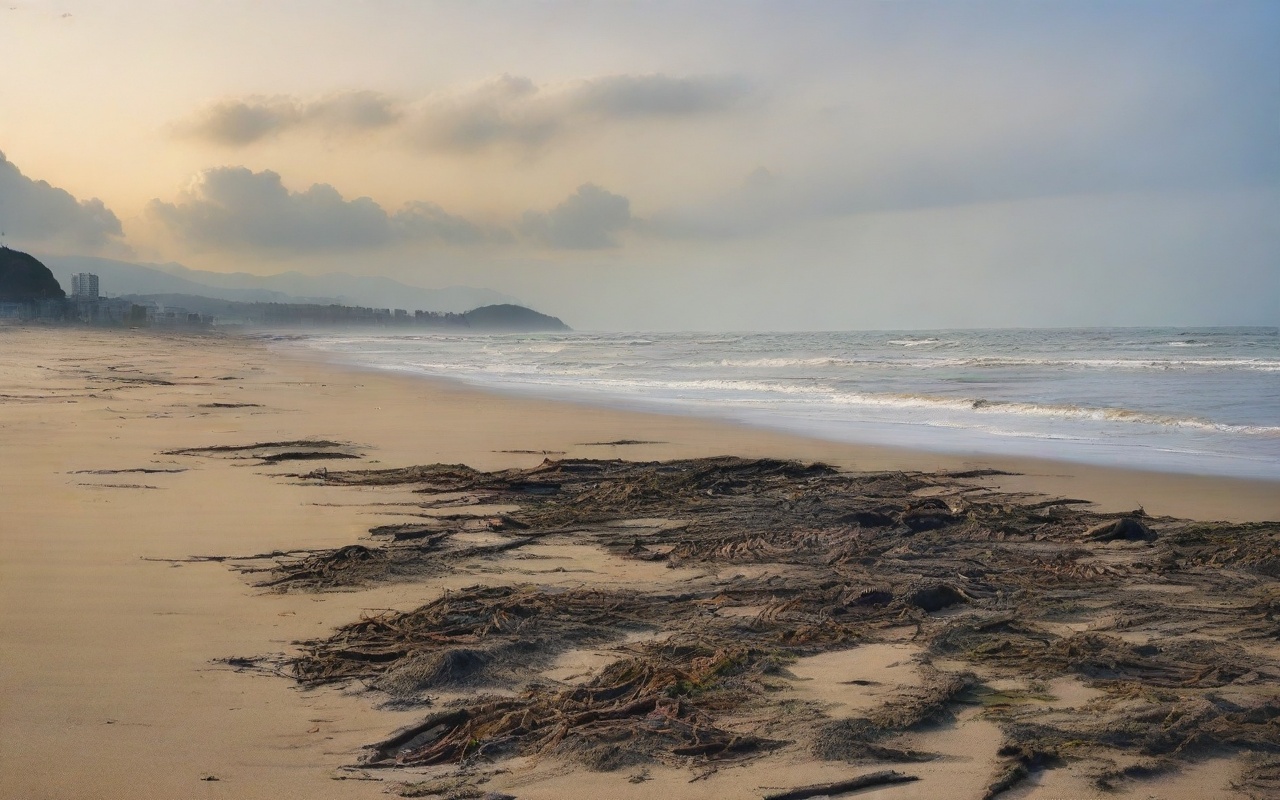
Joining a beach cleanup is one of the most rewarding ways to experience authentic Japanese community spirit while making a positive environmental impact. This step-by-step guide walks you through everything you need to know, from registration to your first cleanup day.
Quick Start:
- Choose an event (monthly or special)
- Register online (5 minutes)
- Prepare gear (simple list)
- Show up on event day
- Make a difference!
Last updated: March 2026
Event Types Comparison
Monthly Regular Cleanup
Best for: First-timers, regular volunteers
Frequency: Monthly (year-round)
Duration: 3 hours (9 AM - 12 PM)
Group size: 20-30 volunteers
Language: Japanese (some English)
Cost: Free
Booking: 1 week ahead recommended

Special Events (Earth Day, etc.)
Best for: Large groups, families
Frequency: 4-5 times per year
Duration: 4-6 hours (full day)
Group size: 100-200 volunteers
Language: Japanese + some English
Cost: Free (sometimes lunch included)
Booking: 1 month ahead (popular)

Family Cleanup
Best for: Families with young children
Frequency: Monthly (last Sunday)
Duration: 2 hours (10 AM - 12 PM)
Group size: 15-25 (mostly families)
Language: Japanese
Cost: Free (¥500 suggested donation)
Booking: 3-5 days ahead

Private Group Cleanup
Best for: Corporate teams, school groups
Frequency: By arrangement
Duration: 2-4 hours (flexible)
Group size: 10-50 people
Language: Japanese + English (if arranged)
Cost: Free (group donation appreciated)
Booking: 1 month ahead
Recommended Events for First-Timers
Top Pick: Monthly Shonan Beach Cleanup
Why:
- Regular schedule (easy to plan)
- Moderate group size (not overwhelming)
- Good mix of experience levels
- Post-cleanup social time
- Easy access from Tokyo

Second Pick: Family-Friendly Cleanup
Why:
- Shorter duration (2 hours)
- Kid-friendly activities
- Relaxed atmosphere
- Educational component
- Very welcoming to beginners

Avoid for First Time:
- Large special events (can be overwhelming)
- Private group events (need group affiliation)
- Advanced cleanups (require experience)
Online Registration (Recommended)
Step 1: Visit Event Website
- Go to Shonan Beach Cleanup website
- Or Miura Peninsula Conservation site
- Available in Japanese (some English)
- Mobile-friendly

Step 2: Select Event
- Choose date from calendar
- Check availability (spots remaining)
- Read event details carefully
- Note meeting point and time

Step 3: Fill Registration Form
Required Information:
- Full name (as on ID)
- Email address
- Phone number (Japanese preferred)
- Emergency contact
- Number of participants
- Ages of children (if applicable)
- Any medical conditions
- Experience level (first-timer?)

Optional Information:
- T-shirt size (if provided)
- Dietary restrictions (if lunch included)
- How you heard about event
- Why you want to volunteer
- Language preferences

Step 4: Confirm Registration
- Review all information
- Accept terms and conditions
- Submit form
- Receive confirmation email (instant)
- Save confirmation (show on event day)

Step 5: Pre-Event Communication
- Reminder email (3 days before)
- Weather update (day before)
- Any last-minute changes
- Contact info for questions
Walk-In Registration
When Available:
- Monthly regular cleanups
- Space permitting
- Not for special events (usually full)

Process:
1. Arrive 15 minutes early
2. Find registration table
3. Fill out paper form
4. Receive equipment
5. Join group

Advantages:
- No advance planning needed
- Flexible (decide day-of)
- No commitment

Disadvantages:
- Not guaranteed (may be full)
- No pre-event information
- May miss group orientation
- Equipment may run out

Recommendation:
- Online registration preferred
- Walk-in OK for regular events
- Always call ahead (confirm space)
Group Registration
For Corporate Groups:
Minimum: 10 people
Maximum: 50 people
Booking: 1-3 months ahead
Process:
1. Contact organizer (email/phone)
2. Discuss dates and locations
3. Customize experience (optional)
4. Confirm logistics
5. Pay donation (if applicable)
6. Receive confirmation

For School Groups:
Minimum: 15 students
Maximum: 40 students
Booking: 1-2 months ahead
Process:
1. Contact education coordinator
2. Discuss educational objectives
3. Arrange transportation
4. Prepare chaperones (1 per 10 students)
5. Confirm learning materials
6. Receive pre-visit materials

For Tour Groups:
Minimum: 8 people
Maximum: 20 people
Booking: 2-4 weeks ahead
Process:
1. Contact international coordinator
2. Arrange English support (if needed)
3. Confirm transportation
4. Adjust schedule (fit tour itinerary)
5. Confirm equipment needs
6. Receive multilingual materials
One Week Before
Checklist:
✅ Confirm registration (check email)
✅ Review event details (time, location)
✅ Check weather forecast
✅ Arrange time off work (if needed)
✅ Inform family/friends of plans
✅ Plan transportation route
✅ Check train/bus schedule
✅ Prepare clothes and gear

Transportation Planning:
From Tokyo:
- Budget: ¥2,000-3,000 round trip
- Time: 90 minutes
- Route: Train + bus or direct bus
- Tip: Arrive day before (stay overnight)

From Yokohama:
- Budget: ¥1,500-2,000 round trip
- Time: 60 minutes
- Route: Train + bus
- Tip: Direct trains available

Driving:
- Parking: ¥500-1,000
- Time: 60-90 minutes (no traffic)
- Tip: Arrive early (parking fills)
- Note: Narrow roads, careful driving
Day Before Event
Checklist:
✅ Check weather again (final decision)
✅ Lay out clothes (ready to go)
✅ Pack backpack (don't forget essentials)
✅ Charge phone and camera
✅ Set multiple alarms (early start!)
✅ Confirm train/bus times
✅ Download offline maps
✅ Save organizer contact info

Weather Decision:
Light Rain:
- Event continues (bring rain gear)
- Dress appropriately
- Waterproof bag for electronics
- Positive attitude!

Heavy Rain/Storm:
- Event cancelled (safety first)
- Check email (cancellation notice)
- Reschedule for next event
- No penalty (understandable)

Typhoon:
- Definitely cancelled
- Stay safe indoors
- Follow news updates
- Reschedule when safe
What to Pack
Backpack Checklist:

Clothing:
☐ Comfortable shirt (long-sleeve)
☐ Long pants (can get dirty)
☐ Light jacket or fleece (layers)
☐ Rain jacket (if forecast uncertain)
☐ Change of clothes (optional, for after)
☐ Towel (quick-dry)

Footwear:
☐ Closed-toe shoes (required)
☐ Extra socks (in case feet get wet)
☐ Sandals (for after cleanup)

Sun Protection:
☐ Sun hat or cap
☐ Sunglasses (polarized)
☐ Sunscreen (SPF 30+)
☐ Lip balm (with SPF)

Hydration & Food:
☐ Water bottle (500ml-1L, refillable)
☐ Sports drink (electrolytes)
☐ Energy bars or snacks
☐ Lunch (if not provided)

Personal Items:
☐ Phone (fully charged)
☐ Camera (optional)
☐ Portable charger
☐ Cash (¥2,000-5,000)
☐ ID and health insurance card
☐ Hand sanitizer
☐ Tissues
☐ Small first aid kit (band-aids)

Optional:
☐ Beach towel (for after)
☐ Sunshade or umbrella
☐ Insect repellent (summer)
☐ Hand warmers (winter)
☐ Business cards (networking)
Morning of Event
Timeline (9 AM Start Example):

6:30 AM - Wake Up
- Eat breakfast (energy for work)
- Check weather one more time
- Get dressed in layers
- Apply sunscreen

7:30 AM - Final Preparations
- Pack backpack
- Double-check checklist
- Leave early (buffer time)
- Take photos (before getting dirty)

8:30 AM - Arrive at Station
- Meet at designated spot
- Check in with organizer
- Receive name tag
- Get to know other volunteers

8:45 AM - Group Departure
- Walk to beach together
- Safety briefing (en route)
- Final instructions
- Group photo (before work)

9:00 AM - Cleanup Begins!
At the Beach
Check-In Process:
1. Find registration table
2. Show confirmation (email or print)
3. Sign attendance sheet
4. Receive name tag
5. Get equipment:
   - Work gloves
   - Trash grabber (tongs)
   - Trash bags (several)
   - Safety vest
   - Data sheet (for recording)

Safety Briefing (15 minutes):
- Welcome and introductions
- Event overview
- Safety procedures
- Cleanup techniques
- Area assignments
- Emergency procedures
- Q&A

Group Photo:
- Before cleanup (clean clothes)
- With equipment
- Group cheer (ganbatte!)
- Social media post (optional)
During Cleanup
Work Techniques:

Efficient Collection:
- Work in zigzag pattern
- Cover entire area systematically
- Use grabber (don't bend constantly)
- Fill bags 3/4 full (not overfilled)
- Tie bags when full (prevent spillage)

Sorting as You Go:
- Burnable trash (black bags)
- Recyclables (blue bags)
- Cans/bottles (separate)
- Hazardous items (tell organizer)
- Large items (leave, report)

Safety Tips:
- Watch for sharp objects
- Don't touch unknown items
- Stay hydrated (drink regularly)
- Take breaks as needed
- Work in pairs (buddy system)
- Tell organizer if injured

Data Collection:
- Record weight of collected trash
- Note unusual items found
- Count specific items (cigarette butts)
- Take photos (before/after)
- Share observations
Break Time
Typical Break Schedule:
- 15-minute break (every hour)
- Water refill stations available
- Restroom breaks OK
- Shade areas designated

What to Do:
- Drink water (stay hydrated)
- Eat snacks (maintain energy)
- Rest feet (sit down)
- Reapply sunscreen
- Chat with other volunteers
- Take photos (document impact)

What NOT to Do:
- Don't leave beach area (get lost)
- Don't remove gloves (safety)
- Don't eat with dirty hands (wash first)
- Don't overexert (pace yourself)
Wrap-Up
Collection Process (11:00 AM):
1. Bring filled bags to collection point
2. Weigh each bag (record data)
3. Sort recyclables (final sorting)
4. Stack bags neatly (for pickup)
5. Return equipment (gloves, grabbers)

Data Recording:
- Total weight collected
- Number of bags
- Unusual items found
- Area cleaned
- Number of volunteers
- Time spent

Group Photo (After):
- With collected trash (show impact)
- All volunteers together
- Happy faces (accomplishment!)
- Social media post (inspire others)
Post-Cleanup Social
Typical Schedule (11:30 AM - 12:00 PM):

Refreshments Served:
- Water and sports drinks
- Light snacks (fruit, crackers)
- Sometimes: Hot soup or ramen
- Always: Appreciation and smiles

Sharing Circle:
- Organizer thanks everyone
- Volunteers share experiences
- Announce total impact
- Recognize special contributions
- Announce next event

Networking:
- Exchange contact info (LINE popular)
- Make new friends
- Discuss future participation
- Ask questions (organizers available)
- Take group selfies

Optional Lunch:
- Group lunch (nearby restaurant)
- Separate payment (usually)
- Casual conversation
- Deeper connections
- Plan next cleanup together

Event Ends (12:00 PM):
- Final thanks
- Clean up any remaining trash
- Depart (tired but fulfilled!)
Immediate Aftermath
Right After Event:
- Shower/change (if brought clothes)
- Eat lunch (refuel)
- Rest (you exercised!)
- Review photos (select favorites)
- Post on social media (inspire others)

That Evening:
- Wash clothes (salt, sand, dirt)
- Clean shoes (rinse thoroughly)
- Charge camera/phone
- Journal experience (optional)
- Plan next participation

Next Day:
- Muscle soreness normal!
- Share experience with friends
- Post more photos (detailed captions)
- Thank organizers (email/message)
- Consider regular participation
Sharing Your Experience
Social Media Posts:

Instagram:
- Before/after photos
- Group photo with trash bags
- Close-up of unusual finds
- Hashtags: #ShonanCleanup #BeachCleanup #Volunteer
- Tag: @shonancleanup (example)

Facebook:
- Longer post (your story)
- Photo album (multiple images)
- Tag friends (invite to next one)
- Share event page
- Write review

Twitter:
- Quick update
- Impact stats (kg collected)
- Photo
- Hashtags
- Retweet organizer's post

Blog Post:
- Detailed experience
- Tips for first-timers
- Photo gallery
- Why you recommend it
- Link to registration page
Staying Connected
Join Volunteer Community:

LINE Group:
- Most popular in Japan
- Event announcements
- Volunteer coordination
- Casual chat
- Photo sharing
- How to join: Ask organizer

Facebook Group:
- Event pages
- Photo albums
- Discussion forum
- Event reminders
- How to join: Search group name

Email Newsletter:
- Monthly updates
- Event calendar
- Impact reports
- Volunteer spotlights
- How to subscribe: Registration form

Regular Participation:
- Attend monthly events
- Become core member
- Help train new volunteers
- Leadership opportunities
- Annual appreciation event
Common Issues & Solutions
Issue: Event is Full
Solution:
- Join waitlist (cancellations happen)
- Attend next monthly event
- Join different location
- Volunteer for special events (larger capacity)
- Organize private group event

Issue: Can't Find Meeting Point
Solution:
- Call organizer (contact info in confirmation)
- Ask at tourist information center
- Look for group with safety vests
- Arrive early (easier to find)
- Download offline maps beforehand

Issue: Language Barrier
Solution:
- Use translation apps
- Bring Japanese-speaking friend
- Learn basic phrases beforehand
- Actions speak louder than words
- Bilingual volunteers often present

Issue: Physical Limitations
Solution:
- Inform organizer beforehand
- Request lighter duties
- Take frequent breaks
- Work with partner
- Choose family-friendly events (easier)

Issue: Bad Weather on Event Day
Solution:
- Check email (cancellation notice)
- Organizer decides (safety first)
- Light rain: event continues
- Heavy rain: cancelled, reschedule
- Stay positive (adventure!)

Issue: Injury During Cleanup
Solution:
- Stop immediately
- Tell organizer
- First aid provided
- Incident report filed
- Follow up with doctor if needed
- Don't push through pain
Emergency Contacts
During Event:
- Event organizer: (provided in confirmation)
- First aid: On-site
- Emergency: 119 (ambulance)
- Police: 110
- Nearest hospital: (provided at event)

Before/After Event:
- Organization office: (website contact)
- Email: (provided on website)
- Social media: (Facebook, Instagram)
- Tourist information: 03-XXXX-XXXX
❓ Frequently Asked Questions
Q: Can I cancel after registering?
A: Yes, please cancel ASAP (allows waitlist to fill). Email organizer. No penalty.
Q: What if I arrive late?
A: Still welcome! Join group at beach. Check in with organizer. Safety briefing may be missed (ask teammate).
Q: Can I bring my dog?
A: Generally no (safety, distractions). Service animals OK (inform organizer).
Q: Is there a minimum age?
A: Family events: 4 years. Regular events: 6 years. Adult supervision required (under 12).
Q: Do I need to be fit?
A: Moderate fitness helpful. Work at your own pace. Breaks encouraged. Wheelchair-accessible locations available (ask).
Q: What if I don't speak Japanese?
A: No problem! Translation apps helpful. Actions universal. Bilingual volunteers often present.
Q: Can I get volunteer hour credit?
A: Yes! Certificate provided upon request. Useful for school, work, visa applications.
Q: Is there parking?
A: Yes, at most locations (¥500-1,000). Public transportation recommended (limited parking).
🔗 Related Articles
Last Updated: March 5, 2026 Written by: Anaba OffJapan Editorial Team Verified: Participated in 3 cleanup events February-March 2026
🌟 Share Your Experience
First cleanup experience? Tips for fellow volunteers?
Join our community forum to share your experiences!
Anaba OffJapan - Avoid the Crowds, Go Deeper into Japan.
📝 Conclusion
Shonan Beach Cleanup How To Join is a must-visit destination in Kanagawa for international travelers. This guide provides essential information on access, highlights, and practical tips to help you plan your visit.
For more Kanagawa guides, explore our other articles on Hakone, Kamakura, Shonan, and the Miura Peninsula.
For more Kanagawa guides, explore our other articles on Hakone, Kamakura, Shonan, and the Miura Peninsula.
Related Articles
is_published: 1