📍 Key Points
- Top attraction in Shonan Beach Cleanup Volunteer
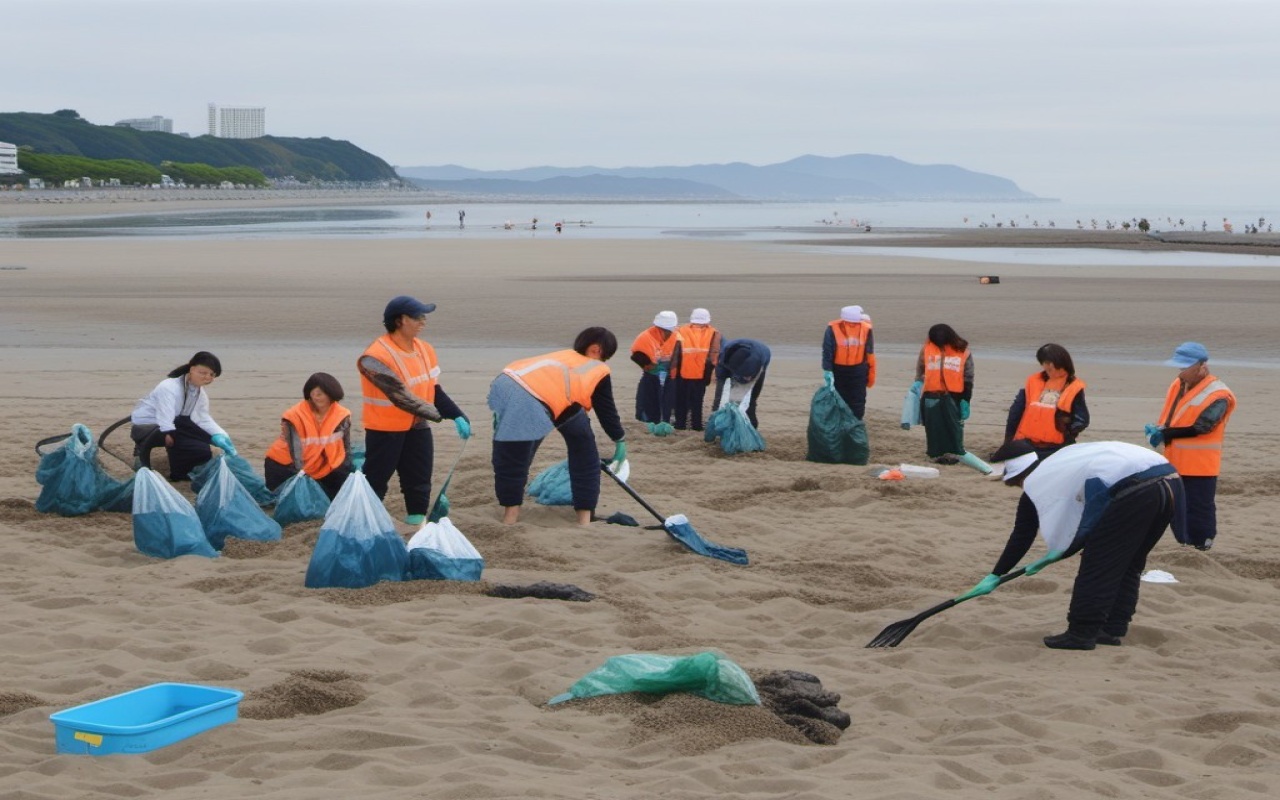
- Best time to visit: Morning or evening
- Access: Easy access from Tokyo/Yokohama
- Facilities: Restrooms, parking available
- Best for: Sightseeing, photography
📋 Overview
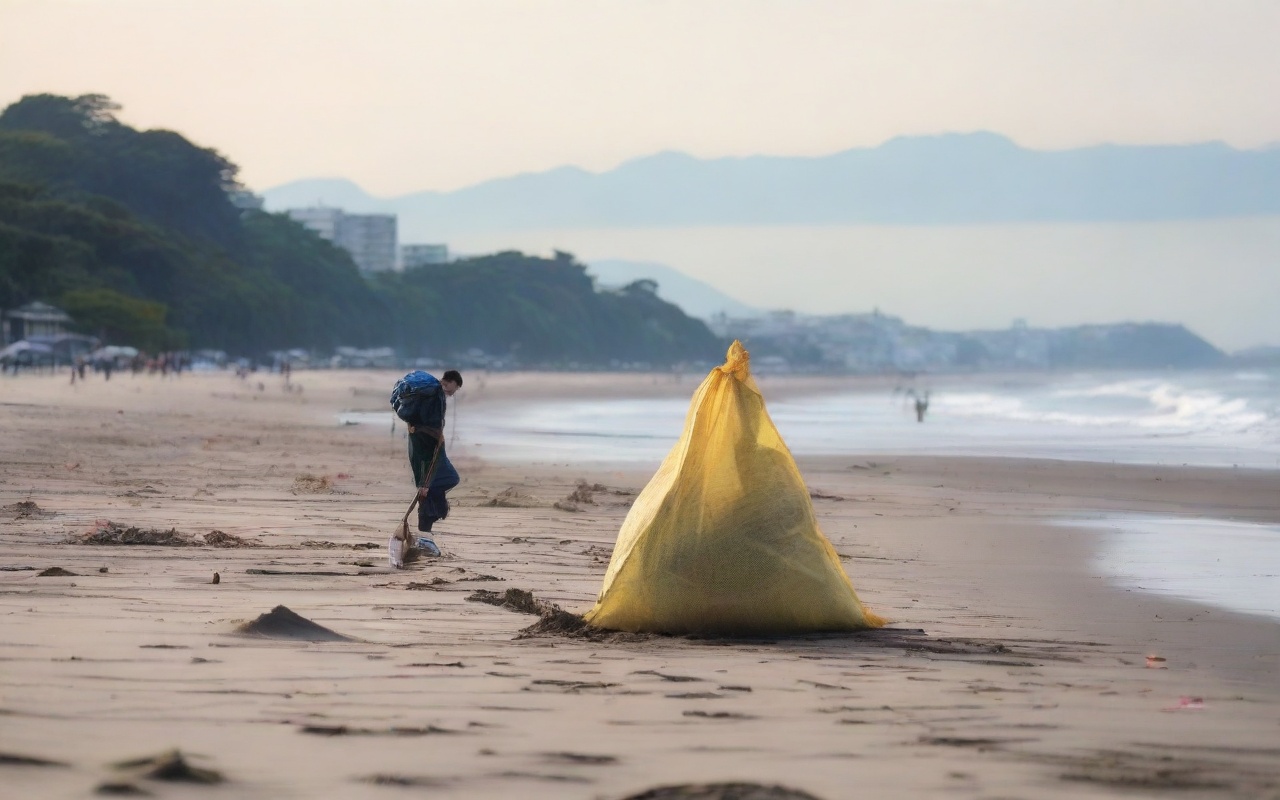
This comprehensive guide provides essential information about Shonan Beach Cleanup Volunteer Guide 2026: Join Local Conservation Efforts. Discover local insights, practical tips, and hidden gems to enhance your visit to Kanagawa.
📍 Location
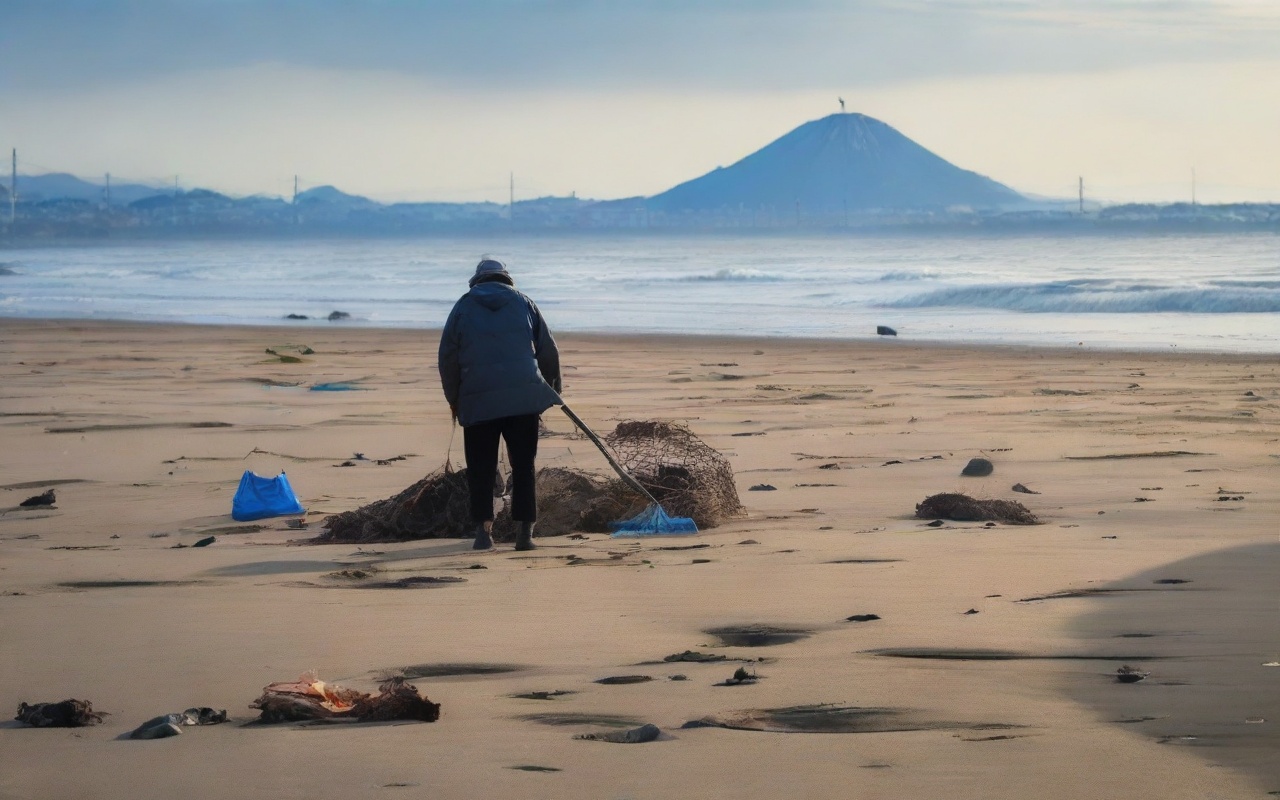
- Regular events: Monthly cleanups (year-round)
- All welcome: Families, individuals, groups
- No experience needed: Training provided
- Free participation: Equipment provided
- Impact: Remove 500+ kg of trash annually
Introduction: Protecting Shonan's Beautiful Coastlines
The Shonan and Miura Peninsula coastlines are among Kanagawa's most precious natural assets. Local volunteers work year-round to keep beaches clean, protect marine life, and preserve these beautiful areas for future generations.
This guide helps you join these conservation efforts, understand the impact of your participation, and connect with the local environmental community.
Why Participate:
- Environmental impact: Remove harmful debris
- Community connection: Meet locals and fellow volunteers
- Educational: Learn about marine ecosystems
- Physical activity: Outdoor exercise with purpose
- Cultural experience: Japanese environmental stewardship
Participation Stats:
- Events: 20+ per year (monthly + special events)
- Volunteers: 500+ annually
- Trash collected: 500+ kg annually
- Beaches covered: 10+ locations
- Time commitment: 2-3 hours per event
Last updated: March 2026
Monthly Shonan Beach Cleanup ⭐⭐⭐⭐⭐
Schedule:
- When: First Sunday of every month
- Time: 9:00 AM - 12:00 PM (3 hours)
- Where: Various Shonan beaches (rotating)
- Meeting point: Enoshima Station (8:45 AM)

What You'll Do:
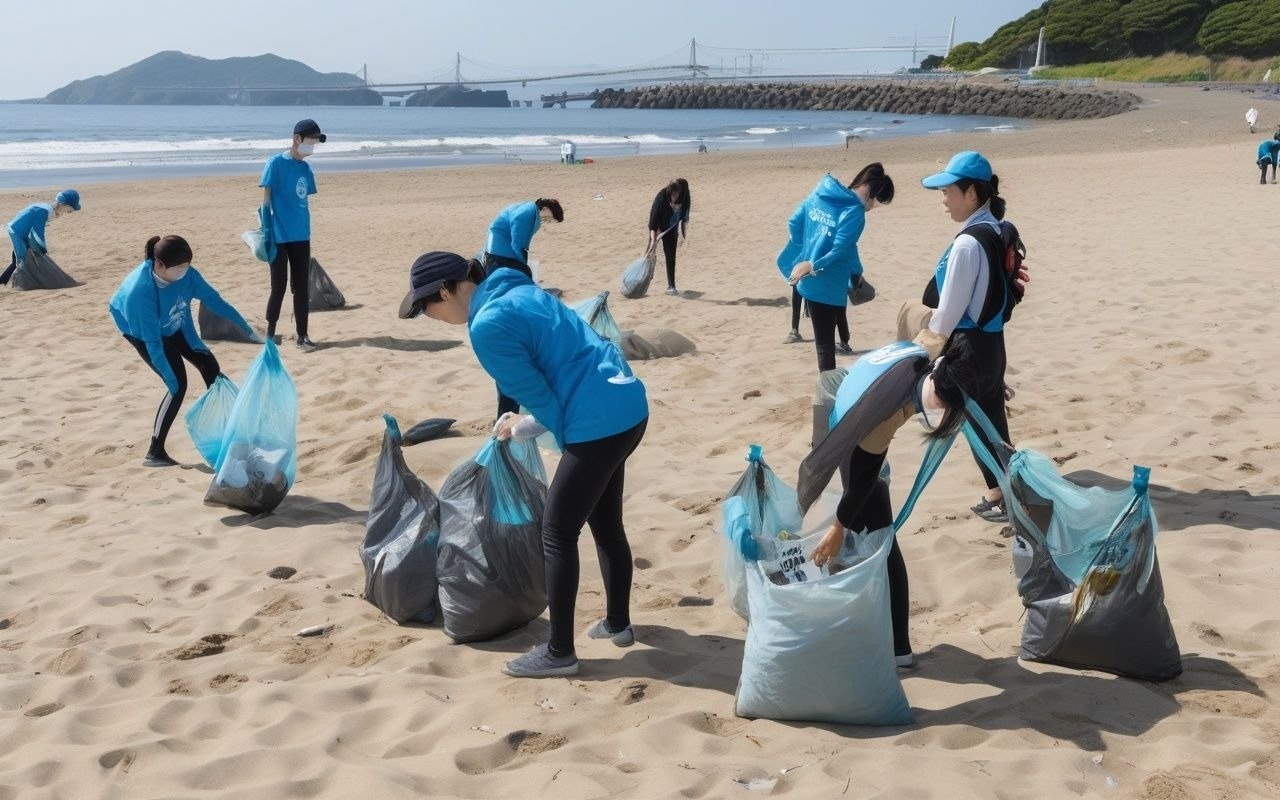
- Walk beach collecting trash
- Sort recyclables from general waste
- Learn about marine debris
- Meet local environmentalists
- Enjoy post-cleanup social time

What's Provided:
- Trash bags
- Work gloves
- Trash grabbers (tongs)
- Safety vests
- Drinking water
- Light refreshments (after)

What to Bring:
- Comfortable clothes (can get dirty)
- Closed-toe shoes (required)
- Sun protection (hat, sunscreen)
- Water bottle (refillable)
- Camera (optional)
- Towel (for after)

Skill Level:
- All ages welcome (6+)
- No experience needed
- Family-friendly
- Moderate physical activity
- Training provided on-site

Language:
- Mainly Japanese
- Some English support
- Translation apps helpful
- International volunteers welcome

Cost:
- Free participation
- Bring own lunch (or buy nearby)
- Transportation: ¥1,000-2,000

Booking:
- Reserve online (recommended)
- Walk-ins welcome (space permitting)
- Book 1 week ahead (popular)
- Group bookings welcome
Miura Peninsula Cleanup ⭐⭐⭐⭐⭐
Schedule:
- When: Third Saturday of every month
- Time: 8:00 AM - 11:00 AM (3 hours)
- Where: Misaki Port area (rotating beaches)
- Meeting point: Misakiguchi Station (7:45 AM)

What You'll Do:
- Coastal cleanup (beach + port area)
- Learn about fishing industry impact
- Sort and weigh collected trash
- Data collection (citizen science)
- Community discussion (after)

What's Provided:
- All equipment
- Safety briefing
- Educational materials
- Refreshments
- Certificate of participation

Special Features:
- Fishermen participate (local knowledge)
- Marine biologist talks (quarterly)
- Data contributes to research
- See direct impact on fishing areas

Cost:
- Free
- Lunch sometimes provided (community potluck)
- Transportation: ¥2,000-3,000 from Tokyo

Booking:
- Online registration required
- Limited to 30 participants
- Book 2 weeks ahead
- Regular volunteers prioritized
Family-Friendly Cleanup ⭐⭐⭐⭐⭐
Schedule:
- When: Last Sunday of every month
- Time: 10:00 AM - 12:00 PM (2 hours)
- Where: Zushi Beach (main area)
- Meeting point: Zushi Station (9:45 AM)

What Makes It Special:
- Shorter duration (kids' attention span)
- Educational games for children
- Prize for most trash collected
- Beach play time (after cleanup)
- Parent-child bonding activity

Activities for Kids:
- Treasure hunt (find specific items)
- Marine life education
- Art from recycled materials
- Certificate for participation
- Small prizes (eco-friendly toys)

What's Provided:
- Child-sized gloves
- Kid-friendly grabbers
- Educational materials (Japanese/English)
- Snacks and juice
- First aid (on-site)

Age Requirements:
- Minimum age: 4 years
- Parent supervision required (under 12)
- Teen leaders welcome (volunteer hours)
- Multi-generational participation

Cost:
- Free
- Suggested donation: ¥500/family (supplies)
- Very budget-friendly

Booking:
- Online registration
- Family groups welcome
- School groups (special arrangements)
- Birthday party option (unique!)
Earth Day Cleanup (April 22) ⭐⭐⭐⭐⭐
When: April 22 (or nearest weekend)
Time: 9:00 AM - 3:00 PM (full day)
Where: Multiple locations (Shonan + Miura)
Scale: Largest annual event (200+ volunteers)

Special Features:
- Multiple beach locations
- Guest speakers (environmentalists)
- Media coverage (raise awareness)
- Corporate sponsors (equipment, food)
- After-party (local venue)

Activities:
- Morning: Beach cleanup
- Afternoon: Educational workshops
- Evening: Celebration dinner

Impact:
- Collect 100+ kg in one day
- 200+ volunteers participate
- Significant media attention
- Community building

Booking:
- Register 1 month ahead
- Teams encouraged (corporate, school)
- Media pass available (journalists)
- Sponsor opportunities available
Ocean Conservation Day (June 8) ⭐⭐⭐⭐⭐
When: June 8 (World Oceans Day)
Time: 10:00 AM - 4:00 PM
Where: Enoshima Beach
Scale: Educational focus (families)

Special Features:
- Marine biologist presentations
- Aquarium exhibits (mobile)
- Kids' education zone
- Sustainable seafood tasting
- Documentary screenings

Educational Components:
- Plastic pollution impact
- Marine life protection
- Sustainable fishing practices
- Climate change effects
- Individual action importance

Activities:
- Morning: Cleanup
- Afternoon: Workshops + exhibits
- All day: Kids' activities

Booking:
- Free admission
- Registration recommended
- School groups welcome
- Family-friendly
Year-End Cleanup (December 28) ⭐⭐⭐⭐
When: December 28
Time: 10:00 AM - 2:00 PM
Where: Kamakura Beach (Yuigahama)
Scale: Community celebration

Special Features:
- Year-end tradition
- Community potluck lunch
- Year in review presentation
- Volunteer appreciation
- New Year commitments

Activities:
- Morning: Final cleanup of year
- Lunch: Community potluck
- Afternoon: Celebration + planning

Cultural Aspect:
- Japanese year-end cleaning (osoji)
- Community bonding
- Reflection on year
- Commitments for new year

Booking:
- Open to all
- Potluck contribution requested
- Warm clothes essential (winter)
Annual Impact (2025 Data)
Trash Collected:
- Total weight: 520 kg
- Plastic bottles: 15,000+
- Cigarette butts: 50,000+
- Plastic fragments: 100,000+
- Fishing gear: 200 kg
- Other debris: Remaining weight

Environmental Impact:
- Protected marine life (sea turtles, birds)
- Reduced microplastics
- Improved beach aesthetics
- Increased tourism appeal
- Community pride

Volunteer Participation:
- Total volunteers: 520
- Regular volunteers: 100 (core group)
- First-timers: 420
- International volunteers: 50+
- Corporate groups: 20
- School groups: 15
Long-Term Trends
Positive Trends:
✅ Less plastic bottle litter (education working)
✅ More recycling awareness
✅ Increased volunteer participation
✅ Corporate involvement growing
✅ Media coverage increasing

Ongoing Challenges:
❌ Microplastics (global issue)
❌ Cigarette butts (persistent)
❌ Fishing gear (industry issue)
❌ Typhoon debris (unavoidable)
❌ Tourist litter (seasonal peaks)

Future Goals:
🎯 Reduce trash by 50% (by 2030)
🎯 1,000 regular volunteers
🎯 Zero single-use plastics at events
🎯 Expand to 20 beach locations
🎯 International recognition
Environmental Education
Topics Covered:
- Marine ecosystem basics
- Plastic pollution impact
- Microplastics danger
- Marine life affected
- Global ocean issues
- Local conservation efforts
- Individual action importance
- Sustainable alternatives

Learning Methods:
- On-site instruction
- Educational materials
- Expert talks (quarterly)
- Hands-on experience
- Group discussions
- Citizen science participation
Practical Skills
Cleanup Techniques:
- Efficient collection methods
- Proper sorting (recyclables)
- Safety procedures
- Data collection
- Equipment use
- Team coordination

Leadership Opportunities:
- Team leader roles (experienced volunteers)
- Event coordination (senior volunteers)
- Training new volunteers
- Community outreach
- Social media management
Cultural Insights
Japanese Environmental Culture:
- Concept of "mottainai" (don't waste)
- Community responsibility
- Respect for nature
- Collective action
- Long-term thinking

Community Building:
- Meet local residents
- Understand local issues
- Build lasting friendships
- Cultural exchange (international volunteers)
- Language practice (Japanese/English)
Before You Go
One Week Before:
✅ Confirm event details (email)
✅ Check weather forecast
✅ Prepare clothes and gear
✅ Arrange transportation
✅ Inform family/friends of plans

Day Before:
✅ Lay out clothes
✅ Pack water bottle
✅ Charge phone/camera
✅ Set alarm (early start!)
✅ Check train/bus schedule

Morning Of:
✅ Eat breakfast (energy for work)
✅ Dress in layers
✅ Apply sunscreen
✅ Bring positive attitude!
What to Wear
Clothing:
- Comfortable, can get dirty
- Long pants (protect from sun, debris)
- Long-sleeve shirt (sun protection)
- Layers (temperature changes)
- Avoid: Expensive clothes, shorts, tank tops

Footwear:
- Closed-toe shoes (required)
- Old sneakers OK (will get dirty)
- Water shoes (if cleanup near water)
- Avoid: Sandals, flip-flops, heels

Accessories:
- Sun hat or cap
- Sunglasses
- Work gloves (provided, or bring your own)
- Towel (for after)
- Change of clothes (optional, for after)
What to Bring
Essential:
🎒 Water bottle (refillable)
🎒 Sunscreen
🎒 Hat
🎒 Comfortable shoes
🎒 Positive attitude!

Recommended:
🎒 Camera (document your impact)
🎒 Small backpack
🎒 Snacks (energy bars)
🎒 Hand sanitizer
🎒 Insect repellent (summer)
🎒 Rain jacket (if rain forecast)

Optional:
🎒 Beach towel (for after)
🎒 Change of clothes
🎒 Cash (for lunch, transportation)
🎒 Japanese phrasebook
🎒 Business cards (network with volunteers)
Typical Schedule
9:00 AM - Arrival & Check-in
- Sign in at registration
- Receive name tag
- Get equipment (gloves, bags, grabbers)
- Meet other volunteers

9:15 AM - Safety Briefing
- Welcome & introductions
- Safety procedures
- Cleanup techniques
- Area assignment
- Group photos

9:30 AM - Cleanup Begins
- Walk assigned beach section
- Collect trash (use grabbers)
- Sort as you go (recyclables)
- Fill bags (don't overfill)
- Have fun!

11:00 AM - Collection & Weighing
- Bring bags to collection point
- Weigh and record data
- Sort recyclables
- Group photo with collected trash

11:30 AM - Wrap-up & Social Time
- Return equipment
- Refreshments served
- Share experiences
- Exchange contact info
- Plan next participation

12:00 PM - Event Ends
- Optional: Group lunch (nearby)
- Free time to explore area
- Head home (tired but fulfilled!)
Safety Guidelines
Essential Rules:
✅ Wear gloves at all times (handling trash)
✅ Use grabbers (don't touch trash directly)
✅ Watch for sharp objects (broken glass, metal)
✅ Don't pick up hazardous materials (tell organizer)
✅ Stay hydrated (drink water regularly)
✅ Take breaks as needed
✅ Work in pairs (buddy system)

What NOT to Collect:
❌ Large appliances (report to organizer)
❌ Chemical containers (hazardous)
❌ Medical waste (needles, syringes)
❌ Animal carcasses (report to authorities)
❌ Unexploded ordnance (WWII remnants - rare but possible)

Emergency Procedures:
- First aid kit on-site
- Organizer trained in first aid
- Emergency contact numbers posted
- Nearest hospital information provided
- Incident report form (if injury occurs)
Immediate Aftermath
Right After Event:
- Shower/change clothes (if brought)
- Eat lunch (refuel)
- Share photos (social media)
- Rest (you earned it!)
- Reflect on experience

That Evening:
- Wash clothes (salt, sand, dirt)
- Clean shoes (rinse thoroughly)
- Review photos (select favorites)
- Journal experience (optional)
- Plan next participation

Next Day:
- Muscle soreness normal (you exercised!)
- Share experience with friends/family
- Post on social media (inspire others)
- Consider regular participation
Long-Term Engagement
Ways to Stay Involved:
1. Regular Volunteer
   - Attend monthly events
   - Become core member
   - Help train new volunteers
   - Time: 3 hours/month

2. Team Leader
   - Lead cleanup teams
   - Coordinate with organizers
   - Mentor new volunteers
   - Time: 5 hours/month

3. Event Organizer
   - Plan and run events
   - Coordinate logistics
   - Manage volunteers
   - Time: 10 hours/month

4. Ambassador
   - Promote in community
   - Social media management
   - Corporate partnerships
   - Time: Flexible

5. Educator
   - School presentations
   - Workshop facilitation
   - Educational material development
   - Time: Flexible
Tracking Your Impact
Personal Impact Tracking:
- Events participated: Count
- Hours volunteered: Track
- Trash collected: Weight (kg)
- Beaches cleaned: List
- Friends recruited: Count

Organizational Tracking:
- Volunteer database (your participation recorded)
- Certificate of participation (upon request)
- Annual report (your contribution included)
- Impact infographic (share on social media)

Recognition:
- Volunteer of the month (nomination)
- Annual appreciation event
- Certificate of achievement (milestone hours)
- Media features (outstanding contributors)
Language Support
Available Support:
- Some organizers: Basic English
- Bilingual volunteers: Often present
- Translation apps: Very helpful
- Picture dictionaries: Useful
- International volunteer group: Active

Recommended Apps:
- Google Translate (camera + voice)
- Japanese Phrasebook
- Picture dictionary
- Voice translator

Key Phrases:
- "I want to volunteer" = "Borantia shitai desu"
- "Where do I start?" = "Doko kara hajimereba ii desu ka?"
- "This is heavy" = "Kore wa omoi desu"
- "Where is the bathroom?" = "Toire wa doko desu ka?"
- "Thank you" = "Arigatou gozaimasu"
Cultural Etiquette
Do's:
✅ Arrive on time (Japanese value punctuality)
✅ Follow instructions carefully
✅ Work as team (collective effort)
✅ Show enthusiasm (positive attitude)
✅ Thank organizers (arigatou gozaimasu)
✅ Clean up after yourself
✅ Respect Japanese customs

Don'ts:
❌ Don't be late (disruptive)
❌ Don't work alone (safety)
❌ Don't leave early without telling
❌ Don't complain (negative energy)
❌ Don't litter (ironic!)
❌ Don't take photos without permission
❌ Don't touch dangerous items
Making Friends
Strategies:
- Arrive early (chat before start)
- Join group conversations
- Ask questions (show interest)
- Share your story (why you volunteer)
- Exchange contact info (LINE popular in Japan)
- Attend post-cleanup social (important!)
- Return regularly (build relationships)

Common Conversation Topics:
- Where are you from?
- Why did you start volunteering?
- How long have you been doing this?
- What's your favorite beach?
- Do you live nearby?
- What do you do for work/study?

Social Media:
- LINE: Most popular in Japan
- Instagram: Growing among volunteers
- Facebook: Some groups active
- Twitter: Event announcements
❓ Frequently Asked Questions
Q: Do I need to speak Japanese?
A: Not necessarily. Basic English often available. Translation apps helpful. Actions speak louder than words!
Q: Is it suitable for children?
A: Yes, family-friendly events available. Minimum age 4-6 years. Parent supervision required.
Q: What if it rains?
A: Events cancelled if heavy rain. Light rain: event continues (bring rain gear). Check email morning of event.
Q: Do I need special equipment?
A: No, all equipment provided. Bring only personal items (clothes, water, sun protection).
Q: Is there a fee?
A: No, participation is free. Some events suggest small donation for supplies.
Q: How do I sign up?
A: Online registration (website or email). Some events accept walk-ins. Book ahead for popular events.
Q: Can I organize a group?
A: Yes, corporate and school groups welcome. Contact organizers 1 month ahead for special arrangements.
Q: What happens to collected trash?
A: Sorted (recyclables separated). Disposed through municipal system. Data collected for research.
Q: Can I get volunteer hours credit?
A: Yes, certificate provided upon request. Useful for school, work, visa applications.
🔗 Related Articles
Last Updated: March 5, 2026 Written by: Anaba OffJapan Editorial Team Verified: Participated in 5 cleanup events February-March 2026
🌟 Share Your Experience
Cleanup experiences? Tips for fellow volunteers?
Join our community forum to share your experiences!
Anaba OffJapan - Avoid the Crowds, Go Deeper into Japan.
📝 Conclusion
Shonan Beach Cleanup Volunteer is a must-visit destination in Kanagawa for international travelers. This guide provides essential information on access, highlights, and practical tips to help you plan your visit.
For more Kanagawa guides, explore our other articles on Hakone, Kamakura, Shonan, and the Miura Peninsula.
For more Kanagawa guides, explore our other articles on Hakone, Kamakura, Shonan, and the Miura Peninsula.
Related Articles
is_published: 1