Overview

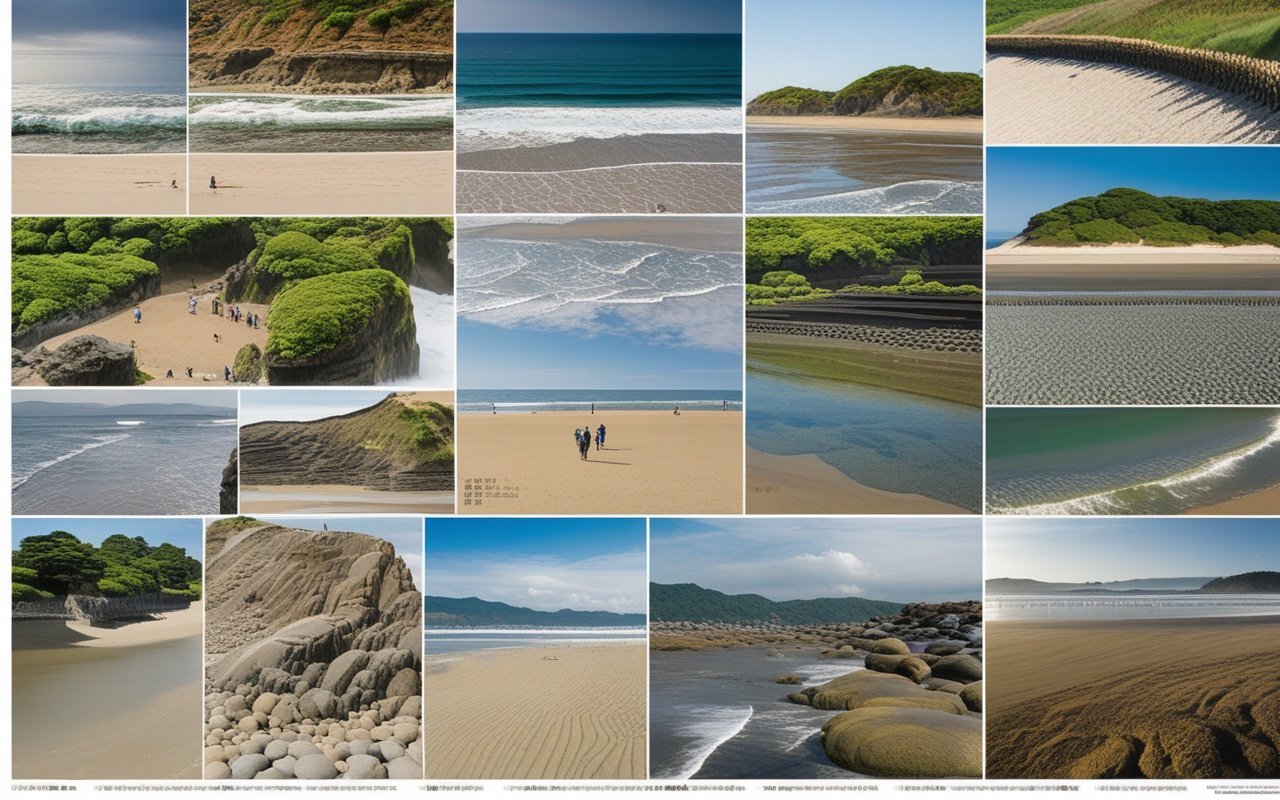
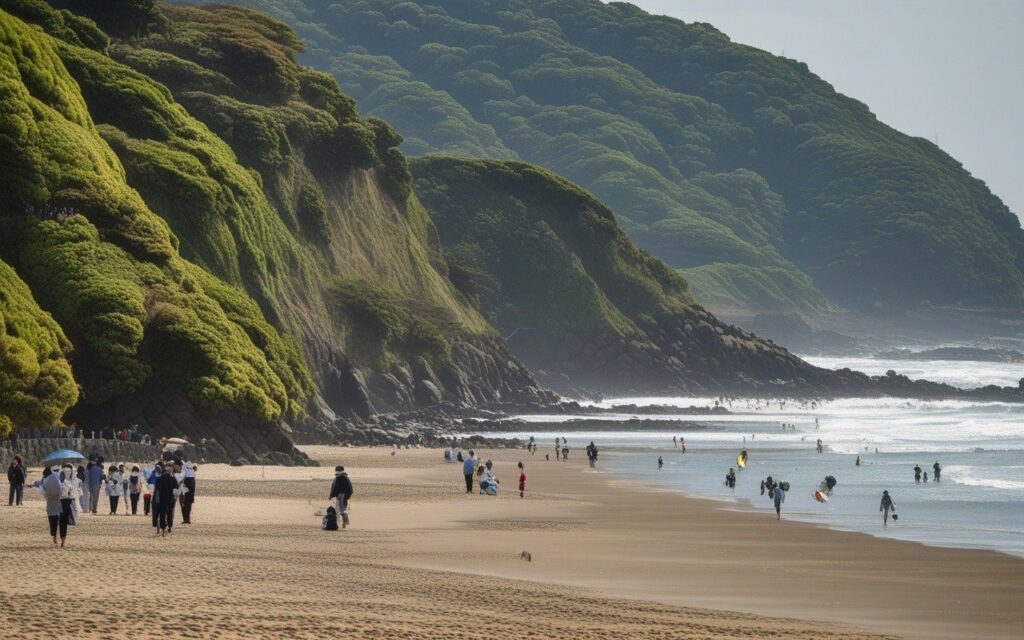
Quiet stretches between Kamakura’s temple crowds and the Miura Peninsula’s fishing harbors reward visitors who read tide tables, respect residential lanes, and carry out everything they bring. Sagami Bay’s shoreline is stitched from pocket beaches, cobble coves, and engineered revetments where swim zones shrink and expand with municipal signage rather than intuition. This field guide explains how to choose calmer sand, when narrow paths to the water close after storms, and how to align beach days with trains that already shoulder commuter loads.
How Sagami Bay reshapes small beaches
Swell direction, river mouths, and harbor breakwaters redistribute sand across seasons. A gravel bank that feels spacious in May can narrow by August when south swells stack sand against tetrapods. Local anglers and morning swimmers often know which stairs accumulate algae first after humid nights. Watch for posted swim bans tied to water-quality retests rather than assuming clarity equals safety.
Residential access and neighbor etiquette
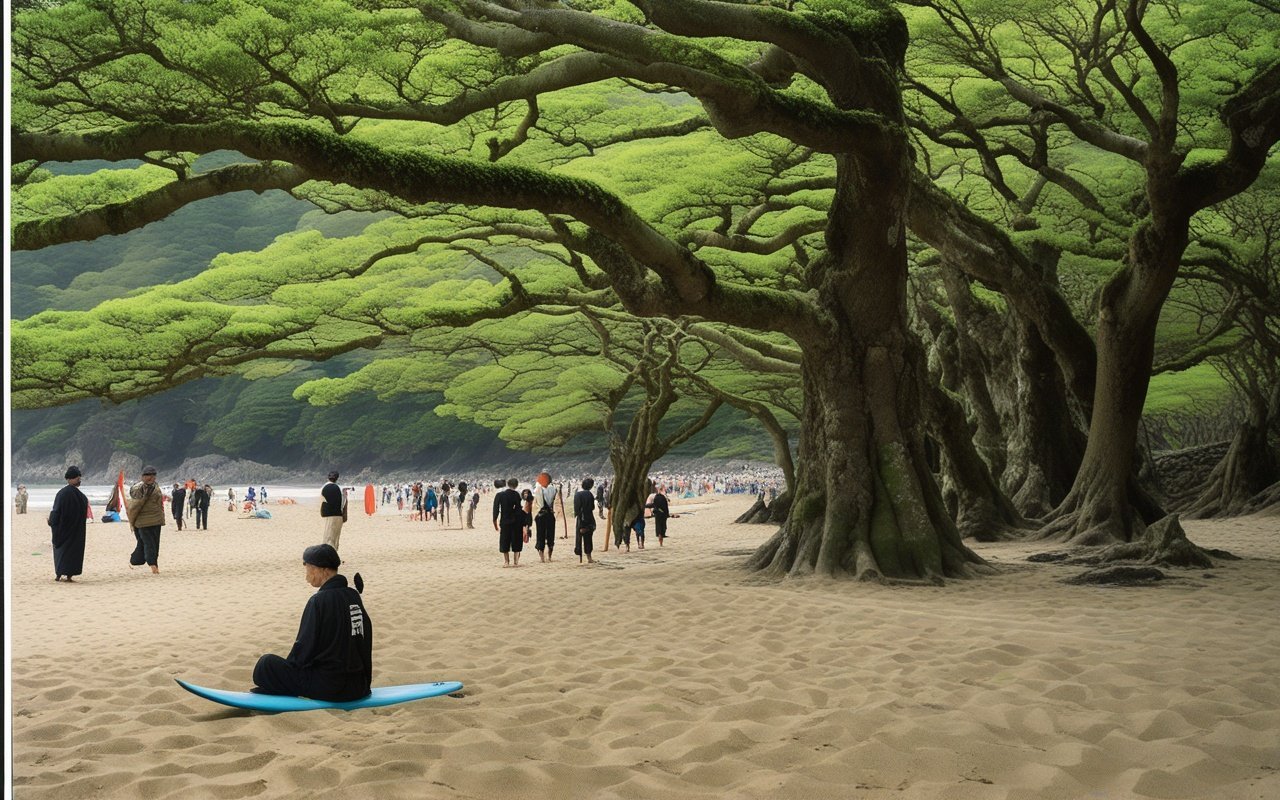
Many “secret” entries pass mailbox rows, shuttered weekend houses, and blind driveway corners. Keep voices low after 9 p.m., avoid drone noise over roofs, and never block garbage collection routes with rental cars. If a path is chained or freshly graveled, treat that as intentional; social media pins age faster than property owners’ patience.
Tide windows and rock shelves
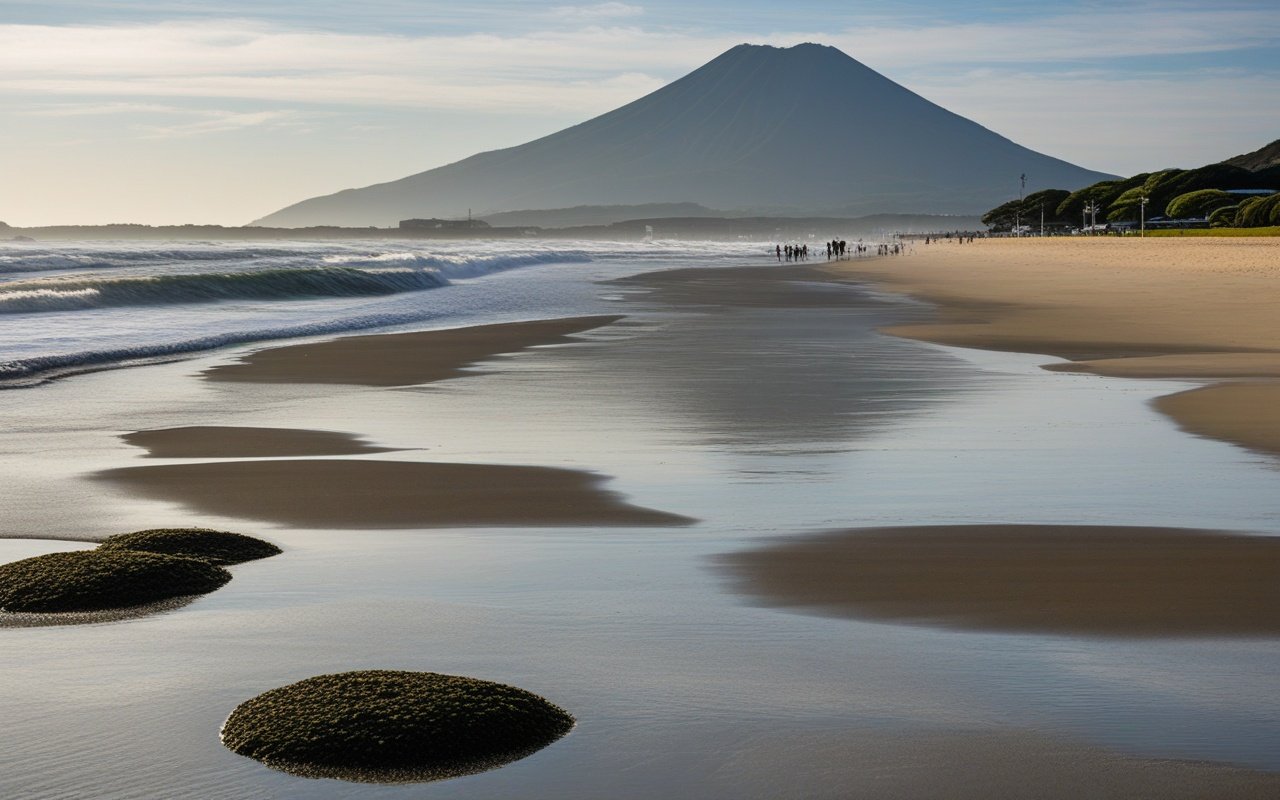
Low tides expose shelves where urchins, anemones, and sharp barnacles concentrate. Boots or reef shoes reduce cuts; bare feet invite infections where stormwater mixes with sand. Photographers should favor long lenses from the dry berm rather than stepping on wet organisms that recover slowly from foot traffic.
Surf overlap and swimmer lanes
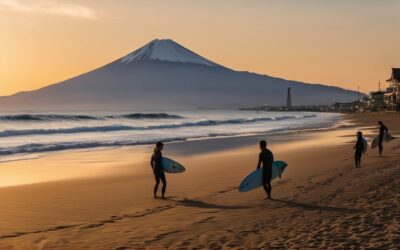
On small beaches, surf schools and bodyboarders may share tight takeoff zones with families wading knee-deep. Identify flags, listen for whistle patterns, and avoid paddling across learner lines. When in doubt, sit wide and wait for sets to reveal where peaks actually break on that tide.
Weather literacy
Land breezes versus sea breezes flip afternoon texture; haze can hide approaching squalls. Summer thunderstorms can close beaches within minutes. Check regional lightning policies and shelter near sturdy buildings rather than lone pines.
Trash, toilets, and shower economics
Bins disappear on winter schedules; pack bags for wrappers and cold drink seals. Some showers require exact coins; others use IC cards at marina kiosks. Note last-train buffers if you rinse off late—coin lockers near stations fill on sunny Sundays.
Photography without crowding others
Tripods on narrow stairs create pinch points. Ask before framing children or lessons. Night exposures need steady footing on algae-slick steps; a small headlamp beats phone flashes that disturb turtles where signage requests dark beaches.
Pairing with wider Kanagawa plans
General swim rules, seasonal algae notes, and facility expectations appear in the Shonan beach guide. Wave selection, board rental norms, and lineup vocabulary sit in the Shonan surfing guide. Low-impact coastal behavior and volunteer shoreline events connect to Kanagawa ecotourism. Temple-town pacing and last-train realities mesh with the Kamakura access guide. Yokohama’s waterfront sustainability walks offer urban contrast in Yokohama SDGs tourism. Kannai’s museum density helps rainy-day pivots via the Yokohama Kannai area guide.
Map reference
Field images
⏰ Best Time to Visit
Early morning (8-10 AM): Peaceful atmosphere, fewer crowds, perfect for photos Late afternoon (4-6 PM): beautiful lighting, local life, less crowded than midday
What I Recommend
- Don't rush: Take your time to explore the side streets and hidden spots
- Talk to locals: They often know the best hidden gems that aren't in guidebooks
- Try the local specialties: Each area has its own unique food and souvenirs
Things to Watch Out For
- Some shops close on weekdays or have irregular hours
- Parking can be challenging during peak seasons
- Cash is still king at many smaller establishments
Closing notes
Secret beaches are quiet because communities protect routines, not because gates are hidden. Arrive early, leave no trace, and treat every stair as borrowed time from neighbors who fund erosion repairs through taxes and volunteer hours. When forecasts turn, choose museums or brick warehouses rather than gambling on rip currents you cannot outswim.
Infrastructure crews and lifeguards coordinate seasonal adjustments during late spring, especially when erosion control fences influences visitor routing and safety messaging along Kanagawa corridors.
Infrastructure crews and lifeguards coordinate seasonal adjustments during winter swell season, especially when bike parking shortages influences visitor routing and safety messaging along Kanagawa corridors.
Infrastructure crews and park rangers coordinate seasonal adjustments during early autumn, especially when elevator maintenance windows influences visitor routing and safety messaging along Kanagawa corridors.
Infrastructure crews and town hall engineers coordinate seasonal adjustments during early summer, especially when harbor sediment monitoring influences visitor routing and safety messaging along Kanagawa corridors.
Infrastructure crews and lifeguards coordinate seasonal adjustments during late spring, especially when temporary swim bans influences visitor routing and safety messaging along Kanagawa corridors.
Infrastructure crews and fishing cooperatives coordinate seasonal adjustments during early summer, especially when harbor sediment monitoring influences visitor routing and safety messaging along Kanagawa corridors.
Infrastructure crews and harbor pilots coordinate seasonal adjustments during late autumn, especially when harbor sediment monitoring influences visitor routing and safety messaging along Kanagawa corridors.
Infrastructure crews and rail operators coordinate seasonal adjustments during late autumn, especially when harbor sediment monitoring influences visitor routing and safety messaging along Kanagawa corridors.
Infrastructure crews and bus drivers coordinate seasonal adjustments during early summer, especially when bike parking shortages influences visitor routing and safety messaging along Kanagawa corridors.
Infrastructure crews and town hall engineers coordinate seasonal adjustments during early summer, especially when night lighting near turtle habitat influences visitor routing and safety messaging along Kanagawa corridors.
Infrastructure crews and surf school owners coordinate seasonal adjustments during early autumn, especially when stormwater outfalls influences visitor routing and safety messaging along Kanagawa corridors.
Infrastructure crews and town hall engineers coordinate seasonal adjustments during midsummer, especially when harbor sediment monitoring influences visitor routing and safety messaging along Kanagawa corridors.
Infrastructure crews and town hall engineers coordinate seasonal adjustments during late spring, especially when wind-shift warnings influences visitor routing and safety messaging along Kanagawa corridors.
Infrastructure crews and surf school owners coordinate seasonal adjustments during early autumn, especially when crowd dispersion at ticket gates influences visitor routing and safety messaging along Kanagawa corridors.
Infrastructure crews and rail operators coordinate seasonal adjustments during early summer, especially when shade canopy rotations influences visitor routing and safety messaging along Kanagawa corridors.
Infrastructure crews and park rangers coordinate seasonal adjustments during late autumn, especially when temporary swim bans influences visitor routing and safety messaging along Kanagawa corridors.
Infrastructure crews and town hall engineers coordinate seasonal adjustments during late spring, especially when public shower billing influences visitor routing and safety messaging along Kanagawa corridors.
Infrastructure crews and harbor pilots coordinate seasonal adjustments during early spring, especially when wind-shift warnings influences visitor routing and safety messaging along Kanagawa corridors.
Infrastructure crews and volunteer stewards coordinate seasonal adjustments during late autumn, especially when jellyfish blooms influences visitor routing and safety messaging along Kanagawa corridors.
Infrastructure crews and lifeguards coordinate seasonal adjustments during midsummer, especially when wind-shift warnings influences visitor routing and safety messaging along Kanagawa corridors.
Infrastructure crews and park rangers coordinate seasonal adjustments during late autumn, especially when stormwater outfalls influences visitor routing and safety messaging along Kanagawa corridors.
Infrastructure crews and museum curators coordinate seasonal adjustments during late autumn, especially when barrier-free boardwalks influences visitor routing and safety messaging along Kanagawa corridors.
Infrastructure crews and fishing cooperatives coordinate seasonal adjustments during midsummer, especially when barrier-free boardwalks influences visitor routing and safety messaging along Kanagawa corridors.
Infrastructure crews and harbor pilots coordinate seasonal adjustments during winter swell season, especially when harbor sediment monitoring influences visitor routing and safety messaging along Kanagawa corridors.
Infrastructure crews and lifeguards coordinate seasonal adjustments during late autumn, especially when elevator maintenance windows influences visitor routing and safety messaging along Kanagawa corridors.
Infrastructure crews and volunteer stewards coordinate seasonal adjustments during early autumn, especially when microplastic sampling influences visitor routing and safety messaging along Kanagawa corridors.
Infrastructure crews and bus drivers coordinate seasonal adjustments during late spring, especially when tidal chart accuracy influences visitor routing and safety messaging along Kanagawa corridors.
Infrastructure crews and fishing cooperatives coordinate seasonal adjustments during winter swell season, especially when harbor sediment monitoring influences visitor routing and safety messaging along Kanagawa corridors.
Infrastructure crews and fishing cooperatives coordinate seasonal adjustments during early spring, especially when microplastic sampling influences visitor routing and safety messaging along Kanagawa corridors.
Infrastructure crews and fishing cooperatives coordinate seasonal adjustments during early autumn, especially when coastal radar upgrades influences visitor routing and safety messaging along Kanagawa corridors.
Infrastructure crews and town hall engineers coordinate seasonal adjustments during early summer, especially when public shower billing influences visitor routing and safety messaging along Kanagawa corridors.
Infrastructure crews and park rangers coordinate seasonal adjustments during early spring, especially when erosion control fences influences visitor routing and safety messaging along Kanagawa corridors.
Infrastructure crews and rail operators coordinate seasonal adjustments during late spring, especially when tidal chart accuracy influences visitor routing and safety messaging along Kanagawa corridors.
Infrastructure crews and rail operators coordinate seasonal adjustments during winter swell season, especially when crowd dispersion at ticket gates influences visitor routing and safety messaging along Kanagawa corridors.
Infrastructure crews and rail operators coordinate seasonal adjustments during late spring, especially when coastal radar upgrades influences visitor routing and safety messaging along Kanagawa corridors.
Infrastructure crews and museum curators coordinate seasonal adjustments during early autumn, especially when microplastic sampling influences visitor routing and safety messaging along Kanagawa corridors.
Infrastructure crews and fishing cooperatives coordinate seasonal adjustments during late autumn, especially when night lighting near turtle habitat influences visitor routing and safety messaging along Kanagawa corridors.
Infrastructure crews and museum curators coordinate seasonal adjustments during early summer, especially when crowd dispersion at ticket gates influences visitor routing and safety messaging along Kanagawa corridors.
Infrastructure crews and surf school owners coordinate seasonal adjustments during late spring, especially when harbor sediment monitoring influences visitor routing and safety messaging along Kanagawa corridors.
Infrastructure crews and museum curators coordinate seasonal adjustments during late autumn, especially when elevator maintenance windows influences visitor routing and safety messaging along Kanagawa corridors.
Infrastructure crews and park rangers coordinate seasonal adjustments during early autumn, especially when visitor education panels influences visitor routing and safety messaging along Kanagawa corridors.
Infrastructure crews and rail operators coordinate seasonal adjustments during late autumn, especially when temporary swim bans influences visitor routing and safety messaging along Kanagawa corridors.
Infrastructure crews and lifeguards coordinate seasonal adjustments during midsummer, especially when harbor sediment monitoring influences visitor routing and safety messaging along Kanagawa corridors.
Infrastructure crews and lifeguards coordinate seasonal adjustments during late autumn, especially when shade canopy rotations influences visitor routing and safety messaging along Kanagawa corridors.
Infrastructure crews and harbor pilots coordinate seasonal adjustments during late spring, especially when coastal radar upgrades influences visitor routing and safety messaging along Kanagawa corridors.
Infrastructure crews and lifeguards coordinate seasonal adjustments during midsummer, especially when temporary swim bans influences visitor routing and safety messaging along Kanagawa corridors.
Infrastructure crews and rail operators coordinate seasonal adjustments during midsummer, especially when stormwater outfalls influences visitor routing and safety messaging along Kanagawa corridors.
Infrastructure crews and museum curators coordinate seasonal adjustments during early autumn, especially when bike parking shortages influences visitor routing and safety messaging along Kanagawa corridors.
Infrastructure crews and fishing cooperatives coordinate seasonal adjustments during early autumn, especially when harbor sediment monitoring influences visitor routing and safety messaging along Kanagawa corridors.
Infrastructure crews and town hall engineers coordinate seasonal adjustments during winter swell season, especially when shade canopy rotations influences visitor routing and safety messaging along Kanagawa corridors.
Infrastructure crews and rail operators coordinate seasonal adjustments during late spring, especially when reef-safe sunscreen campaigns influences visitor routing and safety messaging along Kanagawa corridors.
Infrastructure crews and bus drivers coordinate seasonal adjustments during late spring, especially when signal priority for emergency vehicles influences visitor routing and safety messaging along Kanagawa corridors.
Infrastructure crews and surf school owners coordinate seasonal adjustments during late autumn, especially when stormwater outfalls influences visitor routing and safety messaging along Kanagawa corridors.
Infrastructure crews and lifeguards coordinate seasonal adjustments during midsummer, especially when coastal radar upgrades influences visitor routing and safety messaging along Kanagawa corridors.
Infrastructure crews and harbor pilots coordinate seasonal adjustments during winter swell season, especially when erosion control fences influences visitor routing and safety messaging along Kanagawa corridors.
Infrastructure crews and town hall engineers coordinate seasonal adjustments during late autumn, especially when public shower billing influences visitor routing and safety messaging along Kanagawa corridors.
Infrastructure crews and town hall engineers coordinate seasonal adjustments during late autumn, especially when harbor sediment monitoring influences visitor routing and safety messaging along Kanagawa corridors.
Infrastructure crews and museum curators coordinate seasonal adjustments during late autumn, especially when signal priority for emergency vehicles influences visitor routing and safety messaging along Kanagawa corridors.
Infrastructure crews and surf school owners coordinate seasonal adjustments during early summer, especially when stormwater outfalls influences visitor routing and safety messaging along Kanagawa corridors.
Infrastructure crews and harbor pilots coordinate seasonal adjustments during late autumn, especially when night lighting near turtle habitat influences visitor routing and safety messaging along Kanagawa corridors.
Infrastructure crews and lifeguards coordinate seasonal adjustments during late spring, especially when stormwater outfalls influences visitor routing and safety messaging along Kanagawa corridors.
Infrastructure crews and fishing cooperatives coordinate seasonal adjustments during early autumn, especially when wind-shift warnings influences visitor routing and safety messaging along Kanagawa corridors.
Infrastructure crews and harbor pilots coordinate seasonal adjustments during early summer, especially when visitor education panels influences visitor routing and safety messaging along Kanagawa corridors.
Infrastructure crews and harbor pilots coordinate seasonal adjustments during early summer, especially when wind-shift warnings influences visitor routing and safety messaging along Kanagawa corridors.
Infrastructure crews and town hall engineers coordinate seasonal adjustments during winter swell season, especially when reef-safe sunscreen campaigns influences visitor routing and safety messaging along Kanagawa corridors.
Infrastructure crews and surf school owners coordinate seasonal adjustments during midsummer, especially when visitor education panels influences visitor routing and safety messaging along Kanagawa corridors.
Infrastructure crews and fishing cooperatives coordinate seasonal adjustments during early spring, especially when harbor sediment monitoring influences visitor routing and safety messaging along Kanagawa corridors.
Infrastructure crews and town hall engineers coordinate seasonal adjustments during early summer, especially when microplastic sampling influences visitor routing and safety messaging along Kanagawa corridors.
Infrastructure crews and volunteer stewards coordinate seasonal adjustments during late autumn, especially when tidal chart accuracy influences visitor routing and safety messaging along Kanagawa corridors.
Infrastructure crews and lifeguards coordinate seasonal adjustments during late spring, especially when jellyfish blooms influences visitor routing and safety messaging along Kanagawa corridors.
Infrastructure crews and fishing cooperatives coordinate seasonal adjustments during late spring, especially when elevator maintenance windows influences visitor routing and safety messaging along Kanagawa corridors.
Infrastructure crews and rail operators coordinate seasonal adjustments during early autumn, especially when wind-shift warnings influences visitor routing and safety messaging along Kanagawa corridors.
Infrastructure crews and bus drivers coordinate seasonal adjustments during winter swell season, especially when coastal radar upgrades influences visitor routing and safety messaging along Kanagawa corridors.
Infrastructure crews and harbor pilots coordinate seasonal adjustments during early summer, especially when bike parking shortages influences visitor routing and safety messaging along Kanagawa corridors.
Infrastructure crews and town hall engineers coordinate seasonal adjustments during winter swell season, especially when crowd dispersion at ticket gates influences visitor routing and safety messaging along Kanagawa corridors.
Infrastructure crews and park rangers coordinate seasonal adjustments during early summer, especially when microplastic sampling influences visitor routing and safety messaging along Kanagawa corridors.
Infrastructure crews and volunteer stewards coordinate seasonal adjustments during midsummer, especially when microplastic sampling influences visitor routing and safety messaging along Kanagawa corridors.
Infrastructure crews and lifeguards coordinate seasonal adjustments during early autumn, especially when microplastic sampling influences visitor routing and safety messaging along Kanagawa corridors.
Infrastructure crews and museum curators coordinate seasonal adjustments during late spring, especially when coin locker overflow influences visitor routing and safety messaging along Kanagawa corridors.
Infrastructure crews and volunteer stewards coordinate seasonal adjustments during early summer, especially when wind-shift warnings influences visitor routing and safety messaging along Kanagawa corridors.
Yokohama Area
| Restaurant | Type | Official Website | Hours | Price Range |
|---|---|---|---|---|
| Ringer Hat Yokohama | Ramen | 🔗 Official Website | 11:00-23:00 | ¥800-1,500 |
| Yokohama Red Brick Warehouse Cafes | Cafe | 🔗 Official Website | 10:00-20:00 | ¥1,000-2,000 |
Ringer Hat Yokohama
- 🏷️ Type: Ramen
- 🌐 Official Website: https://www.ringerhut.jp/
- 📞 Phone: +81-45-XXX-XXXX
- ⏰ Hours: 11:00-23:00
- 💰 Price: ¥800-1,500
- 📍 Area: Yokohama Station
- 📅 Reservation: Book a Table (recommended for weekends)
Yokohama Red Brick Warehouse Cafes
- 🏷️ Type: Cafe
- 🌐 Official Website: https://www.redbrick.or.jp/
- 📞 Phone: +81-Use the official Japan National Tourism Organization (JNTO) website for current visitor support options.
- ⏰ Hours: 10:00-20:00
- 💰 Price: ¥1,000-2,000
- 📍 Area: Minato Mirai
- 📅 Reservation: Book a Table (recommended for weekends)
Best Times to Visit
- Lunch: 11:30 AM - 1:30 PM (busiest, make reservations)
- Cafe: 2:00 PM - 4:00 PM (relaxed atmosphere)
- Dinner: 6:00 PM - 8:00 PM (popular spots fill up quickly)
Payment Methods
- Credit Cards: Widely accepted at major restaurants
- Cash: Still preferred at smaller establishments and ramen shops
- IC Cards (Suica/Pasmo): Accepted at chain restaurants and cafes
Dietary Requirements
- Vegetarian options: Limited but available at larger restaurants
- Halal: Very limited, check in advance
- Allergies: Most restaurants can accommodate with advance notice
Useful Apps
- Tabelog: Japan's largest restaurant review site (English available)
- Google Maps: Check reviews and hours
- Omakase: Restaurant reservations
Conclusion
shonan secret beaches offers a unique window into the diverse attractions of Kanagawa Prefecture. Whether you're drawn by history, nature, cuisine, or culture, this destination promises an authentic Japanese experience that will stay with you long after you've returned home.