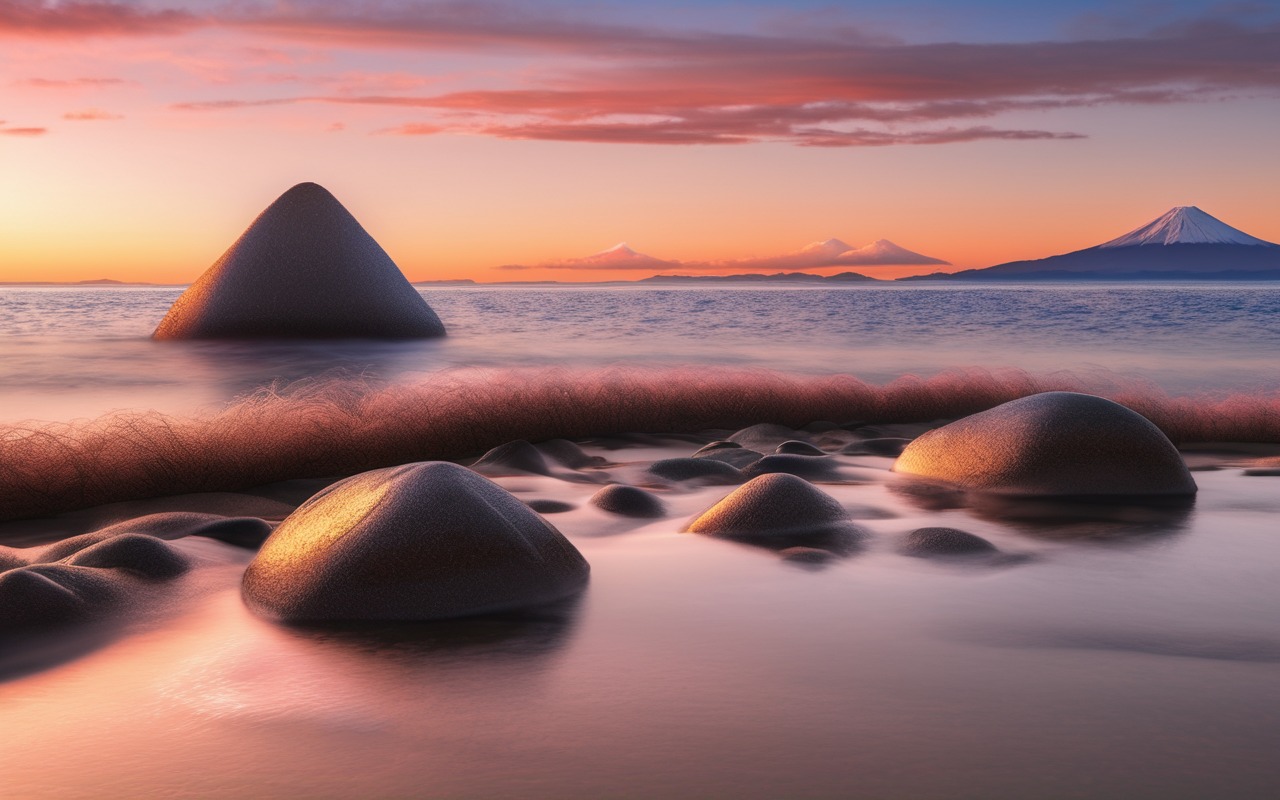
Tag: surfing

  • Chigasaki Beach Town Guide: Surf Culture & Local Flavor

    Chigasaki Beach Town Guide: Surf Culture & Local Flavor

    Overview

    Chigasaki is the kind of Japanese beach town that refuses to be a tourist attraction. It has a world-class beach, a beloved music history, and a serious ramen scene, yet it feels like a place where people simply live well — surf in the morning, work a bit, eat well, and watch the sunset from the sand.

    I came to Chigasaki on a recommendation from a Tokyo friend who grew up there, expecting a small beach town. What I found was a community with real cultural weight: the surf culture that shaped it in the 1960s, the singer-songwriter legacy that gave it a nationwide identity, and a food scene that punches far above its size. The beach is beautiful, but the town around it is the real reason to go.

    This guide covers Southern Beach and the C monument, the surf culture of Chigasaki, the local food scene (including the famous ramen), and the practical details of a day trip from Tokyo.


    📍 Getting There & Access

    From Tokyo

    1. JR Tokaido Line to Chigasaki Station (60 min from Tokyo Station, around ¥1,040) — Direct trains from Tokyo make Chigasaki one of the easiest beach towns to reach. The Shonan-Shinjuku Line also connects from Shinjuku and Shibuya.
    2. By car — The Shin-Shonan Bypass Chigasaki-Kaigan IC brings you right to the coast. Expect 40-60 minutes from central Tokyo with light traffic.

    Getting Around

    • On foot — The station-to-beach route is a pleasant 20-minute walk down the shopping street (Southern-dori).
    • Buses — Local buses connect the station to the beach and Yanagishima in about 10 minutes.
    • Bicycle — Flat and compact, Chigasaki is best explored by bike. Rentals are available near the station.

    🌊 Southern Beach Chigasaki: The Town’s Heart

    The Beach

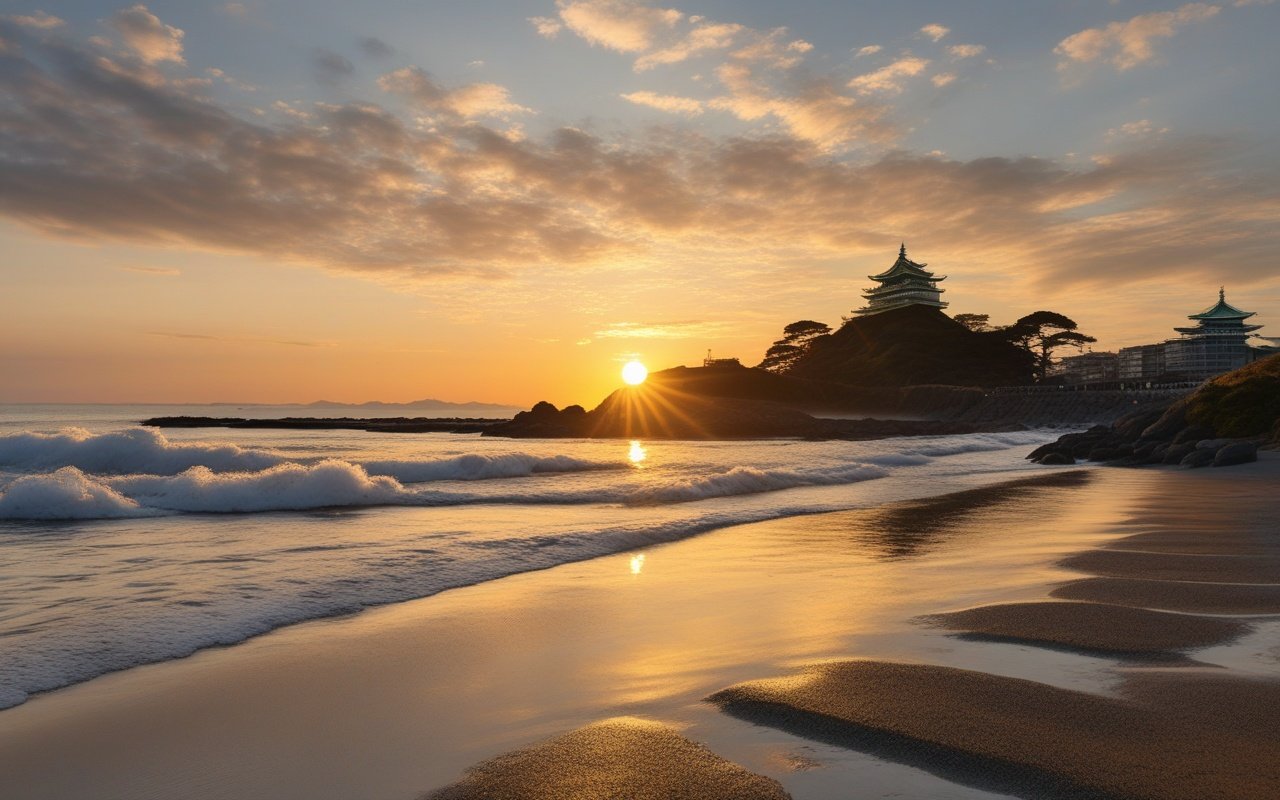
    Southern Beach Chigasaki is the town’s main beach, a wide stretch of sand facing Sagami Bay with the iconic Eboshi Rock rising from the surf just offshore. On clear days, the view runs from Enoshima in the east to Mount Fuji in the west. The beach’s landmark is the “Chigasaki Southern C” monument — a large white sculpture of the letter C that has become the town’s favorite photo spot.

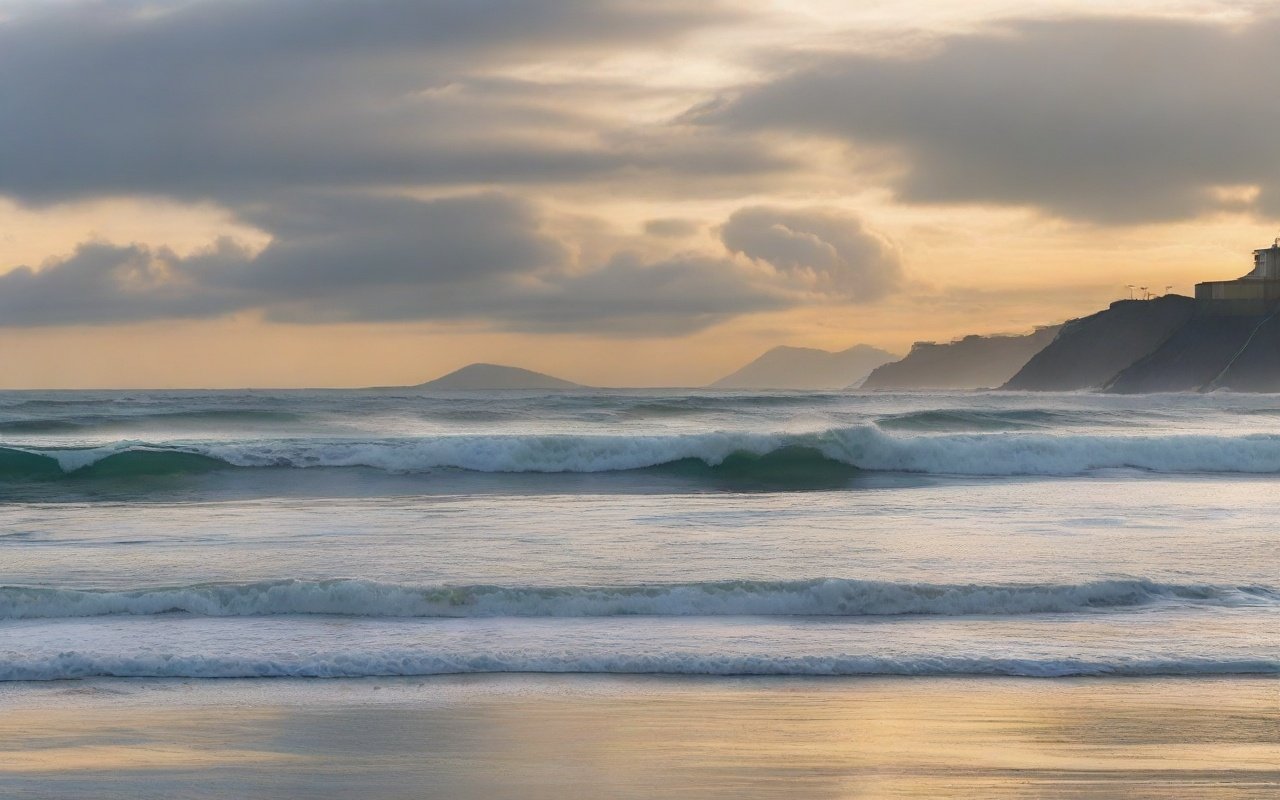
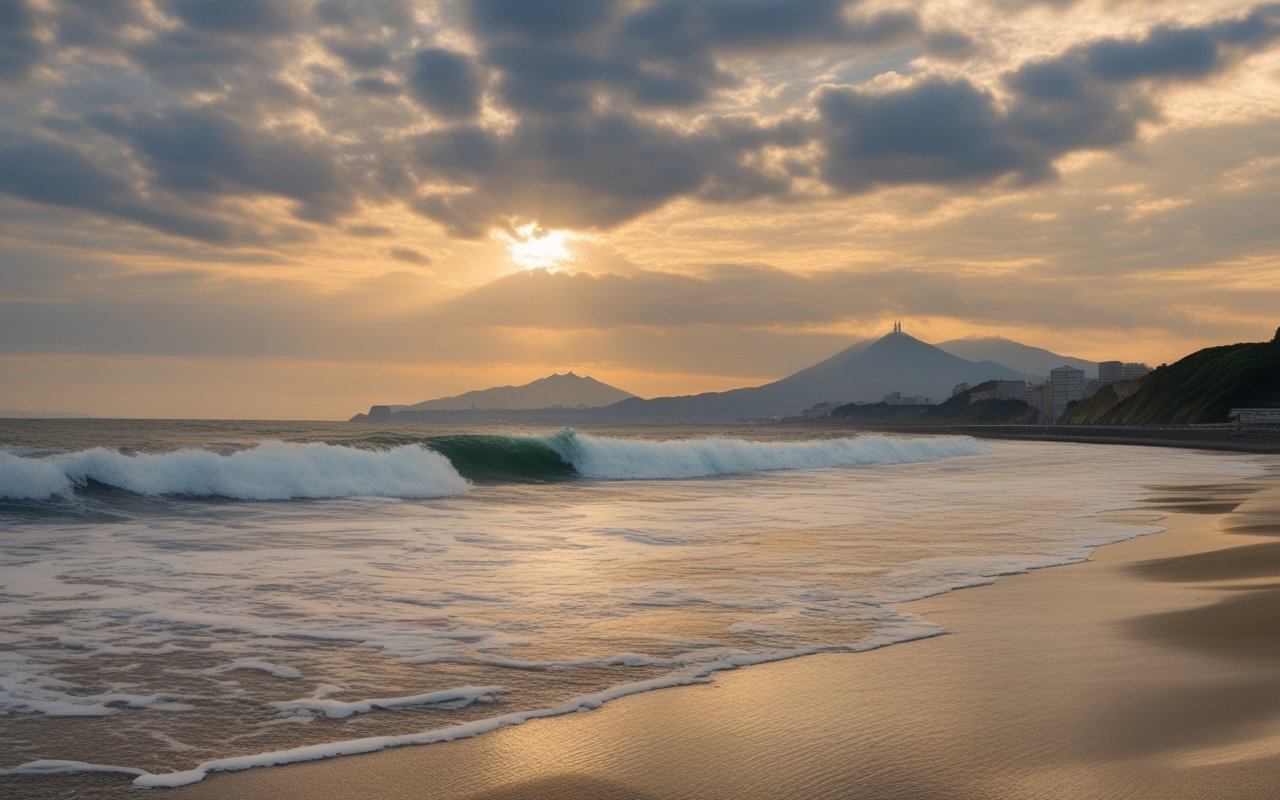
    I have sat on this beach at every hour of the day. The morning light on the water is clean and quiet; summer afternoons bring swimming families and beach house music; and the sunsets, when the sky turns orange behind the C and Eboshi Rock, are among the best in Shonan. See the Shonan sunset guide for more sunset spots along the coast.
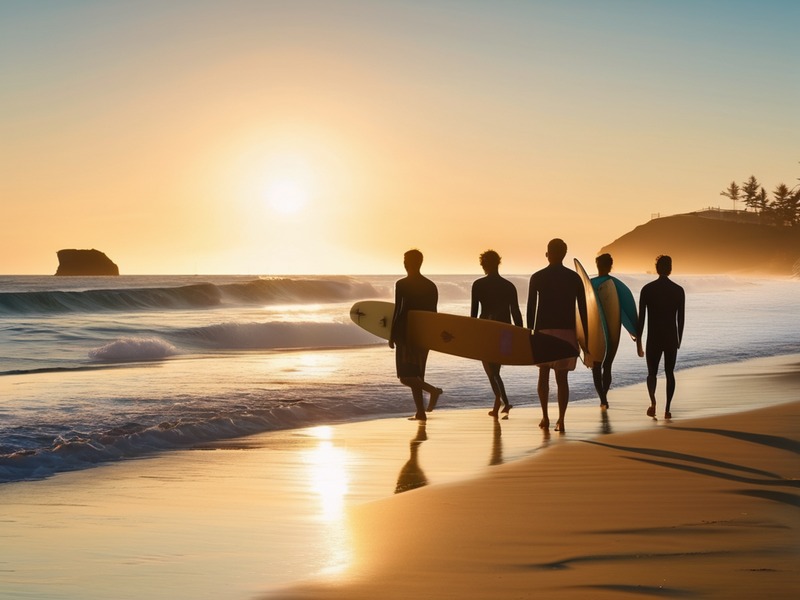
    Southern Beach Chigasaki C monument at sunset

    What to Do

    1. The C monument photo — The classic Chigasaki photo, especially good at sunrise and sunset.
    2. Swimming — The swimming season runs from early July through the end of August, with lifeguards on duty and beach houses operating along the sand.
    3. Walking and jogging — The beach runs for kilometers in both directions. Walking east toward Eboshi Rock or west toward the Sakai River mouth is the best free activity.
    4. Sea kayaking and SUP — In the shoulder seasons, lessons and rentals operate on the calm stretches. See the Shonan marine activities guide for details.

    Practical Notes for the Beach

    • Entry: Free. Beach houses, parasols, and rentals are extra.
    • Swimming season: Early July to the end of August, roughly 8:30-17:00. Surfing is restricted to designated zones during this period.
    • Facilities: Showers and changing rooms are available near the beach house cluster in summer. Public restrooms are open year-round.

    🏄 Surf Culture: Japan’s Original Surf Town

    The Legacy

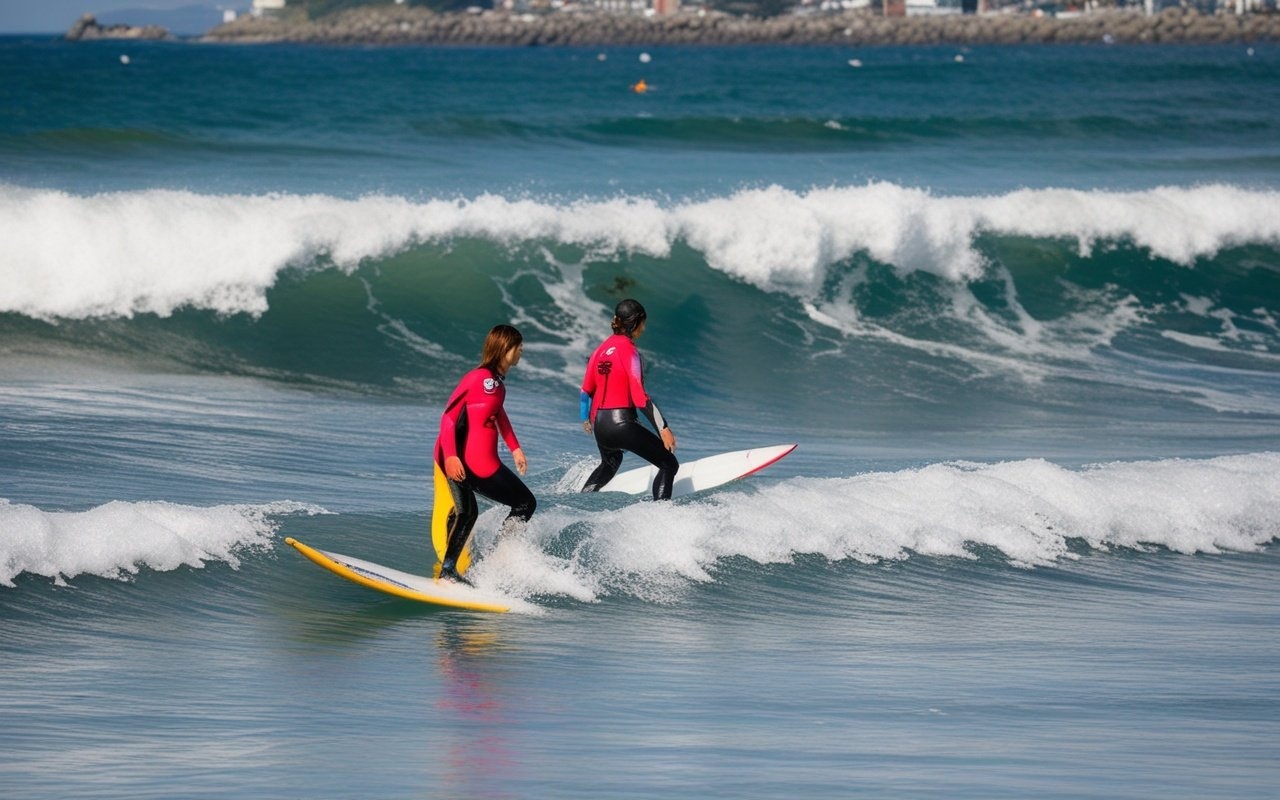
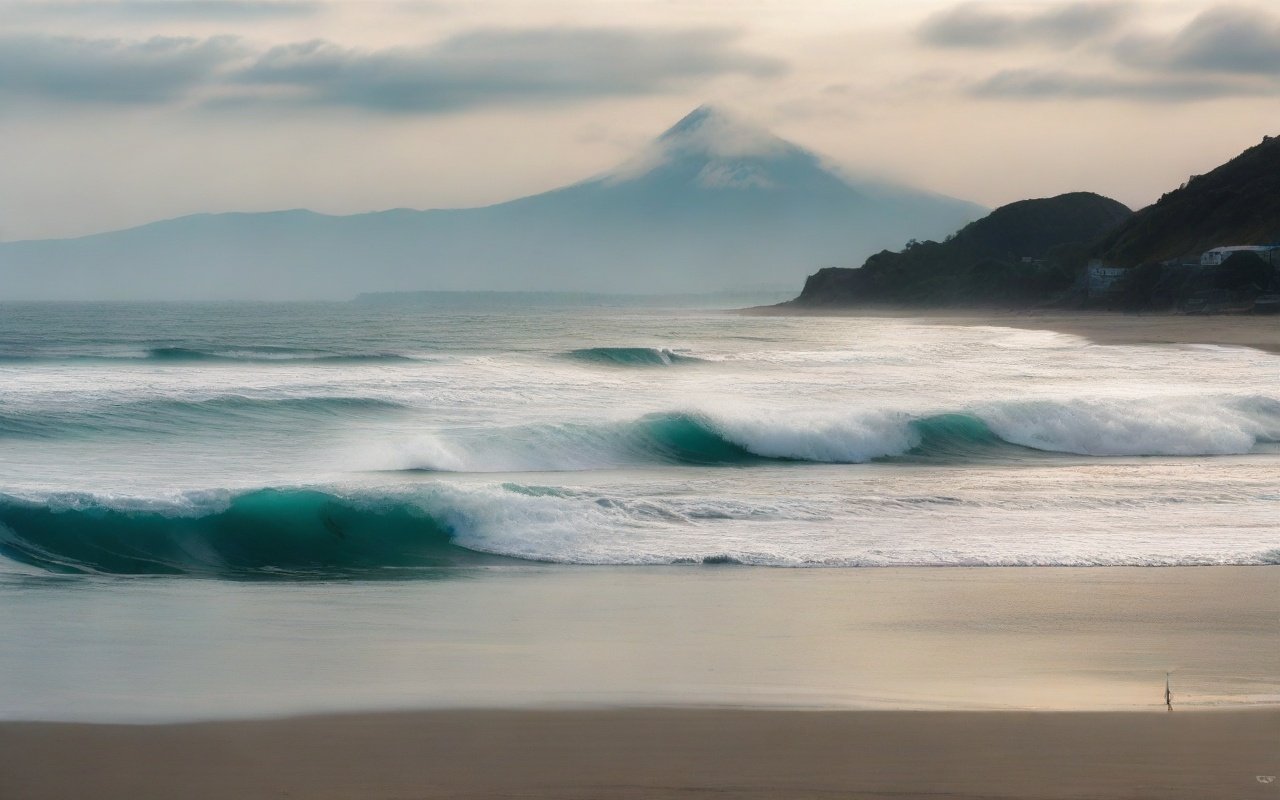
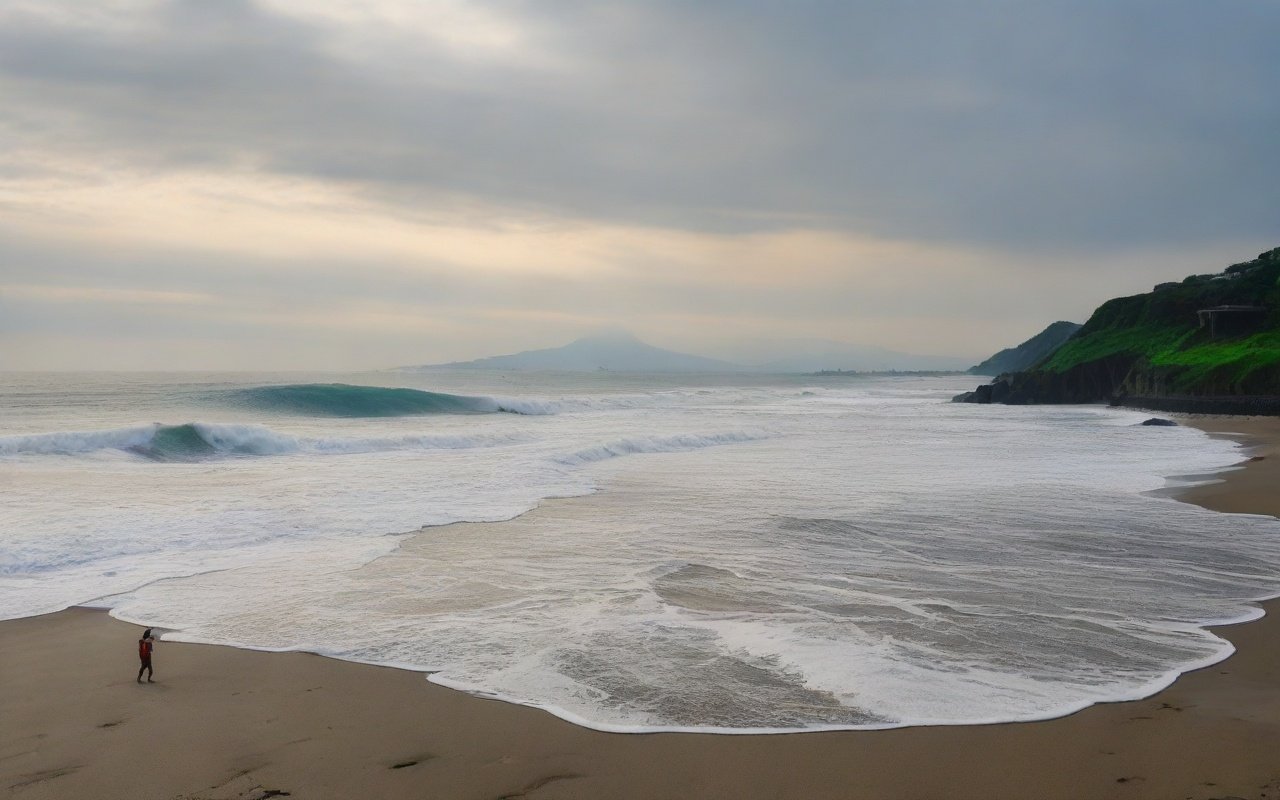
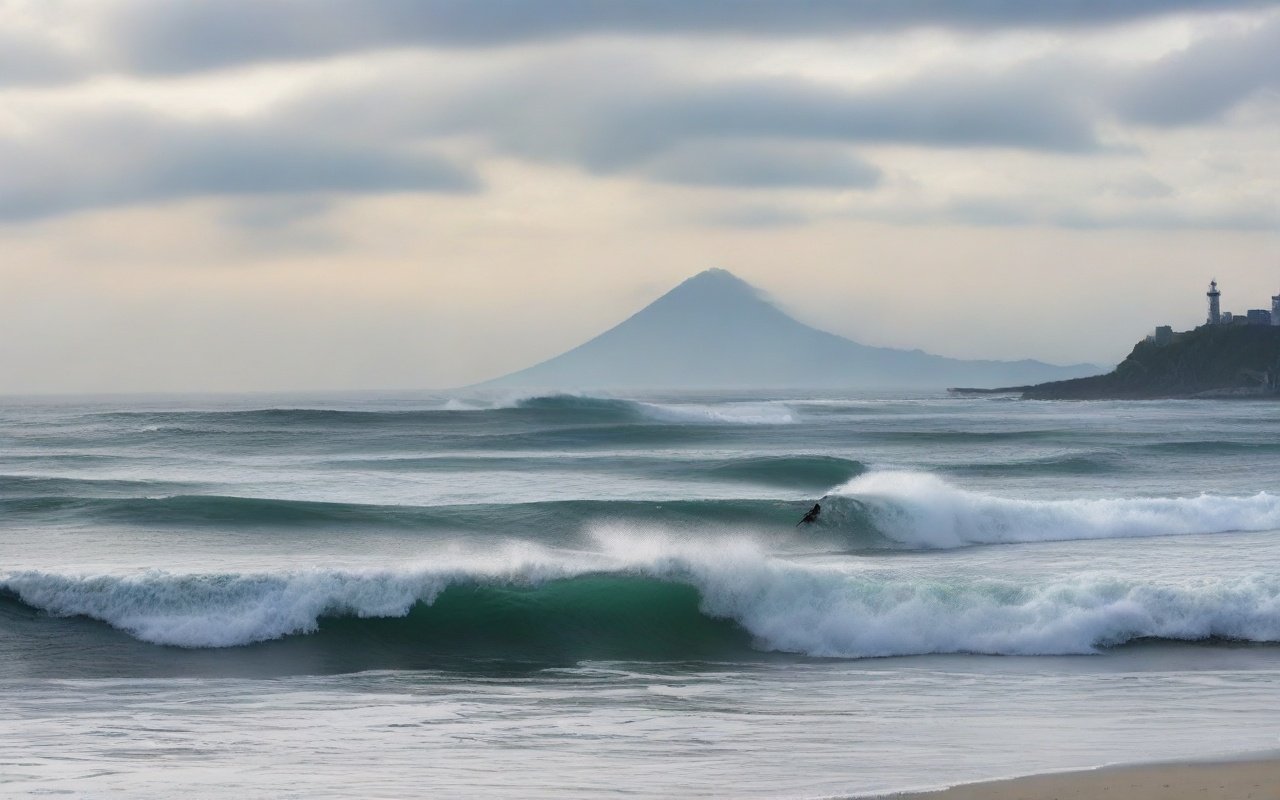
    Chigasaki claims one of Japan’s earliest surf scenes, developed in the 1960s when the first waves were ridden here by the pioneers of Japanese surfing. Unlike Kugenuma’s more organized surf-school energy, Chigasaki’s surf culture feels older and more local — boards strapped to cars, wetsuits drying on balconies, and a morning greeting wave from the regulars in the water.

    I joined a dawn session-watching routine on my second visit, sitting on the seawall with a coffee while the locals took turns on a clean winter swell. Nobody was showing off; it was just a neighborhood rhythm, repeated every morning for fifty years. That sense of continuity is what makes Chigasaki feel different from other surf beaches.

    Where to Experience It

    1. The seawall at Southern Beach — The best free viewpoint for watching surfers, especially at dawn.
    2. Surf shops along the coast — Several long-running shops rent boards and wetsuits, and a few offer lessons.
    3. Yanagishima Beach (west) — The quieter western beach near the Sakai River mouth, favored by longboarders and beginner-to-intermediate surfers.

    🍜 The Ramen Scene: Why Chigasaki Is a Food Town

    The Local Obsession

    Chigasaki is a genuine ramen battleground — a small beach town with a concentration of high-level ramen shops that would be notable even in Tokyo. The styles range from refined chicken-broth bowls to creamy tonkotsu, and several shops have earned national recognition.

    On my first visit, I asked a local which shop to try first. He shrugged and said, “You can’t go wrong; that’s the problem.” I tried three shops over two days, and he was right — each was excellent in a completely different way.
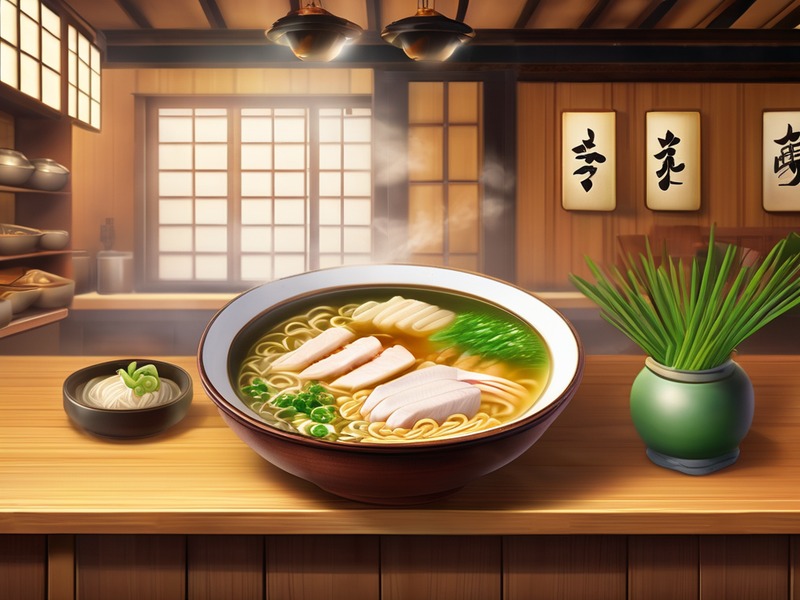
    Chigasaki ramen bowl with chashu

    Where to Eat

    1. Raamen Toki — A nationally recognized shop known for its house-made noodles and elegant chicken-based broth. Expect a line; go early.
    2. Menya BISQ — A creamy, modern tonkotsu with a cult following. The rich bowl is not for the faint of heart.
    3. Noodle Works — A relaxed shop with a rotating menu of inventive bowls and excellent side dishes.
    4. Budget: Expect ¥800-1,200 per bowl.

    Beyond Ramen

    • Shirasu donburi — The coastal whitebait bowl, best in spring and autumn. Several seafood diners near the beach serve it.
    • Chigasaki craft beer — The local brewery’s beers are sold across the town and are a great souvenir. See the Shonan craft brewery guide for the full brewery trail.
    • The local eats guide — For the deeper food scene, the Chigasaki local eats guide covers more of the town’s restaurants and markets.

    🛍️ The Shopping Street and Town Center

    Southern-dori and the Station Area

    The walk from Chigasaki Station to the beach runs down Southern-dori, a covered shopping street lined with bakeries, vegetable shops, and long-established stores. The station area itself — the LUSCA building and its surroundings — is compact and walkable, with souvenir shops selling Chigasaki goods.

    I always stop at a bakery on Southern-dori for a morning bun before the beach. It is a small ritual, but it is the kind of detail that makes a beach town feel like home.

    What to Buy

    • Chigasaki craft beer — The perfect local souvenir.
    • Southern C goods — T-shirts, towels, and keychains featuring the monument, sold at shops near the beach.
    • Local produce — The morning vegetable stalls along Southern-dori carry coastal produce, including the area’s famous cabbage.

    🗓️ Sample Itinerary: Chigasaki in a Day

    Morning (9:00-13:00)

    1. 9:00 — Arrive at Chigasaki Station. Grab a pastry on Southern-dori.
    2. 9:45 — Walk to Southern Beach. Photo at the C monument, then a walk along the sand toward Eboshi Rock.
    3. 11:30 — Early ramen lunch before the line forms.
    4. 13:00 — Browse the shops and souvenir stalls near the station.

    Afternoon (13:30-18:30)

    1. 14:00 — Rent a bike and ride west to Yanagishima Beach for the quieter surf view.
    2. 15:30 — Coffee and cake at a seaside cafe.
    3. 17:00 — Return to Southern Beach for the sunset — the best hour of the day here.
    4. 18:30 — Dinner at a local izakaya or a second ramen shop, then the train home.

    If You Have More Time

    • Enoshima and Kamakura: Ride the Enoden line east for Enoshima Island and Kamakura’s temples.
    • The wider Shonan coast: The Shonan beach guide covers the entire coastline from Kamakura to Oiso.
    • Fujisawa’s surf coast: The neighboring Kugenuma coast, birthplace of Japanese surfing, is covered in the Tsujido and Kugenuma guide.

    📅 Seasonal Notes

    • Spring (Mar-May): Clean swells and soft light. The best season for watching surfers and for shirasu season.
    • Summer (Jun-Aug): Swimming season with beach houses, fireworks festivals, and the liveliest atmosphere. The summer fireworks guide lists the local displays.
    • Autumn (Sep-Nov): Warm water, thin crowds, and glassy waves. My favorite season on this coast.
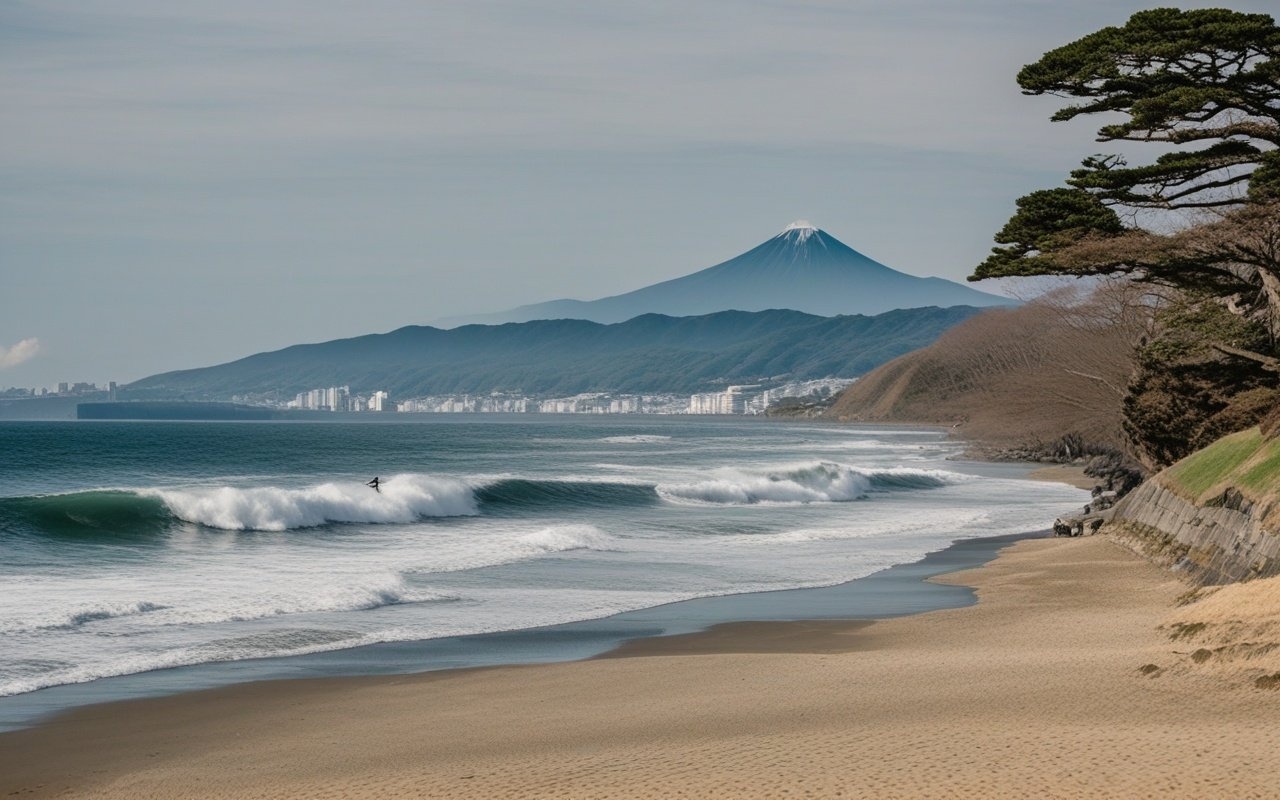
    • Winter (Dec-Feb): The strongest swells and the clearest air. Sunrise surfers against Mount Fuji are the winter show.

    💡 Practical Tips

    1. Go for the sunset — The C monument at sunset is the defining Chigasaki image. Arrive at the beach by 16:30 in summer and 16:00 in winter.
    2. Eat ramen early — The famous shops form lines by 11:30. Arrive before the rush.
    3. Bring cash — Many beach houses, small shops, and some ramen shops are cash-only.
    4. Layer for the wind — The sea breeze is strong even on sunny days. A windbreaker is essential.
    5. Check the swimming calendar — Surfing restrictions and beach house hours change with the swimming season.

    Conclusion

    Chigasaki is a beach town that understands itself: surfing at dawn, ramen at noon, and sunset on the sand with the C monument glowing in the last light. It is close enough to Tokyo for a spur-of-the-moment day trip, small enough to walk across, and deep enough to keep rewarding repeat visits. Come for the beach, stay for the ramen, and leave with the feeling of having found a town that knows how to live well.

    FAQ

    Q: How do I get to Chigasaki from Tokyo?
    A: Direct JR Tokaido Line trains from Tokyo Station reach Chigasaki in about 60 minutes. The Shonan-Shinjuku Line serves Shinjuku and Shibuya.

    Q: What is the best time of day to visit the beach?
    A: Early morning for watching surfers, and sunset for the C monument photo — the two best hours of the day here.

    Q: Is Chigasaki good for a day trip?
    A: Yes. The full loop — beach, ramen, shopping, and sunset — fits comfortably into one day, with several strong options for extending to Enoshima or Kamakura.

    Q: How much does a day in Chigasaki cost?
    A: Around ¥4,000-5,000 per person: train ¥2,080 round trip, lunch ¥1,200, snacks and coffee ¥1,000, and souvenirs as budget allows. The beach and C monument are free.
  • Tsujido & Kugenuma Guide: Fujisawa’s Surf Coast

    Tsujido & Kugenuma Guide: Fujisawa’s Surf Coast

    Overview

    Ask most visitors about Fujisawa and they will describe Enoshima Island — the sea caves, the aquarium, the sunset deck. But the stretch of coast west of Enoshima, the Tsujido and Kugenuma districts, is where Fujisawa’s real character lives. This is the birthplace of Japanese surfing, a shoreline of beach houses and surf shops, longboard racks and dawn paddlers, and it has a completely different rhythm from the tourist-packed island.

    I first came to Kugenuma on a February morning to watch surfers ride glassy waves in the winter cold. That visit turned into a running habit: I have since spent countless hours in the beachside cafes, walked the full length of Tsujido Kaihin Park, and ridden the Shonan Monorail more times than I can count. What keeps me coming back is the feeling that this is a place people actually live in, not just visit.

    This guide covers the surf coast of Tsujido and Kugenuma, the park that anchors it, the monorail that makes it easy to reach, and the cafes where the local rhythm is best experienced.


    📍 Getting There

    From Tokyo

    1. JR Tokaido Line to Tsujido Station (50-60 min from Tokyo Station, around ¥1,000) — The main gateway to Tsujido Kaihin Park and the western beaches. Walk south 20 minutes to the coast, or take a short bus.
    2. Odakyu Line to Kugenuma-Kaigan Station (60-70 min from Shinjuku, around ¥1,100) — The closest stop to the Kugenuma surf beach, a 6-10 minute walk from the shore.
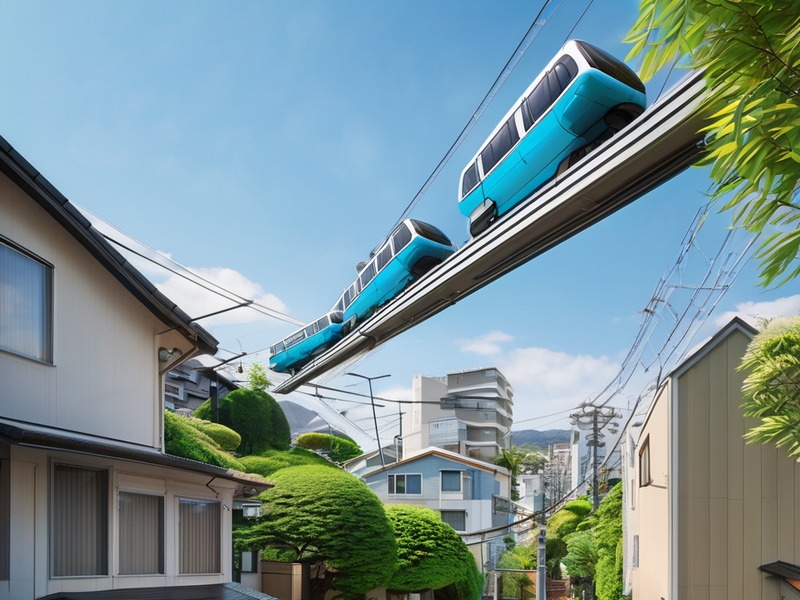
    3. Shonan Monorail — Connects Ofuna in the north to Shonan-Enoshima in the south, with stops including Shonan-Fukasawa and Mejiroyama. It is the most scenic way to approach the coast from the JR network.

    Getting Around

    • Shonan Monorail — A suspended monorail that glides above the streets. A one-day pass is around ¥750 and pays for itself with two rides. See the Shonan Monorail and Enoden connection guide for route details.
    • Buses — Local buses run between Tsujido Station and the coast every 10-15 minutes in daytime.
    • Bicycle — Flat and compact, the coast is ideal for cycling. Rentals are available near both stations.

    🏄 Kugenuma Beach: The Birthplace of Japanese Surfing

    Why Kugenuma Matters

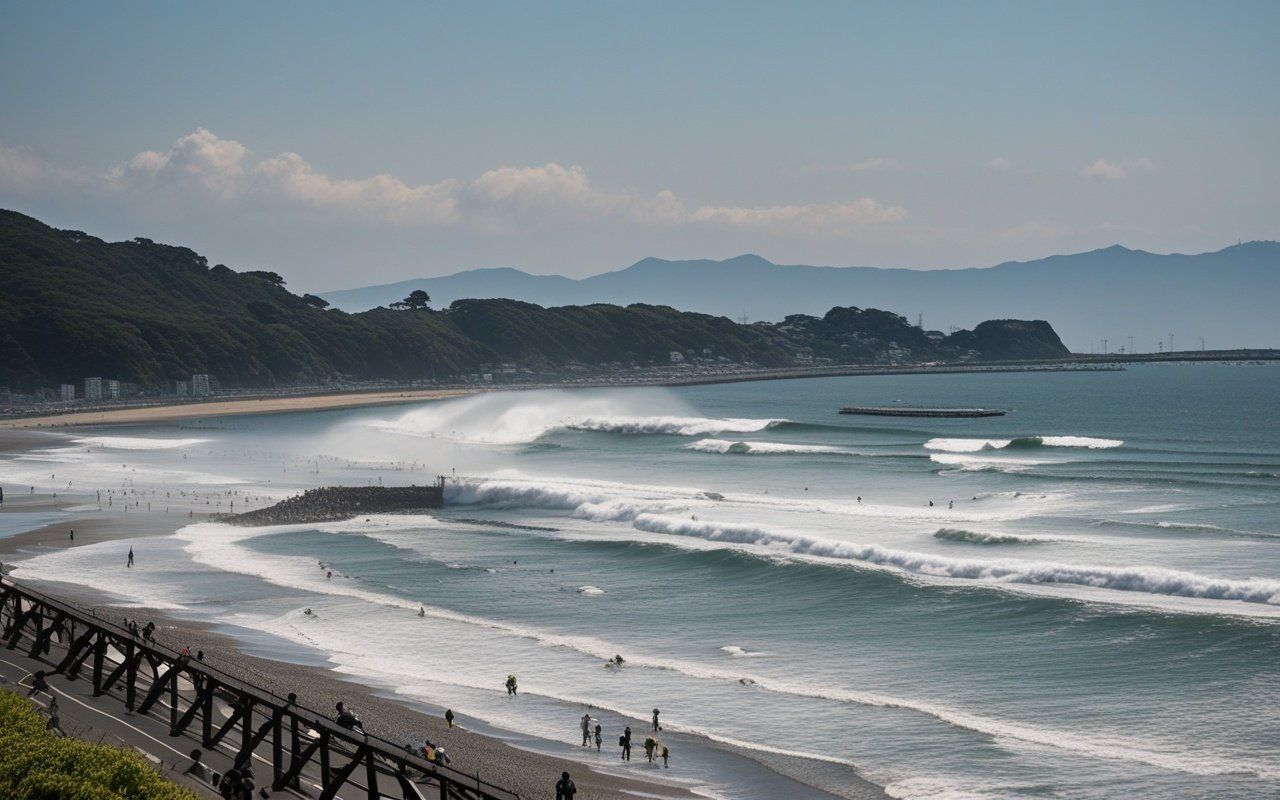
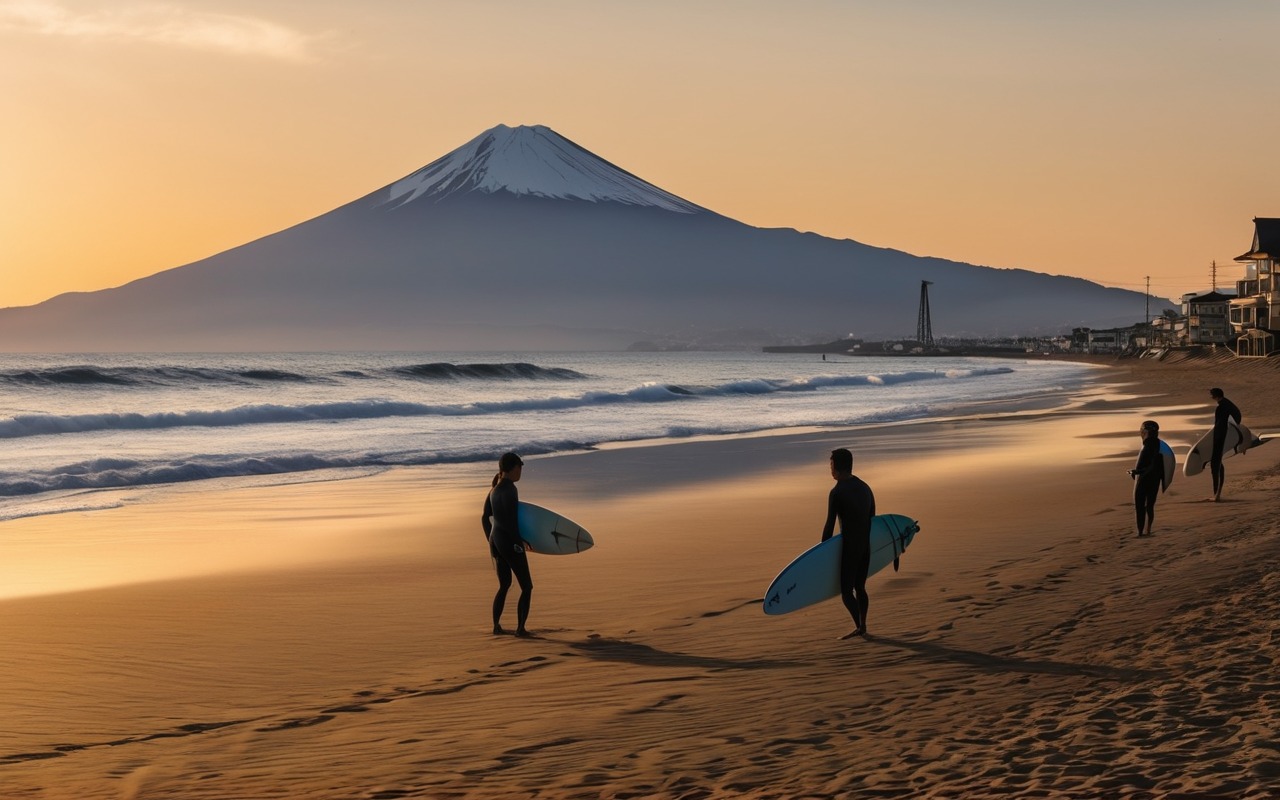
    Kugenuma Beach is widely recognized as the birthplace of surfing in Japan. In the 1960s, the first Japanese surfers — inspired by the American surfers stationed nearby — began riding the waves here, and the culture spread from this shoreline to the rest of the country. Today, the beach is lined with surf shops that have been operating for generations, and on any morning with waves, the water is dotted with boards.

    What surprised me most on my first visit was how accessible it all felt. The beach is wide and gently sloping, the waves are forgiving by world standards, and the local surf community is welcoming to newcomers. On calm summer days, families and beginner lessons share the water with practiced locals.

    Kugenuma beach surfers at sunrise

    What to Do

    1. Watch the surfers — The classic free activity. The best viewing is early morning, when the light is soft and the waves are cleanest.
    2. Take a surf lesson — Numerous surf schools operate along the beach, with English-friendly options at the larger shops. Beginner lessons (board, wetsuit, and instruction included) run about ¥5,000-7,000 for 2-3 hours. See the Shonan surfing lessons guide for a fuller rundown.
    3. Rent a board or wetsuit — Most surf shops rent equipment by the hour or day. Board rentals typically run ¥2,000-4,000 for a session.
    4. Walk the sand — The beach stretches for kilometers. Walking from Kugenuma toward Katase-Enoshima is one of the best free sunset routes in Shonan.

    Practical Notes for the Beach

    • Season: Swimming season is July and August, when lifeguards are on duty. Surfing continues year-round; winter brings the best swells and the clearest air.
    • Summer etiquette: During swimming season, surfers use the designated surfing zones to keep the bathers safe.
    • Facilities: Showers and changing rooms are available at the beachhouse cluster near Kugenuma-Kaigan Station in summer.

    🌳 Tsujido Kaihin Park: A Green Belt Along the Sea

    The Park

    Tsujido Kaihin Prefectural Park is a long, beautifully maintained green space that runs along the coast between Tsujido and the Chigasaki border. It is part promenade, part playground, part museum: a wide lawn with picnic tables, a cycling path, a children’s traffic park, and a small museum about the area’s coastal history.

    I have walked this park in every season. In spring it fills with families flying kites; in summer the pool and splash areas hum; in autumn the lawns turn gold against a deep blue sea; and in winter, on clear days, the view across the water toward Mount Fuji is quietly spectacular.

    Tsujido Kaihin park promenade along the coast

    What to See and Do

    1. The promenade and lawns — The park’s backbone is a long, level path with sea views. Picnic tables dot the lawns.
    2. The traffic park — A miniature road network where children can ride small vehicles and learn road safety. Popular with families on weekends.
    3. The transportation museum — Displays about the history of transport in the area, including vintage bicycles and a working model train. Admission around ¥300 for adults.
    4. The summer pool — A large seasonal pool complex (roughly July to early September). Adults around ¥850, children less. Arrive early on hot weekends.

    Practical Notes for the Park

    • Hours: The park is open daily, with the museum and pool on seasonal schedules. Check current hours at the entrance.
    • Access: 20 minutes on foot from Tsujido Station, or a short bus ride. Parking is available but fills on weekends.
    • Bring a picnic — The lawns are the best lunch spot in the area, and the sea breeze keeps even midsummer afternoons bearable.

    🚝 The Shonan Monorail: Riding Above the Streets

    Why It Is Worth a Ride

    The Shonan Monorail is a suspended monorail that runs from Ofuna in the north through the hills of western Fujisawa to Shonan-Enoshima on the coast. Riding it feels like a slow-motion roller coaster — the cars hang beneath the track, swaying gently over streets, rivers, and treetops.

    I use it every time I visit the coast. The views from the windows are unique: glimpses into garden backyards, over temple roofs, and down onto the main roads below. It is also genuinely useful, connecting the JR network at Ofuna to the Enoshima area without touching the congested surface roads.

    Practical Notes for the Monorail

    • Route and fare: Ofuna to Shonan-Enoshima is about 14 minutes, around ¥340 one way. The one-day pass (about ¥750) is the best deal if you ride more than twice.
    • Best seats: Sit at the front or back of the car for the fullest view.
    • Combine with Enoden: At Shonan-Enoshima, transfer to the Enoden line to continue to Kamakura along the coast.

    ☕ Beachside Cafes and Local Food

    The Cafe Culture

    The coast west of Enoshima has developed its own cafe culture — relaxed, slightly worn-in, and focused on good coffee and sea views rather than Instagram backdrops. These are the places where surfers warm up before dawn sessions and locals read the paper on weekday afternoons.

    Where to Go

    1. Chikyu Farm to Table — Organic vegetables and seasonal plates, 5 minutes from Kugenuma-Kaigan Station. Lunch sets around ¥1,000-2,000.
    2. Days Kugenuma — A casual diner with international plates, spiced curries, and a weekend pancake that draws regulars. Near Kugenuma-Kaigan Station.
    3. Suzu Kugenuma Coffee Stand — A small, serious coffee stand with award-winning latte art. The matcha tiramisu is a house favorite.
    4. 3nD Cafe + Bar — A stylish all-day cafe near Tsujido Station, good for brunch or an evening drink.
    5. Beach houses — In summer, the seasonal beach houses along Kugenuma serve simple meals, shaved ice, and cold drinks with the sand right outside.

    Local Food Notes

    • Shirasu (whitebait) — The coastal specialty, served as a bowl, in a donburi, or on pizza. Freshest in spring and autumn.
    • Shonan beers — The area’s craft breweries are covered in the Shonan craft brewery guide.
    • Cash is king at beach houses — The summer stalls are largely cash-only.

    🗓️ Sample Itinerary: A Day on the Surf Coast

    Morning (9:00-13:00)

    1. 9:00 — Arrive at Kugenuma-Kaigan Station. Walk to the beach and watch the morning surf session.
    2. 10:30 — Take a 2-hour surf lesson, or rent a board if you already ride.
    3. 13:00 — Lunch at a beachside cafe or a shirasu donburi at a local diner.

    Afternoon (13:30-18:00)

    1. 14:00 — Ride the Shonan Monorail from Shonan-Enoshima to Ofuna and back, enjoying the elevated views.
    2. 15:30 — Walk the lawns of Tsujido Kaihin Park, and stop at the transportation museum.
    3. 17:00 — Sunset walk along the beach, then dinner at a Tsujido restaurant.

    If You Have More Time

    • Enoshima Island: The complete Enoshima guide is a short walk or ride from Kugenuma. The caves and sunset deck are the highlights.
    • Kamakura by Enoden: Ride the Enoden line east to Kamakura for temples and hiking.
    • The wider Shonan coast: See the Shonan beach guide for the full stretch from Kamakura to Chigasaki.
    • Chigasaki west: The neighboring surf town of Chigasaki, with its Southern Beach monument, is covered in the Chigasaki beach town guide.

    📅 Seasonal Notes

    • Spring (Mar-May): Clean swells, soft light, and the first beachhouse openings. The best season for beginner surfing.
    • Summer (Jun-Aug): Swimming season with lifeguards, the big pool at the park, and lively beach houses. Surfing moves to designated zones.
    • Autumn (Sep-Nov): The water stays warm, the crowds thin, and the waves turn glassy again. My favorite season on this coast.
    • Winter (Dec-Feb): The strongest swells and the clearest air. Watching dawn surfers against Mount Fuji is worth the cold.

    💡 Practical Tips

    1. Go early — The coast is at its best before 10:00: cleanest waves, softest light, and emptiest cafes.
    2. Use the monorail pass — It is the easiest way to explore without a car, and the views are part of the experience.
    3. Book surf lessons in advance — Popular schools fill up on summer weekends. Book at least a day ahead.
    4. Layer for the wind — The sea breeze is stronger than it looks. A light windbreaker makes a huge difference.
    5. Carry cash for beach houses — The summer stalls and some local shops are cash-only.

    Conclusion

    Tsujido and Kugenuma are the parts of Fujisawa that locals never leave and tourists rarely find. This is where Japanese surfing was born, where the beach is a neighborhood rather than an attraction, and where the rhythm of the day follows the tide instead of the tour bus schedule. Whether you take your first lesson, ride the monorail over the rooftops, or simply walk the park with a coffee, you will find a Shonan that feels authentic, unhurried, and entirely worth the detour.

    FAQ

    Q: Is Kugenuma good for beginner surfers?
    A: Yes. The waves are forgiving, schools are plentiful along the beach, and beginner lessons include board, wetsuit, and instruction for around ¥5,000-7,000.

    Q: Can I visit without a car?
    A: Easily. The Shonan Monorail, the Odakyu Line, and local buses cover the area well, and a one-day monorail pass makes it affordable.

    Q: What is the best season for surfing here?
    A: Spring and autumn offer the cleanest beginner waves. Winter has the strongest swells, and summer is swimming season.

    Q: How much does a day on the surf coast cost?
    A: Around ¥4,000-5,000 per person without a lesson: transport ¥2,000 round trip, monorail pass ¥750, lunch ¥1,500, and museum entry ¥300.

  • Shonan Surf Eco Activities Guide 2026

    Shonan Surf Eco Activities Guide 2026

    Overview

    I visited several surf schools along Shonan’s coastline while researching eco-friendly surfing options, and was impressed by how many prioritize environmental responsibility. At one school near Chigasaki, the owner showed me their wetsuit recycling program and explained how they sort resin waste — small details that make a real difference. This guide covers the best eco-conscious surf operators, reef-safe practices, and cleanup initiatives along the Shonan coast.

    Choosing credible operators

    Ask surf schools about their teacher to student ratios, insurance, and waste policies. Pick shops that fix boards in-house, sell used wetsuits, and sort their resin waste. Stay away from “eco” labels that only mean a logo sticker while they buy new gear every year.

    Reef-safe sunscreen and local water chemistry

    Some sunscreen chemicals worry towns that take their water from shallow wells. Zinc creams stain less on rental suits if you rub them in well before going in the water. Shower before you enter the ocean when you can. This cuts down on lotion washing off from hotel pools.

    Cleanup ethics

    Eco-friendly travel experience in Kanagawa

    Sustainable tourism initiative in Kanagawa

    Shonan Surf Eco Activities Guide — visitor highlights

    Beach cleanups that look good in photos should still sort trash the right way. Tiny plastic pellets go in labeled jars, not mixed with food waste. Sharp fishing line goes in hard containers. Work with local pickup schedules instead of filling station bins too full.

    Links

    Beach safety basics are in the Shonan beach guide. Surf culture and safety are in the Shonan surfing guide. Nature care in the area is in Kanagawa ecotourism. Kamakura’s trash facts are in the Kamakura access guide. Yokohama’s green travel routes are in Yokohama SDGs tourism. Indoor options near the brick area are in the Yokohama red brick guide.

    Map reference

    Citizen science and data hygiene

    Use the same measurement methods each time you take photos of debris. This way, NGOs can compare data from month to month. Do not share exact locations when posting about sensitive wildlife areas.

    Transport and gear footprint

    Train travel plus bike rental is better than driving. This works if your board fits on the rental racks. Pack reusable gear such as gloves, grabbers, and mesh bags that dry fast.

    Closing

    Eco-friendly action is about daily habits, not a one-time badge. Use rinse stations that catch wax flakes. Fix gear instead of buying new ones. Tip instructors who teach good habits in the water. These small steps keep Shonan’s busy surf spots safe for people and ocean life.


    Frequently Asked Questions

    Q: How can I reduce waste while traveling?
    A: Carry a reusable water bottle, shopping bag, and chopsticks. Japan has few public trash bins. Plan to carry your trash until you find one.

    Q: Are there eco-friendly accommodations?
    A: Yes, several Kanagawa hotels and ryokan have green certifications. Look for places with solar panels, local food, and waste reduction programs.

    Q: Can I recycle in Kanagawa?
    A: Yes, Japan has strict recycling rules. Look for separate bins for burnable items, non-burnable items, plastic, and PET bottles. Follow the sorting guides on the bins.

    After visiting Kanagawa across different seasons, I found that each season transforms the experience entirely — from spring cherry blossoms to autumn foliage.

    From sunrise swims to sunset surfs, Kanagawa’s coastline offers a different way to connect with the sea. It invites you to slow down and breathe.

    Eco-Friendly Transport Options

    The most sustainable way to reach this destination is by train. Kanagawas rail network runs on electricity and has a significantly lower carbon footprint than driving. Consider purchasing a day pass for unlimited travel and combine your visit with nearby attractions to minimize transport impact.

    Best Time to Visit

    Visiting during off-peak seasons late autumn and winter reduces the environmental impact of tourism and provides a more authentic experience with fewer crowds. Spring and autumn offer the most comfortable weather for outdoor exploration.

    What to Expect

    Eco-conscious travelers will find Kanagawa accommodating. The prefecture has invested in green infrastructure, including electric buses and bike-sharing programs. Seasonal eating is celebrated, with restaurants proudly featuring local, seasonal ingredients. Nature conservation areas are well-maintained with clear trail markers and educational signage. Some attractions offer discounts for visitors who arrive by public transport. Participating in local beach cleanups is a meaningful way to give back during your visit.

    Nearby Recommendations

    The surrounding area offers additional opportunities for eco-conscious travel. Nearby farmers markets provide fresh local produce and handmade crafts. Consider taking a guided nature walk to learn about local flora and fauna. Environmental education centers in the area offer workshops on traditional sustainable practices.

    Local Tips

    Sustainability advocates recommend choosing local, seasonal, organic food options that support regional farmers. Walking and cycling are the most environmentally friendly ways to explore Kanagawa’s compact destinations. Purchasing local crafts directly from artisans preserves traditional skills and reduces shipping emissions. Consider offsetting your travel carbon emissions through reputable programs.n

    Conclusion

    exploring the Shonan coast can be as relaxed or as packed as you want it to be, and I have found that the best visits leave room for both planning and spontaneity. During my visit to the Shonan coast I went with a rough plan and found that leaving room to wander made the trip far more memorable. Use this guide to sort out the logistics in advance, then let the day surprise you — Kanagawa rewards travelers who stay curious.

    FAQ

    Q: Do I need my own wetsuit? A: No — the eco-conscious operators on the Shonan coast rent wetsuits, boards, and leashes, and several run wetsuit recycling programs. Ask about their gear-renewal policy when booking.

    Q: What is the best season for lessons? A: May-October offers the warmest water; winter lessons run in thicker wetsuits and are quieter. Spring and autumn give the best balance of conditions and crowd size.

    Q: How do I get to the beaches without a car? A: The Enoden and JR Tokaido Line stop within walking distance of most Shonan breaks, and bicycles are available at Chigasaki and Katase-Enoshima shops — the low-footprint way to reach the coast.

  • Shonan Surfing Culture – Kanagawa 2026

    Shonan Surfing Culture – Kanagawa 2026

    Kanagawa is rich in cultural heritage and historical significance. This guide explores the fascinating history and cultural attractions that make this region unique.

    Shonan Surfing Culture – Kanagawa 2026

    Overview

    Explore the rich cultural heritage and historical significance of Shonan Surfing Culture – Kanagawa in Kanagawa Prefecture. This guide delves into the fascinating stories, traditions, and landmarks that define Shonan. From ancient temples to modern museums, discover how this destination has shaped Japan’s cultural landscape over centuries.

    Lineups as negotiated space

    Priority stems from position and commitment, not volume of Instagram followers. Longboards and shortboards often share peaks but with different turning radii; snaking drops erodes trust fast. Learn local names for sections rather than renaming them online.

    Observation is the fastest path to acceptance. Watch three sets before paddling for your first wave. Note which surfers consistently catch waves from the deepest position—those are the local seniority holders who tacitly control the pecking order. Beginners who drop in on their waves will receive verbal correction; repeat offenders face stink-eye that follows them to the beach parking lot.

    Weekend crowds at popular breaks like Kagetsu-saki in Kamakura can exceed fifty surfers sharing a peak the size of a tennis court. In these conditions, communication matters. Learn basic hand signals: pointing toward the beach means “going left” (facing the wave), pointing to the open ocean means “going right” (backside). A raised open palm signals “wave courtesy—I see you, your wave.” Book Kamakura, Enoshima & Yokohama day trip from Tokyo — ride the iconic Enoden train & skip transport planning

    Shonan Surfing Culture scenery and attractions
    Shonan Surfing Culture — main illustration

    Shonan Surfing Culture — visitor highlights

    Schools, rentals, and liability culture

    Japanese insurance norms shape lesson formats; listen to land briefings about rip currents specific to that beach’s groins. Wetsuit thickness guidance follows colder months than many tourists expect; hypothermia dulls judgment before ego admits it.

    Most Shonan surf schools operate on a reservation-only basis with strict cancellation policies. A typical lesson runs two hours: 30 minutes of land instruction (stretching, pop-up practice on sand, rip current identification), 60 minutes in the water with instructor-to-student ratios capped at 1:4, and 30 minutes of debrief and stretching. Prices range from ¥5,000–¥8,000 including board and wetsuit rental.

    Liability waivers are standard. Japanese surf schools carry commercial insurance, but students sign forms acknowledging inherent risks. If you bring your own board, check whether the school charges a reduced rate or requires proof of personal accident insurance. Rental boards typically use soft-top foamies for beginners—these are safer in crowded lineups but paddle noticeably slower than glassed shortboards.

    Wetsuit thickness varies dramatically along Shonan’s coast. April and October: 3/2mm fullsuit with booties. December through February: 5/4mm hooded suit with 5mm gloves and booties. Many tourists underestimate Sagami Bay’s winter bite and cut sessions short due to cold, missing the cleanest swell periods. Local surf shops like Tsujido Surf and Zushi Surf Center rent high-quality suits by the day.

    Festivals, contests, and road closures

    Event days reroute buses and close shoulder parking. Pedestrian bridges clog when fireworks mix with swell weekends—plan board carry routes that do not spear passersby. Save big with Hakone Freepass — Hakoneted train, ropeway & pirate ship rides, plus 30% off attractions

    The Shonan Enoshima Festival (July–August) draws hundreds of thousands to Katase-Enoshima, During fireworks evenings, the Enoden train runs special late services but every car is sardine-packed with revelers. Surfers carrying boards must wait for the next train if they cannot position boards safely without blocking aisles. Consider parking at Fujisawa Station and walking 20 minutes to the beach instead.

    Surf contests at Chigasaki Beach and Hiratsuka Beach periodically close sections of the coastline to swimming, During JPSA (Japan Professional Surfing Association) events, contest zones extend 150 meters offshore. Check event calendars on the JPSA website before planning weekend sessions in July–September. Local surf shops post paper schedules in their windows.

    Parking is the single biggest stressor on Shonan event days. Municipal lots charge ¥1,000–¥2,000 per day but fill by 8 AM on summer weekends. Private lots near stations charge more (¥2,500–¥3,500) and often have strict size limits—vans with roof racks may be refused. The best strategy: park at a commuter lot near a train station one or two stops inland (e.g., Fujisawa or Ofuna) and ride the Enoden or JR to the beach.

    Sound, smell, and neighborhood respect

    Wax scent, diesel from harbor work, and charcoal from beach barbecues layer into place memory. Keep speaker volumes modest; sound carries over water. Rinse sand from shop entries; clerks sweep constantly.

    Beachside residential streets have narrow lanes, Parking on white lines (shoulder) is legal in most areas, but blocking a driveway even for two minutes invites confrontation. Many homes near popular breaks display “No Parking” signs in Japanese and English—heed them. Neighbors have been known to call tow trucks on surfers who block private garage entrances.

    Post-session etiquette includes rinsing your wetsuit at designated beach showers (not residential garden hoses), disposing of wax paper in provided bins, and not changing towels in public view of temple gates. Shonan’s beaches sit adjacent to residential Shinto shrines; exposed wetsuit changes near sacred entrances are considered disrespectful.

    Equipment Culture

    Local surf shops are more than retail outlets—they are community hubs where information about swell direction, sandbar quality, and new hazards circulates. Zushi Surf Center (near Zushi Station) has been outfitting local surfers since the 1970s and offers knowledgeable advice about which breaks are working. Tsujido Surf Shop on the Chigasaki coast carries a wide range of FCS-compatible fins and repair supplies.

    Board repair is an art form in Shonan. Dings happen frequently on shallow reefs at Zushi and rocky entry points at Enoshima. Several independent ding repair specialists operate out of garages near the coast, charging ¥3,000–¥8,000 depending on damage severity. Ask at any surf shop for recommendations—they know who does quality work and who rushes repairs.

    Links

    Wave mechanics and hazard lists appear in the Shonan surfing guide. Pocket beaches and stair etiquette appear in the Shonan secret beaches guide. Swim flags and municipal rules appear in the Shonan beach guide. Kamakura’s evening commuter crush appears in the Kamakura access guide. Port-city boardwalk energy contrasts in Yokohama port opening history. Brick warehouse dining pivots appear in the Yokohama red brick guide.


    Closing

    Culture is maintenance: respect queues, repair dings, apologize after collisions, and teach newcomers the whistle codes lifeguards use. Shonan stays surfable when visitors behave like temporary members, not spectators at a show. The wave is communal property; the stoke is earned through consistency, patience, and awareness of everyone in


    Tips

    A few things I learned while researching exploring the Shonan coast: start early to beat the crowds, check opening days in advance, and carry a little cash for smaller shops and entry fees. Comfortable shoes make a bigger difference than most visitors expect, and an IC card such as Suica or Pasmo speeds up every train ride.

    Frequently Asked Questions

    Q: Are English guides available?
    A: Major temples, shrines, and museums offer English audio guides or pamphlet guides. Some cultural sites have volunteer English guides available on weekends.

    Q: Can I take photographs?
    A: Photography is generally allowed in outdoor areas. Indoor photography, especially of cultural artifacts, may be restricted. Flash photography is commonly prohibited.

    Q: How much time should I budget?
    A: For temples and shrines, budget 30-60 minutes. Museums typically require 1-2 hours. Cultural experiences (tea ceremony, craft workshops) take 1-2 hours.

    Q: Are there any dress codes?
    A: No strict dress codes, but dressing respectfully is appreciated at temples and shrines. Avoid overly revealing clothing. Comfortable walking shoes are recommended. . .

    From sunrise swims to sunset surfs, Kanagawa’s coastline offers a different relationship with the sea — one that invites you to slow down and breathe.

    Conclusion

    Whether you are planning exploring the Shonan coast for the first time or returning for another visit, taking a little extra time to go beyond the obvious sights makes all the difference. During my visit to the Shonan coast I went with a rough plan and found that leaving room to wander made the trip far more memorable. I hope this guide helps you build an itinerary that fits your pace, and that your time in Kanagawa leaves you with memories worth coming back for.

  • Shonan Surfing Lessons Guide 2026

    Shonan Surfing Lessons Guide 2026

    Overview

    Shonan’s coastline from Kamakura to Enoshima is one of the best places in Japan for beginner surfing. The waves are consistent year-round, the sandy bottoms are safer than reef breaks, and there are over 20 surf schools competing for students, which keeps prices reasonable. A 2-hour group lesson costs ¥5,000–7,000 and includes all equipment — you only need to bring a towel and sunscreen. Relax at LeFuro Kamakura Sauna — a modern Japanese sauna and wellness experience in the heart of Kamakura

    I took my first surf lesson at Shonan Surf School at Yuigahama Beach last September. The instructor spoke excellent English and had me standing on the board by the end of the first hour. By the end of the 2-hour session, I had caught six waves — a better result than I expected. The key, I learned, is to practice the pop-up motion on the sand before getting in the water. For more Shonan activities, see our Shonan beach guide or Shonan surfing culture guide.

    Shonan Surfing Lessons Guide 2026 — Overview

    Access

    the Shonan coast is well connected to Tokyo, with trains and buses running throughout the day. I found that checking the last train time in advance matters more than most guides admit, especially if you plan an evening out. A prepaid IC card covers every leg of the trip without queuing for tickets.

    Top Surf Schools

    School Location Group Lesson Best For
    Shonan Surf School Yuigahama ¥6,000 English instruction, overall quality
    Kamakura Surf Club Shichirigahama ¥5,000 Budget-friendly, video analysis
    Inamuragasaki Surf School Inamuragasaki ¥6,500 Couples, consistent waves
    Enoshima Surf Academy Enoshima ¥7,000 Progression to intermediate
    Koshigoe Surf School Koshigoe ¥5,500 Families, children’s lessons

    Shonan Surf School (Yuigahama)

    This is the school I chose and I recommend it for English-speaking beginners. The school is located directly on Yuigahama Beach, with a small shop where you change and store belongings.

    Lesson Structure:

    • 30 min: Beach orientation, safety briefing, stretching
    • 30 min: Pop-up practice on the sand with instructor feedback
    • 60 min: In-water practice with instructor guidance
    • After: Optional video playback (¥1,000 extra)

    What’s Included: Surfboard, wetsuit (seasonal), leash, rash guard, changing room
    Book: 2 weeks ahead for summer, 1 week for other seasons
    Cancellation: Free up to 48 hours before

    Kamakura Surf Club (Shichirigahama)

    Kamakura Surf Club offers the best value at ¥5,000 for a 2-hour group lesson. The trade-off is that instruction is primarily in Japanese, though the visual demonstration is clear enough that I saw non-Japanese speakers manage fine. The video analysis (included in the price) is a useful learning tool — watching yourself pop-up lets you see exactly what to improve. Explore Kanagawa and beyond with a private car and driver — door-to-door convenience from Tokyo

    Seasonal Wave Guide

    Season Wave Height Water Temp Wetsuit Needed Crowds
    Spring (Mar–May) 0.5–1.5m 16–20°C Yes (3/2mm) Moderate
    Summer (Jun–Aug) 0.3–1.0m 22–26°C Optional (shorty) Very High
    Autumn (Sep–Nov) 0.5–1.5m 18–24°C Yes (3/2mm) Low-Moderate
    Winter (Dec–Feb) 1.0–2.0m 14–18°C Yes (4/3mm) Low

    Best season for beginners: September–November. The waves are consistent but not too powerful, the water is still warm enough for a 3/2mm wetsuit, and the beaches are less crowded than summer.

    What to Expect in Your First Lesson

    Moment of truth: The first time you paddle for a wave is harder than it looks on video. The instructor will push you into your first few waves — trust the board and commit to the pop-up. Most students in my group stood up 1–3 times in the first session. By the third session, most were catching waves independently.

    Don’t worry about:

    • Fitness level — you don’t need to be super fit to learn
    • Age — I saw students from 8 to 60+ in lessons
    • Swimming ability — the water is shallow (waist-deep) in the learning area

    Gear: What’s Provided vs What to Bring

    Provided Bring Yourself
    Surfboard (foam, beginner-friendly) Swimsuit (wear under clothes)
    Wetsuit (seasonal) Towel
    Leash Sunscreen (waterproof, SPF 50+)
    Rash guard/rash vest Water bottle
    Changing area Flip-flops

    Frequently Asked Questions

    Q: Do I need to know how to swim?
    A: Basic swimming ability is recommended. Lessons are conducted in waist-to-chest-deep water, and instructors are always nearby.

    Q: Is English instruction available?
    A: Yes at Shonan Surf School (Yuigahama) and Enoshima Surf Academy. At other schools, instructors use visual demonstrations and basic English — sufficient for the lesson.

    Q: What is the best time of day for lessons?
    A: Morning (8:00–10:00 AM) has the calmest conditions and smallest crowds. Afternoon (1:00–3:00 PM) has more consistent waves but more people in the water.

    Q: How many lessons do I need to learn?
    A: Most students can stand up and ride a wave in their first lesson. Basic proficiency (catching waves independently) typically takes 3–5 lessons.

    Q: What if the waves are too small on my lesson day?
    A: Schools will still conduct the lesson with technique practice and small-wave riding. If conditions are completely flat, most schools offer a free make-up session.

    🎯 Practical Tips for Your Visit

    Based on my experience exploring this activity in Kanagawa, here are some practical tips to make the most of your visit:

    • Start early in the day to avoid crowds and make the most of daylight hours. I found that arriving by 9 AM gave me a much more relaxed experience.
    • Bring comfortable walking shoes and weather-appropriate clothing. The weather in Kanagawa can change quickly, especially near the coast.
    • Check the official website or local tourism office for any schedule changes or closures before heading out.

    📅 Planning Your Visit

    When to Go

    The best time to plan this activity depends on your preferences. Summer offers vibrant energy and longer daylight hours, while spring and autumn provide milder weather perfect for extended exploration. Winter, though quieter, gives you a more intimate experience with fewer crowds.

    Tips for Beginners

    Most venues in Kanagawa open around 9 AM or 10 AM. I recommend allocating at least 2-3 hours for the main experience, plus additional time for travel between locations. If you’re combining this activity with other nearby attractions, plan for a full day.

    Beginner Tips

    Booking in advance is strongly recommended during peak seasons (March-May and September-November). Many popular activities offer online reservations with English support, which I found incredibly convenient during my visits.

    Surf Schools I Have Tried

    I took lessons at three surf schools along the Shonan coast, and the quality varied significantly. Shonan Surf School in Kugenuma offers the best value: ¥5,500 for a 2-hour group lesson with wetsuit and board included. My instructor was a local who had been surfing Shonan for 15 years, and he taught me how to read the currents — a skill that proved invaluable later.

    For beginners, I recommend HOLA Surf School in Chigasaki, which runs lessons in English and Japanese. Their beginner package includes three lessons for ¥15,000, and they guarantee you will stand up by the third session. I saw a complete beginner catch her first wave within 45 minutes.

    My biggest lesson: book weekday mornings if possible. Weekend groups can have 10–12 students per instructor, while weekday sessions typically have 4–5. I progressed much faster in smaller groups. Also, bring your own rash guard — the rental ones are often worn thin and offer little sun protection.

    Progression Tips from My Lessons

    I progressed from a complete beginner to an intermediate surfer through lessons on the Shonan coast, and I learned what teaching methods work best. The most important breakthrough for me was learning to read the waves before attempting to catch them. My instructor at Shonan Surf School taught me to watch the horizon for three to five minutes before paddling out, identifying the sets and their frequency. This simple routine dramatically improved my catch rate.

    The second major lesson was about positioning. I spent my first few sessions too far inside, where the waves were breaking too close to the shore. My instructor had me paddle further out — about waist-deep initially, then chest-deep — and the longer, cleaner waves there made standing up much easier. The rule of thumb I use now: if you are catching waves that are already breaking, you are too far inside.

    My third lesson was about equipment. I started on a 9-foot soft-top (foam board), which was forgiving and stable. After about 10 sessions, I moved to a 7-foot fibreglass board. The transition was challenging — I fell repeatedly during the first session — but my instructor had me practice pop-ups on the beach before each session, which built muscle memory. Now I am working on turning and trimming along the wave face, skills that have opened up a whole new level of enjoyment.

    How to Get There

    Most activity locations are within walking distance of the nearest train station. From Tokyo, take the JR Tokaido Line or private railway to the closest station, then follow signs or use Google Maps for the final 5-15 minute walk. Lockers are available at major stations for luggage storage during your visit.

    Conclusion

    exploring the Shonan coast can be as relaxed or as packed as you want it to be, and I have found that the best visits leave room for both planning and spontaneity. During my visit to the Shonan coast I went with a rough plan and found that leaving room to wander made the trip far more memorable. Use this guide to sort out the logistics in advance, then let the day surprise you — Kanagawa rewards travelers who stay curious.

  • Shonan Surfing Guide – Kanagawa 2026

    Shonan Surfing Guide – Kanagawa 2026

    Overview

    Quick Links

    Planning a visit to experience Shonan Surfing Guide – Kanagawa 2026 in Kanagawa? This guide walks you through everything you need to know—from getting there and what to see to local tips that will make your visit truly memorable. Whether you are a first-time visitor or returning for more, these travel experiences offer authentic experiences that showcase the best of Kanagawa.

    📍 Location


    Introduction

    Shonan Surfing Guide - Kanagawa 2026 — Introduction

    Shonan Surfing Guide - Kanagawa 2026 — Introduction
    Shonan Surfing Guide - Kanagawa 2026 — Introduction

    Shonan is the birthplace of Japanese surfing culture, offering consistent waves, warm water, and a laid-back atmosphere just 1 hour from Tokyo. This guide covers everything you need to know about surfing in Shonan.

    Highlights:

    • 10+ surf breaks
    • Warm water (no wetsuit in summer)
    • Surf schools and rentals
    • Surf culture and shops
    • Easy access from Tokyo

    Yuigahama Beach

    Best for: Beginners, longboarding, lessons

    Wave type: Beach break
    Skill level: Beginner to intermediate
    Best wind: Offshore (NW)
    Best swell: S-SE
    Crowd factor: Very crowded (summer)
    Access: 5 min walk from Kamakura Station

    The most popular surf spot in Shonan, with gentle waves perfect for beginners. Features:

    • Surf schools (5+ shops)
    • Board rentals (¥3,000-5,000/day)
    • Showers and facilities
    • Beach houses and cafes Tips:
    • Arrive early (crowded after 10 AM)
    • Summer: 3mm shorty or boardshorts
    • Winter: 4/3mm full suit

    Enoshima Beach (East Side)

    Best for: Intermediate, fun waves

    Wave type: Beach/point break
    Skill level: Intermediate
    Best wind: Offshore (N)
    Best swell: S-SE
    Crowd factor: Crowded
    Access: 10 min walk from Enoshima Station

    Consistent waves with multiple peaks, popular among intermediate surfers. Features:

    • Multiple surf shops
    • Board rentals
    • Restaurants nearby
    • Good for progression Tips:
    • Watch for swimmers (summer)
    • Best at mid to high tide
    • Check local surf reports

    Koshigoe Beach

    Best for: Locals, consistent waves

    Wave type: Beach break
    Skill level: Intermediate to advanced
    Best wind: Offshore (NW)
    Best swell: S-SW
    Crowd factor: Moderate
    Access: 10 min walk from Koshigoe Station

    A local favorite with consistent waves and a more relaxed atmosphere. Features:

    • Less crowded than Yuigahama
    • Local surf shops
    • Good seafood restaurants
    • beautiful sunsets Tips:
    • Respect local surfers
    • Best early morning
    • Parking available (¥500/day)

    Inamuragasaki

    Best for: Advanced, point break

    Wave type: Point break
    Skill level: Advanced
    Best wind: Offshore (NW)
    Best swell: S-SW
    Crowd factor: Moderate
    Access: 2 min walk from Inamuragasaki Station

    A classic point break offering longer rides for experienced surfers. Features:

    • Longest rides in Shonan
    • Scenic views
    • Less crowded
    • Good for photography Tips:
    • Best at mid to high tide
    • Watch for rocks
    • Advanced surfers only

    Shonan Surf School (Yuigahama)

    Best for: Beginners, English lessons

    Price: ¥8,000-12,000 (2 hours)
    Includes: Board, wetsuit, instruction, photos
    Group size: Max 4 students
    Languages: Japanese, English
    Access: On Yuigahama Beach

    A professional surf school offering lessons in Japanese and English. Programs:

    • Beginner Lesson (2 hours, ¥8,000): Basics of surfing
    • Intermediate Lesson (2 hours, ¥10,000): Wave selection, turning
    • Private Lesson (1 hour, ¥12,000): One-on-one instruction Features:
    • Certified instructors
    • All equipment included
    • Photo service
    • Insurance included

    Enoshima Surf Club

    Best for: Families, kids lessons

    Price: ¥7,000-10,000 (2 hours)
    Includes: Board, wetsuit, instruction
    Group size: Max 6 students
    Languages: Japanese
    Access: On Enoshima Beach

    A friendly surf school specializing in family and kids lessons. Programs:

    • Kids Lesson (ages 6-12, ¥7,000)
    • Family Lesson (2 hours, ¥15,000 for 2)
    • Group Lesson (3+ people, ¥6,000/person) Features:
    • Patient instructors
    • Safe learning environment
    • Family-friendly
    • Discount for groups

    Rental Shops

    Yuigahama Surf Shop

    Shortboard: ¥3,000/day
    Longboard: ¥4,000/day
    Soft top: ¥3,000/day
    Wetsuit: ¥1,000/day
    Hours: 7:00 AM - 5:00 PM

    Enoshima Beach Rental

    Shortboard: ¥3,500/day
    Longboard: ¥4,500/day
    Soft top: ¥3,500/day
    Wetsuit: ¥1,000/day
    Hours: 6:00 AM - 6:00 PM

    What You Need

    Required:

    • ID (driver’s license, passport)
    • Deposit (¥5,000-10,000, refundable)
    • Cash or credit card Recommended:
    • Swimwear (to wear under wetsuit)
    • Towel
    • Sunscreen
    • Change of clothes

    Seasonal Guide

    Spring (March-May)

    • Water temp: 16-20°C
    • Air temp: 15-22°C
    • Wetsuit: 3/2mm full suit
    • Waves: Small to medium
    • Crowds: Moderate

    Summer (June-August)

    • Water temp: 22-26°C
    • Air temp: 25-32°C
    • Wetsuit: Boardshorts or 2mm top
    • Waves: Small (typhoon swells)
    • Crowds: Very crowded

    Autumn (September-November)

    • Water temp: 20-24°C
    • Air temp: 18-25°C
    • Wetsuit: 3/2mm full suit
    • Waves: Best (typhoon swells)
    • Crowds: Moderate

    Winter (December-February)

    • Water temp: 15-18°C
    • Air temp: 8-15°C
    • Wetsuit: 4/3mm full suit + boots
    • Waves: Medium to large
    • Crowds: Least crowded

    Tide & Swell

    Best Tide:

    • Yuigahama: Mid to high
    • Enoshima: Mid
    • Koshigoe: All tides
    • Inamuragasaki: Mid to high Best Swell Direction:
    • S-SE: Best for most spots
    • SW: Good for Inamuragasaki
    • E: Small but clean Best Wind:
    • NW: Offshore (best)
    • N: Side offshore (good)
    • SE: Onshore (choppy)

    Do’s

    • ✅ Respect local surfers
    • ✅ Wait your turn
    • ✅ Paddle out through channel (not lineup)
    • ✅ Communicate with other surfers
    • ✅ Pick up your trash

    Don’ts

    • ❌ Don’t drop in (take someone’s wave)
    • ❌ Don’t snake (paddle around others)
    • ❌ Don’t litter
    • ❌ Don’t surf too close to swimmers
    • ❌ Don’t be aggressive

    Right of Way Rules

    1. Closest to peak has right of way
    2. First to feet has right of way
    3. Don’t drop in on someone riding
    4. Paddle out through channel, not lineup

    Surf Shops

    Beach Boy (Yuigahama)

    New/used boards: ¥50,000-150,000
    Accessories: Wax, leashes, fins
    Repairs: Ding repair available
    Hours: 10:00 AM - 7:00 PM

    Nagasawa Surf Shop (Kamakura)

    Established: 1963
    New/used boards: ¥40,000-200,000
    Custom boards: Available
    Hours: 10:00 AM - 8:00 PM

    Surf Events

    Shonan Beach Festival (August)

    • Surf competitions
    • Live music
    • Food stalls
    • Beach activities Yuigahama Surf Contest (July)
    • Amateur competition
    • Open to all levels
    • Fun atmosphere

    By Train

    To Yuigahama:

    • JR Yokosuka Line: Tokyo to Kamakura (1 hour, ¥1,040)
    • Walk: 5 minutes from station To Enoshima:
    • Odakyu Line: Shinjuku to Katase-Enoshima (65 min, ¥650)
    • Walk: 10 minutes from station To Koshigoe:
    • Enoden: Kamakura to Koshigoe (10 min, ¥200)
    • Walk: 10 minutes from station

    By Car

    • From Tokyo: 1.5 hours via Yokohama-Yokosuka Road
    • Parking: ¥500-1,000/day at beach lots
    • Note: Very crowded on summer weekends

    Ocean Safety

    • ✅ Check surf conditions before entering
    • ✅ Surf with a buddy
    • ✅ Know your limits
    • ✅ Watch for rip currents
    • ✅ Respect marine life

    Rip Currents

    How to identify:

    • Channel of choppy water
    • Different water color
    • Debris flowing seaward What to do:
    • Don’t panic
    • Don’t fight it
    • Paddle parallel to shore
    • Then paddle back in

    Marine Life

    Common:

    • Jellyfish (summer, bring vinegar)
    • Sea urchins (near rocks, wear booties)
    • Fish (harmless) Rare:
    • Sharks (extremely rare in Shonan)

    Shonan Surfing Guide scenery and attractions


    Summary

    Shonan offers excellent surfing year-round, just 1 hour from Tokyo. With spots for all levels, warm water, and a vibrant surf culture, it’s the perfect destination for beginners and experienced surfers alike.

    Key highlights:

    • 10+ surf breaks
    • Surf schools and rentals
    • Warm water (no wetsuit in summer)
    • Vibrant surf culture
    • Easy access from Tokyo

    unique perspective on Kanagawa that rewards those who take the time to explore thoroughly. Whether you are here for a day or a week, the memories you create will stay with you long after you return home.

    Can beginners surf in Shonan?

    A. Yes! Yuigahama and Enoshima are perfect for beginners with surf schools available.

    Do I need a wetsuit?

    A. Summer: No (boardshorts OK). Winter: Yes (4/3mm full suit).

    Are surfboards available for rent?

    A. Yes, multiple shops rent boards (¥3,000-5,000/day).

    Is Shonan crowded?

    A. Very crowded in summer weekends. Arrive early or visit on weekdays.

    Frequently Asked Questions

    Q: When can I see the best seasonal scenery here?
    A: If you are timing your visit for natural beauty, late March to early April brings cherry blossoms, June-July features vibrant hydrangeas and fresh greenery, and November showcases spectacular autumn colors. Each season offers a different perspective on the landscape.

    Q: How long does it take to get here from Tokyo?
    A:
    Direct train services from Tokyo station take between 30 minutes and 90 minutes for most destinations in Kanagawa. The Shinkansen reaches Odawara in just 35 minutes. Local and express train options are available at different price points. Bus services are also available for some locations.

    Q: Is this destination manageable as a day trip from Tokyo?
    A: Yes, all destinations in this guide work well as day trips. Plan to arrive by late morning to see the main highlights. For a relaxed pace including lunch and optional detours, allow 6-8 hours. If you have more time, extending your stay overnight lets you explore at a leisurely pace and enjoy evening attractions.

    Q: Do I need any special skills or equipment to enjoy this destination?
    A:
    Most attractions in this guide are accessible to visitors of all backgrounds and fitness levels. Well-maintained paths, clear signage, and English information make navigation easy. For activities requiring specific gear (hiking shoes, swimwear, etc.), recommendations are included in the relevant sections above.

    Shonan Surfing Guide – Kanagawa 2026 provides everything you need to make your Kanagawa trip smooth and enjoyable. With these tips in hand, you’re ready to explore this beautiful region with confidence. Safe travels!


    Conclusion

    Whether you are planning exploring the Shonan coast for the first time or returning for another visit, taking a little extra time to go beyond the obvious sights makes all the difference. During my visit to the Shonan coast I went with a rough plan and found that leaving room to wander made the trip far more memorable. I hope this guide helps you build an itinerary that fits your pace, and that your time in Kanagawa leaves you with memories worth coming back for.