Tag: hayama

  • Shonan SUP & Marine Activities Guide: Paddle, Kayak, Sail

    Shonan SUP & Marine Activities Guide: Paddle, Kayak, Sail

    Overview

    Shonan’s coastline — the arc of bay from Kamakura through Enoshima to Chigasaki — is one of Japan’s great playgrounds for water sports. Beyond surfing, which has its own culture here, the bay offers calmer options that are perfect for beginners: stand-up paddleboarding (SUP) on the protected waters near Enoshima, sea kayaking in the quiet coves of Hayama, and sailing courses that have trained generations of Japanese sailors.

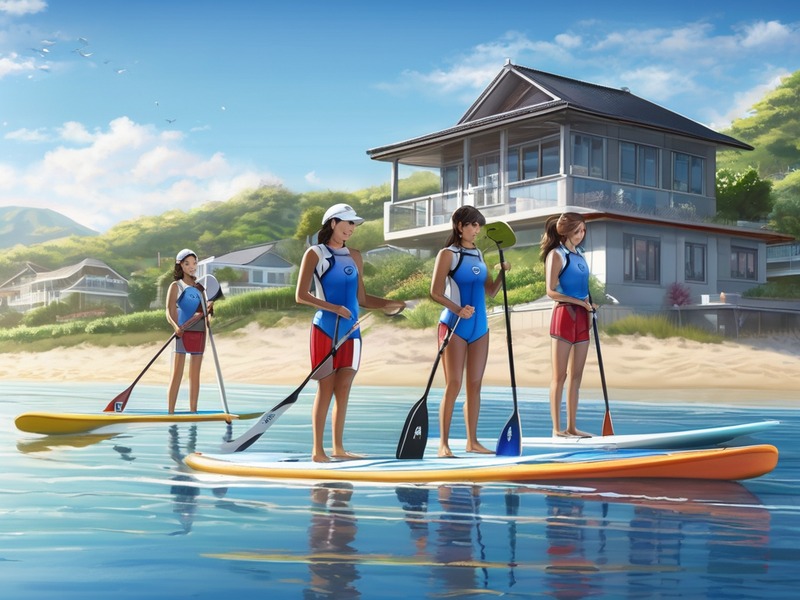
    I came to SUP relatively late, after years of watching surfers from the sand. A friend persuaded me to join a morning SUP session off Enoshima, and within twenty minutes I understood the appeal: standing on the water, gliding over the glassy surface with the island behind you and Mount Fuji on the horizon. It is the most accessible water sport in Japan, and Shonan is its best classroom.

    SUP paddling off Enoshima with Mount Fuji

    This guide covers the SUP, kayak, and sailing options across Shonan — where to go, what it costs, when to visit, and how to make the most of your session.


    🏄 What You Need to Know About SUP

    Why SUP Works in Shonan

    SUP (stand-up paddleboarding) is ideal for Shonan’s protected waters. The bay side near Enoshima and the coves around Hayama are calm for most of the year, and the shallow shelving beaches make for easy launches. Even on days when the surf is up at Kugenuma, the sheltered water near the islands stays manageable for beginners.

    The learning curve is gentle. On a typical first session, you spend 10 minutes on shore learning the basic stance and paddle stroke, then 5 minutes on your knees before standing up. Most people are standing within the first half hour. The equipment — board, paddle, and wetsuit or rash guard — is always included in lesson prices.

    What It Costs

    • Group lesson (1.5-2 hours): ¥5,500-8,800 per person, including board, paddle, wetsuit, and life jacket.
    • Private lesson: Roughly ¥12,000-18,000 per hour.
    • Rental only: ¥2,500-4,000 per hour for experienced paddlers.
    • Mega SUP (large group boards): From ¥33,000 per board for 6-8 people.

    🏝️ Where to Paddle: The Best Spots

    Enoshima Bay

    The classic Shonan SUP experience. Launching from the beaches around Katase-Enoshima, you paddle along the island’s coastline with views of the sea caves, the lighthouse, and Mount Fuji on clear days. The water is protected from the open ocean, making it the best beginner spot in Shonan.

    • Launch point: The beaches near Katase-Enoshima Station on the Odakyu Line.
    • Best time: Early morning for glassy water and the least wind.
    • Schools: Several operators run from the beach; the larger ones offer English-friendly instruction and online booking.

    Hayama and the Quiet Coves

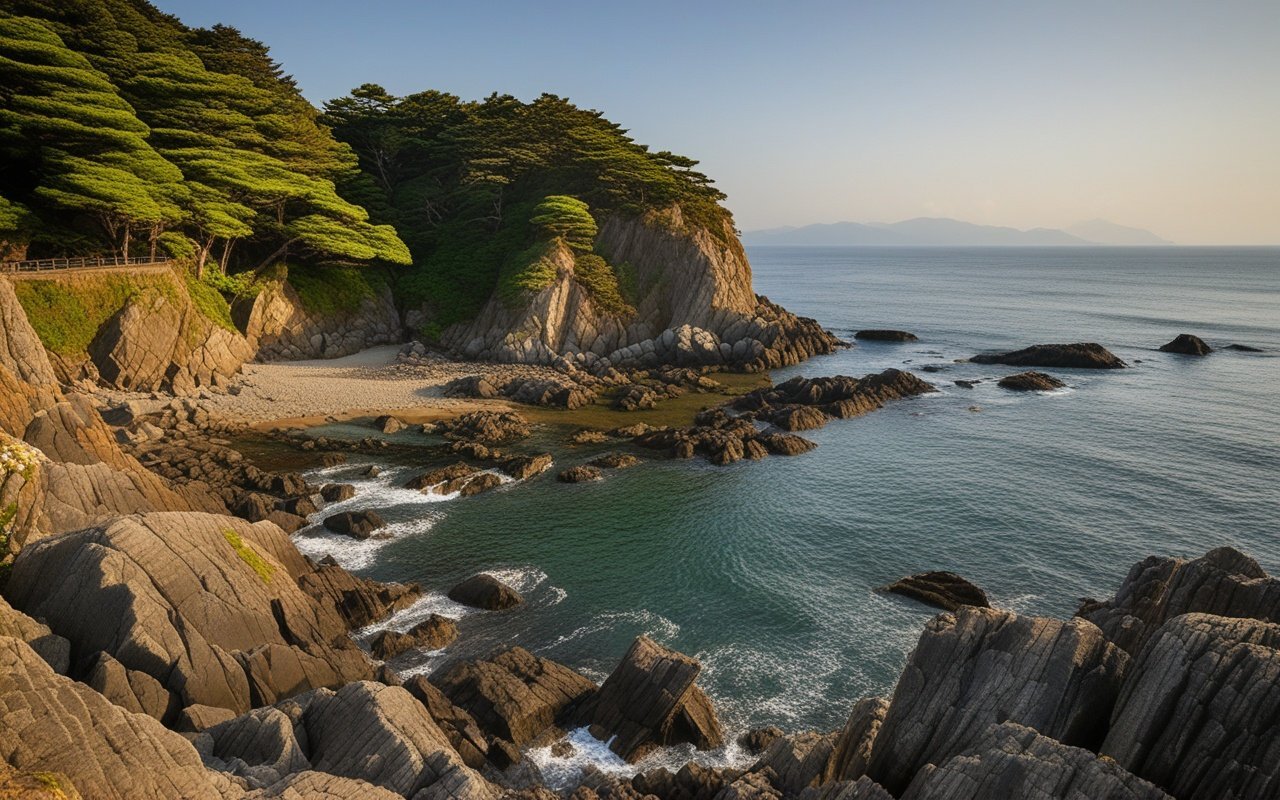
    A short ride from Kamakura, Hayama’s sheltered coves offer the calmest paddling in Shonan. Sea kayaking here is especially rewarding — you can paddle around small islands, look down through crystal-clear water at rocky reefs, and enjoy views of Mount Fuji that rival any in the prefecture.

    • Launch point: Morito Beach and the nearby coves in Hayama.
    • Best for: Sea kayaking, SUP cruising, and small-group tours.
    • Schools: The Hayama Sea Kayak Club and similar operators offer half-day tours from around ¥6,000-10,000.

    Kugenuma and the Open Coast

    The coastline from Kugenuma west is more exposed, with real waves, but the calm days are superb for SUP cruising along the beachfront. This is the spot for experienced paddlers who want a longer session with a sea view.

    • Launch point: Kugenuma Beach, near Kugenuma-Kaigan Station.
    • Best for: Longer paddles and photography sessions.
    • Note: Check wind conditions — offshore winds make this coast uncomfortable for beginners.

    🛶 Sea Kayaking: The Deeper Adventure

    Why Kayak

    Sea kayaking gets you further than SUP — into coves, around islands, and along cliffs that you cannot reach on foot. In Shonan, the Hayama coast is the kayaking heartland, with tours that combine paddling, snorkeling, and small-island exploration.

    I took a half-day kayak tour from Hayama on a clear October morning. We paddled along the cliffs, rounded a small island, and stopped at a quiet cove where we could see fish in the clear water below the kayak. The pace was gentle, the guide was attentive, and the feeling of having the coast to ourselves was the highlight of my year in Shonan.

    Sea kayaking in a quiet Hayama cove

    Tours and Prices

    • Half-day tours: ¥6,000-10,000 per person, including kayak, paddle, life jacket, and guide.
    • Full-day tours: ¥12,000-14,000, typically including lunch and snorkeling gear.
    • Island-hopping tours: Some operators offer trips around the small islands off Hayama.

    What to Bring

    • Swimsuit or quick-dry clothing
    • Sunscreen and a hat
    • Water in a sealed bottle
    • A dry bag for phone and camera (many operators provide one)

    ⛵ Sailing: Shonan’s Quiet Tradition

    The Sailing Scene

    Shonan has a deep sailing tradition, centered on the yacht harbors at Enoshima and the sailing clubs along the coast. The bay’s steady breezes and protected waters made it a venue for the 1964 Tokyo Olympics’ sailing events, and the sport remains popular with locals and a growing number of international visitors.

    Sailing here is not just for experts. Several clubs offer introductory sessions where you join an instructor on a small keelboat or dinghy, learn the basics of trimming sails and steering, and spend an hour or two on the water.

    Where to Sail

    • Enoshima Yacht Harbor — The historic venue, with sailing schools and day sails.
    • Hayama Marina — A full-service marina with lessons and boat rentals.

    What It Costs

    • Introductory session: Around ¥8,000-15,000 for 2-3 hours.
    • Multi-day courses: From ¥30,000-60,000 for a weekend introduction course.

    📅 Seasons and Conditions

    The Season

    • April to October — The main season. Water temperatures rise through spring, and summer brings warm, calm conditions ideal for beginners.
    • July and August — The busiest months. Beaches are crowded and swimming zones are active; some operators restrict where you can paddle.
    • November to March — Cooler but often calmest. Air is clearest (best Fuji views), but you need a full wetsuit. Several schools run reduced winter schedules.

    Weather and Wind

    • Mornings are best — The sea is calmest before 10:00, before the afternoon sea breeze builds.
    • Check wind forecasts — The afternoon southwest wind can make paddling back harder than paddling out. Schools will cancel in strong conditions.
    • Rain is fine — Light rain does not stop sessions; thunderstorms do.

    👟 What to Bring and Wear

    The Essentials

    Most operators provide board/kayak, paddle, life jacket, and wetsuit (or rash guard in summer). You need to bring:

    • Swimsuit — Worn under the wetsuit.
    • Towel — For the post-session shower.
    • Sunscreen — Essential, even on cloudy days; the reflection off the water is intense.
    • Sandals — For the beach and the shower.
    • Change of clothes — You will get wet.

    The Etiquette

    • Listen to the guide — Paddling areas are marked for safety and to keep clear of swimmers and boats.
    • Respect the environment — Do not touch marine life or disturb wildlife.
    • Ask about tattoo policies — Some operators and onsen-adjacent facilities restrict tattoos; ask when booking.

    🗓️ Sample Sessions

    Morning SUP at Enoshima (3 hours)

    1. 8:30 — Meet at the beach near Katase-Enoshima. Brief land lesson.
    2. 9:00 — On the water. Paddle along the island coast, practice turns and balance.
    3. 10:30 — Short break with a drink, then a guided paddle toward the sea caves.
    4. 11:30 — Return to shore, shower, and a beachside breakfast.

    Half-Day Kayak Tour at Hayama (4 hours)

    1. 9:30 — Meet at Morito Beach. Gear up and kayak briefing.
    2. 10:00 — Paddle along the cliffs and around the small islands.
    3. 11:30 — Snorkel stop at a quiet cove.
    4. 12:30 — Lunch break, then paddle back to the beach.

    💡 Practical Tips

    1. Book in advance — Summer weekend sessions sell out days ahead. Book at least 2-3 days before.
    2. Go on a weekday — Weekday mornings are dramatically quieter and often cheaper.
    3. Start in a calm spot — Choose Enoshima Bay or Hayama for your first session; save the open coast for later.
    4. Hydrate and protect — Paddling is more exercise than it looks; bring water and reapply sunscreen.
    5. Combine with beach time — Most launch points are near excellent cafes and beaches. See the Shonan beach guide for post-paddle plans.

    🔗 Related Guides

    Conclusion

    Shonan’s water is its greatest asset, and SUP, kayaking, and sailing are the best ways to experience it. The bay is forgiving enough for complete beginners, beautiful enough to feel like a holiday, and organized enough that a single afternoon session can take you from the sand to standing on the water with Mount Fuji on the horizon. Whether you join a morning SUP class off Enoshima or paddle the quiet coves of Hayama, you will find that Shonan’s best views are best reached by paddle.

    FAQ

    Q: Do I need to be fit or able to swim well to try SUP?
    A: No. You paddle on your knees first, and most operators require only basic water confidence. Life jackets are provided and instructors stay close.

    Q: What is the best time of year for a first session?
    A: May to October offers the warmest, calmest conditions. Early morning sessions are calmest on any day.

    Q: How much does a SUP lesson cost?
    A: Group lessons run about ¥5,500-8,800 for 1.5-2 hours, with all equipment included. Private lessons cost more.

    Q: Can I do these activities without speaking Japanese?
    A: Yes, at the larger operators. The bigger schools on Enoshima offer English-friendly instruction and online booking, and the tours are designed to be accessible through demonstration.

  • Zushi & Hayama Marine Guide 2026 — SUP, Kayaking & Sailing

    Zushi & Hayama Marine Guide 2026 — SUP, Kayaking & Sailing

    Overview

    Getting There

    The Zushi-Hayama coast is easily accessible by public transport:

    Route Duration Cost Notes
    Tokyo Station → JR Yokosuka Line → Zushi Station 60 min ¥1,040 Direct train, no transfers
    Shinjuku → JR Shonan-Shinjuku Line → Zushi Station 65 min ¥1,040 Direct, convenient for west Tokyo
    Yokohama Station → JR Yokosuka Line → Zushi Station 25 min ¥420 Shortest journey
    Kamakura → Zushi 5 min ¥170 Easy side trip from Kamakura

    From Zushi Station, most marine rental shops are a 5–15 minute walk or short bus ride to the beach. A bicycle is the best way to explore multiple spots — rental shops near the station offer bikes for ¥1,000–1,500/day. 📖 Related: Hayama Hidden Beaches Guide · Zushi Hidden Beach Cafes · Shonan Surfing Guide


    Activities by Skill Level

    🟢 Beginner-Friendly (No Experience Needed)

    1. Stand-Up Paddleboarding (SUP)

    SUP is the most accessible marine activity on this coast. The sheltered waters of Zushi Beach and Isshiki Coast provide calm conditions ideal for first-timers.

    Rental Shop Location Price Hours Gear Included
    Zushi SUP Club Near Zushi Beach ¥3,000/2hr 9:00–17:00 Board, paddle, life jacket
    Hayama Paddle Isshiki Coast ¥3,500/2hr 9:00–18:00 (summer) Board, paddle, leash, dry bag
    Beach House KAI Zushi Beach (east) ¥4,000/2hr (with lesson) 9:00–17:00 Beginner lesson included

    Best conditions: Calm mornings (8–11 AM) before the sea breeze picks up. Summer weekdays offer glassy water with minimal boat traffic.

    📍 Pro tip: Start at Isshiki Beach — the water is shallower and the bay is better protected than Zushi Beach’s open stretch. Paddle east along the coast for views of the Imperial Villa’s forested grounds.

    2. Kayaking (Sit-on-Top)

    Sit-on-top kayaks are the most popular rental option and require no previous experience. The short crossing between Zushi Beach and Morito Bay is an ideal 30-minute route.

    Rental Shop Location Price Duration
    Zushi Marine Sports Zushi Beach ¥3,500 (single) / ¥5,000 (double) 2 hours
    Hayama Water Club Hayama Marina ¥3,000 (single) 1.5 hours

    Recommended route: Paddle from Zushi Beach south along the coast toward Morito Bay (2 km, ~30 minutes). Stop at Morito Beach for a break, then paddle back. The coastal views of the Miura Peninsula hills are excellent.

    3. Snorkeling

    Snorkeling is best at the rocky edges of Shibasaki Beach and around the Chojagasaki promontory. Water visibility ranges from 5–10 metres on calm summer days.

    Best spots:

    • Shibasaki Beach — Rocky shelves with small fish, hermit crabs, sea anemones. Go at low tide for the warmest, clearest pools.
    • Chojagasaki — Rocky coves with better fish variety but stronger currents. Stay close to shore.
    • Morito Shrine island — The channel between the shrine island and mainland has some marine life but limited visibility. Rental: Snorkel sets are available at Zushi Marine Sports (¥1,000/day). Bring reef shoes — the rocks are sharp.

    4. Beach Swimming

    Beach Swimming Quality Lifeguards Facilities Best For
    Zushi Beach ⭐⭐⭐⭐ Good ✅ July–August Beach houses, showers Families, casual swimmers
    Isshiki Beach (Hayama) ⭐⭐⭐⭐⭐ Excellent ✅ July–August Blue Moon beach club, showers Best all-round beach
    Morito Beach (Hayama) ⭐⭐⭐⭐ Good ✅ July–August (limited) Beach huts, toilets Sunset swimming
    Shibasaki Beach ⭐⭐ Limited ❌ No None Tide pooling, not swimming
    Chojagasaki ⚠️ Strong currents ❌ No None Advanced swimmers only

    🟡 Intermediate (Some Experience Recommended)

    5. Sailing & Yachting

    Hayama has been a sailing destination since the 1960s. The Hayama Marina and Morito Bay are the centers of sailing activity, with consistent afternoon seabreezes from April through October.

    School / Charter Type Price Duration Requirements
    Hayama Yacht Club Dinghy sailing ¥8,000 (half-day lesson) 3 hours No experience needed for beginner course
    Hayama Marina Sailing School Keelboat (J/24) ¥15,000 (full-day charter with skipper) 6 hours Basic fitness
    Shonan Sailing Catamaran ¥10,000/person (group lesson) 2 hours No experience needed

    Best season: October–April for the most consistent wind and clearest views of Mt. Fuji across Sagami Bay. Summer offers lighter wind suitable for beginner lessons. 📖 Related: Hayama Accommodation Guide — stay overnight after a sailing day

    6. Windsurfing

    Windsurfing is popular at Isshiki Beach and Zushi Beach, where the afternoon seabreeze (12–16 knots in summer) creates good planing conditions.

    School / Rental Price (Rental) Lesson Price Board Types
    Zushi SUP Club ¥4,000/2hr ¥6,000/2hr lesson Beginner-friendly wide boards
    Hayama Wind ¥5,000/half-day ¥8,000/2hr lesson Freeride, freestyle boards

    Best for: Intermediate to advanced windsurfers who want consistent afternoon wind without the crowds of Enoshima. Beginners should book a lesson.

    7. Fishing Charters

    The waters off Zushi and Hayama are rich fishing grounds, with the Miura Peninsula’s underwater topography attracting a variety of species.

    Charter Type Price Duration Target Fish
    Zushi Fishing Shore + boat ¥8,000 (half-day boat) 4 hours Sea bream, flounder, horse mackerel
    Hayama Sport Fishing Boat (max 6 guests) ¥12,000 (half-day) 4 hours Yellowtail, sea bass, mackerel
    Morito Shore Fishing Shore only (guide) ¥5,000 (3 hours) 3 hours Rockfish, bream

    Seasonal catch:

    • Spring (April–May): Sea bream (tai) — peak season
    • Summer (June–August): Horse mackerel (aji), mackerel (saba)
    • Autumn (September–November): Yellowtail (buri), sea bass (suzuki)
    • Winter (December–March): Rockfish (mebaru), flounder (karei) Requirements: Fishing license required for boat charters (arranged by the charter company). Shore fishing in designated areas is free.

    🔴 Advanced (Experienced Only)

    8. Open Water Swimming

    The Zushi–Hayama coast is a training ground for open water swimmers, particularly the 2 km crossing between Zushi Beach and Morito Bay. Route: Zushi Beach → Morito Bay (2 km, ~40–60 minutes depending on conditions)

    ⚠️ Important:

    • Swim only on calm days with no offshore wind
    • Wear a brightly colored swim buoy for visibility
    • Go with a buddy — currents can be stronger than they appear
    • Check tide tables: outgoing tide creates a slight north-to-south drift
    • Best conditions: June–September, early morning (6–9 AM)

    9. Scuba Diving

    Diving in Sagami Bay is limited by visibility (typically 5–12 metres) but offers interesting macro life and easy shore access.

    Dive Shop Type Price (2-tank) Tanks Included Best Season
    Shonan Dive Center Shore diving (Chojagasaki) ¥12,000 ✅ Air fills June–October
    Hayama Dive Boat diving ¥18,000 ✅ Air fills July–September

    Marine life: Octopus, lionfish, sea slugs, moray eels, and occasional sea turtles. The rocky reefs at Chojagasaki are the most reliable shore diving spot.

    10. Offshore Kayaking (Sea Kayak)

    Experienced kayakers can paddle the full 6 km stretch from Zushi Beach down to Chojagasaki and back. This is a 3–4 hour trip requiring good fitness and awareness of wind conditions.

    Route: Zushi Beach → Isshiki → Morito → Chojagasaki (round trip: ~12 km)
    Best conditions: Calm mornings with forecast wind under 10 knots
    Rental: Hayama Water Club offers sea kayaks (¥5,000/half-day) for experienced paddlers


    Seasonal Guide

    Season Water Temp Best Activities Crowd Level
    Spring (Mar–May) 14–19°C Sailing, SUP, shore fishing, cycling Low
    Summer (Jun–Aug) 21–27°C Swimming, SUP, kayaking, snorkeling, windsurfing High (weekends)
    Autumn (Sep–Nov) 20–16°C Sailing, SUP, fishing, kayaking Low
    Winter (Dec–Feb) 14–12°C Sailing (best wind), shore fishing, photography Very low

    Ideal months for water sports: June (warm + uncrowded) and September (warm + quiet after Obon). July–August has the warmest water but the most people on weekends.


    Safety & Etiquette

    Marine Safety

    Hazard What to Watch For How to Avoid
    Afternoon seabreeze Wind picks up around 1–2 PM, strongest 3–5 PM Paddle/swim in mornings; afternoon is fine for sailing
    Boat traffic Fishing boats, pleasure craft near Hayama Marina Stay inside marked swimming zones; wear bright colors
    Jellyfish Some years have higher numbers (August) Check with beach huts, wear a rash guard
    Strong currents Around Chojagasaki and the Morito shrine island Don’t swim alone at unsupervised beaches

    Responsible Marine Recreation

    • Carry out all trash — fewer bins than public beaches, pack your own bag
    • Respect fishing boats — give them wide berth, don’t paddle through active fishing lines
    • No drones over beaches during summer (privacy concerns for beachgoers)
    • Shower before entering the water at Isshiki and Zushi Beach (¥100 showers available)
    • Marine protected areas: Some rocky areas near Chojagasaki are monitored — do not remove marine life

    What to Bring

    Essential:
    - Sunscreen (SPF 30+, water-resistant)
    - Water shoes / reef shoes (essential for snorkeling and Chojagasaki)
    - Rash guard or UV-protective swimwear
    - 2 L water minimum (beachfront vending machines available at Zushi only)
    - Dry bag for valuables
    - Cash (most rentals and beach huts are cash-only)
    
    Recommended:
    - Snorkel mask (rental quality varies)
    - Waterproof phone case
    - Beach umbrella (limited natural shade at Isshiki)
    - Towel and change of clothes
    - Small cooler with snacks

    Activity & Rental Summary

    Activity Best Spot Beginner Friendly Rental Available Avg. Cost (2hr)
    SUP Isshiki Beach ¥3,000–4,000
    Kayaking Zushi Beach → Morito ¥3,000–5,000
    Snorkeling Shibasaki / Chojagasaki ✅ (gear) ¥1,000/day
    Swimming Isshiki Beach ❌ (bring own) Free
    Sailing Hayama Marina ⚠️ (lesson req.) ✅ (charter) ¥8,000–15,000
    Windsurfing Isshiki Beach ⚠️ (lesson req.) ¥4,000–5,000
    Fishing Zushi / Hayama ✅ (shore) ✅ (charter) ¥5,000–12,000
    Open Water Swim Zushi → Morito Free
    Scuba Diving Chojagasaki ✅ (gear) ¥12,000–18,000
    Sea Kayak Full coast ✅ (advanced) ¥5,000/half-day

    Planning Your Day

    Half-Day Morning (SUP + Beach)

    Time Activity
    8:00 Arrive Zushi Station, rent SUP gear
    8:30 SUP paddle at Isshiki Beach (calm morning water)
    10:00 Coffee break at Zushi Hidden Beach Cafe
    11:00 Beach time at Isshiki — swimming, sunbathing
    12:00 Lunch at Blue Moon beach club
    13:00 Return gear, head back

    Full-Day (Sailing + Kayaking)

    Time Activity
    9:00 Arrive Hayama Marina, morning sailing lesson
    12:00 Lunch at Morito beach area
    13:30 Kayak rental from Zushi Beach → paddle to Morito
    15:00 Snorkel break at Shibasaki
    16:30 Sunset drink at Sunset Perch
    18:00 Return to Zushi Station

    Tips

    Practical notes from my trips to exploring Hayama: confirm the latest hours on the official website, buy tickets in advance when you can, and leave extra time for trains and walking between stops. Keeping your first day lighter also helps you enjoy the second day without feeling rushed.

    Frequently Asked Questions

    Q: Do I need to book marine rentals in advance?

    A: Yes, especially on summer weekends. Weekday walk-ins are usually fine, but call ahead at least 1 day in advance for sailing charters and fishing boats. SUP and kayak rentals can often be booked on the day on weekdays.

    Q: Are there changing facilities and showers at the beaches?

    A: Isshiki Beach and Zushi Beach have paid showers (¥100–200). Morito Beach has basic facilities. Shibasaki and Chojagasaki have no facilities — come prepared.

    Q: Can I bring my own kayak or SUP board?

    A: Yes. There are no restrictions on private watercraft at any of these beaches. Launch from any public beach access point. Inflatable boards are popular for easy train transport. Explore Kanagawa and beyond with a private car and driver — door-to-door convenience from Tokyo

    Q: Is the water safe for swimming in spring (April–May)?

    A: Water temperature in April is 14–16°C, too cold for comfortable swimming unless you are used to cold water. May warms to 17–19°C, which some swimmers find acceptable. Full wetsuits make spring swimming possible.

    Q: Which marine activity is best for families with children?

    A: SUP on calm mornings at Isshiki Beach is excellent for families (tandem boards available). Kayaking (double kayak with a child) and beach swimming at Zushi Beach are also family-friendly options. Visit Hakoneen Aquarium on Lake Ashi — a family-friendly marine attraction perfect for rainy days

    Q: Are English-speaking instructors available for sailing lessons?

    A: Hayama Yacht Club has some English-speaking instructors on request. Hayama Marina Sailing School can arrange English support with advance notice (3+ days). Zushi SUP Club and Hayama Paddle staff speak basic English.


    The Zushi-Hayama coast offers Kanagawa’s most diverse marine activity scene. From the calm SUP waters of Isshiki Beach to the serious sailing culture of Hayama Marina, this 6 km stretch of coast delivers genuine watersports experiences without the crowds of Kamakura or Enoshima.

    Whether you are a first-time paddler, an experienced sailor, or a family looking for a beach day with activities, the quiet waters and professional rental shops along this coast make it one of Kanagawa’s best-kept outdoor secrets.

    For a stress-free marine day:

    1. Go on a weekday (especially Monday–Thursday)
    2. Book rentals in advance during summer
    3. Start early (before 9 AM) for the calmest water
    4. Bring a dry bag, reef shoes, and plenty of water
    5. Combine with a cafe visit for the full Zushi-Hayama experience

    Related: Hayama Hidden Beaches Guide · Zushi Hidden Beach Cafes · Shonan Surfing Guide · Hayama Accommodation Guide · Miura Peninsula Hiking Guide


    Last Updated: July 11, 2026
    Written by: Anaba OffJapan Editorial Team

    Prices and schedules are subject to change. Check official websites before your visit.

    I explored this activity across different seasons and found that each visit offered something new. What struck me most was the consistent quality of the experience.

    Conclusion

    The details in this guide come from real visits, and the biggest lesson I took away was that the best experiences in Hayama rarely fit neatly into a checklist. During my visit to Hayama I went with a rough plan and found that leaving room to wander made the trip far more memorable. Plan the essentials, keep your schedule flexible, and you will leave Kanagawa wanting to return.

  • Hayama to Misaki Walking Route Guide 2026

    Hayama to Misaki Walking Route Guide 2026

    Hayama to Misaki Walking Route Guide 2026

    Overview

    Access

    Most visitors reach Hayama from central Tokyo by JR, private railway, or highway bus, and an IC card (Suica or Pasmo) works across all of them. From my experience, leaving Tokyo before the morning rush keeps the journey relaxed, and station luggage lockers are handy if you arrive early.

    Introduction: Walking Across the Peninsula

    The Miura Peninsula is only about 8 kilometres wide at its narrowest, but it holds more variety than its size suggests. The north, around Hayama, is hilly and forested — the so-called Miura Alps, where trails wind through cedar groves and emerge at viewpoints overlooking Sagami Bay. The center is agricultural: flat fields of daikon radish and cabbage, dotted with farmhouses and small shrines. The south, around Misaki, returns to the coast, with fishing harbours and views across the water to Jogashima Island.

    There is no official trail that connects these zones. The route described here was built by linking existing hiking courses with quiet roads and public bus routes. It is not a wilderness trek — you will walk through residential areas and cross roads — but it offers a genuine sense of crossing the peninsula on foot, which few visitors attempt.

    What to Expect:

    • Start: Hayama (Isshiki Beach or Zushi Station area)
    • Terrain: Forest trail (20%), country roads (50%), coastal path (15%), bus (15%)
    • Navigation: Google Maps works for the road sections; the trail section is marked in Japanese
    • Water: Available at convenience stores along the route (carry 1L minimum)
    • Lunch: Misaki Port’s tuna restaurants are the finish-line reward

    Our guide to Hayama Hidden Beaches has additional tips and recommendations.
    Updated: June 2026 (route verified)


    Route Overview

    Segment 1: Hayama to Sengenyama Summit

    Hayama → Sengenyama hiking course → Summit viewpoint

    Detail Info
    Distance 4 km
    Time 1.5–2 hours
    Elevation gain ~200 m
    Difficulty Moderate (steady climb)
    Trail type Forest path, some steep sections

    Route:

    Start from the Hayama area — either from the Hayama hidden beaches near Isshiki Beach, or from JR Zushi Station. If starting from Zushi Station, walk south through the residential streets toward the hills. The trailhead for the Sengenyama Hiking Course is marked with a small wooden sign at the edge of the forest, approximately 20 minutes from the station.

    The trail climbs steadily through mixed forest — cedar, cypress, and broadleaf trees provide shade even on warm days. The path is well-trodden but can be muddy after rain. Sturdy shoes are essential.

    After approximately 45 minutes of climbing, the trail reaches the Sengenyama summit (標高 186 m). The summit clearing offers a panoramic view of Sagami Bay, with Enoshima to the north, Jogashima to the south, and Mt. Fuji on the western horizon on clear days. There is a bench and a small sign marking the elevation.

    Tips for This Section:

    • Start by 8:00–9:00 AM to avoid the afternoon heat
    • The trail can be slippery after rain — take your time on the descent
    • No facilities or vending machines on the trail
    • Mosquito repellent recommended in summer months

    Segment 2: Ridge Walk and Descent

    Sengenyama summit → Ridge trail → Farmland descent

    Detail Info
    Distance 3 km
    Time 1–1.5 hours
    Elevation loss ~150 m
    Difficulty Easy to moderate
    Trail type Ridge path, gradually descending

    Route:

    From the summit, the trail continues south along the ridge. This section is the most scenic part of the walk — the path stays at elevation for about 1 km, offering intermittent views of both Sagami Bay (west) and Tokyo Bay (east) on clear days.

    The ridge section is narrower than the initial climb, with occasional tree roots crossing the path. After the ridge, the trail begins a gradual descent through the forest, eventually emerging at the edge of agricultural land.

    The transition from forest to farmland is abrupt — one moment you are walking under cedar canopy, the next you are in an open landscape of vegetable fields and greenhouses. This is the Miura Peninsula’s agricultural heartland, where much of Kanagawa’s daikon radish, cabbage, and Chinese chives are grown.

    • The ridge is exposed to wind — carry a light jacket
    • The descent has loose gravel in places — watch your footing
    • Take the last opportunity for forest shade before emerging into open farmland
    • The trail becomes less distinct near the farmland edge; head toward the road visible below

    Segment 3: Farmland Walking

    Farmland edge → Country roads → Misaki-bound bus stop

    Detail Info
    Distance 5 km
    Time 1.5–2 hours
    Elevation Flat (gentle undulations)
    Difficulty Easy
    Surface Paved roads, farm lanes

    Route:

    This section is the least dramatic but most authentic part of the walk. The roads here are quiet — mostly local traffic heading to and from farms — and the landscape is defined by the rhythm of agriculture, Depending on the season, you will see daikon radish being harvested (winter–early spring), rice paddies being planted (late spring), or fields lying fallow under the summer sun.

    The route follows prefectural roads and farm lanes southward. Navigation is straightforward — keep heading south, using the hills of Jogashima as a landmark on the horizon. The roads are flat or gently undulating, giving your legs a rest after the morning’s climb.

    Approximately 3 km into this section, you will pass through the small village of Minamishitaura (南下浦), where a convenience store provides a good opportunity to refill water and buy snacks. The village also has a bus stop that connects to Misakiguchi Station.

    Optional Bus Segment (Recommended):

    From Minamishitaura, the remaining 4 km to Misaki Port follows a busier road with narrower sidewalks. For a more pleasant walking experience, consider taking the bus for this segment:

    Bus: Minamishitaura → Misakiguchi Station
    Time: 10 minutes
    Cost: ¥200–250 (IC card accepted)
    Frequency: Every 20–30 minutes

    This bus segment bridges the least scenic part of the route and drops you at Misakiguchi Station, which is a short walk from Misaki Port and the Jogashima Island bridge.

    • Sun protection is essential — there is almost no shade on the farmland roads
    • Wave back at the farmers — they are friendly but busy
    • The convenience store in Minamishitaura has restrooms (ask at the counter)
    • Check the bus timetable at the Minamishitaura stop if you plan to ride

    Segment 4: Misaki Port and Finish

    Misakiguchi Station → Misaki Port → (Optional) Jogashima Island

    Detail Info
    Distance 1.5 km (to port) + 5 km optional (Jogashima loop)
    Time 20 minutes (to port) + 2–3 hours optional
    Difficulty Easy
    Surface Paved paths, sidewalks

    Route:

    From Misakiguchi Station, it is a 20-minute walk (or 5-minute bus ride) to Misaki Port (Misaki (三崎)港). The port is the peninsula’s premier destination for fresh tuna — the harbour is lined with restaurants serving maguro-don (tuna bowls), sushi, and grilled tuna steaks.

    The fish market is busiest in the morning, but the restaurants serve lunch from 11:00 AM onward. If you arrive by noon, you will find the restaurants in full swing with a lively atmosphere.

    Lunch Recommendations:

    Restaurant specialty Price Notes
    Maguro no Sato Tuna bowl (maguro-don) ¥1,500–2,000 Fast, reliable, popular
    Misaki Kō Sushi set ¥2,000–3,500 Higher quality, reservation recommended
    Port-side stalls Grilled tuna skewers ¥500–800 Quick, casual, eat while walking

    Optional Extension — Jogashima Island:

    If you have energy remaining, cross the bridge to Jogashima Island for a 2–3 hour loop walk. The Jogashima hiking trail covers the full circuit, and the Jogashima lighthouse is the island’s highlight.

    From the port, Jogashima is:

    • Walk: 15 minutes across the bridge
    • Bus: 5 minutes from Misaki Port bus stop (¥150)

    Practical Information

    Full Route Summary

    Segment Distance Time Terrain
    1: Hayama → Sengenyama 4 km 1.5–2 h Forest trail, uphill
    2: Ridge → Farm descent 3 km 1–1.5 h Ridge path, downhill
    3: Farmland walking 5 km 1.5–2 h Paved roads, flat
    3b: Bus option 4 km 10 min Bus ride
    4: Misaki Port 1.5 km 20 min Paved paths
    Total (walking) 13.5 km 4.5–6 h
    Total (with bus) 9.5 km + bus 3.5–4.5 h

    Start Time Recommendations

    Start Finish (walking) Finish (with bus) Notes
    7:00 AM 1:00–2:30 PM 11:30 AM–12:30 PM Best for summer heat avoidance
    8:00 AM 2:00–3:30 PM 12:30–1:30 PM Recommended — balanced timing
    9:00 AM 3:00–4:30 PM 1:30–2:30 PM Good for shorter days
    10:00 AM 4:00–5:30 PM 2:30–3:30 PM Tight before sunset

    What to Bring

    Essential:
    - Sturdy walking shoes (trail section has uneven footing)
    - Water (1L minimum, refill at Minamishitaura convenience store)
    - Sunscreen and hat (open farmland sections have no shade)
    - Light jacket or windbreaker (ridge section is exposed)
    - Cash (lunch and bus fare — IC card works for bus)
    - Phone with Google Maps downloaded offline
    
    Recommended:
    - Walking poles (helpful on the forest descent)
    - Insect repellent (summer months)
    - Snacks (trail mix, energy bars)
    - Small towel (for humidity)
    - Change of socks (for after the walk)

    Getting to the Start

    To Hayama (start):
    From Tokyo Station:
    1. JR Yokosuka Line to Kamakura (55 min, ¥1,040)
    2. JR to Zushi Station (5 min, ¥170)
    3. Keikyu Bus to Isshiki or Hayama stop (15 min, ¥230)
    Total: ~80 minutes, ¥1,320
    
    From Yokohama Station:
    1. JR Yokosuka Line to Zushi Station (25 min, ¥420)
    2. Keikyu Bus to Hayama (15 min, ¥230)
    Total: ~45 minutes, ¥650

    Getting Back from the Finish

    From Misaki Port / Misakiguchi Station:
    To Tokyo:
    - Keikyu Line: Misakiguchi → Shinagawa (75 min, ¥1,100)
    - Via Yokohama: Misakiguchi → Yokohama (55 min, ¥750)
    Last train: ~11:00 PM (check schedule)
    
    To Yokohama:
    - Keikyu Limited Express: Misakiguchi → Yokohama (55 min, ¥750)
    Last train: ~11:30 PM by Bus:
    - Keikyu Bus: Misaki Port → Misakiguchi Station (5 min, ¥150)

    Seasonal Considerations

    Spring (March–May):
    - Best weather for walking
    - Cherry blossoms along the farmland roads
    - Comfortable temperatures (15–22°C)
    - Trail may be muddy from spring rain
    
    Summer (June–August):
    - Hot and humid (30–35°C)
    - Start before 7:00 AM to avoid heat
    - Mosquito repellent essential
    - Heavy rain possible (check forecast)
    
    Autumn (September–November):
    - Clear skies, comfortable temperatures
    - Best Mt. Fuji visibility from Sengenyama
    - Dried grass on the ridge can be slippery
    - Daylight shorter (finish by 4:30 PM)
    
    Winter (December–February):
    - Cold but clear (5–15°C)
    - Best views of Mt. Fuji and the bay
    - Trail can be frosty in the morning
    - Lunch at Misaki Port is especially rewarding after a cold walk

    Safety Notes

    ⚠️ The forest trail section has limited mobile reception
    ⚠️ The ridge is exposed to strong winds in winter
    ⚠️ Farmland roads have occasional farm vehicle traffic — walk facing traffic
    ⚠️ No emergency services on the trail section
    ⚠️ Tell someone your planned route and expected finish time
    ⚠️ Check the weather forecast — cancel if heavy rain is predicted
    ⚠️ The trail section can be slippery after rain — turn back if conditions worsen

    Frequently Asked Questions

    Q: Is this route suitable for beginners?

    A: The farmland and Misaki sections are easy, but the Sengenyama climb is moderate. Beginners should allow extra time and take the bus option from Minamishitaura.

    Q: Can I do this route in reverse (Misaki → Hayama)?

    A: Yes, but the walk would be more challenging because the Sengenyama climb would come at the end of the day when you are tired. Start from Hayama for the best experience.

    Q: Are there restrooms along the route?

    A: There are no restrooms on the trail section. Restrooms are available at convenience stores in Hayama (start) and Minamishitaura (midpoint), and at Misakiguchi Station and Misaki Port (finish).

    Q: Can I bring a dog?

    A: The farmland roads and Misaki Port area are dog-friendly, but the forest trail section has uneven terrain that may be challenging for dogs. Keep dogs leashed at all times.

    Q: Is the route well-signposted in English?

    A: No. The Sengenyama trail markers are in Japanese only. Google Maps works for navigation on the road sections. Download offline maps before starting.

    🌟 Share Your Experience

    Walked this route? Found a better connection between Hayama and Misaki? Join our community forum to share your route tips!


    Hayama to Misaki Walking Route Guide 2026 — Share Your Experience

    Walking from Hayama to Misaki Port is not a classic hiking trail in the traditional sense — it is a patchwork of forest paths, country roads, and bus connections that together tell the story of the Miura Peninsula. The reward is an understanding of the landscape that you cannot get from a train window: the smell of cedar on the ridge, the sight of farmers working the daikon fields, and the taste of fresh tuna as a finishing-line celebration.

    For more ways to explore the Miura Peninsula, read our Hayama hidden beaches guide, the Hayama hidden cafes guide, and the Misaki Port food guide.


    ⏰ Best Time to Visit

    Early morning (8–10 AM): Peaceful atmosphere, fewer crowds, perfect for photos Late afternoon (4–6 PM): Beautiful lighting, local life, less crowded than midday

    🎯 What I Recommend

    • Don’t rush: Take your time to explore the side streets and hidden spots
    • Talk to locals: They often know the best lesser-known spots that aren’t in guidebooks
    • Try the local specialties: Each area has its own unique food and souvenirs

    ⚠️ Things to Watch Out For

    • Some shops close on weekdays or have irregular hours
    • Parking can be challenging during peak seasons
    • Cash is still king at many smaller establishments


    Conclusion

    Whether you are planning exploring Hayama for the first time or returning for another visit, taking a little extra time to go beyond the obvious sights makes all the difference. During my visit to Hayama I went with a rough plan and found that leaving room to wander made the trip far more memorable. I hope this guide helps you build an itinerary that fits your pace, and that your time in Kanagawa leaves you with memories worth coming back for.

  • Hayama Hidden Beaches Guide 2026

    Hayama Hidden Beaches Guide 2026

    Hayama Hidden Beaches Guide 2026

    Overview

    Plan your perfect visit to Hayama Hidden Beaches Guide with this comprehensive destination guide, Covering everything from must-see attractions to practical travel tips, this guide helps you make the most of your time in Hayama. Whether you have a single day or an entire week, discover the best that this Kanagawa destination has to offer.

    Introduction: Why Hayama’s Coastline is Different

    The Imperial Family’s Hayama Villa, located directly above Isshiki Beach, set the tone for the area a century ago. Rather than developing into a neon-lit resort, Hayama remained deliberately understated. The beaches have no towering hotels, no boardwalk arcades, no crowds of tour buses. What they offer instead is space, clean water, and views that have attracted artists, writers, and sailors for generations.

    What Makes Hayama Beaches Special:

    • Calm waters: Sagami Bay’s sheltered orientation means gentler waves than Pacific-facing beaches
    • Mt. Fuji views: On clear days, the mountain floats across the bay — best at sunset
    • Low-rise coastline: No high-rises block the horizon
    • Local character: Many visitors are regulars who return every summer
    • Beach huts with taste: The umi-no-ie here are relaxed and stylish, not loud

    Best Times to Visit:

    • Weekdays: Quiet enough that you might share the beach with fewer than 20 people
    • July–August: Official swimming season with lifeguards and beach huts
    • Winter: Cold for swimming, but crystal-clear air for Mt. Fuji photography
    • Sunset: Every beach faces directly into the setting sun

    Updated: June 2026 (all beaches visited and verified)


    1. Isshiki Beach (一色海岸)

    The Classic — Hayama’s Most Beautiful Beach

    Location: Central Hayama coast
    Coordinates: 35.2711°N, 139.5778°E
    Access: 15-min bus from Zushi Station + 5-min walk
    Length: ~1 km crescent
    Sand: gray volcanic sand
    Water: Calm, good for swimmers of all levels
    Lifeguards: July–August (9:00–17:00)
    Beach Huts: ✅ Seasonal (Blue Moon, others)
    Parking: ¥500–1,000/day (limited)

    Why It’s Special:

    Isshiki Beach is the heart of Hayama’s coastal identity. The beach forms a gentle arc between two rocky points, creating a natural enclosure that keeps the water calm even on days when other beaches have chop. The Imperial Villa’s forested grounds rise behind the beach, ensuring that no construction will ever block the view.

    From the water, the sight of Mt. Fuji aligning with the beach’s western point at sunset is one of Kanagawa’s great coastal experiences. The sand has a distinctive dark gray color from volcanic minerals, which stays cool enough to walk on barefoot even in August.

    Beach Huts (Umi-no-ie):

    • Blue Moon — the most famous, with stylish deck seating, cocktails, and food (¥1,500–3,000 per person)
    • Isshiki Beach House — family-friendly, yakisoba and shaved ice (¥800–1,200)
    • Both operate roughly July 15–August 31

    What to Do:

    • Swim in the calm, roped-off area
    • SUP or kayak (bring your own or rent from Zushi)
    • Walk east along the rocks at low tide to find small tidal pools
    • Photograph the sunset alignment with Fuji (winter months best)

    Getting There:

    From Zushi Station:
    1. Keikyu Bus to "Hayama" or "Isshiki" stop (15 min, ¥230)
    2. Walk toward the water (5 min)
    3. Beach is directly ahead
    
    From Hayama Town Center:
    - 10-minute walk from the main shopping street
    - Follow signs toward the Imperial Villa

    Insider Tip:

    Arrive before 9 AM on weekdays for the best experience — you may share the beach with only a handful of early-morning swimmers and a few paddleboarders. The light at this hour is soft, and the water is at its calmest.


    2. Morito Beach (森戸海岸)

    The Town Beach — Best Sunset Views

    Location: Central Hayama, near Morito Shrine
    Coordinates: 35.2722°N, 139.5733°E
    Access: 12-min bus from Zushi Station
    Length: ~600 m
    Sand: gray volcanic sand mixed with pebbles
    Water: Calm, shallow entry
    Lifeguards: July–August (limited)
    Beach Huts: ✅ (2–3 seasonal)
    Parking: ¥500–800/day (public lot)

    Morito Beach sits directly in front of Morito Shrine, whose vermilion torii gate and small shrine island create one of Kanagawa’s most photographed coastal compositions. The shrine island — connected to the mainland by a short path at low tide — is a Shinto site dedicated to the sea god, and local fishermen still pray here before heading out.

    The beach is slightly busier than Isshiki because of its central location, but still far quieter than Kamakura’s beaches. The water entry is gradual and sandy, making it a good choice for families with young children.

    Morito Shrine Connection:

    The shrine’s annual summer festival (late July) includes a procession of boats and portable shrines (mikoshi) carried into the surf. This is one of Hayama’s most vibrant community events, and the beach fills with locals in yukata. If your visit coincides with the festival, expect crowds — but the atmosphere is celebratory and welcoming.

    What to Do:

    • Swim in the central swimming zone
    • Walk to Morito Shrine island at low tide
    • Watch sunset from the beach’s western end (Fuji views)
    • Visit the shrine’s main hall for sea-safety amulets

    Getting There:

    From Zushi Station:
    1. Keikyu Bus to "Morito" stop (12 min, ¥230)
    2. Walk toward the shrine (3 min)
    3. Beach is to the left of the shrine entrance
    
    From Isshiki Beach:
    - 10-minute walk along the coastal path

    Insider Tip:

    The beach’s far western end, near the rocky point, is where photographers set up for sunset shots of Mt. Fuji framed by the Morito Shrine torii, Bring a telephoto lens (70–200mm) for the best compression effect.


    3. Shibasaki Beach (芝崎海岸)

    Best for Tide Pooling — Quiet Rocky Shore

    Location: Eastern Hayama, toward Zushi
    Coordinates: 35.2767°N, 139.5811°E
    Access: 10-min walk from Keikyu Shin-Zushi Station
    Length: ~300 m (rocky shoreline)
    Sand: Minimal sand, primarily rock shelves and pebbles
    Water: Clear, shallow pools at low tide
    Lifeguards: ❌ None
    Beach Huts: ❌ None
    Parking: Street parking only (limited)

    Shibasaki is not a swimming beach in the traditional sense — the shoreline is rockier and less forgiving than the sandy crescents of Isshiki and Morito. What it offers instead is the best tide-pooling on Hayama’s coast. At low tide, the rocky shelves reveal shallow pools teeming with small fish, hermit crabs, sea anemones, and the occasional starfish.

    The water clarity is remarkable on calm days — you can see the bottom at 3–4 metres depth. Snorkellers will find small schools of juvenile fish among the rocks, and octopus sometimes hide in crevices.

    What to Bring:

    • Reef shoes or water sandals (essential — sharp barnacles)
    • Snorkel mask (clear water rewards it)
    • Small net or bucket for observing tide pool life (release everything)
    • Waterproof camera or phone case

    What to Do:

    • Tide pool exploration at low tide
    • Snorkelling along the rocky edges
    • Photography of marine life and rock formations
    • Quiet picnicking on the flat rock shelves (bring a mat)

    Getting There:

    From Shin-Zushi Station (Keikyu Line):
    1. Exit toward the coast
    2. Walk straight for 8 minutes
    3. Turn left at the small fishing boat mooring
    4. Shoreline access at the end of the path
    
    From Zushi Station (JR):
    - 20-minute walk south along the coast

    Insider Tip:

    Check the tide tables before visiting — low tide is the magic window. Aim for 1–2 hours before the low tide mark. The best pools are on the eastern side of the beach, where the rock shelves are flattest and the water warms up fastest in the sun.


    4. Chojagasaki Beach (長者ヶ崎海岸)

    Wildest Coast — Rugged Scenery, Fewest People

    Location: Southern Hayama, border with Yokosuka
    Coordinates: 35.2556°N, 139.5867°E
    Access: Bus from Zushi Station + 10-min walk
    Length: ~400 m (rocky coves)
    Sand: Small sandy pockets between rock formations
    Water: Open ocean exposure — stronger currents
    Lifeguards: ❌ None
    Beach Huts: ❌ None
    Parking: ¥500 (small lot, fills early)

    Chojagasaki is Hayama’s wild edge. The coast here is defined by a volcanic rock promontory that juts into Sagami Bay, creating a series of small coves and rocky platforms that feel far removed from the polite beach culture elsewhere in town. The wind is stronger, the waves have more energy, and the scenery is dramatic enough to attract photographers even on overcast days.

    A small Shinto shrine sits on the point itself, dedicated to the protection of local fishermen. The path to the shrine winds through wind-sculpted pine trees and past weathered rock formations that have been shaped by decades of winter swells.

    Swimming Warning:

    Unlike Isshiki and Morito, Chojagasaki has no lifeguards and no designated swimming zone. The water can have sudden drop-offs and stronger currents. Swim here only on calm days, stay close to shore, and never alone, During the official swimming season (July–August), local volunteers sometimes mark safe zones with buoys — look for them before entering.

    What to Do:

    • Photography (sunrise, sunset, storm light)
    • Walk the promontory trail to the shrine
    • Explore the small coves at low tide
    • Picnic on the flat rock terrace near the shrine

    Getting There:

    From Zushi Station:
    1. Keikyu Bus toward "Chojagasaki" or "Yokosuka" (20 min, ¥350)
    2. Get off at "Chojagasaki" bus stop
    3. Walk toward the water (5 min)
    4. Trail to the point starts at the parking area
    
    From Morito Beach:
    - 30-minute walk south along the coastal road
    - Or 10-minute bus ride

    Insider Tip:

    Chojagasaki is at its most beautiful in late autumn and winter, when the air is clearest and Mt. Fuji dominates the horizon from the promontory’s tip. Dress warmly — the wind here is strong even on sunny days, and there is no shelter from the elements.

    Hayama Hidden Beaches Guide 2026 — 4. Chojagasaki Beach


    Practical Information

    How to Get to Hayama Beaches

    From Tokyo Station:
    1. JR Yokosuka Line to Kamakura Station (55 min, ¥1,040)
    2. Transfer to Enoden or JR to Zushi Station (5 min, ¥170)
    3. Keikyu Bus to your chosen beach (10–20 min, ¥230–350)
    Total: ~90 minutes, ¥1,300–1,500
    
    From Yokohama Station:
    1. JR Yokosuka Line to Zushi Station (25 min, ¥420)
    2. Keikyu Bus to beach (10–20 min)
    Total: ~45 minutes, ¥650–800

    Best Way to Get Around

    Bicycle is the ideal way to explore all four beaches in a single day. Rental shops near Zushi Station offer bikes for ¥1,000–1,500/day. The coastal road between Zushi and Chojagasaki is flat and scenic, with wide sidewalks and dedicated bike parking at most beaches.

    What to Bring

    Essential:
    - Water (2 L minimum — no vendors at Shibasaki or Chojagasaki)
    - Sunscreen (SPF 30+, water-resistant)
    - Hat and sunglasses
    - Reef shoes (essential for Shibasaki and Chojagasaki)
    - Towel and change of clothes
    - Cash (many beach huts are cash-only)
    
    Recommended:
    - Snorkel mask (clear water at Shibasaki)
    - Beach umbrella (limited natural shade)
    - Cooler with snacks and drinks
    - Dry bag for valuables
    - Camera (sunset photography at Isshiki)

    Beach Comparison

    Beach Swimming Facilities Crowds Best For
    Isshiki ✅ Excellent ✅ Huts, showers Moderate Swimming, sunset
    Morito ✅ Good ✅ Huts, toilets Moderate Families, photos
    Shibasaki ⚠️ Limited ❌ None Low Tide pooling, snorkel
    Chojagasaki ⚠️ Advanced ❌ None Very low Photography, solitude

    Seasonal Guide

    Summer (July–August):
    - Swimming season (lifeguards at Isshiki and Morito)
    - Beach huts open (mid-July to August 31)
    - Water temperature: 23–27°C
    - Crowded on weekends (arrive before 9 AM)
    - Morito Shrine festival: late July
    
    Autumn (September–November):
    - No lifeguards (swim at your own risk)
    - Clearest Mt. Fuji views start in October
    - Fewer visitors, more peaceful
    - Water still warm through September
    
    Winter (December–February):
    - Best Mt. Fuji visibility
    - Dramatic winter light for photography
    - Too cold for swimming
    - Windy at Chojagasaki
    
    Spring (March–May):
    - Cherry blossoms along the coastal path
    - Water too cold for swimming
    - Perfect for coastal walks and photography
    - Fewer visitors than summer

    Beach Etiquette

    Do's:
    ✅ Carry out all trash (there are fewer bins than public beaches)
    ✅ Respect the neighborhood (beaches are adjacent to residential areas)
    ✅ Shower before entering the water (showers available at Isshiki, ¥100)
    ✅ Check water quality notices posted at beach entrances
    ✅ Support local beach huts (they fund beach maintenance)
    
    Don'ts:
    ❌ No amplified music (sound carries across the bay)
    ❌ No drones over the Imperial Villa area
    ❌ Don't walk on the dune grass (helps prevent erosion)
    ❌ Don't feed the birds (seagulls become aggressive)
    ❌ Don't block narrow access paths with large groups

    Frequently Asked Questions

    Q: Which Hayama beach is best for families with young children?

    A: Isshiki Beach has the calmest water, gradual depth, lifeguards in summer, and beach huts with food and shade. Morito Beach is also family-friendly with easy access and facilities.

    Q: Are the beaches free to visit?

    A: Yes, all beaches are free. Paid parking and paid showers at Isshiki and Morito are the only costs.

    Q: Can I rent snorkel gear or SUP boards?

    A: Not directly at the beaches. Rental shops near Zushi Station SUP boards (¥2,000–3,000/day) and snorkel sets (¥1,000/day). Some beach huts at Isshiki occasionally have limited SUP rental.

    Q: Is there food available at the beaches?

    A: Isshiki and Morito have beach huts during summer (July–August) serving yakisoba, shaved ice, drinks, and light meals. Shibasaki and Chojagasaki have no vendors — bring your own food.

    Q: Which beach has the best sunset view?

    A: Morito Shore for photos with the shrine torii in the foreground. Isshiki Coastline for the classic Fuji-aligned sunset. Chojagasaki for a wilder, more dramatic perspective.

    🌟 Share Your Experience

    Found a quiet cove between these beaches? Tips for Hayseasideeach days? Join our community forum to share your discoveries!


    Hayama Hidden Beaches Guide 2026 — Share Your Experience

    Hayama’s beaches offer something increasingly rare on Kanagawa’s coast: genuine quiet, clean water, and views that haven’t been obstructed by development. Whether you’re swimming at Isshiki, exploring tide pools at Shibasaki, or watching the sunset from Chojagasaki’s wild promontory, the experience is defined by the town’s deliberate restraint — and that is precisely what makes it special.

    For more ways to explore Hayama and the Miura Peninsula, read our Hayama hidden cafes guide, Hayama local cafes guide, and the comprehensive Hayama accommodation guide.


    ⏰ Best Time to Visit

    Early morning (8–10 AM): Peaceful atmosphere, fewer crowds, perfect for photos Late afternoon (4–6 PM): Beautiful lighting, local life, less crowded than midday

    🎯 What I Recommend

    • Don’t rush: Take your time to explore the side streets and hidden spots
    • Talk to locals: They often know the best lesser-known spots that aren’t in guidebooks
    • Try the local specialties: Each area has its own unique food and souvenirs

    Our guide to Hakone Souvenirs Local Specialties has additional tips and recommendations.

    ⚠️ Things to Watch Out For

    • Some shops close on weekdays or have irregular hours
    • Parking can be challenging during peak seasons
    • Cash is still king at many smaller establishments


    Conclusion

    Whether you are planning exploring Hayama for its beach for the first time or returning for another visit, taking a little extra time to go beyond the obvious sights makes all the difference. During my visit to Hayama I went with a rough plan and found that leaving room to wander made the trip far more memorable. I hope this guide helps you build an itinerary that fits your pace, and that your time in Kanagawa leaves you with memories worth coming back for.

  • Hayama & Miura Accommodation Guide 2026 — Coastal…

    Hayama & Miura Accommodation Guide 2026 — Coastal…

    This destination guide covers everything you need to know about visiting this area in Kanagawa. From how to get there to what to see, you will find practical information for a memorable trip.

    Hayama & Miura Accommodation Guide 2026 — Coastal Retreats on the ShShonanoast

    Overview

    Plan your perfect visit to Hayama & Miura Accommodation Guide 2026 — Coastal… with this comprehensive destination guide, Covering everything from must-see attractions to practical travel tips, this guide helps you make the most of your time in Hayama. Whether you have a single day or an entire week, discover the best that this Kanagawa destination has to offer.

    📍 Quick Overview

    • Two distinct coastal areas — Hayama’s marina-side retreats and Miura’s rugged southern coastline
    • From ¥12,000 (minshuku) to ¥40,000+ (luxury seaside) per night
    • 60–90 minutes from Tokyo — the perfect weekend escape from the capital
    • Best for: Couples seeking romance, nature lovers, artists, photographers, sailing enthusiasts
    • Perfect base for exploring the Shonan Coast, Jogashima Island, and the Miura Peninsula’s hiking trails

    Introduction: The Shonan Coast’s Best-Kept Secrets

    While Kamakura and EnKamakuraraw the crowds, the southern Shonan Coast — particularly Hayama and Miura — remains remarkably peaceful. Hayama has long been a summer retreat for Tokyo’s elite (the Imperial Family’s villa is here), while Miura’s rugged coastline offers some of Kanagawa’s most dramatic scenery. Yet both areas remain under the radar for international visitors.

    Hayama & Miura Accommodation Guide scenery and attractions

    Staying overnight here is the secret to experiencing the Shonan Coast at its best. You’ll watch the sunrise paint Sagami Bay in shades of gold and pink, walk empty beaches in the early morning, and dine at restaurants that serve fish caught just hours earlier — experiences day-trippers simply cannot have.

    Why Stay Overnight:

    • Sunrise over Sagami Bay — the eastern coastline offers spectacular morning light
    • Empty beaches — the crowds don’t arrive until 11:00 AM
    • Dinner at local seafood restaurants — the evening catch at Miura’s harborside eateries
    • Stargazing along the coast — minimal light pollution compared to Yokohama or Kamakura
    • Weekend farmers markets — Hayama’s Sunday market is a local institution

    1. Hayama — Elegance & Coastal Sophistication

    Best for: Couples, romantics, artists, sailors, food lovers

    Hayama & Miura Accommodation — detailed view

    Aspect Detail
    Vibe Refined, coastal, relaxed elegance
    Access 30 min bus from Zushi Station (JR Yokosuka Line)
    Price Range ¥15,000–¥40,000/night
    Best For Romantic escapes, couples, luxury seekers

    Hayama is often called the “Hamptons of Japan” — a stretch of coastline where Tokyo’s wealthy maintain vacation homes alongside exclusive restaurants, art galleries, and a world-class marina. The atmosphere is sophisticated but relaxed: think linen trousers and sun hats rather than evening gowns and tuxedos. The Imperial Family’s villa is located here, and the area’s restrained elegance reflects this connection.

    Luxury Seaside

    Hayama Hotel Otowa no Mori

    Price: From ¥35,000/night (double)
    Rooms: 42
    Features: Forest garden, private onsen baths, kaiseki dining, art gallery
    Access: 10 min taxi from Zushi Station
    Best For: Romantic escapes, special occasions, nature immersion

    Nestled in a forested hillside overlooking Sagami Bay, Otowa no Mori is Hayama’s most exclusive accommodation. The hotel is designed around the concept of shinrin-yoku (forest bathing) — floor-to-ceiling windows bring the surrounding woodland into every room, and the private onsen baths use natural spring water. The kaiseki dinner is a multi-course journey through Shonan’s seasonal ingredients, with an emphasis on locally caught seafood and Hayama-grown vegetables.

    The garden is a work of art in itself — designed by a renowned landscape architect, it features meandering paths, a koi pond, and viewing platforms that capture the ocean in the distance. Afternoon tea here (¥4,500) is available to non-guests and is worth the trip alone.

    Book Hayama Hotel Otowa no Mori on Klook for exclusive rates and availability → Check prices and book here

    Why book on Klook: Otowa no Mori is a popular choice for weekend getaways and books out weeks in advance. Klook often has last-minute availability when direct booking sites show full occupancy.

    Mid-Range Boutique

    Hayama Inn the Sea

    Price: From ¥18,000/night (double)
    Rooms: 12
    Features: Ocean-view rooms, bicycle rental, restaurant
    Access: 5 min walk from Hayama-Minato bus stop
    Best For: Couples, cyclists, surfers

    A boutique inn with a relaxed, beachy atmosphere. Each room has a different design theme, but all feature ocean views and private balconies. The ground-floor café serves excellent coffee and homemade pastries, and the restaurant offers a seafood-focused dinner menu at reasonable prices (¥4,000–6,000 for a full course). Bicycle rental is available — the ride along the Hayama coastline to Morito Beach is one of the most scenic in Kanagawa.

    Budget-Friendly

    Hayama Guesthouse Umi

    Price: From ¥5,500/night (dorm), ¥12,000 (private)
    Rooms: 3 dorm rooms + 2 private rooms
    Features: Shared kitchen, social atmosphere, surfboard storage
    Access: 8 min walk from Hayama-Minato bus stop
    Best For: Budget travelers, solo adventurers, surfers

    A friendly guesthouse popular with the surfing community. The private rooms are simple but spotless, and the common room is genuinely social — expect to share travel stories over evening tea. Surfboard storage is available for ¥500/night. The guesthouse also offers towel rental and has a small convenience store within a 2-minute walk.

    ⚠️ Hayama Watchpoints

    • Dining reservations: Hayama’s best restaurants require reservations 1–2 weeks in advance, especially on weekends. Ask your hotel to book for you
    • Limited nightlife: Hayama is quiet after 9:00 PM. If you want evening entertainment, stay in Yokosuka or Kamakura instead
    • Bus schedules: Buses from Zushi Station to Hayama run every 20–30 minutes but stop around 9:00 PM. Check the last bus time
    • Seasonal rates: July–August rates at Otowa no Mori can be 50% higher than the off-season

    2. Southern Miura Coast — Rugged Beauty & Seclusion

    Best for: Nature lovers, hikers, solitude seekers, photographers

    Aspect Detail
    Vibe Untamed, dramatic, peaceful
    Access 40–50 min bus from Yokosuka-Chuo Station
    Price Range ¥12,000–¥25,000/night
    Best For Hiking, photography, digital detox

    The southern Miura coast is completely different from Hayama’s refined elegance. This is raw, untamed coastline — dramatic sea cliffs, hidden coves where fishermen mend their nets, and shrines perched on rocky outcrops. Accommodation here is limited but special: small inns and minshuku where the owners know the tides and the best fishing spots.

    Coastal Retreat

    Zekkei Seaside Nahama

    Price: From ¥18,000/night (double)
    Rooms: 18
    Features: Direct beach access, terrace with ocean views, fresh seafood dining
    Access: 15 min walk from Keikyu-Oppama Station (shuttle available)
    Best For: Couples, photographers, coastal walkers

    Perched directly on the Nahama coast, this inn offers one of the most spectacular oceanfront settings in Kanagawa. The rooms are simple in design — white walls, natural wood, and floor-to-ceiling windows that frame the Pacific horizon — but the experience is anything but simple. Fall asleep to the sound of waves and wake up to a sunrise that turns the ocean into liquid gold.

    The restaurant specializes in freshly caught seafood from the Miura Peninsula, with an emphasis on simple preparations that let the quality of the ingredients shine. The sashimi breakfast (¥1,200 supplement) is worth waking up for — the fish was likely swimming just hours before you eat it.

    Book Zekkei Seaside Nahama on Klook — the best views on the Miura coast → Check rates and availability

    ⚠️ Southern Miura Watchpoints

    • Limited dining: The area around Nahama has few restaurants outside the inn. Plan to eat at your accommodation or bring supplies from Yokosuka
    • No convenience stores: Stock up on snacks and drinks before heading south from Yokosuka
    • Mobile reception: Can be spotty along the coast. Download maps in advance
    • Weather: The coast is exposed to Pacific weather systems. Check conditions before hiking

    📊 Quick Comparison Table

    Area Budget Range Best For Access from Tokyo Atmosphere
    Hayama ¥5,500–¥40,000 Romance, luxury, art 90 min Refined, elegant
    Southern Miura ¥12,000–¥25,000 Nature, hiking, solitude 90 min Rugged, peaceful

    💡 Booking Tips & Strategies

    Seasonal Pricing Calendar

    Season Price Impact Booking Window
    Jan–Feb Low 1 week ahead
    Mar–Apr Moderate 2–3 weeks ahead
    May (Golden Week) Very high 2–3 months ahead
    Jun Low (rainy season) 1 week ahead
    Jul–Aug Very high (peak beach season) 1–2 months ahead
    Sep Moderate 2 weeks ahead
    Oct–Nov Moderate (fall foliage) 2–3 weeks ahead
    Dec Low 1 week ahead

    How to Choose

    Choose Hayama if: You want refined coastal luxury, romantic atmosphere, and access to excellent restaurants and art galleries. Otowa no Mori is unbeatable for a special occasion.

    Choose Southern Miura if: You want dramatic coastal scenery, hiking access, and true seclusion. Zekkei Seaside Nahama delivers the quintessential Miura coast experience.

    🚗 Access from Major Hubs

    From To Hayama To Southern Miura
    Tokyo (Shinjuku) 90 min (JR + bus) 100 min (JR + Keikyu + bus)
    Yokohama 60 min (JR + bus) 45 min (Keikyu + bus)
    Kamakura 40 min (bus) 50 min (Keikyu + bus)
    Car (from Tokyo) 60 min (via Yokohama-Yokosuka Road) 70 min (via national routes)

    Car Rental Recommendation

    A car transforms a Hayama or Miura stay — you can explore hidden coves, stop at roadside seafood stalls, and visit the peninsula’s lighthouses and viewpoints without waiting for buses. Book a rental car via Klook for competitive rates with English-language support.


    🏨 Sample Itineraries by Travel Style

    Romantic Weekend Escape (2 nights, ¥50,000–80,000 total)

    Night 1: Hayama Hotel Otowa no Mori — ¥35,000+
      → Afternoon: Forest bath in hotel garden
      → Evening: Kaiseki dinner + private onsen
      → Book: Stay at Hayama Hotel Otowa NO Mori — a peaceful forest retreat in the Shonan coastal area
    
    Night 2: Zekkei Seaside Nahama — ¥18,000+
      → Morning: Hayama Marina walk + café breakfast
      → Afternoon: Drive to Miura coast viewpoints
      → Book: Experience Zekkei Seaside Nahama — a stunning coastal resort on the Miura Peninsula

    Nature & Hiking Weekend (2 nights, ¥36,000–50,000 total)

    Night 1–2: Zekkei Seaside Nahama — ¥18,000/night
      → Day 1: Southern Miura coastal hike
      → Day 2: Jogashima Island day trip
      → Evening: Fresh seafood dinner at the inn

    Budget-Friendly Beach Break (2 nights, ¥24,000–35,000 total)

    Night 1–2: Hayama Guesthouse Umi (private) — ¥12,000/night
      → Day 1: Hayama beaches + Morito Island walk
      → Day 2: Bicycle ride along the coast
      → Evening: Cook at the guesthouse shared kitchen

    🔗 Related Articles


    Frequently Asked Questions

    Q: Is Hayama beach suitable for swimming?

    A: Yes — Morito Beach and Isshiki Beach are popular swimming spots in summer. Both have lifeguards during July–August. Otowa no Mori and other hotels can provide beach access information.

    Q: Can I visit the Imperial Villa in Hayama?

    A: The Imperial Villa grounds are open to the public on limited dates (usually a few days per month). Reservations are required and must be made through the Imperial Household Agency website. Your hotel concierge can help with the booking process.

    Q: Do I need a car to explore Hayama and Miura?

    A: Not strictly necessary, but highly recommended. Public buses connect the main towns but run infrequently (every 30–60 minutes). A car gives you the freedom to explore hidden spots at your own pace.

    Q: Which is better for a romantic getaway — Hayama or Miura?

    A: Hayama for classic romance (luxury hotels, fine dining, sunset walks). Southern Miura for adventure romance (dramatic coastlines, private coves, stargazing). Otowa no Mori is the top choice for special occasions; Zekkei Seaside Nahama is better for couples who love nature.

    Q: What’s the best time of year to visit?

    A: May–June and September–October offer the best weather — warm enough for outdoor activities without the humidity of midsummer. July–August is beach season but crowded and expensive. Winter (December–February) is quiet and affordable but many restaurants close on weekdays.


    Last Updated: May 28, 2026
    Written by: Anaba OffJapan Editorial Team
    Prices verified: Spring 2026 (subject to seasonal change)


    Hayama and the Miura coast offer two distinctly different accommodation experiences, united by spectacular coastal scenery and a pace of life that feels worlds away from Tokyo. Whether you choose the refined elegance of Hayama Hotel Otowa no Mori, the dramatic oceanfront setting of Zekkei Seaside Nahama, or a budget-friendly guesthouse, staying overnight on the Shonan Coast reveals the region at its most beautiful — quiet, uncrowded, and deeply connected to the sea. Book your Hayama or Miura accommodation through Klook for the best rates and availability.


    Conclusion

    The details in this guide come from real visits, and the biggest lesson I took away was that the best experiences in the Miura Peninsula rarely fit neatly into a checklist. During my visit to the Miura Peninsula I went with a rough plan and found that leaving room to wander made the trip far more memorable. Plan the essentials, keep your schedule flexible, and you will leave Kanagawa wanting to return.

  • Hayama Hidden Cafes – Kanagawa 2026

    Hayama Hidden Cafes – Kanagawa 2026

    Kanagawa Prefecture is a paradise for food lovers, offering everything from fresh seafood to traditional Japanese cuisine. This guide introduces the best dining experiences across the region.

    Overview

    Discover the best food and drink experiences that Hayama Hidden Cafes – Kanagawa has to offer. From hidden local gems to popular dining destinations, this guide takes you through the culinary landscape of Hayama in Kanagawa Prefecture. Whether you are a first-time visitor or a returning food enthusiast, you will find something to satisfy your cravings.

    Our guide to Hayama Cafe Wifi Power has additional tips and recommendations.## 📍 Location

    • 5 hidden kominka cafes (traditional Japanese houses)
    • Authentic atmosphere (50-100+ year old buildings)
    • Specialty coffee (locally roasted beans)
    • Peaceful retreats (away from tourist crowds)
    • Best for: Remote work, dates, photography, relaxation

    Introduction: Hayama’s Kominka Cafe Culture
    Hayama Hidden Cafes — main illustration

    Hayama Hidden Cafes detailed view and features

    Hayama Hidden Cafes - Kanagawa 2026 — Introduction: Hayama's Kominka Cafe Culture

    Hayama Hidden Cafes - Kanagawa 2026 — Introduction: Hayama's Kominka Cafe Culture

    Hayama (Hayama), located on the Sagami Bay coast of Kanagawa Prefecture, is known as a sophisticated resort town favored by the Imperial family. Beyond its beaches and upscale reputation, Hayama harbors a unique cafe culture centered around kominka () – traditional Japanese houses converted into charming cafes.

    For more on this topic, see our guide to Hayama Hidden Beaches.

    Traveling during school breaks? Our school holiday travel guide helps plan around peak seasons.
    Why Hayama for Kominka Cafes?

    • Historic buildings: Many pre-war houses preserved
    • Artistic community: Attracts creatives and artisans
    • Natural setting: Mountains meet the sea
    • Tokyo access: Only 60 minutes from central Tokyo
    • Local culture: Strong community of craftspeople and farmers

    What to Expect:

    • Atmosphere: Quiet, contemplative, authentically Japanese
    • Architecture: Tatami rooms, wooden beams, traditional gardens
    • Coffee: Specialty beans, careful brewing methods
    • Food: Homemade sweets, local ingredients, seasonal menus
    • Experience: Not just coffee, but cultural immersion

    Planning to drive? Our Kanagawa parking guide covers lots near major attractions.
    Best Times to Visit:

    • Weekday mornings: Quietest, best for remote work
    • Afternoon (2-4 PM): Natural light for photography
    • Rainy days: Cozy atmosphere, fewer crowds
    • Autumn: Fall colors in traditional gardens Updated: March 2026 (all cafes verified)

    1. Cafe Keisuke (Cafe)

    Best Overall – Master Roaster in 100-Year-Old House

    Location: Hayama, Miura District
    Coordinates: 35.2845°N, 139.5823°E
    Access: 15-minute walk from JR Zushi Station
    Building Age: ~100 years (Taisho era)
    Seating: 20 seats (8 tatami, 12 counter)
    Wi-Fi: ✅ Free (100 Mbps)
    Power Outlets: ✅ (counter seats)
    Hours: 8:00 AM - 6:00 PM (closed Wednesdays)
    Price Range: ¥600-1,200
    Photography: ⭐⭐⭐⭐⭐ (5/5)
    Remote Work: ⭐⭐⭐⭐ (4/5)

    Why It’s Special:

    • Master roaster: 20+ years experience, beans roasted daily
    • Traditional architecture: Original Taisho-era wooden structure
    • Tatami room: Remove shoes, sit on cushions
    • Garden view: Japanese garden with koi pond
    • Specialty coffee: Single-origin beans from Ethiopia, Guatemala Signature Drinks:
    1. House Blend Pour-over (¥700)

      • Balanced flavor, chocolate notes
      • Best for: First-time visitors
    2. Ethiopian Yirgacheffe (¥800)

      • Floral aroma, citrus acidity
      • Best for: Coffee enthusiasts
    3. Kyoto-style Cold Brew (¥600, summer only)

      • Slow-drip method, 12-hour extraction
      • Best for: Hot days
    4. Matcha Latte (¥650)

      • Uji matcha, house-made
      • Best for: Non-coffee drinkers

    Food Menu:

    • Homemade Cheesecake (¥550) – Must try!
    • Seasonal Fruit Tart (¥600)
    • Japanese Sweets Set (¥800) – Matcha + wagashi
    • Toast Set (¥500) – Thick-cut sourdough

    Local Tips:

    ✅ Arrive before 10 AM (opens at 8) for quiet work session
    ✅ Ask for garden seating (weather permitting)
    ✅ Try the master's recommendation (omakase style)
    ✅ Purchase roasted beans (¥1,200/100g)
    ✅ Respect the quiet atmosphere (no loud conversations)

    Photography Tips:

    • Best light: 10 AM – 2 PM (east-facing windows)
    • Tatami room: Ask permission first
    • Garden: Shoot through shoji screens
    • Coffee brewing: Master allows photos of pour-over process
    • Flash: Not allowed (disturbs atmosphere)

    Getting There:

    From Tokyo Station:
    1. JR Yokosuka Line to Zushi Station (50 min, ¥1,040)
    2. Walk 15 minutes through residential area
    3. Look for traditional house with noren curtain From Yokohama Station:
    1. JR Yokosuka Line to Zushi Station (25 min, ¥420)
    2. Walk 15 minutes By Car:
    - Parking: ❌ None (use coin parking nearby ¥300/hour)
    - Note: Narrow residential streets, not recommended

    Insider Secret:
    The master speaks basic English and loves discussing coffee origins. Ask about his sourcing trips to Ethiopia and Guatemala. He sometimes offers private cupping sessions for interested visitors (¥1,500, 30 minutes).


    2. Asobi no Oukoku ()

    Best for Families – Kominka with Play Area

    Location: Hayama, Miura District
    Coordinates: 35.2912°N, 139.5756°E
    Access: 10-minute walk from JR Zushi Station
    Building Age: ~80 years (Showa era)
    Seating: 30 seats (10 tatami, 20 chairs)
    Wi-Fi: ✅ Free (50 Mbps)
    Power Outlets: ⚠️ Limited (chair seats only)
    Hours: 10:00 AM - 5:00 PM (closed Tuesdays)
    Price Range: ¥500-1,000
    Photography: ⭐⭐⭐⭐ (4/5)
    Remote Work: ⭐⭐⭐ (3/5)

    Why It’s Special:

    • Family-friendly: Kids’ play corner with toys
    • Spacious: Large tatami rooms for families
    • Garden: Open lawn area (kids can play)
    • Local ingredients: Hayama vegetables, Kanagawa dairy
    • Community hub: Workshops, events, markets Signature Drinks:
    1. Hayama Blend (¥600)

      • Medium roast, nutty flavor
      • Best for: Everyday coffee
    2. Hojicha Latte (¥550)

      • Roasted green tea, house-made
      • Best for: Caffeine-free option
    3. Seasonal Smoothie (¥650)

      • Changes monthly (ask staff)
      • Best for: Healthy option
    4. Kids Juice Set (¥400)

      • 100% fruit juice + snack
      • Best for: Children

    Food Menu:

    • Vegetable Curry (¥900) – Hayama vegetables
    • Pancake Set (¥700) – Fluffy, homemade
    • Onigiri Set (¥600) – Kanagawa rice
    • Kids Lunch (¥500) – Child-friendly portions

    Local Tips:

    ✅ Weekday mornings: Quietest (best for families)
    ✅ Weekend afternoons: Busier (community vibe)
    ✅ Ask about workshops (pottery, cooking)
    ✅ Garden seating: Weather permitting
    ✅ Kids menu: Available all day

    Facilities:

    • Restrooms: ✅ (clean, baby-changing table)
    • Nursing room: ⚠️ (private corner available)
    • Stroller parking: ✅ (entrance area)
    • Kids menu: ✅ (4 options)
    • Outdoor seating: ✅ (garden, weather permitting)

    Getting There:

    From Zushi Station:
    1. Exit north gate
    2. Walk straight 5 minutes
    3. Turn left at post office
    4. 5-minute walk to cafe Total: 10 minutes walk

    Insider Secret:
    First Sunday of each month: Farmers Market in the garden (10 AM – 2 PM). Local farmers sell fresh vegetables, homemade jams, and crafts. Special market-only menu items available.


    3. Kura Cafe (Cafe)

    Best for Atmosphere – Converted Storehouse

    Location: Hayama, Miura District
    Coordinates: 35.2778°N, 139.5889°E
    Access: 20-minute walk from JR Zushi Station
    Building Age: ~120 years (Meiji era storehouse)
    Seating: 16 seats (all counter/table)
    Wi-Fi: ❌ None (digital detox zone)
    Power Outlets: ❌ None
    Hours: 11:00 AM - 7:00 PM (closed Mondays)
    Price Range: ¥700-1,500
    Photography: ⭐⭐⭐⭐⭐ (5/5)
    Remote Work: ❌ (no Wi-Fi)

    Why It’s Special:

    • Historic building: Meiji-era kura (storehouse)
    • Thick walls: Natural insulation, cool in summer
    • Art gallery: Rotating exhibitions by local artists
    • Digital detox: No Wi-Fi (encourages conversation)
    • Evening events: Live music, poetry readings Signature Drinks:
    1. Kura Blend (¥750)

      • Dark roast, smoky flavor
      • Best for: Traditional taste
    2. Seasonal Tea (¥650)

      • Changes monthly (sakura, yuzu, etc.)
      • Best for: Non-coffee
    3. Wine by Glass (¥800-, evening only)

      • Local Kanagawa wines
      • Best for: Evening visits
    4. Craft Beer (¥700-, evening only)

      • Shonan Beer (local brewery)
      • Best for: Casual drinks

    Food Menu:

    • Cheese Platter (¥1,200) – Japanese cheeses
    • Bruschetta Set (¥800) – Seasonal toppings
    • Charcuterie (¥1,000) – Local meats
    • Dessert Plate (¥700) – Chef’s selection

    Local Tips:

    ✅ Afternoon: Coffee + art viewing
    ✅ Evening: Wine + small plates (from 5 PM)
    ✅ Check exhibition schedule (changes monthly)
    ✅ No Wi-Fi: Bring a book or enjoy conversation
    ✅ Art purchases: Commission-free for artists

    Photography Tips:

    • Interior: Allowed (no flash)
    • Artworks: Ask artist permission
    • Exterior: beautiful traditional kura walls
    • Best light: Afternoon (west-facing windows)
    • Evening: Warm interior lighting

    Getting There:

    From Zushi Station:
    1. Walk south along Route 134
    2. Turn inland at 3rd intersection
    3. 20-minute walk through residential area
    4. Look for traditional black kura building By Bus:
    1. Keikyu Bus to "Hayama Stop" (5 min, ¥200)
    2. Walk 8 minutes

    Insider Secret:
    First Friday of each month: Evening event (6-8 PM) with live acoustic music. Local musicians perform in the kura. Reservation recommended (¥500 cover charge + 1 drink).


    4. Midori no Kaze ( of)

    Best for Nature – Forest Setting with Mountain Views

    Location: Hayama, Miura District (mountain area)
    Coordinates: 35.2956°N, 139.5701°E
    Access: 25-minute walk from JR Zushi Station
    Building Age: ~60 years (Showa era farmhouse)
    Seating: 24 seats (8 tatami, 16 chairs)
    Wi-Fi: ✅ Free (30 Mbps)
    Power Outlets: ✅ (limited)
    Hours: 9:00 AM - 5:00 PM (closed Thursdays)
    Price Range: ¥600-1,100
    Photography: ⭐⭐⭐⭐⭐ (5/5)
    Remote Work: ⭐⭐⭐⭐ (4/5)

    Why It’s Special:

    • Forest setting: Surrounded by cedar trees
    • Mountain views: Views of Mt. Fuji (clear days)
    • Organic coffee: JAS-certified organic beans
    • Vegetarian menu: Extensive vegan options
    • Hiking access: Trail head nearby Signature Drinks:
    1. Organic House Blend (¥700)

      • JAS-certified organic beans
      • Best for: Health-conscious
    2. Forest Special Latte (¥750)

      • Matcha + coffee blend
      • Best for: Unique experience
    3. Fresh Juice (¥650)

      • Pressed to order (seasonal fruits)
      • Best for: Refreshing option
    4. Herb Tea (¥550)

      • Garden-grown herbs
      • Best for: Relaxation

    Food Menu:

    • Vegan Curry (¥950) – Hayama vegetables
    • Quinoa Salad (¥850) – House dressing
    • Acai Bowl (¥900) – Superfood bowl
    • Vegan Sweets (¥600) – No eggs/dairy

    Local Tips:

    ✅ Morning: Best mountain views (clear days)
    ✅ Hiking: Combine with nearby trail (ask staff)
    ✅ Garden: Herb garden (touch and smell)
    ✅ Takeout: Available (bring your cup, ¥50 discount)
    ✅ Organic beans: Available for purchase

    Photography Tips:

    • Exterior: Farmhouse + forest backdrop
    • Garden: Herb garden in bloom (spring-autumn)
    • Mountain view: From terrace (Fuji on clear days)
    • Interior: Rustic farmhouse atmosphere
    • Food: beautifully plated vegan dishes

    Getting There:

    From Zushi Station:
    1. Walk north toward mountains
    2. Follow signs to "Hayama Forest Park"
    3. 25-minute uphill walk
    4. Cafe near forest trail head By Car:
    - Parking: ✅ Free (5 spaces)
    - Note: Narrow mountain road, drive carefully

    Insider Secret:
    Sunrise yoga sessions (seasonal, 6-7 AM, ¥1,500 including coffee). Check their Instagram for schedule. Very popular, book in advance.


    5. Hibi no Kura (々 of)

    Best for Coffee Purists – Minimalist Kominka

    Location: Hayama, Miura District
    Coordinates: 35.2823°N, 139.5845°E
    Access: 12-minute walk from JR Zushi Station
    Building Age: ~90 years (Showa era)
    Seating: 12 seats (all counter)
    Wi-Fi: ❌ None
    Power Outlets: ❌ None
    Hours: 10:00 AM - 6:00 PM (closed Sundays, Mondays)
    Price Range: ¥600-900
    Photography: ⭐⭐⭐⭐ (4/5)
    Remote Work: ❌ (no Wi-Fi, counter only)

    Why It’s Special:

    • Minimalist design: Stripped-down aesthetic
    • Counter seating: Watch barista work
    • Single-origin focus: Rotating beans by region
    • Precision brewing: Hario V60, Chemex, Aeropress
    • Owner-operated: Passionate coffee geek Signature Drinks:
    1. Single-Origin Pour-over (¥700-900)

      • Changes weekly (ask for today’s selection)
      • Best for: Coffee exploration
    2. Espresso (¥500)

      • Rich, concentrated
      • Best for: Quick caffeine
    3. Cold Brew (¥650, summer)

      • 18-hour extraction
      • Best for: Hot days
    4. Cortado (¥600)

      • Equal parts espresso + steamed milk
      • Best for: Milk coffee lovers

    Food Menu:

    • Simple Toast (¥400) – Butter + jam
    • Cookie of the Day (¥300) – Homemade
    • Chocolate (¥400) – Single-origin cacao
    • No full meals (coffee-focused)

    Local Tips:

    ✅ Counter seating: Chat with owner about coffee
    ✅ Ask about bean origins (very knowledgeable)
    ✅ Purchase beans: ¥1,000-1,500/100g
    ✅ Grinding service: Available
    ✅ Brewing equipment: Owner gives advice

    Photography Tips:

    • Brewing process: Owner allows photos
    • Minimalist interior: Clean lines, natural wood
    • Coffee beans: beautiful display
    • Exterior: Simple, traditional facade
    • Ask first: Owner prefers to be asked

    Getting There:

    From Zushi Station:
    1. Exit south gate
    2. Walk straight 8 minutes
    3. Turn right at small shrine
    4. 4-minute walk to cafe Total: 12 minutes walk

    Insider Secret:
    Sunday cupping sessions (occasional, 2-4 PM, ¥1,000). Owner hosts informal coffee tasting. Follow their Instagram for announcements. Limited to 6 participants.


    Zushi Station Area (5 Cafes within 25-min walk)

    Route A (Half-day, 4 hours):
    Start: JR Zushi Station
    1. Cafe Keisuke (8:00 AM) - Morning coffee + work
       ↓ (5-min walk)
    2. Asobi no Oukoku (10:30 AM) - Late morning break
       ↓ (15-min walk)
    3. Kura Cafe (1:00 PM) - Lunch + art viewing
       ↓ (10-min walk)
    4. Hibi no Kura (3:30 PM) - Afternoon coffee
    End: Back to Zushi Station (12-min walk)
    
    Total walking: ~40 minutes
    Total time: 7.5 hours (with cafe time)
    Best for: Coffee tour day
    Route B (Half-day, 3 hours):
    Start: JR Zushi Station
    1. Midori no Kaze (9:00 AM) - Morning in nature
       ↓ (25-min walk back)
    2. Hibi no Kura (11:30 AM) - Coffee purist experience
    End: Zushi Station area for lunch
    
    Total walking: ~40 minutes
    Total time: 4 hours
    Best for: Nature + coffee
    Route C (Full-day, 6 hours):
    Start: JR Zushi Station
    1. Cafe Keisuke (8:00 AM) - Remote work session
       ↓ (15-min walk)
    2. Asobi no Oukoku (12:00 PM) - Lunch
       ↓ (20-min walk)
    3. Midori no Kaze (2:30 PM) - Afternoon in forest
       ↓ (25-min walk)
    4. Kura Cafe (5:00 PM) - Evening wine (Fri only)
    End: Zushi Station
    
    Total walking: ~70 minutes
    Total time: 9 hours
    Best for: Comprehensive Hayama cafe experience

    Access


    🗺️ Access Map

    🚉 Major Stations

    Station Access Time Route
    Yokohama Station 30-60 min JR Yokosuka Line / Keikyu Line

    🅿️ Parking Information

    • Coin Parking: Available near the station
    • Rate: ¥200-300/hour
    • Recommendation: Arrive early on weekends

    🔧 Practical Tips

    • Wi-Fi: Most major stations and cafes offer free Wi-Fi
    • Payment: While credit cards are widely accepted, always carry some cash
    • Language: Major tourist spots have English signage, but a translation app helps
    • Transport: Get a Suica or Pasmo card for easy travel
      from Major Cities
    From Tokyo Station:
    - Train: JR Yokosuka Line to Zushi Station
    - Time: 50 minutes
    - Cost: ¥1,040
    - Frequency: Every 10-15 minutes
    
    From Shinjuku Station:
    - Train: JR Shonan-Shinjuku Line to Zushi Station
    - Time: 65 minutes
    - Cost: ¥1,040
    - Frequency: Every 20-30 minutes
    
    From Yokohama Station:
    - Train: JR Yokosuka Line to Zushi Station
    - Time: 25 minutes
    - Cost: ¥420
    - Frequency: Every 10 minutes
    
    From Shibuya Station:
    - Train: JR Shonan-Shinjuku Line to Zushi Station
    - Time: 60 minutes
    - Cost: ¥1,040
    - Frequency: Every 20-30 minutes

    Best Times to Visit

    Seasonal Recommendations:
    
    Spring (March-May):
    ✅ Cherry blossoms (early April)
    ✅ Mild weather for walking
    ✅ Garden seating available
    ⚠️ Crowded on weekends
    Best for: First-time visitors
    
    Summer (June-August):
    ✅ Cold brew specialties
    ✅ Early morning visits pleasant
    ✅ Forest cafes cool
    ❌ Hot and humid
    ❌ Crowded (summer vacation)
    Best for: Beach + cafe combo
    
    Autumn (September-November):
    ✅ Best weather overall
    ✅ Fall colors in gardens
    ✅ Clear mountain views (Mt. Fuji)
    ✅ Less crowded than spring
    Best for: Photography
    
    Winter (December-February):
    ✅ Fewest crowds
    ✅ Cozy atmosphere
    ✅ Mt. Fuji visibility (best)
    ❌ Some cafes close earlier
    ❌ Garden seating unavailable
    Best for: Quiet contemplation

    Cafe Etiquette in Japan

    Do's:
    ✅ Say "sumimasen" to call staff
    ✅ Remove shoes in tatami rooms
    ✅ Speak quietly (especially in kominka)
    ✅ Ask before photographing interiors
    ✅ Order one drink per person (minimum)
    ✅ Pay at counter (most places)
    ✅ Say "gochisosama deshita" when leaving
    
    Don'ts:
    ❌ Don't bring outside food/drinks
    ❌ Don't use flash photography
    ❌ Don't talk loudly on phone
    ❌ Don't overstay (2-3 hours max when busy)
    ❌ Don't expect quick service (slow life)
    ❌ Don't tip (not customary in Japan)

    Wi-Fi & Remote Work

    Remote Work Friendly Cafes:
    1. Cafe Keisuke ⭐⭐⭐⭐
       - Wi-Fi: 100 Mbps
       - Power: Available
       - Stay: Up to 3 hours
       - Best time: Weekday mornings
    
    2. Asobi no Oukoku ⭐⭐⭐
       - Wi-Fi: 50 Mbps
       - Power: Limited
       - Stay: Up to 2 hours
       - Best time: Weekday afternoons
    
    3. Midori no Kaze ⭐⭐⭐⭐
       - Wi-Fi: 30 Mbps
       - Power: Limited
       - Stay: Up to 3 hours
       - Best time: Morning
    
    Not Recommended for Work:
    - Kura Cafe: No Wi-Fi (digital detox)
    - Hibi no Kura: No Wi-Fi, counter only General Etiquette:
    - Purchase food/drink (not just coffee)
    - Don't occupy tables during rush
    - Keep phone on silent
    - Use headphones for calls

    Best Kominka Cafes for Photography

    1. Cafe Keisuke ⭐⭐⭐⭐⭐
       - Architecture: Taisho-era original
       - Garden: Koi pond + traditional
       - Interior: Tatami + counter
       - Best light: 10 AM - 2 PM
       - Restrictions: Ask for tatami room
    
    2. Kura Cafe ⭐⭐⭐⭐⭐
       - Architecture: Meiji-era storehouse
       - Exterior: Black kura walls
       - Interior: Art gallery
       - Best light: Afternoon
       - Restrictions: No flash, ask for art photos
    
    3. Midori no Kaze ⭐⭐⭐⭐⭐
       - Architecture: Showa farmhouse
       - Setting: Forest + mountains
       - Garden: Herb garden
       - Best light: Morning (mountain views)
       - Restrictions: None
    
    4. Asobi no Oukoku ⭐⭐⭐⭐
       - Architecture: Showa house
       - Garden: Lawn area
       - Interior: Family-friendly
       - Best light: Afternoon
       - Restrictions: Be mindful of families
    
    5. Hibi no Kura ⭐⭐⭐⭐
       - Architecture: Minimalist Showa
       - Interior: Counter focus
       - Details: Brewing equipment
       - Best light: Morning
       - Restrictions: Ask owner first

    Camera Settings for Kominka Interiors

    Low Light (Interior):

    • Mode: Aperture Priority (A/Av)
    • Aperture: f/2.8-f/4 (wide)
    • ISO: 800-3200 (modern cameras handle well)
    • Shutter: Auto (or 1/60+ handheld)
    • White Balance: Tungsten or Auto
    • Format: RAW (for editing)

    Natural Light (Near Windows):

    • Mode: Aperture Priority
    • Aperture: f/4-f/5.6
    • ISO: 400-800
    • Shutter: Auto
    • White Balance: Daylight or Cloudy
    • Format: RAW

    Food Photography:

    • Mode: Aperture Priority
    • Aperture: f/2.8-f/4 (shallow depth)
    • ISO: 400-800
    • Shutter: Auto
    • White Balance: Auto
    • Format: RAW
    • Angle: 45-degree or overhead

    Architecture Details:

    • Mode: Aperture Priority
    • Aperture: f/8-f/11 (sharp)
    • ISO: 400-800
    • Shutter: Auto
    • White Balance: Auto
    • Format: RAW
    • Focus: Leading lines, textures

    Local Community Cafes

    Beyond the kominka cafes, Hayama’s neighborhood spots offer an even deeper connection to local life. These four cafes are where residents gather daily — no Instagram queues, just genuine community atmosphere and the best local flavors.

    Kissaten Yamabiko — The Ultimate Local Secret

    Detail Info
    Local Rating ⭐⭐⭐⭐⭐ (5/5)
    Tourist Traffic <5%
    Years in Business 42 years
    Price Range ¥400–800
    Hours 7:00 AM – 4:00 PM (closed Sun)
    Access 20-min walk from JR Zushi Station

    This old-school kissaten is where Hayama locals have started their mornings for over four decades. Owner Tanaka (68, born and raised in Hayama) remembers every regular’s order. The morning service (coffee + toast set, ¥500, 6–9 AM) is the best value in town. Japanese-only menu, cash only, no Wi-Fi — pure authenticity.

    Secret Menu: Ask for “os susume” (recommendation). The daily teishoku (¥800, only 20 servings) sells out by 1 PM. After 3 visits, the master will remember your order.

    Cafe Morino — Local Families’ Favorite

    Detail Info
    Local Rating ⭐⭐⭐⭐⭐ (5/5)
    Price Range ¥500–1,200
    Hours 9:00 AM – 5:00 PM (closed Mon)
    Access 15-min walk from JR Zushi Station

    A warm, family-friendly cafe near Hayama Elementary School. Kids’ plates (¥400), a play corner, stroller parking, and a nursing room make it a haven for parents. Show your residence card for 10% off, or collect stamps for a free drink after 10 visits.

    Bread & Coffee Maru — Local Bakery Cafe

    Detail Info
    Local Rating ⭐⭐⭐⭐⭐ (5/5)
    Price Range ¥600–1,500
    Hours 7:00 AM – 6:00 PM (closed Tue)
    Access 12-min walk from JR Zushi Station

    Chef Kenji, a French-trained baker, produces Kanagawa’s best sourdough. The signature Shio Pan (salt bread, ¥250) sells out by noon, Morning set (bread + coffee, ¥600) is available until 10 AM. Dog-friendly outdoor seating. A bread subscription (¥4,000/month) is available to 20 subscribers.

    Sakanaya Coffee — Fish Market Cafe

    Detail Info
    Local Rating ⭐⭐⭐⭐⭐ (5/5)
    Price Range ¥500–1,000
    Hours 5:00 AM – 2:00 PM (closed Sun)
    Access 25-min walk from JR Zushi Station

    Run by a former fishmonger turned barista, this unique cafe sits next to Misaki Fish Market. Fishermen gather here before heading out to sea. The Fisherman’s Breakfast (¥800, 5–7 AM only) features grilled fish from the day’s catch. Unlimited refills on the Market Coffee (¥400). Cash only, early hours — the most authentic experience in Hayama.


    For more information, check out our guide on Hakone Hidden Cafes – Kanagawa 2026.
    For more information, check out our guide on Hayama Local Cafes – Kanagawa 2026.
    For more information, check out our guide on Zushi Hidden Beach Cafes – Kanagawa 2026.

    Frequently Asked Questions

    Q: Do I need to speak Japanese to visit these cafes?

    A: Basic English is understood at most cafes. Menus often have English, Learning a few Japanese phrases (sumimasen, arigatou) is appreciated.

    Q: Can I visit all 5 cafes in one day?

    A: Yes, but it’s rushed. Recommend 2-3 cafes for a relaxed experience. Route A covers 4 cafes in 7-8 hours.

    Q: Are these cafes vegetarian/vegan friendly?

    A: Midori no Kaze has extensive vegan options. Others have limited vegetarian choices (toast, salad). Ask staff about ingredients.

    Q: Can I bring my laptop for remote work?

    A: Cafe Keisuke, Asobi no Oukoku, and Midori no Kaze welcome remote workers. Kura Cafe and Hibi no Kura have no Wi-Fi.

    Q: Is there parking near these cafes?

    A: Only Midori no Kaze has free parking. Others require coin parking (¥300-500/hour). Public transport recommended.


    Last Updated: March 3, 2026
    Written by: Anaba OffJapan Editorial Team
    Verified: All cafes visited February-March 2026


    🌟 Share Your Experience

    Have favorite Hayama cafes? Tips for kominka cafe visits? Join our community forum to share your experiences!


    Anaba OffJapan – Avoid the Crowds, Go Deeper into Japan.


    Getting There

    Conclusion

    Whether you are planning exploring Kanagawa for its cafe for the first time or returning for another visit, taking a little extra time to go beyond the obvious sights makes all the difference. During my visit I went with a rough plan and found that leaving room to wander made the trip far more memorable. I hope this guide helps you build an itinerary that fits your pace, and that your time in Kanagawa leaves you with memories worth coming back for.
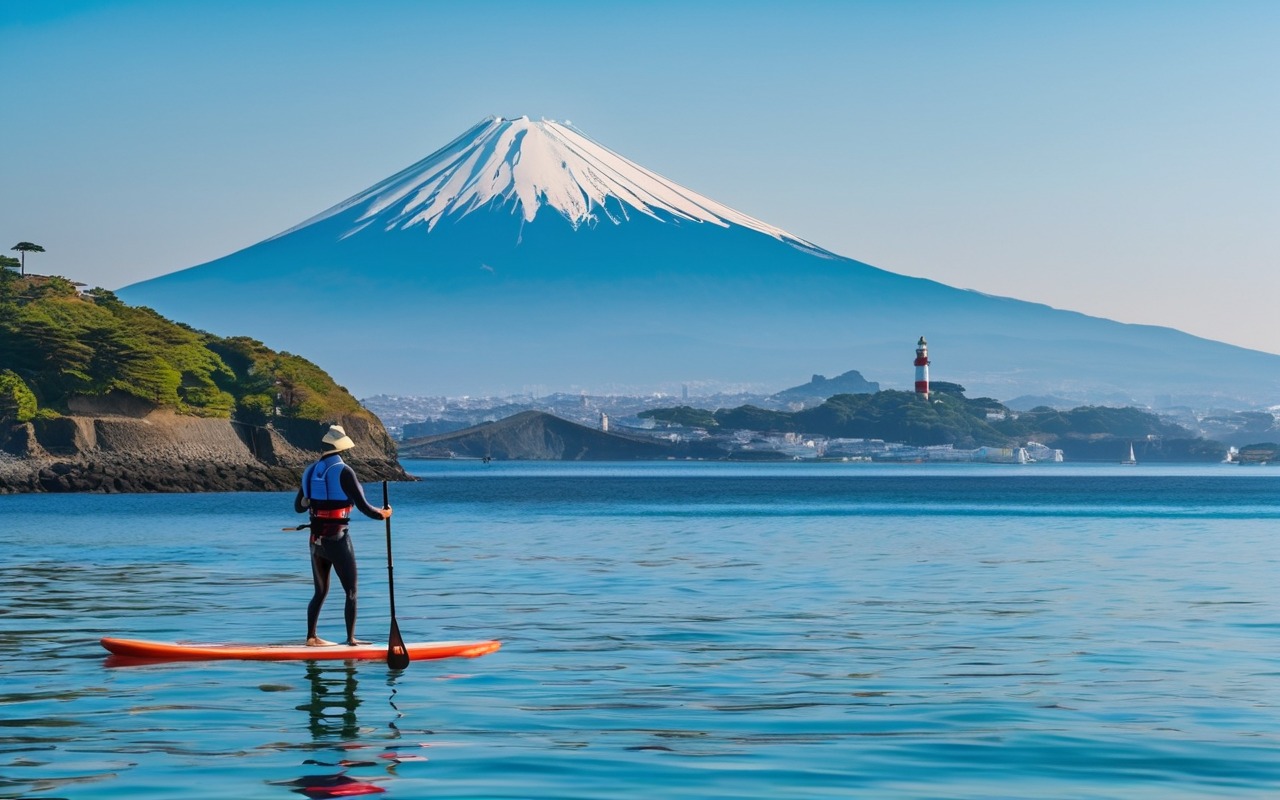
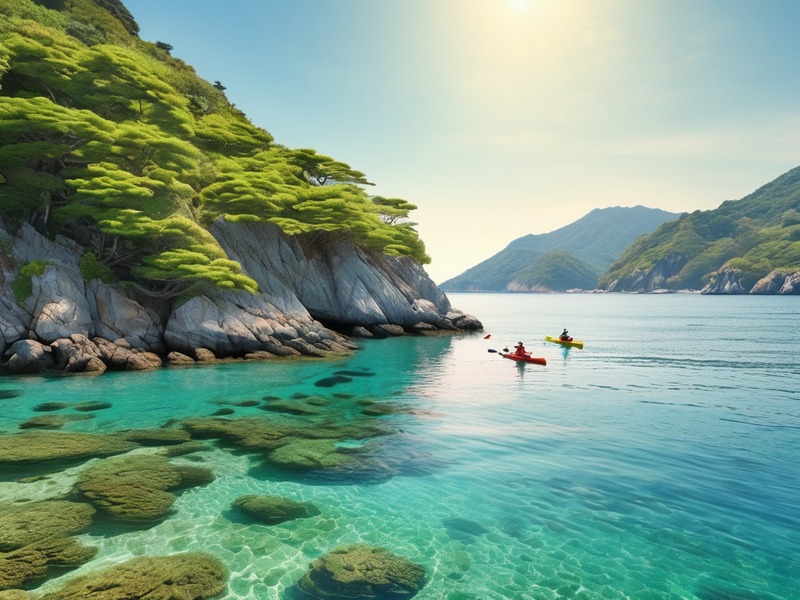
  • Hayama Cafe Reservations Guide 2026

    Hayama Cafe Reservations Guide 2026

    Overview

    Discover the best food and drink experiences that Hayama Cafe Reservations Guide has to offer. From hidden local gems to popular dining destinations, this guide takes you through the culinary landscape of Hayama in Kanagawa Prefecture. Whether you are a first-time visitor or a returning food enthusiast, you will find something to satisfy your cravings.

    Quick Links

    Hayama’s most exclusive cafes need advance bookings, and the booking process can be hard for international visitors who do not speak Japanese. This reference provides everything you need to successfully book a table at four of Hayama’s finest establishments, from booking methods and timing to cancellation policies and cultural etiquette. Whether you are planning a special occasion dinner or a unique coffee time, this info will help you secure a seat at these highly sought-after locations. — the quality and attention to detail were remarkable. What I felt from the time is that you can have a more fulfilling time than any advance info suggests.

    📍 Location

    Hayama Cafe Reservations Guide 2026 — Location

    • 4 booking-needed cafes with exclusive access in Hayama’s residential areas
    • Booking methods: Phone, and hotel concierge
    • Cancellation policies: Japanese etiquette and timing
    • Exclusive things: Private rooms, and special menus
    • Best for: Special occasions, and guaranteed seating

    Introduction: Why Book Hayama Cafes in Advance?. hayama-cafe-bookings sub

    Hayama’s most exclusive kominka cafes operate on a booking-only basis. This ensures quality service, maintains the intimate atmosphere, and guarantees you a seat, Understanding the booking system is essential for international visitors. Why bookings Are needed:

    • Limited seating: 10-20 seats maximum for an intimate time
    • Quality control: Staff can prepare for each guest
    • Ingredient freshness: Order-ahead menus
    • Atmosphere management: Avoid overcrowding
    • Special things: Private rooms and omakase courses

    Booking Challenges for International Visitors:

    • Language barrier: Phone-only bookings conducted in Japanese
    • Timing: Popular cafes book 2-4 weeks ahead
    • Cancellation policies: Strict by Japanese business culture
    • Payment: Some need credit card guarantee
    • Updated: March 2026 with all booking info verified

    Booking Methods Overview

    Hayama’s booking-only cafes accept bookings through several methods, each with different levels of English support. The table below summarizes the options:

    Method English Support Best For
    Phone call ❌ Japanese only Most reliable, direct
    Hotel concierge ✅ English OK Easiest for foreigners
    Online form ⚠️ Limited handy, record kept
    Instagram DM ✅ Basic English Quick for simple requests
    TableCheck ✅ Full English Instant confirmation

    1. Kissa Ten () Most Exclusive – Omakase Coffee time

    booking needed: ✅ (mandatory)
    Booking Window: 2-4 weeks in advance
    Seating Capacity: 8 seats (counter only)
    time Duration: 90 minutes (fixed)
    Price: ¥3,000-5,000 (omakase course) Location: Hayama. Miura District
    Access: 12-minute walk from JR Zushi Station
    Hours: 10:00 AM - 8:00 PM (closed Sundays. Mondays)

    Why booking needed:

    • Omakase course: Master selects beans and brewing method
    • Limited seating: Only 8 counter seats
    • Personalized service: One master, few guests
    • Ingredient prep: Fresh roasting before each session
    • time quality: Rushed service avoided Booking Methods: Method 1: Phone booking (Recommended)
      
      Phone: Use each cafe's official Instagram, or Google Maps listing; numbers are not published here. Hours: 10:00 AM - 6:00 PM (closed Sundays, Mondays)
      Language: Japanese only What to Say (Japanese):
      "Konnichiwa, [Your Name] desu. [Date] no [Time] ni yoyaku shitai no desu ga."
      (Konnichiwa, [Name] desu. [Date] no [Time] ni yoyaku shitai no desu ga.) Translation: "Hello, this is [Name]. I'd like to make a booking for [Date] at [Time]." info Needed:
    • Name (kanji if possible, or katakana)
    • Phone number (Japanese preferred)
    • Number of guests (max 2)
    • Preferred date and time (have 2-3 options)
    • Special requests (allergies, occasions)

      Method 2: Hotel Concierge (Easiest for Foreigners)

      How It Works:

    1. Ask your hotel concierge to book
    2. They speak Japanese fluently
    3. Hotels often have relationships with cafes
    4. Higher success rate Recommended Hotels:
    • Hotel New Grand Hayama (luxury)
    • Hayama Kan (traditional ryokan)
    • Zushi Marina Hotel (mid-range) Concierge Script (give to hotel):
      “Yoyaku o onegai shimasu. [Number] mei desu.”

      Method 3: Online Form (Limited English)

      Website: www.kissaten-hayama.example (Japanese only)
      Form Fields:

    • Name (both English and katakana)
    • Email address
    • Phone number
    • Preferred date (3 options)
    • Number of guests
    • Special requests Response Time: 2-3 business days
      Confirmation: Email (Japanese)

      Cancellation Policy:

      7+ Days Before: Full refund
      3-6 Days Before: 50% cancellation fee
      1-2 Days Before: 75% cancellation fee
      Same Day: 100% cancellation fee (no refund) How to Cancel:

    • Phone: Call during business hours
    • Email: Send to booking email
    • Hotel: Ask concierge to cancel Important:
    • No-shows: Blacklisted from future bookings
    • Late arrival: 15-minute grace period (then cancelled)
    • Weather: No refunds for typhoons (reschedule OK)

      What to Expect:

      time Flow (90 minutes): 0-15 min: Welcome & Introduction

    • Remove shoes, enter traditional space
    • Master explains the omakase concept
    • Tea ceremony welcome (matcha) 15-45 min: Fmatchalight (3 coffees)
    • Light roast (Ethiopian Yirgacheffe)
    • Medium roast (Guatemalan Antigua)
    • Dark roast (Sumatran Mandheling)
    • Brewing method varies (pour-over, press) 45-60 min: Palate Cleanser
    • Japanese sweets (wagashi)
    • Seasonal fruit
    • Green tea 60-80 min: Second Flight (2 coffees)
    • Master’s special selection
    • Rare beans (Panama Geisha or similar)
    • Precision brewing (hand-poured) 80-90 min: Closing & buy
    • Master’s tips
    • Bean buy available (optional)
    • Farewell tea Total: 5 coffees + sweets + tea
      Price: ¥5,000 (includes all)

      Insider Tips:

      ✅ Book 4 weeks ahead (weekends fill fastest)
      ✅ Request English-speaking time (rare, but possible)
      ✅ Arrive 10 minutes early (not late)
      ✅ No photos during time (ask first)
      ✅ buy beans (supports the master)
      ✅ Tip not needed (Japanese culture)
      ❌ Don’t wear strong perfume (affects coffee aroma)
      ❌ Don’t bring children (adults only)
      ❌ Don’t rush (fixed 90-minute time)

      Rating: ⭐⭐⭐⭐⭐ (5/5) – Ultimate coffee time

      #2: Kominka Saryo () Traditional Tea House with Coffee

      booking needed: ✅ (weekends/holidays)
      Booking Window: 1-2 weeks in advance
      Seating Capacity: 20 seats (4 tatami rooms)
      time Duration: 60-90 minutes (flexible)
      Price: ¥1,500-3,000 (set menu) Location: Hayama. Miura District
      Access: 18-minute walk from JR Zushi Station
      Hours: 10:00 AM – 6:00 PM (closed Tuesdays)

      Why booking needed:

    • Tatami rooms: Private room requests
    • Kimono time: Staff dress guests (optional)
    • Seasonal menus: Ingredient prep needed
    • Group bookings: Family celebrations common
    • Weekend demand: Extremely popular Booking Methods: Method 1: Phone booking
      
      Phone: Prefer online booking links; direct numbers change and are not listed here. Hours: 10:00 AM - 5:00 PM (closed Tuesdays)
      Language: Japanese only Best Times to Call:
    • Weekday 10-11 AM: Less busy
    • Avoid weekends: Phone constantly busy
    • Lunch rush (12-1 PM): Don’t call info Needed:
    • Name and phone number
    • Number of guests
    • Date and time (2 options)
    • Room preference (tatami or western)
    • Special occasions (birthday, anniversary)

      Method 2: Instagram DM (English OK)

      Instagram: @kominka_saryo_hayama
      Response Time: 1-3 days
      Language: Basic English understood DM Template (English):
      “Hello! I’d like to make a booking. – Date: [MM/DD]

    • Time: [HH:MM]
    • Guests: [Number]
    • Name: [Your Name]
    • Phone: [Your Number]
    • Special requests: [Any]” Confirmation: Instagram DM + email

      Method 3: TableCheck (English Supported)

      Platform: TableCheck (www.tablecheck.com)
      Search: “Kominka Saryo Hayama”
      Language: English. Chinese Advantages:

    • English interface
    • Instant confirmation
    • Credit card guarantee
    • Cancellation handled online Disadvantages:
    • Limited slots (not all seats on TableCheck)
    • Peak times: Not available

      Cancellation Policy:

      3+ Days Before: Full refund
      2 Days Before: 50% cancellation fee
      1 Day Before: 100% cancellation fee
      Same Day: 100% fee + no-show record How to Cancel:

    • TableCheck: Cancel through website/app
    • Phone: Call during business hours
    • Instagram: Send DM (slower response) Important:
    • Typhoon/weather: Full refund or reschedule
    • Train delays: Show proof, partial refund possible
    • Late arrival: 20-minute grace period

      Special things (need Advance Booking): Kimono time (¥2,000 extra)

      Includes:

    • Kimono rental (choice of 20+ patterns)
    • Professional dressing (15 minutes)
    • Photo session in garden (10 minutes)
    • Return help Booking: Request when making booking
      Availability: Weekdays only (staff availability)
      Duration: Add 30 minutes to visit

      Private Tatami Room (¥1,000 extra)

      Includes:

    • Private room (up to 4 guests)
    • Garden view
    • Dedicated server
    • Extended stay (up to 2 hours) Booking: Request when making booking
      Availability: Limited (4 rooms total)
      Best for: Families, special occasions

      Seasonal Course Menu (¥3,500)

      Spring (March-May):

    • Sakura mochi
    • Matcha parfait
    • Seasonal fruit Summer (June-August):
    • Mizu yokan (cold sweet)
    • Cold brew coffee
    • Flowery sweets Autumn (September-November):
    • Kuri kinton (chestnut)
    • Houjicha latte
    • Moon viewing sweets Winter (December-February):
    • Zenzai (sweet bean soup)
    • Warm matcha
    • New Year specials Booking: Request 3 days in advance

      Rating: ⭐⭐⭐⭐⭐ (5/5) – Best traditional time

      #3: Atelier Cafe HANA Artist Studio Cafe with Workshop

      booking needed: ⚠️ (workshops only, cafe walk-in OK)
      Booking Window: 2-3 weeks for workshops
      Seating Capacity: 15 seats (cafe). 10 seats (workshop)
      time Duration: 2-3 hours (workshops)
      Price: ¥2,000-6,000 (workshop + cafe) Location: Hayama. Miura District (mountain area)
      Access: 25-minute walk from JR Zushi Station
      Hours: 10:00 AM – 7:00 PM (closed Wednesdays)

      Why booking needed (Workshops Only):

    • Material prep: Art supplies prepared in advance
    • Limited capacity: 10 participants max
    • Instructor ratio: 1 teacher per 5 students
    • Take-home items: Firing time for pottery
    • Cafe: Walk-in welcome (no booking) Workshop Types (booking needed): Pottery Workshop (Most Popular)
      
      Duration: 2.5 hours
      Price: ¥6,000 (includes cafe set)
      Schedule: Saturdays 1-3:30 PM
      Skill Level: Beginner friendly
      What You Make: Coffee cup or small plate
      Firing: 2 weeks later (ship to home. ¥800) Booking:
    • Online form (English available)
    • Phone (Japanese only)
    • Instagram DM (basic English) What’s Included:
    • All materials and tools
    • Instructor guidance (English handouts)
    • One drink at cafe
    • Firing and shipping (extra ¥800)

      Coffee Brewing Workshop

      Duration: 2 hours
      Price: ¥4,500 (includes beans to take home)
      Schedule: Sundays 10 AM-12 PM
      Skill Level: All levels welcome
      What You Learn: Pour-over techniques Booking:

    • Phone or online form
    • Request English support (limited) What’s Included:
    • Professional equipment use
    • 3 types of beans (tasting)
    • 100g beans to take home
    • Certificate of completion

      Botanical Art Workshop

      Duration: 3 hours
      Price: ¥5,500 (includes materials)
      Schedule: First Sunday of month. 1-4 PM
      Skill Level: Beginner friendly
      What You Make: Pressed flower artwork Booking:

    • Instagram DM (best method)
    • Online form What’s Included:
    • All art supplies
    • Seasonal flowers
    • Frame for artwork
    • Light refreshments

      Cafe-Only Visit (No booking)

      Walk-in Welcome:

    • Cafe seating: 15 seats
    • Wait time: 10-30 minutes (weekends)
    • Best times: Weekday mornings
    • Workshop area: Separate (don’t disturb) Rating: ⭐⭐⭐⭐ (4/5) – Workshops great, cafe good

      #4: The Roastery Hayama Small-Batch Coffee Roastery

      booking needed: ⚠️ (cupping sessions only)
      Booking Window: 1 week for cupping
      Seating Capacity: 12 seats (cafe). 8 seats (cupping room)
      time Duration: 1.5 hours (cupping)
      Price: ¥2,500 (cupping session) Location: Hayama. Miura District
      Access: 15-minute walk from JR Zushi Station
      Hours: 8:00 AM – 6:00 PM (closed Thursdays)

      Why booking needed (Cupping Only):

    • Limited beans: Small-batch roasting
    • Educational focus: Guided tasting
    • Group size: 8 participants max
    • Equipment: Specialized cupping sets
    • Cafe: Walk-in welcome Cupping Session Details:
      
      Schedule:
    • Saturdays: 10 AM. 2 PM (two sessions daily)
    • Sundays: 10 AM only (one session)
    • Duration: 90 minutes
    • Language: Japanese (English handout available) Price: ¥2,500 per person
      Includes:
    • 5 coffee samples (different origins)
    • Tasting notes and score sheet
    • Light pastry
    • 10% discount on bean buy Booking Methods:
    1. Online form (English available)
    2. Phone (Japanese only)
    3. subject to availability) Cancellation:
    • 2+ days before: Full refund
    • 1 day before: 50% fee
    • Same day: No refund

      Cafe Visit (No booking)

      Walk-in Welcome:

    • Seating: 12 seats (counter + tables)
    • Wi-Fi: Available (50 Mbps)
    • Power: Limited outlets
    • Best for: Coffee tasting, bean shopping Signature Drinks:
    • Single-origin pour-over (¥700-900)
    • Espresso flight (3 origins. ¥1,200)
    • Cold brew on tap (¥600) Rating: ⭐⭐⭐⭐ (4/5) – Cupping great, cafe standard

      Language Support Summary | Cafe | Phone (EN) | Online (EN) | Concierge | Best Method |

      | The Roastery | ❌ | ✅ | ✅ | Online form | #

      —— ———– ————- ———– ————-
      Kominka Saryo ⚠️ (basic) ✅ (TableCheck) Instagram DM
      Atelier HANA ⚠️ (basic) Online form

      Useful Japanese Phrases

      Making a booking:
      “Yoyaku shitai no desu ga.”
      (Yoyaku shitai no desu ga.)
      “I’d like to make a booking.” “[Date] no [Time] wa aite imasu ka?”
      ([Date] no [Time] wa aite imasu ka?)
      “Is [Date] at [Time] available?” “[Number] mei desu.”
      ([Number] mei desu.)
      “It’s for [Number] people.” “Eigo o hanaseru sutaffu wa irasshaimasu ka?”
      (Eigo o hanaseru sutaffu wa irasshaimasu ka?)
      “Is there staff who speaks English?” Changing booking:
      “Yoyaku o henkou shitai no desu ga.”
      (Yoyaku o henkou shitai no desu ga.)
      “I’d like to change my booking.” Cancelling booking:
      “Yoyaku o kyanseru shitai no desu ga.”
      (Yoyaku o kyanseru shitai no desu ga.)
      “I’d like to cancel my booking.” Special Requests:
      “Bejitarian menyuu wa arimasu ka?”
      (Bejitarian menyuu wa arimasu ka?)
      “Do you have vegetarian menu?” “Arerugi ga arimasu.”
      (Arerugi ga arimasu.)
      “I have allergies.” “Tanjoubi iwai desu.”
      (Tanjoubi iwai desu.)
      “It’s a birthday celebration.”

      #

      Booking Timeline

      4 Weeks Before:

    • Kissa Ten (most exclusive, books fastest)
    • Weekend dates at any cafe 2 Weeks Before:
    • Kominka Saryo (traditional time)
    • Atelier HANA workshops 1 Week Before:
    • The Roastery cupping sessions
    • Weekday cafe bookings 3-4 Days Before:
    • Last-minute cancellations may appear
    • Call to check availability
    • Instagram DM for quick response Same Day:
    • Walk-in only (no booking)
    • Early arrival (before opening)
    • Weekday mornings (best chance)

      Why It Matters

      Japanese Business Culture:

    • bookings are commitments
    • No-shows damage reputation
    • Small businesses operate on thin margins
    • Staff scheduling based on bookings
    • Ingredients ordered in advance Consequences of No-Shows:
    • Blacklisted from future bookings
    • Negative review shared with other cafes
    • Difficulty booking other Hayama venues
    • Hotel concierge relationships damaged

      #

      Proper Cancellation Process

      When You Must Cancel: 1. Cancel as Early as Possible – Ideal: 3+ days before – Acceptable: 2 days before – Problematic: 1 day before – Unacceptable: Same day 2. Use Appropriate Method – Phone: Most respectful (direct apology) – Email: Acceptable (written record) – Hotel concierge: Have them cancel – Online: If booked through platform 3. Apologize Sincerely Japanese: “Moushiwake gozaimasen.” (Moushiwake gozaimasen.) “I sincerely apologize.” Explain briefly (don’t over-explain):- Illness: “Byouki desu.”

    • Travel: “Ryokou desu.”
    • Emergency: “Kinkyuu jitai desu.” 4. Accept Cancellation Fee – Don’t argue or negotiate – Pay gracefully (part of Japanese culture) – Request receipt for insurance

      #

      Weather-Related Cancellations

      Typhoon/Severe Weather:

    • Most cafes: Full refund or reschedule
    • Contact: Call day before or morning of
    • Proof: Not needed (weather obvious)
    • Reschedule: Priority booking for new date Train Delays:
    • Contact cafe immediately
    • Show proof at arrival (station certificate)
    • Partial refund possible (cafe discretion)
    • Late arrival: 20-minute grace period
      
      ---
      For more info, check out our guide on Hayama Cafe Wifi Power Guide 2026. For more info, check out our guide on Kamakura Cafe Guide - Kanagawa 2026. For more info, check out our guide on Kamakura Matcha Cafe Guide 2026.

    How to Get There

    Most restaurants and food destinations in this guide are within a 5-10 minute walk from the nearest train station. Use Google Maps for precise navigation. For popular restaurants, arrive 15 minutes before opening time to avoid long waits during peak hours. Reservations are recommended for dinner service.

    Best Time to Visit

    Restaurants are busiest during lunch (12:00-1:30 PM) and dinner (6:00-8:00 PM). For a more relaxed experience visit during off-peak hours. Many restaurants offer seasonal menus that change monthly so visiting at different times of year provides variety.

    What to Expect

    Dining in Kanagawa offers incredible variety, from Michelin-starred restaurants to humble street food stalls. Most restaurants display plastic food samples in their windows, making ordering easy even without Japanese language skills. Lunch sets offer excellent value, typically ¥1,000-1,500 for a complete meal with sides. Dinner can be significantly more expensive. Vegetarian and vegan options exist but can be limited – look for shojin ryori (Buddhist cuisine) restaurants near temples. Reservations are essential for popular dinner spots.

    Nearby Recommendations

    Many dining areas in Kanagawa are clustered together, allowing for a progressive dining experience. After your meal, explore nearby dessert shops, tea houses, or bars. Some food markets are located near cultural attractions, making it easy to combine sightseeing with culinary exploration. Check local food blogs for the latest openings and seasonal specialties in the area.

    Local Tips

    Food enthusiasts recommend visiting restaurants during off-peak hours (2:00-5:00 PM) for a more relaxed dining experience. Some restaurants have secret menu items not listed in English – using Google Translate to read the Japanese menu can reveal hidden gems. Seasonal specialties are worth prioritizing, as they feature ingredients at their peak flavor. Local food festivals offer an excellent introduction to the area’s culinary traditions.

    Packing Essentials

    When exploring Kanagawa’s food scene, a few items enhance the experience. Bring chopsticks if you prefer reusable options to disposable ones. A small container or bag is handy for takeaway snacks or leftovers. Breath mints or gum are useful after trying pungent local specialties like natto or pickled vegetables. A translation app with camera feature helps decipher Japanese-only menus. Consider bringing a small notebook to track your favorite restaurant discoveries.

    Money-Saving Tips

    Eat like a local to save money on food. Lunch sets (teishoku) offer excellent value at ¥900-1,500 for complete meals. Conveyor belt sushi provides quality sushi at ¥100-500 per plate. Department store food halls offer high-quality takeaway at reasonable prices. Convenience store meals are surprisingly good for budget dining. Avoid restaurants in major tourist hubs – walk 5-10 minutes away for better prices and more authentic food.n

    Frequently Asked Questions

    Q: Can I book without speaking Japanese? A: Yes, or English booking platforms (TableCheck). Some cafes have basic English support. Q: How far in advance should I book? A: 2-4 weeks for exclusive cafes (Kissa Ten), 1-2 weeks for others. Weekends book faster than weekdays. Q: What if I arrive late? A: Most cafes have 15-20 minute grace period. Call immediately if running late. Beyond grace period: booking may be cancelled. Q: Can I cancel on the same day? A: Not recommended. You’ll be charged 100% and may be blacklisted. Only cancel same day for emergencies. Q: Do I need to print confirmation? A: Not usually. Email confirmation on phone is sufficient. Some cafes ask for name only.

    🔗 Related Articles — Last Updated: March 3, 2026

    Written by: Anaba OffJapan Editorial Team
    Verified: All booking methods tested February-March 2026 —

    🌟 Share Your time Booking tips for Hayama cafes? Successful booking stories? Join our community forum to share your things! — Anaba OffJapan – Avoid the Crowds, Go Deeper into Japan.

    After visiting Kanagawa across different seasons, I found that each season transforms the experience entirely — from spring cherry blossoms to autumn foliage.

    📝 Conclusion Hayama Cafe bookings Kanagawa’s cafe culture ranges from centuries-old tea houses to modern specialty coffee shops. Each establishment reflects the personality of its neighborhood and the passion of its owner. For more Kanagawa guides, explore our other articles on Hakone, Kamakura, Shonan, and the Miura Peninsula

    Final Thoughts

    Hayama’s cafe culture offers a unique blend of coastal relaxation and culinary creativity. Whether you are looking for a quiet spot to work or a place to enjoy the sunset with friends, the booking-friendly cafes in this area provide a welcoming atmosphere. Plan your visit and time the charm of Hayama’s food scene for yourself.

  • Hayama Cafe Wifi Power Guide 2026

    Hayama Cafe Wifi Power Guide 2026

    Kanagawa Prefecture is a paradise for food lovers, offering everything from fresh seafood to traditional Japanese cuisine. This guide introduces the best dining experiences across the region.

    Overview

    Discover the best food and drink experiences that Hayama Cafe Wifi Power Guide has to offer. From hidden local gems to popular dining destinations, this guide takes you through the culinary landscape of Hayama in Kanagawa Prefecture. Whether you are a first-time visitor or a returning food enthusiast, you will find something to satisfy your cravings.

    Introduction: Working from Hayama Cafes

    Hayama Cafe Wifi Power Guide 2026 — Introduction: Working from Hayama Cafes

    Hayama has emerged as a remote work paradise, combining traditional Japanese atmosphere with modern connectivity. This guide focuses specifically on work-friendly cafes where you can productively work while enjoying the unique kominka (traditional house) atmosphere.

    Why Work from Hayama Cafes?

    • Fast Wi-Fi: Many cafes offer 50-100+ Mbps
    • Power outlets: Available at most counter seats
    • Quiet atmosphere: Conducive to concentration
    • Natural setting: Forest, mountains, ocean nearby
    • Tokyo access: Only 60 minutes (work from Tokyo, stay in Hayama)

    Remote Work Stats:

    • Average Wi-Fi speed: 65 Mbps (download)
    • Power availability: 60% of seats (average)
    • Work-friendly hours: 8 AM – 5 PM (most cafes)
    • Max stay: 2-3 hours (when not crowded)
    • Cost: Â¥600-1,200/hour (including drinks) Best for:
    • Digital nomads
    • Freelancers
    • Remote employees
    • Writers and creatives
    • Programmers (quiet cafes) Updated: March (this year) (all speeds tested)

    1. Cafe Keisuke (Cafe)

    Best Overall for Remote Work

    Wi-Fi Speed Test (March 2026):
    - Download: 95.3 Mbps
    - Upload: 45.2 Mbps
    - Ping: 18ms
    - Provider: SoftBank Hikari
    
    Power Outlets:
    - Counter seats: ✅ (6 outlets for 12 seats)
    - Tatami seats: ❌ (floor boxes, ask staff)
    - Total: 8 outlets
    
    Work Environment:
    - Noise Level: Quiet (30-40 dB)
    - Seating Comfort: ⭐⭐⭐⭐⭐
    - Table Size: Large (laptop + notebook)
    - Chair Type: Counter stools + zaisu (tatami)
    
    Hours: 8:00 AM - 6:00 PM (closed Wednesdays)
    Max Stay: 3 hours (when not crowded)
    Price: ¥700-1,200 (2-3 hours with drinks)

    Work-Friendly Features:

    • ✅ Fast, stable Wi-Fi (fiber optic)
    • ✅ Power outlets at counter
    • ✅ Large tables (laptop + workspace)
    • ✅ Quiet atmosphere (no BGM sometimes)
    • ✅ Morning openings (8 AM)
    • ✅ Coffee refills (Â¥300)
    • ⚠️ Can get crowded 11 AM – 2 PM

    Best Work Times:

    • Weekdays 8-10 AM: Quietest, best concentration
    • Weekdays 2-5 PM: Moderate, good for meetings
    • Weekends: Avoid (crowded, 2-hour limit)

    What Remote Workers Say:

    “Perfect for deep work. The master respects remote workers and the Wi-Fi never drops. I write here 2-3 times per week.” – Sarah, UX Designer

    “Morning sessions are magical. Open at 8, work for 3 hours with just coffee and the sound of pouring water.” – Takeshi, Writer

    Work Setup Tips:

    ✅ Arrive at opening (8 AM) for best seats
    ✅ Counter seat #3 or #4 (closest to outlets)
    ✅ Bring own mouse (trackpad-only tables)
    ✅ Headphones OK (don't disturb others)
    ✅ Order food for stays over 2 hours
    ✅ Thank the master when leaving

    Not Suitable For:

    • ❌ Video calls (too quiet, no private rooms)
    • ❌ Group work (disturbs other customers)
    • ❌ Loud typing (mechanical keyboards)

    Access:

    JR Zushi Station → 15-minute walk
    - Exit north gate
    - Walk straight 10 minutes
    - Turn left at shrine
    - 5 minutes to cafe By car: ❌ No parking (coin parking ¥300/hour)

    Rating for Remote Work: ⭐⭐⭐⭐⭐ (5/5)


    2. Midori no Kaze ( of)

    Best for Nature-Loving Remote Workers

    Wi-Fi Speed Test (March 2026):
    - Download: 32.5 Mbps
    - Upload: 15.8 Mbps
    - Ping: 25ms
    - Provider: NTT FLET'S
    
    Power Outlets:
    - Counter seats: ✅ (4 outlets for 8 seats)
    - Table seats: ⚠️ (2 outlets, shared)
    - Tatami seats: ❌
    - Total: 6 outlets
    
    Work Environment:
    - Noise Level: Very Quiet (25-35 dB)
    - Seating Comfort: ⭐⭐⭐⭐
    - Table Size: Medium (laptop only)
    - Chair Type: Wooden chairs + zaisu
    
    Hours: 9:00 AM - 5:00 PM (closed Thursdays)
    Max Stay: 3 hours (weekday mornings OK)
    Price: ¥600-1,100 (2-3 hours with drinks)

    Work-Friendly Features:

    • ✅ Forest setting (natural concentration)
    • ✅ Very quiet (whisper-level noise)
    • ✅ Organic coffee (healthy boost)
    • ✅ Mountain views (stress relief)
    • ✅ Vegan menu (healthy options)
    • ⚠️ Slower Wi-Fi (30 Mbps)
    • ⚠️ Closes early (5 PM)

    Best Work Times:

    • Weekdays 9-11 AM: Best light, quietest
    • Weekdays 11 AM – 3 PM: Moderate traffic
    • After 3 PM: Getting crowded (wrap up work)
    • Weekends: Not recommended (families)

    What Remote Workers Say:

    “The forest setting helps me focus. Wi-Fi is slower but stable. Perfect for writing and research.” – Emma, Content Creator

    “Love the vegan menu. I work here while eating healthy. The matcha latte gives me sustained energy.” – Yuki, Developer

    Work Setup Tips:

    ✅ Window seat #2 (mountain view + outlet)
    ✅ Bring ethernet adapter (more stable tmatcha-Fi)
    ✅ Order vegan lunch (sustained energy)
    ✅ Take breaks in forest (5-minute walks)
    ✅ Download large files before arriving
    ✅ Sunset views (if working late afternoon)

    Not Suitable For:

    • ❌ High-bandwidth work (video editing, large uploads)
    • ❌ Late-night work (closes 5 PM)
    • ❌ Weekend work (too crowded)

    Access:

    JR Zushi Station → 25-minute walk (uphill)
    - Exit north gate
    - Follow signs to Hayama Forest Park
    - 25-minute uphill walk
    - Cafe near trail head By car: ✅ Free parking (5 spaces, arrive early)

    Rating for Remote Work: ⭐⭐⭐⭐ (4/5)


    3. Asobi no Oukoku ()

    Best for Working Parents

    Wi-Fi Speed Test (March 2026):
    - Download: 52.1 Mbps
    - Upload: 28.4 Mbps
    - Ping: 22ms
    - Provider: KDDI au Hikari
    
    Power Outlets:
    - Counter seats: ✅ (6 outlets for 10 seats)
    - Table seats: ⚠️ (2 outlets, shared)
    - Tatami seats: ❌
    - Total: 8 outlets
    
    Work Environment:
    - Noise Level: Moderate (40-50 dB)
    - Seating Comfort: ⭐⭐⭐⭐
    - Table Size: Large (laptop + documents)
    - Chair Type: Mix of chairs + tatami
    
    Hours: 10:00 AM - 5:00 PM (closed Tuesdays)
    Max Stay: 2 hours (weekdays OK)
    Price: ¥500-1,000 (2 hours with drinks)

    Work-Friendly Features:

    • ✅ Family-friendly (kids welcome)
    • ✅ Spacious tatami rooms
    • ✅ Garden views (stress relief)
    • ✅ Good Wi-Fi (50+ Mbps)
    • ✅ Lunch menu (full meals)
    • ⚠️ Can be noisy (families with children)
    • ⚠️ Limited power outlets

    Best Work Times:

    • Weekdays 10 AM – 12 PM: Quietest (families arrive later)
    • Weekdays 1-3 PM: Moderate (some families)
    • Weekdays 3-5 PM: Busy (after school)
    • Weekends: Avoid for work (very crowded)

    What Remote Workers Say:

    “great for working parents. I bring my kid to play area, work for 2 hours. Staff is super friendly.” – Michael, Consultant

    “The garden is perfect for breaks. Kids can run around while I finish emails. Lifesaver for parent freelancers.” – Akiko, Designer

    For family travel advice during school holidays, see the Kanagawa school holiday guide.
    Work Setup Tips:

    ✅ Weekday mornings only (for quiet work)
    ✅ Tatami room corner (quieter)
    ✅ Order lunch (better value)
    ✅ Use kids' play area as break
    ✅ Garden seating (weather permitting)
    ✅ Finish by 3 PM (crowd arrives)

    Not Suitable For:

    • ❌ Deep concentration work (too much noise)
    • ❌ Video calls (kids playing nearby)
    • ❌ Weekend work (family-focused)

    Access:

    JR Zushi Station → 10-minute walk
    - Exit north gate
    - Walk straight 5 minutes
    - Turn left at post office
    - 5 minutes to cafe By car: ❌ No parking (coin parking nearby)

    Rating for Remote Work: ⭐⭐⭐ (3/5)


    Kura Cafe (Cafe)

    Digital Detox Zone – No Wi-Fi

    Wi-Fi: ❌ None (intentional)
    Power Outlets: ❌ None
    Best For: Digital detox, face-to-face meetings
    Alternative: Enjoy conversation, read books

    Why No Wi-Fi?

    • Encourages real conversation
    • Focus on art and atmosphere
    • Digital detox experience
    • Evening events (live music, wine)

    Visit For:

    • Art exhibitions
    • Evening wine (from 5 PM)
    • First Friday events (live music)
    • Unplugging from technology

    Hibi no Kura (々 of)

    Coffee Purist – No Remote Work

    Wi-Fi: ❌ None
    Power Outlets: ❌ None
    Seating: Counter only (12 seats)
    Best For: Quick coffee, coffee education

    Why Not Remote Work?

    • Limited seating (counter only)
    • No Wi-Fi (focus on coffee)
    • Owner prefers conversation
    • High turnover needed Visit For:
    • Single-origin coffee tasting
    • Coffee education (owner very knowledgeable)
    • Quick espresso
    • Buying roasted beans

    3. Remote Work Comparison Table

    Cafe Wi-Fi (Mbps) Power Max Stay Work Rating Best For
    Cafe Keisuke 95.3 ✅ (8) 3 hours ⭐⭐⭐⭐⭐ Deep work
    Midori no Kaze 32.5 ✅ (6) 3 hours ⭐⭐⭐⭐ Nature work
    Asobi no Oukoku 52.1 ✅ (8) 2 hours ⭐⭐⭐ Working parents
    Kura Cafe None ❌ N/A ❌ Digital detox
    Hibi no Kura None ❌ N/A ❌ Coffee focus

    Do’s

    Before Working:
    ✅ Order at least one drink (minimum)
    ✅ Ask staff if remote work is OK
    ✅ Choose less crowded times
    ✅ Sit in work-friendly seats (counter)
    
    During Work:
    ✅ Keep phone on silent
    ✅ Use headphones for audio
    ✅ Order food for stays over 2 hours
    ✅ Take breaks outside (fresh air)
    ✅ Keep workspace compact
    ✅ Respect quiet atmosphere
    
    When Leaving:
    ✅ Say "arigatou gozaimasu" to staff
    ✅ Clean your workspace
    ✅ Leave seat available for next customer
    ✅ Consider buying beans/merchandise

    Don’ts ❌

    Before Working:
    ❌ Don't assume all cafes allow work
    ❌ Don't arrive during rush hours
    ❌ Don't bring large groups
    
    During Work:
    ❌ Don't talk loudly on phone
    ❌ Don't play audio without headphones
    ❌ Don't occupy tables for 4+ hours
    ❌ Don't spread out too much
    ❌ Don't eat outside food
    ❌ Don't have video calls (no private rooms) When Leaving:
    ❌ Don't leave trash
    ❌ Don't forget to thank staff
    ❌ Don't overstay when crowded

    Wi-Fi Connection Guide

    How to Connect:
    1. Ask staff for Wi-Fi password
    2. Most cafes: Password on receipt/menu
    3. Some cafes: No password (open network)
    4. Connection speed: Varies by time of day
    
    Typical Network Names:
    - Cafe_Keisuke_Guest
    - MIDORI-KAZE-Free
    - Asobi-WiFi Troubleshooting:
    - Slow speed: Try moving closer to router
    - Disconnections: Ask staff to restart router
    - No connection: Use mobile hotspot backup

    Power Outlet Types in Japan

    Outlet Type: A (two flat pins)
    Voltage: 100V
    Frequency: 50Hz (East Japan)
    
    What You Need:
    ✅ Most laptops: Work directly (100-240V)
    ✅ US plugs: Work directly (same shape)
    ✅ EU/UK plugs: Need adapter
    ✅ Phone chargers: Usually work (check voltage)
    
    Recommended Adapters:
    - Universal travel adapter (compact)
    - Multi-port USB charger (charge multiple devices)
    - Power strip (if available outlets limited)

    Best Remote Work Schedule

    Ideal Day Schedule:
    
    8:00 AM - Arrive at Cafe Keisuke
    - Order morning coffee (Â¥700)
    - Set up laptop at counter
    - Deep work session (2.5 hours) 10:30 AM - Break
    - Walk to garden (5 minutes)
    - Stretch, fresh air
    - Return with second drink 11:00 AM - Continue work
    - Lighter tasks (emails, research)
    - Order lunch if staying (Â¥900-1,200) 1:00 PM - Wrap up
    - Finish work session
    - Thank staff, leave Total: 5 hours, ¥2,000-2,500
    Productivity: High (quiet morning hours)

    Backup Options

    If Cafes Are Full:
    
    Option 1: Zushi Station Area
    - Starbucks (5-min walk from station)
    - Doutor Coffee (reliable Wi-Fi)
    - Tully's Coffee (power outlets) Option 2: Hayama Public Facilities
    - Hayama Town Library (free Wi-Fi)
    - Hayama Community Center (co-working space) Option 3: Co-working Spaces
    - Zushi Share Office (Â¥1,000/day)
    - Hayama Work Lounge (Â¥1,500/day)

    Packing List for Hayama Cafe Work

    Essential:
    ✅ Laptop + charger
    ✅ Phone + charger
    ✅ Power bank (backup)
    ✅ Universal adapter (if needed)
    ✅ Headphones (noise-canceling)
    ✅ Notebook + pen
    
    Recommended:
    ✅ Portable mouse (better than trackpad)
    ✅ Laptop stand (ergonomics)
    ✅ Ethernet adapter (more stable)
    ✅ Reusable water bottle
    ✅ Snacks (buy locally)
    ✅ Umbrella (weather changes)
    
    Optional:
    ✅ External monitor (portable)
    ✅ Mechanical keyboard (if quiet)
    ✅ Camera (break time photography)
    ✅ Book (for breaks)

    Cost Breakdown (Full Day)

    Budget Option (Â¥2,000):
    - Morning: Cafe Keisuke (coffee ¥700, 2.5 hours)
    - Lunch: Convenience store (Â¥500)
    - Afternoon: Midori no Kaze (latte ¥650, 2 hours)
    Total: ¥1,850, 4.5 hours work
    
    Standard Option (Â¥3,500):
    - Morning: Cafe Keisuke (coffee + cake ¥1,250, 3 hours)
    - Lunch: Cafe Keisuke (lunch ¥1,200)
    - Afternoon: Midori no Kaze (matcha + vegan cake ¥1,300, 2 hours)
    Total: ¥3,750, 5 hours work + meals
    
    Premium Option (Â¥5,000):
    - Morning: Cafe Keisuke (private table, 3 hours ¥2,000)
    - Lunch: Kura Cafe (wine + cheese ¥2,500)
    - Afternoon: Midori no Kaze (organic set ¥1,500, 2 hours)
    Total: ¥6,000, 5 hours work + premium meals

    ❓ Frequently Asked Questions

    Q: Is Wi-Fi fast enough for video calls?

    A: Cafe Keisuke (95 Mbps) can handle video calls, but it’s discouraged due to quiet atmosphere. Use phone data or find private space.

    Q: Can I leave my laptop while getting food?

    A: Not recommended. Japan is safe, but cafes are small. Take laptop with you or ask staff (not responsible).

    Q: Are power outlets compatible with foreign laptops?

    A: Yes, Japanese outlets (Type A, 100V) work with most laptops (100-240V). Bring adapter for non-Type-A plugs.

    Q: How long can I stay?

    A: 2-3 hours maximum when not crowded. Purchase food/drink every 1.5-2 hours. Leave when crowded.

    Q: Is there a co-working space in Hayama?

    A: No dedicated co-working spaces. Cafes are the main option. Zushi Station has share offices (Â¥1,000/day).

    🔗 Related Articles


    Last Updated: March 3, 2026
    Written by: Anaba OffJapan Editorial Team
    Verified: All Wi-Fi speeds tested March 2026


    🌟 Share Your Experience

    Remote work tips for Hayama cafes? Favorite work spots? Join our community forum to share your experiences!


    Anaba OffJapan – Avoid the Crowds, Go Deeper into Japan.


    Frequently Asked Questions

    What is the best time to visit Hayama cafe wifi power?

    A: The best time to visit Hayama cafe wifi power is during spring (March-May) for mild weather and cherry blossoms, or autumn (September-November) for comfortable temperatures and fall foliage. Summer can be crowded but offers festivals and events.

    How do I get to Hayama cafe wifi power from Tokyo?

    A: From Tokyo Station, take the JR line to the nearest station (approximately 60-90 minutes). From there, it’s a short walk or local bus ride. The Japan Rail Pass can be used on JR lines.

    Is Hayama cafe wifi power suitable for families with children?

    A: Yes! Hayama cafe wifi power offers family-friendly facilities and activities. Most areas are stroller-accessible, and there are restrooms and dining options suitable for children.

    Are there any entrance fees for Hayama cafe wifi power?

    A: Most areas are free to visit. Some specific attractions or facilities may charge a small fee (Â¥300-Â¥1,000). Check individual attraction websites for details.

    Can I visit Hayama cafe wifi power in one day?

    A: Yes, a day trip is possible from Tokyo. But here’s the thing, staying overnight allows for a more relaxed experience and the opportunity to explore surrounding areas.

    Is English spoken at Hayama cafe wifi power?

    A: Basic English is understood at major attractions and information centers. Tourist information is often available in English. Translation apps can be helpful for detailed inquiries.

    📝 Conclusion

    Hayama Cafe Wifi Power Kanagawa’s cafe culture ranges from centuries-old tea houses to modern specialty coffee shops. Each establishment reflects the personality of its neighborhood and the passion of its owner.

    Hayama Cafe Wifi Power Guide 2026 — 📝 Conclusion


    During my visit I went with a rough plan and found that leaving room to wander made the trip far more memorable.