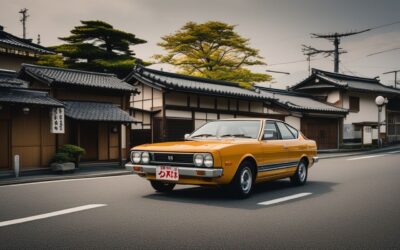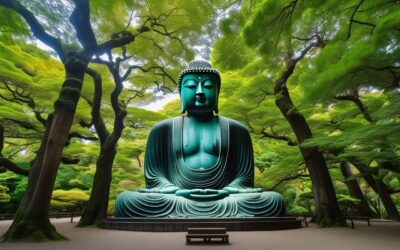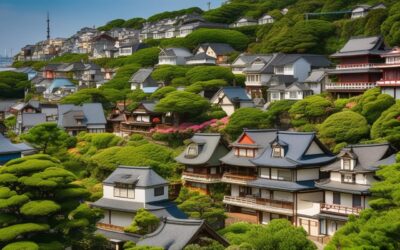

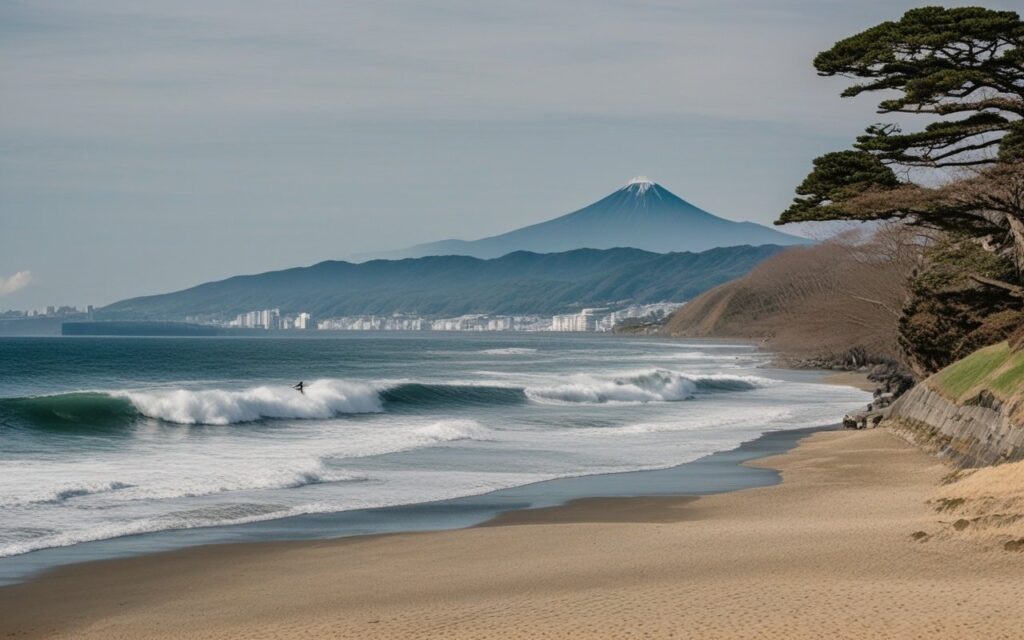
Kanagawa is rich in cultural heritage and historical significance. This guide explores the fascinating history and cultural attractions that make this region unique.
Shonan Surfing Culture – Kanagawa 2026
Overview
Explore the rich cultural heritage and historical significance of Shonan Surfing Culture – Kanagawa in Kanagawa Prefecture. This guide delves into the fascinating stories, traditions, and landmarks that define Shonan. From ancient temples to modern museums, discover how this destination has shaped Japan’s cultural landscape over centuries.
Lineups as negotiated space
Priority stems from position and commitment, not volume of Instagram followers. Longboards and shortboards often share peaks but with different turning radii; snaking drops erodes trust fast. Learn local names for sections rather than renaming them online.
Observation is the fastest path to acceptance. Watch three sets before paddling for your first wave. Note which surfers consistently catch waves from the deepest position—those are the local seniority holders who tacitly control the pecking order. Beginners who drop in on their waves will receive verbal correction; repeat offenders face stink-eye that follows them to the beach parking lot.
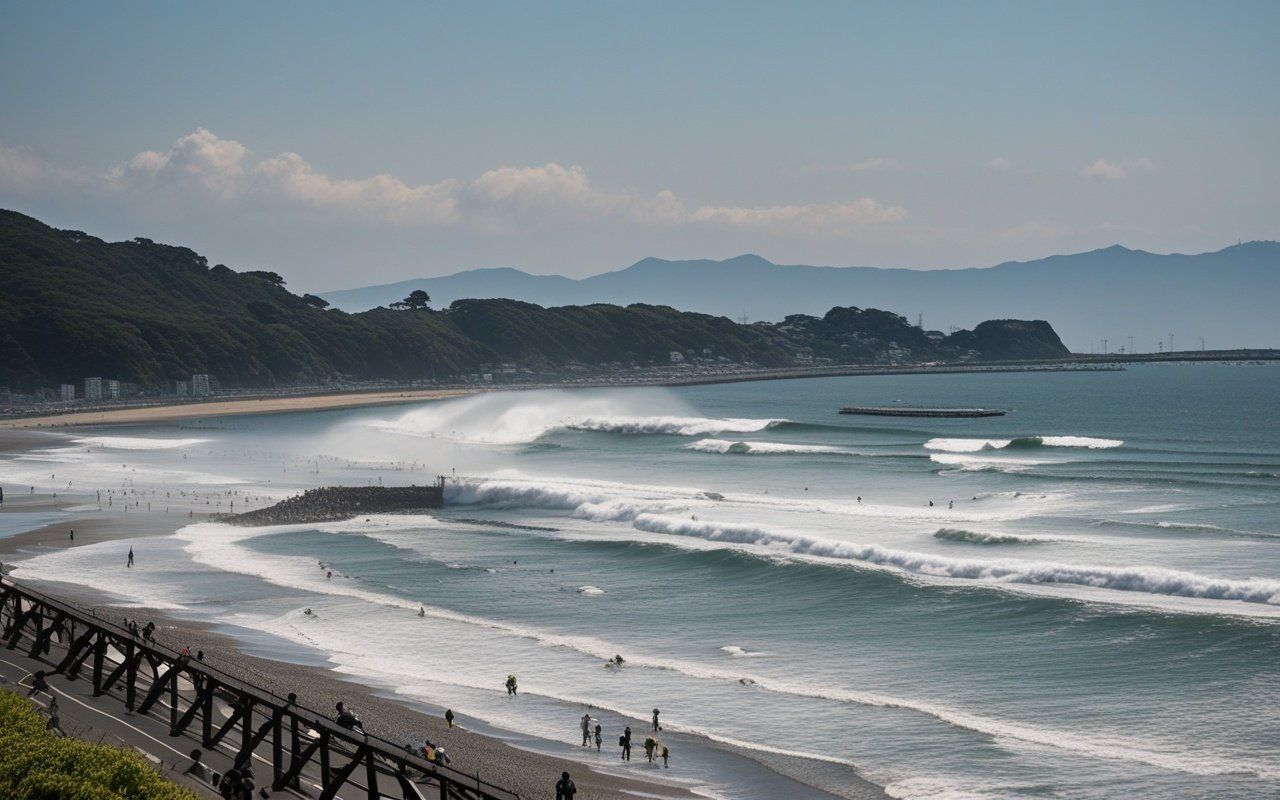
Weekend crowds at popular breaks like Kagetsu-saki in Kamakura can exceed fifty surfers sharing a peak the size of a tennis court. In these conditions, communication matters. Learn basic hand signals: pointing toward the beach means “going left” (facing the wave), pointing to the open ocean means “going right” (backside). A raised open palm signals “wave courtesy—I see you, your wave.” Book Kamakura, Enoshima & Yokohama day trip from Tokyo — ride the iconic Enoden train & skip transport planning
Schools, rentals, and liability culture
Japanese insurance norms shape lesson formats; listen to land briefings about rip currents specific to that beach’s groins. Wetsuit thickness guidance follows colder months than many tourists expect; hypothermia dulls judgment before ego admits it.
Most Shonan surf schools operate on a reservation-only basis with strict cancellation policies. A typical lesson runs two hours: 30 minutes of land instruction (stretching, pop-up practice on sand, rip current identification), 60 minutes in the water with instructor-to-student ratios capped at 1:4, and 30 minutes of debrief and stretching. Prices range from ¥5,000–¥8,000 including board and wetsuit rental.
Liability waivers are standard. Japanese surf schools carry commercial insurance, but students sign forms acknowledging inherent risks. If you bring your own board, check whether the school charges a reduced rate or requires proof of personal accident insurance. Rental boards typically use soft-top foamies for beginners—these are safer in crowded lineups but paddle noticeably slower than glassed shortboards.
Wetsuit thickness varies dramatically along Shonan’s coast. April and October: 3/2mm fullsuit with booties. December through February: 5/4mm hooded suit with 5mm gloves and booties. Many tourists underestimate Sagami Bay’s winter bite and cut sessions short due to cold, missing the cleanest swell periods. Local surf shops like Tsujido Surf and Zushi Surf Center rent high-quality suits by the day.
Festivals, contests, and road closures
Event days reroute buses and close shoulder parking. Pedestrian bridges clog when fireworks mix with swell weekends—plan board carry routes that do not spear passersby. Save big with Hakone Freepass — Hakoneted train, ropeway & pirate ship rides, plus 30% off attractions
The Shonan Enoshima Festival (July–August) draws hundreds of thousands to Katase-Enoshima, During fireworks evenings, the Enoden train runs special late services but every car is sardine-packed with revelers. Surfers carrying boards must wait for the next train if they cannot position boards safely without blocking aisles. Consider parking at Fujisawa Station and walking 20 minutes to the beach instead.
Surf contests at Chigasaki Beach and Hiratsuka Beach periodically close sections of the coastline to swimming, During JPSA (Japan Professional Surfing Association) events, contest zones extend 150 meters offshore. Check event calendars on the JPSA website before planning weekend sessions in July–September. Local surf shops post paper schedules in their windows.
Parking is the single biggest stressor on Shonan event days. Municipal lots charge ¥1,000–¥2,000 per day but fill by 8 AM on summer weekends. Private lots near stations charge more (¥2,500–¥3,500) and often have strict size limits—vans with roof racks may be refused. The best strategy: park at a commuter lot near a train station one or two stops inland (e.g., Fujisawa or Ofuna) and ride the Enoden or JR to the beach.
Sound, smell, and neighborhood respect
Wax scent, diesel from harbor work, and charcoal from beach barbecues layer into place memory. Keep speaker volumes modest; sound carries over water. Rinse sand from shop entries; clerks sweep constantly.
Beachside residential streets have narrow lanes, Parking on white lines (shoulder) is legal in most areas, but blocking a driveway even for two minutes invites confrontation. Many homes near popular breaks display “No Parking” signs in Japanese and English—heed them. Neighbors have been known to call tow trucks on surfers who block private garage entrances.
Post-session etiquette includes rinsing your wetsuit at designated beach showers (not residential garden hoses), disposing of wax paper in provided bins, and not changing towels in public view of temple gates. Shonan’s beaches sit adjacent to residential Shinto shrines; exposed wetsuit changes near sacred entrances are considered disrespectful.
Equipment Culture
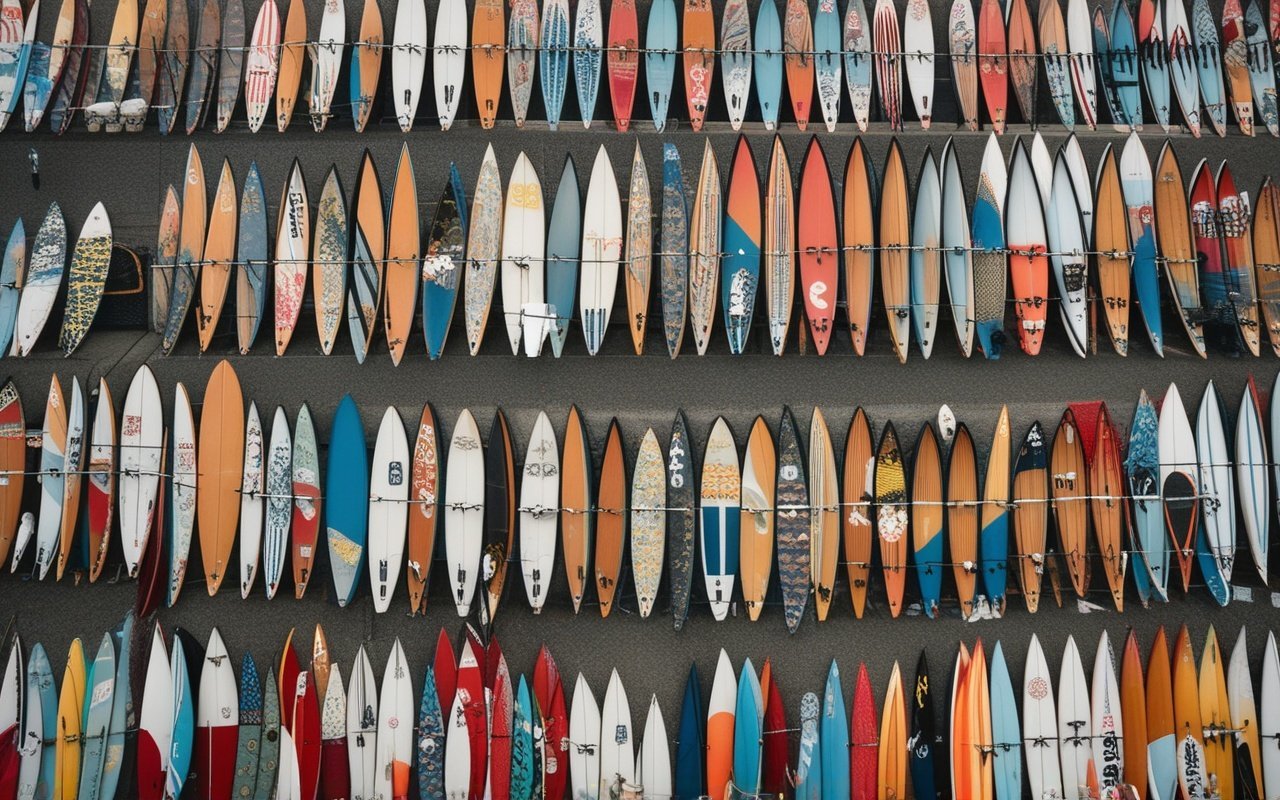
Local surf shops are more than retail outlets—they are community hubs where information about swell direction, sandbar quality, and new hazards circulates. Zushi Surf Center (near Zushi Station) has been outfitting local surfers since the 1970s and offers knowledgeable advice about which breaks are working. Tsujido Surf Shop on the Chigasaki coast carries a wide range of FCS-compatible fins and repair supplies.
Board repair is an art form in Shonan. Dings happen frequently on shallow reefs at Zushi and rocky entry points at Enoshima. Several independent ding repair specialists operate out of garages near the coast, charging ¥3,000–¥8,000 depending on damage severity. Ask at any surf shop for recommendations—they know who does quality work and who rushes repairs.
Links
Wave mechanics and hazard lists appear in the Shonan surfing guide. Pocket beaches and stair etiquette appear in the Shonan secret beaches guide. Swim flags and municipal rules appear in the Shonan beach guide. Kamakura’s evening commuter crush appears in the Kamakura access guide. Port-city boardwalk energy contrasts in Yokohama port opening history. Brick warehouse dining pivots appear in the Yokohama red brick guide.
Closing
Culture is maintenance: respect queues, repair dings, apologize after collisions, and teach newcomers the whistle codes lifeguards use. Shonan stays surfable when visitors behave like temporary members, not spectators at a show. The wave is communal property; the stoke is earned through consistency, patience, and awareness of everyone in
Tips
A few things I learned while researching exploring the Shonan coast: start early to beat the crowds, check opening days in advance, and carry a little cash for smaller shops and entry fees. Comfortable shoes make a bigger difference than most visitors expect, and an IC card such as Suica or Pasmo speeds up every train ride.
Frequently Asked Questions
Q: Are English guides available?
A: Major temples, shrines, and museums offer English audio guides or pamphlet guides. Some cultural sites have volunteer English guides available on weekends.
Q: Can I take photographs?
A: Photography is generally allowed in outdoor areas. Indoor photography, especially of cultural artifacts, may be restricted. Flash photography is commonly prohibited.
Q: How much time should I budget?
A: For temples and shrines, budget 30-60 minutes. Museums typically require 1-2 hours. Cultural experiences (tea ceremony, craft workshops) take 1-2 hours.
Q: Are there any dress codes?
A: No strict dress codes, but dressing respectfully is appreciated at temples and shrines. Avoid overly revealing clothing. Comfortable walking shoes are recommended. . .
From sunrise swims to sunset surfs, Kanagawa’s coastline offers a different relationship with the sea — one that invites you to slow down and breathe.
Conclusion
Whether you are planning exploring the Shonan coast for the first time or returning for another visit, taking a little extra time to go beyond the obvious sights makes all the difference. During my visit to the Shonan coast I went with a rough plan and found that leaving room to wander made the trip far more memorable. I hope this guide helps you build an itinerary that fits your pace, and that your time in Kanagawa leaves you with memories worth coming back for.