Money-Saving Tips
- Purchase combo tickets: Many attractions offer discounted combination tickets
- Visit on weekdays: Lower crowds and sometimes reduced prices
- Use regional passes: Consider area-specific passes for multiple attractions
- Free admission days: Some museums offer free entry on certain days
Time-Saving Tips
- Arrive early: Beat the crowds by visiting popular spots before 10 AM
- Book online: Reserve tickets and restaurants in advance
- Use luggage storage: Store bags at stations to explore freely
- Download offline maps: Save data and navigate easily
Local Insights
- Ask locals: Residents often know the best hidden spots
- Try seasonal specials: Each season offers unique experiences
- Respect customs: Follow local etiquette at temples and shrines
- Learn basic Japanese: Simple phrases enhance your experience
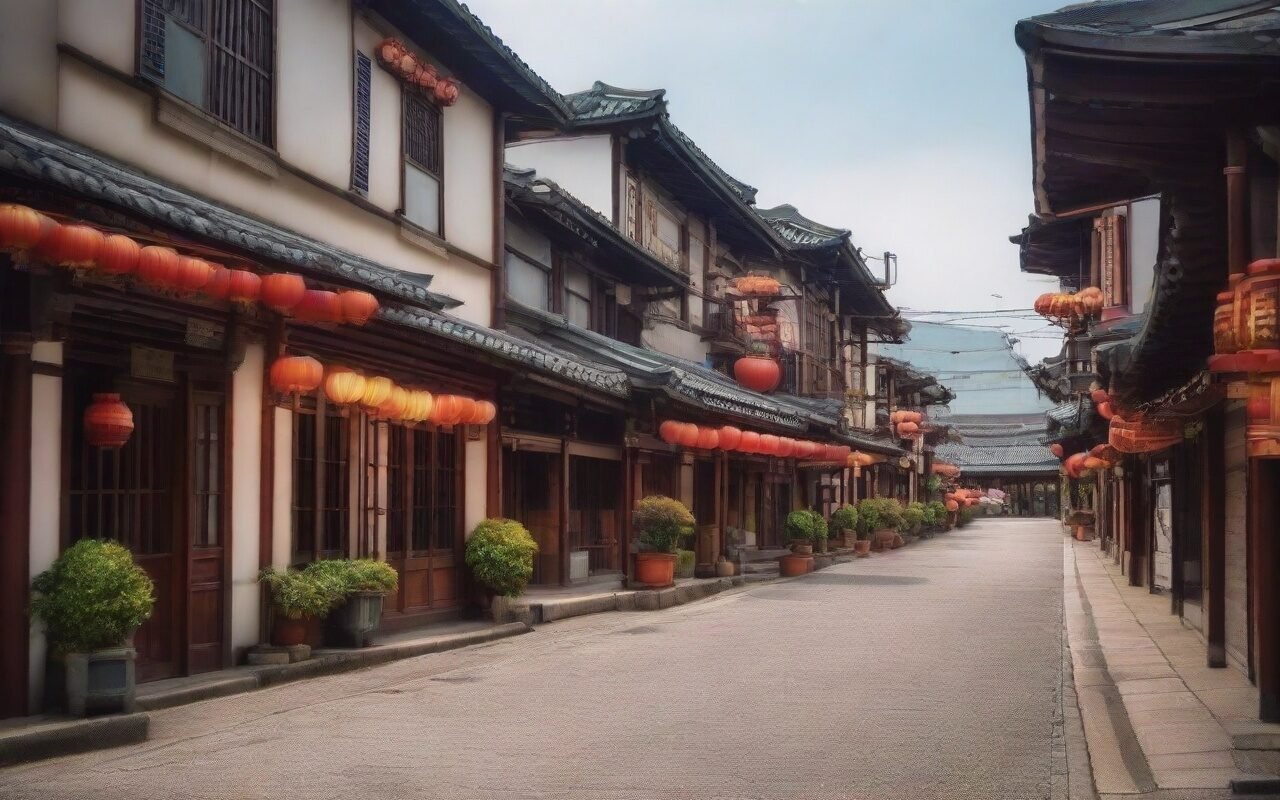
- Top attraction in Yokohama Chinatown History Walk
- Best time to visit: Morning or evening
- Access: Easy access from Tokyo/Yokohama
- Facilities: Restrooms, parking available
- Best for: Sightseeing, photography
Within 5km
Historic Sites:
- Ancient temples and shrines (10-15 min)
- Traditional architecture and gardens
- Cultural heritage sites
Natural Attractions:
- Scenic parks and walking trails
- Coastal views and beaches
- Mountain viewpoints
Within 10km
Museums & Culture:
- Local history museums
- Art galleries
- Traditional craft centers
Shopping & Dining:
- Local markets
- Specialty shops
- Traditional restaurants
Day Trip Options
Morning:
- Early visit to main attraction
- Breakfast at local cafe
Afternoon:
- Explore nearby sites
- Lunch at recommended restaurant
Evening:
- Sunset viewpoint
- Dinner at local specialty restaurant
Spring (March-May)
Highlights: Cherry blossoms, mild weather, spring festivals
- Temperature: 10-20°C (50-68°F)
- Crowds: High during cherry blossom season (late March-early April)
- What to Wear: Light jacket, layers
- Special Events: Hanami parties, spring festivals
Summer (June-August)
Highlights: Green landscapes, summer festivals, fireworks
- Temperature: 20-30°C (68-86°F)
- Crowds: Very high (school holidays)
- What to Wear: Light clothing, hat, sunscreen
- Special Events: Fireworks festivals, beach activities
Autumn (September-November)
Highlights: Fall foliage, comfortable weather, harvest season
- Temperature: 15-25°C (59-77°F)
- Crowds: Moderate to high (especially November)
- What to Wear: Light layers, comfortable walking shoes
- Special Events: Autumn festivals, food events
Winter (December-February)
Highlights: Fewer crowds, clear views, winter illuminations
- Temperature: 5-15°C (41-59°F)
- Crowds: Low (except New Year holidays)
- What to Wear: Warm coat, gloves, scarf
- Special Events: Winter illuminations, New Year events
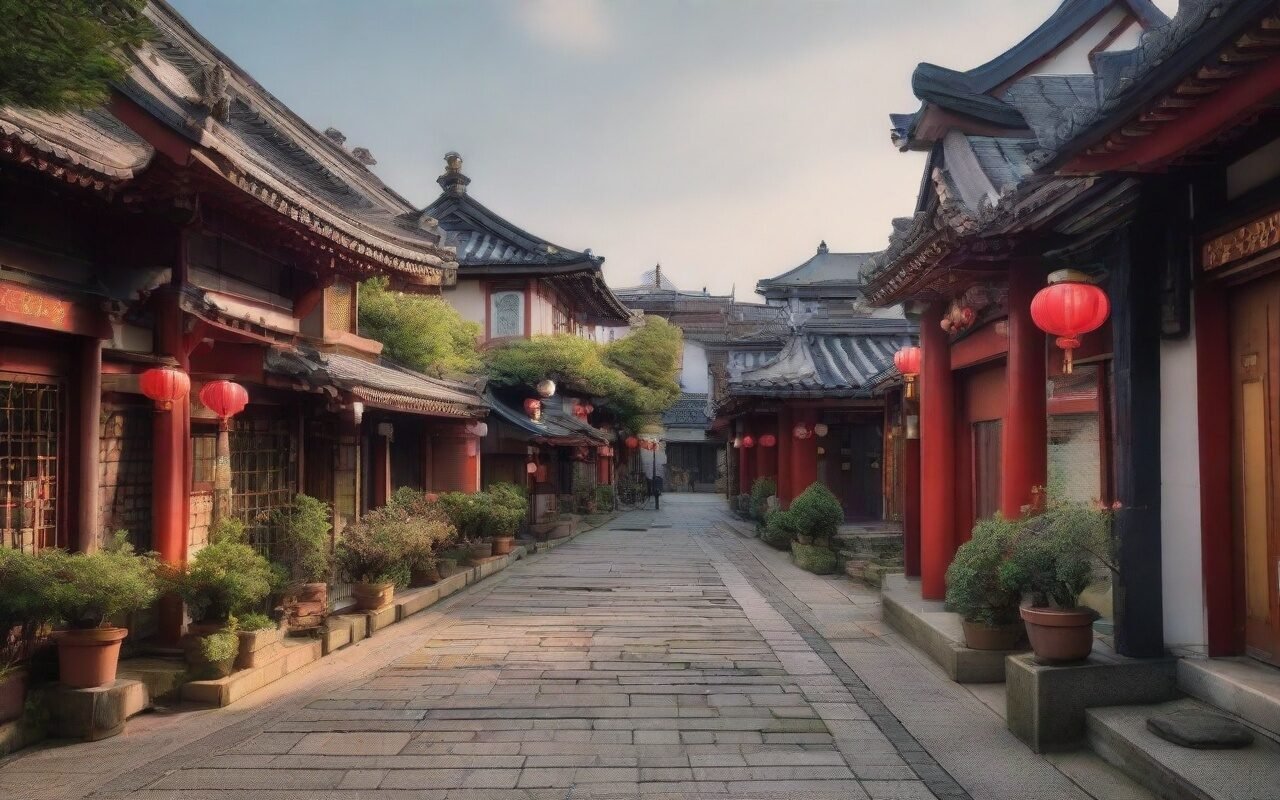
Yokohama Chinatown (Nankin-machi) is Japan's largest Chinatown with 160+ years of history, 500+ shops, and incredible food. This guide covers the complete history walk, hidden gems, and how to experience authentic Chinese-Japanese culture.
Origins (1859-1900)
Opening of Yokohama Port:
- 1859: Yokohama port opens to foreign trade
- Chinese Immigrants: Arrived as interpreters, traders, craftsmen
- Settlement: Granted land outside foreign settlement
- Name: "Nankin-machi" (Nanjing town)
Early Development:
- 1860s: First Chinese shops, restaurants
- 1870s: Community grows (1,000+ residents)
- 1880s: First temple (Kanteibyo)
- 1890s: Established community organizations
Purpose:
- Trade: Bridge between Chinese and Japanese merchants
- Culture: Preserve Chinese traditions abroad
- Support: Mutual aid community
- Identity: Maintain Chinese heritage
Growth Period (1900-1945)
Expansion:
- 1900: 3,000+ Chinese residents
- 1910: 5 gates constructed (entry points)
- 1920: 100+ shops, restaurants
- 1930: Peak pre-war (5,000+ residents)
Community Features:
- Schools: Chinese language schools
- Temples: Multiple Buddhist, Taoist temples
- Associations: Trade associations, clan groups
- Newspapers: Chinese-language publications
Challenges:
- 1923 Great Kanto Earthquake: Severe damage, rebuilt
- 1930s: Rising tensions (Japan-China relations)
- 1940s: WWII hardships (rationing, suspicion)
Post-War Revival (1945-1980)
Rebuilding:
- 1945: Post-war devastation (80% destroyed)
- 1950: Community rebuilds (determination)
- 1955: First post-war restaurant opens
- 1960: Tourism boom begins
Tourism Era:
- 1960s: Japanese tourists discover Chinatown
- 1970: 200+ restaurants, shops
- 1975: New gates constructed (colorful, ornate)
- 1980: Major tourist destination (10M+ visitors/year)
Cultural Shift:
- From: Residential community
- To: Tourist destination
- Residents: Decline (1,000 → 300)
- Businesses: Increase (100 → 500+)
Modern Chinatown (1980-Present)
Current Status:
- Visitors: 20M+ per year (one of Japan's top attractions)
- Shops: 500+ (restaurants, souvenir shops)
- Residents: 200-300 (elderly Chinese-Japanese)
- Identity: Tourist destination + cultural heritage
Recent Developments:
- 2000: New Kanteibyo temple (grand reopening)
- 2006: 150th anniversary celebration
- 2010: Street improvements (pedestrian-friendly)
- 2020: Pandemic impact, recovery ongoing
Preservation Efforts:
- Historical Society: Document community history
- Cultural Events: Chinese New Year, festivals
- Language Programs: Teach Chinese to younger generation
- Architecture: Preserve traditional building styles
1. Chuo-mon (Central Gate)
Main Entrance: Most famous, most photographed
- Location: East side (from Motomachi-Chukagai Station)
- Built: 1980 (rebuilt 2000)
- Color: Red, green, gold (traditional)
- Guardians: Two stone lions (male, female)
- Name: "Chuo-mon" (Central Gate)
Symbolism:
- Lions: Protect from evil spirits
- Colors: Red (good fortune), Green (harmony), Gold (wealth)
- Orientation: East (sunrise, new beginnings)
Photo Spot:
- Best Angle: From outside (full gate)
- Light: Morning (east-facing, best light)
- Crowds: Arrive before 10:00 (fewer people)
2. Zenrin-mon (Friendship Gate)
West Entrance: From Ishikawacho Station
- Location: West side (from Ishikawacho Station)
- Built: 1988
- Color: Similar to Chuo-mon
- Guardians: Stone lions
- Name: "Zenrin-mon" (Friendship Gate)
Symbolism:
- Friendship: China-Japan relations
- West: Sunset, completion, wisdom
Best For: Less crowded entrance, photo ops
3. Shoyou-mon (Sunrise Gate)
South Entrance: From Yamashita Park
- Location: South side (from waterfront)
- Built: 1990
- Color: Vibrant red
- Guardians: Stone lions
- Name: "Shoyou-mon" (Sunrise Gate)
Symbolism:
- Sunrise: Hope, renewal
- South: Warmth, growth
Best For: Combination with Yamashita Park visit
4. Heiwa-mon (Peace Gate)
North Entrance: Less crowded
- Location: North side
- Built: 1992
- Color: Traditional red, green
- Guardians: Stone lions
- Name: "Heiwa-mon" (Peace Gate)
Symbolism:
- Peace: Harmony, tranquility
- North: Stability, foundation
Best For: Quiet entry, local atmosphere
5. Shinfu-mon (New Harbor Gate)
Newest Gate: Modern addition
- Location: Southeast side
- Built: 2006 (150th anniversary)
- Color: Bright red, gold
- Guardians: Stone lions
- Name: "Shinfu-mon" (New Harbor Gate)
Symbolism:
- New Harbor: Future, progress
- 150 Years: Anniversary commemoration
Best For: Modern architecture, anniversary photos
History
Original Temple:
- 1880: First Kanteibyo built
- Deity: Guan Yu (god of loyalty, righteousness)
- Purpose: Community gathering, worship
- Destruction: 1923 earthquake, 1945 firebombing
Reconstruction:
- 1990: Decision to rebuild
- 2000: New temple completed (¥1.5 billion)
- Craftsmen: Brought from China (traditional techniques)
- Materials: Imported from China (wood, stone)
Modern Temple:
- Architecture: Traditional Chinese style
- Size: Largest Chinese temple in Japan
- Visitors: 1M+ per year
- Function: Temple + cultural center
Architecture
Exterior:
- Roof: Triple-tiered (traditional)
- Color: Red, gold, green (auspicious)
- Dragons: Ornate carvings (protection)
- Height: 15 meters (impressive)
Interior:
- Main Hall: Guan Yu statue (central)
- Side Halls: Other deities
- Offerings: Incense, fruit, flowers
- Photography: Allowed (exterior, no flash interior)
Visiting Kanteibyo
Admission:
- Temple Grounds: Free
- Main Hall: ¥500 (supports maintenance)
Hours:
- Daily: 9:00-18:00
- Chinese New Year: 24 hours (special)
Etiquette:
- Dress: Modest (cover shoulders, knees)
- Photography: OK outside, limited inside
- Incense: Available for purchase (¥300)
- Prayer: Silent, respectful
- Donations: Welcome (maintenance)
Ritual:
- Purchase incense: At counter
- Light incense: Use provided lighter
- Bow three times: Facing temple
- Place incense: In large burner
- Bow again: Show respect
- Explore: Temple grounds
Must-Try Dishes
Dim Sum ():
- What: Small steamed/fried dishes
- Where: Manmaru, Hanten
- Price: ¥500-1,000 per person
- Best: Shumai, har gow, char siu bao
Ramen ():
- What: Chinese-style noodles in broth
- Where: Many shops (each with specialty)
- Price: ¥800-1,500
- Best: Tonkotsu, shoyu, spicy
Duck:
- What: Roasted duck, crispy skin
- Where: Specialty duck restaurants
- Price: ¥2,000-4,000
- Best: Peking duck (pancakes, hoisin)
Seafood:
- What: Fresh fish, shellfish
- Where: Seafood restaurants
- Price: ¥3,000-8,000
- Best: Steamed fish, lobster, crab
Street Food:
- What: Quick bites, snacks
- Where: Street stalls
- Price: ¥300-800
- Best: Pork buns, egg tarts, skewers
Top 10 Restaurants
1. Manmaru (々):
- Specialty: Dim sum
- Price: ¥2,000-4,000
- Location: Inside Chinatown
- Reservations: Recommended (weekends)
2. Kinyei ():
- Specialty: Roasted duck
- Price: ¥3,000-6,000
- Location: Near Chuo-mon
- Reservations: Essential
3. Hanten ():
- Specialty: Sichuan cuisine
- Price: ¥2,000-5,000
- Location: Central Chinatown
- Spicy: Very spicy options
4. Shinki ():
- Specialty: Ramen
- Price: ¥800-1,200
- Location: Side street
- Queue: Expect wait (popular)
5. Gyosei ():
- Specialty: Moon cakes (dessert)
- Price: ¥300-500 each
- Location: Near Kanteibyo
- Best: Red bean, lotus paste
6-10: More great restaurants (explore side streets)
Food Stalls
What to Try:
- Pork Buns: ¥300 (steamed, juicy)
- Egg Tarts: ¥200 (custard, flaky)
- Squid Skewers: ¥500 (grilled, savory)
- Mango Pudding: ¥400 (refreshing)
- Bubble Tea: ¥500 (taiwanese specialty)
Where: Main streets, near gates
Budget: ¥1,000-2,000 (snack lunch)
Souvenir Shops
What to Buy:
- Tea: Chinese tea (oolong, pu-erh, jasmine)
- Herbs: Traditional Chinese medicine
- Snacks: Dried fruits, nuts, candies
- Cookware: Woks, steamers, chopsticks
- Decor: Lanterns, statues, calligraphy
Where: Side streets (better prices than main streets)
Budget: ¥1,000-5,000 (souvenirs)
Specialty Shops
Tea Shops:
- Selection: 50+ tea varieties
- Tasting: Available (some shops)
- Price: ¥1,000-10,000 per 100g
- Best: Tenfu Tea, local shops
Herb Shops:
- Products: Dried herbs, roots, mushrooms
- Uses: Medicine, cooking, tea
- Price: ¥500-5,000
- Advice: Shop staff (knowledgeable)
Cookware:
- Items: Woks, steamers, cleavers
- Quality: Professional-grade
- Price: ¥2,000-20,000
- Best: Long-standing shops
2-Hour History Walk
Start: Motomachi-Chukagai Station (Exit 3)
Stop 1: Chuo-mon (Central Gate) - 10 min
- Photo: Main gate, stone lions
- Info: Read plaques (history)
Stop 2: Kanteibyo Temple - 30 min
- Visit: Main hall (¥500)
- Ritual: Incense offering
- Explore: Temple grounds
Stop 3: Main Street (Nakamise-dori) - 20 min
- Shop: Souvenirs, snacks
- Eat: Street food (pork buns, egg tarts)
Stop 4: Side Streets - 30 min
- Explore: Hidden shops, local life
- Photo: Traditional architecture
- Discover: Hidden gems
Stop 5: Zenrin-mon (Friendship Gate) - 10 min
- Photo: West gate
- Exit: To Ishikawacho Station
Total: 2 hours, 2km walking
Half-Day Deep Dive (4 Hours)
Morning:
- 9:00: Arrive early (fewer crowds)
- 9:30: Kanteibyo Temple (morning prayers)
- 10:30: Breakfast dim sum (Manmaru)
Late Morning:
- 11:30: Shopping (tea, herbs, souvenirs)
- 12:30: Explore side streets
Lunch:
- 13:00: Lunch (roasted duck at Kinyei)
Afternoon:
- 14:30: More shopping, street food
- 15:30: Tea tasting (Tenfu Tea)
- 16:00: Depart
Total: 7 hours, deeper experience
By Time of Day
Morning (9:00-11:00):
- Pros: Less crowded, fresh food, good light
- Cons: Some shops not open yet
- Best: Photography, temple visit
Lunch (12:00-14:00):
- Pros: All restaurants open, full menu
- Cons: Most crowded, wait times
- Best: Dim sum, popular restaurants
Afternoon (14:00-17:00):
- Pros: Shopping, street food
- Cons: Crowded (tour groups)
- Best: Shopping, snacking
Evening (17:00-20:00):
- Pros: Dinner, illuminated gates
- Cons: Some shops close
- Best: Dinner, evening views
By Day of Week
Weekdays (Tuesday-Thursday):
- Crowds: Lightest
- Restaurants: Easy reservations
- Shopping: Relaxed
- Best: Overall experience
Weekends (Saturday-Sunday):
- Crowds: Very crowded (10x weekday)
- Restaurants: Long waits
- Shopping: Difficult (crowded)
- Avoid: If possible
Holidays:
- Chinese New Year: Most crowded (1M+ visitors)
- Golden Week: Very crowded
- Avoid: Unless you love crowds
By Season
Spring (March-May):
- Weather: Mild, pleasant
- Crowds: Moderate
- Best: Overall
Summer (June-August):
- Weather: Hot, humid
- Crowds: High (summer vacation)
- Best: Evening visits
Autumn (September-November):
- Weather: Comfortable
- Crowds: Moderate
- Best: Overall
Winter (December-February):
- Weather: Cool, clear
- Crowds: Lowest (except Chinese New Year)
- Best: Photography, no crowds
Getting There
*00-700 (JR Pass valid)
By Car:
- Parking: ¥500-1,000/hour (expensive, limited)
- Recommendation: Don't drive (train easier)
By Bus:
- From Tokyo: Direct bus (¥1,000, 60 min)
- From Yokohama: Local bus (¥220, 20 min)
Admission
Chinatown: Free (open 24 hours) Kanteibyo Temple: ¥500 (main hall) Restaurants: ¥1,000-8,000 per person Shopping: Variable (budget ¥2,000-10,000)
Facilities
Restrooms:
- Public: Near gates (free)
- Restaurants: Customer only
- Cleanliness: Good (Japanese standard)
WiFi:
- Availability: Most restaurants, cafes
- Free: Many shops offer
- Quality: Good
Accessibility:
- Wheelchair: Main streets accessible
- Side Streets: Narrow, difficult
- Temples: Some steps (limited access)
Q: What is the best time to visit Yokohama chinatown history walk?
A: The best time to visit Yokohama chinatown history walk is during spring (March-May) for mild weather and cherry blossoms, or autumn (September-November) for comfortable temperatures and fall foliage. Summer can be crowded but offers festivals and events.
Q: How do I get to Yokohama chinatown history walk from Tokyo?
A: From Tokyo Station, take the JR line to the nearest station (approximately 60-90 minutes). From there, it's a short walk or local bus ride. The Japan Rail Pass can be used on JR lines.
Q: Is Yokohama chinatown history walk suitable for families with children?
A: Yes! Yokohama chinatown history walk offers family-friendly facilities and activities. Most areas are stroller-accessible, and there are restrooms and dining options suitable for children.
Q: Are there any entrance fees for Yokohama chinatown history walk?
A: Most areas are free to visit. Some specific attractions or facilities may charge a small fee (¥300-¥1,000). Check individual attraction websites for details.
Q: Can I visit Yokohama chinatown history walk in one day?
A: Yes, a day trip is possible from Tokyo. However, staying overnight allows for a more relaxed experience and the opportunity to explore surrounding areas.
Q: Is English spoken at Yokohama chinatown history walk?
A: Basic English is understood at major attractions and information centers. Tourist information is often available in English. Translation apps can be helpful for detailed inquiries.
Summary
| Aspect | Details |
|---|---|
| History | 160+ years (since 1859) |
| Size | Japan's largest Chinatown |
| Gates | 5 ornate entrance gates |
| Temple | Kanteibyo (2000, grand) |
| Restaurants | 500+ (all Chinese regional) |
| Visitors | 20M+ per year |
| Best Time | Weekday mornings |
| Admission | Free (temple ¥500) |
| Access | 30-40 min from Tokyo |
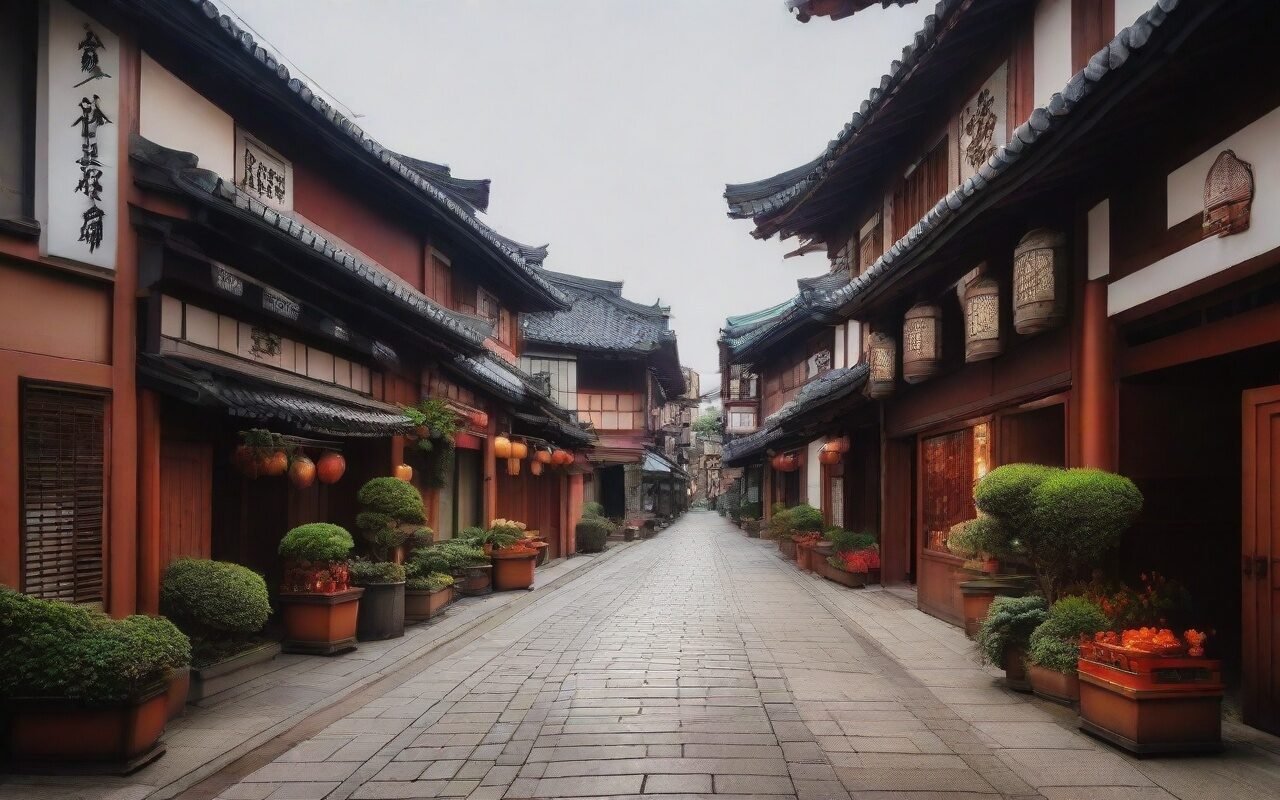
Bottom Line: Yokohama Chinatown offers 160+ years of Chinese-Japanese history with 500+ shops, incredible food, and beautiful architecture. Kanteibyo Temple is the cultural heart. Dim sum is must-try cuisine. Visit on weekday mornings (fewer crowds). Budget ¥5,000-10,000 for half-day visit (food, shopping, temple). Combine with Yamashita Park (waterfront) for full day.
Best For: Cultural experience, food lovers, photography, history enthusiasts
Budget: ¥3,000-15,000 per person (food, shopping, temple)
Time Needed: 2-4 hours (half-day)
Best Season: Year-round (indoor/outdoor mix)
Related Articles:
Conclusion
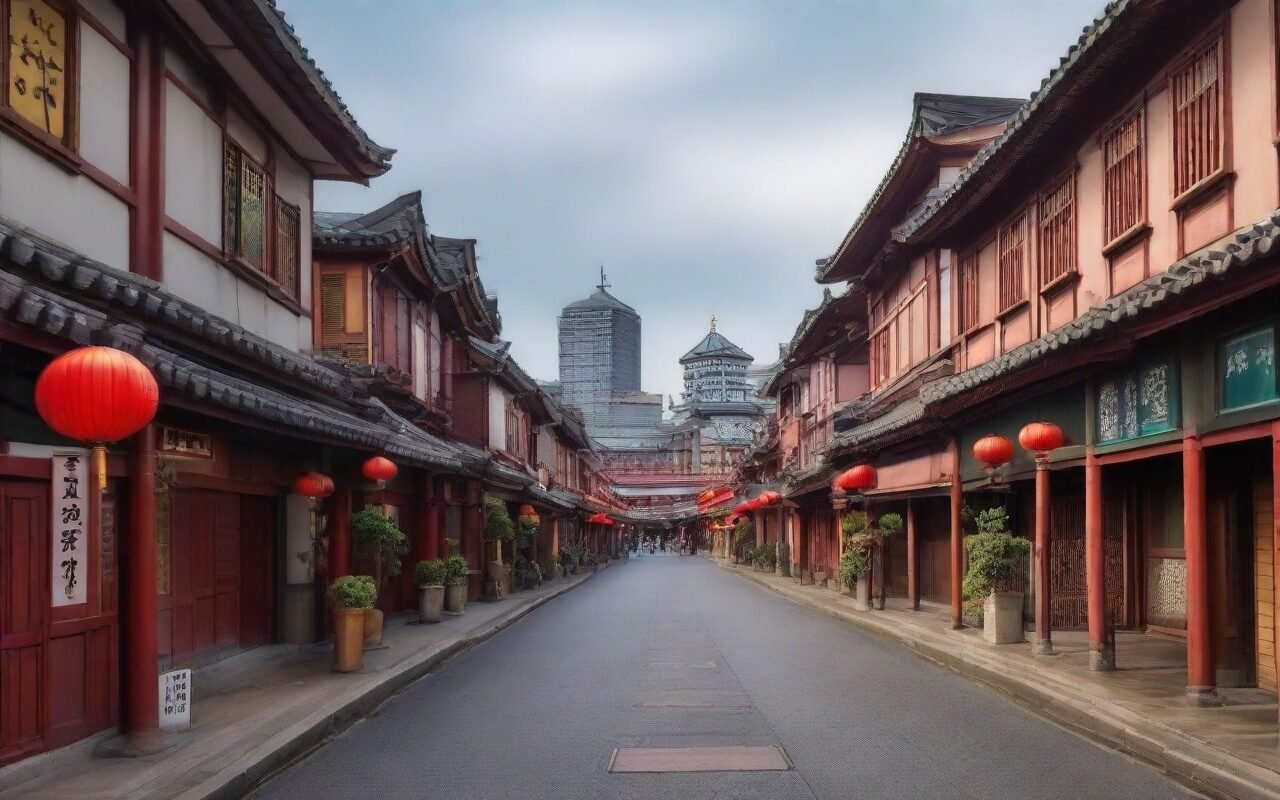
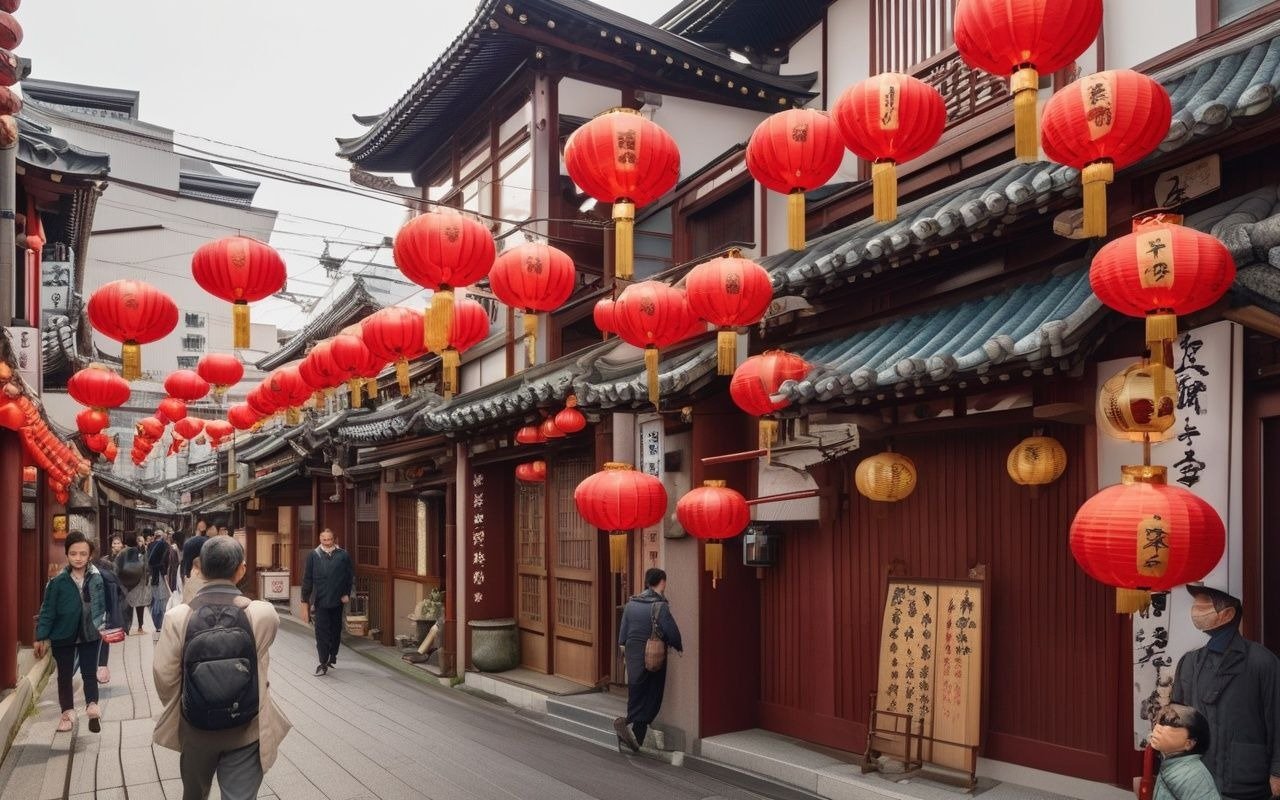
Yokohama Chinatown History Walk is a must-visit destination in Kanagawa for international travelers. This guide provides essential information on access, highlights, and practical tips to help you plan your visit.
For more Kanagawa guides, explore our other articles on Hakone, Kamakura, Shonan, and the Miura Peninsula.
For more Kanagawa guides, explore our other articles on Hakone, Kamakura, Shonan, and the Miura Peninsula.