
Overview
Discover the best food and drink experiences that Shonan Kamakura Street Food Guide has to offer. From hidden local gems to popular dining destinations, this guide takes you through the culinary landscape of Shonan in Kanagawa Prefecture. Whether you are a first-time visitor or a returning food enthusiast, you will find something to satisfy your cravings.
Want to discover hidden spots? Check our guide to Kanagawa local secrets for off-the-beaten-path recommendations.
Access
Most of the street-food action is on Komachi-dori, a five-minute walk from JR Kamakura Station’s east exit, and around Enoshima’s main approach off the Enoden. From Tokyo, take the JR Yokosuka Line to Kamakura (about an hour); the Enoden connects Kamakura to Enoshima in about 25 minutes.
Must-Eat Street Snacks
Shirasu-don Mini Bowls
Kamakura is famous for shirasu (whitebait)—tiny, translucent fish caught in Sagami Bay. You can buy small cups of rice topped with fresh whitebait and a quail egg to eat while walking.
- Taste: Delicate, salty, and incredibly fresh.
Menchi Katsu
Minced meat cutlets, breaded and deep-fried to golden perfection. They are juicy, savory, and arguably the most popular item on the Nakamise streets.
- Warning: The inside is like molten lava! Take small bites.
Matcha Soft Serve
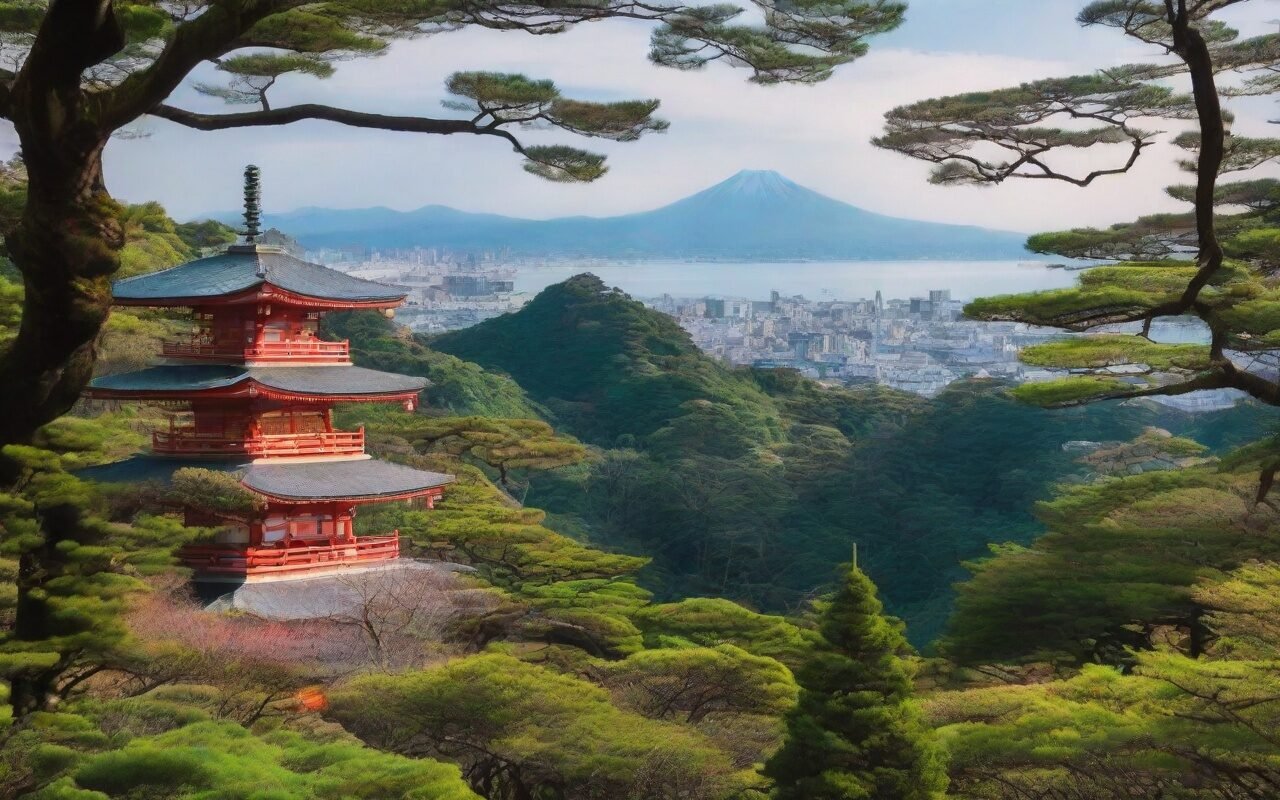
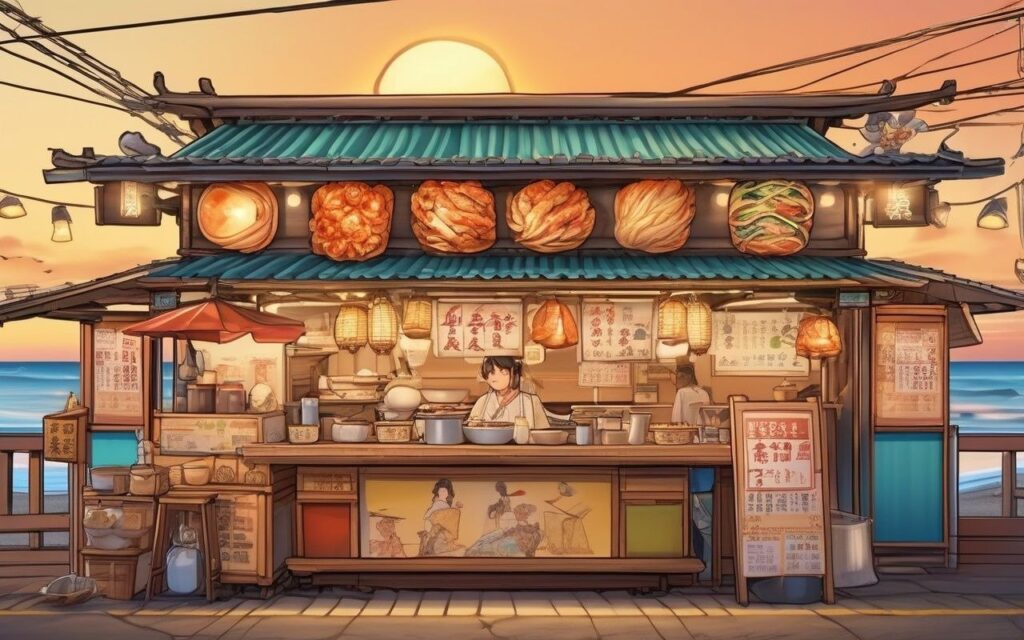
Japan is not always known for its street food culture compared to neighbors like Thailand, but areas like Kamakura and Enoshima are vibrant exceptions. The “Nakamise” (shopping streets leading to shrines) and temple grounds are lined with stalls selling delicious snacks meant to be eaten on the go. It is a festival atmosphere that lasts all year round.
Green tea ice cream served in a cone, often topped with red bean paste (anko) or a dusting of matcha powder. It is the perfect sweet treat to cool down on a sunny day.
The Rules of Tabearuki (Walking and Eating)
In Japan, walking while eating is generally considered bad manners, but specific rules apply in tourist areas like Kamakura:
- Stay near the shop: Eat your food within sight of the stall where you bought it.
- Dispose of trash properly: There are very few public trash cans in Japan. Return your wrappers, sticks, and cups to the shop’s designated trash bin.
- Don’t block the way: Step aside to let others pass. The streets can get very crowded.
- No Littering: Dropping a skewer on the ground is a major faux pas.
Timing Your Snack Loop Around Enoden Crowds
Komachi-dori feels manageable at opening hour, yet by late morning the same stretch becomes a slow-moving river of day-trippers balancing soft-serve cones and camera rigs. If you want shirasu cups without elbowing school groups, arrive before souvenir shops rotate their morning catch or hop one stop toward Hase after early temple visits when some stalls reset toppings. Weekend afternoons near Tsurugaoka Hachimangu can bottleneck at trash-return counters; vendors appreciate when you finish skewers beside their bins instead of wandering toward side alleys where cans simply do not exist.
Enoshima adds wind, gulls, and salt spray into the equation, which means tempura sandwiches and fried croquettes cool quickly and lose crunch if you dawdle on the bridge for photos. Buy hot items in single batches, eat, then return sticks before climbing stairs so your hands stay free for handrails. Hydration matters more than visitors expect because grilled sauces are sodium-heavy; vending machines near the island base sell sports drinks that pair better with menchi katsu than extra sweet milk teas when humidity spikes.
Cash still dominates small stalls, so break large bills at convenience stores near Kamakura Station before entering the nakamise flow. English menus are increasingly common, yet pointing plus “kore” remains the politest path when lines compress behind you. Allergy-aware travelers should memorize dairy or shellfish characters because cross-contact is likely on shared grills even when individual items look simple.
Connect your snack crawl with deeper seafood context in Shonan shirasu complete guide so you understand why bay-caught whitebait tastes brighter in April than in stormy weeks when boats stay docked. For a wider map of markets beyond shrine gates, bookmark Kanagawa street food and local markets before you plan multi-day loops through Fujisawa or Ofuna. If you are cycling the coast, stash reusable chopsticks and a thin towel to wipe fingers before touching brake levers.
Evening street food pop-ups sometimes appear during lantern festivals; those stalls may close the moment organizers cut power, so do not assume late hours match Tokyo standards, When in doubt, ask “mada arimasu ka?” to confirm whether the last menchi batch is truly available or just cooling on display. Thoughtful pacing keeps flavors vivid and neighbors calm—exactly the spirit tabearuki etiquette tries to protect.
Keep a compact plastic bag for orange peels or skewer wrappers if a shop runs out of disposal bins during crush hours; pack it out politely rather than stuffing pockets that stain later.
More Street Food Favorites in Kamakura
Taiyaki and Imagawayaki
Komachi-dori has several shops selling freshly made taiyaki (fish-shaped cakes filled with red bean paste, custard, or chocolate). Taiyaki Kamakura offers a seasonal matcha custard filling that pairs perfectly with the thin, crispy shell. At ¥250 per piece, it is one of the cheapest warm snacks on the street.
Kamakura Vegetables Tempura
During autumn and winter, tempura stalls near Tsurugaoka Hachimangu serve mixed vegetable tempura using Kamakura-grown sweet potatoes, pumpkin, and shiso leaves. A mix of 4–5 pieces costs ¥500 and is a healthier alternative to the fried meat options.
Drinks to Pair with Street Food
| Food | Drink Pairing | Where to Buy |
|---|---|---|
| Menchi katsu | Cold draft beer | Komachi-dori beer stand |
| Matcha soft serve | Hot hojicha | Matcha specialty shops |
| Shirasu don | Yuzu lemonade | Enoshima Island stalls |
| Taiyaki | Hot sake cup | Nakamise approach stalls |
Komachi-dori Street Food Map
Komachi-dori stretches about 500 meters from Kamakura Station to Tsurugaoka Hachimangu. Here is a practical food map organized by section:
Section 1 (Station End, first 100m): Menchi katsu shops, matcha soft serve, taiyaki. This is the busiest section with the longest queues. If a popular shop has a line exceeding 20 people, try the next shop—products are similar in quality.
Section 2 (Middle, 100–300m): Kamakura vegetables tempura, shirasu croquettes, dango skewers. This section has slightly shorter queues and more seating options. The kamakura vegetable tempura stalls offer mixed boxes (¥500) that are excellent for sharing.
Section 3 (Temple End, 300–500m): Freshly made senbei (rice crackers), matcha cookies, fruit sandwiches. This section is quieter and the shops tend to be slightly more expensive but with higher quality ingredients.
Side streets: The narrow alleys branching off Komachi-dori hide the best discoveries. Dango no Sato on a side street 50m from the main drag has been operating for 40+ years and serves mitarashi dango that locals swear by.
Street Food Price Guide
| Item | Price Range | Portion Size | Calories (approx.) |
|---|---|---|---|
| Menchi katsu | ¥250–¥350 | 1 piece | 250–350 |
| Matcha soft serve | ¥400–¥600 | 1 cone | 200–300 |
| Taiyaki (red bean) | ¥200–¥300 | 1 piece | 150–250 |
| Dango (3 skewers) | ¥500–¥700 | 3 skewers | 200–300 |
| Kamakura veg tempura | ¥400–¥600 | 4–5 pieces | 300–400 |
| Shirasu croquette | ¥300–¥450 | 2 pieces | 200–300 |
| Senbei (freshly grilled) | ¥200–¥400 | 1 piece | 100–200 |
| Fruit sandwich | ¥400–¥600 | 1/2 sandwich | 250–350 |
A thorough tasting session of 6–7 items costs approximately ¥2,500–¥3,500 per person.
Beyond Komachi-dori: Other Street Food Areas
Enoshima Approach: The path from Enoshima Station to the island is lined with food stalls. Try the octopus senbei (¥500)—a whole octopus pressed into a hot senbei iron, resulting in a crispy, savory cracker.
Tsurugaoka Hachimangu Approach (Nakamise-dori): Wider and less crowded than Komachi-dori, this approach has more souvenir shops than food stalls, but the quality is higher. The grilled mochi skewers (¥300–¥400) are excellent.
Yuigahama Beach Promenade: During summer (July–August), a row of food trucks sets up along the beach path. Offerings include yakisoba, takoyaki, and kakigori. The atmosphere is relaxed and family-friendly.
Ofuna Station Area: A 5-minute walk from Ofuna Station reveals several small food stalls not listed in guidebooks. The yakitori stands near the station are especially good value (¥100–¥150 per skewer).
Tips
A few things I learned while researching exploring Kamakura for its food: start early to beat the crowds, check opening days in advance, and carry a little cash for smaller shops and entry fees. Comfortable shoes make a bigger difference than most visitors expect, and an IC card such as Suica or Pasmo speeds up every train ride.
Frequently Asked Questions (FAQ)
Q: Can I eat while walking in Kamakura?
A: Yes, on Komachi-dori and the Nakamise approach, walking while eating (tabearuki) is tolerated and common. In other areas, it is considered bad manners—finish your food near the shop.
Q: What is the best time for street food?
A: Weekday mornings (9:30–11:00 AM) offer the shortest queues and freshest products. Weekend afternoons are busiest but have the widest selection of stalls.
Q: Are there vegetarian options for street food?
A: Yes, but limited. Matcha soft serve, taiyaki with red bean filling, and vegetable tempura are all vegetarian-friendly. Menchi katsu and shirasu are not. Look for “yasai” (vegetable) signs.
Q: How much cash should I bring for street food?
A: Most street food items cost ¥200–¥600 each. For a thorough tasting session (5–6 items), bring ¥3,000–¥4,000.
Q: What is the most iconic Kamakura street food?
A: Menchi katsu—the deep-fried minced meat cutlet is the undisputed king of Komachi-dori street food. Kamakura’s version uses locally sourced pork and a secret blend of spices that keeps people coming back.
Conclusion
Whether you are planning exploring Kamakura for its food for the first time or returning for another visit, taking a little extra time to go beyond the obvious sights makes all the difference. During my visit to Kamakura I went with a rough plan and found that leaving room to wander made the trip far more memorable. I hope this guide helps you build an itinerary that fits your pace, and that your time in Kanagawa leaves you with memories worth coming back for.