Overview
Kakigori is the Japanese answer to summer heat—a dessert of shaved ice flavored with syrup. However, modern Kakigori has evolved into a culinary art form, distinct from the crunchy snow cones of the West. "Shokunin" (artisans) use hand-cranked machines to shave blocks of natural ice into ribbons so thin they melt instantly on your tongue, creating a fluffy, cloud-like texture.
The Evolution of Kakigori
Gone are the days of crunchy ice doused in artificial blue syrup. Today's premium Kakigori features:
- Natural Syrups: Made from real fruit juices, tea reductions, and brown sugar (kokuto), rather than artificial colorings.
- Layering: Chefs carefully layer different syrups to create complex flavor profiles, like "Strawberry & Basil" or "Matcha & Milk."
Where to Find Premium Kakigori
Enoshima Island
The cafes near the Samuel Cocking Garden offer Kakigori with a view of Mount Fuji and the ocean.
- Local Specialty: Try the "Shirasu" (whitebait) flavor if you dare—it sounds strange, but the salty-sweet combination is a local favorite!
Yokohama Red Brick Warehouse
Seasonal pop-up events here often feature Kakigori masters from across Japan demonstrating their shaving techniques. It is a great place to compare different styles.
Kamakura's Machiya Cafes
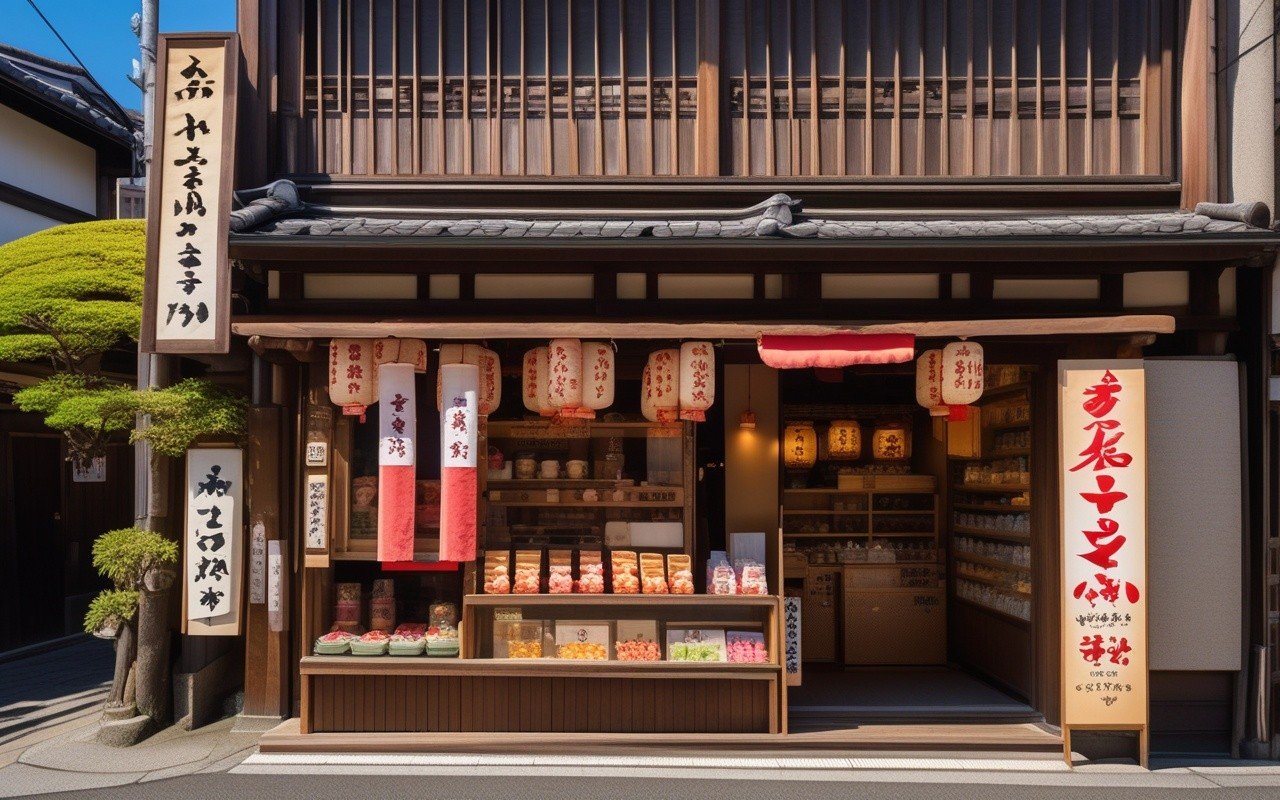
Hidden in traditional wooden townhouses, these cafes serve Kakigori alongside freshly baked monaka (wafer cookies). The contrast between the icy dessert and the warm tea is sublime.
Conclusion
Kakigori is a seasonal delight that brings joy to both children and adults. It is a refreshing must-try dessert during your Japanese summer adventure, offering a moment of cool bliss in the humid weather.
Seasonal Variations
While Kakigori is a summer staple, some cafes in Kanagawa now offer 'Winter Kakigori' made with denser ice and richer toppings like hot anko sauce. It is a unique seasonal twist worth trying during your cold-weather travels.
Beyond Summer: Winter Kakigori
Surprisingly, Kakigori is not just a summer treat in Japan. In recent years, specialty cafes in Kamakura and Yokohama have begun serving "Winter Kakigori."
- Denser Ice: Made by freezing water slowly to remove air bubbles, resulting in a dense, melt-in-your-mouth texture.
- Rich Toppings: Often served with hot red bean paste (anko) or thick matcha syrup poured over the cold ice, creating a delightful contrast in temperature.
The History of Kakigori
Kakigori has been enjoyed in Japan since the Heian Period (794-1185), when blocks of ice from winter were stored in ice houses and served to the nobility with sweet syrup. It was a luxury reserved for the elite. Today, thanks to modern shaving machines, everyone can enjoy this refreshing treat, making it a taste of history accessible to all travelers.
History and Cultural Significance
Regional Variations: The Kanagawa Difference
- Yokohama Fusion: As a historic port city, Yokohama's food scene is a melting pot. Here, traditional recipes often blend with Chinese and Western influences, creating exciting new flavors.
- Kamakura Simplicity: In the ancient capital of Kamakura, the focus is on simplicity and mindfulness. Dishes are often prepared with Zen Buddhist principles in mind, highlighting the natural taste of the ingredients.
- Shonan Vibrancy: The coastal area of Shonan brings a relaxed, energetic vibe. Food here is often hearty and perfect for refueling after a day at the beach or surfing.
What to Look for in a Great Shop
To ensure you have the best experience, look for these signs of quality:
- Freshness: The best shops prepare their ingredients daily. Look for open kitchens where you can see the chefs at work.
- Local Ingredients: Menus that highlight produce from the Miura Peninsula or seafood from Sagami Bay are a sign of a committed chef.
- The Atmosphere: Whether it's a bustling street stall or a quiet tatami room, the setting is part of the experience.
- Popularity: A queue of locals is the ultimate recommendation. Don't be afraid to wait; it's usually worth it.
Essential Dining Etiquette
Enjoying food in Japan comes with its own set of manners. Following these will earn you respect and enhance your experience:
- "Itadakimasu": Say this before eating to express gratitude for the meal.
- Slurping: For noodles, slurping is encouraged! It enhances the flavor and shows the chef you are enjoying the dish.
- Finishing Your Plate: Try to eat everything. Leaving food can be seen as wasteful.
- "Gochisousama": Say this when you finish to thank the host or chef.
Dietary Restrictions and Allergies
Japan is working to become more accessible, but it can still be challenging for those with specific needs.
- Vegetarian/Vegan: Many dishes use dashi (fish stock). Ask for "Kombu dashi" (kelp stock) if available.
- Gluten: Wheat is common, but some places offer gluten-free alternatives like 100% buckwheat noodles. Always check first.
- Allergy Cards: Carrying a food allergy card in Japanese is highly recommended to communicate your needs effectively.
Best Time to Visit
- Lunch (11:30 AM - 1:30 PM): This is the peak time. Arrive early to beat the rush.
- Dinner: Many casual spots close by 8:00 PM, so plan ahead. Izakayas will be open later for a more relaxed evening.
- Seasonality: Ingredients change with the seasons. Ask the staff, "Shun wa nan desu ka?" (What is in season?) to discover the best flavors of the day.
Pairing with Drinks
- Green Tea: The classic choice. It cleanses the palate and aids digestion.
- Sake: For a richer experience, try local Kanagawa sake. Warm sake ("Atsukan") is perfect in winter.
- Beer: Japanese lagers are crisp and refreshing, pairing well with fried or savory dishes.
Nearby Attractions
Make a day of it by combining your meal with sightseeing.
- Historic Sites: Temples and shrines are often just a short walk away.
- Museums: Kanagawa has world-class art museums. Check their schedules before you go.
- Shopping: Look for local crafts and food souvenirs ("Omiyage") to take a piece of the culture home.
Conclusion
Experiencing the local food scene is one of the best ways to connect with Japanese culture. By seeking out these authentic spots, you are not just eating; you are participating in a centuries-old tradition of hospitality and craftsmanship. We hope this guide helps you discover the true flavors of Kanagawa.
Frequently Asked Questions (FAQ)
To help you plan your culinary adventure, we have compiled answers to the most common questions from travelers.
Q: Is it safe to drink the tap water? A: Yes, tap water in Kanagawa is perfectly safe to drink. However, many restaurants will serve you complimentary cold water or tea with your meal.
Q: Do I need to make a reservation? A: For popular shops, especially on weekends and holidays, reservations are highly recommended. Some small eateries may only accept walk-ins, so it's good to have a backup plan.
Q: Can I eat while walking? A: While it is becoming more common, walking while eating is still considered slightly impolite in some areas. It is best to eat near the shop or in designated eating areas.
Q: What if I don't like raw fish? A: Don't worry! Kanagawa offers a wide variety of cooked dishes, from grilled skewers to hot pots, that are just as delicious and authentic.
Q: How much should I budget for a meal? A: You can enjoy a satisfying meal for anywhere between ¥1,000 to ¥2,500 ($7 to $17 USD). Street snacks are even cheaper, often around ¥300 to ¥500.
A Beginner's Guide to Ordering
If you are new to this type of cuisine, here is a simple guide to help you order with confidence:
- Check the Entrance: Many shops display realistic plastic food models or picture menus with prices outside. Take a photo of what you want to show the staff.
- Vending Machine Tickets: Some casual shops use a vending machine at the entrance where you buy a ticket and hand it to the chef. This avoids language barriers completely.
- Pointing is OK: If you are seated at a counter, pointing at what others are eating and saying "One, please" is perfectly acceptable and understood.
Exploring Beyond the Guide
While this guide covers the highlights, the best discoveries are often made when you wander off the beaten path.
- Trust Your Nose: If you smell something delicious, follow it! Some of the best shops have no English signs and rely solely on word-of-mouth.
- Talk to Locals: Japanese people are generally shy but incredibly helpful. Asking a local, "Where is your favorite shop?" can lead to unforgettable experiences.
- Visit Local Markets: Morning markets (Asa-ichi) are treasure troves of fresh produce and homemade snacks. They are a great place to interact with farmers and artisans.
Preserving Tradition
The dishes featured in this guide are part of Japan's intangible cultural heritage. Many shops are family-run businesses that have been operating for generations. By visiting these places, you are helping to preserve these traditions for the future. We encourage you to respect the shop's rules, be patient during busy times, and express your gratitude to the chefs.
Related Reading
Travel Tips and Etiquette
Best Time to Visit
While this dish is enjoyed year-round, there are specific seasons when it shines. For cold varieties, the summer months offer a refreshing escape from the humidity. For warm, brothy versions, the crisp autumn and winter seasons provide the perfect backdrop for a comforting meal. Visiting during these peak times ensures you get the freshest ingredients and the most authentic atmosphere.
Access and Local Customs
Most shops in the Kanagawa area are easily accessible by public transport. When dining, be sure to try the traditional "finisher"—mixing the boiling water with your leftover sauce to create a warm, savory soup. It is a sign of good manners to enjoy every last drop! Slurping is not only accepted but encouraged, as it enhances the flavor and aroma of the dish.
Final Thoughts
Exploring the local food scene in Kanagawa is a rewarding adventure for any traveler. From the bustling streets of Yokohama to the quiet temple towns of Kamakura, every bite offers a glimpse into the region's rich culture. We hope this guide helps you plan your perfect culinary journey. Remember to check opening hours in advance, as popular spots can fill up quickly on weekends.
Frequently Asked Questions (FAQ)
Q: Is this dish suitable for vegetarians or vegans?
A: Many traditional recipes use dashi (fish stock) or meat-based broths. However, vegetarian-friendly options are becoming more common, especially in larger cities like Yokohama. It is always best to ask the staff or check the menu for "shojin" (Buddhist vegetarian) options, which are widely available near temple areas.
Q: What is the average price range?
A: You can enjoy a high-quality meal for anywhere between ¥800 to ¥1,500 ($5 to $10 USD). Street snacks or smaller portions are even more affordable, often starting around ¥300. For a premium experience with top-grade ingredients, prices may go up to ¥2,500.
Q: Do I need to make a reservation?
A: For popular shops, especially on weekends and holidays, reservations are highly recommended. Some smaller, family-run establishments may only accept walk-ins, so arriving early is a good strategy to avoid long queues.
Q: Can I take photos inside the shop?
A: Photography policies vary by location. While many casual spots and street stalls welcome photos, some traditional establishments prefer customers to refrain from taking pictures to maintain the atmosphere. Always look for signs or ask permission before snapping away.
Q: How do I get to these locations?
A: Most spots are easily accessible by train or bus from major hubs like Tokyo or Yokohama Station. Using a Suica or Pasmo IC card makes travel seamless. For remote areas, renting a bicycle for the day is a fantastic way to explore the scenic countryside at your own pace.
Frequently Asked Questions (FAQ)
Q: Is this dish suitable for vegetarians or vegans?
A: Many traditional recipes use dashi (fish stock) or meat-based broths. However, vegetarian-friendly options are becoming more common, especially in larger cities like Yokohama. It is always best to ask the staff or check the menu for "shojin" (Buddhist vegetarian) options, which are widely available near temple areas.
Q: What is the average price range?
A: You can enjoy a high-quality meal for anywhere between ¥800 to ¥1,500 ($5 to $10 USD). Street snacks or smaller portions are even more affordable, often starting around ¥300. For a premium experience with top-grade ingredients, prices may go up to ¥2,500.
Q: Do I need to make a reservation?
A: For popular shops, especially on weekends and holidays, reservations are highly recommended. Some smaller, family-run establishments may only accept walk-ins, so arriving early is a good strategy to avoid long queues.
Q: Can I take photos inside the shop?
A: Photography policies vary by location. While many casual spots and street stalls welcome photos, some traditional establishments prefer customers to refrain from taking pictures to maintain the atmosphere. Always look for signs or ask permission before snapping away.
Q: How do I get to these locations?
A: Most spots are easily accessible by train or bus from major hubs like Tokyo or Yokohama Station. Using a Suica or Pasmo IC card makes travel seamless. For remote areas, renting a bicycle for the day is a fantastic way to explore the scenic countryside at your own pace.
Frequently Asked Questions (FAQ)
Q: Is this dish suitable for vegetarians or vegans?
A: Many traditional recipes use dashi (fish stock) or meat-based broths. However, vegetarian-friendly options are becoming more common, especially in larger cities like Yokohama. It is always best to ask the staff or check the menu for "shojin" (Buddhist vegetarian) options, which are widely available near temple areas.
Q: What is the average price range?
A: You can enjoy a high-quality meal for anywhere between ¥800 to ¥1,500 ($5 to $10 USD). Street snacks or smaller portions are even more affordable, often starting around ¥300. For a premium experience with top-grade ingredients, prices may go up to ¥2,500.
Q: Do I need to make a reservation?
A: For popular shops, especially on weekends and holidays, reservations are highly recommended. Some smaller, family-run establishments may only accept walk-ins, so arriving early is a good strategy to avoid long queues.
Q: Can I take photos inside the shop?
A: Photography policies vary by location. While many casual spots and street stalls welcome photos, some traditional establishments prefer customers to refrain from taking pictures to maintain the atmosphere. Always look for signs or ask permission before snapping away.
Q: How do I get to these locations?
A: Most spots are easily accessible by train or bus from major hubs like Tokyo or Yokohama Station. Using a Suica or Pasmo IC card makes travel seamless. For remote areas, renting a bicycle for the day is a fantastic way to explore the scenic countryside at your own pace.
Frequently Asked Questions (FAQ)
Q: Is this dish suitable for vegetarians or vegans?
A: Many traditional recipes use dashi (fish stock) or meat-based broths. However, vegetarian-friendly options are becoming more common, especially in larger cities like Yokohama. It is always best to ask the staff or check the menu for "shojin" (Buddhist vegetarian) options, which are widely available near temple areas.
Q: What is the average price range?
A: You can enjoy a high-quality meal for anywhere between ¥800 to ¥1,500 ($5 to $10 USD). Street snacks or smaller portions are even more affordable, often starting around ¥300. For a premium experience with top-grade ingredients, prices may go up to ¥2,500.
Q: Do I need to make a reservation?
A: For popular shops, especially on weekends and holidays, reservations are highly recommended. Some smaller, family-run establishments may only accept walk-ins, so arriving early is a good strategy to avoid long queues.
Q: Can I take photos inside the shop?
A: Photography policies vary by location. While many casual spots and street stalls welcome photos, some traditional establishments prefer customers to refrain from taking pictures to maintain the atmosphere. Always look for signs or ask permission before snapping away.
Q: How do I get to these locations?
A: Most spots are easily accessible by train or bus from major hubs like Tokyo or Yokohama Station. Using a Suica or Pasmo IC card makes travel seamless. For remote areas, renting a bicycle for the day is a fantastic way to explore the scenic countryside at your own pace.
Frequently Asked Questions (FAQ)
Q: Is this dish suitable for vegetarians or vegans?
A: Many traditional recipes use dashi (fish stock) or meat-based broths. However, vegetarian-friendly options are becoming more common, especially in larger cities like Yokohama. It is always best to ask the staff or check the menu for "shojin" (Buddhist vegetarian) options, which are widely available near temple areas.
Q: What is the average price range?
A: You can enjoy a high-quality meal for anywhere between ¥800 to ¥1,500 ($5 to $10 USD). Street snacks or smaller portions are even more affordable, often starting around ¥300. For a premium experience with top-grade ingredients, prices may go up to ¥2,500.
Q: Do I need to make a reservation?
A: For popular shops, especially on weekends and holidays, reservations are highly recommended. Some smaller, family-run establishments may only accept walk-ins, so arriving early is a good strategy to avoid long queues.
Q: Can I take photos inside the shop?
A: Photography policies vary by location. While many casual spots and street stalls welcome photos, some traditional establishments prefer customers to refrain from taking pictures to maintain the atmosphere. Always look for signs or ask permission before snapping away.
Q: How do I get to these locations?
A: Most spots are easily accessible by train or bus from major hubs like Tokyo or Yokohama Station. Using a Suica or Pasmo IC card makes travel seamless. For remote areas, renting a bicycle for the day is a fantastic way to explore the scenic countryside at your own pace.
Frequently Asked Questions (FAQ)
Q: Is this dish suitable for vegetarians or vegans?
A: Many traditional recipes use dashi (fish stock) or meat-based broths. However, vegetarian-friendly options are becoming more common, especially in larger cities like Yokohama. It is always best to ask the staff or check the menu for "shojin" (Buddhist vegetarian) options, which are widely available near temple areas.
Q: What is the average price range?
A: You can enjoy a high-quality meal for anywhere between ¥800 to ¥1,500 ($5 to $10 USD). Street snacks or smaller portions are even more affordable, often starting around ¥300. For a premium experience with top-grade ingredients, prices may go up to ¥2,500.
Q: Do I need to make a reservation?
A: For popular shops, especially on weekends and holidays, reservations are highly recommended. Some smaller, family-run establishments may only accept walk-ins, so arriving early is a good strategy to avoid long queues.
Q: Can I take photos inside the shop?
A: Photography policies vary by location. While many casual spots and street stalls welcome photos, some traditional establishments prefer customers to refrain from taking pictures to maintain the atmosphere. Always look for signs or ask permission before snapping away.
Q: How do I get to these locations?
A: Most spots are easily accessible by train or bus from major hubs like Tokyo or Yokohama Station. Using a Suica or Pasmo IC card makes travel seamless. For remote areas, renting a bicycle for the day is a fantastic way to explore the scenic countryside at your own pace.
Frequently Asked Questions (FAQ)
Q: Is this dish suitable for vegetarians or vegans?
A: Many traditional recipes use dashi (fish stock) or meat-based broths. However, vegetarian-friendly options are becoming more common, especially in larger cities like Yokohama. It is always best to ask the staff or check the menu for "shojin" (Buddhist vegetarian) options, which are widely available near temple areas.
Q: What is the average price range?
A: You can enjoy a high-quality meal for anywhere between ¥800 to ¥1,500 ($5 to $10 USD). Street snacks or smaller portions are even more affordable, often starting around ¥300. For a premium experience with top-grade ingredients, prices may go up to ¥2,500.
Q: Do I need to make a reservation?
A: For popular shops, especially on weekends and holidays, reservations are highly recommended. Some smaller, family-run establishments may only accept walk-ins, so arriving early is a good strategy to avoid long queues.
Q: Can I take photos inside the shop?
A: Photography policies vary by location. While many casual spots and street stalls welcome photos, some traditional establishments prefer customers to refrain from taking pictures to maintain the atmosphere. Always look for signs or ask permission before snapping away.
Q: How do I get to these locations?
A: Most spots are easily accessible by train or bus from major hubs like Tokyo or Yokohama Station. Using a Suica or Pasmo IC card makes travel seamless. For remote areas, renting a bicycle for the day is a fantastic way to explore the scenic countryside at your own pace.