Category: Culture & History

  • Kanagawa Museum Guide – Kanagawa 2026

    Kanagawa Museum Guide – Kanagawa 2026

    Overview

    Explore the rich cultural heritage and historical significance of Kanagawa Museum Guide – Kanagawa in Kanagawa Prefecture. This guide delves into the fascinating stories, traditions, and landmarks that define Kanagawa. From ancient temples to modern museums, discover how this destination has shaped Japan’s cultural landscape over centuries.

    Quick Links

    Planning a visit to time Kanagawa Museum Guide – Kanagawa 2026 in Kanagawa? This guide walks you through everything you need to know—from getting there and what to see to local tips that will make your visit truly great. Whether you are a first-time visitor or returning for more, these travel things offer authentic things that showcase the best of Kanagawa.

    📍 spot


    • Access: 30-90 minutes from Tokyo
    • Best museums: Open-Air. Nissan
    • Best for: Art, families
    • Best season: Year-round (indoor things to do)
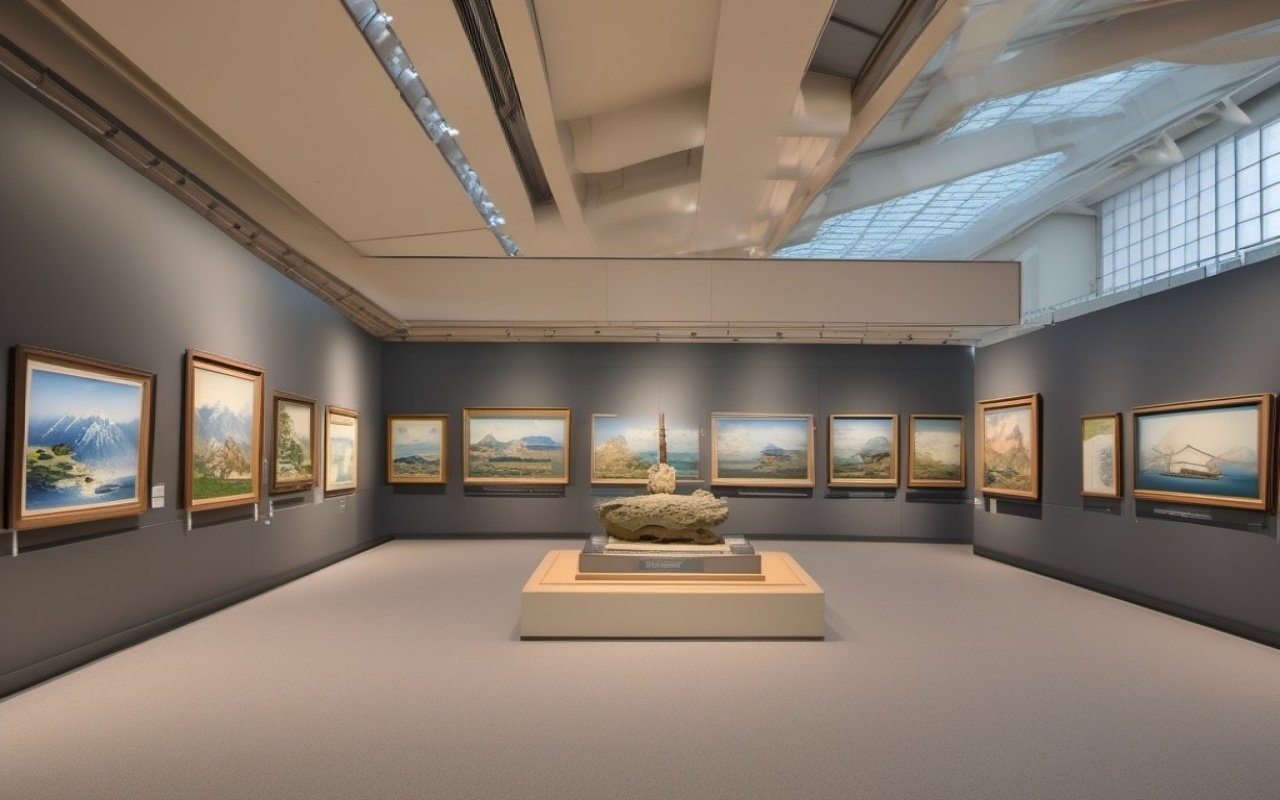
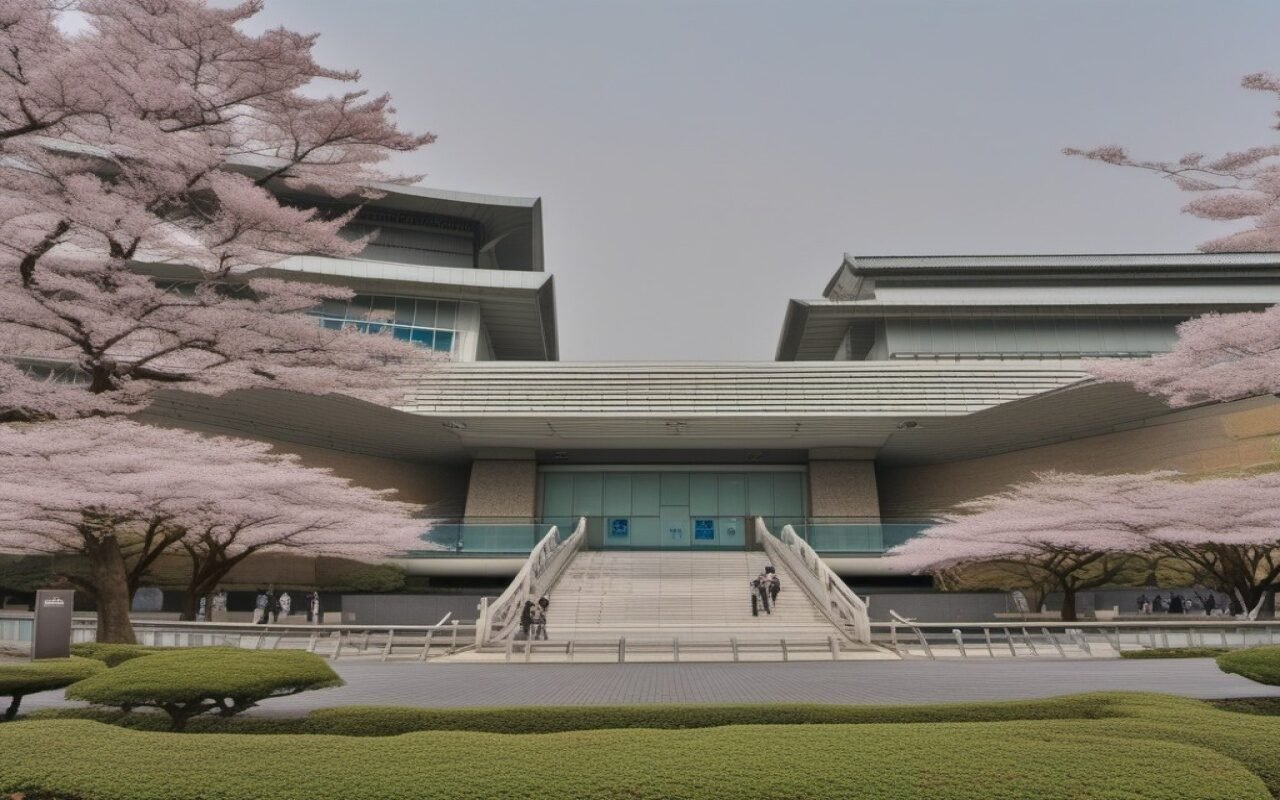
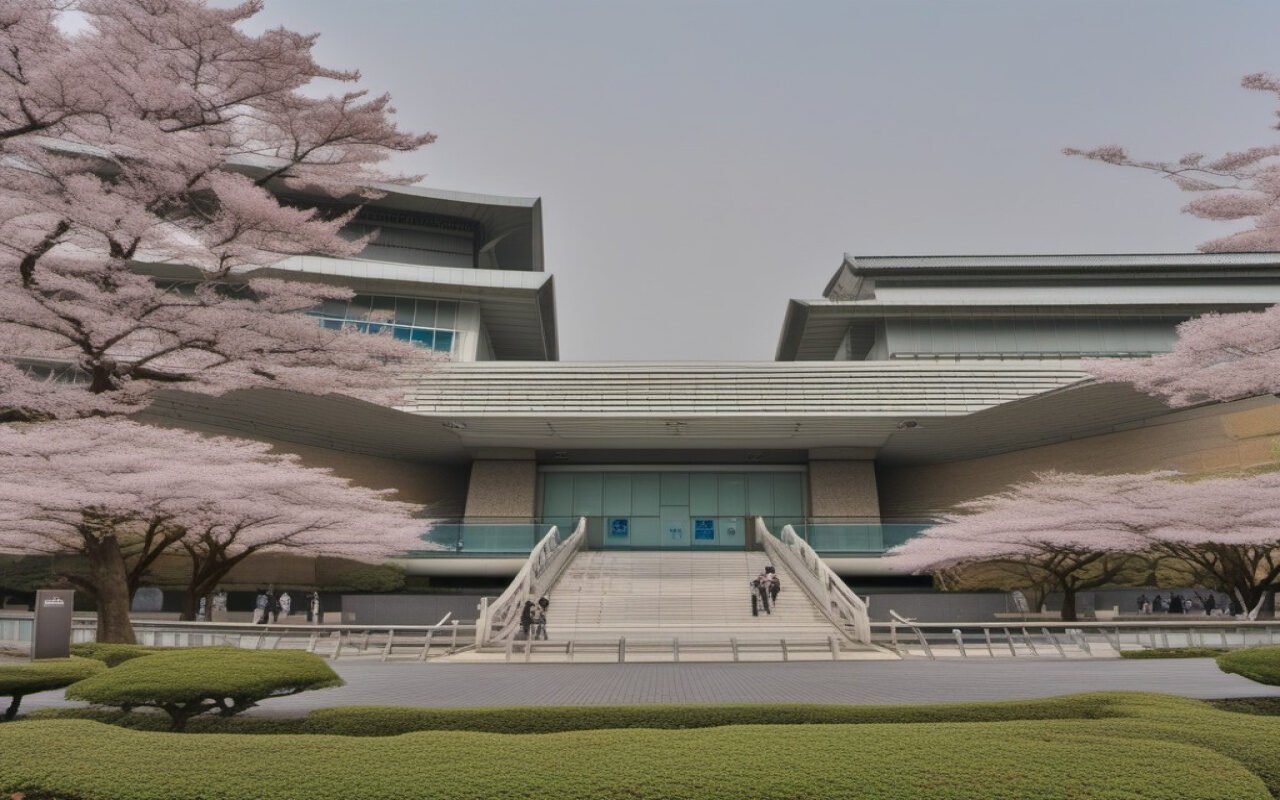
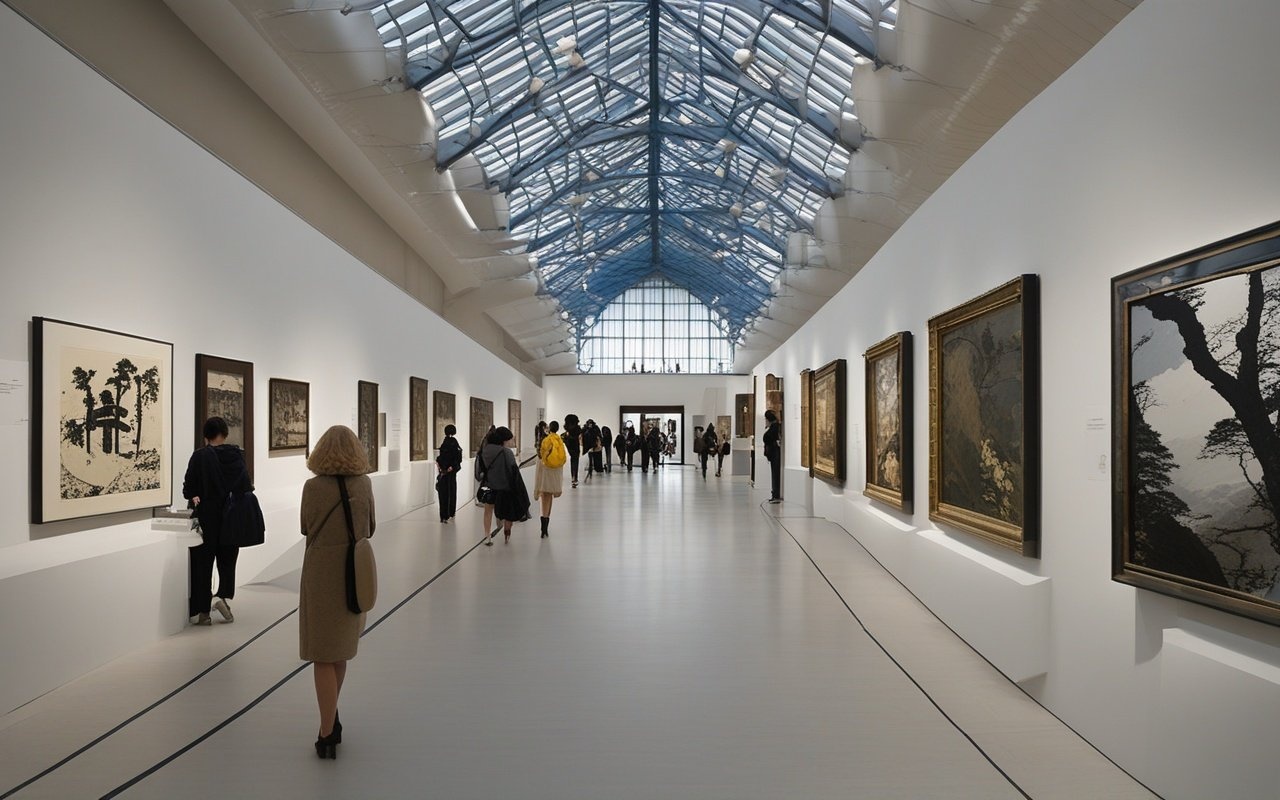
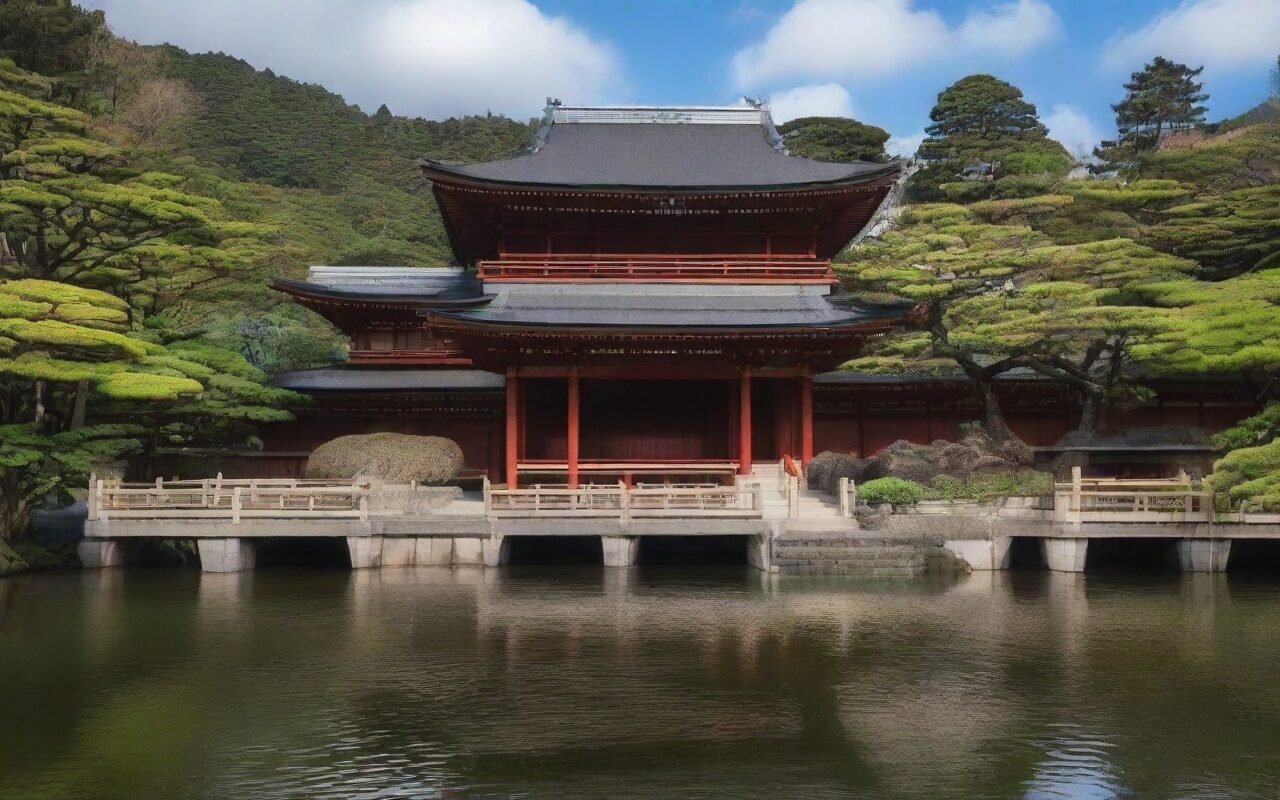
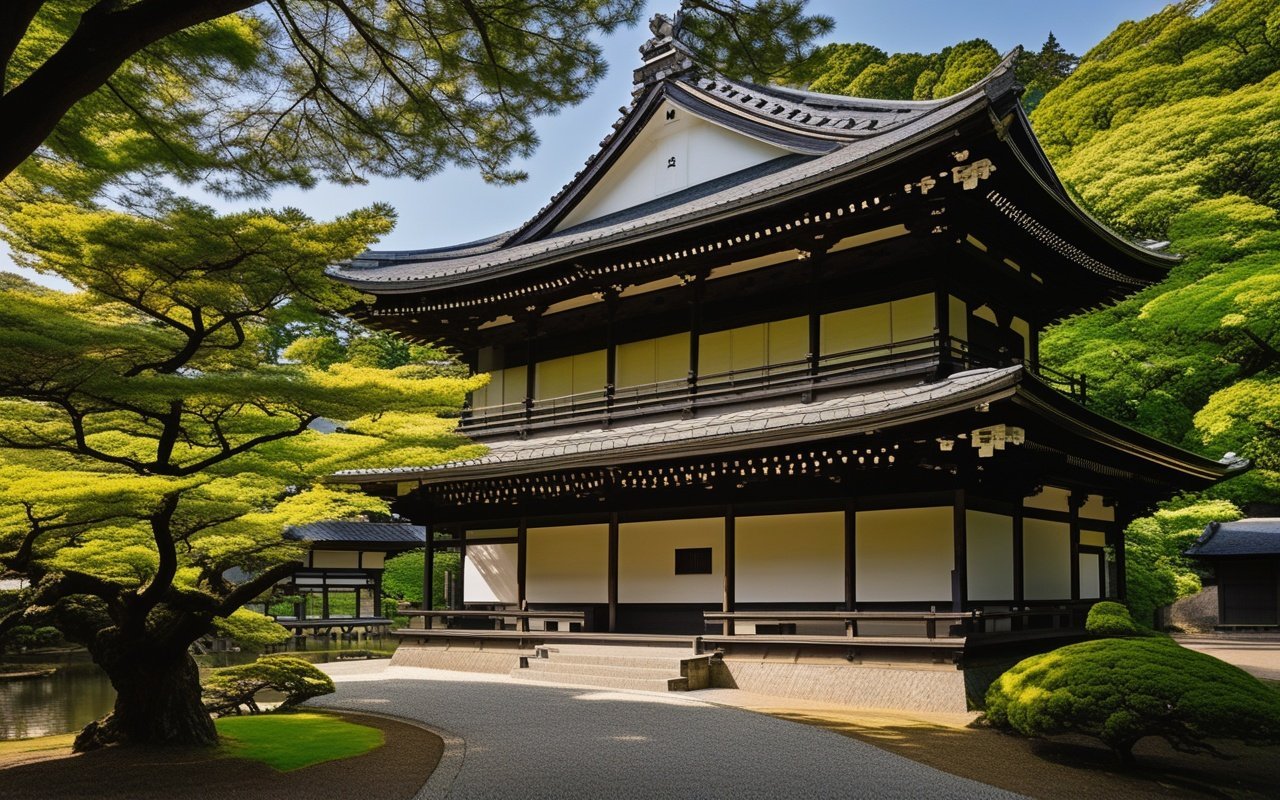
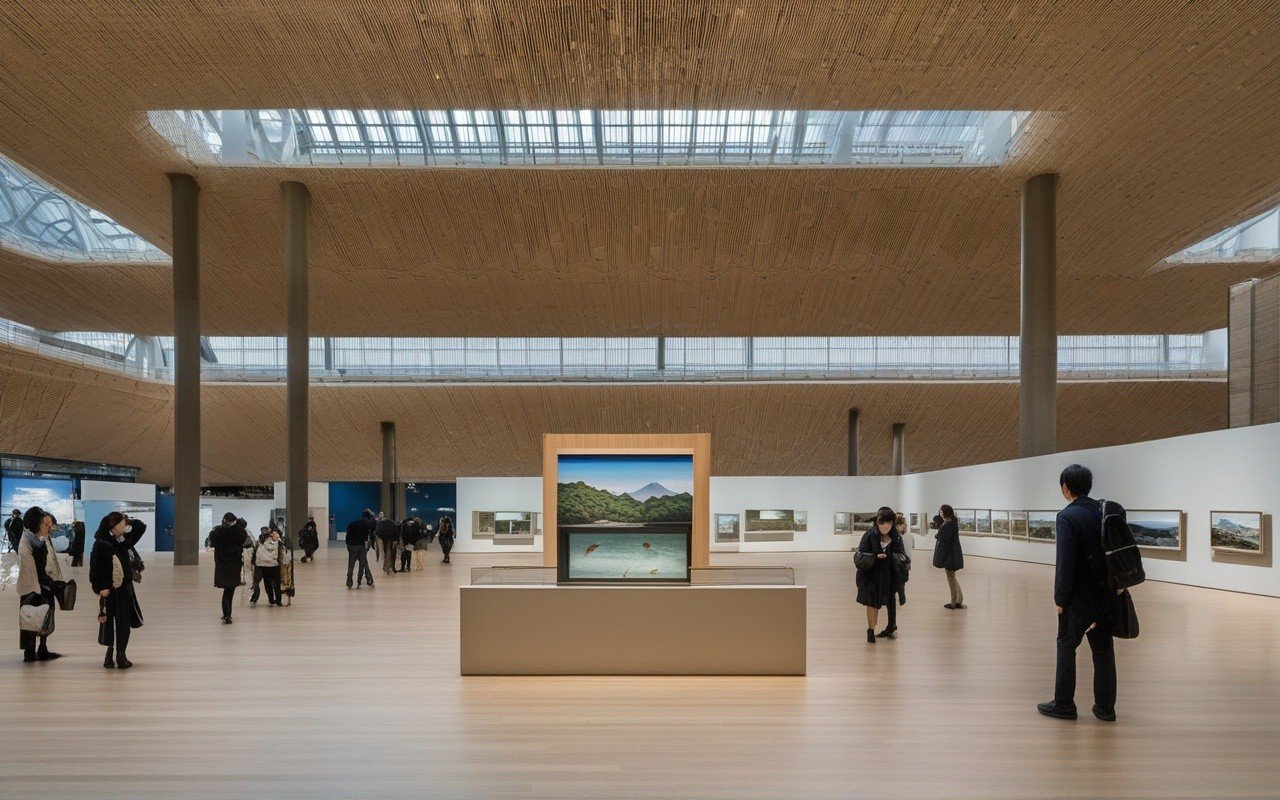
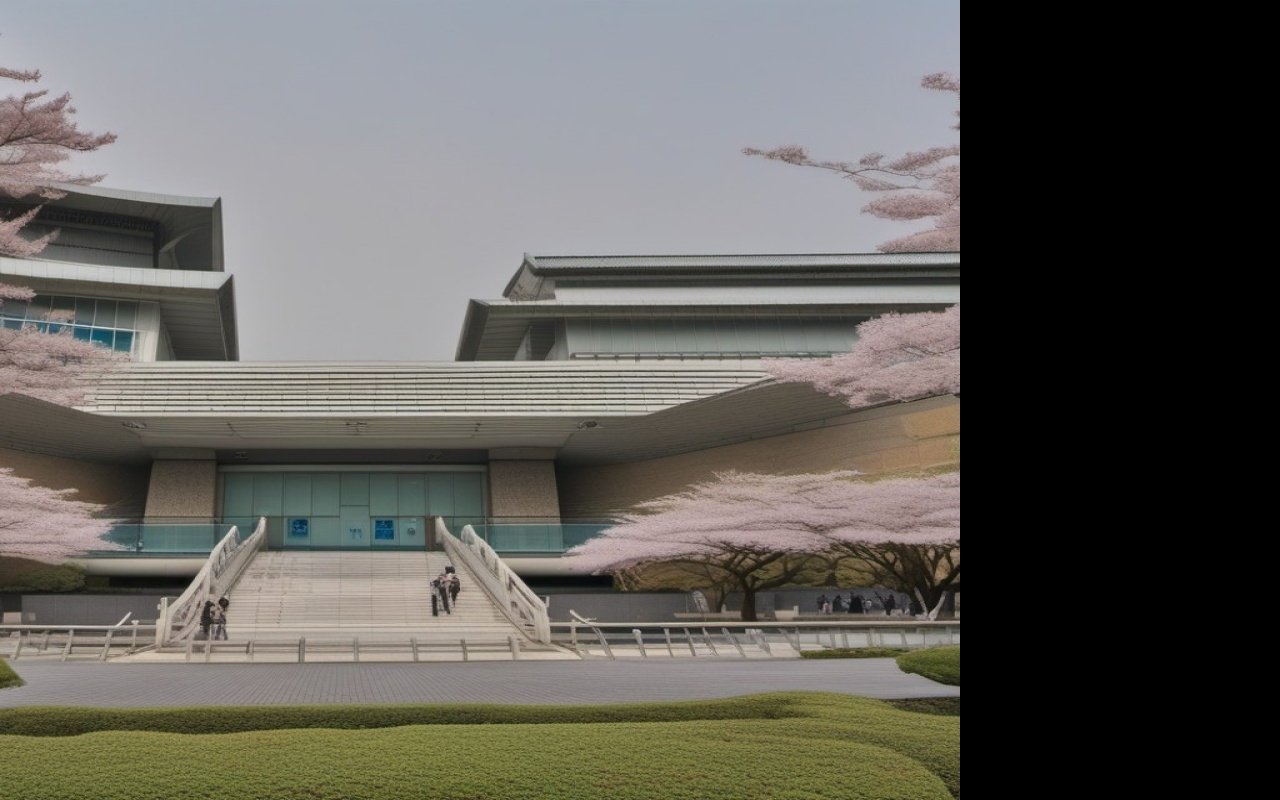
    Kanagawa museum exterior featuring modern and old-style show spaces

    Kanagawa Museum Guide - Kanagawa 2026 — spot


    Introduction

    Kanagawa Prefecture is home to some of Japan’s best museums, from world-class art collections to interactive science centers. This guide covers the must-visit museums in Kanagawa. Highlights:

    • 20+ world-class museums
    • Art, culture
    • Interactive exhibits
    • Family-friendly options
    • Easy access from Tokyo

    Hakone Open-Air Museum

    Best for: Outdoor sculpture, photos

    Hours: 9:00 AM - 5:00 PM (varies by season)
    Admission: ¥1,600
    Access: 2 min walk from Chokoku-no-Mori Station
    Time needed: 3-4 hours
    Closed: Tuesday (Nov-Mar)

    Japan’s first open-air museum, featuring over 120 sculptures in a pretty mountain setting. Highlights:

    • Picasso Pavilion (500+ works)
    • Symphonic Sculpture (climb inside)
    • Hot spring foot bath
    • Seasonal shows Tips:
    • Wear comfy walking shoes
    • Allow 3-4 hours
    • Combine with Hakone onsen

    Pola Museum of Art

    Best for: Impressionist art, cosmetics set

    Hours: 9:00 AM - 5:00 PM
    Admission: ¥1,800
    Access: Free shuttle from Hakone-Yumoto
    Time needed: 2-3 hours
    Closed: Tuesday

    A world-class art museum featuring French Impressionist paintings and Japanese modern art. Van Gogh

    • Japanese modern art
    • Cosmetic collection
    • Special shows Features:
    • pretty forest setting
    • great cafe
    • Gift shop with art books

    Yokohama Museum of Art

    Best for: Modern art, city views

    Hours: 10:00 AM - 6:00 PM
    Admission: ¥500
    Access: 5 min walk from Minato Mirai Station
    Time needed: 2-3 hours
    Closed: Thursday

    A comprehensive modern art museum featuring Japanese and international contemporary art. collection:

    • Japanese modern art
    • International contemporary
    • photos shows
    • Video installations Features:
    • Large sculpture garden
    • Art library
    • Museum shop
    • Cafe with city views

    Cup Noodles Museum (Yokohama)

    Best for: Families, food

    Hours: 10:00 AM - 6:00 PM
    Admission: Free
    Workshops: ¥500-800
    Access: 5 min walk from Minato Mirai Station
    Time needed: 2-3 hours
    Closed: Tuesday, holidays

    Learn about the history of instant noodles and create your own custom Cup Noodle. Workshops:

    Nissan Global Headquarters Gallery

    Best for: Cars, families

    Hours: 10:00 AM - 7:00 PM
    Admission: Free
    Access: 3 min walk from Shin-Yokohama Station [Get the Yokohama Seaside Gourmet Train Pass — combine transport & dining for a perfect bay area day out](Get the Yokohama Seaside Gourmet Train Pass — combine transport & dining for a perfect bay area day out)
    Time needed: 1-2 hours
    Closed: Irregular

    see Nissan’s history and latest technology at their global headquarters. Exhibits:

    • old Nissan vehicles
    • Latest models (test sits available)
    • Technology demonstrations
    • Racing heritage Features:
    • Free admission
    • Photo chances
    • Gift shop
    • Cafe

    Yokohama Museum of History

    Best for: Local history, port culture

    Hours: 9:00 AM - 5:00 PM
    Admission: ¥100
    Access: 5 min walk from Takashima-cho Station
    Time needed: 1-2 hours
    Closed: Monday

    Learn about Yokohama’s rich history as an international port city. Exhibits:

    • Port history
    • International settlement era
    • great Kanto Earthquake
    • Modern Yokohama Features:
    • English explanations
    • Reasonable admission
    • Central spot

    Kamakura Museum of National Treasures

    Best for: Buddhist art, samurai culture

    Hours: 9:00 AM - 4:30 PM
    Admission: ¥200
    Access: 10 min walk from Kamakura Station
    Time needed: 1 hour
    Closed: Thursday

    A small but great museum featuring Buddhist sculptures and samurai artifacts. collection:

    • Buddhist sculptures
    • Samurai armor and swords
    • Calligraphy
    • Tea ceremony utensils Features:
    • pretty garden
    • Near Tsurugaoka Hachimangu
    • Quiet vibe

    Yokohama Science Center

    Best for: Families, hands-on science

    Hours: 9:30 AM - 5:00 PM
    Admission: ¥510 (adults). ¥260 (children)
    Access: 15 min bus from Yokohama Station
    Time needed: 2-3 hours
    Closed: Monday

    An interactive science museum with hands-on exhibits and a planetarium. Exhibits:

    • Physics experiments
    • Biology displays
    • Technology demonstrations
    • Planetarium shows (more fee) Features:
    • great for children
    • Hands-on exhibits
    • Educational programs
    • Cafe and shop

    Hakone Art Day (Full Day)

    Time: 6-8 hours
    Budget: ¥5,000-7,000

    9:00 AM: Arrive in Hakone
    9:30 AM: Open-Air Museum (3 hours)
    1:00 PM: Lunch in Gora
    2:30 PM: Pola Museum (2 hours)
    5:00 PM: Onsen
    7:00 PM: Return to Tokyo

    Yokohama Culture Day (Full Day)

    Time: 6-8 hours
    Budget: ¥3,000-5,000

    10:00 AM: Cup Noodles Museum (2 hours)
    12:00 PM: Lunch in Minato Mirai
    2:00 PM: Yokohama Museum of Art (2 hours)
    4:00 PM: Nissan Gallery (1 hour)
    6:00 PM: Dinner and return to Tokyo

    Kamakura Culture Half Day

    Time: 3-4 hours
    Budget: ¥1,000-2,000

    10:00 AM: Kamakura Museum of National Treasures (1 hour)
    11:30 AM: Tsurugaoka Hachimangu visit
    1:00 PM: Lunch in Komachi-dori
    2:00 PM: Return to Tokyo

    Hakone Free Pass

    Includes:

    • Round trip from Shinjuku
    • All Hakone transport
    • Discounts at 50+ places Museum Discounts:
    • Open-Air Museum: ¥200 off
    • Pola Museum: ¥300 off
    • Many other attractions Cost: ¥5,140 (from Shinjuku)
      Validity: 2 days

    Yokohama Minato Burari Ticket

    Includes:

    • Unlimited subway travel
    • Discounts at attractions Museum Discounts:
    • Yokohama Museum of Art: ¥100 off
    • Cup Noodles Museum: Priority booking Cost: ¥820 (1 day)
      Validity: 1 day

    Common Museum Discounts

    • Students: 50% off with student ID
    • Seniors (65+): 20-50% off
    • Groups (10+): 10-20% off
    • Evening: Some museums offer reduced rates

    Best Time to Visit

    Weekdays:

    • Less crowded
    • Better for photos
    • More time with exhibits Weekends:
    • Very crowded (mostly 1-3 PM)
    • Family-friendly vibe
    • Special events common

    Photos

    • Allowed: Most outdoor areas, some indoor
    • Prohibited: Special shows, some galleries
    • Flash: Usually prohibited
    • Tripods: Usually need permission

    Places

    • Lockers: Available at most museums
    • Cafes: Most museums have cafes
    • Shops: Museum shops with unique items
    • ease of use: Most museums are wheelchair accessible

    Language

    • Signage: Japanese and English at major museums
    • Audio guides: Available at most museums (¥300-500)
    • Staff: Basic English at tourist museums
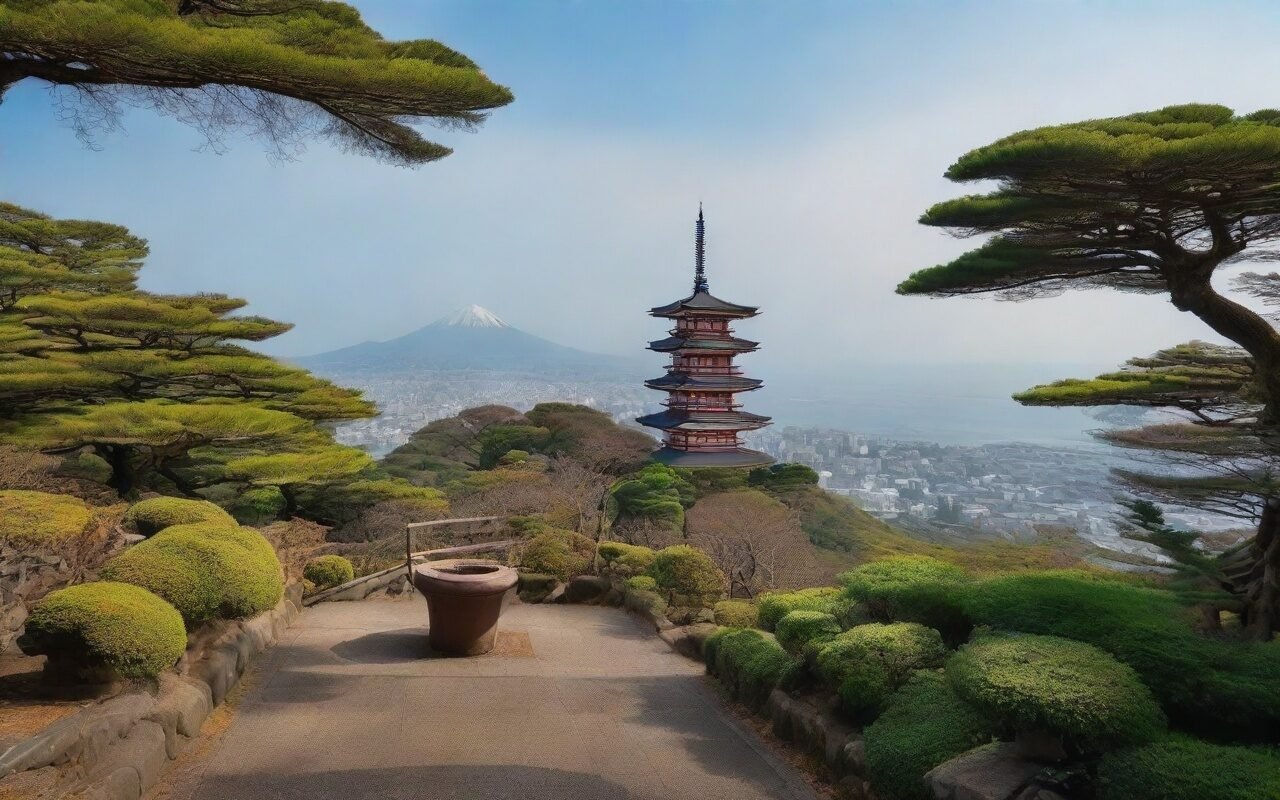
    Kanagawa Museum Guide scenery and attractions


    Summary

    Kanagawa offers exceptional museum things, from world-class art collections to interactive science centers. Whether you’re an art lover, history buff, or traveling with family, Kanagawa has the perfect museum for you. Key highlights:

    • 20+ world-class museums
    • Art, culture
    • Interactive exhibits
    • Family-friendly options
    • Easy access from Tokyo

    Kanagawa Museum Guide - Kanagawa 2026 — Summary

    Kanagawa Museum Guide From old-style art to contemporary shows, the museums in this guide showcase the rich cultural tapestry of Kanagawa. Plan your visit according to your interests, and allow enough time to fully appreciate each venue’s unique collections.

    Are museums crowded on weekends? A. Yes, mostly 1-3 PM. Visit on weekdays or arrive early

    Do museums have English info? A. Major museums have English signage and audio guides. ### Q. Are museums wheelchair accessible? A. Most major museums are fully accessible

    Can I take photos? A. Usually yes in permanent collections, no in special shows

    Frequently Asked Questions

    Q: Is there a best time of day to visit?
    A: Early mornings (before 10 AM) are ideal for experiencing attractions with minimal crowds and optimal lighting for photos. Late afternoons (after 3 PM) also offer good conditions as tour groups depart. Midday hours (11 AM-2 PM) are the busiest across most places in Kanagawa. Q: What’s the most handy way to reach this place?
    A: The area is well-served by train from central Tokyo. JR lines connect major hubs, while private railways provide direct access to specific places. Travel time ranges from 25 minutes to 2 hours depending on the spot. The nearest major station has taxi and bus connections to final places, and most sights are within walking distance of stations. Q: How much time should I spend at Kanagawa?
    A: Most visitors find that a few minutes to review the key info is sufficient to see the main highlights of Kanagawa. If you have specific interests or want to see off-the-beaten-path spots, consider allocating more time. The article above provides suggested itineraries and time tips for different interests and schedules. Q: What should I prepare before my trip?
    A: Prepare by checking the latest travel advisories, booking lodging in advance during peak seasons, and carrying a small charger. It is also helpful to learn a few basic Japanese phrases and have a copy of your passport and insurance info accessible.

    Packing Essentials

    For temple and shrine visits, dress respectfully with covered shoulders and knees. Comfortable socks are important since you will remove shoes frequently. A small coin purse is useful for offering donations. A goshuincho (temple stamp book) can be purchased at most major temples.

    Conclusion

    Whether you are planning exploring Kanagawa for its museum for the first time or returning for another visit, taking a little extra time to go beyond the obvious sights makes all the difference. During my visit I went with a rough plan and found that leaving room to wander made the trip far more memorable. I hope this guide helps you build an itinerary that fits your pace, and that your time in Kanagawa leaves you with memories worth coming back for.
  • Kamakura Tsurugaoka Hachimangu Guide 2026

    Kamakura Tsurugaoka Hachimangu Guide 2026

    Kamakura Tsurugaoka Hachimangu Guide 2026

    Overview

    Explore the rich cultural heritage and historical significance of Kamakura Tsurugaoka Hachimangu in Kanagawa Prefecture. This guide delves into the fascinating stories, traditions, and landmarks that define Kamakura. From ancient temples to modern museums, discover how this destination has shaped Japan’s cultural landscape over centuries.

    Quick Links

    Planning a visit to time Kamakura Tsurugaoka Hachimangu Guide in Kanagawa? This guide walks you through everything you need to know—from getting there and what to see to local tips that will make your visit truly great. Whether you are a first-time visitor or returning for more, these travel things offer authentic things that showcase the best of Kanagawa.

    📍 Location


    • Access: 10 min walk from Kamakura Station
    • Admission: Free (treasure hall: ¥200)
    • Hours: 6:00 AM – 8:00 PM (varies by season)
    • Best for: History, festivals

    Kamakura Tsurugaoka Hachimangu Guide — main illustration

    Kamakura Tsurugaoka Hachimangu Guide 2026 — Location


    Introduction

    Kamakura Tsurugaoka Hachimangu Guide 2026 — Introduction

    Tsurugaoka Hachimangu is Kamakura’s most important Shinto shrine. This historic shrine was the spiritual center of the Kamakura Shogunate and remains a vital cultural landmark today. Highlights:

    • 950+ years of history
    • pretty shrine architecture
    • Traditional festivals
    • Peaceful grounds
    • Central Kamakura location

    Foundation

    Founded: 1063 by Minamoto no Yoriyoshi
    Dedicated to: Hachiman (god of war)
    Historical role: Spiritual center of Kamakura Shogunate

    Key Historical Events

    • 1180: Minamoto no Yoritomo relocates shrine to current location
    • 1333: Fall of Kamakura Shogunate
    • 1960: Designated as Important Cultural Property

    Main Hall (Honden)

    Features:

    • Traditional Nagare-zukuri architecture
    • Important Cultural Property
    • Prayer hall
    • Fortune slips (omikuji) Prayer:
    • Cost: ¥500 for formal prayer
    • Duration: 15-20 minutes
    • Language: Japanese (English pamphlet available)

    Treasure Hall

    Admission: ¥200
    Hours: 9:00 AM – 4:00 PM
    Closed: Wednesdays Collection:

    • Samurai armor and swords
    • Ancient manuscripts
    • Ritual objects
    • Historical artifacts

    Gardens

    Features:

    • Lotus pond (pretty in June-July)
    • Traditional landscaping
    • Peaceful walking paths
    • Photo chances

    Major Festivals

    Reitaisai (September 14-16)

    • Annual grand festival
    • Traditional processions
    • Horseback archery
    • Largest festival of the year Setsubun (February 3)
    • Bean-throwing ceremony
    • Good luck rituals
    • Family-friendly New Year (January 1-3)
    • Hatsumode (first shrine visit)
    • Very crowded (3 million visitors)
    • Special ceremonies

    By Train

    From Tokyo Station:

    1. JR Yokosuka Line to Kamakura Station (1 hour, ¥1,040)
    2. 10-minute walk east From Shinjuku:
    3. JR Shonan-Shinjuku Line to Kamakura Station (1 hour. ¥1,040)
    4. 10-minute walk

    By Bus

    From Kamakura Station:

    • Kanachu Bus to Tsurugaoka-mae (5 min. ¥220)
    • 1-minute walk

    Komachi-dori Street (5 min walk)

    Features:

    • Shopping street
    • Local snacks
    • Souvenir shops
    • Cafes and restaurants

    Kamakura Museum (10 min walk)

    Features:

    • Kamakura history
    • Buddhist art
    • Samurai artifacts
    • Admission: ¥300

    Hasedera Temple (15 min by bus)

    Features:

    • pretty gardens
    • Ocean views
    • Kannon Hall
    • Admission: ¥400

    Kamakura Tsurugaoka Hachimangu Guide scenery and attractions


    Summary

    Tsurugaoka Hachimangu is Kamakura’s most important shrine with 950+ years of history. A must-visit for history and culture enthusiasts. Key highlights:

    • 950+ years of history
    • Important Cultural Property
    • Traditional festivals
    • Peaceful grounds
    • Central Kamakura location

    📜 Historical Background

    Understanding the historical context of this destination enriches the visitor time and provides deeper appreciation for what you see. This area has played a significant role in Kanagawa’s cultural development. Historical Significance: The region has been an important cultural and political center for centuries, with many of its landmarks dating back to the Kamakura and Edo periods. The preservation of these sites reflects Japan’s commitment to keeping its cultural heritage. Architectural Heritage: Traditional architecture in the area showcases distinctive Japanese building techniques and design principles. Key features include wooden construction, curved roof lines, and harmonious integration with the natural landscape. Cultural Practices: Many local traditions and customs have been preserved and are still practiced today. Visitors may observe or join in tea ceremonies, meditation sessions, traditional craft workshops, and seasonal festivals. Recommended Reading: For those interested in deeper exploration, consider reading English-language guidebooks focused on Japanese history and culture available at local bookstores and tourist info centers.

    🗓️ Sample Itinerary

    Half-Day Visit (3-4 hours):

    • Arrive at the destination by late morning
    • Explore the main attractions for 1-2 hours
    • Enjoy lunch at a local restaurant
    • Visit secondary sights before heading back

    Full-Day Visit (6-8 hours):

    • Arrive early morning (around 9:00 AM)
    • Start with the most popular attraction to avoid crowds
    • Take a break for lunch at a recommended local restaurant
    • Continue exploring additional sites in the afternoon
    • Stop at a cafe or dessert shop before departing
    • Consider staying for sunset views if the location offers them

    With Nearby Attractions (add 2-3 hours):

    • Combine your visit with a nearby destination for a more diverse time
    • Use local transportation to move between locations efficiently
    • Check operating hours in advance to plan your timing carefully

    Rainy Day Alternative:

    • Focus on indoor attractions such as museums, and shopping centers
    • Visit covered shopping arcades and traditional market streets
    • Consider a cooking class or craft workshop as an indoor activity
    • Check if your destination has indoor alternative activities available
      unique perspective on Kanagawa that rewards those who take the time to explore thoroughly. Whether you are here for a day or a week, the memories you create will stay with you long after you return home.

    Frequently Asked Questions

    Is there an admission fee? A. Shrine grounds are free. Treasure hall is ¥200

    How long does a visit take? A. Plan for 1-2 hours for full time

    Are English explanations available? A. Yes, info boards and pamphlets in English. —

    Last Updated: March 2026
    Written by: Anaba OffJapan Editorial Team


    Anaba OffJapan – Avoid the Crowds, Go Deeper into Japan.

    Common Questions Answered

    Q: Are English guides available?
    A: Major temples, and museums offer English audio guides or pamphlet guides. Some cultural sites have volunteer English guides available on weekends. Q: Can I take photographs?
    A: photos is generally allowed in outdoor areas. Indoor photos, mostly of cultural artifacts, may be restricted. Flash photos is commonly prohibited. Q: How much time should I budget?
    A: For temples and shrines, budget 30-60 minutes. Museums typically need 1-2 hours. Cultural things (tea ceremony, craft workshops) take 1-2 hours. Q: Are there any dress codes?
    A: No strict dress codes, but dressing respectfully is appreciated at temples and shrines. Avoid overly revealing clothing, comfy walking shoes are recommended.

    Visiting During Special Events

    Tsurugaoka Hachimangu hosts several major events throughout the year. The New Year’s visit (Hatsumode. January 1-3) draws over 2 million visitors — the approach road is packed, but the atmosphere is electric. Kamakura Matsuri (April) features yabusame (horseback archery) performances on the shrine grounds. Autumn leaves peak in late November, with the ginkgo tree avenue turning brilliant yellow. If you can time your visit for a Sunday during festival season, you’ll see traditional wedding processions passing through the main gate.

    Final Thoughts

    Kamakura Tsurugaoka Hachimangu Guide provides everything you need to make your Kanagawa trip smooth and enjoyable. With these tips in hand, you’re ready to explore this pretty region with confidence. Safe travels! —

    What Locals Say

    We spoke with residents and frequent visitors to get their honest opinions about Kamakura Tsurugaoka Hachimangu Guide 2026: Complete Shrine time:

    Tanaka-san, Local Resident (15 years):

    “This place has been part of our community for generations. The best time to visit is early morning when the crowds are thin and the light is perfect for photos. Don’t miss the hidden spots that most tourists overlook.”

    Yamamoto-san, Tour Guide (10 years time):

    “I bring visitors here often. The key to enjoying Kamakura Tsurugaoka Hachimangu Guide 2026: Complete Shrine time is to take your time. Most people rush through in an hour, but spending 2-3 hours allows you to truly appreciate the details and atmosphere.”

    Suzuki-san. Photographer:

    “For the best photos, visit during golden hour. The way the light hits [the main feature] creates magical moments. Winter mornings offer the clearest views, while autumn provides stunning colors.”

    Conclusion

    Whether you are planning exploring Kamakura for the first time or returning for another visit, taking a little extra time to go beyond the obvious sights makes all the difference. During my visit to Kamakura I went with a rough plan and found that leaving room to wander made the trip far more memorable. I hope this guide helps you build an itinerary that fits your pace, and that your time in Kanagawa leaves you with memories worth coming back for.
  • Retro Kissaten Culture Guide 2026

    Retro Kissaten Culture Guide 2026

    Overview

    Explore the rich cultural heritage and historical significance of Retro Kissaten Culture Guide in Kanagawa Prefecture. This guide delves into the fascinating stories, traditions, and landmarks that define Retro. From ancient temples to modern museums, discover how this destination has shaped Japan’s cultural landscape over centuries.

    The Kissaten Experience

    A true Kissaten offers more than just a caffeine fix. You can expect:

    • Hand-drip Coffee (Hando): Meticulously brewed by the “Master” (owner) using a flannel drip cloth or paper filter. The focus is on the deep, rich flavor of the beans.
    • Homemade Sweets: Often a slice of thick, creamy caramel pudding or a Showa-style fruit sandwich with whipped cream.
    • Jazz or Classical Music: Many shops play vinyl records on high-end audio systems, Talking loudly is often frowned upon; these are sanctuaries for contemplation.

    Access

    Yokohama’s Motomachi Shopping Street is about a 10-minute walk from Motomachi-Chukagai Station on the Minatomirai Line (or from Ishikawacho Station on the JR Negishi Line). In Kamakura, the kissaten are a short walk from JR Kamakura Station’s east exit — about an hour from Tokyo on the JR Yokosuka Line.

    Recommended Locations

    Motomachi Shopping Street

    This historic street in Yokohama is lined with cafes that have been serving customers since the 1950s. The interior often features dark mahogany wood, plush leather chairs, and beautiful stained glass windows that filter the sunlight.

    • Spotlight: Look for shops displaying “Since 19xx” signs.

    Retro Kissaten Culture Guide scenery and attractions
    Retro Kissaten Culture Guide — main illustration

    Retro Kissaten Culture Guide — visitor highlights
    Before the rise of global chains like Starbucks and Doutor, Japan had “Kissaten”—traditional coffee shops that served as cultural hubs for artists, students, and intellectuals. Kanagawa, with its rich international history in Yokohama and its serene atmosphere in KamakuKamakuraerves these retro cafes beautifully. A visit to a Kissaten is like stepping into a time machine.

    Kamakura’s Backstreets

    Wander away from the main shrine paths to find small tea houses (Saryo) serving matcha and traditional wagashi sweets in a serene, Zen-inspired setting. The view of a meticulously raked gravel garden while sipping tea is the essence of Japanese aesthetics.

    Etiquette for Visitors

    • Quiet Enjoyment: These are places for relaxation. Keep your voice down and refrain from taking calls.
    • Tipping: Tipping is not customary in Japan, even at high-end Kissaten. The price on the menu is exactly what you pay.
    • Smoking: Be aware that many older Kissaten still allow smoking inside, though this is changing.

    Finding the Right Kissaten Mood in Yokohama and Kamakura

    Motomachi classics skew toward mahogany, stained glass, and afternoon cake sets that feel closer to European salons than to third-wave espresso bars, while Kamakura backstreet tea houses lean tatami-forward with lower tables and garden views that reward whispered conversation. Match the venue to your footwear: climbing steep lanes in leather boots before sliding into sock-only seating frustrates everyone, so pack foldable slip-ons or plan kissaten visits after hotel changes. Vinyl jazz kissaten may post “one order per person” rules even when seats look empty; that policy funds the expensive audio rigs humming behind the counter.

    Hand-drip pacing is deliberate, Arriving ten minutes before closing often earns polite refusal because masters refuse to rush the last cloth drip. If you need caffeine fast, kissaten culture is the wrong tool—grab canned coffee from a vending machine first, then return for slow ritual. Photography policies vary: some owners welcome lens shots of latte art analogs, others ban any phone use because shutter sounds disturb the room. Always ask quietly before filming pour-over arcs.

    Cash remains common, and some shops still handwrite tickets without English translations; pointing at showcase cakes works, but learning “blend” versus “single origin” Japanese terms saves confusion when seasonal beans rotate weekly. Summer kissaten may switch on retro air conditioners that hum loudly—choose seats away from compressors if you want to hear Coltrane pressings clearly. Winter kotatsu-style setups appear in smaller houses converted into cafés; tuck bags under blankets carefully so cords stay visible.

    Pair kissaten hopping with broader Yokohama nightlife context through Yokohama date night course or architectural walks in Yokohama historical walk so daylight sightseeing flows into evening calm. Kamakura visitors can bridge temple silence to café hush using Kamakura one day trip routing tips that avoid backtracking across hills.

    Smoking sections still exist; check entrance stickers or ask “kitsuen OK?” before settling children inside. If aroma sensitivity is an issue, newer smoke-free kissaten clusters near Sakuragicho offer Showa décor without tobacco cling. Ultimately, kissaten reward guests who treat space like a listening room: order once, stay awhile, and let the needle drop dictate tempo, Bring a paperback or journal because rushing the bill signals disrespect more clearly than any mistranslated phrase ever could.

    How to Identify a True Kissaten

    Not every old-looking cafe qualifies as a kissaten. Here are the telltale signs of an authentic establishment: The Coffee: True kissaten serves coffee brewed one cup at a time using a cloth drip (nel drip) or siphon method. The beans are roasted in-house or sourced from a trusted specialty roaster. Coffee menus are handwritten and often include detailed tasting notes.

    The Music: Vinyl records, jazz or classical, playing at conversation-friendly volume. The turntable will be visible and often has a stack of records waiting to be played.

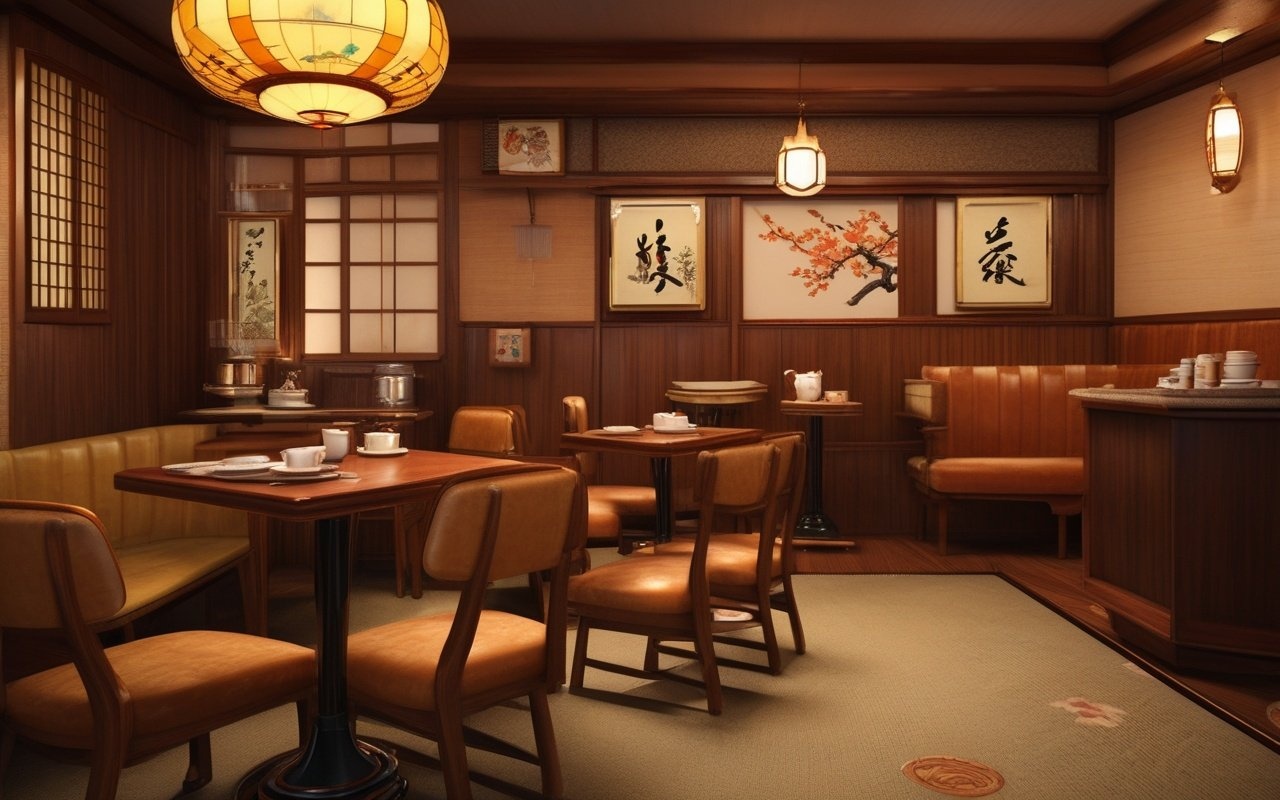
    The Interior: Dark wood furniture, stained glass lamps (often Tiffany-style), leather or velvet seating. Ashtrays are built into the tables (even for non-smoking sections). The walls are decorated with vintage art, music posters, or travel photographs accumulated over decades.

    The Master: The person behind the counter (usually older, often wearing an apron) has been there for 20+ years. They know the regulars by name and remember their orders. New customers are greeted with a polite nod but not effusive welcome.

    The Menu: Coffee is the focus, but other drinks are available: royal milk tea, cocoa, lemonade. Food options are limited: toast, sandwiches, curry rice, spaghetti Napolitan. No frappuccinos, no matcha lattes, no seasonal pumpkin spice drinks.

    Kissaten vs. Modern Cafe: A Comparison

    Feature Kissaten Modern Cafe
    Coffee brewing Nel drip or siphon Automatic espresso machine
    Music Vinyl (jazz, classical) Streaming playlist
    Stay time 30–90 minutes expected 15–30 minutes average
    Wi-Fi Rare Almost always
    Laptop use Discouraged Encouraged
    Food menu Limited, classic Expanded, trendy
    Clientele Regulars, older Mixed, younger
    Atmosphere Timeless, quiet Modern, energetic

    The Kissaten Morning Service Tradition

    The “morning service” (モーニングサービス) is a uniquely Japanese kissaten tradition dating from the 1960s. For the price of a coffee (typically ¥400–¥700), customers receive complimentary toast, a boiled egg, and sometimes salad or yogurt. This tradition began as a marketing tactic during a coffee price war and has become a beloved institution. Each kissaten puts its own spin on the morning service:

    • Kissaten Sakurai (桜井珈琲) in Noge serves their toast with homemade strawberry jam and a side of potato salad (¥550)
    • Coffee Parliament (コーヒー議会) near Kannai Station offers a choice of white or wheat toast with butter and marmalade (¥480)
    • Hakkaku (八角) in Yokohama pairs their morning coffee with a small bowl of fruit and yogurt (¥650)

    Morning service is typically available from opening (usually 7–8 AM) until 11 AM.

    Reading the Kissaten Atmosphere

    Kissaten have an unspoken code of behavior that regulars follow:

    • Enter quietly, nod to the master, take a seat
    • Do not call out to get the master’s attention—wait to be noticed
    • Choose your seat carefully: counter seats are for solo diners and regulars; table seats are for groups
    • When leaving, bring your check to the counter—do not expect the bill to be brought to your table
    • Say “gochisousama deshita” (thank you for the meal) when paying and leaving

    What struck me most was the meticulous preservation of the original architectural features.

    Frequently Asked Questions (FAQ)?**

    A: Kissaten emphasize ritual and atmosphere over speed and efficiency. Coffee is brewed one cup at a time using cloth drip, music is played on vinyl, and customers are expected to stay for at least 30 minutes. Modern cafes focus on turnover and consistency.

    Q: Can I work on my laptop at a kissaten?
    A: Generally no. Kissaten are considered spaces for relaxation and conversation (quietly). Laptops, loud phone calls, and video meetings are usually discouraged. If you need to work, look for “Wi-Fi available” signs.

    Q: What should I order on my first visit?
    A: Start with a “blend coffee” (ブレンドコーヒー)—the master’s signature creation. Most kissaten offer a “morning service” (until 11 AM) that includes coffee, toast, and a boiled egg for ¥600–¥800.

    Q: How do I find hidden kissaten?
    A: Look for shops with “Coffee” (珈琲) in handwritten kanji on the noren (curtain) entrance, an aged wooden signboard, or a vintage coffee roaster visible through the window. Many are on second floors or in basement spaces.

    Q: Can I buy coffee beans at kissaten?
    A: Yes, most kissaten sell their house-blend beans packaged in simple paper bags. These make excellent souvenirs—each master’s blend is unique and reflects the shop’s character. Prices range from ¥800–¥1,500 per 100g.


    Conclusion

    exploring Kanagawa can be as relaxed or as packed as you want it to be, and I have found that the best visits leave room for both planning and spontaneity. During my visit I went with a rough plan and found that leaving room to wander made the trip far more memorable. Use this guide to sort out the logistics in advance, then let the day surprise you — Kanagawa rewards travelers who stay curious.

  • Best Museums In Hakone Guide 2026

    Best Museums In Hakone Guide 2026

    Overview

    Explore the rich cultural heritage and historical significance of Best Museums In Hakone Guide in Kanagawa Prefecture. This guide delves into the fascinating stories, traditions, and landmarks that define Best. From ancient temples to modern museums, discover how this destination has shaped Japan’s cultural landscape over centuries.

    📍 Location


    Hakone is home to over 20 museums, featuring world-class art, sculpture gardens, and cultural exhibits. This guide covers the best museums for art lovers, families, and culture enthusiasts. Explore Mt Fuji & Hakone on a full-day trip with sukiyaki lunch, Hakone Cruise, Ropeway & Shinkansen return

    1. Hakone Open-Air Museum

    Why Visit: Japan’s first open-air museum with 120,000 sqm of sculpture gardens

    • Collection: 1,200+ sculptures (Picasso. Calder)

    Best Museums In Hakone — main illustration

    Best Museums In Hakone — main illustration

    Hakone Open-Air Museum sculpture garden with mountain views and outdoor art exhibits

    Highlights:

    • Picasso Pavilion (500+ works)

    • Symphonic Sculpture (climbable tower)

    • Foot bath (relaxation)

    • Kids’ play area Best For: Art lovers. Hakone Venetian Glass Museum Save big with Hakone Freepass — unlimited train, ropeway & pirate ship rides, plus 30% off attractions Why Visit: Stunning Venetian glass art in romantic Italian gardens

    • Collection: Venetian glass (15th-20th century)

    • Admission: ¥1,500 (adult). ¥1,000 (student/child)

    • Hours: 9:00-17:30

    • Access: 10 min bus from Sengokuhara

    • Time Needed: 1-2 hours

    • Hakone Free Pass: ¥500 discount

    Highlights:

    • Crystal corridor (photo spot)
    • Glass-blowing demonstrations
    • Italian gardens
    • Afternoon tea (cafe) Best For: Couples, glass art

    3. POLA Museum of Art

    Why Visit: Impressionist masterpieces in architectural masterpiece

    • Collection: 12,000+ works (Monet. Van Gogh)
    • Admission: ¥1,800 (adult). ¥1,000 (student)
    • Hours: 10:00-17:00 (closed Tue)
    • Access: 15 min bus from Gora Station
    • Time Needed: 2-3 hours
    • Hakone Free Pass: ¥500 discount

    Highlights:

    • French Impressionist gallery
    • Japanese modern art
    • Architecture (built into mountain)
    • Cafe with garden views Best For: Art enthusiasts, quiet contemplation

    4. Hakone Museum of Art

    Why Visit: Japanese ceramics in traditional setting

    • Collection: 1,500+ Japanese ceramics
    • Admission: ¥1,000 (adult). ¥500 (child)
    • Hours: 9:30-17:00 (closed Tue)
    • Access: 10 min walk from Gora Station
    • Time Needed: 1-2 hours
    • Hakone Free Pass: ¥200 discount

    Highlights:

    • Tea ceremony room
    • Japanese garden
    • Seasonal exhibitions
    • Tea house (matcha time) Best For: Japanese culture, tea ceremony

    5. Okada Museum of Art

    Why Visit: Japanese and Asian art with hot spring baths

    • Collection: 3,000+ works (Japanese. Korean)
    • Admission: ¥2,500 (includes onsen)
    • Hours: 10:00-17:00 (closed Tue)
    • Access: 10 min bus from Hakone-Yumoto
    • Time Needed: 2-3 hours
    • Hakone Free Pass: ¥300 discount

    Highlights:

    • Onsen (hot spring bath)

    • Japanese garden

    • Rotating exhibitions

    • Cafe with garden views Best For: Art + onsen combo. Hakone Lalique Museum Why Visit: Art Nouveau glass and jewelry

    • Collection: Lalique glass (jewelry, perfume bottles)

    • Admission: ¥1,500 (adult). ¥1,000 (student/child)

    • Hours: 9:00-17:30

    • Access: 10 min bus from Sengokuhara

    • Time Needed: 1-2 hours

    • Hakone Free Pass: ¥500 discount

    Highlights:

    • Jewelry collection

    • Perfume bottle gallery

    • Glass-blowing shows

    • French cafe Best For: Jewelry lovers. Narukawa Art Museum Why Visit: “Forest of Art” contemporary museum

    • Collection: Contemporary Japanese art

    • Admission: ¥1,500 (adult). ¥1,000 (student)

    • Hours: 9:00-17:00 (closed Wed)

    • Access: 15 min bus from Gora Station

    • Time Needed: 1-2 hours

    • Hakone Free Pass: ¥300 discount

    Highlights:

    • Forest sculpture park

    • Contemporary exhibitions

    • Lake Ashi views

    • Cafe with terrace Best For: Contemporary art. Hakone Museum of photos Why Visit: photos exhibitions in historic building

    • Collection: 4,000+ photographs

    • Admission: ¥800 (adult). ¥500 (student/child)

    • Hours: 9:00-17:00 (closed Tue)

    • Access: 5 min walk from Gora Station

    • Time Needed: 1 hour

    • Hakone Free Pass: ¥200 discount

    Highlights:

    • Rotating exhibitions
    • Historic building (1930s)
    • Japanese garden
    • photos workshops Best For: photos, quiet visit

    9. Sengokuhara Folk Museum

    Why Visit: Traditional Hakone life and culture

    • Collection: Folk artifacts, traditional tools
    • Admission: ¥500 (adult). ¥300 (child)
    • Hours: 9:00-17:00 (closed Tue)
    • Access: 5 min walk from Sengokuhara
    • Time Needed: 1 hour
    • Hakone Free Pass: ¥200 discount

    Highlights:

    • Traditional farmhouse
    • Silk production exhibits
    • Seasonal events
    • Craft workshops Best For: History, budget travelers

    10. Hakone Botanical Garden of Wetlands

    Why Visit: Native Hakone plants in natural setting

    • Collection: 1,700+ plant species
    • Admission: ¥500 (adult). ¥250 (child)
    • Hours: 9:00-16:30 (varies by season)
    • Access: 10 min bus from Sengokuhara
    • Time Needed: 1-2 hours
    • Hakone Free Pass: ¥200 discount

    Highlights:

    • Wetland boardwalk
    • Seasonal flowers (iris, autumn leaves)
    • Nature trails
    • Visitor center Best For: Nature lovers, budget travelers

    Hakone Free Pass

    Coverage: Discounts at 15+ museums Discounts:

    • ¥200-500 off per museum
    • Unlimited transportation
    • Other attraction discounts Price: ¥5,140-6,100 (2 days) Worth It?: Yes, if visiting 3+ museums

    Hakone Kamonoyu Day Pass

    Coverage: Museum + Onsen combo Price: ¥2,500-3,500 Worth It?: Yes, for art + relaxation combo

    Art Lover’s Day (1 Day)

    Morning:

    • 9:30: Hakone Open-Air Museum (2.5 hours)
    • 12:30: Lunch at museum cafe Afternoon:
    • 14:00: POLA Museum of Art (2 hours)
    • 16:30: Hakone Museum of Art (1 hour) Total: 3 museums. 6-7 hours
      Cost: ¥4,000-4,500 (with discounts)

    Family Day (1 Day)

    Morning:

    • 9:30: Hakone Open-Air Museum (kids’ play area)
    • 12:00: Picnic in sculpture garden Afternoon:
    • 14:00: Sengokuhara Folk Museum (craft workshop)
    • 15:30: Hakone Botanical Garden (nature walk) Total: 3 attractions. 5-6 hours
      Cost: ¥3,000-3,500 (family of 4)

    Culture & Relaxation (2 Days)

    Day 1:

    • Morning: POLA Museum of Art
    • Afternoon: Hakone Venetian Glass Museum
    • Evening: Onsen at ryokan Day 2:
    • Morning: Okada Museum of Art (with onsen)
    • Afternoon: Hakone Museum of Art (tea ceremony) Total: 4 museums. 2 days
      Cost: ¥8,000-10,000 (with lodging)

    Opening Hours

    Typical Hours:

    • Open: 9:00-10:00
    • Close: 17:00-17:30
    • Last Entry: 30 min before closing Closed Days:
    • Most museums: Tuesday (or Wednesday)
    • New Year: Dec 29 – Jan 3
    • upkeep: Varies (check websites)

    Admission Prices

    Museum Type Adult Student Child
    Major ¥1,500-2,500 ¥1,000-1,500 ¥500-1,000
    Medium ¥1,000-1,500 ¥800-1,000 ¥400-600
    Small ¥500-1,000 ¥300-500 ¥200-400

    Discounts

    Hakone Free Pass:

    • ¥200-500 off per museum
    • Valid at 15+ museums Group Discounts:
    • 20+ people: 10-20% off
    • Advance booking needed Other Discounts:
    • Students (with ID)
    • Seniors (65+)
    • Disabled visitors

    By Car

    From Tokyo:

    • Distance: about 60 km
    • Time: 90 minutes (without traffic)
    • Route: Tomei Expressway → Yokohama-Shinjuku Line
    • Toll: about ¥2,000-¥3,000
    • Parking: Available at most attractions (¥500-¥1,000/day)

    From Yokohama:

    • Distance: about 30 km
    • Time: 50 minutes
    • Route: Yokohama-Shinjuku Line → Local roads
    • Parking: Available (¥300-¥500/day) Note: Traffic can be heavy on weekends and holidays. Public transportation I highly recommend during peak seasons.

    By Taxi

    From Nearest Station:

    • Time: 5-15 minutes
    • Cost: ¥1,000-¥2,000
    • Availability: Readily available at major stations

    By Bicycle

    Rental: Available at some stations and tourist centers

    • Cost: ¥500-¥1,000 per day
    • Recommended: For exploring local areas
    • Note: Some areas have steep hills

    Wheelchair Access:

    • ✅ POLA Museum (fully accessible)
    • ✅ Okada Museum (fully accessible)
    • ✅ Hakone Open-Air Museum (mostly accessible)
    • ⚠️ Some museums have limited access places:
    • Wheelchair rental: Available at major museums
    • Accessible toilets: Most museums
    • Elevators: Most major museums

    Check our senior travel guide for barrier-free attractions and transportation tips.

    1. Timing

    Best Time:

    • Weekdays: Less crowded
    • Morning: Fresh, fewer crowds
    • Autumn: Fall foliage + museums Avoid:
    • Weekends: Very crowded
    • Holidays: Extremely crowded
    • Rainy days: Indoor museums packed

    2. Budget Tips

    Save Money:

    • Buy Hakone Free Pass
    • Visit 3+ museums for discounts
    • Pack lunch (museum cafes expensive)
    • Check for free admission days Free Admission Days:
    • International Museum Day (May 18)
    • Culture Day (Nov 3)
    • Varies by museum

    3. photos

    Allowed:

    • ✅ Most outdoor areas
    • ✅ Some permanent collections
    • ⚠️ Check signs (varies by exhibition) Not Allowed:
    • ❌ Flash photos
    • ❌ Tripods (without permission)
    • ❌ Video recording

    Best Museums In Hakone — detailed view


    Summary

    Summary comparison of best Hakone museums including Open-Air Museum. Venetian Glass and POLA Museum

    Museum Best For Admission Time Needed
    Open-Air Families, sculpture ¥1,600 2-3 hours
    Venetian Glass Couples, glass art ¥1,500 1-2 hours
    POLA Impressionist art ¥1,800 2-3 hours
    Art of Art Japanese ceramics ¥1,000 1-2 hours
    Okada Art + onsen ¥2,500 2-3 hours

    Bottom Line: Hakone offers world-class museums for every interest. The Hakone Open-Air Museum is a must-visit, while art lovers should prioritize POLA Museum. Use the Hakone Free Pass for best value. Best For: Art lovers, rainy day activities Budget: ¥1,000-2,500 per museum (less with discounts) Time Needed: 1-3 hours per museum


    Related Articles:

    Frequently Asked Questions

    Q: What is the best season to plan a visit here?
    A: The ideal seasons for visiting this area are spring (March-May) and autumn (September-November), when temperatures are moderate and rainfall is minimal. Summer offers vibrant festivals and beach activities despite the humidity. Winter provides crisp, clear days perfect for photos and sightseeing with fewer tourists. Q: What’s the most handy way to reach this destination?
    A: The area is well-served by train from central Tokyo. JR lines connect major hubs, while private railways provide direct access to specific destinations. Travel time ranges from 25 minutes to 2 hours depending on the location. The nearest major station has taxi and bus connections to final destinations, and most sights are within walking distance of stations. Q: How much time should I spend at Hakone?
    A: Most visitors find that a few minutes to review the key info is sufficient to explore the main highlights of Hakone. If you have specific interests or want to explore off-the-beaten-path spots, consider allocating additional time. The article above provides suggested itineraries and time tips for different interests and schedules. Q: What should I prepare before my trip?
    A: Prepare by checking the latest travel advisories, booking lodging in advance during peak seasons, and carrying a small charger. It is also helpful to learn a few basic Japanese phrases and have a copy of your passport and insurance info accessible.


    Conclusion

    Best Museums In Hakone From traditional art to contemporary exhibitions, the museums in this guide showcase the rich cultural tapestry of Kanagawa. Plan your visit according to your interests, and allow enough time to fully appreciate each venue’s unique collections. Whether you come for the outdoor sculptures of the Open-Air Museum or the porcelain galleries of the Pola Museum, Hakone rewards slow, curious exploration — and our Hakone Area Guide can help you plan the route between them.

  • Odawara Castle Town Guide 2026

    Odawara Castle Town Guide 2026

    Odawara Castle Town Guide 2026

    Overview

    Explore the rich cultural heritage and historical significance of Odawara Castle Town Guide in Kanagawa Prefecture. This guide delves into the fascinating stories, traditions, and landmarks that define Odawara. From ancient temples to modern museums, discover how this destination has shaped Japan’s cultural landscape over centuries.

    Access

    Most visitors reach Odawara from central Tokyo by JR, private railway, or highway bus, and an IC card (Suica or Pasmo) works across all of them. From my experience, leaving Tokyo before the morning rush keeps the journey relaxed, and station luggage lockers are handy if you arrive early.

    The History of Odawara Castle

    Odawara Castle’s history begins in the early 15th century, when the Omori clan constructed a fortification on the site. The castle reached its peak under the Late Hōjō clan, who ruled the Kanto region from 1495 to 1590. The Hōjō expanded Odawara into one of the largest castle complexes in Japan, with massive stone walls and a network of surrounding fortifications.

    In 1590, Toyotomi Hideyoshi laid siege to Odawara Castle with an army of over 150,000 soldiers — one of the largest military campaigns in Japanese history. The siege lasted three months and ended with the Hōjō’s surrender. Hideyoshi’s victory consolidated his control over all of Japan. The castle was later awarded to Tokugawa Ieyasu, who used it as a defensive post on the Tokaido road.

    The original castle structures were lost over time — destroyed by earthquakes, fires, and finally dismantled under the Meiji government’s castle abolition order. The current five-tiered castle keep was reconstructed in 1960 using traditional methods and materials, based on historical records, old photographs, and surviving architectural fragments.


    Inside the Castle Keep

    The castle keep (tenshukaku) houses a museum across its five floors, each dedicated to a different aspect of the castle’s history and culture.

    First floor: A large diorama of the castle as it appeared during the Hōjō period, showing the full extent of the fortifications including the outer moats, secondary keeps, and samurai residences. Information panels in Japanese and English explain the castle’s layout and siege history.

    Second floor: Samurai armor and weaponry exhibit. Highlights include a full suit of Hōjō-era armor, matchlock muskets used during the siege, and a collection of Japanese swords ranging from the Kamakura period to the Edo period. Interactive displays let you try on replicas of samurai helmets.

    Third floor: Daily life in a feudal castle. Exhibits include reconstructed living quarters, tea ceremony utensils, maps of the castle town, and tools used by castle craftsmen.

    Fourth floor: A gallery of castle-related art, including folding screens depicting the Tokaido road and woodblock prints of Odawara from the Edo period.

    Fifth floor (observation deck): Panoramic views of Odawara city, Sagami Bay, and — on clear days — Mount Fuji to the west. This is the highest public viewpoint in the area, and the sunset hour is particularly spectacular.

    Admission to the keep is ¥510 for adults, ¥300 for elementary and junior high school students. Combination tickets with the adjacent Odawara Castle Samurai Museum are available for ¥720. Experience the way of the samurai in Tokyo — learn sword techniques and bushido traditions


    The Castle Grounds and Gardens

    Beyond the keep, the castle grounds offer several attractions worth exploring: Odawara Castle Park surrounds the keep with walking paths, cherry trees, and seasonal flower gardens. The park is famous for its 300+ cherry blossom trees that bloom in late March to early April, and for the wisteria trellises that flower in May.

    The Ninja Gate (known as Gōkuraku-mon or “Paradise Gate”) is one of the few original castle structures still standing, Built in the 17th century using the kōraimon style (a gate with a roofed watchtower on top), it was designated an Important Cultural Property in 1935. Despite the nickname, there is no evidence that ninja ever used this gate — the name likely comes from the relief of a sword-wielding figure that resembles a ninja.

    The Ume (Plum) Grove contains over 300 plum trees that bloom from late January through February. The contrast of white and pink blossoms against the castle’s white walls makes for stunning photographs.

    The Hojo Godaiko Drum Tower near the main entrance displays a giant drum used for festivals and is a popular photo spot.


    Castle Town Stroll

    The area surrounding Odawara Castle retains the atmosphere of a traditional castle town. Several streets have been preserved with wooden shopfronts, and you can find:

    • Kamaboko (fish cake) shops: Odawara is famous for kamaboko, a steamed fish paste product. Try it fresh at Suzuhiro Kamaboko near the station, or buy vacuum-packed varieties as souvenirs.
    • Sake breweries: The Odawara area has several small sake breweries using local spring water from the nearby Hakone mountains. Odawara Sake Brewery offers tastings (¥500 for 3 samples). Book your ticket to the Hakone Open-Air Museum — a stunning outdoor sculpture park with mountain views
    • Mochi and sweet shops: Nakaya near the castle gate sells kurikinton (sweet chestnut paste) and sakuramochi (cherry blossom rice cakes) seasonally.

    Seasonal Highlights

    Season Event Timing
    Spring Cherry blossoms (300+ trees) Late March–early April
    Late winter Plum blossoms at Ume Grove Late January–February
    Summer Odawara Summer Festival (fireworks) First Saturday in August
    Autumn Chrysanthemum exhibition November
    Year-round Castle illumination (night) Dusk–9:00 PM

    📍 Location

    Odawara Castle Town Guide 2026 — Location

    Odawara Castle is a 10-minute walk from Odawara Station, which is served by the Tokaido Shinkansen (35 minutes from Tokyo Station, ¥3,570 one-way) and the Tokaido Main Line (65 minutes, ¥1,490 one-way). From Hakone-Yumoto, take the Hakone Tozan Railway to Odawara (15 minutes, included in the Hakone Free Pass).

    Odawara Castle Town Guide 2026 — Location


    💰 Budget Breakdown

    Item Price
    Shinkansen round trip (Tokyo) ¥7,140
    Castle keep admission ¥510
    Samurai Museum combo ¥720
    Sake tasting ¥500
    Kamaboko souvenir ¥800–¥1,500
    Lunch in castle town ¥1,000–¥2,000
    Total per person ¥4,000–¥6,500 (local train) / ¥9,500–¥12,000 (Shinkansen)

    Odawara Castle Town Guide 2026 — Budget Breakdown


    Nearby Recommendations

    Temples and shrines in Kanagawa are often clustered together. Many areas have charming streets with traditional shops and tea houses. Consider combining your visit with a nearby museum for historical context.

    Local Tips

    Visit just after opening for the most peaceful experience. Temple gardens are designed to be viewed from specific angles. Renting an audio guide enhances understanding. Weekday visits mean smaller crowds.

    Money-Saving Tips

    Many cultural sites offer online booking discounts. Temple fees are typically ¥200-500. Free English guided tours are available at major temples on weekends. Student and senior discounts are commonly available.

    Packing Essentials

    Dress respectfully with covered shoulders and knees. Comfortable socks are important for frequent shoe removal. A coin purse is useful for offering donations. A goshuincho (temple stamp book) makes a wonderful souvenir.

    Dos and Don’ts

    Do bow when entering and leaving temples and shrines. Do purify yourself at the temizuya (water pavilion) before approaching a shrine. Do dress modestly with covered shoulders and knees at religious sites. Don’t take photos inside temple buildings where signs prohibit it. Don’t touch or lean on sacred objects or structures. Don’t walk on the raised edges of tatami mats – walk on the floorboards or center of the mat.

    What to Expect

    Cultural sites in Kanagawa offer deep historical insights. Temples and shrines range from national treasures to local neighborhood shrines. Many have informative English displays. Photography is allowed outdoors but restricted inside buildings. Shoes must be removed in temple halls. Some temples offer meditation or calligraphy workshops.

    Conclusion

    Whether you are planning exploring Odawara for its castle for the first time or returning for another visit, taking a little extra time to go beyond the obvious sights makes all the difference. During my visit to Odawara I went with a rough plan and found that leaving room to wander made the trip far more memorable. I hope this guide helps you build an itinerary that fits your pace, and that your time in Kanagawa leaves you with memories worth coming back for.
  • Kamakura Traditional Crafts Guide 2026

    Kamakura Traditional Crafts Guide 2026

    Overview

    Kamakura has been a center of traditional craftsmanship since the Kamakura period (1185–1333), when the samurai government’s patronage of local artisans established craft traditions that continue today. Unlike Tokyo’s mass-produced souvenirs, Kamakura’s handmade crafts — Kamakurabori lacquerware, pottery, textiles, and wood carving — carry centuries of technique and cultural significance.

    I spent an afternoon exploring the craft shops along Komachi-dori and the quieter side streets near Tsurugaoka Hachimangu. Watching a Kamakurabori artisan at work was the highlight — the patience required to apply 20–30 layers of lacquer, each cured before the next, gave me a new appreciation for the price tags on these pieces. For more context on Kamakura’s cultural heritage, see our Kamakura temple guide or the Kamakura area guide.

    Kamakura Traditional Crafts Guide 2026 — Overview

    Kamakurabori: The Signature Craft of Kamakura

    Kamakurabori (鎌倉彫) is a carved lacquerware technique that originated in the 13th century. Buddhist monks at Kencho-ji Temple began carving wooden utensils and applying lacquer to protect them, creating a distinctive red-and-black style that became Kamakura’s most famous craft. It was designated a Traditional Craft by the Japanese government in 1976.

    What to Look For

    Feature Description
    Base material Carved wood (cypress or pine)
    Lacquer layers 20–30 layers, each hand-applied and cured
    Traditional colors Vermillion red on black background
    Common motifs Flowers, landscapes, cranes, Mount Fuji
    Starting price ¥3,000 for small items (coasters, chopsticks)
    Investment pieces ¥30,000–200,000+ (serving trays, jewelry boxes)

    The best place to see Kamakurabori being made is the Kamakurabori Cooperative Association workshop near Kamakura Station. They offer short demonstrations (free, 15–20 minutes) and have a showroom with pieces from multiple artisans. I bought a set of coasters (¥4,500) here — each one has slight variations in the carving that reveal the hand of the maker.

    Pottery: Kamakura’s Ceramic Tradition

    Kamakura’s pottery tradition is less well-known than Kamakurabori but equally authentic. Local kilns produce tea bowls, sake cups, and plates in earthy tones that reflect the region’s natural materials. The pottery village near the Daibutsu (Great Buddha) has several workshops where you can watch potters at work. Visit Kamakura’s iconic Great Buddha, Tsurugaoka Hachimangu Shrine & Enoshima on a guided day trip

    Type Price Range Where to Buy
    Tea bowls (chawan) ¥3,000–15,000 Pottery Village, Komachi-dori shops
    Sake cups (guinomi) ¥2,000–8,000 Kiln gallery near Kencho-ji
    Small plates ¥2,000–5,000 Kamakura Station shopping area
    Vases ¥8,000–50,000 Specialized pottery galleries

    What distinguishes Kamakura pottery is the use of local clay and traditional wood-firing techniques that create unique glazes. Each piece has subtle imperfections that are celebrated rather than hidden — the Japanese aesthetic of wabi-sabi.

    Textiles and Wood Carving

    Kamakura Textiles

    Traditional hand-woven textiles are available at the Kamakura Textile Museum and select shops on Komachi-dori. Scarves (¥2,000–5,000) and tenugui (traditional cotton hand towels, ¥800–1,500) make affordable, packable souvenirs. The lighter weight of cotton tenugui means you can easily carry several as gifts.

    Kamakura Wood Carving

    The tradition of Buddhist wood carving continues in Kamakura’s temple workshops. While purchasing an original Buddha statue is expensive (¥50,000+), smaller carved items like zodiac animals (¥5,000–15,000) and decorative panels (¥10,000–30,000) are more accessible. Temple shops near Kencho-ji and Engaku-ji have authentic pieces.

    Where to Shop for Authentic Crafts

    Location Best For Price Level
    Komachi-dori Souvenirs, textiles, small lacquerware ¥1,000–10,000
    Kamakurabori Cooperative Authentic Kamakurabori, demonstrations ¥3,000–200,000
    Pottery Village (near Daibutsu) Tea bowls, sake cups ¥2,000–15,000
    Temple shops (Kencho-ji, Engaku-ji) Wood carving, incense ¥1,000–50,000
    Kamakura Station shopping area Tenugui, small gifts ¥500–3,000

    How to Get There

    Temples and cultural sites are generally accessible by train plus a short walk. Many temples in Kamakura and Hakone are clustered together, allowing you to visit multiple sites on foot. Wear comfortable walking shoes as some temples are located on hills or up stone staircases.

    Best Time to Visit

    Temples and cultural sites are most enjoyable during weekdays when crowds are smaller. Early morning before 9 AM offers a peaceful atmosphere. Spring and autumn provide the most pleasant weather for exploring outdoor sites. Many temples have seasonal events and special openings.

    What to Expect

    Cultural sites in Kanagawa offer a window into Japan’s rich history. Temples and shrines range from centuries-old national treasures to peaceful neighborhood shrines. Many sites have informative English displays or offer audio guides for a small fee. Photography is generally allowed in outdoor areas but often restricted inside temple buildings. Shoes must be removed when entering temple halls and traditional buildings. Some temples offer unique experiences like zazen meditation, calligraphy workshops, or garden tours.

    Nearby Recommendations

    Cultural sites in Kanagawa are often clustered together, making it easy to visit multiple temples or shrines in a single walk. Many temple areas have charming streets lined with traditional shops and tea houses. Consider combining your cultural visit with a nearby museum or gallery for a deeper understanding of the area’s history and artistic heritage.

    Local Tips

    Cultural enthusiasts recommend visiting on weekdays when crowds are smaller and the atmosphere is more contemplative. Some temples offer special access to normally restricted areas during certain times of the year. Photography is best in early morning or late afternoon when the light creates dramatic shadows and warm tones. Dress in layers as temple buildings can be significantly cooler or warmer than outside.n

    Conclusion

    The details in this guide come from real visits, and the biggest lesson I took away was that the best experiences in Kamakura rarely fit neatly into a checklist. During my visit to Kamakura I went with a rough plan and found that leaving room to wander made the trip far more memorable. Plan the essentials, keep your schedule flexible, and you will leave Kanagawa wanting to return.

  • Yokohama Chinatown Walking Tour — History, Food & Culture

    Yokohama Chinatown Walking Tour — History, Food & Culture

    Overview

    I explored Yokohama Chinatown’s vibrant streets over multiple visits, each time discovering a new layer of its 160-year history. From the ornate gates to hidden alleys, the blend of Chinese and Japanese culture here is unlike anywhere else in Japan. stretching back to 1859 when the Port of Yokohama opened to foreign trade. Today, 500+ restaurants and shops occupy a compact six-block area, making it one of the most concentrated Chinese culinary destinations outside of China. But beyond the food, Chinatown’s five ornate gates, the magnificent Kanteibyo temple, and the layered history of the Chinese community make it a cultural destination worth exploring on foot.

    I spent a weekday morning walking Chinatown from the Zenrimmon Gate (east entrance) to Kanteibyo, then circling back through the side streets. The contrast between the bustling main street and the quiet residential alleys was striking — within two blocks you move from crowds of tourists buying steamed buns to elderly residents hanging laundry above family-run kitchens. For more Chinatown experiences, see our Yokohama Chinatown food guide or hidden menu gems guide.

    Yokohama Chinatown Walking Tour – History, Food & Culture 2026 — Overview

    Access

    Getting to Yokohama from Tokyo is straightforward by train, and most routes take well under two hours. During my trips I relied on an IC card for every connection and kept a bus timetable saved on my phone as backup. If you are staying overnight, look for accommodation near the station to save time.

    History: 160 Years of Chinese-Japanese Culture

    Period Event
    1859 Yokohama port opens to foreign trade
    1860s Chinese immigrants arrive as interpreters and craftsmen
    1860s–70s First Chinese shops and restaurants established
    1870s Community grows to 1,000+ residents
    1880s Kanteibyo temple constructed
    1890s Community organizations and schools founded
    1923 Great Kanto Earthquake destroys much of Chinatown
    1945 Wartime damage; community rebuilds
    1970s Tourism boom transforms Chinatown from residential to commercial
    2000 Kanteibyo rebuilt in its current grand form
    2020s 20+ million annual visitors

    The Chinese community that formed in Yokohama was unique — unlike the Chinatowns of San Francisco or London, which were built by labor migrants, Yokohama’s Chinese community initially consisted of merchants and interpreters who served as intermediaries between Japanese and Western traders. This merchant class established a Chinatown that was from the start more upscale and commercially sophisticated.

    The Five Gates

    Chinatown’s five ornate gates (mon) mark its boundaries and each represents a direction and element. Walking through all five makes for a natural 2-hour tour.

    Gate Location Color Meaning
    Zenrimmon East entrance (main) Red and gold Friendship between Japan and China
    Enpeimon West entrance Blue and gold Everlasting peace
    Seiyumon South entrance Green and gold Welcome to visitors
    Seigimon North entrance Black and gold Guard against evil
    Tobumon Northeast gate White and gold Success and advancement

    My Experience: The Zenrimmon Gate at the east entrance is the most photographed, but I found the Seiyumon Gate (south) more interesting — it faces toward the port, and standing there you can imagine Chinese merchants arriving by ship in the 1860s. The side streets near Seiyumon also have the most authentic, less touristy restaurants.

    Kanteibyo: The Spiritual Heart

    Kanteibyo is a Chinese temple dedicated to Guan Yu, the Chinese god of commerce and loyalty. The current structure, completed in 2000, is a stunning example of traditional Chinese temple architecture, with intricate carvings, colorful tiles, and ornate roof ridges.

    My Visit: I entered through the main gate at 10:00 AM on a weekday. The courtyard was busy but not crowded. The temple’s most striking feature is the ceiling inside the main hall — covered with hundreds of painted panels depicting scenes from Chinese mythology. The temple grounds also have a small museum (¥100) with photographs of Chinatown from the 1920s and 1930s that are fascinating to compare with the present day.

    Practical Info:

    • Admission: ¥500 (includes incense)
    • Hours: 9:00-18:00
    • Best time: Weekday mornings (least crowded)
    • Photography: Allowed in courtyard and main hall; flash prohibited

    Walking Tour Route

    Duration: 2-3 hours (food-focused) or 3-4 hours (history + food) Route:

    1. Start at Zenrimmon Gate (east side, closest to Motomachi-Chukagai Station)
    2. Walk west on the main street — sample freshly made nikuman (steamed buns) along the way Experience 60-min tea ceremony in Kamakura — learn to whisk matcha in a tranquil Zen setting
    3. Turn right at the second intersection to reach Kanteibyo (10 min walk)
    4. Spend 30-45 minutes at the temple, including the museum
    5. Circle back through the side streets south of the main street
    6. Exit through Seiyumon Gate (south), then walk to Yamashita Park for waterfront views For food recommendations along this route, see our Chinatown food guide.

    Must-Try Chinatown Foods

    Dish Typical Price Where to Find
    Nikuman (steamed buns) ¥200-400 Street stalls, any gate entrance
    Shumai (shrimp dumplings) ¥500-800 Specialty shops on main street
    Butaman (pork buns) ¥200-300 Mei Chun (most famous shop)
    Peking duck ¥3,000-5,000 Full-service restaurants
    Almond jelly ¥300-500 Dessert shops near Kanteibyo

    Tips

    Practical notes from my trips to exploring Yokohama for its food: confirm the latest hours on the official website, buy tickets in advance when you can, and leave extra time for trains and walking between stops. Keeping your first day lighter also helps you enjoy the second day without feeling rushed.

    Frequently Asked Questions

    Q: How long should I spend in Chinatown?
    A: 2-3 hours for a food-focused visit, 3-4 hours if you include Kanteibyo and the history walk. Many visitors combine Chinatown with Yamashita Park (10 min walk) for a half-day outing.

    Q: What is the best time to visit?
    A: Weekday mornings (10:00-11:30 AM) are the least crowded. Weekends are extremely busy, especially Sunday afternoons. Chinatown is lively year-round, but Chinese New Year (January-February) features special decorations and performances.

    Q: Is Chinatown suitable for vegetarians?
    A: Yes, with caveats — Chinese Buddhist restaurants offer vegetarian versions of classic dishes. Look for “vegetarian” signs in English. Many steamed bun shops sell vegetable versions (¥200-300).

    Q: Are there food samples?
    A: Many steamed bun and dumpling shops offer small samples. Shop owners are generally happy to let you try before buying. This is an excellent way to find your favorites.

    Q: How do I get to Chinatown from Tokyo?
    A: Take the JR Tokaido Line to Yokohama Station (30 min, ¥590), then transfer to the Minatomirai Line bound for Motomachi-Chukagai Station (10 min, ¥180). Exit the station and you are at the Zenrimmon Gate.

    Q: Is Chinatown expensive?
    A: Street food is affordable (¥200-800 per item). Full-service restaurant meals cost ¥2,000-5,000 per person. Budget ¥3,000-5,000 for a satisfying food tour with several stops.

    Conclusion

    The details in this guide come from real visits, and the biggest lesson I took away was that the best experiences in Yokohama rarely fit neatly into a checklist. During my visit to Yokohama I went with a rough plan and found that leaving room to wander made the trip far more memorable. Plan the essentials, keep your schedule flexible, and you will leave Kanagawa wanting to return.